Posted in professional development

Professional Development Reading: Exploring the Science of Sounds

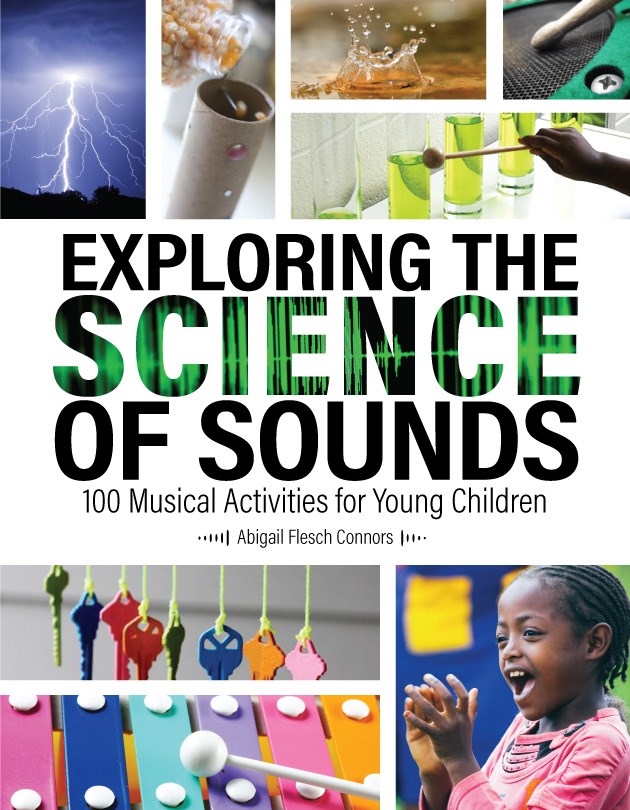
My latest professional development read is Exploring the Science of Sounds: 100 Music Activities for Young Children, by Abigail Flesch Connors. Since I enjoy singing songs and teaching my storytime kids fingerplays, I wanted to see how else I could bring music into my programs. Two of my colleagues have done great programs with musical instruments and musical play, so I want to get in on the fun!

Exploring the Science of Sounds: 100 Musical Activities for Young Children, by Abigail Flesch Connors,
(October 2017, Gryphon House), $16.95, ISBN: 9780876597316

Although aimed at professionals that work with kids from preschool to age 7, many of these activities are easily adaptable to toddlers. We get an explanation of the science behind sounds – pitch, tempo, musical instruments and how they make the sounds they make – and activities that translate to teachable moments for kids (and caregivers!). Teach kids to make their own guitar/harp/stringed instruments using a tissue box and rubber bands! Use different surfaces to understand how sound travels with different thicknesses! Every single activity in here will enrich a storytime or form the groundwork for a STEAM/STEM music program that kids will love. I’m putting this one in my professional development budget; I can see myself referring to this book again and again.

Posted in professional development

Professional Development Reading: Time for a Story

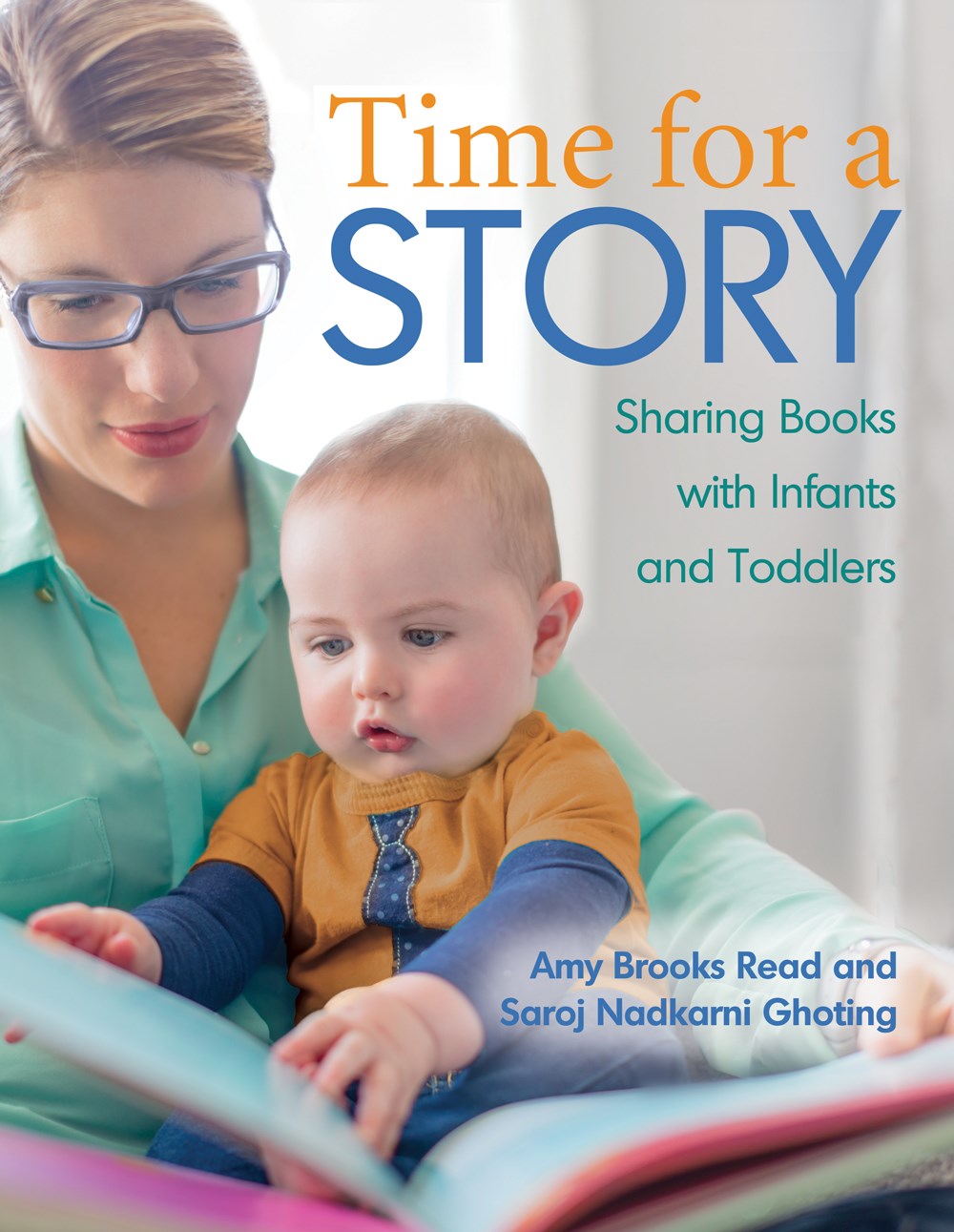
Time for a Story: Sharing Books with Infants and Toddlers, by Amy Brooks Read & Saroj Nadkarni Ghoting, (Nov. 2015, Gryphon House), $19.95, ISBN: 9780876596586

I’m always looking for new ways to learn within my profession and expand on that knowledge. And since the family finances are like, “Nuh-uh” when it comes to getting another grad degree, I’ve turned to books. There is some great stuff out there! Since I’m always in search of strengthening my storytimes, especially to babies and toddlers, I started with Time for a Story. Saroj Ghoting spoke at an in-service at my library one time, and I really liked the way she talked about storytelling and how to apply learning to storytime, so I jumped at the chance to read a book she had a hand in.

Time for a Story is a good start to digging into storytime and how to incorporate singing, play, talking, reading, and writing into any and every book you pick up. Amy Brooks Read and Saroj Ghoting have tips and reading lists ready for babies and toddlers, concentrating on the early childhood literacy and the best ways to introduce a lifelong love of reading in kids. Reading, you say? Yes, reading! Kids start making connections early – print awareness is wonderful, we all know that. Keep books all over the place for kids to develop that print awareness. Let them chew on those board books (not library books, though, PLEASE), let them hold books and turn pages. I hand out books for kids to hold onto and explore during my storytimes, so it was gratifying to read that here. I was also relieved to discover that it is okay for my kiddos to wander during storytime, and for me to keep reading – they’re still paying attention while they explore. Family Literacy Tips are great to post around your libraries and classrooms, and talk through with parents during storytime.

There are book lists and samples of ways to read different books. I appreciated the advice on reading wordless or sparsely worded books, like Peggy Rathmann’s Good Night Gorilla, because I feel like it’s an untapped resource for my storytimes.

This was a nice start to my professional development reading, with information that I will come back to. Saroj Ghoting has a very useful website where you can find resources in a multitude of languages, including Spanish and Chinese. Gryphon House has a video of Amy Brooks Read discussing storytime strategies on their website.

Posted in Non-Fiction, Uncategorized

Hands-On Science and Math makes learning fun!

9780876596500_a5605Hands-On Science and Math – Fun, Fascinating Activities for Young Children, by Beth R. Davis (July 2015, Gryphon House), $14.95, ISBN: 9780876596500

Recommended for educators and parents of preschoolers-age 8

I’m always on the lookout for books that have fun, easy activities for my younger patrons. Being a librarian in an urban, lower community  made up largely of working class and working poor families, I’ve got a lot of parents concerned about their kids’ progress in math and science. One thing I’ve been working on putting together is a series of science workshops for my younger patrons. I’m a bit clueless in this area, so I’ve been getting some help from my colleague at our Children’s Library and Discovery Center in Jamaica (seriously, go to this library and prepare to be amazed); I also keep an eye out for blogs, websites, and books that offer some ideas. Hands-On Science and Math is one of those books.

Loaded with experiments and ideas for kids from preschool to roughly third grade (you can skew older or younger, with easy tweaks on these experiments), Hands-On Science and Math gets kids thinking and using their five senses to explore the world around them. Each experiment comes with an explanation of the scientific concepts behind the experiment, STEM lessons to be gained from the experiments, and ways to link to the math and literacy in each one. I’ve already created a few sessions for the kids in my library, including using a Matchbox car, cardboard, a pile of books, and a measuring stick to learn about simple machines; examining the world around them using a magnifying glass, and the almighty baking soda volcano (I’ll be doing that one solo, but I’ll give them instructions they can try at home). I’ll be trying these out over the winter break!

Parents and educators can recreate these experiments on a small budget: most of the ingredients and objects can be found at dollar stores or are already in your home. There’s an appendix on graphing topics, a popular math and literacy link here, including questions with concrete answers you can use to graph results. Further resources are available for anyone who wants to read more about STEM activities and young children.

Author Beth R. Davis, EdS, NBCT, holds a bachelor’s degree in elementary education; a master’s degree in teaching English to speakers of other languages, or TESOL; and an education specialist degree in computer education. She is the director of Kids 4 Kids Academy preschool in Miami, Florida. I’m thrilled that she’s got experience in working with speakers of other languages; this talent comes through in her experimentation, and allows me to create these programs with my multicultural families. She offers more science activities for kids on her website, where you can also sign up to join her mailing list.