Posted in Intermediate, Middle Grade, Non-Fiction, Non-fiction, Non-Fiction, Tween Reads

Road Trip, Part Deux: NatGeo’s 125 Wacky Roadside Attractions

wacky125 Wacky Roadside Attractions, by National Geographic Kids, (May 2016, National Geographic Kids), $12.99, ISBN: 9781426324079

Recommended for ages 8+

Maybe your road trips tastes run a little more… unique. National Parks are beautiful, but what if you want to drive through a giant tree or see a giant boxing crocodile? If that’s the case, then NatGeo Kids’ 125 Wacky Roadside Attractions is just for you.

Part of the “125” series that includes 125 Cute Animals, 125 Cool Inventions, and 125 Amazing Pets, Wacky Roadside Attractions brings readers the craziest, wildest roadside hotels, statues, and other landmarks from all over the world. A world map labels and numbers all the attractions, should you want to start sticking pins in the places you want to go. Features cover anywhere from 1/2 a page to 2-page spreads, providing a brief description, location, and fast facts about each landmark. I was excited to see Wisconsin’s House on the Rock, which I first encountered in Neil Gaiman’s American Gods, and seeing Pedro from South of the Border brought me back to the road trips down to Florida that I’d take with my parents.

This book is just too much fun. It’s a crazy, fun road trip around the world that families will love to take together. Great photos and fun text against bright backgrounds make every page an eyecatcher. Add this to your collections, and vote on future attractions at NatGeo’s site.

south-of-the-border_1Me, my dad, and a gorilla at Fort Pedro, South of the Border, mid-80s


south-of-the-borderPedro welcomes you South of the Border! (image courtesy of The Dillon Herald)

This book is doing gangbusters at my library! The kids think it’s hilarious (the giant water fountain and the T-Rex you can hang out in are big favorites). I’m trying to think of a fun program – because that’s what I do with good books – that would incorporate the road trip mentality with a staycation budget. Maybe the kids and I will armchair travel every week, and put a pin in a different attraction on the map? Maybe we’ll find some new, wacky attractions along the way, or make up some of our own? I’ll let you know when we figure it out.

Posted in Early Reader, Intermediate, Non-Fiction, Non-Fiction, Non-Fiction

Celebrate diversity with The Barefoot Book of Children!

barefoot_1The Barefoot Book of Children, by Tessa Strickland and Kate DePalma/Illustrated by David Dean, (Oct. 2016, Barefoot Books), $19.99, ISBN: 9781782852964

Recommended for ages 3-8

“Every morning, millions of children open their eyes and start another day.”

Using broad statements and insightful questions about how we live, love, and play,  The Barefoot Book of Children introduces readers to children all around the world. David Dean’s bright, hand-painted illustrations show how families around the globe live; dress; and pray and worship. We get glimpses into the treasures we all keep, the stories we all have to tell, the meanings behind our very names. With questions like, “How do you share your love?” and “What will happen in your story?”, the book invites kids to come together and talk about their lives and their families, learning how we are unique and the same, all at once. Illustrated notes at the end of the book provide a deeper examination of the book, focusing on homes, special places, and hobbies featured in the book.

I’m from Queens, New York; one of the most diverse places in the country. The Barefoot Book of Children is what every library, every school, in my borough should be reading and making available to the kids we serve, because every child here will see themselves in this book. That’s tremendous. It brings us together by introducing us to other cultures through the familiar: play, family, home. The bright artwork is so inviting, you can’t help but pull up a comfortable seat and spend some time getting to know your world better.

I loved this book, and I think parents, educators, and most importantly, kids, will, too. Take a look at more of the book and consider adding it to your wish lists.

barefoot_5

barefoot_6

barefoot_4


Posted in Intermediate, Middle Grade, Non-Fiction, Non-fiction, Non-Fiction

Animal Planet’s Animal Atlas is a passport to the world’s habitats

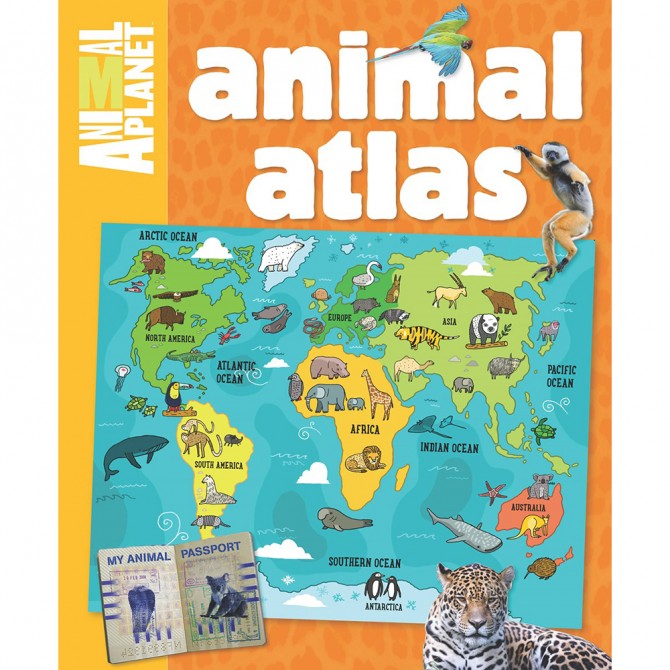
animal-planet-animal-atlas-hardcover-book-658_670Animal Planet Animal Atlas, by Animal Planet (May 2016, Animal Planet), $17.95, ISBN: 978-1618931658

Recommended for ages 7-10

I have tons of animal nonfiction books in my library, and I have a bunch of really good books on habitats, too.  What Animal Planet’s Animal Atlas does it bring together explanations of different biomes/habitats, and the animals who live in them on each continent and in the oceans of our world.

The atlas begins with a map to present the major biomes of the world, and describes each biome: alpine, desert, marine, grassland, rain forest, temperate forest, tundra, and taiga. Animal tour guides for each continent take readers through a look at different animals that inhabit each biome on each continent, and features like ROAR (Reach Out. Act. Respond.) – Animal Planet’s initiative, dedicated to improving the lives of animals worldwide – empower kids with knowledge about how humans are working to change the world for the better through conservation and protective measures. Surprisingly Human boxes provide facts about the similarities between animals and people. Each continent section ends with a spotlight on an animal from the area, giving readers a close-up look at animals like the bald eage, anaconda, or Sumatran tiger. Spotlights include a Where in the World section, where maps detail the animals’ living areas; Animals Facts, and information on what they eat and how animals adapt best to their environments.

Combining colorful illustration and full-color photographs of over 200 animals, the atlas is a great resource for young readers. It’s got information ready at a glance for my Corona Kids, who come in asking for books about various habitats and then, what animals live in those habitats. It’s a strong companion book for slightly bigger kids, who will need more in-depth books to complete a report, but it’s a great starting point for anyone who wants a little more info on different habitats, and who may not realize that different continents have so many different biomes. A brief glossary and index round it all out.

This is a good addition to primary nonfiction collections if you have strong books that provide more detail that kids can jump to if they want to go further into a topic. Or, if you’re like me, and your kiddo just loves learning about different animals, where they live, and what they eat, it’s a nice add to your bookshelf. The passport and guide animal features add a cute touch that brings something different and fun to learning. Hmmm… now, I’m thinking of an animal program for my Discovery Club… learning about a new animal each week, and stamping a “passport” with an animal sticker or stamp… I’ve got to talk to my Discovery Team!