I love coding and playing around with computer science-y type stuff. In my mind, I look like this:

When I create this. (This is actually mine! I created it using Scratch.)
I do my best to get science in front of my own kids, and my library kids, at every opportunity. The kids here at my library are Minecrafters, so I feel like I’ve got an in and am working on building a nice, tech-friendly nonfiction section; the next additions on my list are from the organization, Girls Who Code. If you aren’t familiar with Girls Who Code, they are a New York-based organization on a mission to close the gender gap in the tech industry and the classroom. They teach girls to embrace tech and to code, to create, and most importantly, not to fear science and math. Andrea Gonzalez and Sophie Hauser, two GWC grads, wrote Girl Code: Gaming, Going Viral, and Getting It Done, where they talk about their GWC experience.
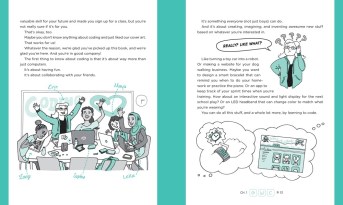
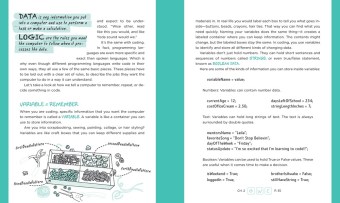
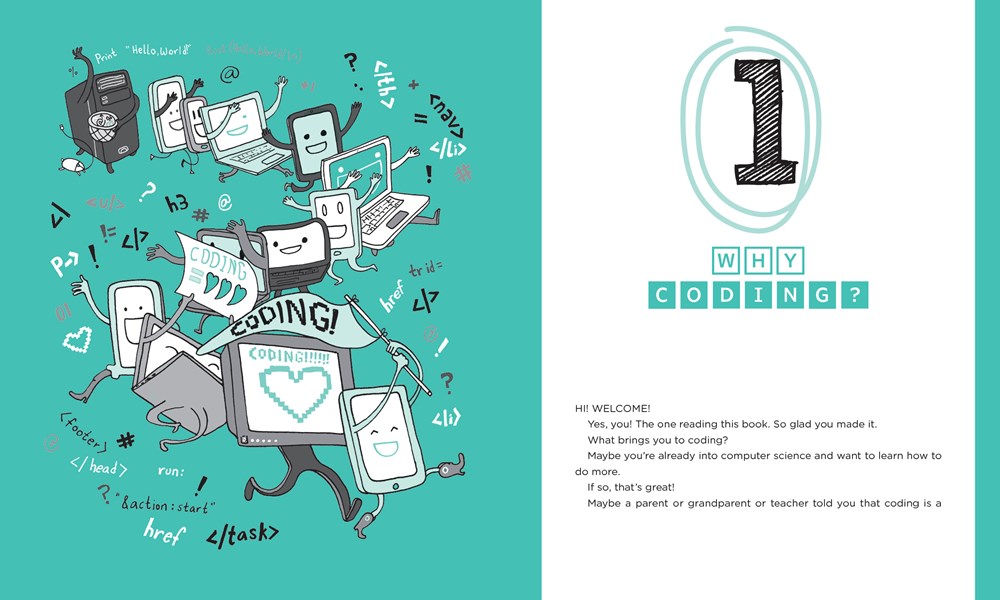
Now, Reshma Saujani, Girls Who Code founder, is releasing her own book, Girls Who Code: Learn to Code and Change the World (Aug. 2017, Viking, $17.99, ISBN: 978-0425287538). It’s a coding beginner’s guide, a spotlight on women in the computer science industry, an empowering career guide, and introduction to STEM for girls, all rolled up into one volume. It’s fun and easy to read, with Reshma speaking to readers in a comfortable, friendly voice; she gets some help from a group of illustrated, diverse girls: Lucy, Erin, Sophia, Leila, and Maya. The illustrated group of friends (more on them later) explain concepts and act as a step-by-step example of different stages of coding and creating.
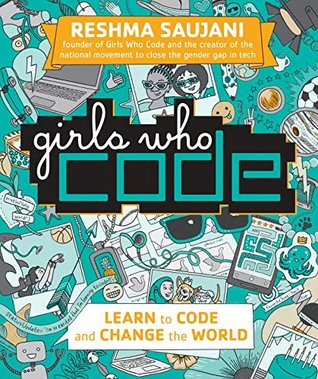
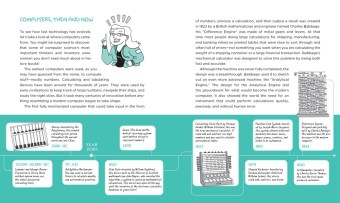
What sets Girls Who Code: Learn to Code and Change the World apart from all the other coding books out there? Glad you asked. The tone, for starters, is fun, light, and personal. Reshma and her group of illustrated friends are talking straight to readers. The two-color illustrations are fun, like those you’d find in a middle grade novel, and feature characters from different ethnicities; Leila rocks a hijab, Maya is an Asian fashionista with a sleek bob; Lucy is African-American, Sophia is Latina, and Erin is a blonde. The group of friends come together to create apps and problem solve their coding; we’re invited along for the ride. Not sure you want to go into computer science? That’s no problem, either: GWC points out how many careers and hobbies incorporate coding these days, from baking, to politics, to social justice, sports, and art. You’ll learn new terms, like pseudocode – that’s when you write out the steps of your program in plain language, to brainstorm and go over your program before starting to code. There are further Web resources and a glossary to complete this trusty guide to STEM life. Trust me, you’ll never look at the mere making of a peanut butter and jelly sandwich again after you read this.

Also arriving the same day as Girls Who Code: Learn to Code and Change the World is the first in a new GWC series of fiction chapter books, starring the Girls Who Code we met in the previous book: Lucy, Erin, Sophia, and Maya (Leila’s arriving in the next book) come together thanks to a coding club in the new adventure, The Friendship Code, by Stacia Deutsch.
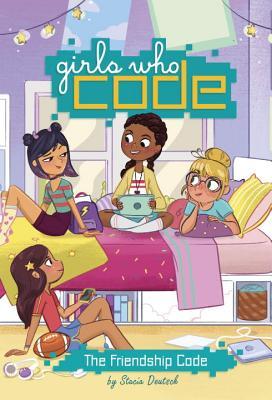 Girls Who Code: The Friendship Code, by Stacia Deutsch, (Aug. 2017, $12.99, ISBN: 9780399542510)
We get some background on each character: there’s been some past drama between Lucy and Sophia; Erin is an army brat who’s new in town; Maya is the fashionista who has a fashion column in the school newspaper; Sophia’s an athlete, and Lucy is fixated on learning to code so she can create an app to help her sick uncle remember to take his medicine. Thanks to the Coding Club, the girls learn that coding is more than just banging out numbers on computers (sometimes, to Lucy’s chagrin). With a fun mystery thrown in, the GWC series is like a Babysitter’s Club for a new group of tech-savvy kids. The series is great for intermediate-level readers; black and white illustrations and a quick pace make this novel a fun read that introduces younger middle graders to beginning coding terms and STEM. The mystery is even written in pseudocode – maybe a fun thing to introduce to your kids! Slip a pseudocode note into a lunchbox here, introduce a pseudocode scavenger hunt there… the possibilities stretch far and wide. Where Girls Who Code: Learn to Code, Change the World is best for your middle schoolers and upper middle graders, Girls Who Code: The Friendship Code is a great way to get younger middle graders familiar with the characters, the language of coding, and the fun of STEM.
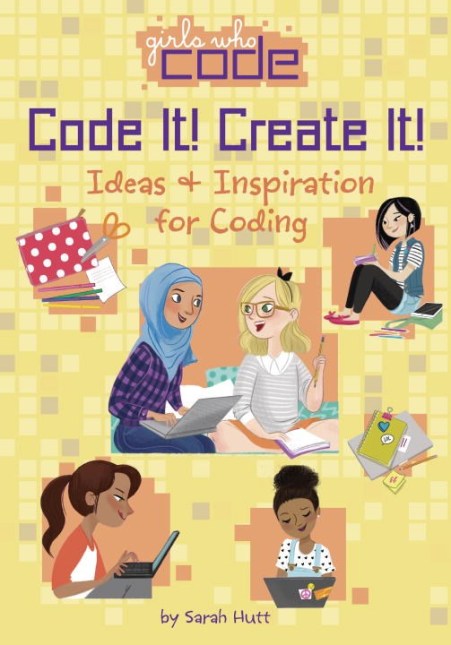
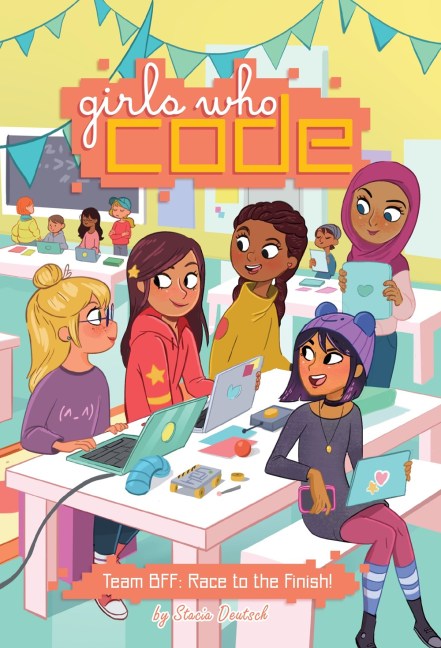
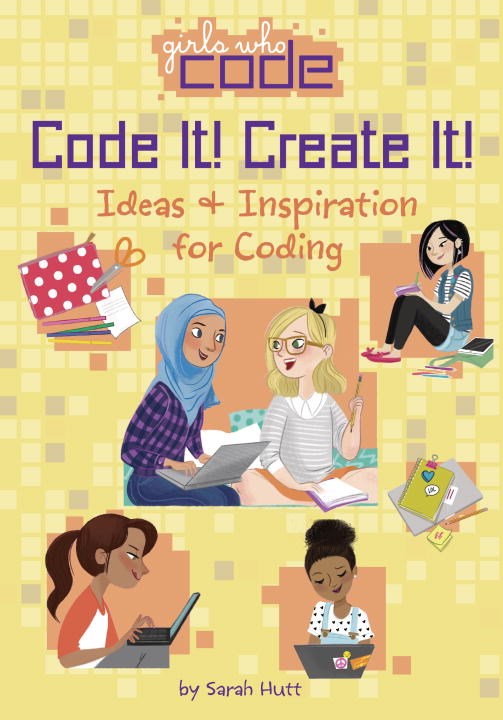
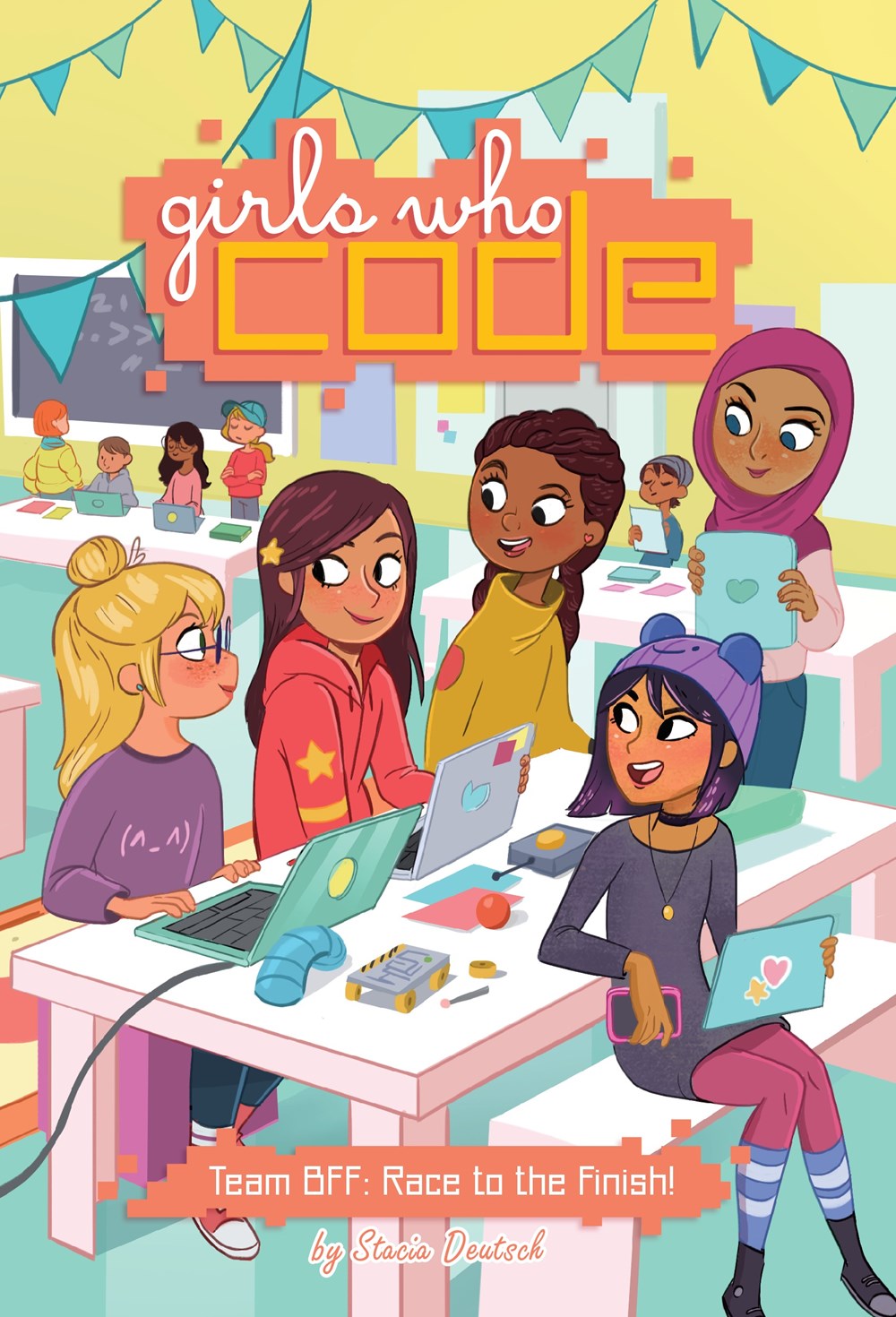
In October, we’re getting another nonfiction/fiction GWC combo, when Code It! Create It! and Team BFF: Race to the Rescue! hit shelves. I’ll be waiting!
 Children of Refuge (Children of Exile #2), by Margaret Peterson Haddix, (Sept. 2017, Simon & Schuster Books for Young Readers), $17.99, ISBN: 978-1442450066


 Mom Read It