Posted in picture books, Preschool Reads, Uncategorized

Saving Delicia: A Story About Small Seeds and Big Dreams

Saving Delicia: A Story About Small Seeds and Big Dreams, by Laura Gehl/Illustrated by Patricia Metola, (Apr. 2024, Flyaway Books), $19.00, ISBN: 9781947888449

Ages 3-7

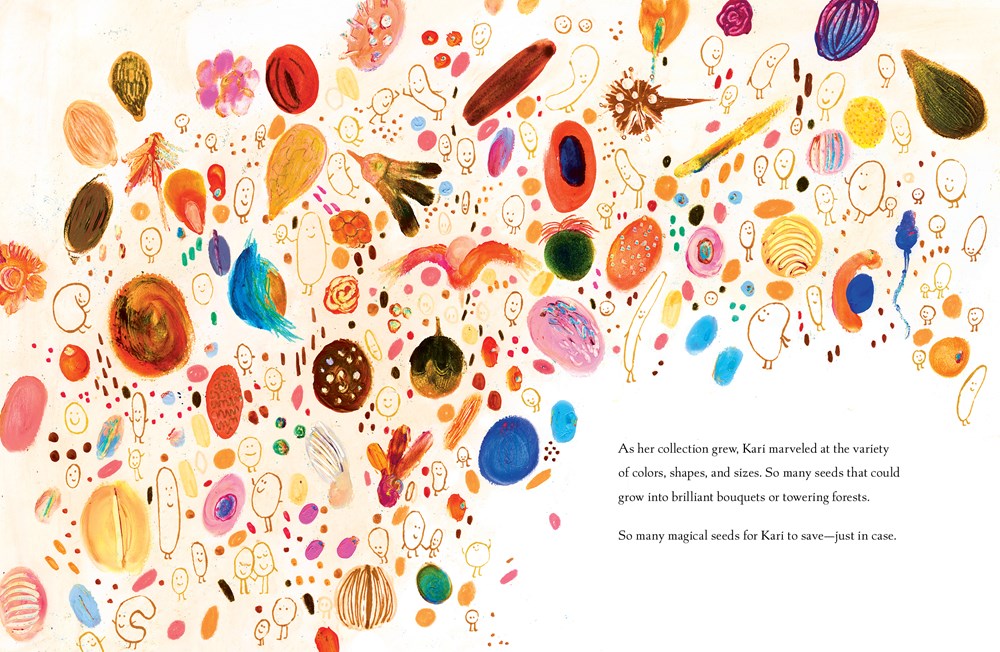
Kari and her dog Cookie sit in the shade of a delicia tree, listening to Old Otis tell stories about his youth, when delicia trees grew in abundance and he would eat fruit after fruit, the juice running down his chin. Blight has killed off all but one tree, but Kari holds hope. She saves the seeds after she eats the fruit, and asks Otis if he thinks she could bring the trees back. Moved to action, Kari learns about freezing and preserving seeds; her friends join her, and they create “Kari and Otis’s Seed Bank”, delighting Otis. Sadly, Otis and the last delicia tree die shortly after, but the following year, scientists solve the blight problem and Kari puts her seed bank to use. An older Kari sits among a delicia orchard, sharing stories with the children who cannot believe there was a time when there was only one delicia tree. A moving story of empathy, environmental stewardship, and intergenerational friendship, Saving Delicia is an excellent choice for Spring storytimes, and if you have a seed library (like my library!) or a gardening program, this is a must read. A note from the author expands on the importance of seed banks and biodiversity. The colorful illustrations are cheery, filled with hope, and show the incredible beauty of the many seeds that give life to beautiful and necessary plants: “So many seeds that could grow into brilliant bouquets or towering forests”. An essential for picture book collections.


Posted in picture books, Preschool Reads

Apple and Magnolia: A STEM story woven into a friendship tale

Apple and Magnolia, by Laura Gehl/Illustrated by Patricia Metola, (Feb. 2022, Flyaway Books), $18, ISBN: 9781947888357

Ages 3-7

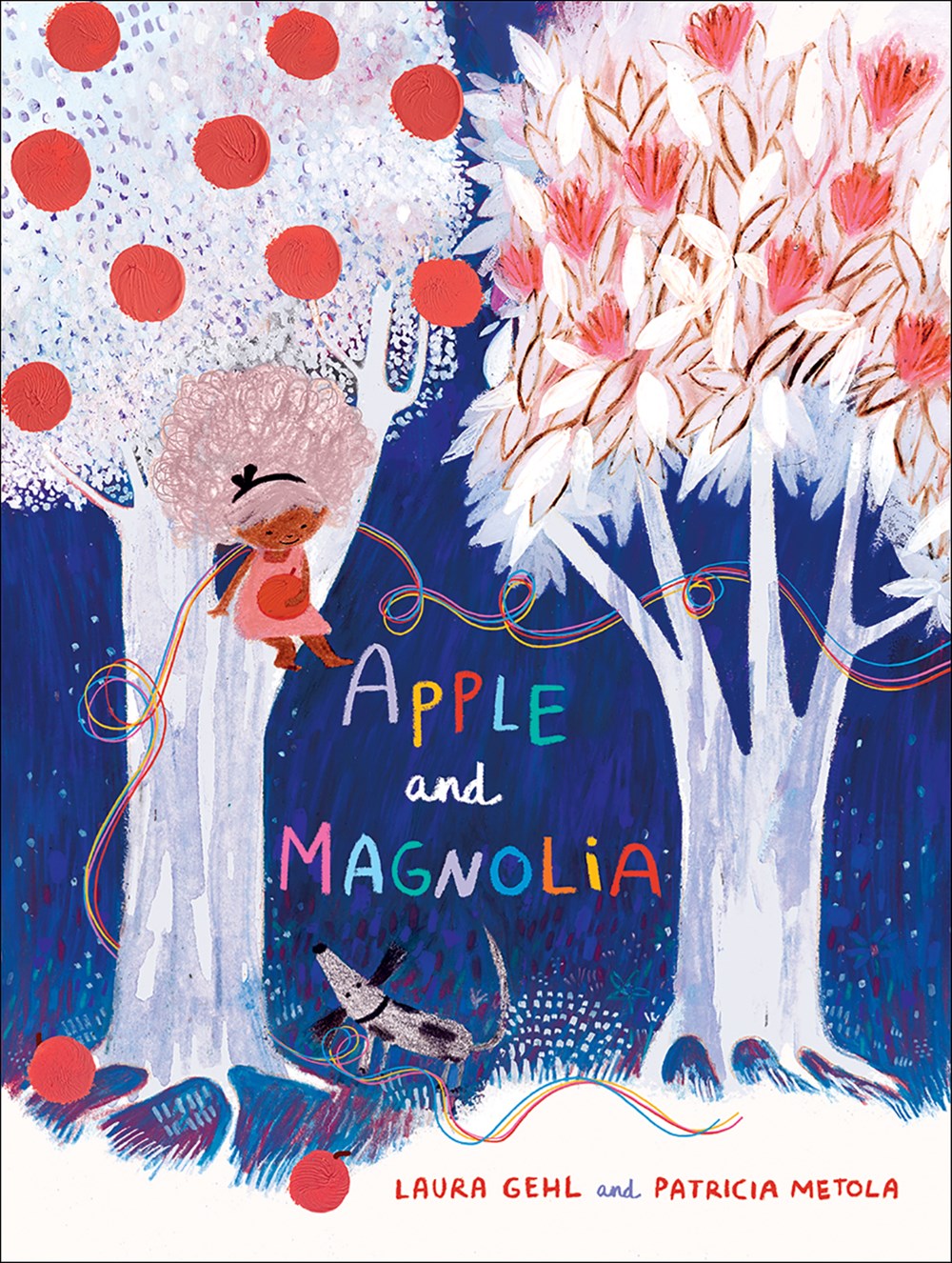
Apple and Magnolia are two trees with a connection, witnessed by a young girl of color named Britta. She enjoys the tree’s relationship to one another; her father and sister may not believe her, but her grandmother assures her that “unusual friendships can be the most powerful of all”. When Magnolia begins to show signs of being ill, Britta does her best to stay by her friends and support them both, using the scientific method to help facilitate the trees’ connection to the other: she connects two cups to a string so they can hear each other; wrapping a scarf between the two to feel each other’s warmth; measuring the distance between the trees to see if they are growing closer together, and journaling her findings, all with the support and love of her grandmother. Britta’s father and sister are largely for comic relief, providing the devil’s advocate side of science: the nay-sayer. Cheery illustrations that look like they could be taken from Britta’s own journal make this a wonderfully playful readaloud, including endpapers that depict Britta’s sketches of the trees and their flowers and fruit. Inspired by the science of trees and how they communicate with one another, Apple and Magnolia is a great storytime readaloud and perfection for a STEM storytime or Discovery Club-type story. Author Laura Gehl’s website has a free downloadable Educator’s Guide for Apple and Magnolia, plus resources her many of her other books.

For more information about trees and their relationships to one another, visit this NPR article on an ecologist who’s studied trees; this article from Smithsonian magazine; and this article from One Tree Planted. Andy Hirsch’s Science Comics Trees: Kings of the Forest also delves into these complex and amazing relationships.

Apple and Magnolia has starred reviews from Kirkus and Foreword Reviews.

Posted in picture books, Preschool Reads

What beast does your anger look like?

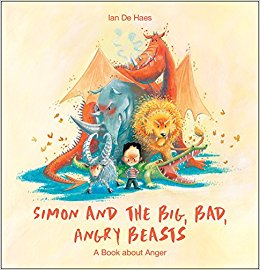
Simon and the Big, Bad, Angry Beasts: A Book About Anger, by Ian De Haes, (Apr. 2018, Flyaway Books), $16, ISBN: 9780664263553

Recommended for readers 4-7

Simon is a little boy with a BIG temper. And when his temper flares, he feels like different animals: a ramming goat, a roaring lion, even a giant dragon! At first, it feels wonderful to have that kind of control over people’s reactions, but eventually, who wants to worry about someone’s bad temper? Simon finds himself feeling pretty lonely until he learns how to tame some of those big, bad, angry beasts.

Simon and the Big, Bad, Angry Beasts is a smart, visual way to start a discussion about anger and anger management. Simon’s anger manifests as exceedingly larger animals as his temper runs unchecked, and his anger gives him a feeling of power: “It was great, it was marvelous, it was magical…” until his anger alienates everyone around him. Kids will enjoy and understand the powerful feelings that come with anger, and the illustrated beasts help with visualization, and can help kids communicate their feelings when tempers flare. Repetitive phrases like “it was great…” reinforces understanding – anger can make someone feel big and powerful, especially a child who may feel otherwise powerless – while leading into the moment where “it” is no longer great, marvelous, or magical, it is lonely; the story encourages readers to seek out meditation and relaxation practices to help, like Simon, control the beasts. A section for parents and educators at the end discusses anger management in children.

Simon and the Big, Bad, Angry Beasts is a nice addition to books on emotions and feelings. Similar books include Molly Bang’s When Sophie Gets Angry-Really, Really Angry and Rachel Vail’s Sometimes I’m Bombaloo.