Posted in picture books, Preschool Reads

Max’s Box helps kids manage emotions

Max’s Box, by Brian Wray/Illustrated by Shiloh Penfield, (Sept. 2019, Schiffer Books), $16.99, ISBN: 9780764358043

Ages 4-8

A young boy named Max receives a box from his parents; they tell him he can put everything in the box, so he starts putting his favorite toys in the box but quickly discovers that he can put feelings and emotions in the box, too. Unfortunately, as Max adds feelings to the box – hurt, embarrassment, frustration – the box becomes bigger and heavier to bear, and Max’s quality of life is affected: he can’t do things he used to enjoy, like riding a bike or climbing trees, because of the unwieldy, enormous box. Luckily, a prospective friend and a ladybug lead Max to a joyful, creative solution.

Max’s Box is a clean, easy-to-understand story about emotions, and how suppressing them can cast a shadow over everything we do. As the box first becomes loaded with Max’s physical clutter, his parents buy him a wagon to tote it around, asking him if the Box is getting too big for him. Max’s response, “I can carry it”, will resonate with adults and kids who feel like negative emotions can be a burden on others.  All it takes as a boy willing to keep Max company and a surprise visit from a ladybug to lift Max’s spirits and give him an idea: to create the image of a balloon, floating away; other see this and contribute their own balloons, communicating the value of creative visualization. The grey and white artwork gradually fills in with bright colors as Max and others lighten their loads, sending physical and emotional baggage free. As Max’s dad says, “It’s ok to have all kinds of feelings… but once you feel them, their job is done”. An author note about expressing emotion offers tips for adults who want to help children healthily manage and express their emotions.

A good read-aloud for younger grades that invites discussion. I’d love to see some parent-educator resources for this.

Posted in picture books, Preschool Reads

Angry Cookie is working through a bad mood

Angry Cookie, by Laura Dockrill/Illustrated Maria Karipidou, (March 2019, Candlewick Press), $16.99, ISBN: 9781536205442

Ages 3-7

Angry Cookie is NOT having a good day. From the first page, he’s mad and he wants readers to know it, calling the reader a nosy noodle and complaining about his annoying roommate, running out of his favorite toothpaste, getting a bad haircut, and having the ice cream parlor run out of his favorite sundae. He’s really, really mad, and there’s nothing you can do about it, you hear? But… once he realizes that the readers are sticking around, paying attention to him, he warms up a little, and lets us in on what’s really bugging him: no one listens to him. Nobody sticks around. Once Cookie realizes that he’s being heard, he softens up and even cracks a smile.

Angry Cookie zooms in on what we all really want: to be heard. And preschoolers, in particular, can relate to Cookie: they don’t want that burning, minty toothpaste, they want the fruity-flavored kind (this has been a HUGE issue in my own home), and they don’t want a stupid haircut, and heaven help us if a sibling is on his or her nerves or if a favorite snack isn’t available. Angry Cookie shows readers that it’s okay to be frustrated by things, and that someone is always there to listen. It’s a fun look at managing emotions, with laughs and snorts to be had along the way. The digital artwork is bright and bold, with all text communicated through word balloons and spoken by Cookie. Cookie is round and has a mop of wild red hair, blue overalls, and big, round eyes.

This is a good one for feelings and emotions collections, and a cute storytime pick. I’d pair with Claire Messer’s Grumpy Pants, The Bad Seed by Jory John, and – naturally – any of Mo Willems’ Pigeon books for a display or storytime on emotions and feelings.

Posted in picture books, Preschool Reads, Toddler Reads

Tiger Days: Let the animals be your guide to feelings!

Tiger Days: A Book of Feelings, by M.H. Clark/Illustrated by Anna Hurley, (March 2019, Compendium), $16.95, ISBN: 978-1-946873-41-5

Ages 3-6

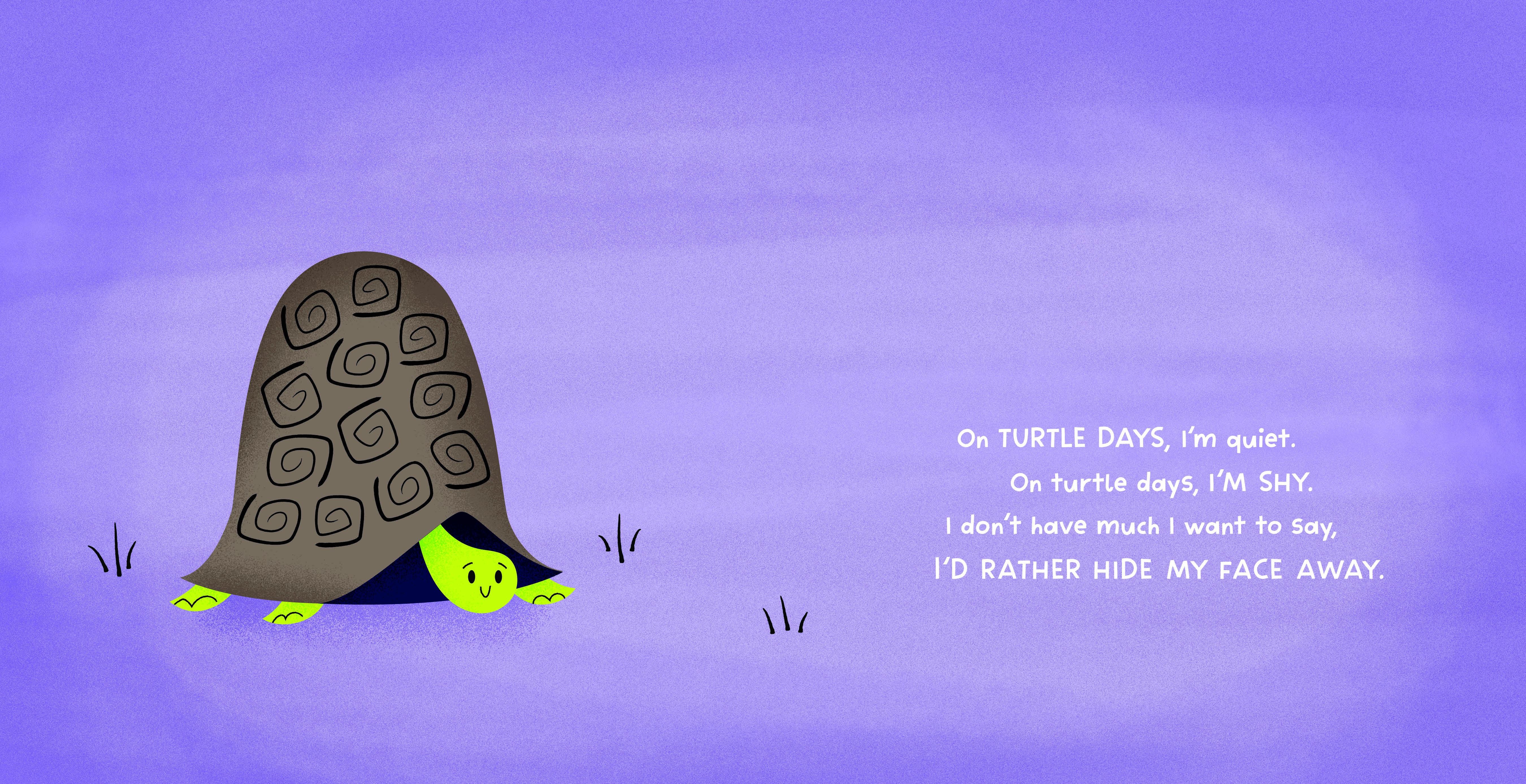
Tiger Days helps kids understand their emotions, and how to describe their feelings, by using animals to illustrate them. Ever feel like a rhino? So stubborn, no one can move you or change your mind? How about a silly monkey, all wiggly arms and legs, full of mischief and fun? Each spread is vividly colored, featuring a different animal, and characteristics of that animal that map to different moods. The background color of each page adds to the feel of each feeling; bright greens and yellows for happy rabbits and monkeys, who play across the pages; soft purple for a shy turtle; red for an angry bull. Each drawing is boldly lined and bright, popping off the page; fonts are capitalized to emphasize key words.

Tiger Days also lets kids know that their feelings are normal. No feelings are presented as “good” or “bad”; they just are, and this is how they can make people feel. I’d easily add this to one of my storytimes, including a yoga storytime, where I use animal poses. The kids’ favorite one tends to be the Lion Pose, where they get to open their mouths wide and roar. Linking feelings to mindfulness is a great way to help kids understand their feelings and be present for them, allowing them to describe and name what’s going on and furthering communication. Encourage your storytime kids roar, stamp the ground, or curl into their shells to describe different feelings! This would made a good time to break out some emoji flash cards, too; let the kids color the different faces and match them to animals mentioned in the book.

Tiger Days is a good book to have in your bookshelf, especially when you’re working with kids who are learning not only how to communicate with you, but to put words to things happening within themselves.


Posted in Non-fiction, professional development

Become an emotional explorer with three new books!

Schiffer has three new books by psychologists Maria Mercè Conangla and Jaume Soler, geared toward helping kids between ages 7-12 becomes “emotional explorers” and “emotional ecologists”: better able to become more in tune with their own emotions, and the emotions of everyone around them.

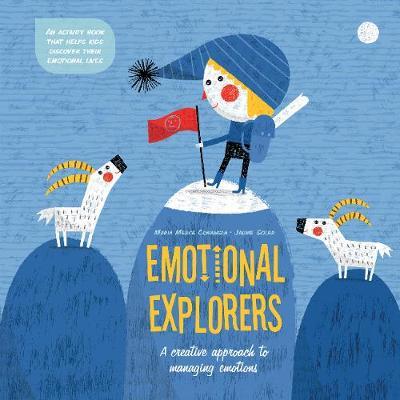
Emotional Explorers, by Maria Mercè Conangla and Jaume Soler, (Oct. 2018, Schiffer Publishing), $16.99, ISBN: 9780764355530

Ages 7-12

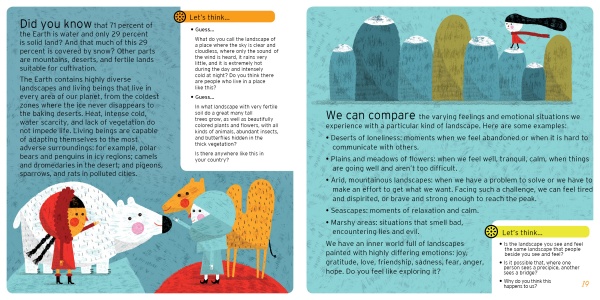
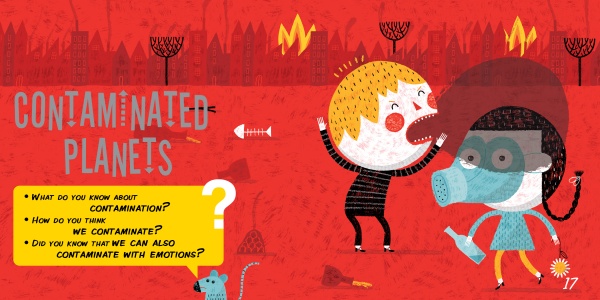
Emotional Explorers encourages kids to see environmental and emotional education as parallel ideas, each supporting the other, in support of the fact that we are tied to our planet; our environment, and that we affect our surroundings as they affect us. The table of contents offers five separate sections, each with discussion points to ponder before diving in. The idea of being part of two worlds: the inner planet – ourselves – and the outer planet – the world around us – is a big idea to wrap one’s head around, but at the same time, it makes perfect, simple sense. Thought-provoking questions have readers consider how we treat the world around us, and then, how we treat ourselves. From there, we move to emotional landscapes, adaptation, facing adversity, and creating protected spaces.

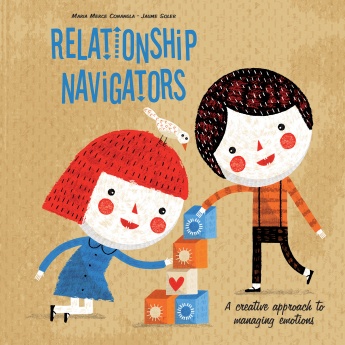
Relationship Navigators, by Maria Mercè Conangla and Jaume Soler, (Oct. 2018, Schiffer Publishing), $16.99, ISBN: 9780764355554

Ages 7-12

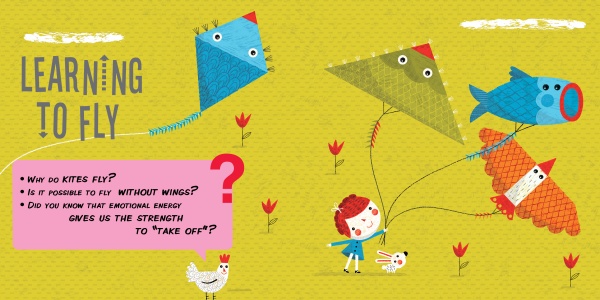
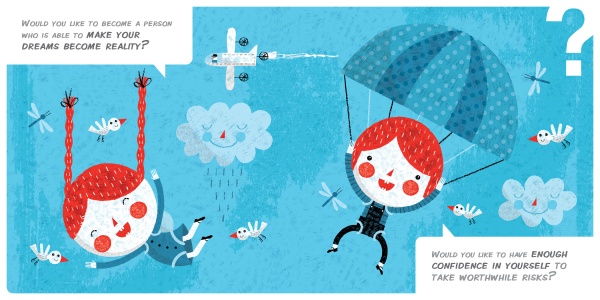
Relationship Navigators encourages kids to explore relationships and how to surround themselves with positive energy. Chapters include “Learning to Fly”, the opening chapter that explores what gives us wings versus what drags us down and keeps us from soaring; “Energies”, which explains how to differentiate positive energy from contaminated energy; and “Sowing Happiness”, where kids learn to plant the seeds for a happy life – and reminds readers that gardens require constant care.


Feelings Forecasters, by Maria Mercè Conangla and Jaume Soler, (Oct. 2018, Schiffer Publishing), $16.99, ISBN: 9780764356247

Ages 7-12

Feelings Forecasters explores “emotional meteorology”: our emotions and how they affect the world around us; emotional tsunamis that can rage out of control and overwhelm us; what to happen when our emotional management fails us and how carrying an “umbrella of self-esteem” can protect us from others’ emotional acid rain; and how to reduce, recycle, and transform emotional garbage. Thing about how emotions are often communicated: “stormy” relationships; “sunny” outlooks and “waves” of feeling, and you have a great way to open up a discussion on emotional meteorology.

Each book follows a specific structure, laid out at the beginning of the book. Activities, discussion prompts, and reflections throughout allow for discussion and introspection. The bright, bold, childlike artwork is eye-catching. Chunks of text on some of the pages may be a little intimidating to younger readers, and there is a lot to unpack in these books. This would be best served for educators and caregivers to use, particularly for younger readers, when working with emotions and how to manage them.

Posted in picture books, Preschool Reads

Empathy and fun make up the heart of The Sinking of Captain Otter

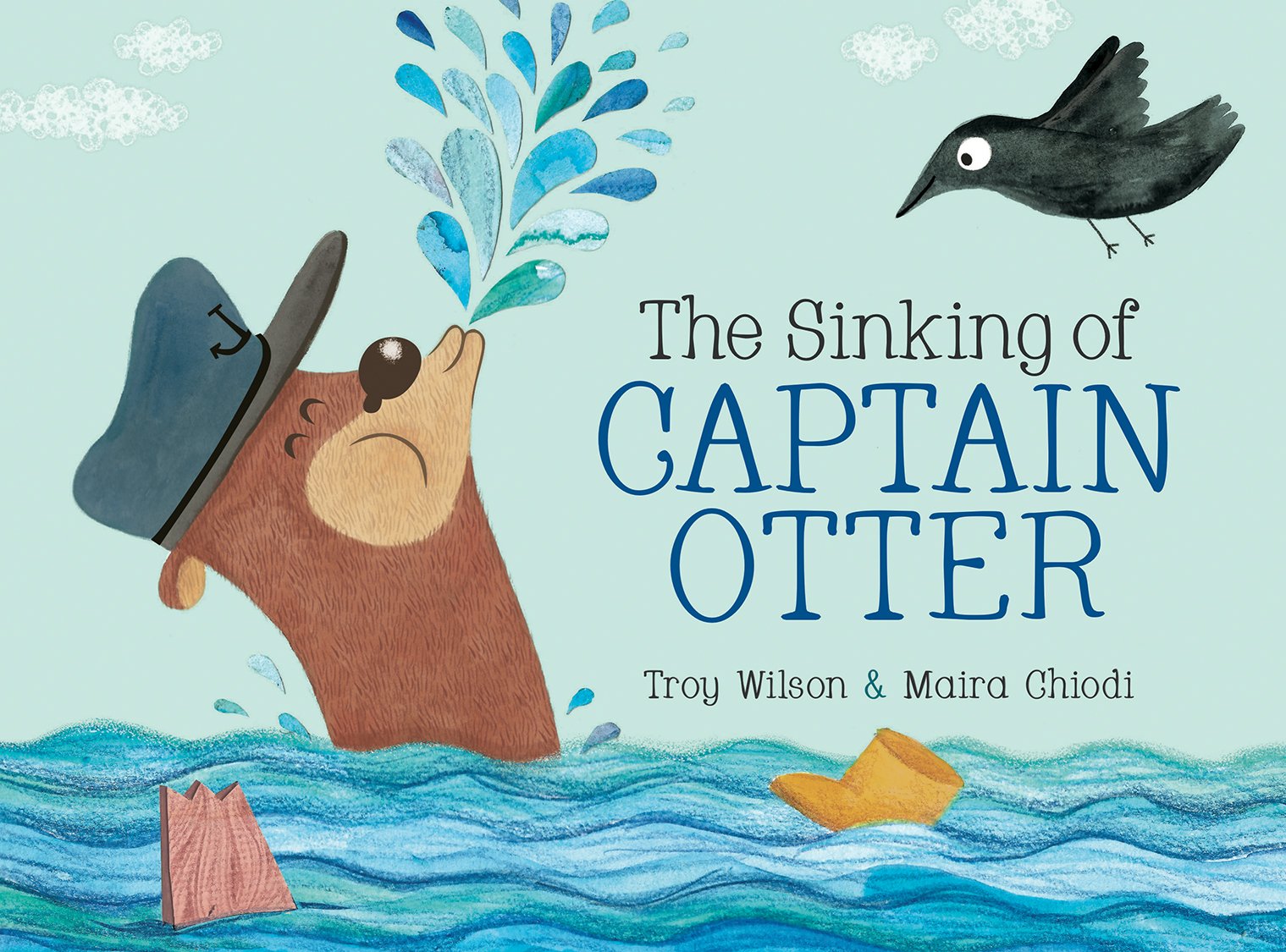
The Sinking of Captain Otter, by Troy Wilson/Illustrated by Maira Chiodi, (Oct. 2018, OwlKids Books), $17.99, ISBN: 9781771473118

Ages 4-7

Kelpy is an otter who loves the sea and fancies himself a sea captain. He’s got the heart for it. The head for it. He’s even got the hat for it! Building a ramshackle ship from scraps, that’s everything he could ever dream of, he sails the high seas, despite the cruel jokes and jabs from pirates, sharks, other otters, even the waves themselves. Sure, he cries a little, but he loves his ship and that’s that. But one day, he meets Blistering Blastering Butterbeard, a teeny, tiny pirate on a teeny, tiny boat of his own, who challenges Kelpy. Well, Kelpy can’t help it: he laughs, too. And Butterbeard cries a little. And then he cries a lot. Kelpy knows he has to do the right thing, and proceeds to cut up his ship to make Butterbeard feel better, telling him that his cannonball sunk the ship. Face to face, the two adversaries know what they have to do: rebuild their ships and play on!

Captain Otter is a story about empathy and doing unto others (or otters, as the case may be): Kelpy knows what it’s like to be laughed at and poked fun at, so when he does it to someone else – and sees the repercussions of his actions – he makes amends, paving the way to a brand new friendship. It’s a sweet story whose repetition drives home the important points of the story, particularly persistence and devotion (“He loved his ship. He loved her from keel to cabin to crow’s nest. So he took a deep breath, straightened his hat, and sailed on”). Scuttling his own ship to make Butterbeard feel better is a completely selfless act that opens the door to a friendship between the two; something we see as the two laugh together, play together, and share tea together, along with a black bird that appears in the story. It’s a good story for storytimes and to start a discussion on doing what you love, and how our actions affect others.

Posted in Toddler Reads

Adorable board books: actions, feelings, and opposites

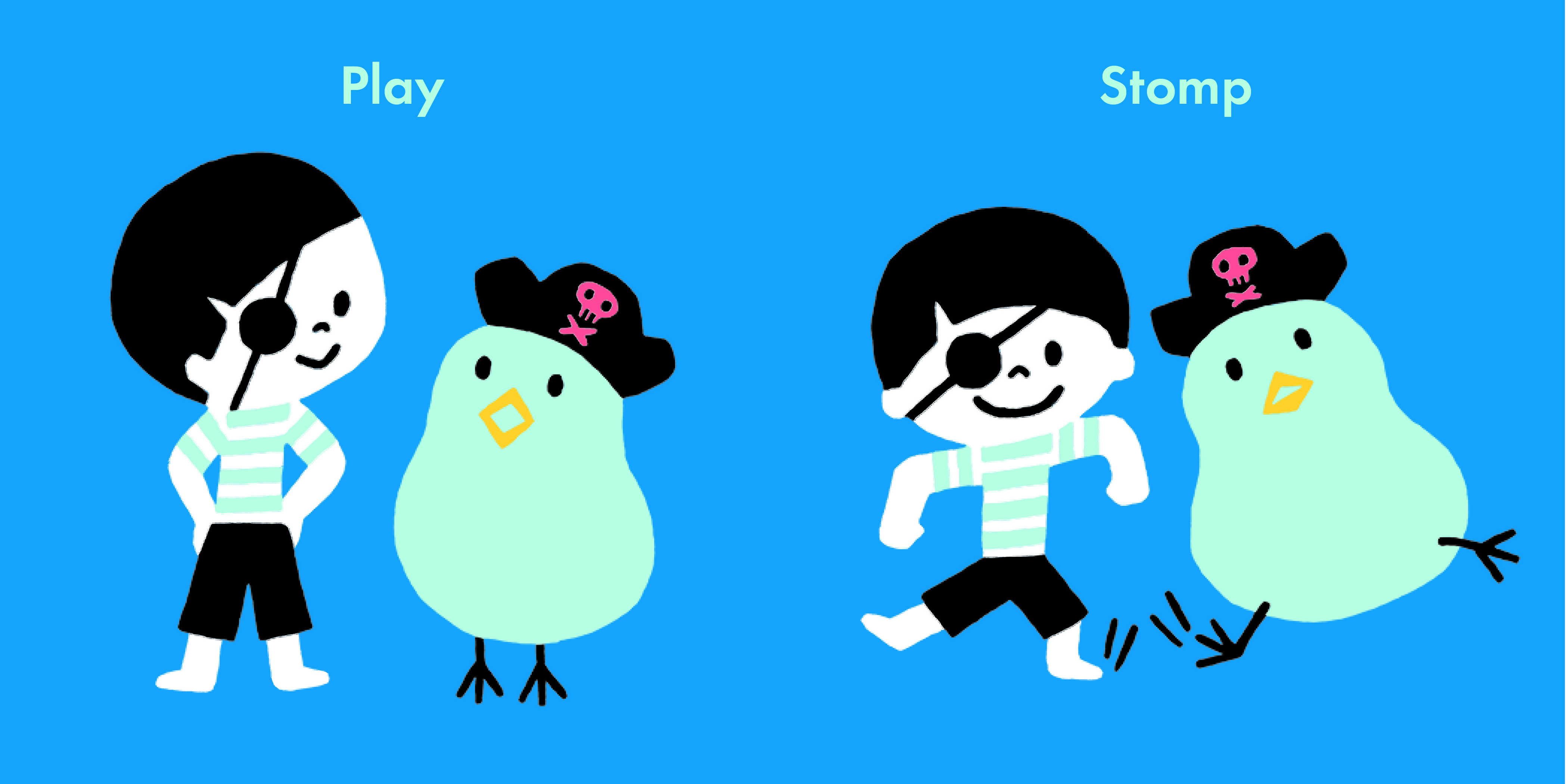
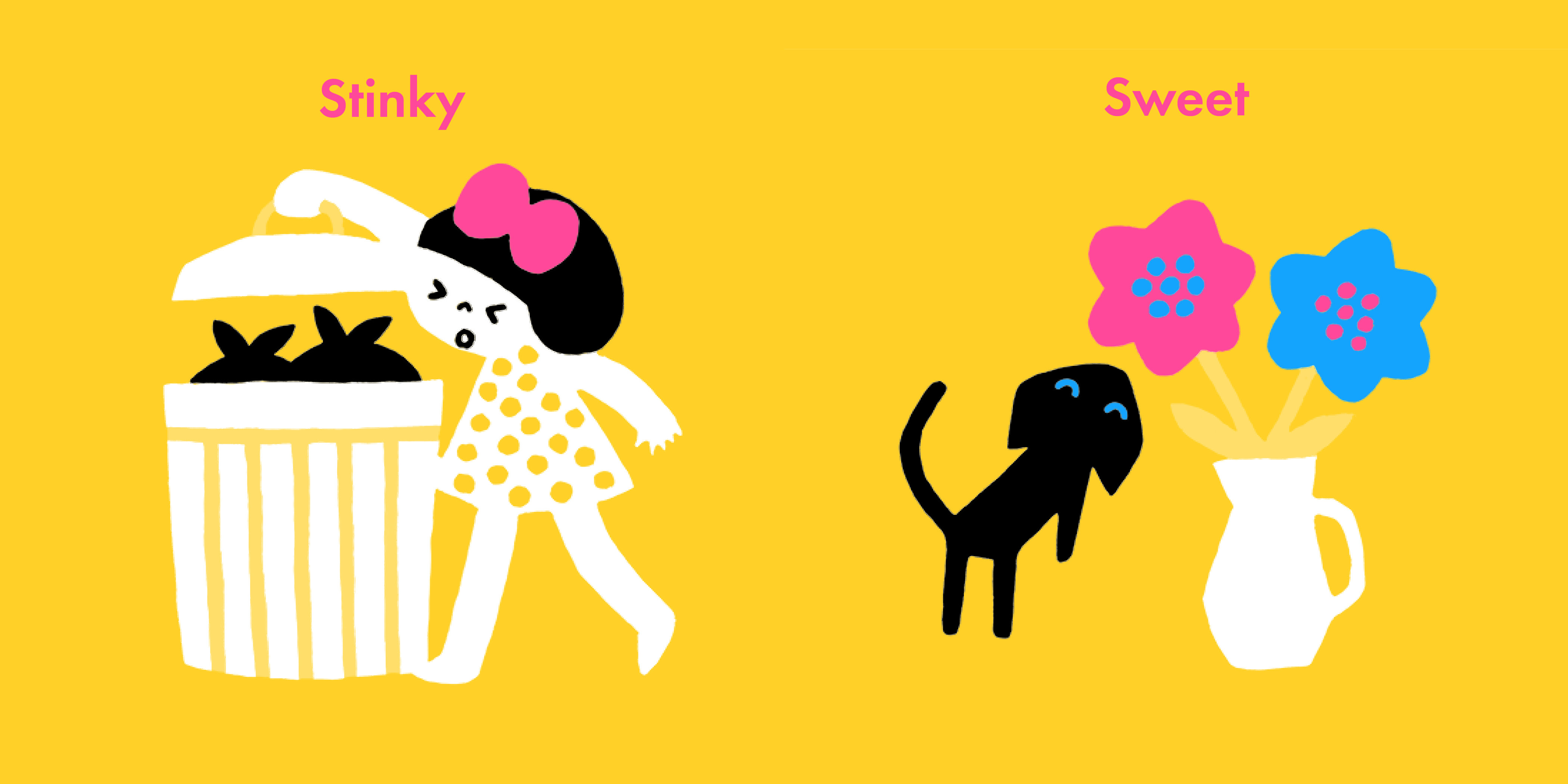
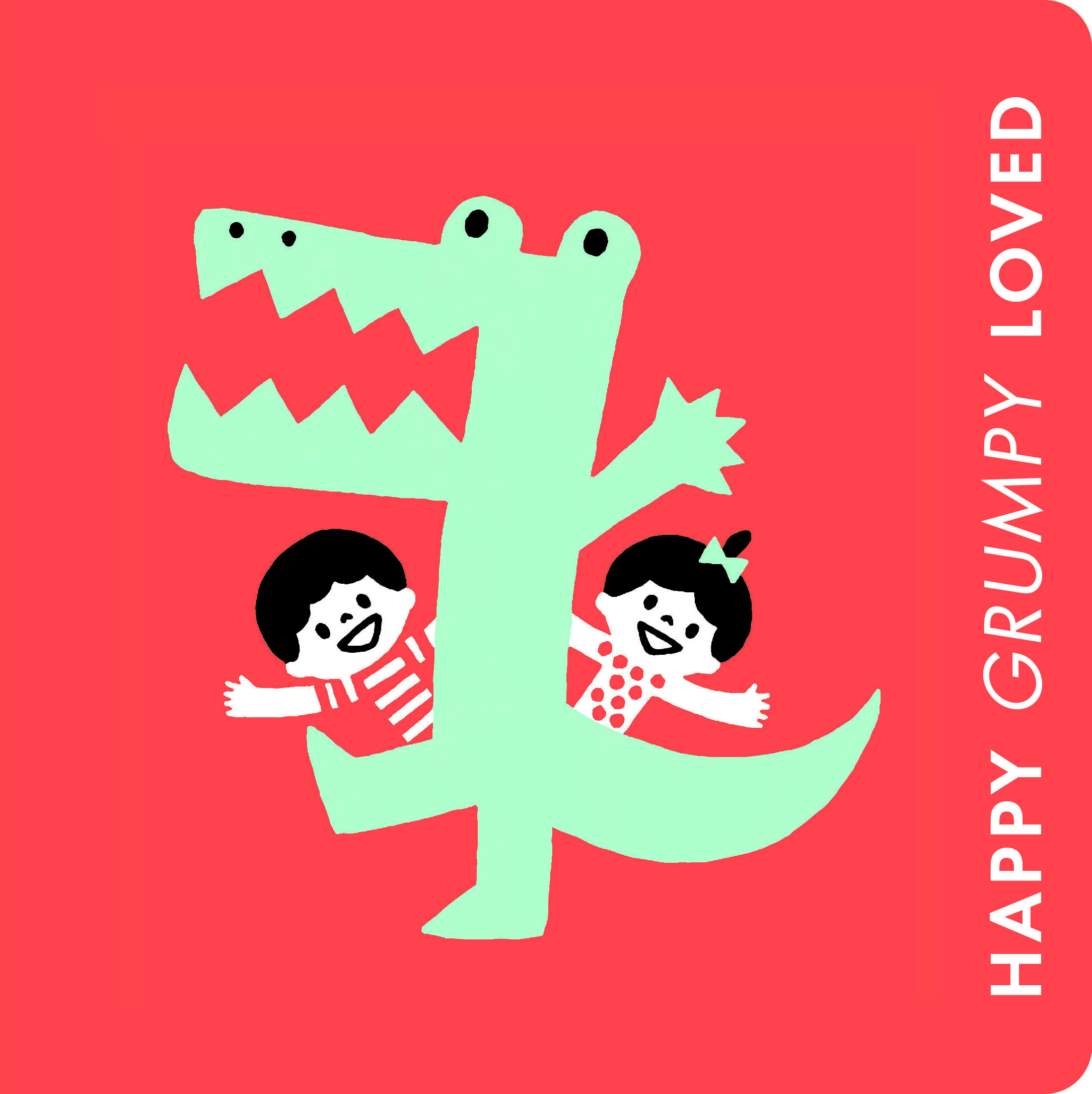
This board book trio from author Ruth Austin and illustrator Kanae Sato is just adorable: Wiggle Jump Tickle looks at action words; Hide Seek Stinky Sweet – one of the best board book titles ever – introduces readers to opposites; and Happy Grumpy Loved is all about feelings. Let’s dive in.

Wiggle Jump Tickle, by Ruth Austin/Illustrated by Kanae Sato, (June 2018, Compendium), $12.95, ISBN: 978-1946873095

Recommended for readers 0-3

A young boy and an egg demonstrate cause and effect using action words in this adorable board book. The boy sees and egg, and reaches for it; grabs the egg, and it wiggles; as the egg hatches, he and his new friend play together, introducing words like play, stomp, dance, and wiggle to new readers. The illustrations are bright and bold, emotive, joyfully playful, and loaded with action and movement. It’s a celebration of discovery and new friendship, perfect for developing readers and listeners.


Hide Seek Stinky Sweet, by Ruth Austin/Illustrated by Kanae Sato, (June 2018, Compendium), $12.95, ISBN: 978-1946873088

Recommended for readers 0-3

A young girl and her black cat introduce children to opposites in this fun little book. At the start of the day, the girl is asleep, until Kitty decides it’s time to give some morning kisses to awaken her. Throughout their day, the girl gives a piece of candy to the cat, who decides to take her slipper; the girl takes out the stinky garbage, while the cat smells the sweet flowers. Where the Wiggle Tickle Jump illustrations are set against a blue background, Hide Seek Stinky Sweet has bold illustrations set against a bright yellow background. The characters are cheerful; two friends enjoying a day together, and the bright, bold words pop off the page and make for easy reading.


Happy Grumpy Loved, by Ruth Austin/Illustrated by Kanae Sato, (June 2018, Compendium), $12.95, ISBN: 978-1946873071

Recommended for readers 0-3

A boy, a girl, and their alligator demonstrate words to describe feelings in Happy Grumpy Loved. The children and alligator frolic their way through a bright red/pink background, introducing kids to words like friendly and shy; embarrassed and worried; pleased and excited. There’s movement, expressive body language, and a slew of great new words to get little ears used to hearing. The words map wonderfully to the illustrations, helping readers learn nonverbal communication, and develop empathy. The friendly girl waves at a dog, a big smile on her face; her friends hang back, heads cast down and the boy hiding behind the alligator, because they are shy. The dog barks, causing the alligator to leap into the air, surprised; he runs away, scared.


These books are absolute fun and loaded with teachable moments. They teach children to put words to feelings, actions, and concepts, and they encourage empathy by allowing children to experience cause and effect from an onlooker’s perspective. In Happy Grumpy Loved, the boy is jealous that the girl and alligator play together without him; he reacts by becoming grumpy, and destroying the structure the two friends built. In the next spread, he continues to throw the blocks, because he is angry; then, when the smoke clears, he is sad. The alligator helps him rebuild the structure, which makes him pleased, and together, the two friends are excited at their new creation.  Each book follows a story path, using the words to introduce readers to new vocabulary, while relying on the illustrations to tell the story.

The books are especially sturdy, too. They’ll hold up under multiple reads, and kids will want to return to these again and again. Put these books on your board book shelves and give them to your toddlers to enjoy. These pair nicely with Todd Parr books like The Feelings Book and Big and Little, and Leslie Patricelli’s board and picture books like Higher, Higher, Yummy Yucky, and Huggy Kissy.

Posted in picture books, Preschool Reads

What beast does your anger look like?

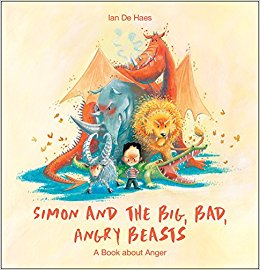
Simon and the Big, Bad, Angry Beasts: A Book About Anger, by Ian De Haes, (Apr. 2018, Flyaway Books), $16, ISBN: 9780664263553

Recommended for readers 4-7

Simon is a little boy with a BIG temper. And when his temper flares, he feels like different animals: a ramming goat, a roaring lion, even a giant dragon! At first, it feels wonderful to have that kind of control over people’s reactions, but eventually, who wants to worry about someone’s bad temper? Simon finds himself feeling pretty lonely until he learns how to tame some of those big, bad, angry beasts.

Simon and the Big, Bad, Angry Beasts is a smart, visual way to start a discussion about anger and anger management. Simon’s anger manifests as exceedingly larger animals as his temper runs unchecked, and his anger gives him a feeling of power: “It was great, it was marvelous, it was magical…” until his anger alienates everyone around him. Kids will enjoy and understand the powerful feelings that come with anger, and the illustrated beasts help with visualization, and can help kids communicate their feelings when tempers flare. Repetitive phrases like “it was great…” reinforces understanding – anger can make someone feel big and powerful, especially a child who may feel otherwise powerless – while leading into the moment where “it” is no longer great, marvelous, or magical, it is lonely; the story encourages readers to seek out meditation and relaxation practices to help, like Simon, control the beasts. A section for parents and educators at the end discusses anger management in children.

Simon and the Big, Bad, Angry Beasts is a nice addition to books on emotions and feelings. Similar books include Molly Bang’s When Sophie Gets Angry-Really, Really Angry and Rachel Vail’s Sometimes I’m Bombaloo.

Posted in Intermediate, Middle Grade, Non-fiction, Non-Fiction, picture books

Inspector Croc helps kids manage their emotions

Inspector Croc’s Emotion-O-Meter, by Susanna Isern/Illustrated by Mónica Carretero, (May 2018, NubeOCHO), $22.95, ISBN: 9788417123079

Recommended for readers 7-10

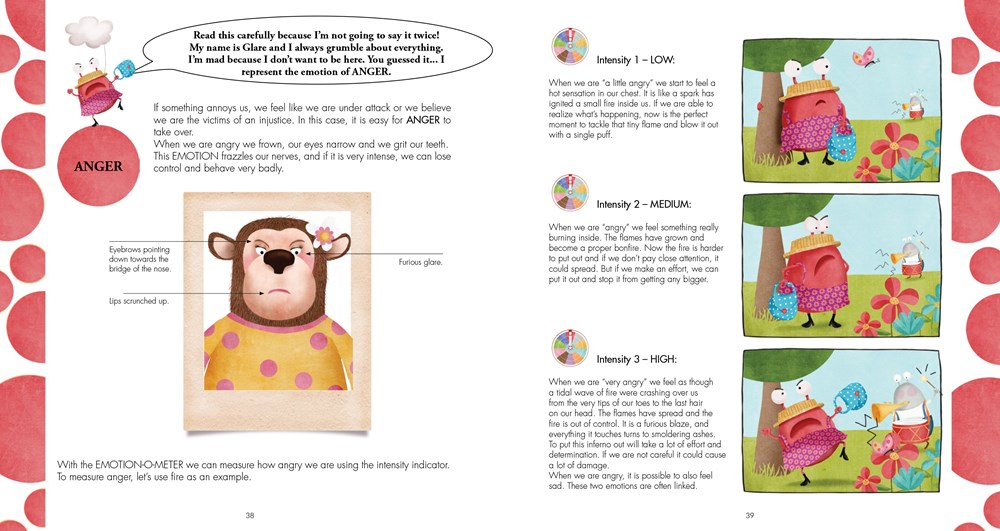
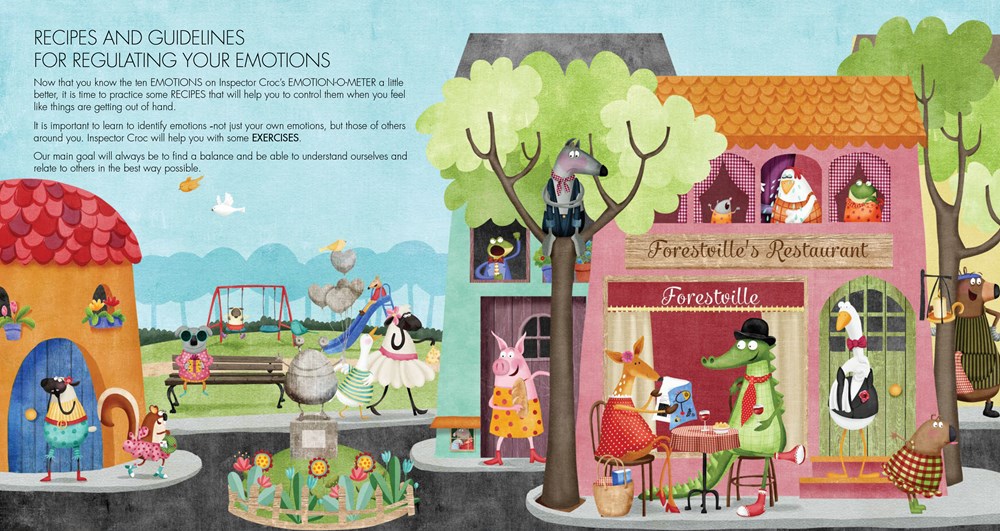
Inspector Croc, the great emotion inspector, is here to help kids identify and manage their emotions in this entertaining and insightful book from NubeOCHO. Accompanied by Yippee, an Emi (emotion) from a large family of emotions, kids will learn what an emotion is, how to identify behaviors associated with emotions, and read through Inspector Croc’s case files; 10 cases where emotions came into play. He introduces his Emotion-O-Meter, allowing kids to identify whether they are feeling emotions on a low, medium, or high level of intensity, and gives kids the ability to put their feelings into words. Finally, we get “recipes” for working with both good and bad emotions, and the Inspector explains that sometimes, emotions like sadness are good and right for us to feel, but that we also have to learn how to let them go when it’s time.

It’s a smart book that addresses ideas that can be tough for kids to identify and express; author Susanna Isern respectfully talks to readers and uses empowering language to promote understanding and courtesy. Mónica Carretero’s animal artwork is cartoony and light, but don’t dismiss that: she illustrates, in detail, various emotions and uses facial expressions to illuminate the physical changes our emotions bring about. It’s a very mindful book, and encourages self-exploration. The book has a dust jacket with an emotion-o-meter on the back cover, but if this book is used in a classroom or library setting, it’s not going to last: do yourselves a favor, and make this a great class project/library program. This would go wonderfully with a viewing of Pixar’s Inside Out (2015).

Inspector Croc’s Emotion-O-Meter is also available in Spanish.

Posted in Animal Fiction, Fiction, Graphic Novels, Intermediate, Preschool Reads, Toddler Reads

Books for your Spring radar!

Spring always brings some good books to read. In April and May, there’s a little something for everyone – come and see!

April Books

Dr. Coo and the Pigeon Protest, by Sarah Hampson/Illustrated by Kass Reich,
(Apr. 2018, Kids Can Press), $18.99, ISBN: 9781771383615
Recommended for readers 4-8
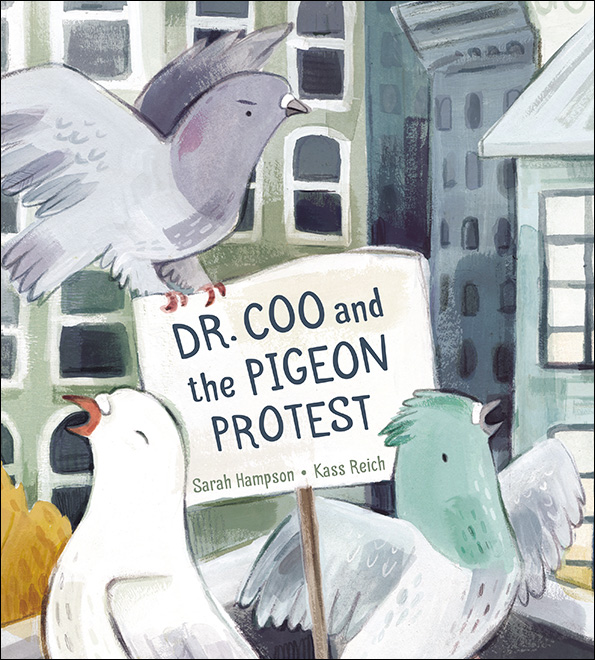
Dr. Archibald Coo is a sophisticated pigeon who’s tired of the way he and his fellow pigeons are treated by humans. They’re shooed at, swatted, and treated like a general menace. Dr. Coo remembers when pigeons enjoyed a higher profile in history: in ancient Greece, they delivered news about the Olympic Games; during World War I, they carried messages across battlefields. Now? pfft. So Dr. Coo and his pigeon friends organize and decide to strike: they disappear from every public space, leaving a confused public wondering what happened. Dr. Coo heads over to the mayor’s office a history of the pigeon and a note, asking for tolerance, opening the door to a new era of pigeon-human relations. It’s a cute urban story with a wink to New York and other urban spaces, and has a nice thread about inclusivity and diversity running through the book. Gouache paint and colored pencil art makes for a soft illustration, with attention to the different types of pigeons – there are! – in the cityscape. This would be cute to booktalk with James Sage’s Stop Feedin’ Da Boids!
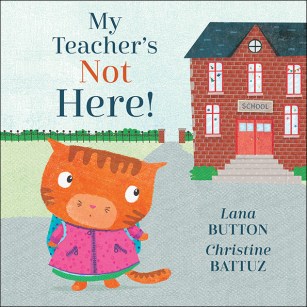
My Teacher’s Not Here!, by Lana Button/Illustrated by Christine Battuz,
(Apr. 2018, Kids Can Press), $18.99, ISBN: 9781771383561
Recommended for readers 4-6
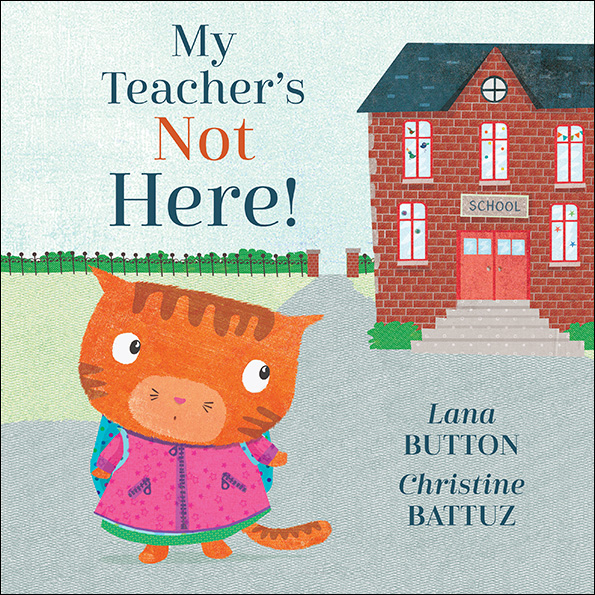
Kitty gets to school and knows something’s up when her teacher, Miss Seabrooke, isn’t there to meet her. What’s going on? There’s another teacher there today! How does school even work when your teacher is absent? This sweet rhyming tale about a student’s first substitute teacher is great for younger kids who are just getting into the swing of school routines and provides some fun advice for coping with and adjusting to unexpected change. Kitty teaches readers some coping strategies, including helping out her friends and the teacher by contributing to class and modeling good behavior using cues she learned from her teacher, that the substitute may not be aware of. This is an animal story, so kids will enjoy seeing the “ginormously tall” teacher, a giraffe named Mr. Omar; pigs, elephants, bears, a whole menagerie of students. Hand-drawn artwork and digital collage come together to create colorful, textured, cartoony fun. This one’s a good addition to preschool and primary collections.
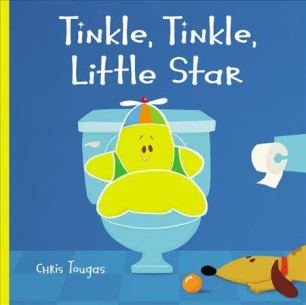
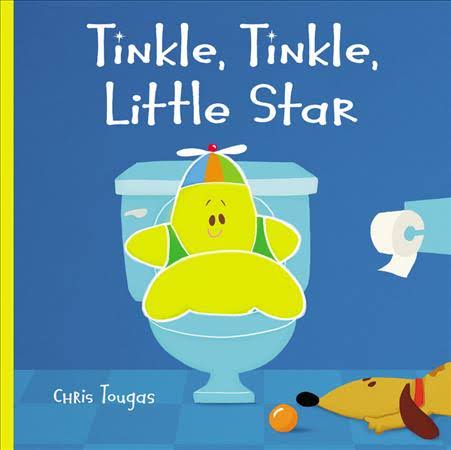
Tinkle, Tinkle Little Star, by Chris Tougas,
(Apr. 2018, Kids Can Press), $9.99, ISBN: 9781771388399
Recommended for readers 1-3
One of my favorite books coming out this season is this adorable board book! Set to the tune of everybody’s favorite classic song, this sweet and funny version is all about where not to go: not in a plane, not on Grandpa’s knee, not at a puppet show. Luckily, the poor Little Star gets relief by the story’s end, and sits on a potty to… “Tinkle, Tinkle, Little Star”. It’s adorable with the cutest digital art. Little Star is beyond cute, and gender neutral! Sing along at storytime – I know I’ll be throwing plenty of voice inflection (“Did you just pee on this page?”) and leg-crossing as I read this one. Absolutely adorable, must-add, must-give for collections and toddlers everywhere.

May Books

Polly Diamond and the Magic Book, by Alice Kuipers/Illustrated by Diana Toledano,
(May 2018, Chronicle), $16.99, ISBN: 9781452152325
Recommended for readers 7-9
Polly Diamond is an aspiring, biracial young writer who discovers a magic book on her doorstep one day. Not only does the book write back to her when she writes in it, Everything she writes in the book happens in real life! At first, Polly is psyched: who wouldn’t be, right? But you know how it goes… for every magic journal action, there’s a pretty wild reaction! Written in the first person, with excerpts from Polly’s book, including a pretty great intermediate-level book list for awesome display purposes (“Read Polly Diamond’s favorite books HERE!”). Chapter book readers who love books like Juana and Lucas (on Polly’s favorites list), Jasmine Toguchi, and Katie Woo will thoroughly enjoy Polly’s adventures. There are short, descriptive sentences and a nice amount of new words – Polly is an aspiring writer, after all! Lots of fun for chapter book readers; I’d have kids create their own aquariums as a related craft.
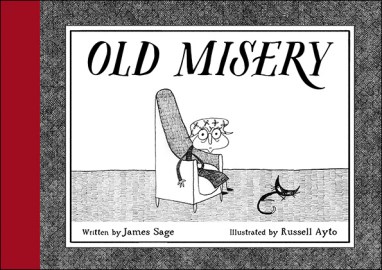
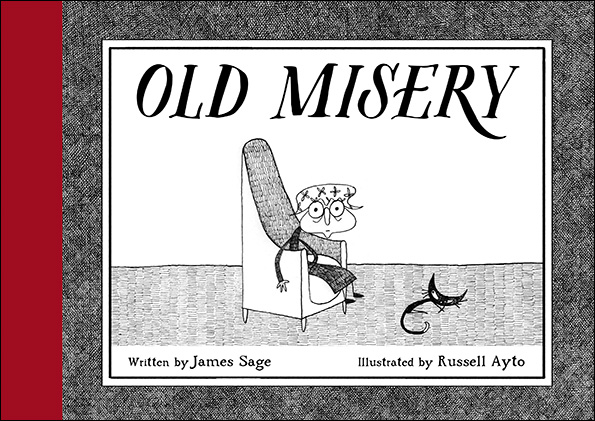
Old Misery, by James Sage/Illustrated by Russell Ayto,
(May 2018, Kids Can Press), $16.99, ISBN: 9781771388238
Recommended for readers 5-10
Readers with a darker sense of humor (and parents who are Gorey fans) will get a chuckle out of Old Misery, the story of a cranky old woman named – you got it – Old Misery, and her old cat, Rutterkin. She’s broke, and the apples keep disappearing from her apple tree! Lucky for Old Misery, she’s not completely heartless and feeds a wandering visitor, who grants her one wish: she wants all the apple thieves to be caught in the tree until she lets them go! Old Misery decides to play a little risky game when Death himself shows up at her door – and she sends him to the apple tree. Be careful what you wish for! The black and white, pen and ink artwork has a creepy, quirky feel to it, which will appeal to kids who like Lemony Snicket’s work, but may go over some kids’ heads. Old Misery narrates the story, offering an opportunity for a fun read-aloud.
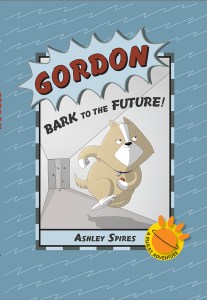
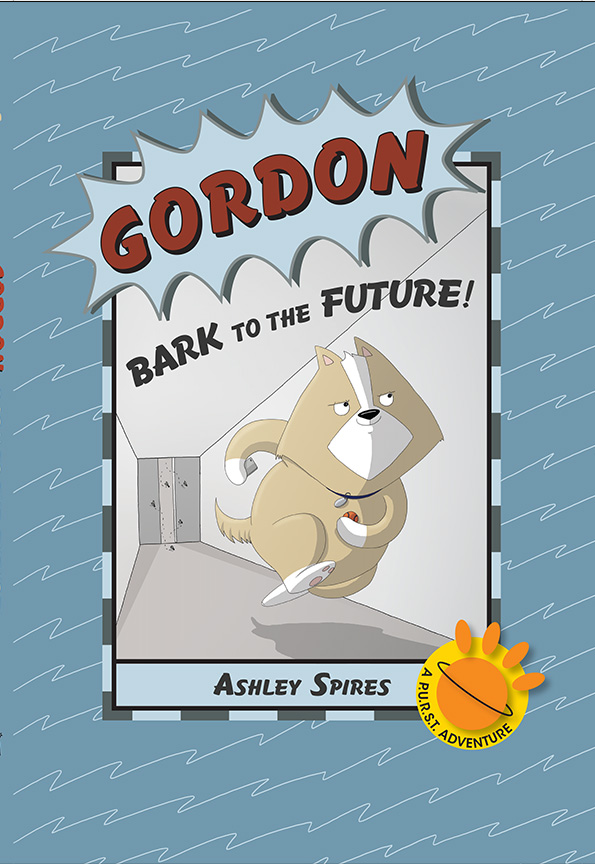
Binky fans, Gordon’s got his own adventure! For readers who love Ashley Spires’ Binky the Space Cat graphic novels will love Gordon, fellow member of PURST (Pets of the Universe Ready for Space Travel) and Binky’s house-mate, as he finds himself traveling through time to stop an alien invasion. But Gordon travels back too far – before PURST even exists! He’s got to get back to his normal time and set things right! This is fun reading for graphic novel fans, and a nice addition to a popular series. There’s time-travel, problem-solving, aliens, and humor, along with fun art.

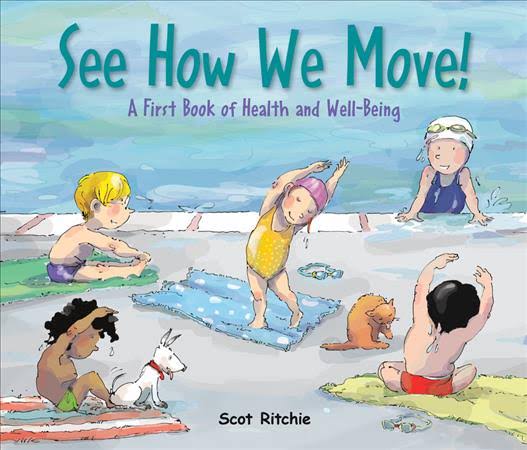
See How We Move!: A First Book of Health and Well-Being, by Scot Ritchie,
(May 2018, Kids Can Press), $15.99, ISBN: 9781771389679

Recommended for readers 5-8
Author Scot Ritchie’s multicultural group of friends are back together again. Last time we save them, they visited a farm to learn how to grow grains and vegetables in See How We Eat!; this time, Pedro, Yulee, Nick, Sally, and Martin are training as their swim team, The Flying Sharks, prepares to compete. They learn about using proper equipment for different activities, warming up before beginning your activity, teamwork and encouragement, goal-setting, nutrition, the mind-body connection, and more. There are suggestions for fun activities and words to know, all coming together to give kids a fun story about a group of friends staying strong and having fun together while encouraging kids to create lifelong habits of health, nutrition, and physical fitness. I like this See How! series; it offers a wealth of information on healthy living, made accessible to younger readers. I can easily read this in a storytime and get the kids talking about the different ways they play, how they eat, and good habits to get into.
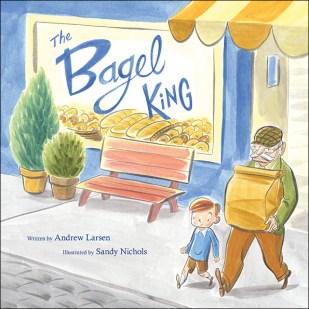
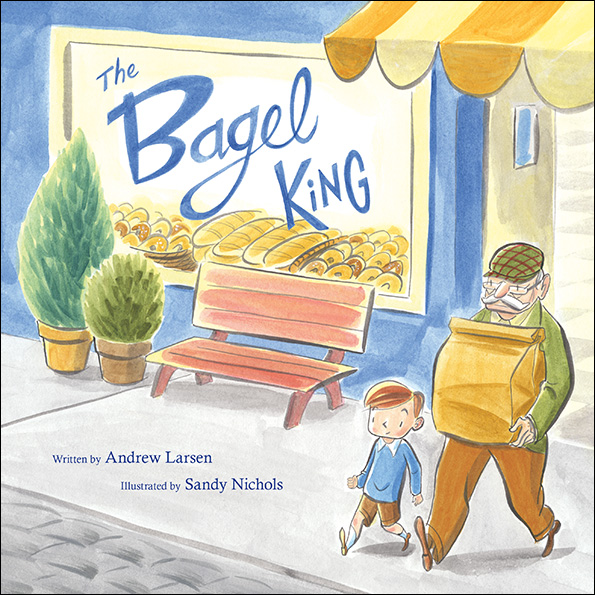
The Bagel King, by Andrew Larsen/Illustrated by Sandy Nichols,
(May 2018, Kids Can Press), $16.99, ISBN; 978-1-77138-574-9
Recommended for readers 4-8

Zaida, Eli’s grandfather, gets bagels from Merv’s Bakery every Sunday morning. One morning, when no bagels show up, Eli gets a phone call: Zaida’s fallen on his tuchus and can’t get the bagels! Eli and his family aren’t the only ones waiting on bagels, either – Eli visits Zaida, only to discover that Zaida’s friends are verklempt, too. No bagels! What a shanda, as my stepdad would say! Eli helps care for his zaida and keep him company, but he knows the best way to cheer Zaida up, and heads to the bagel store on his own the very next Sunday. This story is the most charming book about grandparents and grandchildren, loaded with compassion, a wink and nudge type of humor, and loads of fun, new Yiddish terminology. If you’re an urban dweller, like me, these words are kind of a second language: Zaida is grandfather, and tuchus is your bottom; there’s a little glossary of other Yiddish words that show up in the story, too. (Verklempt is overwhelmed with emotion, and shanda is a shame – you won’t find them in the story, but all I could hear was my stepdad when I read this, so there you go.) I loved the sweet storytelling, the compassion and the decision to act on Eli’s part, and Zaida and his group of friends were wonderful. It’s got an urban flavor that everyone will enjoy, and is good storytelling. Use this story as an opportunity to get your kids talking about relationships with their grandparents: what do you call your grandparents? Do they cook, bake, or shop for food? Do you go with them? (I’d love to get some bagels to hand out with my group… hmmm…) The acrylic artwork has a soft, almost retro feel, but really emphasizes the relationship story with colors, gentle expressions, and soft lines.
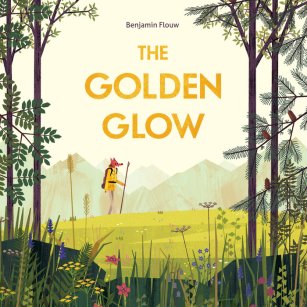
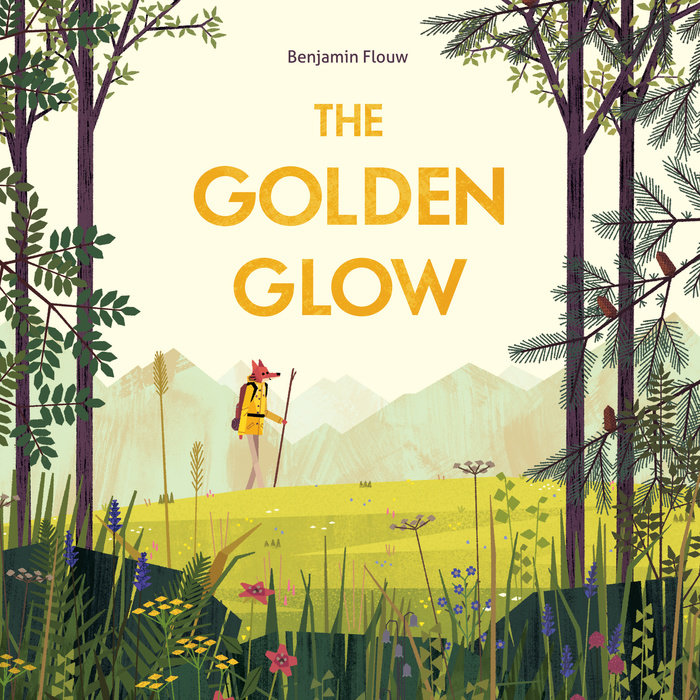
The Golden Glow, by Benjamin Flouw,
(May 2018, Tundra/Penguin Random House), $17.99, ISBN: 9780735264120

Recommended for readers 4-8
A fox who loves nature and botany goes on a quest for a rare plant to add to his collection. The Golden Glow is a plant from the Wellhidden family, and only grows high in the mountains. There’s not even a picture of it; it’s never been described. Fox packs his supplies and heads off to the mountains, meeting different animals and noting different plants and trees along the way. When Fox finally reaches the mountaintop, he waits… and discovers the Golden Glow! It’s stunning! It’s breathtaking! And Fox realizes that “the golden glow is more beautiful here on the mountaintop than it ever would be in a vase in his living room”. Part story and part nature journal, The Golden Glow is just gorgeous and teaches a respect for nature. The angular art draws the eye in; there’s so much to see on every page, every spread. Flouw creates detailed lists of Fox’s hiking pack, plus trees and flowers that he encounters on his way, and a map of different zones on the way up to the mountain, from the foothill to snow zones, all in beautiful detail for younger readers to enjoy. Fox’s decision to leave the flower where it is presents a love of and respect for nature that can lead to a great discussion on conservation. Bright red endpapers with angular design could be a topographic map of the area – talk about how different areas look from above! I know it’s way early, but I’ll quietly whisper this one now: Caldecott contender.
Posted in Early Reader, Preschool Reads

A mirror unites a boy’s homes in The Mirror in Mommy’s House/The Mirror in Daddy’s House

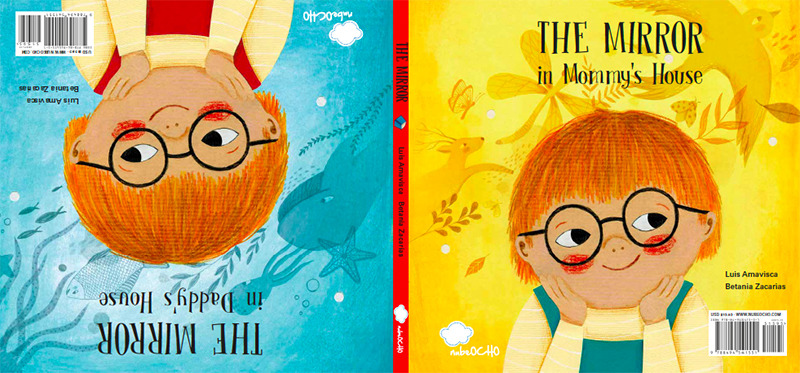
The Mirror in Mommy’s House/The Mirror in Daddy’s House, by Luis Amavisca/Illustrated by Betanía Zacarías, (Apr 2016, nubeOCHO), $15.95, ISBN: 978-84-945415-5-1

Recommended for readers 4-8

A child talks about growing up in a home in the midst of a marital breakup, and how a mirror provided an escape into a wonderful land with no arguing parents. Now that the child lives in two houses, things are much better. Mom and Dad are happier, and so is the child. There are pictures of the entire family at both houses, and a very special mirror at each house; plus, Mom and Dad each share something very special: their child!

We don’t need to talk about the 51% divorce rate to illustrate the need for books like The Mirror. This is a positive book for families going through divorce for a number of reasons: it illustrates the stress on kids living with parents who argue constantly; it’s not singling out either gender – the child can easily be male or female; and the parents care enough about their child to make sure that photos of the entire family – rather than a single parent with the child – have real estate in the child’s room, along with the special mirror that’s become a touchstone. The book is a two-in-one, giving kids a chance to read about each parent’s home and what makes it special. When you finish reading about the mirror in Mommy’s house, just flip it over to read about the mirror at Daddy’s house.

The art appears to be mixed media, with some artwork appearing to be drawn in crayon; it gives the book a comfortable feeling, as if the child created these books himself or herself.

Originally published in Spanish in 2016, nubeOCHO published The Mirror book(s) in English this year and still makes the Spanish language edition available (978-84-945415-6-8). Additional books for families going through divorce to read with young children include Dinosaurs Divorce, by Laurie Krasny Brown and Marc Brown, Nancy Coffelt’s Fred Stays with Me, and Karen Stanton’s Monday, Wednesday, and Every Other Weekend.