First Second has a new line of nonfiction graphic novels debuting in February: Maker Comics is a perfect DIY companion to their Science Comics series, adding a more hands-on component to the science behind everyday things. The first two titles to hit shelves are Bake Like a Pro! and Fix a Car! With the tag line, “Who Can? You Can!”, these books are ready to take readers step-by-step into the world of making and hands-on STEAM.
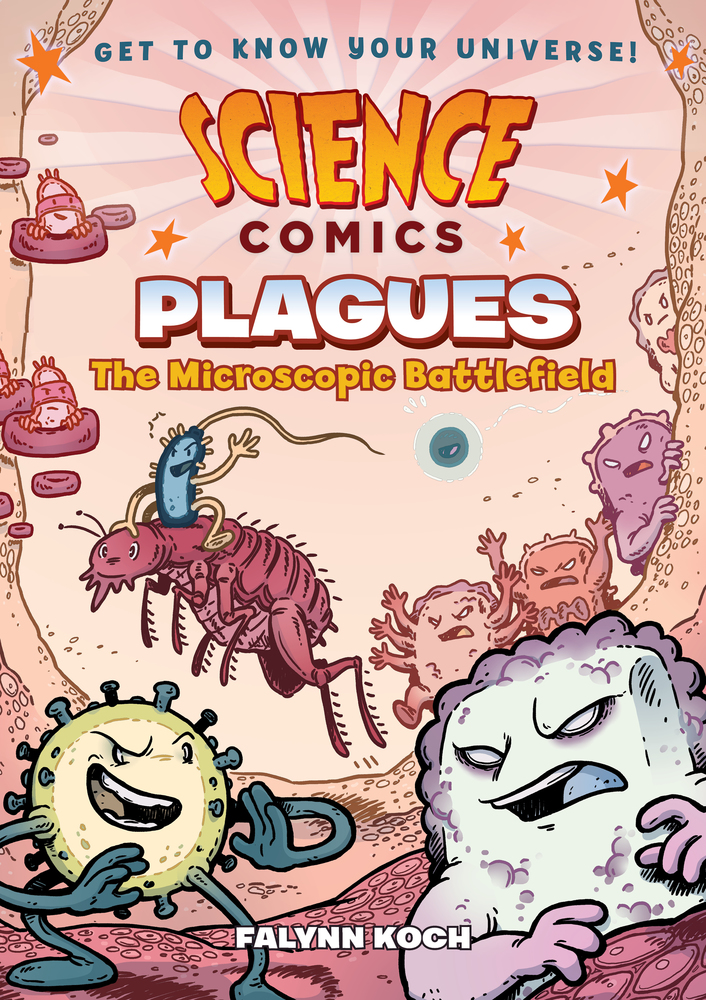
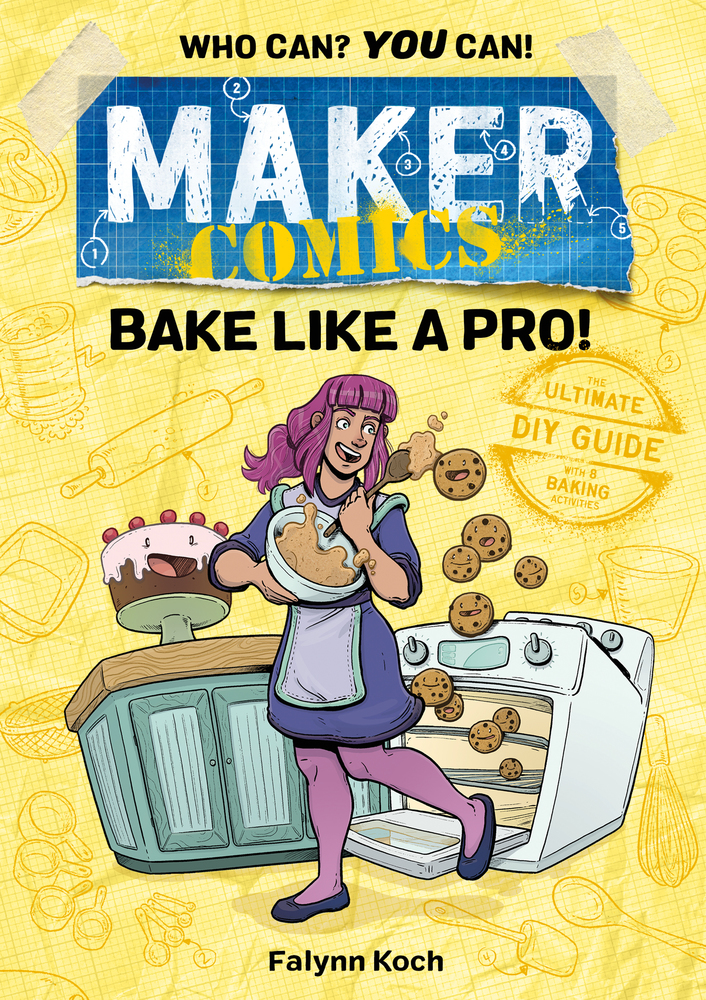 Maker Comics: Bake Like a Pro!, by Falynn Koch, (Feb. 2019, First Second), $12.99, ISBN: 9781250150066
Ages 10-14
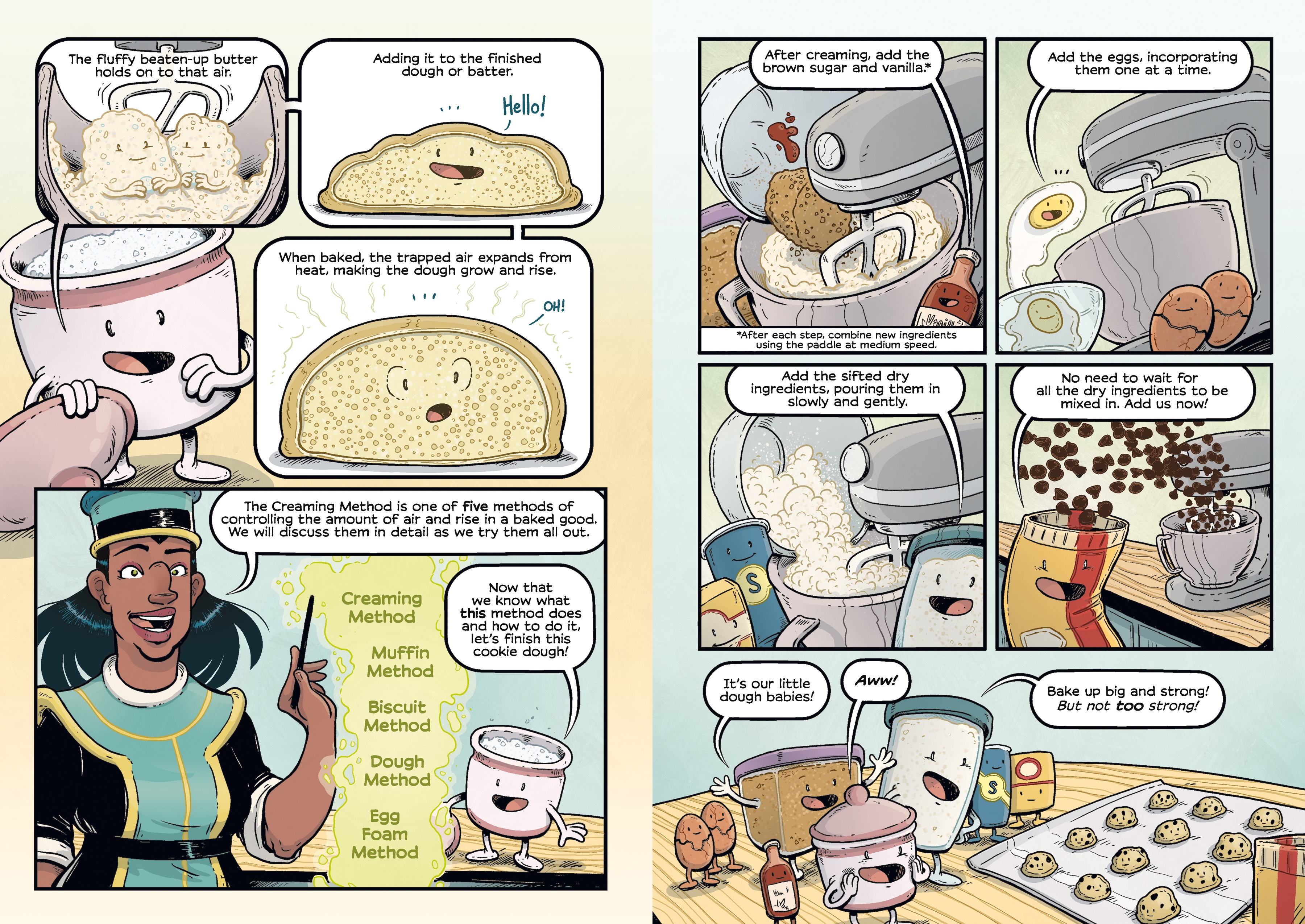
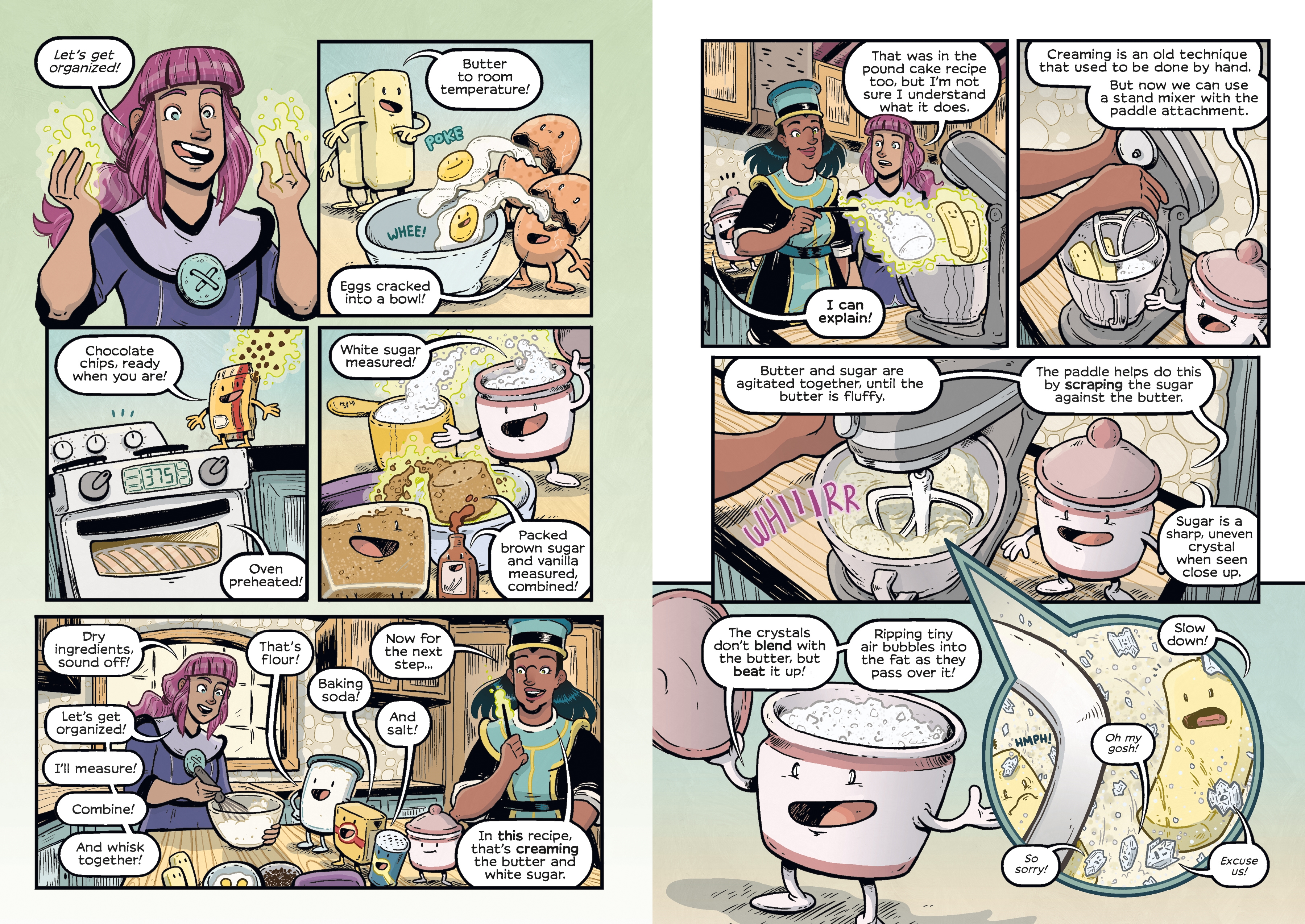
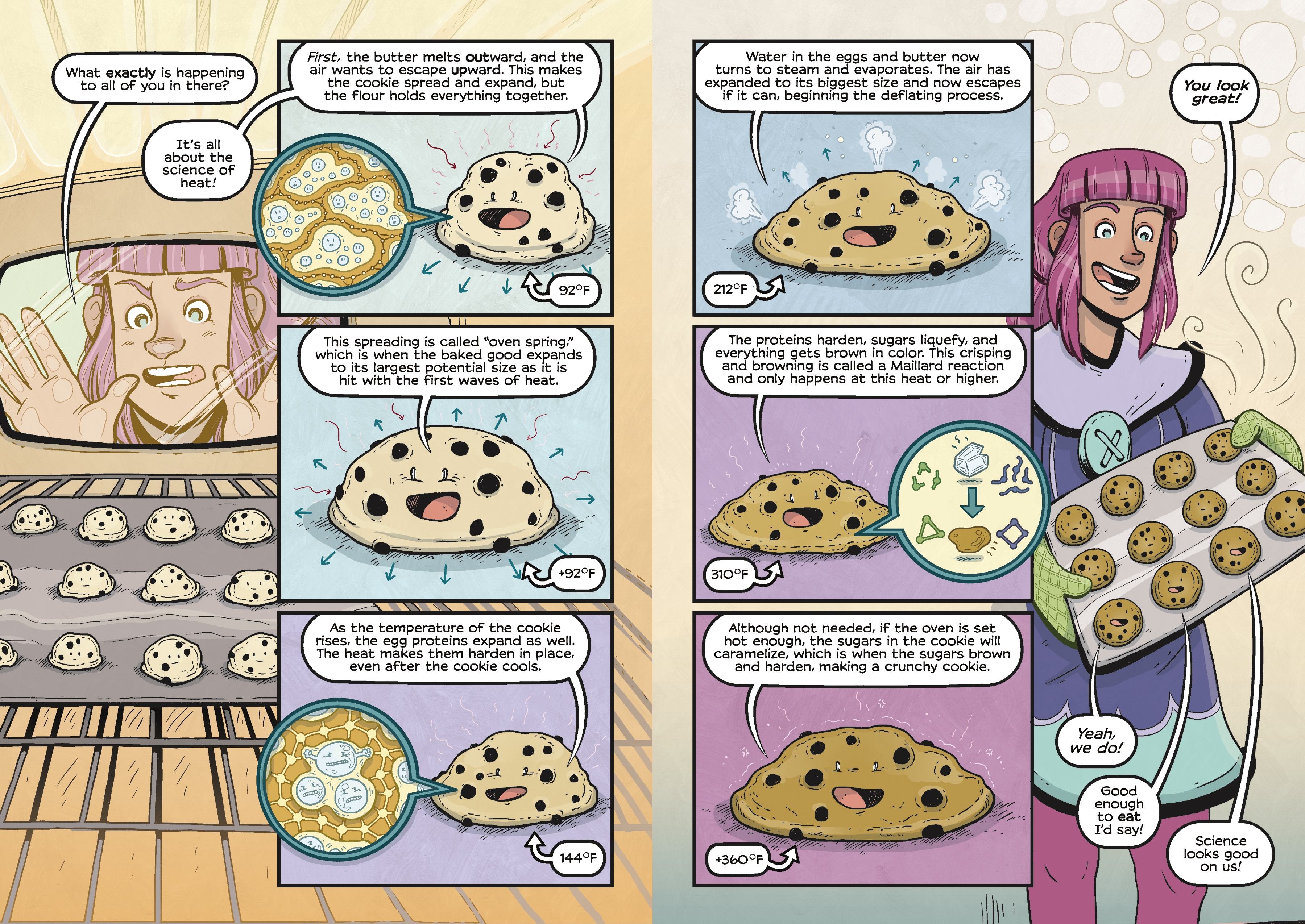
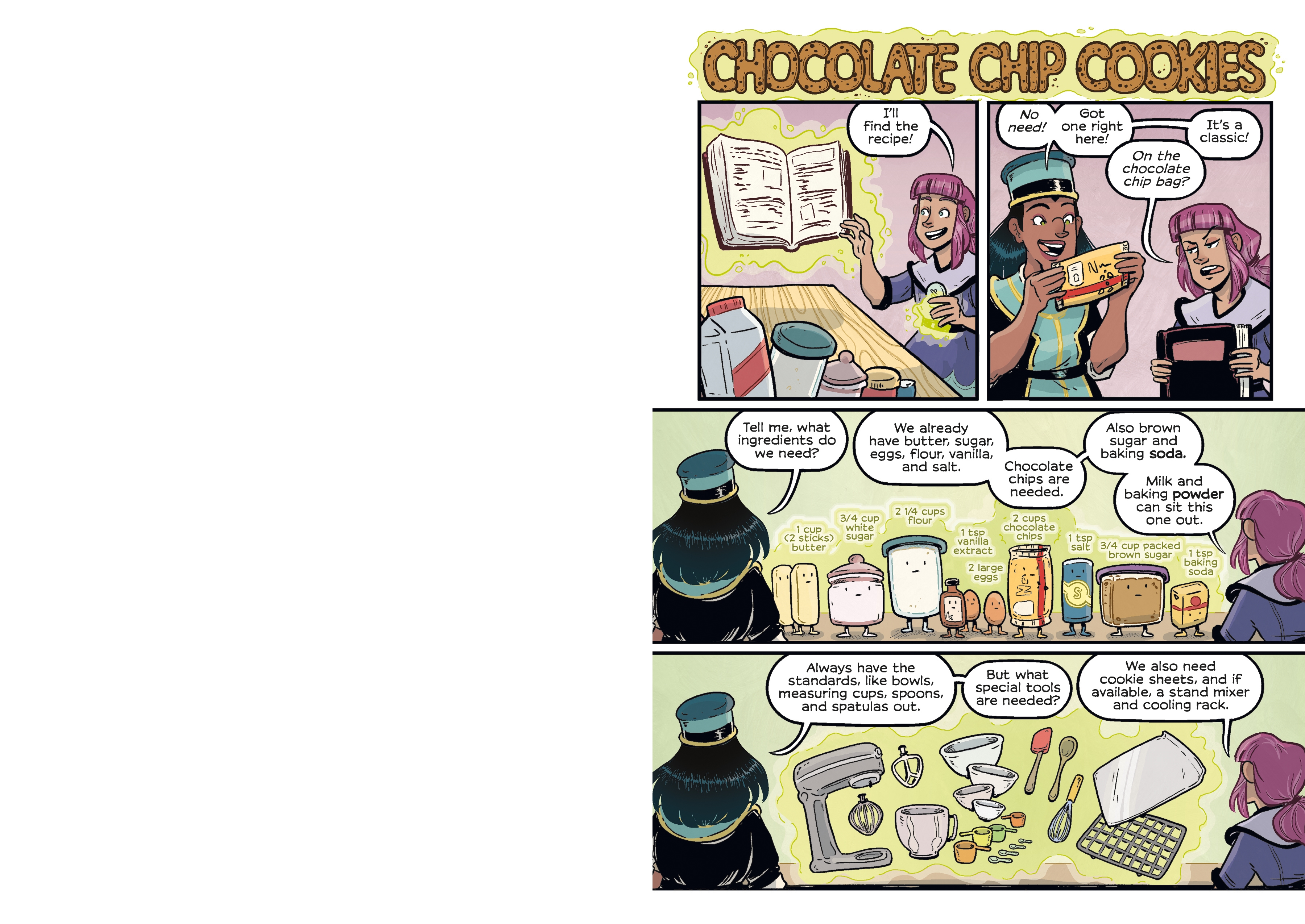
Written and illustrated by Science Comics alum Falynn Koch, Bake Like a Pro! follows a young wizard in training, Sage, as she’s apprenticed to baking master mage Korian. Sage is not thrilled with this turn of events, because she thinks baking is boring. Where’s the pyromancy? Where’s the transfiguration? But what Sage doesn’t realize yet is that baking is a magic and science all its own: it’s a delicious form of alchemy! Korian and a group of enchanted ingredients teach Sage all about the science behind baking: how to combine different proteins, fats, and liquids to craft incredible pies, cookies, breads, cookies, dough, and more.
At once a science lesson, a fantasy tale, and a recipe book for new bakers, Bake Like a Pro! is perfect for middle schoolers and upper elementary readers who are ready to take on some next-level making. There are step-by-step explanations of how ingredients come together – and what happens when ingredients go wrong (always sift the flour!), plus an illustrated walk-through for 8 different recipes, including chocolate chip cookies, cheesy biscuits, pizza dough, and sponge cake with buttercream frosting. At the end of the story, Sage proudly serves up her delicious treats to her fellow novice mages, proudly proclaiming, “Every step in baking is magic!”
Like Science Comics, there’s a quick reference at the end that puts all the major info in one place. Here, we get some helpful reminders on the six baking methods, effects of ingredients and conversion tables, bread techniques, and continued reading (including one of my favorites, I’m Just Here for the Food, by Alton Brown).
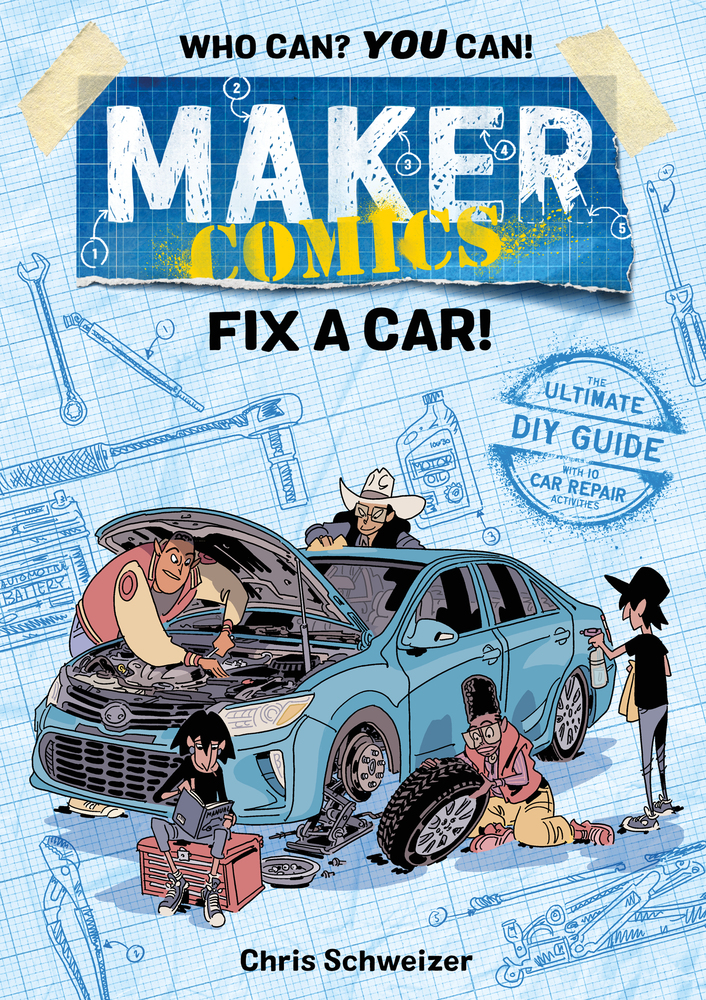 Maker Comics: Fix a Car!, by Chris Schweizer, (Feb. 2019, First Second), $12.99, ISBN: 9781250150042
Ages 10-14
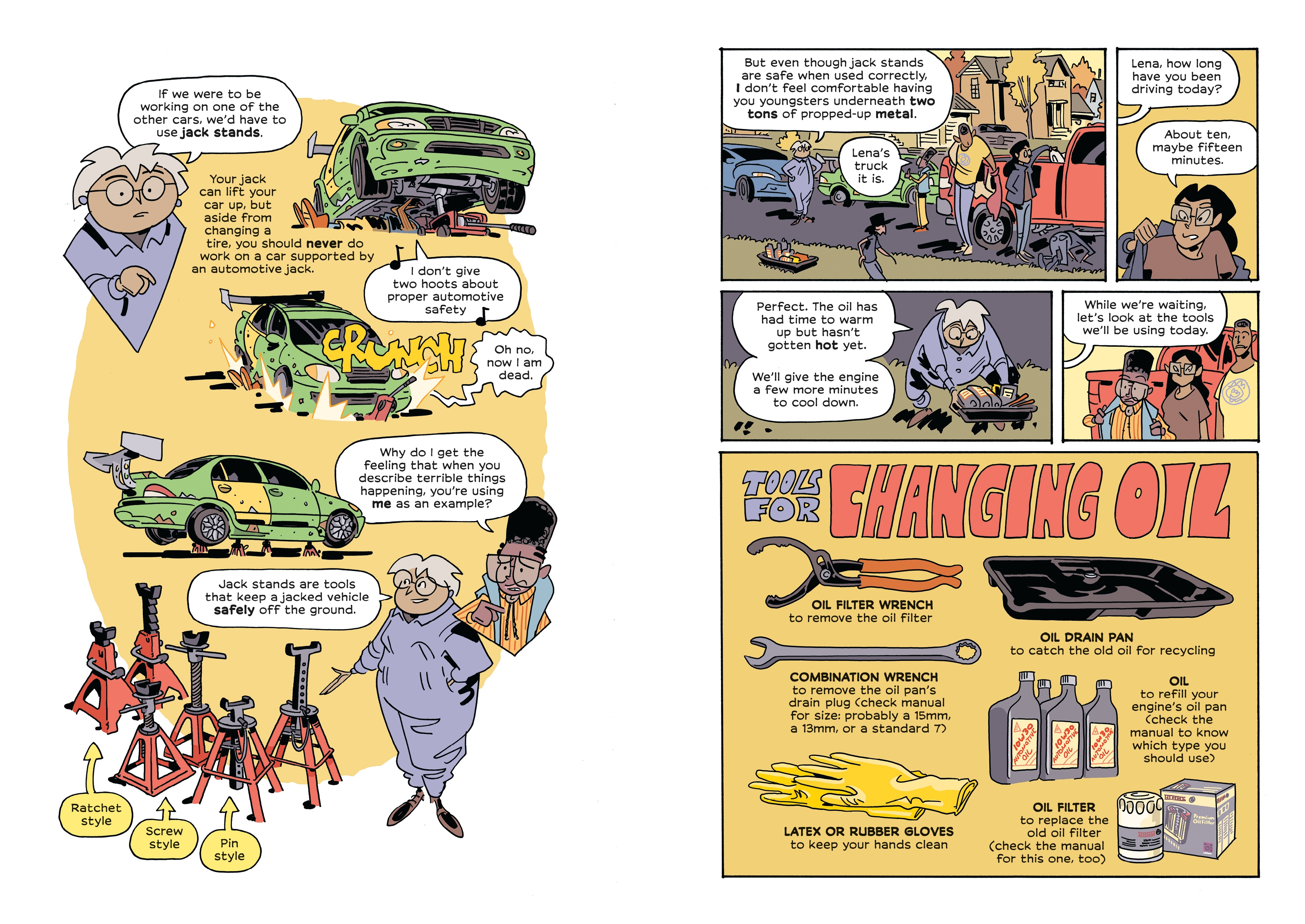
Next up is Fix a Car! by Crogan’s Adventures and The Creeps author and illustrator Chris Schweizer. A group of tweens and teens meet up when they join Car Club, overseen by auto whiz Ms. Gritt. Lena, Mason, and Abner are teens with their own wheels, and twin siblings Rocky and Esther are seventh graders who love cards and want to learn all they need to know so they can be ready when they are old enough to drive. They’re different kids with different lives and circumstances, but the one thing they have in common is a love for automobiles, and Ms. Gritt is happy to show them all they need to know.
The story smoothly moves between each character’s life outside of car club, building a relationship between characters and readers and giving kids background that they can relate to, from a stressed out teen determined to excel in all the things, to the kids working through grief over a parent. Car Club gives them all a landing place, a place to belong, and place to come together and get their hands dirty.
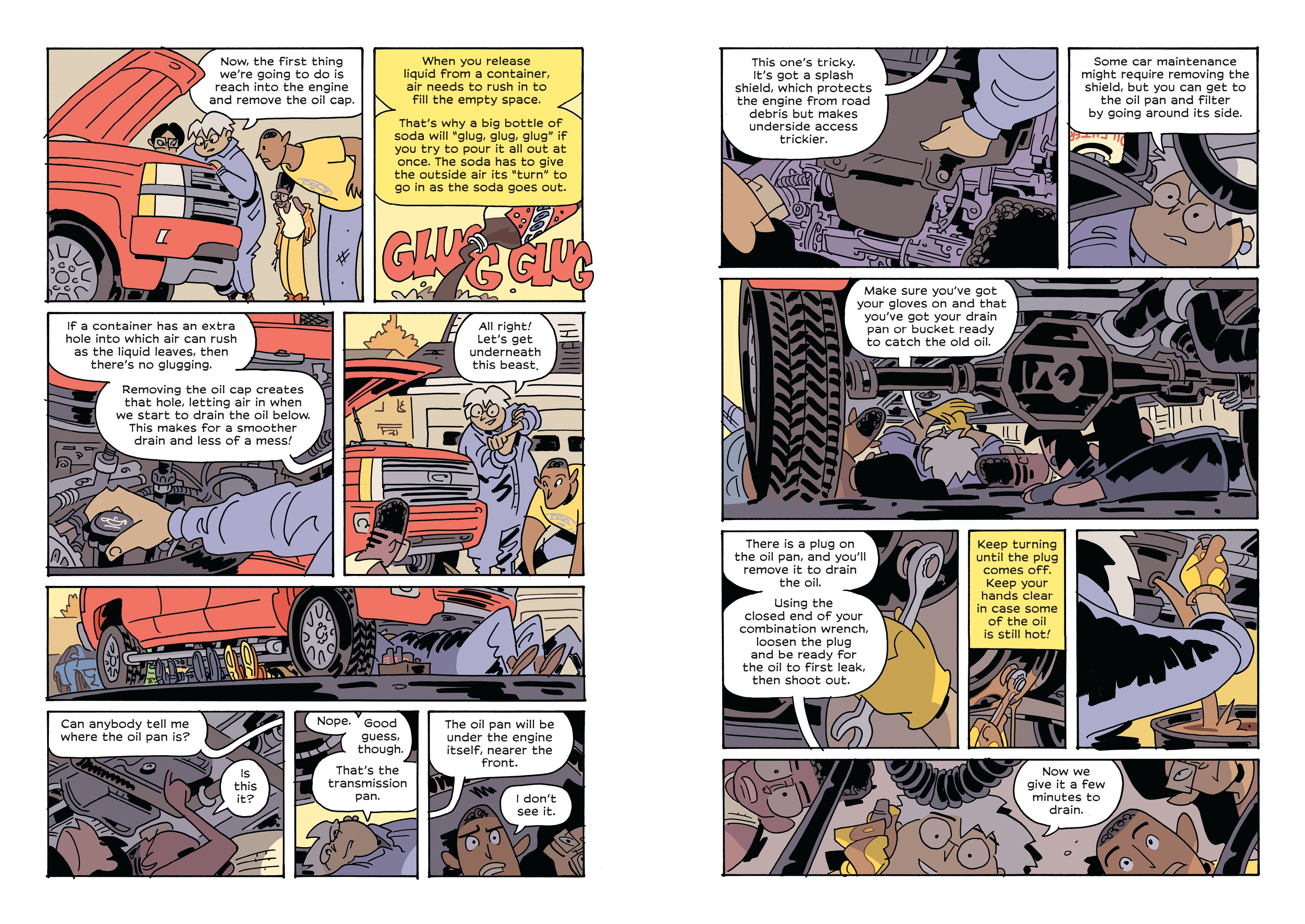
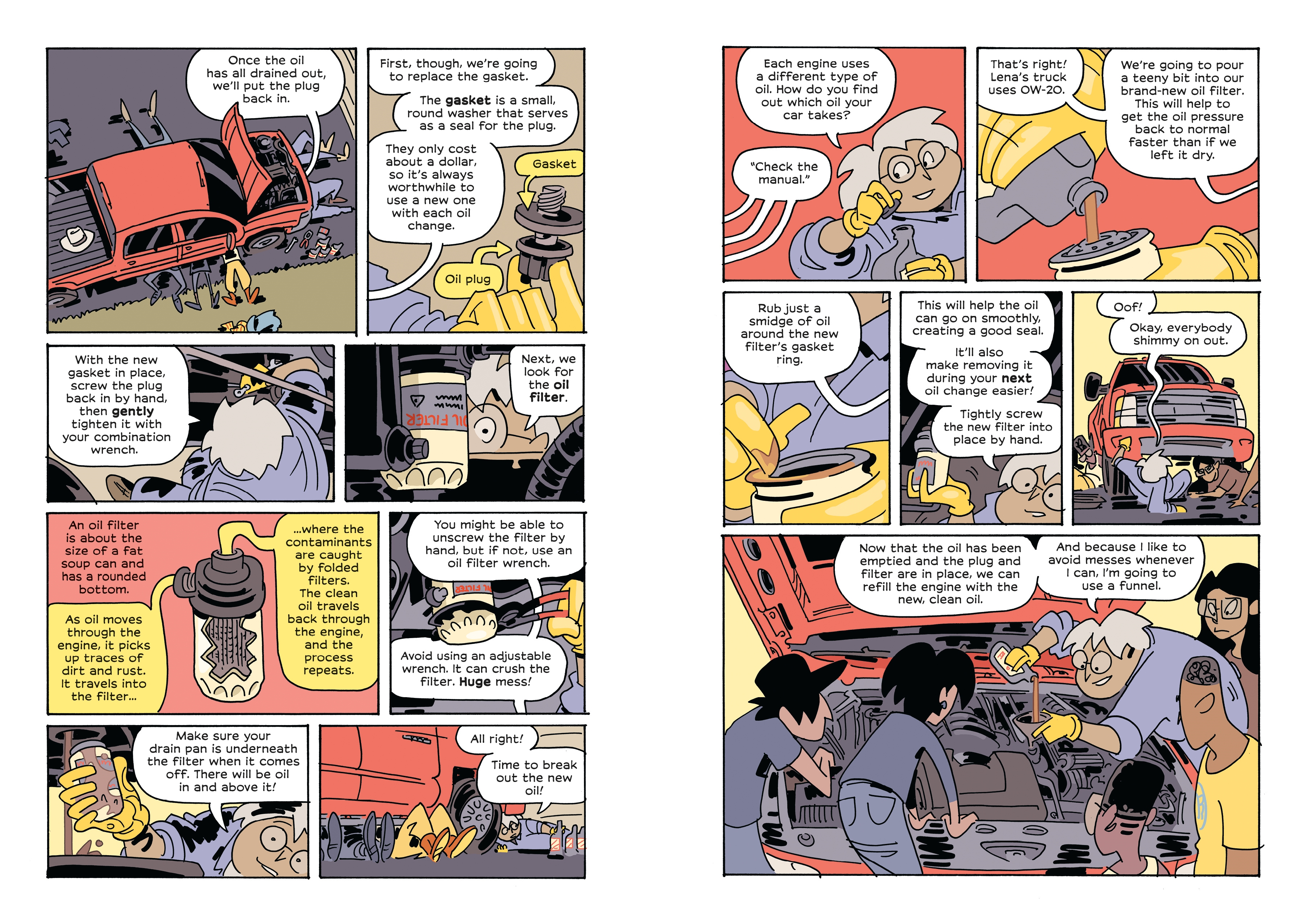
Fix a Car! is incredible in its detail: Ms. Gritt teaches her group how to check the oil and how often to check it; how to check the pressure in their tires, and how to change a tire; how to investigate a squeaky noise. Full-color diagrams introduce readers to the complex systems and inner workings of autos, and safety is paramount, with Ms. Gritt providing smart advice on how to be safe while changing a tire including how to locate a spare tire in your car and the difference between spare tires and donuts (not of the Dunkin’ variety). There are instructions on 10 different parts of auto care, including creating a portable tool kit, changing the oil, replacing a drive belt or pulley, and washing and detailing a car (bonus: adding a racing stripe). There’s a wealth of resources at the end of the book, including an author’s note on how Chris Schweizer learned to take care of his car and some further reading.
Because of the hands-on subject matter, I’d definitely include Maker Comics in my middle school collections, but the reading level works for middle grade as well. With adult supervision, I’m all for teaching younger kids to bake and learn their way around a car, so I’d consider it for either collection in a public library – many of the middle schoolers in my library go between Juvenile and YA collections – and a solid choice for middle school libraries. Create a solid graphic novel nonfiction section, and the kids will love you for it.


 Mom Read It