Posted in picture books, Preschool Reads

Buggy Books!

It’s summer, and there are bugs. Why not talk about a couple of great bug books that have hit shelves recently?

Firefly Home, by Jane Clarke/Illustrated by Britta Teckentrup, (June 2019, Nosy Crow), $14.99, ISBN: 978-1-5362-0587-9

Ages 3-6

This book is ADORABLE. It’s also perfect for a storytime readaloud, as it’s very interactive. Little Florence Firefly is lost, and there are so many bright lights around her will she ever get home? That’s up to you and your readers, because this sweet little story is loaded with reader prompts to help Florence: flapping hands to show Florence how to fly fast, turning pages, making wishes are just a few of the ways readers can help Florence get back to her home. The text is made up of short sentences, with questions on each page, inviting readers to get involved. This is just too much fun to read out loud! Brita Teckentrup’s artwork is always a pleasure to enjoy; here, her digital artwork creates a sweet little firefly with a bright yellow light, with deep nighttime blues and muted colorful flowers and leaves throughout. House, train, and streetlights are bright and bold, matching our little firefly’s light.

This one is a must-buy, must-read. Let your kids make a firefly craft with this template, and use yellow tissue paper for the tail!
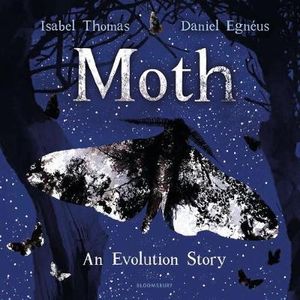
 

Moth: An Evolution Story, by Isabel Thomas/Illustrated by Daniel Egnéus, (June 2019, Bloomsbury Children’s Books), $18.99, ISBN: 978-1-5476-0020-5

Ages 5-8

This stunning book tells the story of the peppered moth and its evolution, and humanity’s intervention in the process. Originally, peppered moths emerged as light with dark speckling; dark moths were easier to spot against trees and were easy prey. But as humans created factories and machines, spewing pollution into the air, the branches moths sought out became blackened with soot, putting light peppered moths at the mercy of birds, bats, and other predators. But wait! We’ve gotten better! We’ve cleaned up our world, and the trees and surroundings have gotten cleaner again! The moths adapted once again, passing their speckled wings onto new generations. Moth is a powerful story of change and hope for the future, seen through the evolution of a single species directly affected by us.

This is one of the most visually stunning books I’ve read this year. Mixed media illustrations create gorgeous texture, and the moths seem to emerge from the pages in an almost dreamlike fashion. The factories and towers look menacing, silhouetted against grey and black skies; as humanity works to heal the earth, hopeful blue skies break through the gloom. The art and text together create a dramatic, emotionally powerful experience. Originally released in the UK last year, Moth has just hit U.S. shelves and is perfect to supplement a unit on evolution, environmentalism, and conservation.
Posted in Intermediate, Middle Grade, Non-Fiction, Non-fiction, Non-Fiction, Tween Reads

Out-There Nonfiction

There is such great nonfiction being published these days. Nonfiction used to conjure pictures of boring textbooks with walls of words, with a handful of old black and white photos. Today? Nonfiction includes video game guides, crazy stories about our bodies, animals, planets, and the freaky ways famous people died. And that’s just scratching the surface. Kids’ nonfiction sports full-color illustration or photographs, text that understands how kids read and learn, and takes all interests into consideration. Series nonfiction, like the Who Was/What Was series from Penguin makes history compulsive readable, and No Starch Press has full-color STEM and tech books that teach kids everything from coding in Scratch to explaining the sciences using manga comics. I love building a good nonfiction section; these are a few of the books on my current shopping list.

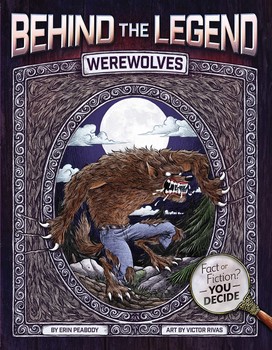
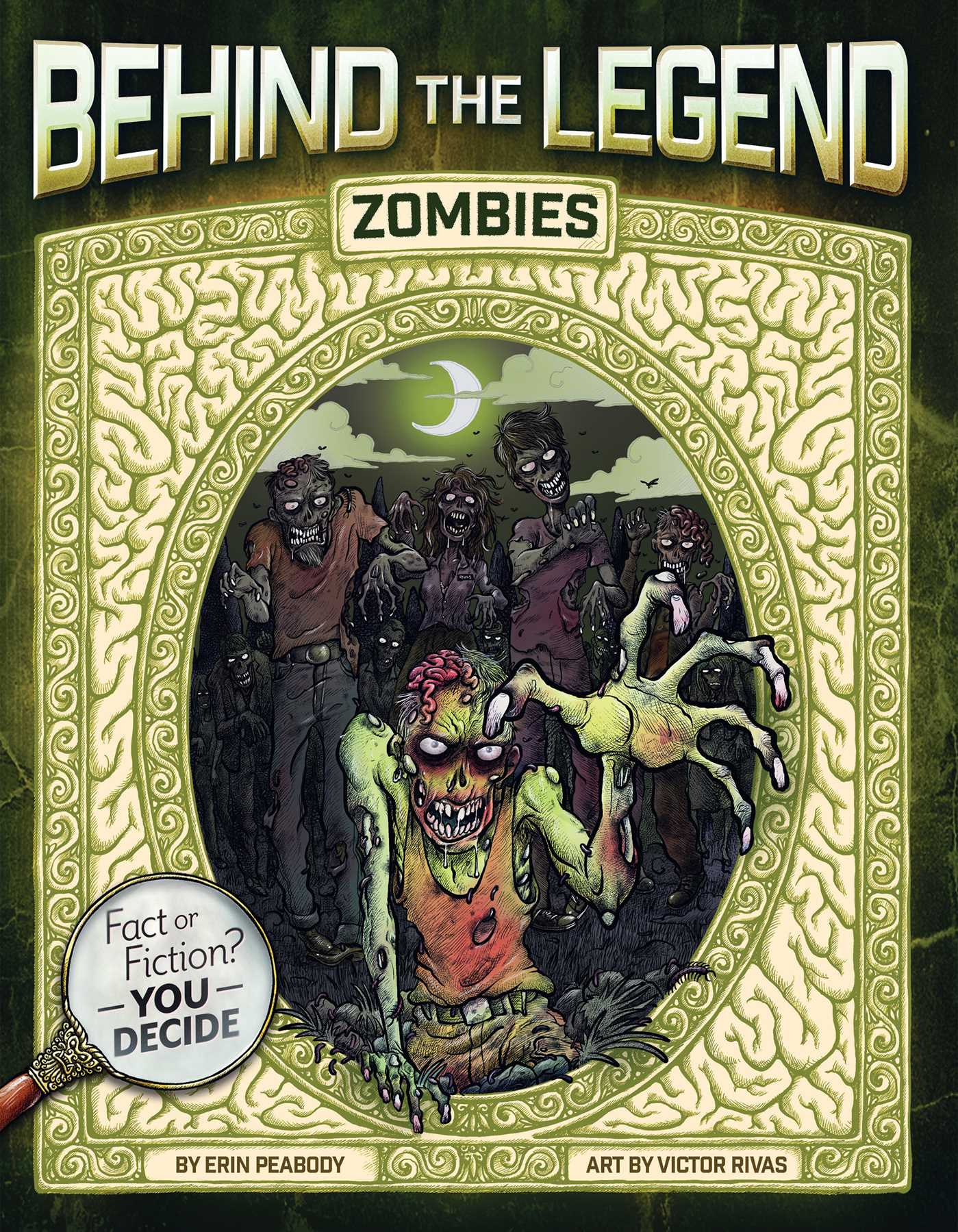
Behind the Legend series, by Erin Peabody/Illustrated by Victor Rivas and Jomike Tejido, little bee books
Good for readers 9-12


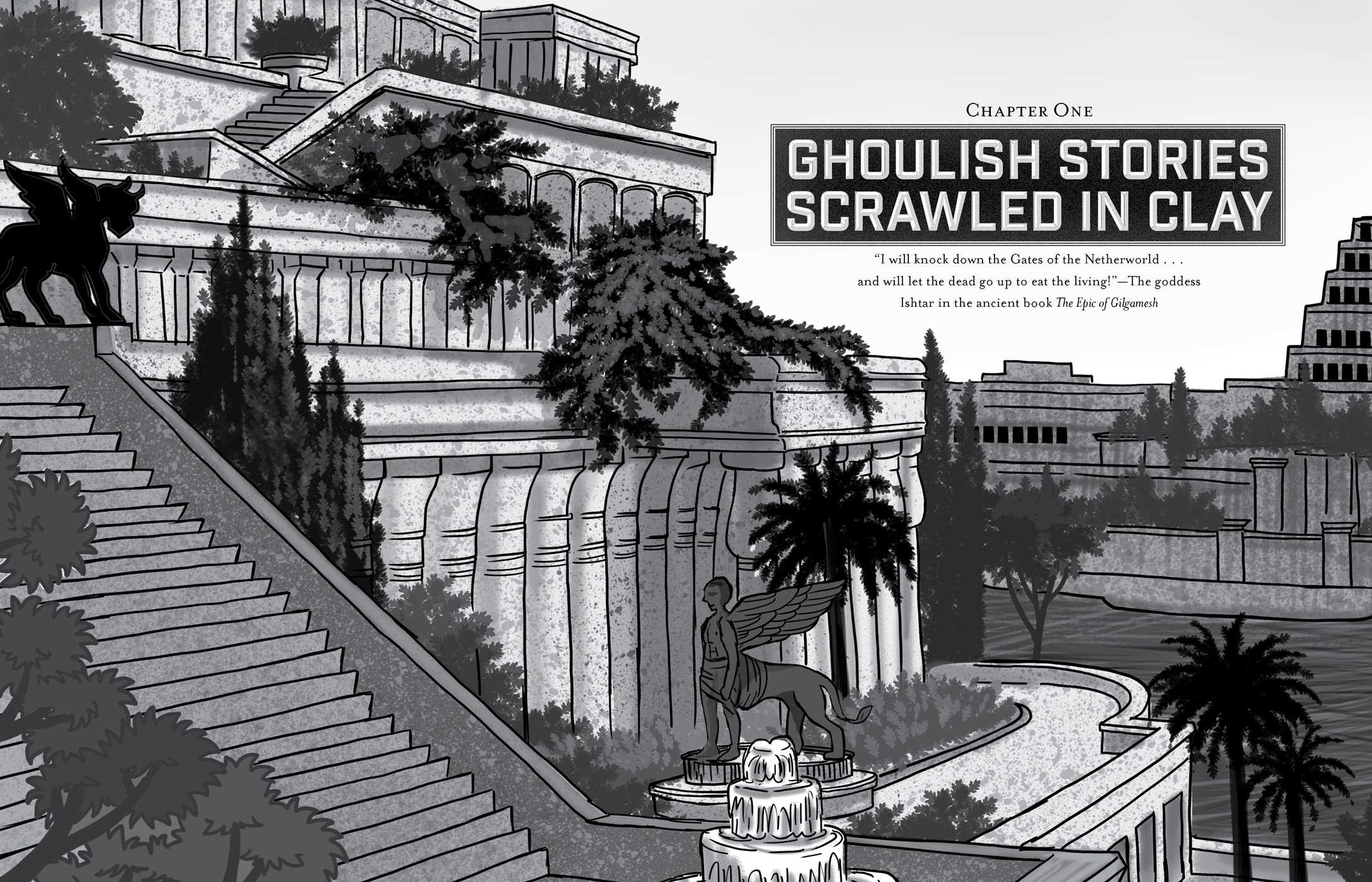
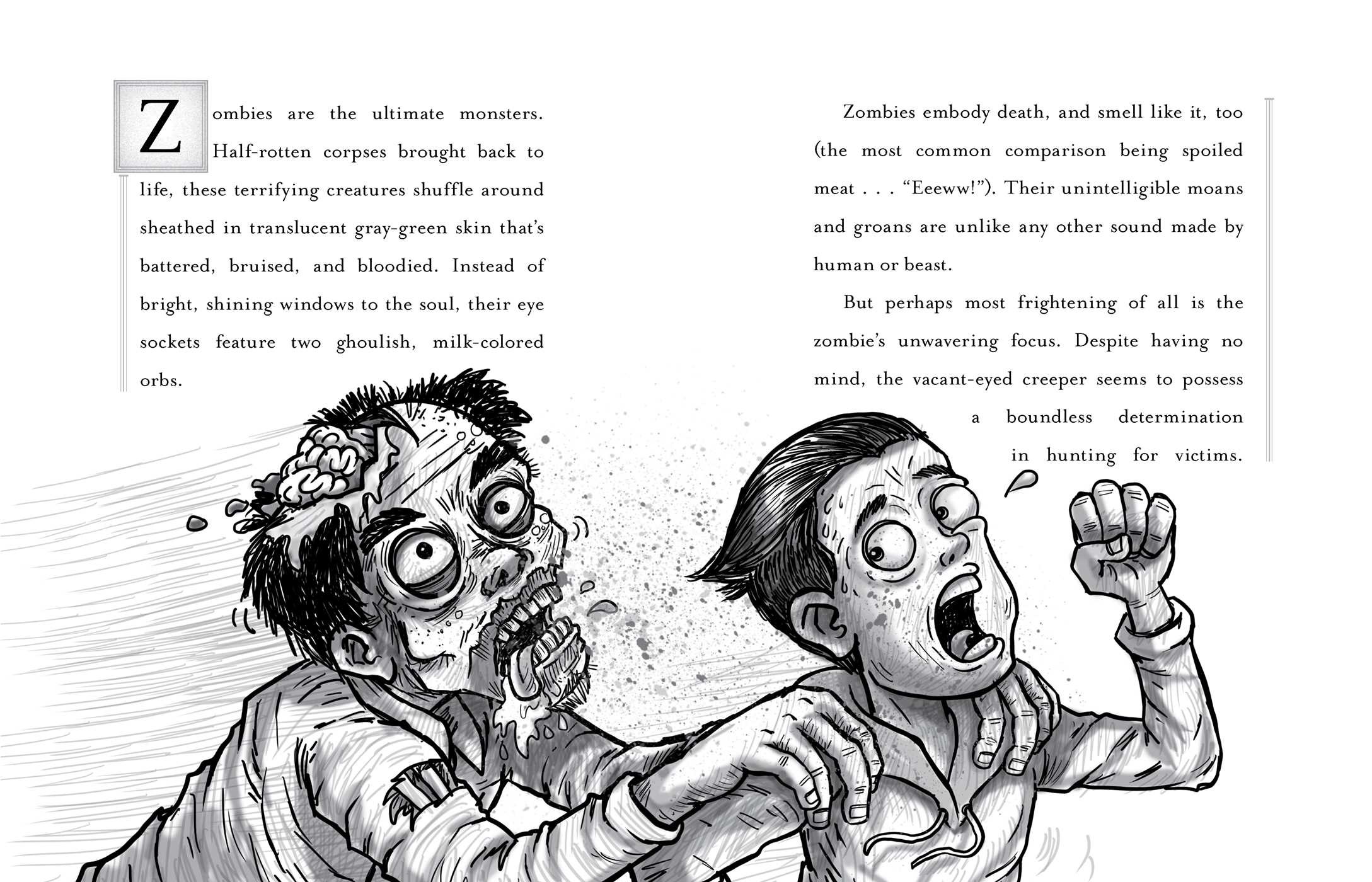
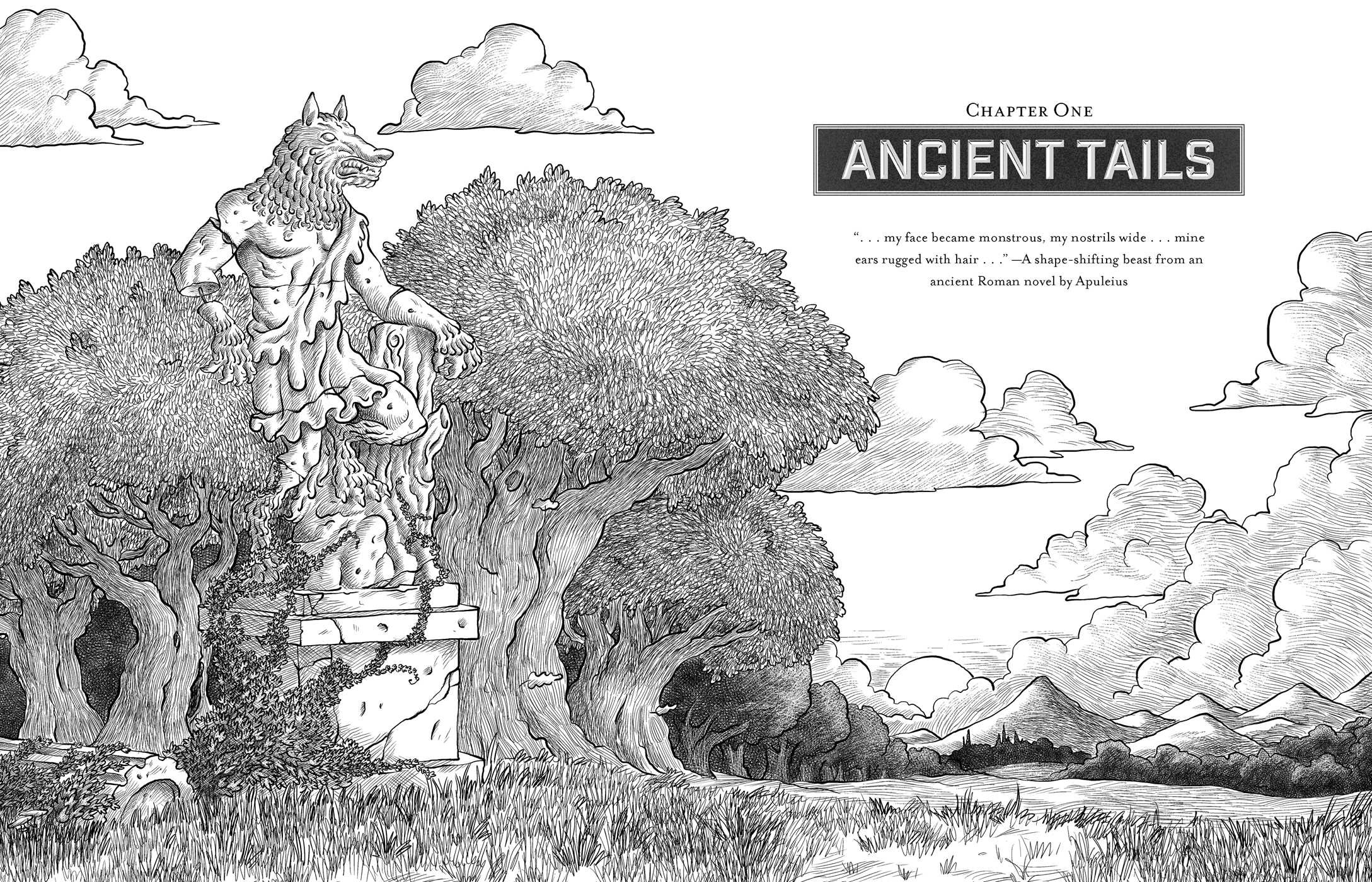
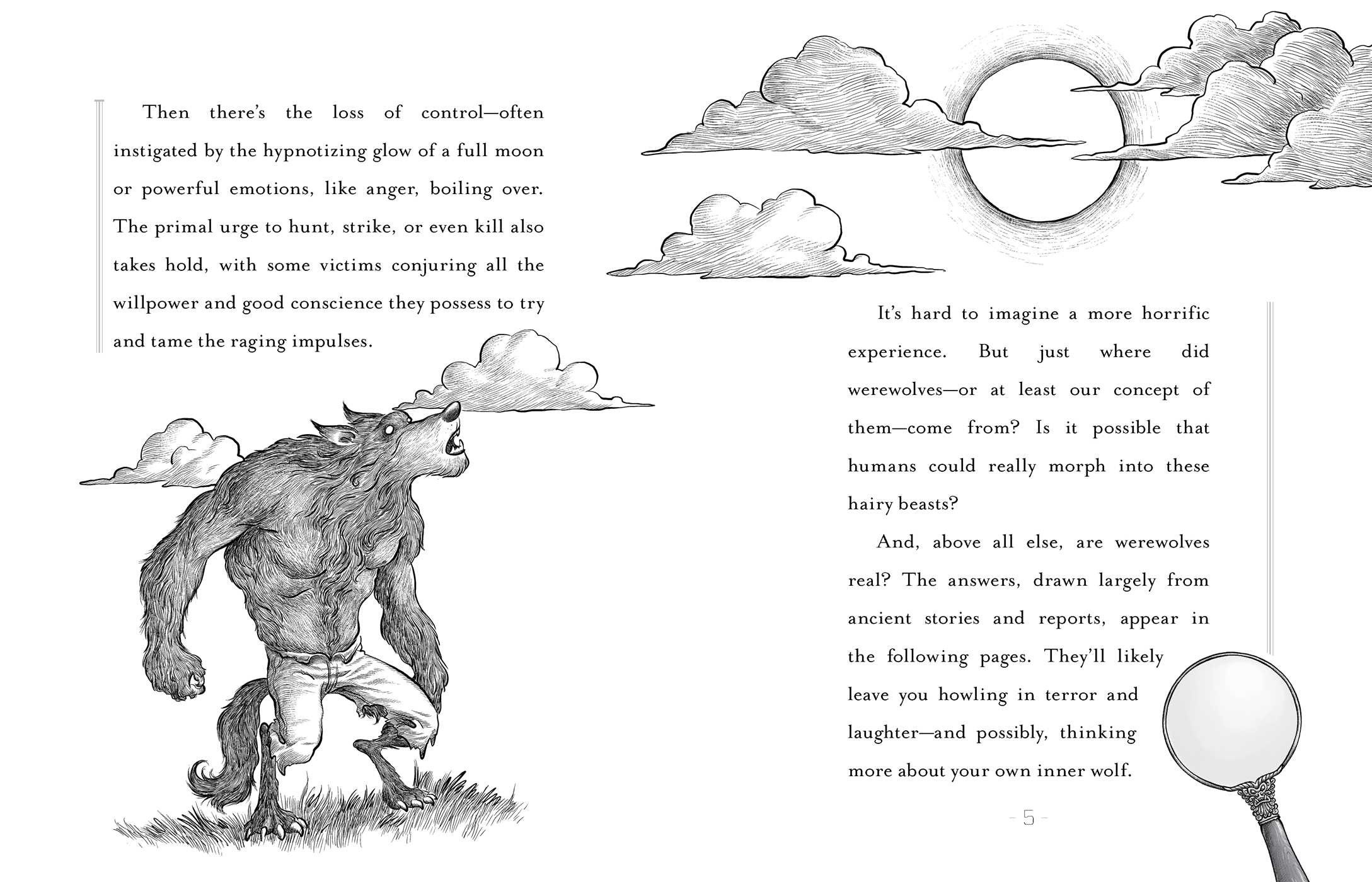
This series is so good. I’ve read Werewolves and Zombies, and love the way Erin Peabody weaves history with pop culture to present a paranormal guide that kids will love reading and learn from. There are black and white illustrations throughout; cartoony, bordering on downright freaky. Zombies delves deeply into the history of slavery and its ties to the rise of the zombie legend and the practice of voudou; Peabody also talks about the walking dead being very old news; they were showing up in Mesopotamia long before Robert Kirkman ever thought up Rick Grimes and his band of survivors. Werewolves talks about the history of animal lore and famous “were-beasts” in history, like the Gandillon siblings – a French brother and sister who were convinced they were wolves and acted accordingly. Harry Potter, Scooby-Doo, and Twilight all get a shout-out in this fun look at werewolves. There are further sources for kids who want to read further. Other Behind the Legend books include Dragons, the Loch Ness Monster, and Bigfoot. This is an absolute must-add set for kids who love themselves some pop culture paranormal reading (and half the price of most series nonfiction, library-bound books).


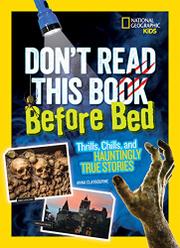
Don’t Read This Book Before Bed, by Anna Claybourne, (Aug. 2017, National Geographic Kids),
$14.99, ISBN: 978-1-4263-2841-1
Good for readers 9-12

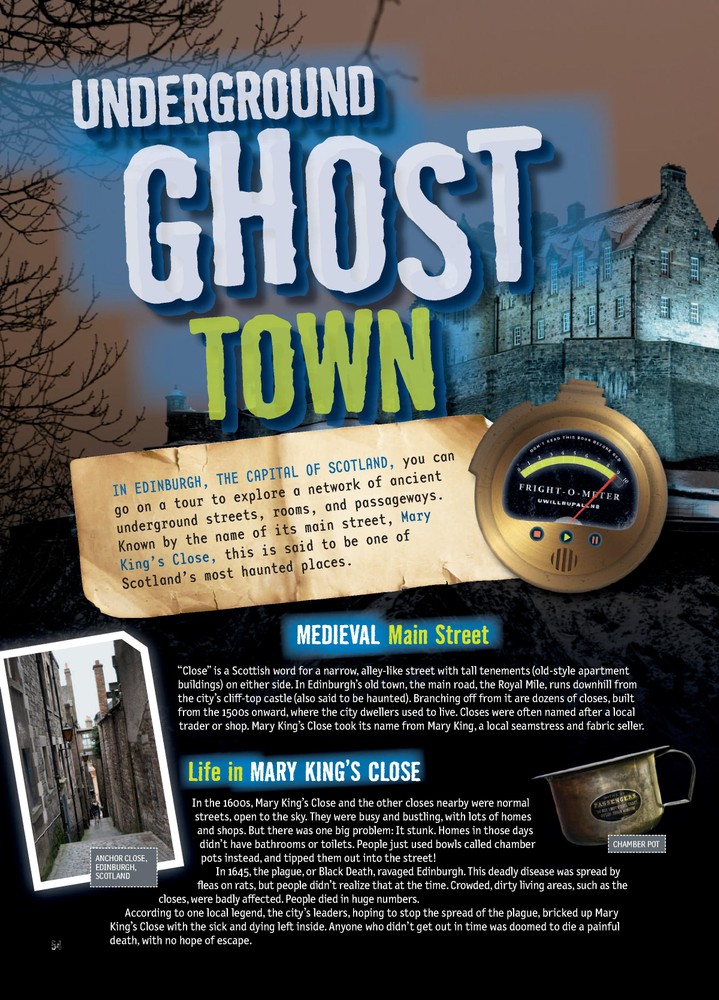
The kids in my library love creepy. Most kids do, right? It’s that safe scare, the adrenaline rush, the squeal of the “eeeeeewwwwwww!” that you can make while safely in your seat, surrounded by family, friends, or your stuffed animals or action figures. It’s being able to turn to your friend and say, “Look at this!” and watching your friend freak out, too. NatGeo knows this, and Don’t Read This Book Before Bed (which is exactly what kids will do) is chock full of freaky stories that will keep them reading and saying, “NO WAY!” Think of it as the Lore podcast, for kids. Haunted castles? Check. Freaky dolls? (Robert the Doll, profiled in here, actually has both a podcast and episode of Lore dedicated to him.) Check. Aliens and fish people? Right this way. Each story has a “fright-o-meter” to let readers know how scary this is going to get, and quizzes help readers figure out their phobias (I love a good flow chart), test whether or he or should would be a good ghostbuster, or take apart the mysteries of science. My library’s copy is rarely on the shelf.


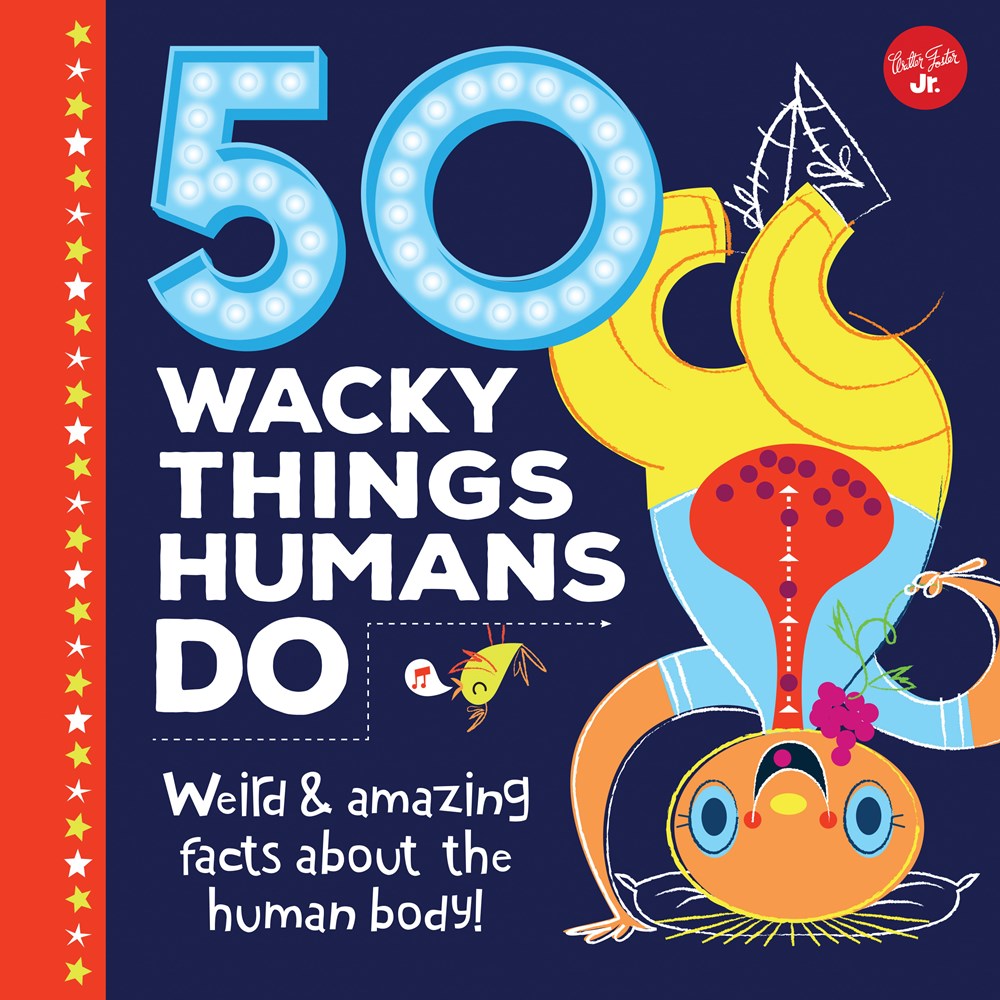
50 Wacky Things Humans Do: Weird & Amazing Facts About the Human Body, by the Walter Foster Jr. Creative Team/Illustrated by Lisa Perrett,
(Dec. 2017, Walter Foster Jr.), $14.95, ISBN: 9781633223967
Good for readers 7-10

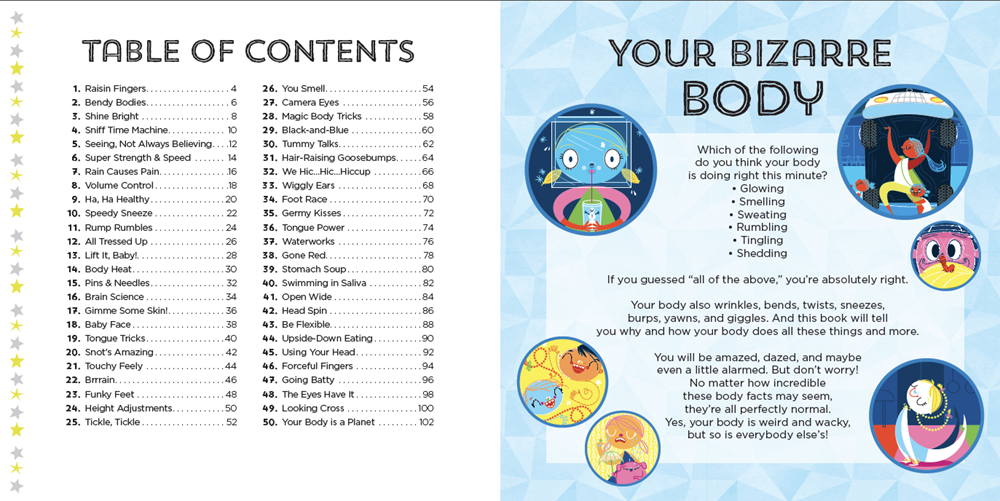
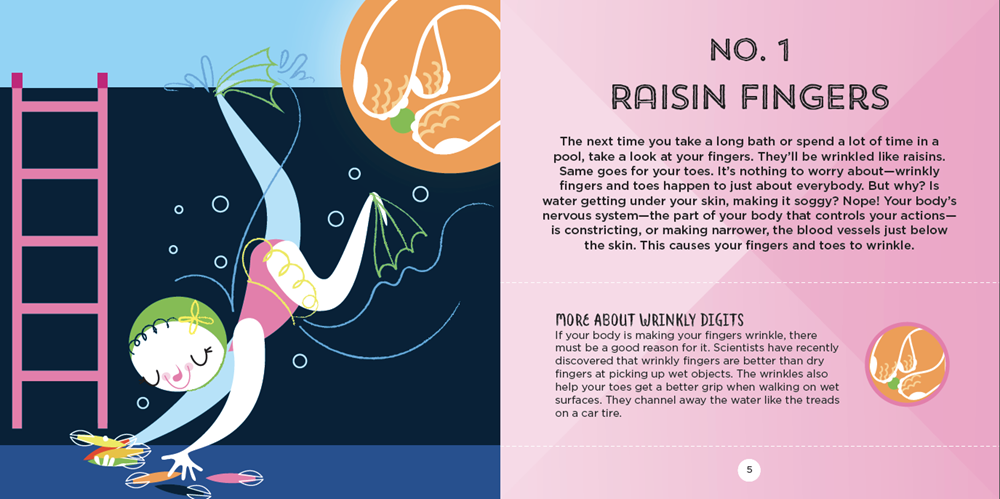
Our bodies do some wild stuff. A sneeze moves at about 100 miles per hour. (Think about that, next time someone doesn’t cover their nose and mouth when they sneeze near you.) If someone tickles you and you put your hand on theirs, it’ll send a message to the brain that stops the tickling sensation. Wrinkly bathtub fingers help us grip things better. Readers will learn all of this and more in 50 Wacky Things Humans Do, written in a similar vein to the chunky, digest-sized NatGeo Kids fun fact books. Wacky Things features one fact per spread and one colorful, fun illustrations; good for intermediate-level readers.


Evolution: How Life Adapts to a Changing Environment, by Carla Mooney/Illustrated by Alexis Cornell,
(Nov. 2017, Nomad Press), $17.95, ISBN: 978-1-61930-601-1
Good for readers 9-12

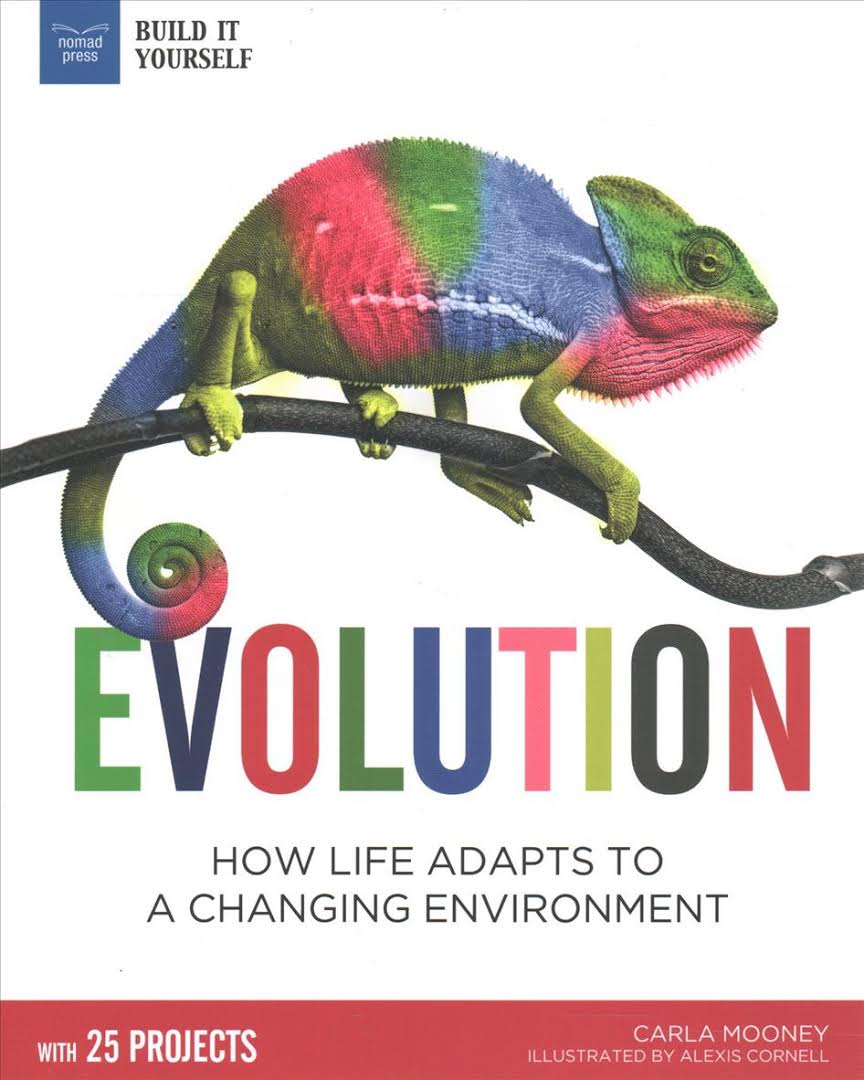
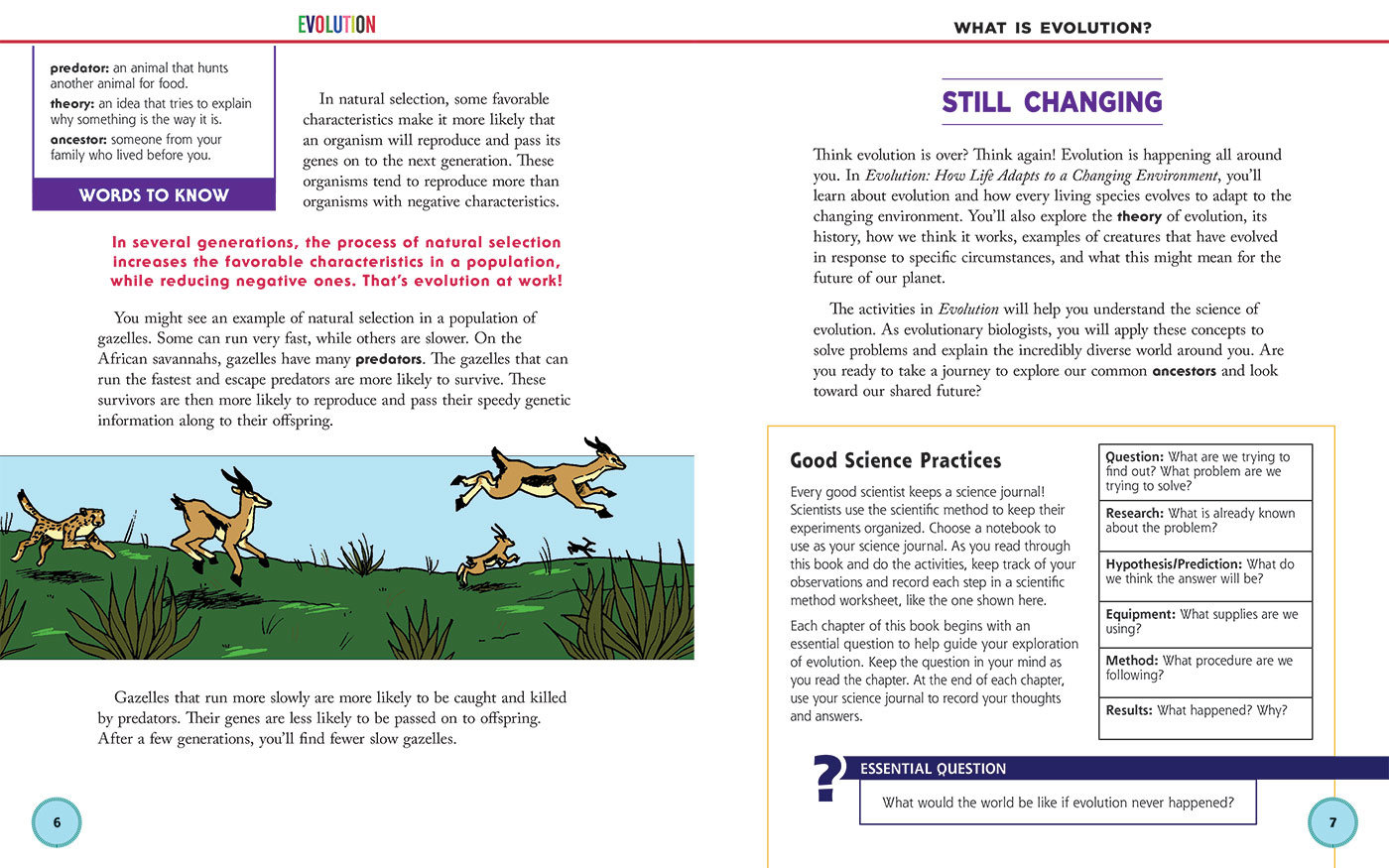
Nomad Press has enjoyed shelf space in my library for a while. They have great science project books and consistently win awards because they blend hands-on projects with text readability. Evolution is a great update to Nomad’s collection and my science projects shelf. First of all, the book is in color; my Nomad books have normally been black and white, and this is as eye-catching on the inside as it is on the cover. The book progresses from a basic overview of evolution and how it works, through natural selection, species and speciation, through to classification and human evolution. Twenty-five projects allow kids to map early human migration; find sidewalk fossils (awesome for my urban library kiddos), and research an endangered species and create a plan to save it. There’s a glossary, lists of resources, and an index. I love this new direction Nomad seems to be taking and want to see more! Great for library shelves.


Posted in Middle Grade, Non-Fiction, Non-fiction, Tween Reads

Science Comics and Dogs: A Reader’s Best Friend

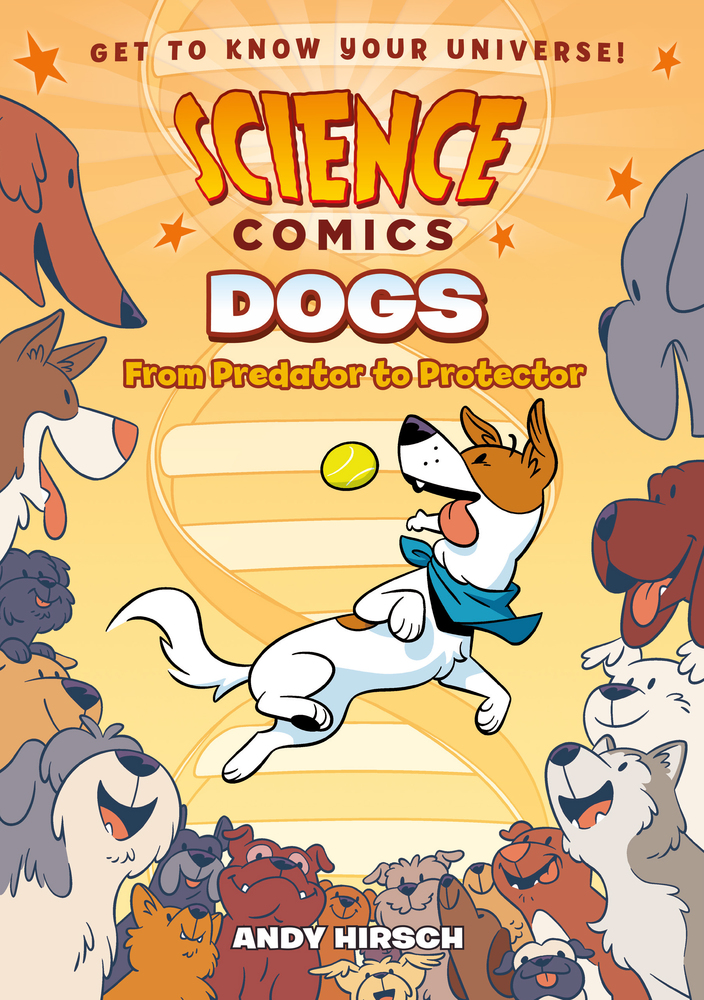
Science Comics: Dogs – From Predator to Protector, by Andy Hirsch, (Oct. 2017, :01FirstSecond), $12.99, ISBN: 9781626727687

Recommended for readers 8-12

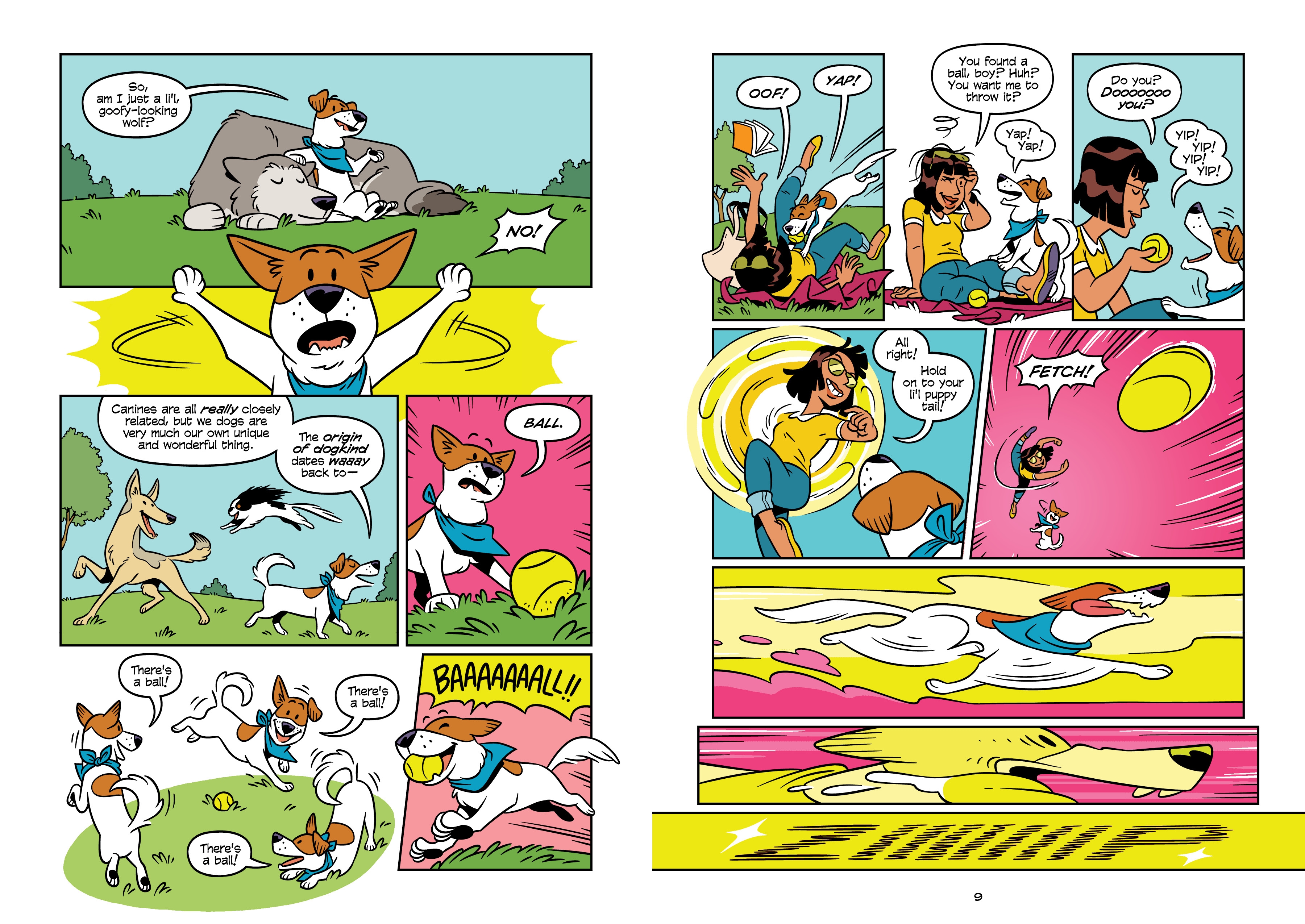
With a rescue pup named Rudy as our host, the latest addition to the Science Comics pack looks at dogs, and their evolution from predatory wolf to man (and woman!)’s best friend. Readers also take a side trip into lessons on genetics and evolution, and the history of dog breeding. Rudy is a sweet, affable guide, forever in search of his favorite bouncy ball; kids are going to love him. Making him a rescue dog adds a nice socially aware touch, and provokes discussion about adopting versus shopping for pets. Kids will learn about Gregor Mendel, the scientist and friar whose work with pea plants made him a pioneer in modern genetics; they’ll learn about observable and inherited traits, and how chromosomes combine to pass along these traits. This is information that applies to everything, not just dogs. It’s packaged with a cute puppy and a bright toy ball, sure, but there’s fantastic, solid learning to be found here.

The Science Comics series keeps getting better. Put copies of this nonfiction series on your shelves and keep a set for your reference collection. They’re that good, making seemingly confusing subjects like genetics accessible to kids and adults alike. I haven’t been able to grasp a conversation about Punnett Squares since high school, but seeing it illustrated and explained in plain English here made it so reasonable! A glossary and additional resources are available at the end of the book. Science Comics are a must-add to middle grade nonfiction collections.


Posted in Intermediate, Middle Grade, Non-fiction, Non-Fiction

September Non-Fiction: Engineering, Nutrition, and the Planets

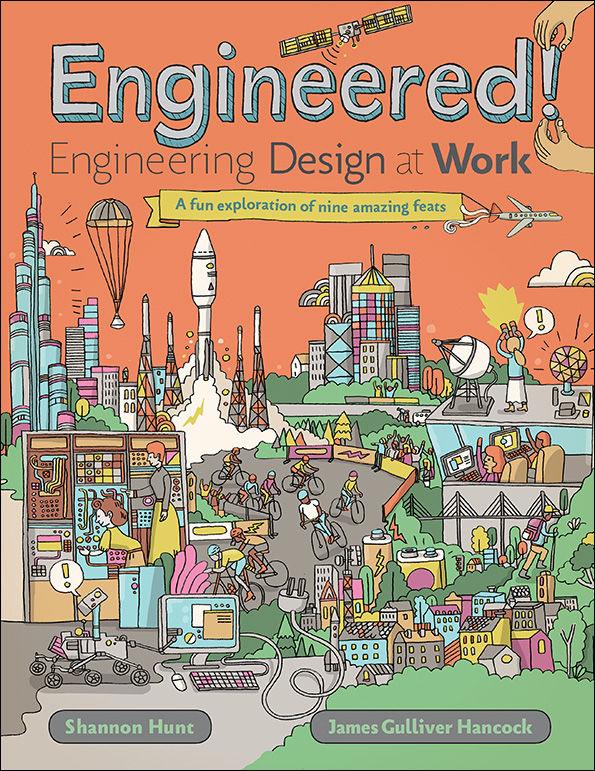
Engineered! Engineering Design at Work, by Shannon Hunt/Illustrated by James Gulliver Hancock, (Sept. 2017, Kids Can Press), $18.99, ISBN: 9781771385602

Recommended for readers 9-13

Nine engineering specialties -Aerospace Engineering, Biomedical Engineering, Chemical Engineering, Mechanical Engineering, Electrical Engineering, Civil Engineering, Geomatics Engineering, Computer Engineering, and Environmental Engineering – in this look at engineering design, which introduces readers to the step-by-step process by using eye-catching icons and nine case studies, one for each field. Team member bios that introduce kids to new scientists and what they do; new fields of engineering, like geomatics, are explained and illustrated, as are new technologies, like the incorporation of 3-D printing into biomedical engineering. Cartoony illustrations make the science more appealing to anyone who may think they can’t *do* science. Kids will learn that engineering can be found everywhere, from sending the rover to Mars, to saving animals from extinction, to replacing a sewer system to clear pollution from a lake. A glossary helps with new engineering terms readers come across.

Engineered! is a fun introduction to the basics of engineering and can be used equally in a science class, makerspace, or on career day.


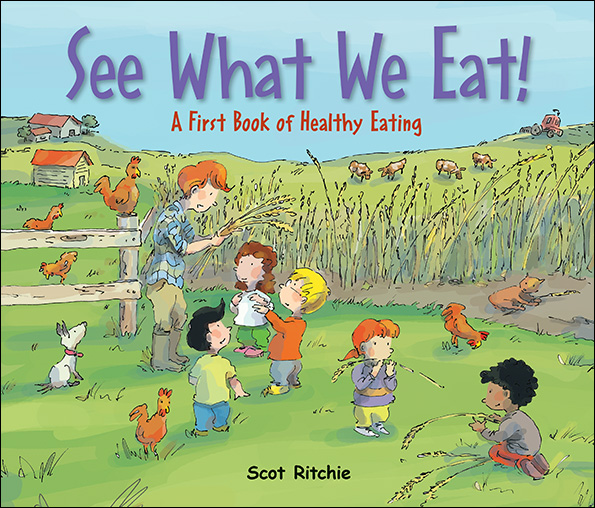
See What We Eat! A First Book of Healthy Eating, by Scot Ritchie, (Sept. 2017, Kids Can Press), $16.99, ISBN: 9781771386180

Recommended for readers 5-8

A group of friends takes a trip to a farm, run by one girl’s aunt. They’re there for pick apples and make an apple crisp for the potluck harvest dinner. Yulee’s aunt takes them on a tour of the farm, teaching the kids about growing grains and vegetables, getting enough nutrients, dairy, and protein – and addresses food allergies and alternative methods of getting those nutrients. Kids learn about transporting food to farmer’s market, stores, and all over the world. Ritchie addresses composting and recycling, and includes a tasty Harvest Apple Crisp recipe to try. A glossary helps readers with new words like pasteurize, carbohydrate, and nutrient.

The illustrations are soft, cartoony realistic, with a multicultural group of friends coming together to learn and eat. The room where the Harvest Celebration takes place has a line of hanging global flags as the families dine on pierogies, tamales, and apple crisp. With bolded facts and questions to encourage deeper thinking, this is a fun introduction for younger learners to nutrition and sustainability.


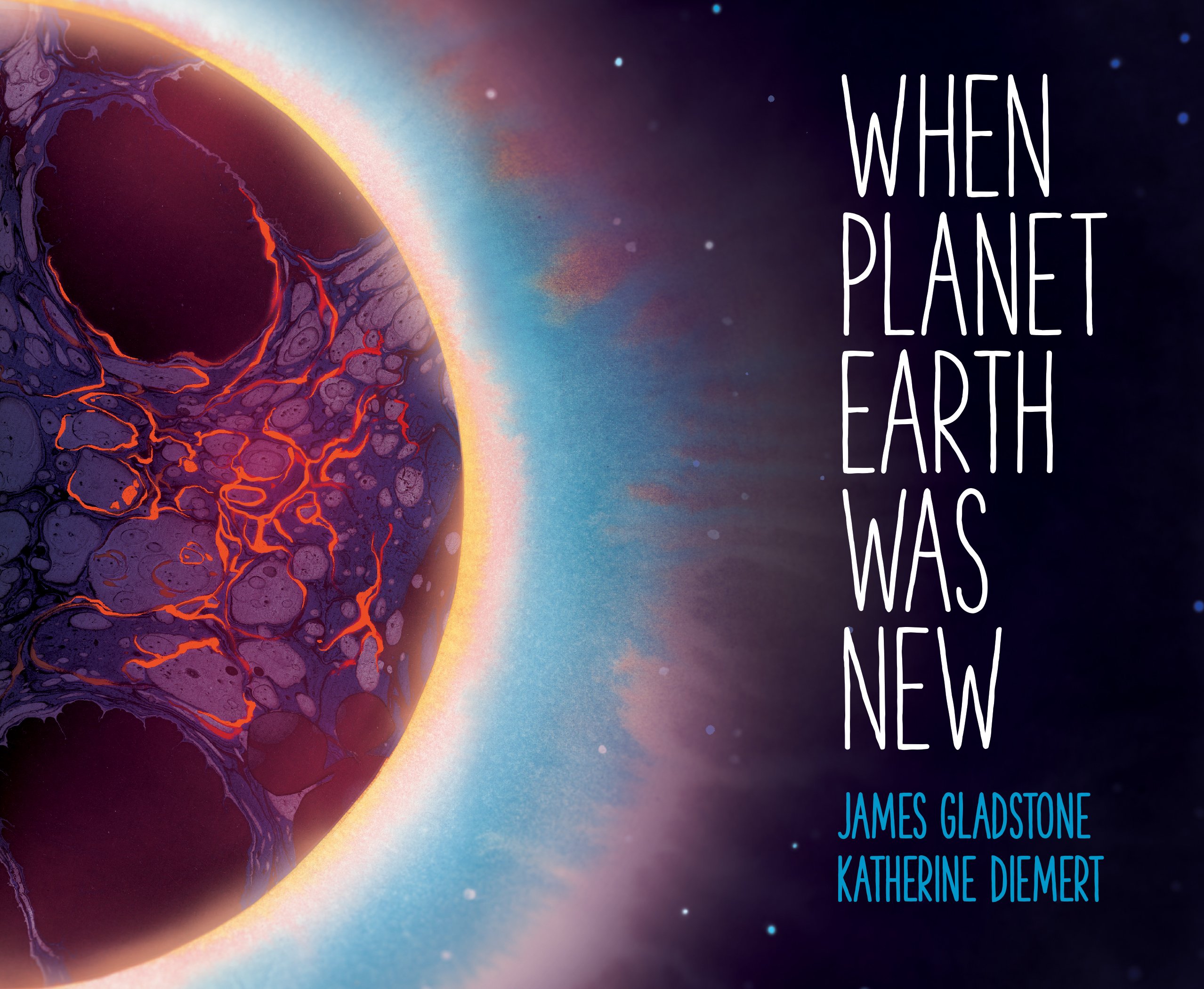
When Planet Earth Was New, by James Gladstone/Illustrated by Katherine Diemert, (Sept. 2017, OwlKids Books), $18.95, ISBN: 9781771472036
Recommended for readers 4-7
Take a trip through time and space and discover how our planet – and life on our planet – evolved. Beginning billions of years ago when Earth was forming, When Planet Earth Was New follows our planet’s formation through volcanoes and comet bombardment; through the formation of the oceans and evolution of life in the oceans and on the land. Beautiful, digitally-enhanced watercolor spreads showcase colorful artwork of each moment captured, with brief descriptive text that preschool and early elementary audiences will find breathtaking. A gorgeous spread showcases life on Earth today: a blue whale, birds flying overhead, and a marching line of animals, including a human being. A section at the end of the book presents each spread in thumbnail format, with additional explanatory text, and a glossary and list of sources round out this introduction to astronomy for young readers.
My 5 year-old loves this book; the spare text is just right for him and he’s fascinated with the changes our planet went through on its journey to the present. It’s a beautiful-looking book, and a great addition to elementary nonfiction collections. I can’t wait to display a copy in my library.