Posted in Intermediate, Non-Fiction, picture books

Picture Book Nonfiction in May: Spirit Bears and Teddy Bears

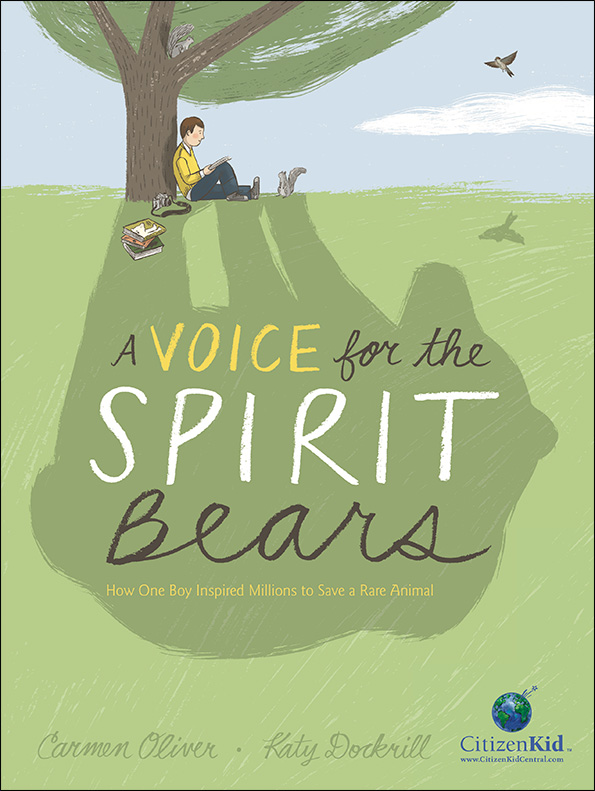
A Voice for the Spirit Bears: How One Boy Inspired Millions to Save a Rare Animal, by Carmen Oliver/Illustrated by Katy Dockrill, (May 2019, Kids Can Press/CitizenKid), $18.99, ISBN: 978-1-77138-979-2

Ages 7-10

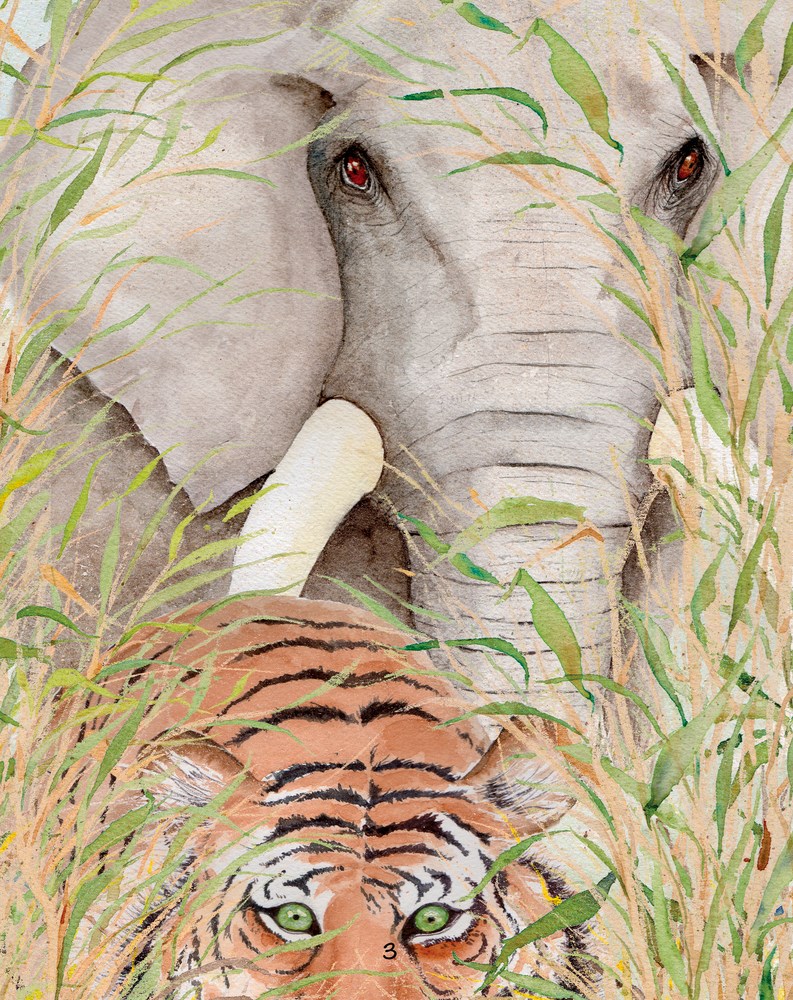
Simon Jackson doesn’t quite fit in with the other kids as a child; he was bullied over his stutter, and found himself most at home in the woods, exploring, photographing, and learning about wildlife. As a teen, he found himself fascinated by a rare subspecies of black bear called a Spirit Bear and became an advocate and activist for the bears when their habitats were threatened with deforestation. Jackson founded the Spirit Bear Coalition, met Dr. Jane Goodall, and hiked the Great Bear Rainforest, always using his activism to educate others and advocate for the Spirit Bears. A Voice for Spirit Bears tells Jackson’s story, and shows kids that one is never too young to advocate for change. The book is an inspiring call to action for young activists (suggest a letter-writing exercise for a cause they believe in!). I would have liked to see a little more on the indigenous T’simshian people, for whom the Spirit Bear is sacred, but all in all, A Voice for Spirit Bears is a good biography on a young activist, with lovely, muted artwork. There are discussions to be had on overcoming obstacles, environmentalism and conservation, and activism, and would be a good STEM read-aloud. Check out the downloadable educator guide for discussion questions and an activity.

The Spirit Bear Coalition concluded its mission in 2014, after 20 years of advocacy. Their website is still active and offers education and information.


Teddy: The Remarkable Tale of a President, a Cartoonist, a Toymaker and a Bear, by James Sage/Illustrated by Lisk Feng, (May 2019, Kids Can Press), $18.99, ISBN: 9781771387958

Ages 6-10

Teddy brings together the story of the teddy bear in three parts. First, we have the legend: President Theodore Roosevelt refused to kill a “scruffy, no-account cub” while hunting. This story spread, and the Washington Post ran a political cartoon by Clifford Berryman, entitled, “Drawing the Line in Mississippi“, which led to husband-and-wife toymakers Morris and Rose Michtom creating a bear doll to honor “the President’s big warm heart”. They received permission from President Roosevelt to feature “Teddy’s Bears” in their shop, and an iconic toy was born. The book tracks the evolution of the teddy bear from those first bears, stuffed with wood shavings and with sewed on buttons for eyes, through today and notes how the teddy bear endures. It’s a happy, warm story, and the digital illustrations lend a realistic yet warmly colored feel to the tale. An author’s note mentions the differing versions of the Teddy Roosevelt story. It’s a cute book to have in your nonfiction collections, and would make a nice display with the Caldecott Medal-winning Finding Winnie.

For readers interested in learning more about Clifford Berryman’s political cartoons, the National Archives has a wonderful Clifford Berryman collection, which includes a great piece featuring Berryman drawing a bear, while a black bear stands next to him. The Theodore Roosevelt Center at Dickinson State University has an interesting blog entry on the origin of the teddy bear, and a link to Berryman’s artwork in their digital library.

Posted in Intermediate, Non-Fiction, picture books

February Non-Fiction is all about the animals!

River Rescue, by Jennifer Keats Curtis & Tri-State Bird Rescue & Research, Inc./Illustrated by Tammy Yee, (Feb. 2019, Arbordale), $17.95, ISBN: 9781607188230

Ages 5-8

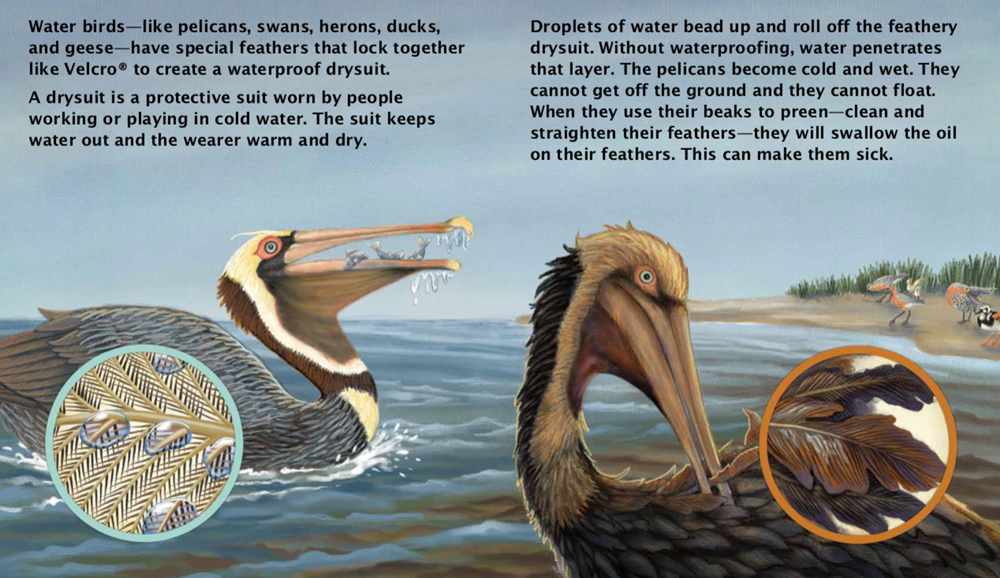
River Rescue illustrates how an oil spill – even one drop of oil – can be devastating to plan and animal life. Introducing readers to the Wildlife Response Team at Tri-State Bird & Rescue, a Delaware-based organization that rescues and rehabilitates animals affected by oil, River Rescue teaches readers about the delicate cleaning process and the care so critical to helping evaluate, treat, and rehabilitate affected animals.

There are so many questions to ask: is the animal alert on arrival? What kind of oil is on the animal? The cleansing process brings more questions: what kind of bird is this? Is it a flocking bird, or a solitary one? Is it a water bird or a land bird? After the rehabilitation process, animals are released back into the wild, preferably in the area where they were rescued.

River Rescue provides an informative look into animal rescue and rehabilitation and encourages good environmental citizenship among readers. The earth-toned art is realistic and the text is easy to understand. Back matter includes a 4-page For Creative Minds section allowing teachers, parents, and caregivers to photocopy and distribute activities on identifying wildlife, a Q&A with Tri-State Executive Director Dr. Lisa Smith, and information on preventing oil spills and helping animals.

The Long and Short Tale of Colo and Ruff, by Diane Lang/Illustrated by Laurie Allen Klein, (Feb. 2019, Arbordale Publishing), $17.95, ISBN: 9781607187387

Ages 4-7

Colo is a cougar and Ruff is a wild cat. The two friends want to play, but Ruff’s short tail prevents him from jumping as far as Colo can. As the two search for a new tail for Ruff, they encounter all the different things other animals can do with their tails and Ruff decides that his tail is just right after all.

This fun story is nonfiction with fiction wrapping: great for preschoolers and kindergartners! Colo and Ruff are realistically illustrated, but with softer artwork, playing up the cute factor. They encounter lizards, hawks, skunks and gophers on their search for a new tail, and callout facts throughout provide information that’s perfect for pleasure reading or an animal report. The For Creative Minds back matter includes a table comparing three kinds of cats and cat habitat maps.

Animal Noses, by Mary Holland, (Feb. 2019, Arbordale Publishing), $17.95, ISBN: 9781607188056

Ages 4-9

Noses, beaks, tongues, antennae – animals have a bunch of different ways to use their senses of smell, and Animal Noses is all about animal noses, how animals transmit messages through scent, and which animals have super noses versus which animals don’t. Loaded with sharp, full-color photos and facts, this is a nice add to science sections, especially when teachers come in looking for books on the five senses – always fun to throw something unexpected, like this, into my readers’ advisory, and show the similarities and differences between how we use our senses versus how animals use theirs.

Arbordale always has good back matter, too: their For Creative Minds sections allow for photocopying and distribution for educational use. The Animal Noses For Creative Minds covers fun facts about scent, a match the nose game, and spotlights animals with great senses of smell.


If a Mummy Could Talk…, by Rhonda Lucas Donald/Illustrated by Cathy Morrison, (Feb. 2019, Arbordale Publishing), $17.95, ISBN: 9781607187370

Ages 7-10

Meet some mummies and hear their stories: this volume contains stories about 12 different mummies: elephants, bison, dogs, cats, and humans, including the world’s most famous mummy, King Tut. Each spread focuses on one mummy, providing its date and location, and “before” and “after” illustrations that show readers what the animal or person most likely looked life while alive, and what its mummy looks like today. Facts gleaned from research and scientific observation bring each mummy’s story to life for readers, and provide clues to each demise. Discussions about different types of mummification, a mummy map of the world, and features on scientists’ tools and technology make up the back matter For Creative Minds section.

There are better books on mummies available, but this is an entertaining introduction for intermediate readers with an interest in natural history. The illustrations are realistic and colorful, and callout fact boxes appear throughout the book, clarifying bits of information contained in the text.


Posted in Intermediate, Non-Fiction, picture books, Preschool Reads

Nonfiction rundown: October and November

Picture book nonfiction just gets better and better. In October and November, we get two more biographies on people of color that have, until now, been largely overlooked by history. It’s disheartening on one hand, but I choose to be glad that books are coming forward now to liven up our nonfiction shelves and give readers even more role models across all walks of life to learn about and be inspired by. I’ve also got some fun alphabet books and some nature and science. Pull up a chair, brew a warm beverage of your choice, and enjoy!
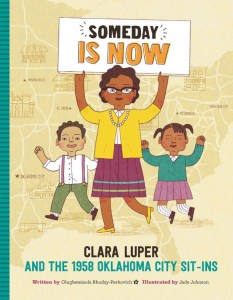
 

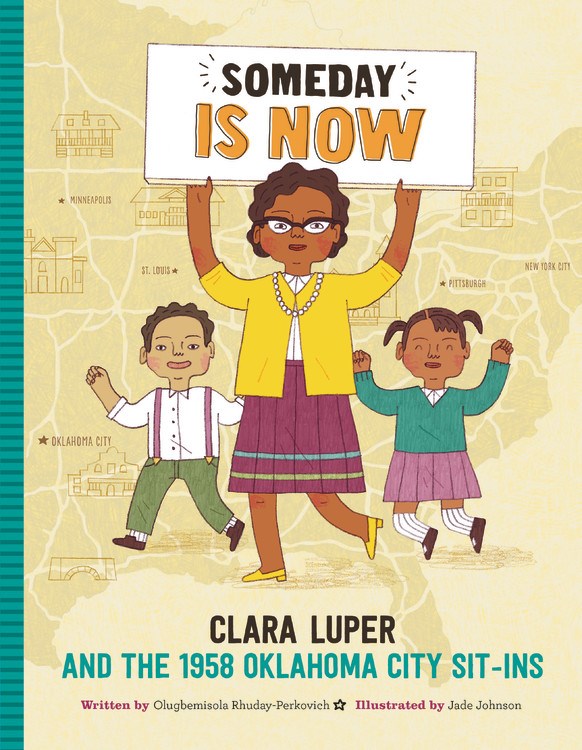
Someday is Now: Clara Luper and the 1958 Oklahoma City Sit-Ins, by Olugbemisola Rhuday-Perkovich/Illustrated by Jade Johnson, (Aug. 2018, Seagrass Press), $17.95, ISBN: 9781633224988

Ages 6-9

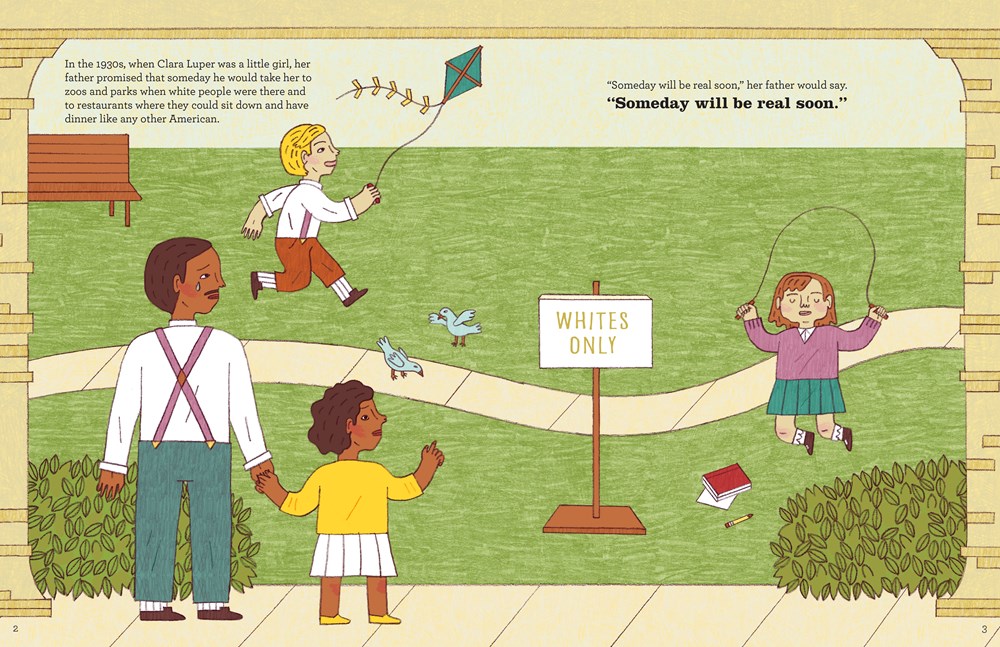
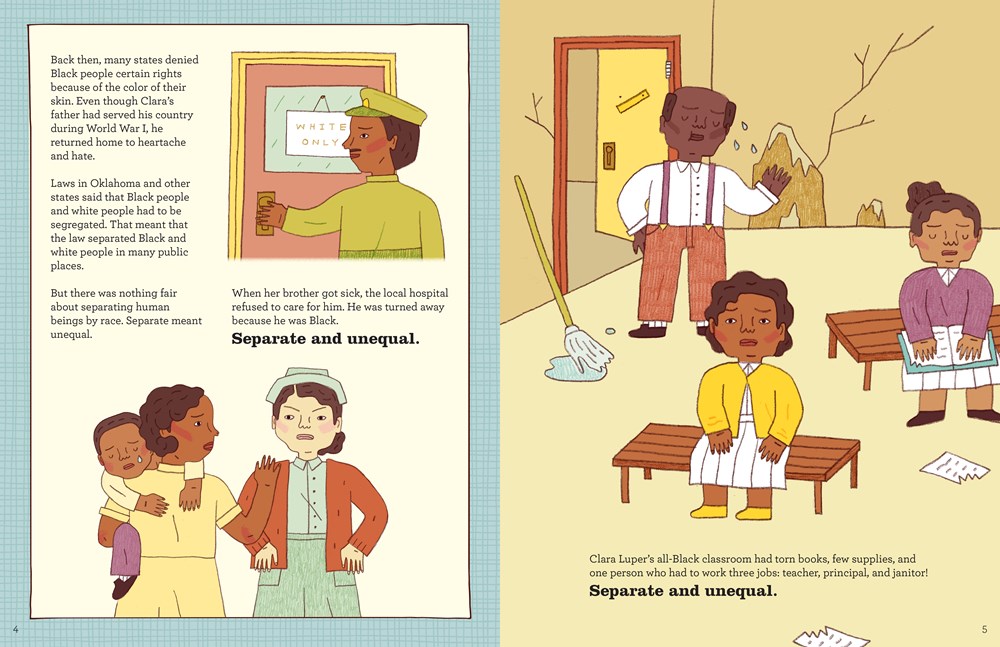
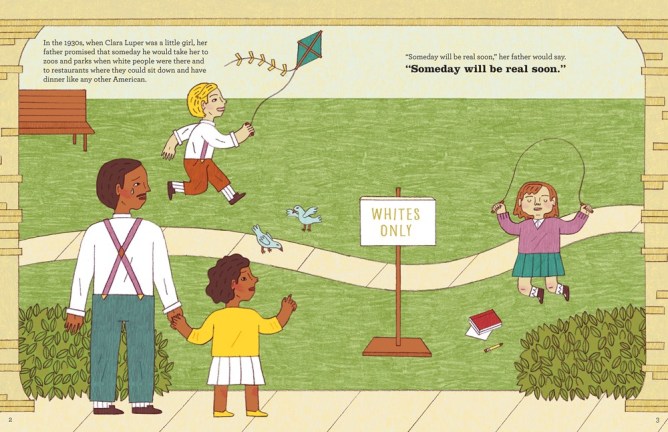
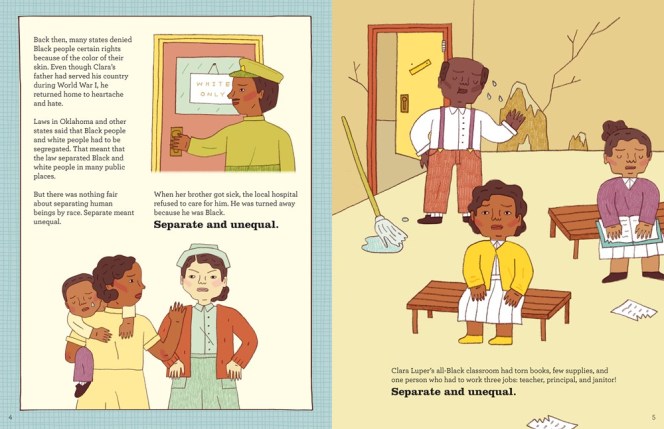
I missed this one the first time around, but I’m glad I caught it when I went back through my Edelweiss account to check up on my TBR. This picture book biography of civil rights activist Clara Luper (nee Clara Mae Shepard) is a great addition to your picture book biographies. Growing up in segregated Oklahoma, Clara saw her World War I veteran father diminished by the very country he fought for: her brother turned away from a local hospital because it was a whites-only facility; she was educated in a run-down classroom with torn books and a teacher who also served as the principal and janitor; restaurants dictated where Blacks could eat. Everywhere she looked, Clara saw things were “separate and unequal”, a phrase repeated throughout the book in bold, large font to drive home the message. Ms. Luper became a teacher who pushed for change, working with the NAACP Youth Council and participating in lunch counter protests with her students after a trip to non-segregated New York. Back matter includes an encapsulated biography of Ms. Luper.

This is the first picture book biography on Clara Luper: everything else I found online is decades old. Let’s get more civil activist bios into the hands of our kids, so they can see for themselves how many voices led to change. Someday is Now has a starred review from Kirkus.

Author Olugbemisola Rhuday-Perkovich is the co-author of the NAACP Image Award nominated Two Naomis and the forthcoming Naomis Too and is the editor of The Hero Next Door, an anthology from We Need Diverse Books. You can see more of Jade Johnson’s illustration work, including downloadable coloring pages, on her website.
 

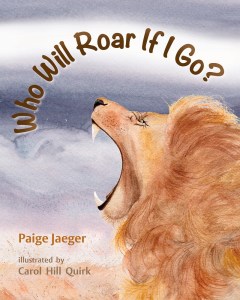
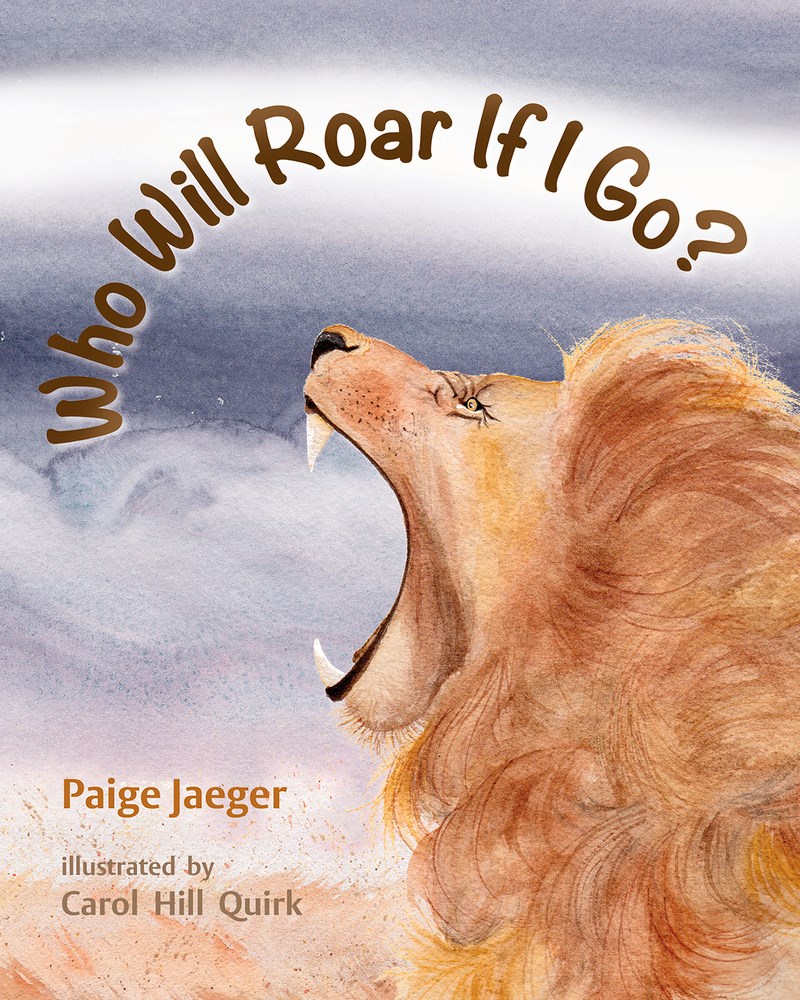
Who Will Roar If I Go? (If We’re Gone, Book 1), by Paige Jaeger/Illustrated by Carol Hill Quirk, (June 2018, Boutique of Quality Books), $18.95, ISBN: 9781945448157

Ages 5-7

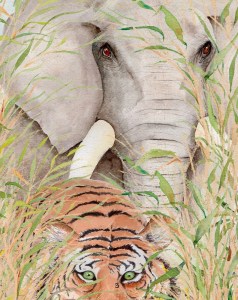
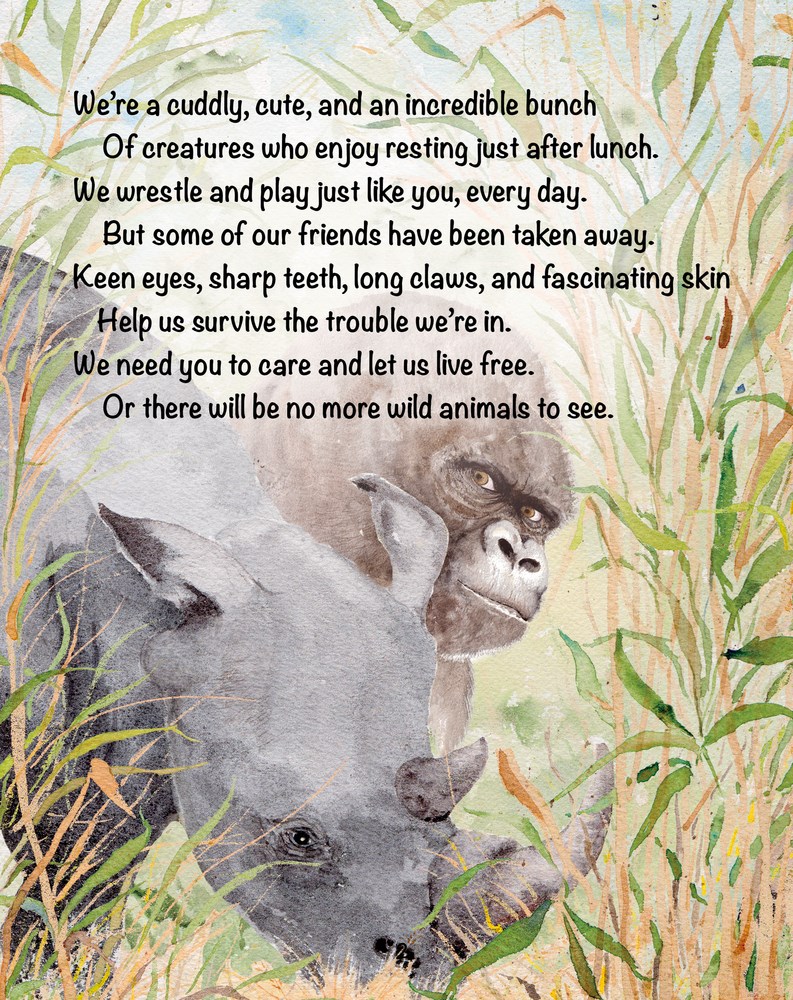
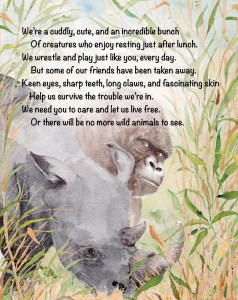
This rhyming story, the first in a planned series, is a plea to readers from endangered animals suffering from a multitude of human-based maladies, most commonly, the disappearance of their habitats and hunting, be it for trophies or luxury dining. Thirteen animals ask humans for help in their quest for survival; each rhyme provides readers with a little background on the animal and why it needs help. The elephant’s page reads: “I sure am an enormous creature; With ivory tusks my most attractive feature; For these long, tapered tusks that I hold dear; Thousands of friends were lost last year; No one needs my tusks but me; Go make some in a factory”.

Back matter includes a glossary of terms and an animal footprint guessing game. Each animal gets its own spread, including its geographic location and footprint, related to a game in the back matter. The watercolor artwork is realistic and showcases each animal in its natural environment. Who Will Roar If I Go? is a good introduction to endangered animals and the need for conservation and preservation; it’s a good additional add to your picture book nonfiction.

The Who Will Roar webpage offers free, downloadable educator resources.


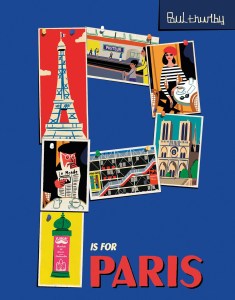
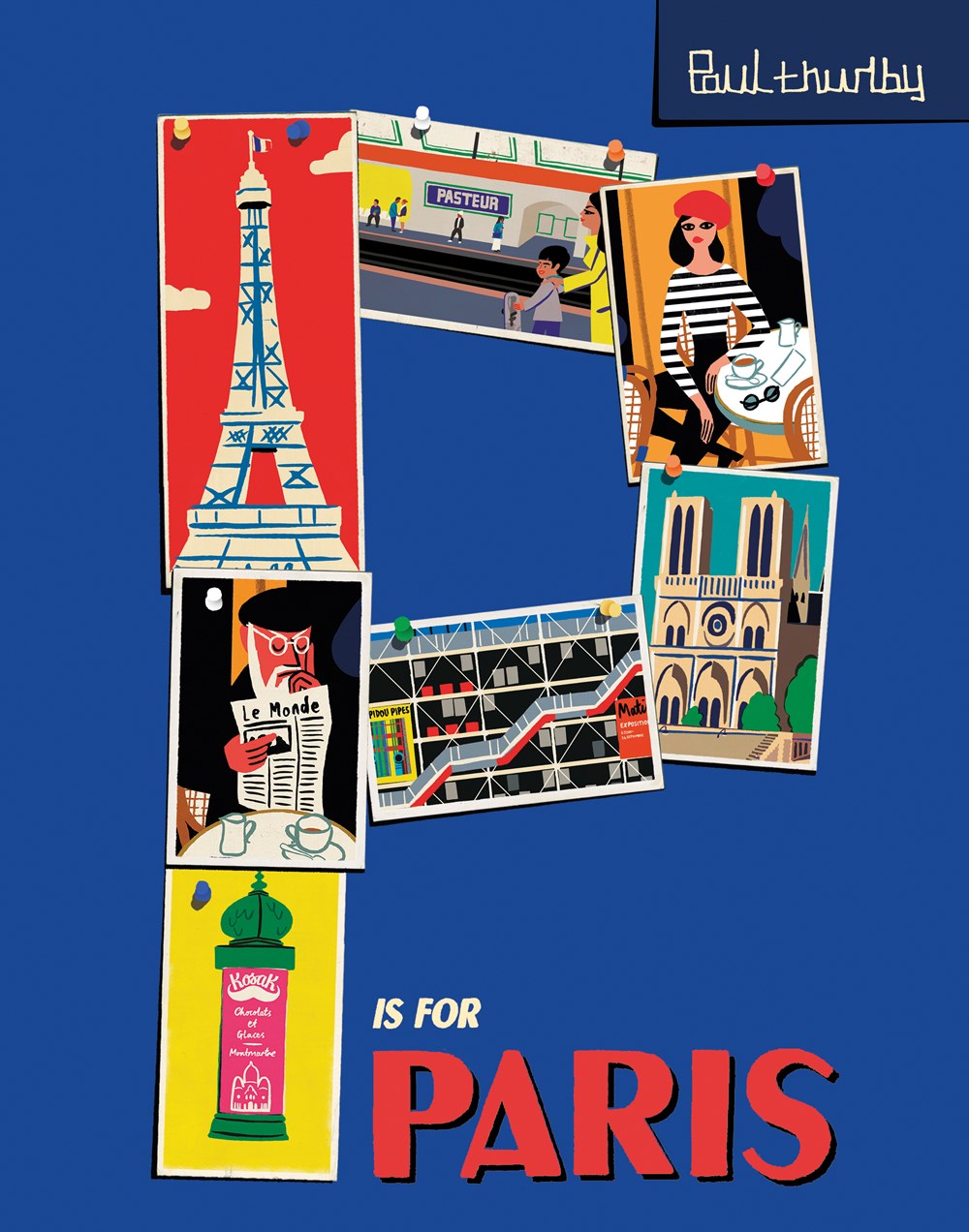
P is for Paris, by Paul Thurlby, (Oct. 2018, Sourcebooks Jabberwocky), $19.99, ISBN: 9781492668152

Ages 5-8

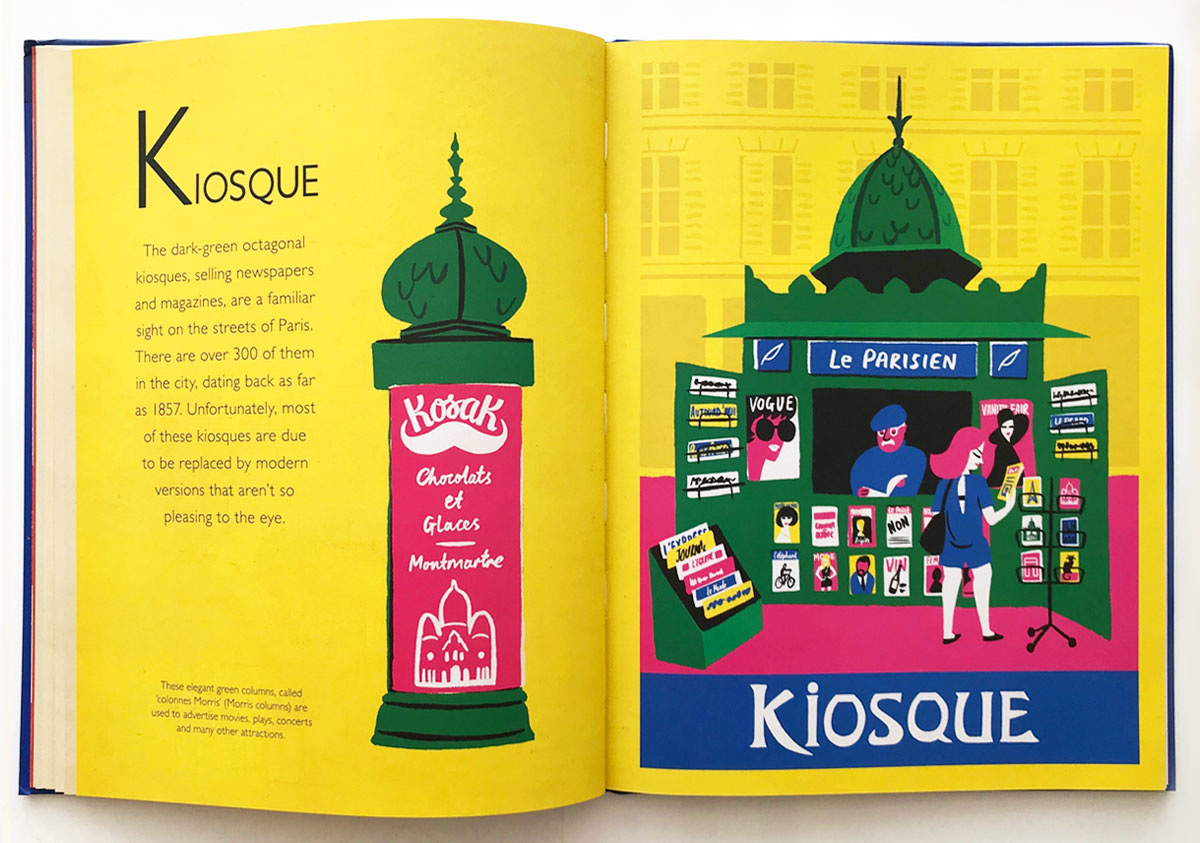
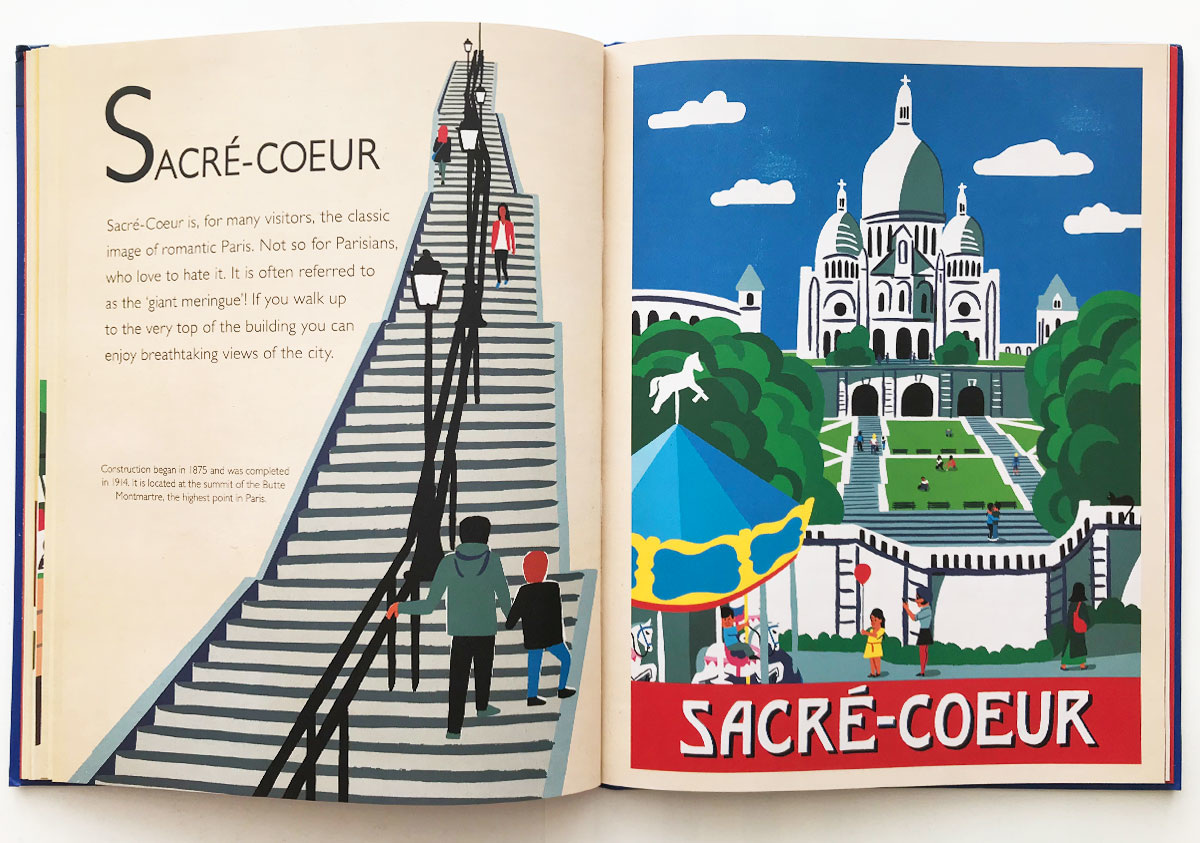
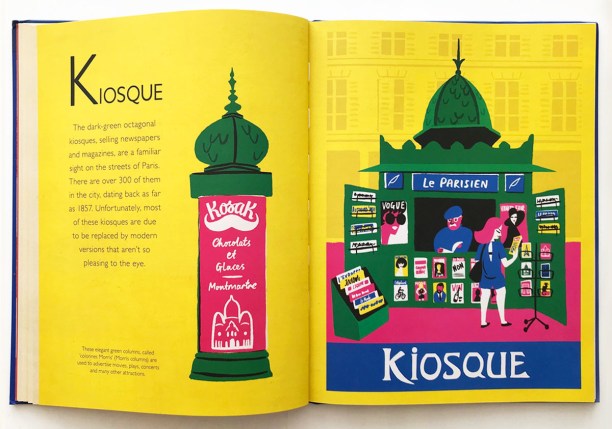
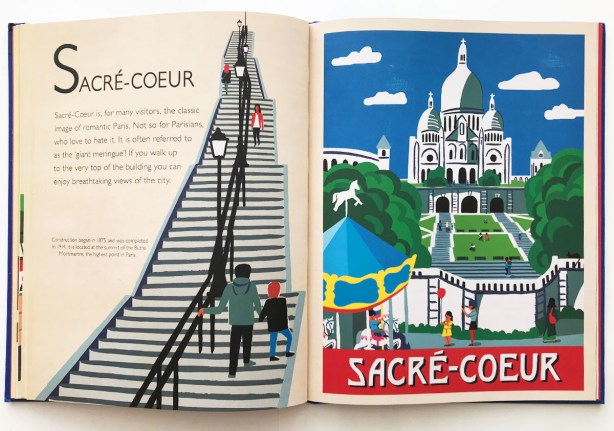
The latest book in Paul Thurlby’s ABC Cities series brings readers on an alphabetical tour of the City of Lights: Paris. Beautiful, bright artwork brings to mind vintage travel posters, and little bites of Parisian history on each page make this a fun addition to your picture books and world sections. Adults will enjoy this one as much as the kids will; references are equally accessible to kids and grownups. From the Abbesses to the Zoo De Vincennes, this is a nice addition to Thurlby’s Cities set. Endpapers provide a map to Paris, with attractions throughout the book numbered for reference. The author provides a concise explanation of the city’s organization into arrondissments. This easily works for both concept sections and geography sections, but don’t mistake this for a beginner’s abecedary; it’s a little more complex and better for Kindergarteners and up.

Check out Paul Thurlby’s webpage for more artwork and information on his other books. Take your armchair travelers on a picture book trip around the world with Thurlby’s books and Miroslav Sasek’s books.
 

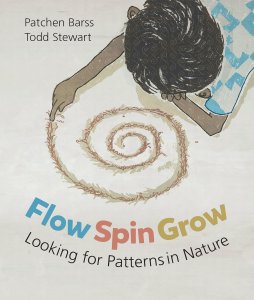
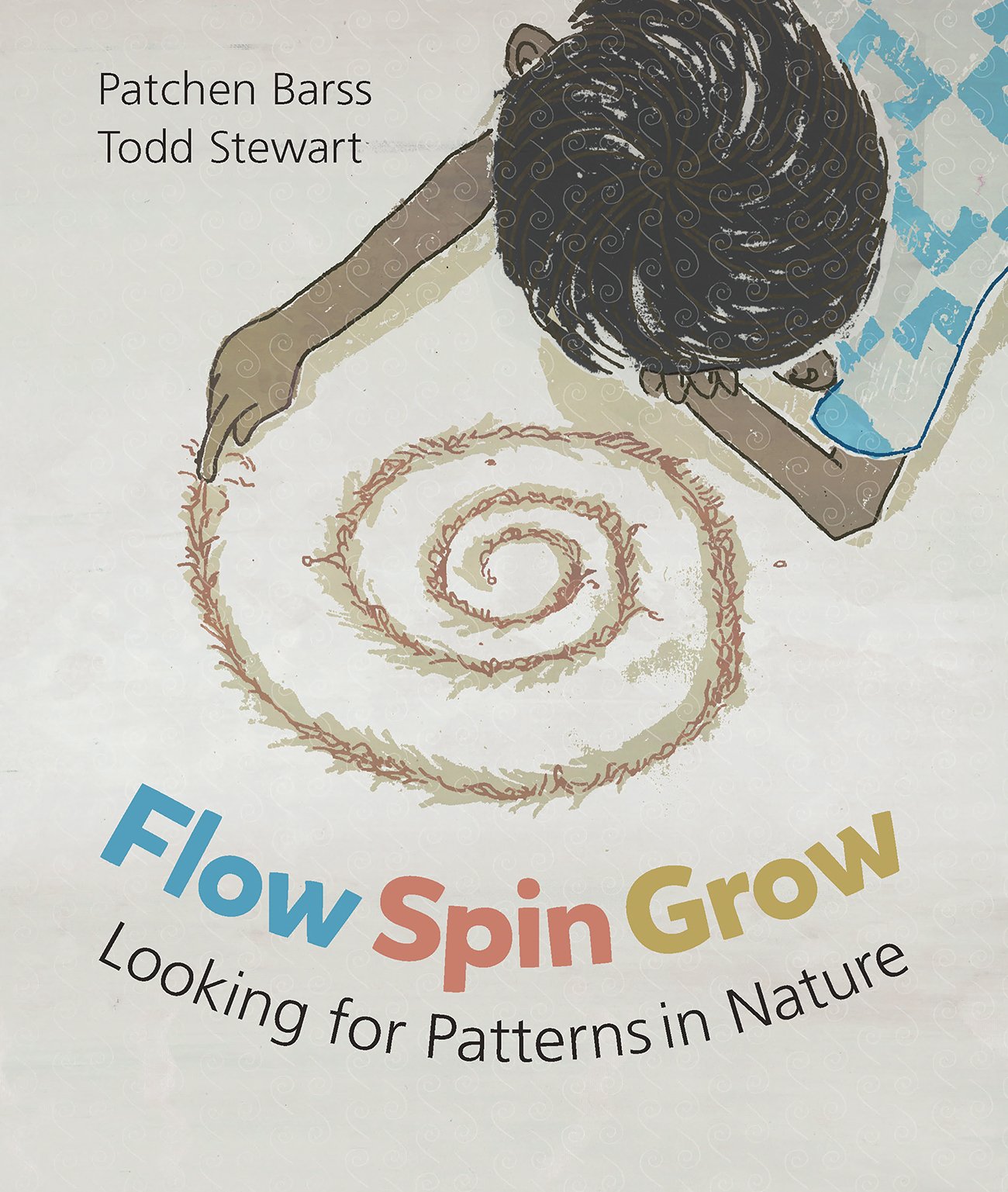
Flow, Spin, Grow: Looking for Patterns in Nature, by Patchen Barss/Illustrated by Todd Stewart, (Oct. 2018, OwlKids), $18.95, ISBN: 9781771472876

Ages 5-7

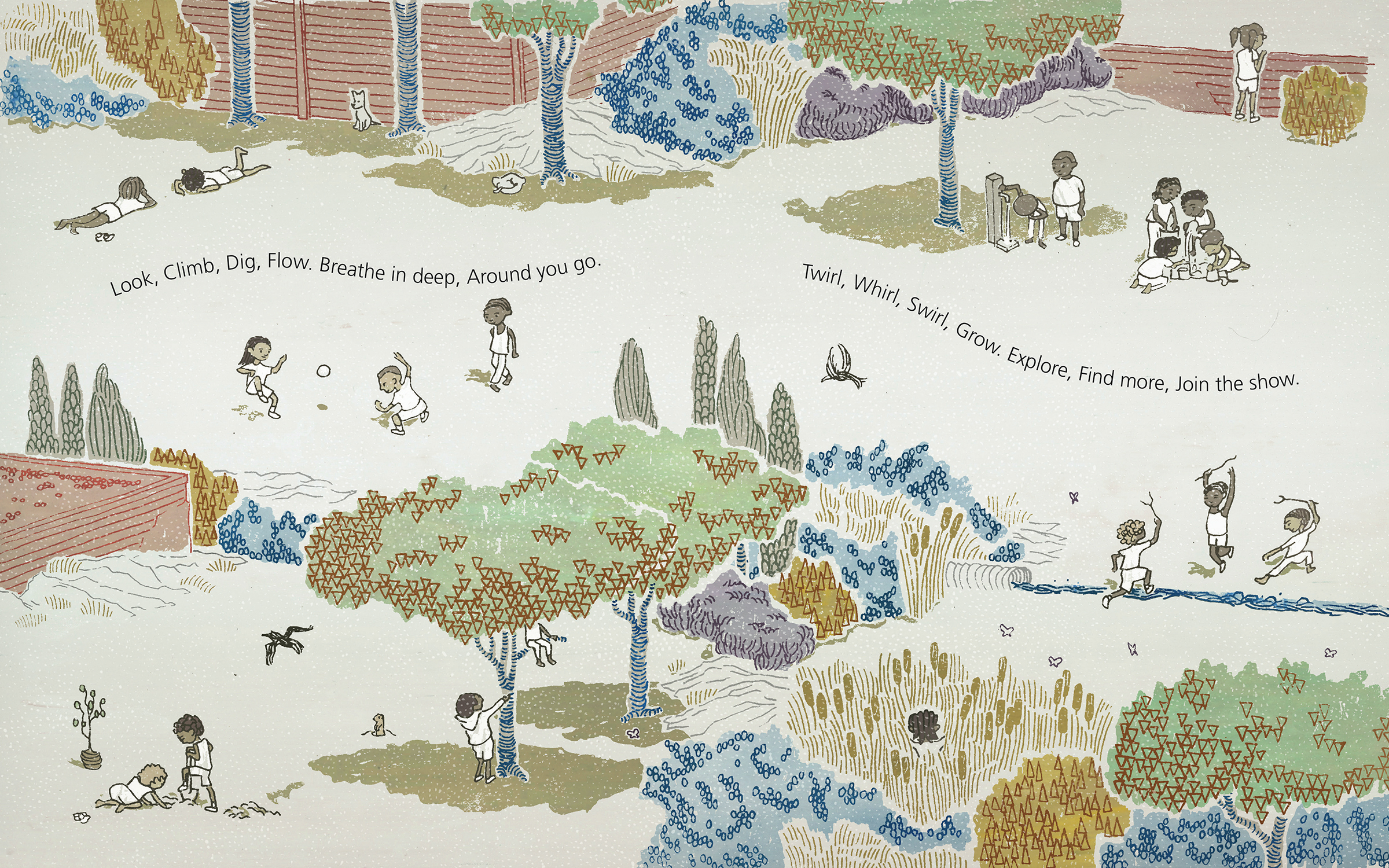
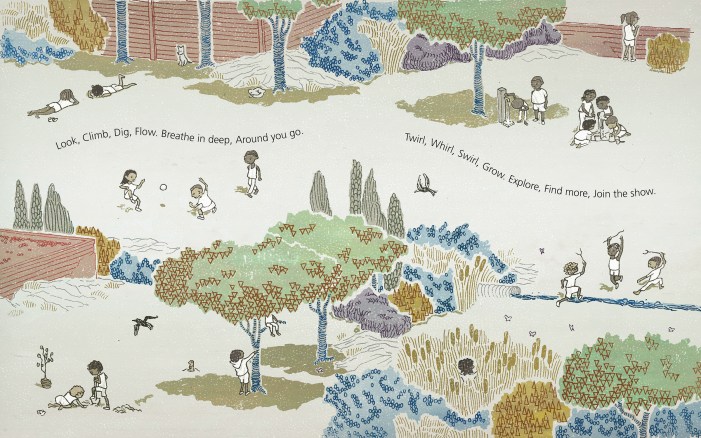
Readers are encouraged to explore patterns in nature in this mindful rhyming book. A diverse group of children play and relax in an open park area in the opening spread. The text playfully crawls around the scene, encouraging kids to “Look, climb, dig, flow. Breathe in deep, around you go. Twirl, whirl, swirl, grow. Explore, find more, join the show.” The text inspires readers to look for patterns everywhere: observe, dig, explore, climb; a tree trunk splits, branches split, and below the ground, roots split and grow; water branches off into smaller bodies of water, and our own lungs have little branches like mini-trees, reaching for air. Nature twirls and whirls, like the galaxies in space or two friends at play; pine cones, storm clouds, and snail shells all swirl. It’s an interesting way to introduce scientific inquiry to burgeoning scientists. An author’s note goes further into the “secret code” hidden in the shapes of things, and suggests additional resources for more reading.

The artwork is the star in this book. Multilayered screen prints and muted colors create a setting where patterns gently emerge, waiting for readers to spot them: triangles on a tree or bush; cracks in the dirt and roots underground reach out. Flow Spin Grow is a good purchase for primary science collections; I also love Joyce Sidman and Beth Krommes’ award-winning Swirl by Swirl: Spirals in Nature, and Jane Brocket’s Spotty, Stripy, Swirly: What Are Patterns?
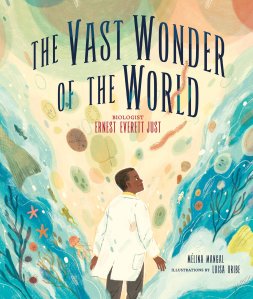
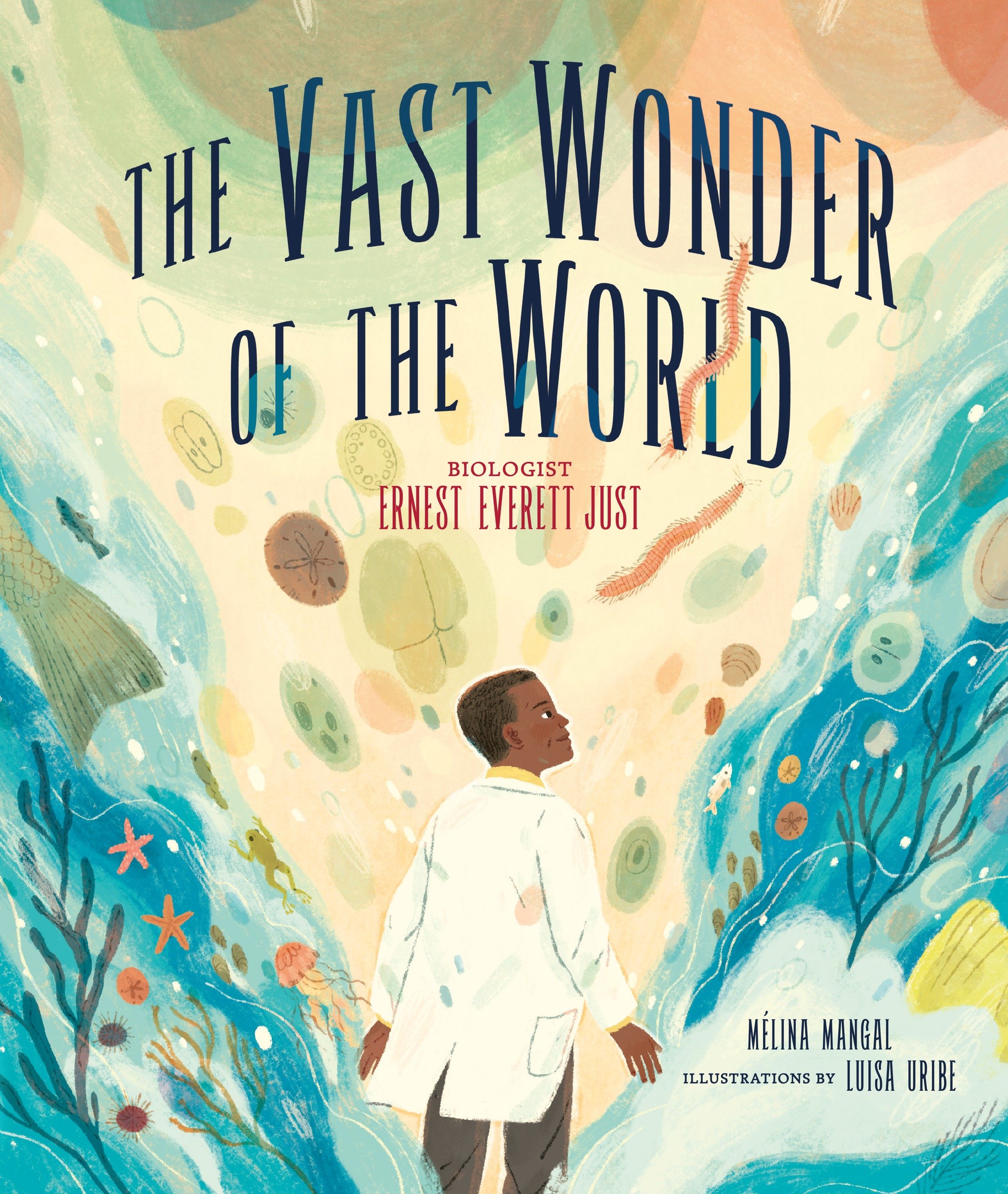
The Vast Wonder of the World: Biologist Ernest Everett Just, by Mélina Mangal/Illustrated by Luisa Uribe, (Nov. 2018, Lerner Publishing Group), $19.99, ISBN: 9781512483758

Ages 7-9

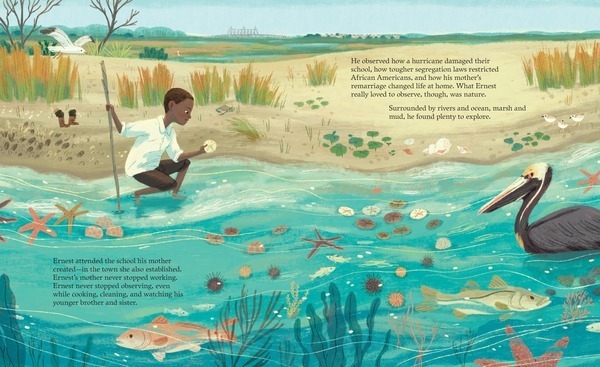
This bio on biologist Ernest Everett Just is just what your picture book biography section needs. He came of age in the Jim Crow South, paying his way through Dartmouth College while supporting his siblings after his mother’s passing. He “unlocked the mysteries of how the different parts of the cell worked together as new life developed”, and found success as a Howard University professor, embryologist, and cytologist, working in both Europe and the States. The Vast Wonder of the World tells his story, introducing him to a new generation of budding scientists who will be inspired by his determination and success in the face of racism and adversity. The muted pencil and digital artwork, in shades of blue, creates a sense of wonder and beauty, giving readers a real appreciation for Just and his place in science history. An author’s note, a timeline, and source notes complete this solid addition to science biography sections. Display and booktalk – PLEASE – with Gwendolyn Hudson Hooks and Colin Bootman’s Tiny Stitches: The Life of Medical Pioneer Vivien Thomas, and – if you can find it (can we please get this book back in print?) – May Chinn: The Best Medicine, by Ellen Butts and Joyce R. Schwartz, illustrated by Janet Hamlin.

The American Society for Biochemistry and Molecular Biology (ASBMB) has a good feature story on Dr. Just, with references to further reading, by W. Malcolm Byrnes.
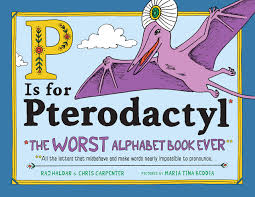
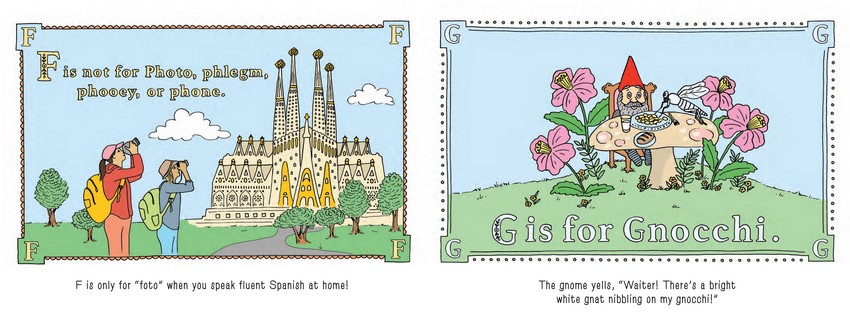
P is for Pterodactyl, by Raj Haldar & Chris Carpenter/Illustrated by Maria Beddia, (Nov. 2018, Sourcebooks Jabberwocky), $17.99, ISBN: 9781492674313

Ages 6-10

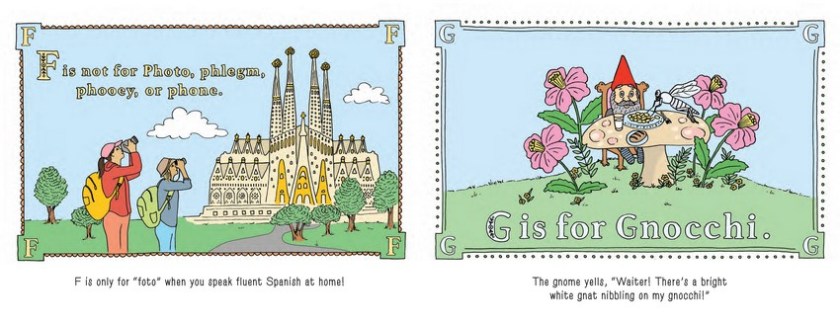
Calling itself “The Worst Alphabet Book Ever”, P is for Pterodactyl is a smirk, wink, and nudge at rebel words in the English language: words that don’t follow the rules. The book uses humor, alliteration, and amusing artwork to get its point across, as with E is for Ewe, which depicts sheep at a wake: “Eileen the ewe was so euphoric with wolves were eaten, she even gave the eulogy” (keep reading the book for more on Eileen); or L is not for Elle, which shows an elevated subway car transporting some elephants across the city of El Paso: “An elephant named Elle rode the el train halfway to El Paso and dined on hearts of palm with her folks”. It’s not a basic concept book for new learners, but it’s sure fun to read it out loud and watch kids laugh and play with language. My 6-year-old cracks up at this one, and it helps when he tries to figure out new words.

P is for Pterodactyl has a starred review from Foreword Reviews.
 

Posted in Intermediate, Middle Grade, Middle School, Non-Fiction, Non-fiction, Non-Fiction, Tween Reads

BIG Summer Nonfiction Reads Roundup!

From sharks, to space, to stories of survival in the wild, I’ve got books for all sorts of nonfiction tastes! Let’s start with the oogie stuff and go from there.

They Lost Their Heads! What Happened to Washington’s Teeth, Einstein’s Brain, and Other Famous Body Parts, by Carlyn Beccia, (Apr. 2018, Bloomsbury), $18.99, ISBN: 9780802737458

Recommended for readers 10+

If you have readers who loved Georgia Bragg and Kevin O’Malley’s books, How They Croaked: Awful Ends of the Awfully Famous, and How They Choked: Failures, Flops, and Flaws of the Awfully Famous, this is a home run! Learn what happened to the famous body parts of 17 famous folks, and pick up some knowledge about other body parts and how they influenced science medicine. If you’ve ever ever wanted to know what happened to Thomas Edison’s last breath or Van Gogh’s missing ear, this is the place to go. You also learn cool stuff like what rots first after you die (psst… it’s the intestines). Loaded with black and white drawings, funny footnotes, sources, an index, and a bibliography. This one’s a hit for upper elementary readers, all the way through high school. They Lost Their Heads! has a starred review from Booklist.

StarTalk with Neil DeGrasse Tyson (Young Readers Edition), by National Geographic, (March 2018, National Geographic), $17.99, ISBN: 9781426330872

Recommended for readers 10+

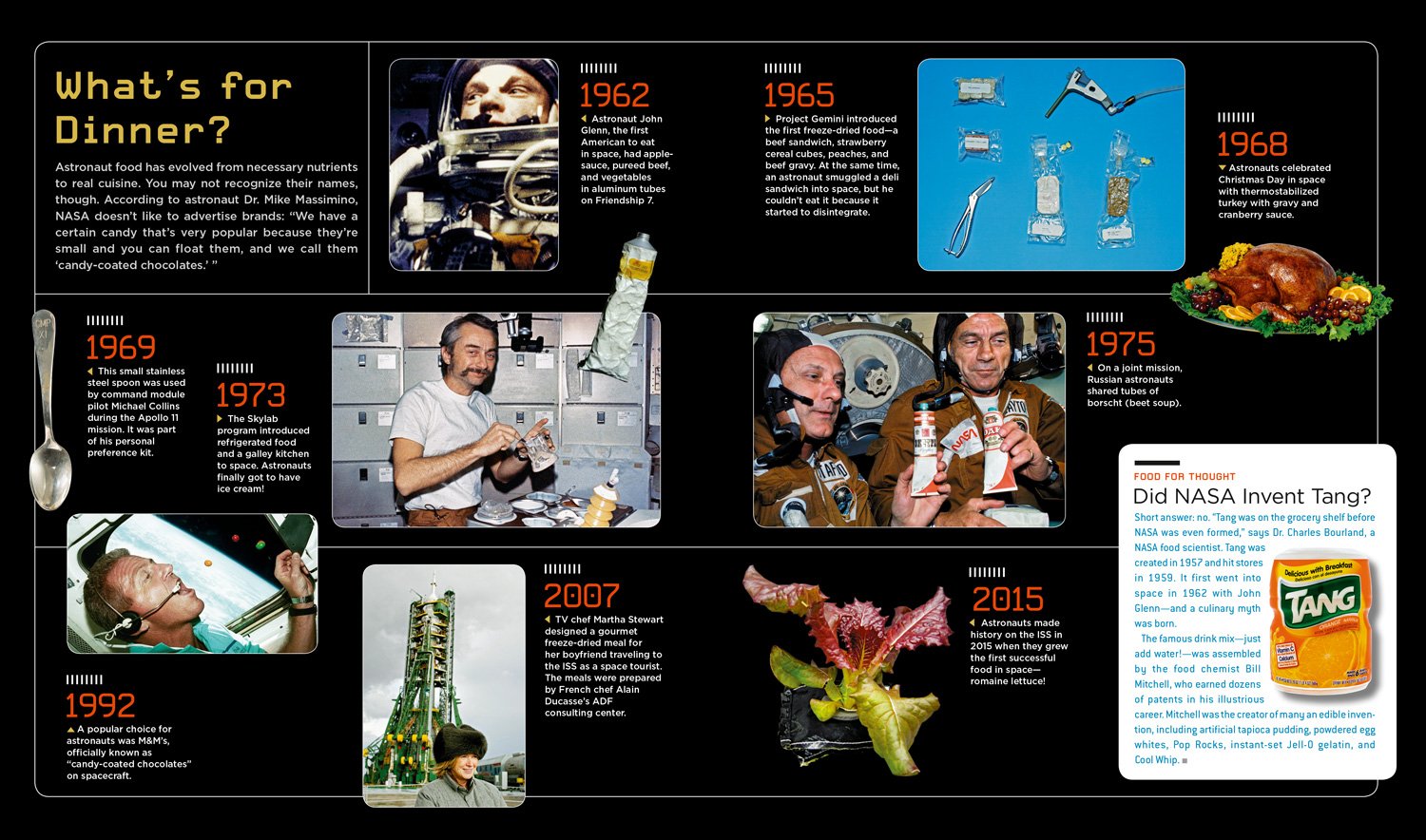
I LOVE Neil DeGrasse Tyson and evangelize his StarTalk Radio podcast any chance I get. (Seriously, it’s great stuff.) NatGeo’s Young Readers edition of the StarTalk book is must-booktalk summer reading. Get your Summer Reading budget and buy some astronaut ice cream; while you and the kids feast, read the section on why you can’t get a pulled pork sandwich in space; find out what the Vomit Comet is; and read mini-bios on scientists like Carl Sagan. Not so much with the food? There are also sections on zombies and superheroes. Debate the eternal question: Could the Death Star really blow up a planet? There’s so much to discover in this book that every kid is darn near guaranteed to find something to interest him or her. (Psst… get an extra copy for yourself. You’ll thank me.)


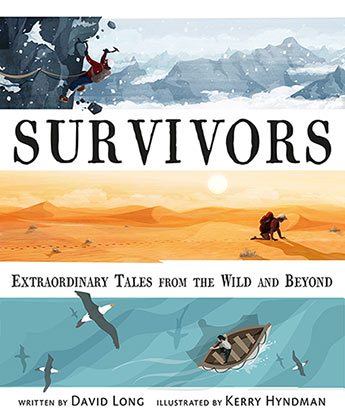
Survivors: Extraordinary tales from the Wild and Beyond, by David Long/Illustrated by Kerry Hyndman, (Sept. 2017, Faber & Faber), $19.95, ISBN: 9780571316014

Recommended for readers 9-13

Do you know fans of Lauren Tarshis’ I Survived series? I’ve never been able to keep those books on the shelves, no matter which library I’ve been at. Middle graders go berserk for that series, and they’ll LOVE this oversized, illustrated anthology of true survival tales. There are 23 stories in here; the most famous being explorer Ernest Shackleton, who saved his crew when a 1914 Antarctic expedition put their lives in danger. There’s also the story of Hugh Glass, a “fur trapper and adventurer” who made the critical error of surprising a mother bear and her cubs by the Missouri River in 1823, or Mauro Prosperi, a runner competing in the 1994 Marathon of the Sands through the Sahara Desert, found himself in the middle of a sandstorm. Not crazy enough for your readers? There’s also a Hollywood pilot who crashed INSIDE a Hawaiian volcano in 1992. The stories are fast-paced, beautifully illustrated in color, and are perfect for adventure fans. Best part? All the stories are TRUE.


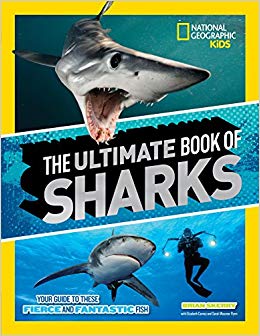
The Ultimate Book of Sharks, by Brian Skerry, Elizabeth Carney, & Sarah Wassner Flynn, (May 2018, National Geographic Kids), $19.99, ISBN: 9781426330711

Recommended for readers 7-13

Kids love sharks. This is a fact. The Ultimate Book of Sharks has all the info and pictures your shark-loving fans crave, just in time for Shark Week, which kicks off on July 22 (get your printables and programs lined up – I’ll do a separate post about Shark Week as it gets closer). The NatGeo folks bust myths about sharks, give us a look at shark anatomy, and – as always – provide loads of information about conservation and preservation, and how we can all help keep sharks, and our waters, safe and clean. This volume is chock full of fast facts and lists, with Up-Close Encounters, where marine wildlife photojournalist and author Brian Skerry shares some of his stories with readers. There’s an index at the end. This volume is an absolute must-add to your science and nature collections.


Red Alert! Endangered Animals Around the World, by Catherin Barr/Illustrated by Anne Wilson, (July 2018, Charlesbridge), $17.99, ISBN: 9781580898393

Recommended for readers 7-11

This is such a fun book. Think of a Choose Your Own Adventure about endangered animals, and you’ve got Red Alert! Red Alert! profiles 15 animals on the International Union for Conservation of Nature’s (IUCN) list. A beginning note explains the organization’s “Red List”: a list of endangered plants, animals, and fungi, and lists some of the categories mentioned in the book. Colorful endpapers start the fun: the first, a map of the world, with the 15 profiled animals drawn into their world regions; final endpapers highlight a plethora of endangered animals. From here, readers can pick a place to explore: deserts, forests, mountains, grasslands, rivers, or oceans; pick a creature from each of these regions, and go to its page to read further. You can also read the book straight through. Spreads include the animals’ scientific names, facts, endangered category, and factors contributing to the endangerment of the species. A section at the end provides resources for more information on taking conservation action. A solid introduction to environmental action for younger readers.


National Geographic Kids Almanac (2019 Edition), (May 2018, National Geographic Kids), $14.99, ISBN: 9781426330131

Recommended for readers 8-13

Another guaranteed must-have from NatGeo Kids, this latest edition of their Kids Almanac shows readers a baby animal “tweet-off” between several zoos and aquariums (it’s from 2017, but who doesn’t want to revisit that simpler, lovelier time?), talks about updates in robotics and technology, dwarf planets, and has a Special Gross Edition of their Just Joking feature. Facts, quizzes, updated maps and stats, and homework help ideas all in one volume? This is one desk reference every kid should have – put one on your shelves, and keep one in your reference area, to be on the safe side.


How’s that for a start? Next time a kid comes in, stressed about needing a nonfiction book, consider yourself ready.

Posted in Fiction, Middle Grade, Realistic Fiction, Tween Reads

Beth Vrabel’s newest: Bringing Me Back

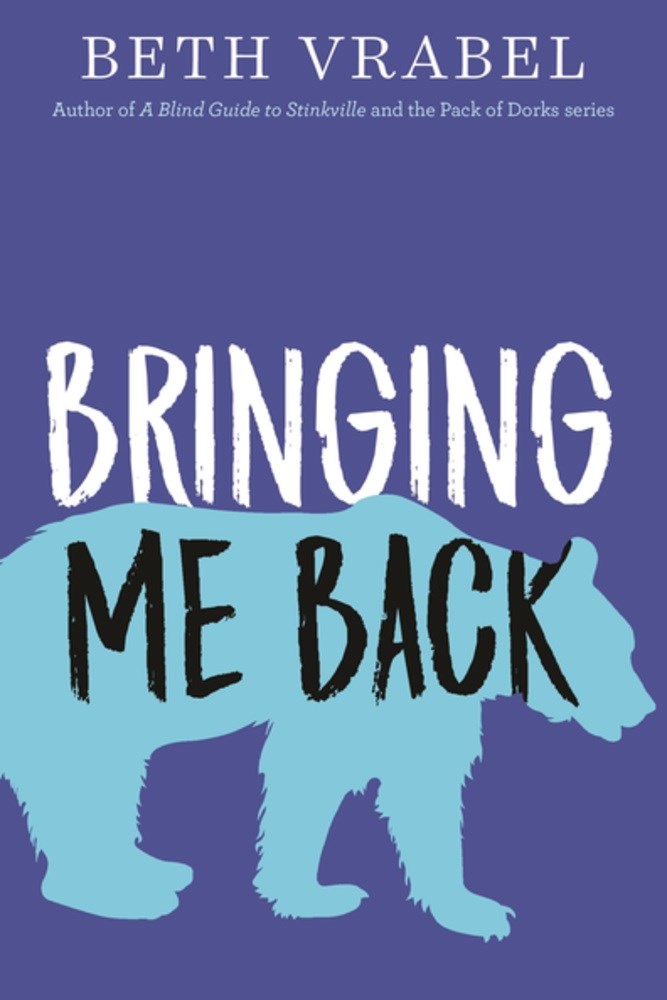
Bringing Me Back, by Beth Vrabel, (Feb. 2018, Sky Pony Press), $16.99, ISBN: 9781510725270

Recommended for readers 8-12

Seventh-grader Noah is having a bad year. His mother was arrested on a DUI and is serving a six-month sentence in prison; he lashed out on the football field, getting his school’s football program shut down. To say he’s persona non grata at school is putting it likely. Jeff, his mother’s boyfriend, has taken him in while Noah’s mom serves her sentence, and is trying to reach out to Noah, but Noah just sees himself as yet another burden on everyone. He’s taunted and bullied at school; even his former best friend, Landon, has joined the crowd in leaving garbage in his locker and making snide remarks during class, in the halls, wherever they see an opportunity.

And then, the bear shows up. Not much older than a cub, Noah notices the bear wandering around near the school. The school begins a fundraiser to bring back the football team, dumping buckets of Gatorade on themselves and donating money to the cause, and the bear gets her head caught in a bucket. Noah has a cause: he wants to save the bear. He’ll risk even more bullying and ridicule to do it, because now it’s him against the entire school, desperate to bring back that football team. Thankfully, he’s got a friend or two on his side. Noah’s desire to save the bear gives him a reason to keep going; the bear is bringing him back from the brink.

I’ve said it before and I’ll say it again, I’m a Beth Vrabel fangirl. She knows how to write for tweens. She tackles bullying, addiction, dysfunctional families, and social justice in Bringing Me Back, and makes it all flow seamlessly. Kids can empathize with all of the kids in this story: kids who live in areas where school sports are just as important as schoolwork; kids living with a single parent or stepparent; kids being bullied; kids who need a reason to keep going. She subtly addresses teacher bullying and the frustration of an education system that appears to be dialing it in to some students – what do you do when you’ve grown beyond your school? Bringing Me Back is a solid addition to realistic fiction shelves.

Posted in Fiction, Middle Grade, Realistic Fiction, Tween Reads

It’s a good day for activism… and climbing trees!

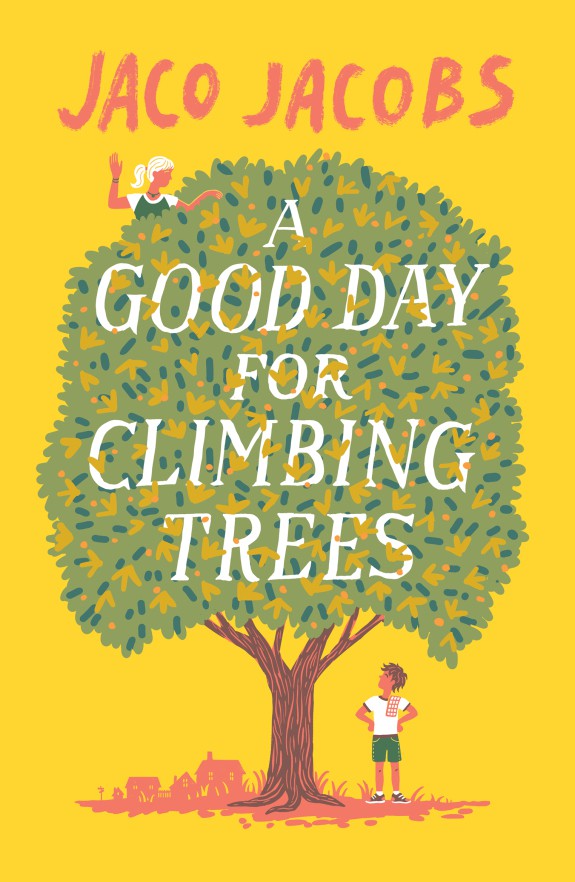
A Good Day for Climbing Trees, by Jaco Jacobs, Translated from Afrikaans by Kobus Geldenhuys/Illustrated by Jim Tierney, (Apr. 2018, One World Publications), $11.99, ISBN: 978-1-78607-317-4

Recommended for readers 9-13

Marnus is a 13-year-old boy who’s tired of falling through the cracks in his family’s life. He’s not an athlete like his brother, and he’s not a financial wizard-slash-loan shark like his little brother, to whom he owes big bucks. A girl named Leila shows up at Marnus’ door, asking for signatures for a petition to save a local tree, and before Marnus realizes what he’s doing, he’s up in the tree next to Leila. Over the next few days, the two manage to gather a viral following, attract sponsors, and build the foundations to a new friendship.

Jaco Jacobs is a prolific South African author, with over 120 books to his credit. This latest novel, released in 2015 in Afrikaans, will resonate with readers here in the U.S., where young people are discovering activism at a younger age. Jacobs hits on the two-edged sword of activism: the empowerment of seeing kids take matters into their own hands when something is important to them, and the trap of viral popularity and its fleeting nature, paired with the frustration of having one’s passion seen as a “novelty” cause. The reason behind Leila’s activism are moving, and Marnus emerges as a sensitive, upbeat EveryKid. The characters have depth and are identifiable, from the two main characters to the parents who mean well but don’t always do well; the Rent-a-Cause college students; the developers who want to tear down the tree, and more. This is a solid addition to bookshelves – it would make a strong summer reading choice for middle schoolers, particularly with the wave of activism firing up this generation. There’s a wealth of book discussion topics to explore with this book, for adults as well as for tweens, from environmentalism to sibling relationships to divorced families.

Posted in Adventure, Animal Fiction, Fiction, Middle Grade, Tween Reads

Teddycats: A coming of age animal adventure

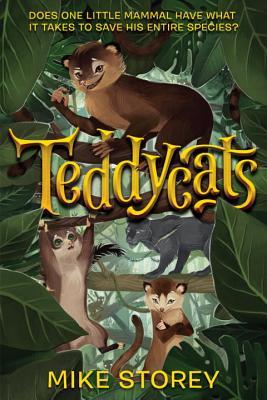
teddycatsTeddycats, by Mike Storey (July 2016, Razorbill) $16.99, ISBN: 9781101998830

Recommended for ages 9-13

Bill Garra is a Teddycat – a unique jungle-dwelling mammal, living high up in the tallest trees; a community they call the Cloud Kingdom, far away from the other animals in the forest. The Teddycat elders want to keep Cloud Kingdom a secret; to remain separate, to keep outsiders out. Bill doesn’t always understand the rules the elders make; rules like keeping their extra sharp claws hidden unless they need to climb or get out of a life-or-death situation, and he definitely doesn’t understand why he has to keep his friend, Luke, an olingo, out of Cloud Kingdom. When he sneaks Luke into Cloud Kingdom for a look around, the problems seem to begin: predators, including humans, take notice and stalk the Teddycat community. When Bill’s best friend’s sister is trapped and taken by the humans, the Teddycat elders vote to go into hiding, but Bill sets out to rescue her, along with an old frenemy, Omar, a grizzled scout named Diego, a recuperating jaguar named Felix, and Luke. Bill and his group risk banishment from Cloud Kingdom as they face the dangers of the forest.

Wow. Look at this cover. I thought I was going to read a sweet animal adventure when I picked up Teddycats, but what I got was an emotional read about the dangers of deforestation and trophy hunting and a strong subplot about isolationism. Throughout the novel, Bill discovers the downside to the elders’ choice of isolation and the power of teamwork. The big danger here, though, does not come from other animals: it’s the humans, referred to as “Joe” by the Teddycats. They burn, kill, and leave devastation in their wake. They want to sell the Teddycat claws as trinkets, or figure out how to weaponize them, with no regard for the lives they impact. It’s a strong statement, and it may affect some more sensitive readers when animals die. It’s not over the top or gory, but the narrative is matter of fact in stating that these animals are at the mercy of humans and the havoc we wreak.

There are some strong characters in this book. Bill is the self-centered youth who comes of age on his journey; the elders are the frightened old men who are afraid of change; Felix is the wise old cat, and Diego is the grizzled voice of experience. There are more wonderful characters to meet here, and it’s a great opportunity to learn more about animals in the forests of the Andes. Yup, I looked it up. I didn’t see “teddycats” specifically listed, but I did find Olingos versus Olinguitos, which were much more recently discovered. I’m making a wild guess here, but I’m relating Olinguitos to Teddycats (since that’s also what came up in an initial Google search on “Teddycat”).

olingo olinguito
Left: Olingo; Right: Olinguito (images via Google Images)

Grab an atlas to booktalk this story! Explain where the Andes are, talk about some of the residents of the forest that they’ll encounter in the book, and use this opportunity to talk up conservation and preservation of our rain forests, our environment, and the folks we share this world with. Heck, show them the scene from the Spongebob Squarepants movie, when they discover Shell City, and see all the dried starfish and sea life that gets sold as souvenirs!

Talk about movies like Finding Nemo and Happy Feet, that also deal with human impact on the environment, and then talk about all the ways they can help make a difference. Whether it’s writing a letter to a politician, cleaning up after themselves, or being aware of the world around them, they count.

This is a solid animal adventure story with a message; animal fiction fans and kids that are on the lookout for environmentally conscious stories will love it.

Posted in Early Reader, Intermediate, Non-Fiction, Non-Fiction

Animal Planet’s Animal Bites series is great for young readers!

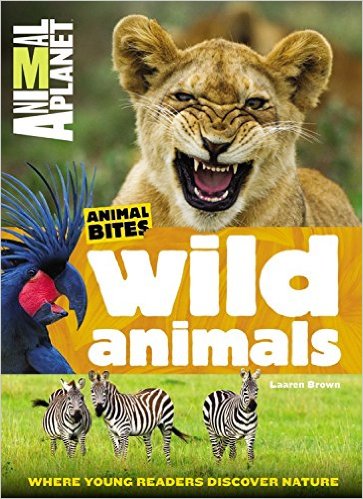
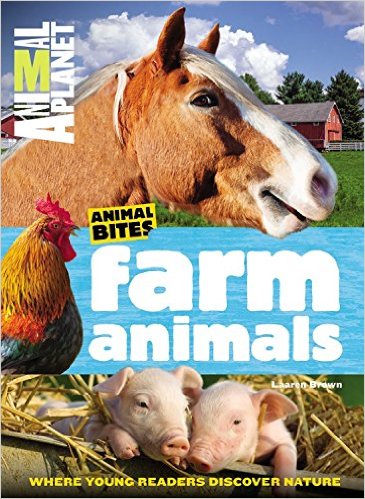
Animal books are KING with younger readers. I gush constantly about the NatGeo books, but I’ve just been made aware of Animal Planet’s Animal Bites series: books spotlighting animals from different habitats, like Farm Animals and Wild Animals, and loaded with bite-sized info (see what I did there?), questions for discussion, and yes, outstanding photos.

wild animalsEach book is organized to guide readers through information about family relationships, animal bodies, ecosystems, play time, conservation, and so much more. Check boxes throughout prompt discussion about whether these animals are friendly or would make good pets (bears, not so much; horses, yes) and discussion questions ask kids to compare themselves with animals: do you like to play games, like a border collie does? We get infographics on featured animals, including geographic location, weight, and height, and to help younger kids form a more solid frame of reference, a comparison to something most of us see every day, from a truck to a computer printer.

I love the emphasis on conservation, particularly in the Wild Animals book. Features on animals that have been saved from the brink of extinction, like the gray wolf, make very real the idea that conservation works when there is awareness.

Each book ends with a quiz, an activity and a craft, and a robust list of resources, a glossary, and an index. Endpapers lead readers in and send them off with a gorgeous photo of an animal.

There are over 200 photos in each book, along with infographics, maps, and informative Quick Bites. Other books in the series include Animal Planet Polar Animals and Animal Planet Ocean Animals.farm animals

Further committing to conservation, a portion of the proceeds benefits Animal Planet’s R.O.A.R. (Reach Out. Act. Respond.) campaign that partners with leading animal organization to make the world a better place for domestic and wild animals.

My 4 year old LOVES these books: trying to get them back so I could refer to them for this review was fun (he’s at school right now). Every page is a new discovery, something waiting for him to find and explore. Sometimes, he plays with his animal toys, showing me his horses when I read the section on horses; he’ll show me a lion when I get to a spotlight on lions. If he asks why his shark is missing, I’ll explain that I have to buy him a copy of Ocean Animals. 😉

Kids love animals. Animal Planet books make it easy for you to bring more animals into their lives, and even more importantly, to discuss humane treatment of animals and the importance of conservation of our planet with them. The books are a nice, sturdy softcover, perfect for tucking into your tote bag when you’re traveling (or sneaking your kid’s copy out so you can read it on the way to work), and it’ll hold up to repeated reads.

Animal Planet: Animal Bites – Wild Animals, by Laaren Brown (Animal Planet, June 2016), $12.95, ISBN: 978-1618934147

Animal Planet: Animal Bites – Farm Animals, by Laaren Brown (Animal Planet, June 2016), $12.95, ISBN: 978-1618934130

Recommended for ages 4-8

Posted in Middle Grade, Non-Fiction, Non-fiction, Tween Reads

NatGeo’s 2017 Almanac is jam-packed!

almanac_coverNational Geographic Kids Almanac 2017 (May 2016, National Geographic), $14.99, ISBN: 978-1426324178

Recommended for ages 8-13

NatGeo’s 2017 almanac is packed with content from their kids’ magazine, their collection of books, and their NatGeo Kids website. It’s chock full of articles, facts, games, and digital extras, including an invitation to the Newsmaker Challenge, where kids can submit their own time capsule artifact photos to be featured in next year’s almanac. Features on animals encourage kids to get involved in the Summer Mission Animal Rescue Challenge, increasing awareness about endangered species and how they can play a part in helping do their part toward conservation and protection.

Information is broken out into 10 sections, covering current events, animals, going green, world cultures, adventure, fun and games, science and nature, history, and geography. Each section is loaded with breathtaking photos, top 10 lists, homework help and research ideas, and a quiz.

These books are a great idea for kids who love trivia, and they’re great for introducing readers to the world outside their doors. Like I’ve said before, NatGeo books are a win with the kids in my library, my own kids, and the kids in my extended family. There’s so much to love!

Posted in Uncategorized

Mr. King’s Machine needs to stop!

kings machineMr. King’s Machine, by Geneviève Côté (Apr. 2016, Kids Can Press), $16.95, ISBN: 9781771380218

Recommended for ages 3-7

Mr. King loves flowers! He notices that a caterpillar has taken a munched on a flower, he is NOT happy, and takes it upon himself to construct a Caterpillar-Catcher. But Mr. King trades one small problem for much bigger ones: his Caterpillar-Catcher is making a mess of the environment! It’s trampling flowers and grass, it’s belching awful gray smoke into the air, and most importantly, it’s stopping the caterpillar from doing his work: becoming a butterfly that will help flowers grow as they fly from plant to plan! Mr. King’s friends confront him, and he listens; then, he decides on a new invention, and takes apart his Caterpillar-Catcher to create a much more environmentally friendly machine: the Flower-Fan!

This is the third book in the Mr. King series; the first one I’ve read. You don’t need to pick up any of the other books to know what’s going on, just dive into this fun Earth Day-friendly tale for our youngest learners! Mr. King is a sweet, well-meaning lion (but he’s got no mane – maybe he’s still young?) who has a knee-jerk reaction and tries to take action. Toddlers and preschoolers will understand this, and they’ll understand how Mr. King’s friends see what he’s doing wrong. Use this as an interactive read-aloud and ask your readers what Mr. King’s doing wrong, too – it’s a great learning opportunity, especially if you’re talking about Earth Day, conservation, and pollution.

The mixed media artwork is adorable, with Mr. King standing out as a crayon-drawn character, set into what looks like collage backgrounds. It’s a great read-aloud book that toddlers and preschoolers can enjoy, and allows for a lot of interactivity: talk about what we can do as a community to make our neighborhoods nicer; how we can make our world a better place as a global community (a better discussion for school-age readers).

Mr. King’s Machine has received a starred review from Kirkus.

Geneviève Côté is a Montreal artist whose illustrations have graced the pages of publications such as the New York Times and the Boston Globe. Her books have received three nominations for the Governor General’s Award for Illustration, one of which went on to win, and she has also won the the Elisabeth Mrazik-Cleaver Award.