Sky Pony has a new series for intermediate readers that incorporates a fun science component into each tale. Lucy’s Lab is a series about a second grader named Lucy, and she loves science! Her cousin and best friend, Cora, is in class with her, and is more of the purple and pink princess type, but she’s always up for a stint in Lucy’s Lab. Now, if only she could get that annoying classmate Stewart Swinefest, to behave himself…
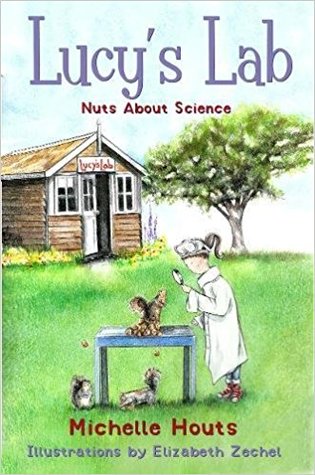
 Lucy’s Lab: Nuts About Science, by Michelle Houts/Illustrated by Elizabeth Zechel,
(Sept. 2017, Sky Pony Press), $13.99, ISBN: 978-1510710641
Recommended for readers 7-10
In Lucy’s first science adventure, Nuts About Science, we meet the science-loving second grader at the beginning of her school year. She likes her new teacher, Miss Flippo, and she really likes that there’s a science lab in her classroom! Miss Flippo even has lab coats and goggles for the students to wear in the lab! One thing doesn’t sit so well with Lucy this school year, though: the big oak tree outside her classroom is gone, and Lucy’s worried that the squirrels that lived there will have nowhere to go! She and her friends manage to find out what happened, and lobby the principal and the PTA for a new tree. In the meantime, Lucy turns an old playhouse her father built in the backyard into her very own lab!
 Lucy’s Lab: Nuts About Science, by Michelle Houts/Illustrated by Elizabeth Zechel,
(Sept. 2017, Sky Pony Press), $13.99, ISBN: 978-1510710672
Recommended for readers 7-10
Lucy and her classmates learn about the states of matter in Solids, Liquids, Guess Who’s Got Gas, which may be the best Intermediate book title ever. Miss Flippo believes in science being fun, and teaches them about solids, liquids, and gases by using balloons, frozen water, and a school trip to the apple orchard! Kudos to author Michelle Houts for slipping the fourth state of matter – plasma – into the story, as well as its recent inclusion into science textbooks. Lucy discovers a new science hero in this story, and Stewart Swinefest gets some payback for being obnoxious.
The Lucy’s Lab series is easy reading, with bite-sized information slipped into the narrative. Lucy has her own lab time in each book, and we return to Room 2-C for adventures in the science lab during school hours; we also get interesting tidbits throughout each story, whether it’s about the origin of some last names, tree diseases, or the scientist who studied plasma. There’s always something interesting happening in Lucy’s world, and we’re invited to come along. Black and white illustrations keep the reader’s interest and keep the pace moving for readers transitioning from beginner chapter books to intermediate novels.
This is a nice series to give to your readers who like exploring the world around them. I’d display this with the Girls Who Code chapter books and Jon Scieszka’s Frank Einstein books to give kids a nice introduction to STEM fiction.
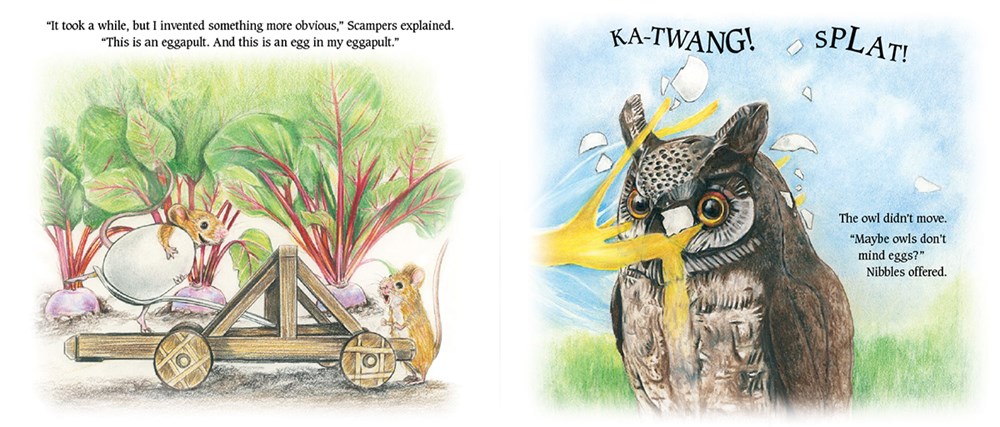
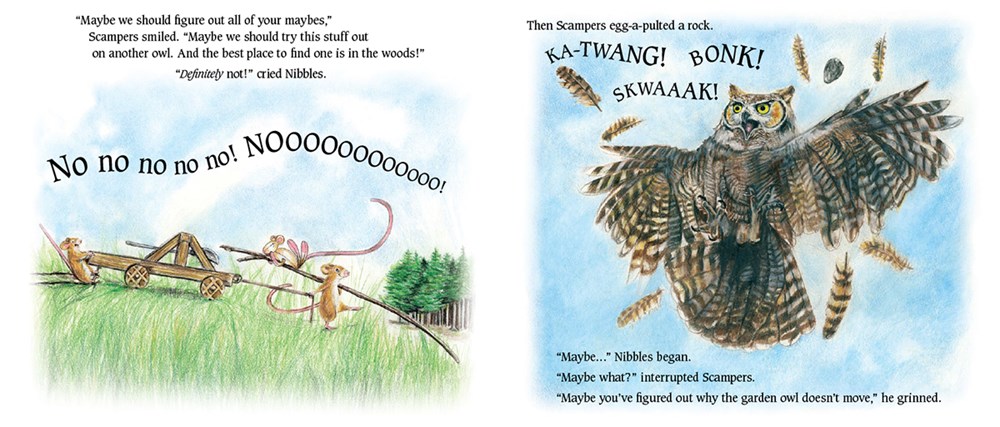
 Scampers Thinks Like a Scientist, by Mike Allegra/Illustrated by Elizabeth Zechel, (March 2019, Dawn Publications), $8.95, ISBN: 9781584696438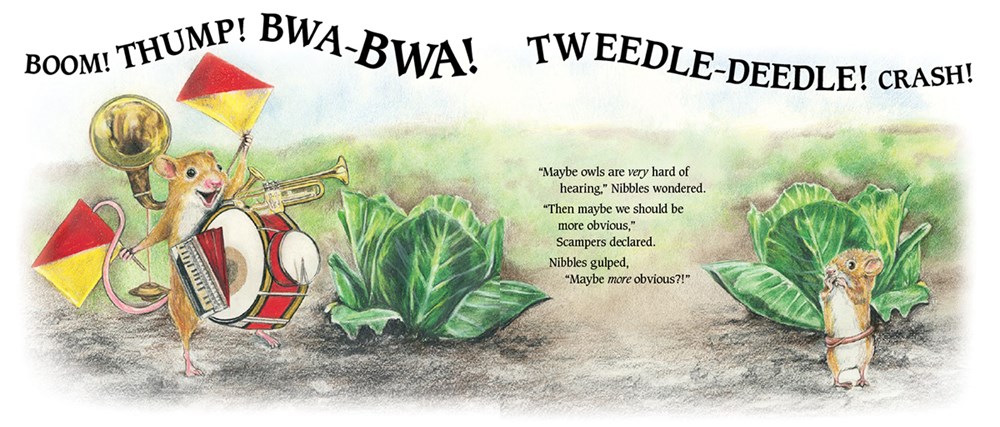

 Mom Read It