Posted in Intermediate, Non-Fiction, picture books, Preschool Reads

Nonfiction rundown: October and November

Picture book nonfiction just gets better and better. In October and November, we get two more biographies on people of color that have, until now, been largely overlooked by history. It’s disheartening on one hand, but I choose to be glad that books are coming forward now to liven up our nonfiction shelves and give readers even more role models across all walks of life to learn about and be inspired by. I’ve also got some fun alphabet books and some nature and science. Pull up a chair, brew a warm beverage of your choice, and enjoy!
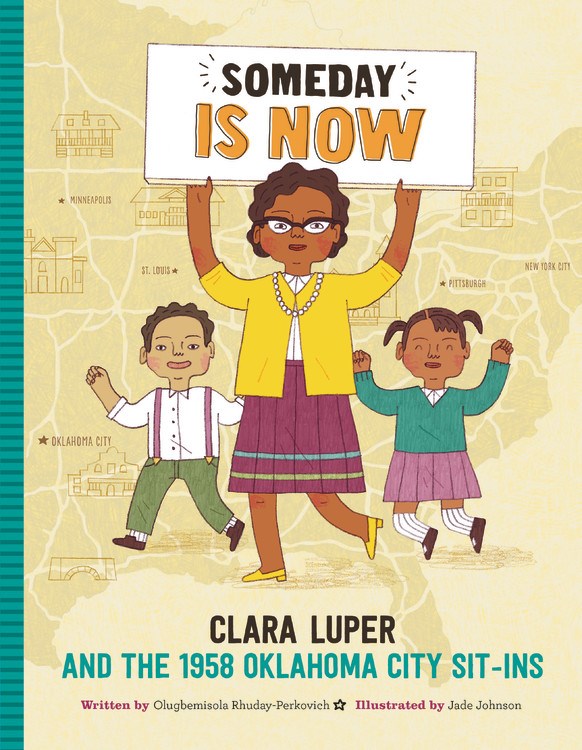
 

Someday is Now: Clara Luper and the 1958 Oklahoma City Sit-Ins, by Olugbemisola Rhuday-Perkovich/Illustrated by Jade Johnson, (Aug. 2018, Seagrass Press), $17.95, ISBN: 9781633224988

Ages 6-9

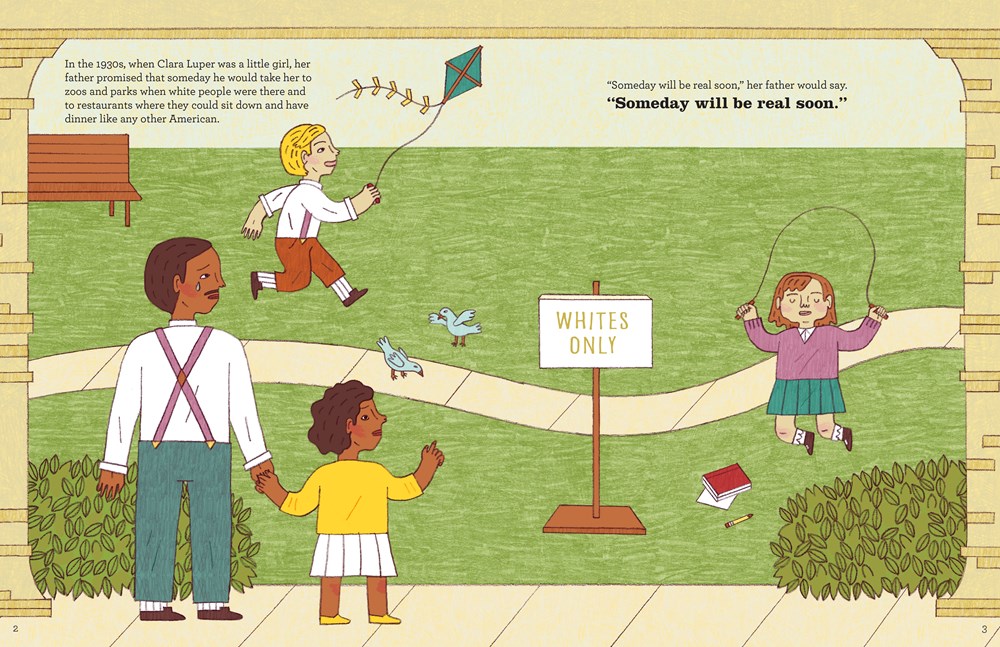
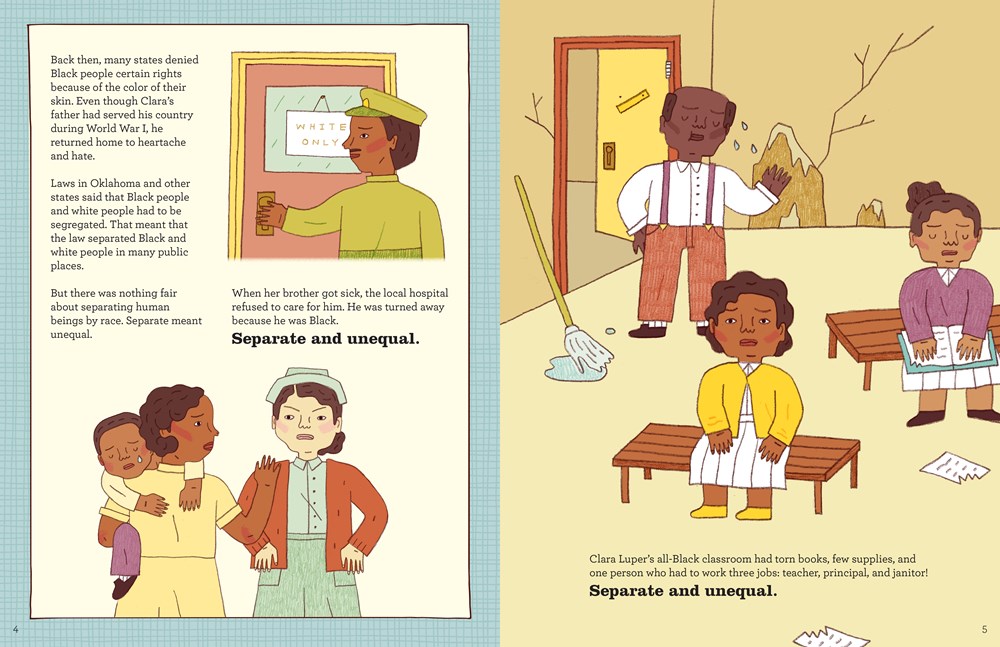
I missed this one the first time around, but I’m glad I caught it when I went back through my Edelweiss account to check up on my TBR. This picture book biography of civil rights activist Clara Luper (nee Clara Mae Shepard) is a great addition to your picture book biographies. Growing up in segregated Oklahoma, Clara saw her World War I veteran father diminished by the very country he fought for: her brother turned away from a local hospital because it was a whites-only facility; she was educated in a run-down classroom with torn books and a teacher who also served as the principal and janitor; restaurants dictated where Blacks could eat. Everywhere she looked, Clara saw things were “separate and unequal”, a phrase repeated throughout the book in bold, large font to drive home the message. Ms. Luper became a teacher who pushed for change, working with the NAACP Youth Council and participating in lunch counter protests with her students after a trip to non-segregated New York. Back matter includes an encapsulated biography of Ms. Luper.

This is the first picture book biography on Clara Luper: everything else I found online is decades old. Let’s get more civil activist bios into the hands of our kids, so they can see for themselves how many voices led to change. Someday is Now has a starred review from Kirkus.

Author Olugbemisola Rhuday-Perkovich is the co-author of the NAACP Image Award nominated Two Naomis and the forthcoming Naomis Too and is the editor of The Hero Next Door, an anthology from We Need Diverse Books. You can see more of Jade Johnson’s illustration work, including downloadable coloring pages, on her website.
 

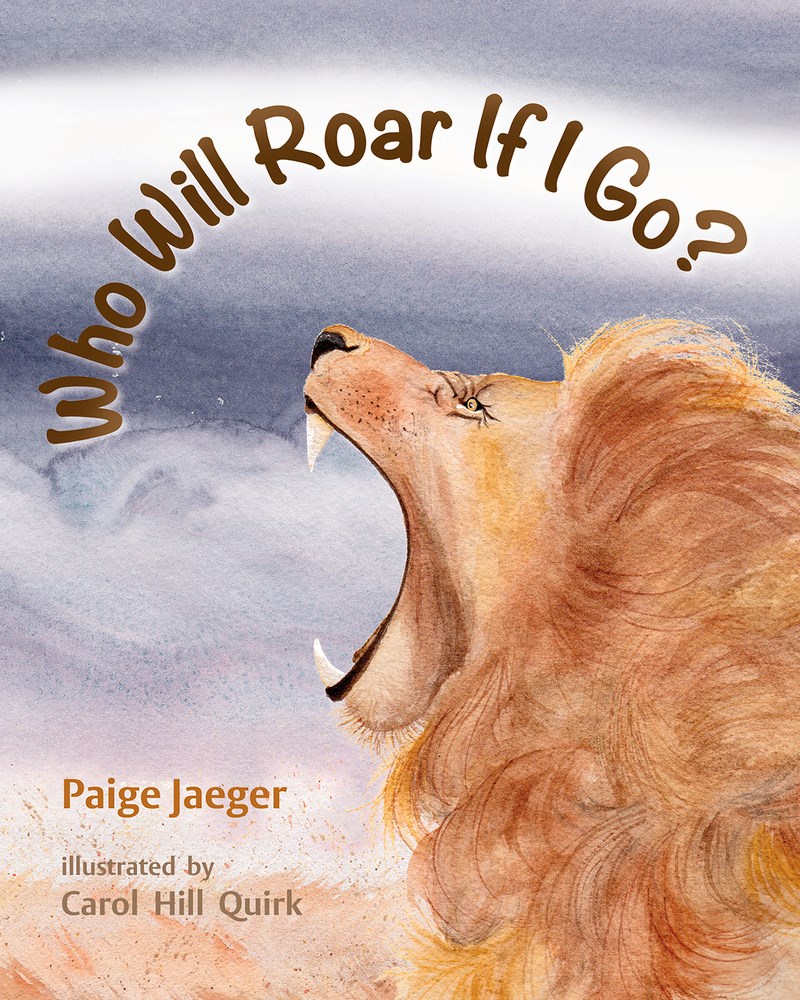
Who Will Roar If I Go? (If We’re Gone, Book 1), by Paige Jaeger/Illustrated by Carol Hill Quirk, (June 2018, Boutique of Quality Books), $18.95, ISBN: 9781945448157

Ages 5-7

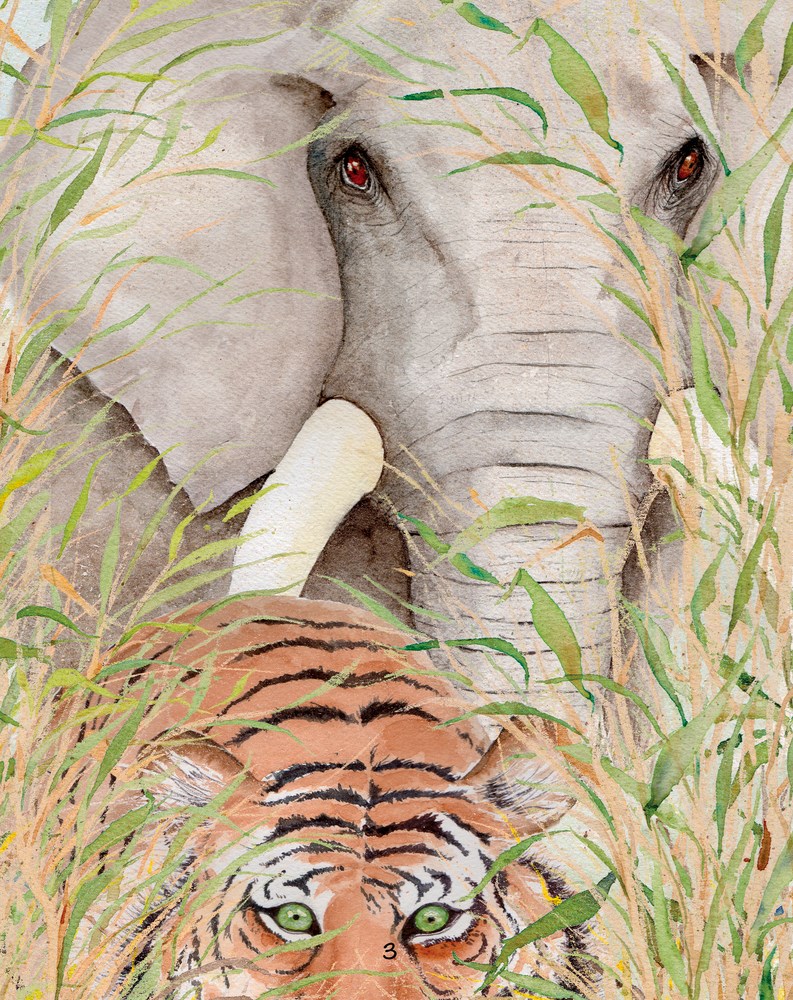
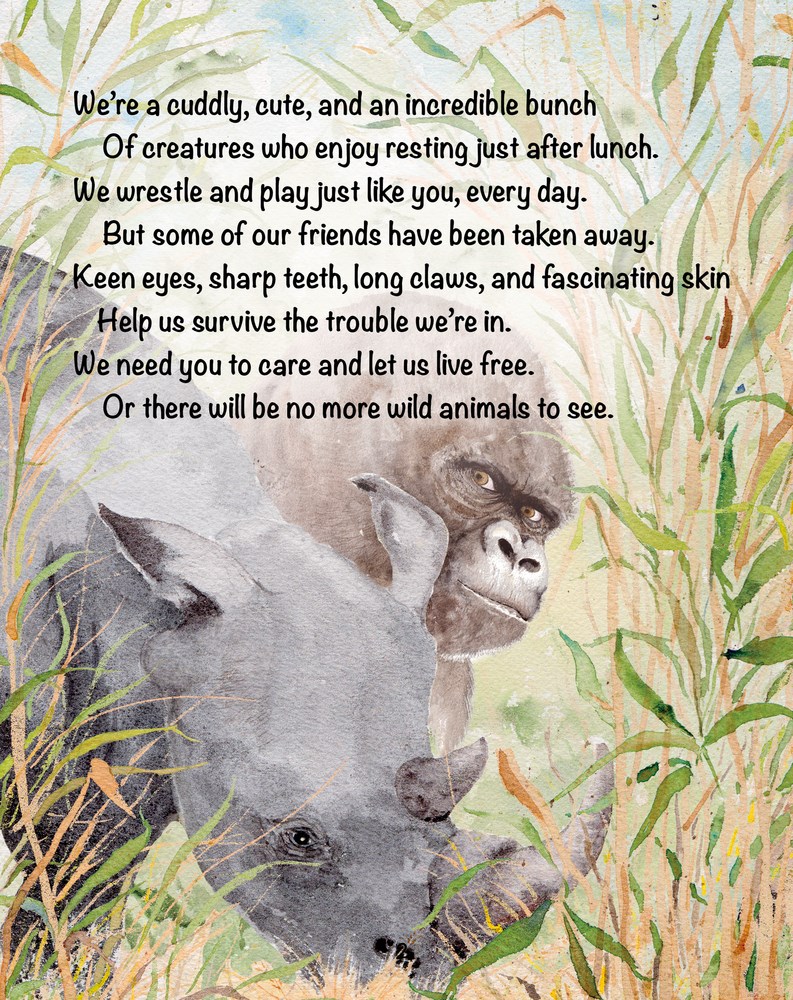
This rhyming story, the first in a planned series, is a plea to readers from endangered animals suffering from a multitude of human-based maladies, most commonly, the disappearance of their habitats and hunting, be it for trophies or luxury dining. Thirteen animals ask humans for help in their quest for survival; each rhyme provides readers with a little background on the animal and why it needs help. The elephant’s page reads: “I sure am an enormous creature; With ivory tusks my most attractive feature; For these long, tapered tusks that I hold dear; Thousands of friends were lost last year; No one needs my tusks but me; Go make some in a factory”.

Back matter includes a glossary of terms and an animal footprint guessing game. Each animal gets its own spread, including its geographic location and footprint, related to a game in the back matter. The watercolor artwork is realistic and showcases each animal in its natural environment. Who Will Roar If I Go? is a good introduction to endangered animals and the need for conservation and preservation; it’s a good additional add to your picture book nonfiction.

The Who Will Roar webpage offers free, downloadable educator resources.


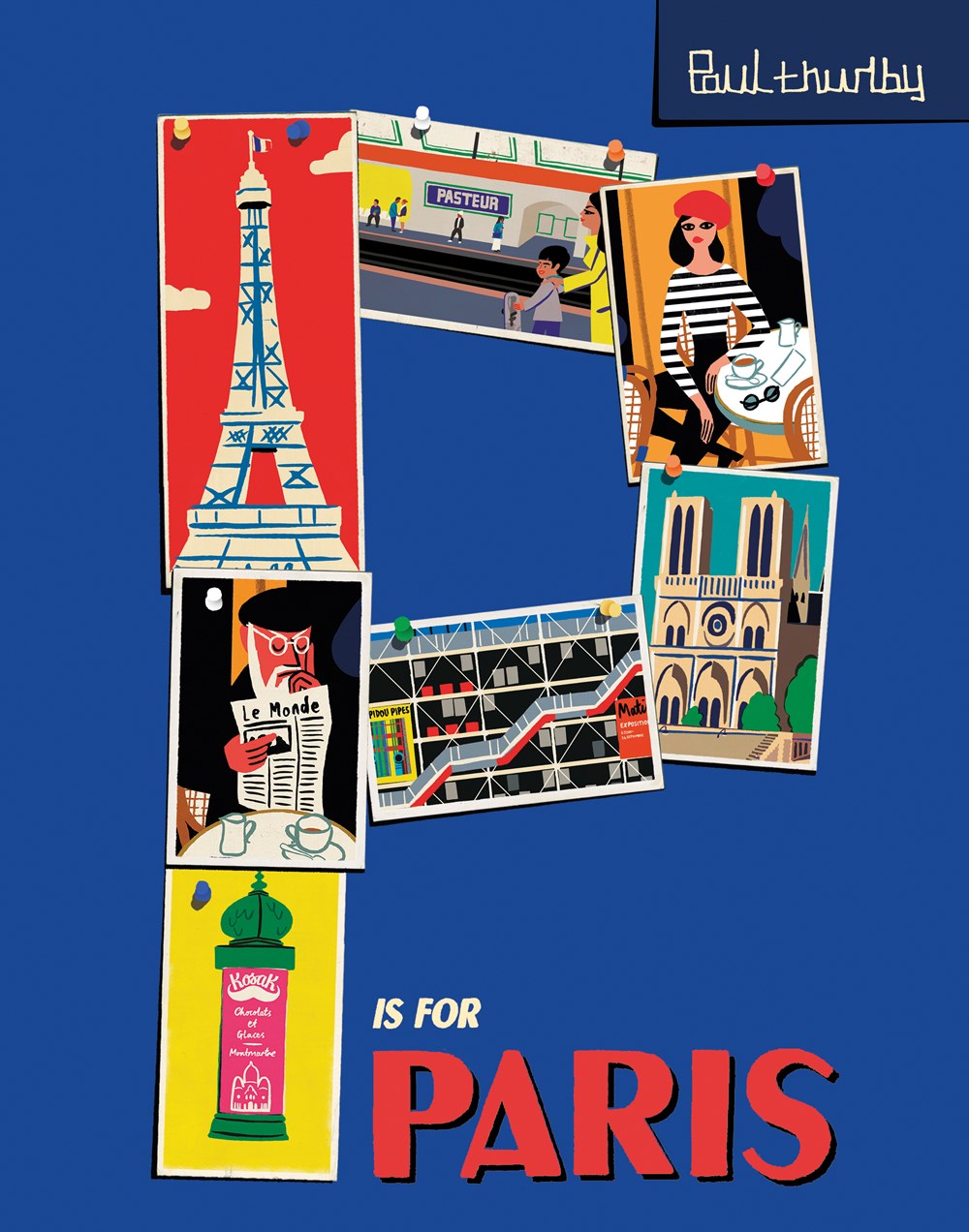
P is for Paris, by Paul Thurlby, (Oct. 2018, Sourcebooks Jabberwocky), $19.99, ISBN: 9781492668152

Ages 5-8

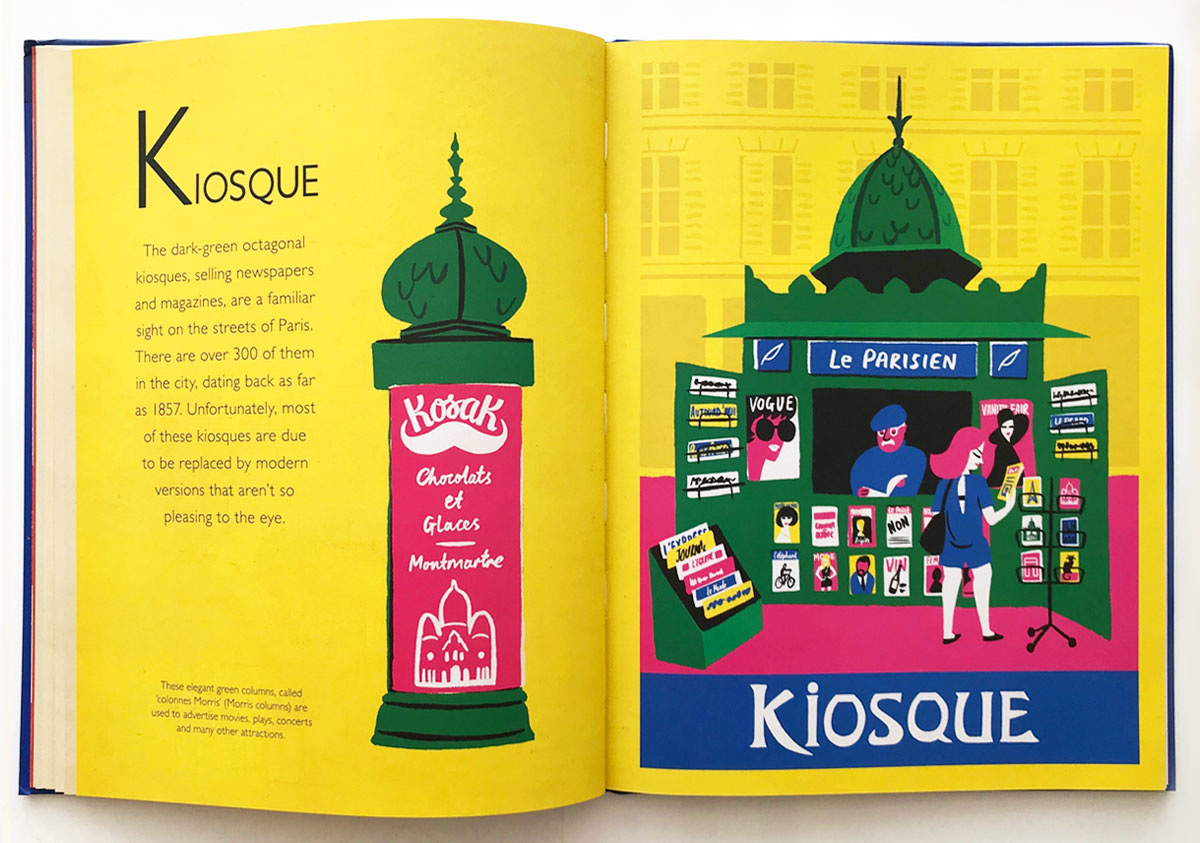
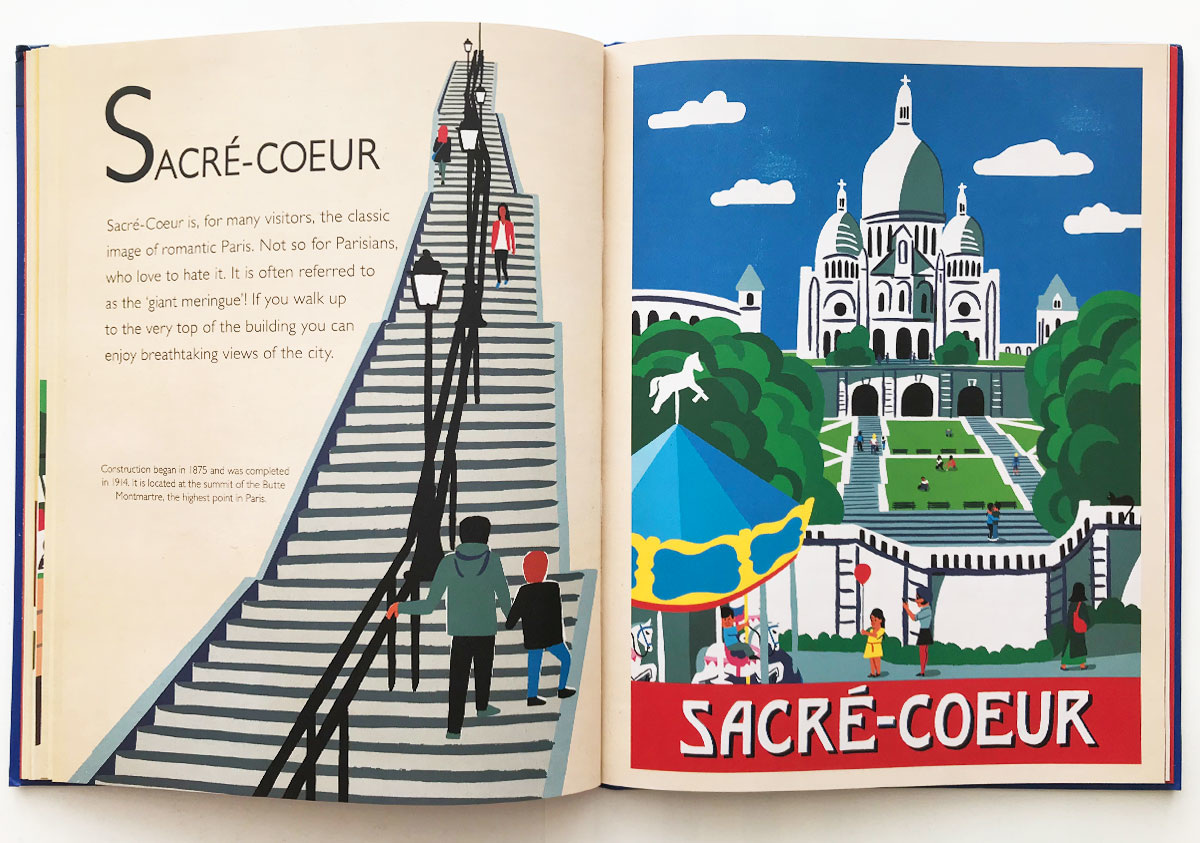
The latest book in Paul Thurlby’s ABC Cities series brings readers on an alphabetical tour of the City of Lights: Paris. Beautiful, bright artwork brings to mind vintage travel posters, and little bites of Parisian history on each page make this a fun addition to your picture books and world sections. Adults will enjoy this one as much as the kids will; references are equally accessible to kids and grownups. From the Abbesses to the Zoo De Vincennes, this is a nice addition to Thurlby’s Cities set. Endpapers provide a map to Paris, with attractions throughout the book numbered for reference. The author provides a concise explanation of the city’s organization into arrondissments. This easily works for both concept sections and geography sections, but don’t mistake this for a beginner’s abecedary; it’s a little more complex and better for Kindergarteners and up.

Check out Paul Thurlby’s webpage for more artwork and information on his other books. Take your armchair travelers on a picture book trip around the world with Thurlby’s books and Miroslav Sasek’s books.
 

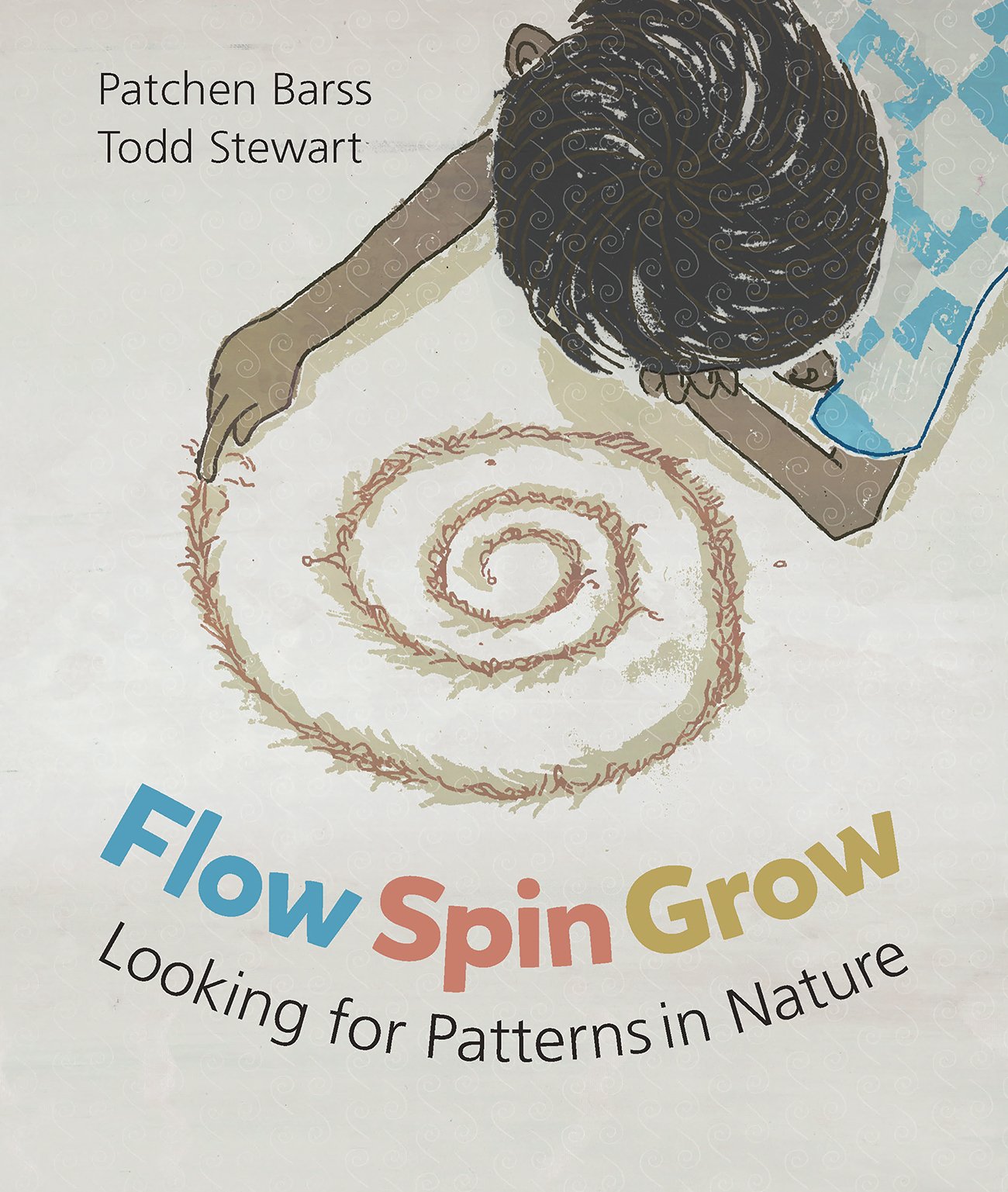
Flow, Spin, Grow: Looking for Patterns in Nature, by Patchen Barss/Illustrated by Todd Stewart, (Oct. 2018, OwlKids), $18.95, ISBN: 9781771472876

Ages 5-7

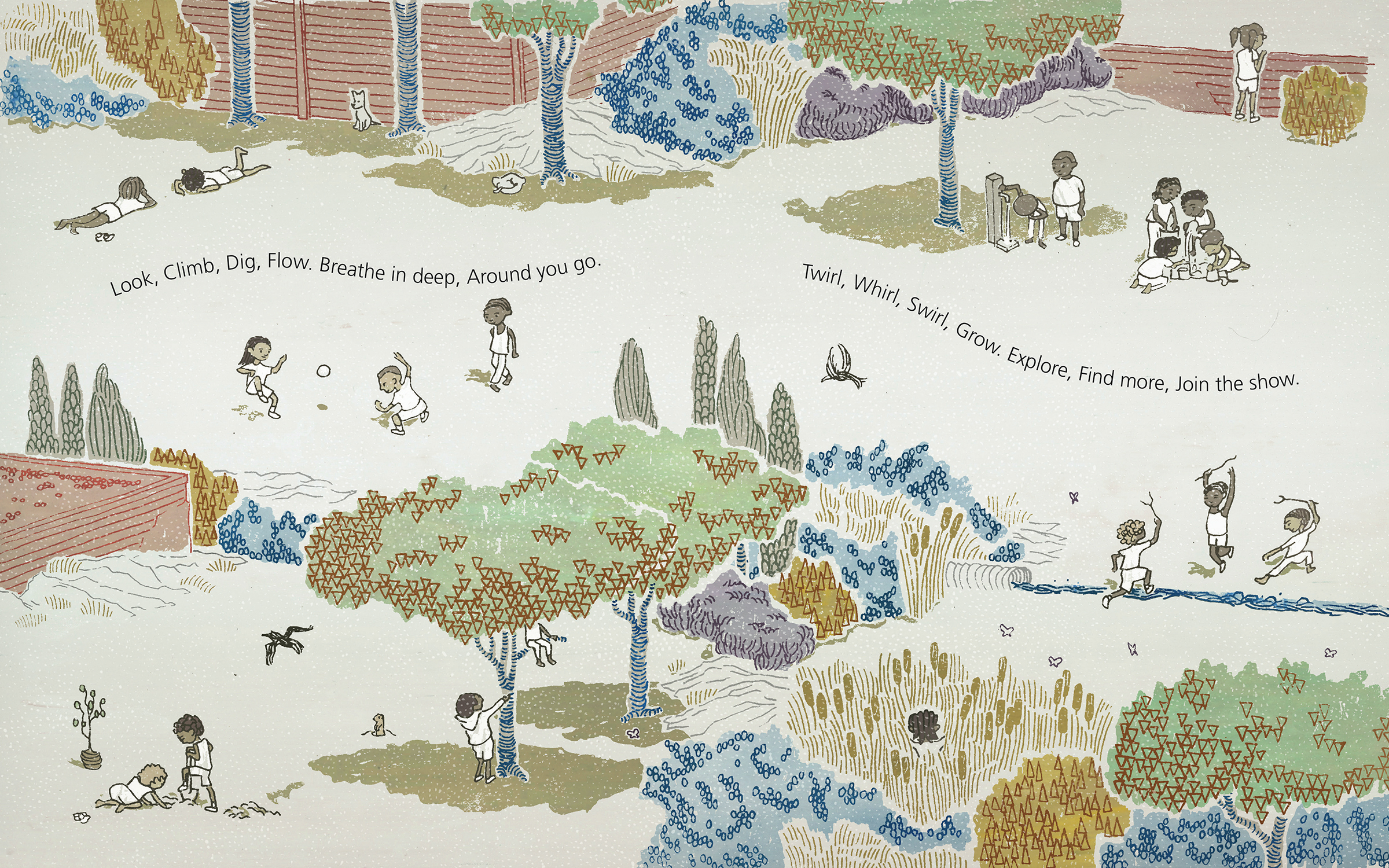
Readers are encouraged to explore patterns in nature in this mindful rhyming book. A diverse group of children play and relax in an open park area in the opening spread. The text playfully crawls around the scene, encouraging kids to “Look, climb, dig, flow. Breathe in deep, around you go. Twirl, whirl, swirl, grow. Explore, find more, join the show.” The text inspires readers to look for patterns everywhere: observe, dig, explore, climb; a tree trunk splits, branches split, and below the ground, roots split and grow; water branches off into smaller bodies of water, and our own lungs have little branches like mini-trees, reaching for air. Nature twirls and whirls, like the galaxies in space or two friends at play; pine cones, storm clouds, and snail shells all swirl. It’s an interesting way to introduce scientific inquiry to burgeoning scientists. An author’s note goes further into the “secret code” hidden in the shapes of things, and suggests additional resources for more reading.

The artwork is the star in this book. Multilayered screen prints and muted colors create a setting where patterns gently emerge, waiting for readers to spot them: triangles on a tree or bush; cracks in the dirt and roots underground reach out. Flow Spin Grow is a good purchase for primary science collections; I also love Joyce Sidman and Beth Krommes’ award-winning Swirl by Swirl: Spirals in Nature, and Jane Brocket’s Spotty, Stripy, Swirly: What Are Patterns?
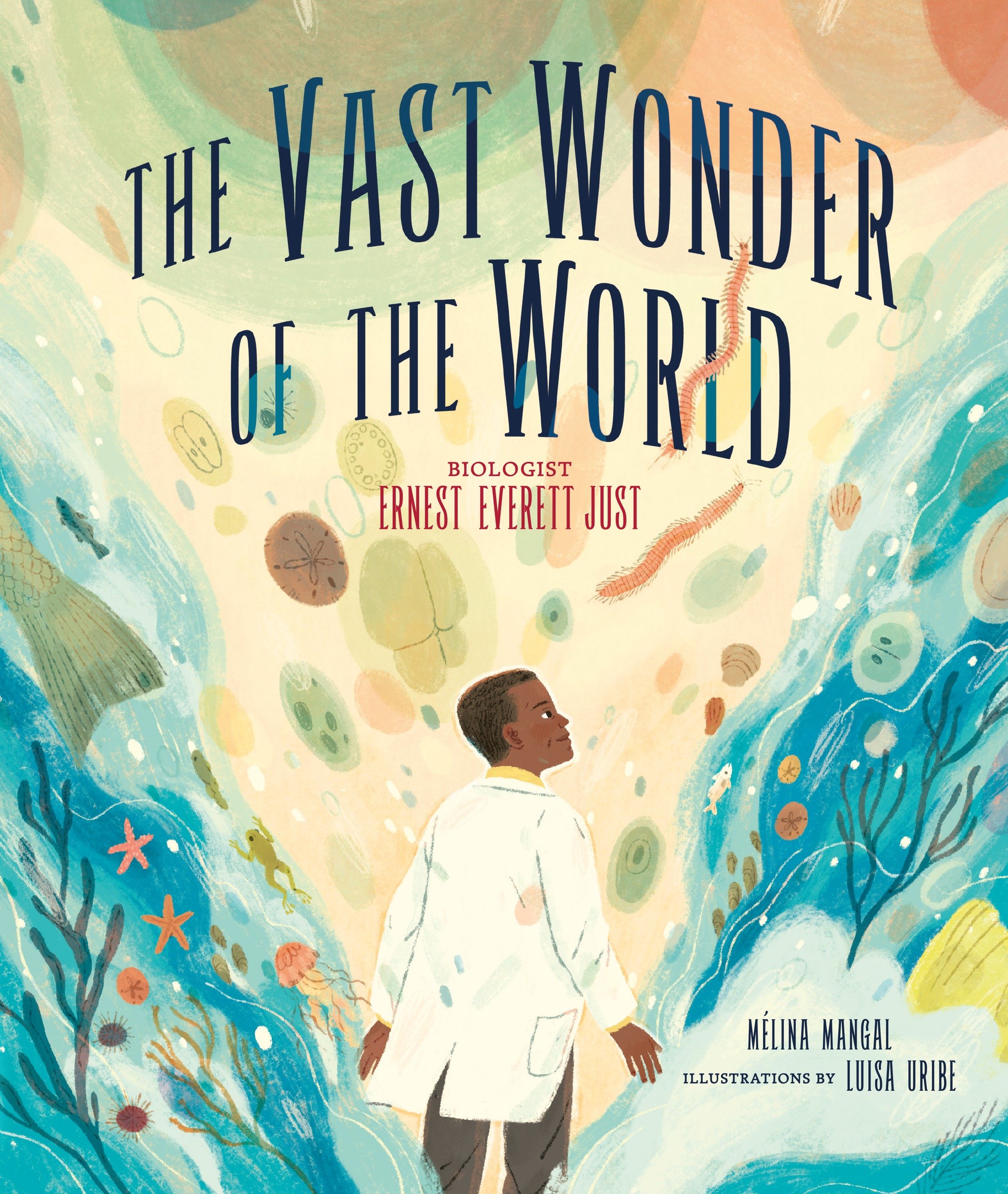
The Vast Wonder of the World: Biologist Ernest Everett Just, by Mélina Mangal/Illustrated by Luisa Uribe, (Nov. 2018, Lerner Publishing Group), $19.99, ISBN: 9781512483758

Ages 7-9

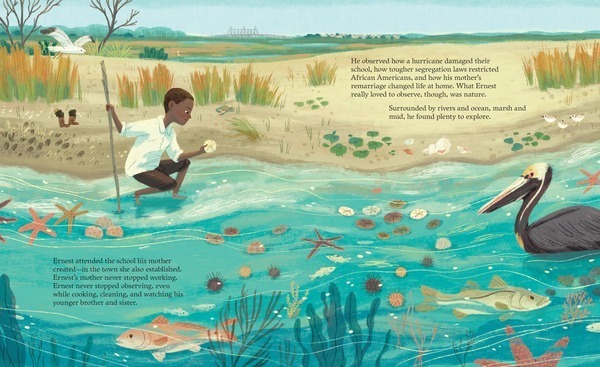
This bio on biologist Ernest Everett Just is just what your picture book biography section needs. He came of age in the Jim Crow South, paying his way through Dartmouth College while supporting his siblings after his mother’s passing. He “unlocked the mysteries of how the different parts of the cell worked together as new life developed”, and found success as a Howard University professor, embryologist, and cytologist, working in both Europe and the States. The Vast Wonder of the World tells his story, introducing him to a new generation of budding scientists who will be inspired by his determination and success in the face of racism and adversity. The muted pencil and digital artwork, in shades of blue, creates a sense of wonder and beauty, giving readers a real appreciation for Just and his place in science history. An author’s note, a timeline, and source notes complete this solid addition to science biography sections. Display and booktalk – PLEASE – with Gwendolyn Hudson Hooks and Colin Bootman’s Tiny Stitches: The Life of Medical Pioneer Vivien Thomas, and – if you can find it (can we please get this book back in print?) – May Chinn: The Best Medicine, by Ellen Butts and Joyce R. Schwartz, illustrated by Janet Hamlin.

The American Society for Biochemistry and Molecular Biology (ASBMB) has a good feature story on Dr. Just, with references to further reading, by W. Malcolm Byrnes.
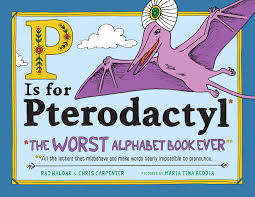
P is for Pterodactyl, by Raj Haldar & Chris Carpenter/Illustrated by Maria Beddia, (Nov. 2018, Sourcebooks Jabberwocky), $17.99, ISBN: 9781492674313

Ages 6-10

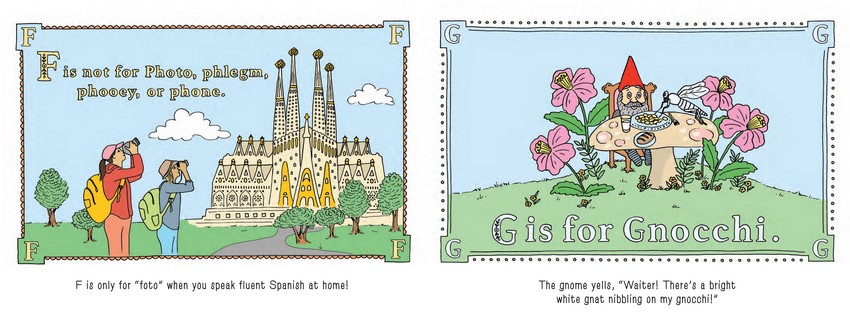
Calling itself “The Worst Alphabet Book Ever”, P is for Pterodactyl is a smirk, wink, and nudge at rebel words in the English language: words that don’t follow the rules. The book uses humor, alliteration, and amusing artwork to get its point across, as with E is for Ewe, which depicts sheep at a wake: “Eileen the ewe was so euphoric with wolves were eaten, she even gave the eulogy” (keep reading the book for more on Eileen); or L is not for Elle, which shows an elevated subway car transporting some elephants across the city of El Paso: “An elephant named Elle rode the el train halfway to El Paso and dined on hearts of palm with her folks”. It’s not a basic concept book for new learners, but it’s sure fun to read it out loud and watch kids laugh and play with language. My 6-year-old cracks up at this one, and it helps when he tries to figure out new words.

P is for Pterodactyl has a starred review from Foreword Reviews.
 

Posted in picture books, Preschool Reads, Toddler Reads

Concept Fun: Big Box, Little Box… perfect for a cat box!

Big Box Little Box, by Caryl Hart/Illustrated by Edward Underwood, (July 2018, Bloomsbury USA), $17.99, ISBN: 9781681197869

Ages 2-6

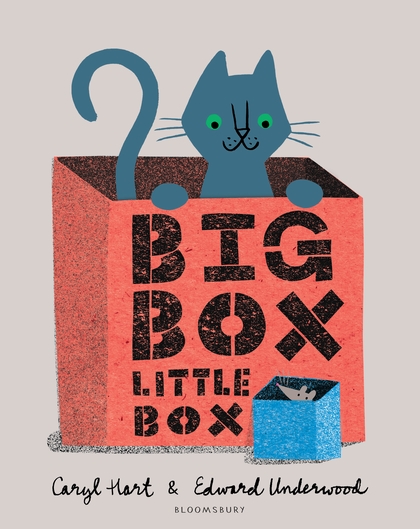
What’s the best way to illustrate the many words to describe a box? Put a cat in the story! Big Box Little Box stars a curious cat who investigates all sorts of boxes: big and little boxes; brown and blue. The descriptive words take a fun turn when the cat stands on a box (cat box?), which immediately squashes under its weight (flat box), or when human hands designate “my box” versus “YOUR box”. As our inquisitive friend wanders through the boxes, it spies a hole in a box – and a mouse! The two run and play together, providing readers with some more fun words like “tickle”, “purr”, and “warm fur”. The endpapers show a cat and mouse romp through all sorts of boxes.
This book is a fun way to introduce adjectives to beginning readers, and ways to explore objects with younger readers. The pencil, ink, and computer-assisted collage work makes for fun, angular art, vividly colored and textured, almost inviting readers to feel the rough cardboard of the boxes under their fingertips. Lois Ehlert fans will find some similarities to the artwork, and the text is repetitive with occasional rhyme, inviting interaction.

Originally released in the UK, Big Box Little Box is a companion to Hart and Underwood’s upcoming One Shoe Two Shoes, and a fun addition to toddler and preschooler collections and concept bookshelves.

Posted in picture books, Preschool Reads

Book Birthday: Who Eats Orange?

Who Eats Orange?, by Dianne White/Illustrated by Robin Page, (Aug. 2018, Simon & Schuster Kids), $17.99, ISBN: 9781534404083

Ages 3-6

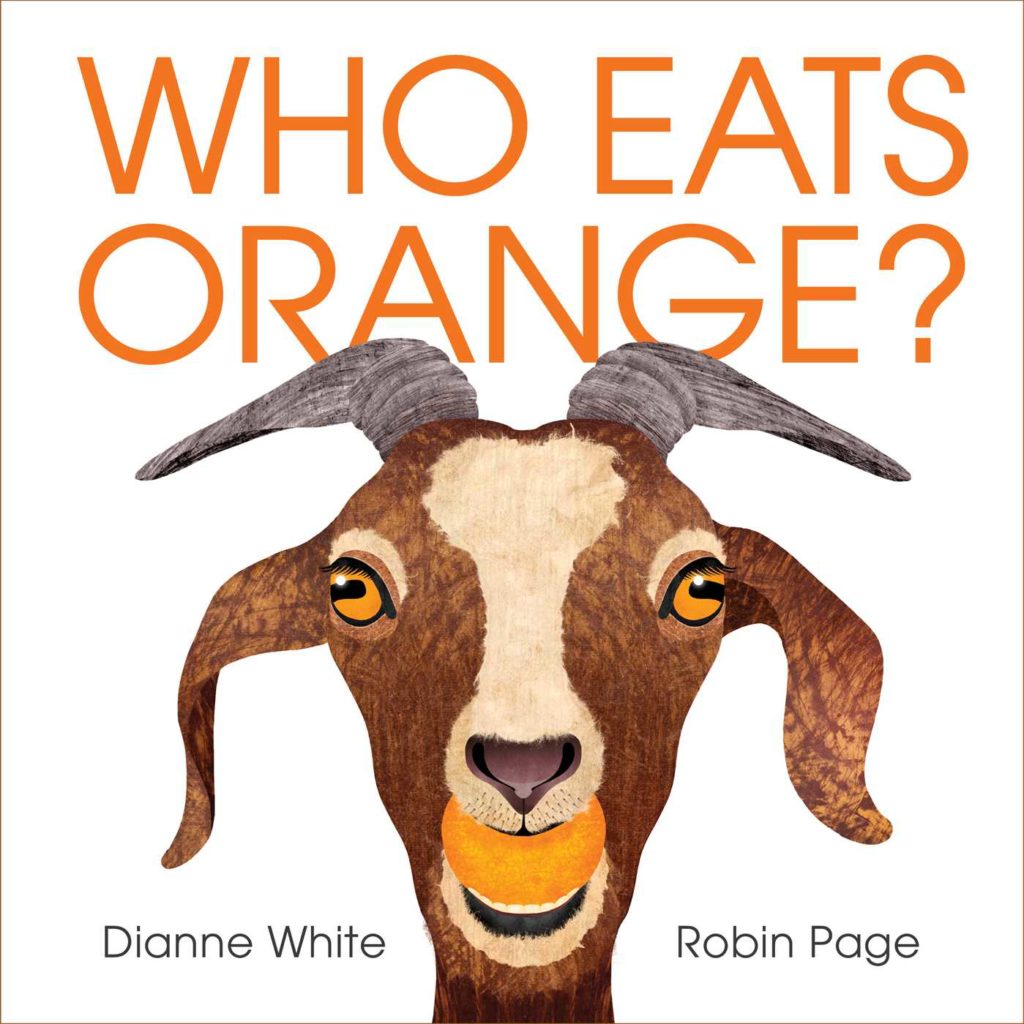
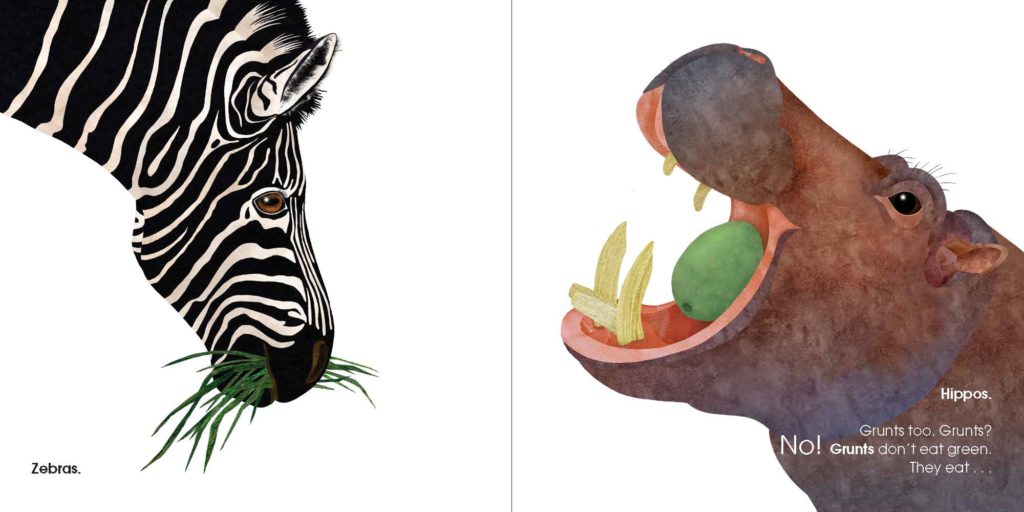
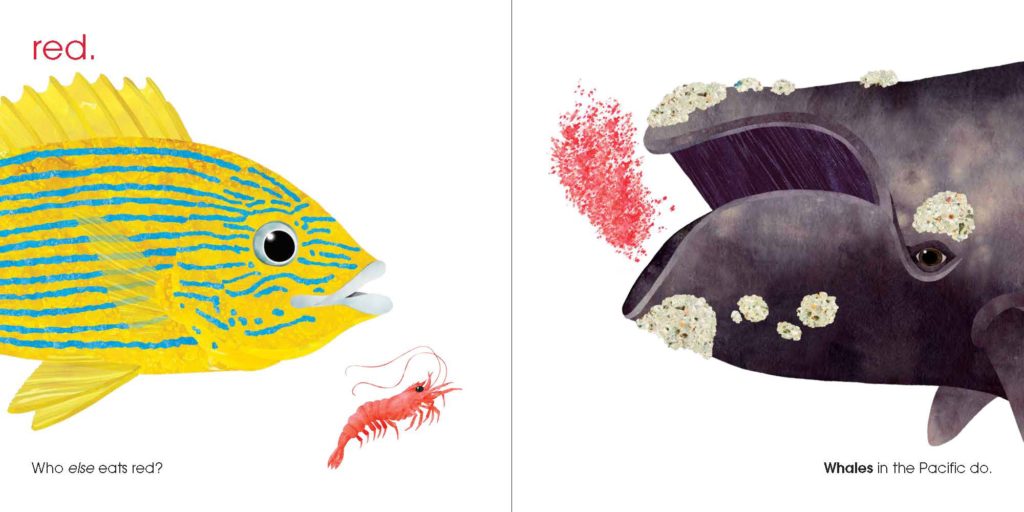
Need a fun, new concept book on your shelves? Who Eats Orange looks at the eating habits of animals from bunnies to bears. Four animals eat one color, and the fifth doesn’t – but eats a different color, which brings us into the next group of animals. There’s quite a bit of information, broken down into simple, easily understandable bites, to be found here: colors, animals and what they eat, and their habitats: “Who eats orange? Bunnies in their hutches do. / Chickens in the henhouse too. / Who else eats orange? Goats. / Pigs. Gorillas too. Gorillas? NO! The repetitive text pattern gets kids ready; they’ll learn quickly who doesn’t eat a chosen color, and join in with a hearty “NO!” when the time comes. The text brings things right back to kids, encouraging them to eat the rainbow, with a colorful spread of fruits and vegetables. The back matter organizes the animals, and their foods, by habitat (farm, Africa, ocean, forest, rainforest, tundra) and provides more information on animals and their culinary tastes.

The digital art is wonderful; reminiscent of one of my favorite realistic animal artists, Steve Jenkins. (Robin Page also dedicates the book to Steve Jenkins, which was pretty great to see.) The vivid artwork stand out against stark white backgrounds, inviting readers to imagine the roughness of a hippo or the bushy fur of a fox and marmot. The faces are gentle, with expressive eyes that will draw storytime fans right in. It’s such an interactive book, with opportunities to get the kids talking about animals, food, and color. There’s an activity kit available for download that comes with animals masks to cut out, a rainbow recipe, and writing activities.

I read Who Eats Orange, along with one of my old favorites, Who Hops?, to my 6-year-old. Who Hops? works in a similar manner, introducing different animals who hop, swim, crawl… and then one animal that obviously cannot! Anyway, we had big laughs, he pronounced Who Eats Orange “so much fun”, and laughed at me when I suggested he start eating the rainbow with me. Hey, I tried.

Who Eats Orange is way too much fun for toddlers and preschoolers! A fun add to concepts and animal collections, and a good gift book for rising preschoolers and kindergarteners.

Posted in Preschool Reads, Toddler Reads

Hazy Dell Press makes monsters fun for readers!

Last year at BookExpo, I saw a table with board books like, “Goodnight Krampus” and “Get Dressed, Sasquatch!” and I immediately ran over. I’m the mom that buys Cthulhu board books for my kid, so this spoke to me. The guy at the table was great, gave me a bunch of stickers, and I went happily on my way. (My kid quickly snagged and stuck the stickers all over his closet. So much for decorating my laptop.) A year later, I saw the board books up on Edelweiss for review, and yelped, quickly hitting “request”. My little guy was thrilled that he got read the books that matched the stickers on his closet, and the best news of all: the books are as much fun on the inside as they are on the outside. Check ’em out.

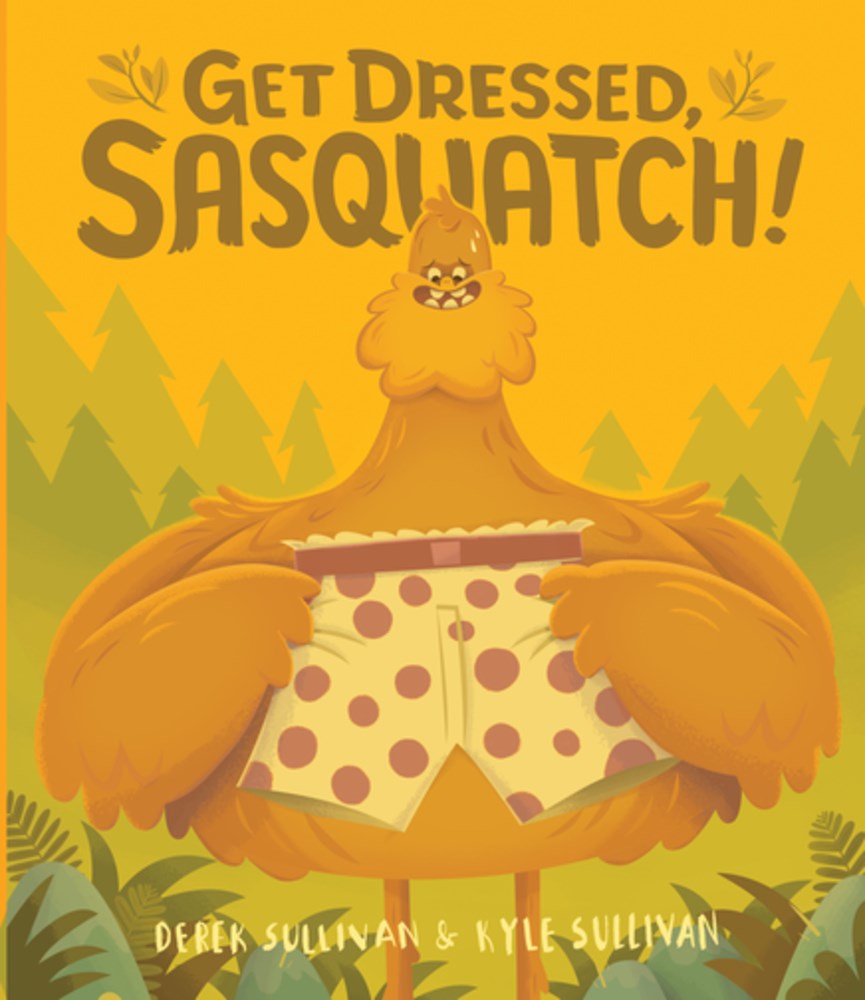
Get Dressed, Sasquatch!, by Kyle Syllivan/Illustrated by Derek Sullivan,
(Sept. 2018, Hazy Dell Press), $13.95, ISBN: 9780996578738
Ages 1-5

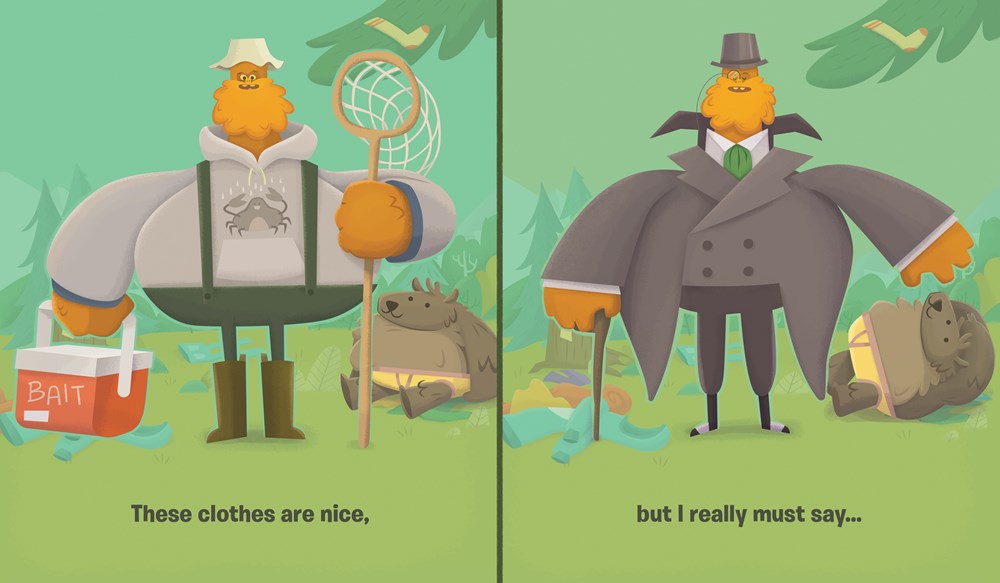
Sasquatch loves running around without his clothes on – he’s a Sasquatch, it’s what they do! But the exasperated park ranger wants him to put on some pants. This hilarious rhyming tale is all about getting Sasquatch to try on some clothes and find something that works for him… or maybe, just letting go and taking advantage of the moment! There’s fun, kid-friendly art, a friendly neighborhood Sasquatch and a good-natured bear, and a park ranger who learns to loosen up with the rules once in a while.


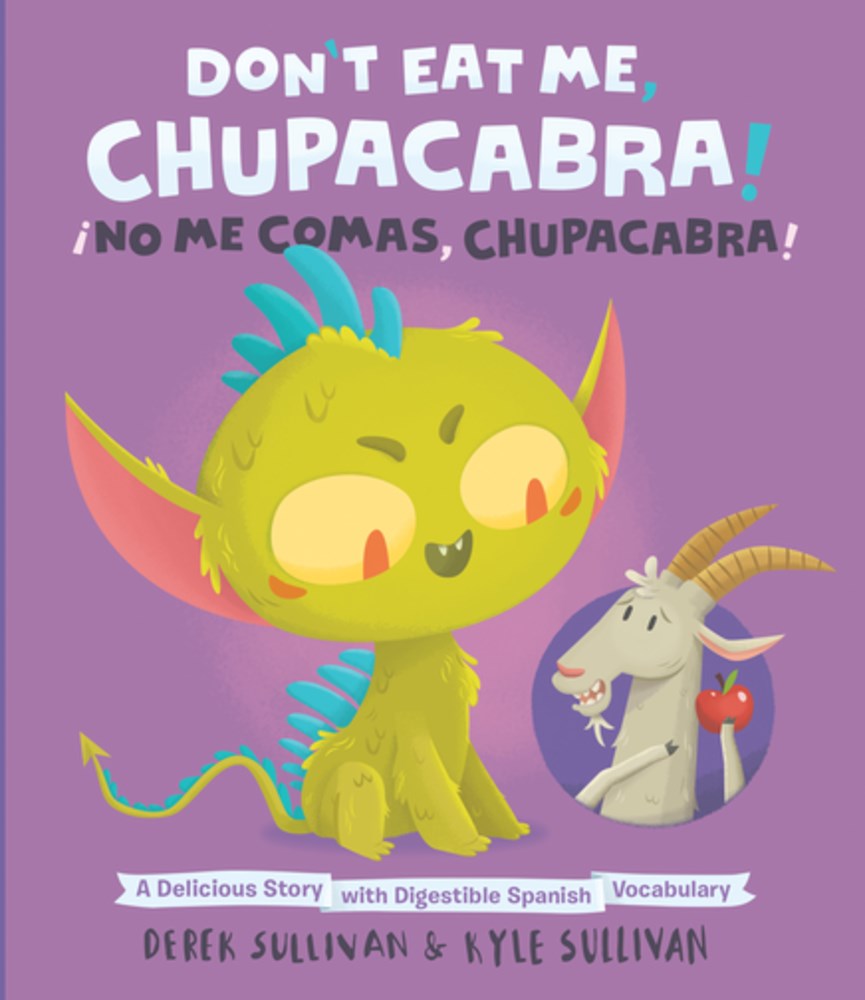
Don’t Eat Me, Chupacabra! / ¡No Me Comas, Chupacabra!, by Kyle Syllivan/Illustrated by Derek Sullivan,
(Sept. 2018, Hazy Dell Press), $13.95, ISBN: 9780996578776
Ages 1-5

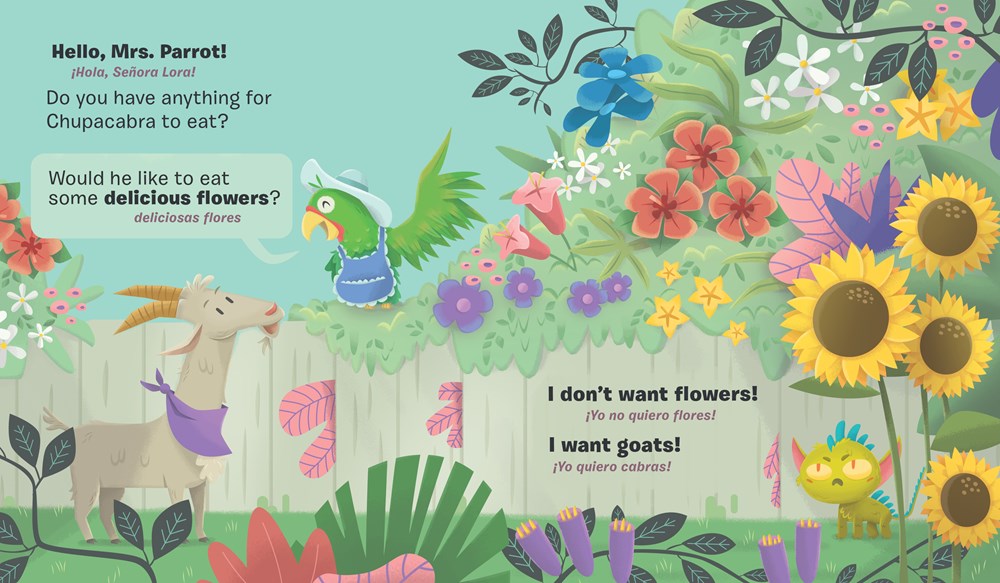
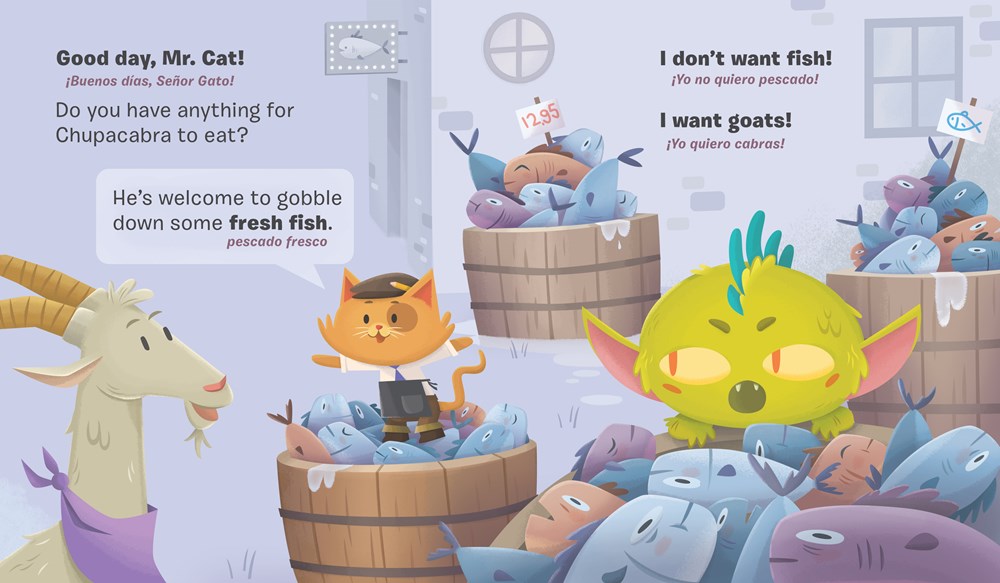
A little chupacabra has a hankering for goat in this bilingual story about picky eaters. He nips a goat, who tries to expand the little monster’s palate, introducing him to other food options like fruits, flowers, fish, or bugs, but Little Chupa isn’t having any of it. Luckily for the goat, Abuela is home and she always knows what to do! Set in Puerto Rico, the book offers Spanish and English vocabulary, and a nice lesson about finding new strategies for picky eaters. If food allergies aren’t an issue, bring some plantain chips to introduce to the readers at storytime.


Goodnight Krampus, by Kyle Syllivan/Illustrated by Derek Sullivan,
(Sept. 2018, Hazy Dell Press), $13.95, ISBN: 9780996578776
Ages 1-5

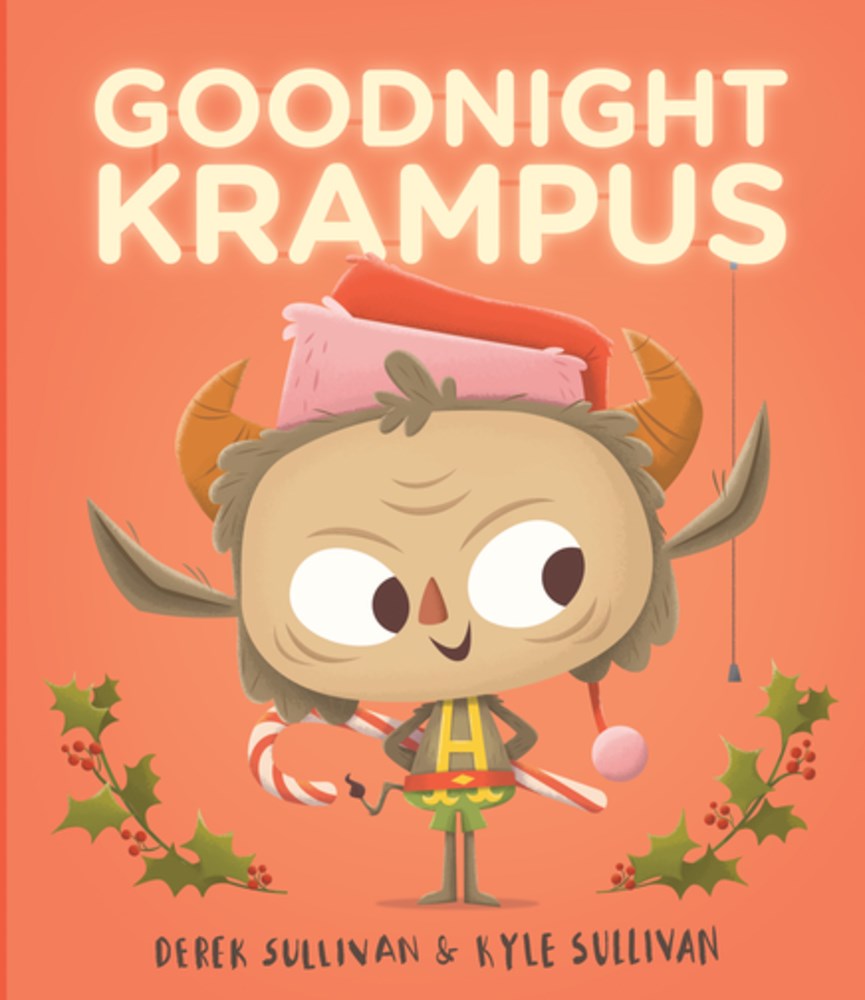
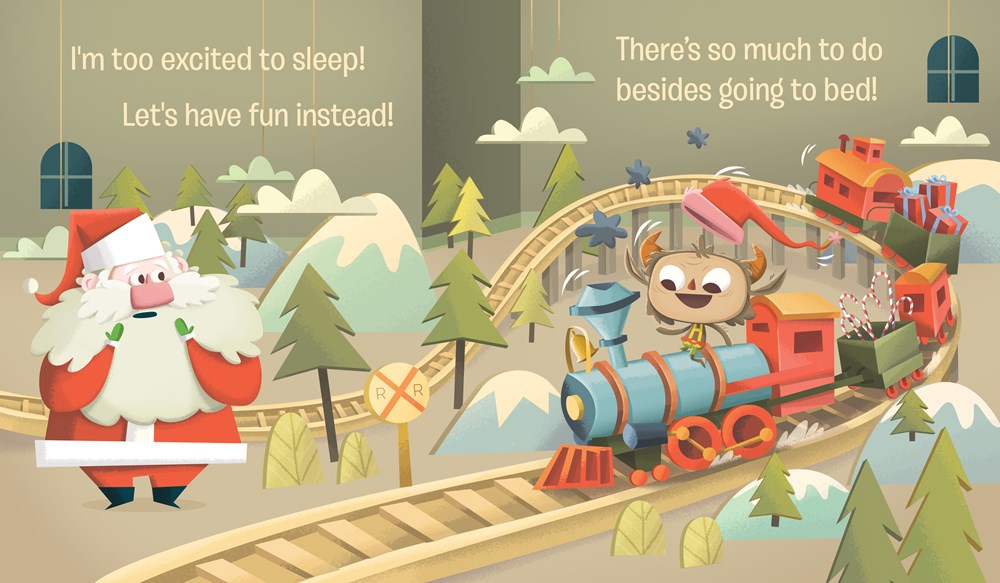
Santa’s getting ready to go on his Christmas Eve ride, but little Krampus is WAY too keyed up to go to sleep! This rhyming tale stars Santa Claus, trying to talk the Krampus into bedtime – something every parent and caregiver is familiar with, right? Krampus is riding toy trains, he’s banging drums, he’s psyched. But Santa breaks it down for him: if he can’t go to bed, Santa can’t deliver toys. Krampus immediately discovers that he’s exhausted after all, and Christmas Eve can continue! Absolute fun for Christmas reading or anytime reading, and gives us a mischievous but sweeter Krampus than the traditional German one.


Monster ABC, by Kyle Syllivan/Illustrated by Derek Sullivan,
(Sept. 2018, Hazy Dell Press), $13.95, ISBN: 9780996578707
Ages 1-5

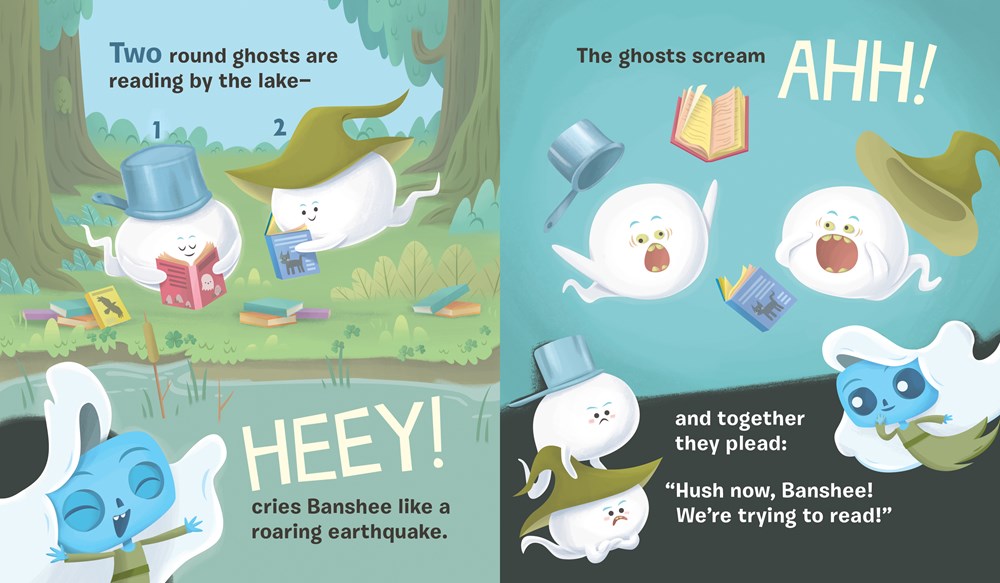
Don’t trust appearances – that’s the first thing kids will learn with this rhyming abcedary, which tells kids, “Some monsters seem spooky when seen at first glance, but who knows if they’re scary if we don’t give them a chance?” Good life advice! The next 26 pages are dedicated to different monsters and their fun descriptions: “G is is for Ghost, who gave us a start; H is for Hobgobin, who smells like a fart” (guess what spread my kid’s favorite is?). Banshee, Krampus, Chupacabra, and Sasquatch are all in here, which makes me hope that the other featured monsters are in the pipeline for their own adventures. (I will buy a Quezsalcoatl board book YESTERDAY if you offer it, Hazy Press!) Kudos for introducing me to a new one, too: I had to look up Xingtian after we discovered him in the book.


Hush Now, Banshee!, by Kyle Syllivan/Illustrated by Derek Sullivan,
(Sept. 2018, Hazy Dell Press), $13.95, ISBN: 9780996578752
Ages 1-5

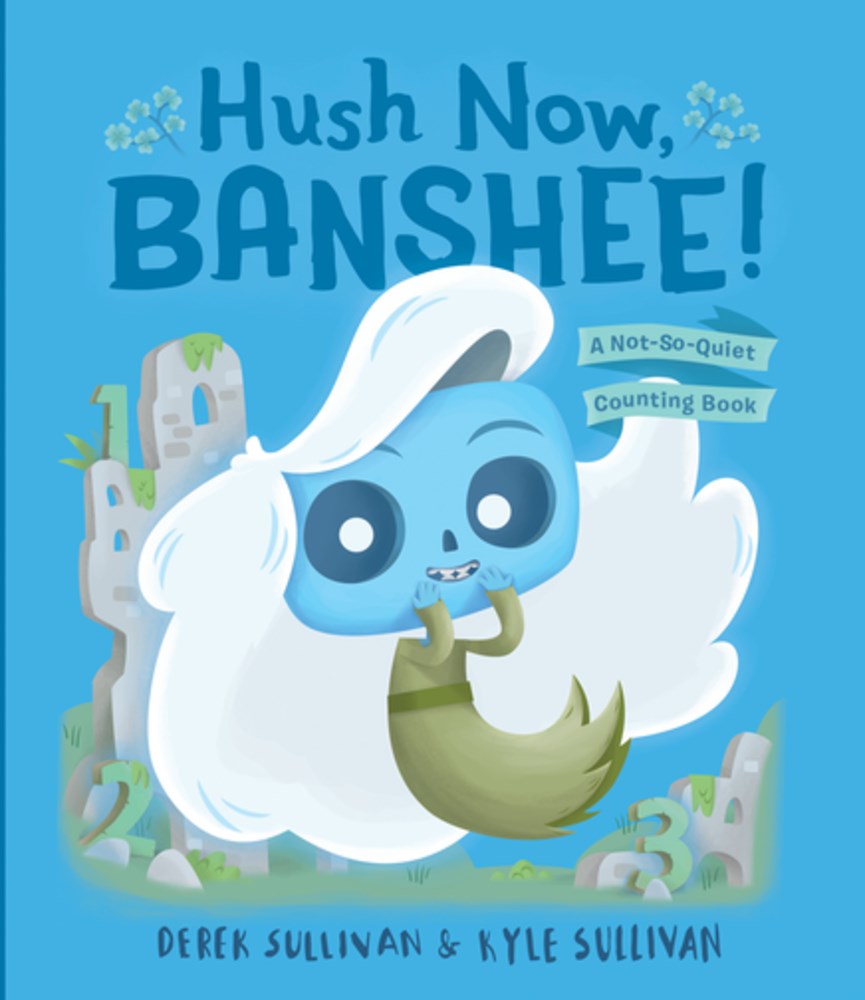
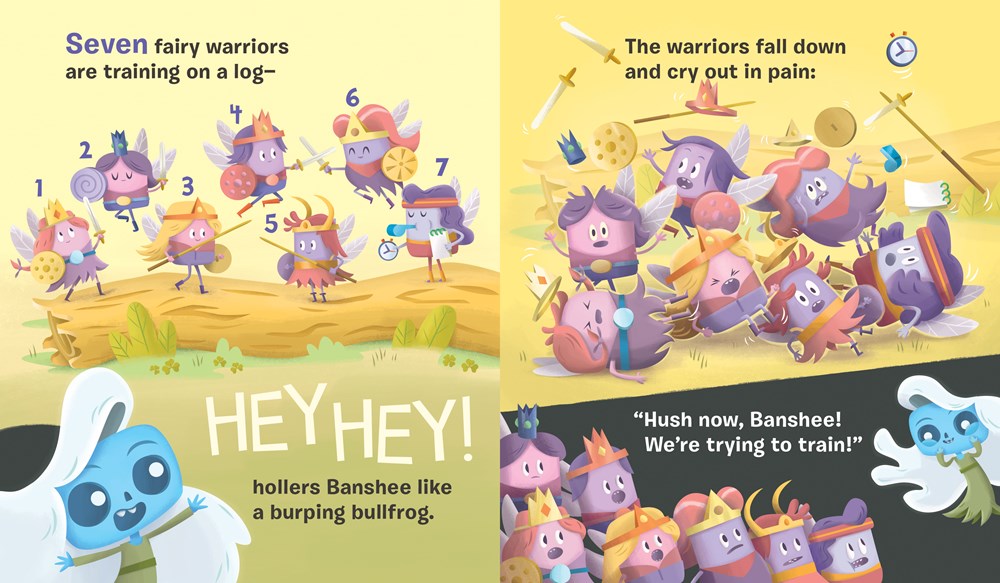
Another rhyming tale, this one, on manners! Banshee is a shrieking little demon who wants friends to play with her, but she’s so loud that she startles everyone! The story counts the monsters that Banshee encounters on her way through the Irish landscape: one Banshee, two ghosts, three hobgoblins… you get the idea. Sad Banshee wonders why no one is around for her to play with, until her friends have a polite intervention, telling her that she’s got to respect their quiet time, and teach her to count down from ten to one. It’s a nice read-aloud for teaching kids to be patient, and respectful of other people’s space. And the nine meditating druids are my absolute favorite (nudge nudge, Hazy Press).

The digital artwork in each of these books is super kid-friendly, eye-catching, and just fun to read. I’m in love with this set! Check out Hazy Press’ website, where you can sign up for a newsletter, read their blog, and download some free activity sheets. Give to your C is for Cthulhu, Sweet Dreams Cthulhu, and Mummy’s Always Right-loving parents and kids, and if you don’t have ’em in your library… consider it. Seriously, they’re too much fun.

Posted in picture books, Preschool Reads, Toddler Reads

Not Yet, Zebra! is a study in the alphabet and patience

Not Yet, Zebra!, by Lou Kuenzler/Illustrated by Julia Woolf, (June 2018, Faber & Faber), $16.95, ISBN: 978-0-571-34288-4

Recommended for readers 3-5

Little Annie wants to paint the alphabet, so her animal friends line up in alphabetical order. Except for Zebra, whose impatience results in adorable hijinks. This sweet rhyming alphabet story wanders through animal ABCs: aardvarks and bears, elephants and flamingos, gorillas and hamsters; Zebra pops up throughout the story, trying to pass for an earlier letter in the alphabet by donning animal disguises. When Annie finally gets to Z, poor Zebra is fast asleep! Well… tomorrow is another day, right, Zebra?

This is an adorable abecedary for preschoolers and kindergarteners, who will relate to the impatience of having to wait one’s turn. Zebra gives the saddest eyes, the nudgiest nudges, and the most creative disguises, all in an attempt to wheedle his way to the front of the line, but Annie catches our wily friend every time. This one’s fun to read aloud, and would make a great companion to my other favorite impatient friend, The Pigeon.

The endpapers feature our Zebra friend, contorting himself into all the letters in the alphabet, and the artwork is colorful and cartoony, nicely set against the subdued background pages. I’m always up for a good concept book for my collection; something that gets the ideas covered, but with a little fun; something that brings some personality to the narrative. Not Yet, Zebra brings the giggles, for sure.

Posted in Toddler Reads

Adorable board books: actions, feelings, and opposites

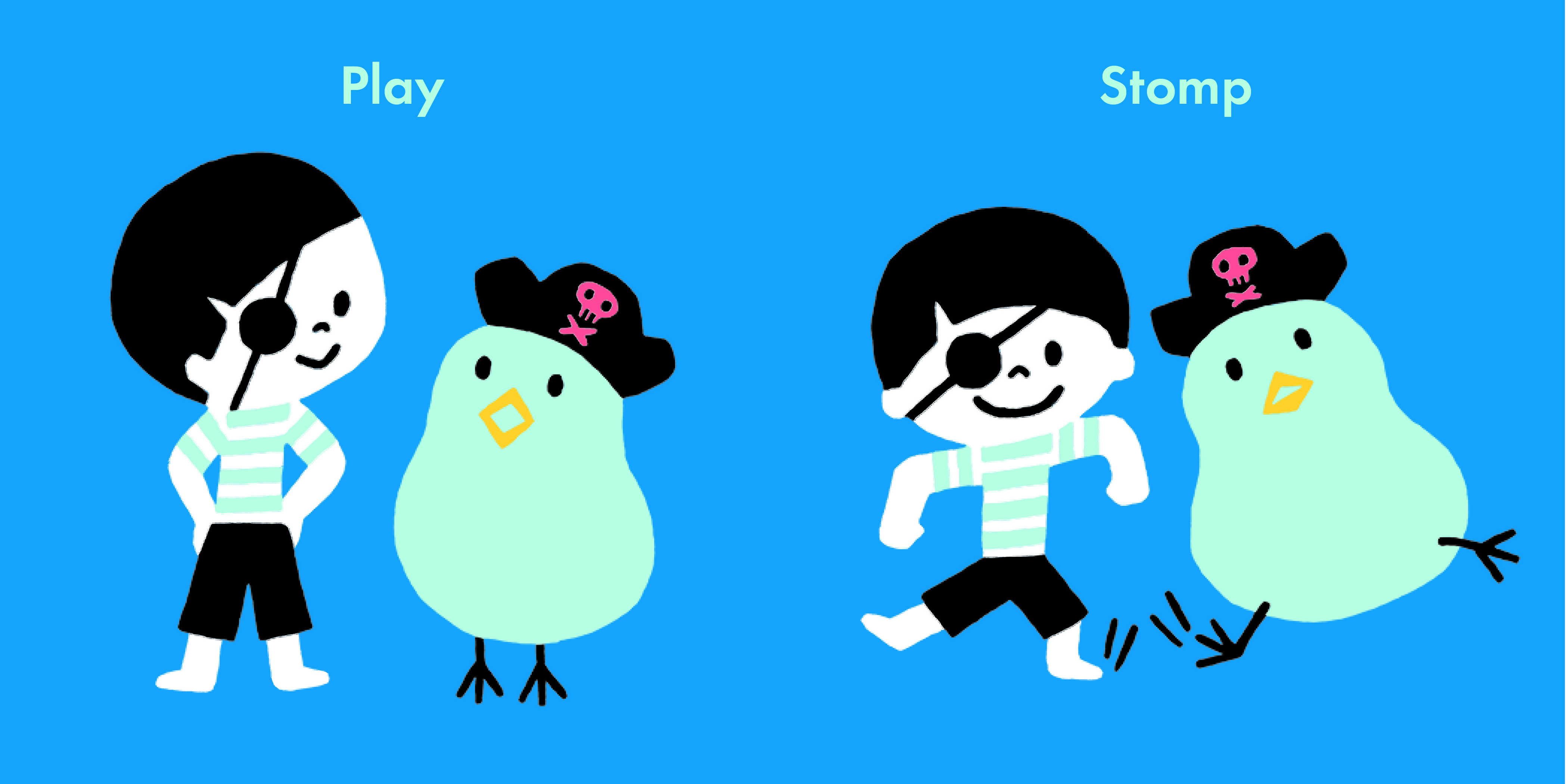
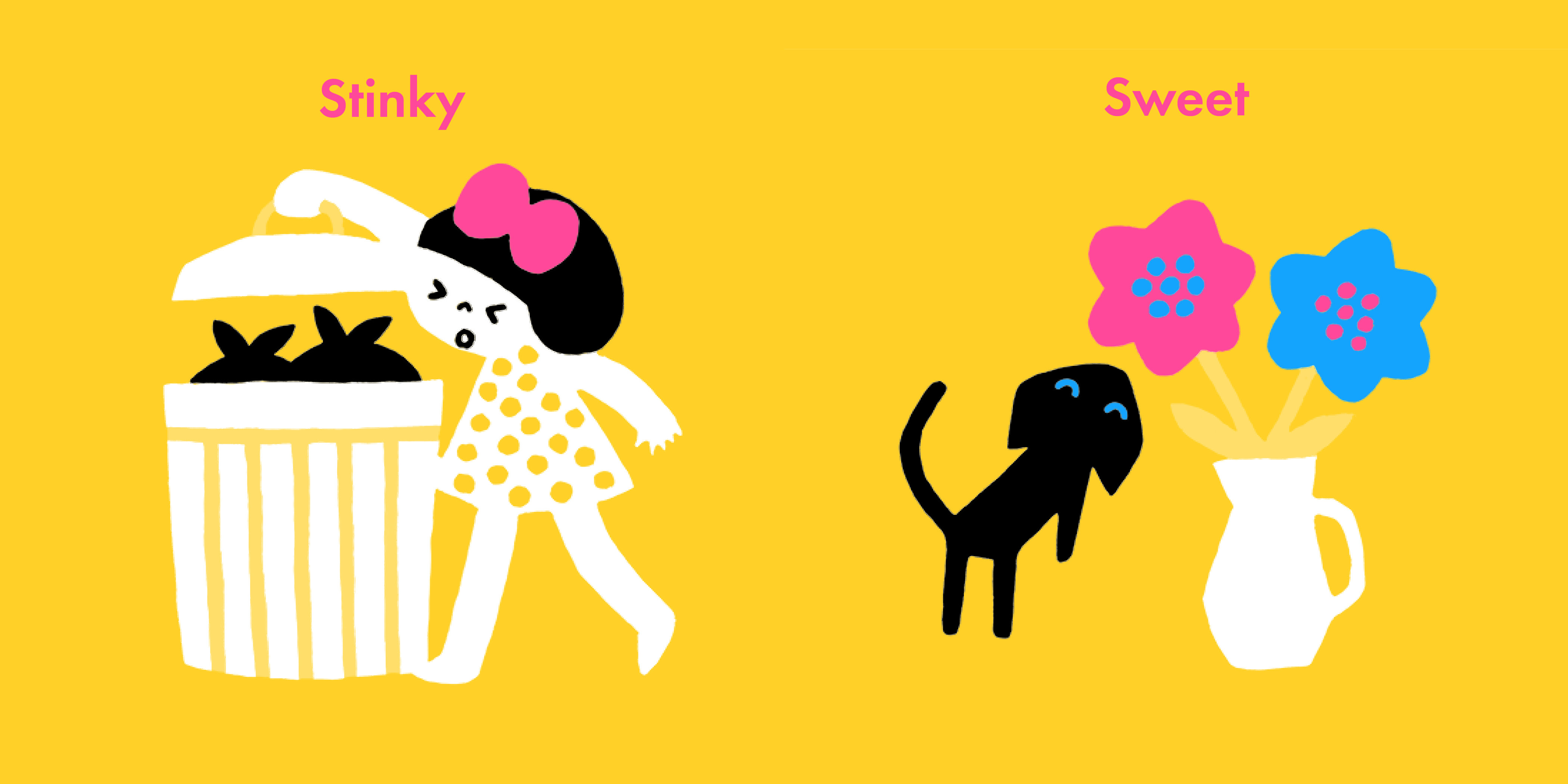
This board book trio from author Ruth Austin and illustrator Kanae Sato is just adorable: Wiggle Jump Tickle looks at action words; Hide Seek Stinky Sweet – one of the best board book titles ever – introduces readers to opposites; and Happy Grumpy Loved is all about feelings. Let’s dive in.

Wiggle Jump Tickle, by Ruth Austin/Illustrated by Kanae Sato, (June 2018, Compendium), $12.95, ISBN: 978-1946873095

Recommended for readers 0-3

A young boy and an egg demonstrate cause and effect using action words in this adorable board book. The boy sees and egg, and reaches for it; grabs the egg, and it wiggles; as the egg hatches, he and his new friend play together, introducing words like play, stomp, dance, and wiggle to new readers. The illustrations are bright and bold, emotive, joyfully playful, and loaded with action and movement. It’s a celebration of discovery and new friendship, perfect for developing readers and listeners.


Hide Seek Stinky Sweet, by Ruth Austin/Illustrated by Kanae Sato, (June 2018, Compendium), $12.95, ISBN: 978-1946873088

Recommended for readers 0-3

A young girl and her black cat introduce children to opposites in this fun little book. At the start of the day, the girl is asleep, until Kitty decides it’s time to give some morning kisses to awaken her. Throughout their day, the girl gives a piece of candy to the cat, who decides to take her slipper; the girl takes out the stinky garbage, while the cat smells the sweet flowers. Where the Wiggle Tickle Jump illustrations are set against a blue background, Hide Seek Stinky Sweet has bold illustrations set against a bright yellow background. The characters are cheerful; two friends enjoying a day together, and the bright, bold words pop off the page and make for easy reading.


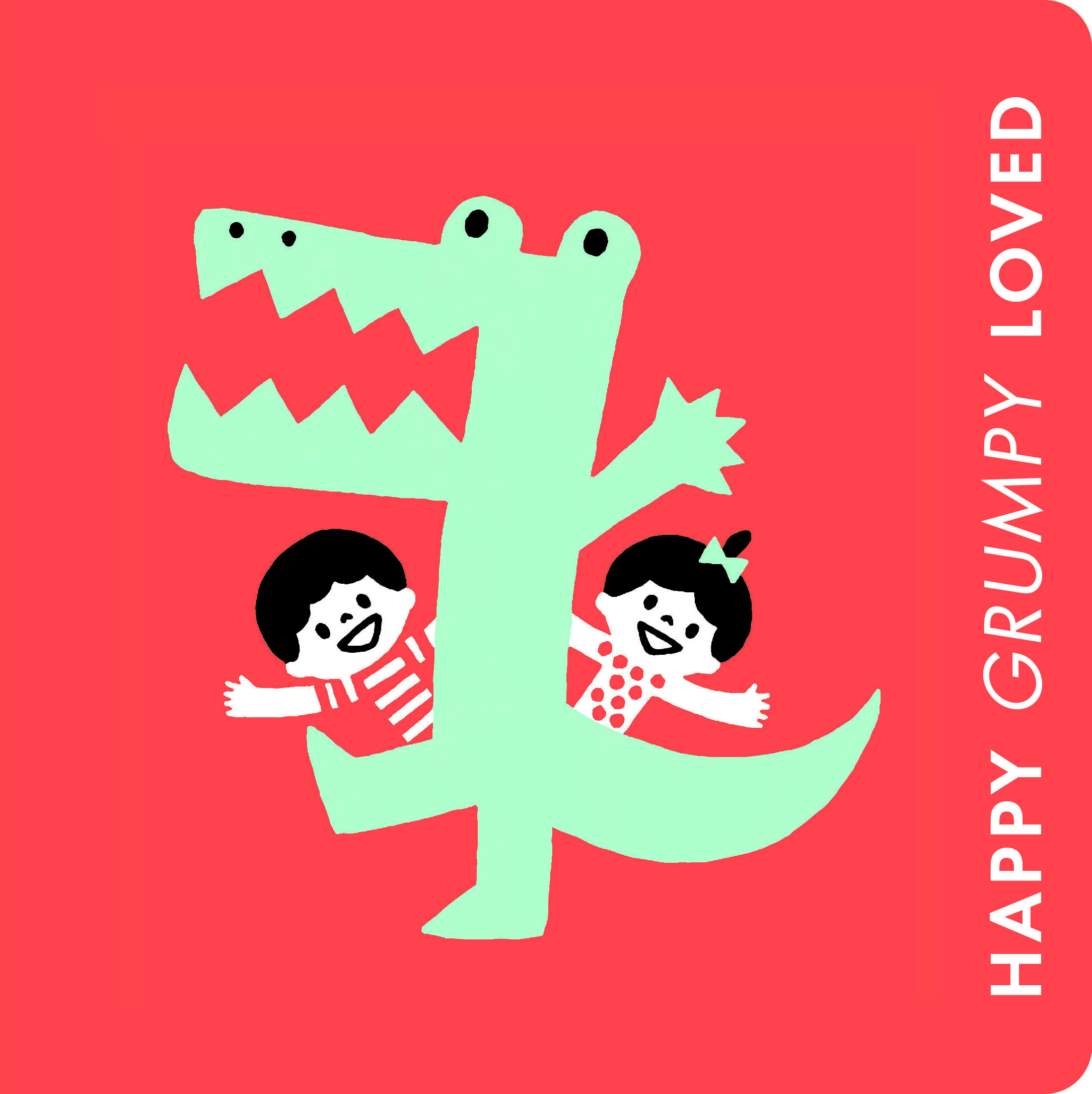
Happy Grumpy Loved, by Ruth Austin/Illustrated by Kanae Sato, (June 2018, Compendium), $12.95, ISBN: 978-1946873071

Recommended for readers 0-3

A boy, a girl, and their alligator demonstrate words to describe feelings in Happy Grumpy Loved. The children and alligator frolic their way through a bright red/pink background, introducing kids to words like friendly and shy; embarrassed and worried; pleased and excited. There’s movement, expressive body language, and a slew of great new words to get little ears used to hearing. The words map wonderfully to the illustrations, helping readers learn nonverbal communication, and develop empathy. The friendly girl waves at a dog, a big smile on her face; her friends hang back, heads cast down and the boy hiding behind the alligator, because they are shy. The dog barks, causing the alligator to leap into the air, surprised; he runs away, scared.


These books are absolute fun and loaded with teachable moments. They teach children to put words to feelings, actions, and concepts, and they encourage empathy by allowing children to experience cause and effect from an onlooker’s perspective. In Happy Grumpy Loved, the boy is jealous that the girl and alligator play together without him; he reacts by becoming grumpy, and destroying the structure the two friends built. In the next spread, he continues to throw the blocks, because he is angry; then, when the smoke clears, he is sad. The alligator helps him rebuild the structure, which makes him pleased, and together, the two friends are excited at their new creation.  Each book follows a story path, using the words to introduce readers to new vocabulary, while relying on the illustrations to tell the story.

The books are especially sturdy, too. They’ll hold up under multiple reads, and kids will want to return to these again and again. Put these books on your board book shelves and give them to your toddlers to enjoy. These pair nicely with Todd Parr books like The Feelings Book and Big and Little, and Leslie Patricelli’s board and picture books like Higher, Higher, Yummy Yucky, and Huggy Kissy.

Posted in picture books, Preschool Reads

Pink is for Boys… and an interview with author Robb Pearlman!

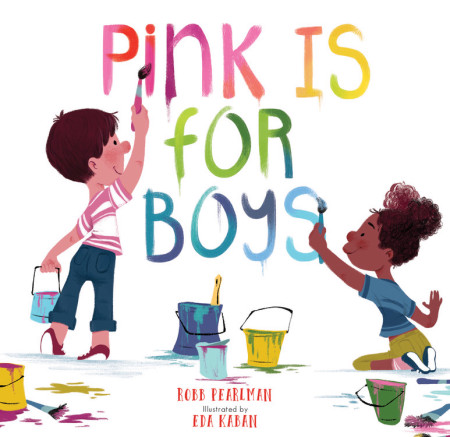
Pink is for Boys, by Robb Pearlman/Illustrated by Eda Kaban, (June 2018, Running Press), $17.99, ISBN: 9780762462476

Recommended for readers 3-7

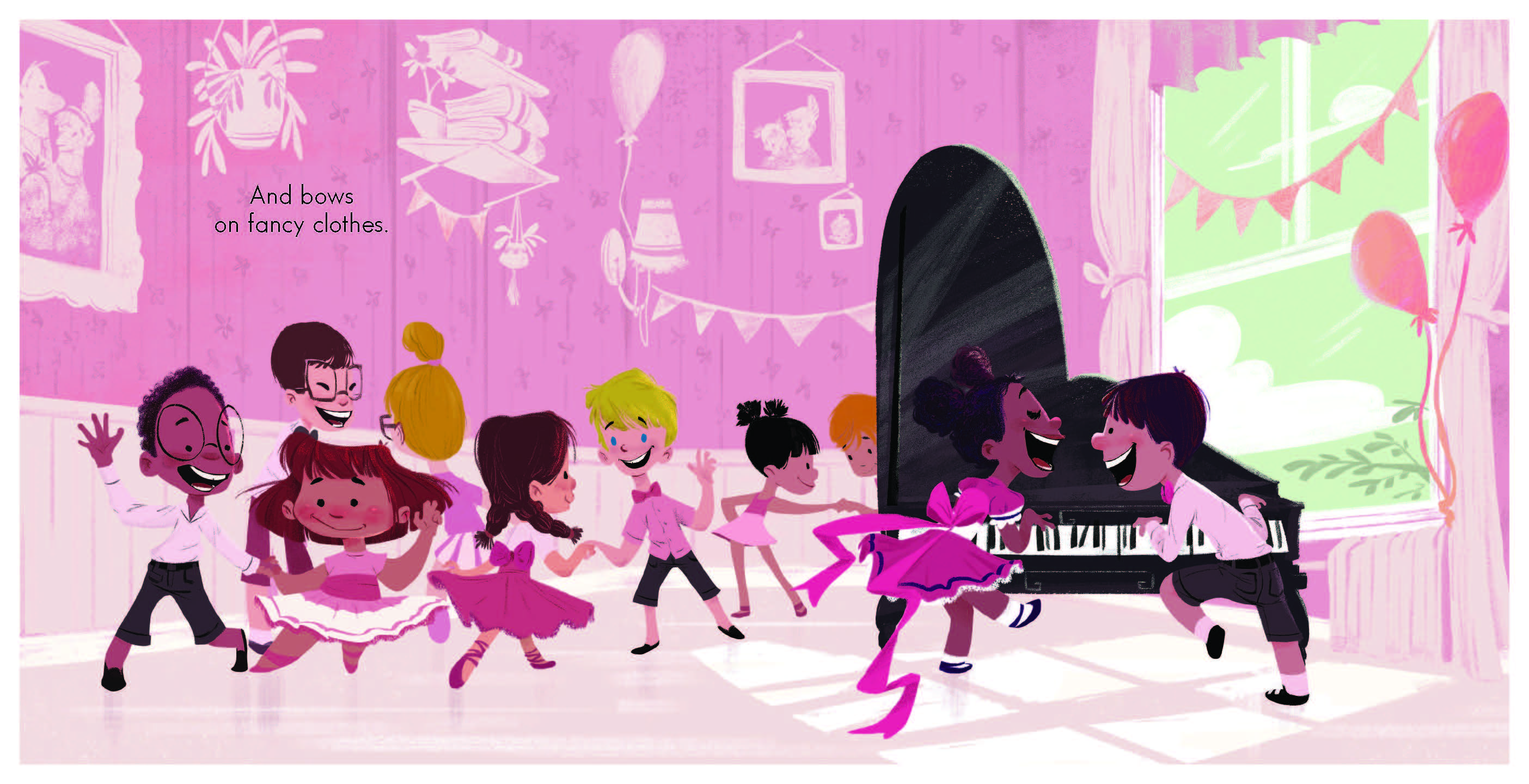
For those of us who are tired of the “blue is for boys, pink is for girls” madness, Robb Pearlman is here! Pink is for Boys is a lovely and fun concept book about colors that delivers the wonderful message that ALL colors are for EVERYONE. Spreads alternate between introducing colors and what else they’re popular for. In the first spread, a boy and a girl are getting ready for a party; he wears a pink shirt and bow tie; she’s got a pink dress with a long ribbon. The text reads, “Pink is for boys. And girls.” In the next spread, boys and girls wearing different shades of pink dance in a pink room, festooned with pink balloons and banners, and the text notes, “And bows on fancy clothes.” Each color is featured in the text and in the art, and shows boys and girls enjoying a game of baseball; playing royalty; enjoying nature and racing a go-kart; enjoying the summertime, teddy bears, pets, and most important of all, unicorns! Unicorns are for boys and girls! The text is decisive: all colors are for everyone. Period.

The art is adorable! Eda Kaban gives readers a diverse group of friends having fun together. Their faces are expressive and the body language between characters shows engagement and excitement. Make sure you look twice at the child on the unicorn; at the end of the book, you may become a little teary-eyed. Pink is for Boys is a fun summer reading addition to concept book collections and storytimes. Ask kids what they imagine when they think of different colors!

Pink is for Boys made Out Magazine’s list of 18 Essential LGBTQ Children’s Books for Every Age. Go, Robb!

I was lucky enough to be able to ask author Robb Pearlman a few questions about Pink is for Boys, writing, and a favorite subject to both of us, Star Wars:

Q: The most obvious question first: what prompted you to write Pink is for Boys?

Robb: I was prompted to write Pink is for Boys after attending a children’s birthday party at an ice skating rink. All of the children, including the boys, were required to wear pink wristbands to indicate that they were part of the group. One little girl decided to tease one of the boys for wearing something pink. He didn’t quite understand why wearing any color should be a source of embarrassment, and she was as disappointed that her attempt to anger him had failed. I, on the other hand, was delighted and inspired.

Q: Do you write every day, or does inspiration just strike you and get you started?

Robb: As much as I’d like to write every day, most of my writing is done on the weekends when I can devote chunks of dedicated time to it. I’ll sometimes write on my phone or iPad during my commute, too, if I’m in the middle of something that I can’t stop working on. But I’m constantly writing notes to myself about ideas, stories, or sometimes even just names to work on at a later time. Sometimes those notes are half sentences or just one word prompts, so it may take me a little while to remember what I was thinking in the first place.

Q: There’s a unicorn in Pink is for Boys! Any chance we’ll get a unicorn story out of you one day?

Robb: I’m a huge fan of unicorns because UNICORNS! I wrote a book for grown-ups, called 101 Ways to Use a Unicorn a few years ago, and I do have some half-finished stories for kids that I’ve been working on.

Q: Who would rock pink better: Han Solo or Chewbacca?

Robb: It’s hard to say! I think bright pink bandoliers would really pop against Chewie’s honey brown hair and make a statement of intergalactic proportions. But then again, Han would certainly rival Lando’s swagger if he sported a pink leather, instead of basic black, vest. I don’t see why they both can’t give themselves over to the pink side, but if I’ve learned anything, it’s “Let the Wookiee win,” so let’s go with Chewbacca.

Posted in picture books, Preschool Reads

Count along with Annie Aardvark, Mathematician!

Annie Aardvark, Mathematician, by Suzie Olsen/Illustrated by Davina “Viv” Kinney, (Jan. 2017, STEAM Publishing), $9.99, ISBN: 9780998433707

Recommended for readers 3-6

This cute counting book stars Annie, an aardvark mathematician. She loves math! She decides to count everything she finds, and takes readers on a 1-10 feast for the senses where she enjoys sniffing and tasting cucumbers, rocks, assorted bugs, berries, and plants. Each spread features a white page with black text for easy storytime reading, and a full-color page featuring Annie and her latest discovery. Kids can count along with the repetitive text, which features written numbers, illustrated things to count, and – most fun – the sounds Annie makes as she explores and investigates each treasure. She gulp, gulp, gulps beetles, slurp, slurp, slurp, slurps sticks, and has a whole bunch of snorts for leaves!

This is a cute concept book that would work really well with flannels – nature flannels are easy enough to make or find. It fits in well with a nature storytime; I’d pair this with Sue Williams’ I Went Walking. Make fun sound effects to get the kiddies giggling! The art is cute; Annie has a friendly smile and expressive eyes that will draw readers’ attention. Explain what an aardvark is, and more importantly, what a mathematician is. Pronounce the kids mathematicians and have them count!

Posted in picture books, Preschool Reads

Healthy Bodies, Healthy Minds, Healthy Preschoolers!

I’ve been loving the books that publisher Walter Foster Jr. has put out the last several months. They’ve been promoting writers, artists, and concepts that introduce kids to different ways of looking at life: different colors, languages, and songs, for a few. There are two more books out this month that speak to young readers once more; this time, addressing mental and physical health. Let’s take a look.

ABC: Mindful Me (ABC for Me), by Christiane Engel, (March 2018, Walter Foster Jr.), $16.95, ISBN: 9781633225107

Recommended for readers 3-6

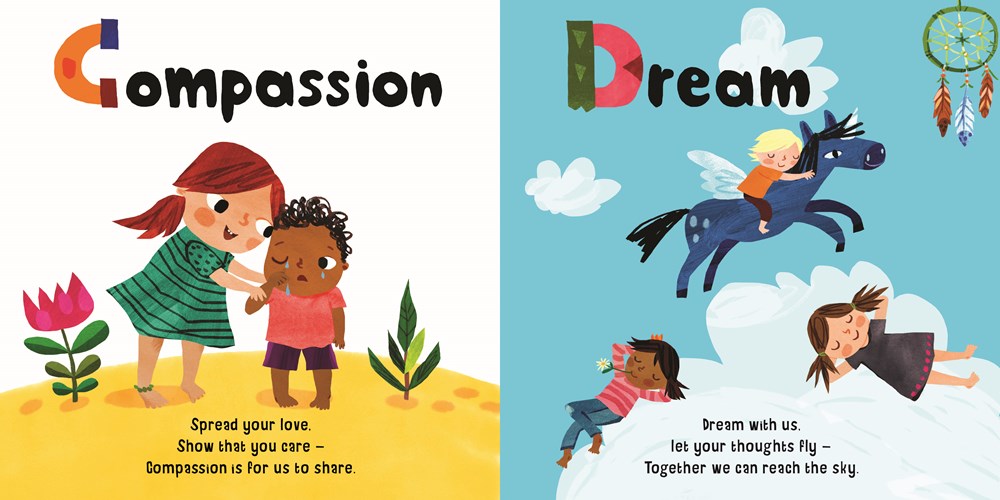
Christiane Engel’s ABC for Me series is so good for young readers and listeners. Her Baby Signs book illustrates the ABCs by introducing readers to simple sign language words that parents and children can use to communicate together; with ABC: Mindful Me, children learn the ABCs of being present and aware of themselves and the world around them. Using rhyme and child-friendly illustration, little ones learn about compassion and Zen; yoga and mandalas. There are even activities for caregivers and kids to work on together: make a mandala using found objects; make a gratitude tree, engage in some deep breathing and meditation. An index at the end helps us grownups refer to the 26 different “mindfulness pillars” introduced throughout the book. It’s a nice addition to young reader collections, and could be a good add to storytimes (especially yoga storytimes) and social discussions about empathy and kindness to ourselves and others.


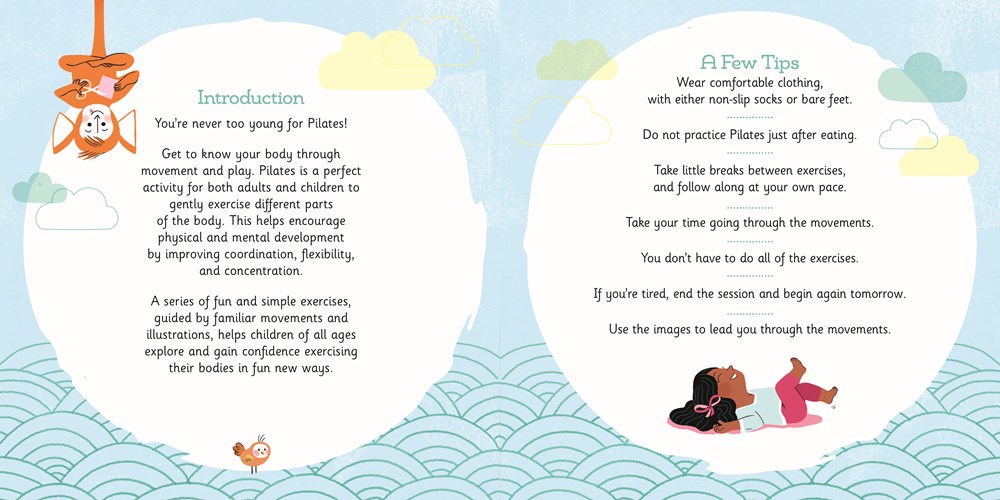
My First Book of Pilates: Pilates for Children, by Rida Ouerghi/Illustrated by Elsa Fouquier, (May 2018, Walter Foster Jr.), $16.95, ISBN: 9781633225893

Recommended for readers 3-6

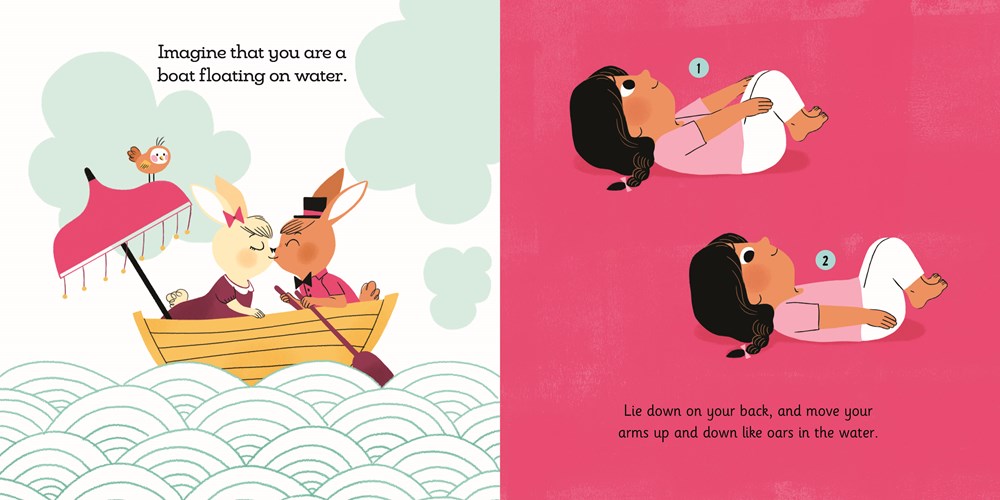
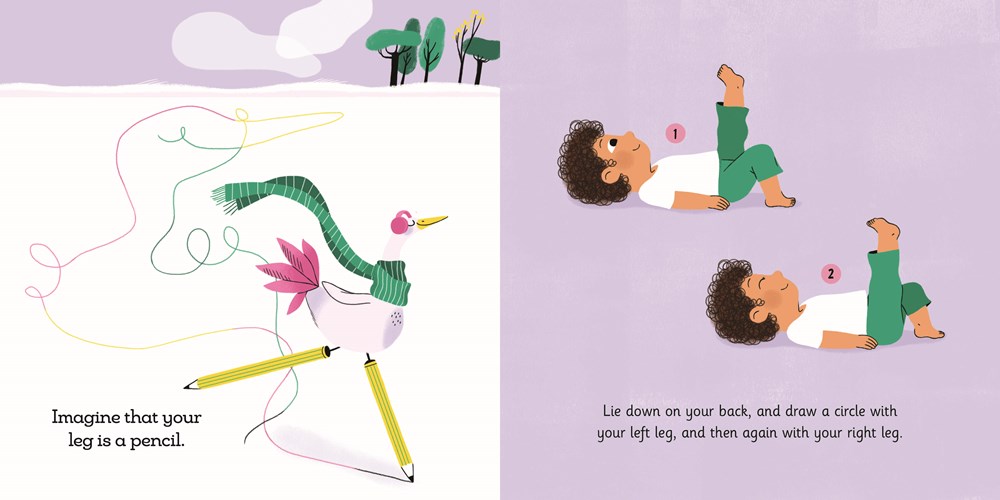
This is SO cute, and so perfect for my toddler/preschool yoga kids. An introduction to Pilates, this fits right in with books like Downward Dog with Diego, where kids learn simple yoga poses through animal illustrations. My First Book of Pilates offers a little more information, introducing readers to 12 Pilates poses, one per spread. On the left hand page, Rida Ouerghi and Elsa Fouquier use creative visualization to show us anthropomorphic explanations that make perfect sense to kids – imagine being a boat floating on the water; imagine rolling around like a hedgehog – and on the right hand page, an illustrated child recreating the Pilates pose, with simple instructions. There are some helpful tips at the beginning of the book to get your kiddos started. Absolute fun, and absolutely adorable! During a storytime, you can easily add some mindfulness practice in with the imagines, too: ask the kids to close their eyes and envision themselves floating on the water, rolling like a ball, or feeling their legs become strong, like trees.

Posted in Preschool Reads, Toddler Reads

Board Books for everyone!

I’ve been on a board book kick the last couple of months. I’ve mentioned before that I’m always on the lookout for fun, new board books that tell a story or teach concepts in a fun way. These are a few I’ve come across on my recent wanderings.

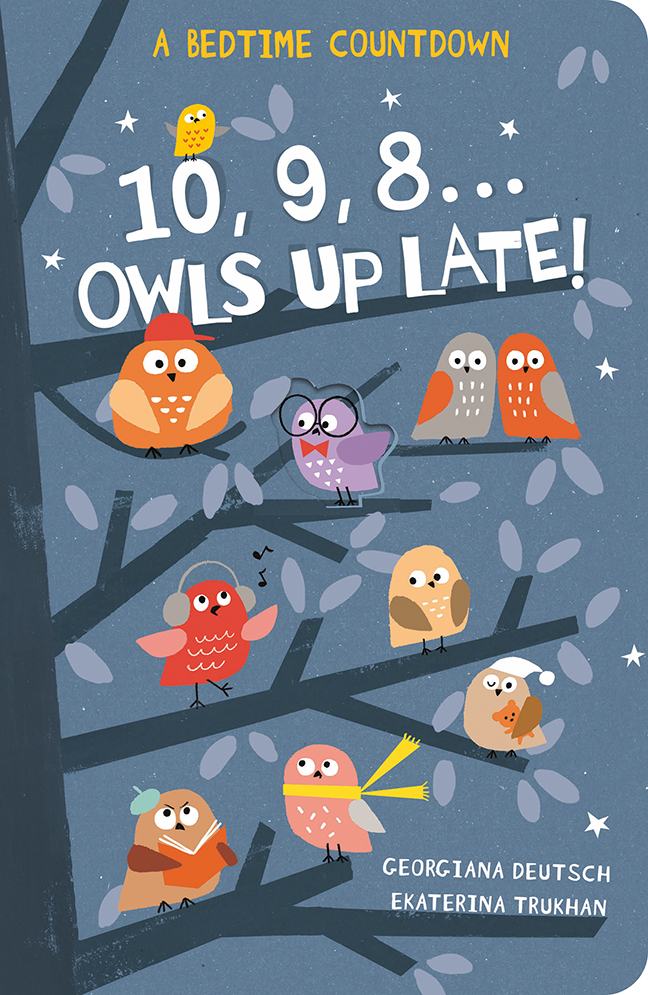
10, 9, 8… Owls Up Late!, by Georgiana Deutsch & Ekaterina Trukhan, (Feb. 2018, Silver Dolphin), $9.99, ISBN: 9781684121847

Recommended for 3-6

This rhyming, counting book is just too  much fun. Ten little owls are playing in a tree, when Mama Owl calls, “It’s time for you to rest!” One by one, each of the birds listen to Mama and flies down to the nest, but it’s a lot of fun while they take their time! Each spread is die-cut, as is the cover, to highlight different owls, hanging out in the tree. Each number appears in a star on the upper left hand side of the spread, easily letting readers know which number they’re on; owls and other inhabitants of the tree are cartoony and colorful, with little individual touches like a pair of earmuffs here, a nightcap there. The repetitive text assures that you’ll have company reciting this fun bedtime countdown in no time, and a spread numbering 1-10, counting up with the owls, finishes off this adorable board book. This book invites readers to really explore and have fun with the book, turning pages and wiggling fingers through die cuts.


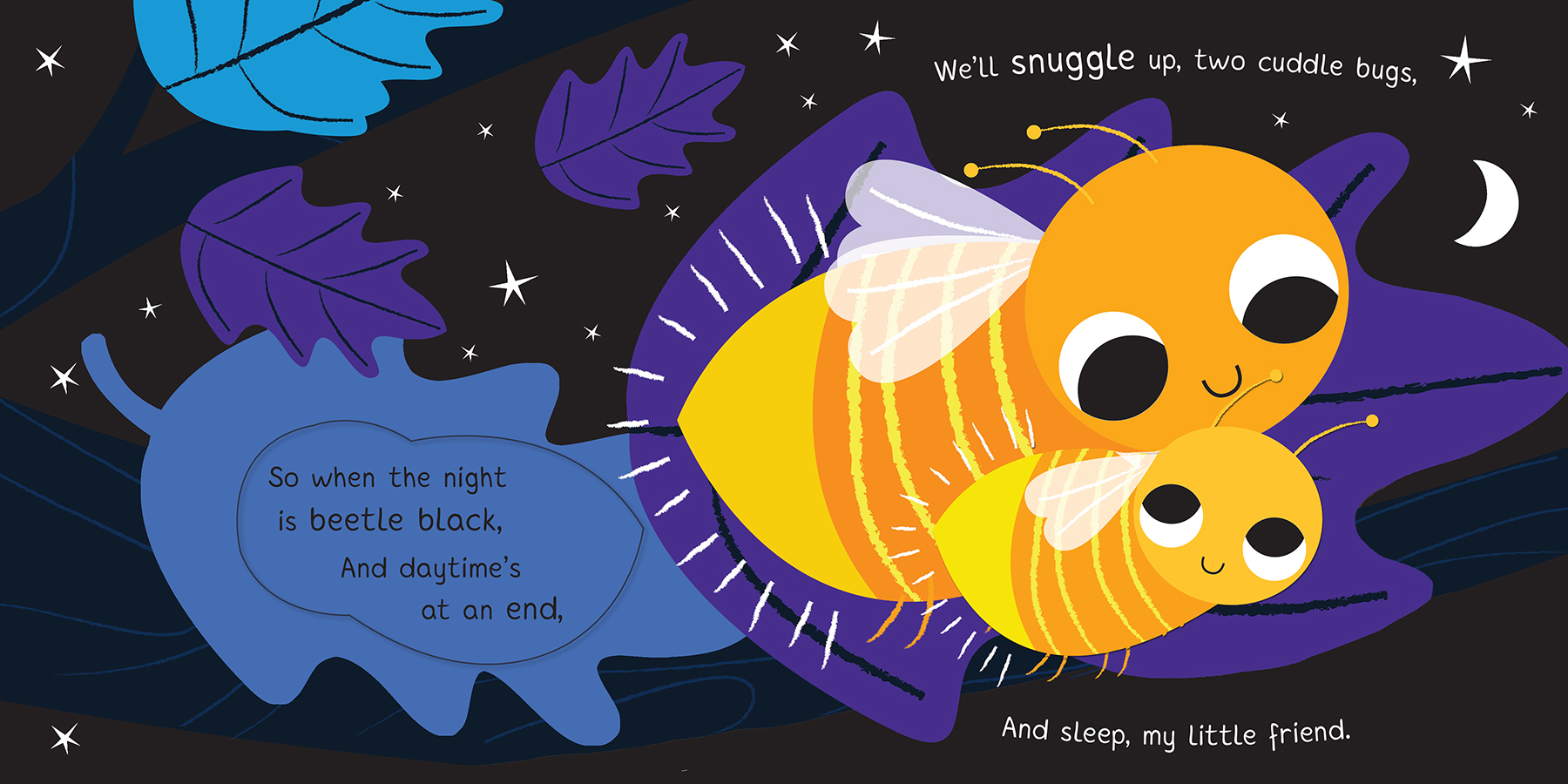
You’re My Little Cuddle Bug, by Nicola Edwards/Illustrated by Natalie Marshall, (Feb. 2018, Silver Dolphin), $8.99, ISBN: 9781684122585

Recommended for readers 0-5

Books like this are my weakness. I love, love, LOVE books about snuggling and cuddling, and I’ve been known to refer to my little one as my “snuggle buggy” and “cuddle buggy”. I love reading these books in storytime, because it gives my caregivers kissy-huggy-snuggly time with their little ones. Rhyming text and die-cut/raised bug caregivers and little ones lead readers through a story that’s just about loving and being loved: “You’re my little ladybug, You brighten up my day/With rosy cheeks you smile at me, And chase my blues away”. Bumblebees, caterpillars, butterflies, and beetles are all here, with cartoony, sweet, expressively large eyes and bright colors. You have to have this book on your shelves and in your gift cart. Add some Joyce Wan books (You Are My Cupcake, You Are My Pumpkin, We Belong Together) and you are set!


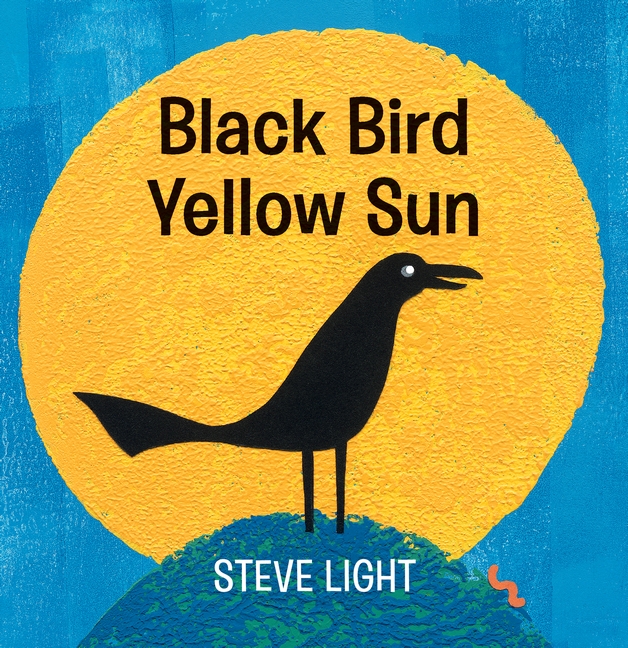
Black Bird, Yellow Sun, by Steve Light, (March 2018, Candlewick Press), $7.99, ISBN: 9780763690670

Recommended for 0-3

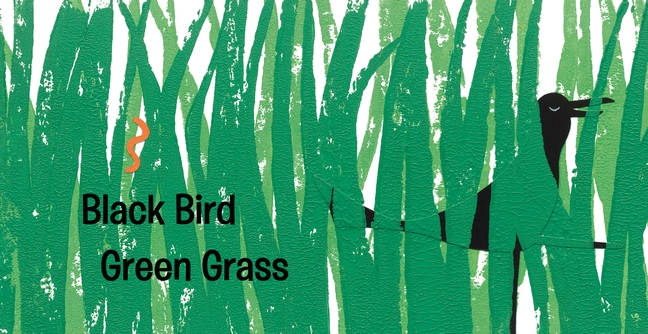
I love Steve Light’s books! This is a departure from his “Have You Seen My…” series, and I’m excited to see him introduce concepts. In Black Bird, Yellow Sun, we meet a black bird as he goes through his day, set off against the colors he interacts with: yellow sun, orange leaves, purple grapes, green grass, red snake, gray rocks, pink flowers, and finally, a blue moon. The repetition of the black bird on each spread makes for nice continuity for the kids, who will pick up that the bird is there each time; explain that the bird goes through its day in terms of colors, and ask kids what colors they meet throughout their days. A perfect concept board book for storytimes, gifts, and collections. Black Bird Yellow Sun has a starred review from School Library Journal.


In the Rain, by Elizabeth Spurr/Illustrated by Manelle Oliphant, (March 2018, Peachtree Publishers), $6.95, ISBN: 978-1-56145-853-0

Recommended for 0-4

Some kids may be disappointed when the rain begins, but not this little girl! She puts on her slicker and heads outdoors to sail a boat, stomp in puddles, and make mud pies! This fun exploration of weather and play stars a child of color, illustrated joyfully and realistically by Manelle Oliphant. I was excited to find out that author Elizabeth Spurr and Manelle Oliphant have a whole series of “In the…” and “At the…” board books that explore weather, nature, and play! I’ll be adding these to my next purchase cart for sure; the rhyming text, short sentences, and beautiful illustrations make these a great storytime read!