Posted in picture books, Preschool Reads, Toddler Reads

It’s a Great Big Colorful World! Let’s see what’s in it!

It’s a Great Big Colorful World!, by Tom Schamp, (March 2020, Prestel Publishing), $19.95, ISBN: 9783791374246

Ages 2-5

It’s concept book fun! Otto the Cat wakes up and wants to know why everything is so gray. Thank goodness Leon the chameleon is available to take Otto out and about and show him that gray is a color – and that there are so many other colors, too! They explore things that are gray, black, white, yellow, orange, red, pink, blue, green, and brown, showing that all colors are wonderful! Brown chocolate, burgers, and dogs; greenhouses and salads; blues music; there’s so much color in the world. Each spread has a riot of images to look through, with little facts and questions peppered about to prompt thought and discussion. A table of contents at the end guides readers to spreads on their favorite color. A fun choice for concept collections.


Posted in picture books, Preschool Reads

Blog Tour: This Book is Gray, by Lindsay Ward

It’s pretty safe to say I’m a Lindsay Ward fangirl: Brobarians and the Dexter T. Rexter trilogy are some of my favorite storytime reads/picture books going. Her new book, This Book is Gray, just seals the deal. Lindsay Ward, author extraordinaire.

This Book is Gray, by Lindsay Ward, (Dec. 2019, Two Lions),
$17.99, ISBN:  978-1-5420-4340-3
Ages 3-6

Gray feels left out. Everyone else in the color wheel leaves him out, so he decides to show them that you can have a gray book, and that it can be a good book! He creates a story about a hippo, a wolf, and a kitten, but the other colors show up to offer their opinions. Can Gray show all those primary and complimentary colors that gray is a fun color, too? And can the other colors help Gray out when trouble threatens the story?

If you’ve loved The Day The Crayons Quit and The Day The Crayons Came Home by Drew Daywalt, you will love This Book is Gray. The main story is about Gray and his quest to be taken seriously as a color; there’s a great secondary story about teamwork, and there are moments that will make you think (yes, you grownups) about how gray stories are perceived: Gray says everyone thinks he’s dull; the colors think an all-gray story looks scary, grim, or sad. But when a splash of color enters the scene, we realize just how much is gray: fluffy bunnies! Hippos and elephants! Seals! Pigeons! Black and White get their say in here, too (yay for achromatics!). The book reinforces concepts about primary and secondary colors, with a helpful color glossary on the book’s opening endpages. Lindsay Ward’s artwork is just adorable, with each color depicted as a cute triangle, and using word balloons to allow them to communicate outside of Gray’s story narrative. Closing endpapers show the characters from Gray’s story.

This is an absolutely adorable read-aloud for little ones, letting you test out your different voices. The story is sweet, funny, and ultimately, one you’ll go back to again and again; books by Lindsay Ward tend to be like that. Ask your kiddos to draw something gray and see what you get, and keep an eye on Lindsay Ward’s author webpage for accompanying goodies. She’s really good like that.

Lindsay Ward is the creator of the Dexter T. Rexter series as well as Brobarians, Rosco vs. the Baby, and The Importance of Being 3. Her book Please Bring Balloons was also made into a play. Lindsay lives in Peninsula, Ohio, with her family. Gray is one of her favorite colors. Learn more about her online at www.lindsaymward.com.

Twitter: @lindsaymward

“This book is a fun introduction to color theory that may inspire children to use more gray in their artwork and remind them to include friends who are left out.” —Booklist

Posted in Early Reader, Fiction, Media, picture books, Preschool Reads, Toddler Reads, TV Shows

Nick Jr’s Rainbow Rangers come to bookshelves

Since my kids have gotten bigger, I find myself woefully out of the loop on what’s popular on Nick Jr. these days. Apparently, Wallykazam is not a thing anymore? Thank goodness for Paw Patrol, or I’d really feel out of touch. Anyway. I was invited to check out the new line of books from Nick Jr’s newest show, Rainbow Rangers, so I did my research and consulted my 4-year-old niece, who assured me that this was a good show, because they girls are all rainbow colors and there is a unicorn. This, if you don’t realize it, is pretty big praise, so I dove in.

The Rainbow Rangers are “Earth’s first responders”. Basically, they’re the Avengers meets Captain Planet, and wow, I’ve just aged myself in one sentence. They live in Kaleidoscopia, a magical land on the other side of the rainbow, and there are six of them, each representing a different color of the rainbow: Rosie Redd; Mandarin Orange; Anna Banana; Pepper Mintz; Bonnie Blueberry; Indy Allfruit, and Lavender LaViolette all have different superpowers that they use to work together and keep Earth’s natural resources safe. Their leader, Kalia, sends them out on missions, and their pet unicorn, Floof, is there to help out. ImprintReads, from publisher Macmillan, has a Rainbow Rangers book for every reader in their new line of releases.
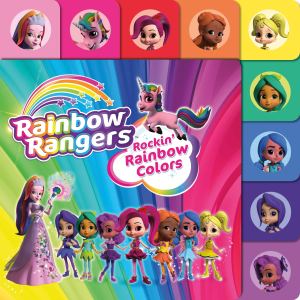
Rainbow Rangers: Rockin’ Rainbow Colors, by Summer Greene,
(Sept. 2019, Imprint/Macmillan), $9.99, ISBN: 9781250190345
Ages 3-6

This tabbed, oversized board book introduces each Rainbow Ranger, their talent, and also works with color recognition. Each of the Rainbow Rangers is named for a color in the spectrum, after all. It’s chunky, will hold up to multiple reads and exploring little hands, and the artwork is full of bright colors and large-eyed, expressive superheroines. Way too cute, preschoolers and toddlers will love this book.
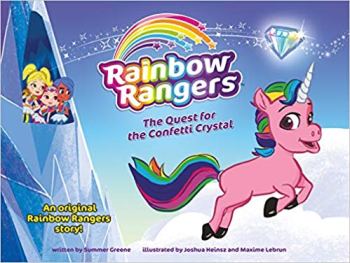
 

Rainbow Rangers: The Quest for the Confetti Crystal, by Summer Greene/Illustrated by Joshua Heinsz and Maxime Lebrun,
(Sept. 2019, Imprint/Macmillan), $17.99, ISBN: 9781250190338
Ages 3-6

This picture book is great for preschoolers and early elementary school readers, and it’s an original Rainbow Rangers story. The Rainbow Rangers have plans to celebrate Bonnie Blueberry’s 100th mission with a party, and unicorn Floof is put in charge of protecting their Confetti Crystal for the celebration, while the Rangers head off on their mission. Floof tries to contribute to the party planning using the crystal, but the crystal rolls away, and Floof is off on his own mission to retrieve it. The artwork is adorable; the characters from the show are instantly recognizable, and for those of us who aren’t quite familiar with the Rainbow Rangers, it’s a fun fantasy adventure starring a unicorn, magic, and adventure.
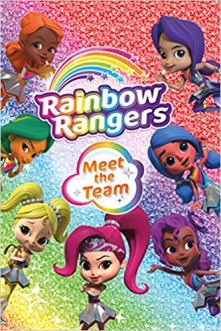
 

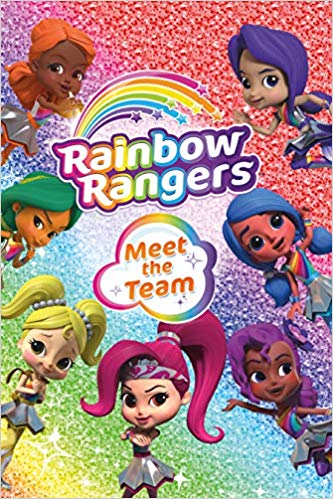
Rainbow Rangers: Meet the Team, by Summer Greene,
(Sept. 2019, Imprint/Macmillan), $4.99, ISBN: 9781250190314
Ages 3-7

The team’s origin story comes together in Easy Reader format in Meet the Team, which introduces the characters and their powers, using a little more vocabulary than the Rockin’ Rainbow Colors board book. The story also emphasizes the importance of teamwork and respecting one another, even if you don’t always agree. Sentences are longer, with a little more meat to the information; emerging readers will love sitting down with this one and digging right in.
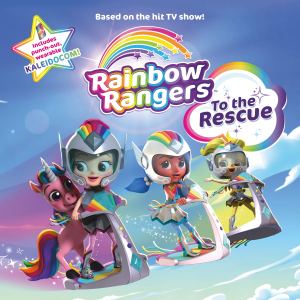
 

Rainbow Rangers: To the Rescue!, by Summer Greene,
(Sept. 2019, Imprint/Macmillan), $4.99, ISBN: 9781250190253
Ages 3-7

To the Rescue! is the 8×8 media tie-in, recreating the first Rainbow Rangers adventure: rescuing a polar bear cub when a melting ice floe separates him from his mother. The girls fly into action, discovering how to work together and addressing climate change on an age-appropriate level: “When temperatures get hotter, ice shelves break apart”. There’s a punch-out, wearable Kaleidocom that kids can wear just like the character Rosie Redd (librarians: keep this one in your desk until you can make copies or hold a giveaway). Fonts are bright and bold, with some words getting rainbow bubble font treatment for extra emphasis.

There’s a little something for everyone here, and kids will gobble this series up. The Rainbow Rangers website also has video clips, profiles on each character, and free, downloadable activity and coloring sheets. Have them on hand!

Posted in picture books, Preschool Reads

Counting, Colors, and Animals Eating – Concept Fun!

Two fun picture books give kids the giggles while inviting them to count, call out colors, and animals!

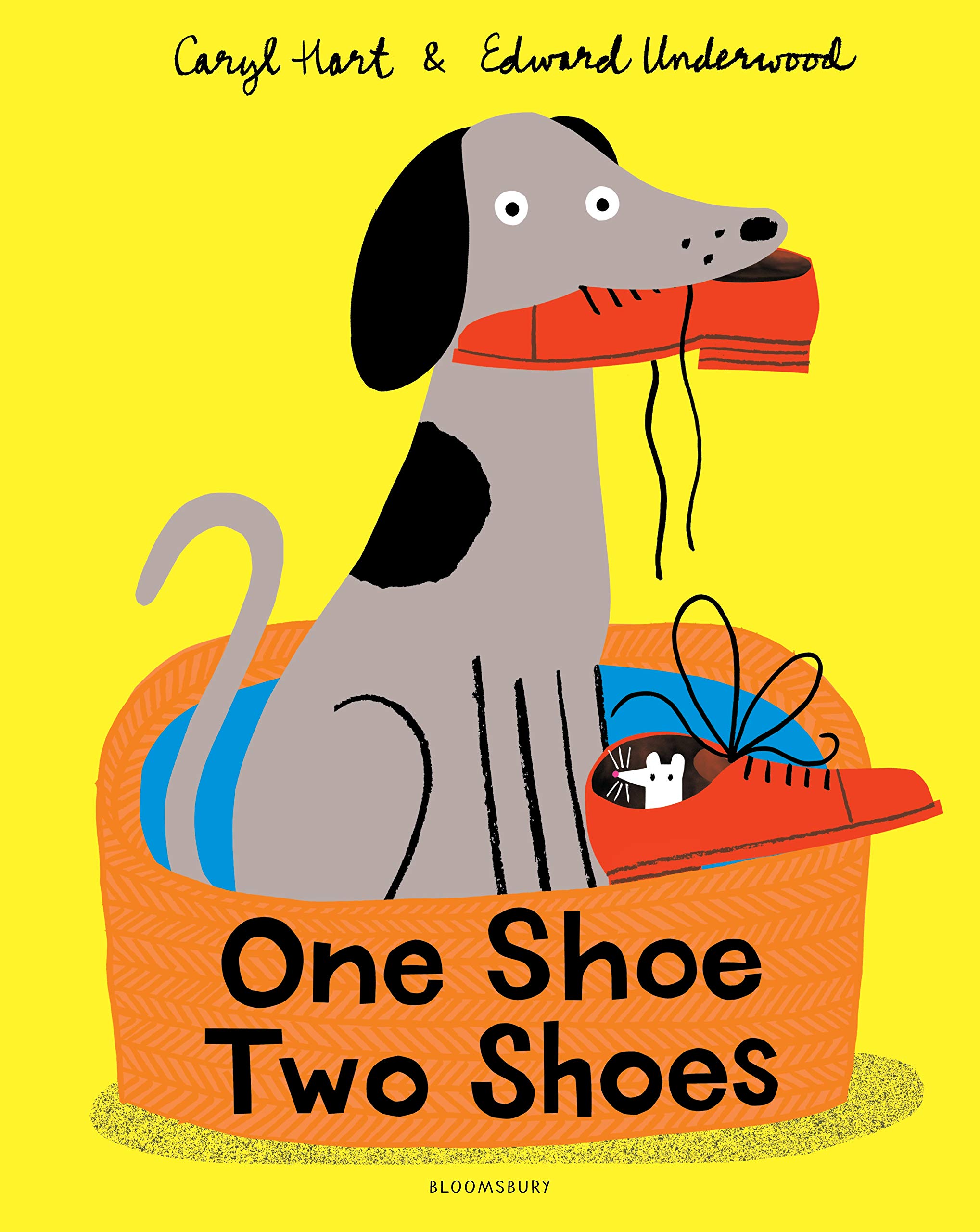
One Shoe Two Shoes, by Caryl Hart/Illustrated by Edward Underwood, (July 2019, Bloomsbury USA), $17.99, ISBN: 978-1-5476-0094-6

Ages 3-6

A dog and a bunch of curious mice explore all the shoes in their world in this adorable rhyming story. The rhyming pattern reminds me of Dr. Seuss’ classic, One Fish, Two Fish, Red Fish, Blue Fish – “Old shoes/New shoes/On their way to school shoes” – minus the wacky, new words. The pup notices shoes all around, both inside and outside the home, when…. wait! There are two mice, making a home in a pair of shoes! A few more scramble by the dog, and before you can say “shoelace”, there are 10 mice, all making their homes in various sneakers, skates, and boots.

Originally published in the UK in 2018, this is an absolutely fun concept book that would work nicely with felt board accompaniment. The pencil, ink, and digital collage artwork is bold and bright, with primary colors and bold black fonts. The endpapers are loaded with footwear. The rhyming, counting, and colors in this book make it a multitasker for concepts, making this a good add to your concept bookshelves and storytimes. Pair with Hart and Underwood’s companion picture book, Big Box Little Box for more concept fun!

Visit author Caryl Hart’s webpage for info about visits and, for aspiring writers, mentorship! Illustrator Edward Underwood features more of his artwork on his Instagram.

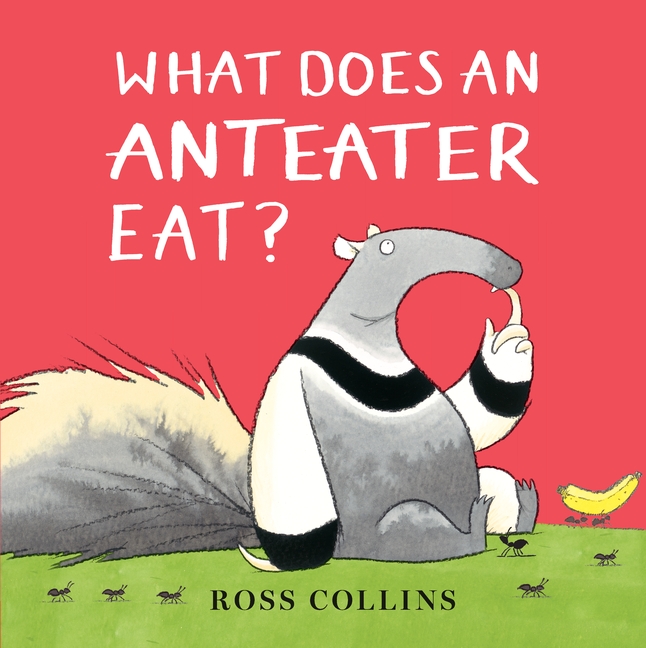
What Does an Anteater Eat?, by Ross Collins, (July 2019, Nosy Crow), $16.99, ISBN: 978-1-5362-0591-6

Ages 3-6

Anteater wakes up hungry, but there’s a bit of a problem. What does an anteater eat? He sets off to find out, asking sloths, snakes, bats, and cheetahs he encounters on his exploratory walk, all with different results. The book is one hilarious inside joke – we know what the anteater eats, and it’s a good bet that the ants scurrying across each spread in the story do, too – presented in Q&A format. The anteater asks every new animal he meets what anteaters eat, and the animals’ responses are colored by their experiences: the snake, belly bulging with its latest meal, cautions the anteater to chew its food; the cheetah hungrily eyes the anteater. The anteater’s questions are in bold font; the responses, in italics, signaling the chance in voice to your audience. The adorable, funny ending makes the book a storytime winner for toddlers and preschoolers.

Originally published in the UK in 2018, What Does an Anteater Eat? has the playfulness that make Ross Collins’ books so much fun to read. This one is another great candidate for felt board storytelling or puppet accompaniment. Collins’ artwork is cartoony and entertaining with a playful sense of joy added to each spread. The endpapers are in on the story’s joke, starting with an ant crawling across the front endpapers, and finishing with a pile of banana peels.

This one is a storytime winner. Ross Collins’ author webpage includes info about his books, and provides free, printable posters of his book covers and a few activity sheets.

Posted in picture books, Preschool Reads

A concept classic returns! Yellow Yellow by Frank Asch & Mark Alan Stamaty

Yellow Yellow, by Frank Asch/Illustrated by Mark Alan Stamaty, (May 2019, Drawn & Quarterly), $15.95, ISBN: 9781770463585

Ages 2-6

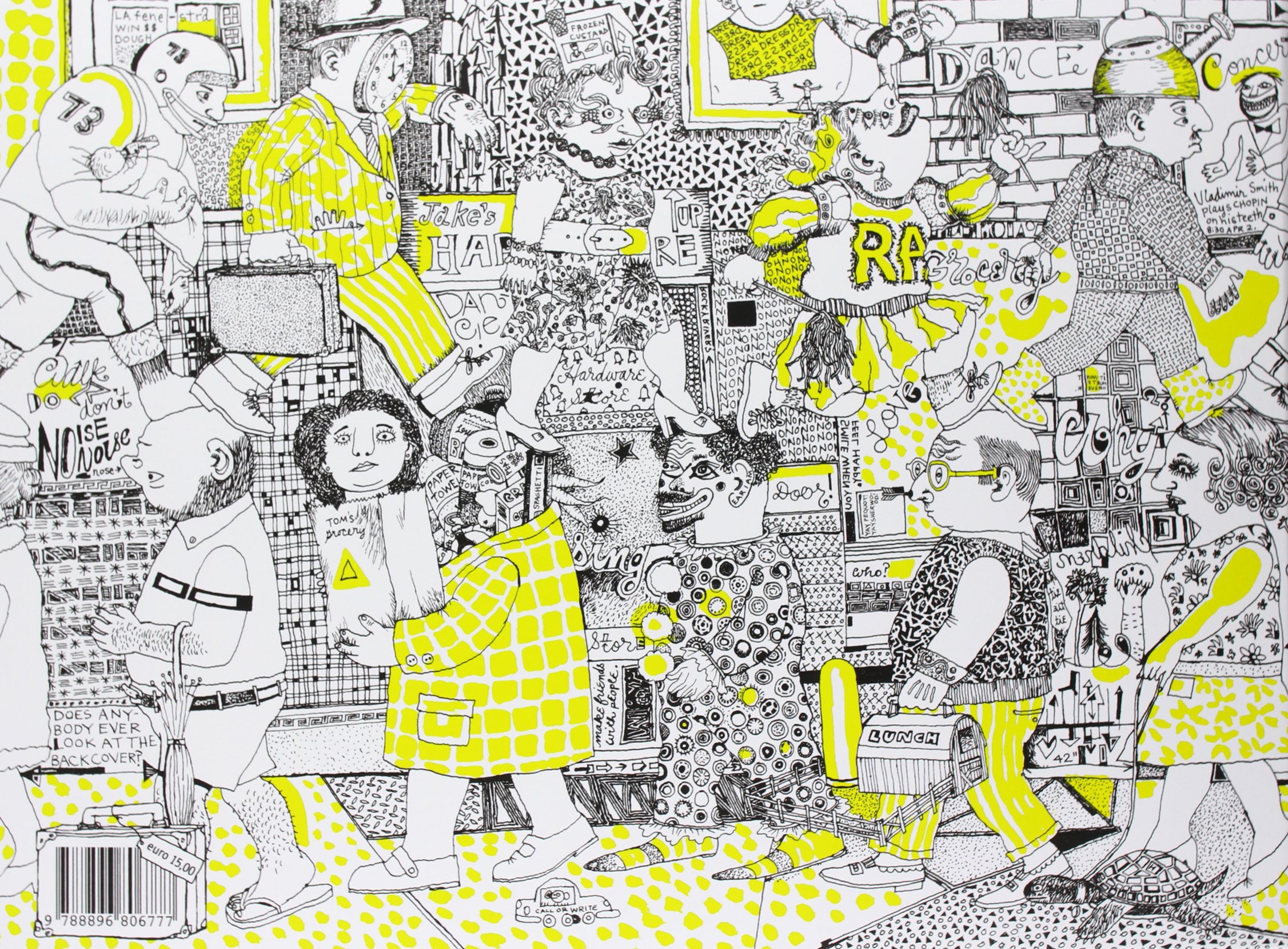
Originally published in 1971, Yellow Yellow is back for a new generation of readers. A boy finds a bright yellow hat as he goes walking in the city one day. He wanders the streets, wearing the hat, until he finally meets up with the hat’s owner: a burly construction worker, who needs his hat back. When the boy goes home, he makes his own yellow hat.

Yellow Yellow has vintage ’70s artwork that just explodes across the page, and the story is truly written in a different time; the boy wanders crowded urban streets with no parental guidance, walking along a construction site loaded with screws, pipe fittings, and paint cans; passes blocks jammed with small storefronts, like a barbershop, a bookstore, and a deli; and passes through a lunch counter joint, where he weighs himself on a scale that costs a penny. This is the urban New York landscape of my childhood, and I love every single second I spend with this boy and his stroll. Tiny details abound, providing a feast for the sharp-eyed reader. The black and white scratchy ink drawings have yellow touches for effect and appear like 1970s-era mandalas for Gen Xers like myself. Mark Alan Stamaty made each 2-page spread filled with things to see, from the paint cans that offer inspirational messages (read ’em!) to the boys’ room at home, walls covered in pictures of planes, numbers, and letters. Surreal touches dot the artwork, too: the boy has fish in a birdcage, and two birds thriving in a clearly full fish tank. At the lunch counter, a live frog waits under one glass dome, while a bird makes a nest in another. Hope they’re not on the menu!

If you love the old school Sesame Street music cutaways, like the famous pinball “12” song, Yellow Yellow will hit you right in the heartstrings. Right this to your kidlings, play the Number 12 song, and have plenty of yellow construction paper handy to make yellow hats.

Frank Asch went on to create the classic Moonbear books, and Mark Alan Stamaty wrote another children’s classic, Who Needs Donuts, in 1973.

Posted in Preschool Reads, Toddler Reads

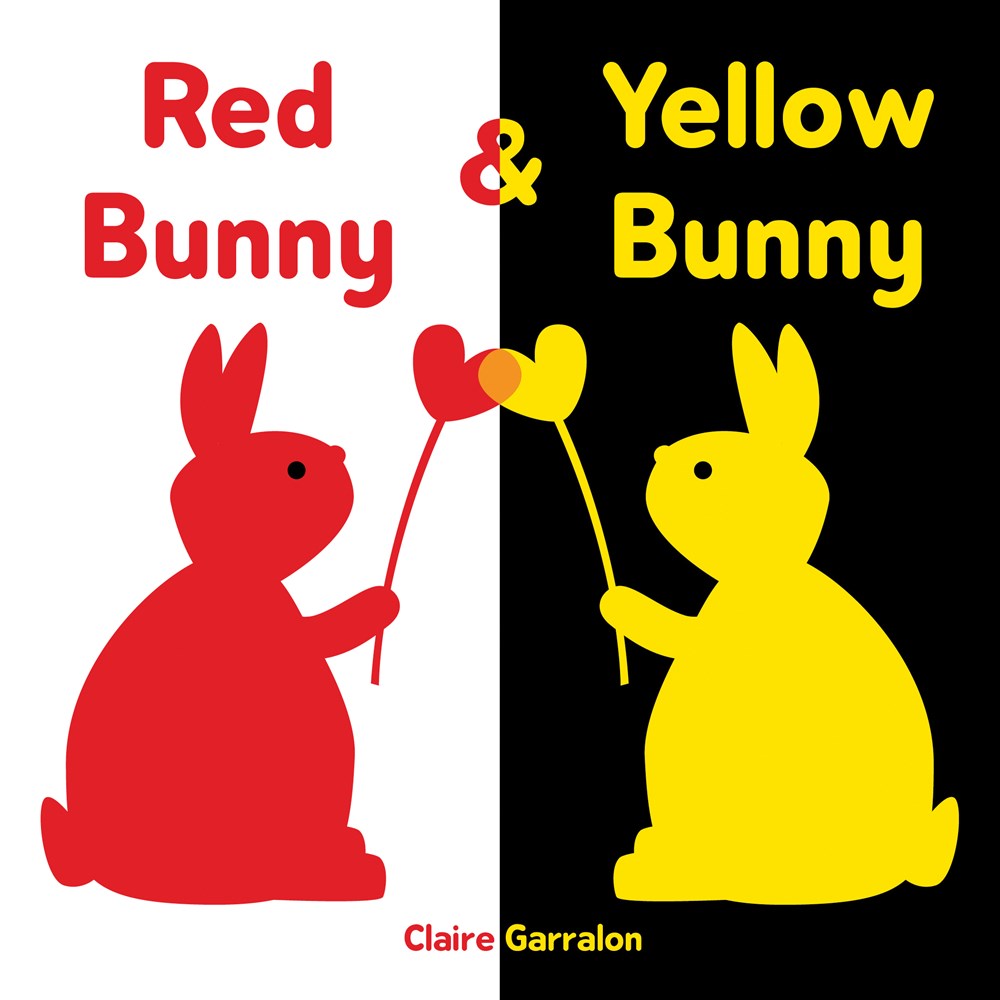
Red Bunny & Yellow Bunny: The one that slipped by me!

Red Bunny & Yellow Bunny, by Claire Garralon, (March 2019, Sourcebooks Jabberwocky), $7.99, ISBN: 9781492680147

Ages 0-4

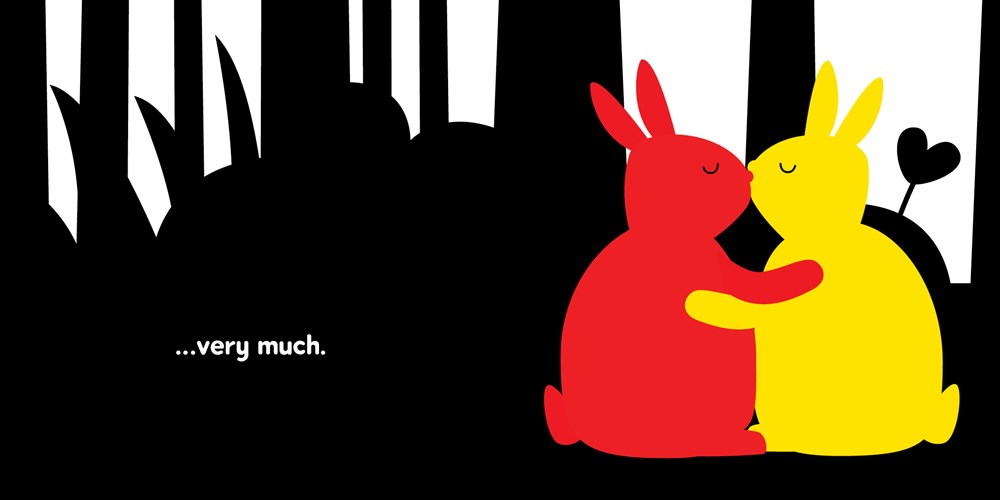
I sent off my Board Books post this morning, then realized I forgot one! Red Bunny & Yellow Bunny is the latest board book from Claire Garralon, who gave us the adorable Black Cat & White Cat in 2016. In Red Bunny & Yellow Bunny, two bunnies meet, fall in love, and have an orange baby bunny! What happens when that baby bunny grows up and falls in love? Keep reading!

I love how Claire Garralon communicates ideas about gender, social issues, and community for our youngest readers. The bunnies are genderless – no male or female pronouns needed; they are different colors, yet come together, fall in love, and have a baby that adorably blends their colors (red plus yellow makes orange, after all!). Bunnies fall in love with other bunnies, regardless of color, and create a rainbow of happy baby bunnies, all of whom play and live together. We saw a similar story emerge from Black Cat & White Cat, where two different color cats have to find a neutral place to play so they can see one another.

Naturally, we also have a sweet story that uses color concepts: explain that yellow and red make orange, and then ask what a yellow bunny and blue bunny’s baby would look like, or a red bunny and blue bunny’s baby. There’s a free, downloadable color mixing resource available on Teachers Pay Teachers, that you can hand out and let kids play with for a storytime activity. Let them fingerpaint and discover their own colors, or grab some Do a Dot! art markers.

Posted in picture books, Preschool Reads

Concept Books for little learners

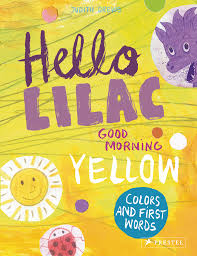
Hello Lilac Good Morning, Yellow: Colors and First Words, by Judith Drews, (Oct. 2018, Prestel), $14.95, ISBN: 9783791373515

Ages 3-6

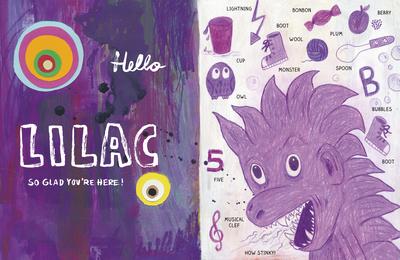
This cute book features eleven colors; one per each spread. There’s a warm greeting on one side, and objects showcasing the color on the other: “Good morning, Yellow! You glow so warm and bright”, with hand-drawn pictures of a lion, a construction helmet, lemon, and crown. It’s a lovely way to introduce colors; letting kids greet them and name a property of the color that makes them enjoyable: “Ahoy, Blue! I want to splash about in you”; “Hi, White! Where is your color?” Some object choices may leave readers scratching their heads; a syringe is included for White, and blood for Red; a screw falls under Black, which I tend to associate with Silver. I’m also not sure on how words like “trousers”, “domino tile”, and “fly agaric mushroom” are considered first words.

Overall, it’s a cute enough concept book for an additional add to collections, but there are other books that are better.


A is for Australian Mammals, by Frané Lessac, (Aug. 2018, Candlewick Press), $16.99, ISBN: 9780763694845

Ages 7-9

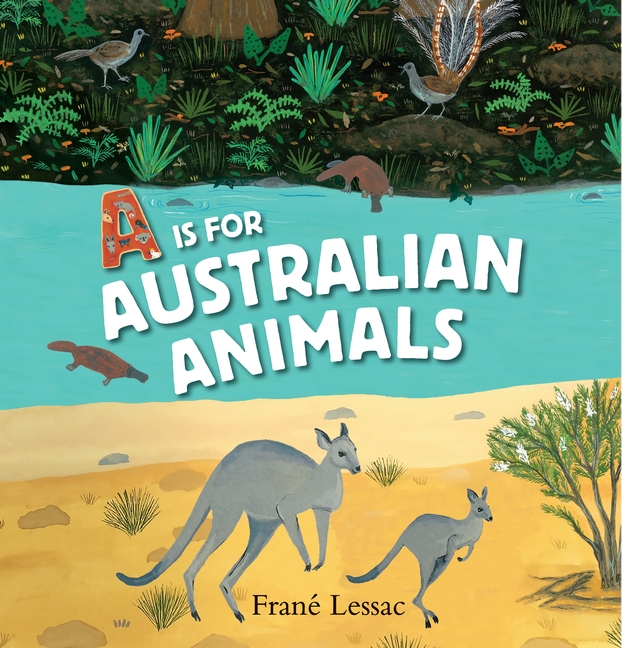
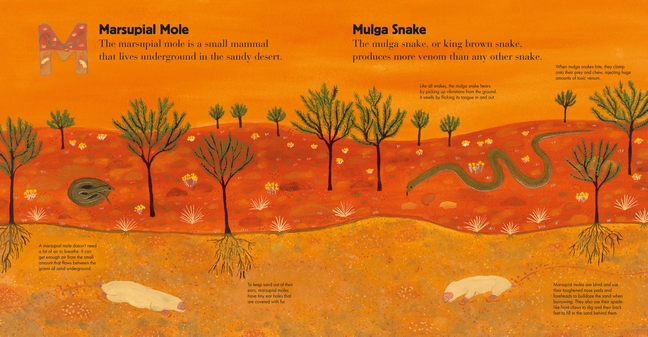
This book combines an abcedary for early readers with a geographic tour of Australia. There are 38 animals to be found here: tried and true favorites like the kangaroo, platypus, and koala are here, but there are other fantastic animals to be discovered, including the flying fox (it’s actually a huge bat); the red crab and robber crab (keep an eye on your valuables), a crayfish called the yabby, and the x-shaped crusader bug.  Loaded with facts about these Australian creatures, and featuring colorful gouache illustration, this one is a hit. Pull out some cool facts to share during a science storytime or Discovery Club program. Here’s one that will go over big with the kids in my library: “In a Tasmanian devil’s poop, a wildlife biologist discovered: the head of a tiger snake, an owl’s foot, a sock, aluminum foil, half a pencil, and the knee of a pair of jeans”. Also, a koala’s fingerprints are almost identical to human’s fingerprints. Back matter includes maps of animal distribution, highlighting areas where each animal can be found on the continent. There are free, downloadable teacher’s notes available through author Frané Lessac’s website. The Educate Empower blog has some great ways to use this book across subjects, too.

This is a fun add to your natural history books, and it doubles as a concept book for learning readers who can benefit from learning about exciting new animals and their names.


Posted in picture books, Preschool Reads

Book Birthday: Who Eats Orange?

Who Eats Orange?, by Dianne White/Illustrated by Robin Page, (Aug. 2018, Simon & Schuster Kids), $17.99, ISBN: 9781534404083

Ages 3-6

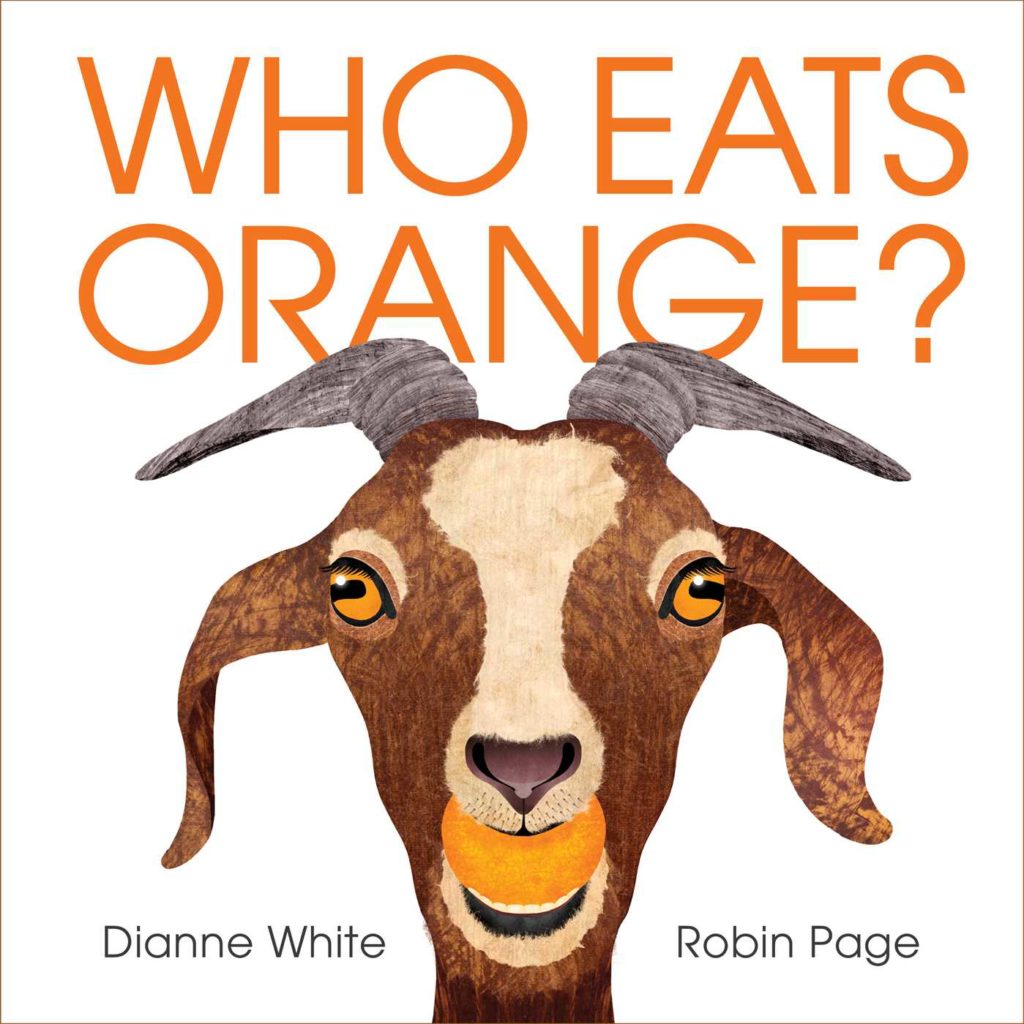
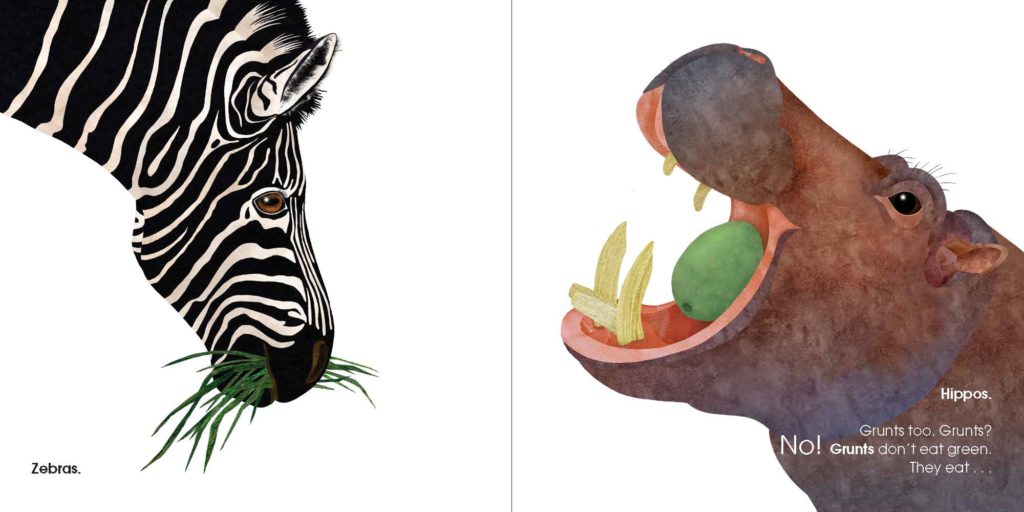
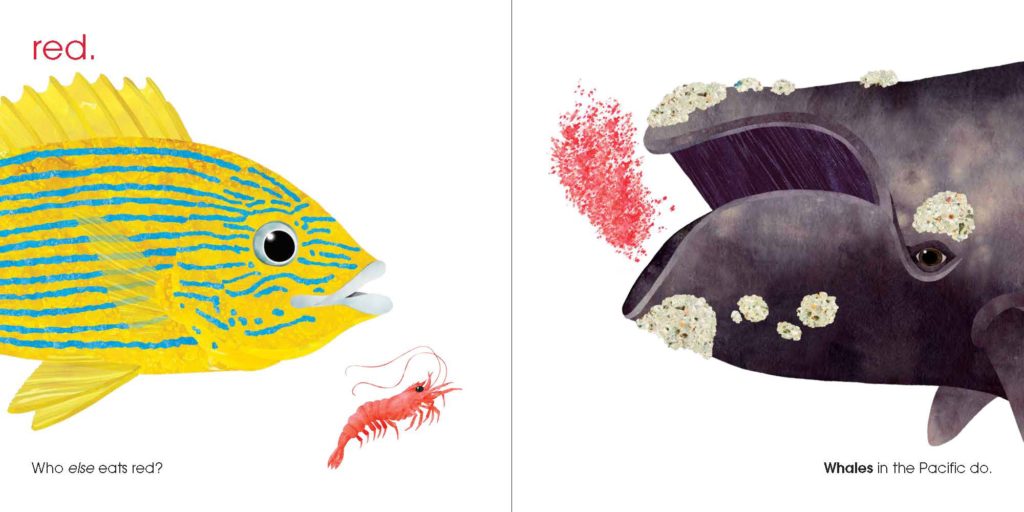
Need a fun, new concept book on your shelves? Who Eats Orange looks at the eating habits of animals from bunnies to bears. Four animals eat one color, and the fifth doesn’t – but eats a different color, which brings us into the next group of animals. There’s quite a bit of information, broken down into simple, easily understandable bites, to be found here: colors, animals and what they eat, and their habitats: “Who eats orange? Bunnies in their hutches do. / Chickens in the henhouse too. / Who else eats orange? Goats. / Pigs. Gorillas too. Gorillas? NO! The repetitive text pattern gets kids ready; they’ll learn quickly who doesn’t eat a chosen color, and join in with a hearty “NO!” when the time comes. The text brings things right back to kids, encouraging them to eat the rainbow, with a colorful spread of fruits and vegetables. The back matter organizes the animals, and their foods, by habitat (farm, Africa, ocean, forest, rainforest, tundra) and provides more information on animals and their culinary tastes.

The digital art is wonderful; reminiscent of one of my favorite realistic animal artists, Steve Jenkins. (Robin Page also dedicates the book to Steve Jenkins, which was pretty great to see.) The vivid artwork stand out against stark white backgrounds, inviting readers to imagine the roughness of a hippo or the bushy fur of a fox and marmot. The faces are gentle, with expressive eyes that will draw storytime fans right in. It’s such an interactive book, with opportunities to get the kids talking about animals, food, and color. There’s an activity kit available for download that comes with animals masks to cut out, a rainbow recipe, and writing activities.

I read Who Eats Orange, along with one of my old favorites, Who Hops?, to my 6-year-old. Who Hops? works in a similar manner, introducing different animals who hop, swim, crawl… and then one animal that obviously cannot! Anyway, we had big laughs, he pronounced Who Eats Orange “so much fun”, and laughed at me when I suggested he start eating the rainbow with me. Hey, I tried.

Who Eats Orange is way too much fun for toddlers and preschoolers! A fun add to concepts and animal collections, and a good gift book for rising preschoolers and kindergarteners.

Posted in picture books, Preschool Reads

Pink is for Boys… and an interview with author Robb Pearlman!

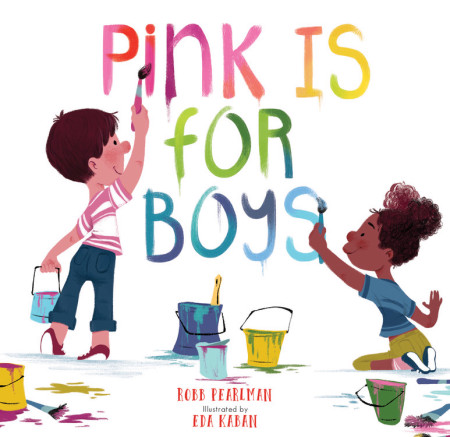
Pink is for Boys, by Robb Pearlman/Illustrated by Eda Kaban, (June 2018, Running Press), $17.99, ISBN: 9780762462476

Recommended for readers 3-7

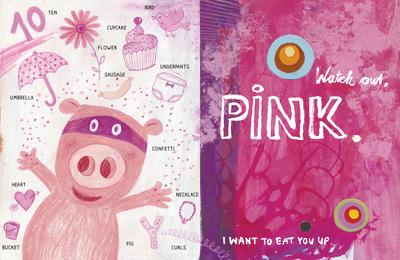
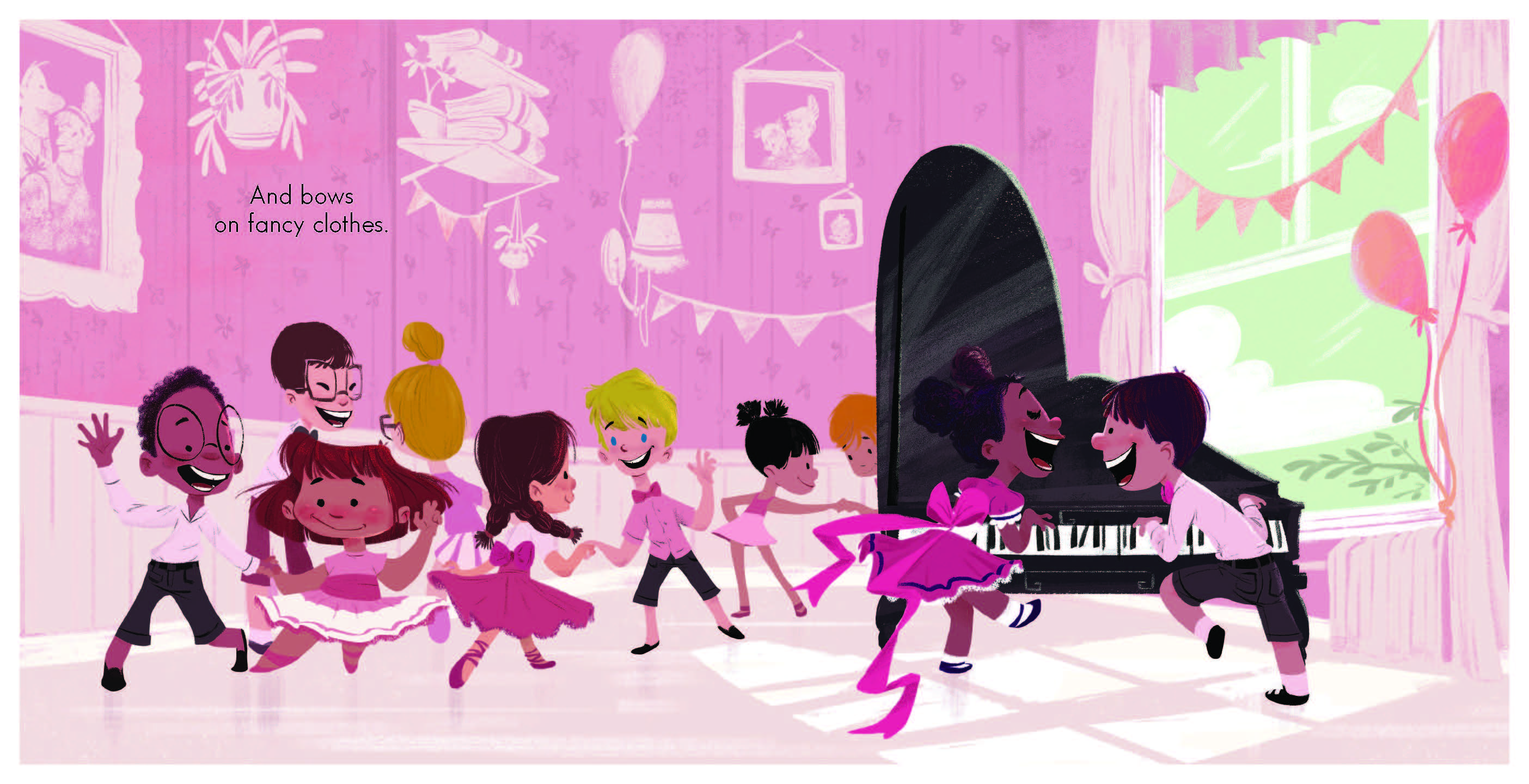
For those of us who are tired of the “blue is for boys, pink is for girls” madness, Robb Pearlman is here! Pink is for Boys is a lovely and fun concept book about colors that delivers the wonderful message that ALL colors are for EVERYONE. Spreads alternate between introducing colors and what else they’re popular for. In the first spread, a boy and a girl are getting ready for a party; he wears a pink shirt and bow tie; she’s got a pink dress with a long ribbon. The text reads, “Pink is for boys. And girls.” In the next spread, boys and girls wearing different shades of pink dance in a pink room, festooned with pink balloons and banners, and the text notes, “And bows on fancy clothes.” Each color is featured in the text and in the art, and shows boys and girls enjoying a game of baseball; playing royalty; enjoying nature and racing a go-kart; enjoying the summertime, teddy bears, pets, and most important of all, unicorns! Unicorns are for boys and girls! The text is decisive: all colors are for everyone. Period.

The art is adorable! Eda Kaban gives readers a diverse group of friends having fun together. Their faces are expressive and the body language between characters shows engagement and excitement. Make sure you look twice at the child on the unicorn; at the end of the book, you may become a little teary-eyed. Pink is for Boys is a fun summer reading addition to concept book collections and storytimes. Ask kids what they imagine when they think of different colors!

Pink is for Boys made Out Magazine’s list of 18 Essential LGBTQ Children’s Books for Every Age. Go, Robb!

I was lucky enough to be able to ask author Robb Pearlman a few questions about Pink is for Boys, writing, and a favorite subject to both of us, Star Wars:

Q: The most obvious question first: what prompted you to write Pink is for Boys?

Robb: I was prompted to write Pink is for Boys after attending a children’s birthday party at an ice skating rink. All of the children, including the boys, were required to wear pink wristbands to indicate that they were part of the group. One little girl decided to tease one of the boys for wearing something pink. He didn’t quite understand why wearing any color should be a source of embarrassment, and she was as disappointed that her attempt to anger him had failed. I, on the other hand, was delighted and inspired.

Q: Do you write every day, or does inspiration just strike you and get you started?

Robb: As much as I’d like to write every day, most of my writing is done on the weekends when I can devote chunks of dedicated time to it. I’ll sometimes write on my phone or iPad during my commute, too, if I’m in the middle of something that I can’t stop working on. But I’m constantly writing notes to myself about ideas, stories, or sometimes even just names to work on at a later time. Sometimes those notes are half sentences or just one word prompts, so it may take me a little while to remember what I was thinking in the first place.

Q: There’s a unicorn in Pink is for Boys! Any chance we’ll get a unicorn story out of you one day?

Robb: I’m a huge fan of unicorns because UNICORNS! I wrote a book for grown-ups, called 101 Ways to Use a Unicorn a few years ago, and I do have some half-finished stories for kids that I’ve been working on.

Q: Who would rock pink better: Han Solo or Chewbacca?

Robb: It’s hard to say! I think bright pink bandoliers would really pop against Chewie’s honey brown hair and make a statement of intergalactic proportions. But then again, Han would certainly rival Lando’s swagger if he sported a pink leather, instead of basic black, vest. I don’t see why they both can’t give themselves over to the pink side, but if I’ve learned anything, it’s “Let the Wookiee win,” so let’s go with Chewbacca.

Posted in Non-Fiction, Teen, Tween Reads, Young Adult/New Adult

Colorama sparks color memory

Colorama: From Fuschia to Midnight Blue, by Cruschiform, (March 2018, Prestel), $24.95, ISBN: 978-3-7913-7328-7

Recommended for readers 10+

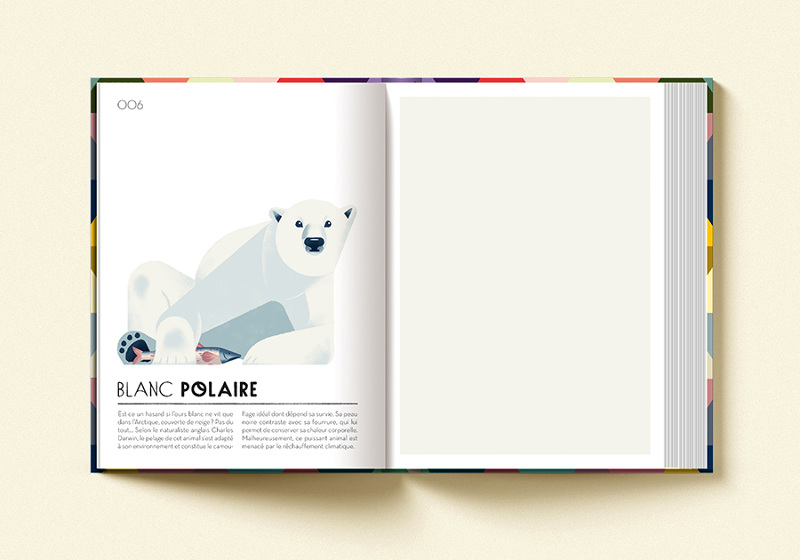
You know how a color can evoke a memory, or a feeling? Maybe the color red evokes the memory of reading Little Red Riding Hood as a child; maybe yellow brings back the time you had a favorite pair of rain boots. Colorama: From Fuschia to Midnight Blue works on that idea; memory through shades of color. There are 133 different colors in here, varying monochromatic shades of whites, reds, oranges, yellows, greens, blues, violets, browns, blacks, and grays. Each spread includes an illustration of a color; a description of a color memory, and a full-page swatch of the color. You won’t believe how many shades you’ll find in here; it provides minds with a color palette to draw from, whether through color or through words, and it’s loaded with memory prompts for art and writing ideas. There’s something new to learn with each turn of the page: Milk owes its color to milk proteins and globs of fatty matter; shrimp and flamingoes both owe their coloring to the pigment astaxanthin, and the kiwi fruit is named after the kiwi bird, because the hairy fruit resembles Australia’s national bird’s plumage. There’s an incredible amount of information to be found in this beautiful volume!

(source: Cruschiform website, where pictures are featured from the French text)

This is a multi-purpose reference book that works for upper middle grade, middle school, and high school students that also works as a gift book for a budding artist. Appendixes include a color palette in order of presentation in the book and a thematic index that lays out colors by themes including mammals, birds, clothes and fabrics.