Posted in Fiction, Graphic Novels, Teen, Tween Reads, Young Adult/New Adult

Add Manga Classics Jane Eyre to your TBR

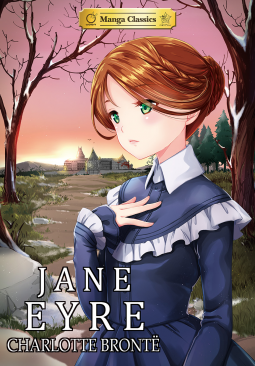
manga-jane-eyreJane Eyre (Manga Classics), by Charlotte Bronte/adapted by Stacy King, (Jul. 2016, Udon Entertainment/Morpheus Publishing), $19.99, ISBN: 9781927925652

Recommended for ages 12+

I am loving the Manga Classics line from Udon Entertainment. This is my third one; I’ve read The Scarlet Letter and Pride and Prejudice – both books I struggled with in high school – and came away with a better grasp on them. This time, I read Jane Eyre, a book I really enjoy (I’m a Bronte fan), but know that kids tend to struggle with, too.

Jane is an orphan, left in the care of her awful aunt and cousins. She finally gets away and makes her way in the world as a governess, sent to the mysterious Mr. Rochester’s estate, where they fall in love. A dark secret in Mr. Rochester’s past gets in the way. It’s a Gothic novel, which lends itself nicely to a manga adaptation; there’s drama, angst, and enduring love, all of which shine in this visual adaptation.

As with the other books in Udon’s series, this is a nice companion to Bronte’s work; a solid introduction to new and reluctant readers in middle and high school.
Posted in Early Reader, Fiction, Toddler Reads

Vocabulary the Dickens Way – Cozy Classics’ Great Expectations

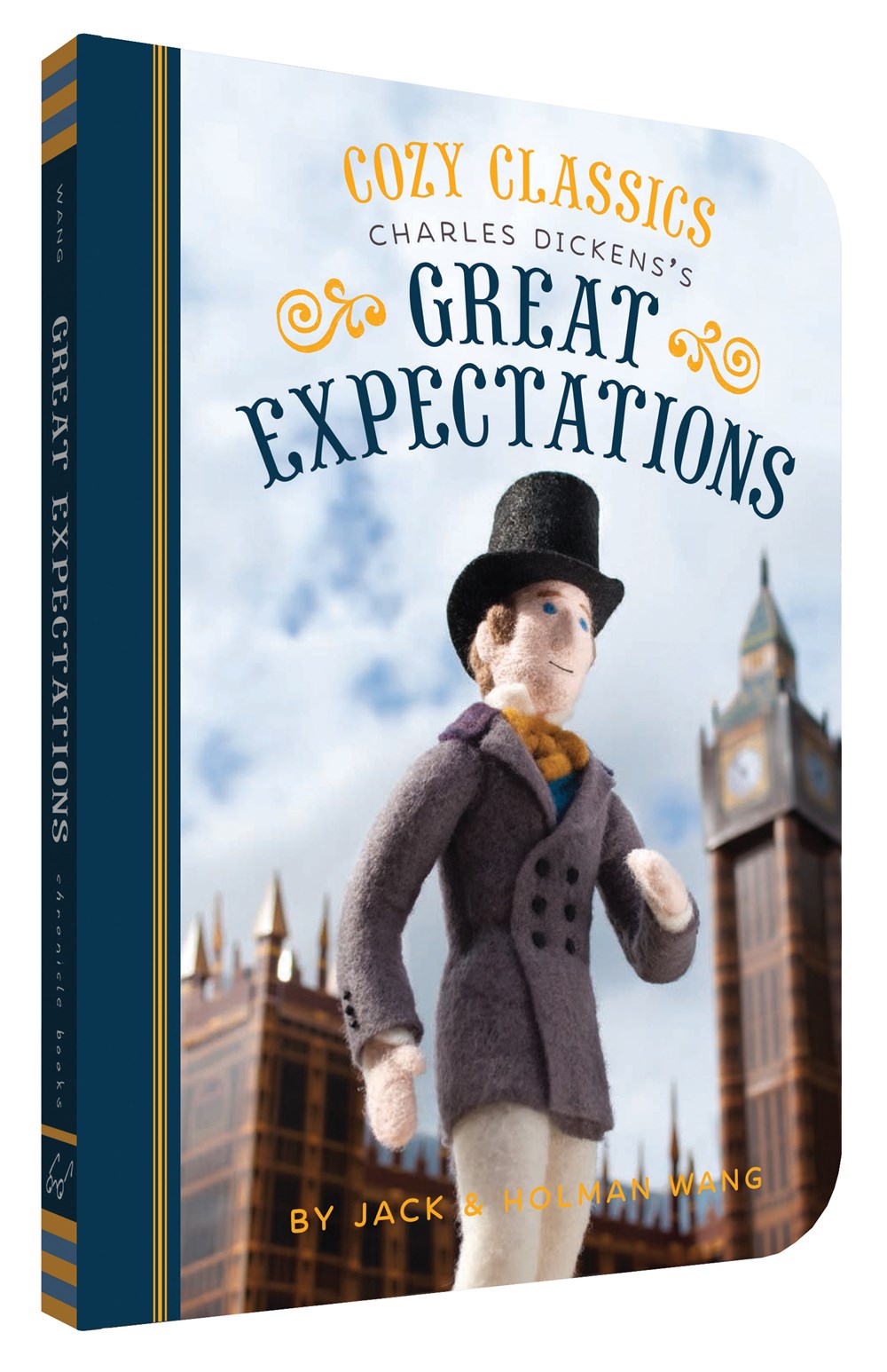
great_coverCozy Classics: Great Expectations, by Holman Wang and Jack Wang (March 2016, Chronicle Books), $9.95, ISBN: 9781452152431

Recommended for infant-3 years

The brothers behind one of my favorite board book series, Star Wars Yarns, is back with their Cozy Classics series, this time, tackling Charles Dickens. But seriously, don’t sweat it – they’re teaching our wee ones vocabulary, using their adorable felted yarn figures and words related to the Dickens’ tale. Words like “boy”, “help”, “manners”, and “old”, set against the backdrop of the Victorian epic, give extra feel to the words. I particularly love Pip – the “boy” – standing on the first page of the story. Parents will love it, kids will think it’s something cool (because it is). “greatexpec_1


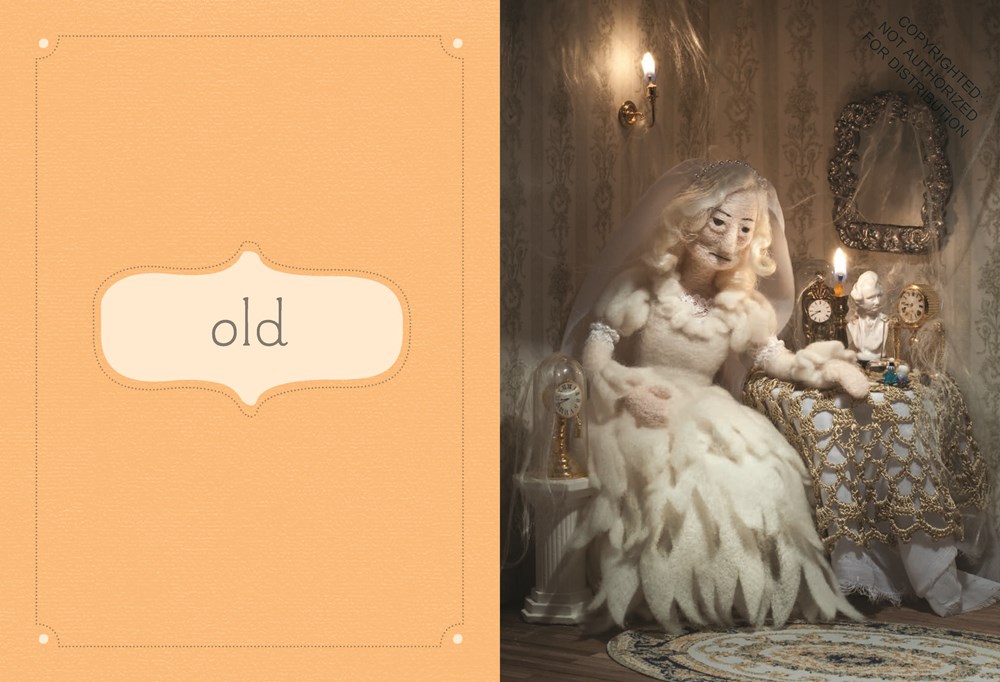
greatexpec_2Miss Havisham illustrates the word “old”. With her tattered dress and her worn expression, young readers will see that old takes on many meanings – the dress is old, Miss Havisham is old, and are those cobwebs surrounding her in that picture? Explain that cobwebs form when something hasn’t been moved or dusted in a while.


Naturally, Estella is “pretty”. See Pip staring at her from behind the wall? That speaks volumes – she’s pretty, and Pip has a crush on her. greatexpec_3


There are about 12 illustrations and words in Cozy Classics: Great Expectations, with great words that aren’t sight words – it’s a real chance to expand kids’ vocabulary. The Wang brothers’ art is amazing – my Star Wars Yarns books are never on the shelf here at the library – and I think it’s time to bring some Cozy Classics to my home and work libraries.

I love this classics to teach concepts trend. BabyLit does it, Cozy Classics does it, and Mini Myths teaches kids Greek myths on a level that makes complete sense in today’s world. The books make for great storytimes, and you can get moms, dads, and caregivers to pick up a grown-up book, too – pair up your board books with their companion grown-up titles for a heck of a list!

Posted in Toddler Reads

Learn to Count with Dracula!

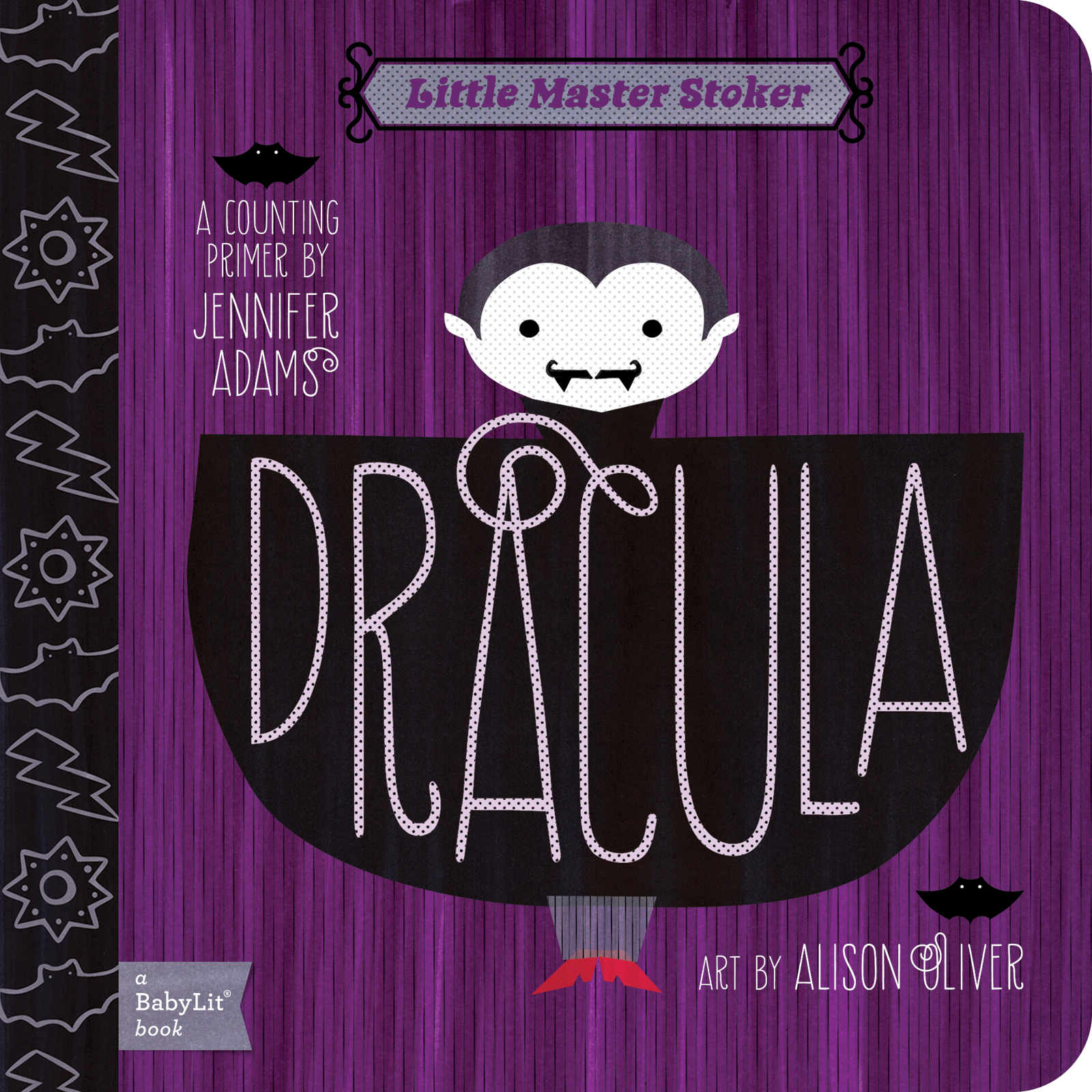
baby-draculaLittle Master Stoker: Dracula, A Counting Primer, by Jennifer Adams/illus. by Alison Oliver (Gibbs Smith, 2012), $9.99, ISBN: 978-1423624806

Recommended for ages 0-3

I was in a great little indie bookstore this weekend, when I came across this lovely. Seeing as how I like a little of the unusual in my board books, I fell instantly in love. BabyLit, in case you aren’t familiar with them, produces gorgeous board books, based on the classics, for babies. They drill down basic concepts in each classic, perfect for little ones.

Dracula is a counting book. Going from 1 to 10, we count different objects present in the famous classic: 1 castle, two friends (Mina and Lucy), 3 wolves, 4 ships, 5 heroes (Harker, Seward, Turnbull, Morris, and Van Helsing), and more. The pictures are rendered in the sweetest detail with just a touch of baby goth. The art is mainly black, gray, and white, with accents of red as necessary. There are little winks to the grownups who will read this book over and over again – Dracula’s face on the Demeter flag, well-known character names and locations, a rat wearing a bat shirt – that will make you smile and chuckle. There’s a wonderful sense of humor in the book, which is as perfect for grownups as it is for children.

1 castle

This is now in my toddler’s short stack of favorites. He carries it around with him and asks to read it several times a day. I can’t wait to fill out his classics bookshelf with more BabyLit, and I know for sure that I’m buying some of these for my storytime toddlers. How often do you get to read babies Frankenstein and Dracula, where they learn about basic concepts?

Check out BabyLit’s webpage for more titles, but don’t blame me if you end up buying a Pride & Prejudice playset. They’ve also got one of the best Pinterest layouts going, and you can check out some of their videos on Google+.


Posted in Fiction, Graphic Novels, Historical Fiction, Teen

The Scarlet Letter (Manga Classics) makes another classic more accessible to readers

cover57424-mediumThe Scarlet Letter (Manga Classics), by Nathaniel Hawthorne/adapted by Crystal Chan/illustrated by SunNeko Lee (2014, Udon Entertainment/Morpheus Publishing), $19.99, ISBN: 9781927925331

Recommended for ages 13+

Reading the story of Hester Prynne and her scarlet letter is a rite of passage in high school, but that doesn’t always make it an accessible book. Nathaniel Hawthorne’s tale of adultery and a small New England Puritan town can be difficult for reluctant or struggling readers. Udon Entertainment’s Manga Classics line reaches out to those readers with beautiful art and drills the story down to the main points and action, drawing a reader in and, in essence, teaching them how to read the novel.

As with Udon’s manga adaptation of Pride and Prejudice, the main story is faithfully intact, merely abridged for easier storytelling. This is by no means a replacement for the novel, but it serves two tremendous purposes: 1) to bring new readers to the story who may never have picked the book up before, and 2) to serve as a companion read to readers who have trouble with the novel. Manga is a popular art medium that’s been reaching beyond purely Japanese titles and finding a firm audience in American adaptations, from popular YA series like Twilight and Beautiful Creatures to classics like Les Miserables, Pride and Prejudice, and now, The Scarlet Letter.

I will be adding this book to my burgeoning manga classics collection. It would a fun display idea to feature the original and its manga adaptation side by side – I’d love to see how it affects my circulation.

The Scarlet Letter will be out in March, but you can pick up copies of Udon’s manga adaptations of Pride and Prejudice and Les Miserables right now.

Posted in Graphic Novels, Teen, Tween Reads, Uncategorized

Pride and Prejudice goes manga!

pride and prejudice mangaPride and Prejudice, Manga Classics, by Jane Austen (adapted by Stacy King)/illustrated by Po Tse. (Udon Entertainment/Myrick Marketing & Media, LLC, Aug. 2014). $19.99 ISBN: 9781927925188

Recommended for ages 12+

I’ll admit it – I’ve never been a huge Austen fan. My taste in classics runs more toward the Bronte sisters, filled with more angst, rage, crazy wives locked away, that whole gothic thing with the moors. Lately, I’ve been bound and determined to re-read Austen, though, and decided to start with Stacy King’s manga adaptation of Pride and Prejudice.

I loved this retelling! Po Tse’s manga style art is lush and sophisticated, with sweeping panels and beautiful attention to detail. There are great little winks to the manga style I’m more familiar with (I have three sons, therefore I have watched much Pokémon), like the cartoony, wild expressions of absolute joy or despair, meant to encourage a reaction from the reader, that enhanced my enjoyment of this story.

The basic story is all here – the five Bennett daughters, the overbearing mother trying to marry them off, the headstrong Lizzie and the prideful Mr. Darcy – all here, with all the supporting players. The manga style allows for exaggerated facial expressions, adding a relatable dimension to the more restrained drawing room drama.

The book reads in manga style: that is, from right to left, and a note to readers at the end of the book explains this. There’s a letter to the reader from Stacy King, discussing the appeal of Pride and Prejudice to modern audiences, particularly teenagers.

This is a great introduction to the classics for tweens and teens, especially those who may find the classics “boring”. I’d love to get a few copies of these manga classics on my library shelves and get kids reading them in preparation for the real thing – it lays a great groundwork and adds faces to put to the names, so when they do pick up the book, they’ll be more familiar with the characters and the world where the story takes place.

And heck, I’m going to sit down and read Pride and Prejudice again, myself.

Posted in History, Non-Fiction, Tween Reads

Book Review: Little House in the Big Woods, by Laura Ingalls Wilder (HarperCollins, 1971)

Recommended for ages 8+

Most people know Laura Ingalls Wilder’s stories, if not through her books, then through the long-running television series, Little House on the Prairie. A a pioneer child who wrote down her experiences and later had them published, Ms. Wilder wrote nine Little House books, originally published between 1932 and 1943. The series resonated with girls and young women and is popular to this day.

Little House in the Big Woods is the first book in the Little House series, and introduces the reader to the Ingalls family: Laura, her older sister, Mary, baby sister, Carrie, and parents, Ma and Pa (Caroline and Charles). The family lives in the Big Woods in Wisconsin in the later part of the 19th Century, shortly after the Civil War. (Laura even mentions a family member who is “wild since he came back from the army”.)

We go through each of the seasons with the Ingalls family and learn how families lived, ate, and had fun. There are family dances and visits, trips to town, and encounters with bears and bees. There is always time for work, though, and this is where the book acts as a primer. Laura details the process of preserving meats and vegetables to keep the family fed through the lean winter months; how Pa prepares an animal skin to be used as leather goods; how to get sap from a tree, and how to smoke bees out of a hive to be able to get to the honey. It’s a fascinating look at a different time, and while it is written with a girl’s voice, this is should not be considered a “girl’s book”: boys and girls alike can learn much about the wildnerness life.

Laura writes in a clear voice, drawing her readers in because her stories are real. The love of family and nostalgia as she looks back on her life bring to mind the feeling a child gets when listening to a parent or grandparent talking about their childhood. Black and white drawings by Garth Williams add to the book.

There is a wealth of information about Laura Ingalls Wilder online. Wilder’s home in Rocky Ridge Farm in Mansfield, Missouri, where she wrote the Little House books, is now the Laura Ingalls Wilder Historic Home and Museum and word finds, quizzes and coloring pages. The Little House Books website features a family tree tracking the girls of the Little House series from Laura’s great-grandmother to her daughter, Rose. The site also offers games and craft ideas, as well as information for teachers interested in teaching the book.