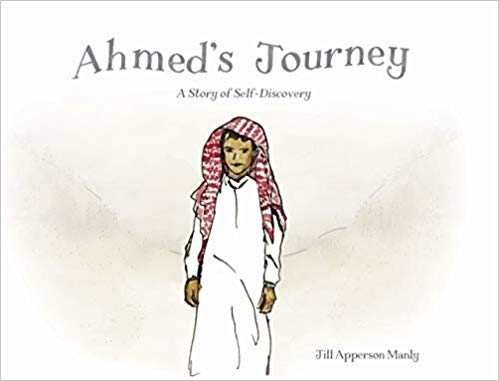
 Ahmed’s Journey: A Journey of Self-Discovery, by Jill Apperson Manly, (Jan. 2019, Jabu Books), $16.95, ISBN: 978-0-9980220-0-0
Ages 4-7
Yogi, author, teacher, and award-winning author Jill Apperson Manly creates a quietly eloquent tale of mindfulness against a backdrop of the Arabian peninsula. A boy named Amend and his family have traveled across the desert to race their camel in the famous camel races. As Ahmed feeds the camels, he start to feel anxious about the race. As he meditatively rubs his favorite camel’s ear, he stands still, in the moment, and senses his surroundings, and his place within his surroundings. He senses a sandstorm building, and notices that his anxiety is causing a storm within him, too. He breathes, he takes an inventory of himself and his emotions, and rides out both the inner and outer storms. At the story’s conclusion, Ahmed feels strong, peaceful, patient, and wise; he’s confident that everything he needs within him.
Ahmed’s Journey uses techniques to walk readers through the process of mindfulness and being present. Ms. Manly uses visual and verbal cues to help readers get in touch with all of their senses, even bringing the tactile to life as she describes the grittiness of the sand, the discomfort of anxiety, and the warmth of love. The title refers to both the outer journey Ahmed and his family make to the races, and his internal journey to inner awareness. Gentle, earth-toned watercolor illustrations create a desert landscape and present a calming influence on readers. The text is brief and impactful, making this a wonderful story to read during a yoga or mindfulness storytime. A nice add to multicultural and yoga/mindfulness collections.

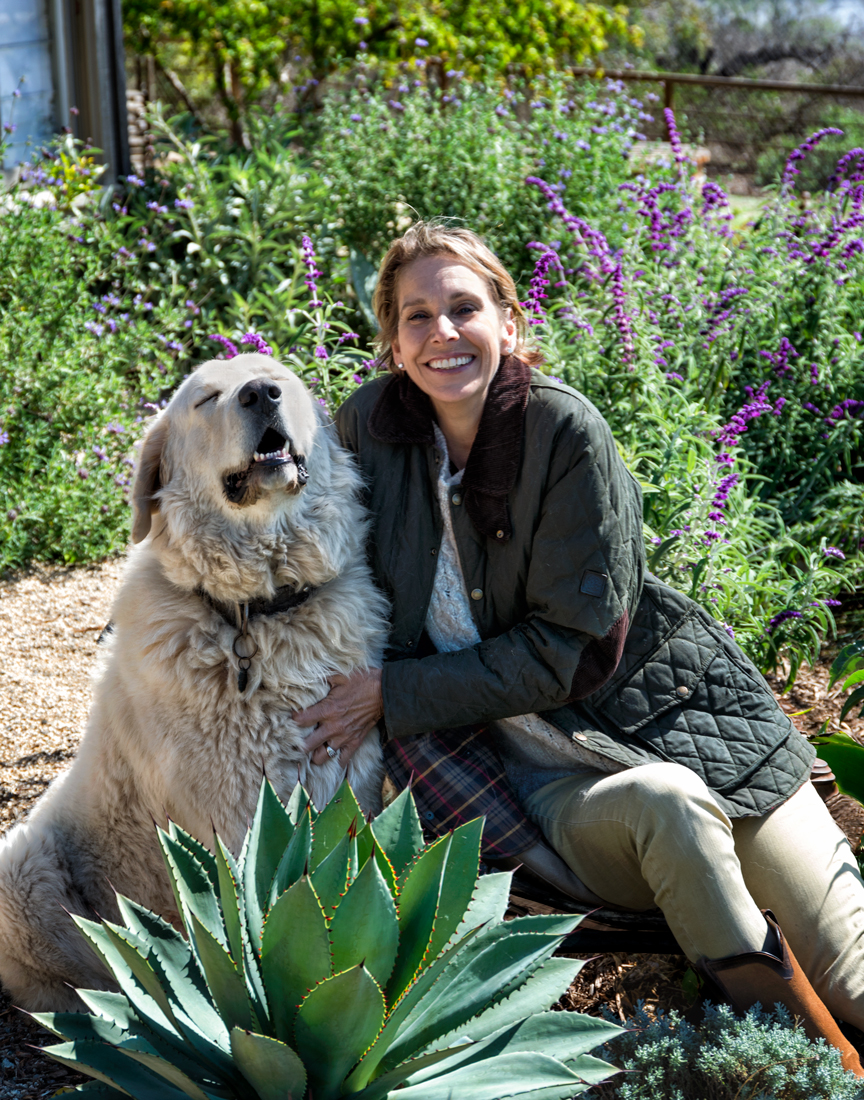
Award-winning author of Nothando’s Journey, Jill Apperson Manly’s second book, Ahmed’s Journey, deepens the themes of exploring thoughts, emotions and sensations. Manly uses international cultural festivals to educate the reader and teach the importance of self-love. Jill is a certified iRest® teacher and Somatic Yoga Therapist and loves sharing yoga and meditation with children and adults, coaching girls’ high school basketball, and being a mom to her four children. She lives with her husband and children in Newport Beach, CA.
Some questions for Jill, courtesy of JKS Communications:
How important is it for kids to explore and know their own emotions?
Jill: There is nothing more important. It is essential to learn and value who you are.
Do you think that emotional lessons can be integrated into school studies?
Jill: Yes, Absolutely! Globally and in the U.S. we are seeing this done right now. My first book, Nothando’s Journey, is part of part of an SEL curricula created by Think Equal (www.thinkequal.com) currently in 147 schools across 15 countries. The pilot program is being evaluated by Yale Center for Emotional Learning. Kids live in present. There is no better time to discuss how a child is feeling then when it is occuring. Of course, you cannot disrupt the class to deal with each emotion so therefore, it is better to have a set time within a lesson, for example in social science, to include a SEL lesson.
How did your experience teaching and studying in Saudi Arabia affect the writing of Ahmed’s Journey?
Jill: My overseas teaching experiences with children gave me great joy. Picking stories from “far-away places” gives a different perspective and we all benefit by learning about others. It’s fun to think about riding a camel. Kids in America don’t get to do that. It is even more fun to think about racing one!
What aspects of yoga do you bring to writing children’s books?
Jill: Yoga is seen in mainstream America as primarily a form of exercise, in my books, some of the deeper benefits of yoga or any mindful (peaceful) practice are explored.
How were the emotions and sensations that Ahmed experienced in the book reflections of your experiences traveling abroad or those of your own children?
Jill: I hope my experiences do not create experiences for others. I hope they are only a springboard for a discussion of everyone’s self potential. There is SO MUCH in our kids and in ourselves that gets stuffed down or swallowed up or is undervalued. I hope my books encourage and support kids and adults to value who they are on the inside.
Why is it important for kids to experience cultures different from their own?
Jill: We are more alike than different. As we see others, we see ourselves.
What is some advice you can give to parents who have children experiencing fear and anxiety like Ahmed?
Jill: The best advice is to have the conversation around these topics. Our children have lots of anxiety and being able to help them address their anxiety around their fears is very empowering. My website has additional resources both for the child and adult on this topic.
How is Ahmed’s Journey a continuation of your first book, Nothando’s Journey?
Jill: It takes kids and parents to another place in the world to learn about others and, at the same time, to learn about themselves.
 My Favorite Color: I Can Only Pick One?, by Aaron Becker, (Sept. 2020, Candlewick Studio), $15.99, ISBN: 9781536214741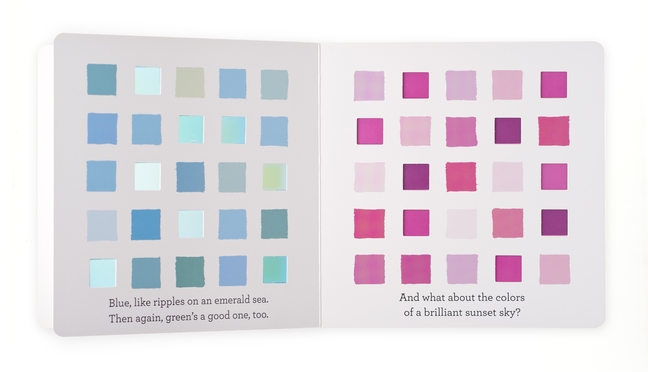
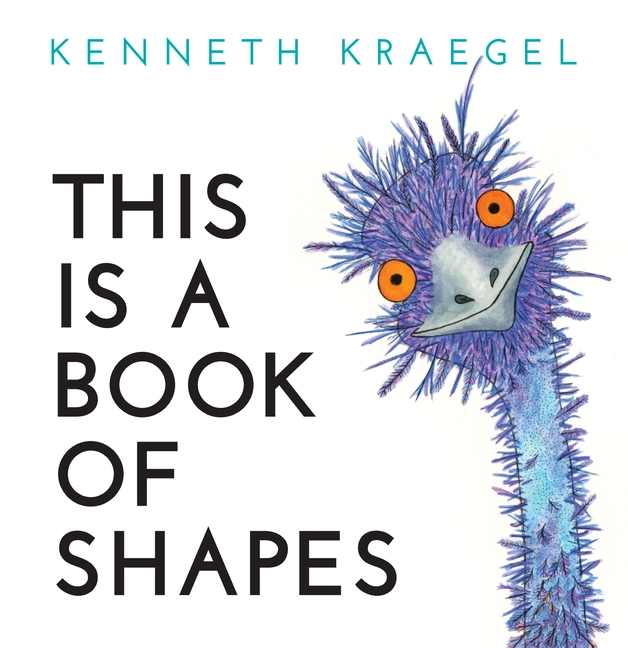 This is a Book of Shapes, by Kenneth Kraegel, (Sept. 2020, Candlewick Press), $8.99, ISBN: 9781536207019
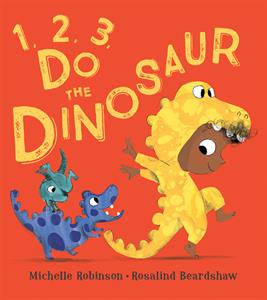 1, 2, 3 Do the Dinosaur, by Michelle Robinson & Rosalind Bearshaw, (Jan. 2020, Kane Miller), $12.99, ISBN: 978-1-68464-044-7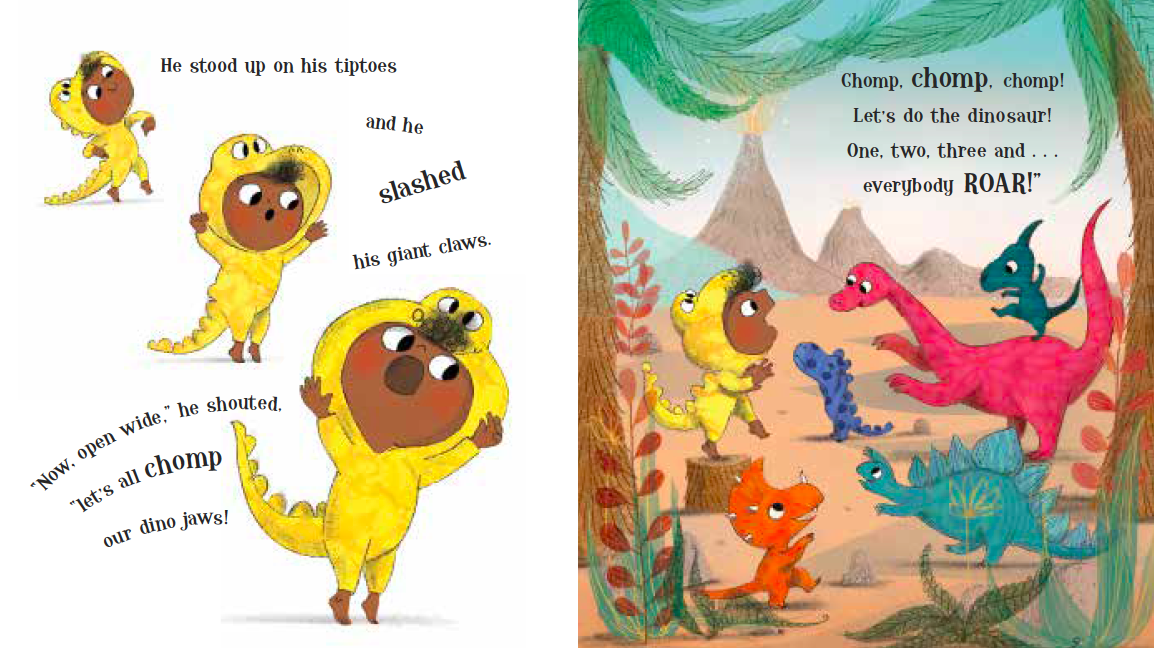
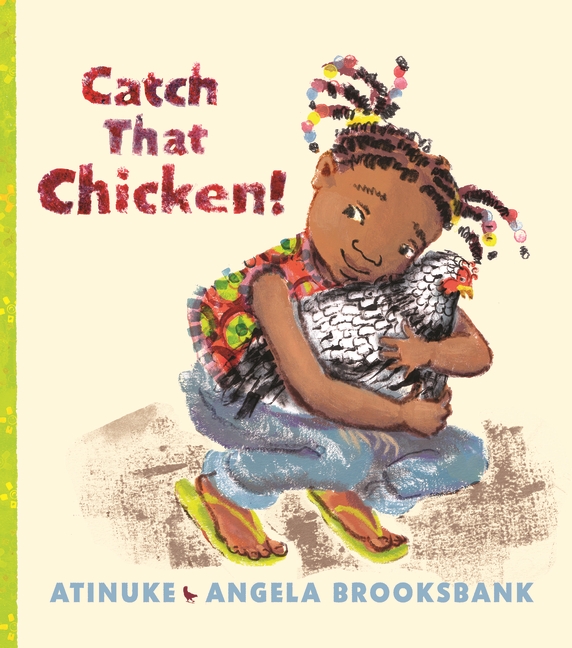 Catch that Chicken!, by Atinuke/Illustrated by Angela Brooksbank, (July 2020, Candlewick Press), $16.99, ISBN: 9781536212686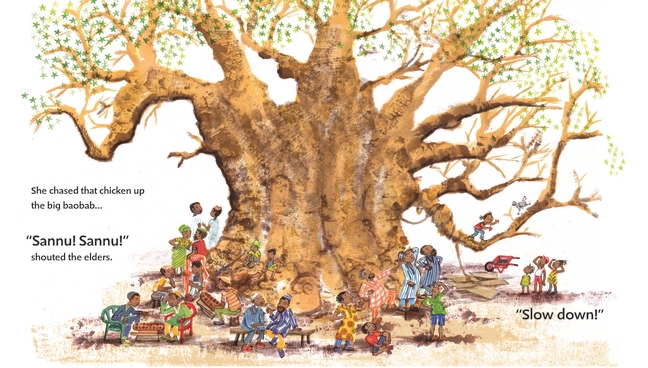
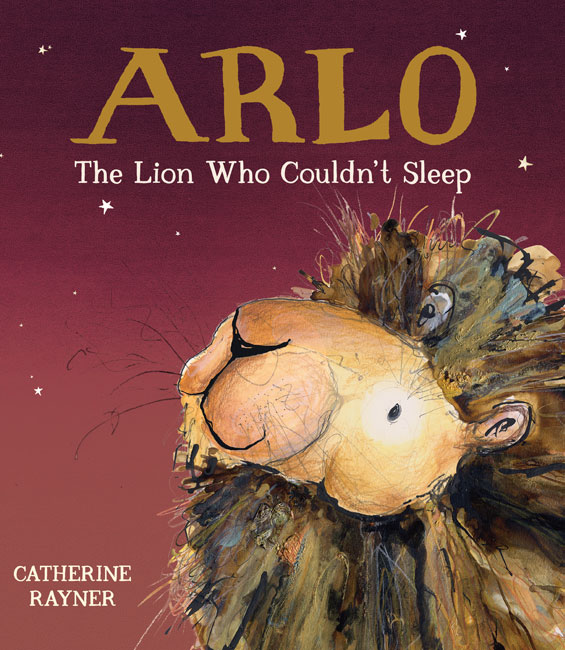 Arlo the Lion Who Couldn’t Sleep, by Catherine Rayner, (Oct. 2020, Peachtree Publishing), $17.99, ISBN: 978-1-68263-222-2
 Mom Read It