Posted in picture books

It’s that time of year: I’m Trying to Love Germs

I’m Trying to Love Germs, by Bethany Barton, (Nov. 2023, Viking Books for Young Readers), $18.99, ISBN: 9780593326725

Ages 4-8

As I sit here riding out the first head cold of the season, I’ve got a good read for your STEM and health collections: I’m Trying to Love Germs. The newest book in Bethany Barton’s I’m Trying to Love…series, I’m Trying to Love Germs is all about understanding germs: they’re not all bad! Sure, there are the germs that give us runny noses, bellyaches, and fevers, but there are germs that help us, too! If you like cheese and yogurt, or mushrooms, or use antibiotics when you get sick, you’ve experienced the good kinds of germs. Written in accessible terms with loads of fun, anthropormorphic microbes, Barton uses comic book art, word bubbles, and paneling to teach younger readers about staying healthy, safe, and smart. An excellent first purchase for collections. If you have a science club, consider adding some coloring sheets or worksheets as an extension activity; there are some good ones on Education.com.

I’m Trying to Love Germs has a starred review from School Library Journal.

Posted in Middle Grade, Non-Fiction, Non-fiction, Tween Reads

Holiday Goodies: Gift book shopping guide!

I hope everyone enjoyed their holiday break! If you celebrate Thanksgiving, I hope you had a wonderful and safe holiday. And now, the shopping season heats up, so let’s get another gift guide together. This one is all about the gift books, and remember: today is Small Business Saturday, so if you’re able to, please support a local business!


Anatomicum (Welcome to the Museum), by Jennifer Z. Paxton/Illustrated by Katy Wiedemann, (Sept. 2020, Big Picture Press), $35, ISBN: 9781536215069

Ages 8-13

The Welcome to the Museum series is a great nonfiction series that lets readers recreate a museum in their own homes. Every museum wing you can imagine has a book: Dinosaurs, Animals, History, and so many more; many of the books have companion workbooks. The latest book, Anatomicum, dives  into the inner workings of the human body: how our cardiovascular systems and respiratory systems work, how facial muscles contribute to facial expressions, the development of a baby in the reproductive system, and how our immune and lymphatic systems help fight disease are just a few areas readers will explore. Katy Wiedemann’s scientific drawings in 2-color sepia-tones are detailed and Jennifer Z. Paxton’s accompanying text provides factual explanations and overviews on each area. Think of this as a Grey’s Anatomy for younger readers; artists and budding biologists and medical professionals alike will love this.


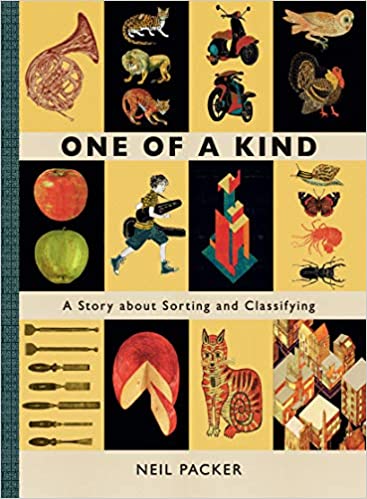
One of a Kind: A Story About Sorting and Counting, by Neil Packer, (Oct. 2020, Candlewick Studio), $22.99, ISBN: 9781536211214

Ages 7-10

A story wrapped within a book on classification, this is an excellent introduction to scientific classification and organization for kids. Readers meet a boy named Arvo, and get a look at his family tree. They meet his cat, Malcolm, and see his family tree, too. As Arvo moves through his day, readers discover how many ways there are to classify and organize information: as he learns to play the violin, we see where it fits into a grouping of musical instruments; when he needs to fix his bicycle’s tire, we get a look at different types of tools. Arvo visits the library, where the books are laid out by subject: can I get a print of this for my library? Back matter describes the classifications discussed throughout the story, and the mixed media art is interesting; each piece looks like a museum piece. What a great next step for sorting and classifying for kids!

The Language of the Universe, by Colin Stuart/Illustrated by Ximo Abadía, (Oct. 2020, Big Picture Press), $24.99, ISBN: 9781536215052

Ages 8-12

A visually stunning of the intersection of math and science, The Language of the Universe examines the history and application of math in the natural world. Discover the Fibonacci sequence in a sunflower and investigate the atom patterns in the periodic table; lift with levers and use math to encrypt messages. The text is easy to understand and lends itself to fun new projects for readers to think up. The art is colorful and there’s always something exciting to look at. Another great addition to shelves for young scientists and artists everywhere.


Space Encyclopedia: A Tour of Our Solar System and Beyond, by David A. Aguilar, (Nov. 2020, National Geographic), $24.99, ISBN: 978-1426338564

Ages 8-12

The latest update of NatGeo Kid’s Space Encyclopedia is out just in time for the holidays! The latest updates on our universe, all accompanied by breathtaking, full-color photographs, wait for readers in these pages. Sections on the stars, a tour of the solar system, life on other planets, and our future inclue Amazing Space! Milestone timelines, fun facts, and easy-to-read quick data bursts throughout. Spotlights on key figures in space exploration include Galileo Galilei, Albert Einstein, and Copernicus. The book is indexed and includes resources for additional reading and websites. A great gift idea for your budding astronomers and astrophycisists.

Posted in Intermediate, Middle Grade, Non-fiction, Non-Fiction

The Holiday Shopping has started… buy some books!

It’s that time of year again, where I dig deep to find all sorts of great books to add to your holiday shopping lists. This is the first round, so I’m thinking this post will suggest books and goodies to bring when you celebrate Thanksgiving, or the Fall Harvest, with your families and friends. These books will be fun for the kiddie table – before the food, naturally!

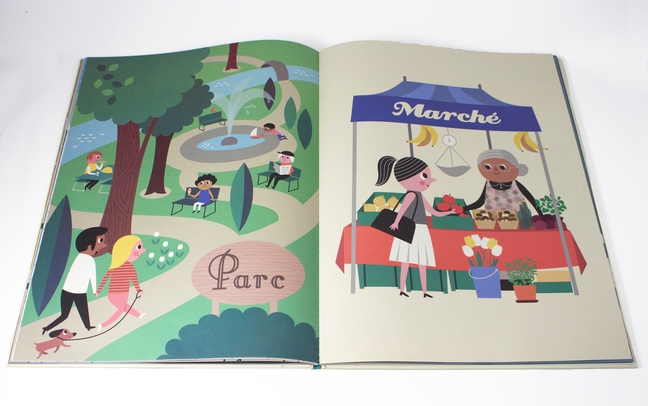
City, by Ingela P. Arrhenius, (Sept. 2018, Candlewick Press), $22, ISBN: 9781536202571

Ages 3-7

This book is just too much fun. First of all, it’s huge: over 40 inches high by over 17 inches wide, making it almost as big as some of the kids you’ll be seeing this holiday season! My niece giggle-shrieked when I stood the book up next to her, and that was that. She was hooked. It’s a gorgeous, funky concept book, introducing readers to different sights of city life: streetlamps, subways, coffee shops, fountains, zoos, even skateboarders are all here, with retro chic, bright art. The only words are the descriptive words for each picture; the endpapers are loaded with pictures of the smaller details of city life: a cat, a server, a scale, a shrub.

Put this in front of the kids, and let them have at it. My niece and my son loved talking about things they recognized: my niece remembers taking a train to work with her mom, and my son talked up the subway when I took him into the city on our winter break. And they both pretended that I was in the coffee shop and the bookstore, so it’s nice to know they think of me.

City is a gorgeous gift book that can be a coffee table art book for kids, or a prompt for creativity. Its only limit is the imagination.

The Smithsonian Exploration Station sets are fantastic gifts. Bring one or two of these with you, and set the kids up in their own personal science labs while the food cooks.

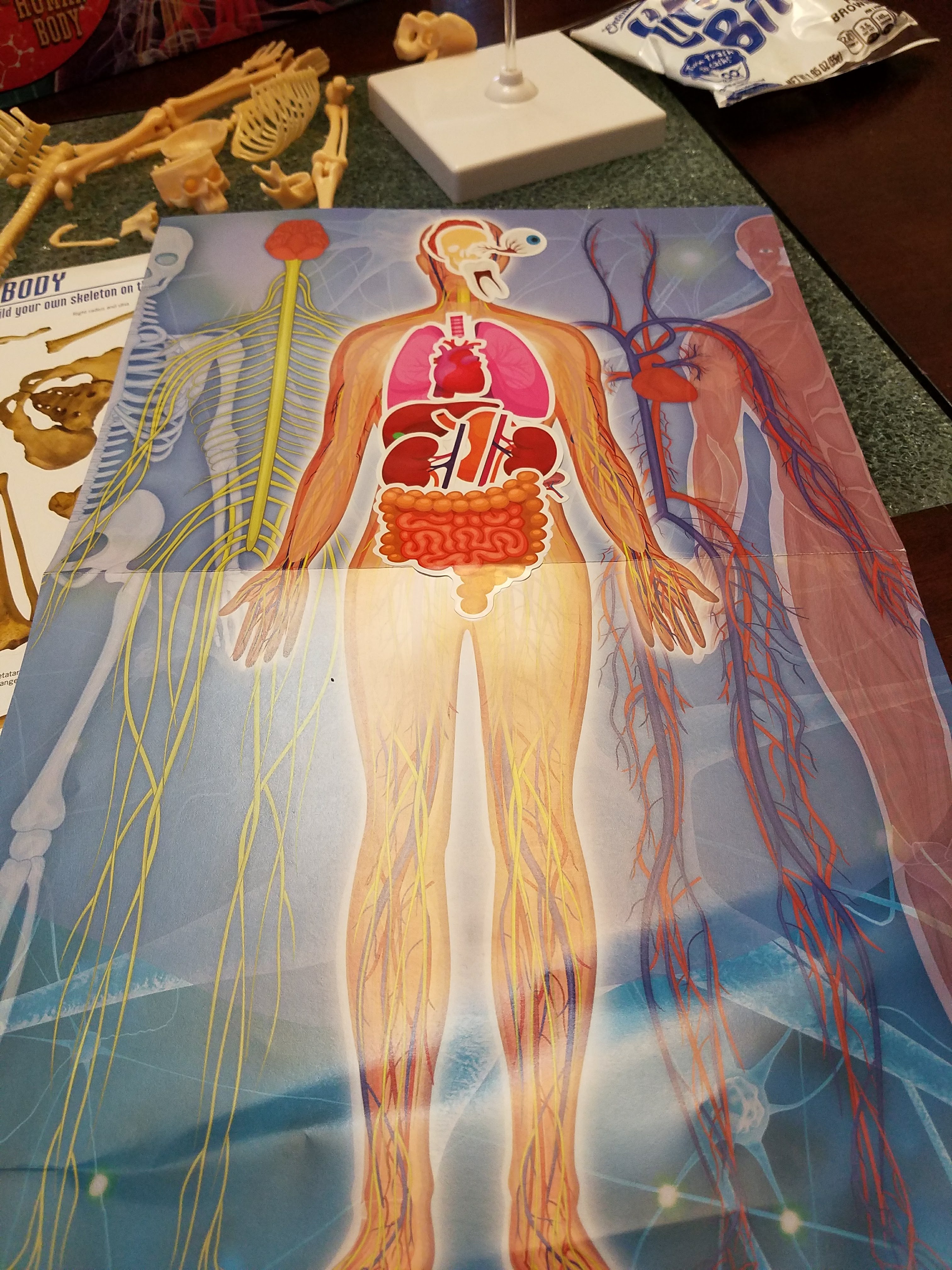
Smithsonian Exploration Station: The Human Body, (Nov. 2018, Silver Dolphin Books), $21.99, ISBN: 9781626867215

Ages 4-10

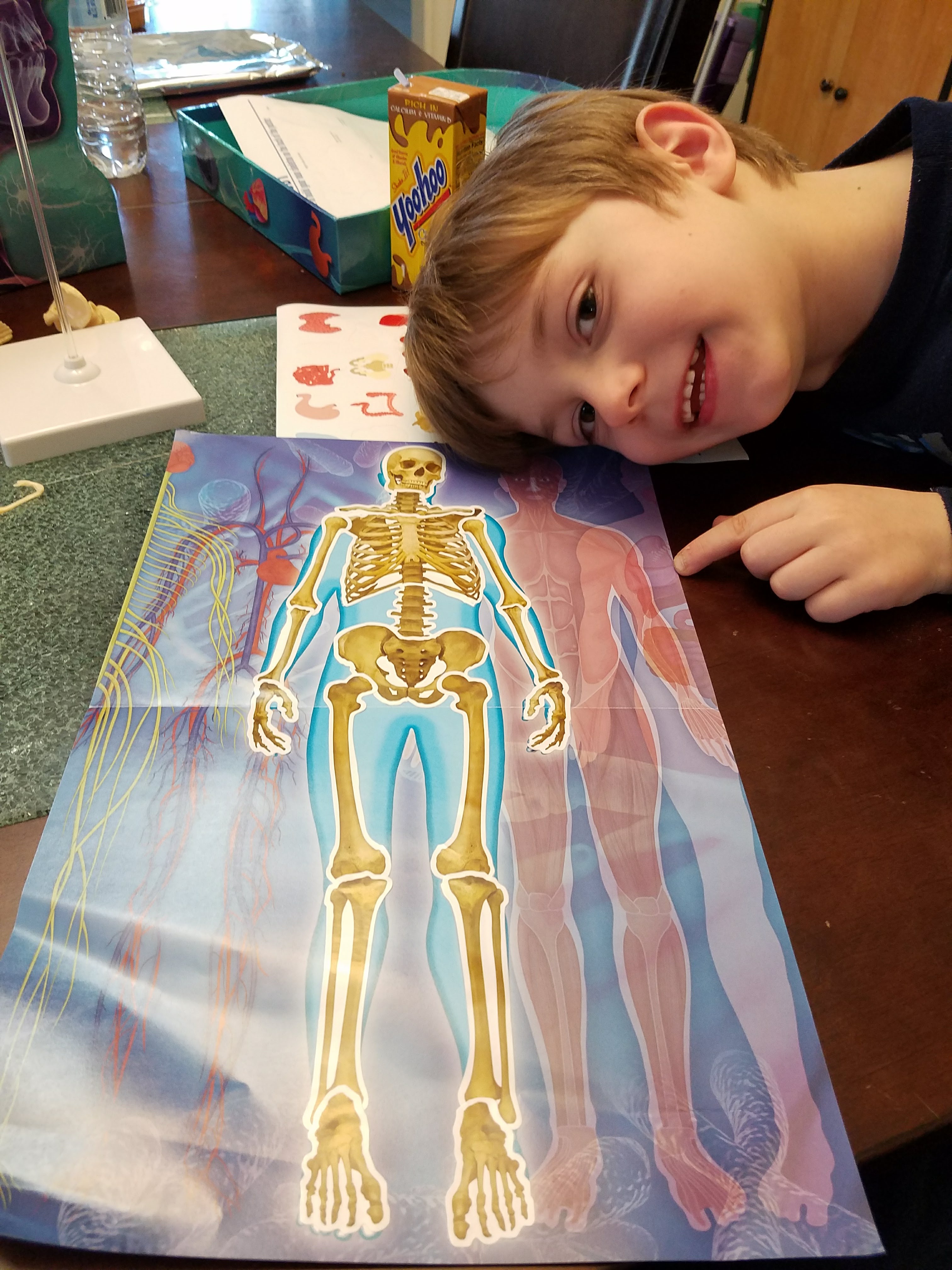
The Smithsonian sets are contained in a nice, sturdy box that holds a lot of stuff. The Human Body box includes a 56-page fact book, 30 stickers, a plastic model skeleton kids can put together, and 25 fact cards. It’s similar to the Adventures in Science kit Silver Dolphin put out earlier this year, and my son loved them both. Learn what makes your blood pump, your muscles stretch and how your different systems come together to make you walk, run, eat, sleep, and play. Older kids can help younger kids with some basic terms and reading, and the littlest ones can still enjoy putting the stickers on the skeleton body while bigger kids help put the skeleton together.


Smithsonian Exploration Station: World Atlas, (Nov. 2018, Silver Dolphin Books), $21.99, ISBN: 9781626867208

Ages 4-10

This set was hands-down my son’s favorite set. A blow-up globe, a world map and stickers of landmarks from all over the world, and cardstock puzzles of the Eiffel Tower, Taj Mahal, and a Mayan Pyramid? Plus, a 56-page fact book that tells readers all about the cool landmarks as they decorate their maps? SOLD. We spent three days working on the map, at which time he told me that he wants to see every single one of these sights. We built the cardstock models, which called for much dexterity – so I called my eldest son in to help, because I tend to become a little exuberant, shall we say, with my papercrafting. My son also loves his inflatable globe, and asks me to point out cool places to him; some from the map, some, the countries that his friends at school hail from, some, names of places he hears about on TV. It’s a great set.


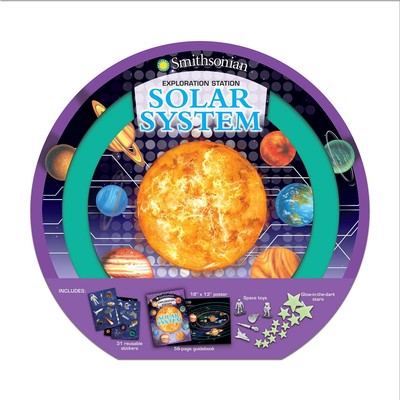
Smithsonian Exploration Station: Space!, (Nov. 2018, Silver Dolphin Books), $21.99, ISBN: 9781626867222

Ages 4-10

Kids love planets! The Space! Exploration Station includes a 56-page fact book, astronaut and rocket plastic figurines, stickers, and glow in the dark stars to make their own constellations. There are incredible, full-color photographs and text that explains the makeup of our solar system, galaxies, planets, and constellations. Let the kids decorate your dining room to and eat under the stars!

Every single one of these kits is such fun, and urges kids to be curious and explore the world inside them and around them. If you have the budget for it, throw these in your distributor cart and get a few sets for your STEM/STEAM programming, too. The Smithsonian has a good science education channel on YouTube, with kid-friendly videos that make for good viewing.


Where’s Waldo? The Spectacular Spotlight Search, by Martin Handford, (Oct. 2018, Candlewick Press), $18.99, ISBN: 9781536201765

Ages 5-9

Waldo’s back with a new trick: this time, the spreads have all gone dark! Luckily, the Spectacular Spotlight Search comes with a cool spotlight viewer to help you find him, and the challenges he sets out for you. There are six puzzles and a magic slider that slides into the scene to “light up” small sections – like a spotlight. Find Waldo and other familiar characters, plus other hidden challenges and games on each spread.  My 6-year-old and my 3-year-old niece had a blast with this book, eventually recruiting me for my Waldo-finding skills (narrator: The children were better.)

If you have puzzle and game fans in your family, this is a great gift to bring along. If you’re looking at it for your library, I suggest keeping it in reference; that spotlight will go missing or get beaten up in no time. But it’s good Waldo fun.

I have so much more to come, but I think this is a good start. A little something for everyone and plenty of hands-on fun!

Posted in Intermediate, Non-Fiction, picture books, Preschool Reads

Nonfiction rundown: October and November

Picture book nonfiction just gets better and better. In October and November, we get two more biographies on people of color that have, until now, been largely overlooked by history. It’s disheartening on one hand, but I choose to be glad that books are coming forward now to liven up our nonfiction shelves and give readers even more role models across all walks of life to learn about and be inspired by. I’ve also got some fun alphabet books and some nature and science. Pull up a chair, brew a warm beverage of your choice, and enjoy!
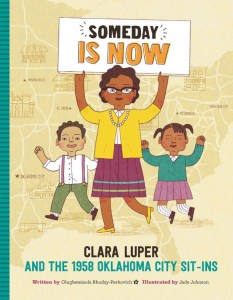
 

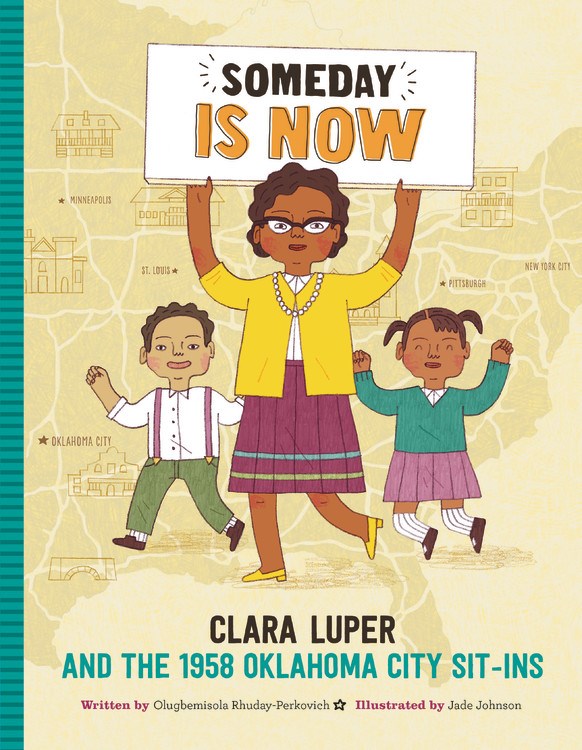
Someday is Now: Clara Luper and the 1958 Oklahoma City Sit-Ins, by Olugbemisola Rhuday-Perkovich/Illustrated by Jade Johnson, (Aug. 2018, Seagrass Press), $17.95, ISBN: 9781633224988

Ages 6-9

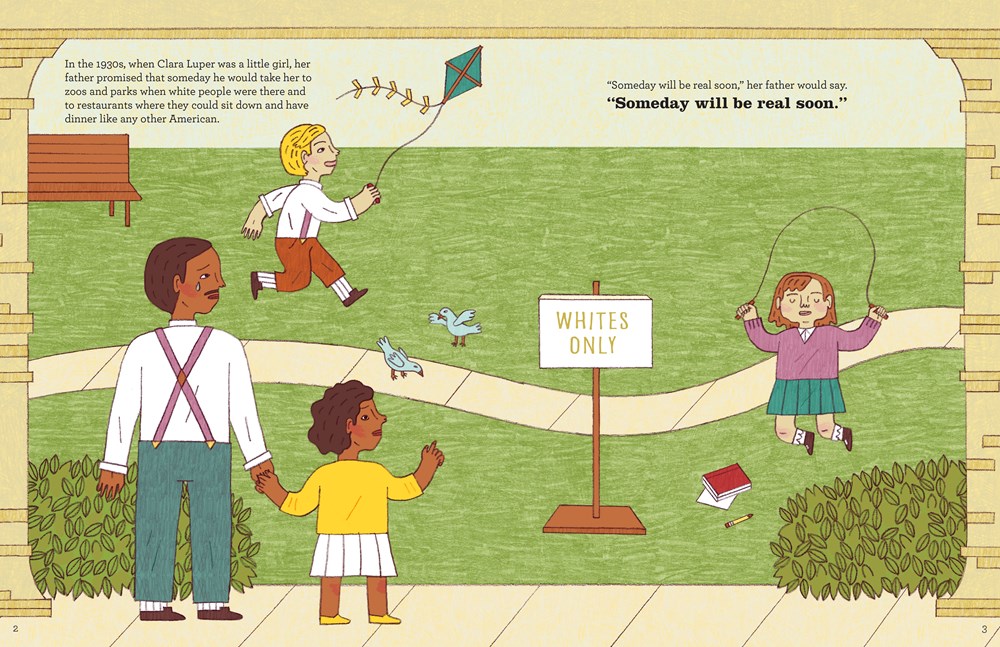
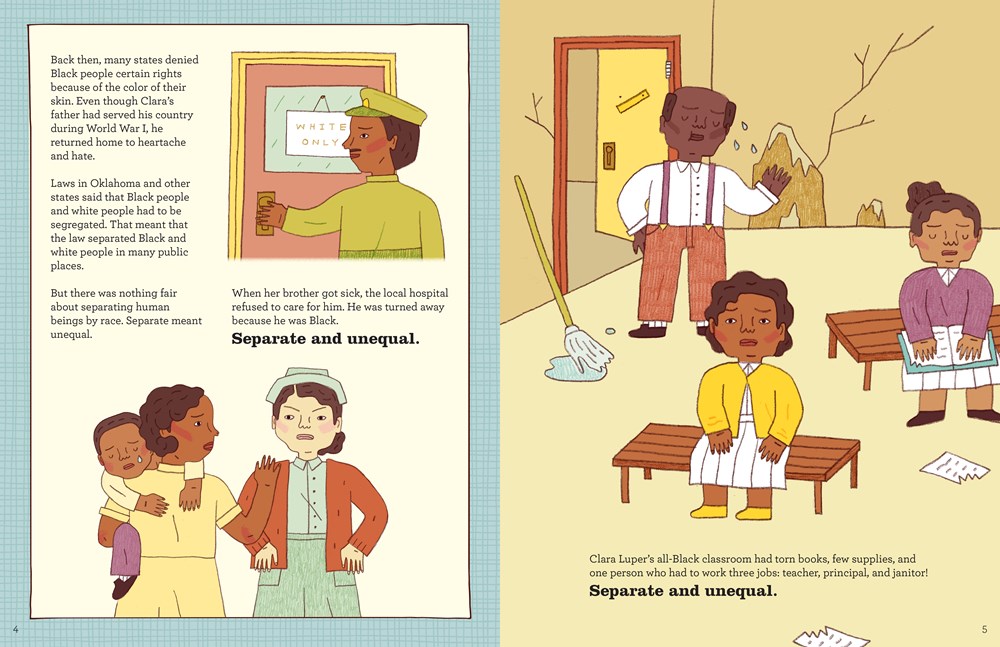
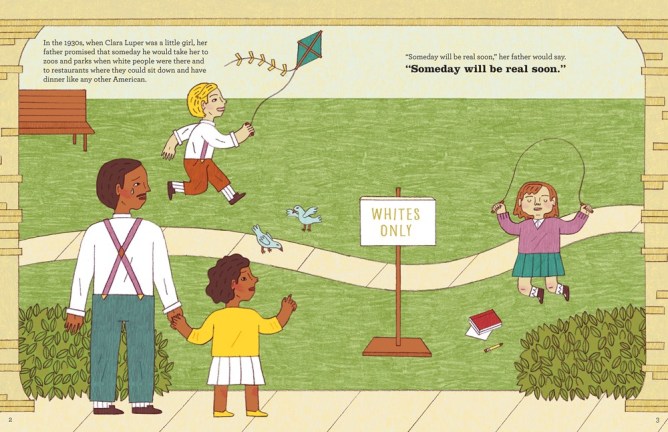
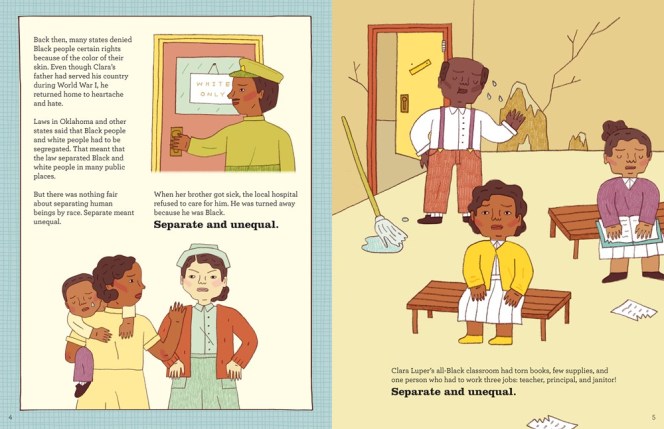
I missed this one the first time around, but I’m glad I caught it when I went back through my Edelweiss account to check up on my TBR. This picture book biography of civil rights activist Clara Luper (nee Clara Mae Shepard) is a great addition to your picture book biographies. Growing up in segregated Oklahoma, Clara saw her World War I veteran father diminished by the very country he fought for: her brother turned away from a local hospital because it was a whites-only facility; she was educated in a run-down classroom with torn books and a teacher who also served as the principal and janitor; restaurants dictated where Blacks could eat. Everywhere she looked, Clara saw things were “separate and unequal”, a phrase repeated throughout the book in bold, large font to drive home the message. Ms. Luper became a teacher who pushed for change, working with the NAACP Youth Council and participating in lunch counter protests with her students after a trip to non-segregated New York. Back matter includes an encapsulated biography of Ms. Luper.

This is the first picture book biography on Clara Luper: everything else I found online is decades old. Let’s get more civil activist bios into the hands of our kids, so they can see for themselves how many voices led to change. Someday is Now has a starred review from Kirkus.

Author Olugbemisola Rhuday-Perkovich is the co-author of the NAACP Image Award nominated Two Naomis and the forthcoming Naomis Too and is the editor of The Hero Next Door, an anthology from We Need Diverse Books. You can see more of Jade Johnson’s illustration work, including downloadable coloring pages, on her website.
 

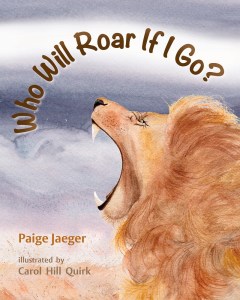
Who Will Roar If I Go? (If We’re Gone, Book 1), by Paige Jaeger/Illustrated by Carol Hill Quirk, (June 2018, Boutique of Quality Books), $18.95, ISBN: 9781945448157

Ages 5-7

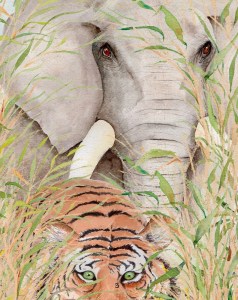
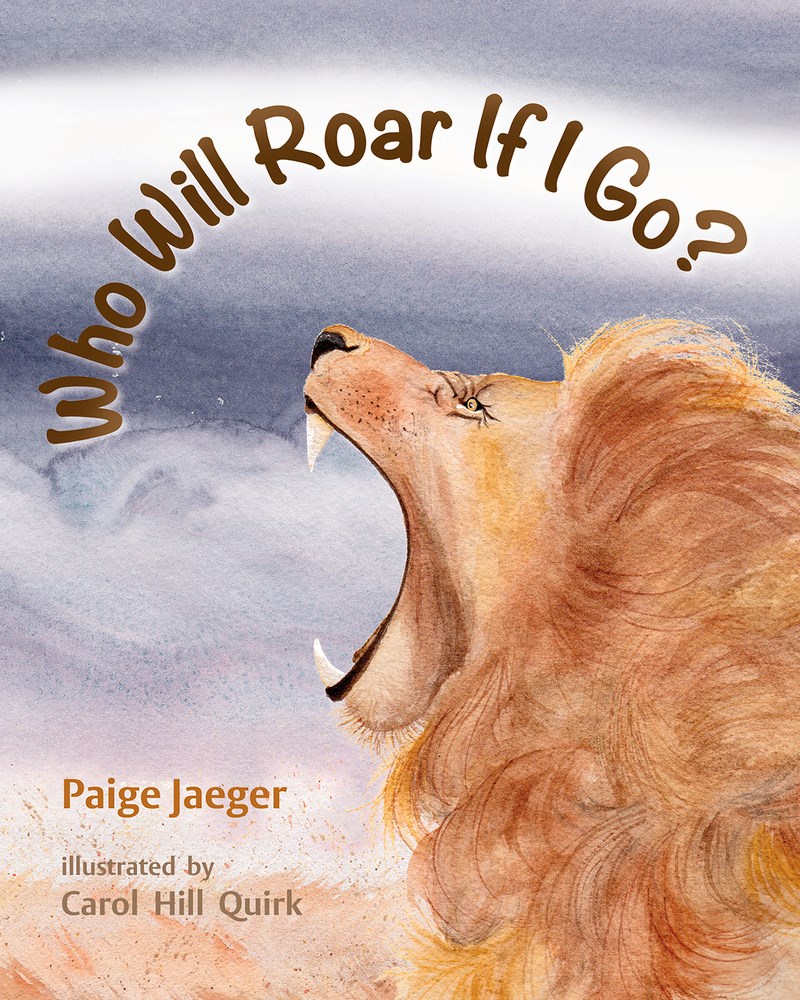
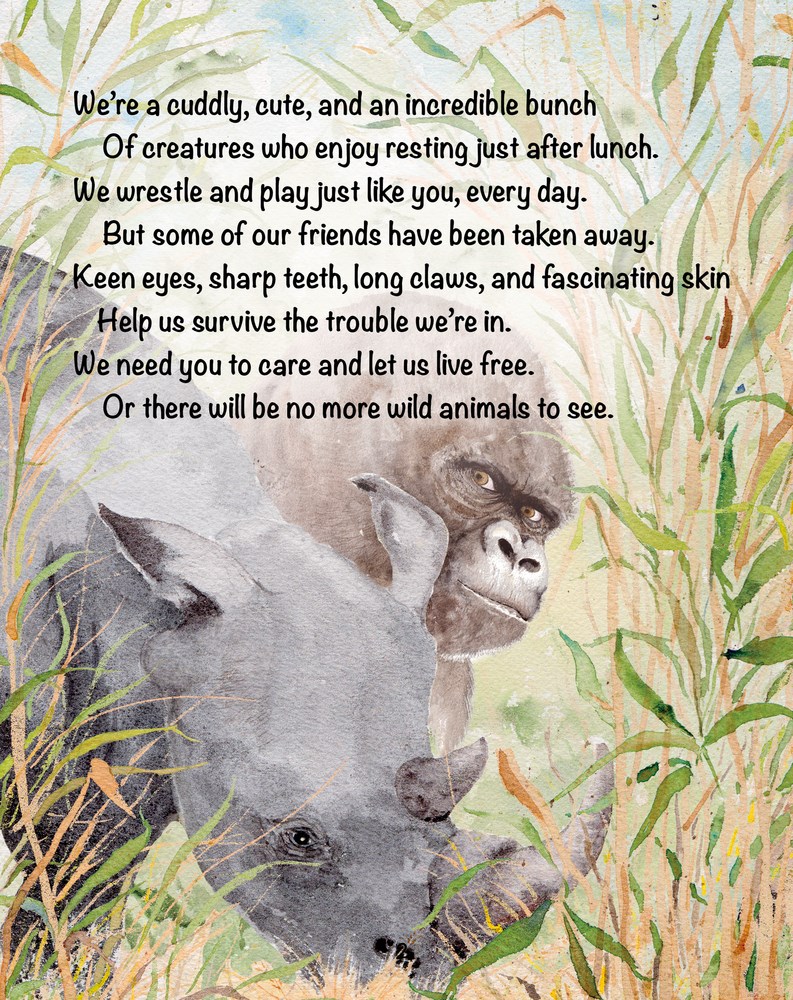
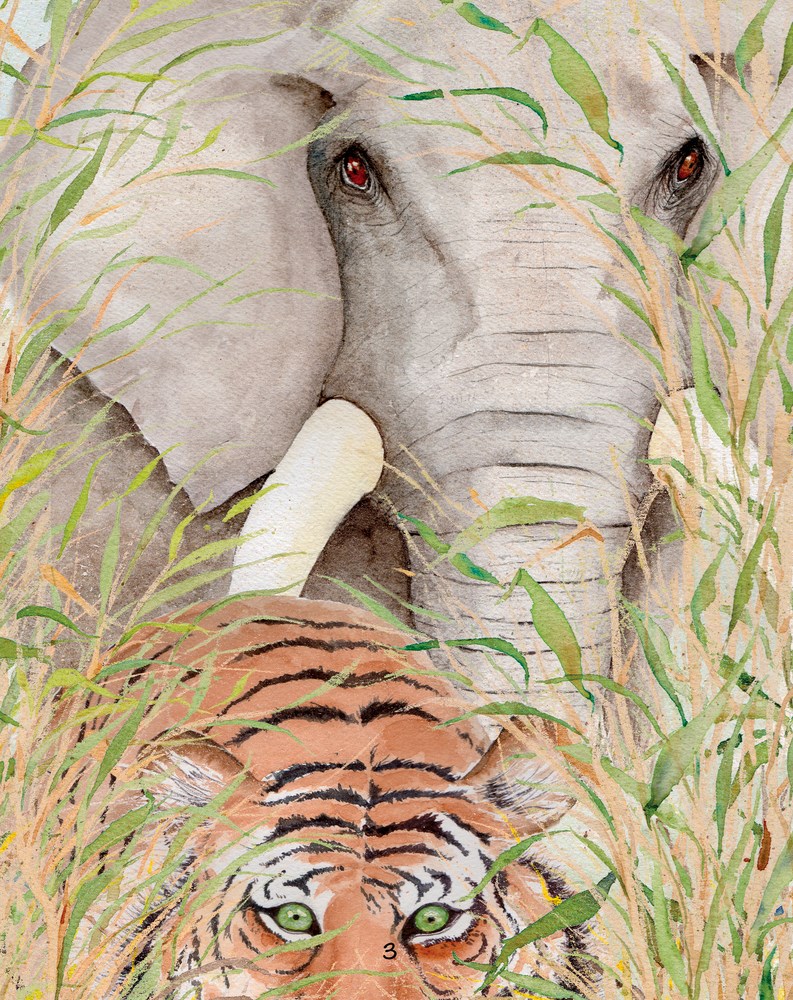
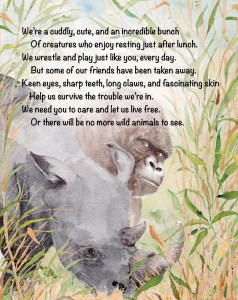
This rhyming story, the first in a planned series, is a plea to readers from endangered animals suffering from a multitude of human-based maladies, most commonly, the disappearance of their habitats and hunting, be it for trophies or luxury dining. Thirteen animals ask humans for help in their quest for survival; each rhyme provides readers with a little background on the animal and why it needs help. The elephant’s page reads: “I sure am an enormous creature; With ivory tusks my most attractive feature; For these long, tapered tusks that I hold dear; Thousands of friends were lost last year; No one needs my tusks but me; Go make some in a factory”.

Back matter includes a glossary of terms and an animal footprint guessing game. Each animal gets its own spread, including its geographic location and footprint, related to a game in the back matter. The watercolor artwork is realistic and showcases each animal in its natural environment. Who Will Roar If I Go? is a good introduction to endangered animals and the need for conservation and preservation; it’s a good additional add to your picture book nonfiction.

The Who Will Roar webpage offers free, downloadable educator resources.


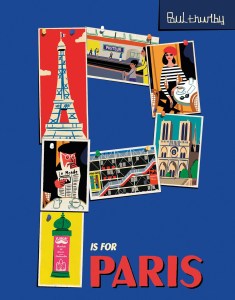
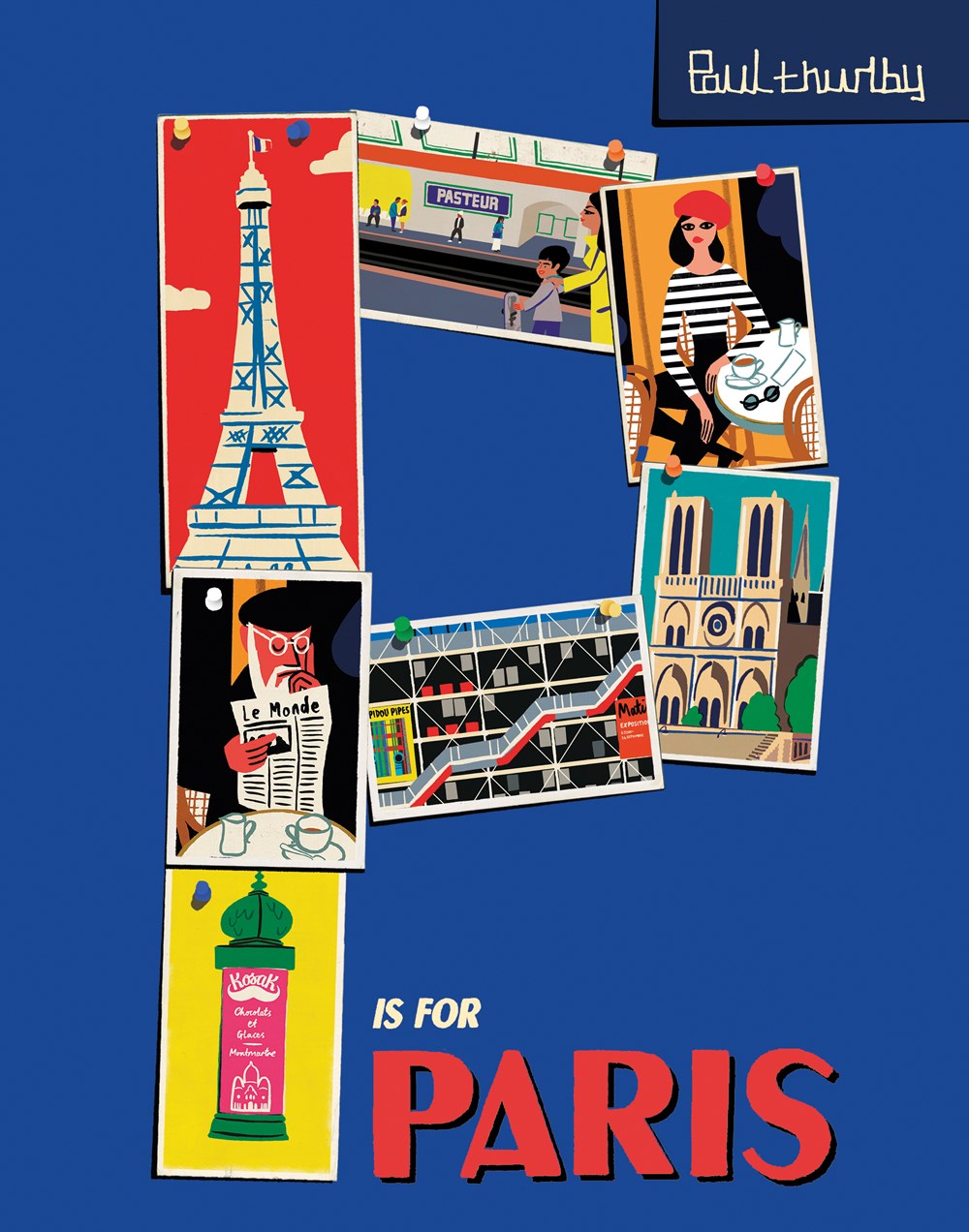
P is for Paris, by Paul Thurlby, (Oct. 2018, Sourcebooks Jabberwocky), $19.99, ISBN: 9781492668152

Ages 5-8

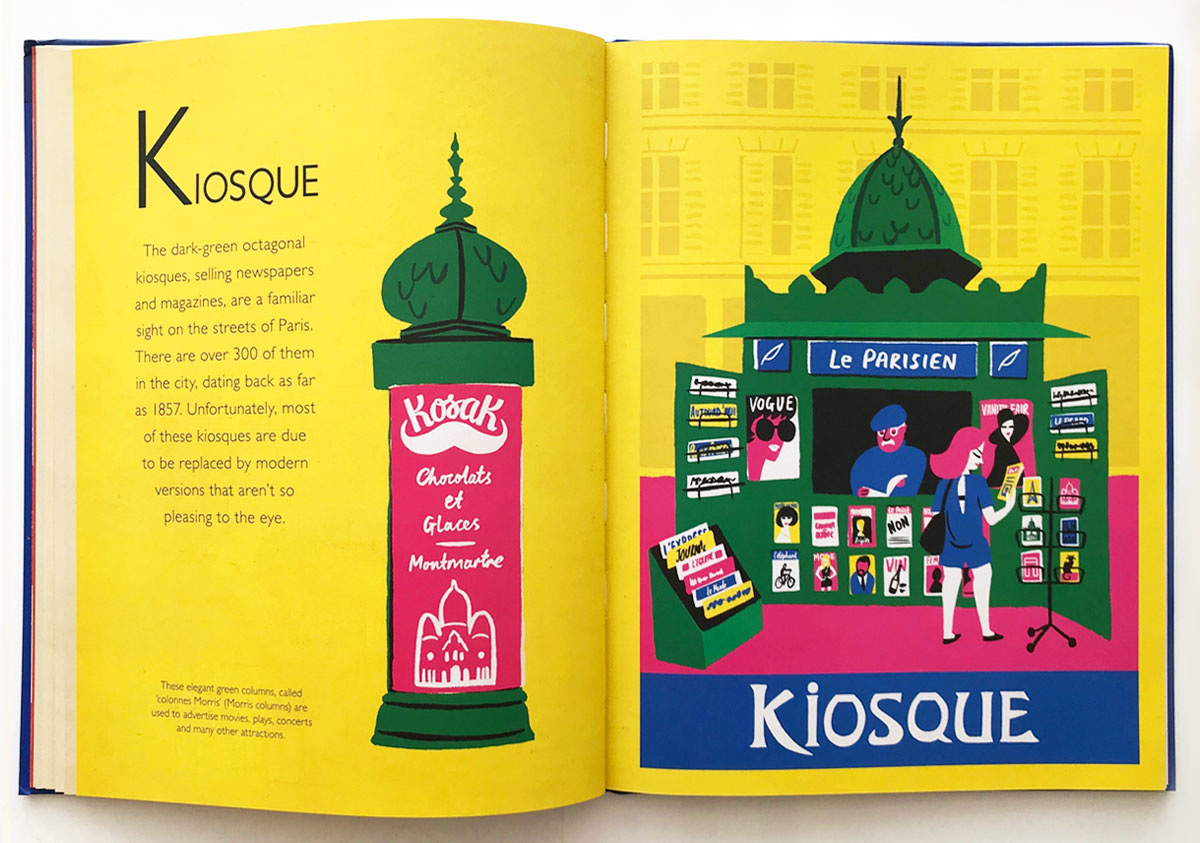
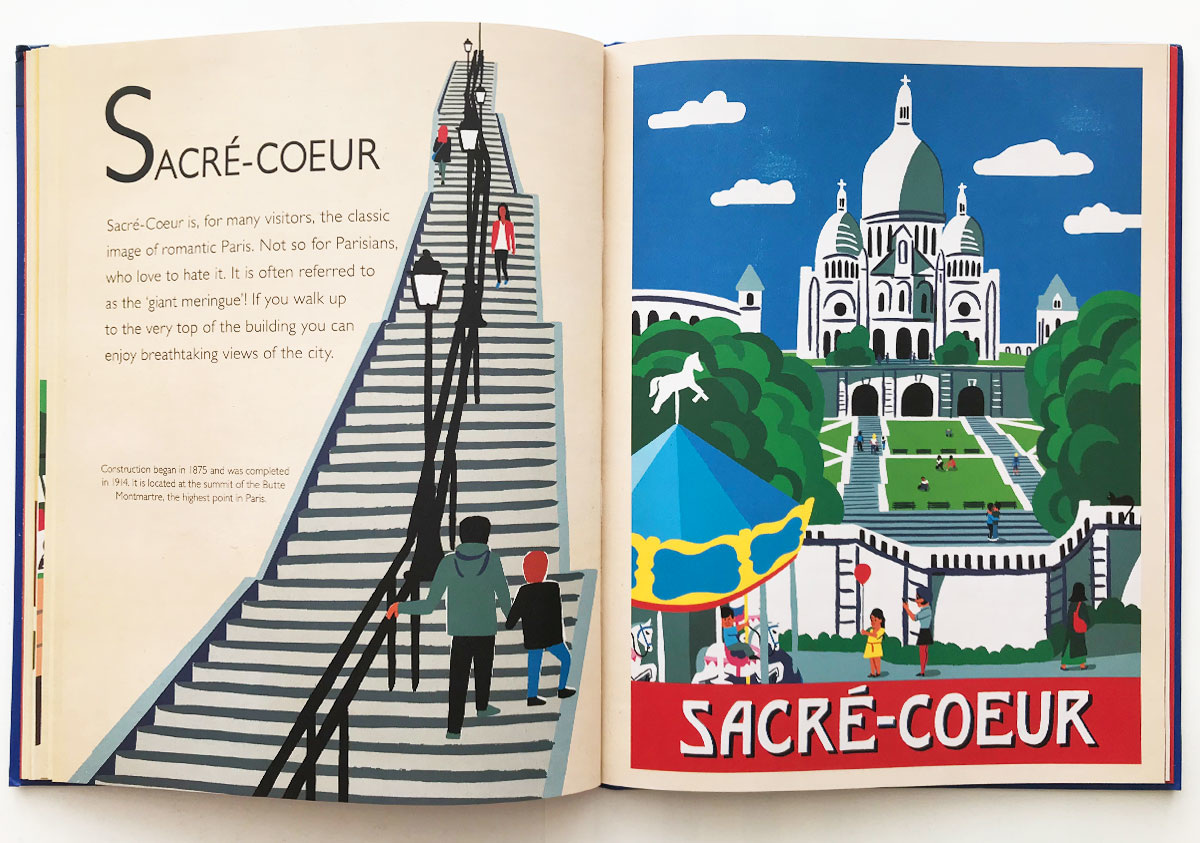
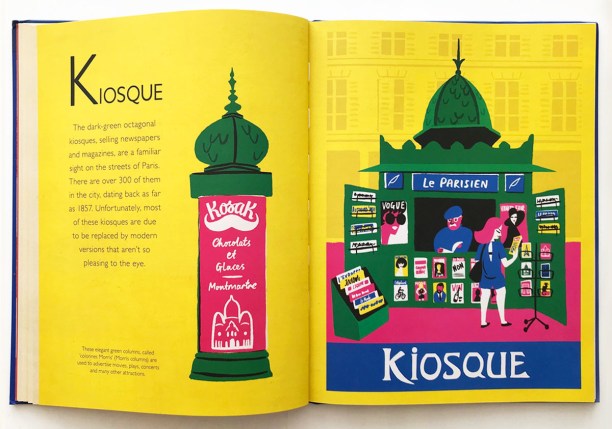
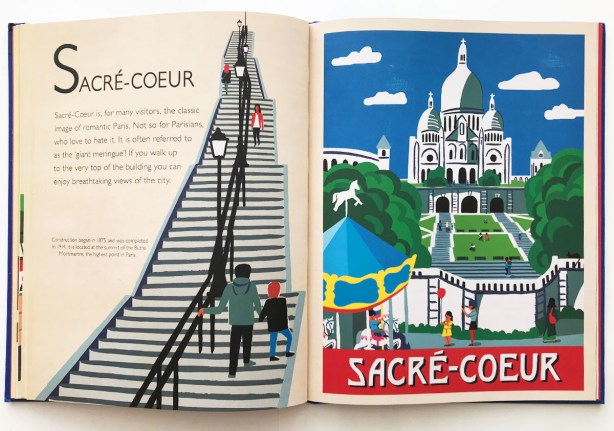
The latest book in Paul Thurlby’s ABC Cities series brings readers on an alphabetical tour of the City of Lights: Paris. Beautiful, bright artwork brings to mind vintage travel posters, and little bites of Parisian history on each page make this a fun addition to your picture books and world sections. Adults will enjoy this one as much as the kids will; references are equally accessible to kids and grownups. From the Abbesses to the Zoo De Vincennes, this is a nice addition to Thurlby’s Cities set. Endpapers provide a map to Paris, with attractions throughout the book numbered for reference. The author provides a concise explanation of the city’s organization into arrondissments. This easily works for both concept sections and geography sections, but don’t mistake this for a beginner’s abecedary; it’s a little more complex and better for Kindergarteners and up.

Check out Paul Thurlby’s webpage for more artwork and information on his other books. Take your armchair travelers on a picture book trip around the world with Thurlby’s books and Miroslav Sasek’s books.
 

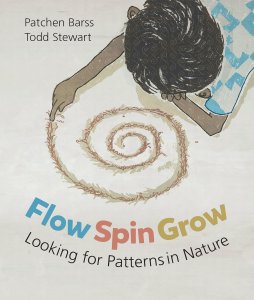
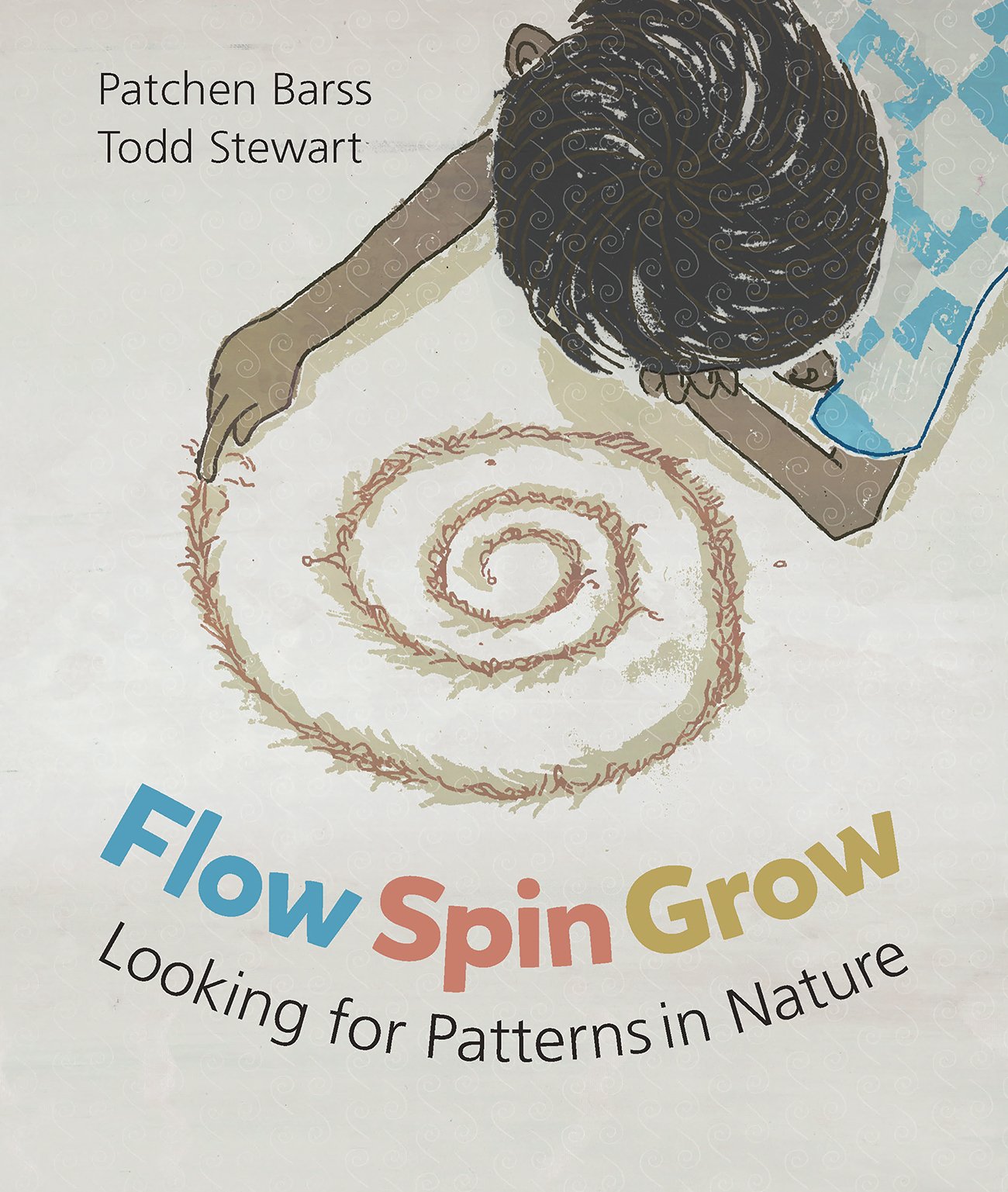
Flow, Spin, Grow: Looking for Patterns in Nature, by Patchen Barss/Illustrated by Todd Stewart, (Oct. 2018, OwlKids), $18.95, ISBN: 9781771472876

Ages 5-7

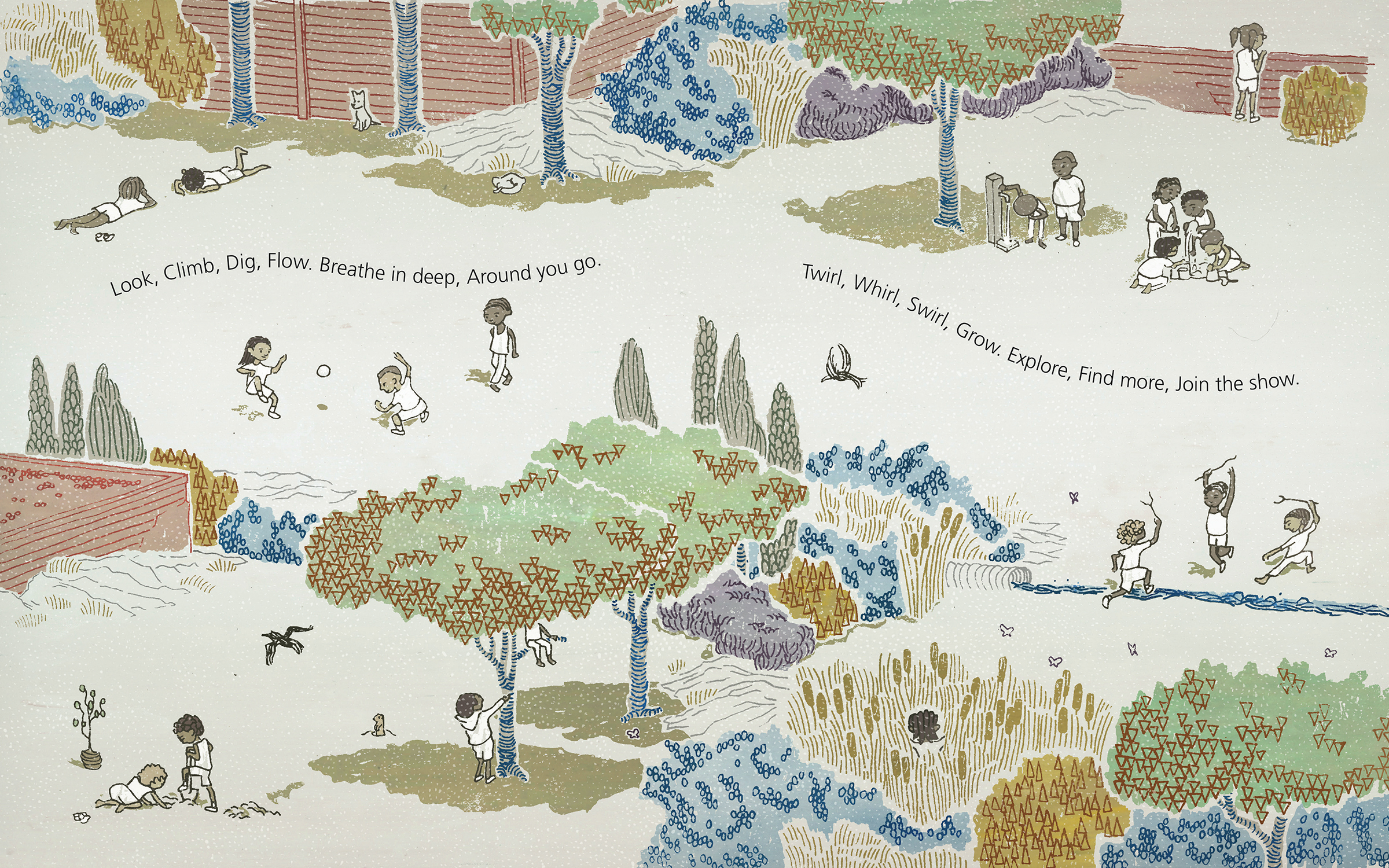
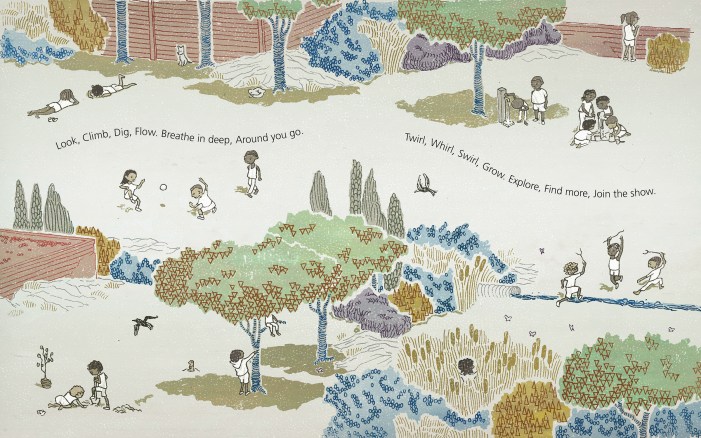
Readers are encouraged to explore patterns in nature in this mindful rhyming book. A diverse group of children play and relax in an open park area in the opening spread. The text playfully crawls around the scene, encouraging kids to “Look, climb, dig, flow. Breathe in deep, around you go. Twirl, whirl, swirl, grow. Explore, find more, join the show.” The text inspires readers to look for patterns everywhere: observe, dig, explore, climb; a tree trunk splits, branches split, and below the ground, roots split and grow; water branches off into smaller bodies of water, and our own lungs have little branches like mini-trees, reaching for air. Nature twirls and whirls, like the galaxies in space or two friends at play; pine cones, storm clouds, and snail shells all swirl. It’s an interesting way to introduce scientific inquiry to burgeoning scientists. An author’s note goes further into the “secret code” hidden in the shapes of things, and suggests additional resources for more reading.

The artwork is the star in this book. Multilayered screen prints and muted colors create a setting where patterns gently emerge, waiting for readers to spot them: triangles on a tree or bush; cracks in the dirt and roots underground reach out. Flow Spin Grow is a good purchase for primary science collections; I also love Joyce Sidman and Beth Krommes’ award-winning Swirl by Swirl: Spirals in Nature, and Jane Brocket’s Spotty, Stripy, Swirly: What Are Patterns?
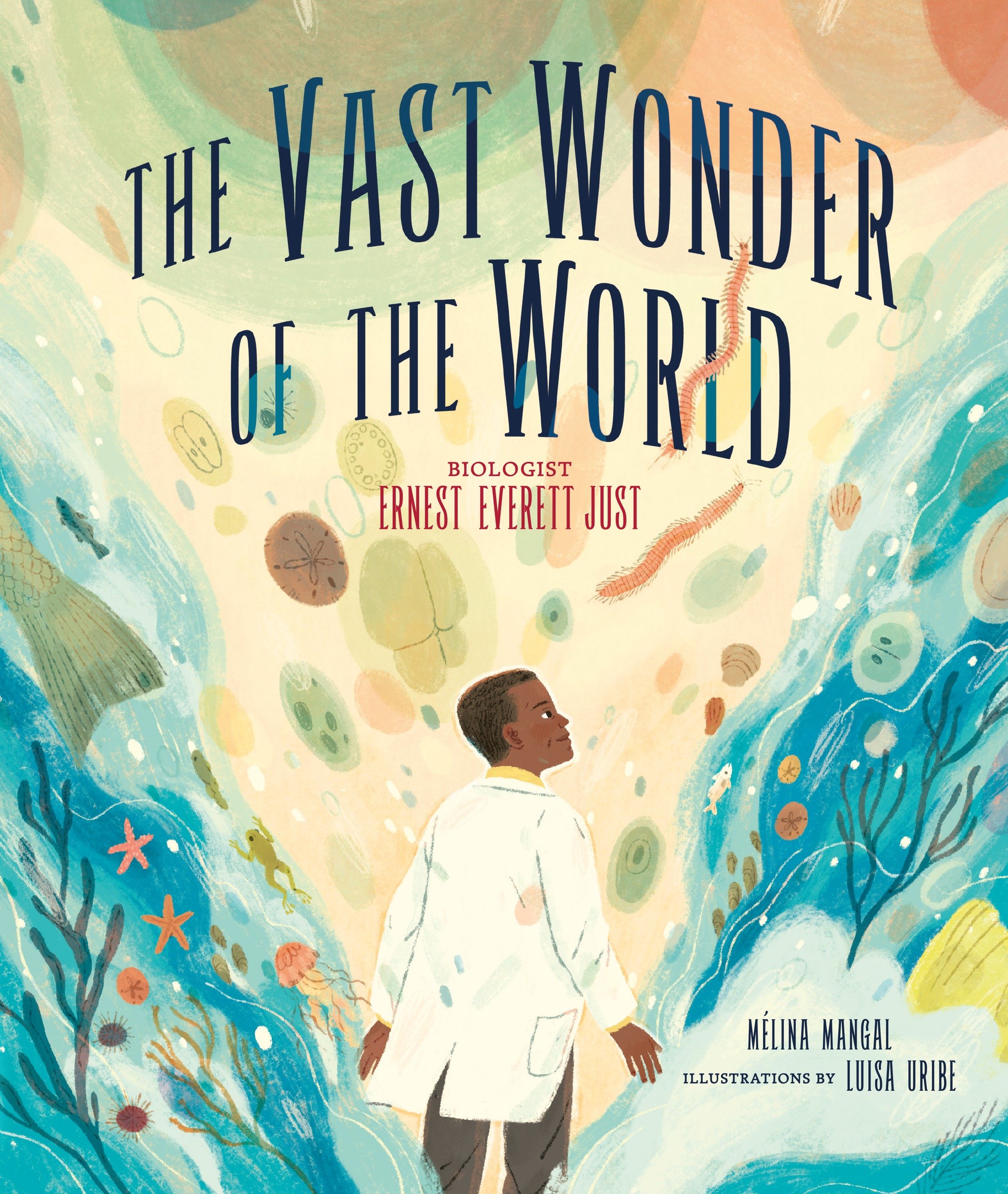
The Vast Wonder of the World: Biologist Ernest Everett Just, by Mélina Mangal/Illustrated by Luisa Uribe, (Nov. 2018, Lerner Publishing Group), $19.99, ISBN: 9781512483758

Ages 7-9

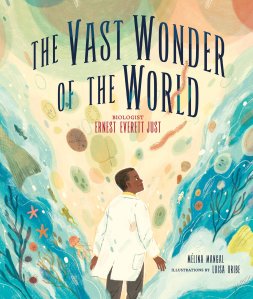
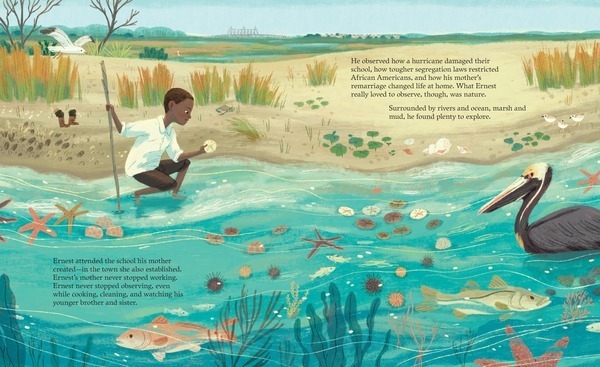
This bio on biologist Ernest Everett Just is just what your picture book biography section needs. He came of age in the Jim Crow South, paying his way through Dartmouth College while supporting his siblings after his mother’s passing. He “unlocked the mysteries of how the different parts of the cell worked together as new life developed”, and found success as a Howard University professor, embryologist, and cytologist, working in both Europe and the States. The Vast Wonder of the World tells his story, introducing him to a new generation of budding scientists who will be inspired by his determination and success in the face of racism and adversity. The muted pencil and digital artwork, in shades of blue, creates a sense of wonder and beauty, giving readers a real appreciation for Just and his place in science history. An author’s note, a timeline, and source notes complete this solid addition to science biography sections. Display and booktalk – PLEASE – with Gwendolyn Hudson Hooks and Colin Bootman’s Tiny Stitches: The Life of Medical Pioneer Vivien Thomas, and – if you can find it (can we please get this book back in print?) – May Chinn: The Best Medicine, by Ellen Butts and Joyce R. Schwartz, illustrated by Janet Hamlin.

The American Society for Biochemistry and Molecular Biology (ASBMB) has a good feature story on Dr. Just, with references to further reading, by W. Malcolm Byrnes.
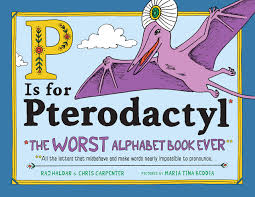
P is for Pterodactyl, by Raj Haldar & Chris Carpenter/Illustrated by Maria Beddia, (Nov. 2018, Sourcebooks Jabberwocky), $17.99, ISBN: 9781492674313

Ages 6-10

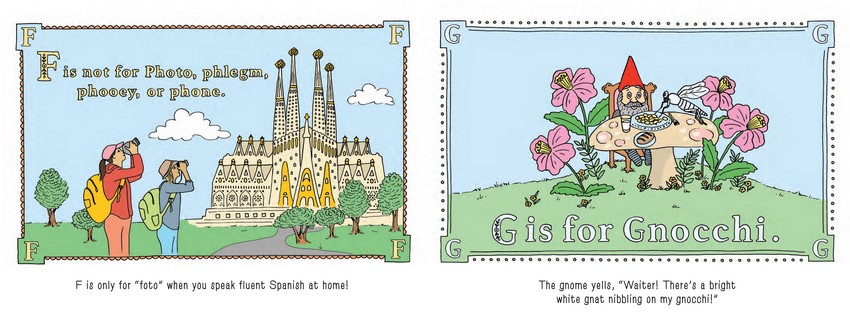
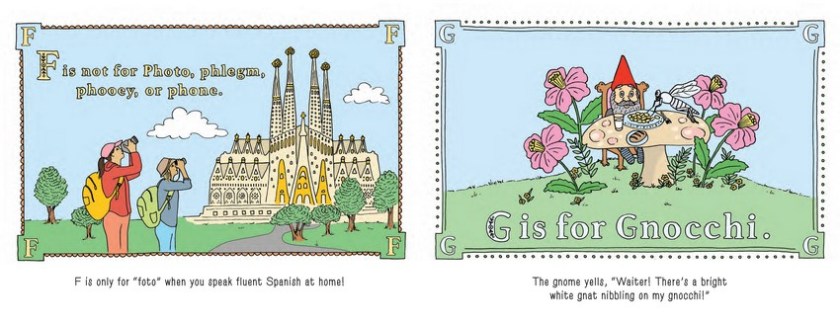
Calling itself “The Worst Alphabet Book Ever”, P is for Pterodactyl is a smirk, wink, and nudge at rebel words in the English language: words that don’t follow the rules. The book uses humor, alliteration, and amusing artwork to get its point across, as with E is for Ewe, which depicts sheep at a wake: “Eileen the ewe was so euphoric with wolves were eaten, she even gave the eulogy” (keep reading the book for more on Eileen); or L is not for Elle, which shows an elevated subway car transporting some elephants across the city of El Paso: “An elephant named Elle rode the el train halfway to El Paso and dined on hearts of palm with her folks”. It’s not a basic concept book for new learners, but it’s sure fun to read it out loud and watch kids laugh and play with language. My 6-year-old cracks up at this one, and it helps when he tries to figure out new words.

P is for Pterodactyl has a starred review from Foreword Reviews.
 

Posted in Non-fiction, Non-Fiction

Make #science even cooler with Adventures in Science

My Kindergartener and I like to hang out and relax on the weekends, but I like to make sure that doing something fun doesn’t always involve endless hours of watching Minecraft videos on YouTube (his current obsession). Thankfully, I remembered that I received an Adventures in Science: Human Body kit from the kind folks at Silver Dolphin, so out it came. The first cheer came from me, when I realized that it’s a 6+ kit, not an 8 or 10+ kit, like most of them are: my kiddo could do this! The second cheer came from the kiddo, who saw a skeleton, because I’ve got that kid. (And I’m that mom.) We cracked open the box and went to it.

Adventures in Science: The Human Body, by Courtney Acampora, (Dec. 20017, Silver Dolphin Books), $21.99, ISBN: 978-1684121298

The box was full of stuff that would appeal to kids from ages 5(ish, my kiddo is going to be 6 in June) to about 10 or 11. There are two sheets of stickers; one sheet of bones, the other, of internal organs, including a set of “free play” stickers. The stickers go on a two-sided sheet with an outline of the human body; one side accommodates the organ stickers, one, the bones. There’s a separate bag for a snap-together skeleton model, playing card-sized flash cards about the body, and a booklet on the human body. Kiddo went to work on the sticker sheet, ASAP. The outlines are clear enough that he didn’t need my help at all! The only fiddly part came with the organ stickers, because so many overlap one another. We moved stuff around, covered some stuff up, and were pretty happy with the results.


I tried to read some of the flash cards to him as he was stickering, but realized that I was interested, but he was just sticking his little heart out, so I read them to myself and pointed out any cool stuff I came across. That worked for him.


Okay, next up, was the big guy: the skeleton. It’s a snap-together, and he got the skull, pelvis, and legs together pretty quickly. The really fiddly part came with the rib cage, spine, and arms. The rib cage is delicate, and the little spokes were giving us a hard time getting them in. We ultimately called in the big guns (Daddy), who made it work.


Overall, it was a fun hour spent with two cool hands-on crafts. He learned a couple of things, reinforced some facts he already knew, and ended up with a fun new skeleton to put in his room. I really like the flash cards and accompanying book, which gives a nice introduction to the human body for school-age kids; ideal for maybe around 7 or 8 years old. Younger kids will like the full-color pictures and graphics, and the book is loaded with fast fact Did You Know? boxes you can read to them. At $21.99, it’s a good gift for a curious kid. If you can get some fundraising money or program budget money together, this would be a great project for a small science group at your library; two or three kids can easily work together on one model and the posters. And they’d be pretty awesome to display.


Posted in Intermediate, Middle Grade, Non-Fiction, Non-fiction, Non-Fiction, Tween Reads

Out-There Nonfiction

There is such great nonfiction being published these days. Nonfiction used to conjure pictures of boring textbooks with walls of words, with a handful of old black and white photos. Today? Nonfiction includes video game guides, crazy stories about our bodies, animals, planets, and the freaky ways famous people died. And that’s just scratching the surface. Kids’ nonfiction sports full-color illustration or photographs, text that understands how kids read and learn, and takes all interests into consideration. Series nonfiction, like the Who Was/What Was series from Penguin makes history compulsive readable, and No Starch Press has full-color STEM and tech books that teach kids everything from coding in Scratch to explaining the sciences using manga comics. I love building a good nonfiction section; these are a few of the books on my current shopping list.

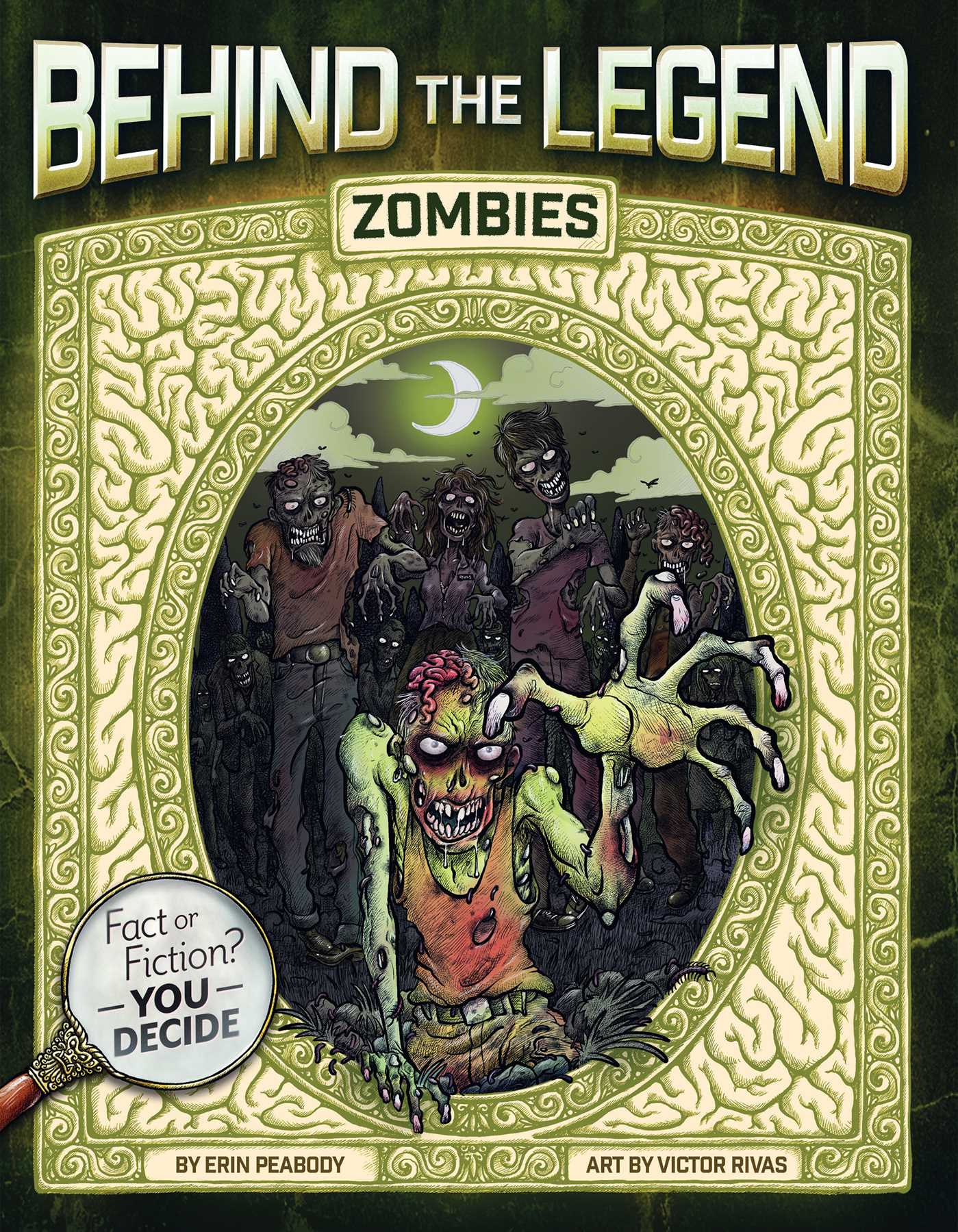
Behind the Legend series, by Erin Peabody/Illustrated by Victor Rivas and Jomike Tejido, little bee books
Good for readers 9-12


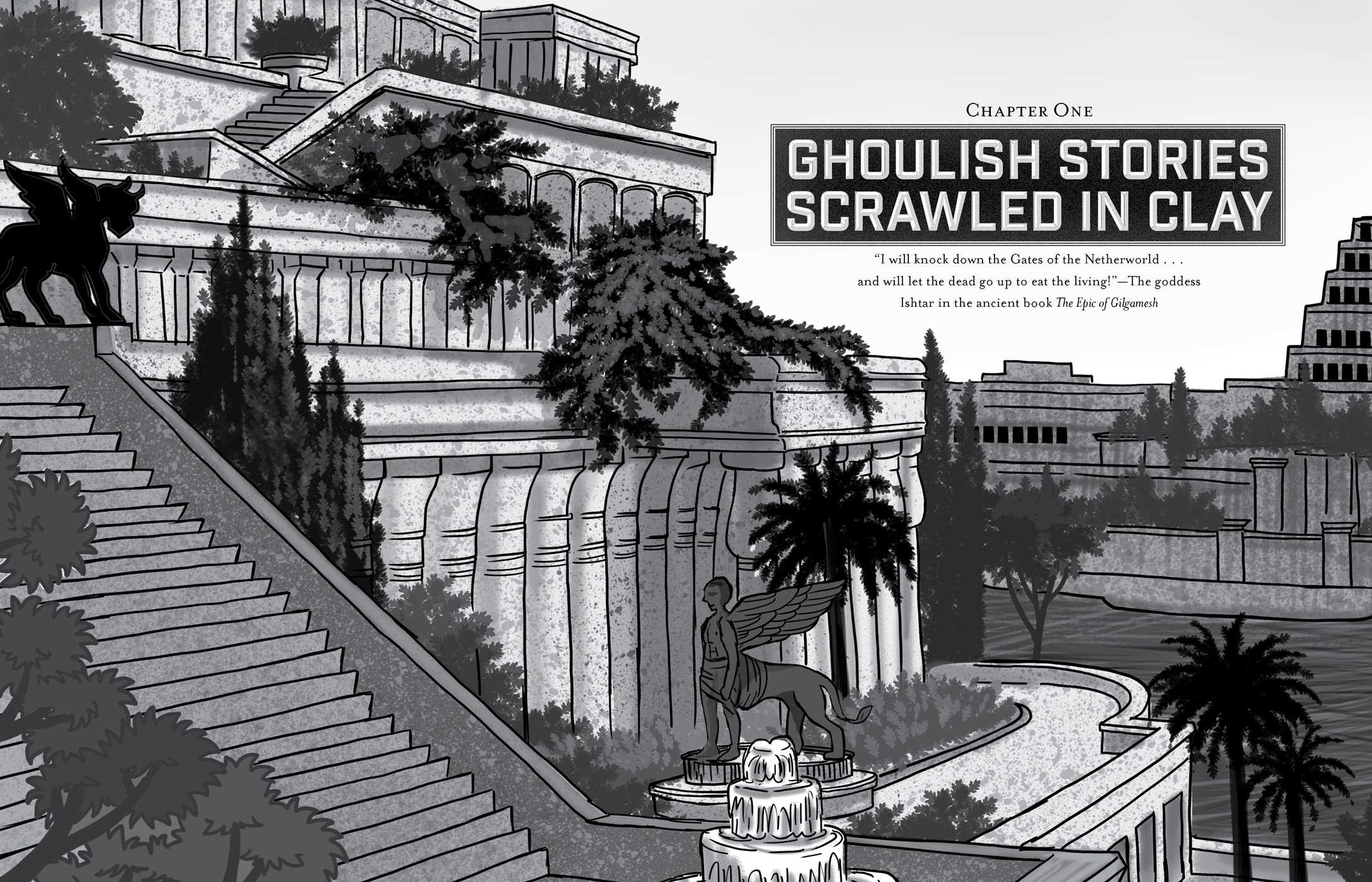
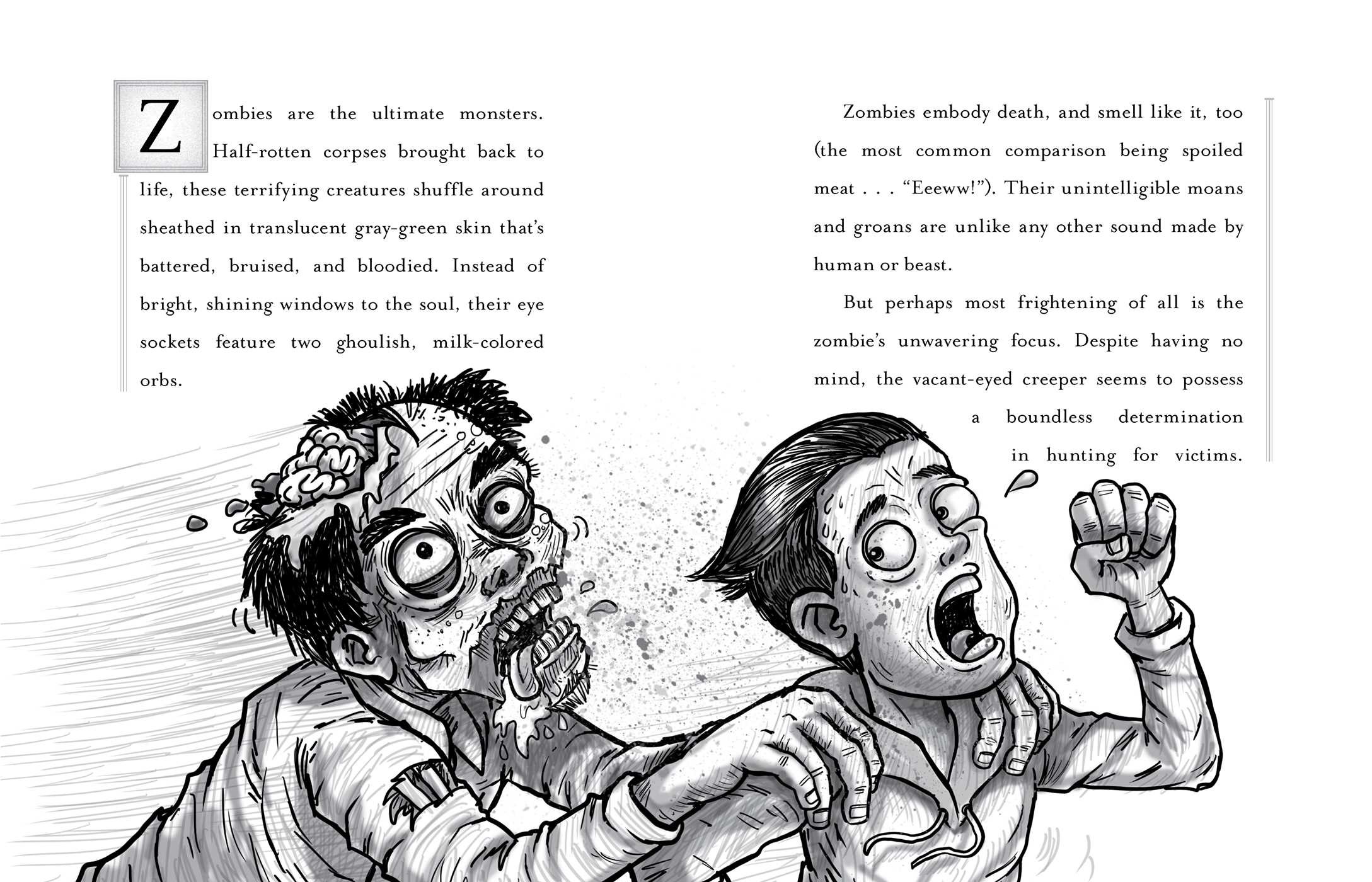
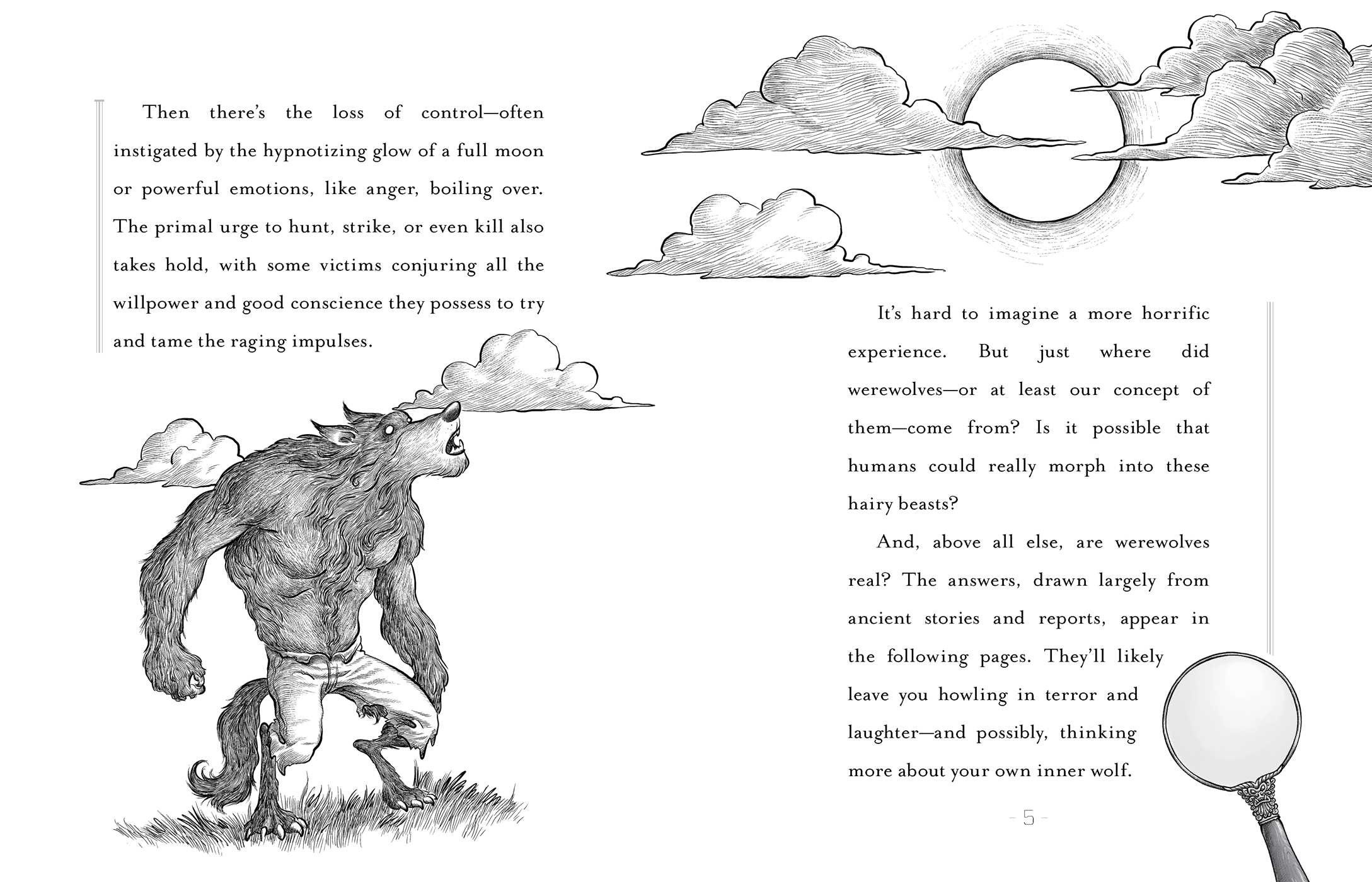
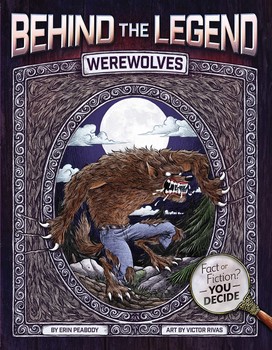
This series is so good. I’ve read Werewolves and Zombies, and love the way Erin Peabody weaves history with pop culture to present a paranormal guide that kids will love reading and learn from. There are black and white illustrations throughout; cartoony, bordering on downright freaky. Zombies delves deeply into the history of slavery and its ties to the rise of the zombie legend and the practice of voudou; Peabody also talks about the walking dead being very old news; they were showing up in Mesopotamia long before Robert Kirkman ever thought up Rick Grimes and his band of survivors. Werewolves talks about the history of animal lore and famous “were-beasts” in history, like the Gandillon siblings – a French brother and sister who were convinced they were wolves and acted accordingly. Harry Potter, Scooby-Doo, and Twilight all get a shout-out in this fun look at werewolves. There are further sources for kids who want to read further. Other Behind the Legend books include Dragons, the Loch Ness Monster, and Bigfoot. This is an absolute must-add set for kids who love themselves some pop culture paranormal reading (and half the price of most series nonfiction, library-bound books).


Don’t Read This Book Before Bed, by Anna Claybourne, (Aug. 2017, National Geographic Kids),
$14.99, ISBN: 978-1-4263-2841-1
Good for readers 9-12

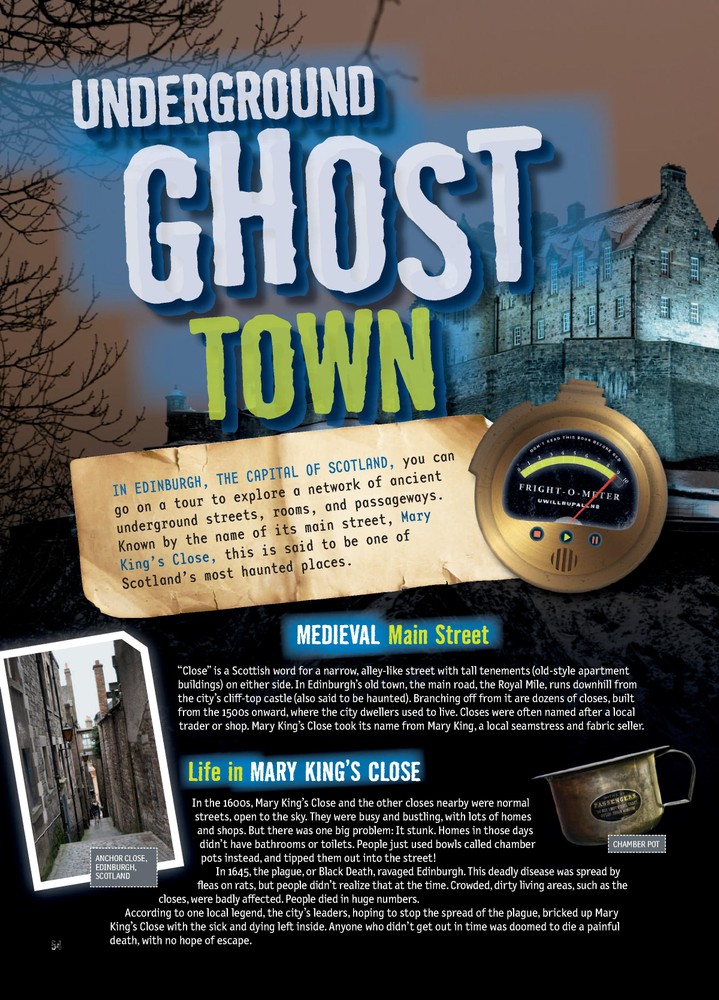
The kids in my library love creepy. Most kids do, right? It’s that safe scare, the adrenaline rush, the squeal of the “eeeeeewwwwwww!” that you can make while safely in your seat, surrounded by family, friends, or your stuffed animals or action figures. It’s being able to turn to your friend and say, “Look at this!” and watching your friend freak out, too. NatGeo knows this, and Don’t Read This Book Before Bed (which is exactly what kids will do) is chock full of freaky stories that will keep them reading and saying, “NO WAY!” Think of it as the Lore podcast, for kids. Haunted castles? Check. Freaky dolls? (Robert the Doll, profiled in here, actually has both a podcast and episode of Lore dedicated to him.) Check. Aliens and fish people? Right this way. Each story has a “fright-o-meter” to let readers know how scary this is going to get, and quizzes help readers figure out their phobias (I love a good flow chart), test whether or he or should would be a good ghostbuster, or take apart the mysteries of science. My library’s copy is rarely on the shelf.


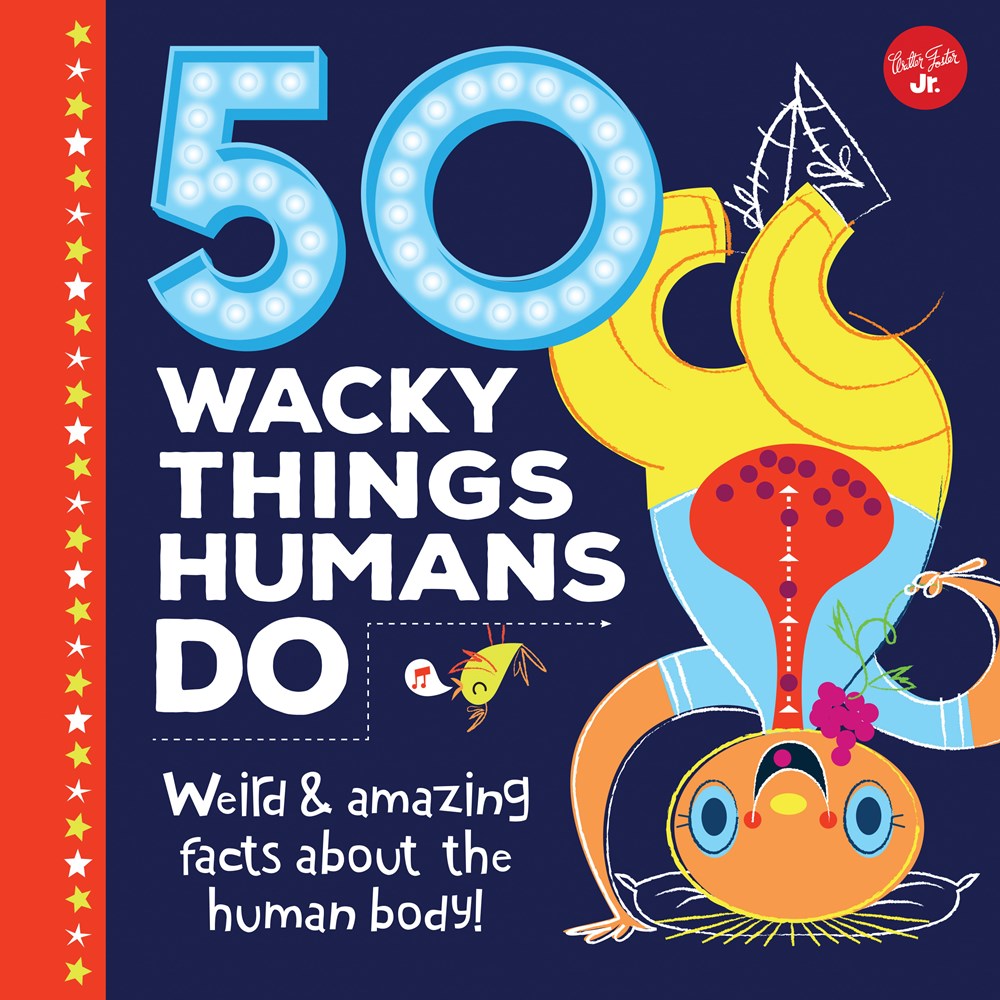
50 Wacky Things Humans Do: Weird & Amazing Facts About the Human Body, by the Walter Foster Jr. Creative Team/Illustrated by Lisa Perrett,
(Dec. 2017, Walter Foster Jr.), $14.95, ISBN: 9781633223967
Good for readers 7-10

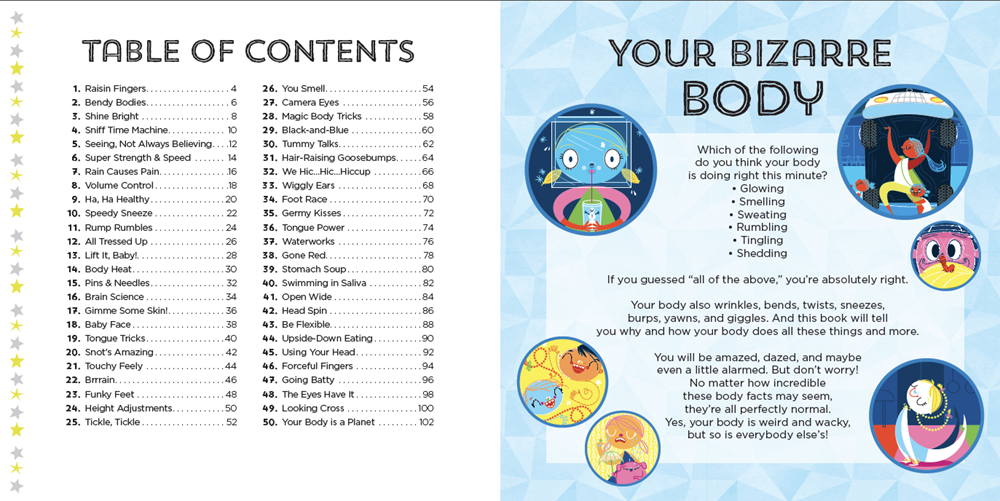
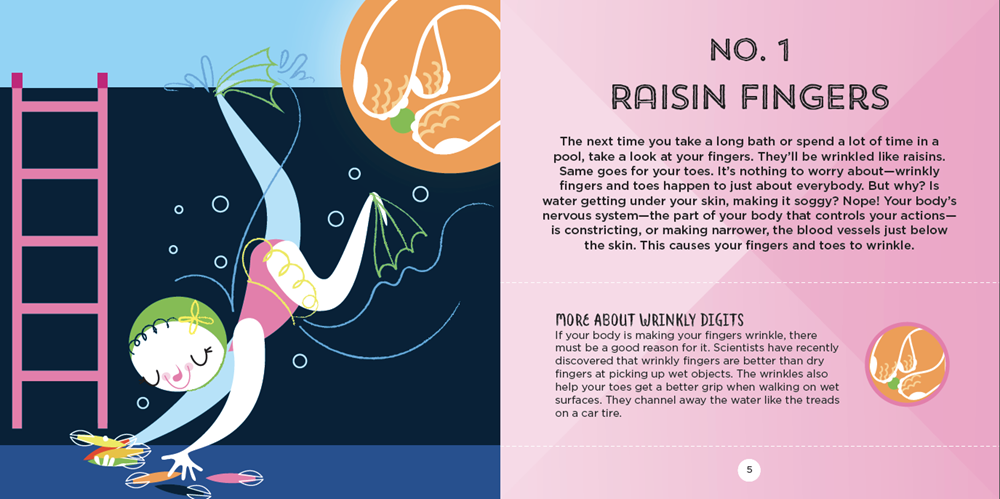
Our bodies do some wild stuff. A sneeze moves at about 100 miles per hour. (Think about that, next time someone doesn’t cover their nose and mouth when they sneeze near you.) If someone tickles you and you put your hand on theirs, it’ll send a message to the brain that stops the tickling sensation. Wrinkly bathtub fingers help us grip things better. Readers will learn all of this and more in 50 Wacky Things Humans Do, written in a similar vein to the chunky, digest-sized NatGeo Kids fun fact books. Wacky Things features one fact per spread and one colorful, fun illustrations; good for intermediate-level readers.


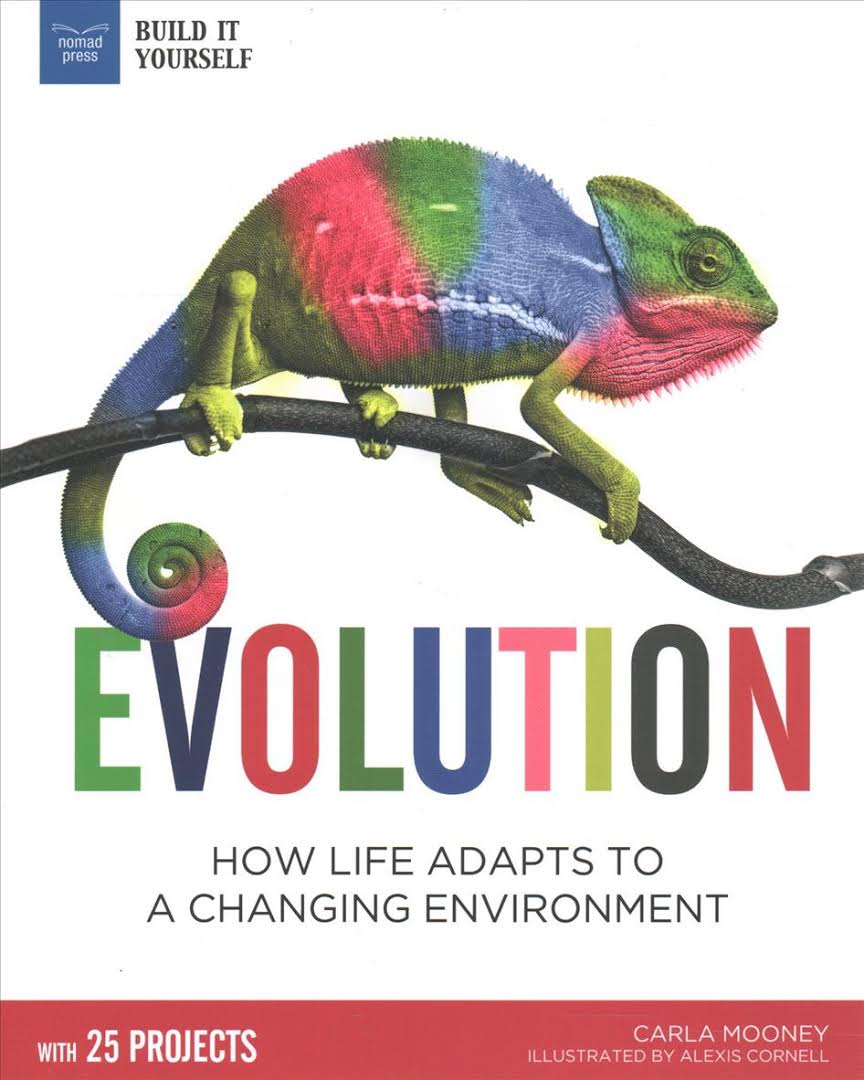
Evolution: How Life Adapts to a Changing Environment, by Carla Mooney/Illustrated by Alexis Cornell,
(Nov. 2017, Nomad Press), $17.95, ISBN: 978-1-61930-601-1
Good for readers 9-12

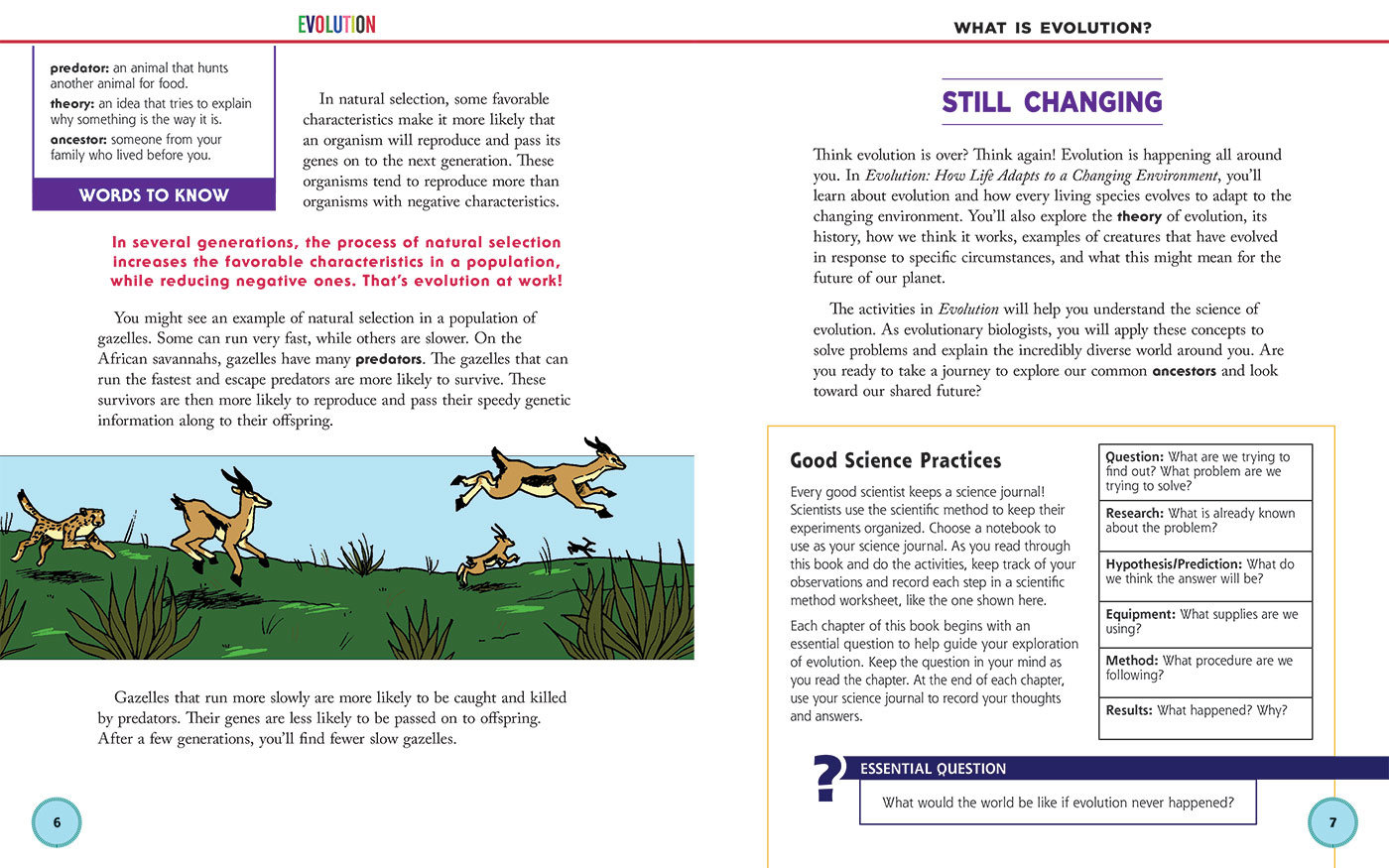
Nomad Press has enjoyed shelf space in my library for a while. They have great science project books and consistently win awards because they blend hands-on projects with text readability. Evolution is a great update to Nomad’s collection and my science projects shelf. First of all, the book is in color; my Nomad books have normally been black and white, and this is as eye-catching on the inside as it is on the cover. The book progresses from a basic overview of evolution and how it works, through natural selection, species and speciation, through to classification and human evolution. Twenty-five projects allow kids to map early human migration; find sidewalk fossils (awesome for my urban library kiddos), and research an endangered species and create a plan to save it. There’s a glossary, lists of resources, and an index. I love this new direction Nomad seems to be taking and want to see more! Great for library shelves.


Posted in Middle Grade, Non-Fiction, Non-fiction, Tween Reads

Give your brain a workout with NatGeo Kids’ MASTERMIND!

mastermindMastermind, by Stephanie Warren Drimmer/Puzzles by Julie K. Cohen, (May 2016, NatGeo Kids), $12.99, ISBN: 978-1-4263-2110-8

Recommended for ages 8-12

Loaded with over 100 games, tests, and puzzles designed to “unleash your inner genius,” Mastermind is huge fun – and you learn stuff, too.

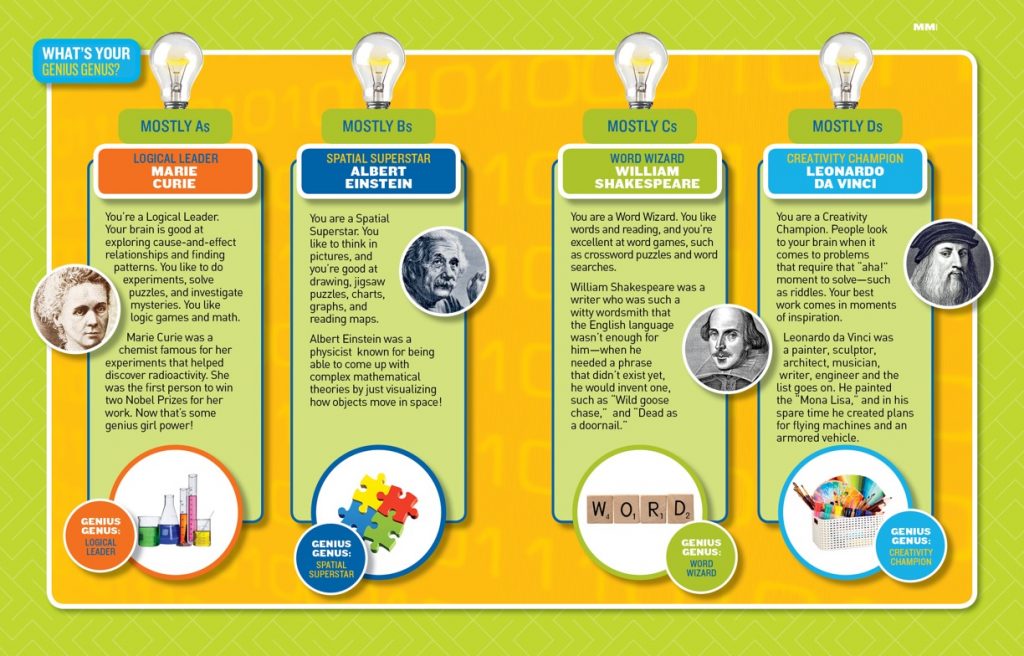
Guided through the book by cartoon characters Ima Genius and her canine sidekick Astro, Mastermind is all about the brain: each section is devoted to a different part of our brains and features sections like How it Works, where readers are guided through a step by step process of each part of the brain makes operations like sight, muscle movement, smell, and memory happen; fun facts and wild photos help break it all down for readers. Time Trials challenge readers to solve puzzles while timing themselves, and a final quiz in each chapter, called Test Your S.M.A.R.T.S. (Superior Mental Acuity and Rationality Testing System), pop up in each section, so budding geniuses can witness themselves becoming smarter with each section. A fun Mastermind Meter lets you track the progression of your genius through the book.

I had a great time reading and playing the games in Mastermind. The facts and real-life stories are interesting and fun, and there’s a ton of information to be learned here. Each section of the book looks at a different part of the brain and how we use them, from our senses, to identifying sounds, to mental map making and memory. Beginning with a maze through a highlighted part of the brain (to get your brains ready, naturally), readers learn how animals use their brains for similar purposes, and Weird Science introduces us to people living with brain issues that make them see things differently; for instance, hemospatial neglect causes someone to ignore things on one side – imagine only shaving half your face?

This will be destroyed in circ, because kids are meant to write in this book, but it won’t stop me from adding it as a great birthday or holiday gift to a few budding geniuses on my list. There are tons of ideas in this book for teachers and librarians, though; you can get the kids fired up with your own timed code challenges or have them figure out which genius they gel best with. The Mastermind website offers two downloadable puzzles, and a genius personality quiz kids can take online. All in all, Mastermind provides some fun and makes you think, which is really what learning should be all about.

mastermind_1

Posted in Intermediate, Middle Grade, Middle School, Non-Fiction, Non-fiction, Non-Fiction, Tween Reads

Inside Your Insides puts you under a microscope

inside your insidesInside Your Insides: A Guide to the Microbes That Call You Home, by Claire Eamer/Illustrated by Marie-Eve Tremblay, (Sept. 2016, Kids Can Press), $17.95, ISBN: 9781771383325
Recommended for ages 8-12

This interesting nonfiction book takes a look at the microbes that live on our bodies: in our hair, on our skin, and the ones we pick up everywhere we go. We’re microbiomes: a walking, talking collection of microbes, and Inside Your Insides introduces us to some of the most common microbes we share our surroundings with. We learn about bacteria, archaea, viruses, fingu, protists and mites; their preferred environments; and all the places they live on and around us. Complete with brightly colored, cartoony illustrations, makes this a good introduction or companion for middle grade science students.

There are some good callout facts and groan-worthy jokes scattered throughout the book, and a glossary and index round everything out. Kids will learn that not all bacteria are bad for you: you don’t need everything antibacterial, and it may be doing more harm than good, anyway! A section dedicated to saving our microbes goes into detail on how to take care of ourselves to attract the “good” microbes: play outside, eat lots of fruits and vegetables, and explore your world. The combination of clear, instructional writing with a humorous bent, and the eye-catching illustrations, kids will get a kick out of this intro to microbiology. It’s a good additional purchase for collections where science books circulate.

You can also direct kids to the Genetic Science Learning Center’s Human Microbiome site. There are teacher resources, interactive simulators, informative videos, and information that’s written in a clear, interesting way to get kids excited about learning more.