Posted in Middle Grade, Non-Fiction, Non-fiction, Tween Reads

Dinosaurs books for the arts and sciences!

The 50 State Fossils: A Guidebook for Aspiring Paleontologists, by Yinan Wang/Illustrations by Jane Levy, (Sept. 2018, Schiffer Publishing), $18.99, ISBN: 9780764355578

Ages 7-12

You know that states have their own flags. You probably even knew that states have their own trees, foods, and animals, but did you know that most states have their own fossils? It’s true! 50 State Fossils give readers a state-by-state look at each one. Maryland’s state fossil, for instance, is a Sea Snail, while Michigan’s is a Mastodon – a mammal similar to elephants and mammoths. Some state fossils are plants: Oregon’s is a Dawn Redwood, while North Dakota’s is Shipworm-Bored Petrified Wood. Each entry includes a photo and illustration of the fossil (or proposed fossil, for those states that don’t have a state fossil); a state map with a designated area where fossils can be found in that state; and a brief notation on the fossil: when the fossil dates from, when it was designated a state fossil, scientific names, and a paragraph or two about the fossil.

The State Fossils are the meat of the book, but this slim volume is packed with information for budding paleontologists: there are sections on how fossils form, how a state fossil is designated, dating fossils and the geologic time scale, and taxonomic rank.  There’s a glossary, a state-by-state breakdown of where to see fossils, and further reading. Endpapers are a colorful mix of various flora and fauna that can be found in the book.

50 State Fossils is one of those books a kid will carry to the museum to refer to while wandering through exhibits (I know I used to) and makes for a great book to give dino fans. It’s a nice add to nonfiction collections and a good gift idea.


If da Vinci Painted a Dinosaur, by Amy Newbold/Illustrated by Greg Newbold, (Oct. 2018, Tilbury House), $17.95, ISBN: 9780884486671

Ages 4-8

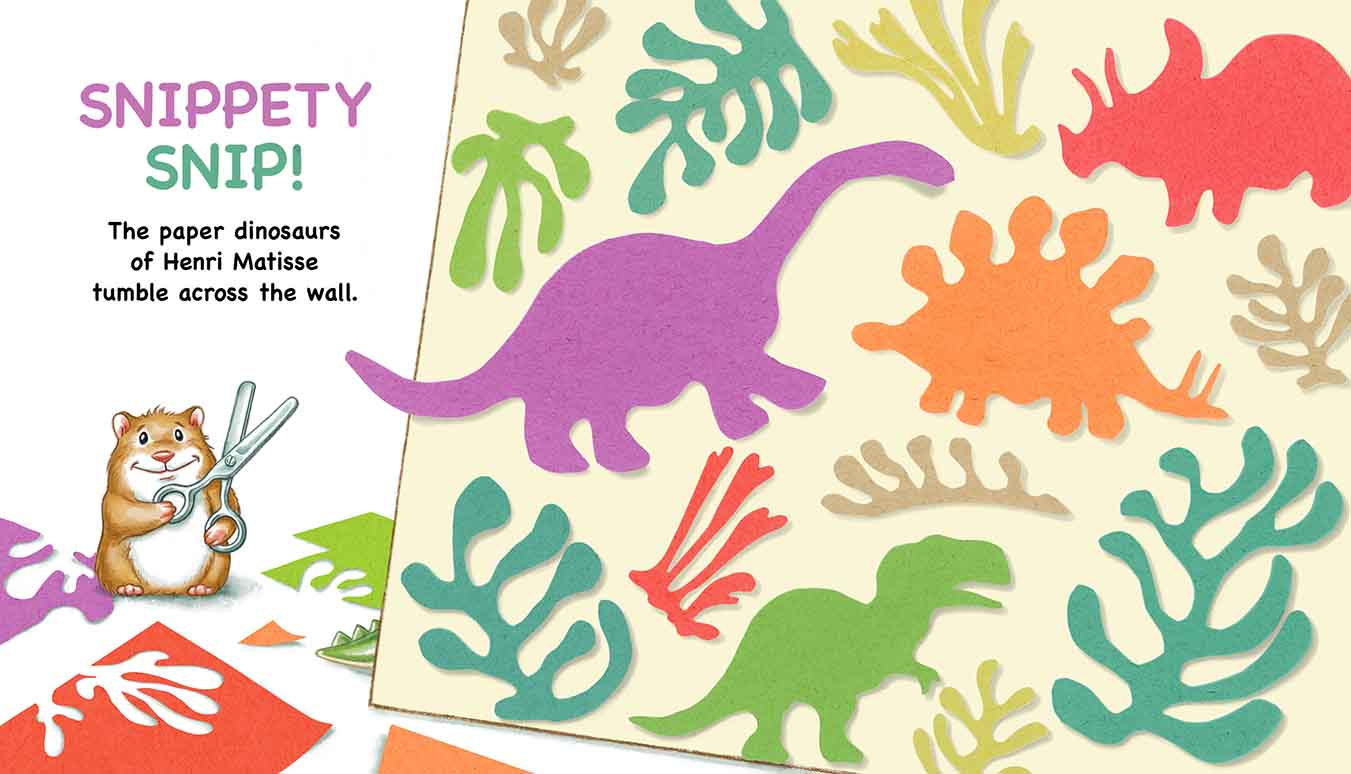
This follow up to 2017’s If Picasso Painted a Snowman is an enjoyable look at dinosaurs and art history. The hamster guide is back, escorting readers through an art gallery of different artists’ takes on dinosaurs, from a da Vinci-esque Virtruvian Dino, through Katusushika Hokusai’s giant wave (with dinosaurs wave surfing), and itty bitty dinosaurs hiding in Diego Rivera’s lilies. Who would da Vinci really paint, though, if he were painting dinosaurs? Why, Dino Lisa, of course! Readers are encouraged to copy a page sporting a blank easel and make their own dinosaur artwork, and featured artists get capsule biographies at the end, along with the dinosaur species designated to their paintings. A word from artist Greg Newbold encourages readers to draw, explore, and have fun on their own artist journeys. Endpapers inspired by Henri Matisse’s paper cutouts lead the reader in and usher them out, hopefully with a head full of ideas.

This book is just too much fun! It’s a great way to introduce art and science to kids, and begs for a program where kids can learn about artists and create their own dinosaurs. I’d have used this in my art storytime, for sure. (So maybe I need to dust that storytime off and revisit it.) Booktalk and feature in an art storytime with Lucy Volpin’s Crocdali; David Wiesner’s Art & Max; My Museum by Joanne Liu, and Henri’s Scissors by Jeanette Winter. This one’s an absolute add to collections.
Posted in Early Reader, Fiction, picture books

Blog Tour: ERASER, by Anna Kang and Christopher Weyant

I am so excited for this blog tour stop! I’ve been a fan Anna Kang and Christopher Weyant since 2014’s You Are (Not) Small. That’s (Not) Mine (2015) and I Am (Not) Scared (2017) round out a fun trilogy on friendship and preschooler life that makes every storytime too much fun. Now, just in time for back-to-school, Kang and Weyant give readers…

Eraser, by Anna Kang/Illustrated by Christopher Weyant,
(Sept. 2018, Two Lions), $17.99, ISBN: 978-1503902589
Ages 4-8

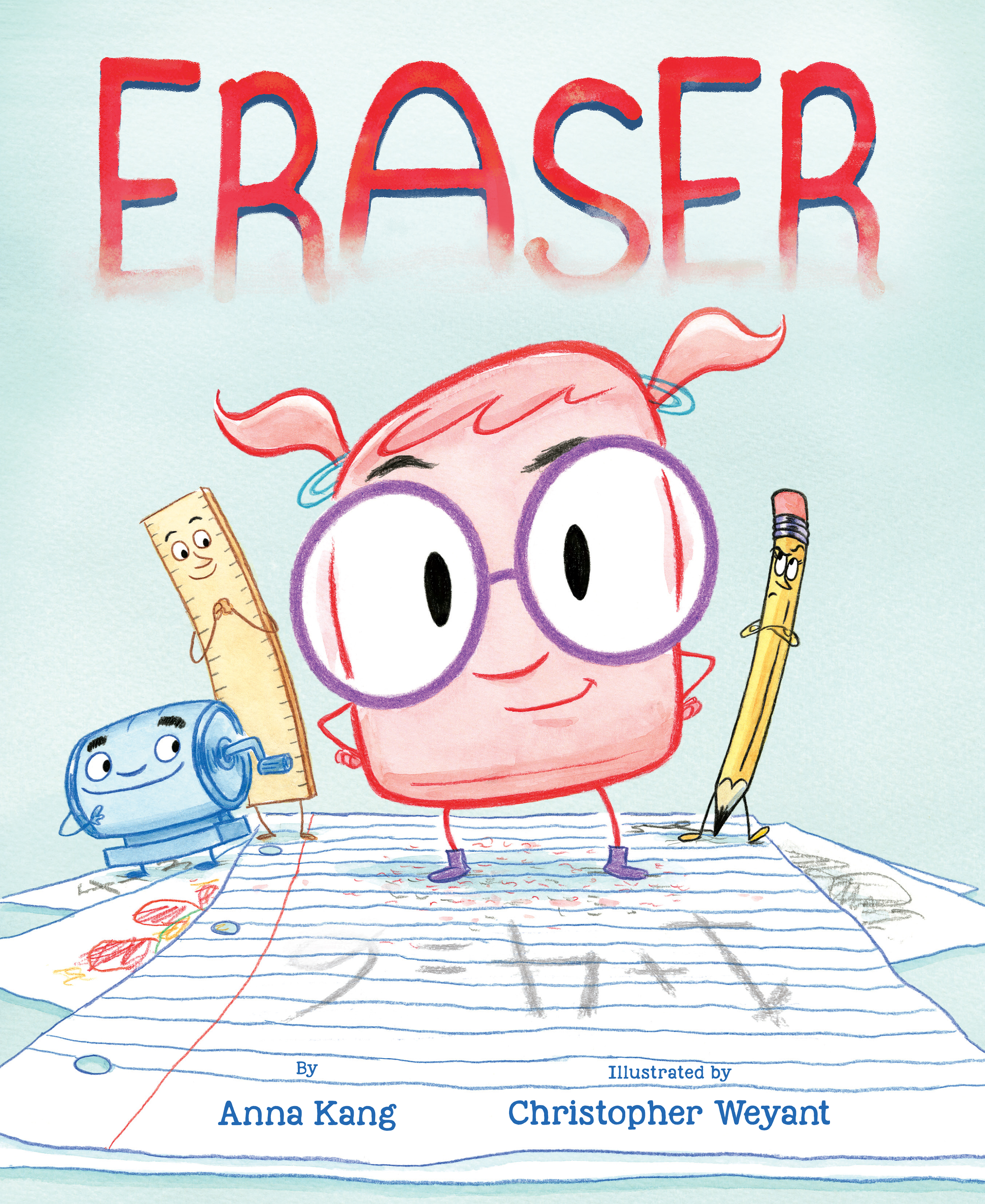
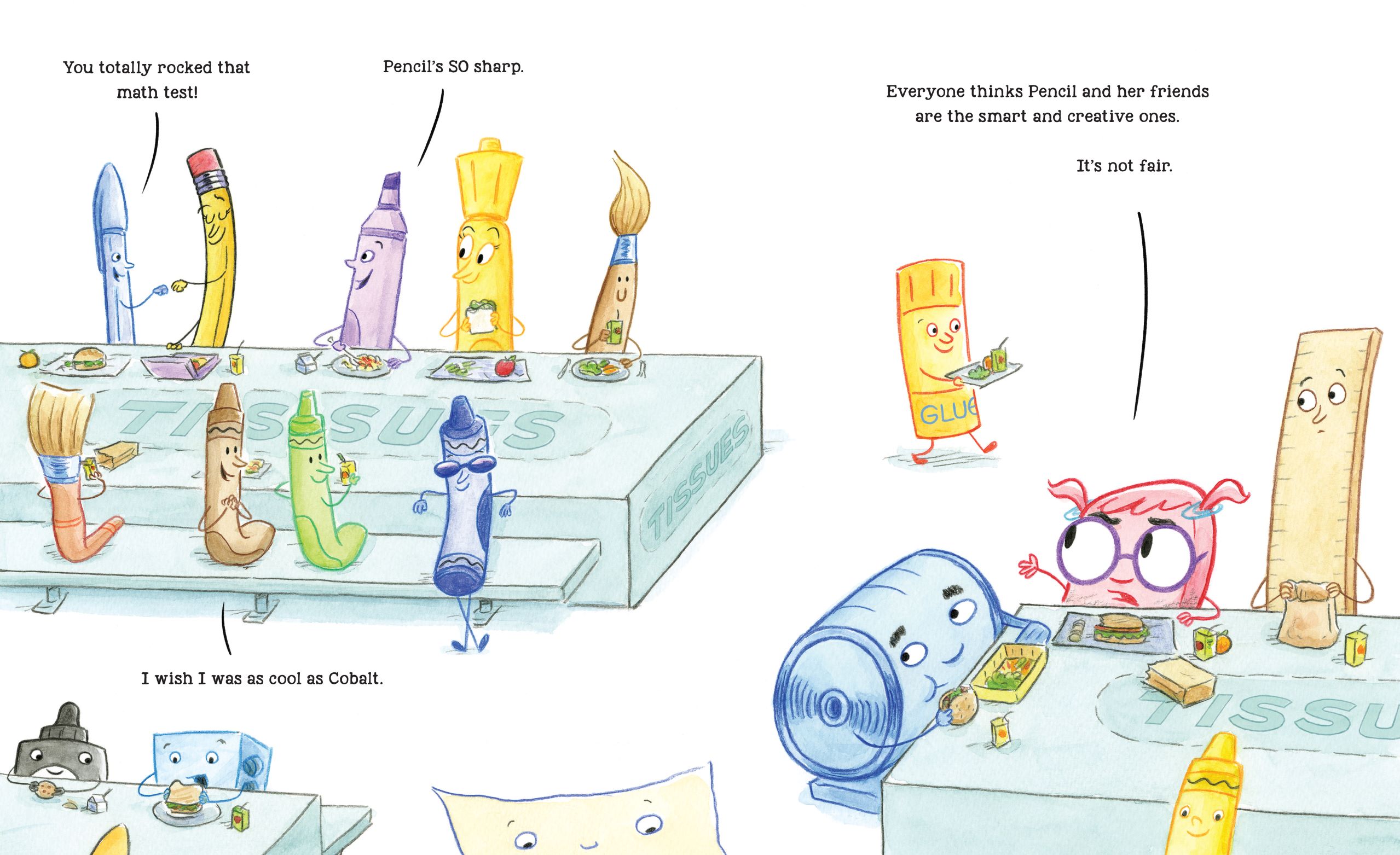
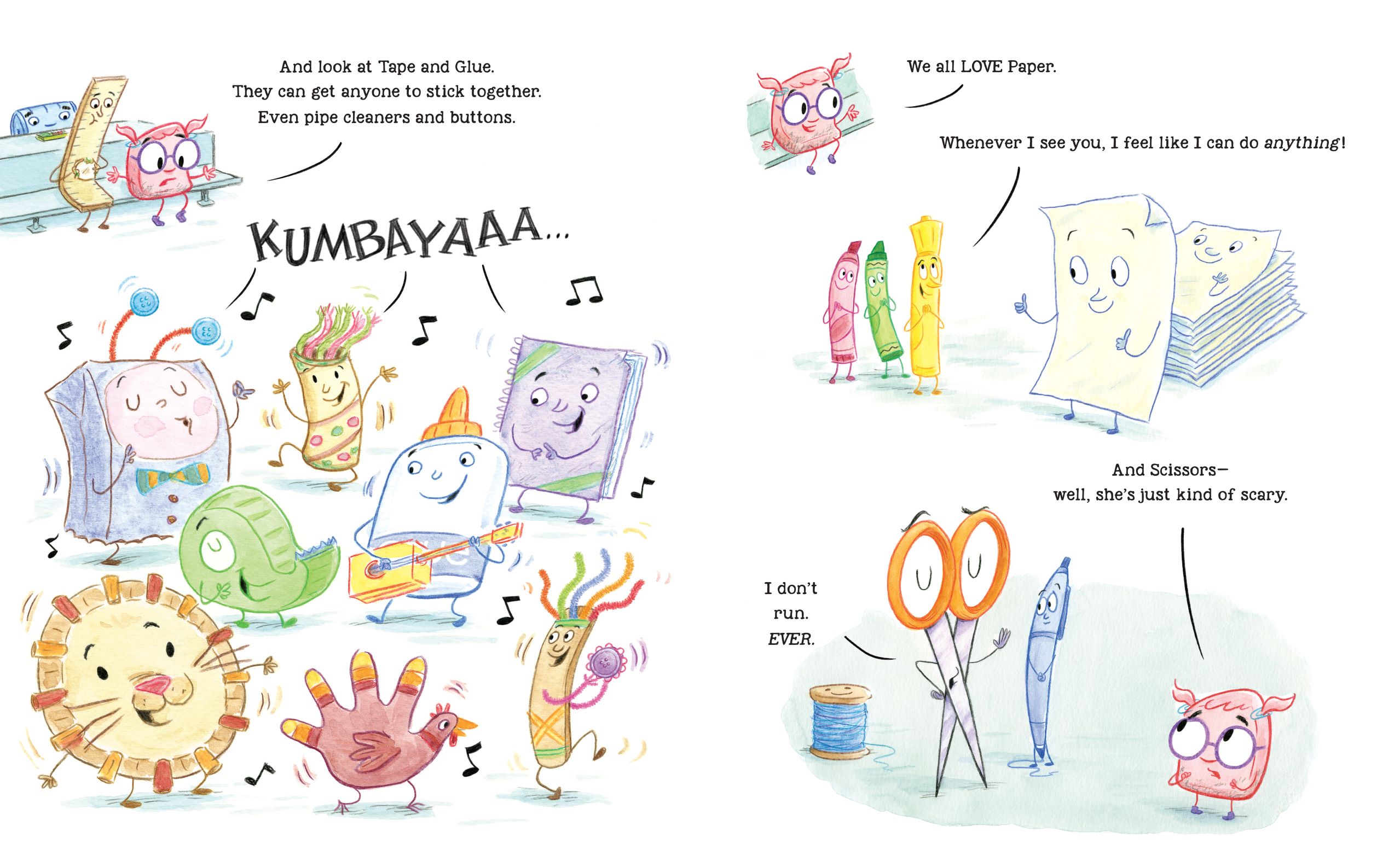
Eraser is a school supply that’s sick and tired of cleaning up everyone’s mess and getting no respect. She’s always there to help, but Pencil gets all of her glory. Her friends Sharpener and Ruler are the only two who understand her, but their encouragement isn’t enough anymore: Eraser’s tired of being on the cleanup crew. When the other school supplies snub her while holding a creative meeting, Eraser’s has HAD IT. She heads off to other adventures, leaving Pencil and the other supplies to fend for themselves. Eraser, meanwhile, meets a group of new friends that help her see where her true talent lie.

Eraser is a fun, smart story about looking beneath the surface and embracing one’s true gifts; using school supplies to tell this story is a great way to communicate this to younger readers, who may not understand how to see within themselves – or each other – those subtle gifts that make each one of us unique. Anna Kang’s got a gift for pacing and dialogue that makes her books something we return to again and again; Christopher Weyant brings the characters to life using ink and watercolor, creating instantly recognizable, with a touch of childlike fun that will have kids drawing their own school supply adventures.

The fun part about books by Anna Kang? You can give them all sorts of different voices, or invite your kids to put on their own voices and act them out. Eraser gives readers several different characters to take on, so try out a reader’s theatre! There’s a great art project contained within the story, so keep an eye out for it and invite your kiddos to create some dioramas of their own – just make sure all art supplies get their say. You know I love my activity kits, and you can find one right here.


One lucky winner will receive a 7-piece school supply kit along with a copy of ERASER, courtesy of Two Lions (U.S. addresses). Enter this Rafflecopter giveaway!

Anna Kang and Christopher Weyant are the creators of Theodor Seuss Geisel Award winner You Are (Not) Small and its follow-ups That’s (Not) Mine and I Am (Not) Scared. Christopher’s work can be seen routinely in The New Yorker magazine and his cartoons are syndicated worldwide. As an author, Anna regularly goes through first, second, and third drafts. Chris wears down many erasers while making his art. This husband-and-wife team lives in New Jersey with their two daughters and their rescue dog. Visit them at www.annakang.com and www.christopherweyant.com.


Posted in picture books

Magnificent Creatures: Animals on the Move!

Magnificent Creatures: Animals on the Move!, by Anna Wright, (July 2018, Faber & Faber), $17.95, ISBN: 9780571330683

Ages 5-10

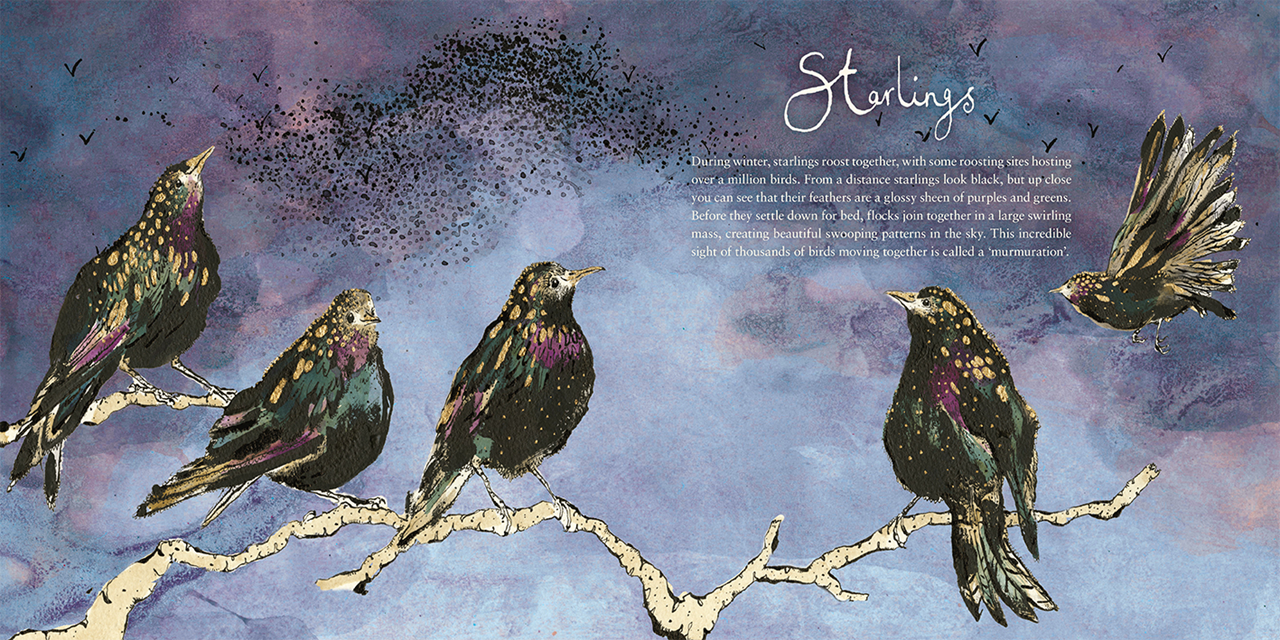
If you have readers who love beautiful illustration, this is a book for them (and you). Anna Wright’s Magnificent Creatures: Animals on the Move is all about beautiful design and illustrating movement and texture. Featuring 12 animals, from sea turtles and springboks, to Monarch butterflies and fireflies, each spread contains a brief explanatory paragraph on each animal, but the real star is the pen and ink illustration, enhanced with textiles to create stunning art. Springboks roam the African plains with striped and floral fabric bodies; checkered, chevroned, and polka dotted zebras spread out in search of food. Southern Carmine bee-eaters have a hint of gold crowning their feathered heads, and fireflies dance with gold leaf wings.

The art is beautiful and begs kids to use their own imagination, plus any scrapbooking paper, fabric, yarn, or ribbon you may have in your craft boxes, to create animals of their own. Could be a fun Summer Reading challenge! The text is easy to read and would be a nice, eye-catching addition to an animal storytime. There are some great, unique facts about each animal, too: every zebra’s stripe pattern is unique, like a human fingerprint; herring can swim in a school of up to 3 billion!

Pair this one with Helen Aphornsiri’s Drawn from Nature to let readers explore nature through artwork – from nature. Pair paper with leaves, flowers, sticks, and fabric to come up with 2-D and 3-D creations. Let your minds run wild! Get some more inspiration from Anna Wright’s website.

Posted in picture books, Preschool Reads, Toddler Reads

Not Yet, Zebra! is a study in the alphabet and patience

Not Yet, Zebra!, by Lou Kuenzler/Illustrated by Julia Woolf, (June 2018, Faber & Faber), $16.95, ISBN: 978-0-571-34288-4

Recommended for readers 3-5

Little Annie wants to paint the alphabet, so her animal friends line up in alphabetical order. Except for Zebra, whose impatience results in adorable hijinks. This sweet rhyming alphabet story wanders through animal ABCs: aardvarks and bears, elephants and flamingos, gorillas and hamsters; Zebra pops up throughout the story, trying to pass for an earlier letter in the alphabet by donning animal disguises. When Annie finally gets to Z, poor Zebra is fast asleep! Well… tomorrow is another day, right, Zebra?

This is an adorable abecedary for preschoolers and kindergarteners, who will relate to the impatience of having to wait one’s turn. Zebra gives the saddest eyes, the nudgiest nudges, and the most creative disguises, all in an attempt to wheedle his way to the front of the line, but Annie catches our wily friend every time. This one’s fun to read aloud, and would make a great companion to my other favorite impatient friend, The Pigeon.

The endpapers feature our Zebra friend, contorting himself into all the letters in the alphabet, and the artwork is colorful and cartoony, nicely set against the subdued background pages. I’m always up for a good concept book for my collection; something that gets the ideas covered, but with a little fun; something that brings some personality to the narrative. Not Yet, Zebra brings the giggles, for sure.

Posted in Non-Fiction, Teen, Tween Reads, Young Adult/New Adult

Colorama sparks color memory

Colorama: From Fuschia to Midnight Blue, by Cruschiform, (March 2018, Prestel), $24.95, ISBN: 978-3-7913-7328-7

Recommended for readers 10+

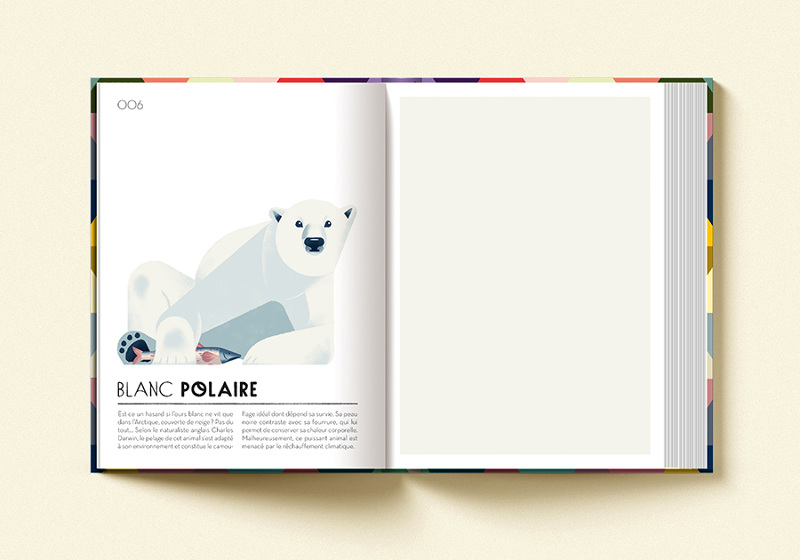
You know how a color can evoke a memory, or a feeling? Maybe the color red evokes the memory of reading Little Red Riding Hood as a child; maybe yellow brings back the time you had a favorite pair of rain boots. Colorama: From Fuschia to Midnight Blue works on that idea; memory through shades of color. There are 133 different colors in here, varying monochromatic shades of whites, reds, oranges, yellows, greens, blues, violets, browns, blacks, and grays. Each spread includes an illustration of a color; a description of a color memory, and a full-page swatch of the color. You won’t believe how many shades you’ll find in here; it provides minds with a color palette to draw from, whether through color or through words, and it’s loaded with memory prompts for art and writing ideas. There’s something new to learn with each turn of the page: Milk owes its color to milk proteins and globs of fatty matter; shrimp and flamingoes both owe their coloring to the pigment astaxanthin, and the kiwi fruit is named after the kiwi bird, because the hairy fruit resembles Australia’s national bird’s plumage. There’s an incredible amount of information to be found in this beautiful volume!

(source: Cruschiform website, where pictures are featured from the French text)

This is a multi-purpose reference book that works for upper middle grade, middle school, and high school students that also works as a gift book for a budding artist. Appendixes include a color palette in order of presentation in the book and a thematic index that lays out colors by themes including mammals, birds, clothes and fabrics.

Posted in Fiction, Intermediate, picture books

Art inspires storytelling in Anna and Johanna

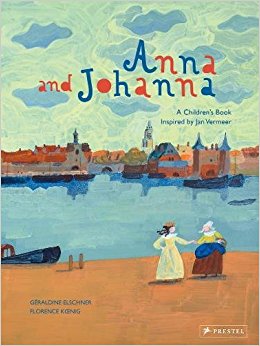
Anna and Johanna, by Géraldine Elschner/Illustrated by Florence Koenig, (Apr. 2018, Prestel-Penguin/Random House), $14.95, ISBN: 9783791373454

Recommended for readers 5-10

Inspired by two of Dutch artist Jan Vermeer’s paintings, this story of two friends who discover a secret on their shared birthday spins a creative imagining and appreciation of art. Anna and Johanna are two girls, living in the 17th century, and celebrating their shared 12th birthday. Anna, the daughter of the master of the house, makes a lace collar for Johanna, the daughter of the housemaid. Johanna is making a lovely breakfast for Anna, complete with handmade chocolate. As the two prepare to spend their birthday together, Anna spies a note from her father, unveiling a secret about the two girls that brings them even closer together.

Vermeer’s paintings, “The Milkmaid” and “The Lacemaker“, inspired this story, as explained in the back matter, along with a discussion about Vermeer. The artwork is Vermeer-inspired, with beautiful blues, yellows throughout the story; the art looks hand-painted, with visible brushstrokes. I love how the text and artwork take Vermeer’s artwork and weave a story around it; while the story itself is inspired by “The Milkmaid” and “The Lacemaker”, guide readers to notice details from Vermeer’s Delft paintings, like “The Little Street” and “View of Delft“. The author and illustrator even draw an actual figure from Vermeer’s lifetime into the story, a painter named Carel Fabritius, and his work, “The Goldfinch“.

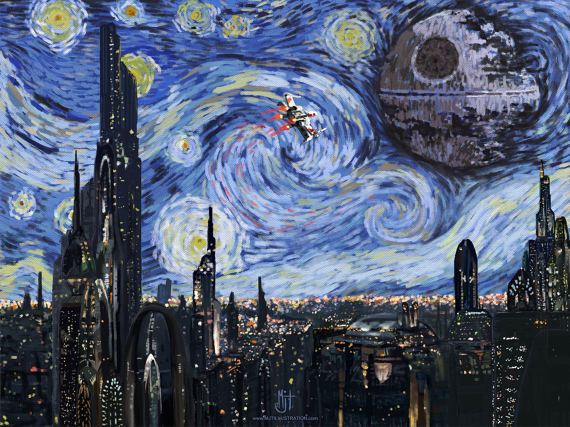
This isn’t a read-aloud book; there’s a nice amount of story to be told here. It is a wonderful addition to art history programs, where you can invite readers to create their own stories based on works of art. You can make it fun by bringing fandom into it! Show kids one of the many Star Wars mockups of Van Gogh’s Starry Night, for instance:

Source: MJTIllustrationLLC on Etsy

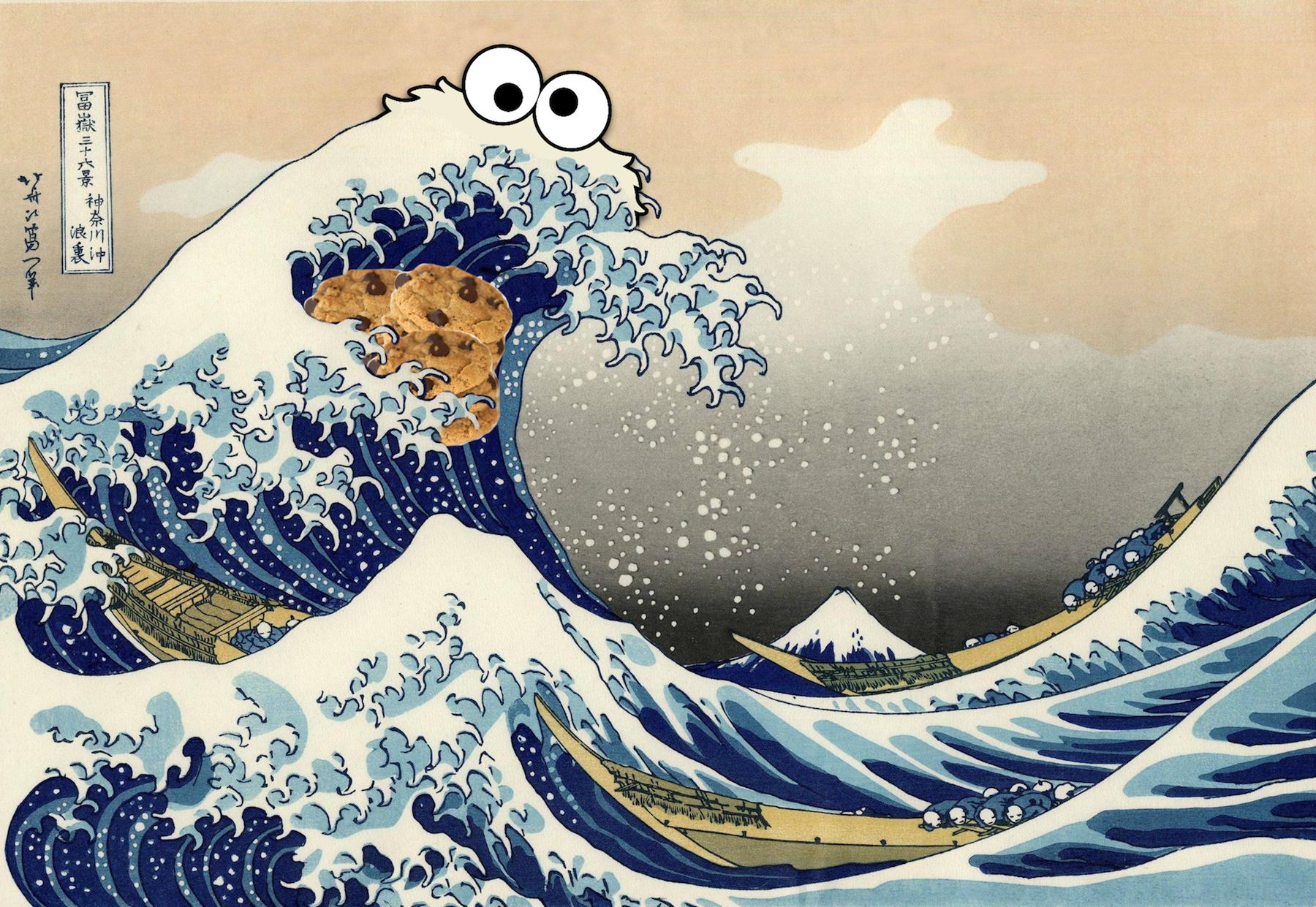
Or maybe a Sesame Street-style Great Wave Off Kanagawa is more your style:

 Source: Laughing Squid

The point is, art and imagination go hand-in-hand. Show kids that they can create a story from someone else’s story!

Posted in Historical Fiction, Teen, Young Adult/New Adult

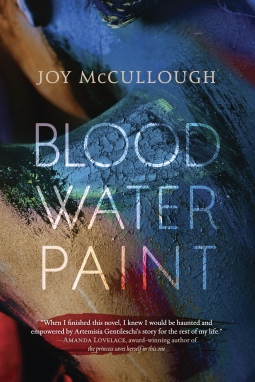
Historical fiction in verse: Blood Water Paint

Blood Water Paint, by Joy McCullough, (March 2018, Dutton Books for Young Readers), $17.99, ISBN: 9780735232112

Recommended for readers 13+

It’s an historical fiction type of review day. Blood Water Paint is a stunning story based on true events, told in quiet, powerful verse.

Artemisia Gentileschi is the 17-year-old daughter of Renaissance artist Orazio Gentileschi, but her talents far outweigh his. At the mercy of her cruel father, Artemesia is her father’s assistant, model, and – all too often – the chief artist on the paintings he signs his name to. Her father hires artist Agostino Tassi to work with Artemisia and refine her talents, and she is at first thrilled to have someone recognize her work on its own merit. But when Agostino rapes her, she refuses to play the passive any longer, and brings him to court to keep her honor and reputation intact. As she goes through the grueling judicial process, she remembers the stories of strong women, told to her by her deceased mother, and draws on their strength.

This is feminist historical fiction at its finest. Through Artemisia, we see that women have always had to push back against male society. The very women she paints tell the story: Susanna and her Elders depicts a woman leered at by a group of “respectable” elders; the Biblical heroine Judith, who took matters into her own hands when her husband was murdered by foreign invaders. Artemisia’s relationship with her father is complex: he’s jealous of her talent and berates her, even humiliates her, but when she tells him about her rape and intent to bring Agostino to court, he stands by her – even though he knows, and tells her, that Agostino will not be the one on trial. It will be Artemisia. Sound familiar? Sound like it could be taken from the news this week? Not much has changed.

Artemisia persists, and in that persistence, she empowers every person to pick up this book. She persists in her artwork, and she persists in bringing her attacker to justice. It may not be a justice that suits the crime – sound familiar? – but she accomplishes what most women of the time would never be able to. And this is a true story: Bustle has a brilliant article on the real-life Artemisia, and how author Joy McCullough discovered her thanks to Margaret Atwood.

This book is captivating; a powerful combination of verse and prose that will spark readers’ emotions and start discussions. Blood Water Paint examines issues that are all too relevant today – the perception of women and believing abused women who come forward – and is ultimately an empowering story of a young woman who takes her power back. Put this on your shelves and make sure your teens know about it.

Blood Water Paint has starred reviews from Kirkus, School Library Journal, Booklist, Shelf Awareness, and Publisher’s Weekly.

Posted in Non-fiction, picture books

Nature is the artwork in Drawn from Nature

I think I can finally put away my winter coat, which has me embracing Spring and Spring-like books! I think I’ll devote today’s posts to nature-related artwork and storytelling.

Drawn from Nature, by Helen Ahpornsiri, (March 2018, Candlewick), $22.00, ISBN: 9780763698980

Recommended for readers 6-10

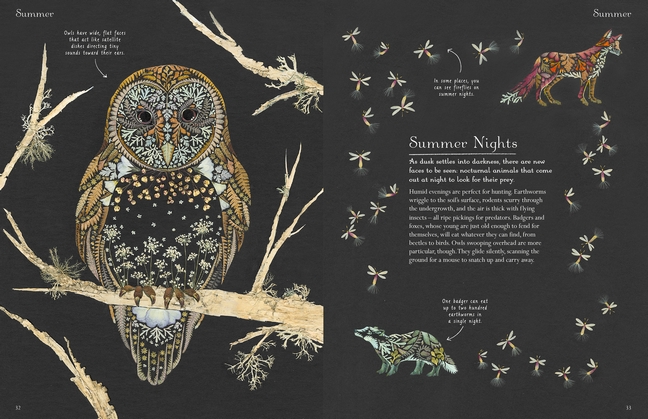
This look at the seasons is just stunning. The artwork is created using hand-pressed flowers and foliage (responsibly grown or foraged in the wild, as the artist/author’s note takes care to mention). Flowers and leaves create bird feathers and beaks; eggs and nests, ladybugs and butterflies. Helen Ahpornsiri takes readers through each season, making sure we notice the beautiful little notes from nature; from building a nest in Spring, to swooping swallows and chirping crickets in the Summer; from the fragile dandelion puffs of Autumn to the bare branches of Winter, each season reveals itself through delicate and exquisite art.

The endpapers delight with colorful garden scenes and each season’s nature maintains its color palette: Spring is verdant and green, bright and bold; Summer is deeper, vibrant, with an emphasis on fireflies and nocturnal animals who hunt by night; Autumn colors become more yellow and red, crisping at the edges, and Winter is spare, fragile, with clustered and hibernating animals and bare branches; evergreen leaves holding onto their leaves.

As Booklist notes, Drawn from Nature is a beautiful blend of art and science and is a wonderful inspiration for art classes as well as nature and earth science classes. A glossary includes terms mentioned throughout the book. Get those leaves, twigs, and stones for the kids, then let them have at it! Drawn from Nature has a starred from Kirkus.

Posted in Adventure, Fiction, Middle Grade, Science Fiction, Tween Reads

Art takes on a new dimension in The Maker

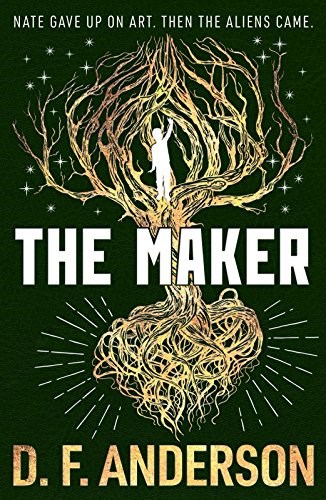
The Maker, by D.F. Anderson, (Jan. 2018, Underdog Books), $14.95, ISBN: 9780991800346

Recommended for readers 9-13

Thirteen-year-old Nate loves to draw. It’s one of his lasting connections with his father, who’s been gone for months, with no word. His mother’s boyfriend, Ted, goes at Nate whenever he gets a chance, insulting his artwork and attacking his grades; his mother is no comfort. Things change rapidly for Nate when a group of aliens show up at his window one night, telling him that he and his father are Makers: artists with the talent to bring their drawings to life. Nate’s father hasn’t abandoned them, he’s been kidnapped, and the aliens from the planet Meer are relying on Nate to help them save his father and the other kidnapped Makers before a cruel alien race wipes them out – and then heads for Earth.

The Maker has a great concept: using living beings as 3-D printers, when you think about it. By channeling their talents, Makers can give life to their drawings to create starships, cities… the sky’s the limit. The Makers connect with an energy source, mica, to give shape to their ideas; they can collaborate on large projects, or work individually to create small, detailed pieces. Readers will get into the sci-fi adventure story and relate to Nate, a kid who’s been put down to the point where he doesn’t believe in his own talent until put to the test – and then exceeds his wildest dreams. The evil parent/boyfriend situation is addressed in a neatly wrapped-up plotline. There are warring alien races, planet-eating machines to stop, and strong relationships that sci-fi and fantasy fans will enjoy, plus some moments of humor, including an evil alien who can be tortured… by pulling on his toe. Made you smile!

Add this to collections where you have sci-fi readers. Display this with some maker titles, and have a booktalk ready when kids come over and ask why it’s there.


Posted in picture books, Preschool Reads

Books about art for kids to love and be inspired by

I love letting kids go hog wild on artwork. I’ve had art stortyimes where kids have made their own Frida self-portraits and contributed to a Diego Rivera mural; I’ve let little ones create collage by tearing up paper and gluing them to paper in any way, shape or form that strikes their fancy, and I make coloring sheets and crayons available at my reference desk every day. It’s fun to watch how kids take a simple piece of blank paper and create something wonderful, and if I get a contribution to my art gallery – the shelves running the length of the children’s room – even better. Here are some picture books that will get your storytimes jumping; two are interactive – think Herve Tullet readalikes – and one is a multicultural, bilingual rhyming book that explores Latinx culture and imagination. Go forth and create!

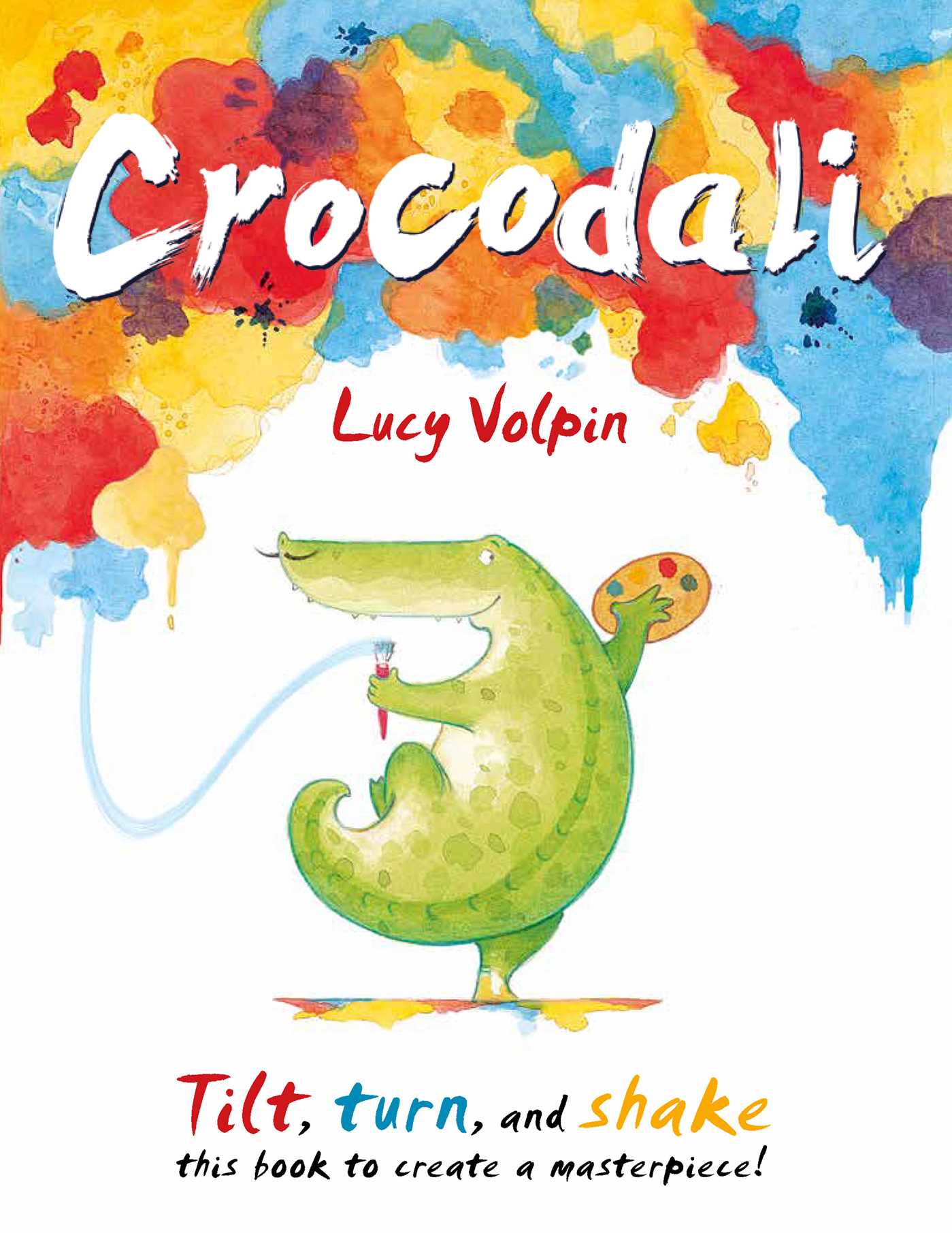
Crocodali, by Lucy Volpin, (Aug. 2017, little bee books), $16.99, ISBN: 978-1-4998-0633-5

Recommended for readers 4-8

Crocodali is the most talented painter in the whole wide world, and he’s allowing readers into his studio to help him create a new masterpiece! By tilting, turning, shaking, and rubbing pages, kids will get a kick out of seeing how they “affect” the painting with each turn of the page! Watercolor endpapers and artwork may inspire kids to create art with simple swipes of the brush, and Crocodali’s reactions – especially great for read-alouds – bring on the giggles. This has entered regular storytime rotation here at home and is great for preschooler storytimes with some time set aside afterward to let kids create their own artwork. I’d pair this one with Art & Max, by David Wiesner.


Rosa Draws, by Jordan Wray, (May 2018, words & pictures), $17.95, ISBN: 9781910277508

Recommended for readers 3-7

Rosa is a little girl who loves to draw, and has a big, vivid imagination! This adorable rhyming story introduces readers to a cat wearing a ridonkulous hat, a hungry bear, a posh goose, a peacock wearing socks, and more. Where will Rosa’s imagination take her – and readers who come along for the trip? There are bright, bold colors and wacky characters aplenty for kids to discover here; perfect for encouraging readers to create their own wacky characters after a stortyime. Positive messages about creativity and family make this a nice storytime read-aloud or cuddle time reading at home. For some extra fun, put rhyming words into a box or bag, have the kids choose a couple, and illustrate what they get. I think Lois Ehlert’s The Scraps Book would go nicely with the creative process introduced in Rosa Draws.


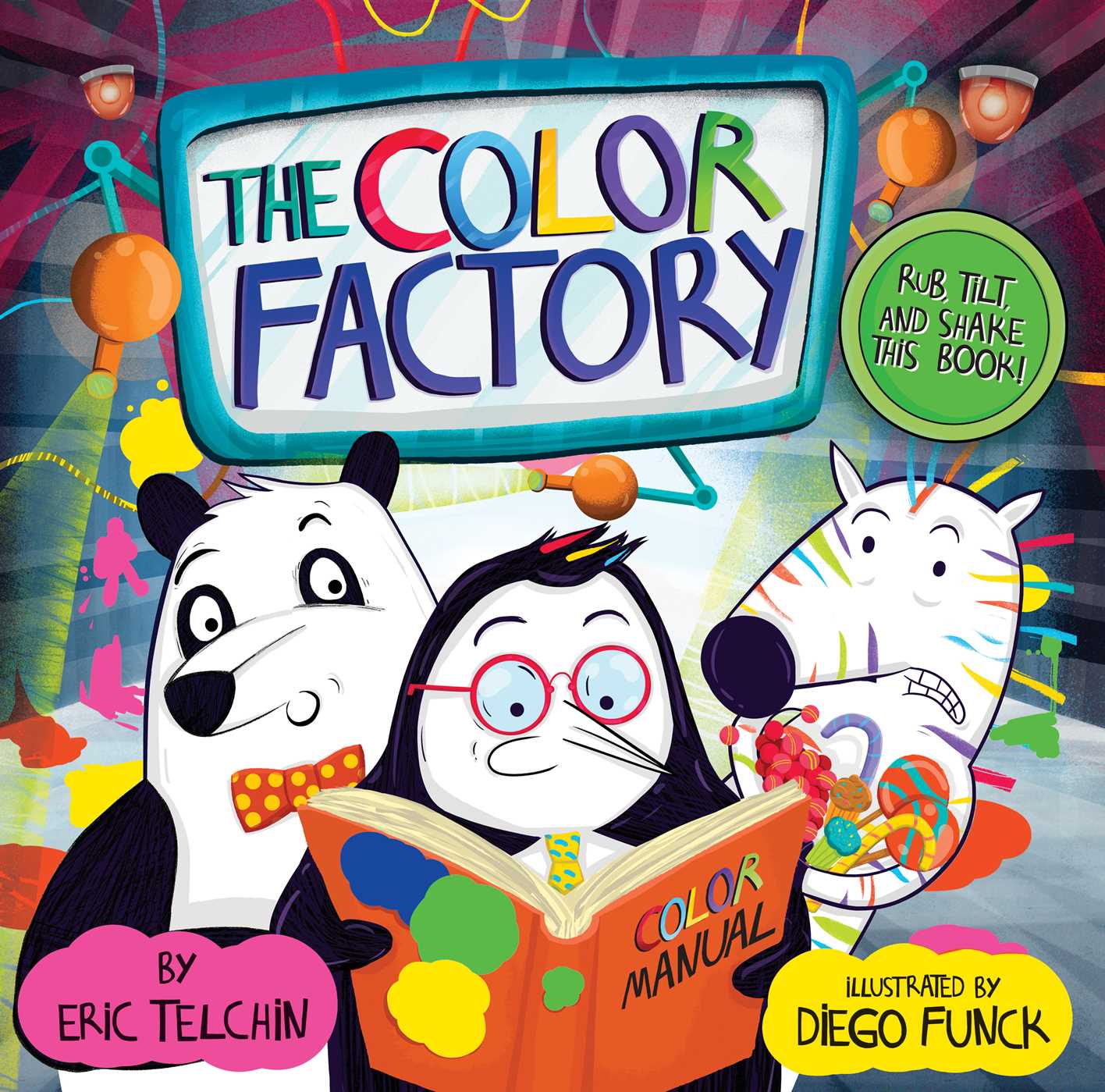
The Color Factory, by Eric Telchin/Illustrated by Diego Funck, (June 2018, little bee books), $17.99, ISBN: 9781499805567

Recommended for readers 4-8

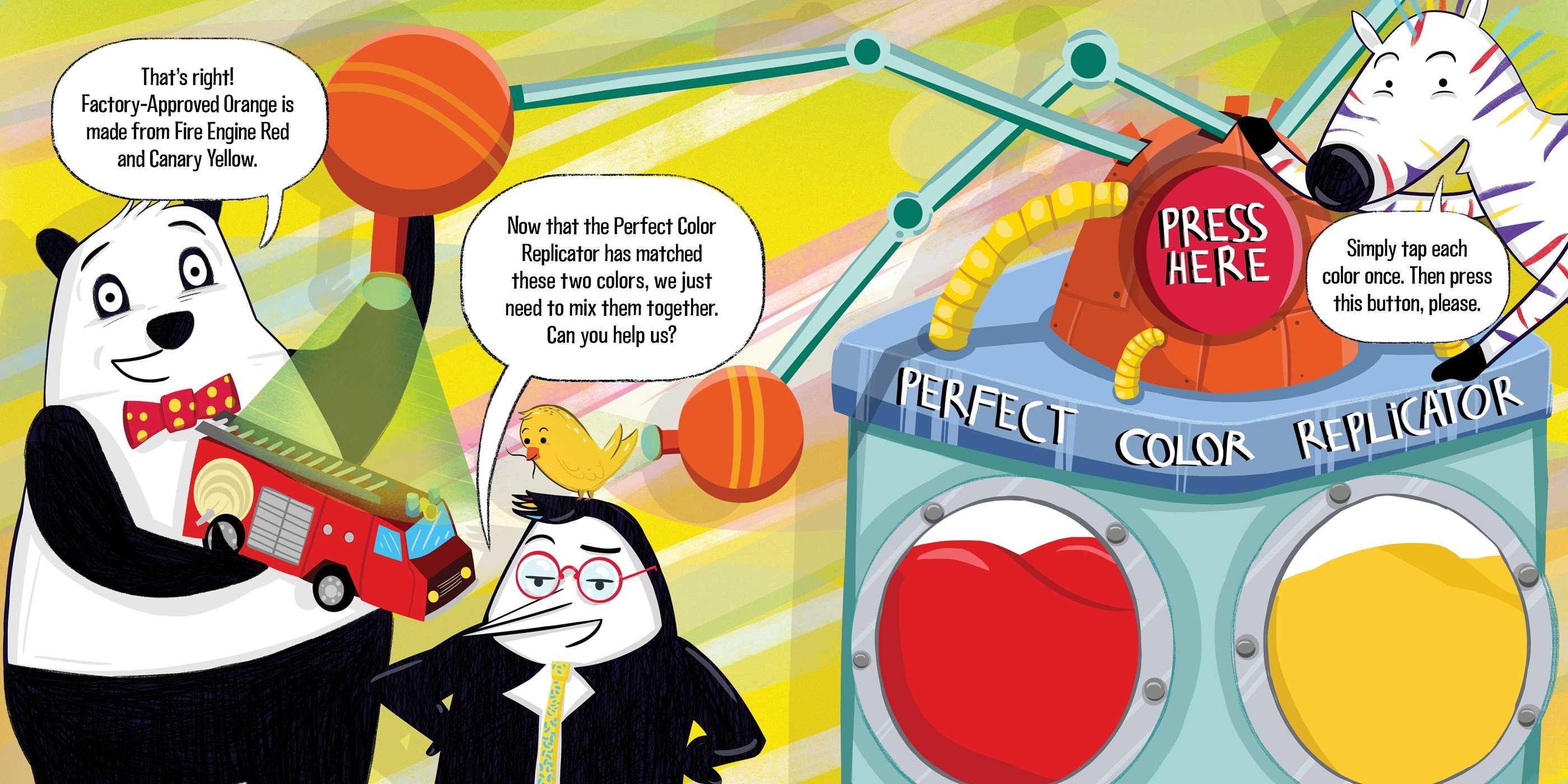
The Color Factory has already entered regular storytime reading for me at home, with my Kindergartener demanding it on an almost daily/nightly basis. The follow-up to 2016’s The Black and White Factory (wait until my kid finds out about this one), the three animal friends are back and taking readers on a tour of their new color factory. They invite readers to help mix up new, factory-approved colors, until things go horribly wrong! Readers have to pitch in to help as the characters refer to the instruction manual, which isn’t really encouraging. Luckily, the trio – with our readers’ help – learn to accept and enjoy the exciting new colors they create. With bright, vibrant colors and loads of opportunities to “push” buttons, “mix” colors, and help save the day, kids are going to love this wacky, fun adventure. Pair this one with Herve Tullet’s Mix It Up for added interactive fun, and if you have the space, put some newspaper down, hand out old t-shirts, and let kids learn how to mix their own colors with some fingerpainting time.


A Paintbrush for Paco, by Tracey Kyle/Illustrated by Joshua Heinsz, (July 2018, little bee books), $17.99, ISBN: 9781499805444

Recommended for readers 4-8

Paco is a young boy sitting in class, doodling as he awaits recess. His drawings catch his teacher’s eye, and the excited profesor rushes Paco to the art room, where a world of color awaits him! The bilingual text flows like the beautiful, colorful artwork; I love the lyrical rhyming text that curls and wanders around each page as the world of color and imagination opens itself to Paco: “Pink, rosado. Purple, morado. A fiery orange, anaranjado. Verde, the green in a vine of ripe grapes. Rojo, the red in the matadors’ capes.” The artwork is influenced by Paco’s Latino heritage, enchanting readers with visions of mountains, family, and vibrant Mexican-inspired artwork. I love that Paco’s teacher is a positive role model that encourages his student’s talent, and I love the way the Spanish and English languages come together to tell a gorgeous story. This one is an absolute must-add for art collections and for storytime reading. Pair with Roseanne Thong’s Green is a Chile Pepper or Cynthia Weill’s concept books, published through Cinco Puntos Press, that teach concepts in Spanish and English, and feature Mexican folk art.