Posted in Intermediate, Non-Fiction

Dogs Do Science: a graphic nonfiction series for intermediate readers

This is such a fun series with recurring characters and fun, smart science know-how. For readers that may be a little young for Science Comics, Dogs Do Science fits the bill nicely. Read on for more.
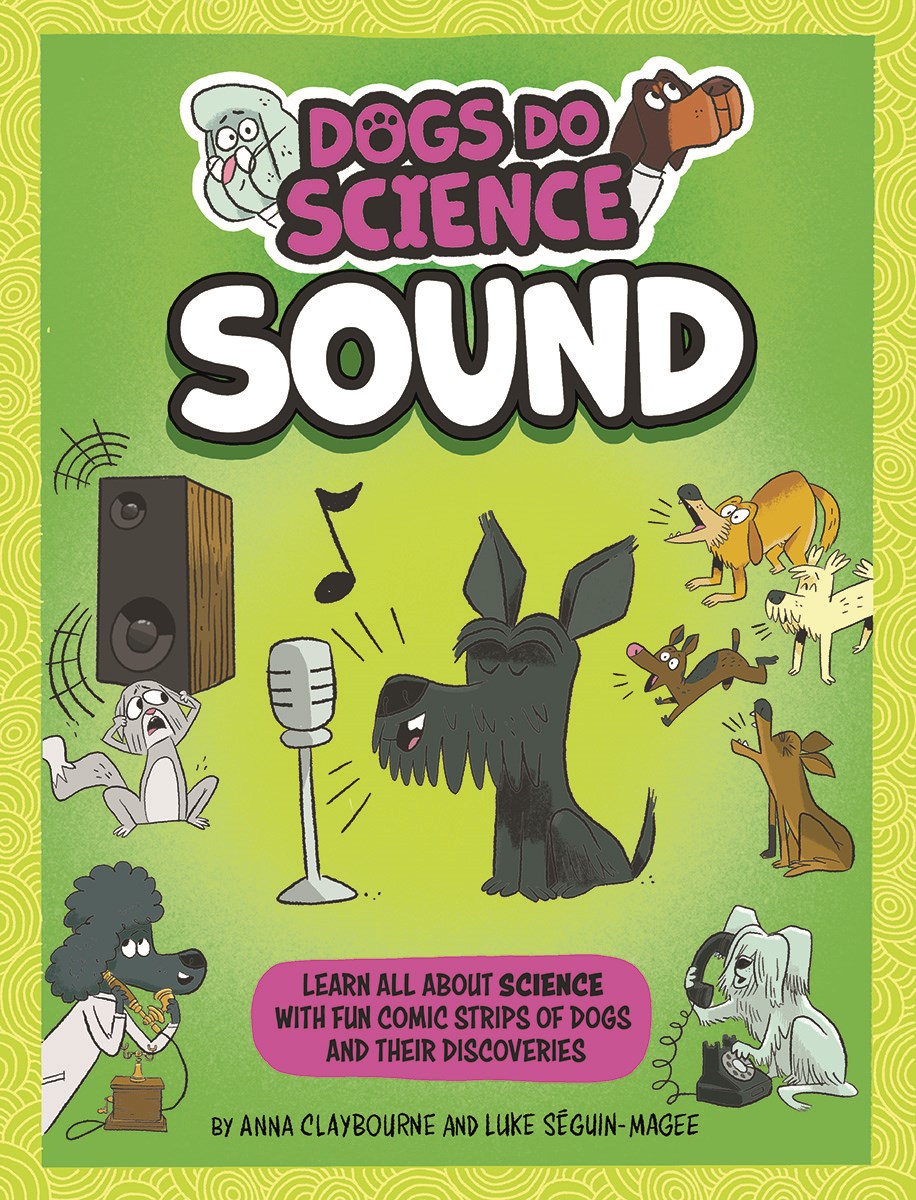
Dogs Do Science: Sound, by Anna Claybourne/Luke Séguin-Magee, (March 2024, Kane Miller), $12.99, ISBN: 9781684647804

Ages 7-10

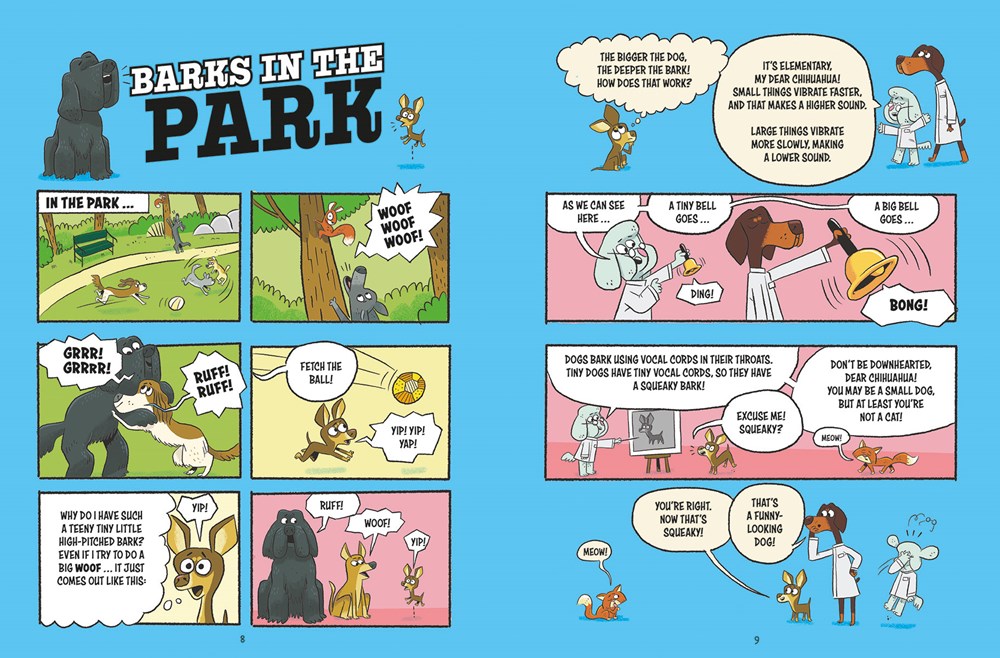
Meet Professor Pooch: a learned and fluffy Bichon Frisé, they’re also the main character fo the Dogs Do Science graphic novel series. In Dogs Do Science: Sound, Professor Pooch is here to explain how sound works, using dogs and their superior hearing as examples for readers. Explained through a series of graphic novel sections featuring different breeds of dogs, readers will love the fun comics and easily understandable explanations of sound: why do dogs go berserk when the postman arrives? Why do our dogs come running when we think we’re shaking that food quietly? Why do chihuahuas have that sharp little bark? It all comes down to science! (By the way: tiny dogs have tiny vocal cords, hence the squeaky barks.) A “Sound Roundup” and pop quiz in the back matter help summarize and test readers’ knowledge. Cartoon illustrations keep things moving.
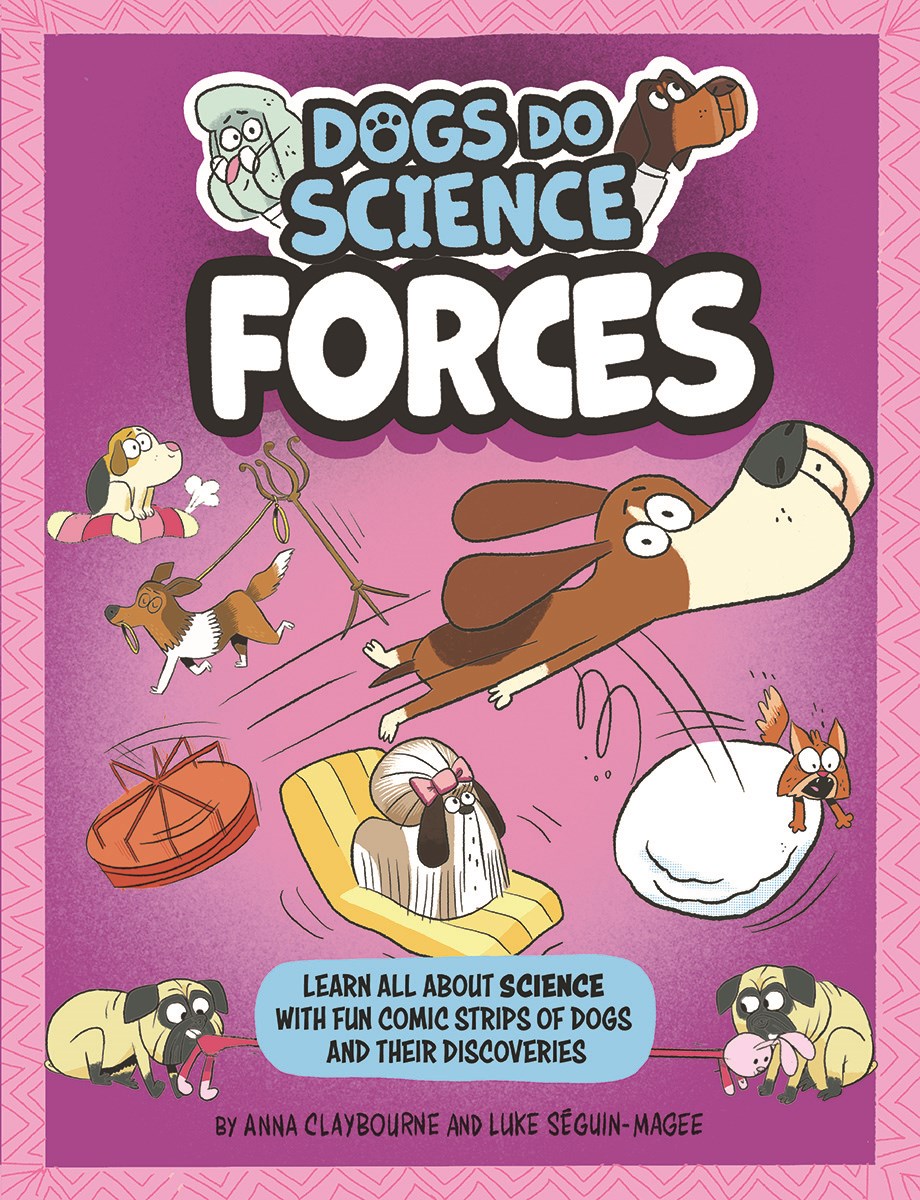
 

Dogs Do Science: Forces, by Anna Claybourne/Luke Séguin-Magee, (March 2024, Kane Miller), $12.99, ISBN: 9781684647798

Ages 7-10

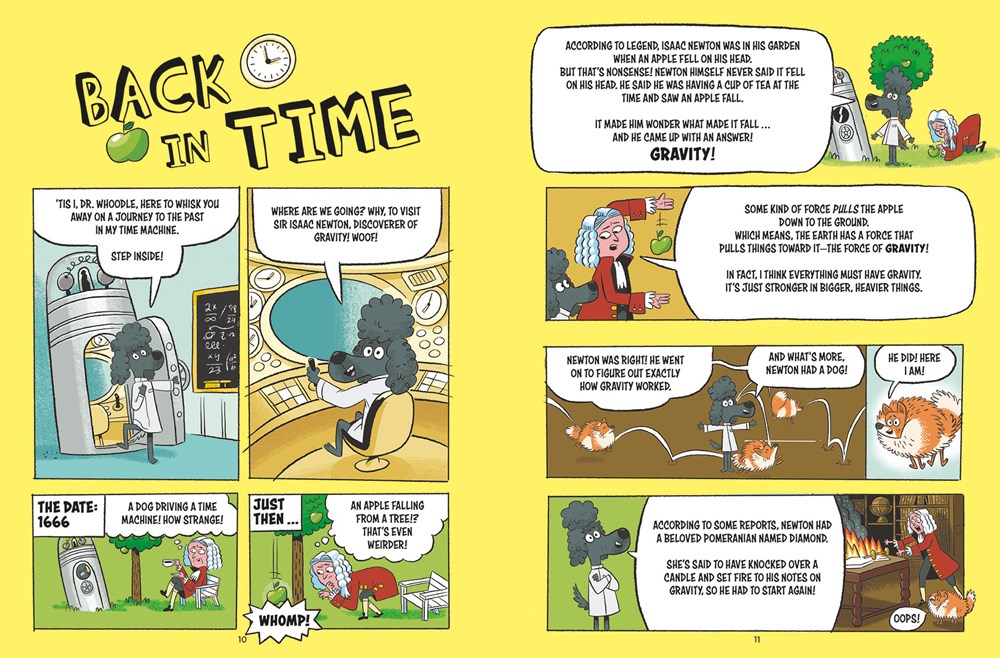
This volume is all about force: “pushes, pulls, and other forces make things move – or stop, or change direction, or fall over”, as Professor Pooch puts it. A trip back in time with Dr. Whoodle the Poodle introduces readers to Sir Isaac Newton and a discussion on gravity; other comic strips teach readers about centrifugal force, air pressure, and intertia. A section called Spot the Spaniel’s “Spot the Difference” offers a fun activity where readers can search before and after pictures for signs of gravity. A “Force Roundup” and pop quiz summarize and reinforce readers’ knowledge.
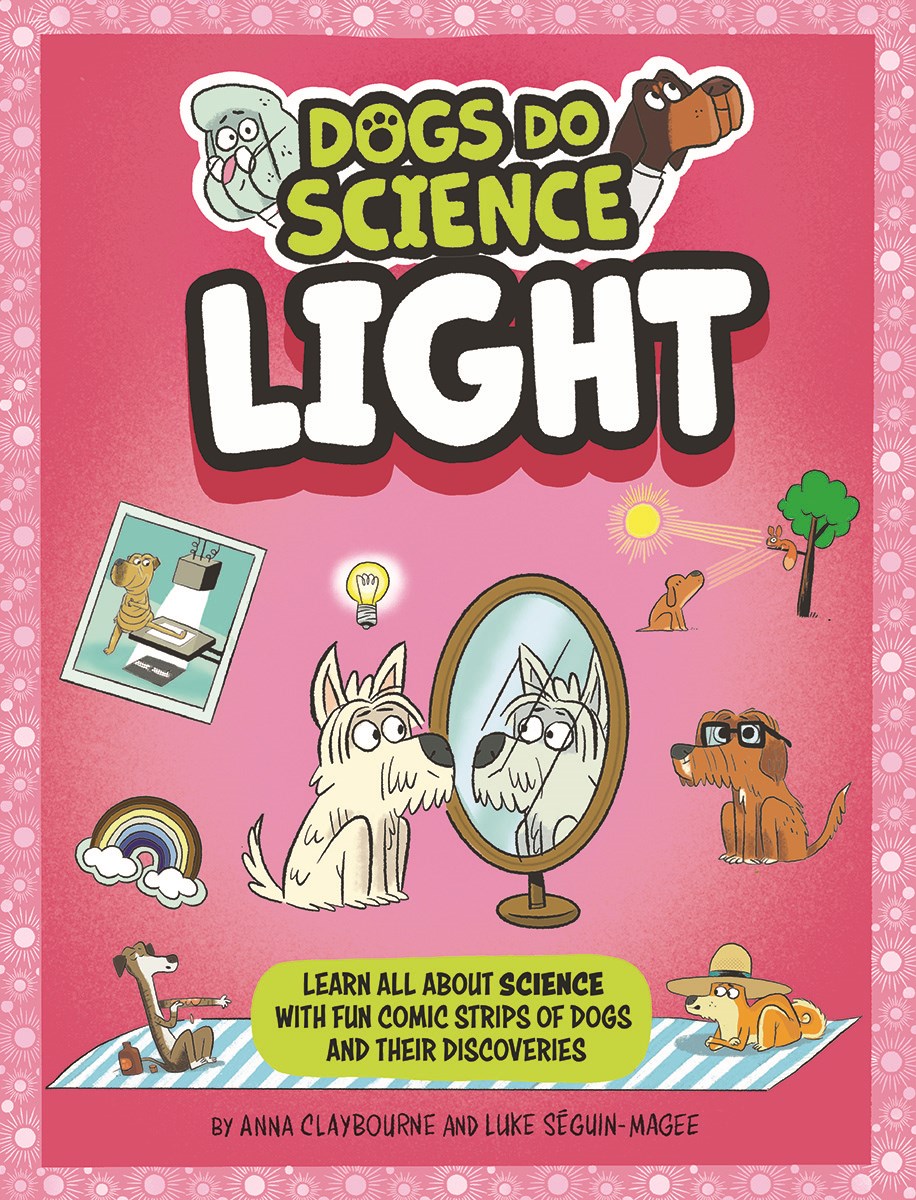


Dogs Do Science: Light, by Anna Claybourne/Luke Séguin-Magee, (March 2024, Kane Miller), $12.99, ISBN: 9781684647811

Finally, we have Light, which starts off with the bright shiny thing that comes through the windows and wakes our dogs up every morning… and sometimes, shiny things blink outside the window. Professor Pooch and their amusingly dull  Doberman assistant are here to help, shedding light on the mysteries behind shadows, reflections, and how dogs see colors differently from humans. A recurring “Dogs in Space” comic takes how light travels in space. Spot the Spaniel has a fun shadow matching activity, and Professor Pooch’s Light Roundup and Poodle’s Pop Quiz complete the volume.

All in all, the Dogs Do Science series is fun, and works well with graphic novel collections where nonfiction is helpful and popular, aka History Comics and Science Comics.

Posted in Intermediate, Middle Grade, Non-Fiction, Non-fiction, Non-Fiction, Tween Reads

Out-There Nonfiction

There is such great nonfiction being published these days. Nonfiction used to conjure pictures of boring textbooks with walls of words, with a handful of old black and white photos. Today? Nonfiction includes video game guides, crazy stories about our bodies, animals, planets, and the freaky ways famous people died. And that’s just scratching the surface. Kids’ nonfiction sports full-color illustration or photographs, text that understands how kids read and learn, and takes all interests into consideration. Series nonfiction, like the Who Was/What Was series from Penguin makes history compulsive readable, and No Starch Press has full-color STEM and tech books that teach kids everything from coding in Scratch to explaining the sciences using manga comics. I love building a good nonfiction section; these are a few of the books on my current shopping list.

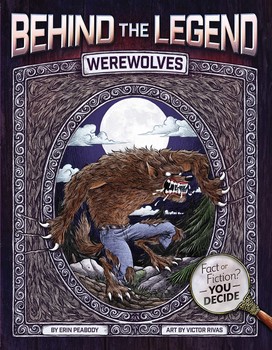
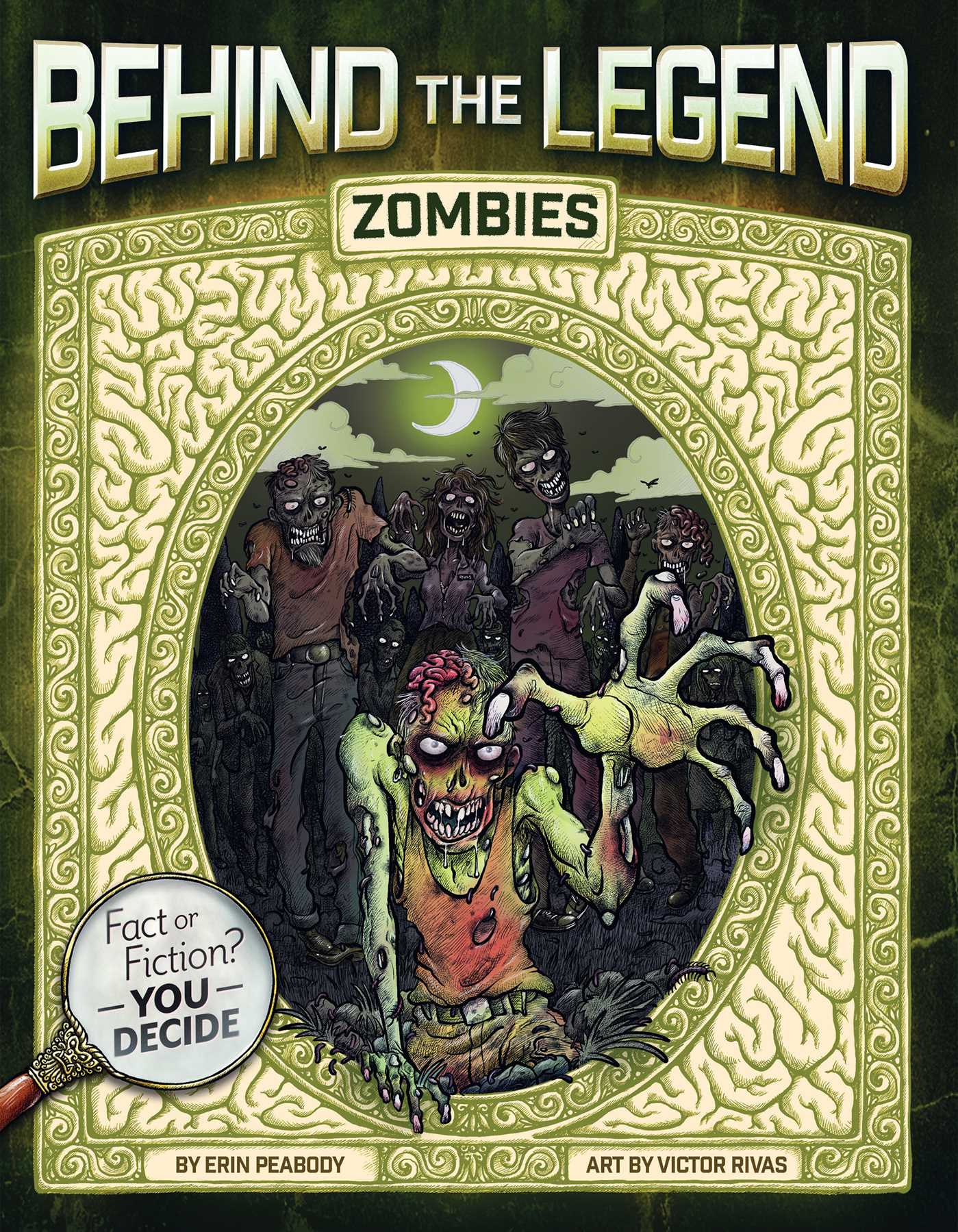
Behind the Legend series, by Erin Peabody/Illustrated by Victor Rivas and Jomike Tejido, little bee books
Good for readers 9-12


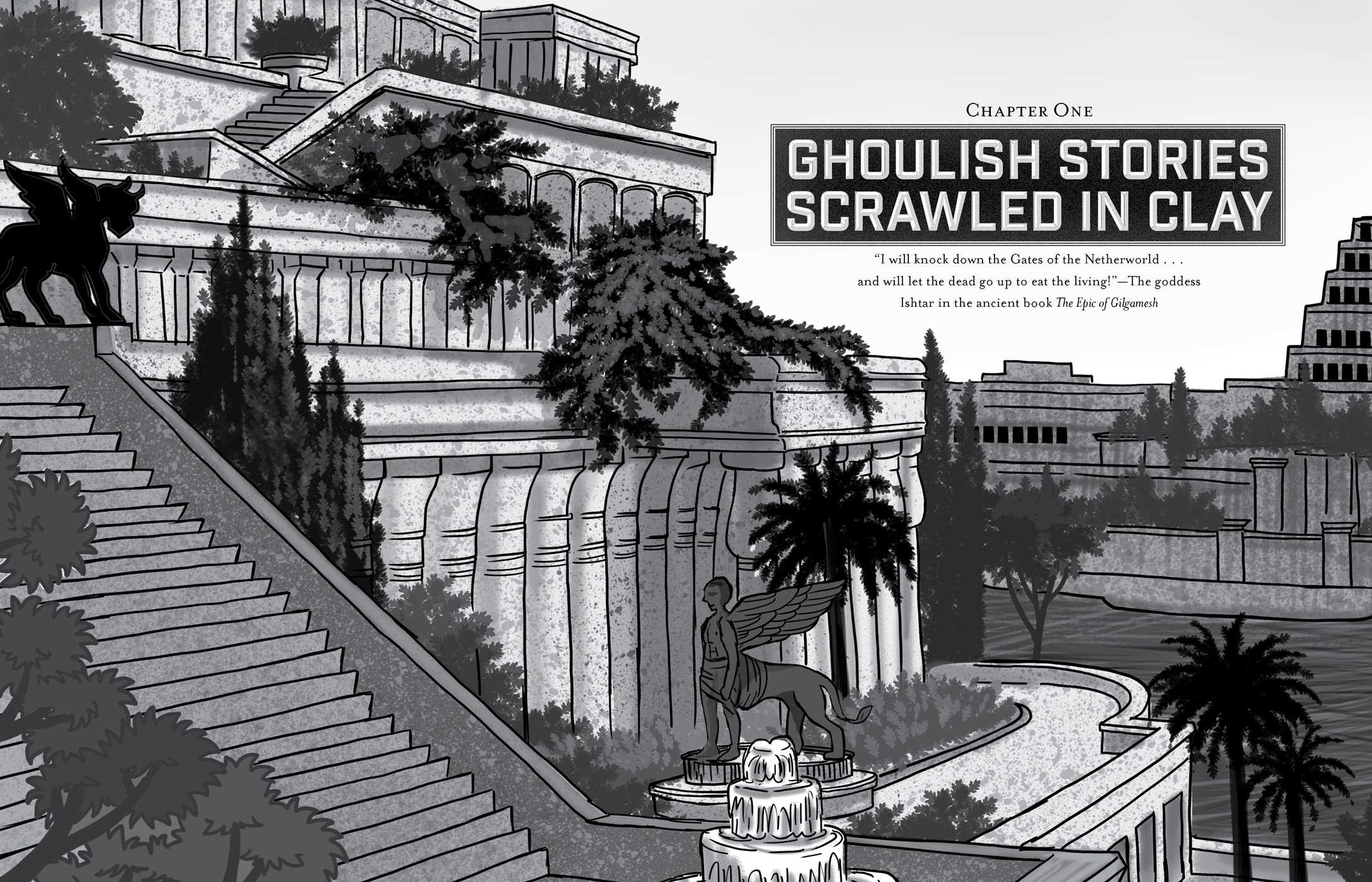
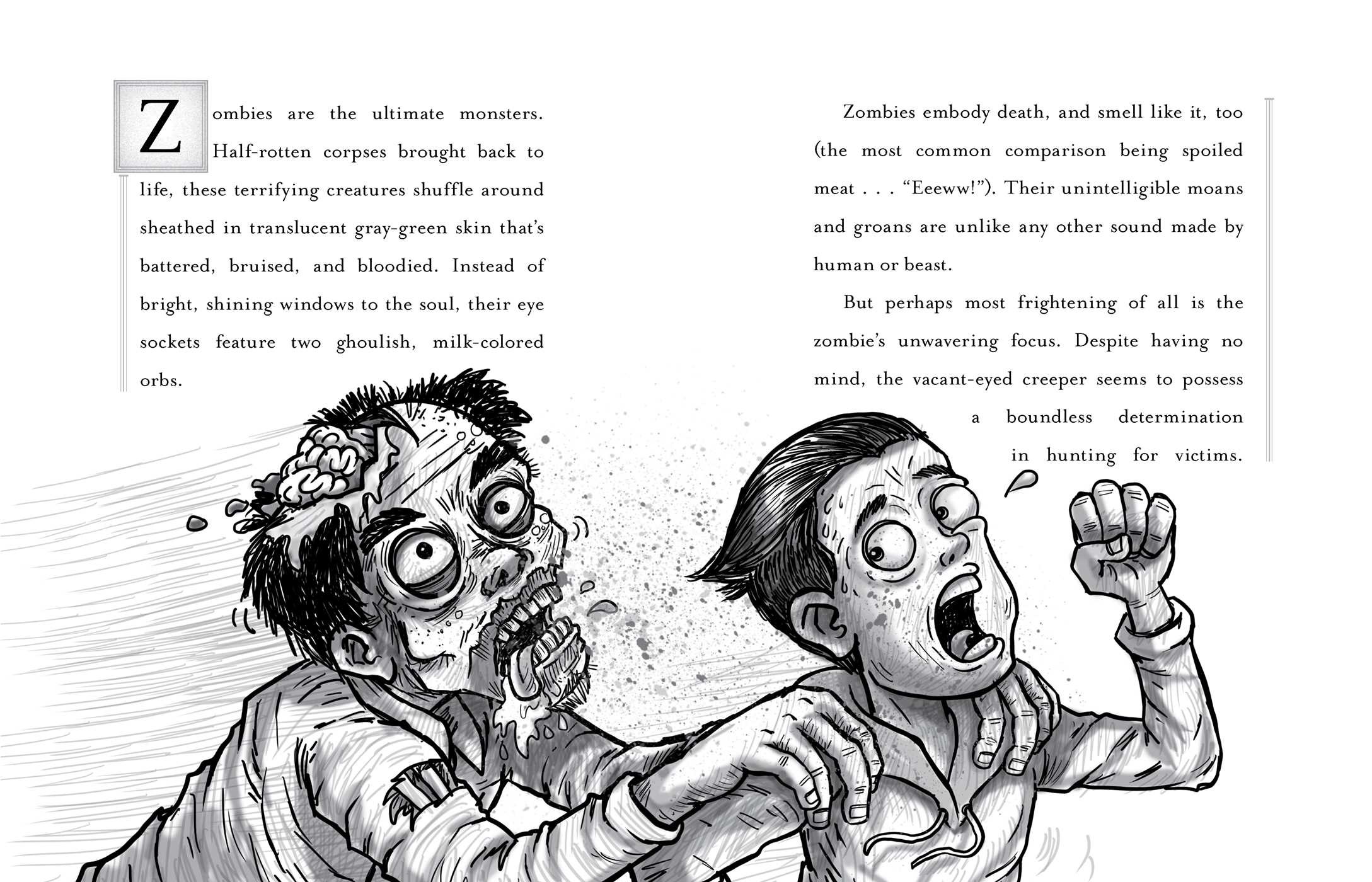
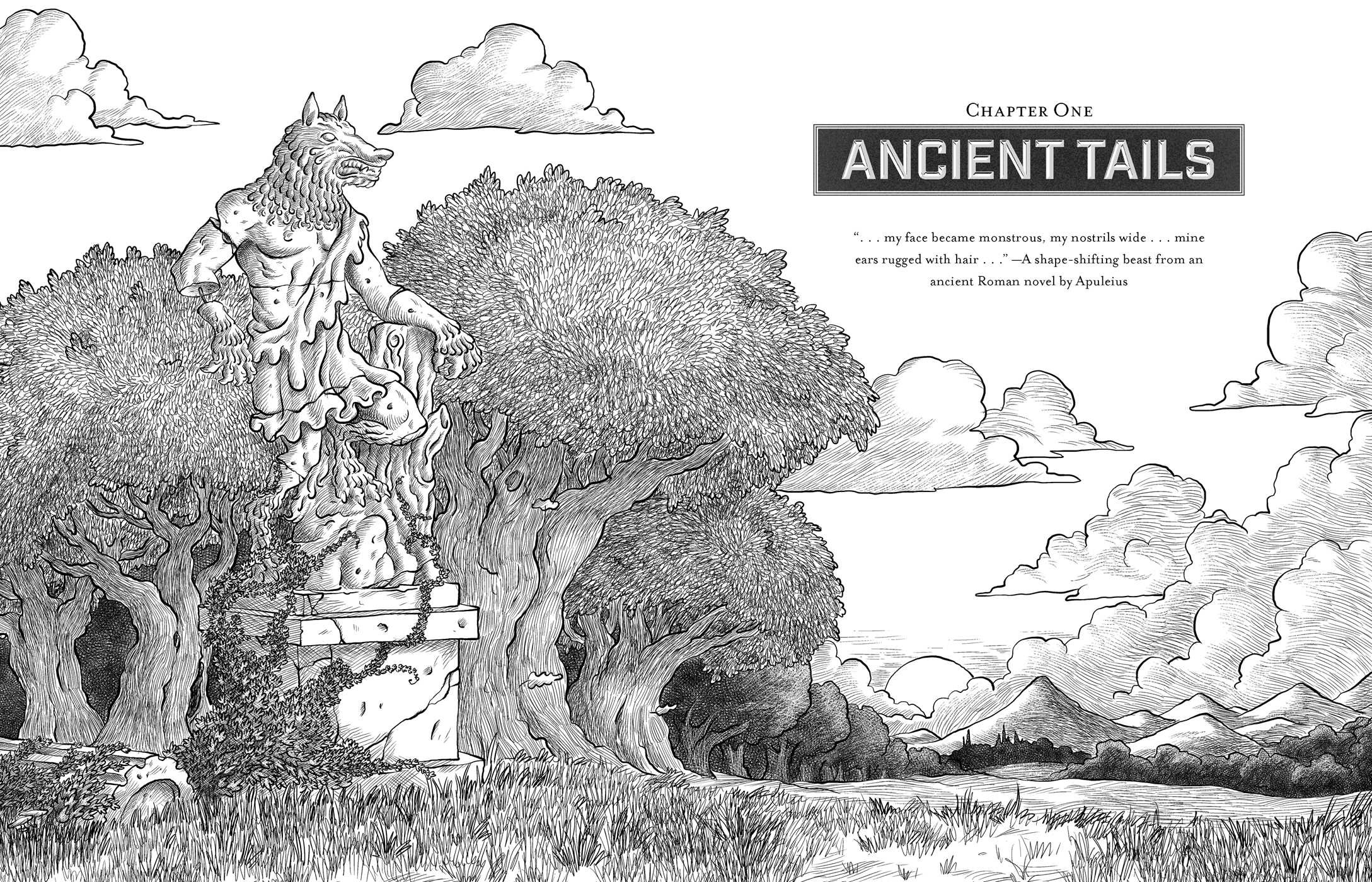
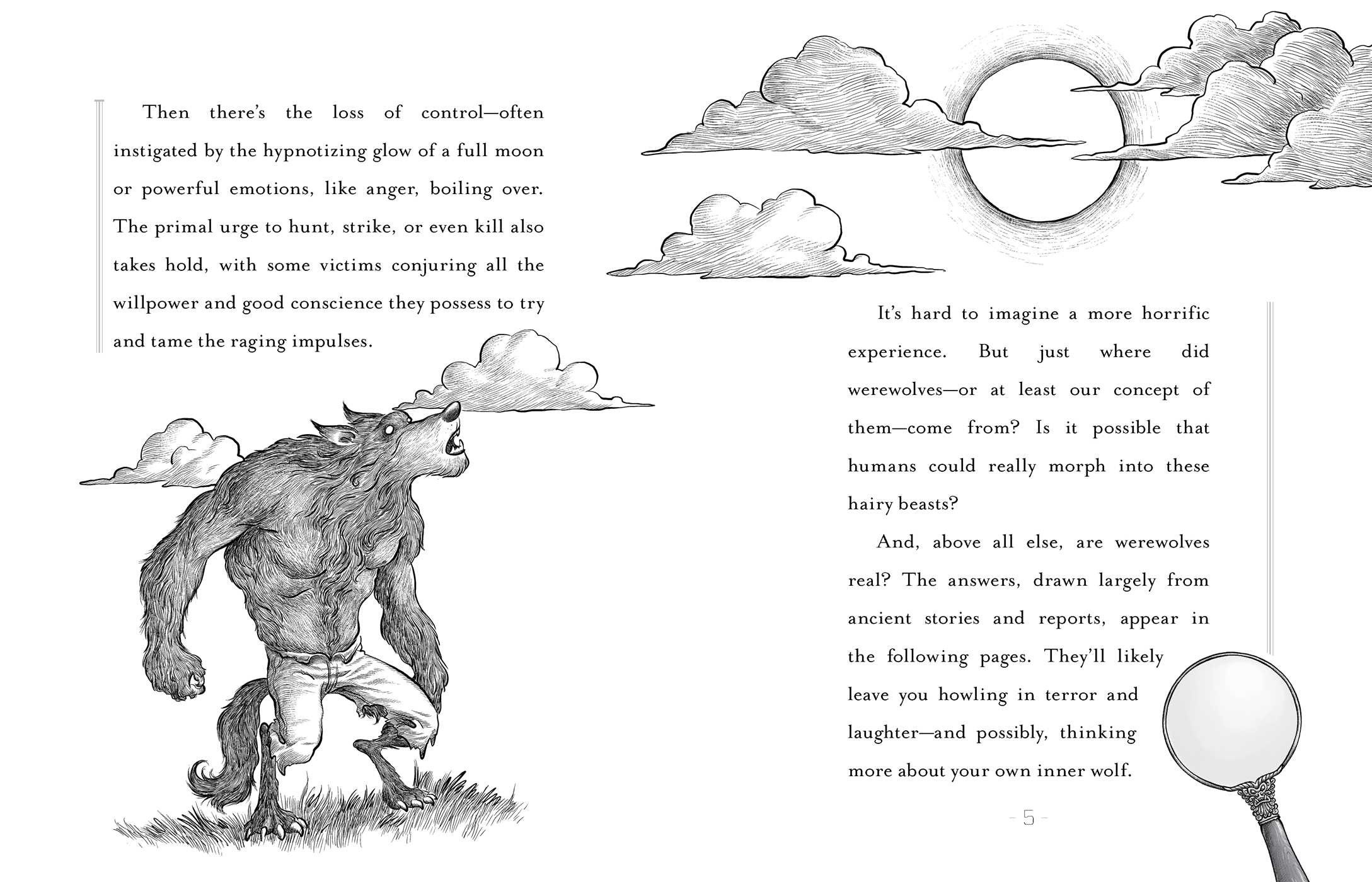
This series is so good. I’ve read Werewolves and Zombies, and love the way Erin Peabody weaves history with pop culture to present a paranormal guide that kids will love reading and learn from. There are black and white illustrations throughout; cartoony, bordering on downright freaky. Zombies delves deeply into the history of slavery and its ties to the rise of the zombie legend and the practice of voudou; Peabody also talks about the walking dead being very old news; they were showing up in Mesopotamia long before Robert Kirkman ever thought up Rick Grimes and his band of survivors. Werewolves talks about the history of animal lore and famous “were-beasts” in history, like the Gandillon siblings – a French brother and sister who were convinced they were wolves and acted accordingly. Harry Potter, Scooby-Doo, and Twilight all get a shout-out in this fun look at werewolves. There are further sources for kids who want to read further. Other Behind the Legend books include Dragons, the Loch Ness Monster, and Bigfoot. This is an absolute must-add set for kids who love themselves some pop culture paranormal reading (and half the price of most series nonfiction, library-bound books).


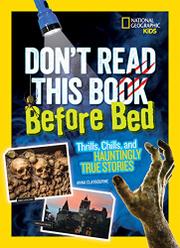
Don’t Read This Book Before Bed, by Anna Claybourne, (Aug. 2017, National Geographic Kids),
$14.99, ISBN: 978-1-4263-2841-1
Good for readers 9-12

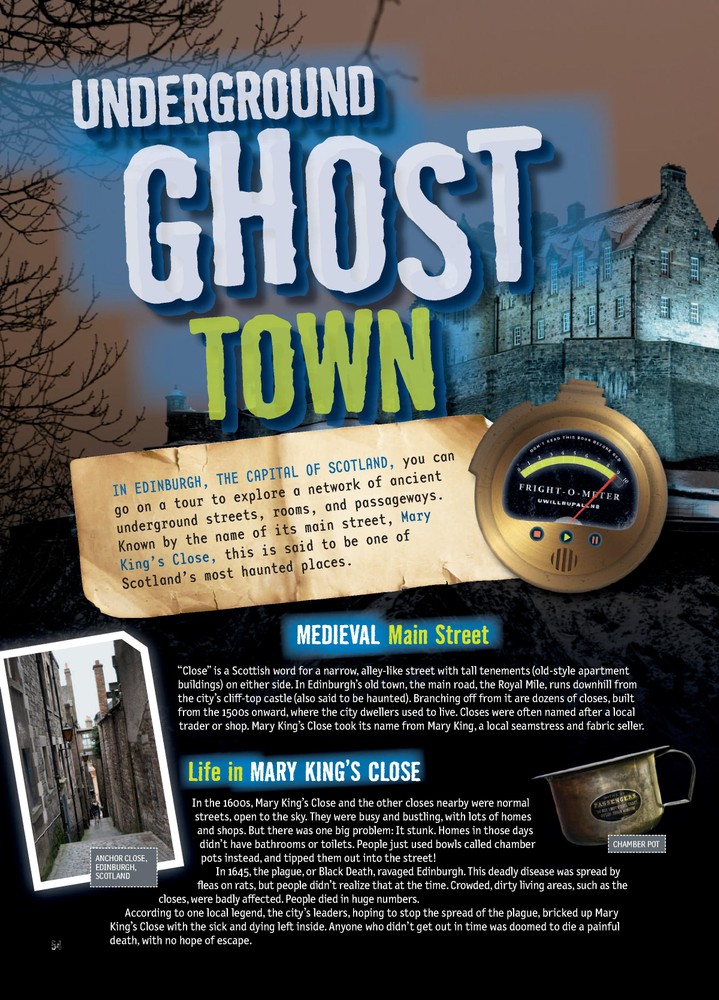
The kids in my library love creepy. Most kids do, right? It’s that safe scare, the adrenaline rush, the squeal of the “eeeeeewwwwwww!” that you can make while safely in your seat, surrounded by family, friends, or your stuffed animals or action figures. It’s being able to turn to your friend and say, “Look at this!” and watching your friend freak out, too. NatGeo knows this, and Don’t Read This Book Before Bed (which is exactly what kids will do) is chock full of freaky stories that will keep them reading and saying, “NO WAY!” Think of it as the Lore podcast, for kids. Haunted castles? Check. Freaky dolls? (Robert the Doll, profiled in here, actually has both a podcast and episode of Lore dedicated to him.) Check. Aliens and fish people? Right this way. Each story has a “fright-o-meter” to let readers know how scary this is going to get, and quizzes help readers figure out their phobias (I love a good flow chart), test whether or he or should would be a good ghostbuster, or take apart the mysteries of science. My library’s copy is rarely on the shelf.


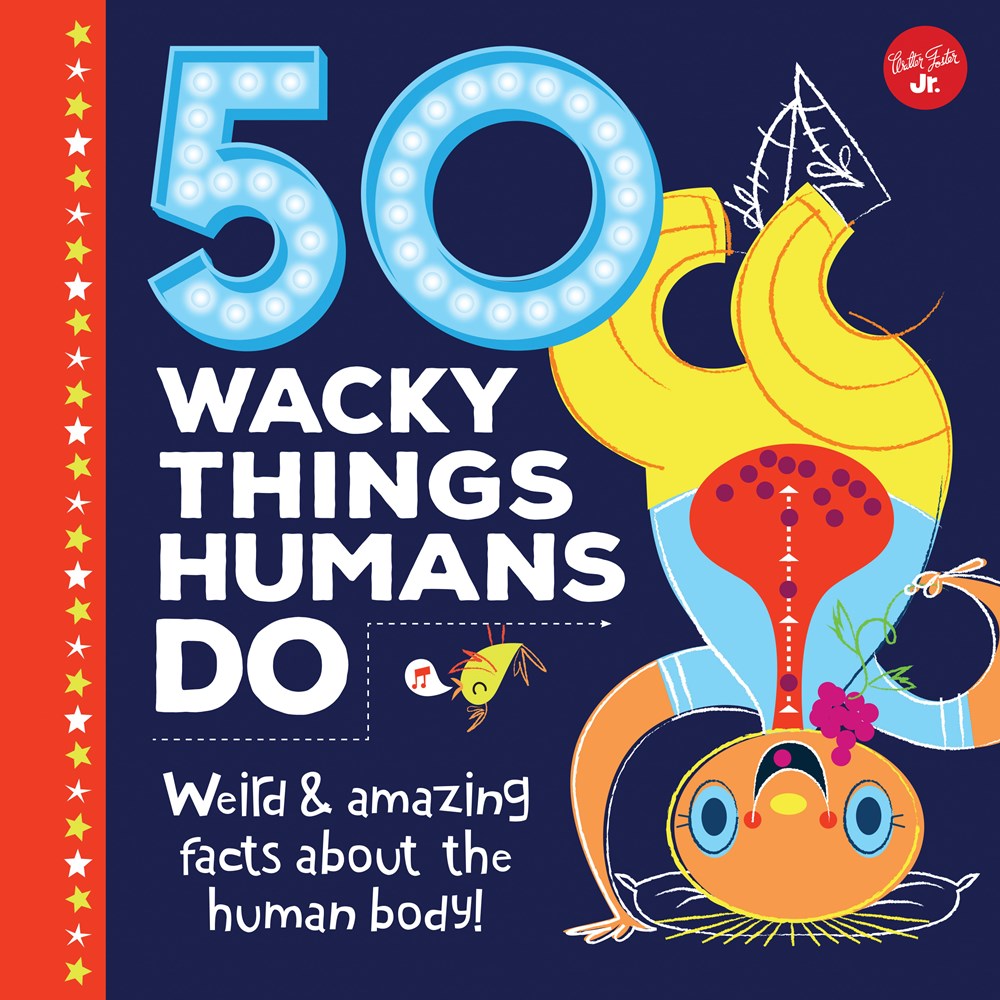
50 Wacky Things Humans Do: Weird & Amazing Facts About the Human Body, by the Walter Foster Jr. Creative Team/Illustrated by Lisa Perrett,
(Dec. 2017, Walter Foster Jr.), $14.95, ISBN: 9781633223967
Good for readers 7-10

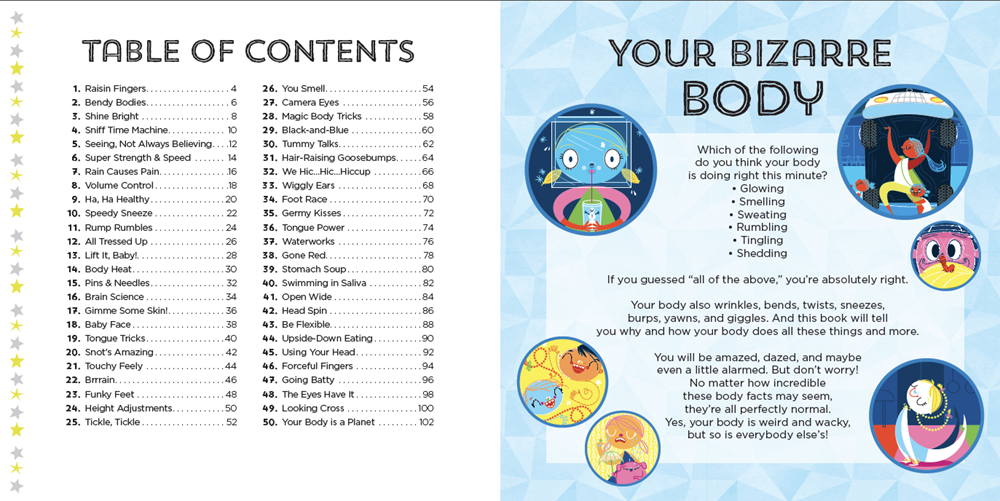
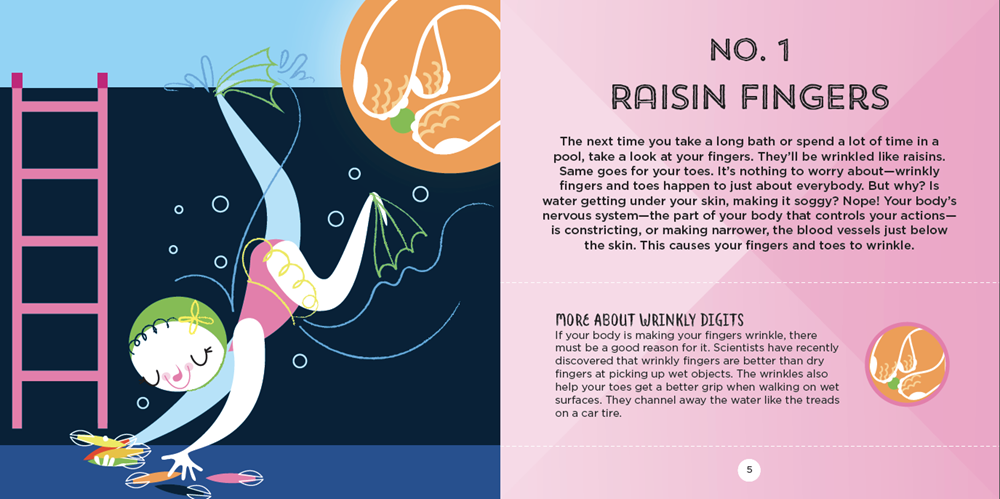
Our bodies do some wild stuff. A sneeze moves at about 100 miles per hour. (Think about that, next time someone doesn’t cover their nose and mouth when they sneeze near you.) If someone tickles you and you put your hand on theirs, it’ll send a message to the brain that stops the tickling sensation. Wrinkly bathtub fingers help us grip things better. Readers will learn all of this and more in 50 Wacky Things Humans Do, written in a similar vein to the chunky, digest-sized NatGeo Kids fun fact books. Wacky Things features one fact per spread and one colorful, fun illustrations; good for intermediate-level readers.


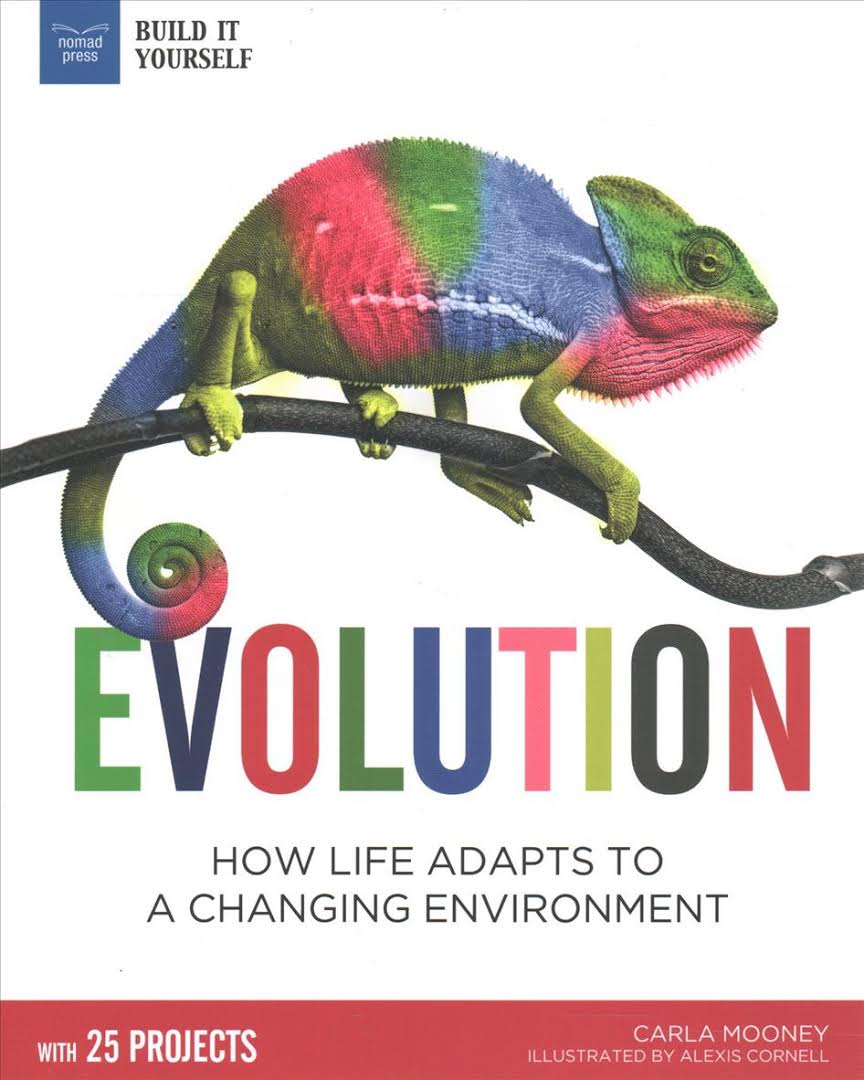
Evolution: How Life Adapts to a Changing Environment, by Carla Mooney/Illustrated by Alexis Cornell,
(Nov. 2017, Nomad Press), $17.95, ISBN: 978-1-61930-601-1
Good for readers 9-12

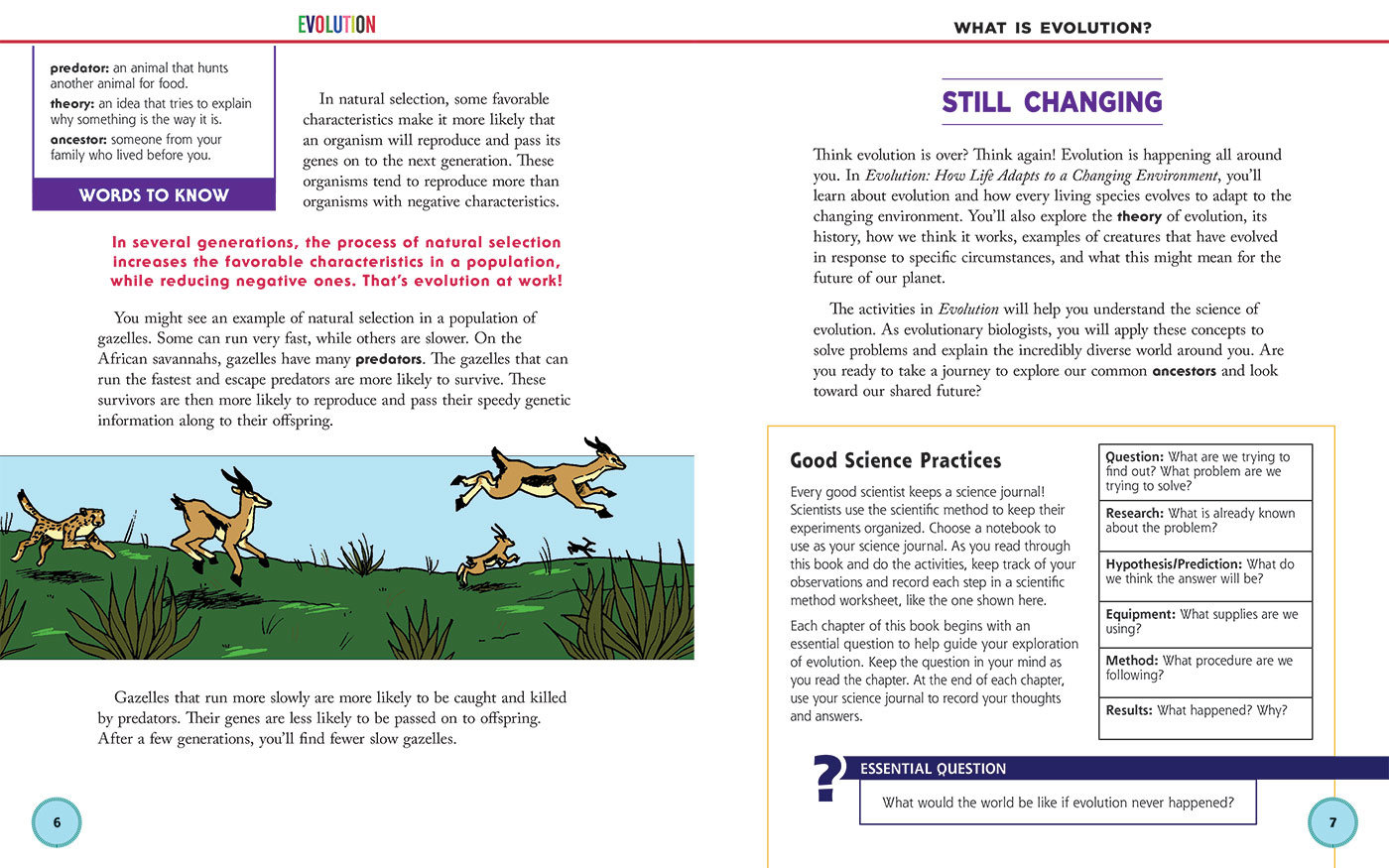
Nomad Press has enjoyed shelf space in my library for a while. They have great science project books and consistently win awards because they blend hands-on projects with text readability. Evolution is a great update to Nomad’s collection and my science projects shelf. First of all, the book is in color; my Nomad books have normally been black and white, and this is as eye-catching on the inside as it is on the cover. The book progresses from a basic overview of evolution and how it works, through natural selection, species and speciation, through to classification and human evolution. Twenty-five projects allow kids to map early human migration; find sidewalk fossils (awesome for my urban library kiddos), and research an endangered species and create a plan to save it. There’s a glossary, lists of resources, and an index. I love this new direction Nomad seems to be taking and want to see more! Great for library shelves.


Posted in Intermediate, Non-Fiction, Non-Fiction

Scanorama Books lets kids take a deeper look at animals… and dinosaurs

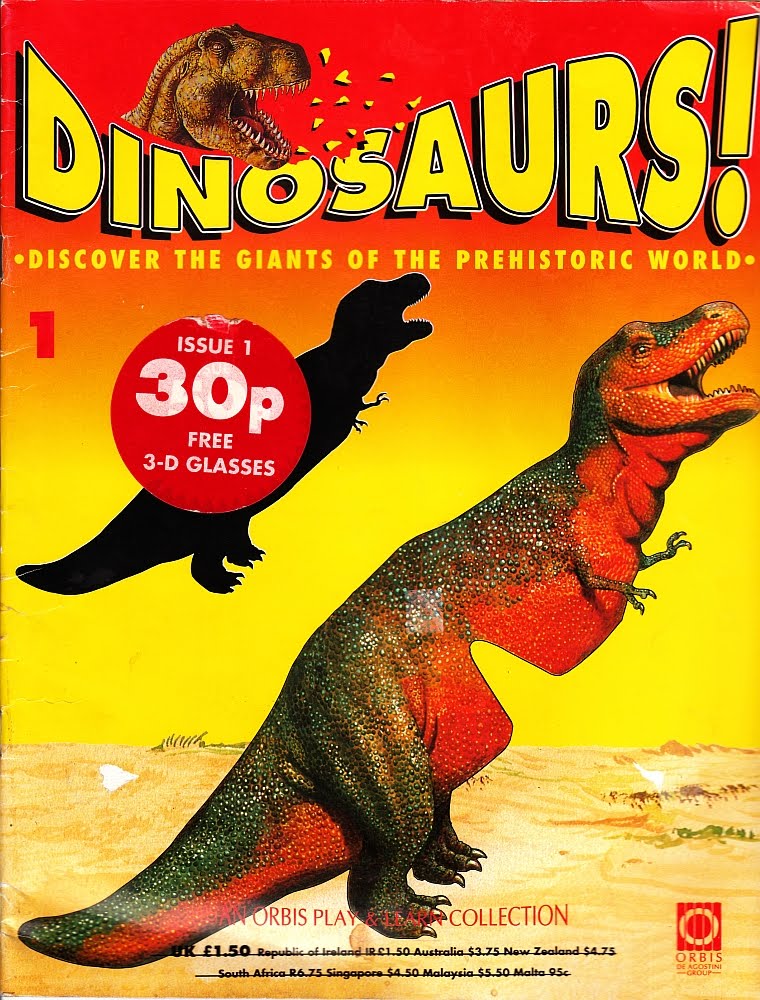
When I was in my early 20s, and the first Jurassic Park movie hit theatres, one of the coolest books I ever saw was a 3-D X-ray book about dinosaurs. The red and blue glasses came tucked into a pocket on the cover, and you could look at dinos in 3-D AND put together a little dino model that came with the book. I was in my 20s, and needed this like I needed the wooden fossil statues I put together when I was a kid.

Thanks, Google Images! UK version of the dino mag I had.

Technology has improved quite a bit since those *cough cough* decades ago, and now, my to-be Kindergartener loves Silver Dolphin’s Scanorama series, which lets kids slide an “x-ray” panel across different animals, dinosaurs, and arachnids to view their skeletons, learn facts, and explore nature through infographics, color photographs, lift-the-flaps, and lists.

Scanorama: Dinosaurs, by Anna Claybourne/Illustrated by David Boumie, (Dec. 2016, Silver Dolphin), $18.99, ISBN: 978-1-62686-630-0
Recommended for readers 5-10

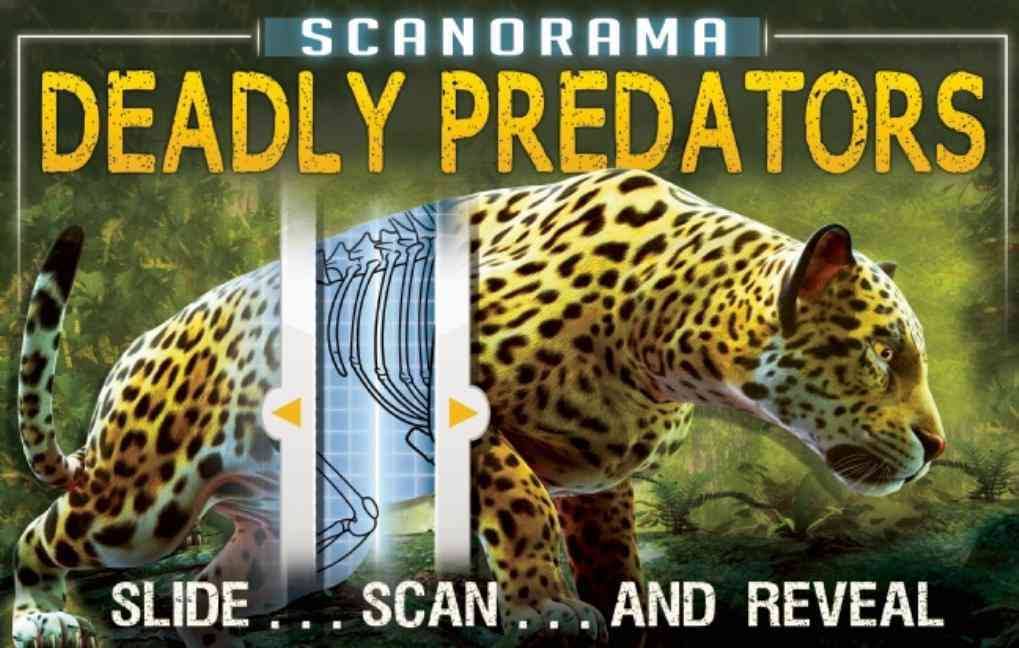
Scanorama: Deadly Predators, by Anna Claybourne/Illustrated by David Boumie, (Sept. 2016, Silver Dolphin), $18.99, ISBN: 978-1-62686-632-4
Recommended for readers 5-10

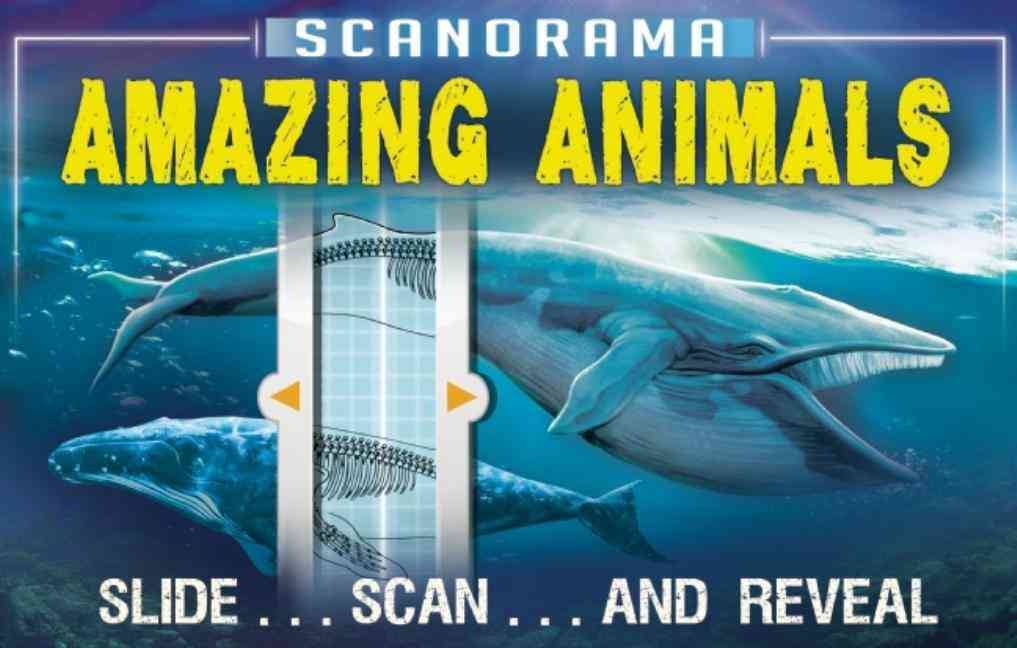
Scanorama: Amazing Animals, by Anna Claybourne/Illustrated by David Boumie, (Sept. 2016), $18.99, ISBN: 978-1-62686-631-7
Recommended for readers 5-10

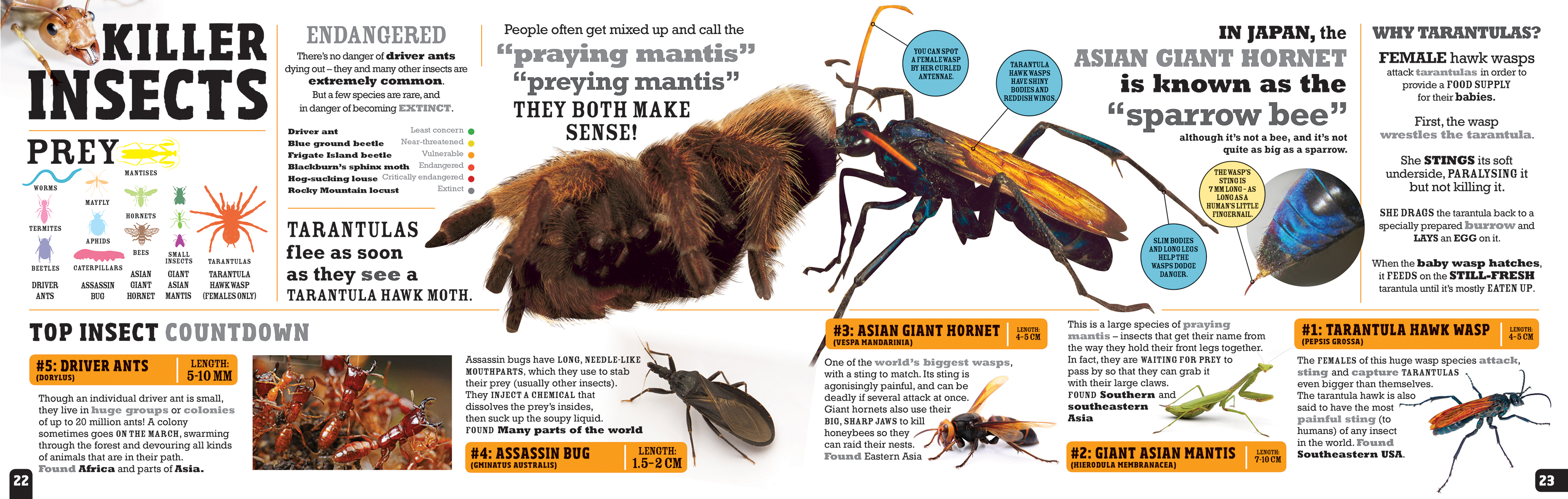
Each book is a mix of color photos and illustrations and are loaded with facts. The books suggest a readership of ages 7+, but my 5 year-old loved exploring the books’ flaps, x-ray panels and pictures as I read to him. The books are constructed well, but will take a beating in a public library – this may be better for reference collections, classroom collections, or personal bookshelves.

The Scanorama series just consists of these three books so far, but I hope we’ll see more – they’re fun for young learners to explore.