Posted in Intermediate, Middle Grade, Non-fiction, Non-Fiction, Preschool Reads, Toddler Reads

Animals, Animals, Animals! Books for everyone!

I’ve got a bunch of great animal books, courtesy of NatGeo Kids, to talk up today, so sit back and start your program and collection planning!
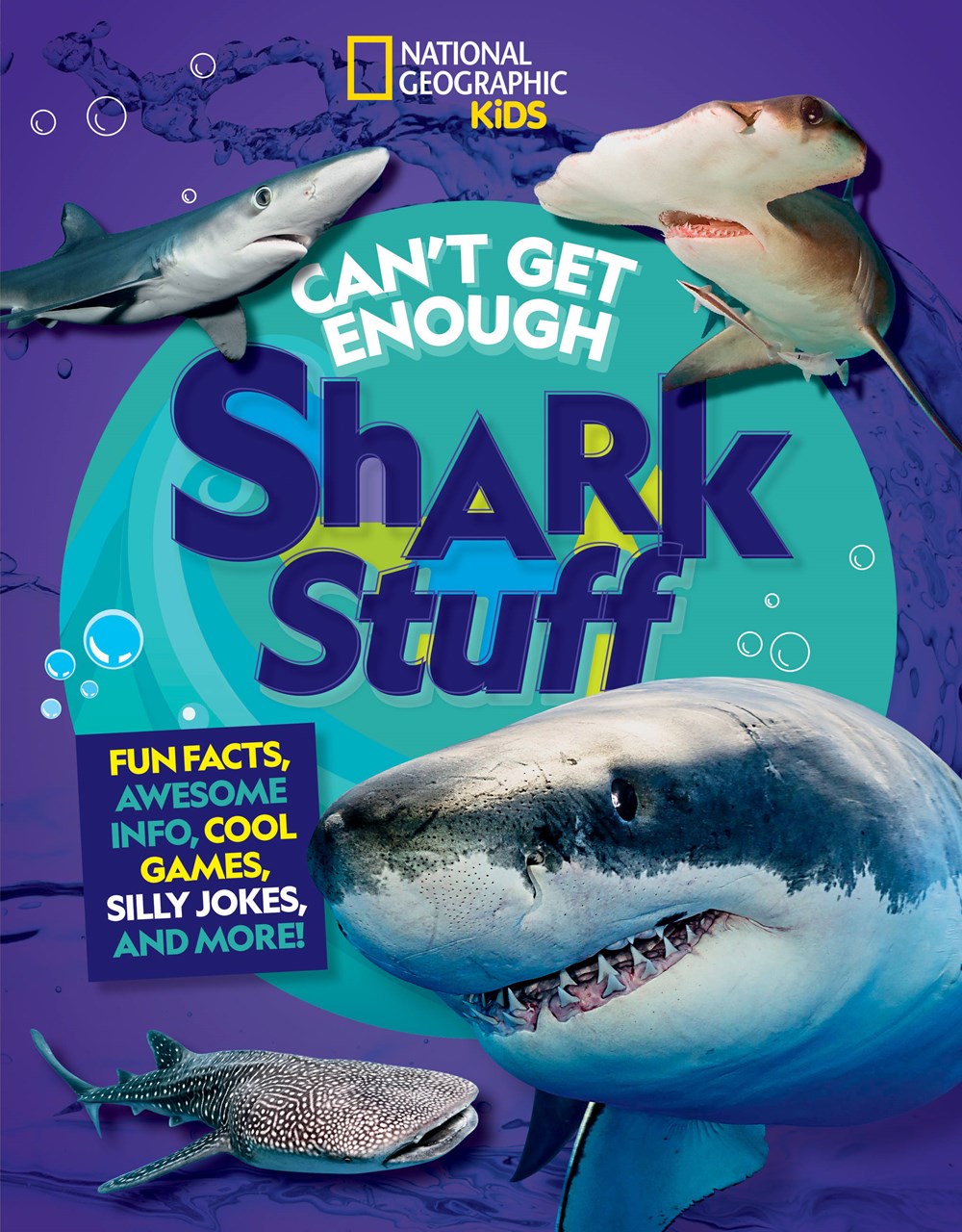
Can’t Get Enough Shark Stuff: Fun Facts, Awesome Info, Cool Games, Silly Jokes, and More!, by National Geographic Kids, (May 2022, National Geographic Kids), $14.99, ISBN: 9781426372582

Ages 7-10
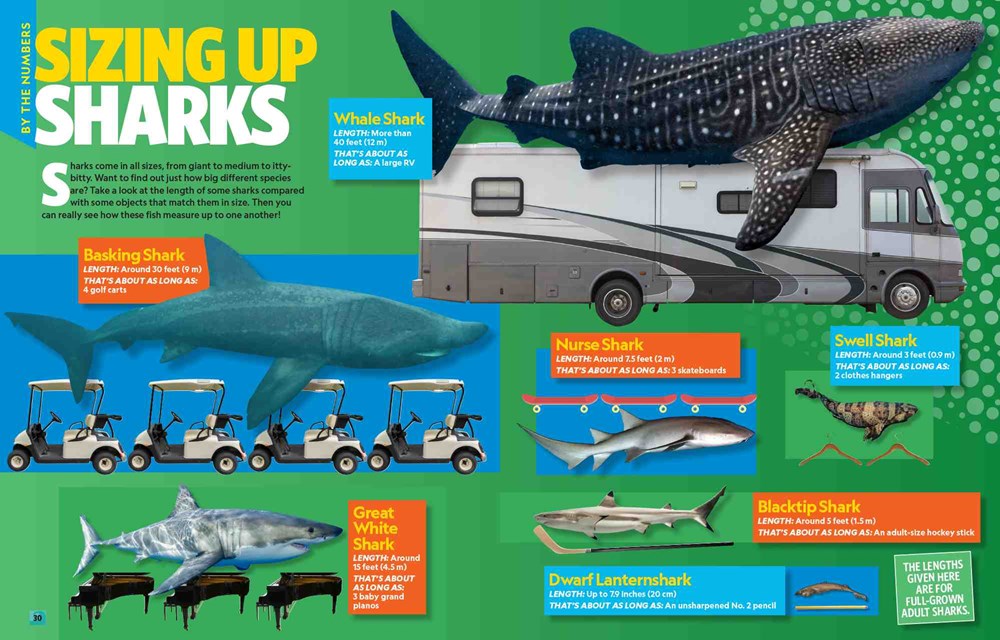
The latest NatGeo Kids offering fits perfectly with the CSLP “Oceans of Possibilities” Summer Reading theme, and it’s a good add to your collections and programming. Filled with fun spreads and facts, quizzes, and experiments, this is part workbook (remind kids that we don’t write in library books!), part STEM/Discovery Club handbook, and part primer on sharks for shark fans. A glossary “Catch and Match” game challenges readers to match terms with their definitions and a “Find Out More” section offers resources for further reading and a list of scientists and researchers who contributed to this volume. Over 250 color photographs show a variety of sharks, many labeled with names. A great resource to create shark-related scavenger hunts, trivia programs, and science projects for the summer and beyond.
Don’t forget that Shark Week starts on July 24th! STEAMsational has some great Shark Week activities that I want to try out with my Queens Kids (my affectionate term for my library kiddos); TeachersPayTeachers has some great freebies, too, including these coloring sheets courtesy of The WOLFe Pack; these Facts vs. Opinion cards from A Classroom for All Seasons would make for fun trivia or debate programs, and Simply Learning Life’s Feed the Shark Counting Game is a quick and fun printable for busy bags.

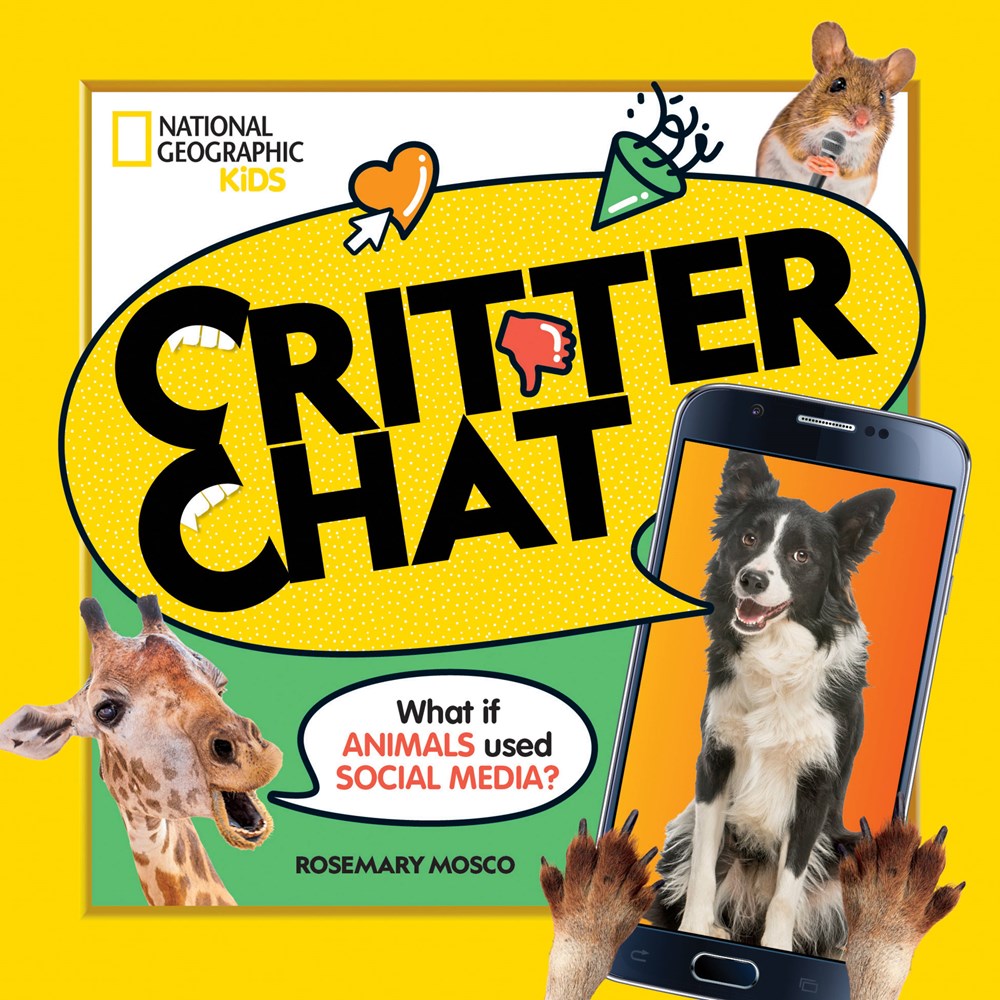
Critter Chat, by National Geographic Kids, (May 2022, National Geographic Kids), $9.99, ISBN: 9781426371707

Ages 8-12

If animals used social media, it would probably look like this amusing digest from NatGeo Kids. Using imagined screenshots, webpages, and social media accounts like “Llamazon”, “Dolphinstagram”, and “Yowl”, Desert_long-eared_bat reviews the Algerian Desert (5 stars – “…everything I could ever want in a dining establishment! It’s hot, it’s dry, it’s sandy, and it’s packed with scorpions”) and Upside_down_jellyfish posts selfies from the Caribbean Sea. Animals chat to one another via “Critter Chat”, and Animal Influencers spotlight famous animals like Fiona the Hippo, Punxsutawney Phil, and Brigadier Sir Nils Olav, the only penguin who’s also a knight. Hashtags and selfies communicate fun facts about animals, habitats, and more. It’s a fun way to learn little tidbits about animals, and perfect for middle graders to relax with and enjoy. Great for trivia and a side project – ask readers what they think animals would post to social media!

TeachersPayTeachers has fun social media templates that your kids can customize to make their own Critter Chats: here’s one from ZippaDeeZazz, and The Cute Teacher has phone screen layouts.

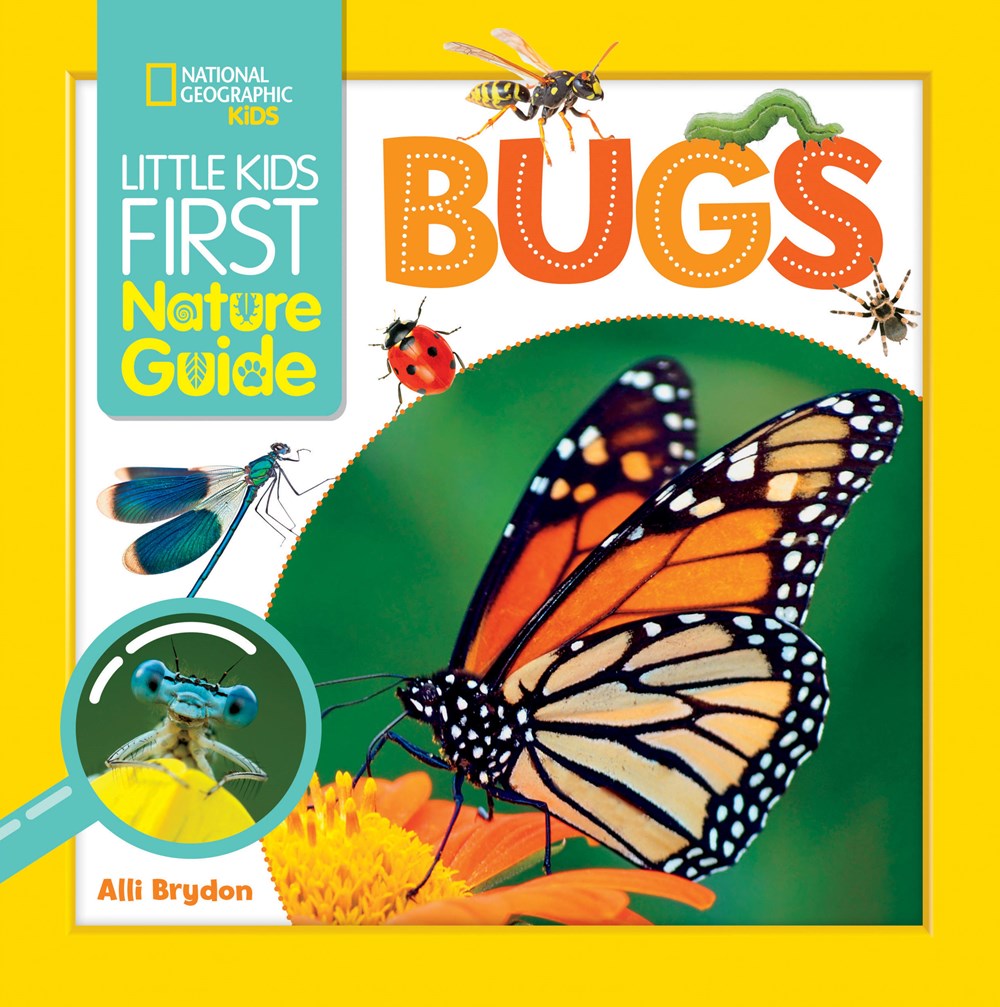


Little Kids First Nature Guide: Bugs, by National Geographic Kids, (May 2022, National Geographic Kids), $9.99, ISBN: 9781426371493

Ages 4-8

Great for younger nature fans, the Little Kids First Nature Guide: Bugs introduces little learners to all sorts of bugs. Full-color photos are labeled and accompanied by easy-to-read and understand facts, scientific terms, and diagrams. Spreads on insect life cycles of demonstrate a photo-by-photo, step-by-step explanation, using photos of different bugs. Profiles on ants, bees, beetles, and other bugs give readers a close-up look at different insects, with facts and related (but not the same!) bugs. Fun activities like Hide-and-Seek and Move Like a Bug! encourage readers with extension activities, and a glossary of terms keeps all that new vocabulary on hand. The flexible binding is made of sturdy cardboard and will hold up to many, many nature walks. Fully indexed for easy reference. A fun, informative guide for preschoolers and early school-age kids.

Education.com has fantastic butterfly activities you can download and print for free; ditto for sheets on bugs in general. There are some adorable activities on Pocket of Preschool that you can do on a budget.


Little Kids First Big Book of Baby Animals, by National Geographic Kids, (March 2022, National Geographic Kids), $14.99, ISBN: 9781426371462

Ages 4-8

The Little Kids NatGeo Kids books are adorable, aren’t they? I’ve got a bunch here at my library, and my now 10-year-old loved them when he was in Pre-K and Kindergarten. (As he’s 10, he is no longer a “little kid”, as he tells me. Often.) The Little Kids First Big Book of Baby Animals contains over 120 pages of squeal-worthy color photos of baby animals with their families. You pull this out and show it to your kids – library or otherwise – and you will have a roomful of little ones in the palm of your hand. And when you tell them things like a panda cub’s cry sounds like a human baby’s cry? Or that a hippo can’t swim yet, so it gallops underwater? They will tell you ALL about their favorite animals, and the cute things that the animals in their lives do, so get ready to have the best, cutest conversations about baby animals. Fun facts and thought-provoking questions run throughout the book, and text is larger in size, making it easier and less dense for younger kids and emerging readers. A map of the world at the end of the book is color coded to show where animals referenced in the book live, and parent tips help caregivers extend the knowledge from the book into the real world. There is a glossary of terms, a list of additional resources, and a full index. Add this book to your animals collections.

123Homeschool4me has some free printables where kids can match baby and adult animals and learn the terms for different baby animals.


Little Kids First Board Book: Birds, by National Geographic Kids, (March 2022, National Geographic Kids), $7.99, ISBN: 9781426371448

Ages 0-3

I love NatGeo Kids’s First Board books! They’re so bright and cheery, and the photos and activities are perfect for engaging littles during a lapsit storytime. The latest is Birds, and contains 12 spreads with color photos of different birds. Each spread has a simple, one-sentence factual statement and a colorful callout fact about birds, and each picture is labeled with the name of the bird in a colorful box with bold black lettering. Names of birds and key phrases get a nice, colorful font that sets them off from the rest of the text. A final spread invites readers to try different activities to identify six featured birds: “Tap the toucan’s beak. / Flap your arms like the eagle.”

This is the seventh Little Kids First Board Book. It’s a great series for beginning learners, with sturdy cardboard to hold up to many circs and readings. NatGeo Kids has a birds website where learners can watch videos, see maps, and learn facts about 24 different birds, presented in alphabetical order. Also check out their Strange Birds website for photos of more feathered friends.

Happy Hooligans has a great list of 25 bird crafts for little ones that are easy on easily done on a budget.


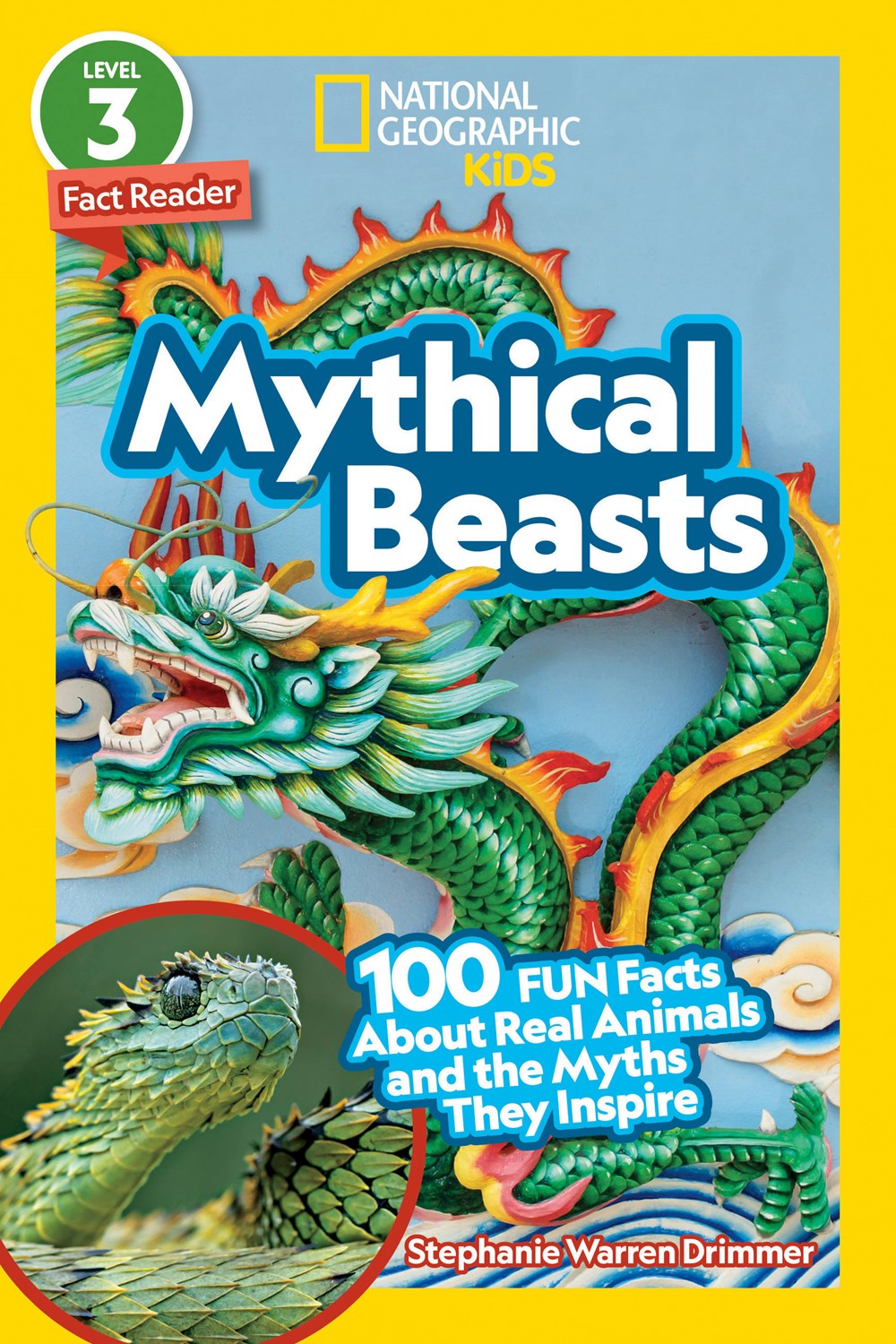
National Geographic Readers: Mythical Beasts: 100 Fun Facts About Real Animals and the Myths They Inspire, by National Geographic Kids, (Jan. 2022, National Geographics Kids), $4.99, ISBN: 9781426338939

Ages 7-10

Unicorns, dragons, and krakens all have one thing in common: they’re mythical creatures with origins in very real history. NatGeo Kids’s Mythical Beasts is a Level 3 Reader, good for most readers ages 7-10, that provides 100 facts on real animals and the myths they’ve inspired or are named for. A helpful key to NatGeoKids’s leveling system is right on the back cover, and I like using the 5-finger rule for choosing a book when I do my Readers Advisory. The book is organized into 3 chapters and two 25 Facts spreads that give readers the roundup on history’s mysteries: mermaids were most likely manatees, who have fishy tales but can turn their heads from side to side like humans; the giant Kraken was most likely a giant squid. Using research and the fossil record, color photos and illustrations, NatGeo Kids author Stephanie Warren Drimmer takes kids through the process of figuring out why ancient people mistook a distant ancestor of the elephant was mistaken for a cyclops, and how dinosaur fossils led folks to believe that they discovered proof of dragons. We get some modern-day mythical behavior, too: the basilisk lizard can run across water, and adult jellyfish can age in reverse and regrow into adults again, like the phoenix’s power to be reborn (sans ashes, though). The back matter rounds up all 100 facts across a spread (and makes for great trivia questions).

Fun for a STEM/Discovery Club, fun for collections. And you can extend the activity with mythical creature-inspired crafts. Give kids a manatee coloring page and let them create mermaid friends. They can create a giant squid of their own, or try their hands at this fun paper roll squid craft. Make a handprint unicorn and give it a narwhal friend.


Posted in picture books, Preschool Reads

What is The Most Important Thing?

The Most Important Thing, by Antonella Abbatiello, (March 2022, Red Comet Press), $17.99, ISBN: 9781636550220

Ages 3-6

A group of animals has a discussion about what each considers “the most important thing”. Is it to have long ears, to hear any potential danger? Quills, to protect oneself? Maybe it’s a long neck, to keep an eye out for danger. Each animals takes a turn expounding on why a quality they possess is the most important, and the other animals envision themselves with those traits in amusing, large-size foldout spreads, and the recurring rhyming phrase, “That could be true. / Perhaps it is so. ‘ It could be [trait], / but how can we know?” helps readers with predicting what’s coming next. A wise owl weighs in with the importance of uniqueness and variety being important, bringing home the message that everyone is unique; everyone has a special quality that makes them special and important. Flaps are sturdy and fun to fold out, and the illustrations of elephants with quills; flying snakes and foxes; giraffes and alligators with gopher teeth, and more make this a home run for storytime reading.

The Most Important Thing was originally published in Italy in 1998, and it beautifully holds up today. Download the free activity kit through the Red Comet website and have copies on hand for a storytime activity.

Posted in picture books, Preschool Reads

Nature recovers, with a little bit of love: Once Upon a Forest

Once Upon a Forest, by Pam Fong, (Feb. 2022, Random House Studio), $17.99, ISBN: 9780593380147

Ages 4-8

A marmot tends to her garden one day and notices smoke from a distance. She and her friend, a small bird, arrive on the scene to see that a fire has devastated part of the forest, but she’s a determined friend of nature: accompanied by the bird, Marmot gets to work tending the land and replanting trees, With water, care, and patience, the forest, and the animals that live there, return. Once she’s satisfied that the nature can handle itself on its own again, the marmot returns home to discover how own garden has flourished. The wordless story centers on Marmot’s guardianship of her forest home. Drawn as a fluffy, cartoony character, her facial expressions help readers understand what she’s feeling and understand what they’re seeing. When she spies the smoke, we see her body language: back to the reader, her arms rise in surprise; she sees a helicopter fly by and dump water on the area, and turns to the reader, unsure. When she arrives at the fire site, she and the bird stand silently, eyes cast downward, shoulders slumped. She grabs her gardening tools and walks determinedly to the area, set on caring for the area. Bird flies nearby, helping where she can. Illustrated primarily in shades of gray, black and white, soft nature colors are added for emphasis: light blue for the water; green, yellow, and shades of pink and purple for flowers. The front endpapers set the stage of the story, with a smoldering campfire smoking near a fallen log; the back endpapers show the same area with new, green trees. Nature will heal, but it’s up to all of us to act, like Marmot, as keepers of the world and to live mindfully within nature. Booklist gave Once Upon a Forest a starred review and praises this story of “environmental stewardship”. Display and booktalk for Earth Day.

Visit Pam Fong’s webpage for more of her illustration.

Posted in picture books, Preschool Reads

It’s Spring, and Little Red Fox and Hazel Dormouse are awake! The Friendship Surprise

The Friendship Surprise, by Giorgio Volpe & Paolo Proietti, (March 2022, Red Comet Press), $17.99, ISBN: 9781636550282

Ages 4-8

Little Red Fox and Hazel the Dormouse, the duo we fell in love with in August 2021’s Before We Sleep, is back in The Friendship Surprise! When we last left Little Red and Hazel, Hazel had just gone to hibernate for the winter, and Fox was going to wait for his best friend to wake up come the spring. In The Friendship Surprise, Little Red is all ready to welcome Hazel back – but he’s worried, because he’s made a new friend over the winter break. Will Hazel like Brock the Badger more than Little Red? Will one be jealous of the other? Little Fox is so worried that he tries to split his time between his two friends, but has a lovely surprise when they all come together to play: after all, Hazel says, “we can all three have fun together!” The Friendship Surprise gently confronts the fear or worry some children may have over adding a new friend to their friendship group, with Little Red running back and forth between Brock and Hazel. When each ultimately discovers where Little Red goes when he leaves abruptly, there’s no arguing or jealousy; just a lovely welcome to a new friend. The three animals play together across Spring forests and grass, showing kids that a duo can easily and happily become a trio, and that friendship is a gift that multiplies, not divides. The warm color palette shows lush green fields, pink poppies, and full trees. A perfect Spring storytime book, with a playful sense of hope, joy, and renewal to share. The Friendship Surprise was originally published in Italy in 2021.

Print out some Before We Sleep coloring sheets from Red Comet’s website to have handy for a post-storytime activity.

Posted in picture books, Preschool Reads

Arbordale Publishing’s Compare and Contrast books get readers thinking

I haven’t written about Arbordale books in about a minute, but I am remedying that right now. The folks at Arbordale were kind enough to send me some of their new books to look over, and I love the colorful artwork and photos, interesting factual writing, and the thought-provoking activities at the end of each book. They also publish in English and Spanish, which is aces for my library kids. I’m starting off with their Compare and Contrast series, which takes a topic and encourages learners to think about similarities and differences.

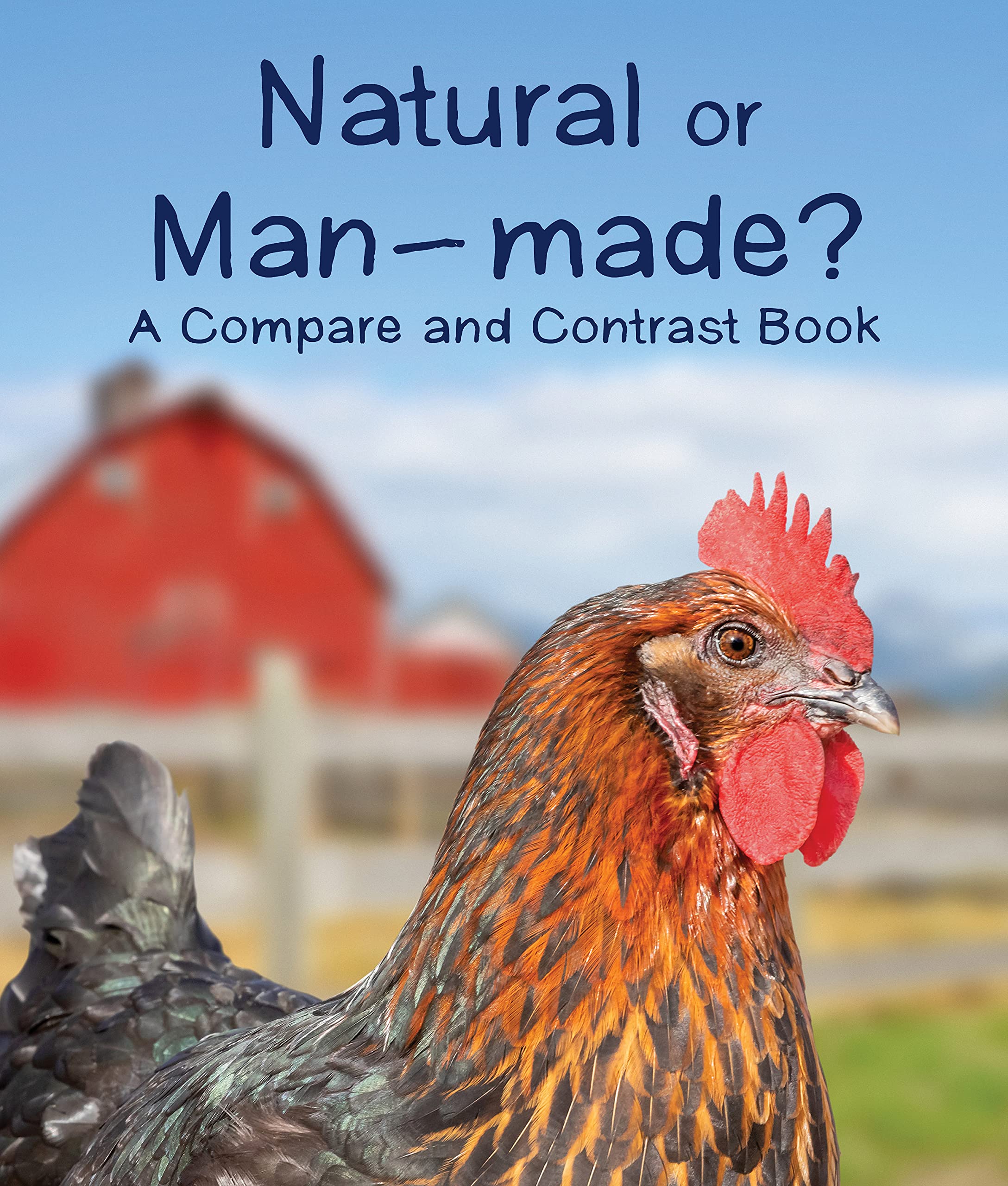
Natural or Man-made? A Compare and Contrast Book, by Arbordale Publishing, (Sept. 2021, Arbordale Publishing), $10.95, ISBN: 9781643518244

Ages 4-8

Opening with an explanation of natural resources, Natural or Man-made? uses straightforward writing to explain natural resources and how we use those resources to create other resources. A tree, for instance, grows food, like nuts and fruits; we also use trees to make lumber, and build homes with them. We use plants and animals for clothing and food; we use sunlight and air by converting it to energy. Thought-provoking questions and color photos encourage readers to think about the different ways we use our natural resources. The Creative Minds section has four activities to expand on reading, you can find a PDF for Natural or Man-made‘s For Creative Minds section here, with permission for non-commercial use. (Psst… great for grab-and-go programs!)

You can find a PDF preview of Natural or Man-made on the book detail page at the Arbordale website.


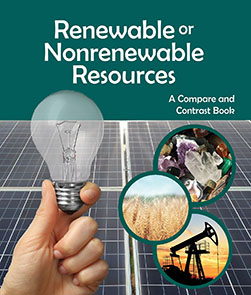
Renewable or Non-Renewable Resources: A Compare and Contrast Book, by Arbordale Publishing, (Sept. 2021, Arbordale Publishing), $10.95, ISBN: 9781643519807

Ages 5-9

Continuing on the resources theme, we have Renewable or Non-Renewable Resources. Beginning with an age-appropriate explanation about natural resources and how they replace themselves: “within a period of time usually shorter than a person’s lifetime”, versus nonrenewable resources, which “cannot be easily replaced as it takes much longer than a human lifetime to make new”, the book elaborates on how natural resources replenish themselves and how nonrenewable resources, like oil, rocks, and minerals, lead humans to create synthetic materials to replace them when they run out – and how that impacts our planet. There’s a discussion on recycling nonrenewable resources and a cautionary word on not taking our resources for granted. A smart, respectful discussion on conservation, recycling, and being environmentally aware. Color photos throughout show a variety of renewable and nonrenewable resources; this is a great book to introduce in younger STEM classes. Create scavenger hunts and games by asking readers to find renewable versus nonrenewable resources! Find a PDF preview on the book detail page on the Arbordale website.

Donald Baiter on TeachersPayTeachers has a fun card sorting game on renewable and nonrenewable resources; Karen Jordan has a very cute song that helps with sorting the two concepts, and The Magical Gallery has natural resources clip art!


Penguins: A Compare and Contrast Book, by Cher Vatalaro, (Nov. 2021, Arbordale Publishing), $10.95, ISBN: 9781643519876

Ages 4-8

Penguins! Kids love penguins, I love penguins, Cher Vatalaro loves penguins! Penguins: Compare and Contrast is all about the 18 different species of penguins and where they live: and most of them live in warm climates, not cold ones! Colorful photos of each type of penguin, paired with informative text, let learners learn what makes each type of penguin alike and different, from colorful feathers to differently shaped beaks. Readers will be able to tell right away that these are all penguins, and standout features like orange and yellow patches make King and Emperor penguins very similar, yet wildly different from Macaroni and Rockhopper penguins, who sport colorful feathers around their eyes. A fun activity invites readers to match different penguins with their area of the world.

There is so much fiction and nonfiction available for penguin fans: make a great display! TeachersPayTeachers has loads of free penguin clip art available, including this Penguin Life Cycle Clip Art from Sylph Creatives. Education.com has a wealth of free penguin resources: worksheets, coloring sheets, crafts, even lesson plans. Preview Penguins: A Compare and Contrast at Arbordale’s book detail page.


Otters: River or Sea? A Compare and Contrast Book, by Cathleen McConnell, (Nov. 2021, Arbordale Publishing), $10.95, ISBN: 9781643519784

Ages 4-8

Otters are like puppies of the water. Look at those boopable noses! Otters: River or Sea? A Compare and Contrast Book, like Penguins, is about the similarities and differences between river and sea otters: their habitats, their physiology; appearance; eating habits, and social habits. Readers will love the colorful photos of otters at play, with their babies, in groups, and in action, and fun facts and easy-to-read writing make this a fun way to learn. There are fun otter books – fiction, like Laurie Keller’s Do Unto Otters and Lisa Connor’s Oliver’s Otter Phase; nonfiction, like NatGeo Kids’s Sea Otters and Susannah Buhrman-Deever’s If You Take Away the Otter – that will form a display that features something for everyone. Education.com has free otter worksheets and coloring sheets; National Geographic has a webpage with facts and information. You can see a preview of Otters: River or Sea? A Compare and Contrast Book at Arbordale’s book detail page.

Extra shout-out: Arbordale features a free multilingual ebook every month. Check out their website and bookmark it. Find all sorts of free resources, including downloads for each Arbordale book’s For Creative Minds section, at the Arbordale website.

Posted in Early Reader, Fiction, picture books

Don’t Miss: Little John Crow

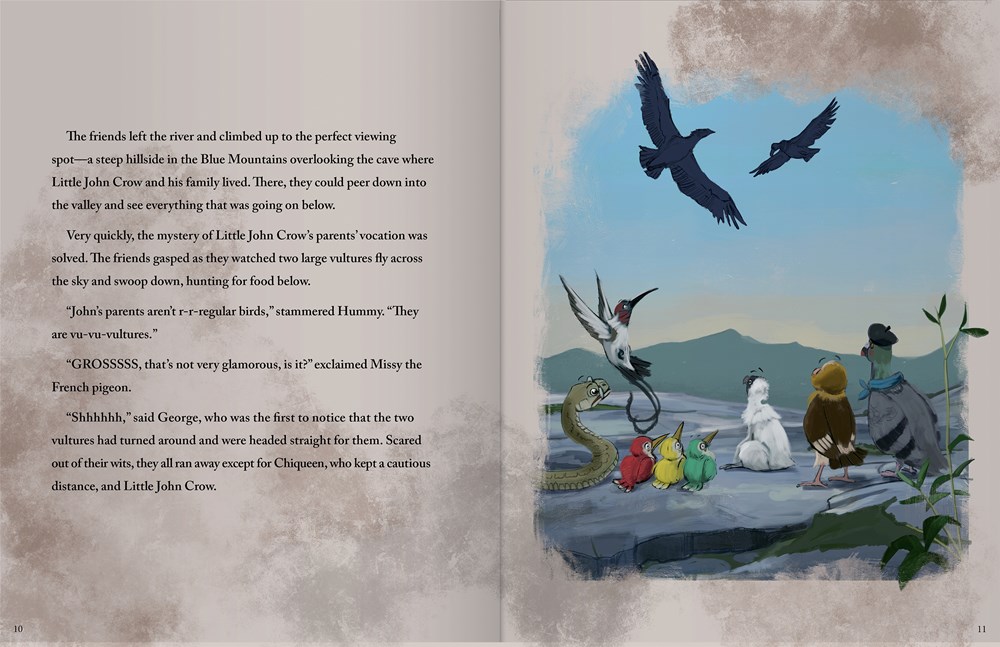
Little John Crow, by Ziggy and Orly Marley/Illustrated by Gordon Rowe, (Nov. 2021, Akashic Books), $18.95, ISBN: 9781617759802

Ages 5-8

Young vulture Little John Crow happily lives with his parents in Bull Bay, on the edge of Blue Mountains in Jamaica. Initially, he has no idea what his parents do for a living, but discovers – along with his friends – that his parents are vultures. Scavengers. This makes him an outcast among his friends, and a tragedy sends John off on his own, where he meets other vultures who welcome him into their kettle (a group of vultures!). With John and his parents no longer part of the Bay, the ecosystem is disrupted and the remaining animals realize that they were too quick and too harsh to judge their friend. They set out to find him and hope that he’ll be able to restore things to normal.

Vibrant artwork and emotional storytelling come together to create a readable, unputdownable story about prejudice, acceptance, and family – the families we’re born into and found families, with a subplot about disrupting ecosystems. A good addition to collections where animal stories are popular.

Ziggy Marley is a musician, philanthropist, and children’s book author, and the eldest of reggae artist Bob Marley’s children. Visit his website for more about his career. Orly Marley is Ziggy Marley’s wife, is also an entrepreneur and music industry manager. Gordon Rowe is a hip-hop influenced illustrator and designer. You can find his Instagram here.

Posted in Uncategorized

Moose’s Book Bus brings book love to you!

Moose’s Book Bus, by Inga Moore, (Nov. 2021, Candlewick Press), $17.99, ISBN: 9781536217674

Ages 3-7

A wonderful love letter to libraries and book lovers everywhere, Moose’s Book Bus starts with Moose, who has run out of stories to tell his family. He heads to the library after none of his neighbors have stories available, and he discovers a wealth of books to bring to his family! The news about Moose’s storytimes spreads, and before Moose can say “Cinderella”, his house is simply stuffed with friends and neighbors, all waiting for his stories! Moose asks the librarian at the library for some advice, and the two work together to create a bookmobile! Moose fixes up an old bus, the Duck Librarian fills it with books, and Moose drives the bus to his neighborhood, where he also teaches his friends to read – and they teach other friends, until everyone is able to read and love books together. This is heartwarming book illustrates the power that stories have to bring us together. Inga Moore’s pencil, pastel, and wash illustrations are soft, and her animal cast of characters are a delight. Perfect for library storytimes, you may want to pair it with Inga Moore’s A House in the Woods (2011), the companion book to Moose’s Book Bus. Sepia endpapers have a wonderfully antique feel to them, showing the book bus parked in the woods, with excited animal friends racing toward it. Download a free activity kit to have ready to hand out at storytime.


Posted in Fiction, Fiction, Intermediate, Middle Grade, Non-fiction, Non-Fiction

A gift for every learner!

It’s that time of year, expect the gift guides to be coming at you fast and furious. Let’s see what’s making my lists this year.

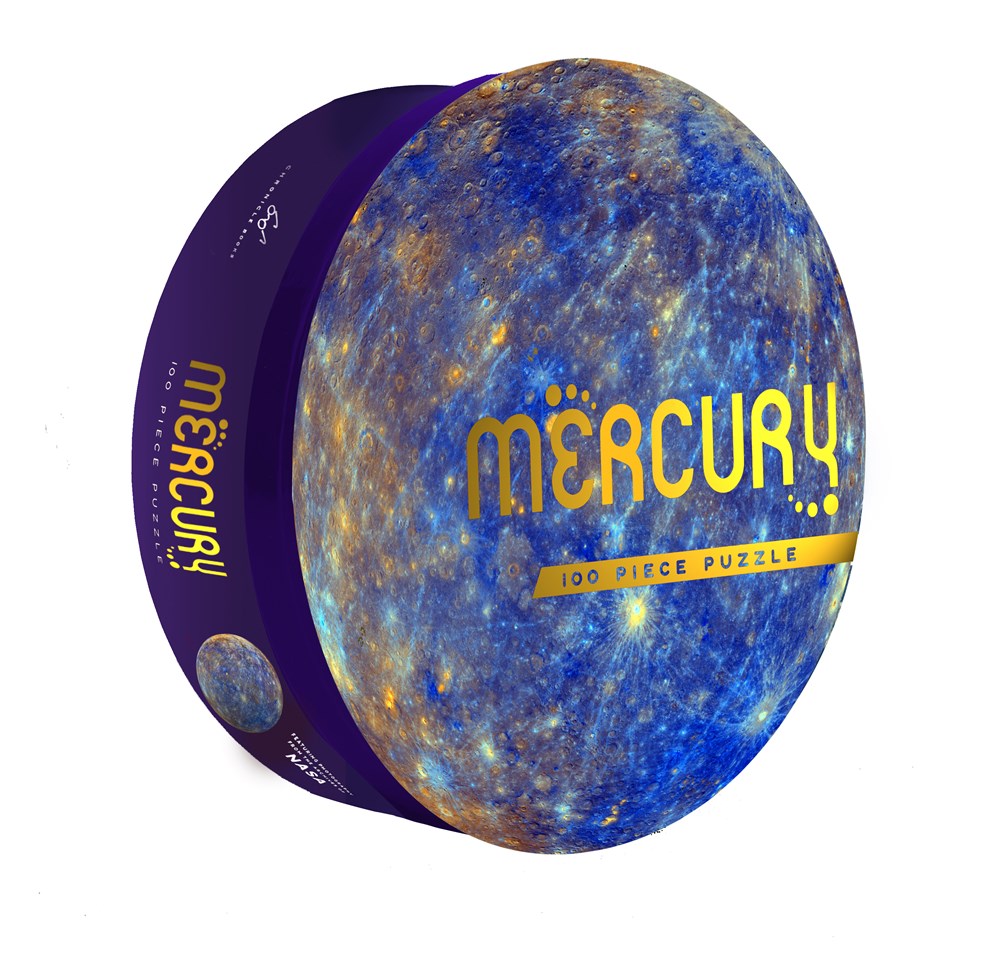
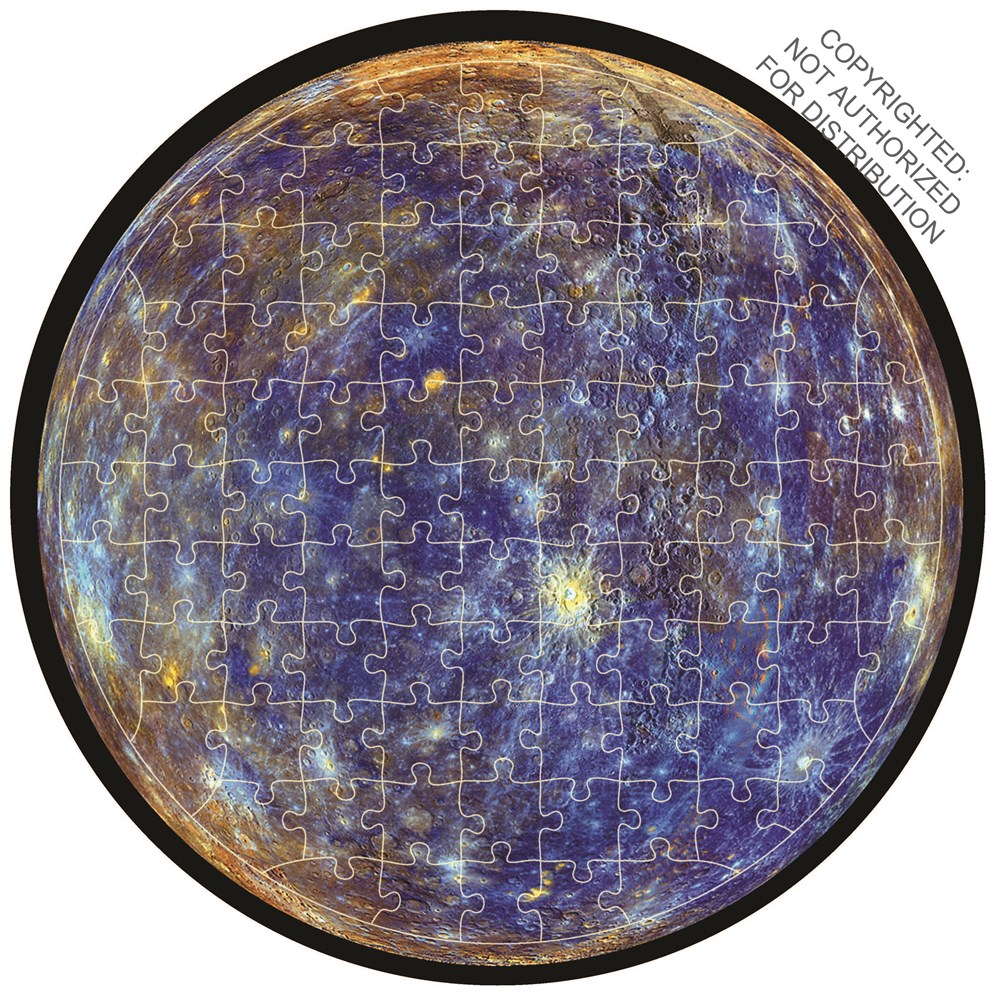
Mercury: 100 Piece Puzzle (Featuring Photography from the Archives at NASA), (Aug. 2021, Chronicle Books), $19.99, ISBN: 9781797210346

Ages 6+

Puzzle fans, astronomy fans, science fans, everyone will love the next planetary puzzle from Chronicle Books. Mercury is the newest 100-piece puzzle using photography from the Archives at NASA, a follow-up to April’s Earth puzzle (which my kid and I still haven’t solved). It’s a beautiful photo of Mercury, and it is huge: 2 1/2 feet in diameter, so clear off a table for Thanksgiving/holiday gatherings and let the family and friends have at it. Puzzle pieces are sturdy, and they’re a good size, inviting little hands to help out, too. It’s a round puzzle, so you can somewhat figure out the outside of Mercury, but don’t forget: it’s a photo, so have fun trying to figure out which crater is goes where (G, my kiddo, and I are still arguing over them).


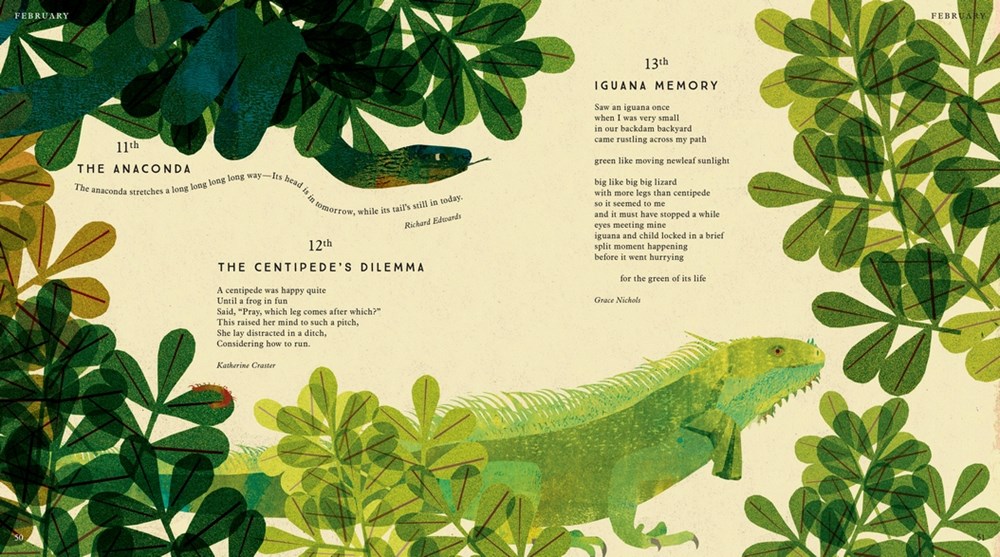
Tiger, Tiger, Burning Bright! An Animal Poem for Each Day of the Year, selected by Fiona Waters/Illustrated by Britta Teckentrup, (Oct. 2021, Nosy Crow), $40.00, ISBN: 9781536217186

Ages 3-8

This is a beautiful collection of animal poems for readers, poetry fans, and animal lovers. There are 366 poems – one for every day, including Leap Year – organized by month. Each month begins with a table of contents that lays out each poem and author by day. The spreads are beautiful and the poems are related on each spread, giving a feeling of cohesion. January 1-3 have poems about polar bears; 4-5 about whales; the action moves through the days, with spreads turning to sheepdogs on guard, wolves, and more. Britta Teckentrup’s artwork is just beautiful, with cold, quiet winter spreads moving into warm, home interiors; crocodiles lurk on one spread, gazelles leap through grass in another. Colorful, not overwhelming, the artwork brings the ideas in each poem to life. Endpapers offer lush, green leaves, inviting us in, and closing their doors behind us. Read a few a time, or savor them day by day.


The Wind in the Willows, by Kenneth Grahame/Illustrated by Grahame Baker-Smith, (Nov. 2021, Templar Books), $19.99, ISBN: 9781536219999

Ages 7-12

The classic children’s novel gets a gift hardcover release just in time for the holidays! If you’ve never read The Wind in the Willows, you’re missing out. The adventures of Mr. Toad, Mole, Ratty, and Badger have been delighting readers since its publication in 1908. This hardcover gift version has illustrations from Kate Greenway Medal winner Grahame Baker-Smith that give gorgeous life to the story; some are sepia-toned, some rendered in shades of blue, green, or brown, some in rich, warm, earth colors. The cloth cover looks like a copy of the book I found on my own public library’s shelves a lifetime ago; just running my hand over the cover brought back memories of sitting down with it and wandering into Mr. Toad’s magic world. Give this to a younger reader, give it to a grownup who needs to go back in time, even if just for a moment.

Posted in Preschool Reads, Toddler Reads

Board Books for Babies: Great gift ideas, super easy to wrap

What’s easier to wrap than a board book, I ask you? They’re basically the perfect little gift: sturdy, easy to wrap, easily slipped into a stocking or into a diaper bag. Enjoy some of these adorable gift ideas!

Circle Under Berry, by Carter Higgins, (Sept. 2021, Chronicle Books), $15.99, ISBN: 9781797205083

Ages 2-4

There’s something new to read and discover every time you open this concept book that’s a little bit Eric Carle, a little bit Orange Triangle Fox. Colorful collage shapes, animals, and objects greet readers on each page, concept words illustrating the ideas of over and under; side by side, and in between. A circle is under a berry, but that berry is also over a square; it’s all about the way you look at things, arrange things, see things. The words have a great rhythm and make for a fun readaloud. Ask readers what they see: what’s over? What’s under? What’s in between? Call out colors and shapes; do you see an animal? A house? Can you discover a pattern? The book celebrates discovery, with vibrant collage artwork on each page, coming alive off of a bright white page.

Visit Carter Higgins’s author webpage for free resources, including Circle Under Berry flashcards.

Circle Under Berry has starred reviews from Kirkus and Publishers Weekly.


Mr. Lion’s New Hair!, by Britta Teckentrup, (Aug. 2021, Twirl Books), $12.99, ISBN: 9791036328619

Ages 2-5

Mr. Lion is having a bad hair day! His friend, Mr. Monkey, is ready to lend a hand in this hilariously adorable die-cut board book. Readers can follow the pages to see Mr. Lion try on different hairstyles: from curlers to pigtails, going from blond to a redhead; maybe a tiara will do? The companion to Mr. Lion Dresses Up (2020), little learners will love turning the pages as Mr. Lion sports different styles, trying to find his best look. Keep an eye on Mr. Lion’s tail: some styles go from head to toe for extra giggles. Mr. Monkey is having as much fun with the story as the readers will; Mr. Lion looks a little unsure, but ready to give it his best. Monkey, ever the good friend, lets Mr. Lion know that ultimately, style has nothing to do with what’s on the outside: Mr. Lion, like each reader, is best the way he is.

I love Britta Teckentrup’s artwork and storytelling. This will be seeing a lot of action in my board book area. Whether you’re reading this at a storytime or giving as a gift, consider a fun activity to include: Toddler At Play has a very cute hair cutting activity; Laughing Kids Learn puts a colorful spin on the haircutting exercise, and My Bored Toddler has the quickest, easiest hair cutting activity that requires only a paper plate, a crayon or marker, and a pair of safety scissors.


Active ABC: Beginning Baby, by Chronicle Books, (Sept. 2021, Chronicle Books), $12.99, ISBN: 9781797203683

Ages 0-3

The Beginning Baby animal friends demonstrate verbs in this interactive abcedary with die-cut letters to help little fingers trace uppercase and lowercase letters. Filled with action words, the book’s characters also model good behavior: “A” for “ask” shows Narwhal asking Llama to play with blocks; “B” for “begin” shows the two building something together. The die cut letters have colorful patterns, setting them off from the bright white page while complementing the animal artwork. A green striped “L” pairs nicely with Narwhal’s striped t-shirt; blue triangles for “M” look like the shapes Llama makes, cutting out paper dolls. The ever-troublesome X isn’t all about the usual X-rays or Xylophones; rather, Fox, meditates on a carpet and eXhales. Toddlers will love the sheer discoveries waiting in the book; threeschoolers will enjoy pointing out what each of the animals are doing; maybe even crafting a story using the new vocabulary words here. Point out colors and shapes with your readers, let them trace letters over and over again: this is an abcedary that works overtime.


Posted in Non-Fiction, picture books, Preschool Reads, Toddler Reads

A Laura Gehl two-fer!

I love Laura Gehl’s books: from Peep and Egg to One Big Pair of Underwear and beyond, her stories have been hits at my storytimes and they’re just fun to read. Now, I’ve got some nonfiction by Laura Gehl to rave about that’s every bit as fun and unputdownable as her fiction is. Join me!

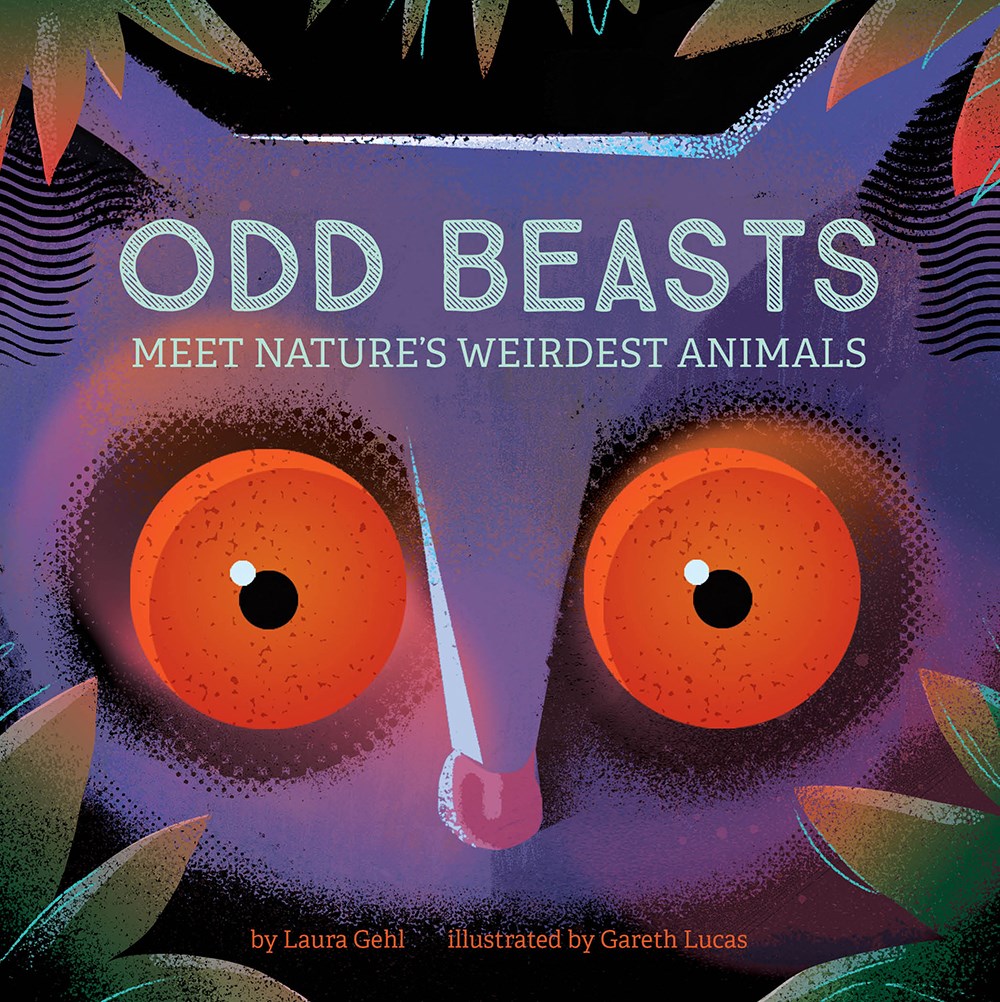
Odd Beasts: Meet Nature’s Weirdest Animals, by Laura Gehl/Illustrated by Gareth Lucas, (Nov. 2021, Abrams Appleseed), $8.99, ISBN: 9781419742224

Ages 2-4

A very happy book birthday to Odd Beasts! This rhyming board book introduces readers to some of nature’s wildest citizens: an armored pangolin, a frog with see-through skin, and a fish that weighs a ton are just a few of the animals waiting inside. This board book has back matter: two spreads include photos of each animal mentioned, with a brief factual paragraph. The artwork is incredible, offering colorful illustrations of each of the eight animals; they’re the perfect mixture of kid-friendly, expressive illustration and realism, making this a book readers will pick up and enjoy again and again. Sturdy pages hold up to multiple readings and definitely pass the “mom’s bag” test; I carried this one around with me for a couple of weeks. Great for an animal storytime.

Visit Laura Gehl’s author webpage for more info on her books, and great educator/caregiver resources, including coloring sheets for Odd Beasts!


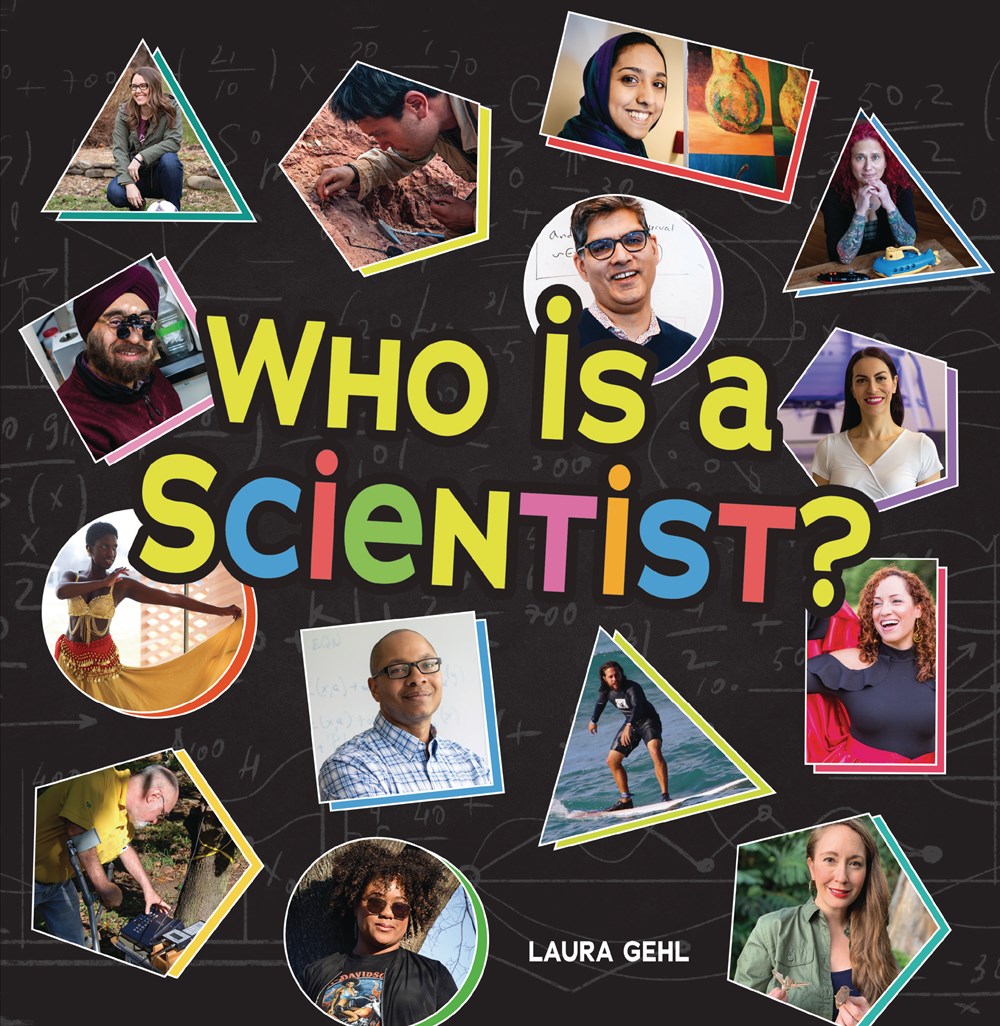
Who Is a Scientist?, by Laura Gehl, (Oct. 2021, Millbrook Press), $9.99, ISBN: 9781728441085

Ages 4-9

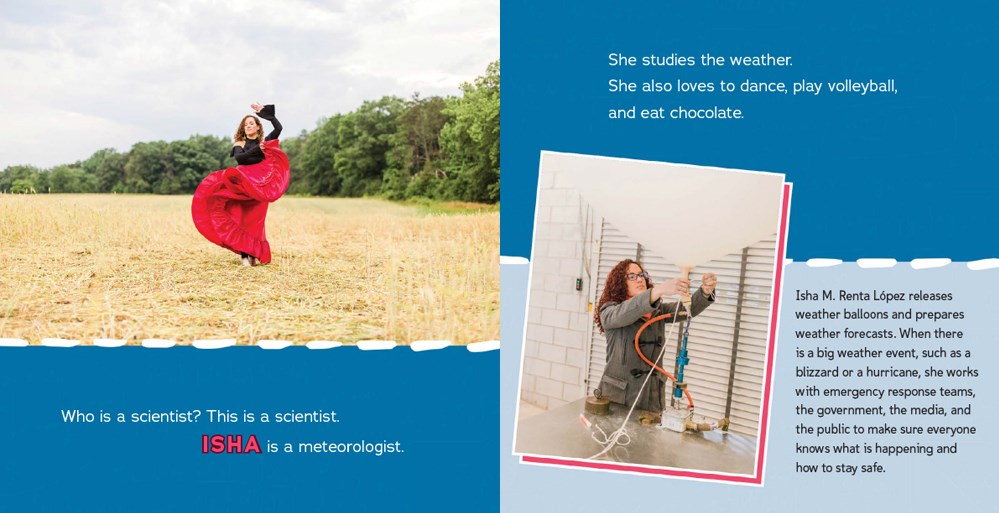
Scientists are people, too! Who Is a Scientist? humanizes the science providers by providing profiles on 14 different scientists; who they are, what they study and do, and what they like to do when they’re not science-ing. Isha is a meteorologist who studies the weather, and also enjoys dancing, playing volleyball, and eating chocolate. She’s photographed dancing in a flowing red skirt on one page and operating a weather balloon on another. Names appear in bright colors to personalize each scientist, and fun photos like Isha’s show readers that scientists like karate, surfing, cooking, and painting: just like they do. Each descriptive paragraph explains what the scientists study, introducing them to fields like astronomy, neuroscience, and mechanical engineering. The group is diverse, and really encourages kids to see themselves in this book, offering a QR code to learn more about the scientists, and a flow chart to help guide readers to a field of study that may be right for them, based on their own interests. What a great way to inspire the next generation of scientists, right? Who Is a Scientist? makes science playful and fun, like it should be. A guide to phonetic pronunciations at the end of the book help readers learn to pronounce Laura Gehl’s name, and the names of each scientist.

Visit Laura Gehl’s author page for a Who Is a Scientist? educator’s guide.