Posted in geek culture

Help! What do I do with these kids on Thanksgiving?

Are you facing down a day with restless kids? Dreading hearing the inevitable…

I hear you. That’s why I’m loading up on goodies to keep around the house when my 6-year-old starts up. (I can put the older two to work; they’re in high school and college.)


First off, Pinterest is a lifesaver. I’ve linked to a “Thanksgiving Crafts for Kids” search, so you can see a smidgen of the ideas waiting for you, most of which can be accomplished with stuff around the house. Toilet paper rolls? GODSEND. They can be turkey bodies; they can be Batman gauntlets or Wonder Woman bracelets; they can be snowmen, they can be anything! Stock up, have construction paper, scissors, glue sticks, and watercolor paints on hand (and newspaper to protect your table). The kids will love the chance to create.

Print out a bunch of pictures for coloring, and leave ’em around with crayons and colored pencils. Crayola has a bunch of Thanksgiving pictures, Hanukkah pictures, and Kwanzaa pictures, plus printables that let kids cut out and create their own turkeys, and even Thanksgiving Bingo! for a family game. Sesame Street’s got fantastic printables, including activities and different holidays; so does Disney Family.

Of course I have books! This is a book blog!
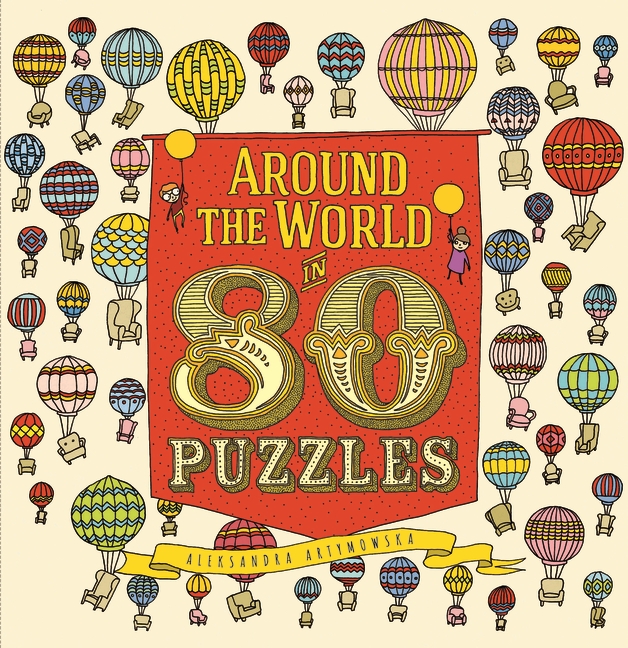
Around the World in 80 Puzzles, by Aleksandra Artymowska, (Sept. 2018, Candlewick), $19.99, ISBN: 9781536203080

Ages 7-10

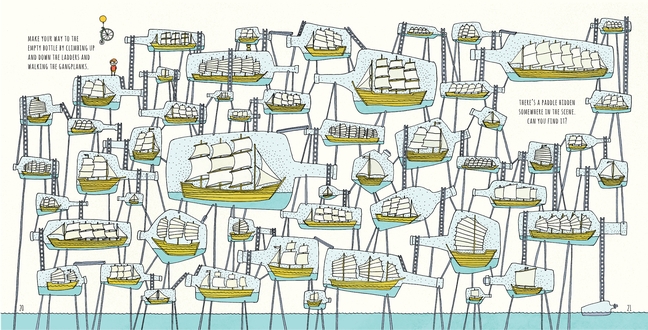
Puzzles!!! Who doesn’t have love puzzles? These aren’t your regular old crossword, word search, or Hidden Picture puzzles, though. These are puzzles made into an art form. Inspired by Jules Verne’s classic, Around the World in 80 Days, these puzzles feature steam trains, sailboats, parachutes, gliders, zeppelins, and more to take readers around the world. Each puzzle takes up a two-page spread and offers visual challenges to readers: find the safe path through a canyon that will avoid scorpions; discover lizards hiding in breathtaking Islamic architecture, or wander through jungle vines, in search of snakes and parrots. All mazes are in full-color and star a young boy who starts readers off on the adventure as he sits, reading, in his treehouse and grabs onto a balloon; the adventure ends when the balloon returns him to his little hideaway. The answers are at the back of the book, but that’s no fun! Get family members working together to solve the mysteries.
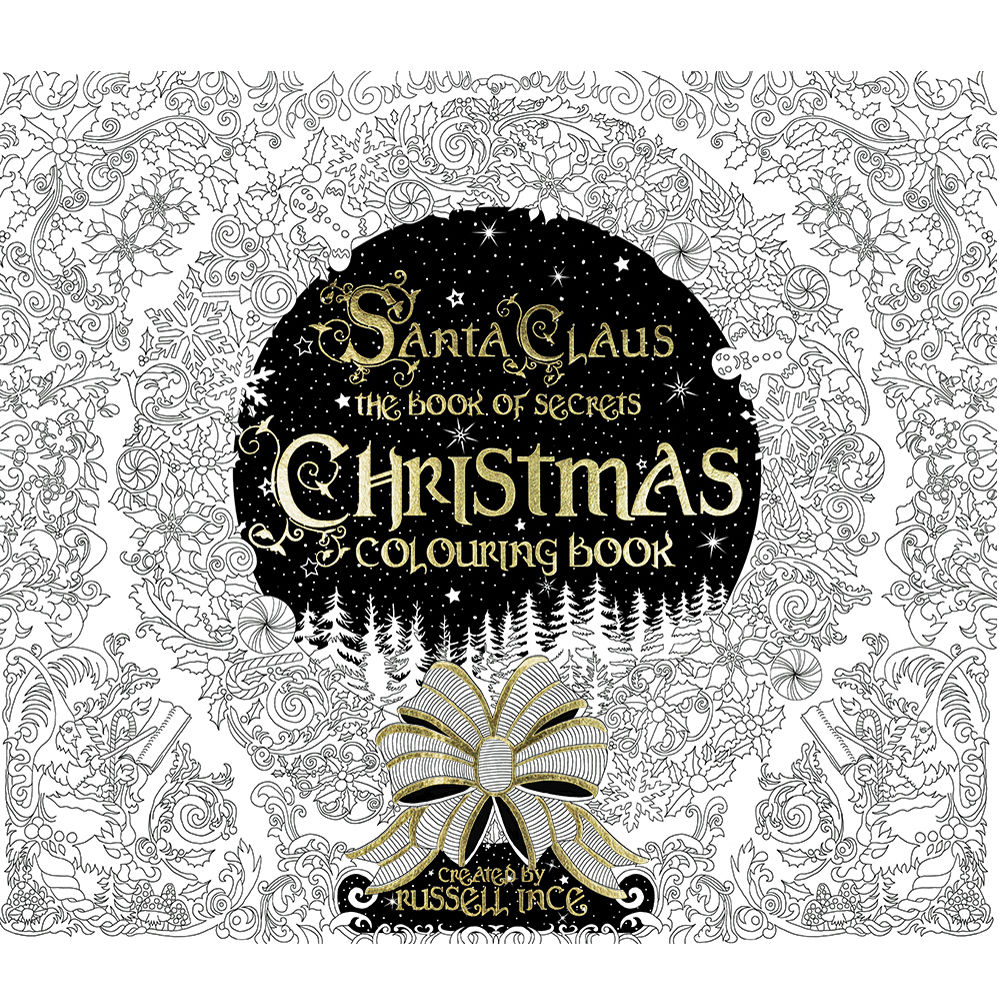
Santa Claus: The Book of Secrets Christmas Coloring Book, created by Russell Ince, (2013), $11.00, ISBN: 089945589887

My friend picked this coloring book up at BookExpo this year, and I’m so glad she did. There are some beautiful Christmas pictures to color in this book; from Nutcrackers to Santa; holly mandalas and knotwork ornaments; Christmas stockings and presents. My little guy and I broke this out the other night and just went at it. There really is something soothing about coloring, and these meditative Christmas designs bring back memories of old-fashioned Christmases. If you can grab a copy for yourself, leave this one out and let the grownups and kids pair up together for some impressive artwork.

Games are great to get everyone going after the turkey coma threatens to kick in. We’re big on tabletop gaming in my family, so I’ve got a bunch handy, across age groups.
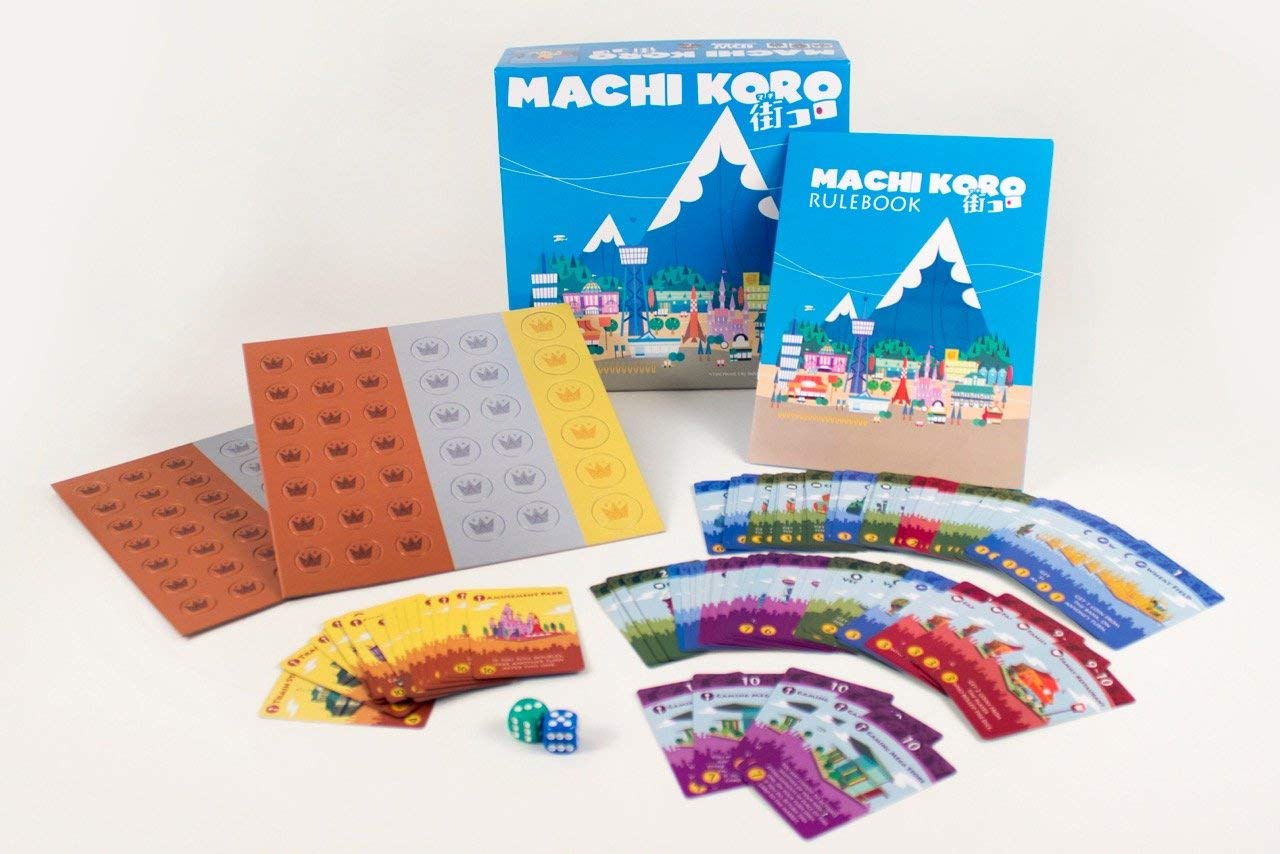
Machi Koro is a Pandasaurus/IDW Game that’s a big favorite with my older kids and me. (Me, primarily, because I love watching the two of them trash talk one another as they try to outdo one another). Think Monopoly, but faster-paced and with 100% more opportunity for smack talk. You’re the mayor of Machi Koro, an up-and-coming city, and you’ve got your work cut out for you: develop the city into the largest city in the region. It’s card and dice-based, for 2-4 players. We have the Harbor Expansion, which adds some more cards to the game and provides a few new building opportunities.
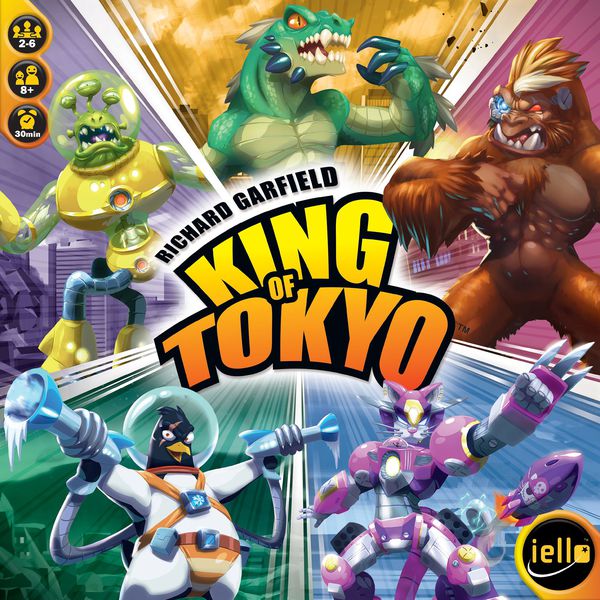
King of Tokyo is a board and dice-based game for 2-6 players. Because who doesn’t want to be a giant monster that destroys Tokyo? My littlest guy gets in there with the rest of us, no problem; one of us helps read the cards with him, but really, this game is about the dice and the hit points your monster can take. Actually getting hold of Tokyo is only part of the battle: fighting to keep it is quite another story!
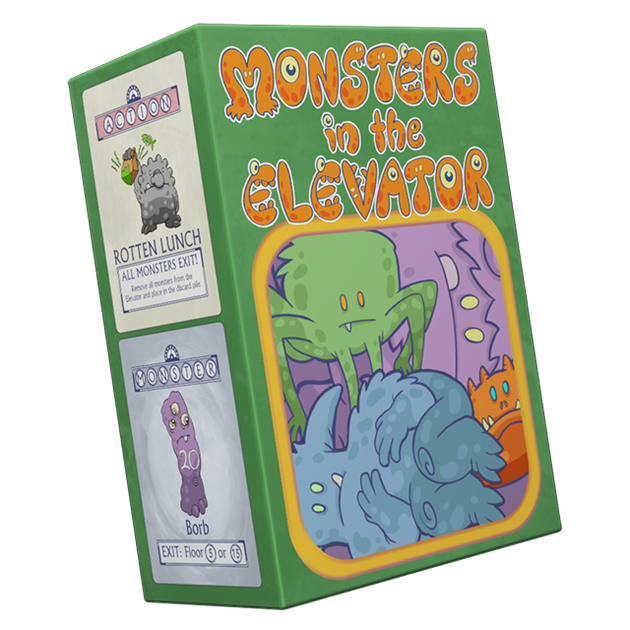
Monsters in the Elevator is one of our favorites. It’s a cooperative game that brings math to the table. You’ve got a bunch of monsters, each with a different weight. You’ve got an elevator that goes up 20 floors. Monsters get on, monsters get off; monsters pass gas and clear out, monsters rush in to get to their destinations. You need to get that elevator up to the 20th floor, safely, so you need to keep your math skills sharp and maintain that weight! You can easily accommodate between 2 and 10 players, but I’d say anywhere between 3-6 is the best number. Younger kids can easily play this with help.
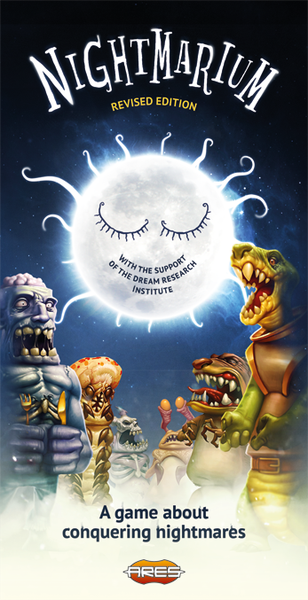
I couldn’t talk tabletop games without mentioning my first grader’s favorite game, Nightmarium. This one is fantastic for pre-readers all the way up to teens and adults. It’s a card-based game, and each monster comes in three parts: you have feet cards, body cards, and head cards. Monsters need to be built from the feet up, and you need to build five to win. Once you complete a monster, they have certain abilities that activate for that turn, depending on the cards making them up. We play this one a lot. It’s hilarious, and can be quite cutthroat. Enjoy.
 

Posted in Middle Grade, Non-fiction, Tween Reads

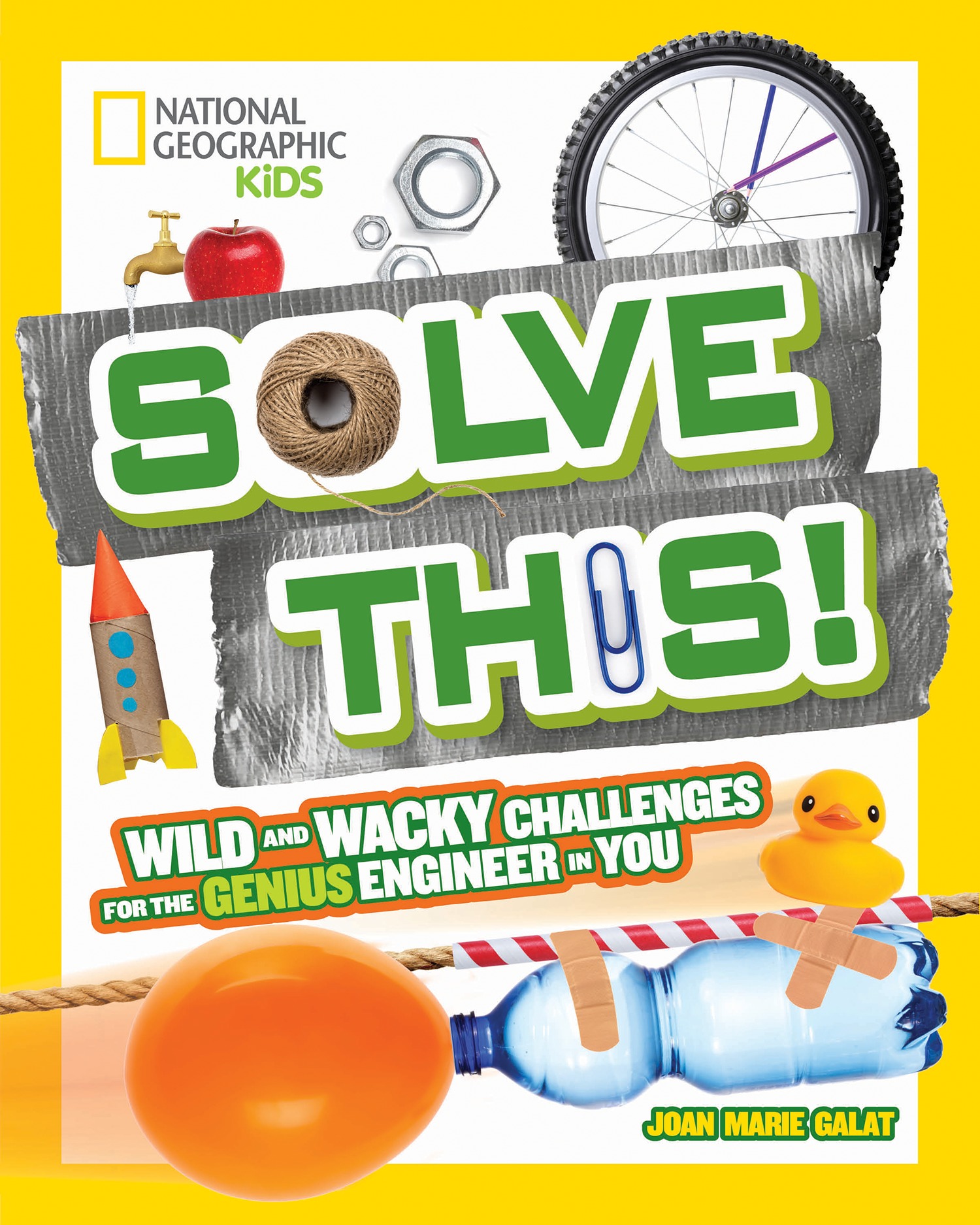
Solve This! Engineering challenges for kids!

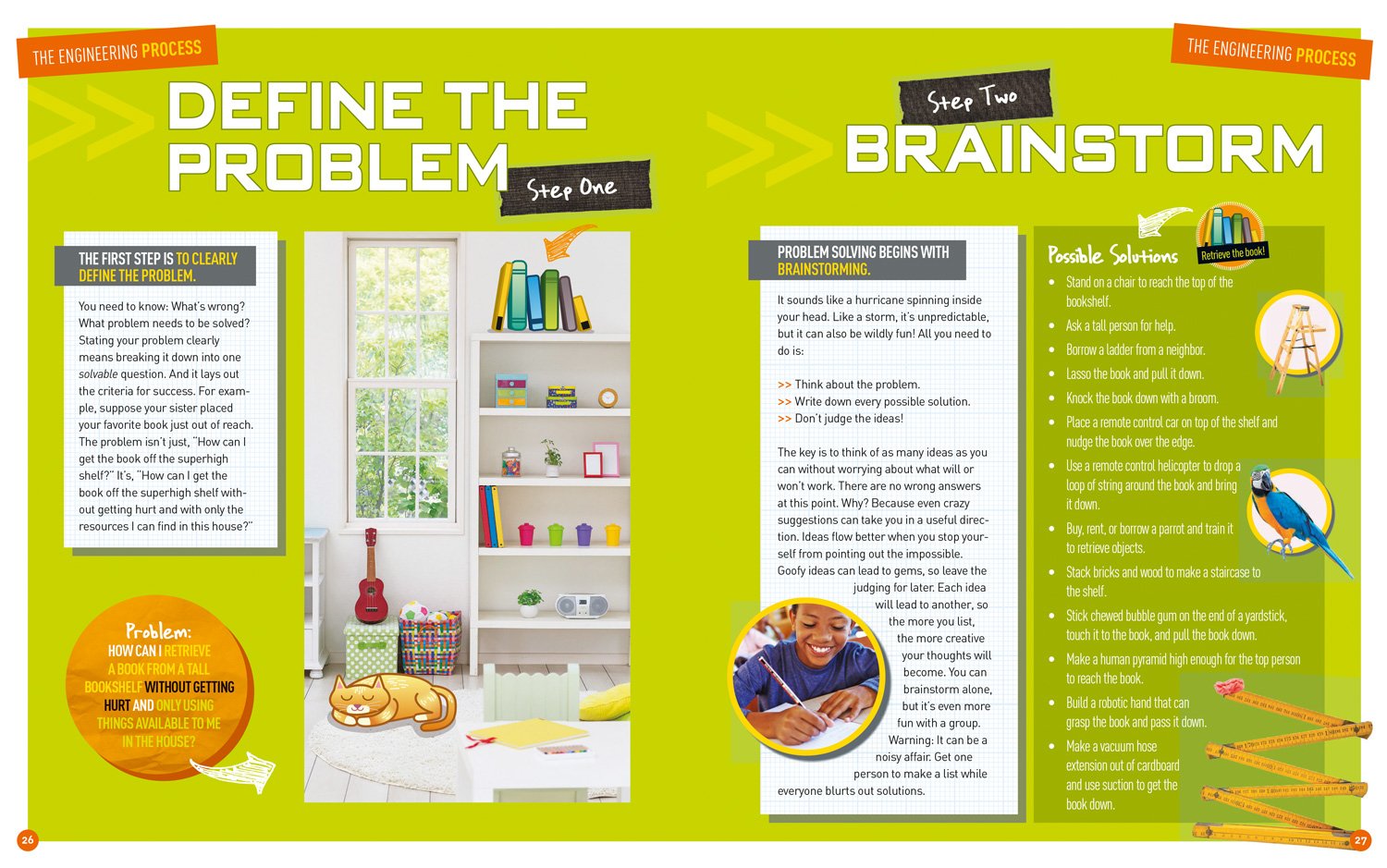
Solve This! Wild and Wacky Challenges for the Genius Engineer in You, by Joan Marie Galat, (March 2018, NatGeo Kids), $16.99, ISBN: 9781426327322

Ages 8-13

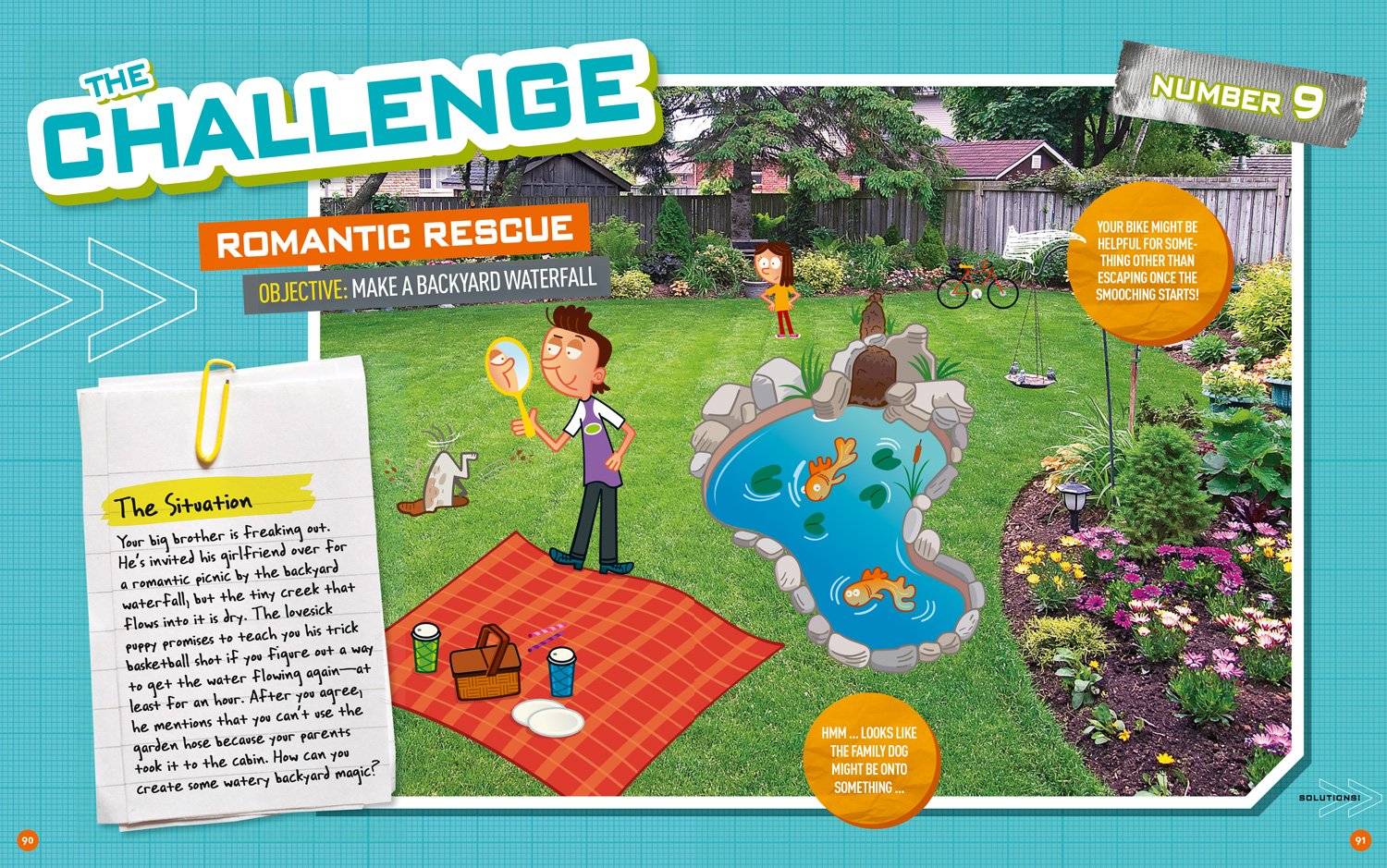
Another STEM/STEAM hit from NatGeo Kids, Solve This gets kids thinking about wacky ways to solve life’s little challenges. Need to soundproof your room for a sleepover? How about protecting your candy stash? NatGeo Kids has your back, with 14 engineering challenges that will make readers laugh and think, “Hmm… but what if hot sauce did get in the swimming pool?”

Organized into three sections, the book first introduces readers to engineers and the science of engineering, with discussions on different types of engineers and an overview of the engineering process. The fun stuff – the challenges! – happens in the Solve This! section, starting with an introduction to the Solution Panel: 13 wonderfully diverse scientists and the author. They took these challenges and offer their own tips and tricks to help kids along in the most kid-friendly and often non-conventional ways. Solutions are sketched out, putting the panel’s money where their mouths are: a kid can look at these sketches and easily work things out. Engineering Our World gives some real-life engineering successes and flops, plus a look at what we can expect from engineering in the future. Back matter includes further resources, a glossary, and an index.

STEM/STEAM fans, this is the book for you. Science classes, library programs, trying not to blow up the basement at home; this is a book you can use anywhere. Discovery Clubs, where are you? This is an entire season’s worth of library programming! A nice add to nonfiction collections and for kids who love tinkering. A handy reference to have when kids come in asking for books on simple machines, too – I have some great ones for the little learners, but this will be a good add to my middle graders’ shelves.

Posted in Middle Grade, Non-fiction, Tween Reads

Get outside with your pup… for science! Dog Science Unleashed gives you ideas!

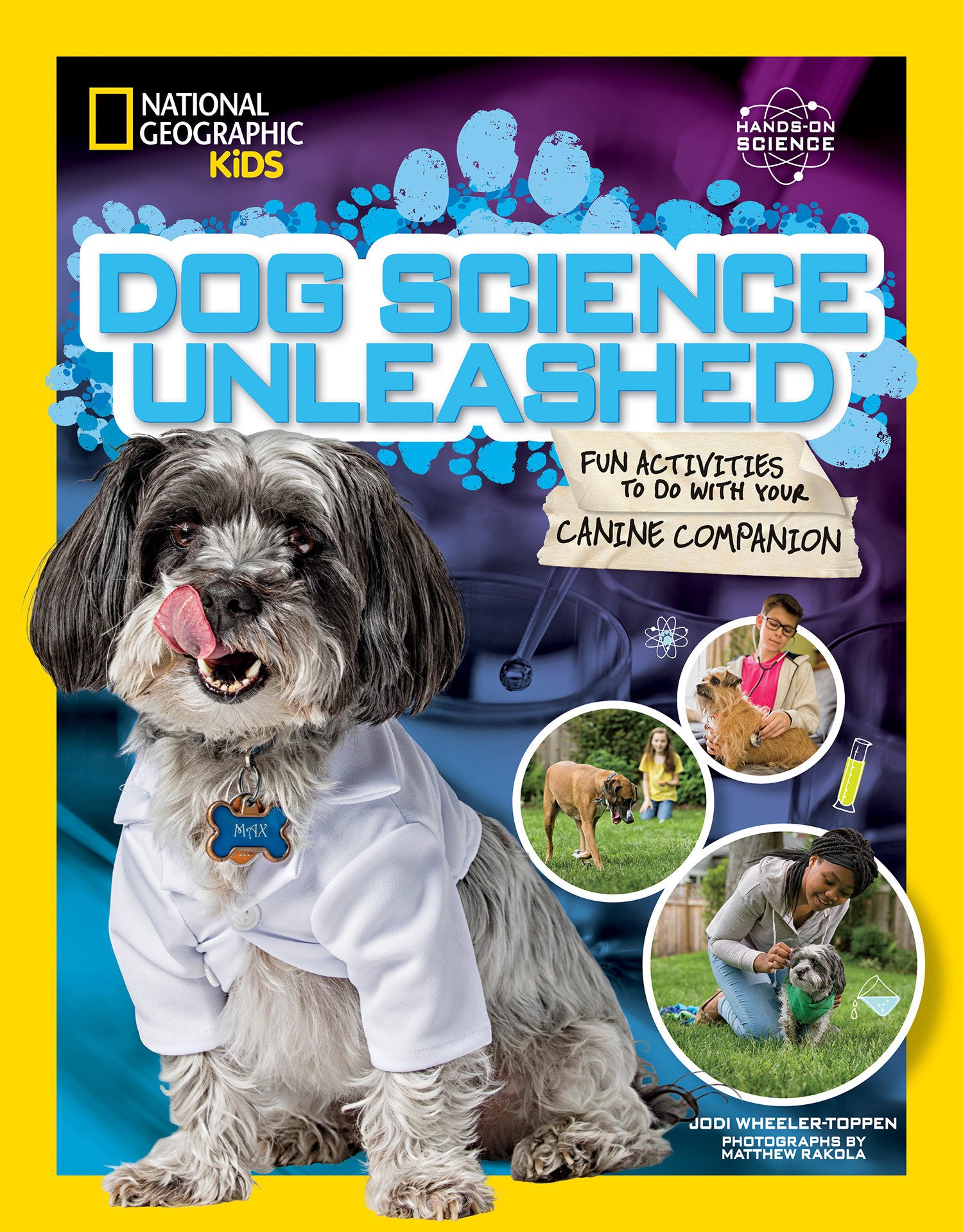
Dog Science Unleashed: Fun Activities To Do With Your Canine Companion, by Jodi Wheeler-Toppen/Photographs by Matthew Rakola, (Aug. 2018, National Geographic Kids), $12.99, ISBN: 9781426331534

Ages 8-13

Dog lovers and science fans will dive right into this NatGeo book that teaches kids all about their canine companions. There are 22 “safe and dog-friendly” activities in this volume, tested by 15 kid scientists and their pups, that will teach readers about their dogs’ senses, fitness, behavior, and grooming habits. There is a big emphasis on safety here, since we are talking about working and playing with dogs: notes to parents and kids remind readers about the importance of safety for humans and dogs alike, and if your dog isn’t into the activity you want to do? Respect the dog and walk away.
Every activity has a difficulty level and approximate active time, so you can gauge your energy and your dog’s energy. (When I’m half asleep first thing in the morning, my pup may be ready for a 15 minute race to see who’s faster, but I can assure you, I am not.) There are great color photos of dogs and humans being scientists together, and great callout facts to be discovered (and now I know why dogs have those slits on their noses). It’s a great way to bond with your dog and spend time learning together. A fun add to your nonfiction books, and a good gift for a dog and his or her human.
Posted in Non-Fiction

My Wild Activity Book is BIG fun for kids!

My First Wild Activity Book, by Maxime Lebrun, (Jan. 2018, Silver Dolphin), $12.99, ISBN: 9781626869578

Ages 4+

This activity book on animals and their habitats is packed with things to do and make! Inviting kids on an adventure, the book begins with a challenge: take a journey through seven habitats around the world, and offers kids the chance to write their own profiles and draw a self-portrait. From there, the game is on! Readers can work their way through the seven habitats: rain forests, deserts, oceans, the mountains, forests, the savanna, and the polar ice by enjoying search and find activities across fold-out spreads, mazes, connect-the-dots and matching games, coloring sheets, and spot the difference challenges. There are loads of facts throughout the book, and each habitat offers a “think outside of the book” activity that parents, caregivers, and educators can enjoy with the kiddos! Sticker badges for each habitat add a little passport-y punch to the book, and two pages of animal stickers (seriously, so. many. stickers) lets readers go wild on the spreads, or, if you’ve got a kid like mine, his bed, the walls in his room, and, in one case, my laptop.

My son went through this book in just shy of a day and a half, and that’s only because I begged for mercy to make dinner when he was halfway through. We had a great time working on these activities and coloring the pages together, and our next step is to work on a few of the “outside of the book” activities: should we make a leaf collage first, or liberate some of our renegade socks, to make a snake? Maybe we’ll go for the paper plate aquarium! This one is absolute fun for families, and the projects are great for a STEM or Discovery Club at the library or in school. It’s a fun way to enhance natural science learning.

There’s a free maze and “spot the differences” printable at Silver Dolphin’s website. Enjoy!

Posted in Middle Grade, Non-fiction

Get Ready for STEM Summer!

Sure, many libraries are doing the “Libraries Rock!” theme for Summer Reading, but that’s no reason to leave science out of the fun! I’ve got a bunch of STEM books that you’ll want to get in front of (or create programs using) your readers to have fun with this summer. Careers, facts, bios, and, most fun of all, experiments, await!

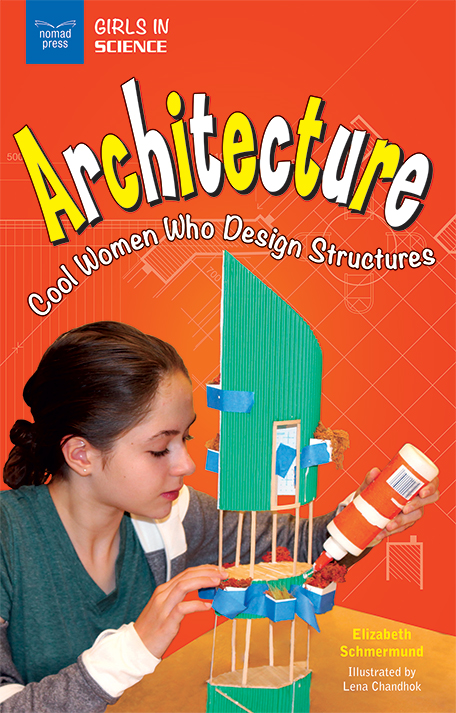
Architecture: Cool Women Who Design Structures (Girls in Science series), by Elizabeth Schmermund/Illustrated by Lena Chandhok, (Aug. 2017, Nomad Press), $9.95, ISBN: 9781619305465

Recommended for readers 9-13

I’m always looking for good career books, because I weeded my current section when I first got to my library. I really liked this book, and I’m looking forward to reading and putting more of the Girls in Science series in my book cart for future purchases. Architecture is divided into four color-coded sections: the first, a general overview of architecture; the history, styles, what the profession is like today and how to prepare for study in architecture, and women in the profession. The next three sections are devoted to profiles of a diverse group of women architects: Patricia Galván, a Project Manager; Farida Abu-Bakare, an intern architect who’s in the process of writing her exams and works with science and technology; and Maia Small, who owns and operates her own small architecture firm. In addition to the profiled female architects, there are brief bios on other women in the field. Ask & Answer sections provide thought-provoking questions, many beyond the basic material, for readers to consider. QR codes in callout sections provide links to more information. The overall narrative, and each profiled professional, addresses the gender gap and even larger diversity gap in the industry. Back matter includes a timeline of the profession, all the Ask & Answer questions in one place, a glossary, further resources, including written-out links to the QR code sections, and an index.

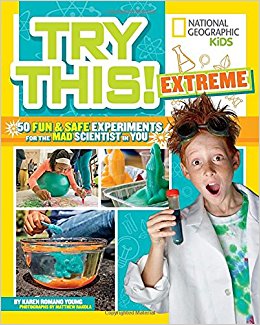
Try This! Extreme: 50 Fun & Safe Experiments for the Mad Scientist in You, by Karen Romano Young/Photographs by Matthew Rakola, (Sept. 2017, National Geographic Kids), $16.99, ISBN: 9781426328633

Recommended for readers 8+

The best part about science, I tell the kids in my programs and class visits, is making a mess, yet, no one gets mad at you (mostly). What better time to be a mad scientist than in the summer, when it’s beautiful out and you can open those windows to offset any stinky experiements? The book starts off with safety instructions and photos of the kid (and dog) scientists who tested out the 50 experiments waiting to be discovered in Try This! Extreme. Each experiment has a safety rating, a who you need rating (i.e., an adult, just you, or maybe grab a friend), and supervision rating; each experiment also lays out concepts explored, approximately how long it will take, what you need, and a step-by-step guide through the process, accompanied by full-color photos. There are callout facts, questions to ask yourself, and key terms defined throughout. Conduct a bioblitz (exploration) in your yard or a park, learn physics using marshmallow Peeps, or check the weather forecast and aim for a game of masking tape hopscotch when there’s rain predicted. There are bonus mini-experiements, Science Fair experiment prompts and guidance, K-12 science standards and how each experiment corresponds to them, an index, and metric conversion tables. Enjoy!

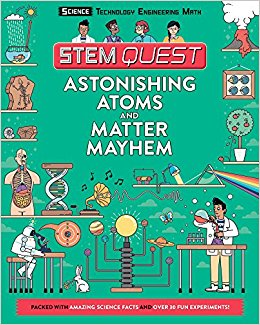
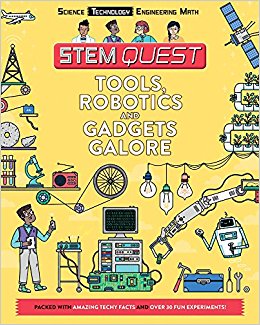
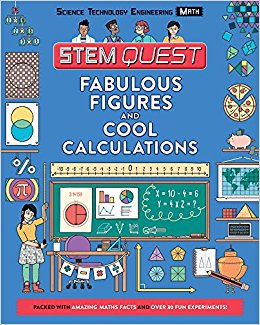
The STEM Quest Series from Barron’s Educational is a brand new series broken out into four books, loaded with facts and experiments:

STEM Quest Science: Astonishing Atoms and Matter Mayhem, by Colin Stuart/Illustrated by Annika Brandow, (May 2018, Barron’s Educational), $10.99, ISBN: 9781438011363

Recommended for readers 8+

This volume looks at the organic side of things: biology, chemistry, physics, earth and space sciences, biochemistry, biomedicine, and biotechnology. Each section guides readers through full-color illustrated discussions on each area and includes experiments to ramp up the fun. Kids will LOVE the Marshmallow Molecules – you need a bag of marshmallows, a box of toothpicks or wooden skewers (me? I’d go with the toothpicks, but I’m in a public library), and some compound formulas. Let kids make their own formulas up and watch the fun begin! I’ll save you the search: this is where you can find the chemical compounds for farts. It’s the American Council on Science and Health’s website, so they did this for science. You’re welcome. Littler ones can make their own sundial, or spot a constellation. There are scientist profiles and fantastic facts throughout, plus a glossary and an index.


STEM Quest Technology: Tools, Robotics, and Gadgets Galore, by Nick Arnold/Illustrated by Kristyna Baczynski, (May 2018, Barron’s Educational), $10.99, ISBN: 9781438011370

Recommended for readers 8+

This volume looks at the techy side of life: construction, power and energy, agriculture and biotechnology, manufacturing, information and communication, medical and biomedical, and transportation. Learn about the evolution of tools, from the earliest hand tools to robots and space suits. Learn how a blast furnace works, and make your own plastic (adult helpers necessary), and learn how it works. Get your Project Runway on, with a section on textiles: you’ll learn to weave, tie dye, and ink print. For your more tech-inspired readers, there’s an easy Try This at Home experiment that teaches (with adult help) how to build a circuit, or how to magnetize a nail. There are great programming ideas in here: I think I’m going to look into building a planet and designing a space station, all of which can be done on a shoestring and with adult help. And since I’m the closest thing resembling an adult in the room… well, I guess that falls to me. The same format applies here (and to all of the STEM Quest books): bios on prominent scientists, loads of facts and illustrations, a glossary, and an index.


STEM Quest Engineering: Fantastic Forces and Incredible Machines, by Nick Arnold/Illustrated by Kristyna Baczynski, (May 2018, Barron’s Educational), $10.99, ISBN: 9781438011349

Recommended for readers 8+

Next up, engineering: systems and mechanics; materials and processes; biology, medical, agriculture and chemistry; structures; and sustainability engineering. Get the kids learning about forces and energy with experiments like Superhero Paper Clips, where they’ll make a paper clip float; a material scavenger hunt, inviting them to look around for everyday items made out of different materials; get out the old reliable straws and pipe cleaners and let them create 3-D shapes to see how they hold up under pressure, or that summer staple, the pinwheel. (The book suggests dowels; I’m here to tell you that chopsticks are a lot cheaper and just as easy to use.) There’s a great section on environmental engineering that will have you and your readers figuring out how to clean up our environment and a nuclear power lesson that has the simplest of experiments: use the sun’s nuclear energy to test your sunscreen on a piece of construction paper.


STEM Quest Math: Fabulous Figures and Cool Calcuations, by Colin Stuart/Illustrated by Annika Brandow, (May 2018, Barron’s Educational), $10.99, ISBN: 9781438011356

Recommended for readers 8+

I’m trying to get more math-related fun in front of my library kids, because it scares the bejesus out of me and I don’t want to pass that on. The parents love a good math program, too, so I know I’ll get buy-in from the community on this one. Here, we’ve got numbers and operations; measurement; problem-solving, logic and reasoning; geometry; algebra; advanced math; data, analysis and probability; and communication. I will admit that just looking at that section scared the life out of me, but once I started reading, I quickly warmed up. There are great explanations of each concept in here, addressing the quick and easy stuff like place value and column addition and subtraction, and heading all the way into bigger ideas like proofs and binary. Fun experiments and activities include a pirate treasure challenge, where, as a pirate captain, you need to use math to calculate the best place to bury your treasure; creating 3-D art and making pyramids, and averaging Olympic judge scores.

That’s a start for some STEM summer fun, but make sure to get your STEM sections and displays up and running to give readers readalikes and ways to expand on what they’re learning. The Secret Coders graphic novel series by Gene Luen Yang and Mike Holmes is great for Math and Tech fans, who want to play with coding. Science Comics has books about rockets and robots that will fit nicely with STEM displays, and I’m a big fan of the Junk Drawer Science series by Bobby Mercer. There are tons of fun STEM-related books out there!

Posted in picture books, Preschool Reads, Toddler Reads

Sesame Street books! Counting and Kindness!

Is anyone else thrilled that Sesame Street is still going strong? It gives me something to share with my kids at home and my kids at the library. Until you’ve taught other parents to sing along to Ladybug Picnic and driven your own children crazy with Manamana, you just haven’t lived. One of my best friends and I have been known to Elmo-Bomb one another with “Number of the Day/Letter of the day (Clap-Clap)” gifs, just to keep us on our toes. We never really outgrow Sesame Street, so whenever I see the chance to talk up the show and its characters, I’m on it.

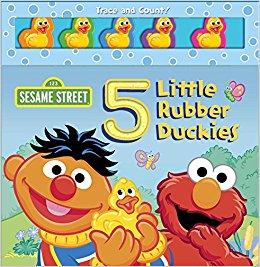
5 Little Rubber Duckies, by Matt Mitter/Illustrated by Tom Brannon, (Feb. 2018, Studio Fun), $11.99, ISBN: 9780794441197

Recommended for 2-5

Ernie still loves his rubber duckies, and this adorable book invites readers to join Ernie and his Sesame Street friends as they seek out five of them! The rhyming story is very similar to the nursery song, “5 Little Ducks”: Ernie plays hide and seek with five of his little rubber ducks, but one less duckie comes back each time Ernie calls them. Will Ernie get his duckies back in time for bathtime?

This book is loaded with interactive fun for toddlers and preschoolers alike. There are five little rubber duckies at the top of the book that little fingers can slide back and forth to count and play. Each spread has a highlighted box inviting readers to count the duckies, and trace the die-cut numbers from 5 to 1.

The pages are sturdy and will hold up to multiple readings and counting play, and all the Sesame Street royalty is here: Elmo; Abby Cadabby; Oscar the Grouch; Big Bird and his teddy bear, Radar; Cookie Monster; Prairie Dawn; Rosita, and even Bert, feeding his pigeons up on the roof. (I’m assuming Super Grover was off, patrolling the city.) Also available in Spanish (5 Patitos de Hule), this is absolute storytime, classtime, kidtime fun.


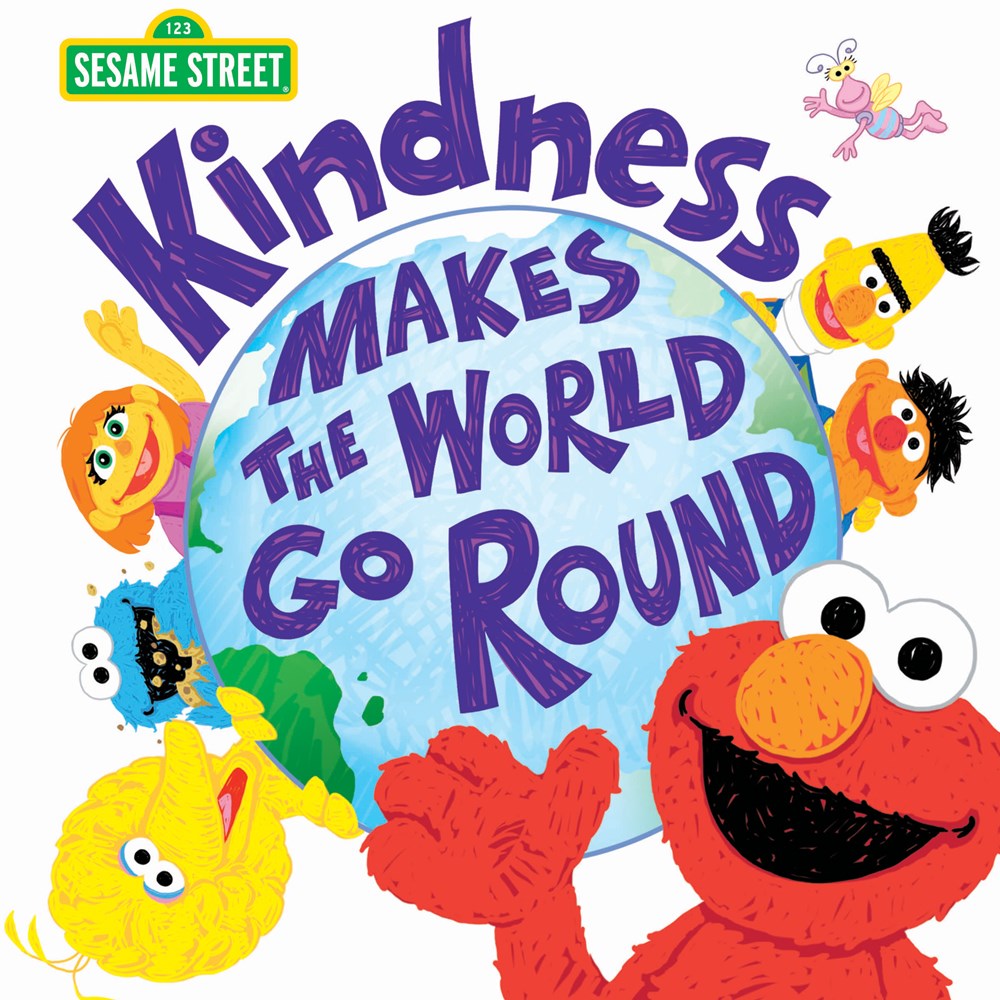
Kindness Makes the World Go ‘Round, by Sesame Workshop, (Apr. 2018, Sourcebooks Jabberwocky), $10.99, ISBN: 9781492660569

Recommended for readers 3-6

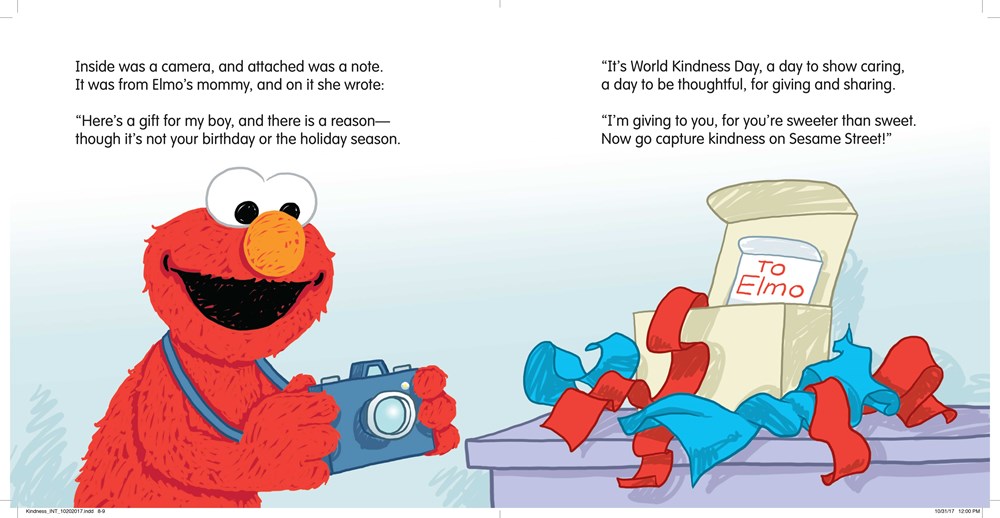
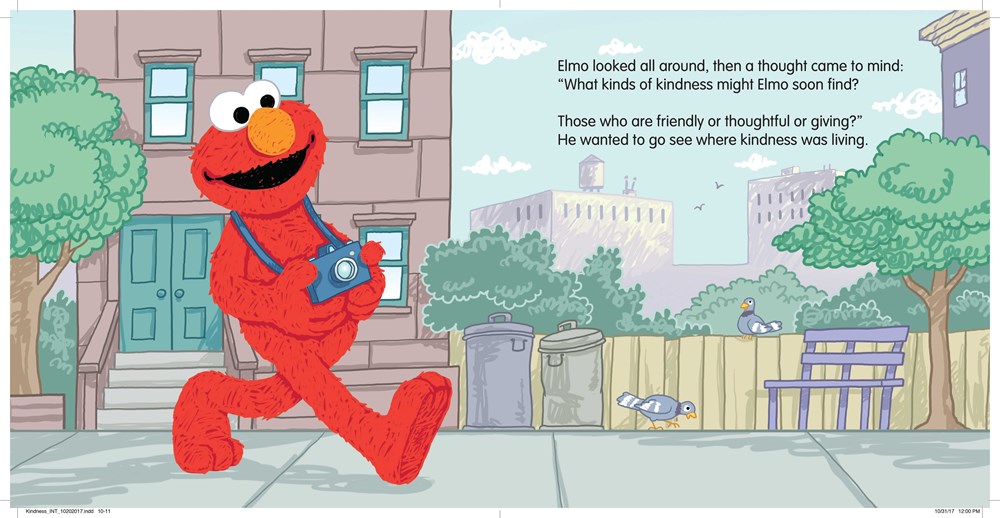
Elmo wakes up one morning to discover that his mommy has left him a gift! She’s given him a camera for World Kindness Day and asks him to take photos of Sesame Street neighbors being kind to one another! Elmo is so excited, and why wouldn’t he be? Everyone’s nice to each other on Sesame Street! Sure enough, he’s snapping pictures right and left, creating a scrapbook to share with Mommy at the end of the day!

Another great book from the Sesame Workshop group, teaching kids about empathy and kindness. From holding doors for the little twiddle bugs, to playing with Julia at the playground, Elmo sees his friends all being kind to one another. This is a great book – and so timely – to have now, and to read for World Kindness Day (November 3). Play Elmo’s Kindness Bingo with the kids – there’s a free printable on Sesame Workshop.

Want to show them some Elmo? Here’s the Elmo’s World segment on kindness.


Posted in Middle Grade, Non-fiction, Teen, Tween Reads

To Explore Strange New Worlds…

Pop quiz! We know that outer space is still largely unexplored, but did you know that we’ve explored less than five percent of the world’s oceans? There are some great new books on space and sea exploration for middle graders to dive into (see what I did there?). Read on!

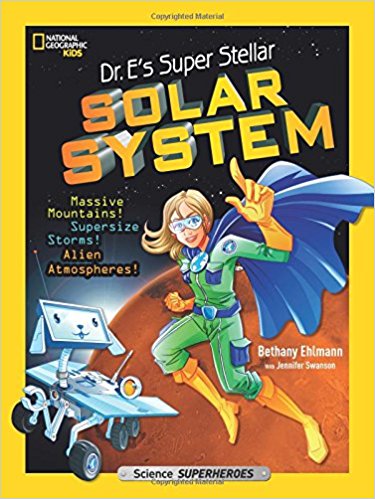
Dr. E’s Super Stellar Solar System, by Bethany Ehlmann with Jennifer Swanson, (Jan. 2018, National Geographic Kids), $12.99, ISBN: 978-1-4263-2798-8

Recommended for readers 8-12

Planetary geologist Dr. E (Bethany Ehlmann) and her sidekick, Rover, take readers on a trip around the universe, filled with activities, photos, facts, and comics. Readers will learn about space exploration and how our big blue dot fits in with our cosmic neighbors: who else has volcanoes and sand dunes; how plate tectonics work; how craters are formed. There’s information about robots and rovers; space exploration and technology; and how learning about space helps us learn more about Earth. Each chapter begins with a 2-page comic spread, following Dr. E and Rover on an adventure related to chapter material. There are scientist profiles throughout the book, thought-provoking questions to generate discussion, and incredible photos. A glossary, list of book and web resources, and index makes this a solid book to have in space collections and a fun gift for kids who love science.


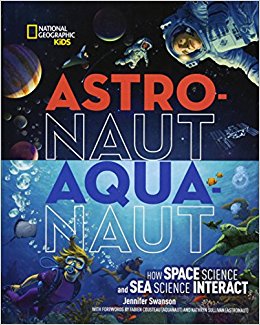
Astronaut-Aquanaut: How Space Science and Sea Science Interact, by Jennifer Swanson, (Jan. 2018, National Geographic Kids), $18.99, ISBN: 978-1-4263-2867-1

Recommended for readers 8-12

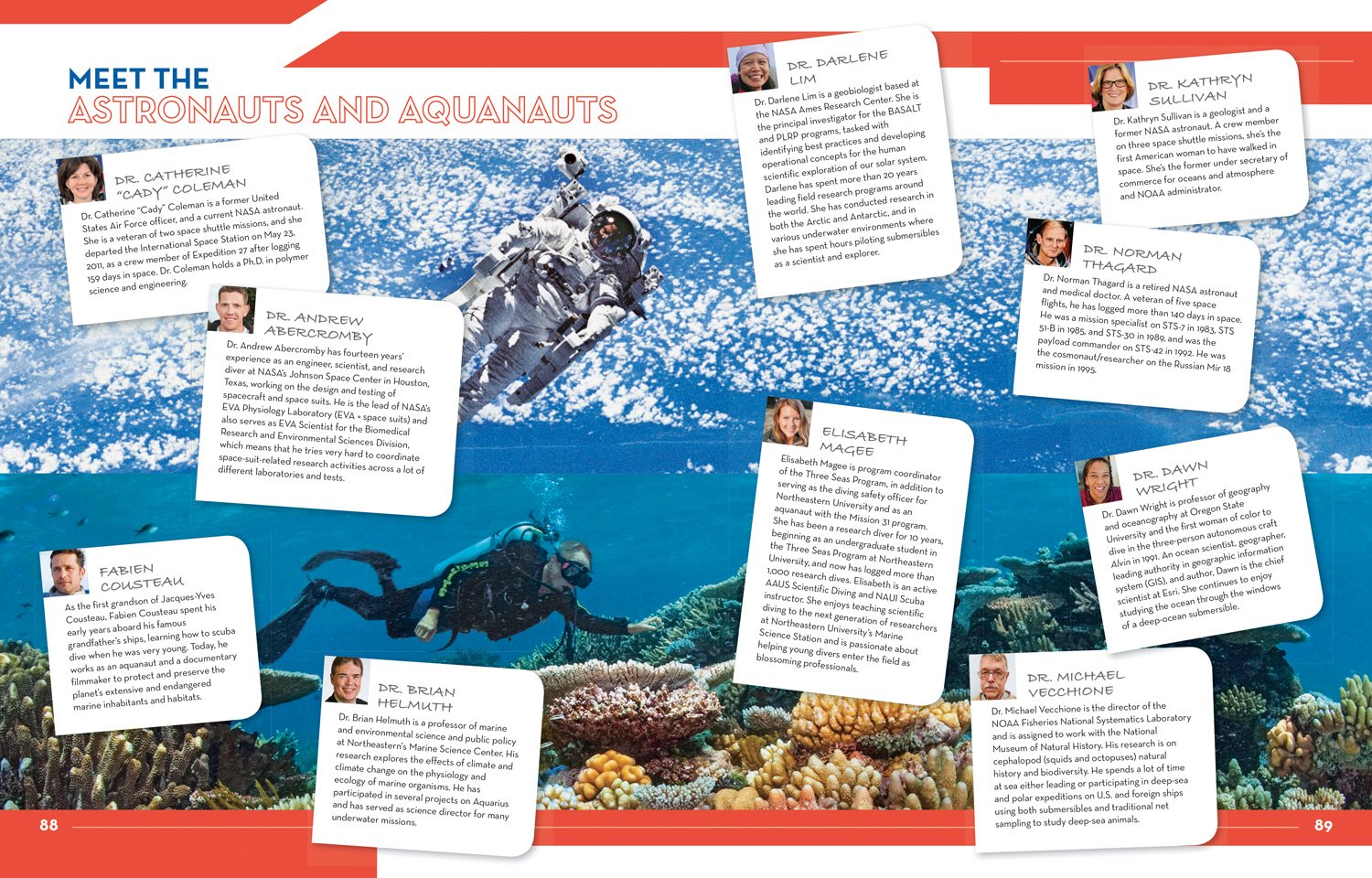
What do space and the ocean exploration have in common? SO much. There’s a reason we’re still trying to figure out how to explore both. Extreme pressure, temperatures and climates are all considerations scientists have to make when planning missions up above or far below. Author Jennifer Swanson (she’s co-author on Dr. E’s book, above!) gets a new generation of explorers ready for action with discussions about buoyancy and gravity; the shapes used in space and sea exploration (shape counts!); creating livable habitats; similarities and differences in each form of travel, and more. There’s consideration given to preservation and conservation for both sea and space: we leave a lot of garbage behind, and we need to stop that. Explorer’s Notebook callouts give readers a quick run-down on different topics, like training for a trip and how to create successful living and working environments – ideas that readers can apply to their daily lives while getting ready to be explorers. Activities give readers hands-on opportunities to learn about concepts like docking the International Space Station. There are detailed illustrations and color photos throughout, astronaut and aquanaut profiles, fun facts, resources, a glossary, and an index. NatGeo never disappoints: I love how Jennifer Swanson brings these two areas of exploration together; maybe it will inspire kids to become both astronauts AND aquanauts!


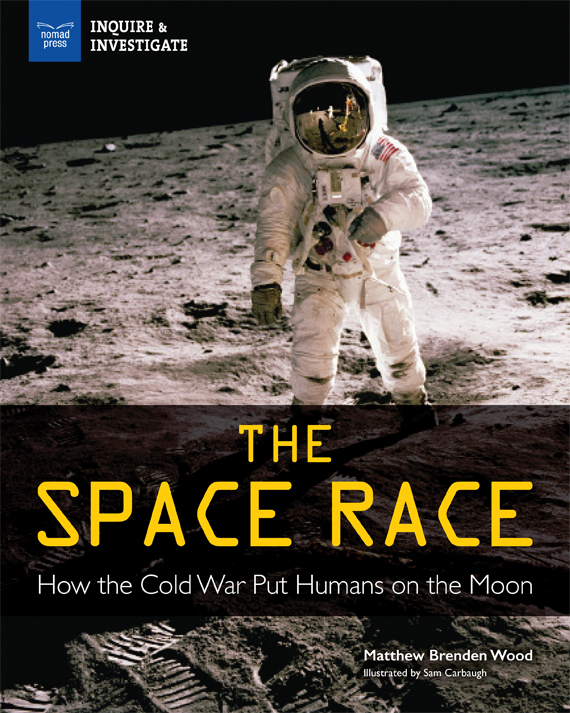
The Space Race: How the Cold War Put Humans on the Moon, by Matthew Brenden Wood/Illustrated by Sam Carbaugh, (May 2018, Nomad Press), $17.95, ISBN: 978-1-61930-663-9

Recommended for readers 12-15

The Cold War between the U.S. and Soviet Union led to a race for dominance, and space was best place to push for that dominance. Matthew Brenden’s book, The Space Race, is an interactive chronicle of this pivotal point in history. Beginning with a timeline to give readers background, Brenden takes us from the 1917 Russian Revolution, through World War II (when Russia was our ally) and the Cold War, to July 20, 1969: the date Neil Armstrong and Buzz Aldrin became the first people to walk on the moon.

A  comic strip running throughout the book illustrates and encapsulates the big ideas in the book, adding a little mental break for readers. There are loads of callout boxes, enhanced with QR codes that lead to historical reference and further learning; some topics include McCarthyism, duck-and-cover nuclear war drills, and the first anniversary of the Berlin Wall. Blast Fact callout boxes provide quick facts, and Inquire and Investigate sections provide rich inspiration for projects and research. Questions throughout the text challenge readers to think deeper about the material and would provide a great jumping-off point for book group or class discussions, and Vocab Lab sections offer new words to learn, all defined in the glossary at the end of the book. There are black-and-white and color photos throughout, providing a strong connection to history. Thankfully, there’s a metric conversion table, since science is metric and I’m not; there are additional resources, source notes, and an index.

I love Nomad Press’ books; there are so many entry points for students in each book. This one is a valuable reference for Science or History: in fact, The Space Race is one in a set of four Nomad books exploring great events of the 20th Century (others include Globalization: Why We Care About Faraway Events; The Vietnam War; and World War II: From the Rise of the Nazi Party to the Dropping of the Atomic Bomb).

The Space Race skews slightly older than the NatGeo books above: Nomad recommends this one for ages 12-15, but I think it can go a year or two younger, especially in my children’s room, where it will see more circ than in our teen section. Your library’s mileage, and your kids’ reading interests may vary. It’s a Guided Reading level Z, which can go as young as 9; I’d suggest at least 10 or 11.


Posted in Non-fiction, Non-Fiction

Make #science even cooler with Adventures in Science

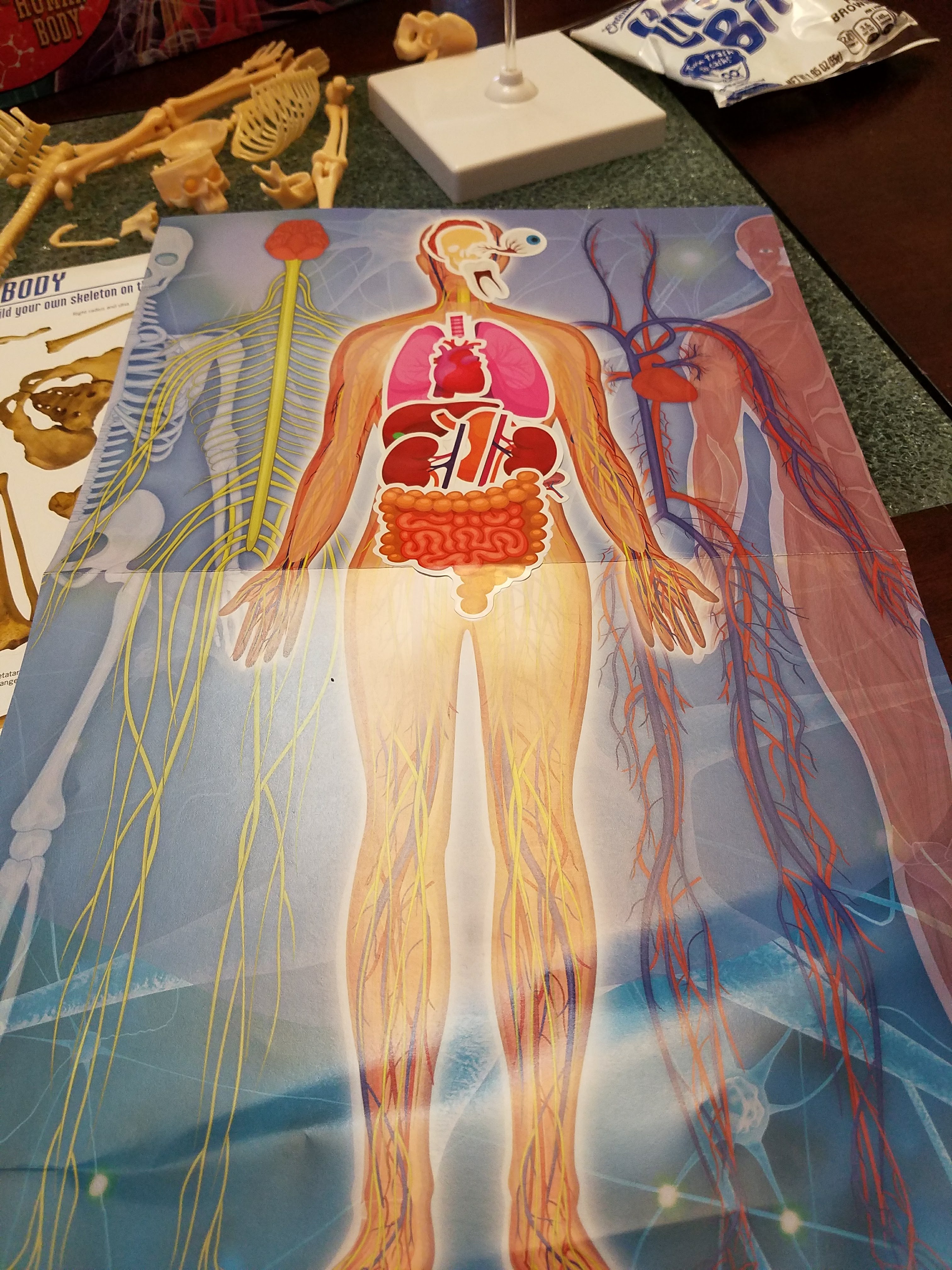
My Kindergartener and I like to hang out and relax on the weekends, but I like to make sure that doing something fun doesn’t always involve endless hours of watching Minecraft videos on YouTube (his current obsession). Thankfully, I remembered that I received an Adventures in Science: Human Body kit from the kind folks at Silver Dolphin, so out it came. The first cheer came from me, when I realized that it’s a 6+ kit, not an 8 or 10+ kit, like most of them are: my kiddo could do this! The second cheer came from the kiddo, who saw a skeleton, because I’ve got that kid. (And I’m that mom.) We cracked open the box and went to it.

Adventures in Science: The Human Body, by Courtney Acampora, (Dec. 20017, Silver Dolphin Books), $21.99, ISBN: 978-1684121298

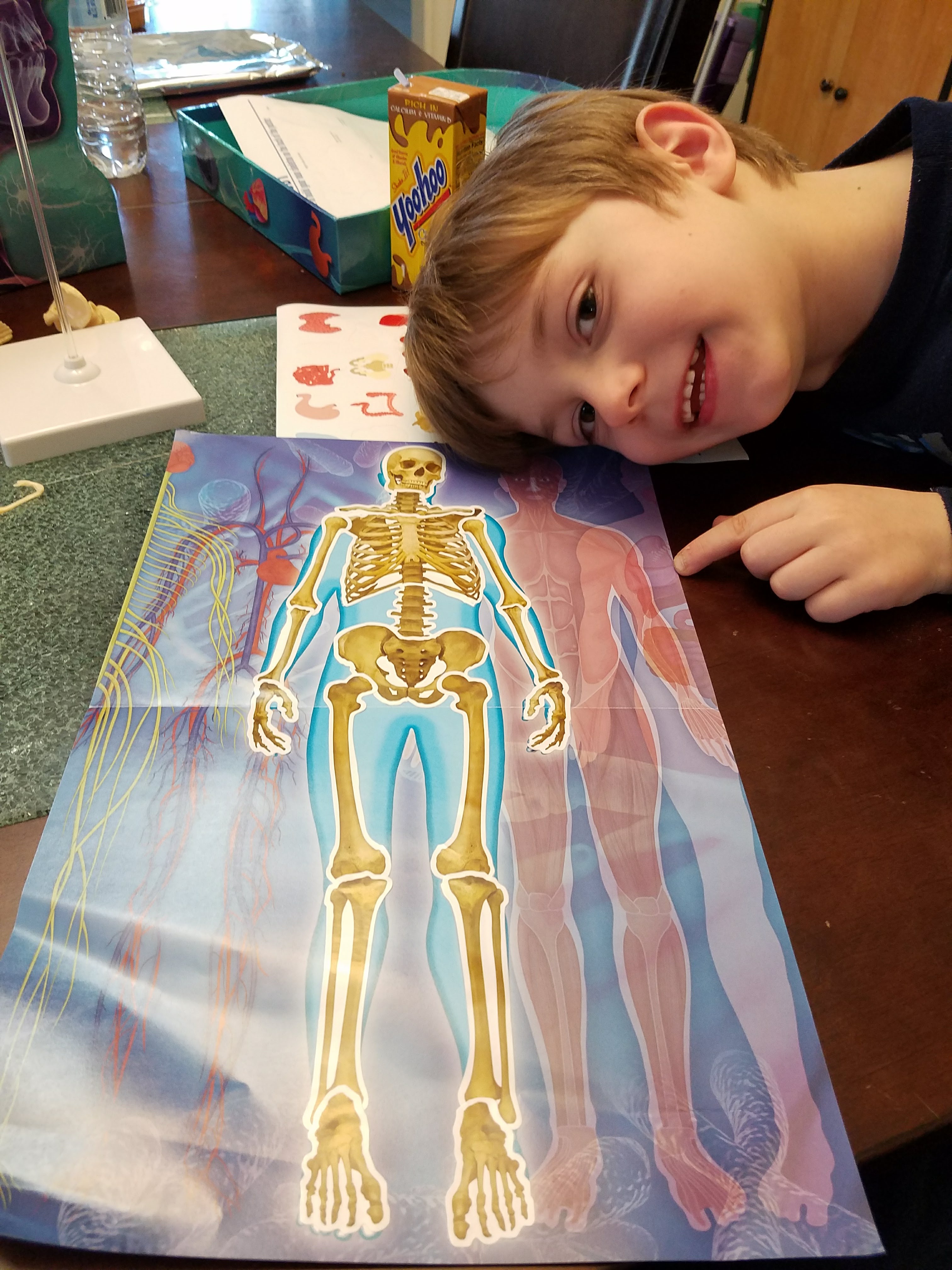
The box was full of stuff that would appeal to kids from ages 5(ish, my kiddo is going to be 6 in June) to about 10 or 11. There are two sheets of stickers; one sheet of bones, the other, of internal organs, including a set of “free play” stickers. The stickers go on a two-sided sheet with an outline of the human body; one side accommodates the organ stickers, one, the bones. There’s a separate bag for a snap-together skeleton model, playing card-sized flash cards about the body, and a booklet on the human body. Kiddo went to work on the sticker sheet, ASAP. The outlines are clear enough that he didn’t need my help at all! The only fiddly part came with the organ stickers, because so many overlap one another. We moved stuff around, covered some stuff up, and were pretty happy with the results.


I tried to read some of the flash cards to him as he was stickering, but realized that I was interested, but he was just sticking his little heart out, so I read them to myself and pointed out any cool stuff I came across. That worked for him.


Okay, next up, was the big guy: the skeleton. It’s a snap-together, and he got the skull, pelvis, and legs together pretty quickly. The really fiddly part came with the rib cage, spine, and arms. The rib cage is delicate, and the little spokes were giving us a hard time getting them in. We ultimately called in the big guns (Daddy), who made it work.


Overall, it was a fun hour spent with two cool hands-on crafts. He learned a couple of things, reinforced some facts he already knew, and ended up with a fun new skeleton to put in his room. I really like the flash cards and accompanying book, which gives a nice introduction to the human body for school-age kids; ideal for maybe around 7 or 8 years old. Younger kids will like the full-color pictures and graphics, and the book is loaded with fast fact Did You Know? boxes you can read to them. At $21.99, it’s a good gift for a curious kid. If you can get some fundraising money or program budget money together, this would be a great project for a small science group at your library; two or three kids can easily work together on one model and the posters. And they’d be pretty awesome to display.


Posted in professional development

Professional Development Reading: Exploring the Science of Sounds

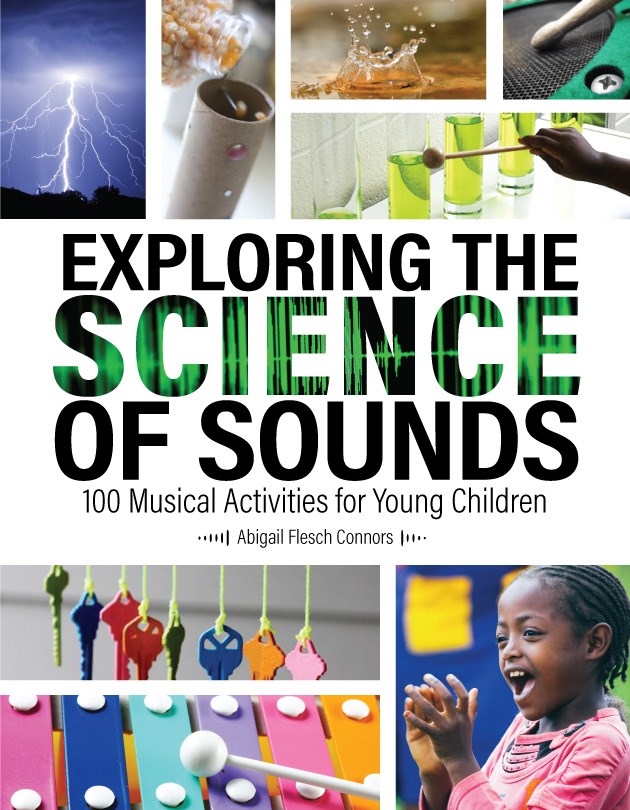
My latest professional development read is Exploring the Science of Sounds: 100 Music Activities for Young Children, by Abigail Flesch Connors. Since I enjoy singing songs and teaching my storytime kids fingerplays, I wanted to see how else I could bring music into my programs. Two of my colleagues have done great programs with musical instruments and musical play, so I want to get in on the fun!

Exploring the Science of Sounds: 100 Musical Activities for Young Children, by Abigail Flesch Connors,
(October 2017, Gryphon House), $16.95, ISBN: 9780876597316

Although aimed at professionals that work with kids from preschool to age 7, many of these activities are easily adaptable to toddlers. We get an explanation of the science behind sounds – pitch, tempo, musical instruments and how they make the sounds they make – and activities that translate to teachable moments for kids (and caregivers!). Teach kids to make their own guitar/harp/stringed instruments using a tissue box and rubber bands! Use different surfaces to understand how sound travels with different thicknesses! Every single activity in here will enrich a storytime or form the groundwork for a STEAM/STEM music program that kids will love. I’m putting this one in my professional development budget; I can see myself referring to this book again and again.

Posted in Animal Fiction, Fiction, Fiction, Graphic Novels, Humor, Middle Grade, Non-fiction, Tween Reads

Holiday Gift Guide: Books Kids Like!

I’m one of those people that believes there’s a book for every person, every occasion. I’m a firm believer in the five laws of library science, after all, and three of those are: “Books are for use”; “Every book its reader”; “Every reader his or her book”. This is very serious business.  So here’s a humble little gift guide for those of you who may want to give a book (or three), but not sure what to give to whom.

For the graphic novel reader who’s a little quirky and fun…

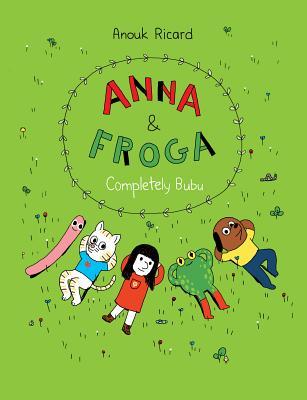
Anna & Froga: Completely Bubu, by Anouk Ricard,
(Sept. 2017, Drawn & Quarterly), $19.95, ISBN: 978-1-77046-292-2
Good for readers 10-13

This collection of comics from French author, artist, and animator Anouk Ricard stars a little girl named Anna, and her group of animal friends: Froga, the frog; Christopher, the worm; Ron, the cat, and Bubu, the dog. The book collects five previously published comics and one new story; each vignette running about 6 pages. Some vignettes end with a two-page final spread to deliver one last laugh, some run the whole 6 pages as a strip, but every little episode in Completely Bubu is loaded with kooky, smart humor. Upper middle graders and middle schoolers will get some good laughs out of this group, and so will you. “Bubu’s Vacation” will make you laugh out loud if you’ve ever considered (or maybe have) lying about going on vacation just to get some peace and quiet, and “The Garage Sale” will crack you up… and maybe, eye some pen caps.

For the kid who needs to know EVERYTHING. Right now.

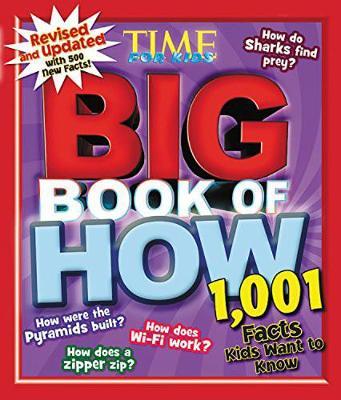
Time for Kids: The Big Book of How, by James Buckley, Jr.,
(Oct. 2017, Liberty Street), $19.99, ISBN: 9781683300106
Good for readers 8-12

If you know a kid that has the Wikipedia app loaded and ready to go; takes things apart to figure out how they work, or just wants to know why, The Big Book of How is the gift to give. With 11 sections, covering Animals, Technology, Space, Science, Sports, and more, this book carries over 1,000 facts (see the cover?) that kids wants to know. Each section hands readers the reins by offering a How To just for them: learn how to make a paper airplane or a camera obscura; find out how to launch a rocket or grow salad on a windowsill. There are amazing photos and fast facts, Did You Know? boxes and infographics, making this a desk reference that will get read and loved.

For the sports fan who already knows all the stats…

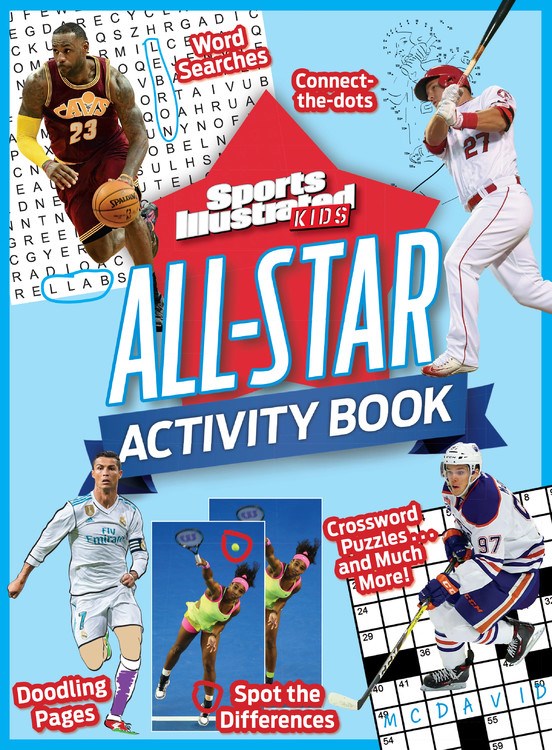
Sports Illustrated Kids All-Star Activity Book, by James Buckley Jr.,
(Nov. 2017, Liberty Street), $9.99, ISBN: 978-1-68330-773-0
Good for readers 8-13

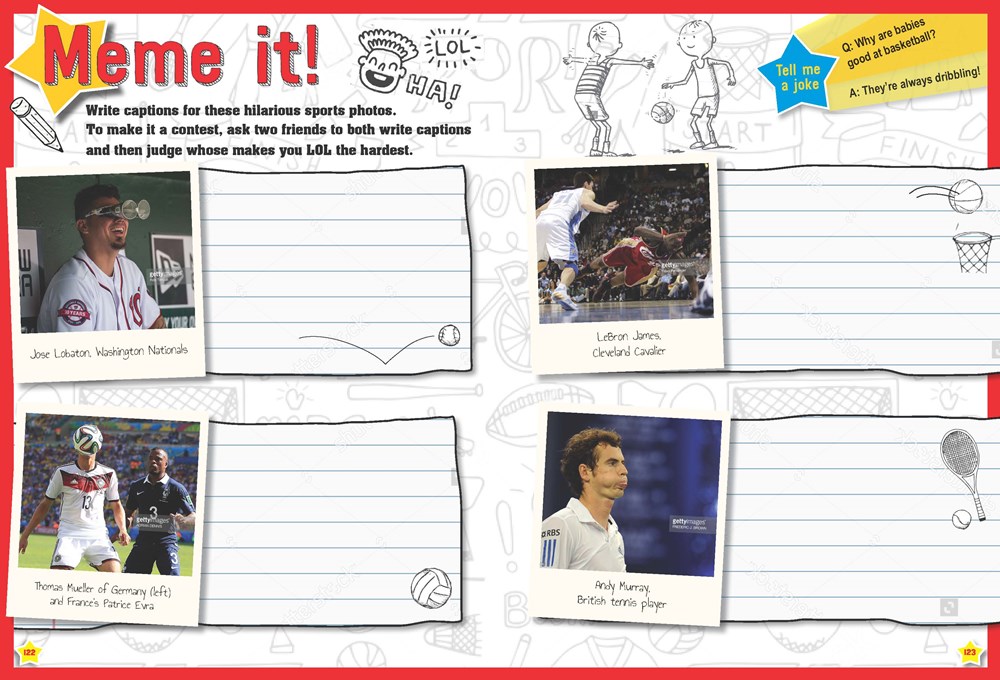
Your sports fan knows all the box scores and stats, but has she or he ever done a Williams Sisters connect-the-dot? Or created his or her own James Harden beard? You can do that and more with this activity book – covering all the major sports, with additional sections for the Olympics and All-Stars, kids can match soccer team jerseys to their players, create their own Olympic logo, and zip through an NHL word search. There’s even a NASCAR coin flip game in here for Race Day fans. Fun facts and great photos make this a great stocking stuffer.

For the time-traveler and history buff…


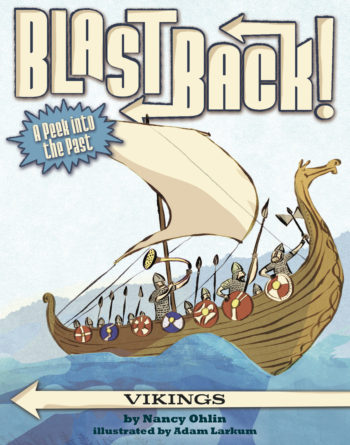
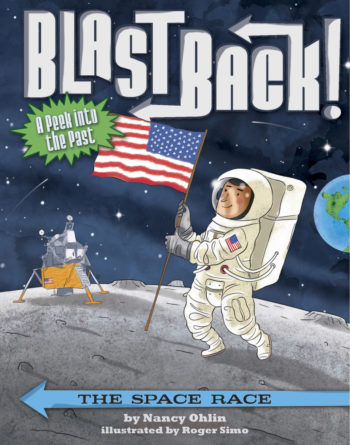
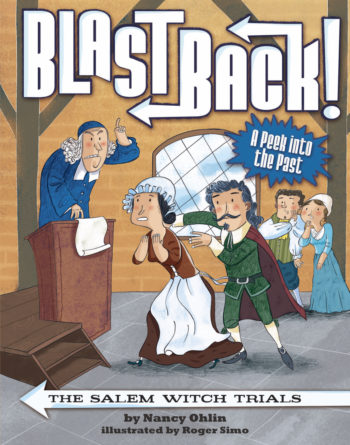
The BlastBack! series, by Nancy Ohlin/Illustrated by Adam Larkum and Roger Simó, (little bee)
Good for readers 7-10

The BlastBack! series is nonfiction that kids devour. It’s like the Time Warp Trio wrote books after each of their adventures. Each book covers a period in time, giving readers the full scoop: religion and mythology, history, aftermath, all written with respect for the younger reader – parenthetical explanations of terms and facts; callout boxes that look deeper into key people and moments; selected bibliographies at the end of each book. Black and white illustrations and maps throughout keep readers turning pages. There are 10 BlastBack! books now, and I hope we get some more to fill up my series nonfiction section. They’re just good reading.

For the kid you hand your phone to when you can’t figure out an app…

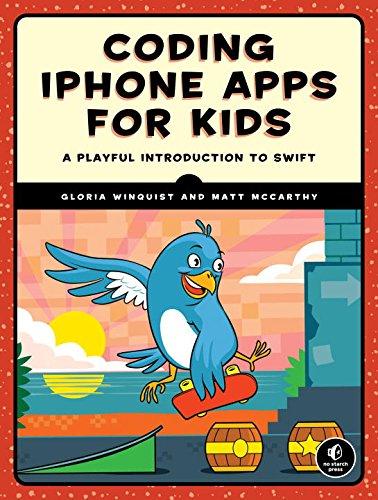
Coding iPhone Apps for Kids: A Playful Introduction to Swift, by Gloria Winquist and Matt McCarthy/Illustrated by Keiko Sato,
(May 2017, No Starch Press), $29.95, ISBN: 978-1-59327-756-7
Good for readers 10+

I love No Starch Press and their tech books for kids. Coding iPhone Apps for Kids is a detailed, but highly readable, introduction to Swift, the language used mobile apps that run on Apple devices. The book walks readers through every step of the process, from the basics of learning how to code, installing Xcode (the code editor), storyboarding, adding art and sound effects, testing, and finally, running the app. (I’m leaving a lot of steps out of the process, but that’s why I don’t write books on creating apps.) There are full-color illustrations, screen shots, and lines of code to guide readers and important troubleshooting tips and tweaks along the way. An appendix and index round out this insanely helpful book that would make a lovely gift wrapped up with a copy of Girls Who Code. Just sayin’.

For the kid who loves infographics… or really likes Seek and Finds…

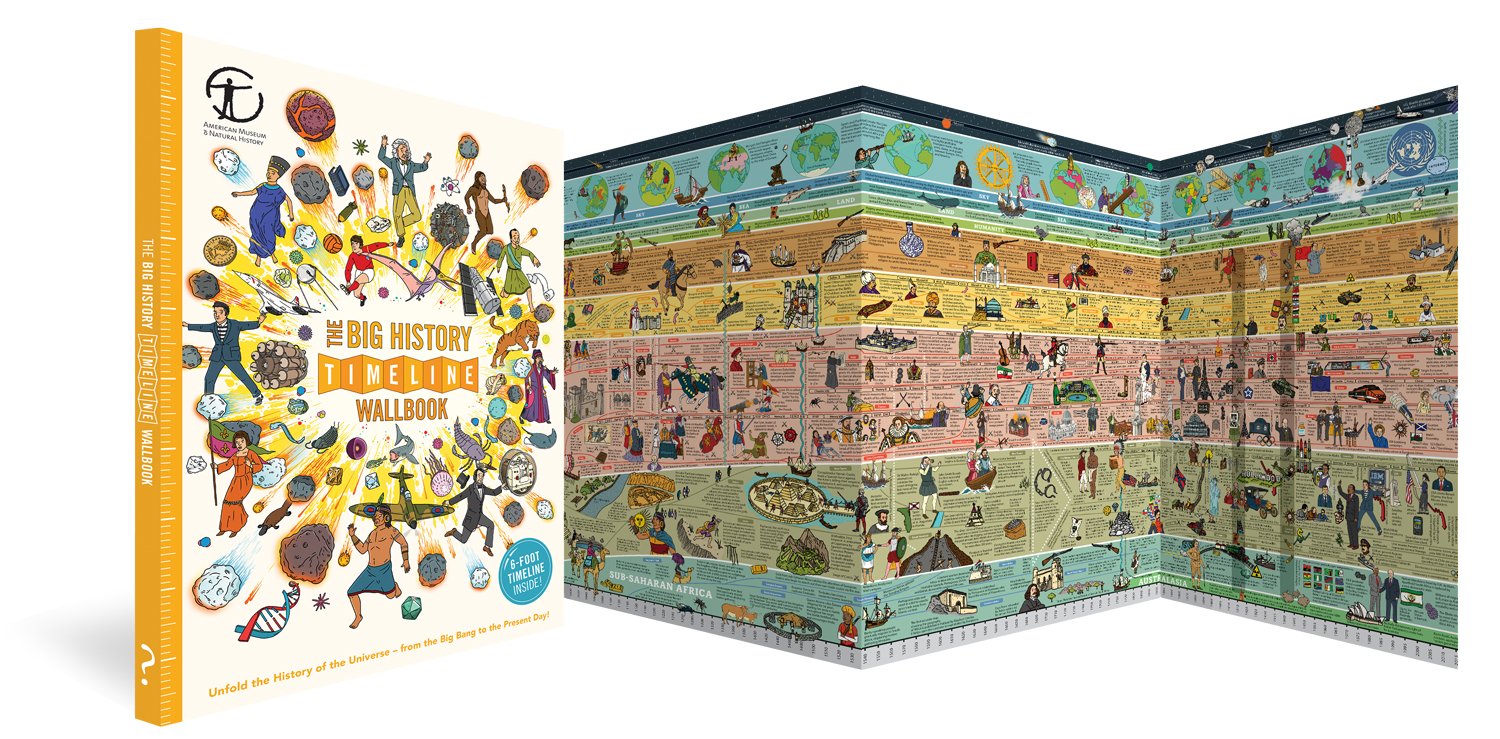
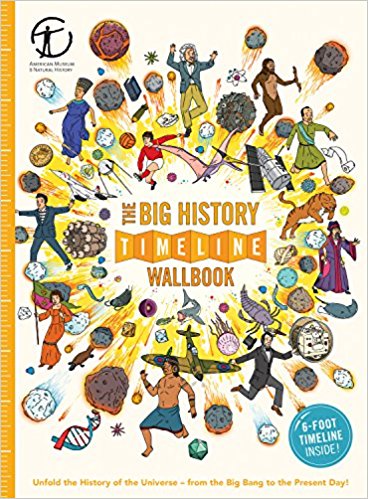
The Big History Timeline Wallbook, by Christopher Lloyd and Patrick Skipworth/Illustrated by Andy Forshaw,
(Sept. 2017, What On Earth Books), $19.95, ISBN: 978-0-9932847-2-4
Good for readers 6-14

What did we do before infographics? So much info communicated in little bites of space, fully illustrated and eyecatching; it’s a wonderful thing. The Big History Timeline Wallbook isn’t quite an infographic, but it does come with a 6-foot timeline of the universe – from the Big Bang to our Present Day – that you can detach and hang on your wall. There’s even a cute little pocket, holding a magnifier, that you can use to read the itty bitty text on the poster. Hey, there’s a lot of history to chronicle; sometimes, font size has to be sacrificed.

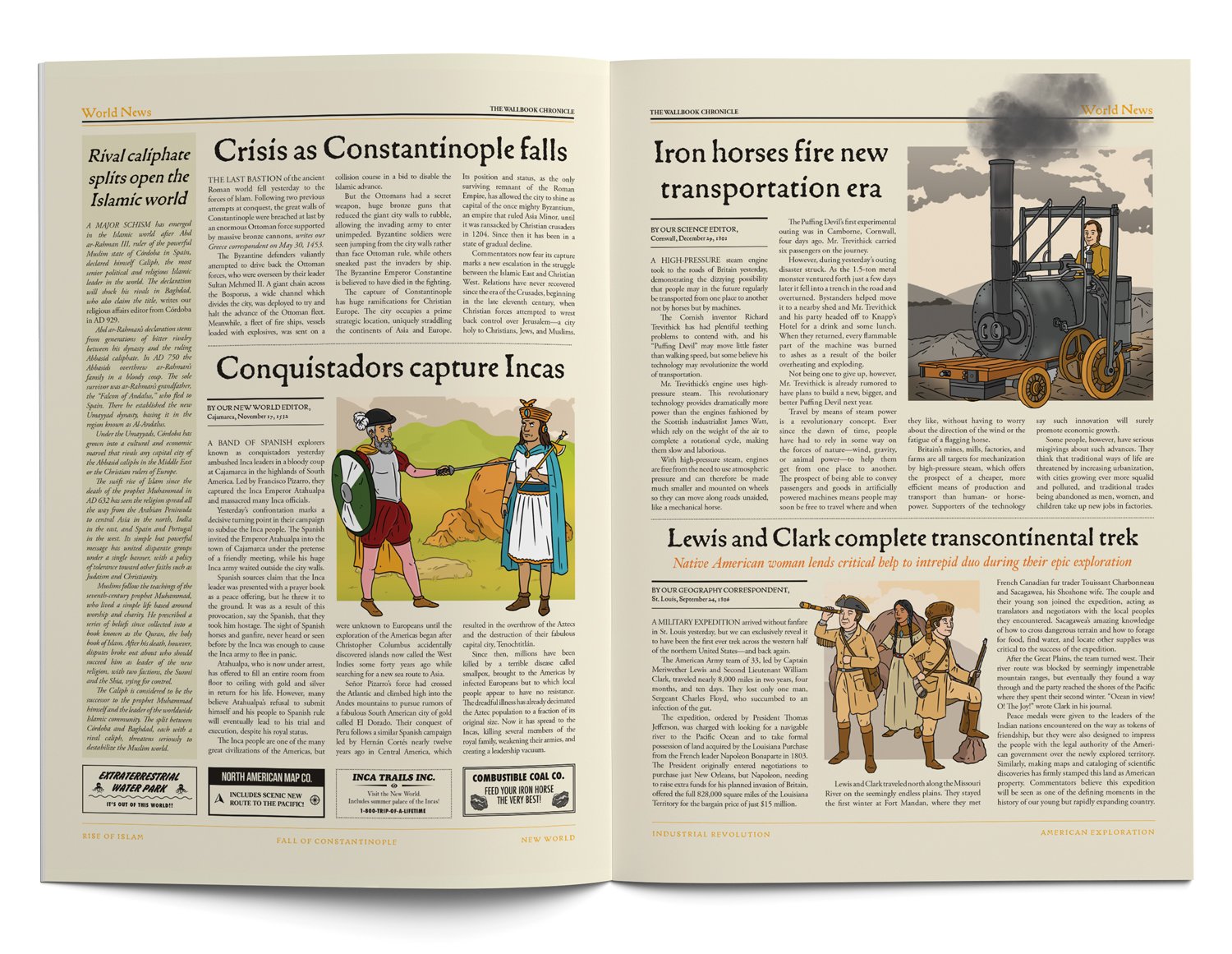
The Wallbook Chronicle is an 18-page “glorious gallop through fourteen billion years of big history”: printed to look like a newspaper, articles include major world events with bylines and dates, like the “Solar System origins clouded in swirls of gas” article by the astronomy editor from Paris, 1796 and the geography correspondent’s 1806 article on Lewis and Clark completing their transcontinental trek. A letters section from “would-be readers down the ages” has commentary on events including the sacking of King Tut’s tomb and the fire-bombing of Tokyo in 1945; a quiz tests readers’ mettle. There are three Timeline Wallbooks available: Big History, Science, and Nature; all developed in conjunction with the American Museum of Natural History. Definitely a fun gift choice.


More gift ideas to come! I hope this helped fill in a few check boxes on your holiday lists.