Posted in Fiction, Middle Grade, picture books, Preschool Reads, Toddler Reads, Tween Reads

Book List for Beginning Activists

It’s getting harder and harder, waking up to the world we’re living in today. Some of our best defenses are, and will always be, empathy and information. I was inspired to create my own list of books to cultivate young activists by CuriousCity’s Books for All of Us post; I hope these books inspire you, too. Remember what J.R.R. Tolkien told us: even the smallest person can change the course of the future.


A is for Activist, by Innosanto Nagara, (Nov. 2013, Triangle Square), $9.40, ISBN: 978-1609805395

Available in board book or hardcover, A is for Activist is a rhyming abcedary of activism. The book introduces little ones to ideas like Co-Op, Equal Rights, Grassroots, Indigenous, and Justice. Best for pre-k and up in terms of grasping the concepts, but it’s never too early to get an ABC book in front of the little ones. The illustrations are loaded with new things to find with each reading.


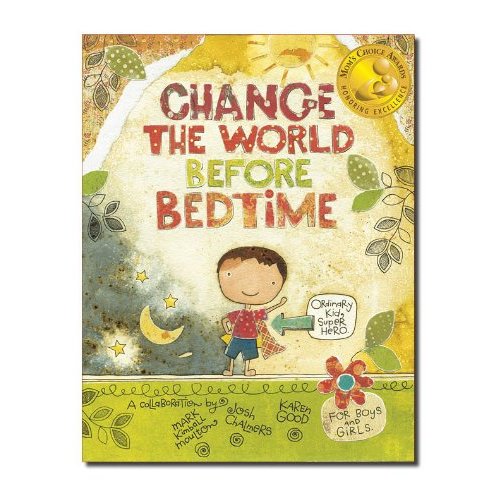
Change the World Before Bedtime, a collaboration by Mark Kimball Moulton, Josh Chalmers, and Karen Good (Schiffer Publishing, 2012). $16.99, ISBN: 978-0764342387

One of my storytime constants, Change the World Before Bedtime is loaded with ways for kids to make positive changes in their world, from eating locally to visiting a sick friend, to donating money from a lemonade stand to a good cause. It’s another rhyming text, with homespun, cozy artwork that immediately evokes the warm fuzzies.


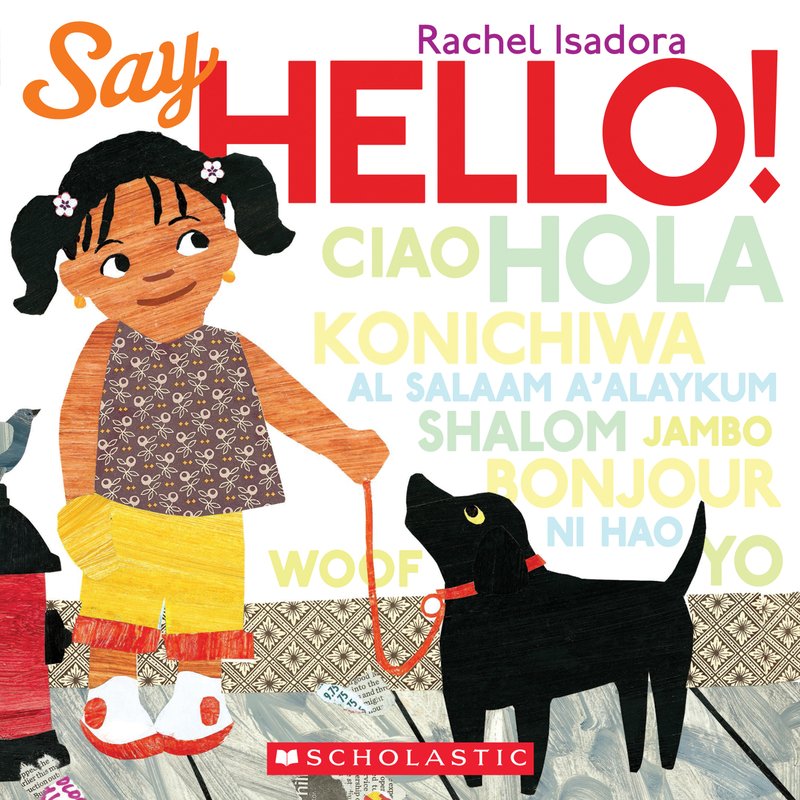
Say Hello!, by Rachel Isadora, (Apr. 2010, GP Putnam), $14.95, ISBN: 978-0399252303

Everyday activism! Carmelita is a little girl going to visit her abuela. As she walks through her neighborhood, she and her neighbors greet one another in their native languages: “Buenos días!”, “Konichiwa!”, “Shalom!”, and other joyful salutations embrace the multicultural world in which we live. Say Hello! will have kids sharing their own greetings with one another.


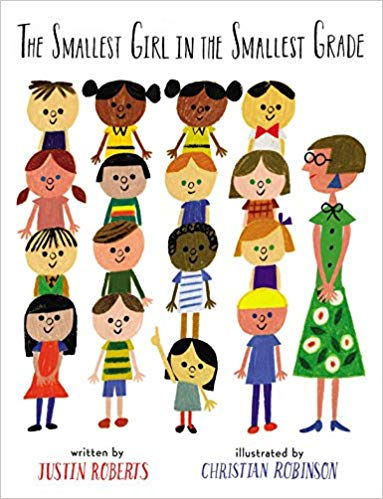
The Smallest Girl in the Smallest Grade, by Justin Roberts/Illustrated by Christian Robinson, (Sept. 2014, GP Putnam), $16.99, ISBN: 978-0399257438

Little Sally McCabe may be the smallest girl in the smallest grade, but she’s making big things happen when she decides to speak up when she sees bullying at the playground. This rhyming story lets kids of all sizes know that we can all make a difference.


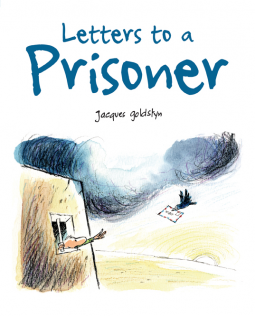
Letters to a Prisoner, by Jacques Goldstyn, (Sept. 2017, OwlKids Books), $18.95, ISBN: 9781771472517

This wordless picture book is inspired by human rights organization Amnesty International’s letter writing campaigns. A man is arrested during a peaceful protests and languishes in jail. A cruel guard burns letters that would sustain the man, inspiring more letter writers to come together and create a winged army of written support that overwhelms the guard and lifts the prisoner up and away. The book illustrates the power of the written word to sustain as well as to take a stand.


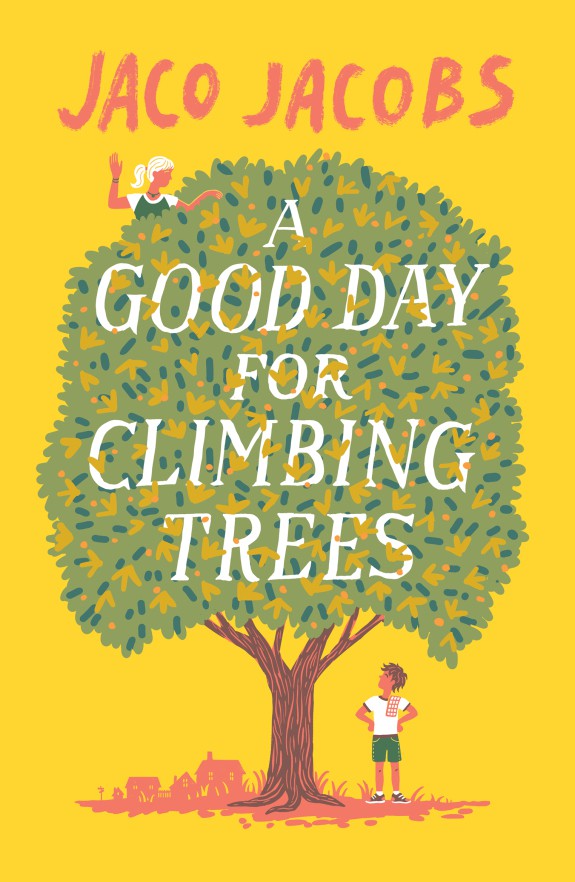
A Good Day for Climbing Trees, by Jaco Jacobs, Translated from Afrikaans by Kobus Geldenhuys/Illustrated by Jim Tierney, (Apr. 2018, One World Publications), $11.99, ISBN: 978-1-78607-317-4

Middle graders have more of a grasp on the world around them, can take action in different ways. Marnus, the 13-year-old protagonist in A Good Day for Climbing Trees, and a friend take action to save a local tree from demolition by petitioning and holding a sit-in, which alerts others to their cause. Readers get a more involved view of activism, and some potential results, here.


This is just a small handful of the growing number of books out there.  I encourage you all to read these books, read them to your kids, and add them to your collections.


Posted in Intermediate, Non-Fiction, picture books

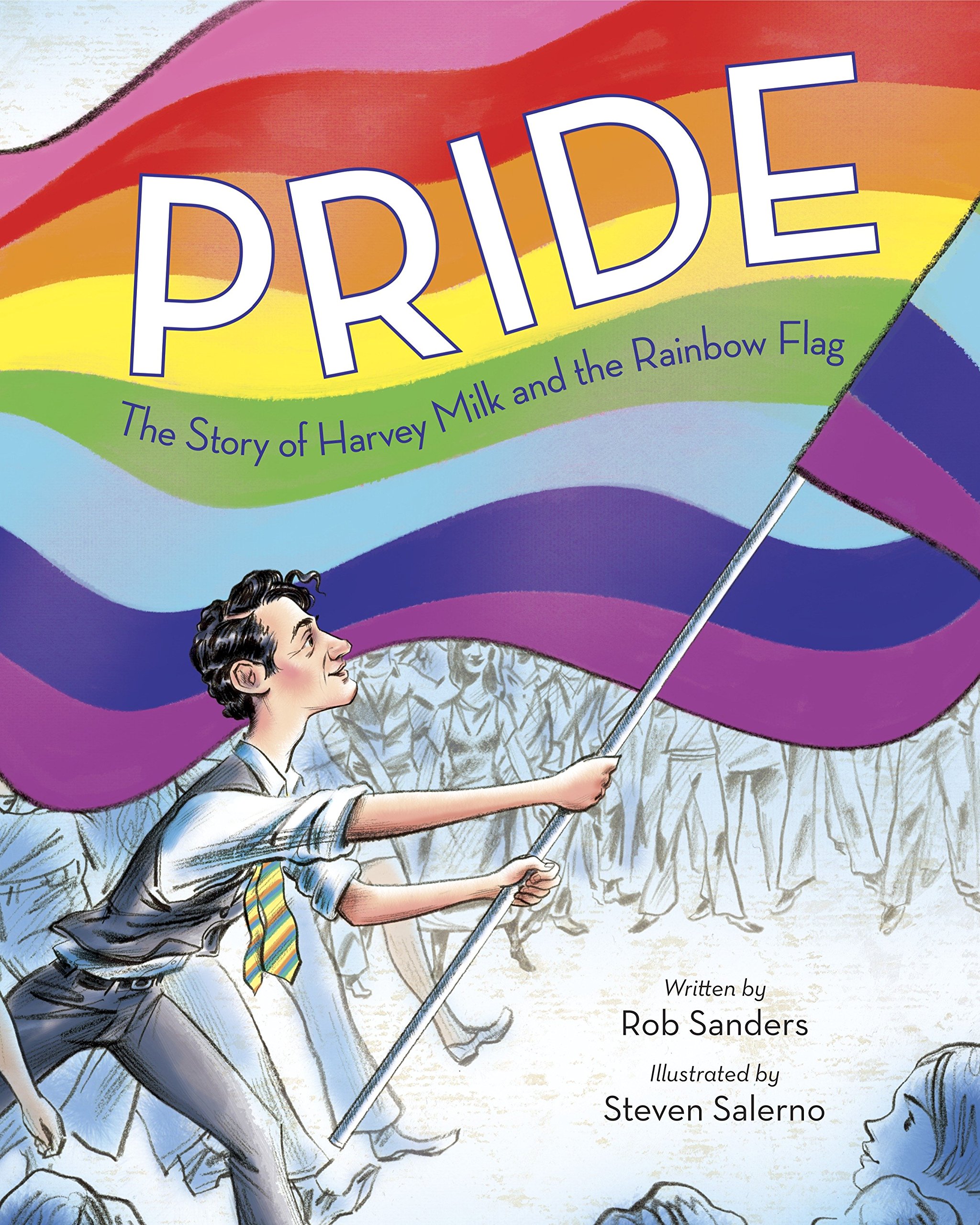
Happy Pride! Pride: The Story of Harvey Milk and the Rainbow Flag

Pride: The Story of Harvey Milk and the Rainbow Flag, by Rob Sanders/Illustrated by Steven Salerno, (Apr. 2018, Random House), $17.99, ISBN: 9780399555312

Recommended for readers 5-8

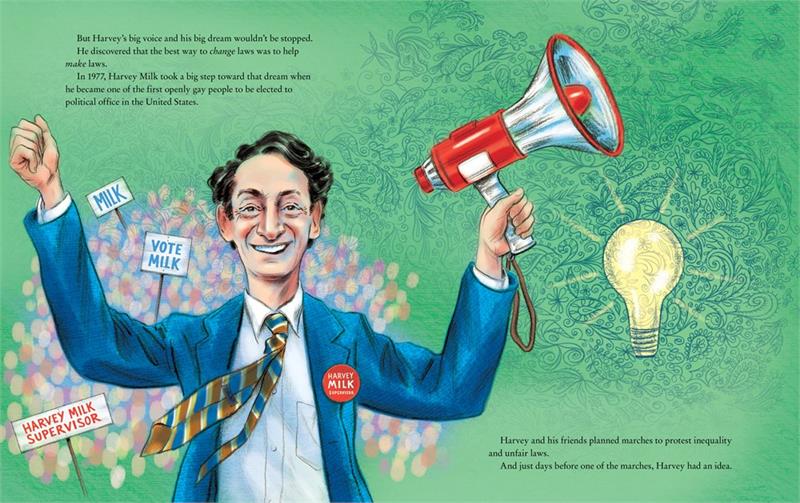
The story of Harvey Milk, gay rights activist and the man behind the rainbow flag, gets to shine in this picture book biography. Written in short, readable sentences with quotes from Harvey Milk throughout, this is an inspirational story about a movement propelled by love. That’s it. Love, and the right to love, is at the heart of the gay rights movement, and while Harvey Milk dreamed of a world where we could all love whoever we choose, he also put that dream into action by speaking out, becoming involved in politics to help change laws, and finally, to rally the world behind a flag that is beautiful and bright and sends a message that reverberates to this day.

Pride is about the creation of the rainbow flag, and how the movement is still strong, even after Harvey Milk’s assassination. He shared his pride with the world, and gave us an icon.  In 2015, the day that the United States Supreme Court ruled in favor of gay marraige, the White House was awash in the colors of the flag, and you can find that flag in cities and countries all over the world: New York; Chicago; London; Singapore; Turkey; Russia. Biographical notes on Harvey Milk and Gilbert Baker, who actually designed the flag, timelines for both Harvey Milk’s life and the rainbow flag, and further research resources are available at the end of the book, as are photos of Harvey Milk, the Rainbow White House, and gay pride parades.

This is a strong picture book biography that speaks respectfully to readers and provides solid information on the gay rights movement, Harvey Milk’s role in it, and the origin of the iconic rainbow flag. It’s a must-have for picture book biography collections. Pride: The Story of Harvey Milk and the Rainbow Flag has a starred review from Shelf Awareness and rave reviews from School Library Journal, Out.com, Kirkus, and Gay Times magazine, among others.

Posted in Fiction, Historical Fiction, Middle Grade, Realistic Fiction, Tween Reads

Social Justice, Union Organizing, Dairy Wars, and an Orphan Band!

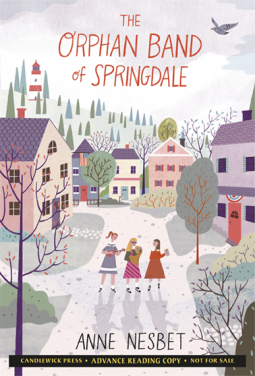
The Orphan Band of Springdale, by Anne Nesbet, (Apr. 2018, Candlewick Press), $18.99, ISBN: 9780763688042

Recommended for readers 8-12

It’s 1941, and things are tense in the U.S. as the world is at war in Europe. Eleven-year-old Gusta is on the run with her father, a German labor organizer, heading toward Maine to stay with her grandmother, when her father disappears. Gusta shows up on her grandmother’s doorstep with the clothes on her back and her beloved French horn. Her grandmother and aunt, who run an orphanage, take her in, and Gusta starts adjusting to life in a place very different from New York. American nationalism runs rampant in Maine, and Gusta’s last name and status as a newcomer brings some suspicion with it, as does her talk about unions and workers’ rights. Her uncle, a mill-worker whose hand was mangled at the factory, can’t work, so Gusta takes it upon herself to approach the owner of the mill to ask him to consider helping with her uncle’s bills. What Gusta doesn’t realize is that her desire to do the right thing puts her at odds with the mill owner, who has a history of his own with her family.

There is such rich and relevant storytelling here. Gusta is a wonderfully realized character with a strong background in social justice: a background that makes her an outsider in her own country. She comes to Small Town America during a time when there of alien registration drives (it really happened) and extreme patriotism; when something as innocuous as a last name aroused suspicion. Gusta is hyper-aware of injustice and determined to do what’s right, whether it’s bringing union reps to her town or point-blank asking for compensation for her uncle’s work-related injury. It’s her unflinching sense of right and wrong that puts her at odds in her community – and her father’s reputation certainly doesn’t help. Thank goodness her tough but loving grandmother is there to lean on. The Orphan Band of Springdale moves at a good pace, has believable characters in relatable situations, and readers can easily draw parallels between 1941 and today.

An author’s note reveals the very personal connection between the author and Gusta’s story. Readers can download a discussion guide and author’s notes from Candlewick’s website. The Orphan Band of Springdale has starred reviews from Publisher’s Weekly and the Bulletin of the Center for Chidren’s Books.


Posted in Non-Fiction, picture books

Activists, Musicians: Biographies

If you’re looking for some biographies on musicians who worked to change the world, here’s a starter list.


Muddy: The Story of Blues Legend Muddy Waters, by Michael Mahin/Illustrated by Evan Turk, (Sept. 2017, Athenum), $17.99, ISNB:  978-1481443494  It’s a good thing Muddy Waters wasn’t good at doing what he was told. Everyone from his grandma to record producers said no one wanted to hear the blues, but Muddy just kept playing, from family picnics to smoky juke joints, until he finally got to Chicago, and recorded his music.

Mahalia Jackson: Walking With Kings and Queens, by Nina Nolan/Illustrated by John Holyfield, (2015, Amistad/HarperCollins),$17.99, ISBN: 978-0-06-087944-0  Mahalia Jackson had a voice that could make you stop whatever you were doing in listen. Walking with Kings and Queens tells her story, from her New Orleans childhood to her performance at the March on Washington.

When the Beat Was Born: DJ Kool Herc and the Creation of Hip Hop, by Laban Carrick Hill/Illustrated by Theodore Taylor III, (Aug. 2013, Roaring Brook Press), $17.99, ISBN: 9781596435407  In 1973, music changed forever when Clive Campbell – you may know him as DJ Kook Herc – created a new way of playing music to make the beats last longer, letting you dance longer. It caught on. Kids started breakdancing rather than fighting; a culture arose that influences music, style, and language to this day.


Nina: Jazz Legend and Civil-Rights Activist Nina Simone, by Alice Brière-Haquet/Illustrated by Bruno Liance, (Dec. 2017, Charlesbridge), $16.99, ISBN: 9781580898270  Singer and activist Nina Simone grew up listening to music made by “important men in powdered wigs from past centuries” and faced down systemic racism to shine as a classical, jazz, blues, folk, R&B, gospel, and pop vocalist and activist.

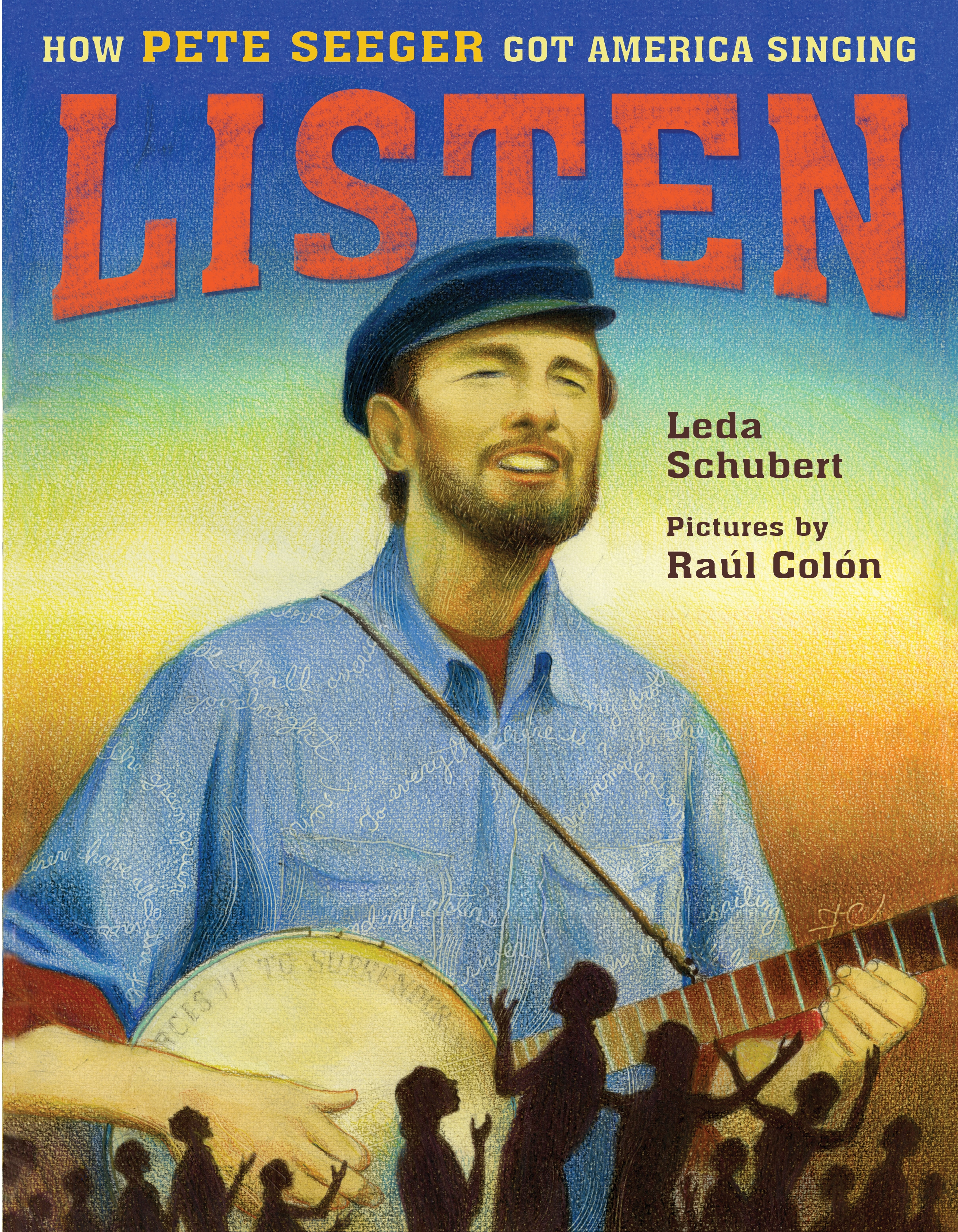
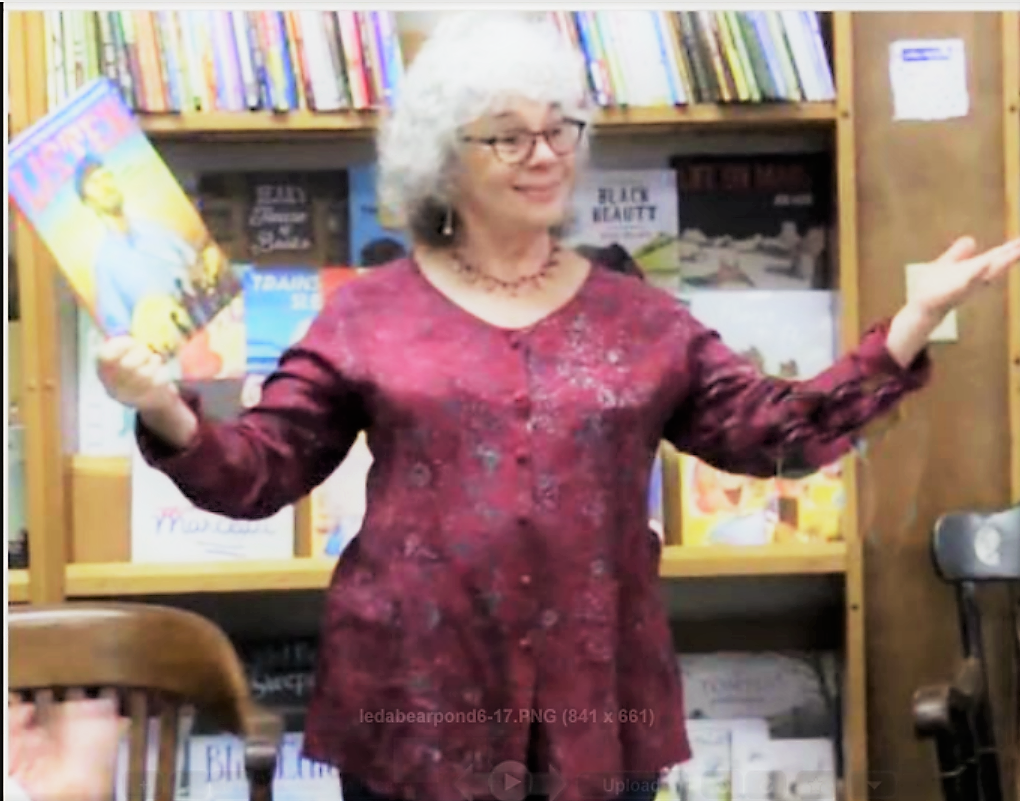
Listen – How Pete Seeger Got America Singing, by Leda Schubert/Illustrated by Raúl Colón, (June 2017, Roaring Brook Press), $17.99, ISBN: 9781626722507  Folk artist Pete Seeger led by example, be it through song or through activism. He said that participation would save the human race, and encouraged it through actions: he supported unions, protested war, and marched for civil rights, and he was vocal about environmentalism.

When Paul Met Artie: The Story of Simon & Garfunkel, by G. Neri/Illustrated by David Litchfield,
(March 2018, Candlewick), $17.99, ISBN: 9780763681746  The story of music duo Simon & Garfunkel, told in verse, takes the artists from their childhood in Queens, New York, through their mutual love of music and discovery of ’60s social change, and through their early musical career.


Posted in Fiction, Middle Grade, Realistic Fiction, Tween Reads

It’s a good day for activism… and climbing trees!

A Good Day for Climbing Trees, by Jaco Jacobs, Translated from Afrikaans by Kobus Geldenhuys/Illustrated by Jim Tierney, (Apr. 2018, One World Publications), $11.99, ISBN: 978-1-78607-317-4

Recommended for readers 9-13

Marnus is a 13-year-old boy who’s tired of falling through the cracks in his family’s life. He’s not an athlete like his brother, and he’s not a financial wizard-slash-loan shark like his little brother, to whom he owes big bucks. A girl named Leila shows up at Marnus’ door, asking for signatures for a petition to save a local tree, and before Marnus realizes what he’s doing, he’s up in the tree next to Leila. Over the next few days, the two manage to gather a viral following, attract sponsors, and build the foundations to a new friendship.

Jaco Jacobs is a prolific South African author, with over 120 books to his credit. This latest novel, released in 2015 in Afrikaans, will resonate with readers here in the U.S., where young people are discovering activism at a younger age. Jacobs hits on the two-edged sword of activism: the empowerment of seeing kids take matters into their own hands when something is important to them, and the trap of viral popularity and its fleeting nature, paired with the frustration of having one’s passion seen as a “novelty” cause. The reason behind Leila’s activism are moving, and Marnus emerges as a sensitive, upbeat EveryKid. The characters have depth and are identifiable, from the two main characters to the parents who mean well but don’t always do well; the Rent-a-Cause college students; the developers who want to tear down the tree, and more. This is a solid addition to bookshelves – it would make a strong summer reading choice for middle schoolers, particularly with the wave of activism firing up this generation. There’s a wealth of book discussion topics to explore with this book, for adults as well as for tweens, from environmentalism to sibling relationships to divorced families.

Posted in Animal Fiction, Fiction, Graphic Novels, Intermediate, Preschool Reads, Toddler Reads

Books for your Spring radar!

Spring always brings some good books to read. In April and May, there’s a little something for everyone – come and see!

April Books

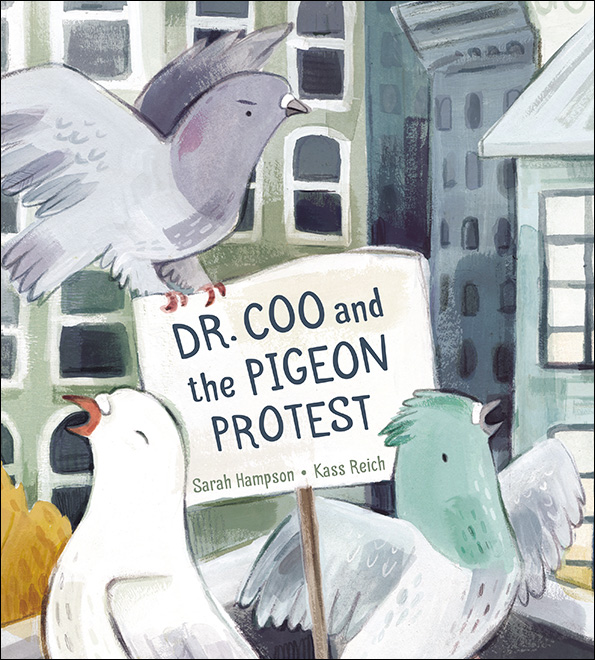
Dr. Coo and the Pigeon Protest, by Sarah Hampson/Illustrated by Kass Reich,
(Apr. 2018, Kids Can Press), $18.99, ISBN: 9781771383615
Recommended for readers 4-8
Dr. Archibald Coo is a sophisticated pigeon who’s tired of the way he and his fellow pigeons are treated by humans. They’re shooed at, swatted, and treated like a general menace. Dr. Coo remembers when pigeons enjoyed a higher profile in history: in ancient Greece, they delivered news about the Olympic Games; during World War I, they carried messages across battlefields. Now? pfft. So Dr. Coo and his pigeon friends organize and decide to strike: they disappear from every public space, leaving a confused public wondering what happened. Dr. Coo heads over to the mayor’s office a history of the pigeon and a note, asking for tolerance, opening the door to a new era of pigeon-human relations. It’s a cute urban story with a wink to New York and other urban spaces, and has a nice thread about inclusivity and diversity running through the book. Gouache paint and colored pencil art makes for a soft illustration, with attention to the different types of pigeons – there are! – in the cityscape. This would be cute to booktalk with James Sage’s Stop Feedin’ Da Boids!
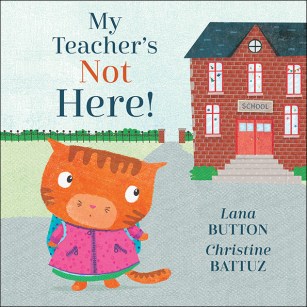
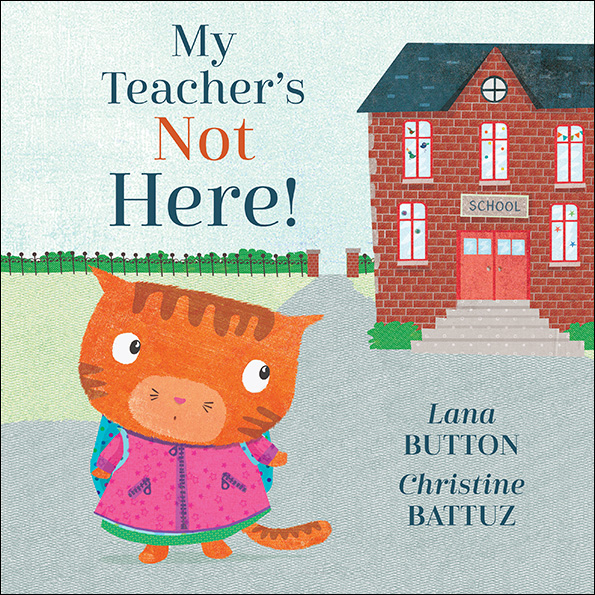
My Teacher’s Not Here!, by Lana Button/Illustrated by Christine Battuz,
(Apr. 2018, Kids Can Press), $18.99, ISBN: 9781771383561
Recommended for readers 4-6
Kitty gets to school and knows something’s up when her teacher, Miss Seabrooke, isn’t there to meet her. What’s going on? There’s another teacher there today! How does school even work when your teacher is absent? This sweet rhyming tale about a student’s first substitute teacher is great for younger kids who are just getting into the swing of school routines and provides some fun advice for coping with and adjusting to unexpected change. Kitty teaches readers some coping strategies, including helping out her friends and the teacher by contributing to class and modeling good behavior using cues she learned from her teacher, that the substitute may not be aware of. This is an animal story, so kids will enjoy seeing the “ginormously tall” teacher, a giraffe named Mr. Omar; pigs, elephants, bears, a whole menagerie of students. Hand-drawn artwork and digital collage come together to create colorful, textured, cartoony fun. This one’s a good addition to preschool and primary collections.
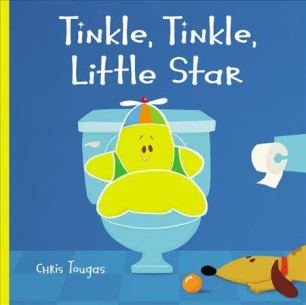
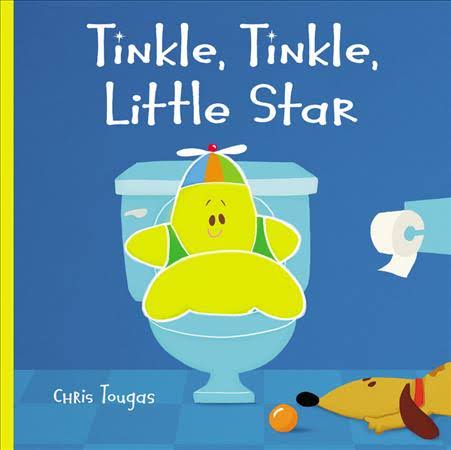
Tinkle, Tinkle Little Star, by Chris Tougas,
(Apr. 2018, Kids Can Press), $9.99, ISBN: 9781771388399
Recommended for readers 1-3
One of my favorite books coming out this season is this adorable board book! Set to the tune of everybody’s favorite classic song, this sweet and funny version is all about where not to go: not in a plane, not on Grandpa’s knee, not at a puppet show. Luckily, the poor Little Star gets relief by the story’s end, and sits on a potty to… “Tinkle, Tinkle, Little Star”. It’s adorable with the cutest digital art. Little Star is beyond cute, and gender neutral! Sing along at storytime – I know I’ll be throwing plenty of voice inflection (“Did you just pee on this page?”) and leg-crossing as I read this one. Absolutely adorable, must-add, must-give for collections and toddlers everywhere.

May Books

Polly Diamond and the Magic Book, by Alice Kuipers/Illustrated by Diana Toledano,
(May 2018, Chronicle), $16.99, ISBN: 9781452152325
Recommended for readers 7-9
Polly Diamond is an aspiring, biracial young writer who discovers a magic book on her doorstep one day. Not only does the book write back to her when she writes in it, Everything she writes in the book happens in real life! At first, Polly is psyched: who wouldn’t be, right? But you know how it goes… for every magic journal action, there’s a pretty wild reaction! Written in the first person, with excerpts from Polly’s book, including a pretty great intermediate-level book list for awesome display purposes (“Read Polly Diamond’s favorite books HERE!”). Chapter book readers who love books like Juana and Lucas (on Polly’s favorites list), Jasmine Toguchi, and Katie Woo will thoroughly enjoy Polly’s adventures. There are short, descriptive sentences and a nice amount of new words – Polly is an aspiring writer, after all! Lots of fun for chapter book readers; I’d have kids create their own aquariums as a related craft.
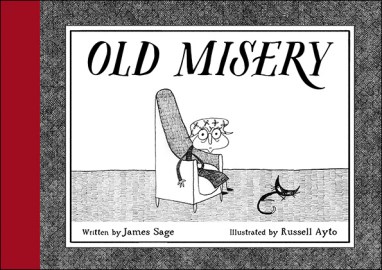
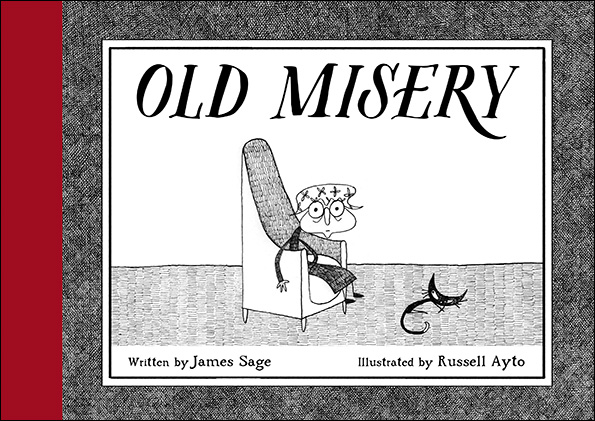
Old Misery, by James Sage/Illustrated by Russell Ayto,
(May 2018, Kids Can Press), $16.99, ISBN: 9781771388238
Recommended for readers 5-10
Readers with a darker sense of humor (and parents who are Gorey fans) will get a chuckle out of Old Misery, the story of a cranky old woman named – you got it – Old Misery, and her old cat, Rutterkin. She’s broke, and the apples keep disappearing from her apple tree! Lucky for Old Misery, she’s not completely heartless and feeds a wandering visitor, who grants her one wish: she wants all the apple thieves to be caught in the tree until she lets them go! Old Misery decides to play a little risky game when Death himself shows up at her door – and she sends him to the apple tree. Be careful what you wish for! The black and white, pen and ink artwork has a creepy, quirky feel to it, which will appeal to kids who like Lemony Snicket’s work, but may go over some kids’ heads. Old Misery narrates the story, offering an opportunity for a fun read-aloud.
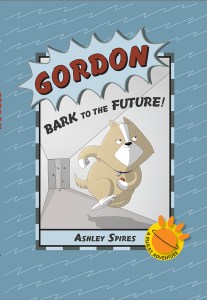
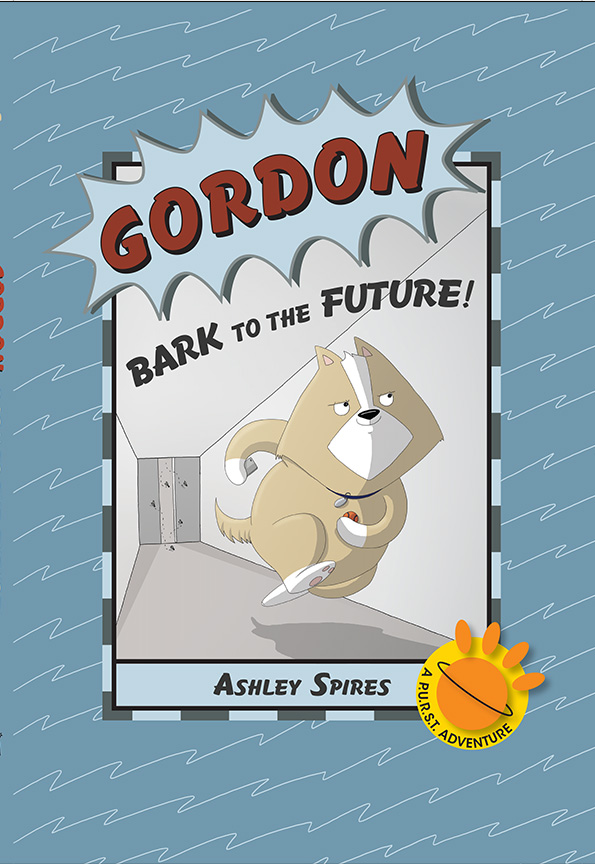
Binky fans, Gordon’s got his own adventure! For readers who love Ashley Spires’ Binky the Space Cat graphic novels will love Gordon, fellow member of PURST (Pets of the Universe Ready for Space Travel) and Binky’s house-mate, as he finds himself traveling through time to stop an alien invasion. But Gordon travels back too far – before PURST even exists! He’s got to get back to his normal time and set things right! This is fun reading for graphic novel fans, and a nice addition to a popular series. There’s time-travel, problem-solving, aliens, and humor, along with fun art.

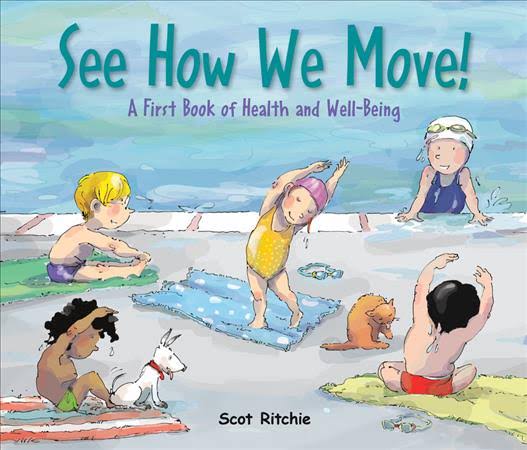
See How We Move!: A First Book of Health and Well-Being, by Scot Ritchie,
(May 2018, Kids Can Press), $15.99, ISBN: 9781771389679

Recommended for readers 5-8
Author Scot Ritchie’s multicultural group of friends are back together again. Last time we save them, they visited a farm to learn how to grow grains and vegetables in See How We Eat!; this time, Pedro, Yulee, Nick, Sally, and Martin are training as their swim team, The Flying Sharks, prepares to compete. They learn about using proper equipment for different activities, warming up before beginning your activity, teamwork and encouragement, goal-setting, nutrition, the mind-body connection, and more. There are suggestions for fun activities and words to know, all coming together to give kids a fun story about a group of friends staying strong and having fun together while encouraging kids to create lifelong habits of health, nutrition, and physical fitness. I like this See How! series; it offers a wealth of information on healthy living, made accessible to younger readers. I can easily read this in a storytime and get the kids talking about the different ways they play, how they eat, and good habits to get into.
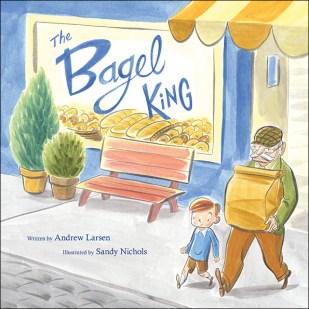
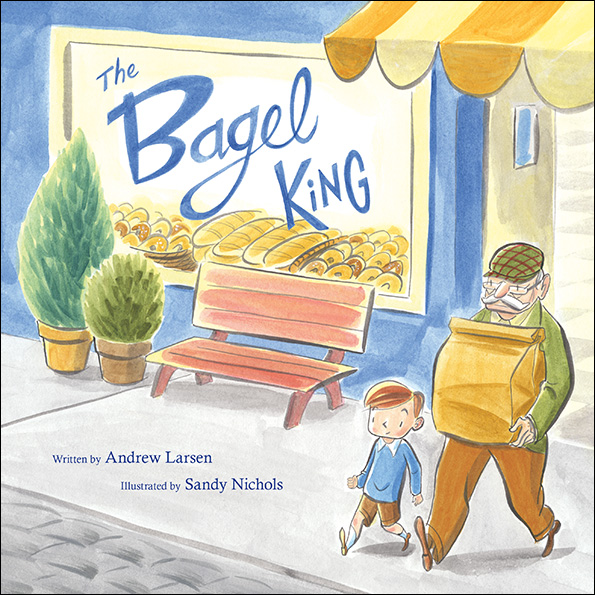
The Bagel King, by Andrew Larsen/Illustrated by Sandy Nichols,
(May 2018, Kids Can Press), $16.99, ISBN; 978-1-77138-574-9
Recommended for readers 4-8

Zaida, Eli’s grandfather, gets bagels from Merv’s Bakery every Sunday morning. One morning, when no bagels show up, Eli gets a phone call: Zaida’s fallen on his tuchus and can’t get the bagels! Eli and his family aren’t the only ones waiting on bagels, either – Eli visits Zaida, only to discover that Zaida’s friends are verklempt, too. No bagels! What a shanda, as my stepdad would say! Eli helps care for his zaida and keep him company, but he knows the best way to cheer Zaida up, and heads to the bagel store on his own the very next Sunday. This story is the most charming book about grandparents and grandchildren, loaded with compassion, a wink and nudge type of humor, and loads of fun, new Yiddish terminology. If you’re an urban dweller, like me, these words are kind of a second language: Zaida is grandfather, and tuchus is your bottom; there’s a little glossary of other Yiddish words that show up in the story, too. (Verklempt is overwhelmed with emotion, and shanda is a shame – you won’t find them in the story, but all I could hear was my stepdad when I read this, so there you go.) I loved the sweet storytelling, the compassion and the decision to act on Eli’s part, and Zaida and his group of friends were wonderful. It’s got an urban flavor that everyone will enjoy, and is good storytelling. Use this story as an opportunity to get your kids talking about relationships with their grandparents: what do you call your grandparents? Do they cook, bake, or shop for food? Do you go with them? (I’d love to get some bagels to hand out with my group… hmmm…) The acrylic artwork has a soft, almost retro feel, but really emphasizes the relationship story with colors, gentle expressions, and soft lines.
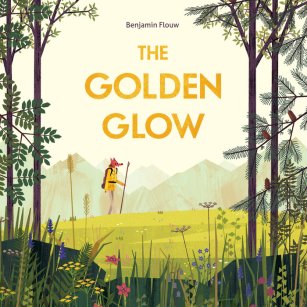
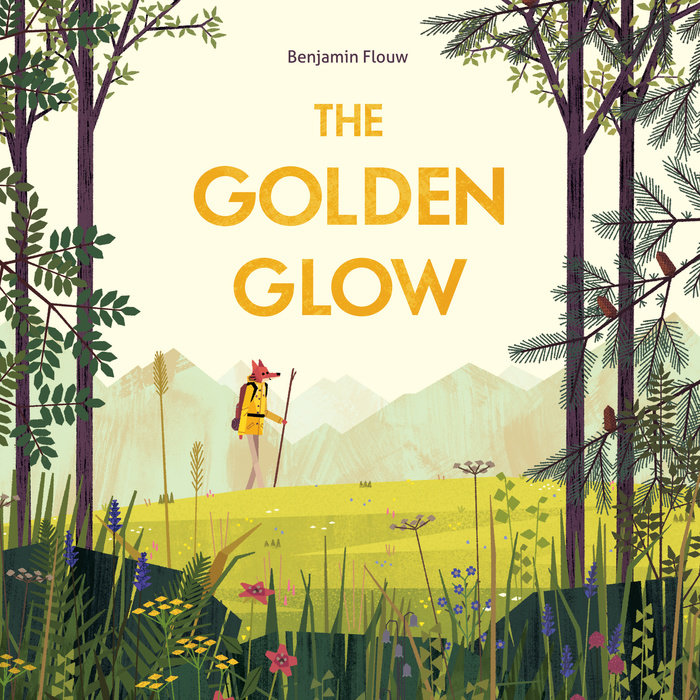
The Golden Glow, by Benjamin Flouw,
(May 2018, Tundra/Penguin Random House), $17.99, ISBN: 9780735264120

Recommended for readers 4-8
A fox who loves nature and botany goes on a quest for a rare plant to add to his collection. The Golden Glow is a plant from the Wellhidden family, and only grows high in the mountains. There’s not even a picture of it; it’s never been described. Fox packs his supplies and heads off to the mountains, meeting different animals and noting different plants and trees along the way. When Fox finally reaches the mountaintop, he waits… and discovers the Golden Glow! It’s stunning! It’s breathtaking! And Fox realizes that “the golden glow is more beautiful here on the mountaintop than it ever would be in a vase in his living room”. Part story and part nature journal, The Golden Glow is just gorgeous and teaches a respect for nature. The angular art draws the eye in; there’s so much to see on every page, every spread. Flouw creates detailed lists of Fox’s hiking pack, plus trees and flowers that he encounters on his way, and a map of different zones on the way up to the mountain, from the foothill to snow zones, all in beautiful detail for younger readers to enjoy. Fox’s decision to leave the flower where it is presents a love of and respect for nature that can lead to a great discussion on conservation. Bright red endpapers with angular design could be a topographic map of the area – talk about how different areas look from above! I know it’s way early, but I’ll quietly whisper this one now: Caldecott contender.
Posted in Non-Fiction

Children in Our World addresses racism, intolerance, and global conflict

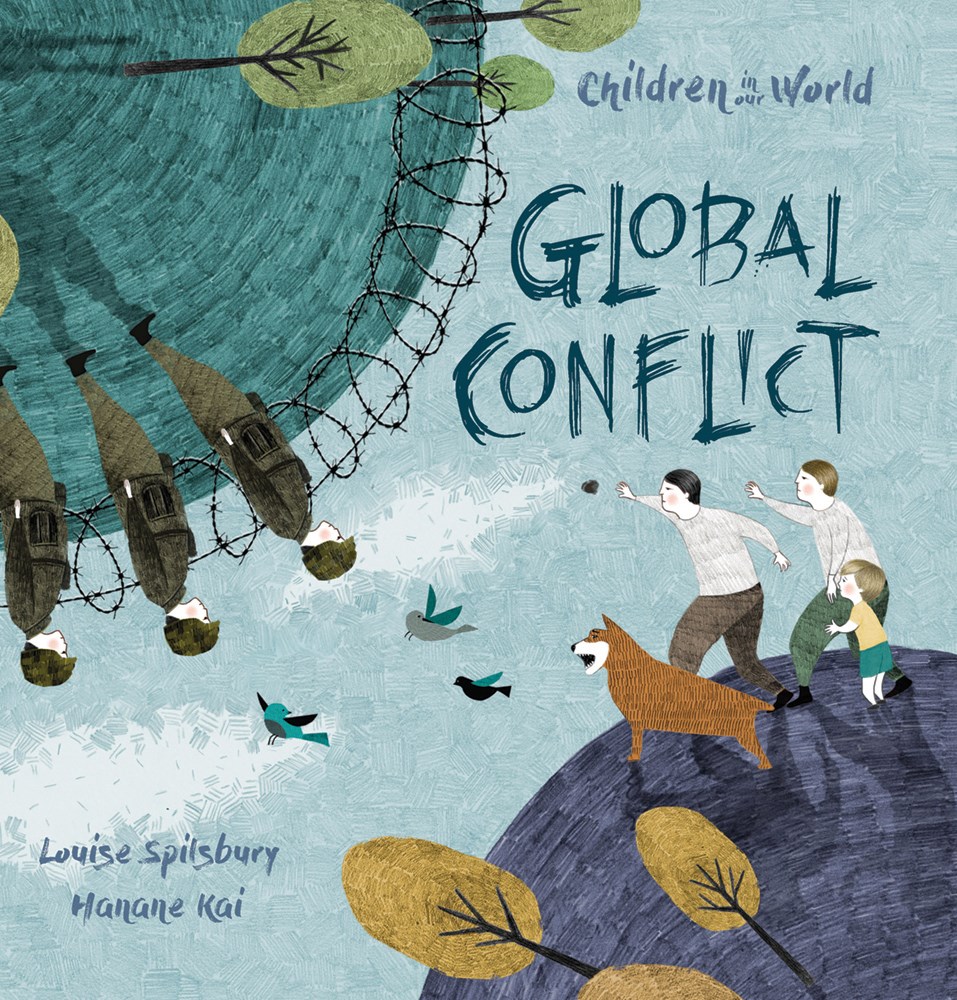
Barron’s Educational’s Children in Our World series continues with the release of two more books: Racism and Intolerance and Global Conflict.

Racism & Intolerance (Children of the World), by Louise Spilsbury/Hanane Kai,
(Feb. 2018, Barron’s Educational), $9.99, ISBN: 9781438050225
Recommended for readers 6-10

As with the previous titles, Refugees and Migrants (2017) and Poverty and Hunger (2017), these titles provide smart, open social commentary on issues that face our kids every day, in a manner that’s factual, sensitive, and empowering. Illustrations provide examples of everyday intolerance, from someone refusing to provide a bouncy ball to a Jewish child to a group of people who refuse to give up their seats on a bus – or their bags’ seats – for an elderly woman with a cane. Global Conflict explores the reasons for conflict, and the violent ways that conflict can manifest: terrorism and war.

Global Conflict (Children of the World), by Louise Spilsbury/Hanane Kai,
(Feb. 2018, Barron’s Educational), $9.99, ISBN: 9781438050218
Recommended for readers 6-10

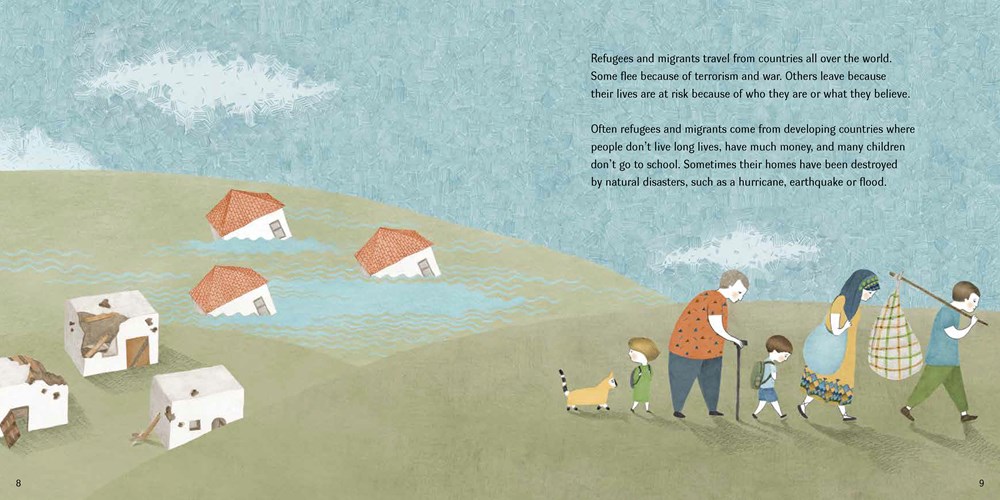
Each book also describes the aid efforts of individuals and charities who step into help others, and soothes children who may be afraid of what they see going on around them by encouraging them to talk to a grownup about their fears. Author Louise Spilsbury offers ways that children can help elevate the dialogue: by understanding one another, and by offering ways to help, whether it’s taking part in a bake sale fundraiser for charity or by writing letters to elected officials. There are additional books and resources for readers, caregivers, parents, and educators who want to learn more, glossaries of terms used, and indexes.

Hanane Kai’s artwork creates soft, muted pictures showing individuals working together to create understanding and, in turn, a better world for all.

Originally published in the UK in 2016 and 2017, these books – paired with the first two in the series – contribute to a strong current events shelf for elementary-age students, and a nice addition to collections for burgeoning activists. Add books like Innosanto Nagara’s A is for Activist and Counting on Community, and Maribeth Boelt’s Those Shoes and A Bike Like Sergio’s for a strong social commentary collection.

Posted in Intermediate, Non-Fiction, Preschool Reads, Toddler Reads

Feed your brain with picture book nonfiction!

There is so much good nonfiction out for younger readers this Fall!

Refugees & Migrants (Children in Our World), by Ceri Roberts/Illustrated by Hanane Kai
(August 2017, Barron’s Educational Series), $9.99, ISBN: 9781438050201
Recommended for readers 6-10

A hot-button topic today, Refugees & Migrants answers the tough questions that children ask: “Why would people leave their homes?” “What is a migrant – or a refugee?” Illustrations and concise text offer explanations that seek to foster empathy and empower kids to make a difference in the world around them. Barron’s Children in Our World series addresses difficulties that too many children in our world face today, and sensitively explain these issues to readers while giving them the power to make changes. Additional titles look at Poverty & Hunger, Racism & Intolerance (2018), and Global Conflict (2018). These books are a strong addition to elementary nonfiction shelves and provide a great opportunity to talk to your kids about what they see on the news, how they feel about it, and what we can all do, together, to make the world a better place.


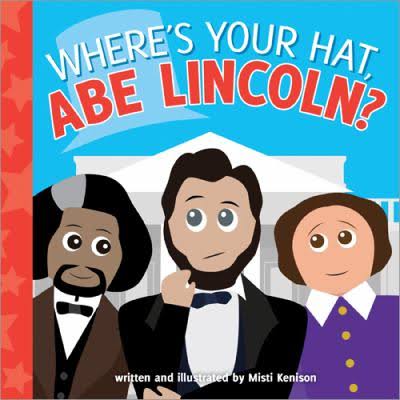
Where’s Your Hat, Abe Lincoln? (Young Historians), by Misti Kenison,
(Sept. 2017, Sourcebooks Jabberwocky), $9.99, ISBN: 9781492652502
Recommended for readers 2-5

Poor Abe Lincoln can’t find his hat, and he needs it in time to read the Gettysburg Address! Harriet Tubman is leading slaves to freedom, and Frederick Douglass is writing a book. Can any of his friends help him? This is the second in Misti Kenison’s Young Historians board book series (the first, being Cheer Up, Ben Franklin!). Each book features historical figures from periods in American History, with cartoony expressions and simple, one-sentence character actions that lay the groundwork for future learning. Everything ends on a happy note, and the end of the book includes historical figure profiles and a timeline. Fun for every historian’s library, no matter what your age.


Dangerous Jane, by Suzanne Slade/Illustrated by Alice Ratterree,
(Sept. 2017, Peachtree Publishers), $17.95, ISBN: 978-1-56145-913-1
Recommended for readers 4-8

Jane Addams was an activist for the poor and for peace. She founded Hull House, a settlement house in Chicago, where she took care of her neighbors by providing food, childcare, English lessons – anything anyone needed to live their lives with dignity. When World War I broke out in Europe, Jane organized the Women’s Peace Party, and led the International Congress of Women, to talk about ways to bring the war and suffering to an end. She endured angry press from those who would call her a traitor; that she cared more for people overseas than in her own home – she was even named The Most Dangerous Woman in America by the FBI! Ultimately, Dangerous Jane was the first American woman to receive the Nobel peace prize. Through all the press, good and bad, Jane maintained her dignity and continued caring for others until the end of her life. Dangerous Jane is an inspiring story rendered in washed-out watercolors that communicate quiet strength, like the book’s subject. Jane stands out in her green dresses and skirts, against the bleak landscape of war and poverty. A biography, timeline, and selected bibliography completes this book.


Baby Animals Playing, by Suzi Eszterhas
(Oct. 2017, OwlKids Books), $14.95, ISBN: 9781771472975
Recommended for readers 0-6

Wildlife photographer and advocate Suzi Eszterhaus put together one of the cutest books ever. It’s all right in the title: Baby. Animals. Playing. Who wouldn’t squeal at just the expectation of what’s to come? Full-color photos of baby animals (and their parents) at play will make anyone fall in love, instantly. Brief nonfiction text gives some background information on how Momma bears teach their cubs to fish for salmon, or how jackal pups fight over who gets to play with a ball of elephant poop. Which will, doubtless, be most kids’ favorite part of this book (it was for my 5 year-old). Eszterhas invites readers to connect with animals and nature by looking at photos, reading books, and going outside and immersing themselves in nature, just like baby animals do; it’s a nice call to get the kids outside and away from TV and electronics.


Bugs From Head to Tail, by Stacey Roderick/Illustrated by Kwanchai Moriya,
(Oct. 2017, Kids Can Press), $18.99, ISBN: 9781771387293
Recommended for readers 3-7

The third book in the “From Head to Tail” series gives readers an up-close look at bugs. We get rhinoceros beetle horns and luna moth antennae; tarantula hair (eeeek) and millipede legs, and a trick question! There are more facts to discover (tarantulas flick hair from their bellies at attackers… I know it would make me run screaming), with cute, wide-eyed bugs to attract readers. Kwanchai Moriya’s paper collage art continues to be visually exciting, popping off the pages. Additional bugs profiled at the end, plus a note about arthropods – the bugs profiled in this book – make this a great addition to bug books in primary collections. And if you have a kid like this young lady, whose love of bugs got her published in a scientific journal at 8 years old, you definitely want this book around to foster them!


Animals at Night, by Anne Jankéliowitch/Illustrated by Delphine Chedru
(Oct. 2017,Sourcebooks Jabberwocky), $19.99, ISBN: 9781492653196
Recommended for readers 6-10

This is a fun look at nocturnal animals in 12 different habitats, from the forest to more urban settings. You know when you see a museum display, with information about each animal in the display? That’s how nocturnals are presented here; each spread shows animals interacting in their environment, with a descriptive paragraph about each creature in the margins. Glow in the dark adds some more fun to the mix: a question is presented in each spread, answerable when readers turn off the lights to reveal the answers (answers are also at the back of the book, for any party poopers). With bright, bold animals that stand out against their night time backgrounds and glow in the dark challenges to find answers, it’s a fun addition to nonfiction collections for intermediate readers. Originally published in French in 2016. Pair this one with Tracey Hecht’s Nocturnals books for a nice fiction/nonfiction display.


Posted in Non-Fiction

Portrait of an American Activist: Listen – How Pete Seeger Got America Singing

Listen – How Pete Seeger Got America Singing, by Leda Schubert/Illustrated by Raúl Colón, (June 2017, Roaring Brook Press), $17.99, ISBN: 9781626722507

Recommended for readers 5-10

Leda Schubert and illustrator Raúl Colón create a lyrical and beautiful tribute to singer, songwriter, and activist Pete Seeger. From the beginning of his career, strumming his banjo or guitar, Seeger led by example; first, by singing and encouraging his audience to chime in; later, through his activism: standing in peace lines to support unions, protest war, marching for civil rights, and caring for the environment. Whether he was talking to grownups or the children that loved his songs, Seeger always encouraged participation – “That’s what gonna save the human race” – and awareness. Schubert weaves Seeger’s song titles with the story text to highlight the relationship between Seeger’s songs and the causes he supported.

Raul Colon’s art is beautiful. His technique provides both beautiful texture a vintage glow to his images, and his spread featuring Seeger’s boat, the Clearwater, sailing down the Hudson River, is breathtaking. Beautiful artwork and stunning images make Listen a great addition to picture book biography collections and a great read when explaining social justice activism to younger readers.

Leda Schubert holds an MFA from Vermont College of Fine Arts in the Writing for Children and Young Adults and was a core faculty member until 2012. She is the author of many award-winning titles, including The Princess of Borscht, Ballet of the Elephants, and Monsieur Marceau, winner of the Orbis Pictus Award for Outstanding Nonfiction. Leda lives in Plainfield, Vermont, with her husband and two dogs. To learn more, and to download a curriculum guide, visit ledaschubert.com.


Raúl Colón has illustrated several highly acclaimed picture books, including Draw!; the New York Times-bestselling Angela and the Baby Jesus by Frank McCourt; Susanna Reich’s José! Born to Dance; and Jill Biden’s Don’t Forget, God Bless Our Troops. Mr. Colón lived in Puerto Rico as a young boy and now resides in New City, New York, with his family.

Leda Schubert provides some great links to recordings and videos of Pete Seeger here.

Praise for Listen: How Pete Seeger Got America Singing

★“Schubert and Colón ably demonstrate one of their book’s final assertions: ‘there really was nobody like Pete Seeger.’”—Kirkus Reviews (starred)

“A rousing tribute to a singular musician and activist who ‘walked the talk.’” —Publishers Weekly

“This inspiring picture book biography about one of America’s greatest folk heroes is sure to get a new generation of children singing.” —School Library Journal

“An inspiring and heartfelt tribute to, as Schubert calls him, a ‘true American hero.’” —Horn Book

Giveaway!

One lucky winner will receive a copy of Listen: How Pete Seeger Got America Singing (U.S. addresses; one entry per person.) Enter this Rafflecopter giveaway for your chance!

Posted in Fiction, Middle Grade, Realistic Fiction, Tween Reads

Call Me Sunflower explores alternative families

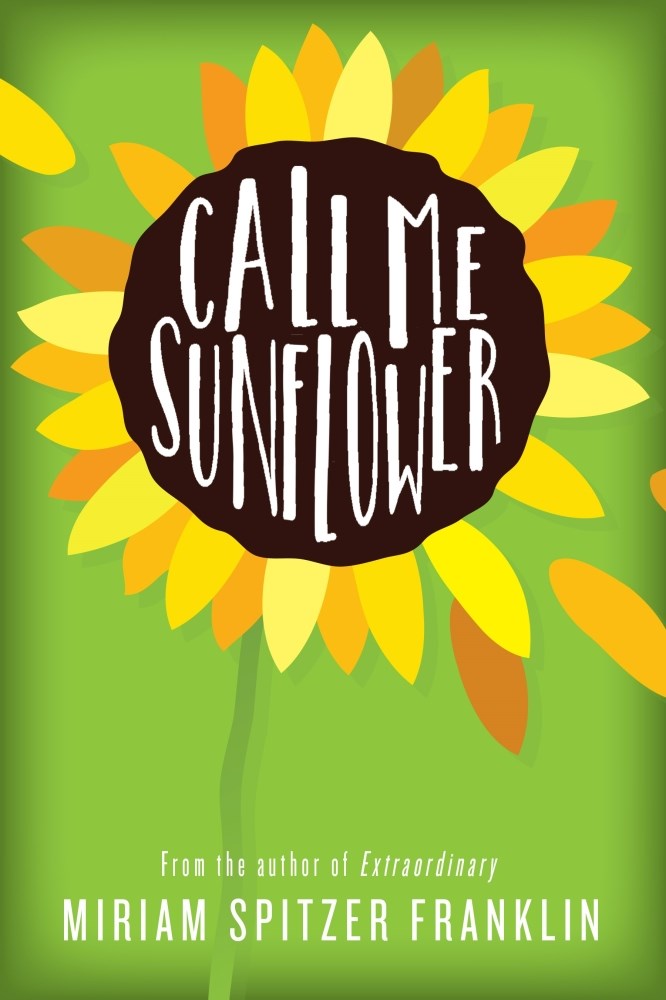
Call Me Sunflower, by Miriam Spitzer Franklin, (May 2017, Sky Pony Press), $15.99, ISBN: 9781510711792

Recommended for ages 9-13

Sunflower Beringer can’t stand her first name, so she has everyone call her Sunny. And she really can’t stand that her mother uprooted her and her sister, and left their dad, Scott, back in New Jersey to run his bookstore while she attends grad school in North Carolina. Now they’re living with a grandmother they barely know, and she’s the new kid in school. Ugh. Sunny has to do something, so she creates Sunny Beringer’s Totally Awesome Plan for Romance”: a can’t-miss list of ways to bring her mom and Scott back together, including making playlists of Scott’s favorite songs and getting her mother a makeover. While she works on a family album that will remind Scott and Mom of when they were in love all over again, though, she discovers a picture that changes everything. A strong subplot involving animal rights activism and Sunny’s relationship with her grandmother really gives Call Me Sunflower depth.

I’m becoming a Miriam Spitzer Franklin fangirl. I loved Extraordinary (2015); in Sunny, I found many similiaries to Pansy, Extraordinary‘s protagonist. Both stories are realistic fiction, told in the first person, about girls dealing with big life changes. They have complicated friendships and they have both There are humorous moments, and each has a unique voice, a unique point of view; Ms. Franklin captures the frustrations, the fears, and the unique experience of being a tween in a relatable voice that readers will gravitate to. I love that she created an alternative family structure with an adoptive family outside the traditional husband-wife setting and gave us a family unit that is working it all out. I admit to being a little confused with Sunny’s birth story – she is adopted, but has pictures of her mother holding her at the hospital – but that’s likely because my own adoption experience happened differently. All in all, a bittersweet, tender look at families. Pair with realistic fiction like Death by Toilet Paper by Donna Gephart, Full of Beans by Jennifer L. Holm, and Some Kind of Happiness by Claire Legrand.