Posted in picture books, Preschool Reads

Counting, Colors, and Animals Eating – Concept Fun!

Two fun picture books give kids the giggles while inviting them to count, call out colors, and animals!
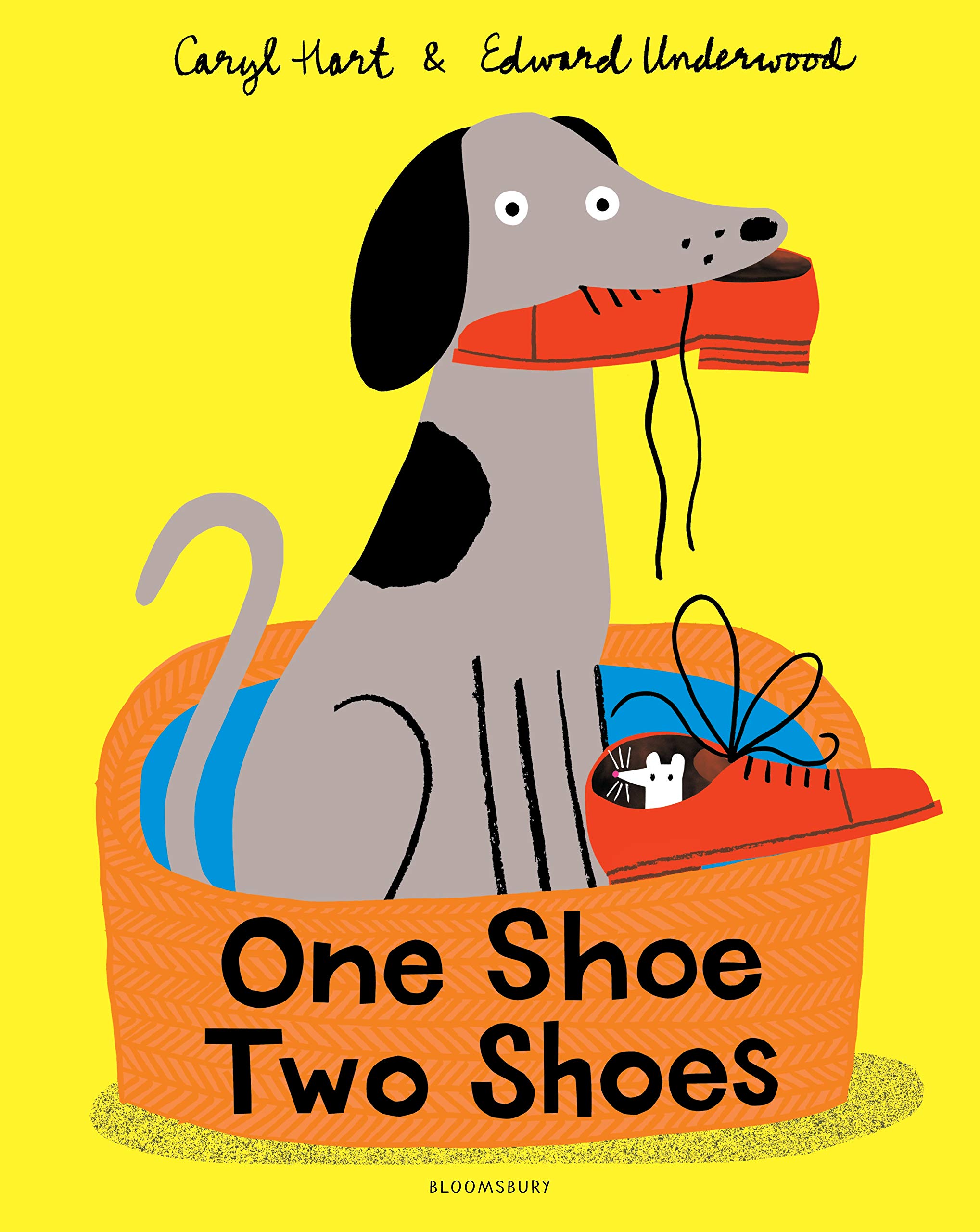
One Shoe Two Shoes, by Caryl Hart/Illustrated by Edward Underwood, (July 2019, Bloomsbury USA), $17.99, ISBN: 978-1-5476-0094-6

Ages 3-6

A dog and a bunch of curious mice explore all the shoes in their world in this adorable rhyming story. The rhyming pattern reminds me of Dr. Seuss’ classic, One Fish, Two Fish, Red Fish, Blue Fish – “Old shoes/New shoes/On their way to school shoes” – minus the wacky, new words. The pup notices shoes all around, both inside and outside the home, when…. wait! There are two mice, making a home in a pair of shoes! A few more scramble by the dog, and before you can say “shoelace”, there are 10 mice, all making their homes in various sneakers, skates, and boots.

Originally published in the UK in 2018, this is an absolutely fun concept book that would work nicely with felt board accompaniment. The pencil, ink, and digital collage artwork is bold and bright, with primary colors and bold black fonts. The endpapers are loaded with footwear. The rhyming, counting, and colors in this book make it a multitasker for concepts, making this a good add to your concept bookshelves and storytimes. Pair with Hart and Underwood’s companion picture book, Big Box Little Box for more concept fun!

Visit author Caryl Hart’s webpage for info about visits and, for aspiring writers, mentorship! Illustrator Edward Underwood features more of his artwork on his Instagram.

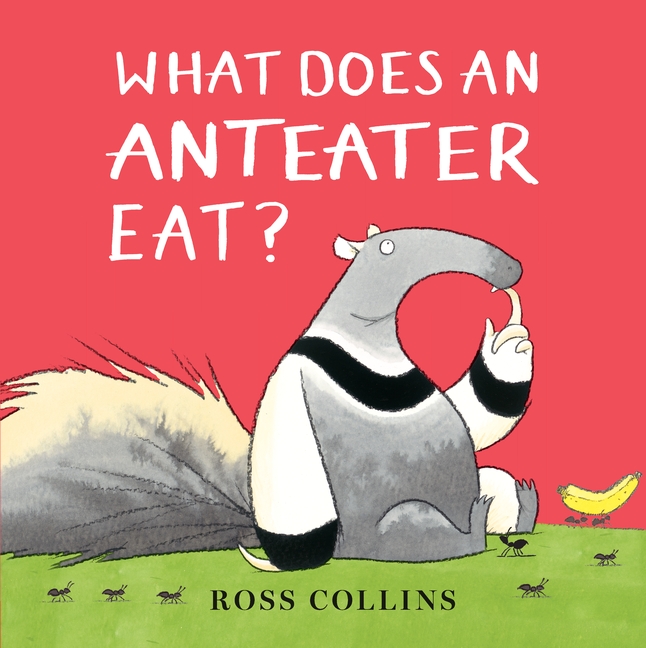
What Does an Anteater Eat?, by Ross Collins, (July 2019, Nosy Crow), $16.99, ISBN: 978-1-5362-0591-6

Ages 3-6

Anteater wakes up hungry, but there’s a bit of a problem. What does an anteater eat? He sets off to find out, asking sloths, snakes, bats, and cheetahs he encounters on his exploratory walk, all with different results. The book is one hilarious inside joke – we know what the anteater eats, and it’s a good bet that the ants scurrying across each spread in the story do, too – presented in Q&A format. The anteater asks every new animal he meets what anteaters eat, and the animals’ responses are colored by their experiences: the snake, belly bulging with its latest meal, cautions the anteater to chew its food; the cheetah hungrily eyes the anteater. The anteater’s questions are in bold font; the responses, in italics, signaling the chance in voice to your audience. The adorable, funny ending makes the book a storytime winner for toddlers and preschoolers.

Originally published in the UK in 2018, What Does an Anteater Eat? has the playfulness that make Ross Collins’ books so much fun to read. This one is another great candidate for felt board storytelling or puppet accompaniment. Collins’ artwork is cartoony and entertaining with a playful sense of joy added to each spread. The endpapers are in on the story’s joke, starting with an ant crawling across the front endpapers, and finishing with a pile of banana peels.

This one is a storytime winner. Ross Collins’ author webpage includes info about his books, and provides free, printable posters of his book covers and a few activity sheets.

Posted in Early Reader, Fiction, Fiction, Intermediate

Blog Tour: The Missing Money, by Okeoma Moronu Schreiner

Coming off a successful Kickstarter, Money Monsters: The Missing Money is here to teach kids about handling their money – and to trust that chompy ATM machine.

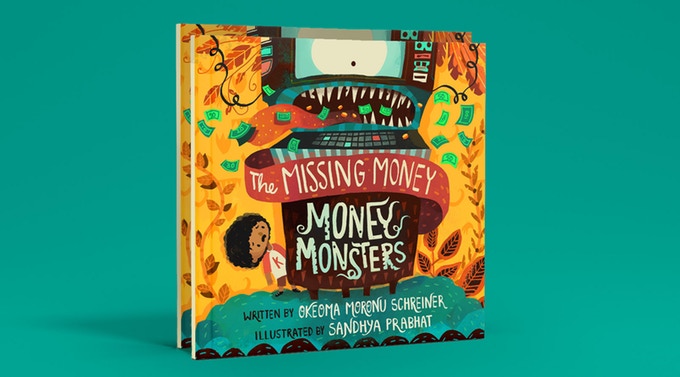
The Missing Money (Money Monsters), by Okeoma Moronu Schreiner/Illustrated by Sandhya Prabhat,
(July 2019, FinKidLit), $11.95, ISBN: 978-1733806718
Ages 4-7

Kai is a little boy who’s very excited: he has a bunch of money from his Chinese New Year red envelopes, and Dad’s promised to take him to the bank to deposit it! But – holy cow – they don’t even get into the bank when A GIANT ATM MONSTER EATS HIS MONEY! Kai is not happy about this turn of events, and puts together a plan to get his money back. When he lets his parents know, though, they’re not terribly concerned: in fact, they tell him that his money is safe and sound, and that an ATM keeps his money safe until he’s ready to use it again. They even show him a nifty phone app where he can check on his money any time he wants!

The Missing Money is an adorable introduction to money management for younger kids. “Happy Lawyer” Okeoma Moronu Schreiner is a corporate finance attorney and mom, and has a wonderful storytelling voice here. The Missing Money is a realistic, fun, and approachable way to introduce kids to money management: banks, ATMs, and bank apps! A key words section introduces new vocabulary, and conversation starters help families and caregivers start talking about money. Sandhya Prabhat’s hand-painted and digital illustrations are bright, bold, and adorable! Kai is a biracial child of color with an Asian father and brown-skinned mother, and lives in what looks like an urban environment.

A great way to start talking to our little ones about saving those pennies (and dollars). I’m looking forward to seeing other Money Monsters Ms. Schreiner and Ms. Sandhya Prabhat have in store!


A little Q&A with author Okeoma Moronu Schreiner…

How did financial literacy for young people become a passion of yours?
Before I was a personal finance junkie, I was an elementary school teacher. I guess you could say that I’ve always had a passion for translating seemingly complex concepts into fun, educational content. 

What advice do you have for parents interested in starting these financial discussions with their children?
Do it early and often. 

Why is it important to start these money talks with your children at a young age?
The earlier you start these conversations the more comfortable you’ll be having them throughout the many seasons of parenthood. Truth is that the conversations will only get tougher and tougher as your children get older so you want to develop the language and comfort before it’s too late. Your children are internalizing “stories” and beliefs about money that may not be true and have the potential of impacting their financial lives forever. If we, as parents, don’t help shape those stories and beliefs, our children will create their own. 

What are some concrete steps parents can take while their children are young to start their children out on the right financial path?
Take the time to involve them in your everyday money decisions. Whether it’s choosing between two products at the grocery store or choosing not to spend on something in order to save for a bigger goal, children will benefit from understanding how money decisions are made in everyday situations. 

Speak to them about in values, not figures. In our house, our kids know that the environment is very important to us so we’ll pay more for a product that is more sustainable and/or eco-friendly. Help your little ones understand your family’s values and how your money supports and reflects those values. 

Teach them contentment. This is a hard lesson that can take a lifetime to learn. In order to get your little one off on the right foot you can lead by example, help your children practice gratitude and teach them the value of giving. 

Posted in picture books, Preschool Reads

Buggy Books!

It’s summer, and there are bugs. Why not talk about a couple of great bug books that have hit shelves recently?

Firefly Home, by Jane Clarke/Illustrated by Britta Teckentrup, (June 2019, Nosy Crow), $14.99, ISBN: 978-1-5362-0587-9

Ages 3-6

This book is ADORABLE. It’s also perfect for a storytime readaloud, as it’s very interactive. Little Florence Firefly is lost, and there are so many bright lights around her will she ever get home? That’s up to you and your readers, because this sweet little story is loaded with reader prompts to help Florence: flapping hands to show Florence how to fly fast, turning pages, making wishes are just a few of the ways readers can help Florence get back to her home. The text is made up of short sentences, with questions on each page, inviting readers to get involved. This is just too much fun to read out loud! Brita Teckentrup’s artwork is always a pleasure to enjoy; here, her digital artwork creates a sweet little firefly with a bright yellow light, with deep nighttime blues and muted colorful flowers and leaves throughout. House, train, and streetlights are bright and bold, matching our little firefly’s light.

This one is a must-buy, must-read. Let your kids make a firefly craft with this template, and use yellow tissue paper for the tail!


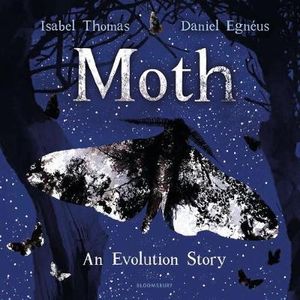
Moth: An Evolution Story, by Isabel Thomas/Illustrated by Daniel Egnéus, (June 2019, Bloomsbury Children’s Books), $18.99, ISBN: 978-1-5476-0020-5

Ages 5-8

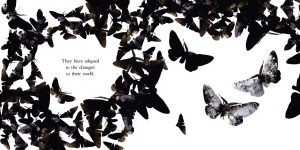
This stunning book tells the story of the peppered moth and its evolution, and humanity’s intervention in the process. Originally, peppered moths emerged as light with dark speckling; dark moths were easier to spot against trees and were easy prey. But as humans created factories and machines, spewing pollution into the air, the branches moths sought out became blackened with soot, putting light peppered moths at the mercy of birds, bats, and other predators. But wait! We’ve gotten better! We’ve cleaned up our world, and the trees and surroundings have gotten cleaner again! The moths adapted once again, passing their speckled wings onto new generations. Moth is a powerful story of change and hope for the future, seen through the evolution of a single species directly affected by us.

This is one of the most visually stunning books I’ve read this year. Mixed media illustrations create gorgeous texture, and the moths seem to emerge from the pages in an almost dreamlike fashion. The factories and towers look menacing, silhouetted against grey and black skies; as humanity works to heal the earth, hopeful blue skies break through the gloom. The art and text together create a dramatic, emotionally powerful experience. Originally released in the UK last year, Moth has just hit U.S. shelves and is perfect to supplement a unit on evolution, environmentalism, and conservation.

Posted in picture books, Preschool Reads

Go on a Big Book Adventure with two friends!

The Big Book Adventure, by Emily Ford/Illustrated by Tim Warnes, (Sept. 2018, Silver Dolphin Books), $17.99, ISBN: 978-1-68412-378-0

Ages 3-7

A pig and a fox excitedly tell each other about their reading adventures, having spent their day at a Mad Tea Party, swimming with mermaids, running from Big Bad Wolves, and more! The rhyming story communicates the transformative power of reading by placing the characters – and readers – into the middle of beloved fairy tales and exciting new adventures, including a spaceship voyage and a dragon ride. The two friends decide to share books and exchange adventures, their favorite new and old literary friends surrounding them.

The artwork is sweet and whimsical, using soft colors for the main characters and changing palettes to fit each story: bold, vibrant colors for a science fiction story; classic Alice in Wonderland artwork for the tea party; muted blues and greens for a mermaid swim. The endpapers continue the story, with the front endpapers showing Piggy sitting on a tree branch, reading; a library-like “book club” meeting place at the base of a tree, where Foxy leaves, with a wagon holding books. Membership cards for the “Maple Leaf Book Club” show Foxy and Piggy’s credentials. The back endpaper shows different literary characters – and the Maple Leaf Book Club’s owl mascot – reading.

This one is great for a library read-aloud, and a class visit storytime. I’d pair this with Nibbles the Book Monster for more fairy tale fun.

Posted in Middle Grade, Non-Fiction, Non-fiction, Tween Reads

Ocean: Secrets of the Deep is STEM fun!

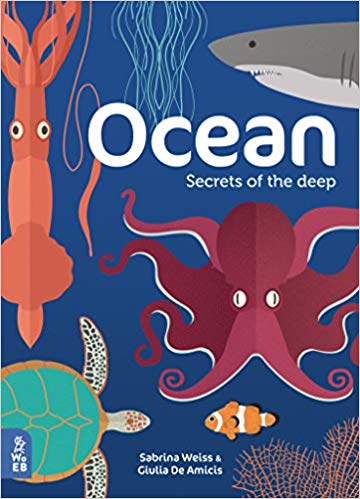
Ocean: Secrets of the Deep, by Sabrina Weiss/Illustrated by Giulia De Amicis, (April 2019, What on Earth Books), $19.99, ISBN: 97-1-9999680-7-6

Ages 7-12

We’re heading to Florida on the first road trip we’ve had in ages, so I’m all over the beachy reading right now. My little guy is excited, because his grandpa lives right by the ocean, so we’ve been enjoying this book immensely.

Ocean: Secrets of the Deep is loaded with facts and figures about the underwater world, and I am in love with the bright, bold illustrations and infographics! The information is presented in bite-size chunks that kids can easily enjoy and digest, and the minimailst artwork is bold and gorgeous. Not just a fact book, there is info about myths and legends (including one of my faves, the Kraken); sections on each of the ocean’s zones, with numbered renderings of each form of life living in each zone; animals who work together in the deep; animal sizes and sounds, and migration patterns. There are sections on environmental concerns and challenges, including overfishing, pollution, and climate change, and a call to action that encourages and empowers kids to act. A glossary and index complete this beautiful volume.

Natural history and environmental studies units would benefit from adding this book to shelves, and you can easily use Ocean in your library STEM programming. When we had our Discovery Club at my library, we did a unit on the ocean, and had the kids create their own ocean zones display on a wall in our meeting room. Print out pictures of different fish featured in Ocean, and invite the kids to color and stick their own marine life to the zones in your library or classroom! It’s a great multi-week project, if you want to spend time creating the monochromatic zones, then working on the marine life.

Ocean is absolute fun and absolutely gorgeous.

Posted in Intermediate, Non-Fiction

I Speak Peace talks mindfulness and respect for all

I Speak Peace, by Kate Carroll/Illustrated by Rainer M. Osinger, (March 2016, Ferne Press), $10.95, ISBN: 978-1-938326-46-2

Ages 6-8

I Speak Peace is a message to all from a first grade teacher who promotes peace, respect, and understanding in her classroom and wants to see that good in the world. The story is narrated by a young blond girl who talks about what peace means, and emphasizes that peace starts from within – “a feeling we have when we are calm and happy” – and how those feelings affect our outlook and how we work with others. Letting go of angry thoughts and mindful breathing come up here, teaching kids the importance of staying in touch with their own feelings. We live in a world where we may look different, speak different languages, and hold different beliefs, but we have just as much in common: we all need love; we all want to be happy; we all live on this planet, and we all need to work together to make it a better place. Kate Carroll promotes different ways of spreading peace that kids will easily recognize: smiling and listening to others; standing up for others; and being considerate are messages kids learn in their homes and classrooms, and go a long way toward making the world a better place. It’s an upbeat, positive message and it’s not that hard a message to spread. An author’s note explains how author Kate Carroll promotes peace in her classroom, and how she was moved to share her message in this contentious, high-strife society today. Kids can take a Peacemaker Pledge (nice library or classroom idea) and an original song, Peace Begins with Me, rounds out the book.

The artwork features children from different cultures and with different abilities working and playing together. The art is bright and positive, with primary colors and full-bleed pages.

I Speak Peace emphasizes an important message and makes for a good classroom, storytime, or cuddle time readaloud. I really like the Peacemaker Pledge and may put that up in my children’s room at the library at the start of the school year. You can visit Kate Carroll’s I Speak Peace page to learn more about the author and contribute your own I Speak Peace stories.

Posted in Early Reader, Intermediate, Middle Grade, Non-fiction, Non-Fiction, Non-Fiction, Preschool Reads

Read, Learn & Create: The Nature Craft Book is great for kids!

Hi, all! I know my posting schedule has been off the last several weeks, and I ask you all to bear with me. I’ve received a promotion and am getting into the swing of things at my new library (actually one of my first; I went back to my home away from home in Corona). I’ve been reading and furiously scribbling notes, though! More on the new digs shortly. For now, it’s back to my reviews!

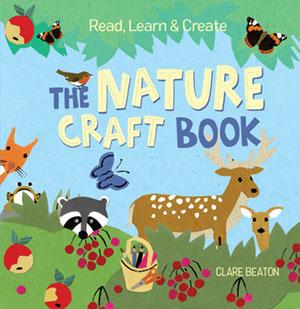
The Nature Craft Book, by Clare Beaton, (May 2019, Charlesbridge), $17.99, ISBN: 978-1-58089-843-0

Ages 3=

I LOVE nature crafts, and I love easy nature crafts. My first grader has a real love for wandering the neighborhood, collecting various leaves, snail shells, sticks, rocks… anything that strikes his fancy, and we’ve gone on some great nature walks in our neighborhood and local parks. I even brought home acorns from Rochester, NY for him when I was there for a library conference. He loved them!

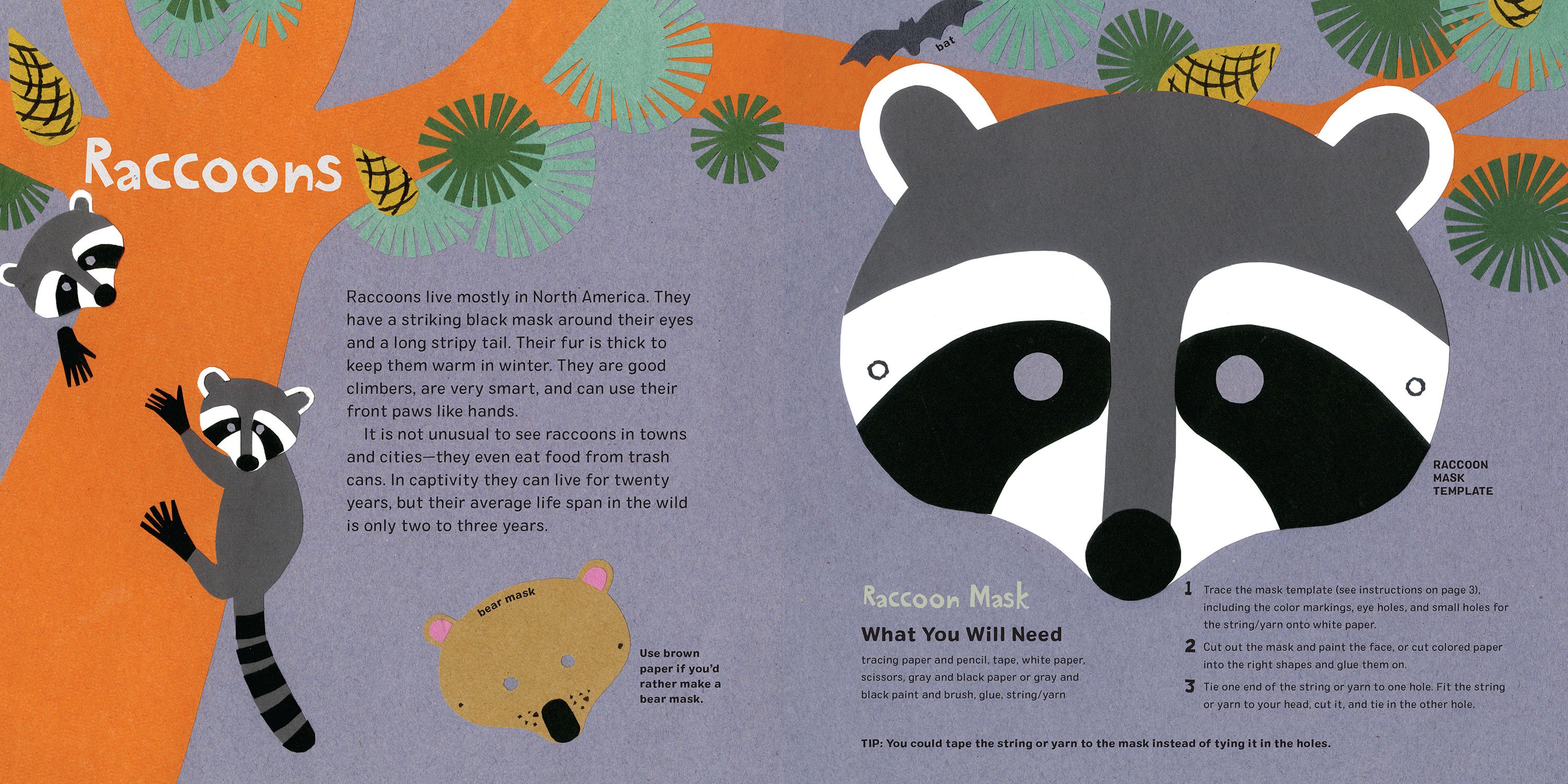
The Nature Craft Book is part of Charlesbridge’s Read, Learn & Create series (there’s an Ocean Craft Book, too!) is is loaded with ideas, templates, and facts for you and your kids to enjoy. Every craft is created with a respect for nature and our environment; a note at the beginning mentions that “it’s hard for some plants and creatures to survive where factories or farms have replaced wild places”, and encourages kids to “attract wildlife” by planting wildlife-friendly plants and flowers, putting water out for birds, and keeping nature journals. It fosters a real love and respect for our world. Activities include different bird feeders, toilet paper tube owls, leaf printing, animal finger puppets. The crafts give us a chance to reuse household objects like yogurt containers, hangers, and tissue boxes, and to create with found objects like pine combs and twigs. Even little crafters can get in on the fun, coloring and creating simple, enjoyable art.  Facts about birds, freshwater wildlife, raccoons, and other wildlife give readers a quick, overall idea of different animals and plants. The crafts are easy and can be done on a budget, which makes this spot-on for me at home or at work. My kiddo and I have already created a couple of craft projects from here and are planning winter bird feeders for our backyard. The collage artwork is adorable and labeled to introduce kids to different kinds of animals, trees, and leaves.

Grab this series for your shelves. I know I will.

Posted in Intermediate, Middle Grade, Non-fiction, Non-Fiction

More Weird But True Facts for all those barbecue conversations!

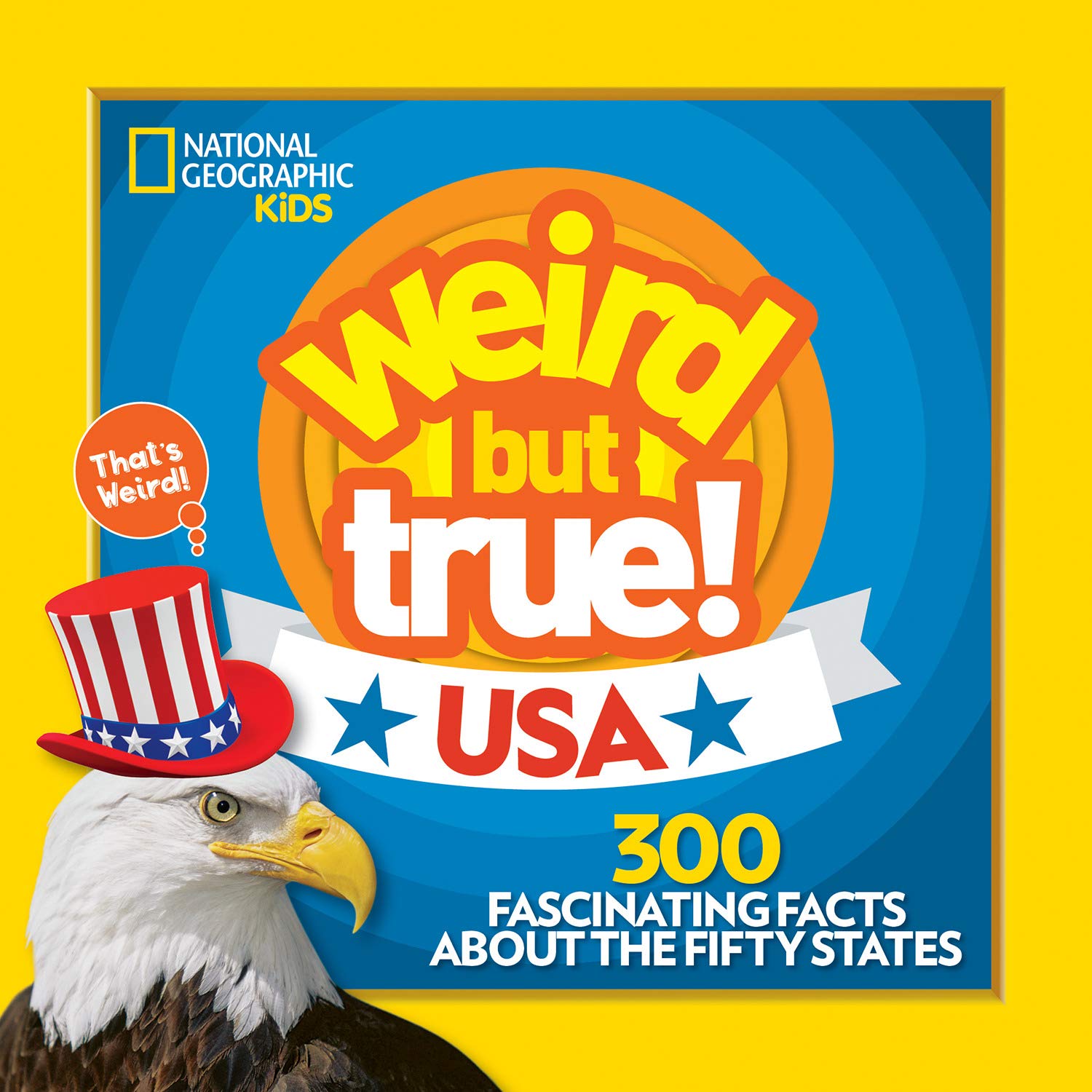
Weird But True! USA: 300 Fascinating Facts About the 50 States, by National Geographic Kids, (March 2019, National Geographic Kids), $8.99, ISBN: 9781426333712

Ages 7-12

You’ve got a lot of barbecues to hit this summer. Family, friends, someone’s having a BBQ, somewhere, and you’re invited. What better way to keep a conversation going than to bust out some weird – but true! – facts about the US of A? NatGeo Kids has kids (and grownups, too: you know you love these books) covered with their latest digest-sized Weird But True facts, easily carried in your favorite tote.

Dazzle friends and family with goodies about our states! Did you know that the average driver in New York City spends more than 100 hours a year looking for a parking spot? (I did, just ask my husband.) Or the Pledge of Allegiance was written for a magazine to help sell subscriptions? How about one of my favorites: the Washington National Cathedral has a Darth Vader gargoyle? Seriously, this this knowledge has made my day.

The NatGeo books just get better. Where do they find all these wacky facts? I hope they keep doing whatever they’re doing, because I love them, my own kids love them, and the kids in my library can’t get enough of them. Add these to your NatGeo collections and just sit at the reference desk and wait for them to come at you with their favorite facts.

Posted in Fiction, Realistic Fiction, Teen, Young Adult/New Adult

Get ready to SLAY!

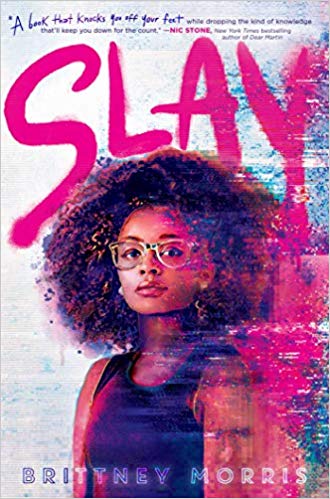
Slay, by Brittney Morris, (Sept. 2019, Simon Pulse), $18.99, ISBN: 978-1534445420

Ages 12+

This is one of the most buzzed-about YA books of the year, and with excellent reason. Slay is phenomenal.

Keira Johnson is a 17-year-old high school senior, math tutor, and one of a small handful of students of color at her high school, Jefferson Academy. Keira is at her happiest, though, when she steps into her character, Emerald, in the VR game she created: Slay. Slay is at once a competitive game and celebration of black culture, with hundreds of thousands of players. Slay lets black players inhabit a world where they don’t need to be a spokesperson for their race; they don’t need to code-switch to move in a white world; they can be, together, while competing in arenas and using cards that praise and elevate notable black men and women throughout history, and touchstones – both weighty and humorous – without having to explain or defend their meaning. Keira can’t let anyone know she’s the one behind Slay, though – her boyfriend, Malcolm, thinks video games are a way to keep young black men and women distracted and off balance, and she worries that her parents wouldn’t approve. But when a Slay-er is murdered over a Slay coin dispute, Keira finds her game the target of the media, who wants to call out the game and its creator as racist, and a dangerous troll, who threatens to take Keira to court for discrimination.

Slay is just brilliant writing. Gamers will love it for the gameplay and the fast-paced gaming action. The writing is sharp, with witty moments and thought-provoking ideas, including how a game can unite a community on a worldwide basis. Told mostly through Keira’s point of view, chapters also switch up to introduce readers to people affected by Slay, including a professor in his 30s and a closeted player living in potentially unsafe circumstances. There’s a strong thread of white deafness here, too – how white friends can ask things like, “Should I get dreadlocks?”, or provoke their “black friend” into speaking for the POC community to get the “different” point of view. Keira and her sister, Steph, come from a solid family, and Keira’s boyfriend, Malcolm, who wants black men and women to rise up together, but whose more radical worldview conflicts with many of Keira’s ideals.

Breathtaking characters that live off the page and in the imagination, fast-paced dialogue and a plot that just won’t quit make Slay required reading for upper tweens, teens, and adults alike. Give Slay all the awards, please.

Slay isn’t out until September, but you can catch an excerpt here at EW’s website. Bustle has a great piece on Slay and another excerpt, if you’re dying for more. Publisher’s Weekly has an article about Black Panther‘s influence on author Brittney Morris, which comes through in a big way through the pages of Slay, and the Slay website has sample cards from the game that you’ll love.


Posted in picture books

Sensitive Storytelling: A Place to Stay

A Place to Stay: A Shelter Story, by Erin Gunti/Illustrated by Estelí Meza, (Aug. 2019, Barefoot Books), $16.99, ISBN: 9781782858249

Ages 5-9

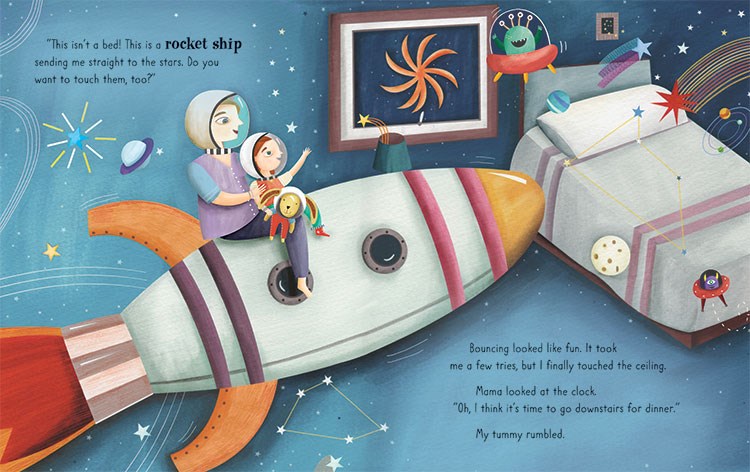
A young girl and her mother seek housing at a shelter. The girl is uncomfortable with her surroundings: this isn’t her home, her bed, her kitchen, but her mother tries to smooth over the situation using positive visualization and imagination. No, it’s not her home; it’s a grand palace! The beds become rocket ships that shoot into space, and the dining room becomes a banquet hall, where people from all over come to break bread together. In between fantasy trips of the mind, the girl’s mother tries to put her daughter’s mind at ease, telling her that they are lucky to have a place to stay, encouraging her to greet others she meets at the shelter. Mother and daughter befriend another mother and her children at a nearby table; the two girls discover they are reading the same book at school. The protagonists are white, but there is a multicultural group of residents at the shelter, and the family she and her mother meet are brown-skinned.

A Place to Stay is sensitive to a child’s concerns over staying in a shelter, using the main character to communicate those fears, and her mother, to assuage them. A Place to Stay also explains what a shelter is, what purpose one serves to the communities, for those families that may have a pre-existing notion of the “kinds of people” that stay in shelters. Back matter includes notes on shelters and homelessness, including how shelters help and why people stay in shelters. A Place to Stay is an important addition to your libraries.

Author Erin Gunti wrote A Place to Stay: A Shelter Story after working as a child abuse and neglect investigator, to open a dialogue between adults and children about childhood homelessness. Her experiences come through with subtle nuances throughout the book: the use of creative visualization to ease anxiety and fear; having moments like the “treasure room” for kids in the shelter, where they can play and be children not defined by their situation; meeting other families and bonding over common ground like a book from school. Artist Estelí Meza uses soothing, soft colors to bring her story to life.