Posted in Uncategorized

Last minute shopping! Maybe Pig Plush!

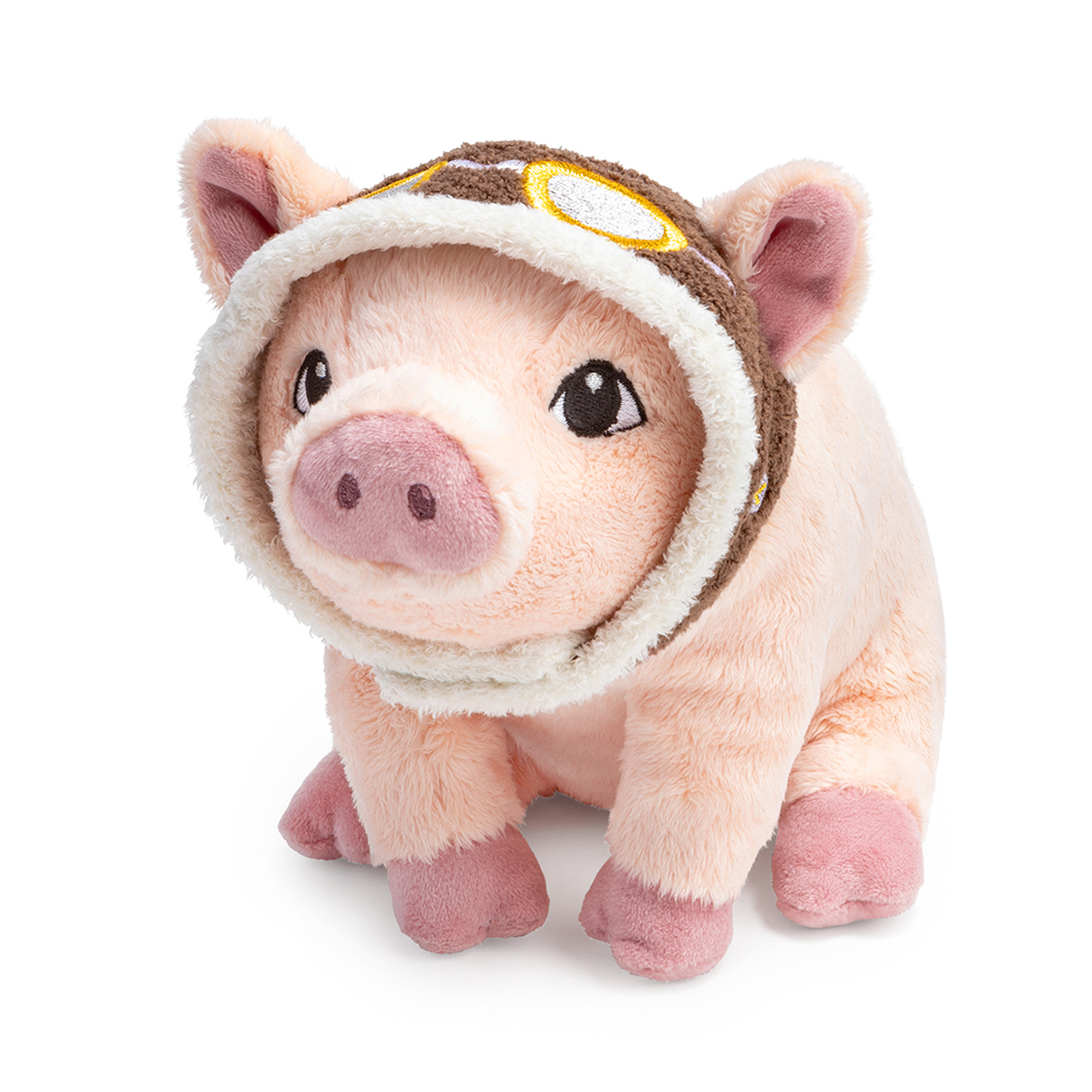
Late-breaking! If you’re still looking for a holiday gift (or a January birthday gift? Three Kings Gift?), HOLD EVERYTHING. Or, even better, hold this adorable plush pig!

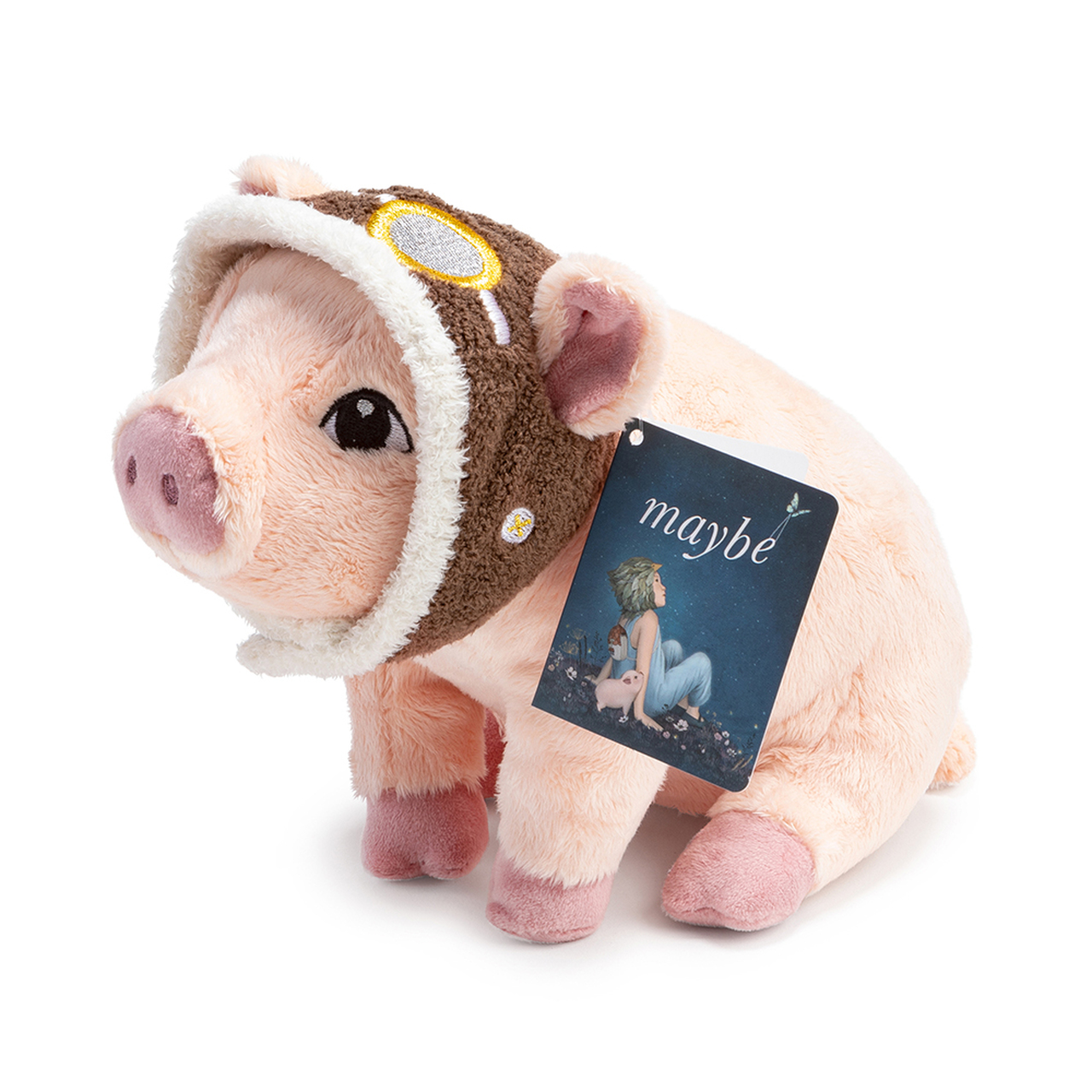
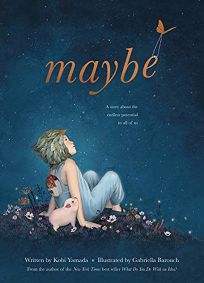
Remember this cutie? This is the pig featured in Kobe Yamada’s latest book, Maybe. Compendium’s released the sweetest little flying pig plush, complete with aviator hat. They were kind enough to send me one, and it is SO SQUISHY SOFT.


via GIPHY

The pig is soft, small, and perfect for cuddling while you read Maybe. My second grader and I have personally test-driven the book and plush together in a shared storytime, and we agree. The aviator cap is removable, and hat and plush are machine washable. This little sweetie will stand up to a lot of love, and will go nicely with a copy of Maybe, Charlotte’s Web, or maybe some Steampunk ABC?

The Flying Pig plush is available at Compendium’s website, or your preferred mass market retailer’s site. Snuggle up with this little one and dream about flying over obstacles into a bright new year!

Posted in picture books, Preschool Reads, Toddler Reads

The weather outside is frightful, but the books are so delightful!

Seriously, though, here in New York, the weather IS frightful, and I’m getting over a 3-week stint with bronchitis. Luckily for me, I’ve got a yummy mug of hot chocolate and a stack of winter books that let me enjoy a nice, snowy evening… vicariously.

The Boy and the Bear, by Tracey Corderoy/Illustrated by Sarah Massini,
(Nov. 2019, Nosy Crow), $16.99, ISBN: 9781536208146
Ages 2-5

A lonely boy wishes for a best friend to play with. A shy bear wants a friend to play with, and sends a message in a paper boat to the boy. The boy’s joy turns to apprehension when he discovers his new friend is a bear, but together, the two navigate a friendship as they learn to play together. When Bear has to go away when the weather changes, Boy is worried: will his friend ever be back? The Boy and the Bear is a sweet story of friendship through the seasons, with beautiful mixed media illustrations and sparse verse that travels through each spread. Perfect for storytime and cuddle time… and a stuffed animal sleepover.


The Shortest Day, by Susan Cooper/Illustrated by Carson Ellis,
(Oct. 2019, Candlewick Press), $17.99, ISBN: 9780763686987
Ages 4-8

Easily my favorite book in this bunch. A celebration of Yule, of the Solstice, of darkness and light. The Shortest Day brings the reader through history, where early people gathered on the shortest day to drive the dark away, to the present day, where people gather to “carol, feast, give thanks,/ And dearly love their friends,/ and hope for peace”. The book and its beautiful gouache illustrations connect us to one another and generations and civilizations long past, set to Newbery Medal winner Susan Cooper’s poem. Caldecott Honor winner Carson Ellis creates a mood filled with warmth through the darkness, togetherness, and joy; the illustrations vividly communicate the waiting and the the relief the season is well-known for. The Shortest Day has starred reviews from Publishers Weekly, School Library Journal, Kirkus, Shelf Awareness, and Book Page. This one is on my Caldecott watch list.


A Day for Skating, by Sarah Sullivan/Illustrated by Madeline Valentine,
(Nov. 2019, Candlewick Press), $16.99, ISBN: 9780763696863
Ages 3-7

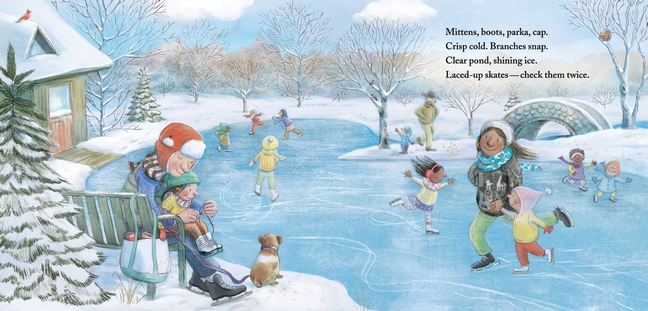
What a day to go ice skating! This rhyming story is all about a day in the life of an ice skating pond. Kids and parents lace up and skate across the ice; slipping and falling is all part of the learning process. Warm up with a hot cocoa in the cottage by the pond as hockey players raise a clatter and figure skaters glide by. When the sun goes down and everyone heads home to warm baths and beds, the pond is ready for the next group of skaters: the local wildlife explores. A Day for Skating is a lovely welcome to winter fun, with a note at the very beginning of the book about ice safety, especially if you’re not skating at a rink. Front endpapers start the story by showing a car heading somewhere, presumably the pond; back endpapers show a quiet, empty pond at night, with the marks left by skaters earlier in the day. Watercolor, pencil, and digital illustrations make every spread a welcoming winter scene, with calming blues and winter whites throughout. Add this to your winter storytimes for rhyming fun.


Snow Still, by Holy Surplice, (Oct. 2019, Nosy Crow),
$8.99, ISBN: 9781536208344
Ages 0-3

This padded board book is the perfect toddler story for the wonder of winter. A little fawn discovers winter, and romps and plays through the forest, discovering and playing as it goes. Each spread illustrates a different two-word snowy phrase: “Snow white. / Snow slide. / Snow chase. / Snow hide” as the fawn wanders through a winter wonderland with animal friends. The watercolor illustrations are quietly engaging, with a curious little fawn and a winter white forest background. The rhyming text and easy sight words will engage toddlers and early preschoolers. A great lap-read on a cold winter day or night.


The Little Snowplow Wishes For Snow, by Lora Koehler/Illustrated by Jake Parker,
(Oct. 2019, Candlewick Press), $16.99, ISBN: 9781536201178
Ages 3-7

This is an adorable seasonal read that works wonderfully for winter storytimes! The second Little Snowplow book sees Little Snowplow go through the seasons, desperately wishing for snow. But when winter arrives… no snow! On his birthday morning, though… there’s snow! Will Little Snowplow get all his plowing done in time for his birthday party? The pencil and digital illustrations are colorful, giving the vehicles sweet faces full of expression. Publisher Candlewick offers a free, downloadable activity kit that includes games, coloring sheets, even birthday invitations. Preschoolers love their vehicle books; add this to your storytime collection and watch them light up.


Snow Leopard: Ghost of the Mountains, by Justin Anderson/Illustrated by Patrick Benson,
(Oct. 2019, Candlewick Press), $16.99, ISBN: 9781536205404
Ages 5-8

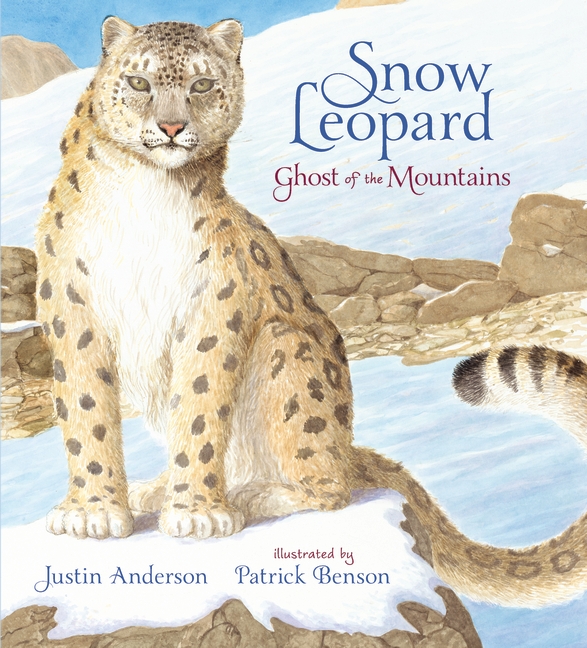
Zoologist and filmmaker Justin Anderson weaves a story of a zoologist who travels into the Himalayan mountains in search of the elusive snow leopard. Anderson’s story – inspired by his experiences – is beautifully descriptive, with facts in smaller callouts throughout the book. His respect for and awe of the snow leopard and her habitat shines through in his descriptions, brought to life by Owl Babies illustrator Patrick Benson, whose earth-colored and winter watercolors transport us to a different world. Endpapers with footprints in the snow bring us into and lead us out of the book. Back matter includes an author’s note about snow leopards and the need for conservation and awareness, an index of key leopard terms, and resources for more about saving snow leopards.


Posted in Fiction, Graphic Novels, Middle Grade, Non-fiction, Teen, Tween Reads, Women's History

February graphic novels bring magical realism and STEM nonfiction

First Second is a graphic novel powerhouse. Every season, I know I’m going to see good stuff from the authors and illustrators that First Second publishes. Here are two we’ve got coming in February.

Snapdragon, by Kat Leyh, (Feb. 2020, First Second), $12.99, ISBN: 9781250171115

Ages 10+

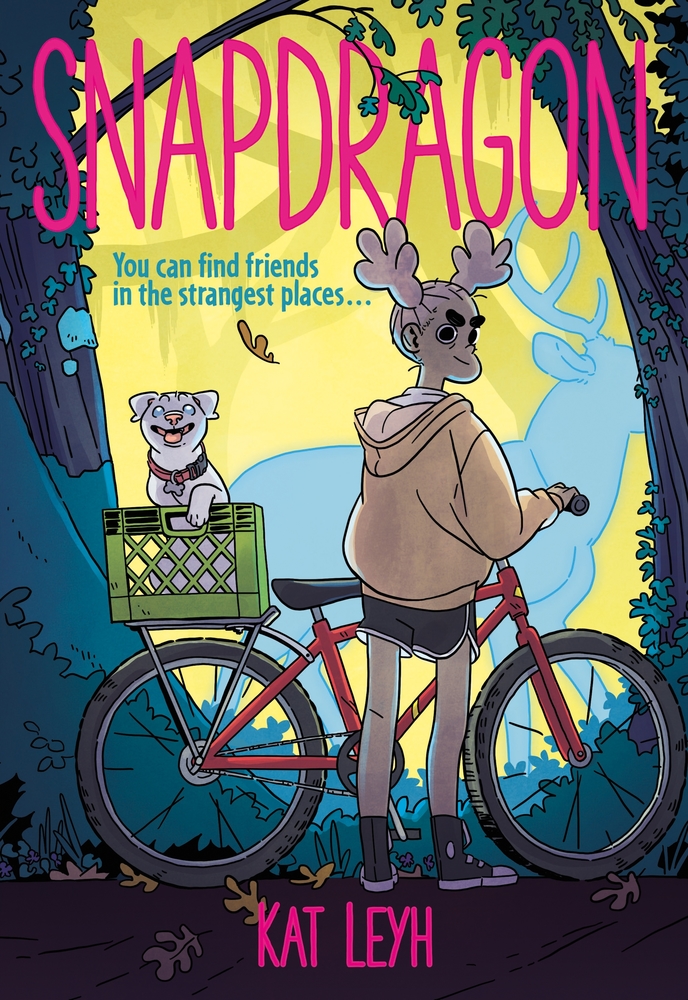
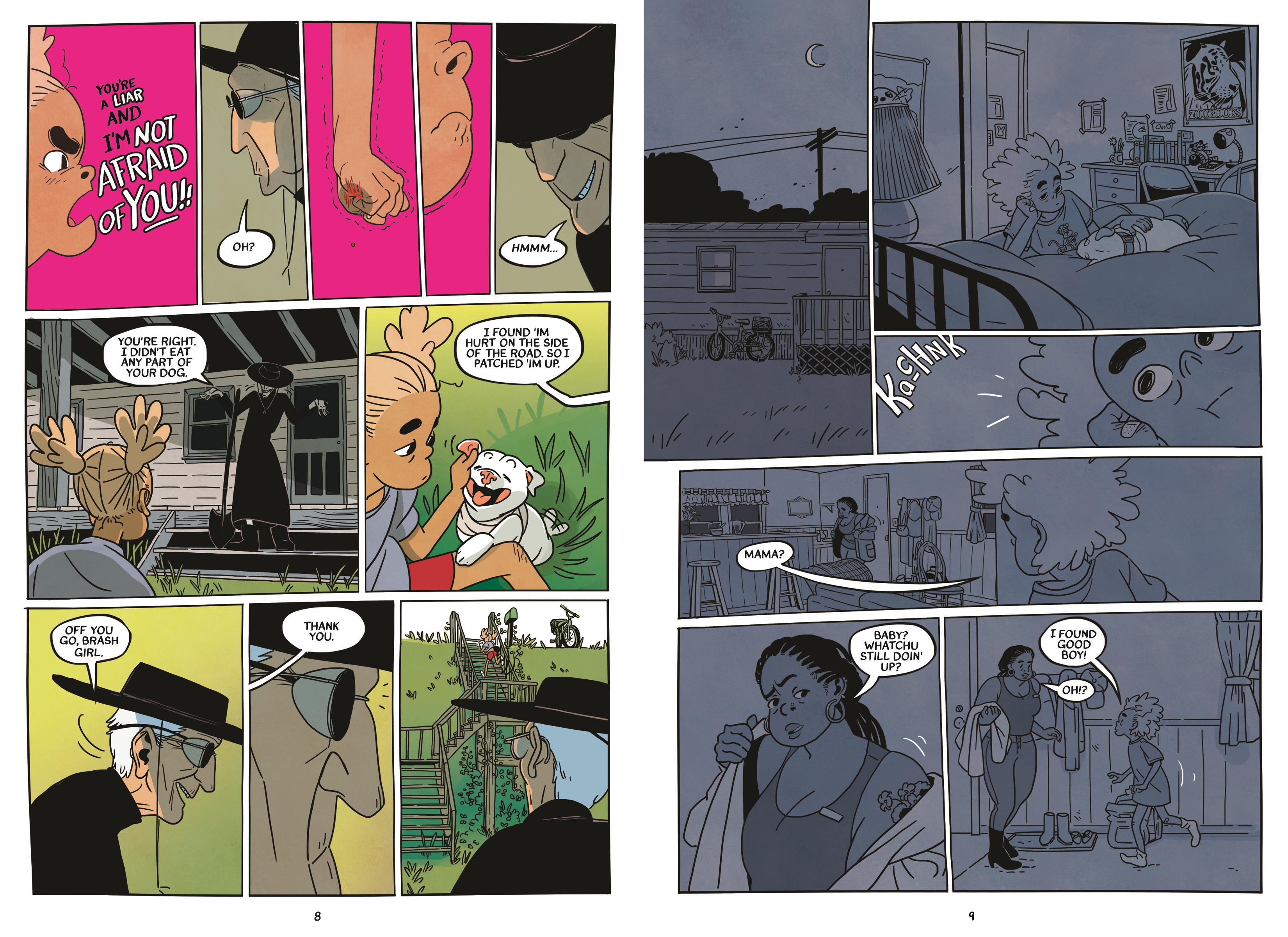
Magical realism infuses this story about a girl who befriends the town witch. Snapdragon’s heard the rumors about the “roadkill witch”, but when Jacks – a loner constructs skeletons from roadkill to sell to veterinary schools – rescues Snap’s dog, she finds herself cultivating a friendship with the loner, who takes her on as an apprentice. But Jacks also has rituals she goes through, to put those roadkill spirits to rest, and Snap is pretty sure that Jacks has a little bit of witchcraft after all.

Snapdragon is a story with depth. Lumberjanes writer Kat Leyh creates a magical, yet real cast of characters: Snapdragon, the daughter of a single working mother, is bullied at school and by her mother’s cruel ex-boyfriend. Her friend, Louis, who prefers to go by Lulu and wear skirts and nail polish, is tormented by his brothers. The two bond over their mutual love of a a horror movie series and Lulu finds comfort and safety in Snapdragon’s home. Jacks and Snap discover a connection between them in a subplot with Snap’s grandmother.

Snapdragon has a starred review from Kirkus.


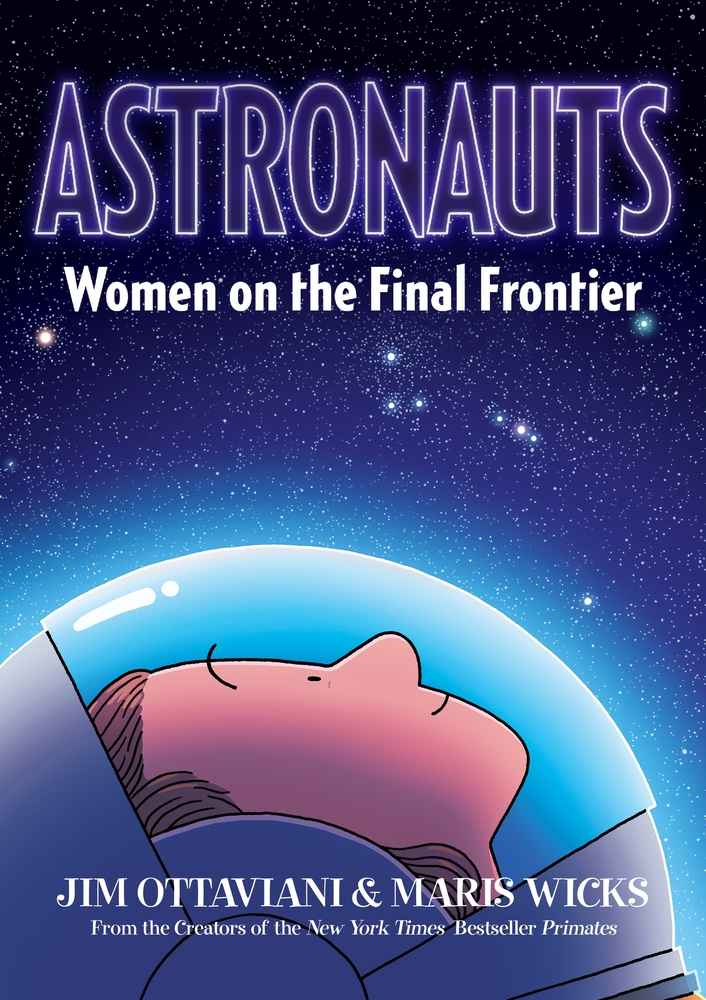
Astronauts: Women on the Final Frontier, by Jim Ottaviani & Maris Wicks, (Feb. 2020, First Second), $19.99, ISBN: 9781626728776

Ages 8-12

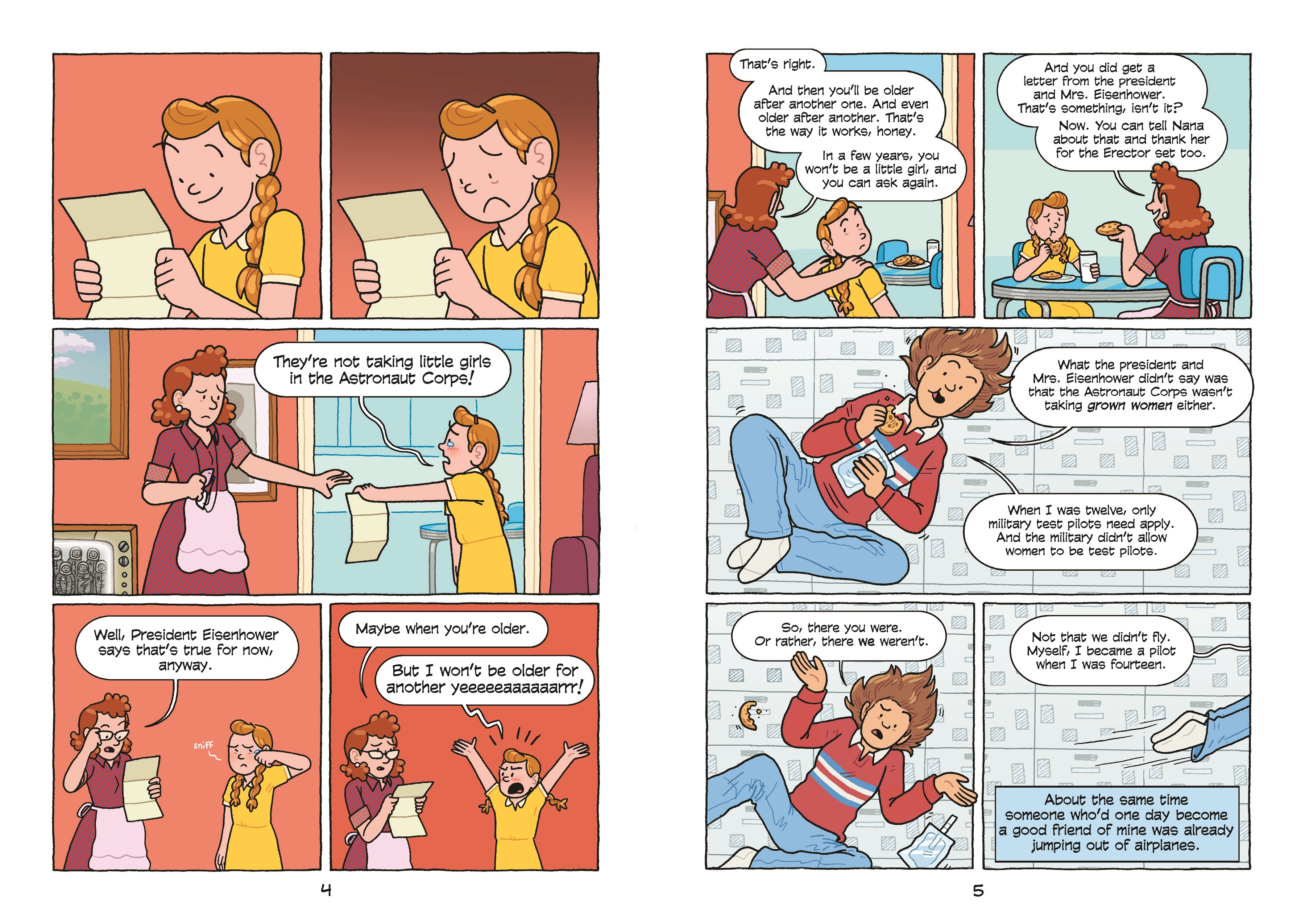
Meet the first women to travel into space in this nonfiction graphic novel that has big appeal for Science Comics fans. Astronaut Dr. Mary Cleave navigates readers through the history of women and space travel, starting with the Soviet space program that made Valentina Tereshkova the first woman in space, and illustrates the long road American women had to take to get Group 9, NASA’S first mixed-gender class, to the stars.

The most frustrating thing about Astronauts is reading how seemingly determined the U.S. government was to keep women out of space. The graphic novel tells multiple stories from different points of view; the Mercury 13 and Women in Space Program both ended up going nowhere, while the Soviet Union focused on sending just one woman – Tereshkova – into space. (And she didn’t even tell her mother before she went.) It’s disheartening to read that science journalists imagined conversations between women – female scientists – and Mission Control consisting of, “this little thingamabob has jiggled off the gizmo”. Even when NASA got it together and began recruiting women for the space program for real this time, their concerns about dress codes and complete ignorance of basic physiology left me frustrated and even more determined to get my STEM/STEAM programming firmly entrenched here at my library. The second half of the book, focusing more on Mary Cleave’s space shuttle missions and NASA training, are a welcome relief. There are some great and hilarious anecdotes throughout, and Mary Cleave’s love for space exploration and science comes through, making me hopeful that this book will inspire many, many kids. There are references, a bibliography, and working sketches.

Astronauts has starred reviews from Kirkus and Publisher’s Weekly.

Posted in picture books, Preschool Reads

A new Hanukkah book from the author of Sammy the Spider!

I am so excited to talk up a new Hanukkah book! I received an e-mail from Sylvia Rouss, the author of the adorable Sammy the Spider series of books, inviting me to take a look at her new book, The Hanukkah Fable. I really enjoyed Sammy the Spider’s First Hanukkah, and having such a popular series author get in touch made my day. So let’s take a look at The Hanukkah Fable of Little Dreidel and Silver Menorah.

The Hanukkah Fable of Little Dreidel and Silver Menorah, by Sylvia Rouss/Illustrated by TL Derby,
(Nov. 2019, MacLaren-Cochrane Publishing), $19.99, ISBN: 978-1643720517
Ages 3-8


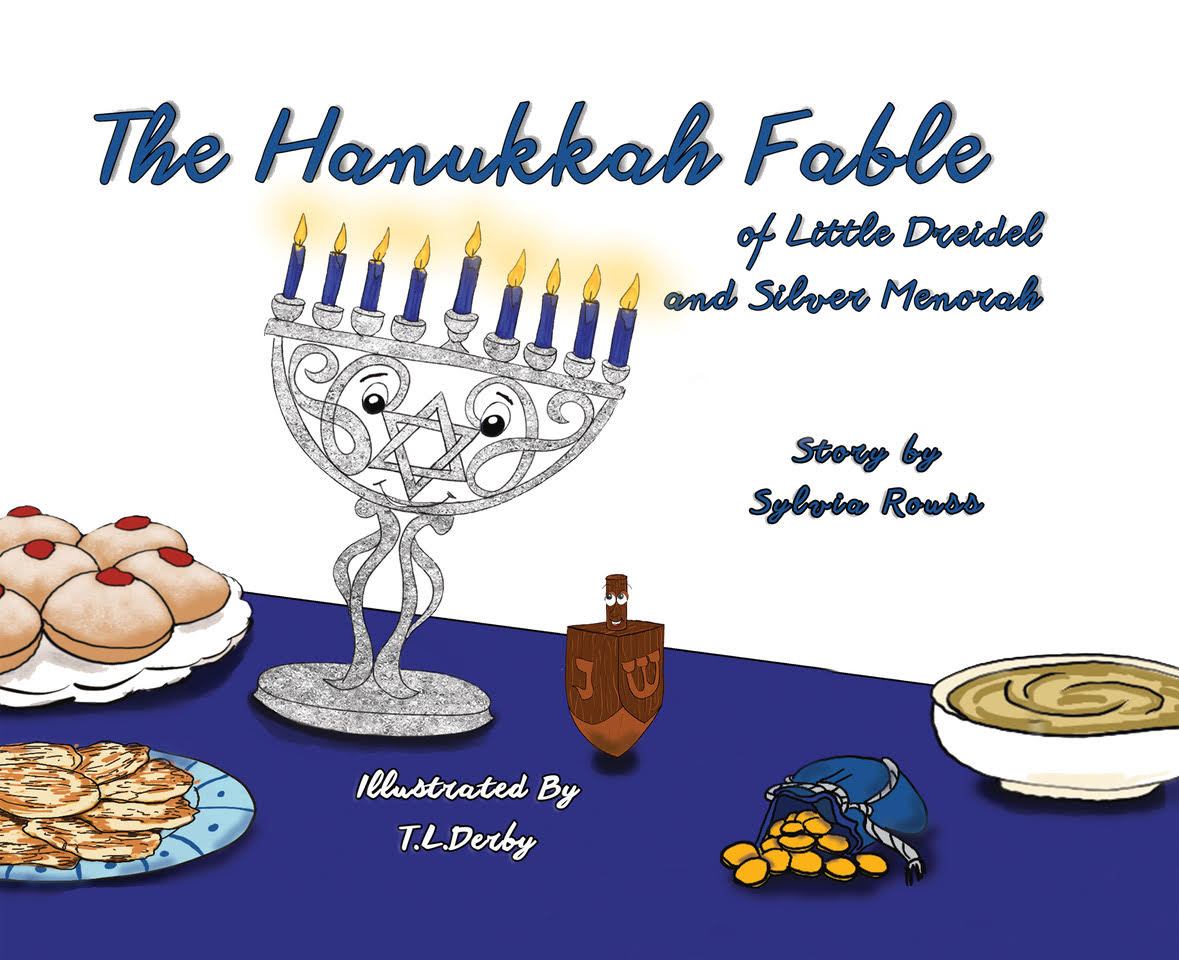
It’s the last night of Hanukkah, and a family gathers at the table to sing their blessings. When they head into the kitchen to start bringing out the food, the silver menorah notices that the wooden dreidel looks a little downcast; upon asking, we learn that dreidel is sad because the family gushed over the beautiful Silver Menorah, while the Wooden Dreidel went seemingly unnoticed. With a little Hanukkah magjc, Silver Menorah helps Dreidel turn into a lovely blue, to match the tablecloth! But Dreidel still goes unnoticed, so Silver Menorah helps Dreidel try on a few other colors until, finally, he ends up back in its original wooden form and learns that being true to oneself is the best way to be.

This is a sweet Hanukkah story with a wonderful moral: embrace who you are. You have no idea how important you may be to someone. The story has some rhyme and repetition in the form of Silver Menorah’s magic rhyme, “Spin around once and count to three and [color] is the color that you’ll be”. This adds a nice bit of interactivity to a storytime: hand out colorful dreidels if you have them, or colorful paper or scarves; invite the kids to stand up and twirl, like Dreidel, and call out their colors! Back matter includes a traditional Hanukkah song and prayers said when lighting the candles, and a note about Hanukkah.

TL Derby’s illustrations are bold and vibrant; both Silver Menorah and Dreidel have expressive facial expressions, and Silver Menorah looks sparkly and textured, like a mixed media rendering using foil.

Sylvia Rouss is the author of over 50 children’s picture books, most notably the Sammy the Spider series. Her books have received numerous awards, including the National Jewish Book Award, Sydney Taylor Award, Moonbeam Children’s Book Award, and Storytelling World Award.

TL Derby is a children’s book author and illustrator with a BFA in Creative Writing for Entertainment and an MFA In Creative Writing.


Posted in Graphic Novels, Teen, Young Adult/New Adult

DC’s new YA graphic novels star Wonder Woman and Batgirl

DC Comics has been putting out consistently good original graphic novels under their DC Ink imprint.  They’ve hired top-name YA talent, like Lauren Myracle (Catwoman), Mariko Tamaki (Harley Quinn), Kami Garcia (Raven), Danielle Paige (Mera) and Marie Lu (Batman) to tell a more human story for each of these super-teens. When I received copies of Louise Simonson’s upcoming graphic adaptation of Leigh Bardugo’s Warbringer and Sarah Kuhn’s Shadow of the Batgirl, I squealed.

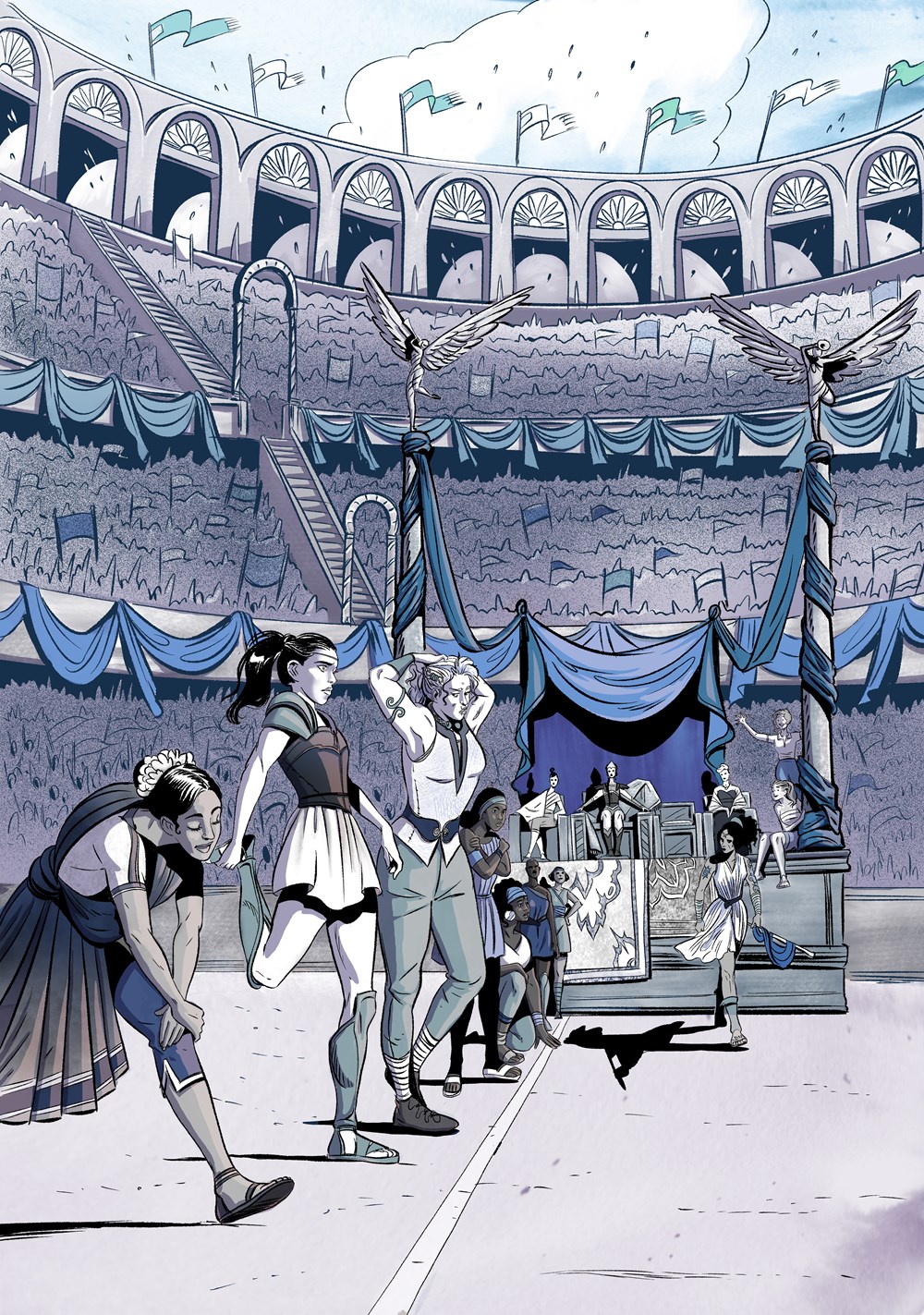
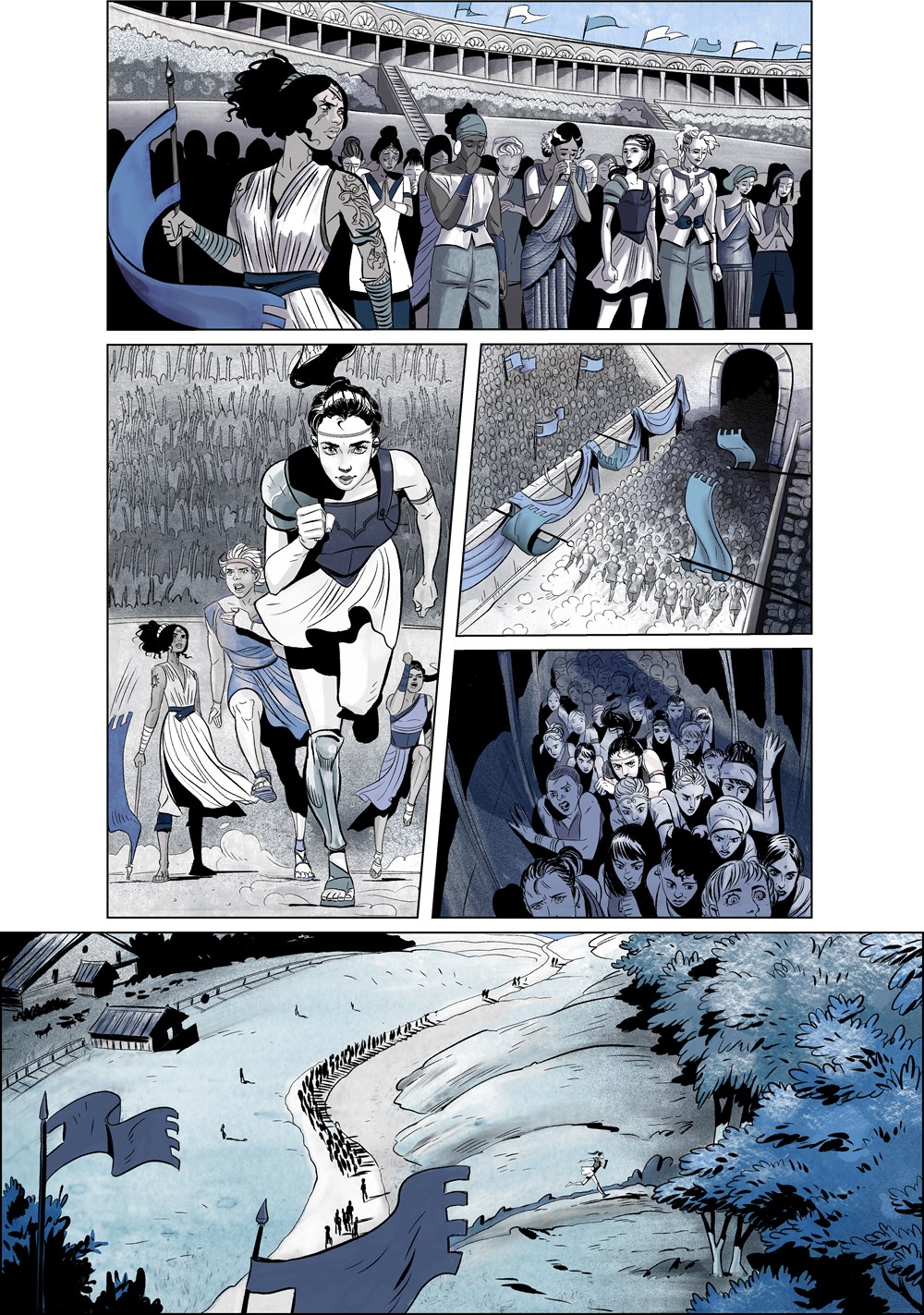
Wonder Woman: Warbringer, by Leigh Bardugo/Adapted by Louise Simonson/Illustrated by Kit Seaton, (Jan. 2020, DC Ink), $16.99, ISBN: 978-1-4012-8255-4

Ages 12+

Before she was Wonder Woman, she was Diana, daughter of Hippolyta and the only inhabitant of Themiscyra to have been created, molded, given life at the behest of her mother and granted by the gods. This vision of Themyscira is more like a Valhalla for fallen female warriors: the way in is to die in battle. Because Diana’s existence differs from other residents of the island, she constantly feels she must prove herself to her Amazon sisters. The chance comes during a race – which she becomes diverted from when she sees a sinking ship and one survivor flailing in the water. The ship, from the world of Man, should not be there, but Diana can’t stand to let anyone die. She rescues a young woman named Alia Keralis, hiding her away until she can figure out what to do. But Themyscira reacts to Alia’s presence, and after consulting with the Oracle, Diana learns that Alia is a Warbringer – a descendant of Helen of Troy, and doomed to bring war, bloodshed, and misery wherever she goes – decides to bring Alia back to her world. When Diana and Alia arrive in modern-day New York, they find themselves in the middle of a struggle between factions who want the Warbringer for themselves, whether to end her line or possess her power.

Louise Simonson is a comic book legend, with Marvel and DC titles to her credit. Here, she masterfully adapts Leigh Bardugo’s novel to graphic format, focusing on Diana’s relationships: with the Amazons, with her mother, with Alia; each one fraught with tension. Diana learns to navigate these relationships while unraveling an ancient mystery in order to save the world. Literally. Kit Seaton’s artwork gives us mythic monsters, urban living, and sprawling Themyscira. There are moments where Diana’s innocence about the modern world of Man is played for laughs, like when she goes back at a guy making comments on the subway. Alia and her brother are biracial; Alia’s best friend, Nim, is Southeast Asian and bisexual.

Like the other DC Ink books, this one is a good add to your YA original graphic novels.


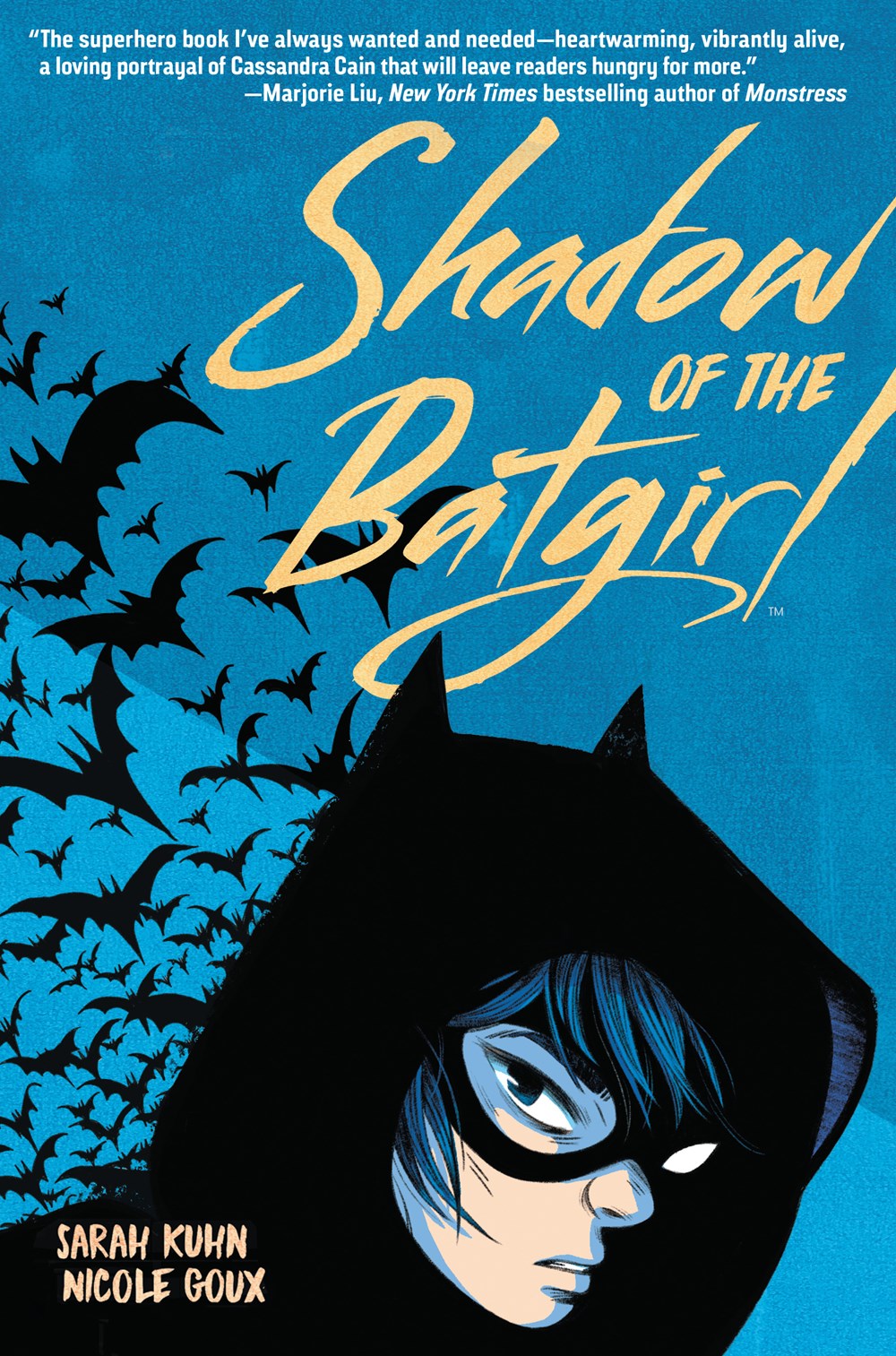
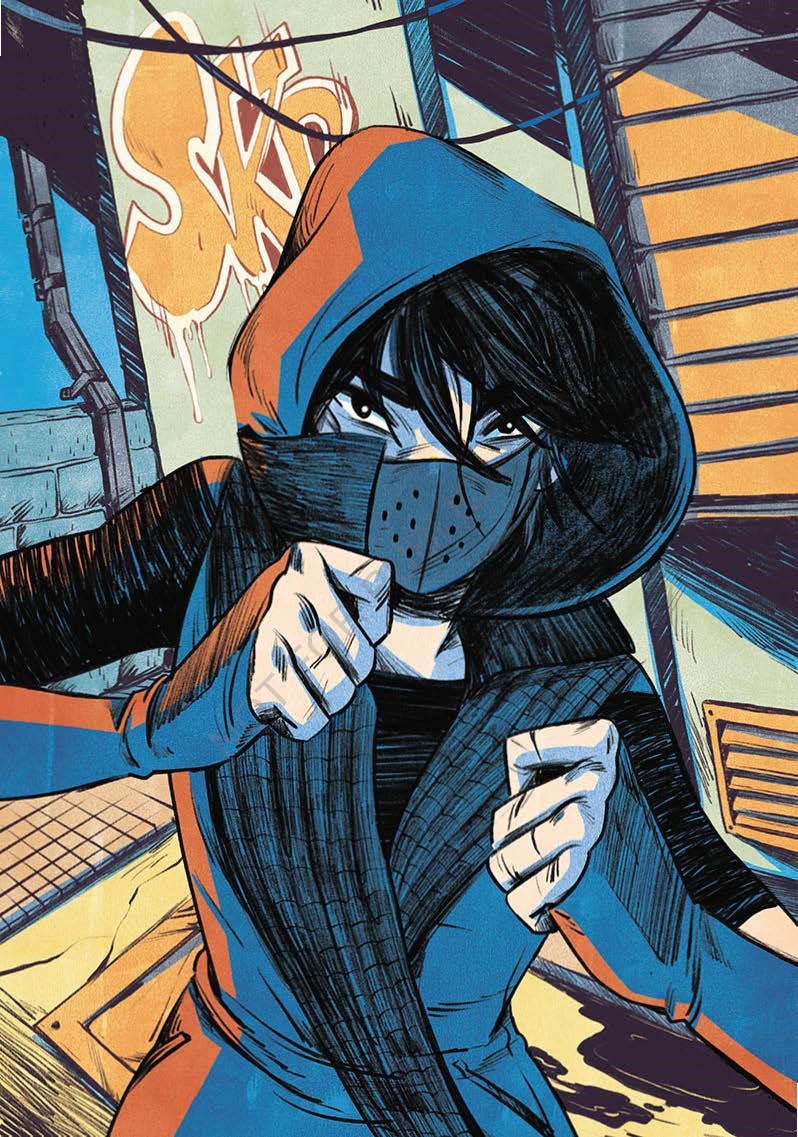
Shadow of the Batgirl: A Cassandra Cain Graphic Novel, by Sarah Kuhn/Illustrated by Nicole Goux, Feb. 2020, DC Ink), $16.99, ISBN: 978-1-4012-8978-2

Ages 12+

Cassandra Cain, teen assassin, is on the streets hunting her latest prey. But the dying pleas with Cain to relay a message to his daughter strikes a chord, and she goes on the run, hiding out in… a library! She sits in on a Batgirl storytime talk, delivered by my favorite comic book librarian, a wheelchair-bound Barbara Gordon, and finds herself enamored with Batgirl. Never taught to speak by her father, crime lord David Cain, she finds refuge with a local restaurant owner, Jackie Yoneyama, and eventually, Barbara Gordon herself. As Cassandra begins opening up to the two women, she also learns to speak, read, and write, and discovers that her father is wreaking havoc in Gotham City in his quest to gain control over the world’s assassins. It’s time for someone new to assume the Batgirl mantle, and Barbara knows the Cassandra has what it takes.

I am psyched that we get a Batgirl story that stars two different Batgirls! Barbara Gordon is more of an mentor/guiding force here; readers familiar with Batgirl’s history will know she’s in a wheelchair after the events of The Killing Joke. If you don’t know, it’s fine; it has no bearing on this story. Barbara has to pass on the cape and cowl, and Cassandra – an Asian-American girl who knows how to fight, and has a strong inner morality that steers her away from her cruel father. Sarah Kuhn can write great comic moments, and there a few in here, to lighten the storyline. The artwork is more colorful than I’ve seen in other DC Ink books, which tend toward two-color, with extra color for emphasis; here, we get some warm oranges when Cassandra is in the presence of Barbara and Jackie; colors tend toward cooler blues and purples when she’s struggling with her thoughts or shades of rose for other character’s memories. I loved Shadow of the Batgirl. Sarah Kuhn knows how to give readers a great superheroine origin.

Posted in Fiction, Fiction, Fiction, Historical Fiction, Intermediate, Middle Grade

American Girl Trio: Melody, Nanea, and Julie

Everyone is pretty aware of American Girl, the toy and book phenomenon that sent kids running to the stores for an experience – tea party, clothing selection, matching outfits – before Build-a-Bear got involved. The American Girl novels have big fans in every library where I’ve worked, but I never thought to pick up and read any of them for myself. But I received three from the publisher, so I figured, what the heck? Let’s see what these are about. I have to say, I’m pretty happy with them.

The three books that I received seem to be a repackaging of American Girl’s BeForever line of historical novels. The original books look to have been published in 2016-2017; these new releases have updated cover art and the interiors are very emerging reader friendly, with both color photos and artwork throughout, making it even more appealing and reader-friendly to emerging chapter book readers.
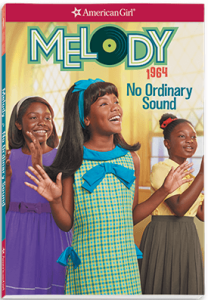
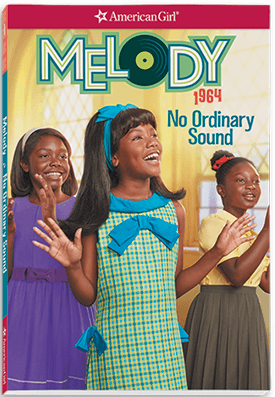
Melody: No Ordinary Sound (American Girl: Melody), by Denise Lewis Patrick, (Aug. 2019, American Girl), $7.99, ISBN: 9781683371403

Ages 8-12

It’s 1963 in Detroit, Michigan, and 9-year-old Melody just found out that she’s going to be singing her first church solo for the Youth Day celebration. Her older brother wants to be a Motown star, while their dad wants him to go to college and pick a more stable career; her older sister comes home from college with stories of protests, marches, and registering Black voters, and her cousin’s family arrives in Detroit, because racial tension in the American South has made it almost impossible to earn a living. As Melody and her family awaken to activism, a horrific church bombing in Birmingham, Alabama takes the lives of four children and leaves Melody speechless. She has to find her voice and sing for those who can’t.

No Ordinary Sound is such powerful historical fiction for intermediate and middle grade readers. I’ve enjoyed Denise Lewis Patrick’s books in the past, so I read this American Girl book first, and am so glad I did. Her characters experience three pivotal events in civil rights history – the Detroit Walk to Freedom; the March on Washington, where Dr. Martin Luther King, Jr. gave his “I Have a Dream” speech, and the church bombing in Birmingham, Alabama – and encourage readers to see these events from a personal point of view, developing a deeper understanding of more than just the facts. Denise Lewis Patrick provides a slice of life story, where readers experience the everyday racism Melody and her family and friends experience; from being banned from buying a soda at a soda machine to being shadowed by store security at stores where they’ve been longtime customers.

No Ordinary Sound was a great introduction to the American Girl historical fiction series of books, and I’ll be sure to include this series in booklists and booktalks about civil rights and historical fiction. Melody’s books have their own page on the American Girl website, where you can read first chapter excerpts.

Civil Rights Teaching has lesson plans and resources about teaching the Civil Rights Movement, as does Facing History and Ourselves. The Grammy Museum has a lesson plan on teaching the impact of Motown. Education.com has a free, downloadable worksheet on the History of Motown, and TeachRock.org has a lesson Assembling Hits at Motown. PBS Learning Media has a teaching guide and primary source materials on The Great Migration, and National Geographic has an educator’s guide.
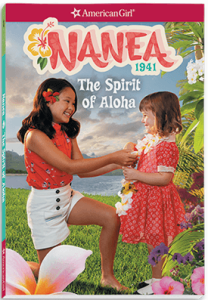
 

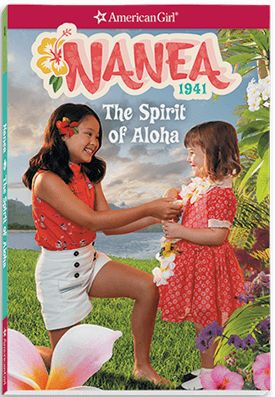
Nanea: The Spirit of Aloha (American Girl: Nanea), by Kirby Larson, (Aug. 2019, American Girl), $7.99, ISBN: 9781683371380

Ages 8-12

Nanea is a 9-year-old Hawaiian girl; she’s the youngest in her family, and feels frustrated that she can’t do grown-up things, like help in her family’s store. When Pearl Harbor is attacked by Japanese aircraft on December 7, 1941, Nanea discovers that she has to grow up quickly. Her father is a mechanic at Pearl Harbor, and rushes to help out; her older brother is an Eagle Scout, and heads to the site to hand out food and provide aid. Nanea’s Uncle Fudge is taken into custody because he’s Japanese, and Nanea is thrust into a different world with blackouts, curfews, and fear. She and her two best friends work to make themselves useful, especially when “nonessential personnel” must leave the island, which puts her friend at risk. With the spirit of aloha – love, understanding, and compassion – Nanea focuses on kokua – good deeds – to help everyone around her.

The Spirit of Aloha was another strong historical fiction piece. Kirby Larson has written likable, relatable female protagonists, and she’s done historical fiction before, so I was confident I was going to read a good story. Here, we have the main event, the bombing of Pearl Harbor, as a means to show how war makes children grow up overnight. Nanea sees her life change in moments: the bombing itself; the rounding up of Japanese people and the detention center; her fears for her father and brother as they head into the middle of the disaster to help; curfews and blackouts curtains, and the overall loss of a relatively peaceful, carefree existence. At the same time, she focuses on her culture’s principles of love, compassion, and good deeds. Kirby Larson adds touches of Hawaiian culture here, like the meaning of hula and tossing leis into the water to assure a return to Hawaii, and there’s a glossary of terms at the end. Nanea is biracial, with a Hawaiian mother and a Caucasian father, and this adds an additional facet to Nanea’s story, as she communicates with her mainland grandparents to let them know what’s going on in Hawaii.

The Spirit of Aloha is a good introduction to World War 2 historical fiction for younger readers. You can find excerpts and more about Nanea on the American Girl website.

Scholastic has a teaching guide on the attack on Pearl Harbor; Teachers Pay Teachers has some free, downloadable resources developed by fellow educators; the Pearl Harbor Aviation Museum has a lesson plan on developing visual literacy by analyzing photos from December 7, 1941. The New York Times has a lesson plan on using primary sources to teach the Japanese Internment, as does the Library of Congress.
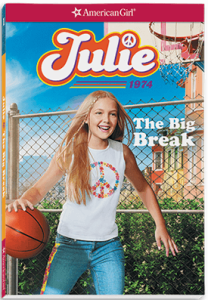
 

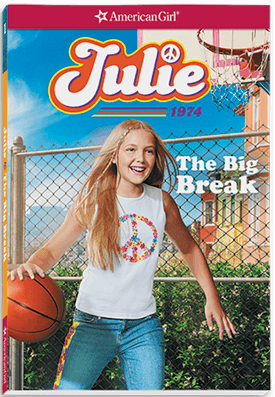
Julie: The Big Break (American Girl: Julie), by Megan McDonald, (Aug. 2019, American Girl), $7.99, ISBN: 9781683371328

Ages 8-12

Nine-year-old Julie has just moved to a new neighborhood and started at a new school after her parent’s divorce; she, her mother, and older sister live in an apartment above her mother’s new store. She starts at a new school and hears they have a basketball team, which is great! She loves basketball! The coach, however, makes no bones about it: the team is boys only, and he’s never going to let a girl play on his team. Julie, empowered by her tennis-playing older sister who tells her about tennis star Billie Jean King and Title IX, the law prohibiting gender discrimination in any educational programs receiving Federal financial assistance (read: public schools can’t refuse any boy or girl from playing on an athletic team). Julie embraces her newfound activism and takes to the streets, getting people to sign a petition to let her play.

The Big Break is a snapshot of the 1970s, when the second wave feminist movement was still pushing for equal rights in the workplace and in our schools. An interesting subplot with a Vietnam vet, who helps focus Julie’s activism by petitioning against the closing of a veteran’s hall, reminds readers that the ’70s were also about coping with the fallout from the Vietnam War and the vets who returned to homelessness, and a lack of necessary mental and physical health services. Julie’s sister is a burgeoning feminist who follows the Bobby Riggs-Billie Jean King Battle of the Sexes and tells Julie about Title IX, which opened the doors to school athletics for girls. At the same time, Julie is coping with her parent’s divorce – much more scandalous in the 1970s than it is today – and her feelings of grief and frustration with both her parents. Her mom appears to be a free spirit, with a ’60s-early ’70s flower child aesthetic; she’s a divorced woman entering the workplace and starting her own business venture: a store dedicated to handcrafted clothing and items, often repurposed. Julie’s pilot father often misses school events because he’s called to fill in for another pilot, and doesn’t initially support her bid to play on the boys’ basketball team.

The Big Break is by Megan McDonald, who everyone also knows as the author of the Judy Moody and Stink series! Here, she gives readers a glimpse into the 1970s, where things are so different, and yet, still the same. Girls still get grief from boys in the athletic sphere. Homeless veterans are still not getting the services they need. People now use Title IX to protect transgender and nonbinary students. And girls are still discovering and embracing their voices in activism. You can read more about Julie on her American Girl page, including first chapter excerpts.

TedEd has a lesson plan on Title IX that’s friendly to younger students. NEA Today has a good article on ways Title IX has helped women and girls; PBS has a video on Title IX; Scholastic Kids Press has an article on how Title IX changed girls’ sports. Teaching History has resources on teaching the Vietnam War.


Each book comes with a peek into each girls’ life: maps of their neighborhood, pictures of their families, a glimpse at someone’s room. Back matter includes overall information about each American Girls’ moment in history. American Girl makes teachers guides, readers guides, and printable activities available.


Posted in Graphic Novels, Teen, Tween Reads, Young Adult/New Adult

March Graphic Novels Roundup

I haven’t done a roundup in a while, but I’m actually a little ahead of the game, so let’s do it! Here’s what’s good for March.


Dragon Hoops, by Gene Luen Yang, (March 2020, First Second), $24.99, ISBN: 9781626720794

Ages 12+

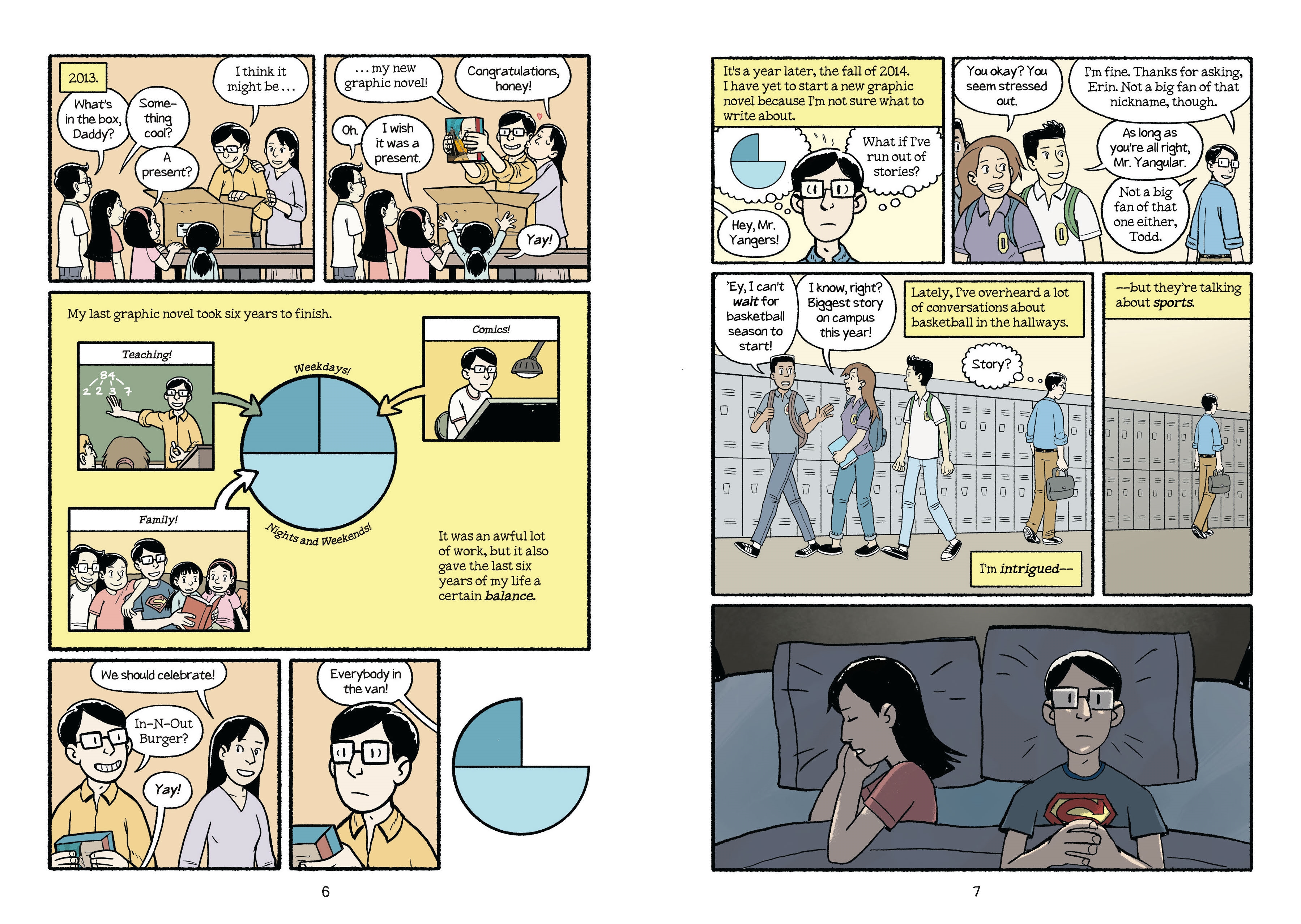
Gene Luen Yang is back, and Dragon Hoops is a memoir of a year following the basketball team during the 2014-15 season at the high school where he taught, Bishop O’Dowd High School in Oakland, California. Gene wants to write a new graphic novel – at the same time he’s being courted by DC Comics to write a new Superman story – and he’s wracking his brain, coming up with options. He isn’t really a sports guy, but he decides to explore the Bishop O’Dowd varsity basketball team, after hearing all the buzz in the school hallways. He approaches the men’s varsity coach, Lou Richie, and starts writing the story of the team, the story of the young men on the team, and the pursuit of the California State Championships.

I’m not a big sports fan, and you don’t need to be to read Dragon Hoops. It’s the story of the people behind the team, and it’s exciting to read about these diverse young men, their stories, and their drive. It’s great to see Gene Yang’s journey from someone who has zero interest in sports to becoming a rabid fan of the team, because of the connections formed with the players and Coach Lou. It’s also very much Gene Yang’s story as he struggles with a work-life balance, whether or not to take on the extra work – and excitement! – that Superman would bring, and his struggle to address a difficult chapter in Bishop O’Dowd’s history.

The artwork is realistic with a cartoony feel, and the dialogue and pacing is great. Gene Yang gets readers excited for each game, and builds relationships between reader and players/coaches by interspersing biographical chapters and pivotal games in the race for the championship. He has a powerful thread through each personal story, too: each character, including Yang, has a moment when they step outside their comfort zone to pursue something greater; something Yang uses a literal “step” to illustrate. Yang steps across the street from the classrooms to the gym to meet with Coach Lou; Coach Lou steps across the street to go from public school to Bishop O’Dowd as a teen; Sendra Berenson, the inventor of women’s basketball in in 1892 took a step into a gymnasium to teach the young women in her care a new sport she’d read about; player Jeevin Sandhu, a student and practicing Sikh, takes a step into a Catholic high school so he can play basketball. Gene Yang includes the evolution of basketball from its creation to the present, and the big role of Catholic schools in high school basketball; both things I knew nothing about and found really interesting. Back matter includes comprehensive notes and a bibliography. Catch a preview of Dragon Hoops, courtesy of EW magazine.


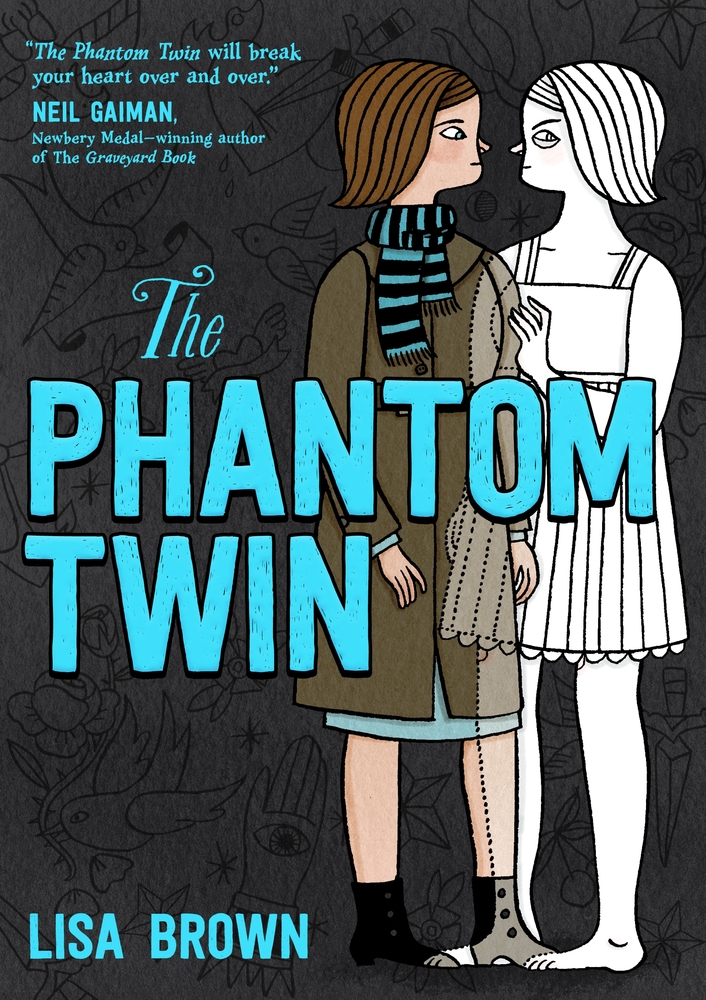
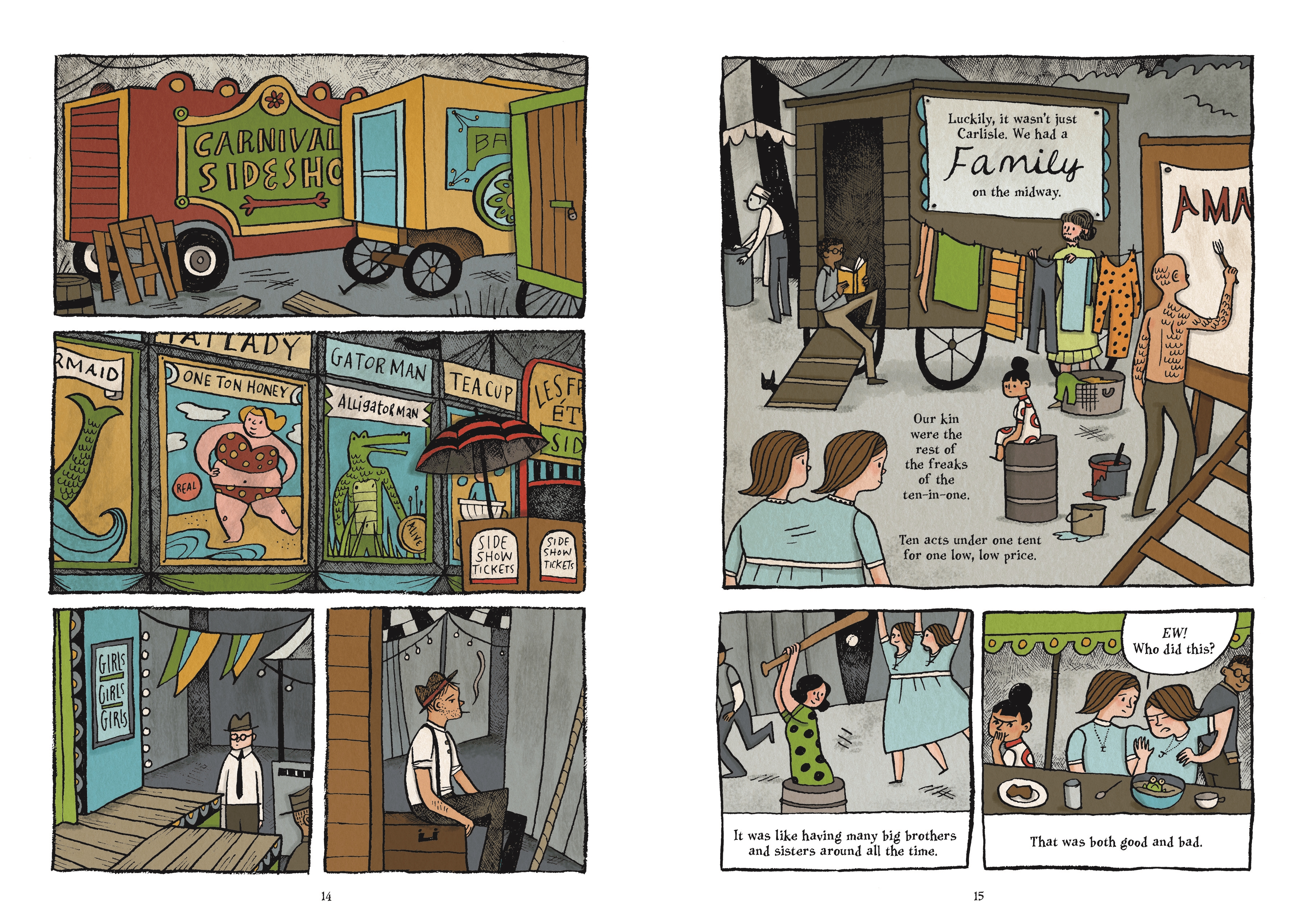
The Phantom Twin, by Lisa Brown, (March 2020, First Second), $17.99, ISBN: 9781626729247

Ages 12+

This eerie tale of twins, sideshows, and hauntings is perfect for tweens and teens who love their books on the creepier side. If you have readers who loved Neil Gaiman’s The Graveyard Book and Coraline, or loved Mary Downing Hahn’s books, this is the book to hand them.

At the turn of the 20th century, Isabel and Jane are conjoined twins, sold to a sideshow by their family, where they find a family among the “freaks” in the freak show. The two sisters are opposites, with Jane being the dominant personality. Where Iss would rather stay home, Jane wants to go out, and since she has more motor control over their shared body, Iss finds herself dragged along. Jane starts dating a surgeon who wants to separate them; despite Iss’s misgivings, Jane agrees: but doesn’t survive the surgery. Iss is left to face life on her own, but feels the phantom of her sister ever-present, like a phantom limb. Iss returns to the carnival, desperate for familiarity and to rebuild her life. Jane, still the dominant personality, tries to assert herself, and Iss finds herself rebelling against her sideshow family and her sister’s memory, as she tries to negotiate a life on her own and free of others’ expectations.

The Phantom Twin is fabulously creepy with an upbeat twist. It’s a feminist tale and a story of life on the fringes as much as it’s a story of grief, loss, and starting over. Back matter includes an author’s note on sideshows, carnival lingo, and more resources for further reading.

Posted in Fiction, geek culture, Guide, Middle Grade, Non-Fiction, Non-fiction, Tween Reads

Cyber Monday Gift Guide

Okay, get ready for the latest MomReadIt gift guide – if you can find great deals on Cyber Monday, go for it; if you prefer your local indie bookstore, have at it! Here are some books that the kiddos you know will be thrilled to receive, whether it’s for holiday or any day.

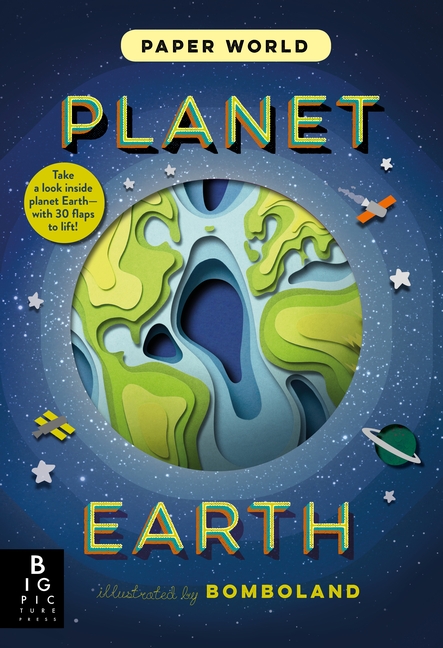
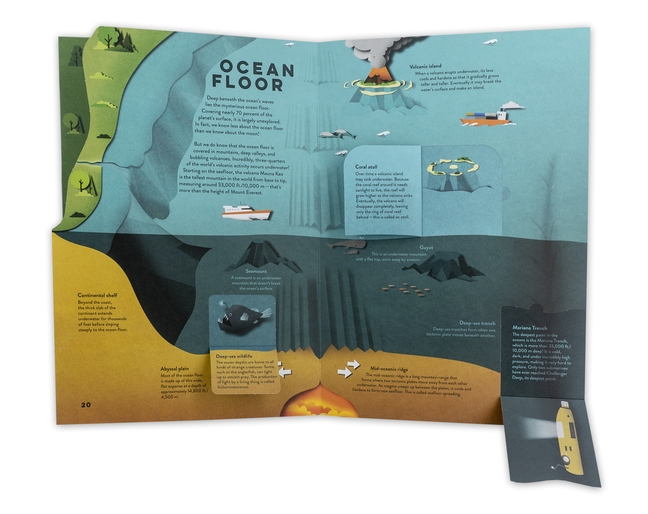
Paper World: Planet Earth, by Bomboland, (Sept. 2019, Big Picture Press),
$24.99, ISBN: 9781536208542
Ages 7-12

An awesome lift-the-flap book for bigger kids, Paper World: Planet Earth is a die-cut, lift-the-flap trip in and around our big blue planet. Readers explore and learn about earth’s tectonic plates; volcanoes, mountains, and glaciers; weather and storms, and more. Sturdy pages and flaps reveal facts, and die cut features add incredible texture. Hands-on science starts here! Back matter includes a glossary.

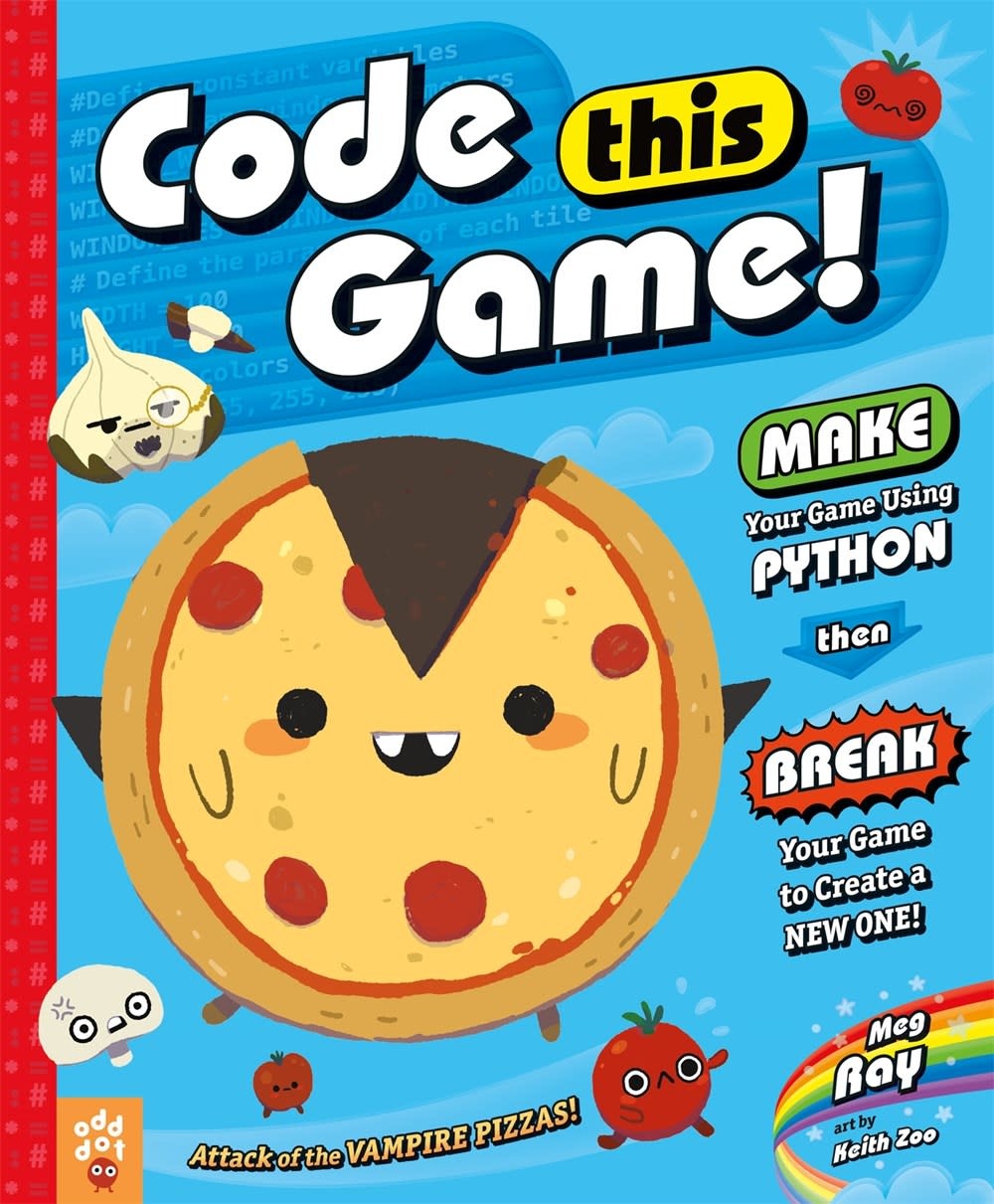
Code This Game!, by Meg Ray/Illustrated by Keith Zoo, (Aug. 2019, Odd Dot Books),
$24.99, ISBN: 978-1-250-30669-2
Ages 8-13

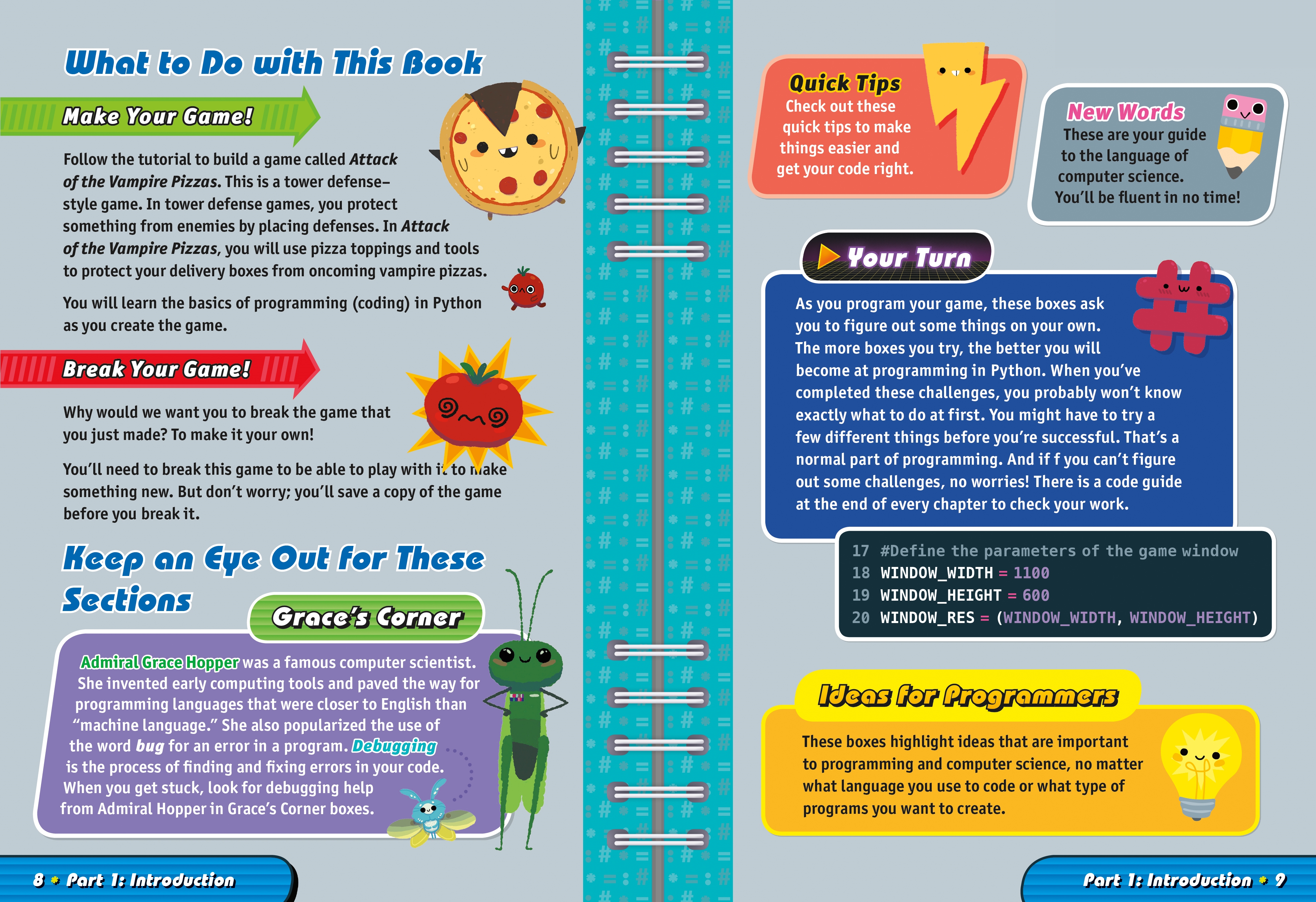
I’ve been working on coding with the Girls Who Code club at my library, and with my kiddo at home. We’ve been doing a lot of Scratch programming, but we want our kids to be multilingual in all areas – and that includes programming! Code This Game teaches kids how to use the Python programming language, and guides them, step-by-step, through how to make their very own computer game: Attack of the Vampire Pizzas! Brightly illustrated, with chunks of easy-to-read, easy to digest information, this is a fantastic book to get kids up and running with Python. The book is spiral bound and opens into an easel stand, so you can have the book open and standing up, making it that much easier to read while you work.


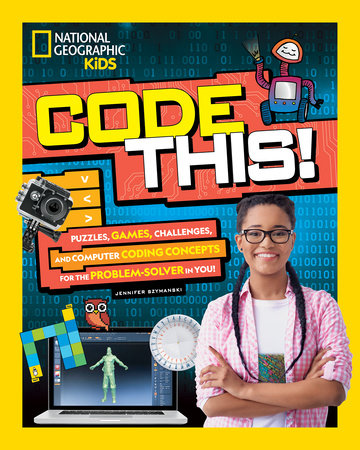
Code This! Puzzles, Games, Challenges, and Computer Coding Concepts
for the Problem-Solver in You!, by Jennifer Szymanski,
(Aug. 2019, National Geographic Kids), $16.99, ISBN: 978-1-4263-3443-6
Ages 8-12

More coding fun! A robot named Cody is packed with gadgets, and needs Explorers (that’s us readers) to program him. Together, readers and Cody learn different coding concepts and solve complete missions. Have a burgeoning coder? This is the book for them. They’ll learn how to apply offline concepts to online programming, using ciphers, mazes, secret codes, and good old-fashioned logic. Solutions are there when you get stuck, and quick takes on HTML/Javascript and Python help with quick reference, along with a glossary and index.


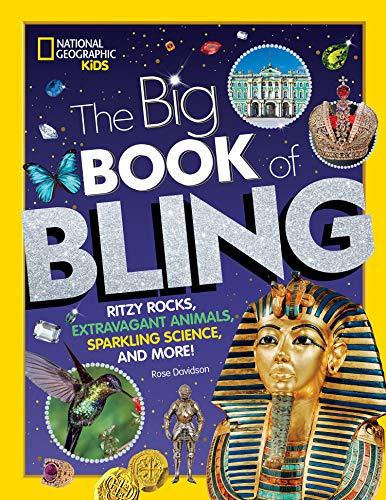
The Big Book of Bling, by Rose Davidson, (Sept. 2019, National Geographic Kids),
$19.99, ISBN: 978-1-4263-3531-0
Ages 8-12

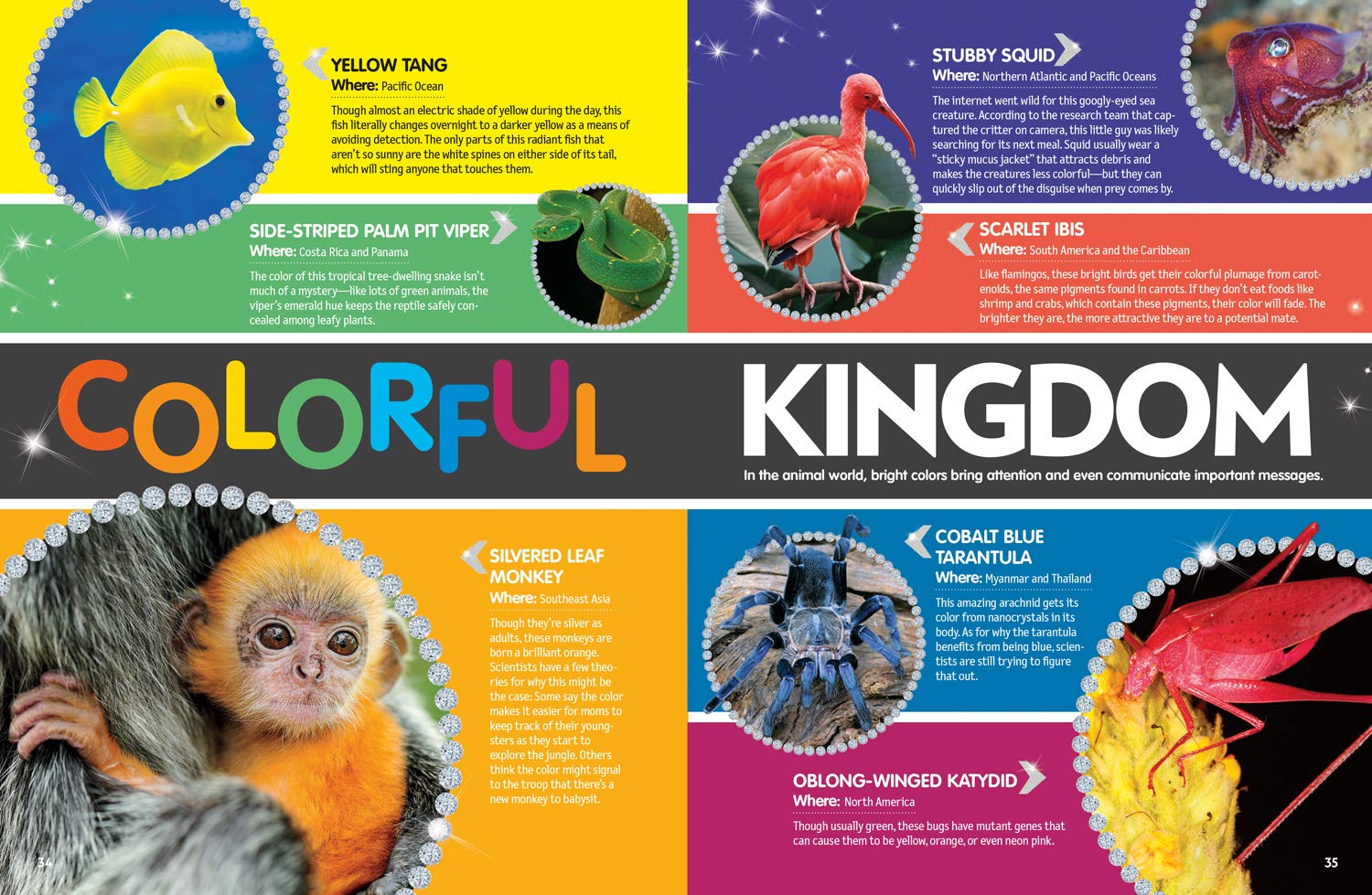
What would the holidays be without a little bling? NatGeo Kids packs a bunch of bling into one volume, with incredible photos and facts about all things shiny. There are rocks and gems both dazzling and dangerous (stay away from that Hope Diamond), and some of nature’s most extra creations, like the Indian Peacock and the Jewel Caterpillar. Want to meet the richest pets in the world? They’re in here. Ever wonder what sushi wrapped in 24K gold looks like? You’ll find out, in here. Loaded with facts and stunning photos, this will definitely add some zing to the holiday gift-giving.


Black Beauty, by Anna Sewell/Illustrated by Christian Birmingham
(Oct. 2019, Candlewick Press), $24.99, ISBN: 9781536211245
Ages 8-12

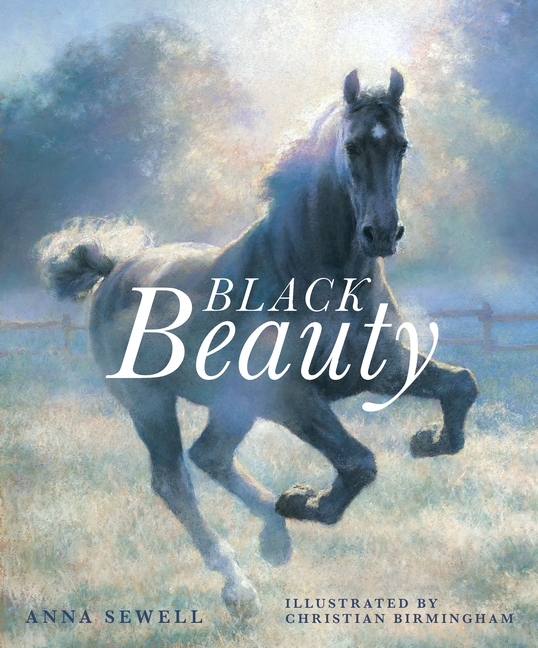
I can’t believe Black Beauty was published over 140 years ago. It was a mainstay of my childhood library, and I still hand it to kids in my library today. This Anna Sewell classic features more than 50 new illustrations by artist Christian Birmingham, and is a gorgeous gift to anyone who grew up loving this story – or a horse-loving reader who hasn’t yet met the beautiful horse in this Victorian novel. Pair with Into the Jungle: Stories for Mowgli for a reader who loves an eternal story.


Treasury of Bible Stories, by Donna Jo Napoli/Illustrated by Christina Balit,
(Oct. 2019, National Geographic Kids), $24.99, ISBN: 978-1-4263-3538-9
Ages 4-12

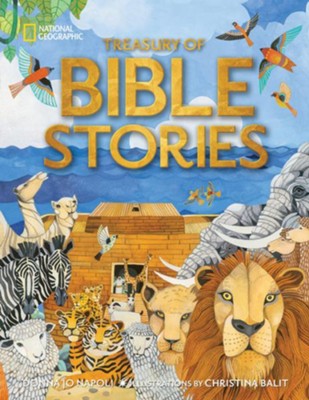
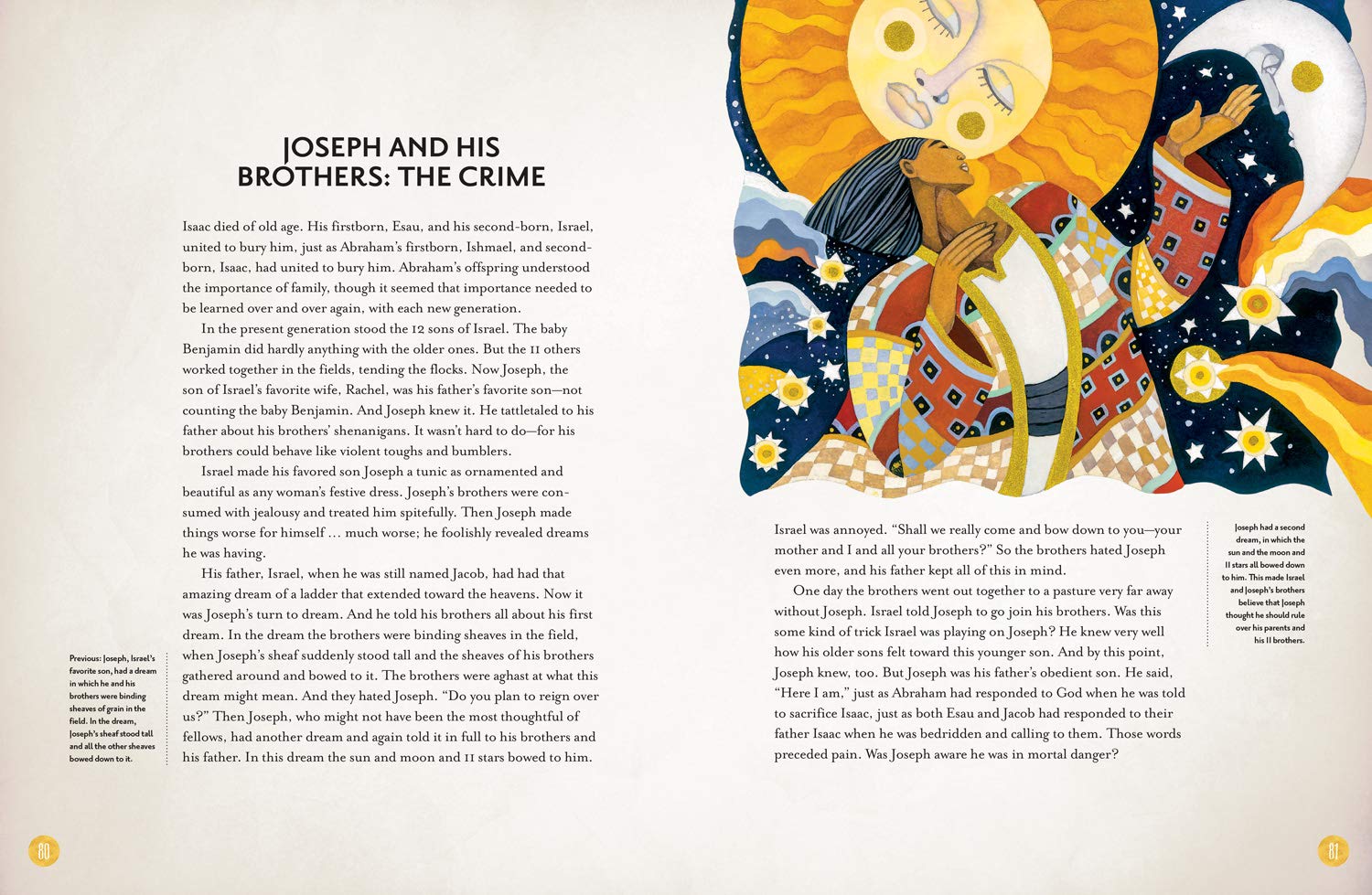
This stunning compendium of Bible stories are taken from the Hebrew Bible, also known as the Christian Old Testament. There are 28 stories in all, beginning with Creation and going through to the story of Daniel in the Lion’s Den, all gorgeously illustrated in full color. The author’s note talks about the writing process, under the guidance of Rabbi Helen Plotkin, over the course of a year and how the book presents a “human history from Creation to the building of the second temple in Jerusalem”. A note on the illustrations points out that the stunning artwork is informed by archaeology and biogenetics: in other words, the humans are depicted with different skin tones, facial characteristics and hair texture. Callouts and fact boxes throughout the stories provide nonfiction content such as the domestication of animals, beginning and diversification of human language, and one of my favorites, “Sanctioned Recklessness”, which talks about the spring festivals of Purim and Carnival. There are maps for Lands of the Bible, a timeline of early civilizations, and a section spotlighting major figures in the Bible. Includes a bibliography and index.

Posted in Fiction, Fiction, Humor, Intermediate, Middle Grade, Middle School

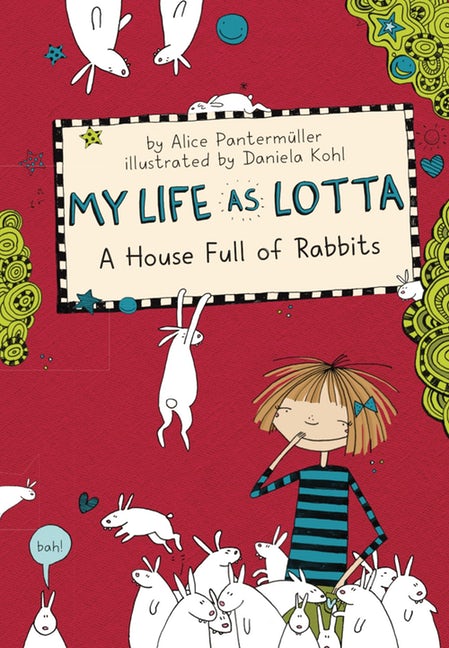
KidLit in Translation: My Life as Lotta – A House Full of Rabbits

My Life as Lotta: A House Full of Rabbits, by Alice Pantermüller/Illustrated by Daniela Kohl, (Oct. 2019, Sterling Publishing), $12.95, ISBN: 9781454936244

Ages 7-10

Lotta is a fifth grader who has younger twin brothers, a mother with a shopping problem, a father who doesn’t seem to like much, and who desperately wants a dog (or a small sheep), but will settle for one of her best friend’s many, many rabbits. Originally published in Germany, My Life as Lotta is similar to Diary of a Wimpy Kid: the book is written as Lotta’s diary entries, is loaded with scribbles and notes, and stars a protagonist who finds herself in the wackiest situations.

Maybe I’ve got Wimpy Kid burnout, but My Life as Lotta didn’t do much for me. Lotta’s parents seem pretty awful – maybe they get funnier with subsequent books? Her best friend, twin brothers, and teacher are all pretty run-of-the-mill supporting characters, with Lotta taking center stage for all the wackiness. That said, I’m definitely not the intended audience for this book, and can see my intermediate-level readers enjoying it. If you have the extra dollars in your book budget and Wimpy Kid/Dork Diaries/Timmy Failure books do well for you, give My Life as Lotta a shot.

Posted in Fantasy, Fiction, Fiction, Intermediate, Middle Grade, Uncategorized

Polly and Buster prove that witches and monsters should be friends

Kane Miller sent me a middle grade fantasy trilogy about Polly & Buster, a young witch and a young monster who are best friends despite monster and witch society not always seeing eye to eye.

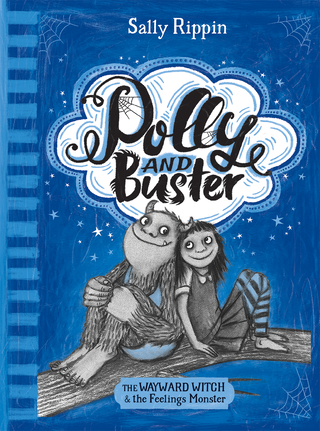
Polly and Buster: The Wayward Witch and the Feelings Monster (Book 1), by Sally Rippin, (Sept. 2019, Kane Miller), $6.99, ISBN: 978-1-61067-926-8

Ages 7-11

The first book in the series introduces us to Polly, a 9-year-old witch who just can’t seem to get her witching schoolwork right. Her older sister, Winifred, is the star sibling, and her widowed mother is often frustrated by Polly’s inability to excel like Winifred, and by her friendship with Buster, the monster next door. Polly and her family are still reeling from her father’s death in the mines a few years ago, which seems to be the tipping point for witch-monster tensions. When Polly casts a powerful spell while trying to protect Buster from bullies, her actions are misinterpreted, and the relationship between witches and monsters grows dangerous. Polly and Buster have to work together to salvage their own relationship and keep one another safe as witches and monsters choose sides in what could be a brewing war.

I was pulled right into this easily readable adventure. Polly exhibits some ADHD, dyslexic, and OCD tendencies, which could be linked to her burgeoning witch power: think Percy Jackson and the similar issues exhibited by demi-gods in that series. Buster is a kind-hearted monster who tries to hide his sensitivity from other monsters; his feelings manipulate his size and color, leaving him open to bullying. Witch and monster society in this series is symbolic of our own society: racism, intolerance, and exclusion abounds in witch society, while monsters grow increasingly tired and angry of being considered second-class citizens. Throw in a mean girl bully, and her equally mean, manipulative mother, and Polly and Buster goes from being a sweet story about acceptance and friendship to a powerful look at inequality and revolt.


Polly and Buster: The Mystery of the Magic Stones (Book 2), by Sally Ripkin, (Sept. 2019, Kane Miller), $6.99, ISBN: 978-1-61067-927-5

Ages 7-11

The second book in the Polly and Buster series brings the action and the tension up several notches as readers witness the breakdown of relations in witch-monster society. Polly and Buster are on the run from witches who have determined that Buster is dangerous and needs to be taken prisoner (or worse); Polly turns to her favorite teacher, the sympathetic Miss Spinnaker, for help. Meanwhile, a handful of mysterious stones that Polly’s father left to her start to glow and feel warm to the touch; Polly feels them beckoning her… to the mines where her father died?

The Mystery of the Magic Stones brings the action on quickly – witch and monster society are breaking down, and the story has a very Harry Potter feel as a group of vigilante witches start taking policing matters into their own hands as monsters form gangs to protect one another and defend themselves against witches. There’s a feeling of urgency throughout the story, as Polly tries to unravel the mystery of the stones while she and Buster are running and hiding for their lives. No sophomore syndrome here; the second book in the Polly and Buster series will leave readers waiting to find out how this is all going to shake out: make sure you have that third book ready to give them.


Polly and Buster: The Seach for the Silver Witch (Book 3), by Sally Ripkin, (Sept. 2019, Kane Miller), $6.99, ISBN: 978-1-68464-095-9

Ages 7-11

The third book in the Polly and Buster series brings things to a big close. Polly and Buster have been on the run through all of the second book as relations between witches and monsters threaten to descend into violence. Polly has made discoveries about herself that will change how others see her – if she can stay safe long enough! Seeking out her aunt – an outcast from witch society – for answers, Polly hopes to unload the burden the stones have put on her. Meanwhile, there’s a dark power brewing in Polly and Buster’s neck of the woods, and it’s making everything worse!

In this third book, Polly learns that she’s far stronger than she ever dreamed – her inner strength will give her the power she and Buster need to make things right between their two communities, and will help her defend everyone she loves against the biggest danger that her village has ever faced. Polly has her hero’s journey across these three books, but Buster also comes into his own as a monster who accepts his feelings and can put aside his own fear to jump in and help when he’s needed.

The whole series, originally published in the UK, is great for emerging readers who are ready for a little more of a challenge in terms of book content and length. It’s an intermediate-level series with more heft and big social issues to unpack. There’s fantastic world-building, solid character development, and sympathetic heroes and villains alike. Black and white illustrations throughout will keep readers interested, and help with pacing and imagining. This series will be super-popular with your fantasy readers. U.S. publisher Kane Miller has a bunch of extras, including a free word search, discussion questions and activities, and some discussions points from the author herself.