Posted in picture books, Preschool Reads, programs, Storytime, Storytimes

Calm Down Zebra and a fantastic readaloud!

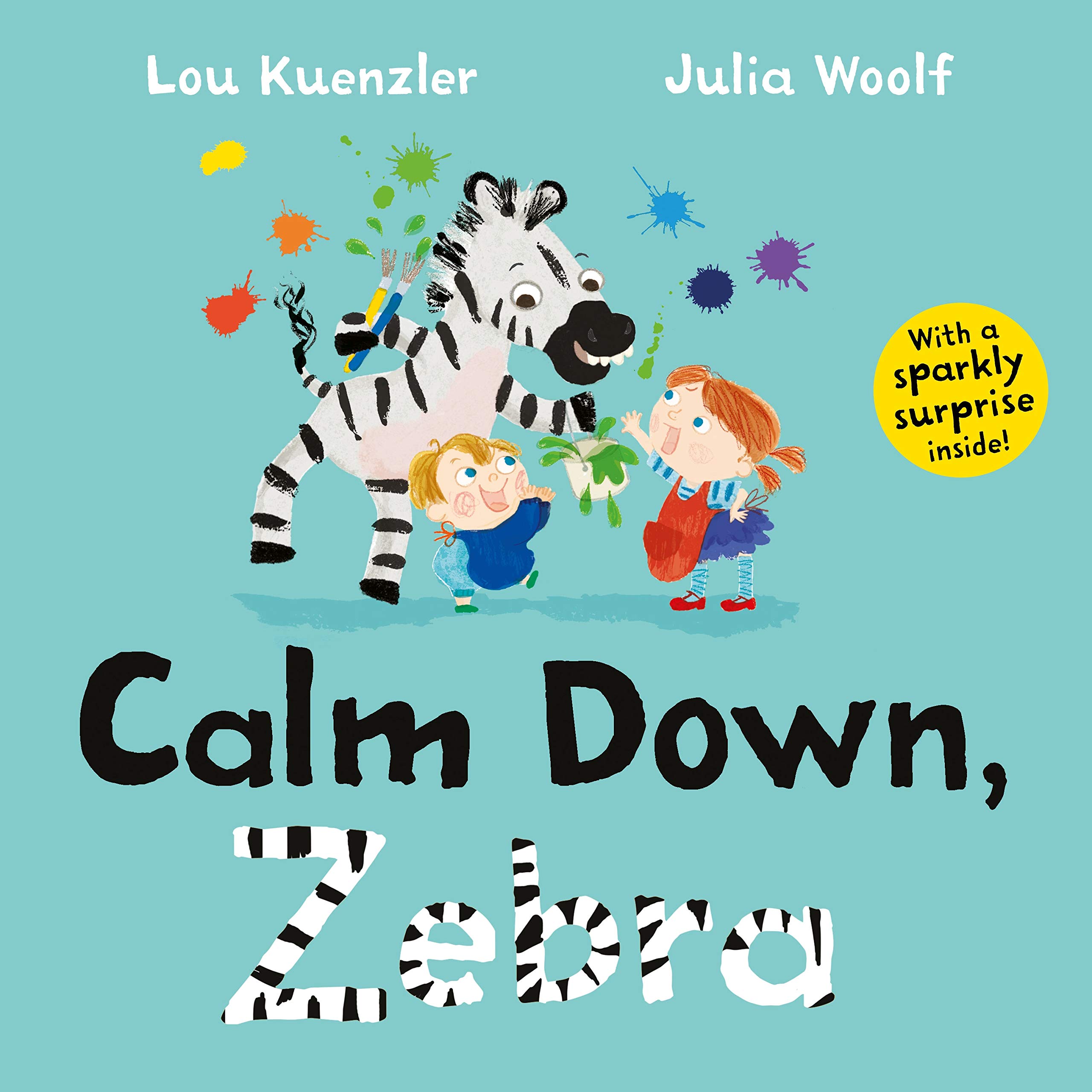
About two years ago, I was lucky enough to read and talk about a sweet book about the ABCs called Not Yet Zebra, by Lou Kuenzler and illustrated by Julia Woolf. It’s about a little girl named Annie, who wants to paint pictures of all her animal friends in alphabetical order, and an impatient Zebra who just wants to get his portrait done NOW.

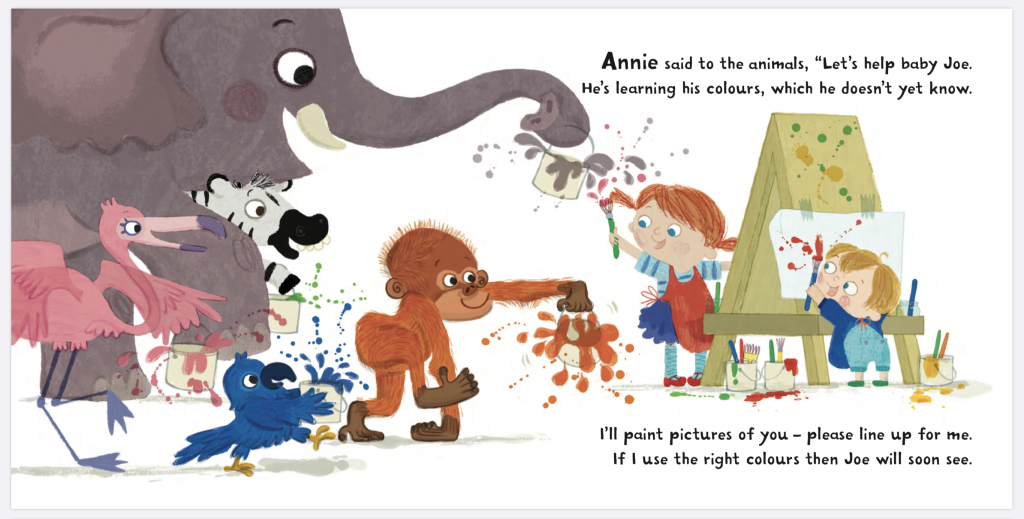
Flash-forward two years, and Lou and Julia are back with Calm Down, Zebra! It’s a book that talks colors, and managing one’s emotions. Annie and Zebra are back; this time, Annie asks her animal buddies to help her teach her baby brother, Joe, about his colors. Frog offers up the green paint, and Lion gets yellow; Black goes to cat, but wait! Polar Bear has PINK STRIPES? It turns out that Zebra is at it again, running loose with a paintbrush and a wicked sense of humor. Can Annie reign in Zebra – or will Zebra show Annie that it’s okay to let loose and have fun once in a while?

Calm Down, Zebra, by Lou Kuenzler/Illustrated by Julia Woolf, (Apr. 2020, Faber & Faber),
$16.95, ISBN: 978-0-571-35170-1
Ages 2-6

Calm Down Zebra is adorably funny and teaches some lovely lessons beyond colors and the animals who sport them. There’s a sweet message about imagination, and the need to explore the creative urge: maybe even color outside the lines once in a while. Zebra may look like a cheeky menace to Annie, but you’ll quickly see that he, like a toddler or a preschooler, is exploring his natural curiosity. Lou Kuenzler has given us delightful characters in Annie and Zebra, who parents and kids will recognize in themselves instantly (you try herding a group of children when one class clown is the attention draw). Julia Woolf’s illustrations are too much fun; bright and bold colors stand out against pale or stark white pages, and colorful paint splatters will get little fingers itching to pick up brushes and stick their fingers in paint puddles of their own. A spread where a peacock gets to spread his wings is stunning, with silver and gold foil adding to his illustriousness. An elephant’s posterior provides a broad canvas for Zebra and will get plenty of giggles.

An activity kit loaded with Annie’s black and white paintings let kids create their own colorful animal friends. Let loose your inner Zebras and download it!

I was so excited to work with Lou Kuenzler and Julia Woolf’s publicist, Becky Kraemer, to arrange for the author and illustrator to have a book talk, plus readings of both Zebra books, for my library system! I’m pasting it here for you to enjoy, and I’ll be taking the link down in mid-June. Thank you to Faber & Faber, Becky Kraemer and Cursive Communications & Marketing, and most of all, to Lou Kuenzler and Julia Woolf, for a wonderful storytime and Q&A.

Posted in picture books

Books that love beautiful weather

I’ve been going through my TBR as we sit in time out for a little while. Today’s picture book slam is all about books to read while enjoying the beautiful weather. Grab some books (they’re available via ebook – check your libraries or order from your indies; many have ebooks!), sit outside with your littles, and enjoy every moment.
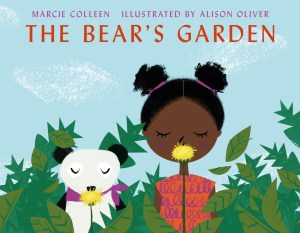
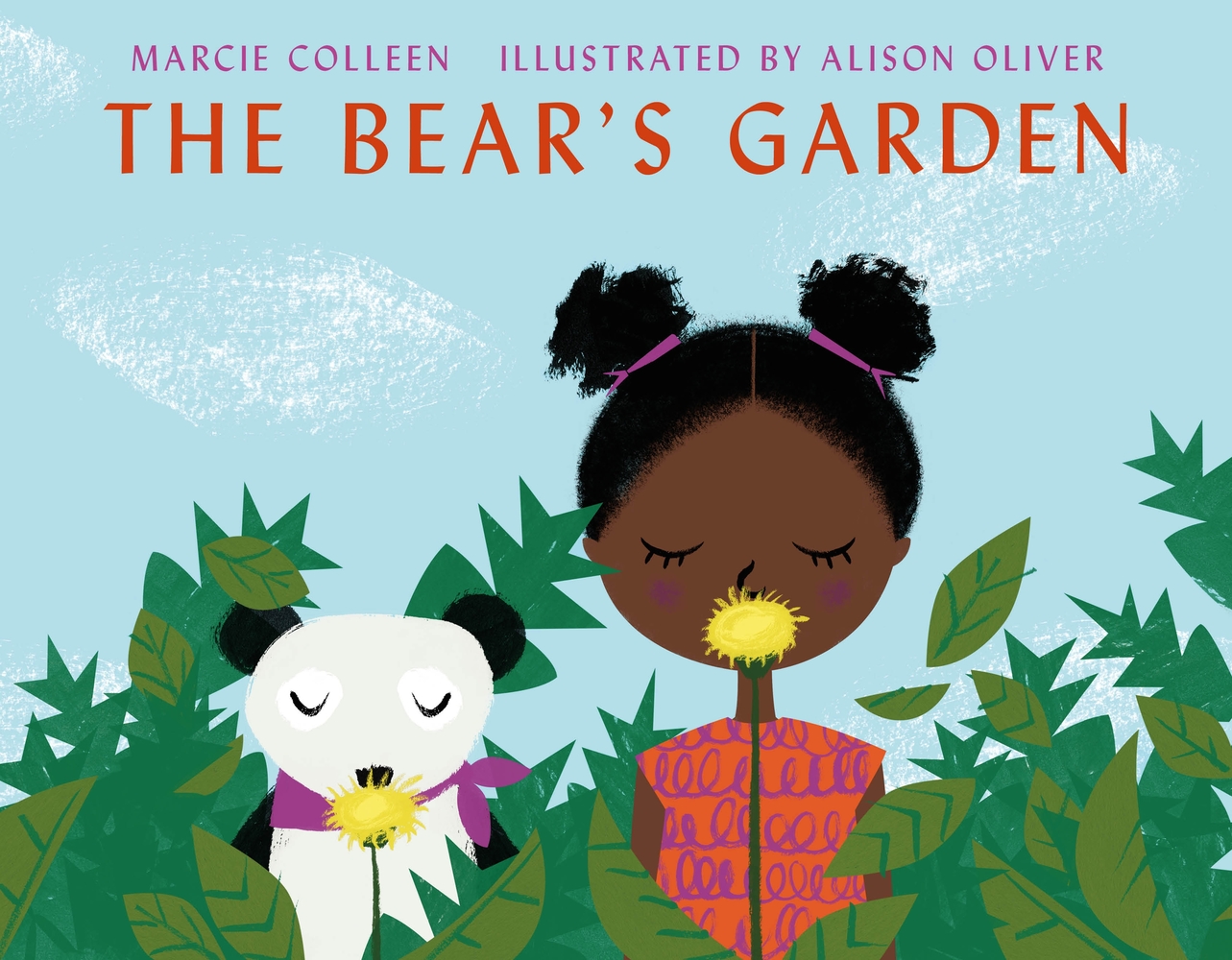
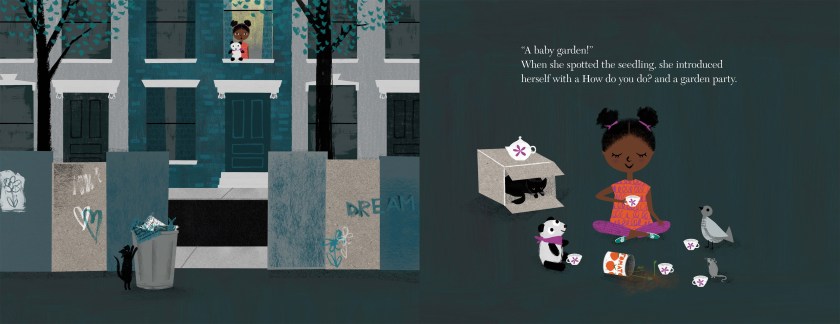
The Bear’s Garden, by Marcie Colleeen/Illustrated by Alison Oliver, (March 2020, Imprint/Macmillan), $18.99, ISBN: 9781250314819

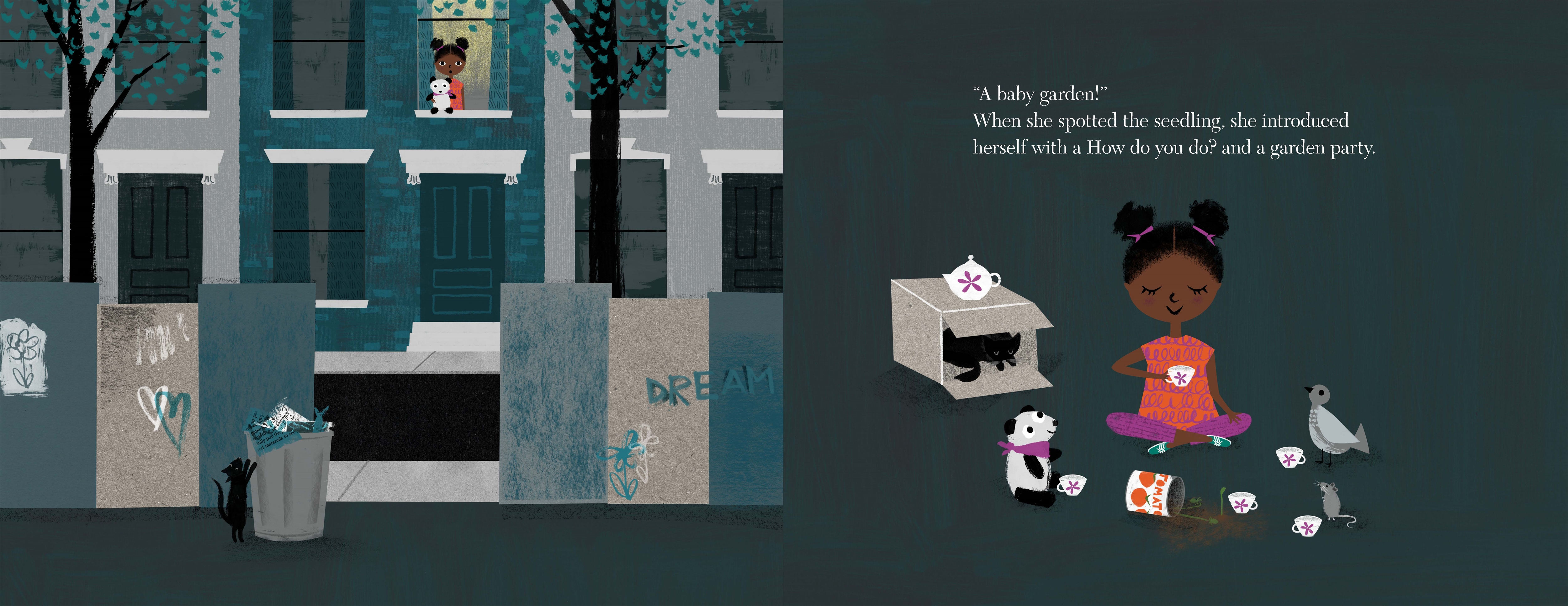
A young girl envisions a community garden from a spilled plant in this story, based on the actual Pacific Street Brooklyn Bear’s Community Garden in Brooklyn, New York. Living in the inner city, the girl sees potential in everything: a cardboard box, a tomato can, a seed. When her tomato can plant falls over, she sees “a baby garden”, and tends to the seedling where it landed. As her plant grows, people being slowing down, admiring her progress. But the girl has to leave, and she worries that without her love, her plants will suffer, so she makes the decision to leave her teddy bear behind. Under the bear’s loving eye, the neighborhood comes together to create a community garden filled with life, color, and love. Colorful and upbeat, The Bear’s Garden illustrates the beauty of imagination, creation, and community coming together. Endpapers are laid out like a map of the boroughs; the back endpapers focuses on Brooklyn, with a colorful burst of flowers noting where the Bear’s Garden can be found.

Consider a planting activity with your own kiddos – I love this Buzzfeed link that has different types of kitchen scraps that you can grow; Kids Gardening has a downloadable planting activity using kitchen scraps.

The Bear’s Garden has a starred review from Kirkus.
 

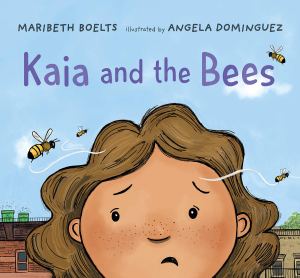
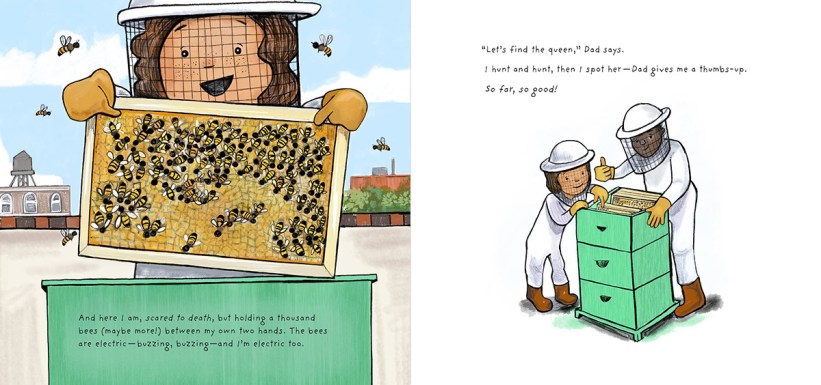
Kaia and the Bees, by Maribeth Boelts/Illustrated by Angela Dominguez, (March 2020, Candlewick Press), $16.99, ISBN: 9781536201055

Ages 4-8

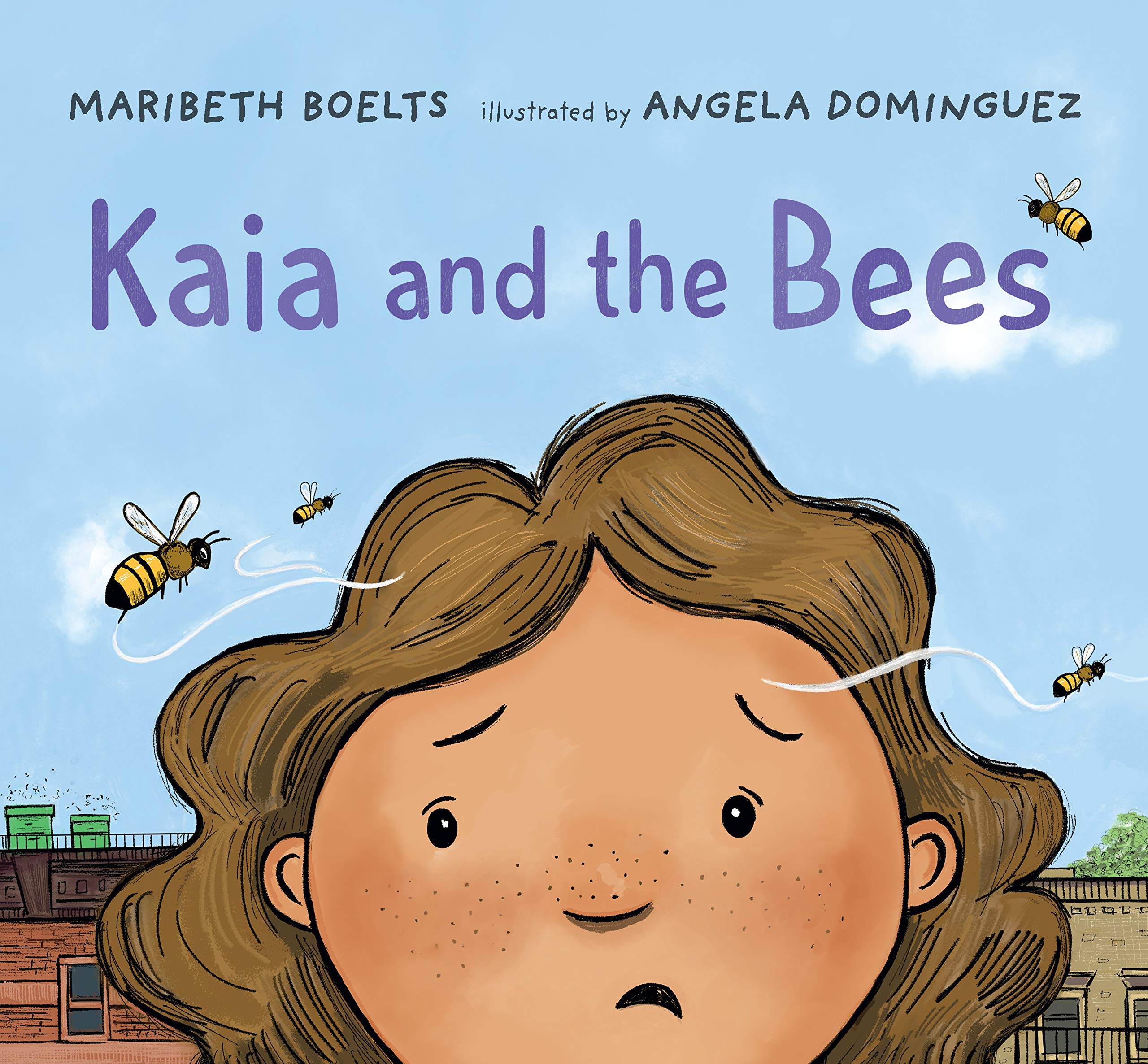
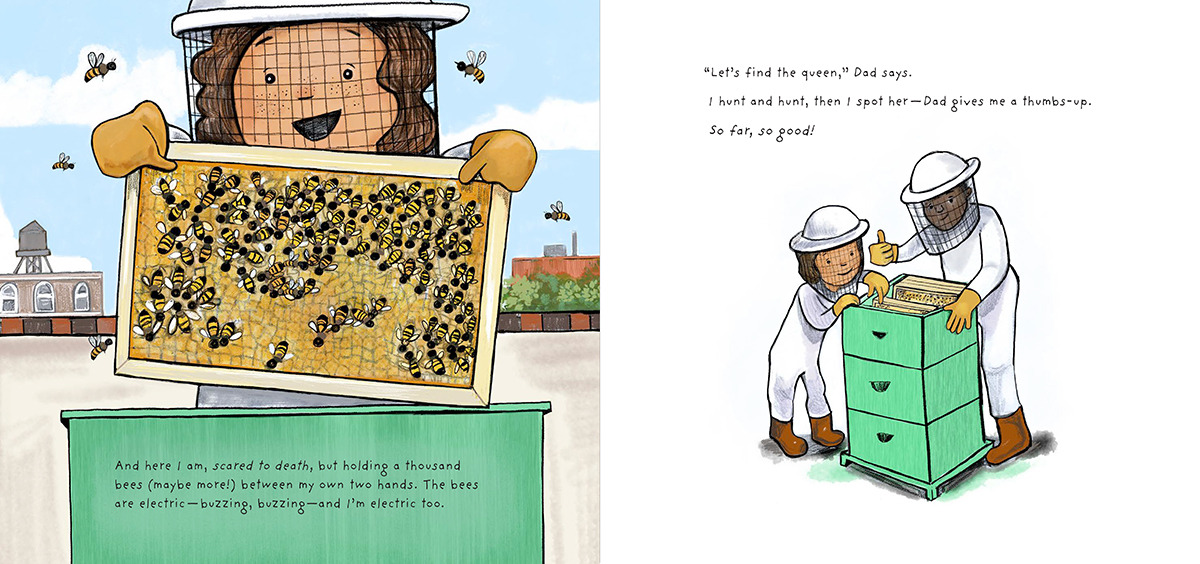
Kaia is a little girl who is pretty brave, but one thing scares her: Bees. She tries to keep it a secret from her friends, but when she’s spooked by a bee flying by her, she turns to her beekeper dad: she wants to go up on the roof with him, to his apiary. She’s doing great with the bees, until she slips her glove off and one stings her finger! Just when Kaia thinks she’s done with bees, she has a moment where she faces her fears and discovers that maybe bees aren’t so scary after all.

A story about bravery and empathy, with a smart message about our environment and urban apiaries, Kaia and the Bees warmly addresses relatable fears – in this case, bees – and how the smallest steps can lead to big progress. Kaia is relatable; she’s brave and smart, but hides her fear of bees until she’s called out on it. Her beekeeper father explains how bees are important to our world, and how his work – the family’s work – as beekeepers helps keep bees safe and healthy. Maribeth Boelts, herself a beekeeper, brings her love of bees and social mindfulness to Kaia’s voice, while Angela Dominguez’s cartoon-realist illustrations give readers an expressive, accessible heroine and a multicultural family living and thriving in an urban setting. Endpapers give readers a peek into a beehive, complete with nonthreatening, cute bees.

There are some interesting facts about honeybees available from NatGeo Kids. Hobby Farms has information on beekeping safety for kids who want to be like Kaia. The New York City Beekeepers Assocation has education on urban beekeeping. Introduce kids to urban beekeeping with Kaia and with Lela Nargi’s book, The Honeybee Man; The Honeybee Conservancy also offers a good list of bee books for children.
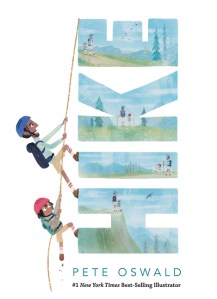
 

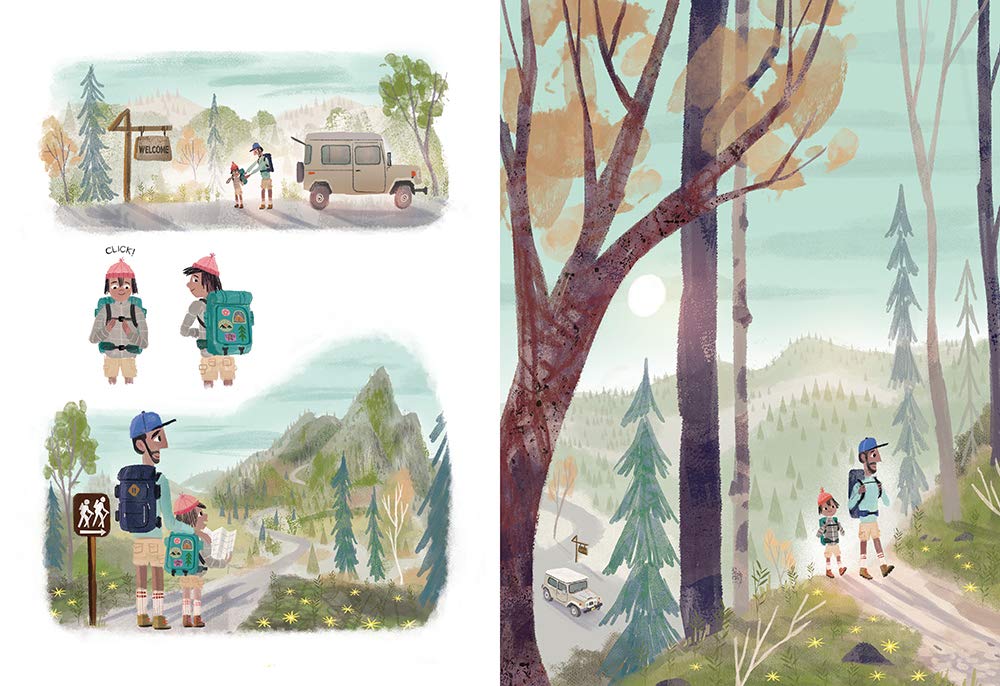
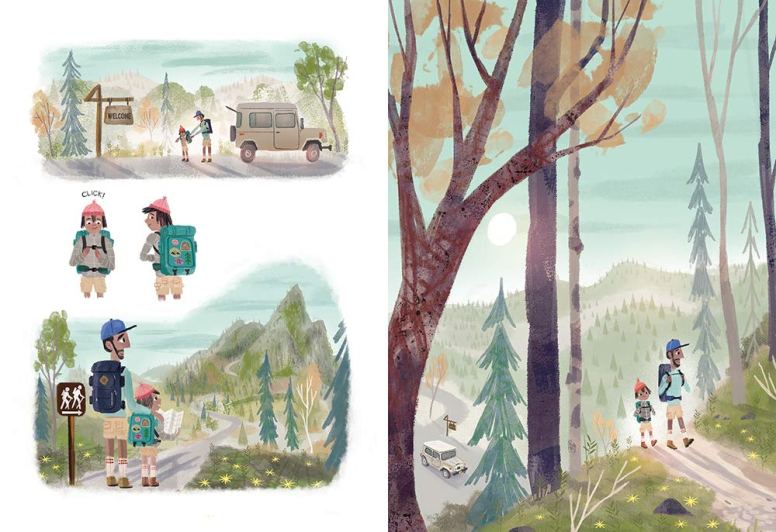
Hike, by Pete Oswald, (March 2020, Candlewick Press), $17.99, ISBN: 9781536201574

Ages 4-8

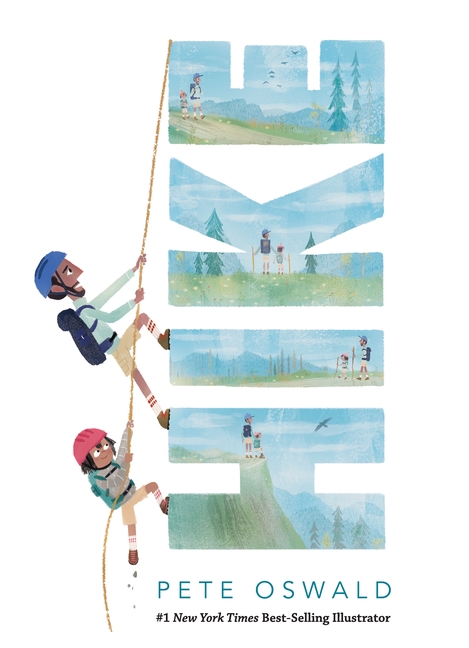
A dad and child wake up and hit the trail for a day’s hike. As they walk a trail together, they notice the beauty of their surroundings: spy a family of deer; track a black bear’s footprints; indulge in a snowball fight, and contribute their own offering to the forest: they plant a sprig from a tree. A celebration of the parent-child bond and our world, Hike is largely wordless, relying on the illustrations to tell the story. The colors are warm, drawn from nature, and the father and child share a visibly warm, loving relationship that invites caregivers and their kids to put on their hiking boots – or sneakers! – and explore their world. Be it a backyard, an urban neighborhood, or a suburban landscape, there’s always something to discover together. A sepia set of endpapers present a map, with start and finish points noted.

I loved the idea of a DIY Nature Journal like this one from KC Edventures. Last year, when I was home with my little guy during Spring Break, we made a nature journal with brown paper lunch bags and went wandering around our neighborhood, collecting cool leaves, acorns, and pebbles we found and liked. Kiddo loved it, and I printed out photos I snapped during our walk to add to the pages. The Pragmatic Parent has a great, free Nature Scavenger Hunt PDF that kids will love, too.

Hike has five starred reviews.
 

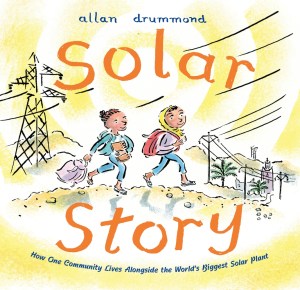
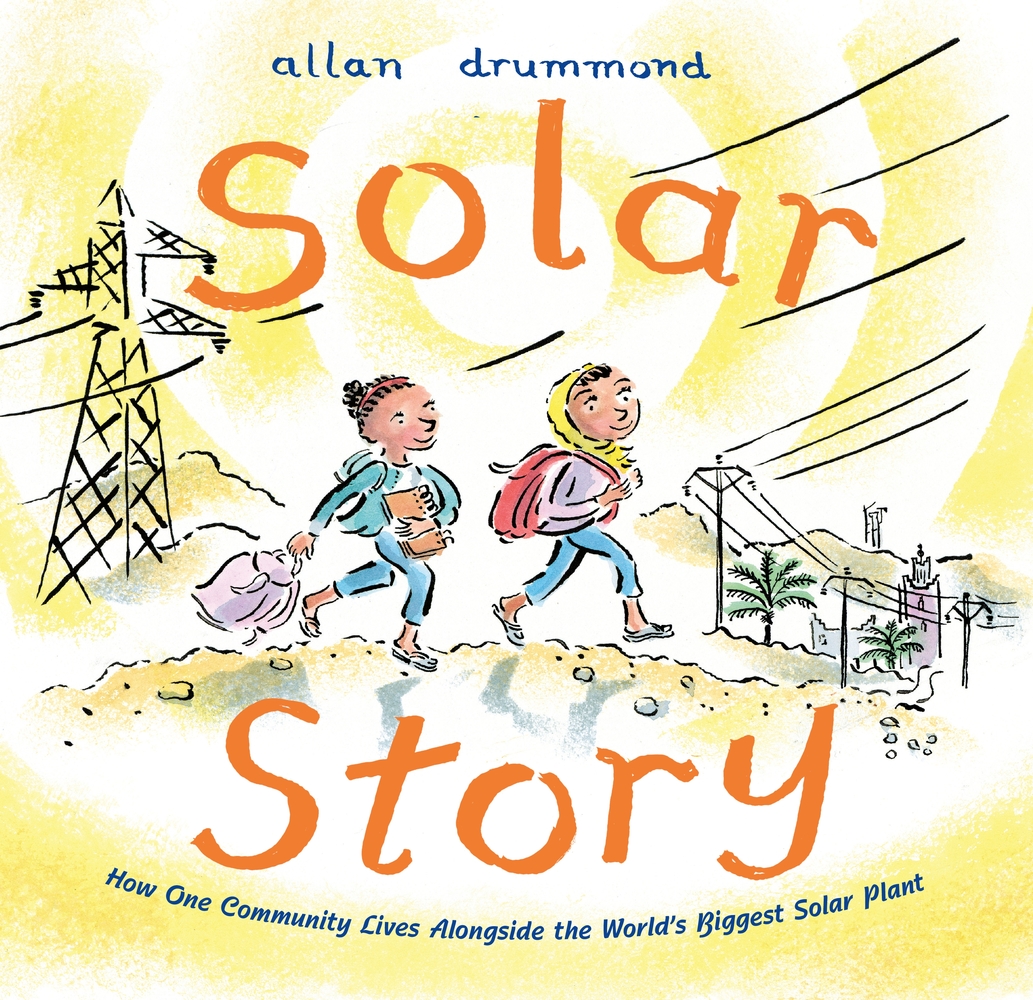
Solar Story: How One Community Lives Alongside the World’s Biggest Solar Plant, by Allan Drummond, (March 2020, Farrar, Straus and Giroux), $18.99, ISBN: 9780374308995

Ages 5-10

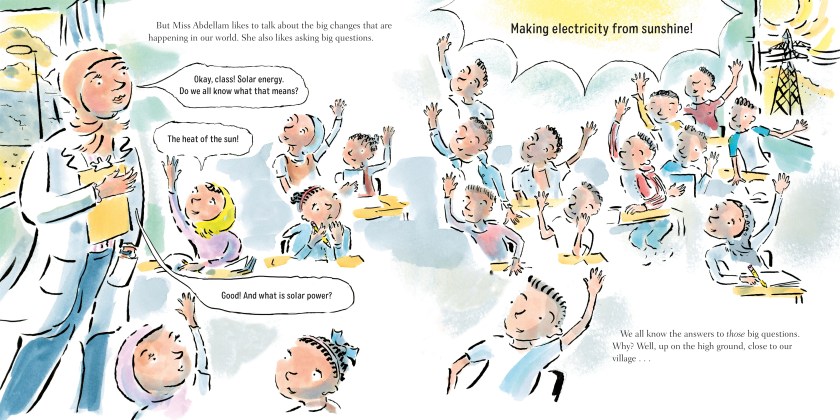
This is nonfiction that appeals to multiple grades. The story of the Noor Solar Power Plant in Morocco’s Sahara Desert – the largest solar power plant in the world – wraps around a story about everyday life in a small village next to the plant. Jasmine and Nadia are two friends who go on a class trip to the plant; during that trip, the girls’ class and readers will learn about Morocco and how the power plant creates jobs and improves the quality of life by bringing turnkey skills, technology, and the magic word, sustainability.

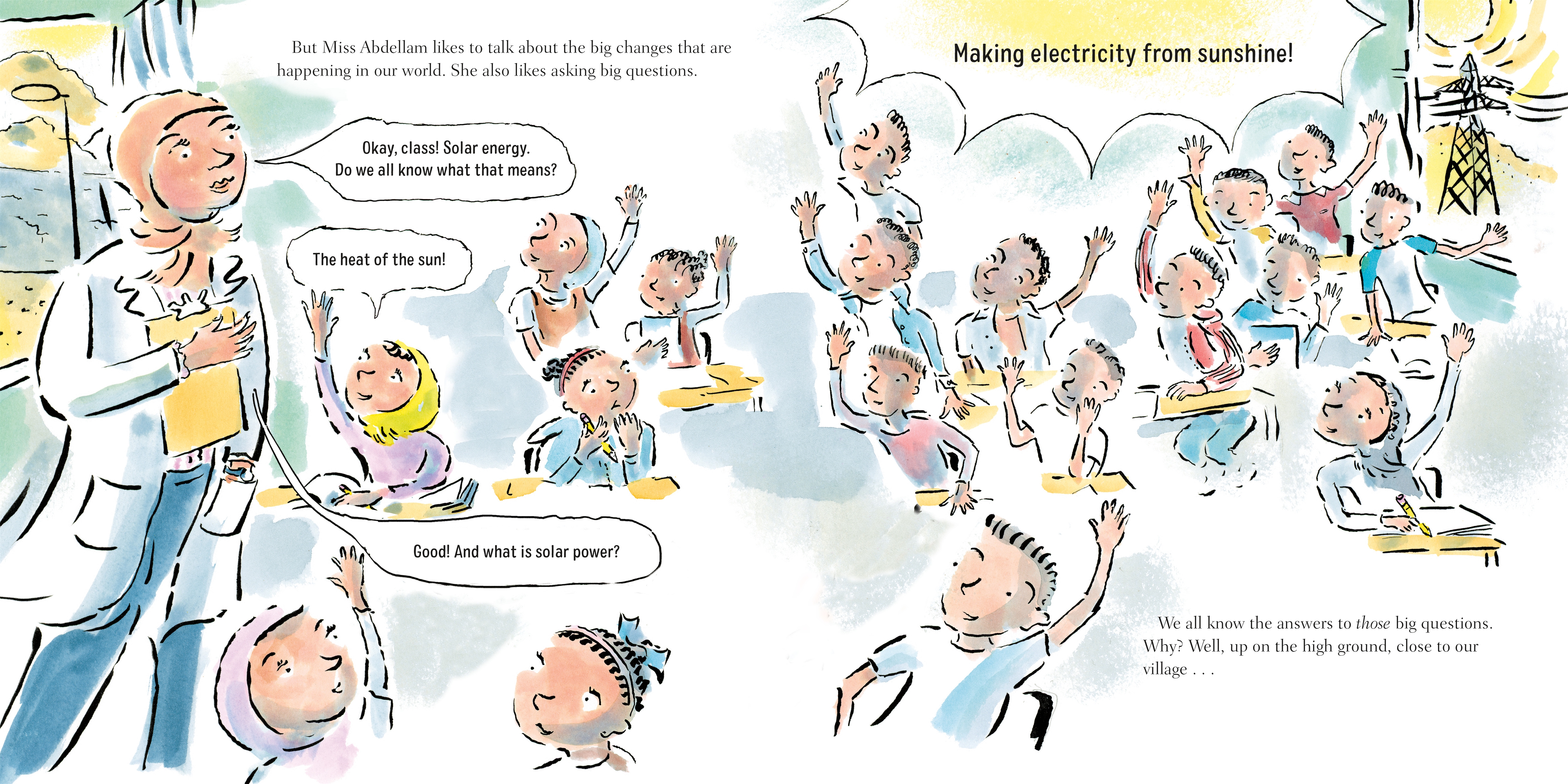
By giving readers relatable guides in the forms of Jasmine and Nadia, readers get a glimpse of life in a small Moroccan village, where the villagers have farm animals and cook on open fires, and the huge sprawl of the power plant and the modernity it brings while honoring the culture of the people who inhabit the area. The teacher engages her students, and readers, by asking thoughtful questions; most notably, “what does sustainability mean?”, to get her students and our readers ready for the school trip that illustrates how the power plant creates sustainability.

Watercolor illustrations and word balloon dialogue make this an enjoyable read. Warm yellows wander through the story, and earth tones and blues bring the reader to the land and its people. The teacher and many female children wear hijab. Sidebars throughout provide more detailed information about Morocco, the power plant, and sustainability. An author’s note showcases photos of workers at the Noor plant and a bibliography provides an opportunity for more reading. Endpapers bookend the story by having Nadia and Jasmine meet before the trip, and head back to school after.

A good addition to STEM collections. Toms of Maine has some easy to do activities to teach kids about solar power. Time for Kids has a 2016 article about the Noor plant.
 

That’s it for this time, I want to get this posted! More books coming!
Posted in Guide, Non-Fiction, Teen, Young Adult/New Adult

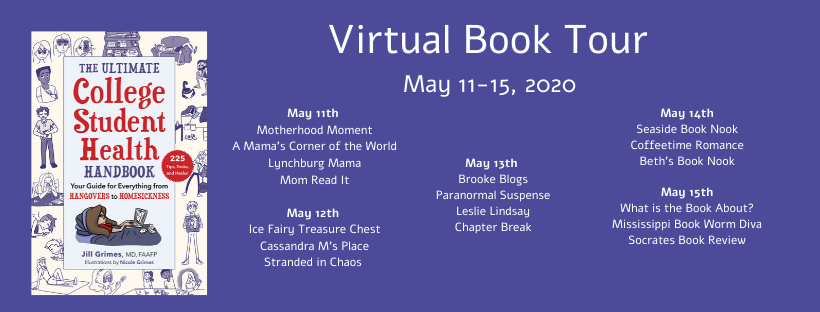
Book Tour: College Student Health Handbook

Hi all! I’ve got a blog tour for our seniors to have on hand as they get read for college. Good health practices never go out of style, as we’ve certainly learned this year, and whether you’re home or (eventually) headed to a dorm, there’s some important info to be found here.


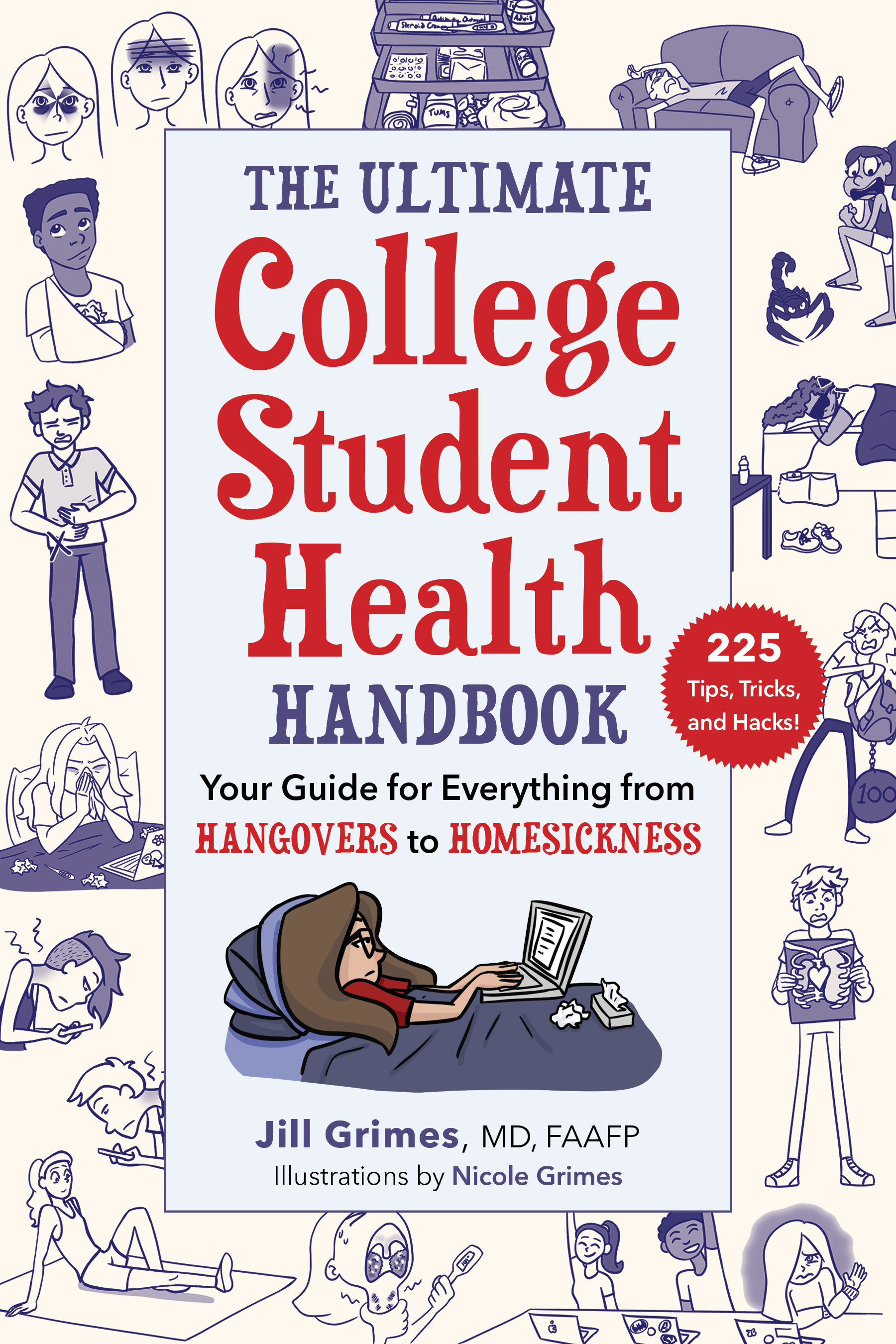
The Ultimate College Student Health Handbook: Your Guide for Everything from Hangovers to Homesickness,
by Jill Grimes, MD, GAPP/Illustrations by Nicole Grimes,
(May 2020, Skyhorse), $16.99, ISBN: 978-1510751033
Ages 16+

5 Must-Have Items for Your College Freshman

You’re making a list and checking it twice…because especially if this is your FIRST kid heading off to college, you want to be sure you’ve included every critical item.

  • Twin XL (Extra Long) Sheets?
  • Command Strips in every shape, size and strength? Check.

(Much bigger deal for girls vs. guys, but this is the only way to hang stuff on walls.)

  • Dorm Bed Risers? (I highly recommend the ones with extra outlets.) Check.

Chargers, fan, laundry bag, clothes, shoes, coats…the list goes on. And on. And ON. What could possibly be missing? From my perspective as a seasoned move-in mom and a university doctor, here ‘s my list of the top five forgotten items:

  1. Small Tool Kit: Hammer, screwdrivers, wrench set, pliers, scissors, tape measure and level. This should be last in, first out, because you’ll often need these immediately to assemble and disassemble dorm room furniture or fix a stuck drawer. Pro tip: Add in a couple garbage bags; trash piles up as soon as you start unpacking.
  2. Backup Prescription Glasses: especially for the kid that ALWAYS wears contacts! Why? Because if you get a bad stye or “pinkeye” (viral conjunctivitis), or more commonly, you accidentally fall asleep in your contacts or get something in your eye that scratches your cornea- you CANNOT wear contacts for several days to a week or more. And seeing clearly tends to help grades. If you always wear glasses, the backup pair is for when yours break or disappear. And inevitably, it happens during midterms or finals.
  3. Small Lock Box: If you take prescription medications for ADD, this is a must. These stimulant pills sell for $5-10 each (a felony if caught!!) and dorm rooms are rarely private and/or consistently locked. Please remove the temptation for others and keep your meds safe. Lock boxes also work well for pricey jewelry, your passport, and while we’re at it, your backup glasses.
  4. Heating Pad: Okay, not critical, but a great way to guarantee your popularity! Seriously, few students have these, but those that do tell me “EVERYONE borrows it” for aching muscles, back spasms and “cramps”. Bonus points: in cold climates they can double as an electric blanket (just don’t fall asleep on top of one, as this can cause burns.)
  5. Solid Air Freshener: Plug-ins are rarely allowed in dorms, but you can place a solid or gel freshener in your closet (by your shoes) and tuck another under your bed. Extra-strong odors? Bamboo charcoal bags are a pricey option, but they work incredibly well. Choose a neutral or “fresh” smell, not “flowery” or “citrus” as you don’t know your roommate’s sensitivity to different scents. Bodies, dirty clothes, third-hand smoke and old dorms all get very smelly. Unless you are moving into a brand-new dorm with a neat-freak roommate, these fresheners can be lifesavers. Or at the very least, roommate-savers.

Bottom Line: Add these five items to your list for a smoother move-in and a healthier, safer semester! (If you’re flying, pack the glasses & shop for the rest when you arrive.) Good Luck!

Posted in Fiction, Graphic Novels, Middle Grade, Teen, Tween Reads, Uncategorized, Young Adult/New Adult

Two more original DC graphic novels! Gotham High and My Video Game Ate My Homework

I missed the boat on this one when they pubbed on April 7th, but now, you have no excuse: two more DC original graphic novels have been out for a month now, and I am about to rave them. I picked up these advance copies at ALA Midwinter earlier this year, and had the best conversation with the folks at the DC Booth. I hope you’re all safe and sound, if you’re reading this, and trust me, I’m working my way through the stack o’graphic novels you were kind enough to send me home with.

Gotham High, by Melissa de la Cruz/Illustrated by Thomas Pitilli, (April 2020, DC Comics), $16.99, ISBN: 9781401286248

Ages 12-17

Melissa de la Cruz is a YA powerhouse: my middle graders can’t get enough of her Descendents novels, and my teens and YA readers devour her Alex and Eliza books. She can navigate complicated relationships between her characters, and who gets more complicated than the Joker, Catwoman, and Batman? Right? Gotham High is a YA take on Bruce, Selina, and Jack as teens – no capes, no superpowers, just the baggage they already come with (SO much baggage). Bruce is 17, just kicked out of boarding school, and has too many ghosts, in the form of memories, inhabiting stately Wayne Manor. Selina Kyle used to be the girl next door, now a Gotham High student that hangs out with Jack Napier, class clown with a heck of a mean streak. Bruce falls in with the two, and finds himself involved in a love triangle of sorts. But a kidnapping rocks Gotham High, and Bruce is thrust into the role of detective to get to the bottom of things.

Taking away the capes, gadgets, and makeup, Melissa de la Cruz gives us three incredibly complex, flawed characters, and brings us into their contentious friendship. She gives us chilling moments and dread realizations about the people each character will eventually become – with or without a costume. She makes them easily relatable and recognizable, and artist Thomas Pitilli gives us realistic characters with his artwork, with all the rah-rah high school spirit we expect to find in a high school hallway to the anger always simmering below the surface for each character. He captures the spirit of high school, in all its internal chaos, with style.


My Video Game Ate My Homework, by Dustin Hansen, (Apr. 2020, DC Comics), $9.99, ISBN: 9781401293260

Ages 8-12

This is a fandom-filled graphic novel that kids and grownups alike will love Dewey is a 13-year-old kid on the verge of flunking science when he and his friends gets sucked into a video game adventure that presents them with challenges, fights with digital monsters, and puzzles to solve. Loaded with sight gags and wink-nudges to video games, con life, and overall fandom, kids (and big kids, like me) will see themselves in Dewey and Co.

The book encourages readers to problem solve and emphasizes the importance of cooperation and teamwork. The cartoony-realistic style and fantasy monsters are so much fun – perfect story to introduce if you have Dungeons & Dragons fledgling fans. If you have Secret Coders readers, give them this book, which will continue challenging their problem-solving skills and captivating them with a fun storyline.

Dustin Hansen’s also written the Microsaurs series, which never stays on my library shelves. (Which means I probably need to order them for my kid, because he would LOVE them.) I got to talk to him at Midwinter, and he’s one of the nicest people ever.

Posted in picture books, Preschool Reads

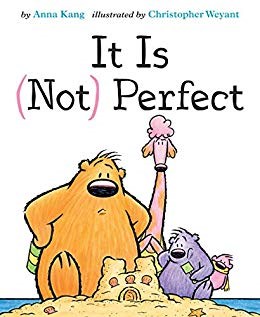
Blog Tour: IT IS (NOT) PERFECT

It’s a good day when Anna Kang and Christopher Weyant put out another book, especially when that book is one of the (NOT) books, starring two of my favorite fuzzy friends. Tomorrow is that day, my friends.

It Is (Not) Perfect, by Anna Kang/Illustrated by Christopher Weyant,
(May 2020, Two Lions), $17.99, ISBN: 9781542016629
Ages 3-7

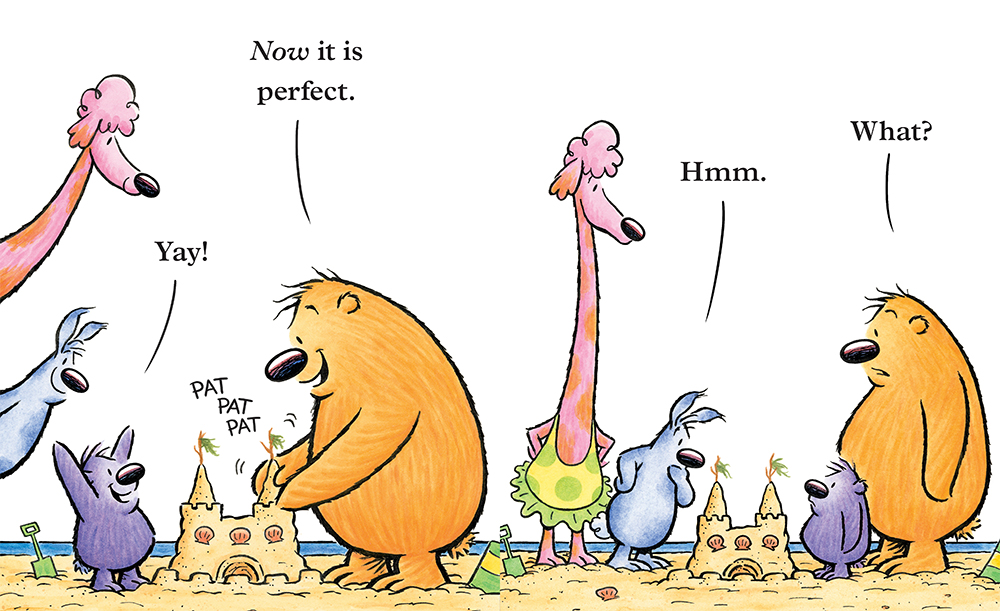
Purple and Brown are enjoying a day at the beach, gleefully constructing a sand castle. After an initial round of consideration, each decides it’s not yet perfect, adding little finishing  touches. But it seems like all their friends around them (you’ll catch very familiar faces and legs) have an opinion, too. As Purple and Brown try to appease everyone, driving themselves to include every change, the sweet little sandcastle becomes and overwrought palace… and Mother Nature hasn’t yet contributed her opinion.

What makes something “perfect”, and at what point do we appreciate something (or someone) simply for what it is? These are the questions posed here, and Kang and Weyant do so in a way that takes a potentially overwhelming or upsetting subject and makes it fun for kids to digest and laugh at. Most of us are people pleasers at heart, and kids more than most are easily stressed out trying to make everyone around them happy at their own expense. It Is (Not) Perfect shows them the sillier side of what happens when you try to please everyone, while showing readers that there’s always something waiting around the corner, that doesn’t care about anyone’s idea of perfect. Be happy and embrace what you’ve got! If you think its perfect, it is. And so are you.

Psst…publisher Two Lions has a Teachers Pay Teachers page, with loads of downloadables available for free, including educator guides and activity kits for You Are (Not) Small.


Christopher Weyant’s artwork is familiar and adorable, with lots of familiar friends from past (Not) books, a bright beach setting, and enthusiastic dialogue balloons that make this so much fun to read with a partner (like my 7 year old). He brings such life to Anna Kang’s fun storytelling; a sense of play runs throughout all of the artwork.

Yet another must-add to my storytime collection – and yours! – and a great inspiration for sand castles everywhere. Don’t let quarantine woes get you down: make moon sand with your kids at home. It will be PERFECT.

Anna Kang and Christopher Weyant are the creators of Theodor Seuss Geisel Award winner You Are (Not) Small as well as series titles That’s (Not) Mine, I Am (Not) Scared, and We Are (Not) Friends. They also wrote and illustrated Eraser, Can I Tell You a Secret?, and Will You Help Me Fall Asleep? Christopher’s work can also be seen in The New Yorker, and his cartoons are syndicated worldwide. This husband-and-wife team lives in New Jersey with their two daughters and their rescue dog. Visit them at www.annakang.com and www.christopherweyant.com.

Twitter: @annakang27 @chrisweyant05

Instagram: annakangbookschristopherweyant 

Facebook: Anna Kang – Author; Christopher Weyant

“Colorful cartoon illustrations add a lightheartedness to what could be a stressful real-life situation for kids. Another life lesson neatly packaged in child centric humor.” —Kirkus Reviews

“This award-winning duo have created a lovely tribute to the old adage that perfect is the enemy of good. Recommended for purchase for all collections.” —School Library Journal

Posted in picture books, Preschool Reads

Happy Mother’s Day! Books to Snuggle With

This is certainly a different kind of Mother’s Day, but one thing remains constant: we’re surrounded by the ones we love. So, in honor of Moms and Mom-like figures in our lives, snuggle up with your little ones and enjoy a storytime with these picture books.

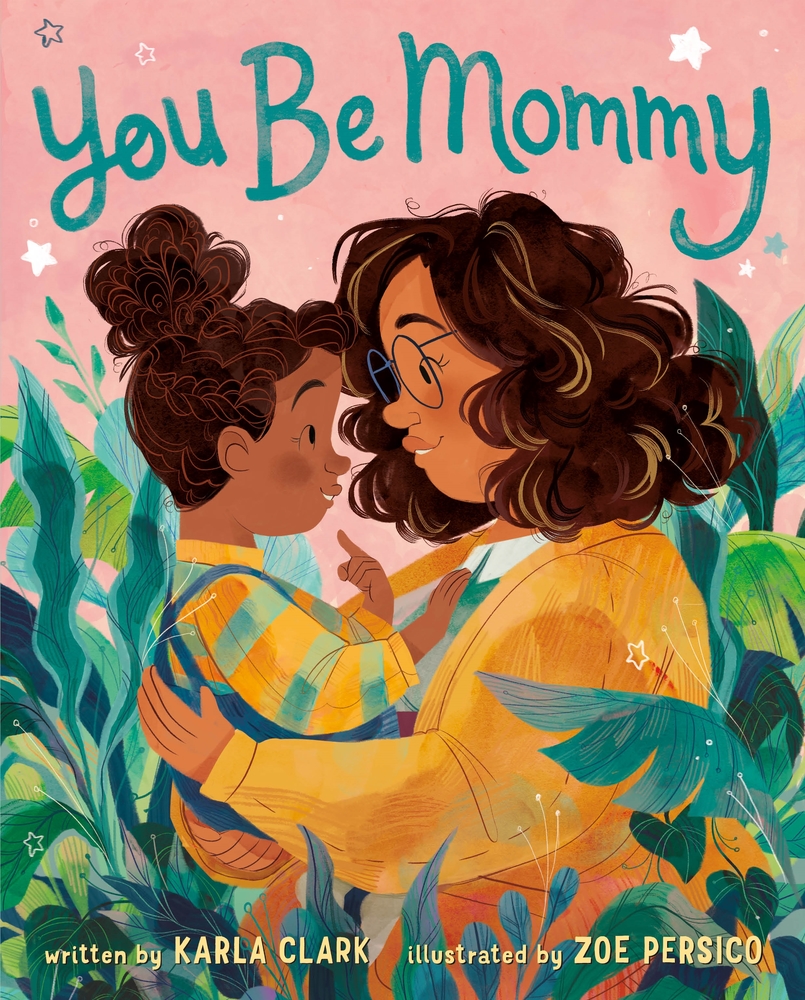
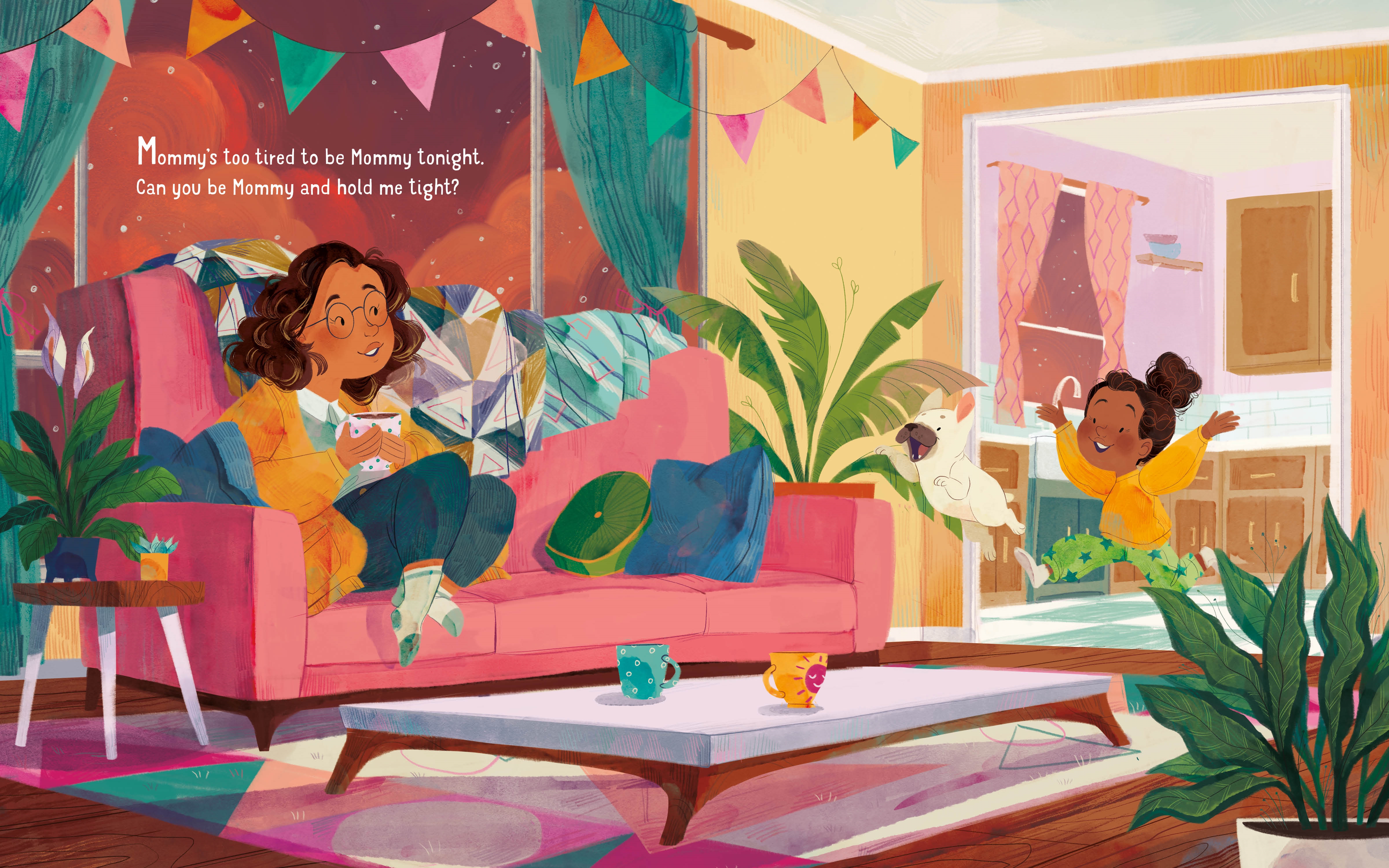
You Be Mommy, by Karla Clark/Illustrated by Zoe Persico, (March 2020, Feiwel & Friends), $17.99, ISBN: 978-1-250-22538-2

Ages 3-7

Moms everywhere will appreciate this one. The Mommy in this story is exhausted from a full day, and she’s just too tired to be Mommy at the moment… so she asks her daughter if she can be Mommy for the night. This rhyming story is chock full of Mom moments we know so well: working a full day, cleaning up messes, feeding the masses, helping with homework, even bathing the dog. Mommy is pooped, so she needs someone to check under her bed for monsters, give her some head and tummy rubs, and kisses good night. But the little girl seems to be pretty tired, too… so maybe Mommy will just take a little break, rather than the whole night off. An adorable story that salutes Moms everywhere, You Be Mommy has colorful, warm illustrations. Endpapers feature the family dog, enviably dozing with Mom’s ever-present cups of coffee nearby. Mom and family are people of color.

A sweet story to read while your little one(s) take on some Mommy duties for the day.


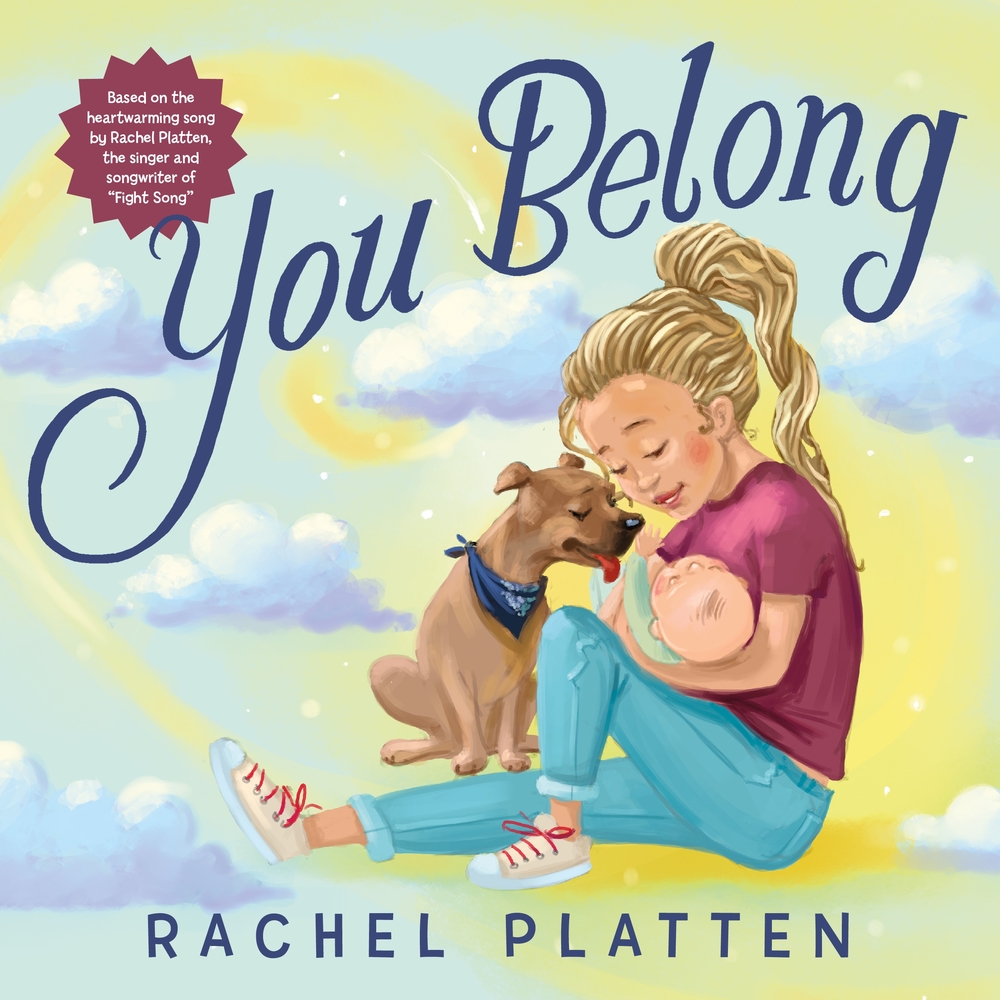
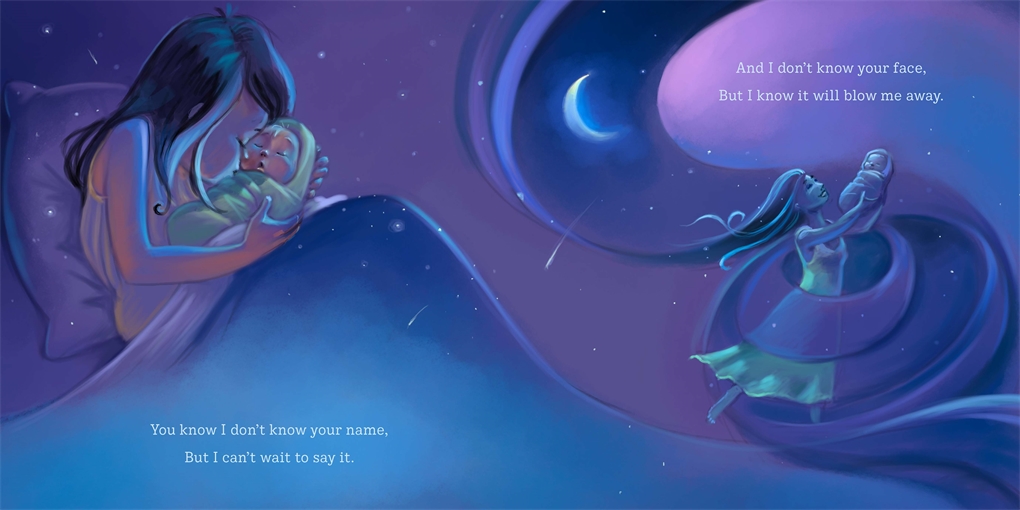
You Belong, by Rachel Platten/Illustrated by Marcin Piwowarski, (March 2020, Feiwel & Friends), $17.99, ISBN: 9781250240163

Ages 0-5

Singer-songwriter Rachel Platten’s ode to newborn babies and motherhood explores the feelings, hopes, and dreams an expectant mom has while waiting for her baby to arrive: “I’m waiting patiently for you to arrive. / I want to meet you so much I could cry”. The song weaves through images of multicultural families, both expectant and with young children, creating lump-in-the-throat moments for moms, calling up memories of talking to bellies and holding up outfits at baby showers; tending to skinned knees or providing a loving hug; soaring on rainbows and dancing on air. Digital artwork creates soft, colorful images that bring the words of Rachel Platten’s song to life. This is a sweet Mother’s Day gift, baby shower gift, and storytime read.


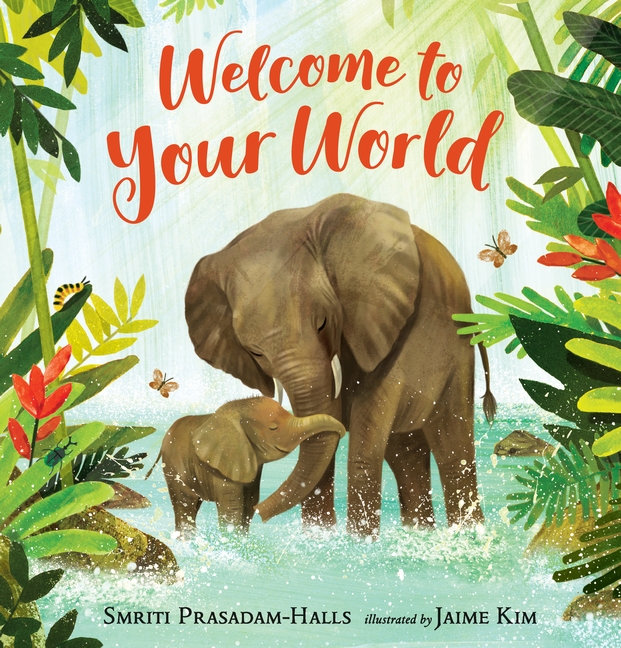
Welcome to Your World, by Smriti Prasadam-Halls/Illustrated by Jaime Kim, (March 2020, Candlewick Press), $16.99, ISBN: 9781536206227

Ages 0-5

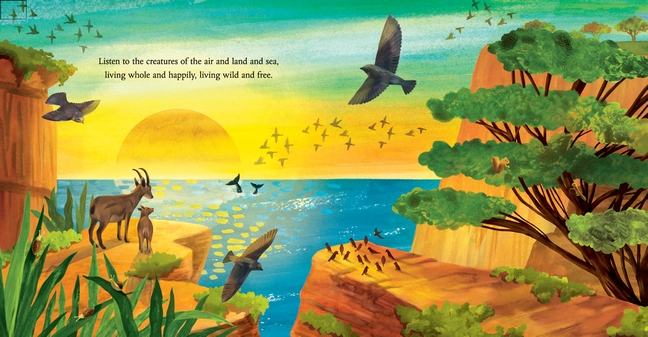
A sweet rhyming story with images of parent-child animals and an underlying message about caring for our planet, Welcome to Your World rejoices in parenting, nature and the bond we have with our world. Beginning and concluding with images of a human mother holding her child, verses explore the sky, land, ocean, the elements, and the beauty of our surroundings: “Can you feel the raindrops landing on your nose? Can you feel the waterfall tickling your toes?” Earthy watercolors create waterfalls, oceanscapes, and snowy mountains where wild animals roam free, bringing us back to a parent and child, cuddled together, imagining their place in the great scheme of things. Gentle and soft, this is a lovely way to get ready for bed or a nice addition to an animal-related storytime. This would pair nicely with Mother Earth’s Lullaby (2018).

Posted in Fiction, Middle Grade, Realistic Fiction, Tween Reads

More #Books from Quarantine: A Road Trip with Grandma in When I Hit the Road

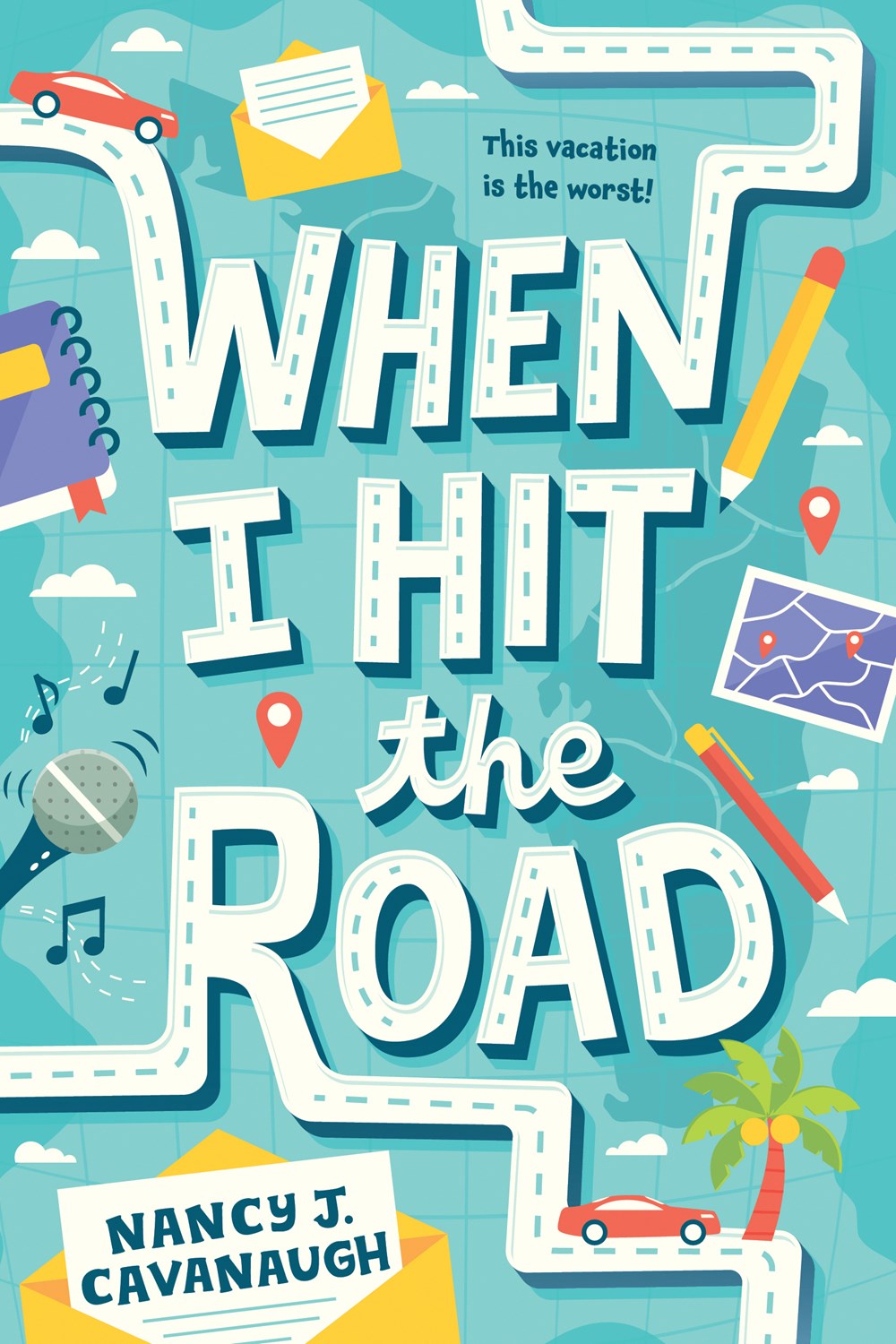
When I Hit the Road, by Nancy J. Cavanaugh, (May 2020, Sourcebooks Young Readers), $16.99, ISBN: 9781492640257

Ages 9-12

Samantha is about to be a seventh grader, has a mother and older sisters who are over-achievers, and desperately wants to make her own mark on something. She ends up with a summer vacation she wasn’t quite expecting: accompanying her workaholic mother to her grandmother’s Florida condo, and journaling in her “Dear Me” journal to promote her mom’s company. What ends up happening is even less expected: Mom has to rush home, leaving Sam in Florida, where she ends up on a karaoke road trip with her grandmother, her grandmother’s best friend, and a really, really cute boy.

I love Nancy J. Cavanaugh’s books because they’re created to read in easily readable, fun, descriptive bursts: journal entries, lists, letters; she has a gift for a tween voice, and writes with a light, funny voice that puts readers at ease and invites introspection. She plays with her multigenerational characters; in this case, giving readers a karaoke-loving senior citizen and a tween who feels the pressure to be someone, constantly measuring herself up against those around her. The road trip is wacky and wonderful – thrift store bowling shirts, a car full of Bibles, a tour of terrifying road stop bathrooms – and will make readers laugh out loud, especially if they’ve had the dubious honor of being on the dreaded Family Road Trip. Sam’s voice comes through clearly, and I loved her referencing her future self looking back and reading the entries.

Ms. Cavanaugh navigates complex mother-daughter relationships here, too: we have the relationship between Sam’s mother and grandmother, Sam and her grandmother, and Sam and her own overachieving mother, all of which are loaded with moments for deep discussion. This would be a great choice for a mother-daughter book club.

Turn up some karaoke (YouTube has dozens of pages, including Sing King), bake some cookies, and enjoy an evening with Sam and her family. This is a great read for tweens who want a fun read with a summery vibe.


Posted in Non-Fiction, Teen, Tween Reads, Young Adult/New Adult

Power to the People: We Are Power elevates nonviolent activism

We Are Power: How Nonviolent Activism Changes the World, by Todd Hasak-Lowy, (April 2020, Abrams Kids), $18.99, ISBN: 9781419741111

Ages 12+

A thought-provoking treatise on nonviolent activism, We Are Power presents six case studies throughout recent history: Gandhi, Alice Paul, Martin Luther King, Cesar Chavez, Václav Havel, and Greta Thunberg. Each section explores nonviolent resistance, the roots behind each advocate’s activism, and how the power of one person, exhorting nonviolence, can motivate thousands and create change. In an increasingly contentious world, the power of nonviolent activism, and placing this information in the hands of a generation of activists, is not only smart, it’s crucial.

Beginning with Gandhi and his theory of “soul force”, or satyagraha, each consecutive profile touches on how previous movements inspired one another. Martin Luther King in particular was influenced by Gandhi, while Alice Paul’s suffrage activism was a response to the more extreme suffagists in the UK, and her desire to be seen as calm, unflappable, and strong. Cesar Chavez understood that increasing awareness of migrant worker conditions was the best way to bring social justice to migrant workers and received a letter of encouragement from Martin Luther King, himself leading nonviolent resistance movements to bring civil rights to the country. Playwright-turned-Czech president Vaclav Havel used his art to protest; later, letters from prison, where he wrote about truth and opened people’s eyes by telling them that they were complicit in allowing their restrictive government’s rule by following the rules. Teenager Greta Thunberg began her climate change protest by being the sole student striking for climate change, and motivated a planet to take action.

A solid beginning for a discussion on social justice, activism, and civil disobedience, this is a must-have volume for middle school and high school collections. I can’t wait to put this in my order cart when my library, opens again. This would be a great Summer Reading choice, for educators who haven’t finished their lists yet. Photographs of protests and tense moments, like seeing schoolchildren attacked by dogs and being doused with hoses, make for great discussions on the use of violence against nonviolence – what stands to be gained? Comprehensive endnotes, bibliography, and index complete the book. Author Todd Hasak-Lowy’s author webpage has videos and resources for parents and educators.

We Are Power has starred reviews from School Library Journal, School Library Connection, and Kirkus.


Posted in Uncategorized

Books from Quarantine: Six Angry Girls

Six Angry Girls, by Adrienne Kisner, (Jul. 2020, Feiwel & Friends), $17.99, ISBN: 9781250253422

Ages 12+

This girl power teen novel is a fantastic story of friendship, knitting, and smashing the patriarchy. Raina Petree is on track to have a great senior year until her boyfriend dumps her, her drama club leaves her in the lurch, and her college dreams aren’t as secure as she initially thought they were. Meanwhile, Millie Goodwin is tired of being her father’s servant, and when her Mock Trial team votes her out in favor of lesser-qualified, newer guys – even after she’s been the backbone of the team for the last three years – she has HAD IT. Raina turns to an advice column for help on getting over Brandon, the ex-boyfriend, leading her to take up knitting as a hobby; a hobby that leads to a meeting of the minds with Millie, and the two come up with the ultimate idea: start their own Mock Trial team. There are no rules against it, and they manage to find a mentor in their school librarian. Now, they just have to fill the open spots on the team – with girls who are sick and tired of being discounted and looked down on by the boys and men who think they’re calling all the shots. It’s time to pick up the knitting needles, study those legal briefs, and take down the patriarchy.

With a fantastic cast of multicultural characters that smash the gender spectrum, Adrienne Kisner has given readers a group of characters that we’d all want to hang out with. They’re smart, driven, and fed up with B.S., whether it’s from a teacher, an ex-boyfriend or fellow student, or a parent. It’s such an upbeat book, filled with major crossroad moments and stand up and cheer scenes while taking on some very big issues. It’s an excellent discussion book that will spark deep conversations.

I loved this book and would gladly shout this out to my library teens. Give this to your Moxie fans and your Ashley Poston readers. And start a knitting club at your library to get them talking!

Check out Adrienne Kisner’s author webpage for more information about her books, links to her blog and social media, and to sign up for her newsletter.

Posted in Fiction, Historical Fiction, Intermediate, picture books

Blog Tour- Bear and Fred: A World War II Story

Inspired by the true story of a boy and his teddy bear, this story of survival during the Holocaust is achingly, lovingly translated into English for a new generation of readers.

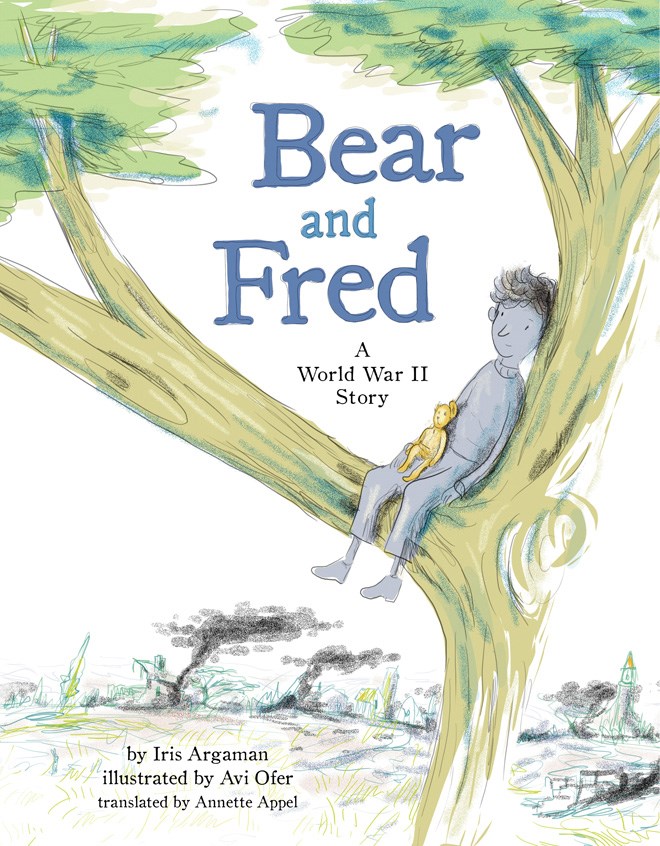
Bear and Fred: A World War II Story, by Iri Argaman/Illustrated by Avi Ofer/Translated by Annette Appel,
(May 2020, Amazon Crossing Kids), $17.99, ISBN: 978-1-542018210
Ages 7-10

Told by Bear, a stuffed toy bear belonging to a young boy named Fred, Bear and Fred tells the story of a young Dutch Jewish boy and his family when they go into hiding as the Netherlands fall under the Nazi shadow. Bear is the only toy Fred takes with him and provides comfort as Fred is shuttled first, to his grandfather, and then to a “nice lady” to stay with when his parents leave and go into hiding elsewhere. When the War ends, Fred and his family reunite, and Bear stays by Fred’s side, until Yad Vashem, Israel’s Holocaust museum, contacts Fred, having heard about his story, and asks to borrow Bear to teach children. In her author’s note, Iris Argaman describes how she discovered Fred Lessing’s story when she saw Bear at Yad Varshem and contacted him, asking to write his story. There’s a photo of the actual Bear.

Originally published in Hebrew in 2016, Bear and Fred tells the story of the Holocaust from a child forced into hiding, without his parents, with only his stuffed bear for company. Having Bear narrate Fred’s story adds a touching depth to the story; it’s the story of a best friend. Moments like having Bear’s paw dry Fred’s tears when he misses his family, or having Bear describe his own feelings of being scared in Fred’s backpack or, the fear of being left behind, provides relatable moments for kids to latch onto and create valuable moments for discussion. Annette Appel’s English translation reads beautifully, with all of the emotion intact. Avi Ofer’s digital illustrations rely on simple colors to tell the story: the characters are grey-blue, washed out figures, with bear’s yellow-brown coloring allowing him to stand out, designating him the narrator, and the family a memory.

A strong book to have in younger historical fiction collections.


Iris Argaman is the author of a number of books for children, including Bear and Fred, which was awarded the Yad Vashem Prize in Israel and the Giovanni Arpino Prize for Children’s Literature in Italy. She lives in Israel, where she is a lecturer on children’s literature, holds writing workshops, and writes activity books which promote museum education.

Avi Ofer is an illustrator and animation director born and raised in Israel and now based in Spain. His work has been exhibited in art shows and screened in festivals around the world.

Annette Appel is a translator of books for young readers and truly enjoys the challenge of making stories written in Hebrew accessible to English speakers.

“Translated from Hebrew, it reads seamlessly and beautifully presents a family caught up in war…Without in any manner diminishing the actual horrors of World War II or any current fighting, the author enables a child to grasp in some small manner the impact of conflict on a family. Moving and accessible.” —Kirkus Reviews

Amazon Crossing Kids aims to increase the diversity of children’s books in translation and encourage young reading from a range of cultural perspectives.