Posted in Graphic Novels, Middle Grade, mythology, Tween Reads

Hermes: The next Olympian graphic novel!

Hermes (Olympians, Volume 10), by George O’Connor, (Jan. 2018, First Second), $10.99, ISBN: 9781626725256

Recommended for readers 9-12

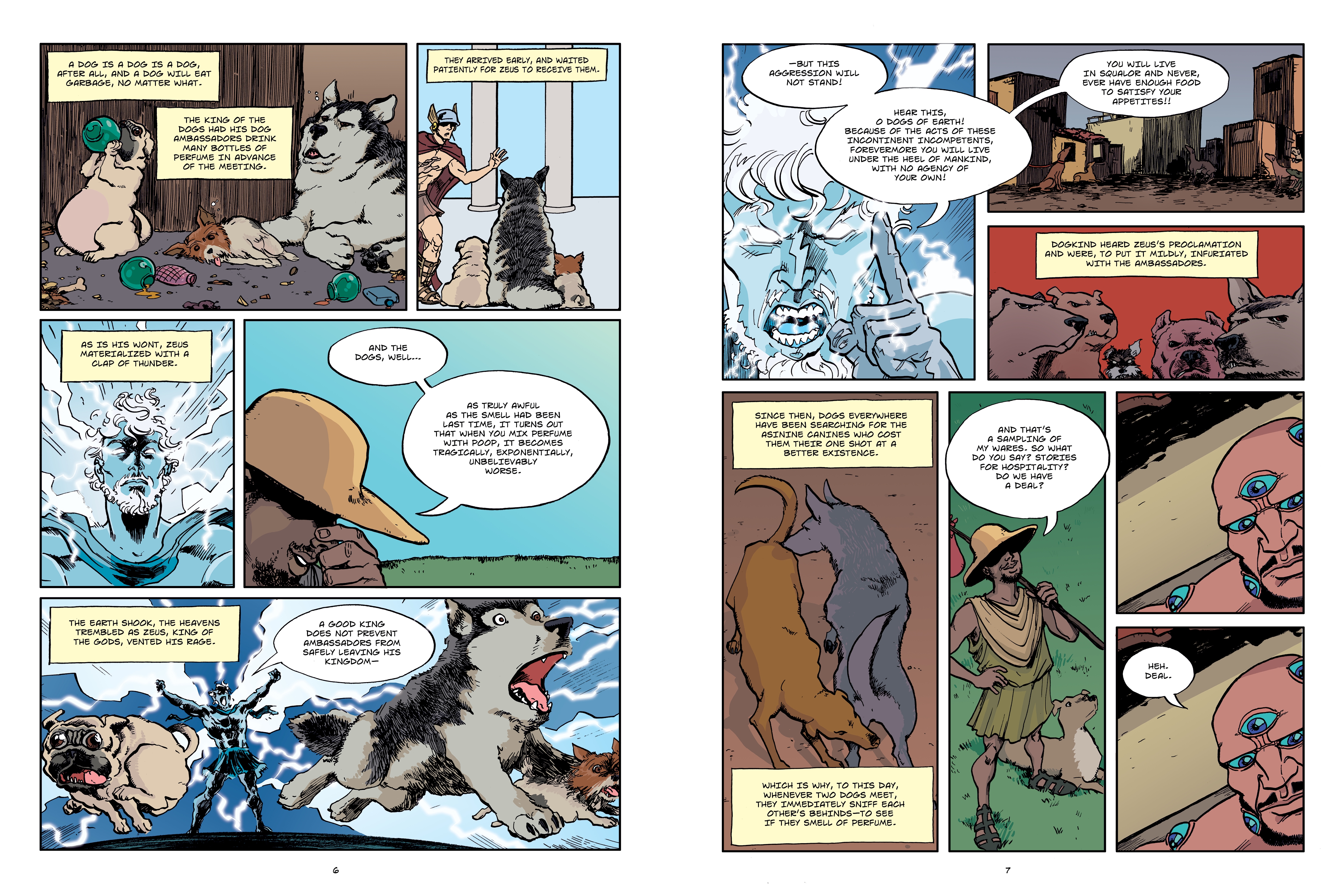
The 10th volume of George O’Connor’s Olympians series brings out the trickster. No, not Loki; the other trickster. Hermes – the winged feet guy? – is the god of tricksters and thieves, animal husbandry, trade and merchants, sleep, contests and athletes, astronomy, language, and he happens to also be a guide for the dead. From his humble beginnings as an infant who had a penchant for cattle rustling (he’s the god of that, too) to his adventures with his son, Pan, O’Connor provides a nice overview of Hermes, framed as a series of stories told by a character who is not exactly what he seems. There are additional mythological figure biographies, a bibliography, footnotes, and discussion questions. The Olympians collection is a good graphic novel go-to series for kids’ collections; they’re a good additional resource for research reports, and kids enjoy reading about the Olympians. I display my set with my Percy Jackson books, and it generates a lot of interest, especially when you booktalk the series as the basis for Percy Jackson. (Nothing about Mount Olympus being at the top of the Empire State Building in O’Connor, but who knows, right?)

Posted in Graphic Novels, Non-Fiction, Non-fiction, Tween Reads

Secret Coders and Science Comics – Comics that help kids love learning!

There are two more Science Comics coming your way from First Second, along with another Secret Coders volume. Let’s jump in and see what’s good!


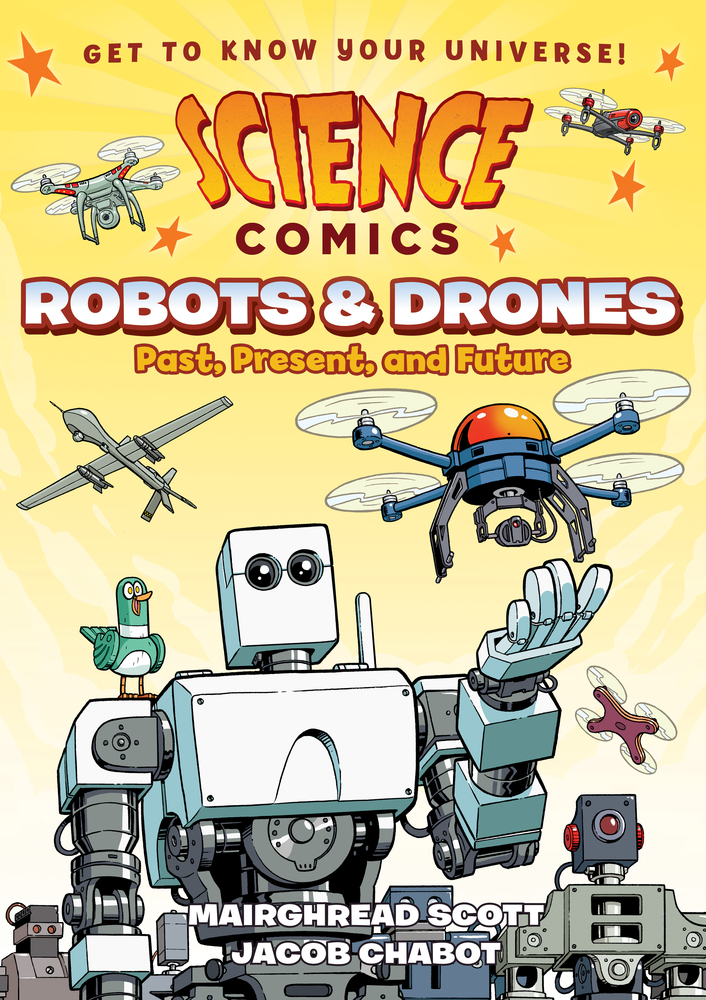
Science Comics: Robots & Drones – Past, Present, & Future, by Mairghread Scott/Illustrated by Jacob Chabot, (March 2018, First Second), $19.99, ISBN: 9781626727939
Recommended for readers 9-13

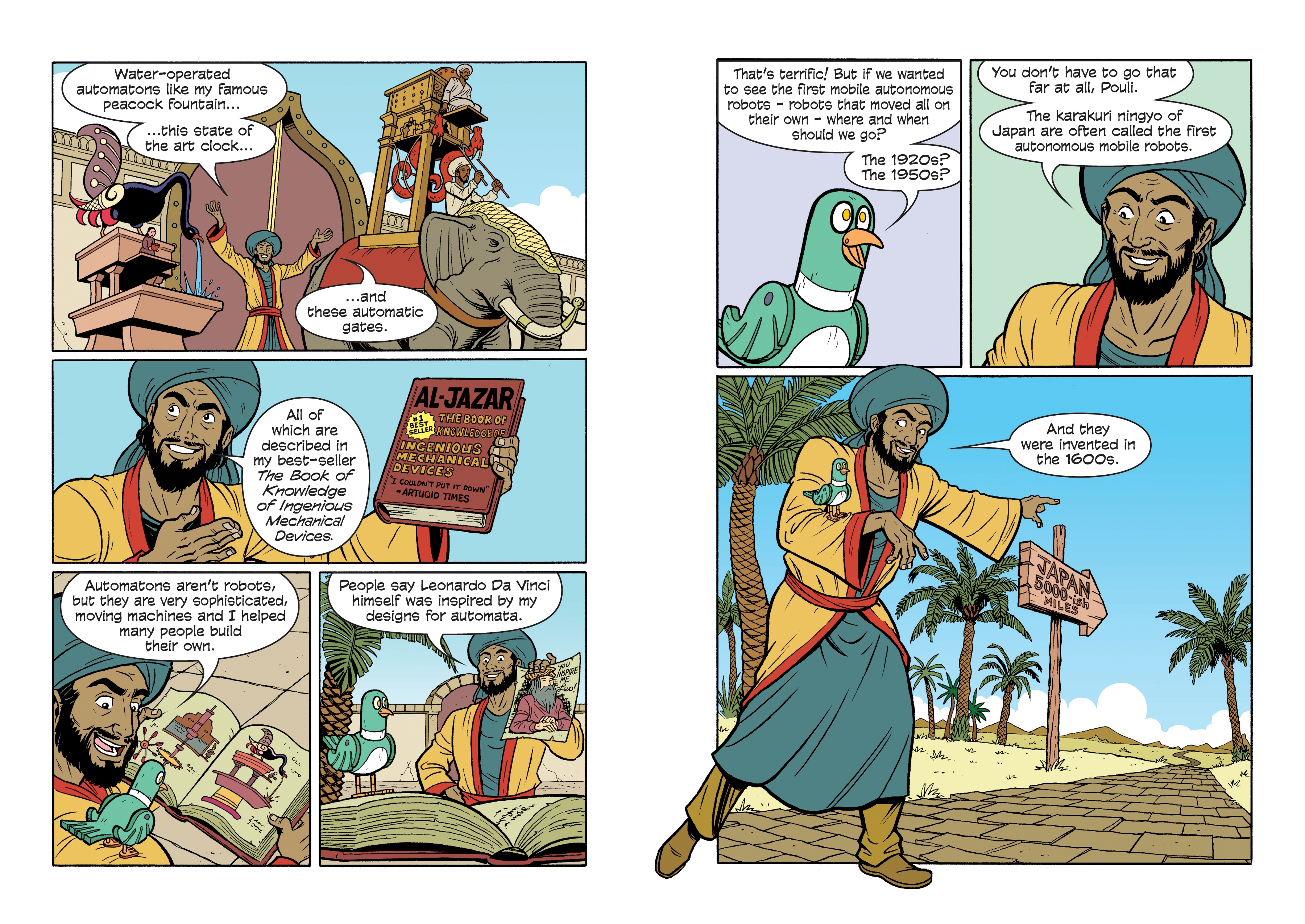
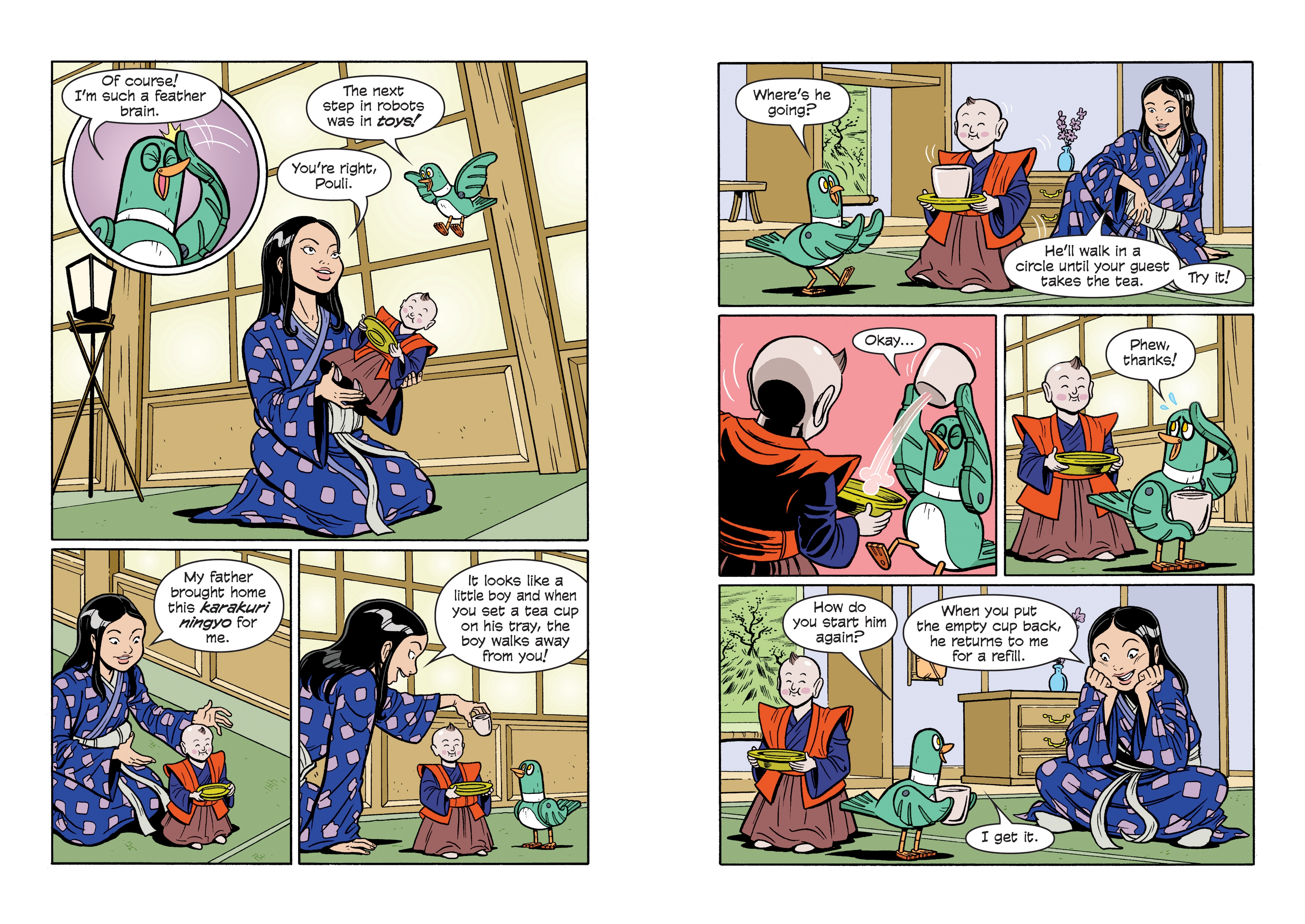
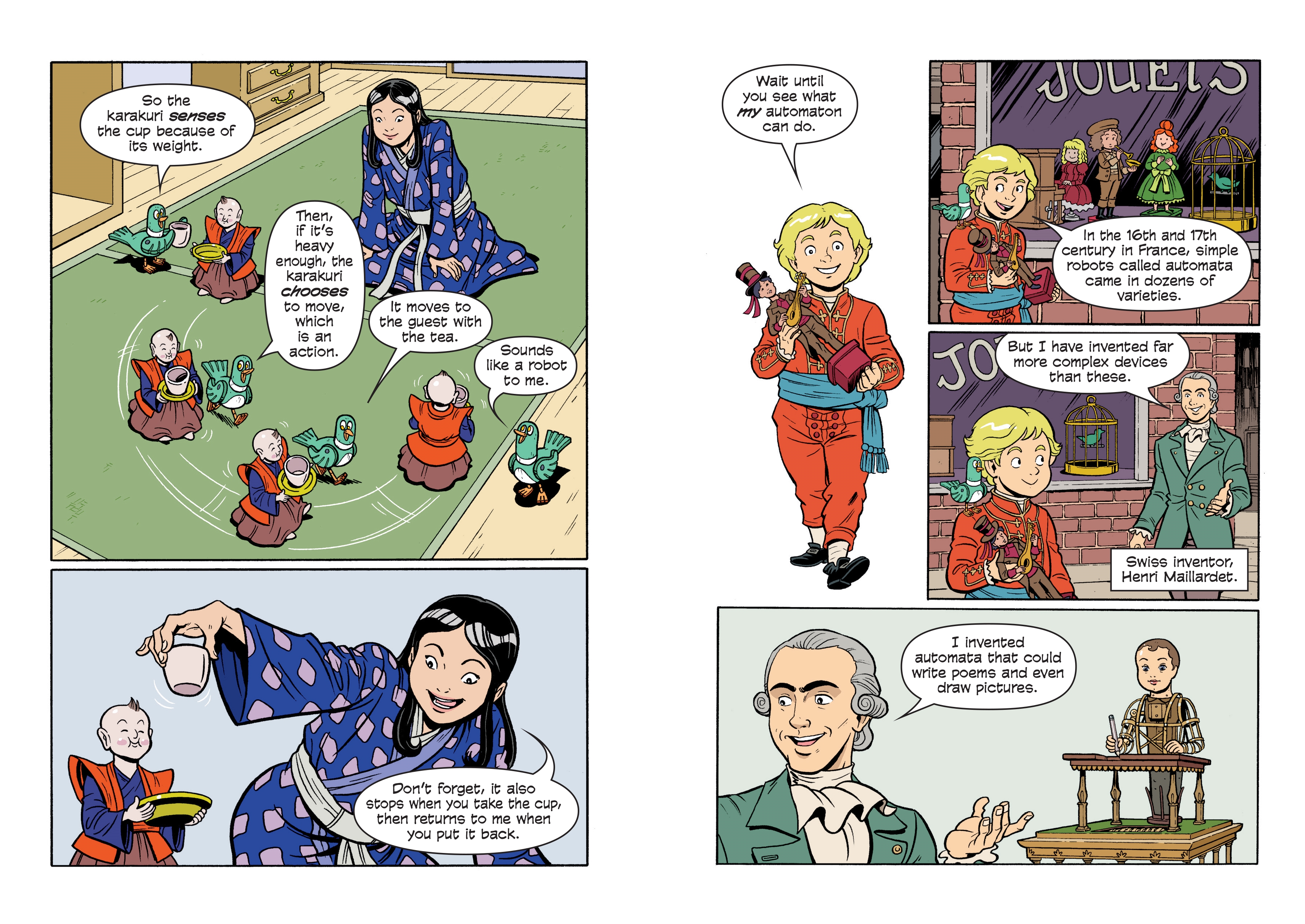
The latest volume of Science Comics takes a deeper look at robots. With Poulli, a birdlike robot that’s also the first machine to ever fly through the sky (back in 350 BCE!), as our guide, readers get a guided tour through the history of robotics, and learn what is versus what isn’t a robot. New, programmable coffeemakers? Robots! Remote-controlled cars – not really. Kids get a refresher on simple machines (levels and pulleys) and how those simple concepts formed the building blocks for more complex machines, eventually leading to modern technology, robots, and drones. There’s a focus on the good robots and drones can accomplish (for those techno-phobes who see The Terminator as our eventual future) and the human component of computer programming. Isaac Asimov, legendary scientist and science fiction writer who gave us the Three Laws of Robotics, gets some recognition here, too.

There’s a nice shout-out to libraries and after-school programs as places to go to learn more about getting into programming and robotics, and some cool pop culture nods that parents will recognize (Star Trek and KITT from Knight Rider, to name a couple). The artwork features diverse characters putting their learning into practice, and the history of robotics covers diverse areas of the world. Poulli is a friendly, cute guide that will appeal to readers, and the language – as with all Science Comics – is easy to understand but never dumbs down information.

There’s a Hall of Awesome Robots, spotlighting 25 robots from history; a closer look at how drones work, and a glossary of new terms to finish up the volume.

Me? I immediately add the newest Science Comics to my shopping cart ; they’re a great add for my “True Story” nonfiction section, where I put books that may get lost on the actual nonfiction shelves, but will grab attention on their own. Plus, my True Story section is next to my Graphic Novels shelf, so it’s a win all around.


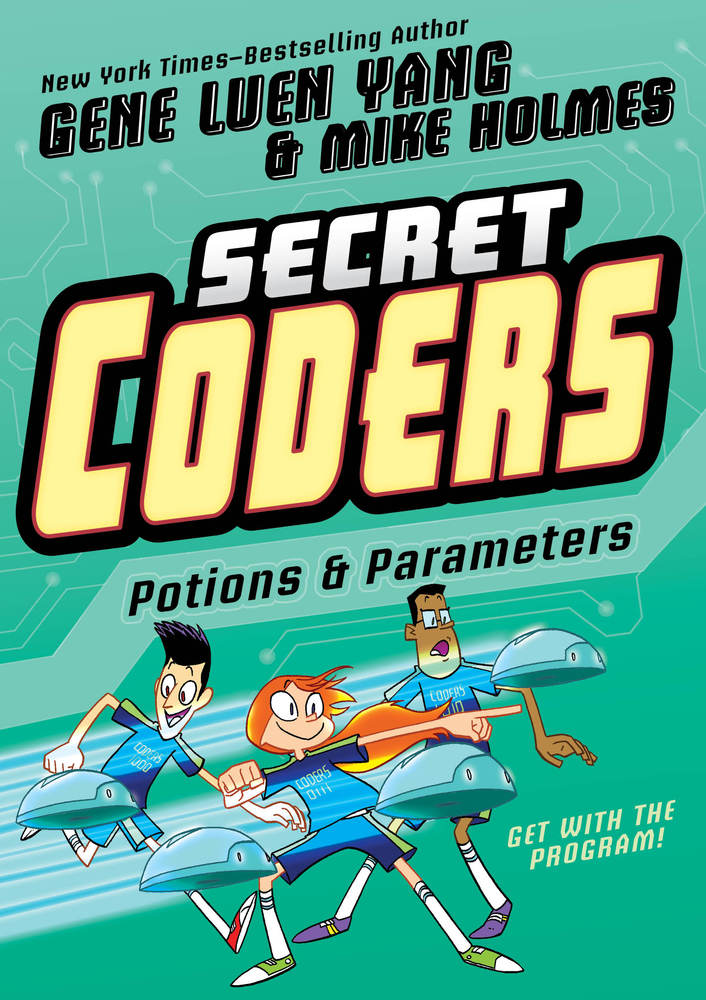
Secret Coders: Potions and Parameters, by Gene Luen Yang and Mike Holmes,
(March 2018, First Second), $10.99, ISBN: 9781626726079
Recommended for readers 8-12

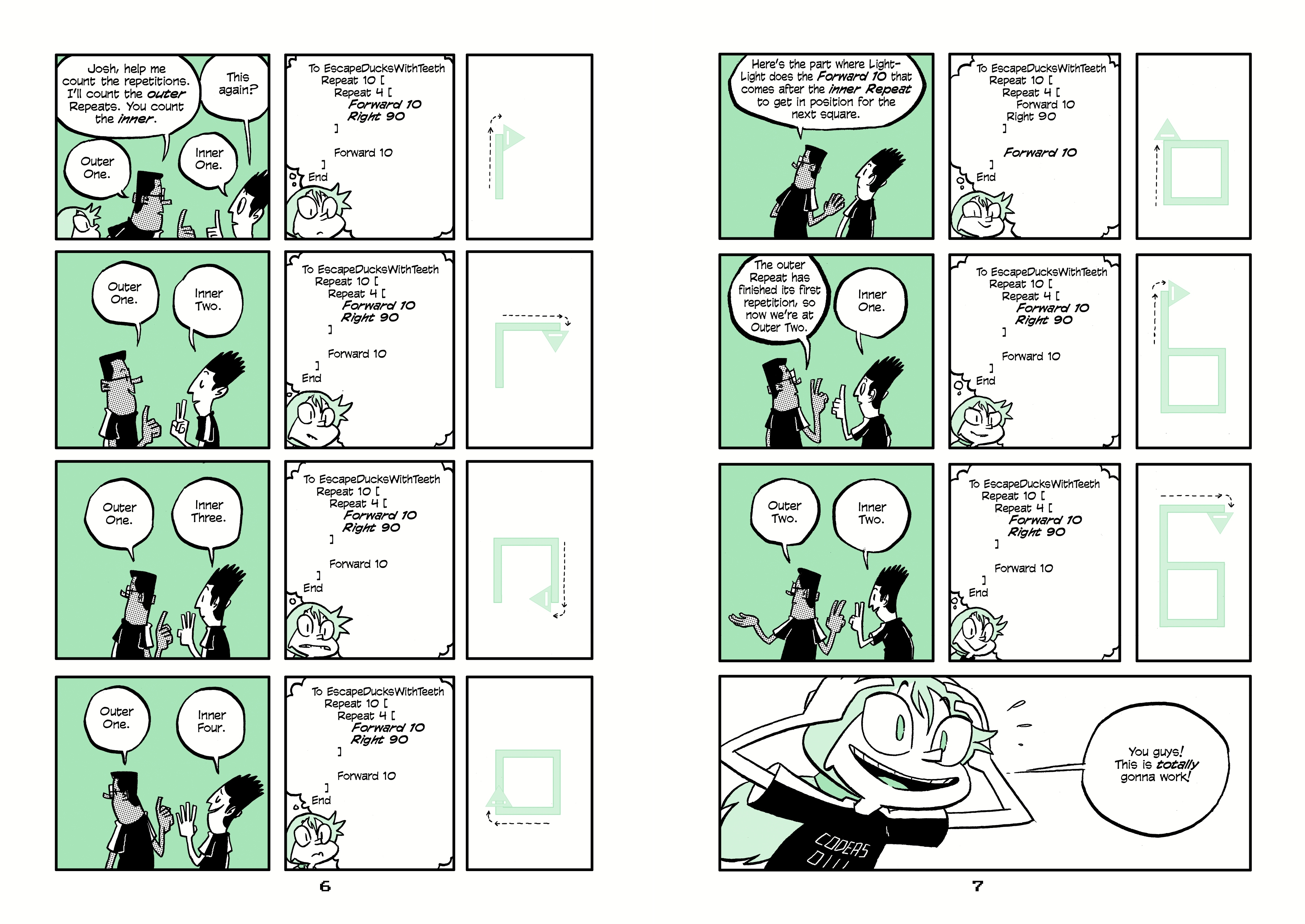
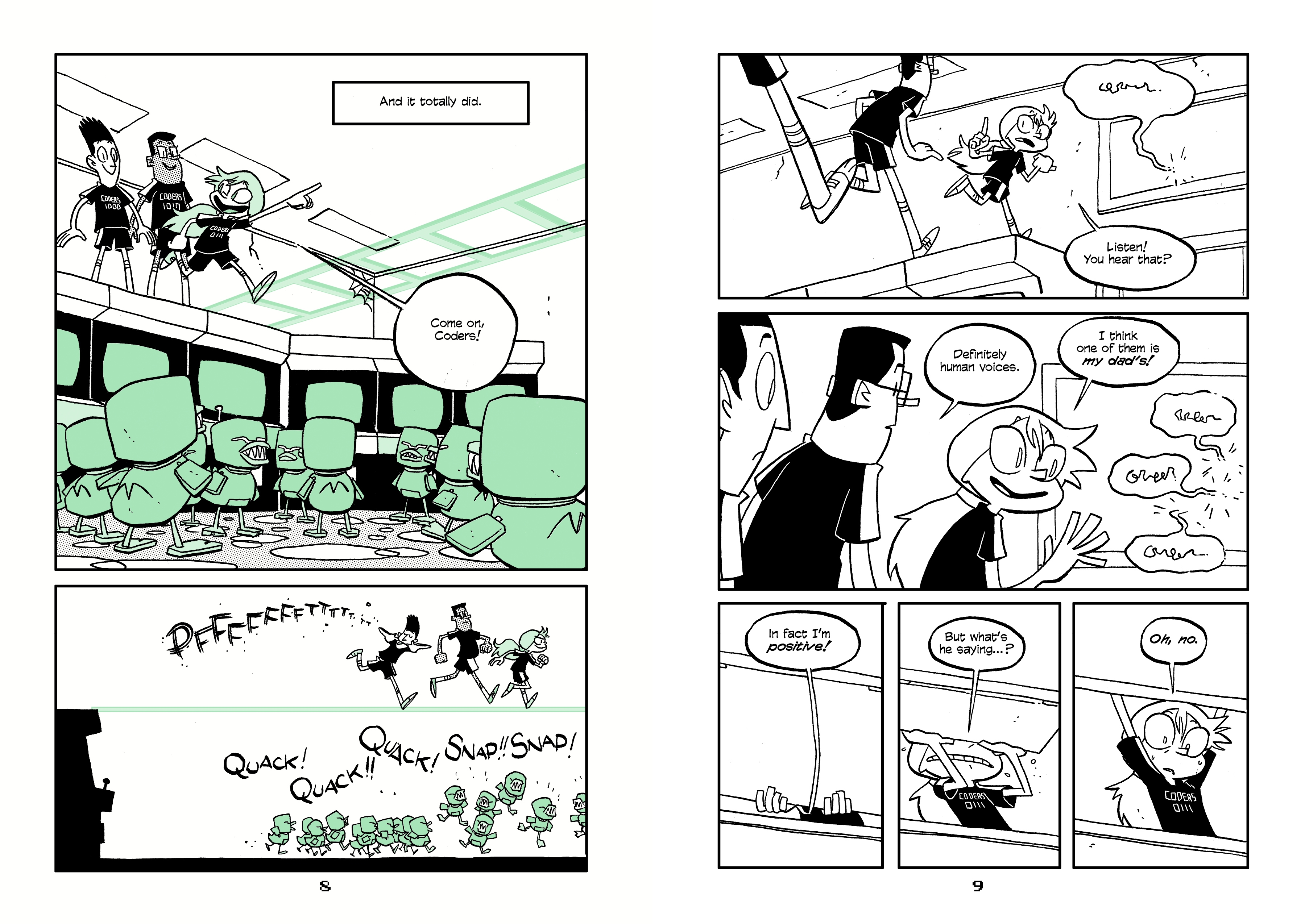
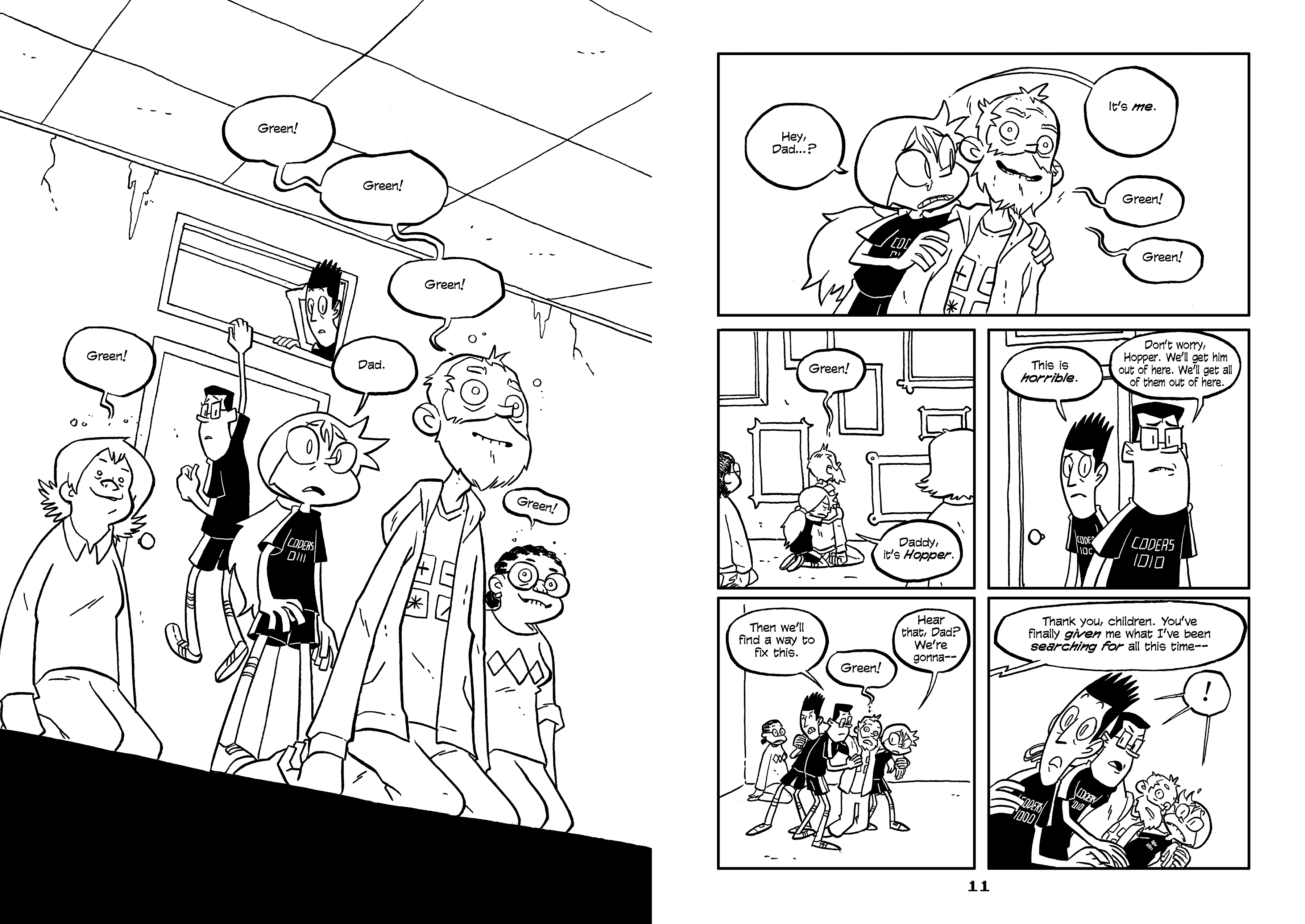
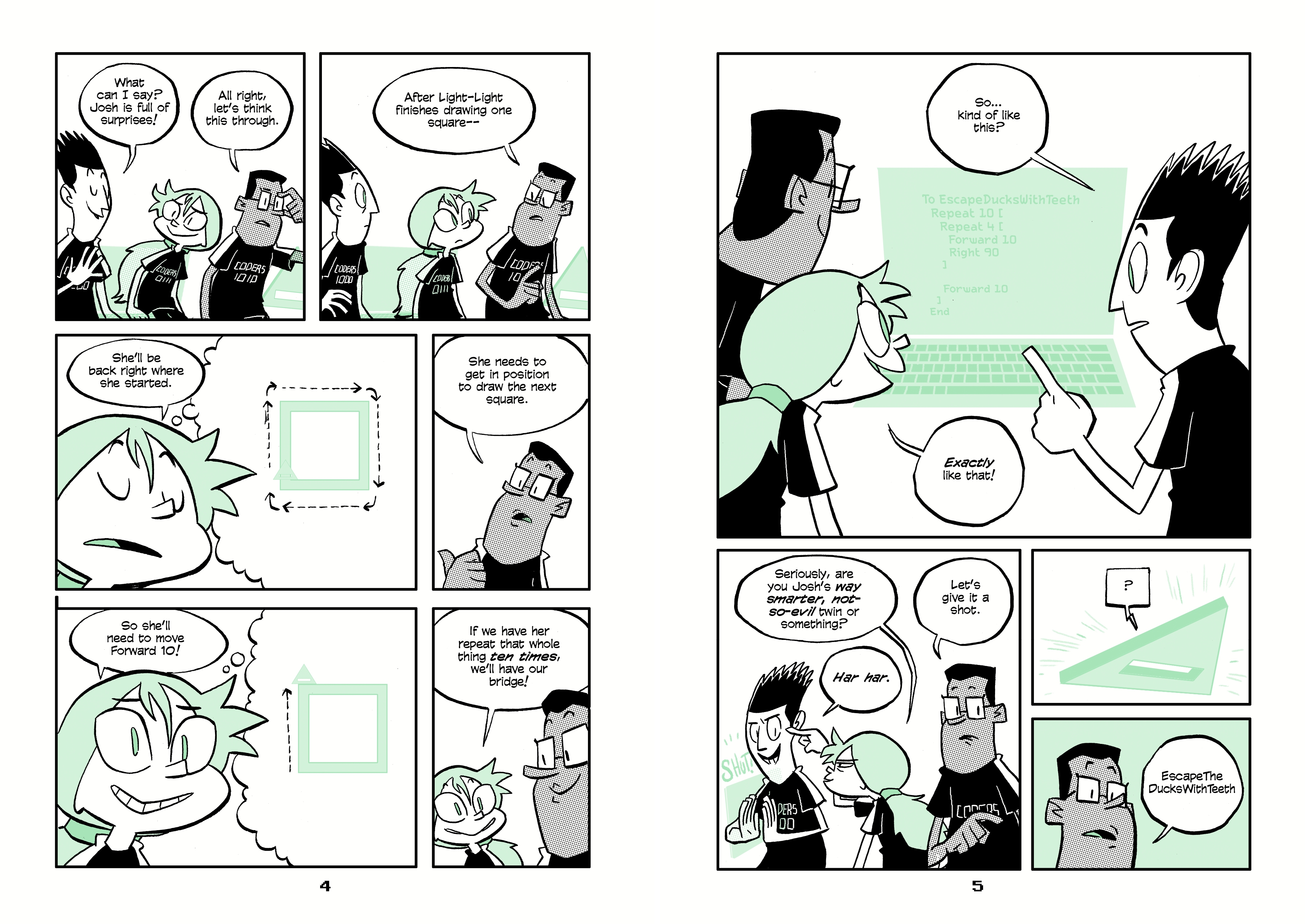
While we’re talking about robots and programming, there’s a new volume of Secret Coders coming at you. The fifth installment of the series sees Hopper, Eni, and Josh going up against Professor One-Zero and his evil Green Pop. The stakes are high, especially now that Hopper’s dad’s fate lies in the balance! We get a lot more of Professor Bee’s origin, and the fight for the mystical Turtle of Light will keep you turning pages. Yang and Holmes challenge readers with more logic puzzles and codes to work through, and provide detailed explanation through their characters.

Science Comics: Sharks – Nature’s Perfect Hunter, by Joe Flood,
(Apr. 2018, First Second), $12.99, ISBN: 9781626727885
Recommended for readers 8-13

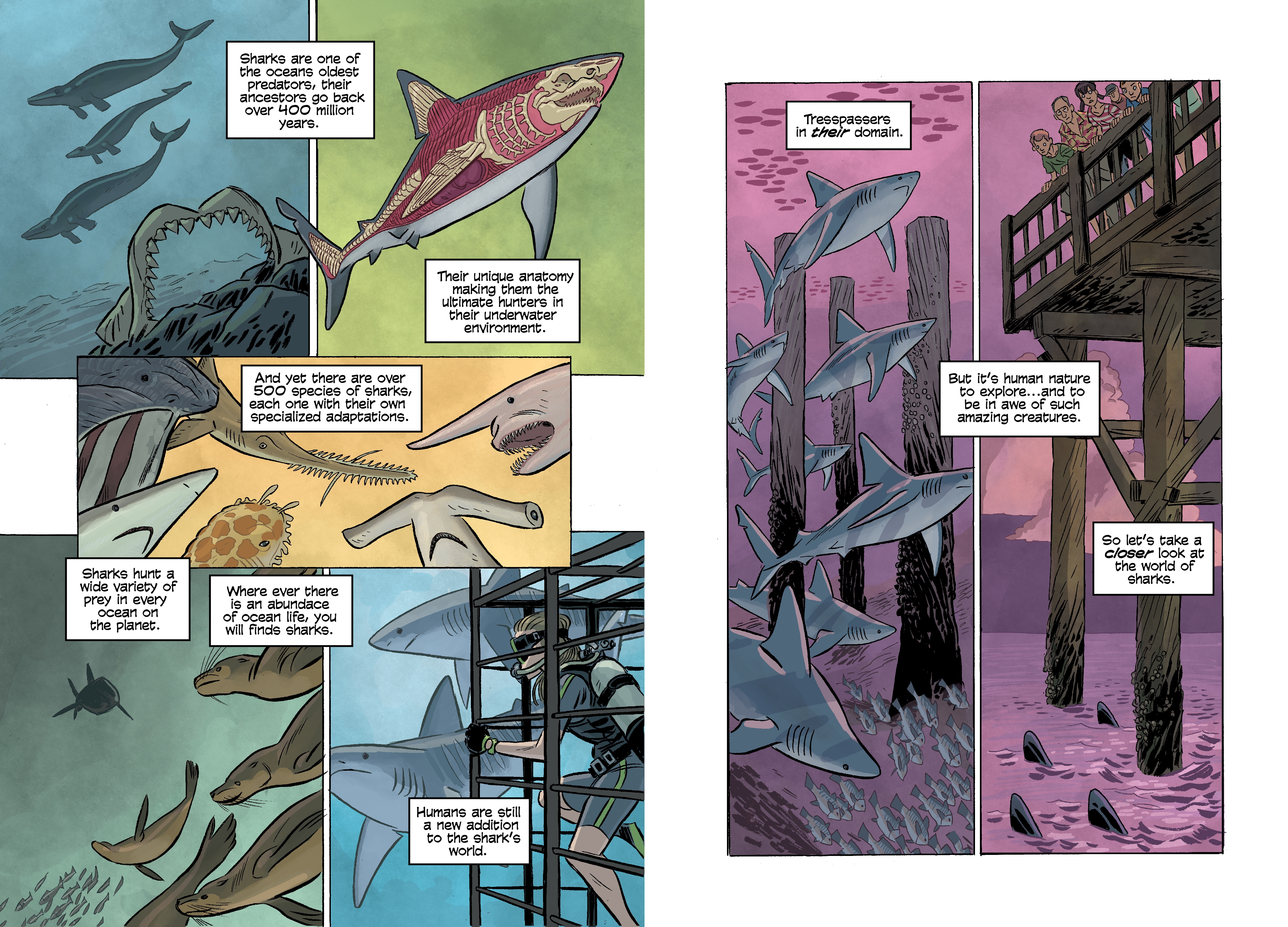
Science Comics has a one-two punch in March and April, first with Robots & Drones, next with Sharks. Kids LOVE sharks. The introduction nails it with its opening line: “Lots of kids, including many of you who are reading this book, go through an ‘I love sharks’ phase.” Shark books move off my shelves faster than just about any animal, tied only by dinosaurs (and we’ve already got a Science Comic on them), so this book should be going in your cart, sight unseen. But since that’s not what I do – and because I still do love sharks – here’s a bit more to whet your shark appetites.


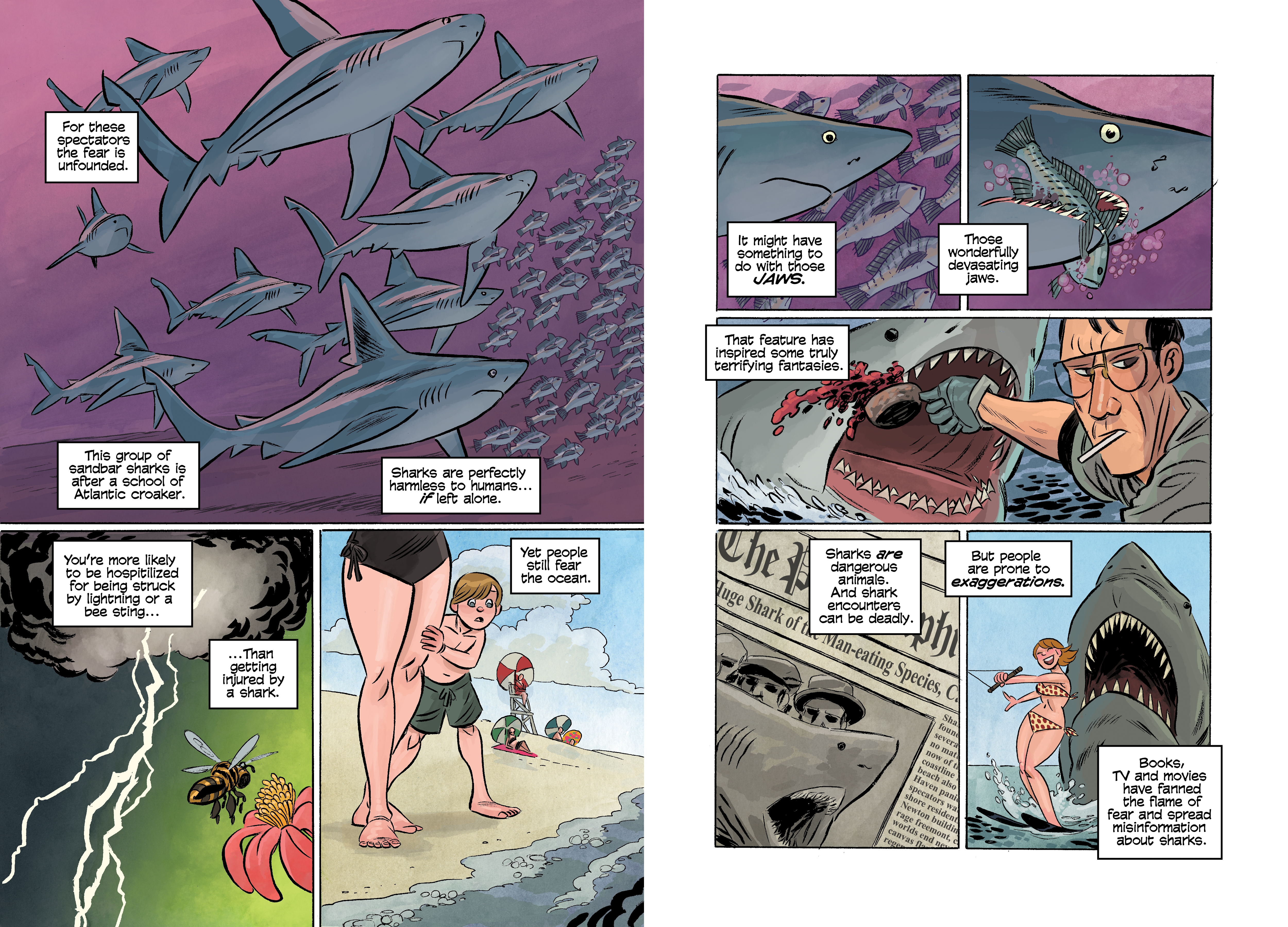
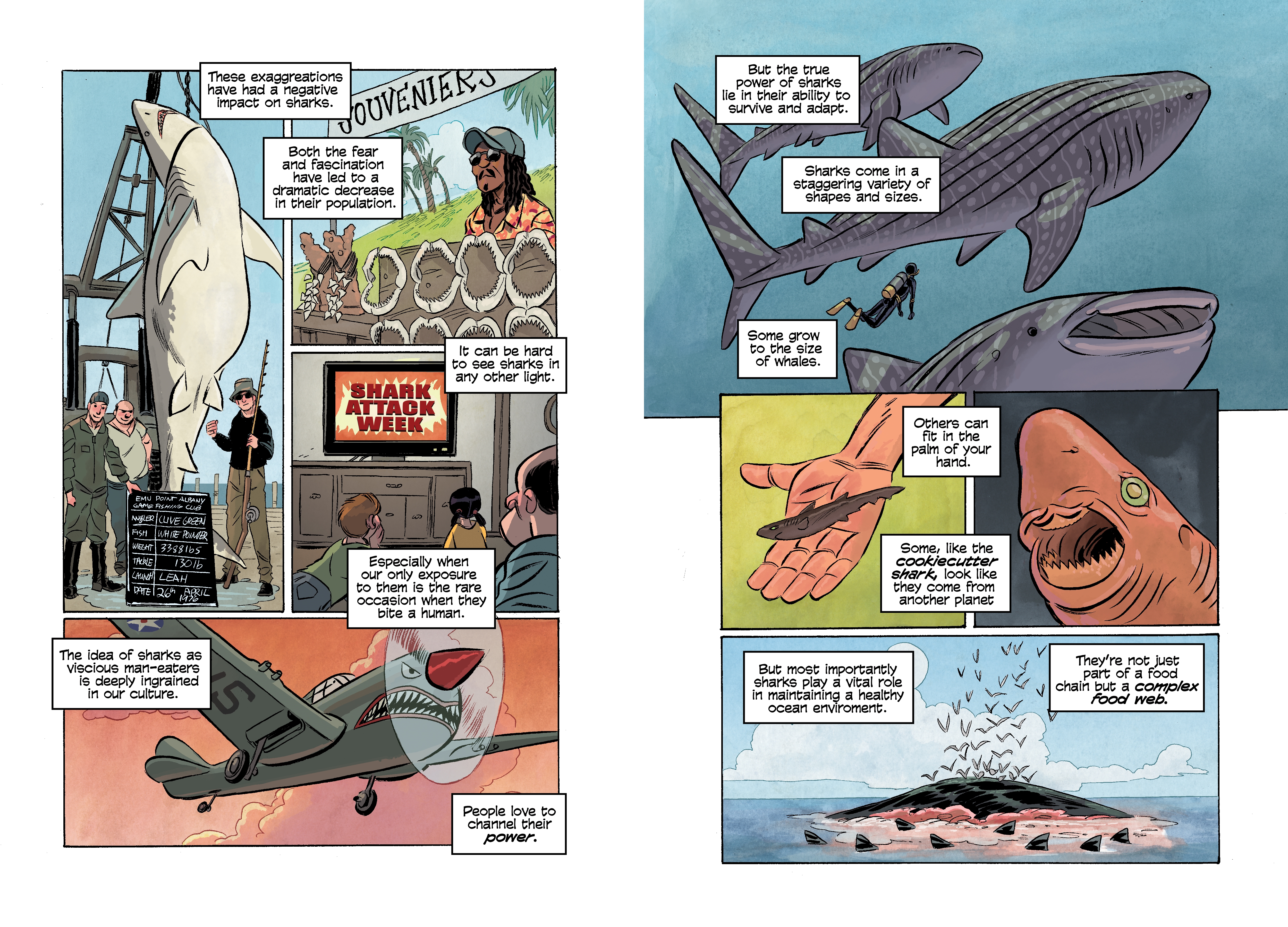
The nonfiction narrative is tied together with a story about a fictional group of shark seekers, which leads into a discussion about the bad rap sharks have gotten over the years. The classic movie Jaws kicked off shark paranoia back in the mid-1970s, and that’s explored here, as is the fact that Jaws author Peter Benchley became a passionate shark conservationist in the aftermath of his book and subsequent movie.

Readers get a history of sharks from the prehistoric era until the present, with a look at shark physiology. migration patterns, variety, and eating habits. Spoiler alert: we don’t taste very good to them, and any biting is purely accidental.  We also get a peek at the one sea animal that can take down even a great white… and it ain’t man. A shark family tree, glossary of terms, and a more accurate clarification of how to phrase shark incidents (the section’s called “Don’t Say ‘Shark Attack'”).

As I was writing this review up, one of my library kids peeked over my shoulder and saw the page scans. When I told him Sharks was coming out in April, he yelped, “Are you kidding me?!” which just goes to show you, Science Comics: Sharks is going to be a hit. I may have to order two copies.

Posted in Animal Fiction, Fiction, Fiction, Graphic Novels, Humor, Middle Grade, Non-fiction, Tween Reads

Holiday Gift Guide: Books Kids Like!

I’m one of those people that believes there’s a book for every person, every occasion. I’m a firm believer in the five laws of library science, after all, and three of those are: “Books are for use”; “Every book its reader”; “Every reader his or her book”. This is very serious business.  So here’s a humble little gift guide for those of you who may want to give a book (or three), but not sure what to give to whom.

For the graphic novel reader who’s a little quirky and fun…
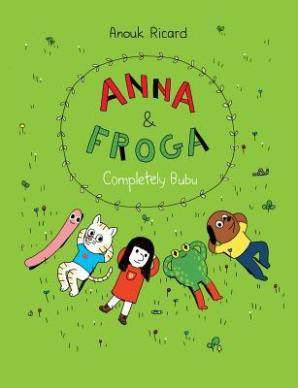
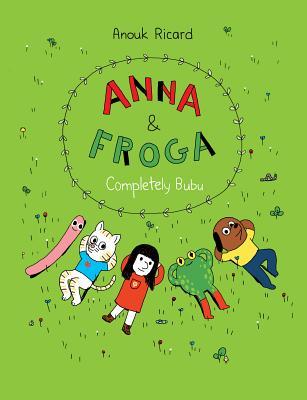
Anna & Froga: Completely Bubu, by Anouk Ricard,
(Sept. 2017, Drawn & Quarterly), $19.95, ISBN: 978-1-77046-292-2
Good for readers 10-13

This collection of comics from French author, artist, and animator Anouk Ricard stars a little girl named Anna, and her group of animal friends: Froga, the frog; Christopher, the worm; Ron, the cat, and Bubu, the dog. The book collects five previously published comics and one new story; each vignette running about 6 pages. Some vignettes end with a two-page final spread to deliver one last laugh, some run the whole 6 pages as a strip, but every little episode in Completely Bubu is loaded with kooky, smart humor. Upper middle graders and middle schoolers will get some good laughs out of this group, and so will you. “Bubu’s Vacation” will make you laugh out loud if you’ve ever considered (or maybe have) lying about going on vacation just to get some peace and quiet, and “The Garage Sale” will crack you up… and maybe, eye some pen caps.

For the kid who needs to know EVERYTHING. Right now.
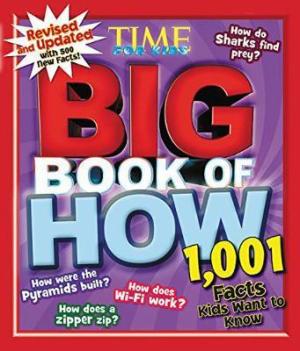
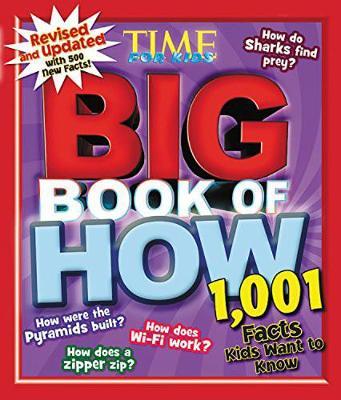
Time for Kids: The Big Book of How, by James Buckley, Jr.,
(Oct. 2017, Liberty Street), $19.99, ISBN: 9781683300106
Good for readers 8-12

If you know a kid that has the Wikipedia app loaded and ready to go; takes things apart to figure out how they work, or just wants to know why, The Big Book of How is the gift to give. With 11 sections, covering Animals, Technology, Space, Science, Sports, and more, this book carries over 1,000 facts (see the cover?) that kids wants to know. Each section hands readers the reins by offering a How To just for them: learn how to make a paper airplane or a camera obscura; find out how to launch a rocket or grow salad on a windowsill. There are amazing photos and fast facts, Did You Know? boxes and infographics, making this a desk reference that will get read and loved.

For the sports fan who already knows all the stats…
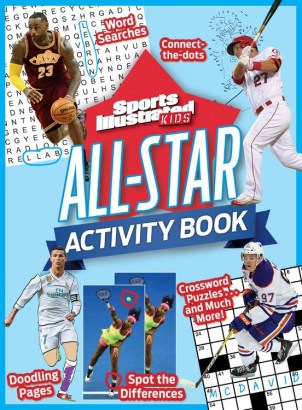
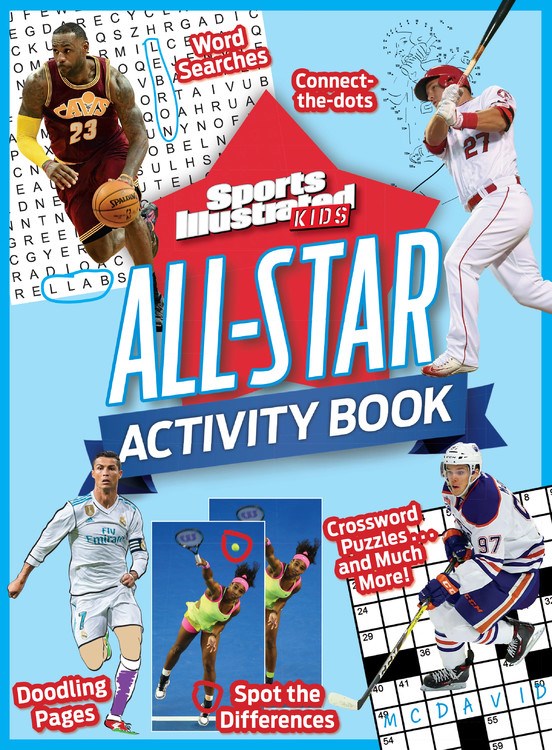
Sports Illustrated Kids All-Star Activity Book, by James Buckley Jr.,
(Nov. 2017, Liberty Street), $9.99, ISBN: 978-1-68330-773-0
Good for readers 8-13
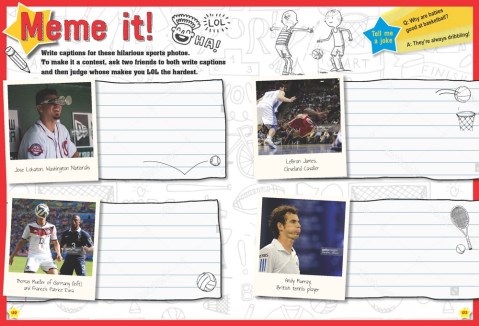
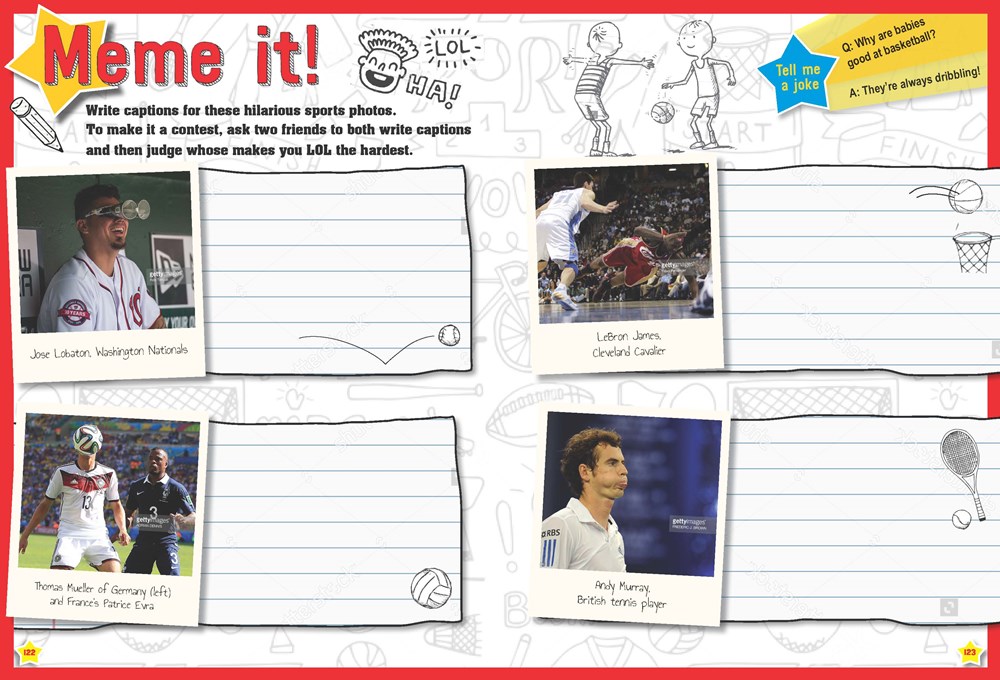
Your sports fan knows all the box scores and stats, but has she or he ever done a Williams Sisters connect-the-dot? Or created his or her own James Harden beard? You can do that and more with this activity book – covering all the major sports, with additional sections for the Olympics and All-Stars, kids can match soccer team jerseys to their players, create their own Olympic logo, and zip through an NHL word search. There’s even a NASCAR coin flip game in here for Race Day fans. Fun facts and great photos make this a great stocking stuffer.

For the time-traveler and history buff…
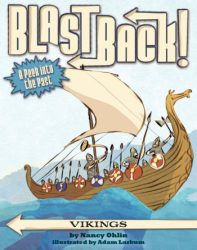

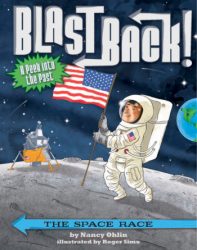
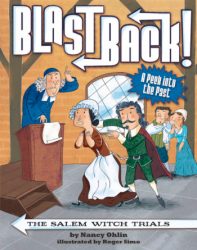
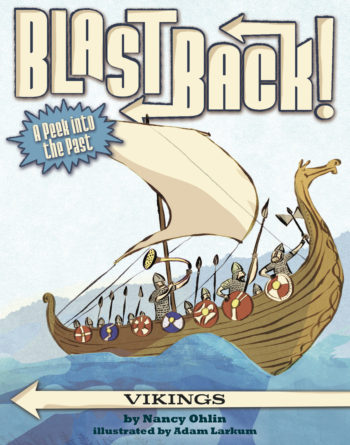
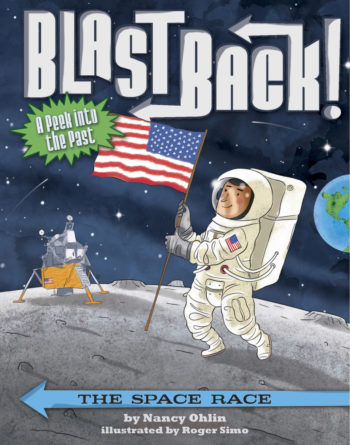
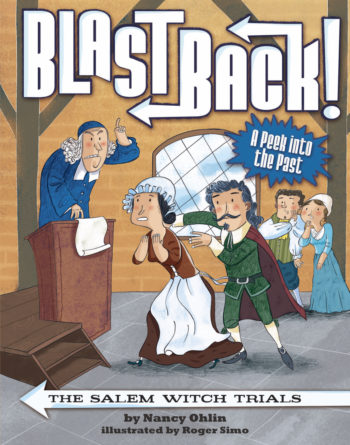
The BlastBack! series, by Nancy Ohlin/Illustrated by Adam Larkum and Roger Simó, (little bee)
Good for readers 7-10

The BlastBack! series is nonfiction that kids devour. It’s like the Time Warp Trio wrote books after each of their adventures. Each book covers a period in time, giving readers the full scoop: religion and mythology, history, aftermath, all written with respect for the younger reader – parenthetical explanations of terms and facts; callout boxes that look deeper into key people and moments; selected bibliographies at the end of each book. Black and white illustrations and maps throughout keep readers turning pages. There are 10 BlastBack! books now, and I hope we get some more to fill up my series nonfiction section. They’re just good reading.

For the kid you hand your phone to when you can’t figure out an app…
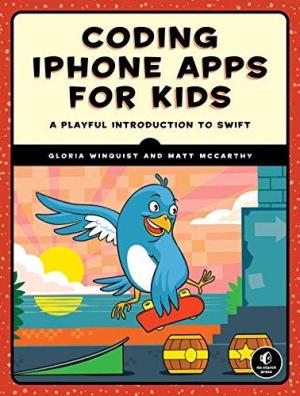
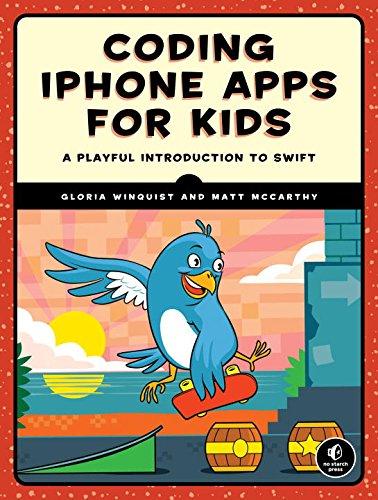
Coding iPhone Apps for Kids: A Playful Introduction to Swift, by Gloria Winquist and Matt McCarthy/Illustrated by Keiko Sato,
(May 2017, No Starch Press), $29.95, ISBN: 978-1-59327-756-7
Good for readers 10+

I love No Starch Press and their tech books for kids. Coding iPhone Apps for Kids is a detailed, but highly readable, introduction to Swift, the language used mobile apps that run on Apple devices. The book walks readers through every step of the process, from the basics of learning how to code, installing Xcode (the code editor), storyboarding, adding art and sound effects, testing, and finally, running the app. (I’m leaving a lot of steps out of the process, but that’s why I don’t write books on creating apps.) There are full-color illustrations, screen shots, and lines of code to guide readers and important troubleshooting tips and tweaks along the way. An appendix and index round out this insanely helpful book that would make a lovely gift wrapped up with a copy of Girls Who Code. Just sayin’.

For the kid who loves infographics… or really likes Seek and Finds…
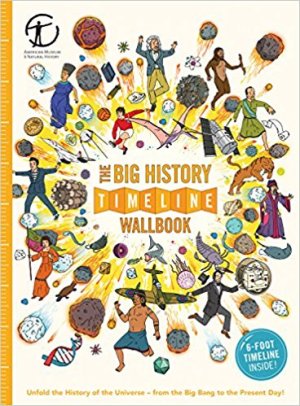
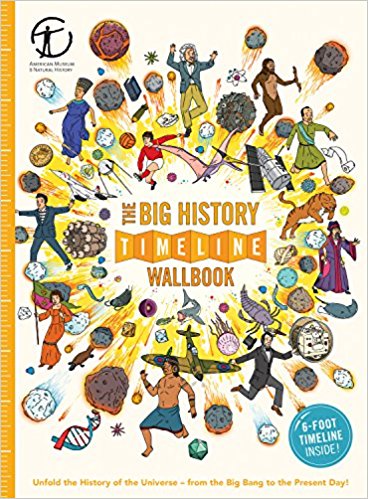
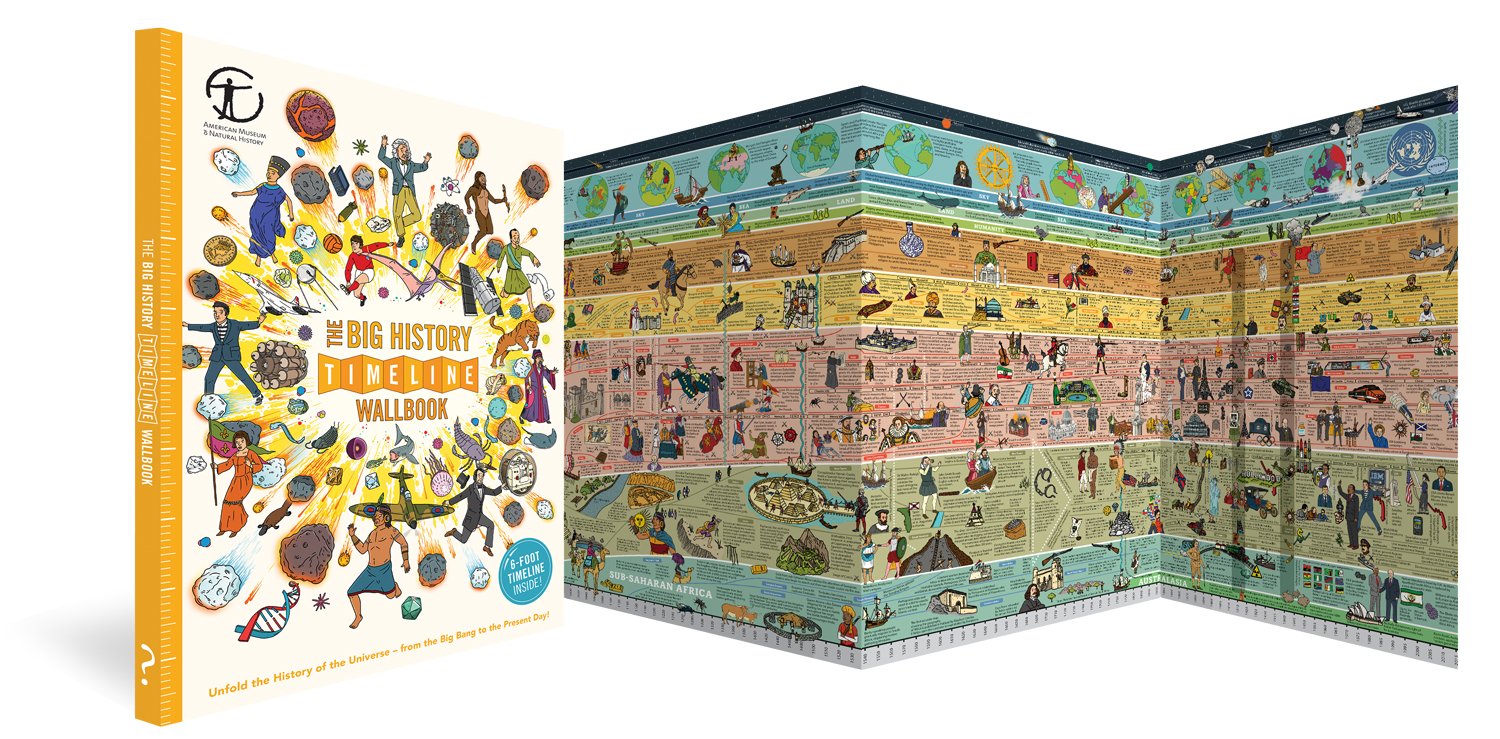
The Big History Timeline Wallbook, by Christopher Lloyd and Patrick Skipworth/Illustrated by Andy Forshaw,
(Sept. 2017, What On Earth Books), $19.95, ISBN: 978-0-9932847-2-4
Good for readers 6-14

What did we do before infographics? So much info communicated in little bites of space, fully illustrated and eyecatching; it’s a wonderful thing. The Big History Timeline Wallbook isn’t quite an infographic, but it does come with a 6-foot timeline of the universe – from the Big Bang to our Present Day – that you can detach and hang on your wall. There’s even a cute little pocket, holding a magnifier, that you can use to read the itty bitty text on the poster. Hey, there’s a lot of history to chronicle; sometimes, font size has to be sacrificed.
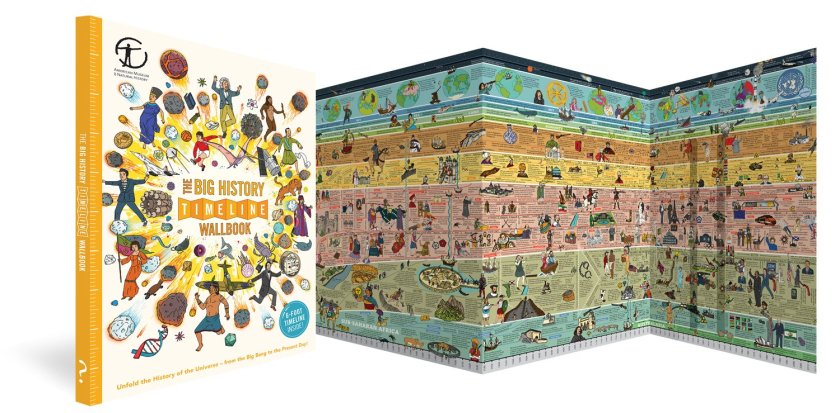
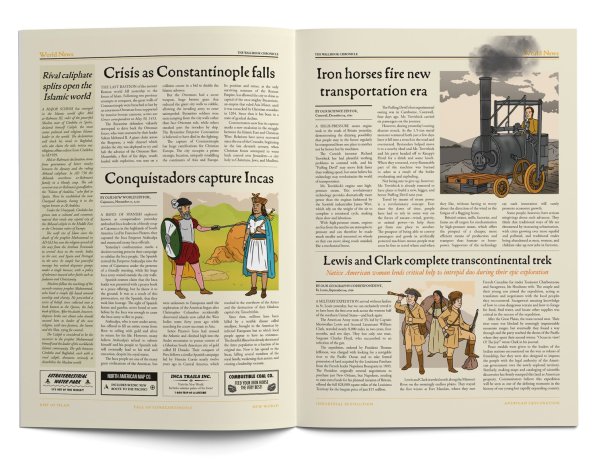
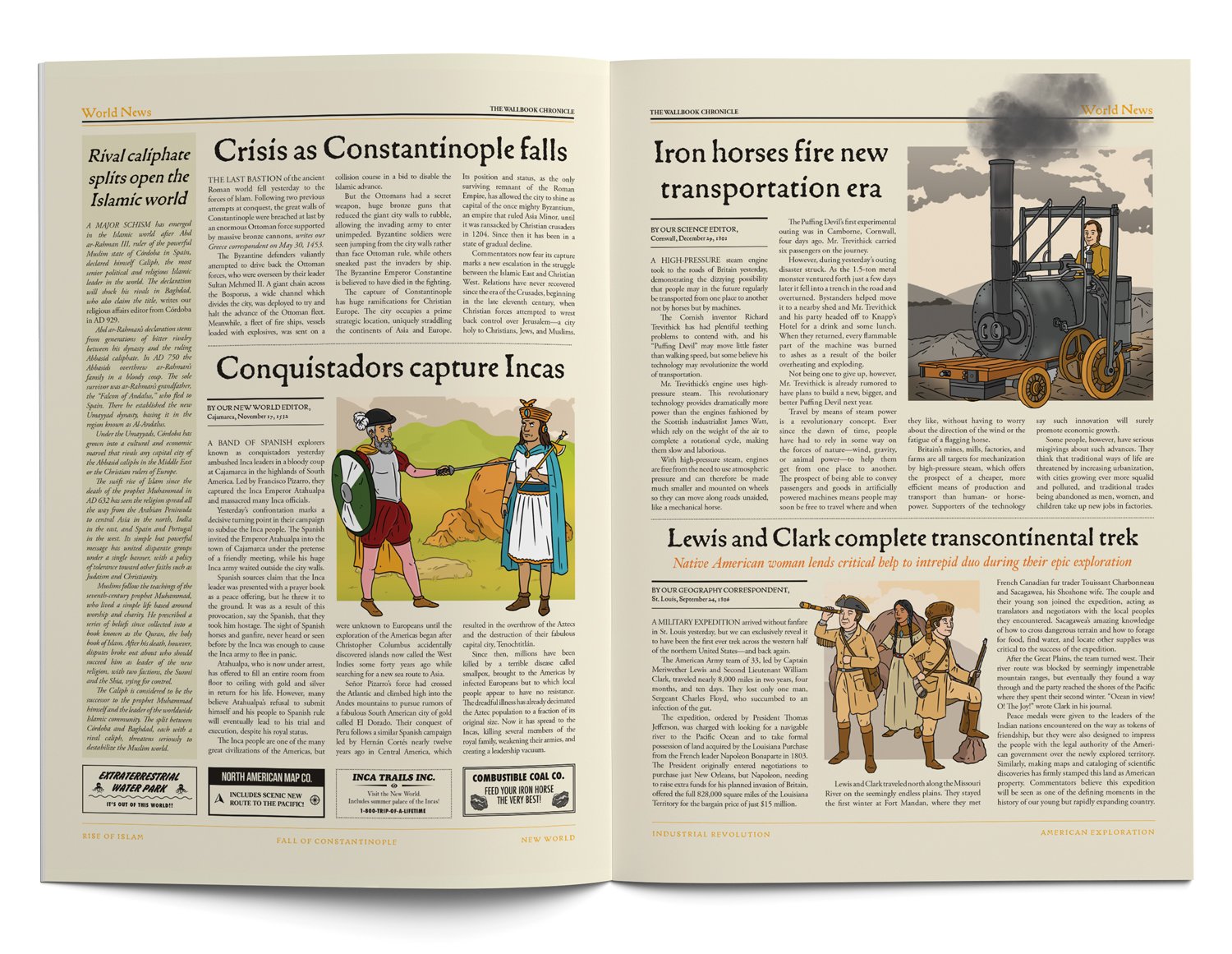
The Wallbook Chronicle is an 18-page “glorious gallop through fourteen billion years of big history”: printed to look like a newspaper, articles include major world events with bylines and dates, like the “Solar System origins clouded in swirls of gas” article by the astronomy editor from Paris, 1796 and the geography correspondent’s 1806 article on Lewis and Clark completing their transcontinental trek. A letters section from “would-be readers down the ages” has commentary on events including the sacking of King Tut’s tomb and the fire-bombing of Tokyo in 1945; a quiz tests readers’ mettle. There are three Timeline Wallbooks available: Big History, Science, and Nature; all developed in conjunction with the American Museum of Natural History. Definitely a fun gift choice.


More gift ideas to come! I hope this helped fill in a few check boxes on your holiday lists.

Posted in Fantasy, Fiction, Middle Grade, Tween Reads

The Legend of Jack Riddle begins!

The Legend of Jack Riddle, by H. Easson, (January 2018, Stone Arch Books), $26.65, ISBN: 9781496554086/(March. 2018, Capstone), $12.95, ISBN: 9781623709075

Recommended for ages 9-13

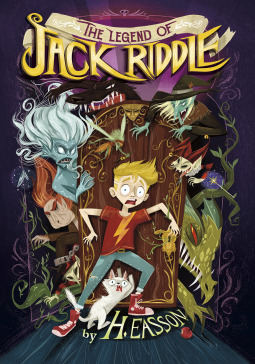
Twelve year-old Jack has to go visit his creepy great-great-great-whatever-aunt. She wears Doc Martens, a black ballgown, and wears a creepy top hat, calls him Jackie-poo, and sneaks out to play bingo. In the forest. Jack follows her, and discovers that Aunt Gee Gee may have some secrets. When the cookie jar she sends him back home brings forth a goblin that attacks the principal for a candy bar, Jack definitely gets the feeling that something’s up. The thing is, Jack’s in the middle of a very dangerous fairy tale: he’s the descendant of Gretel, and she’s nothing like the lost little girl in the fairy tale. She’s an awful witch that has Jack and his absent-minded teacher, Professor Ambrosius Footnote, racing to find a way to stop Gretel before there are very, very bad consequences for Jack and for future kids!

This is a fun take on fairy tale history, with cameos from some old favorites and a new point of view. Narrated from Jack’s point of view, there’s an interesting subplot about communication breakdown between parents and kids, and he tackles some fairy tale tropes (why can’t anyone just give a straight answer? What’s with all the riddles?) with laughs. The ending leaves the possibility of a sequel open. If you have fractured fairy tale readers, this is a good bet for their shelves and yours.

Posted in Fiction, Intermediate, Realistic Fiction

In Lucy’s Lab, science is everywhere!

Sky Pony has a new series for intermediate readers that incorporates a fun science component into each tale. Lucy’s Lab is a series about a second grader named Lucy, and she loves science! Her cousin and best friend, Cora, is in class with her, and is more of the purple and pink princess type, but she’s always up for a stint in Lucy’s Lab. Now, if only she could get that annoying classmate Stewart Swinefest, to behave himself…

Lucy’s Lab: Nuts About Science, by Michelle Houts/Illustrated by Elizabeth Zechel,
(Sept. 2017, Sky Pony Press), $13.99, ISBN: 978-1510710641
Recommended for readers 7-10

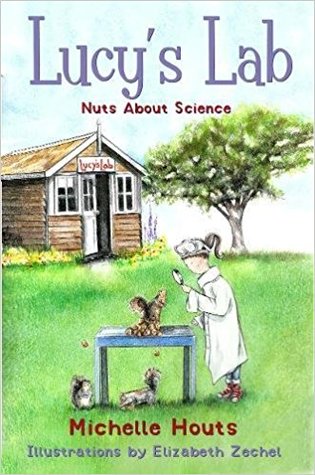
In Lucy’s first science adventure, Nuts About Science, we meet the science-loving second grader at the beginning of her school year. She likes her new teacher, Miss Flippo, and she really likes that there’s a science lab in her classroom! Miss Flippo even has lab coats and goggles for the students to wear in the lab! One thing doesn’t sit so well with Lucy this school year, though: the big oak tree outside her classroom is gone, and Lucy’s worried that the squirrels that lived there will have nowhere to go! She and her friends manage to find out what happened, and lobby the principal and the PTA for a new tree. In the meantime, Lucy turns an old playhouse her father built in the backyard into her very own lab!


Lucy’s Lab: Nuts About Science, by Michelle Houts/Illustrated by Elizabeth Zechel,
(Sept. 2017, Sky Pony Press), $13.99, ISBN: 978-1510710672
Recommended for readers 7-10

Lucy and her classmates learn about the states of matter in Solids, Liquids, Guess Who’s Got Gas, which may be the best Intermediate book title ever. Miss Flippo believes in science being fun, and teaches them about solids, liquids, and gases by using balloons, frozen water, and a school trip to the apple orchard! Kudos to author Michelle Houts for slipping the fourth state of matter – plasma – into the story, as well as its recent inclusion into science textbooks. Lucy discovers a new science hero in this story, and Stewart Swinefest gets some payback for being obnoxious.

The Lucy’s Lab series is easy reading, with bite-sized information slipped into the narrative. Lucy has her own lab time in each book, and we return to Room 2-C for adventures in the science lab during school hours; we also get interesting tidbits throughout each story, whether it’s about the origin of some last names, tree diseases, or the scientist who studied plasma. There’s always something interesting happening in Lucy’s world, and we’re invited to come along. Black and white illustrations keep the reader’s interest and keep the pace moving for readers transitioning from beginner chapter books to intermediate novels.

This is a nice series to give to your readers who like exploring the world around them. I’d display this with the Girls Who Code chapter books and Jon Scieszka’s Frank Einstein books to give kids a nice introduction to STEM fiction.


Posted in Humor, Preschool Reads

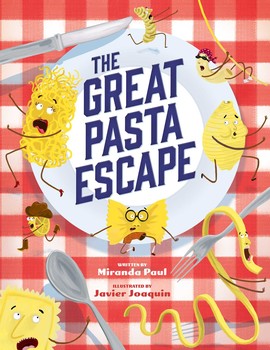
Fun with Food: The Great Pasta Escape

The Great Pasta Escape, by Miranda Paul/Illustrated by Javier Joaquin, (Aug. 2017, Little Bee/Bonnier), $17.99, ISBN: 978-1-4998-0480-5

Recommended for readers 3-7

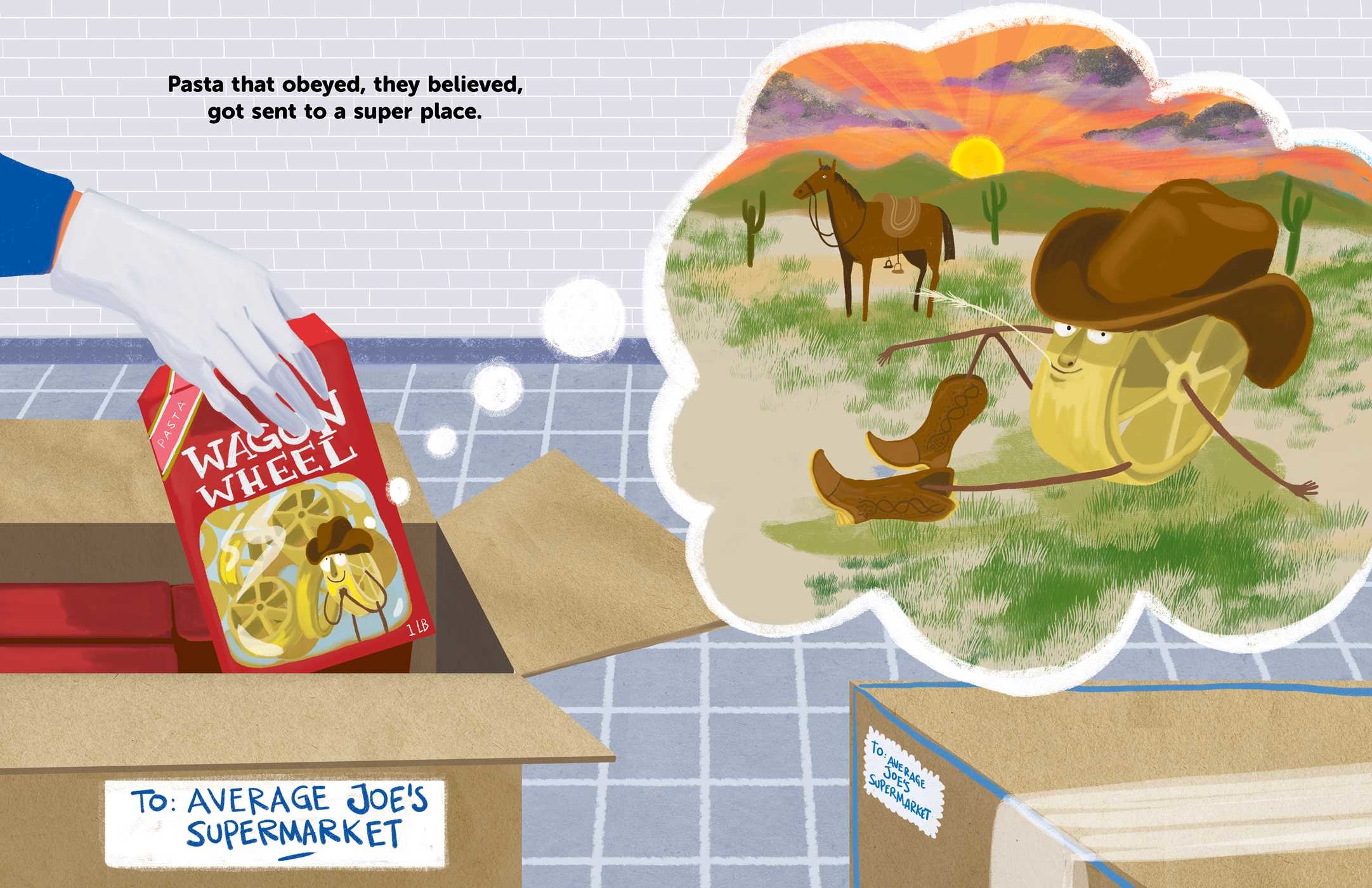
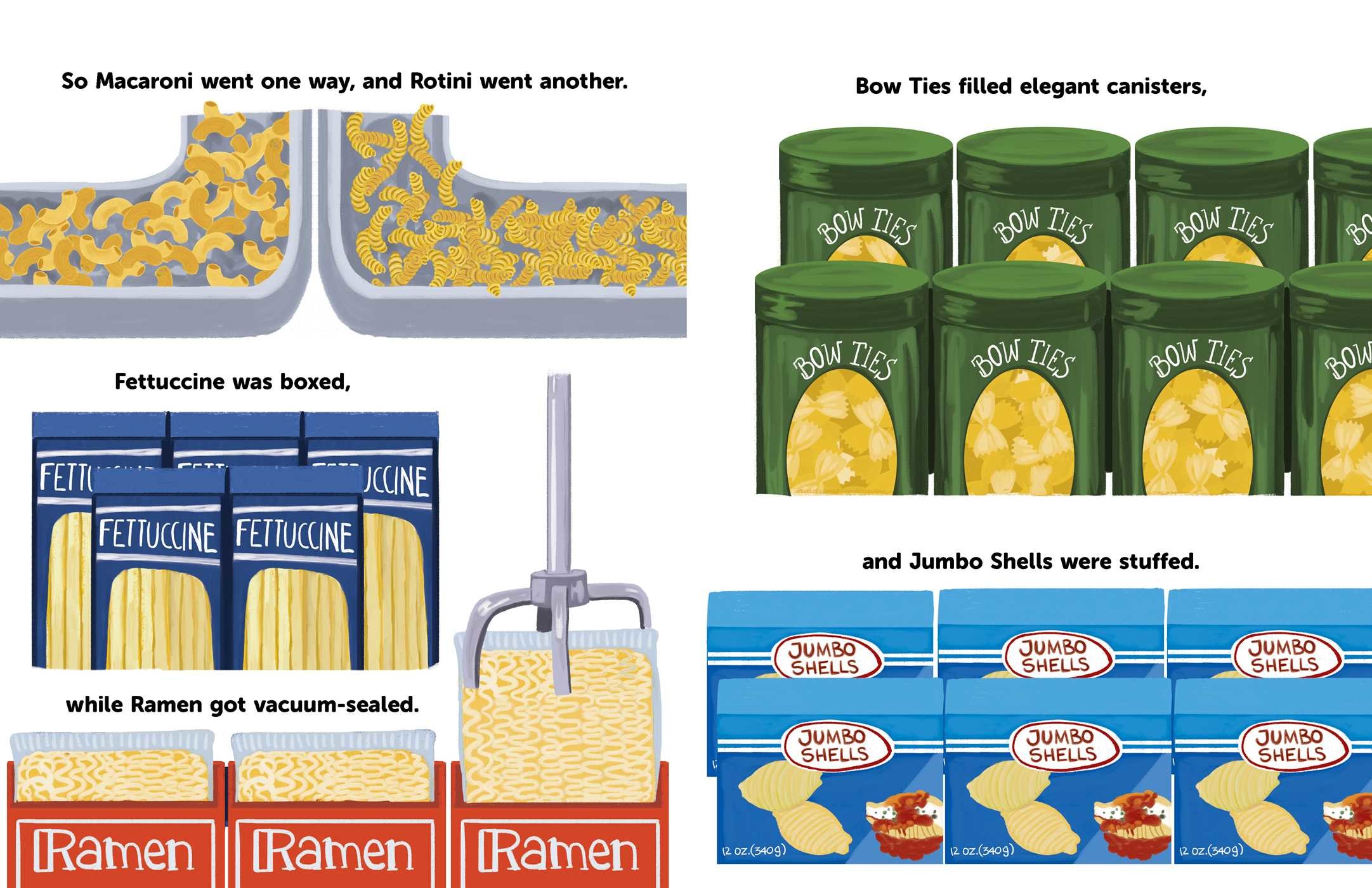
Different types of pasta learn the ugly truth about where they really go once they leave in those cute little packages, and take action in this hilarious story.  Pasta followed the rules: they stuck to their own kind; they stayed still in their packaging, and they NEVER spoke to humans. They thought they were bound for a better place; a happy, carefree existence, until the fettuccine overhears some factory workers talking about how hungry they are… *needle scratch* and what they plan to eat. Fettucine panics, and the rest of the pasta gets ready for action: Bow Tie tries to stay logical; Ramen is ready to rumble; elbow-shaped Mac just wants everyone to chill. Together, the different pasta types come together to carry out the greatest escape in pasta history.

This book is a current favorite at home because it’s so funny. The pastas have their own personalities, some of which tie into their shapes, like the professorial Bow Tie. My favorite is Mac, the elbow pasta who has a total New Age look on life and envisions himself by the water, doing some yoga. It’s a fun adventure story; pure escapism and laughs, with a Menu – sorry! I mean, Guide to Pasta Shapes – at the end. The art is vibrant and bright, and the endpapers sports different types of pasta in the front, and a boxed spaghetti-look at the back.

I pair this one with an oldie but goodie, Food Fight! by Carol Diggory Shields/Illustrated by Doreen Gay-Kassel, for a fun food storytime. You can read Tomie dePaola’s Strega Nona for a story about pasta that gets out of control, and pasta necklaces are perfect for a craft pairing. Ask your kiddos what types of pasta they recognize in the book, and see what you’ve got in the house to identify.

Miranda Paul is an award-winning author who has a great author website where you can find resources, including downloadable teacher guides to her books (and a blobfish coloring sheet!!!) and videos. She’s also the chair of the We Need Diverse Books Mentorship Committee. You can find more of illustrator Javier Joaquin’s illustrations at his website, including a section of his children’s book work, where you can filter by subject or style to see everything from nonfiction to board books to classics and more.

Posted in Fantasy, Fiction, Middle Grade, Science Fiction, Tween Reads

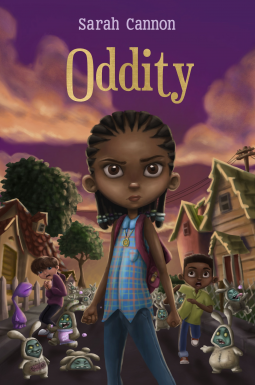
Nightvale for tweens: Welcome to Oddity

Oddity, by Sarah Cannon, (Nov. 2017, Macmillan), $16.99, ISBN: 9781250123282

Recommended for readers 10-13

A desert town where zombie rabbits roam freely, and a vague, yet menacing, government agency holds sway over the populace… Welcome to Oddity (said in Cecil’s Welcome to Nightvale voice). Okay, here’s the scoop: Ada is an 11 year-old rebel who loves to push the boundaries in her New Mexico hometown, Oddity. She’s flanked by her best friend, Raymond, and the new kid in town, Cayden; Cayden, who comes from Chicago and just wants to go back to normalcy, which Ada finds incredibly boring. After all, does Chicago come with a Blurmonster? Or zombie rabbits who fiend on marshmallows and play Punkball games with the aliens hanging around town? But see, Ada’s got some issues. Pearl, her twin sister, won the town’s annual Sweepstakes last year, and hasn’t been heard from since. Her mother’s all but withdrawn from life and her father buries himself in work, which leaves her aunt – who puts up with no foolishness – in charge. Ada and her friends are Nopesers (think Snopes, but with more danger) and go on the sneak to solve Oddity’s various mysteries, but when one sneak goes haywire, Ada finds something off about the Sweepstakes… one thing leads to another, and just like that, Ada’s leading a resistance and demanding to find out the truth about Pearl and about Oddity.

I LOVED this book. I love the Welcome to Nightvale podcast, and this book could be an episode on its own. Ada is a brilliant role model: smart, spunky, and willing to stand up for what’s right. She’s a child of color who takes pride in her braids, leading to a giggle-worthy moment when she crosses her aunt. Raymond is a Latinx character with two moms, one of whom he refers to as “jefa” – The Boss. I love the world Sarah Cannon’s created with Oddity: even seemingly peripheral characters leap off the page, coming to life as sentient mannequins and misunderstood monsters. There are countless great moments in this book, giving you endless amounts of talking points for a discussion (or writing exercises, for the English teachers in my life).

Do yourself a favor and pick up Oddity, and (for grownups and teens) check out the Welcome to Nightvale podcast. You know Tamika Flynn and Ada would be best friends.

Posted in Fantasy, Fiction, Graphic Novels, Tween Reads

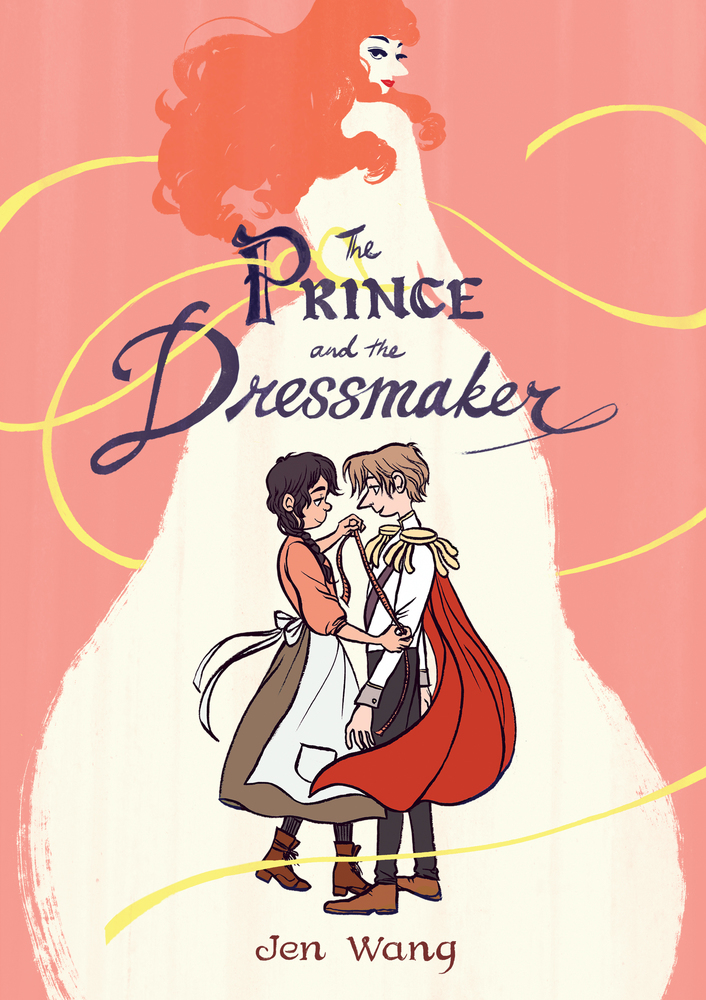
Fantastic Fairy Tale: The Prince and The Dressmaker

The Prince and the Dressmaker, by Jen Wang, (Feb. 2018, First Second), $16.99, ISBN: 9781626723634

Recommended for readers 10+

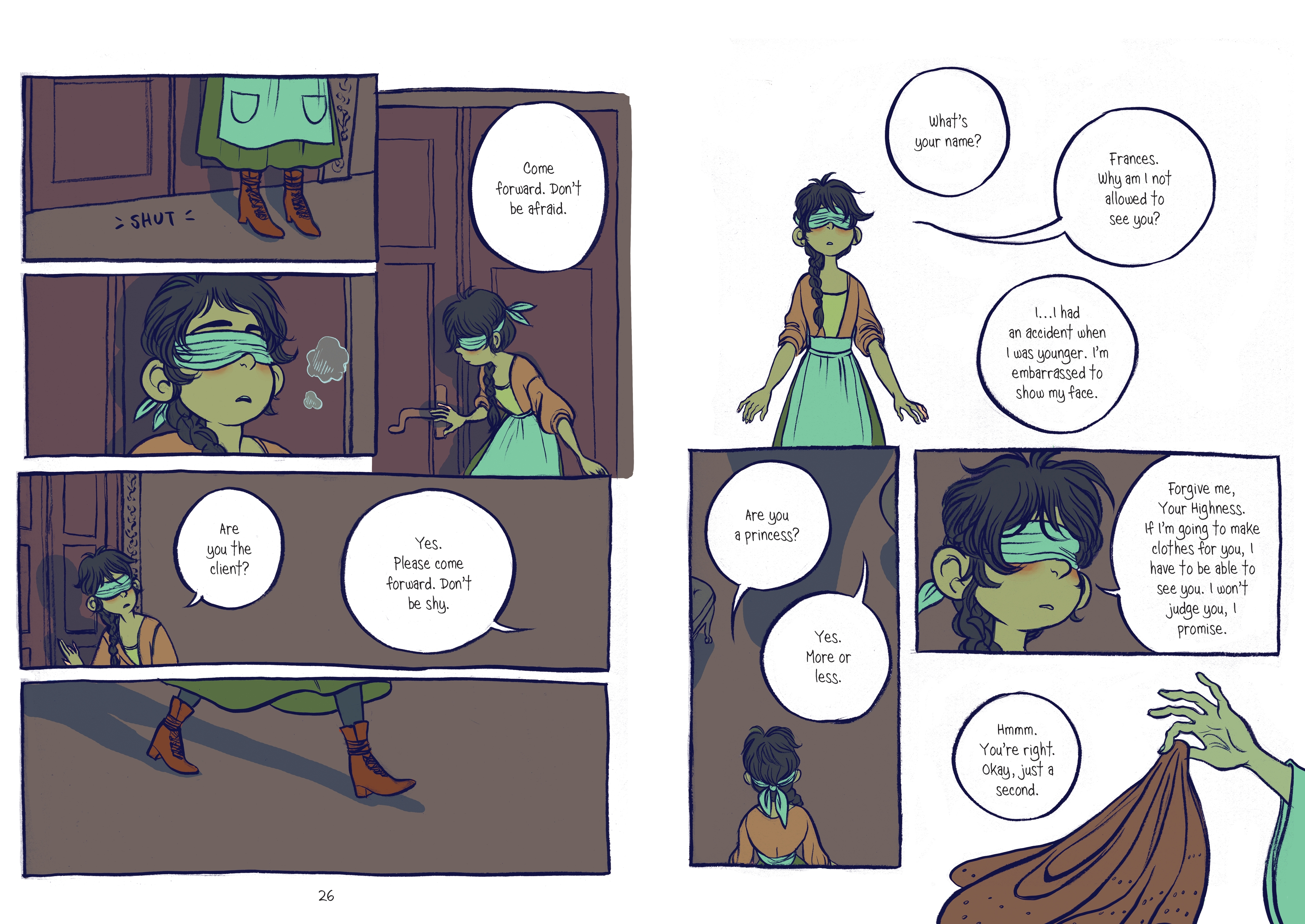
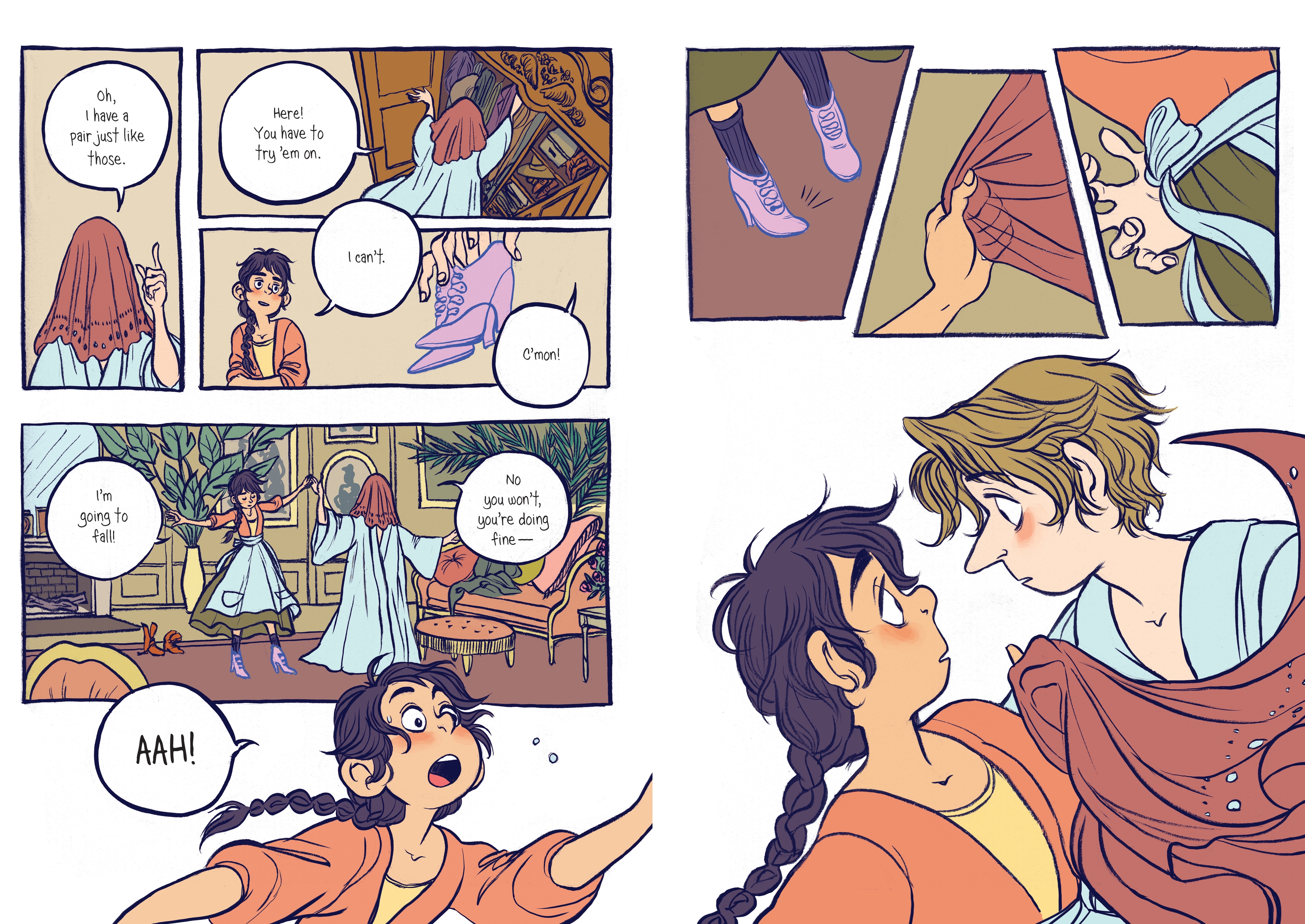
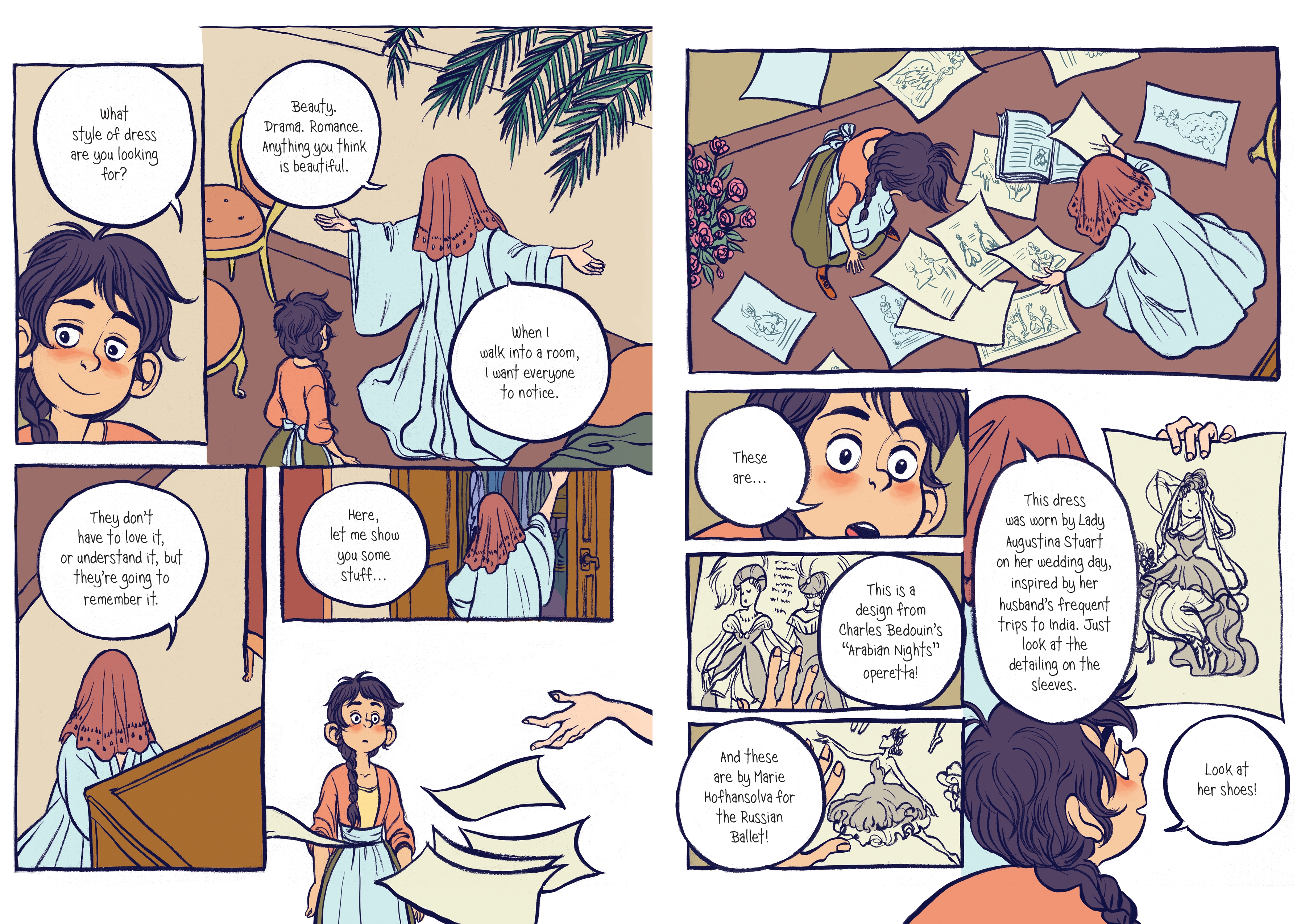
In a Parisian town, during what looks like a Renaissance period, Frances is a brilliant dressmaker who slaves away in drudgery until she’s hired to work for the crown prince, Sebastian. It’s only when Frances arrives at the palace does she realize that Sebastian has a secret: he loves to wear extravagant, lavish dresses and go out on the town! Together, he and Frances craft a persona, Lady Crystallia, and hit the streets of Paris together; Lady Crystallia makes a splash on the Paris fashion scene, and Frances finds her talents in demand. But to go public with her talents puts Sebastian’s secret at risk.

This is a great modern fairy tale. It challenges gender identity, it’s got great characters, the art is soft realistic with a touch of the fantastic, and a touch of sweet romance that will make you just sigh, “Aww!” Frances is a lovable character who I felt for, and Sebastian put my emotions through the ringer as he went through his own stress. Each chapter is set off with a dress pattern, keeping readers in the overall story. Give this one to your readers who loved Princess Princess Ever After, your Lumberjanes fans, and anyone who appreciates a good, modern fairy tale.

The Prince and the Dressmaker won’t be out until February, but you can pre-order now (and check out more amazing art).


Posted in Fiction, Middle Grade, Middle School, Realistic Fiction, Tween Reads

Click’d: Coding, apps and friendship drama!

Click’d (Code Girls #1), by Tamara Ireland Stone, (Sept. 2017, Disney-Hyperion), $16.99, ISBN: 9781484784976
Recommended for readers 8-12

Sixth grader Allie Navarro is SO excited about the friendship app she built at CodeGirls summer camp. Click’d collects data about user interests and sends users on a scavenger hunt to find other users with similar interests. It went over big at camp, and now Allie is going to show it to her BFFs at school. She’s also presenting her game at the big Games for Good competition, but she’s going up against her nemesis: Nathan Frederickson, who wins EVERY science fair and drives her crazy.

The app goes over in a big way, but it’s not as great as Allie thought it would be. People are upset about their standings on friendship leaderboards, and a technical glitch ends up embarrassing one of her best friends. Things start spiraling out of Allie’s control; even with Nathan’s help, she’s not sure if she can make things right in time for the competition.

I’m excited about the new coding fiction trend that’s emerging in light of Girls Who Code’s nonfiction/fiction releases! Click’d is great to hand to readers who may be ready to move on from the Girls Who Code series fiction, or readers who may not be ready for Lauren Myracle’s TTYL books just yet. There’s friendship drama for sure, as well as positive messages about resilience and friendship. Each chapter contains screenshots of the Click’d app, adding to the fun; readers can watch Allie’s user count change, and monitor different leaderboards to better envision how the app works (and maybe get some ideas of their own). Tamara Ireland Stone gives us realistic characters and an interesting storyline and builds an extended universe of CodeGirls – girls who all met through a Girls Who Code-type camp – that will work for future novels.

Make sure to check out the Click’d teacher’s guide on the author’s website!

Posted in Fiction, Fiction, Middle Grade, Tween Reads, Young Adult/New Adult

Diversity Reading Challenge 2017 – Checking In

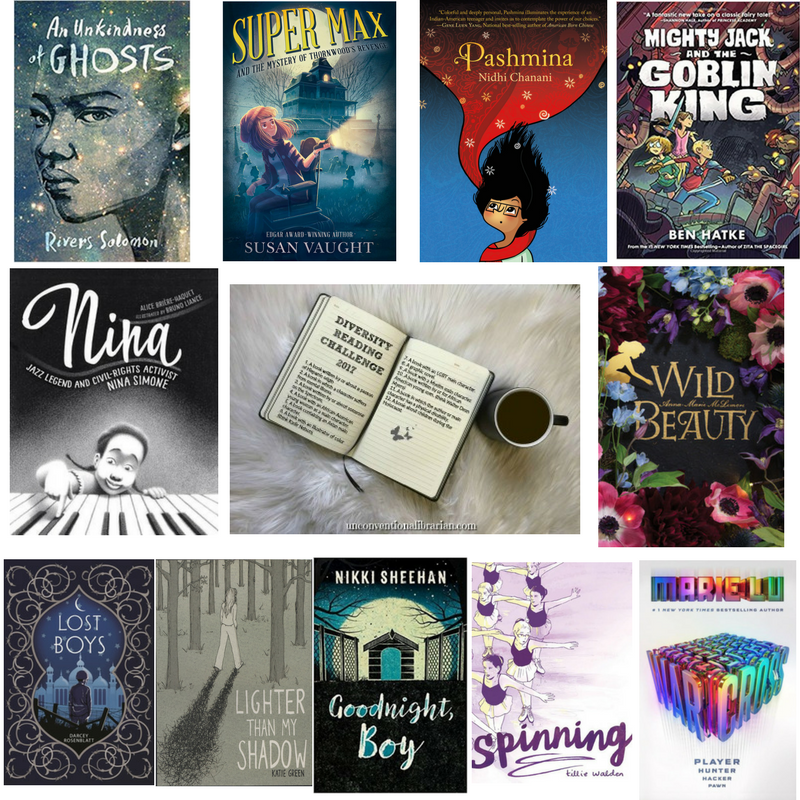
This year, I accepted The Unconventional Librarian’s Diversity Reading Challenge, and I’ve been… okay. Let’s take a look:

(The center Diversity Reading Challenge 2017 graphic is from An Unconventional Librarian’s website.)

Book featuring a Hispanic character – Wild Beauty, by Anna Marie McLemore

Book featuring an LGBTQ character – Spinning, by Tillie Walden

Graphic Novel – Pashmina, by Nidhi Chanani

Book featuring a character with mental illness – Lighter Than My Shadow, by Katie Green

Book featuring an Asian character – Warcross, by Marie Lu

Book by an illustrator of color – Nina: Jazz Legend and Civil Rights Activist Nina Simone, illustrated by Bruno Liance

Book with an African-American young male character – Goodnight, Boy, by Nikki Sheehan

Book with an African-American female character – An Unkindness of Ghosts, by Rivers Solomon

Book with a Muslim character – Lost Boys, by Darcey Rosenblatt

Book with a character on the Autism spectrum – Mighty Jack and the Goblin King, by Ben Hatke

Book featuring a character with a physical disability – Super Max and the Mystery of Thornwood’s Revenge, by Susan Vaught


Don’t get me wrong, I’m happy with my reading, but it could be better. I see little spots where I need to read more deeply. Goodnight, Boy is amazing; brilliantly written, but I should also be reading African-American characters written by African-American characters. I need to finally get Ghost, by Jason Reynolds, off the TBR and on my nightstand, you know? Ditto for my Muslim character choice. I love Lost Boys; it’s a heart-wrenching novel that darn near brings me to tears, but I need to stop saying I want to read Amina’s Voice and just read it. (If you’re struggling to find Muslim authors, by the way, I found a list on GoodReads that may help.)

I am happy that there’s some crossover on the list. I have several graphic novels on the list; while reading graphic novels is never an issue for me, I’m happy to see that the medium is a great place to explore different cultures and identities. Spinning, Lighter Than My Shadow, Pashmina, and Mighty Jack and the Goblin King are all graphic novels; each is its own journey of exploration. Wild Beauty and An Unkindness of Ghosts have female, main characters of color that explore their sexuality.

In sum, I need to read one more book (a Holocaust victim) to complete my challenge. Pragmatic Mom has a list that I think I’ll use as my guide here. Milkweed, by Jerry Spinelli, sounds compelling; it may also be time to to finally pick up Jane Yolen’s Devil’s Arithmetic.  I’ll keep you posted. In the meantime, thanks to Pam at Unconventional Librarian for keeping me honest.