Posted in Fiction, Realistic Fiction, Teen, Young Adult/New Adult

Get ready to SLAY!

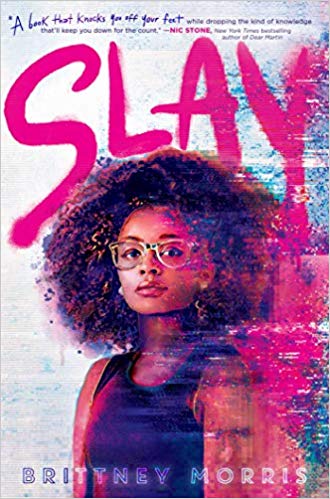
Slay, by Brittney Morris, (Sept. 2019, Simon Pulse), $18.99, ISBN: 978-1534445420

Ages 12+

This is one of the most buzzed-about YA books of the year, and with excellent reason. Slay is phenomenal.

Keira Johnson is a 17-year-old high school senior, math tutor, and one of a small handful of students of color at her high school, Jefferson Academy. Keira is at her happiest, though, when she steps into her character, Emerald, in the VR game she created: Slay. Slay is at once a competitive game and celebration of black culture, with hundreds of thousands of players. Slay lets black players inhabit a world where they don’t need to be a spokesperson for their race; they don’t need to code-switch to move in a white world; they can be, together, while competing in arenas and using cards that praise and elevate notable black men and women throughout history, and touchstones – both weighty and humorous – without having to explain or defend their meaning. Keira can’t let anyone know she’s the one behind Slay, though – her boyfriend, Malcolm, thinks video games are a way to keep young black men and women distracted and off balance, and she worries that her parents wouldn’t approve. But when a Slay-er is murdered over a Slay coin dispute, Keira finds her game the target of the media, who wants to call out the game and its creator as racist, and a dangerous troll, who threatens to take Keira to court for discrimination.

Slay is just brilliant writing. Gamers will love it for the gameplay and the fast-paced gaming action. The writing is sharp, with witty moments and thought-provoking ideas, including how a game can unite a community on a worldwide basis. Told mostly through Keira’s point of view, chapters also switch up to introduce readers to people affected by Slay, including a professor in his 30s and a closeted player living in potentially unsafe circumstances. There’s a strong thread of white deafness here, too – how white friends can ask things like, “Should I get dreadlocks?”, or provoke their “black friend” into speaking for the POC community to get the “different” point of view. Keira and her sister, Steph, come from a solid family, and Keira’s boyfriend, Malcolm, who wants black men and women to rise up together, but whose more radical worldview conflicts with many of Keira’s ideals.

Breathtaking characters that live off the page and in the imagination, fast-paced dialogue and a plot that just won’t quit make Slay required reading for upper tweens, teens, and adults alike. Give Slay all the awards, please.

Slay isn’t out until September, but you can catch an excerpt here at EW’s website. Bustle has a great piece on Slay and another excerpt, if you’re dying for more. Publisher’s Weekly has an article about Black Panther‘s influence on author Brittney Morris, which comes through in a big way through the pages of Slay, and the Slay website has sample cards from the game that you’ll love.


Posted in Fiction, Middle Grade, Realistic Fiction

The Great TBR Read-Down Continues: Squint and Pie in the Sky

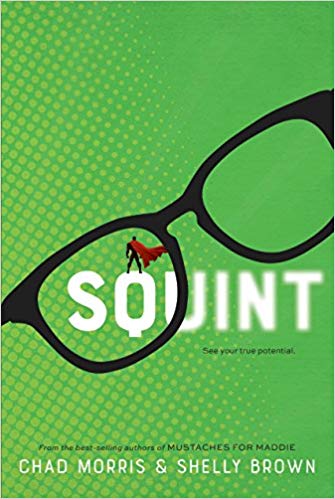
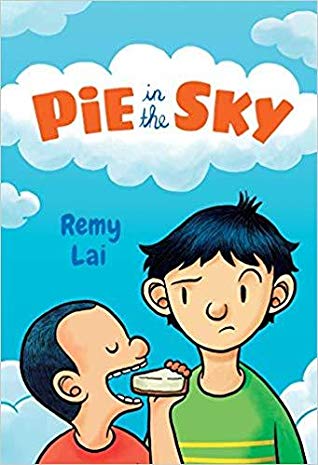
My middle grade TBR read-down continues with two more great books, both realistic fiction: Squint, by Chad Morris and Shelly Brown, the duo that gave us Mustaches for Maddie; and Pie in the Sky, by Remy Lai. Let’s dive in!


Squint, by Chad Morris & Shelly Brown, (Oct. 2018, Shadow Mountain Publishers), $16.99, ISBN: 978-1629724850

Ages 9-13

Flint is a middle schooler who loves to draw and loves superheroes. He’s creating a comic starring his kinda sorta superhero alter ego, Squint, who fights the villains who used to be his buddies, with the help of his rock dog. Flint’s been nicknamed Squint by his former best friend, because he has keratoconus, an eye disease that could leave him blind. Raised by his grandparents, Squint copes with his frustration through his comic, but when he meets McKell – a Filipina with a terminally ill brother who puts up YouTube challenges, daring others to live the life that he can’t – he may just have made a real friend again, after all.

Squint is a beautifully written book of grief, loss, and coping. It’s as much McKell’s story as it is Flint’s, and Chad Morris and Shelly Brown have created another sensitive, compelling story about kids coping with illness, and about the adults who are there to shepherd these kids through the heavy stuff. Flint’s grandparents have had to raise their grandson because their daughter couldn’t; they’ve given Flint the best they could with what they’ve had, and they’ve been the ones to see him through the multiple doctor appointments, and, now, surgery. McKell’s parents are working through grief and loss, and sometimes, that takes a toll on their daughter. Flint and McKell find in each other someone who may not understand, but who gets it, if that makes sense. They push each other to be their best, and when they combine their talents – Flint, with his art, and McKell, with her rhyming and songwriting – they shine.

Squint is a great addition to your middle grade fiction collections. It’s got realistic characters with strong backstories, and deals with real world issues like abandonment, grief, loss, illness, and navigating the aggravations of middle school.


Pie in the Sky, by Remy Lai, (May 2019, Henry Holt & Co), $21.99, ISBN: 978-1-250-31410-9

Ages 8-12

Twelve-year-old Jingwen, his younger brother, Yanghao, and his mother leave China for Australia, but this wasn’t the original plan. They were supposed to move to Australia with Jingwen’s and Yanghao’s father, so he could open his dream bakery, Pie in the Sky. But Jingwen’s father died in a car accident almost two years ago, and Jingwen is wracked with guilt over events leading up to his father’s death. When they arrive in Australia, he feels like everyone around him is speaking Martian, but that he’s the alien – especially with little Yanghao seems to fit right in, quickly learning English and making friends. To deal with his grief and his frustration with his new life in Australia, Jingwen decides he’s going to make all the cakes he and his father talked about making for Pie in the Sky. Yanghao is only too happy to have cake every night, and Jingwen sets to work while his mother works. After all, cake makes everything better, right?

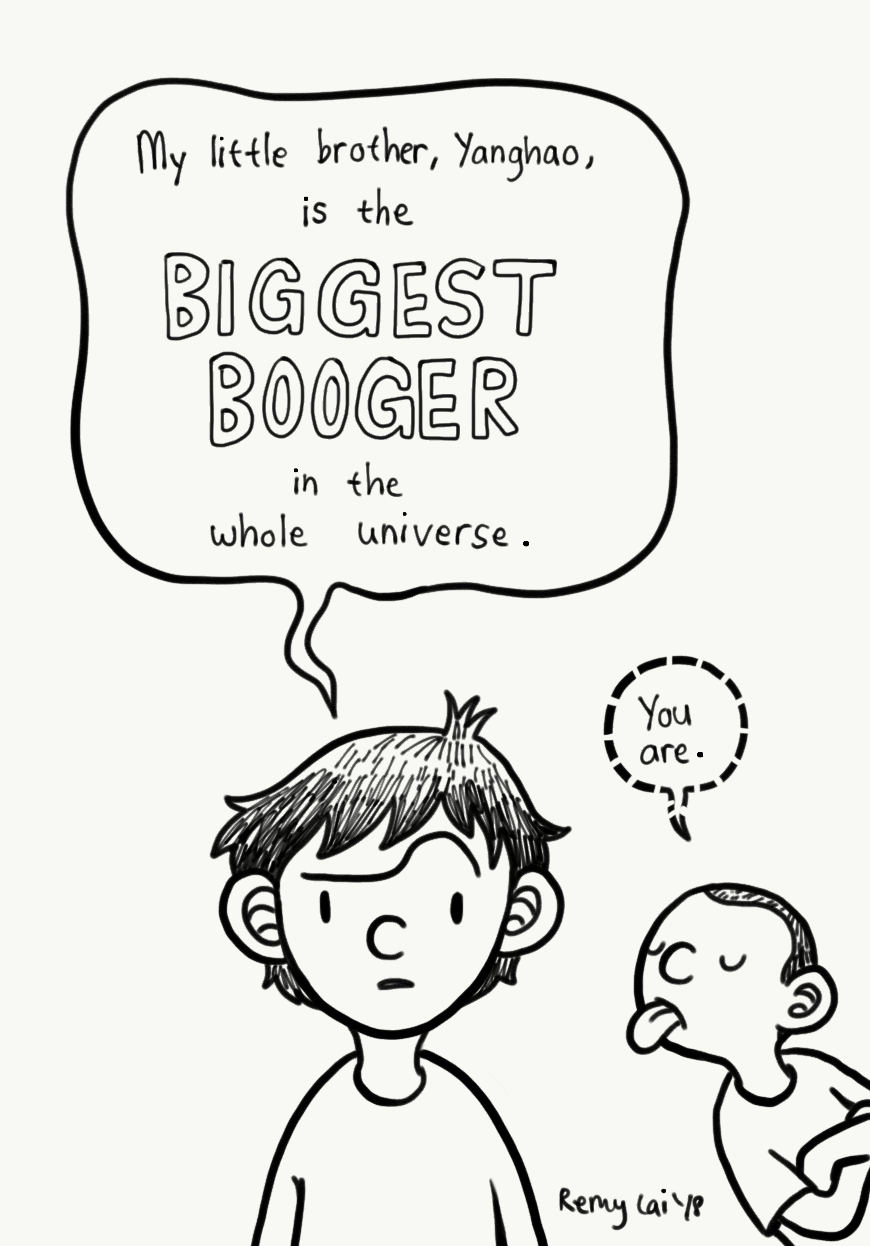
I LOVED Pie in the Sky. It’s a graphic novel within a novel, with 2-color illustrations on almost every page, that keep the action moving and keep readers invested in the story. When Jingwen tells readers he feels like an alien, we see that he’s an alien! He’s drawn as an alien for every time someone can’t understand him; on the occasions where he successfully speaks a word or two of English, a fourth eye will disappear, or something else will make him slightly more human. But all around him, people speaking English – including his brother and mother – may as well be an alien language, something we see as Remy Lai brilliantly illustrates a single word here and there, surrounded by alien glyphs in speech bubbles. Remy Lai creates a moving story about a family working through grief and loss, but each seem to be in isolation, when they need to come together to move on. Jingwen’s fear and frustration at being in a new country, speaking an unfamiliar language, comes across through prose and illustration, making him even more likable and empathetic. Jingwen and Yanghao have an realistic sibling relationship, with ups and downs, general silliness, and the love the always manages to shine through. Kids will love how they call each other – and anyone who annoys them, really – a “booger”.  Pie in the Sky works as a humorous and touching look at a family working their way through a tragedy. The tasty recipe at the end encourages families to bake together – because cake really does make everything better.

Pie in the Sky has a starred review from Kirkus.

Posted in Fantasy, Fiction, Middle Grade

The Root of Magic: Fantasy middle grade and a giveaway!

The Root of Magic, by Kathleen Benner Duble, (June 2019, Delacorte Books for Young Readers), $16.99, ISBN: 978-0525578505

Ages 9-13

Twelve-year-old Willow, her mother, and younger brother, called Wisp, are lucky when they survive a car crash while driving home in a snowstorm. They’re luckier when a couple happen to be out on the road to pull them out of their car and bring them to a B&B in the town of Kismet, Maine, to ride out the snowstorm. Willow starts noticing that the people in Kismet are different: sure, they’re friendly, but they have some secrets. And what’s up with always seeming to know when someone is at the door, or what someone’s dinner order is, before things even happen? Willow is busy trying to navigate her overprotective mother, her sick brother, Wisp, and her crush on one of the local boys, but Kismet’s secrets are seductive, and her mother seems to be drawn in.

The Root of Magic pulled right RIGHT in. It’s kind of an M. Night Shyamalan’s The Village, with a dash of Invasion of the Body Snatchers thrown in, and Kathleen Benner Duble creates a small, supernatural tale with just enough creeping discomfort to keep readers riveted. She’s got great world-building here; she creates a small, almost claustrophobic town where Willow and her family are the clear outsiders, and adds elements with each chapter that tease readers, tempt readers, into pushing further to find out exactly what Kismet’s deal is. The climax had me sitting straight up in bed, insisting on reading the last few chapters, before I turned the lights out, because I wasn’t going to be able to rest until I had it all sorted.

The Root of Magic is great summer reading for your fantasy and your mystery readers. And, in this 90-degree weather, who doesn’t want to read about snow and ice skating?

Kathleen Benner Duble is a critically acclaimed and award-winning author of many historical novels for children. Her books include Phantoms of the Snow, The Sacrifice, and Quest. She lives in Massachusetts with her husband. Visit her at www.kathleenduble.com and find her recipe for Kismet Blueberry Pie and a free, downloadable discussion guide. You can also find her on Twitter: @KathleenDuble and Instagram: @kathleenbduble.

Want a chance at winning your own copy of The Root of Magic? Check out this Rafflecopter giveaway!

Posted in Fantasy, Graphic Novels, Non-Fiction, Teen, Tween Reads, Young Adult/New Adult

July graphic novels: A Hawking bio and a witchy middle grade noir

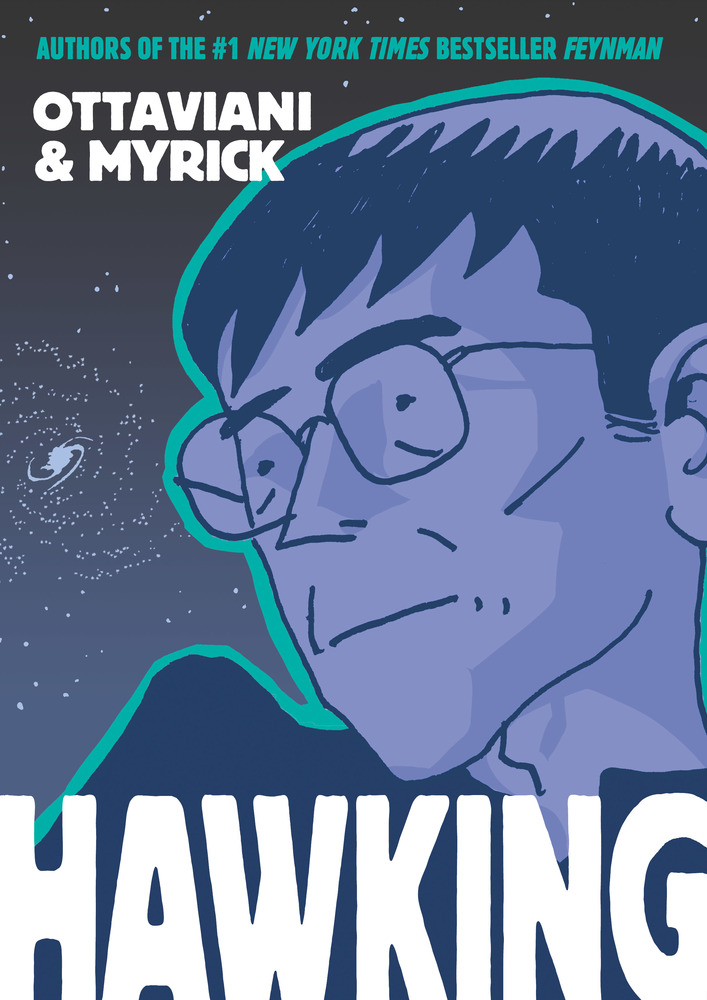
Hawking, by Jim Ottaviani/Illustrated by Leland Myrick, (July 2019, First Second), $29.99, ISBN: 9781626720251

Ages 12+

If your science and biography sections don’t have an Ottaviani/Myrick section yet, you may want to get to work on that. This is the second collaboration the two have worked on; the first being Feynman, a graphic biography on physicist and Nobel laureate Richard Feynman.

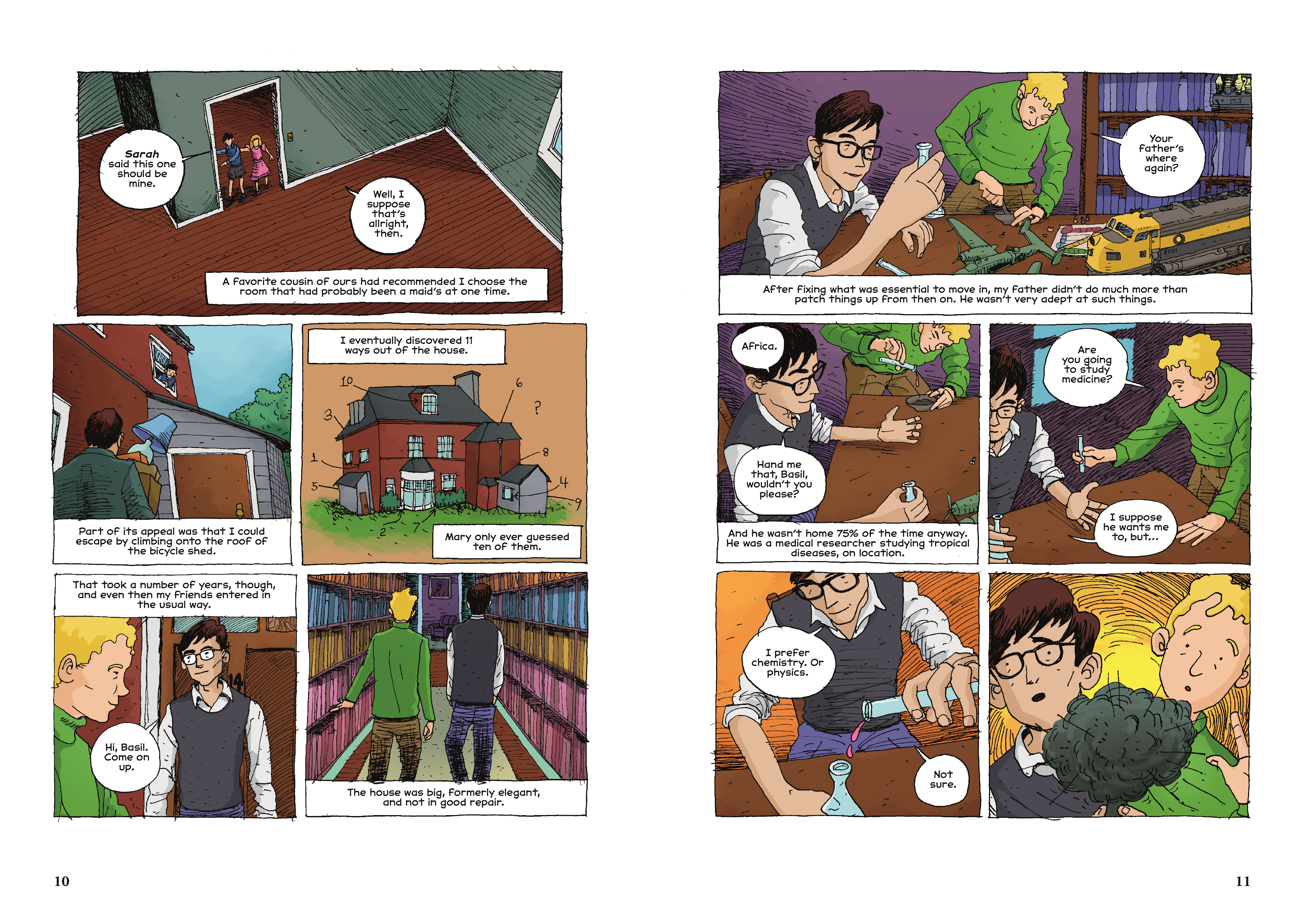
Hawking is in parts biography and science comic for teens and adults, moving easily back and forth between Stephen Hawking’s life story and explanations of physics, black holes, and the universe at large. The story begins with Hawking’s birth, 300 days to the day after Galileo’s death, wanders through his early adolescence as a teen who speaks “Hawkingese” and appears socially awkward; his marriage to Jane Hawking and his diagnosis with motor neurone disease, also known as ALS; his research and ultimate pop culture fame, and his later years, second marriage, and the degenerative path of his disease. First and foremost, this is a story about science; there are pages devoted to discussions between defining voices, including Newton, Faraday, and Einstein, about cosmology, light, and gravity. Jim Ottaviani captures Hawking’s voice – the graphic novel is narrated by a fictional Hawking – and shows up a glimpse of the man behind the legend. Award-winning illustrator Leland Myrick‘s artwork is unfussy, providing scientific sketches as easily as he captures Stephen Hawking’s wry smirk and his ability to disappear into a cloud of physics, even in a crowded room. The end of Hawking’s story will catch readers right in the feelings – I choked up a bit. An author’s note discusses how graphic novels are a good medium for narrative nonfiction, and I couldn’t agree more. Jim Ottaviani is an New York Times-bestselling author whose graphic biographies also include The Imitation Game (Alan Turing) and Primates (Jane Goodall, Dian Fossey, and Biruté Galdikas), so the man knows how to plot out a graphic biography. There is a nice list of references that will give interested readers even more material to look through.

I love graphic novel bios – they’re a great way to get tweens, teens, and adults interested in reading biographies, and the graphic medium allows for great explanations of topics that may be difficult in solid print (like physics!). If you have readers who have aged up from Science Comics, hand them Hawking. A definite must-add to your (growing!) graphic novel biographies.


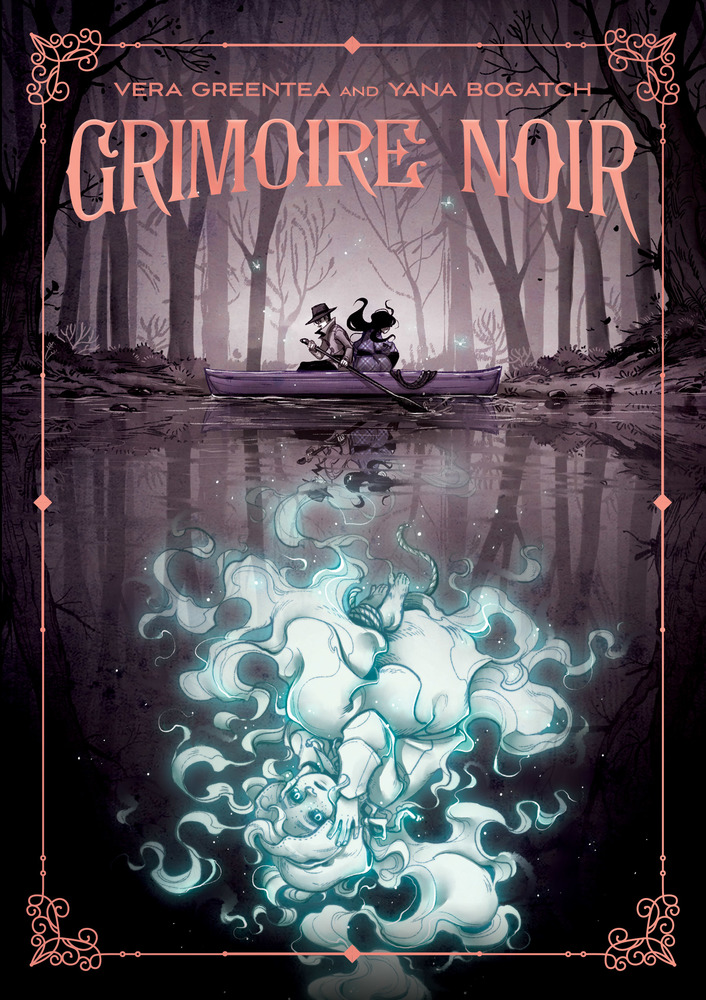
Grimoire Noir, by Vera Greentea/Illustrated by Yana Bogatch, (July 2019, First Second), $17.99, ISBN: 9781626725980

Ages 12+

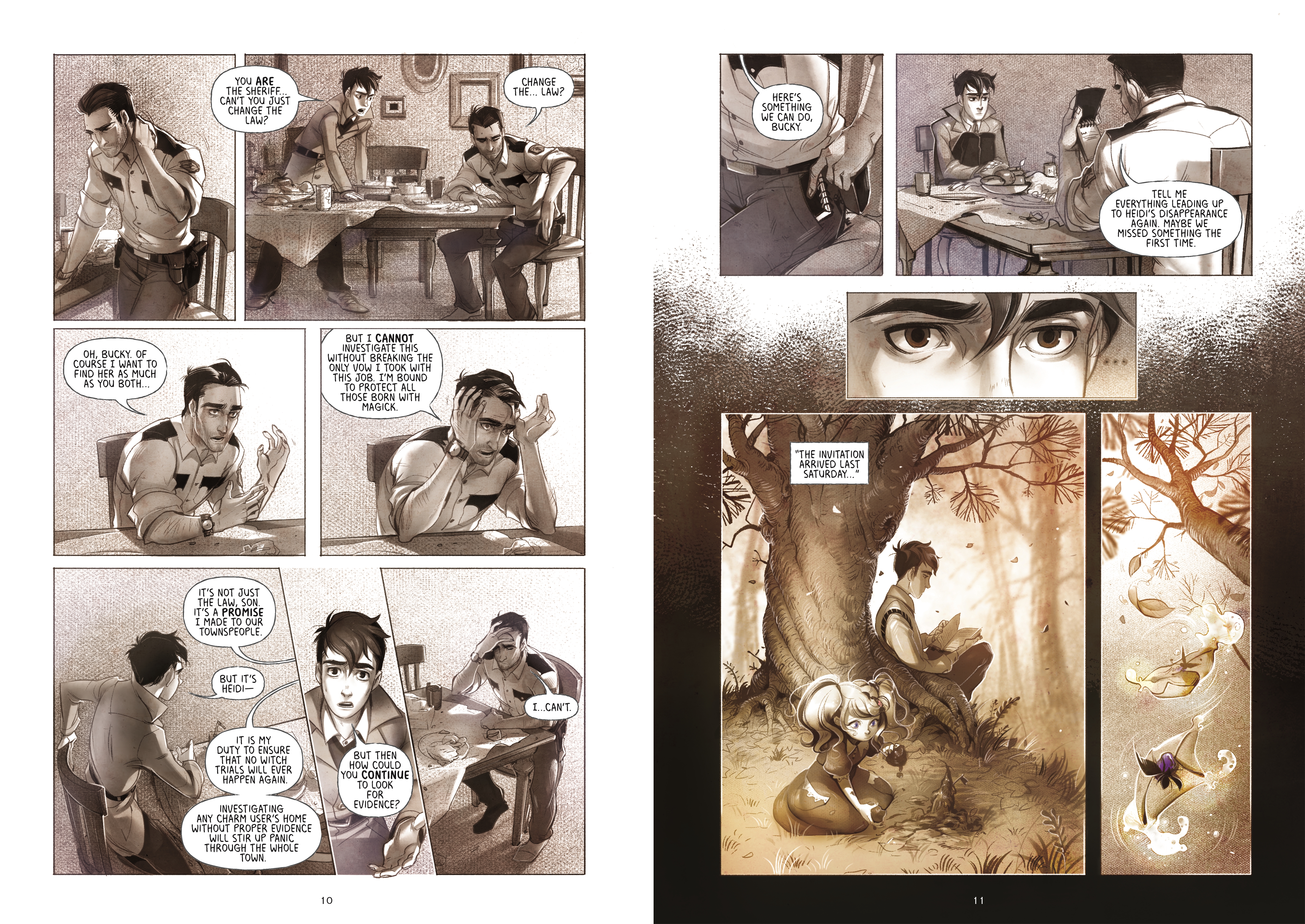
This beautifully illustrated graphic novel has a few plots going on at once: set in a town called Blackwell, where all the girls are witches, a teen named Bucky yearns for power of his own – despite the fact that no witch can leave the town. Ever. Bucky’s younger sister, Heidi, is kidnapped, and Bucky joins forces with his estranged friend, a teen girl named Chamomile, to look for her. Within this main story are threads of other plots; the hostility Chamomile’s father, Blackwell’s deputy, has toward Bucky (who also happens to be the sheriff’s son); a coven of Mean Girls/The Craft witches called The Crows, who want to set plans in motion that will set them free to leave Blackwell, and a ghost of the very first witch, a child named Griselda, whose death at the hands of witch hunters set the curse on Blackwell’s daughters into motion.

The storyline has moments where the storyline becomes confusing to follow, but has some touching relationship bits that I’d like to have seen more about. The relationship between Chamomile and her father runs deep, and we only get a surface glimpse, for instance. Will we get more Blackwell stories from Vera Greentea and Yana Bogatch? We can sure hope so; I think there’s a lot more to tell in a town with a history like theirs. Tween and young teens will enjoy this human, paranormal tale with a twist.


Posted in Fantasy, Science Fiction, Teen, Young Adult/New Adult

LOKI YA IS HERE!

Loki: Where Mischief Lies, by Mackenzi Lee, (Sept. 2019, Disney Book Group), $17.99, ISBN: 9781368022262

Ages 12+

Disclaimer: I am a rabid Marvel and Loki fangirl. When I heard that Loki was getting his own YA novel, I shrieked just a little bit, and camped out on NetGalley and Edelweiss until the DRC gloriously appeared. In short, I’ve been really, really, flipping excited for this book! So let’s get the show on the road.

Loki is Thor’s younger brother, and still hoping that his father, Odin, will see that he’s just as capable of heroism – and possibly, the throne of Asgard – as his older, golden brother. He and his best friend, the sorceress-in-training Amora, find themselves in deep trouble when they accidentally destroy a powerful artifact. Amora takes the blame for Loki and finds herself banished to Earth; essentially a death sentence for a magical being, because her powers will wither and die slowly. Fast forward some years later, and Loki is sent to Earth to investigate a series of murders in Victorian London. He joins forces with a watchdog organization that believes otherworldly magic is involved in the murders. Dare Loki hope that Amora is still alive and in London? And if she is… is she connected to the murders? Our (well, my) favorite son of Asgard is at a crossroads in this first adventure.

I thoroughly enjoyed Where Mischief Lies. Mackenzi Lee has given us a delightful mix of Marvel/Tom Hiddleston Loki with a sprinkling of gender-fluid Norse myth Loki. He prefers high-heeled boots, sees Midgardian (Earth) society and its concern with binary sexuality and relationships ridiculous, and he’s got a wonderfully snarky way of interacting with people, especially those he sees as below him, which is… basically, everyone. He is also a vulnerable, often fragile, young man coming into his powers and frustrated by the lack of attention from his father, who prizes only traditional masculinity and strength rather than magic and wisdom. You can see Loki’s trajectory from this story to Earth’s favorite villain in years to come.

The writing is page-turning, with witty dialogue, a creepy whodunit, and slow-burn heartache throughout. My head spun a little bit as I tried to connect the dots from myth Loki to present-day Loki (What about Sigyn? His monstrous children? That whole situation with the cave and the venom?), but Mackenzi Lee deftly maneuvers around these questions with an interesting explanation that works for me.

I’m a fan of Mackenzi Lee’s God of Mischief. I’m looking forward to seeing who else she takes on in the Marvel Universe. A solid must-add to collections.

Posted in Animal Fiction, picture books, Preschool Reads

Picture Book Roundup: Cats and Dogs, Bears, Birds, and Dinosaurs!

I’m still going through my BookExpo bags (okay, I’ve moved them from one area of my room to another), but in the meantime, I’ve got picture books to talk about! Some are available, some are up-and-coming, all are a pleasure to read. Let’s take a look at what’s good!

SumoKitty, by David Biedrzycki, (Aug. 2019, Charlesbridge), $18.99, ISBN: 9781580896825

Ages 5-9

A stray cat hangs around a sumo training center, hoping for some food. He’s about to be thrown out by the manager when one of the sumo shrieks: a mouse! Looks like the kitty has a new job and a new home, which he quickly becomes accustomed to. But the good life makes him lose his edge: he’s gained weight and the mice come back with a vengeance. Tossed back out into nature, Kumo, a kind sumo, lets the cat back in, but levels with him: the mice have humbled the cat like the sumo’s main opponent, the yokozuna, has humbled him. From there, SumoKitty starts a faithful training routine, inspired by Kuna’s disciplined regiment. When a mouse dares show up in the dojo next time, SumoKitty is there, pushing and tossing the mouse and his friends around until they clear out for good. He’s rewarded by not only being welcomed back to the dojo, but he’s given a sweet topknot haircut, too. He also gets a front row seat at the next sumo tournament, where he watches his friend Kumo face his own demons and takes on his longtime opponent.

A sweet story about overcoming challenges, SumoKitty is loaded with Japanese sumo terms and wise observations like “Fall down seven times; get up eight” and “Even monkeys fall from trees”. Adorable SumoKitty is cartoonish with large, expressive eyes and exaggerated facial expressions, while the sumo artwork appears inspired by Japanese woodblock paintings. The black and white endpapers give readers a before-and-after glimpse into the story, with a mouse running in a Zen garden as someone maintains the area; later, SumoKitty is fast asleep on a rock in the same Zen garden, no maintainer, and no mouse present. It’s a sweet peek into sumo culture and an all-around fun read. Jon J. Muth’s Zen Shorts, Zen Ties, and Zen Happiness are nice readalikes to SumoKitty; for a good giggle and a more madcap take on sumo, you can’t go wrong with David Wisniewski’s Sumo Mouse, which has been a favorite in my home since my eldest (now 20) was in Kindergarten and continues to be required reading with my first grader.

 

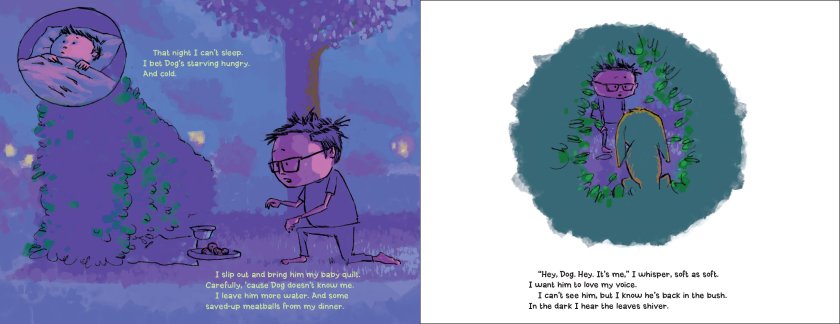
Hey, Dog, by Tony Johnson/Illustrated by Jonathan Nelson, (June 2019, Charlesbridge), $16.99, ISBN: 9781580898775

Ages 4-8

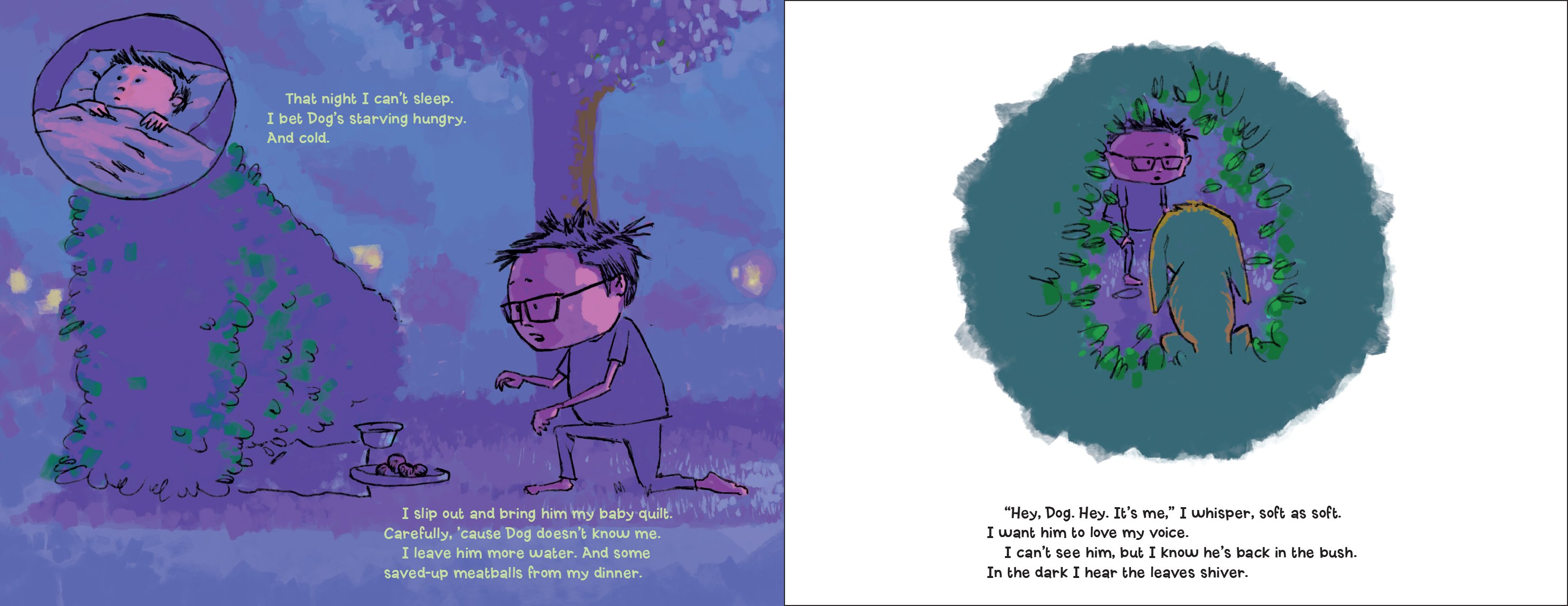
A boy finds a dog hiding in a bush. The dog is afraid, runs, but the boy returns, time and again, to care for the dog, leaving him food, water, even an umbrella propped up to cover him in the rain. The boy confides in his mother that the dog is skinny and has scars; he refuses to give up on Dog, determined if not to earn his trust, then to care for him.

Hey, Dog crushed me. It’s just gorgeous writing that packs an emotional punch. The boy’s relationship with his mother, who is nervous – her son is trying to care for a strange dog that could very well bite him, right? – but supports her empathetic child, helping him in any way she can and the boy’s quiet resilience in the face of Dog’s fear and mistrust will make you have hope for people after all. The boy is written so wonderfully, whether he’s asking a shopkeeper if his dog food “is the most luscious” or when he drops to his knees, tears “warming his face”, as he tries to comprehend how anyone could have it in them to hurt an animal. Dog is illustrated to provoke another emotional gut punch; his cringing and reticence come through so viscerally, it’ll bring tears to your eyes. Seeing this poor pup, single paw raised, ribs poking through his coat, and trusting once more to lick the boy’s hand make this story a powerful, must-have book for you collection. Read this, hand this to kids, talk about the need for empathy in our world.
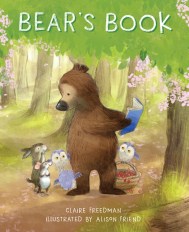


Bear’s Book, by Claire Freedman/Illustrated by Alison Friend, (May 2019, Templar Books), $16.99, ISBN: 9781536205718

Ages 4-8

Bear loves to read, but his favorite book of stories has been read to bits! He decides to create his own story, but holy writer’s block, he can’t think of anything! He decides to go for a stroll and see if inspiration hits, and meets several friends along the way. When he returns home and goes over his day, he realizes that the best inspiration comes from one’s own adventures!

This is an adorable story of inspiration and friendship, and fits nicely with Small Moments writing prompts. Bear’s adventure is a series of small moments, pulled together to create a lovely adventure. He’s inspired by his friends, and they have all enjoyed their friend’s company for a day. A fold-out spread publishes Bear’s story for his friends – and our – enjoyment. Mixed media illustrations are gently rendered with soft earth tones.  This one is a sweet storytime pick, and good inspiration for a Summer Reading creative writing program.


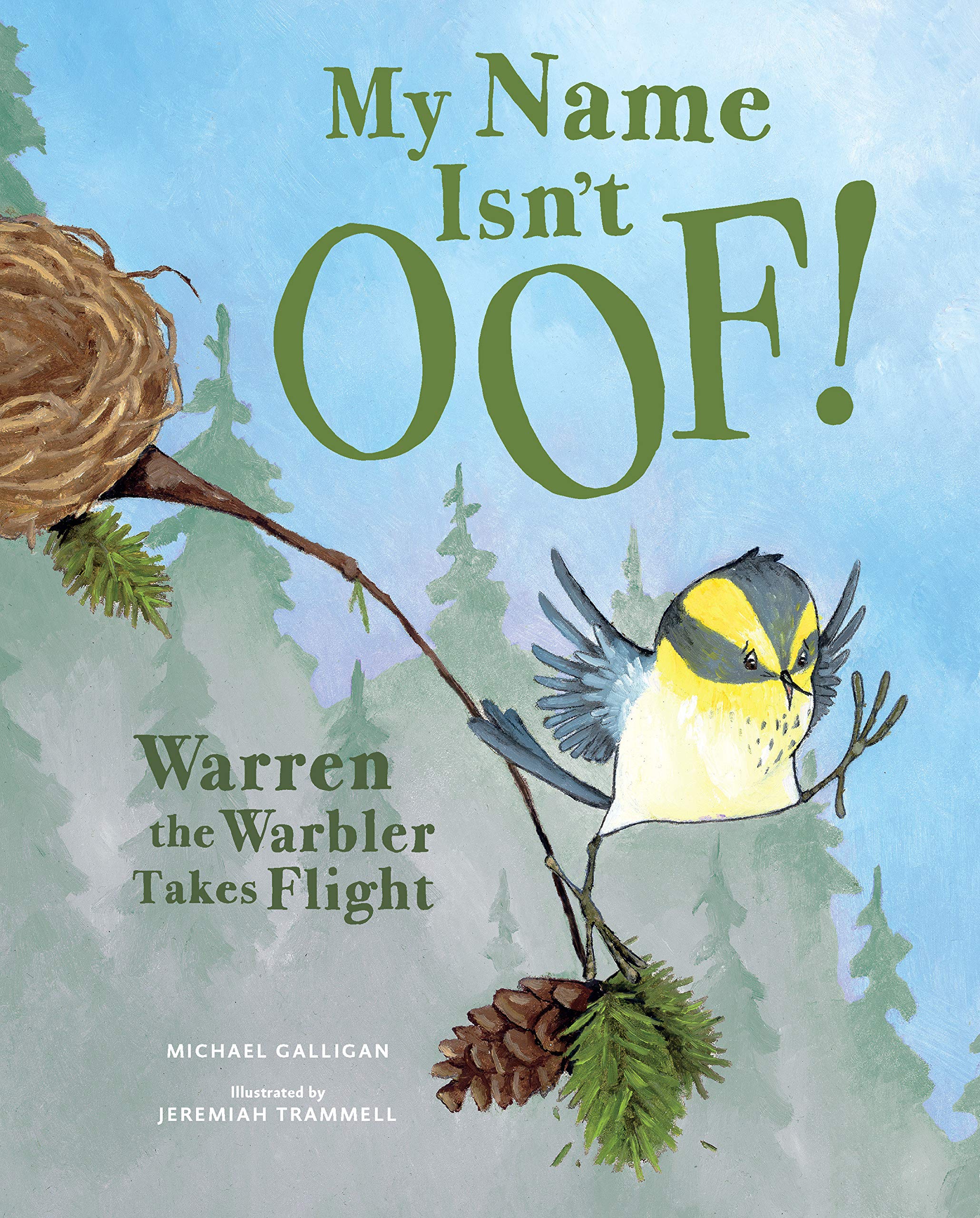
My Name Isn’t Oof!: Warren the Warbler Takes Flight, by Michael Galligan/Illustrated by Jeremiah Tramell, (May 2019, Little Bigfoot), $17.99, ISBN: 9781632171931

Ages 4-8

A little bird tries to fly after watching his siblings take off, but he falls, landing with a giant, “Oof!” Naturally, every animal in the forest has an opinion, and to add insult to injury, they all call him “Oof”! The chipmunk says he forgot to jump; the Mouse says he needs to spread his wings; Squirrel says he has to flap. While they all have feedback aplenty on Warren’s flying prowess, they manage to bonk, push, and trip one another up, but Warren – who keeps protesting this new nickname – finally takes to the sky, to everyone’s cheering!

A cute story of perseverance with some hilarious physical comedy, My Name Isn’t Oof! will have younger readers giggling during a read-aloud, especially if you move around and act out the story. The repeated phrase, “My name isn’t Oof!” is a good discussion point to get kids talking about how unwanted nicknames can stick; you can also point out that while all the animals jump to find fault with Warren’s first flight, they’re just as clumsy as he is: no one is perfect! Back matter includes a paragraph on the Townsend Warbler, the kind of bird our star Warren is, and what readers can do if they find a baby bird fallen from a nest. Suggest Charlie Alder’s Daredevil Duck as a readalike for more humorous stories of overcoming obstacles.


How To Take Care of Your Dinosaur, by Jason Cockcroft, (May 2019, Nosy Crow), $15.99, ISBN: 9781536205688

Ages 3-6

Taking care of your very own dinosaur is a very big job! How to Take Care of Your Dinosaur is here to help. Written similar to a handy-dandy manual, the book takes a look at some of the more light-hearted moments in pet parenting a dinosaur. Taking your dino for a walk? Bring a bucket and a shovel, there’s no pooper scooper that’s built for this job. Dinos can be a little tough on sharing, so make sure to get them around new people and encourage them to make friends! The book stresses the importance of routine when caring for your dinosaur; something parents and caregivers will appreciate!

Digital illustrations are adorable and feature soft colors. The endpapers add to the fun: the front endpapers show a mailman struggling under the weight of a gigantic package (the egg); the back endpapers show a brick wall, papered with “Dino Sale” flyers, and feature the poor mailman laboring with two giant packages this time.

A fun storytime addition. Pair with Dragons Get Colds, Too for a fun, wacky pet-related storytime.



Posted in Fiction, Graphic Novels, Historical Fiction, Middle Grade, Teen, Tween Reads

Queen of the Sea: Re-imagined History

Queen of the Sea, by Dylan Meconis, (June 2019, Candlewick Press), $24.99, ISBN: 9781536204988

Ages 10-14

Inspired by Queen Elizabeth’s exile when her sister Mary I ascended the throne, Queen of the Sea begins with the banishment of Queen Eleanor, a young monarch of an embattled kingdom, to an island where nuns live, pray, garden, and sew. Margaret is a young girl who has spent her entire life on the island in the care of the nuns and finds herself drawn to Eleanor. Margaret learns about the island and the reasons behind her presence there, and quietly begins planning with Eleanor and a mysterious man who washes up on the island one stormy night.

Queen of the Sea is gorgeously created historical fiction with fully realized characters and a solidly constructed plot filled with intrigue; revelations; world-building, even light romance. Dylan Meconis’ pen, ink, and gouache artwork will appeal to Raina Telgemeier and Victoria Jamieson fans; the characters are softly realistic with period costuming and soothing earth and sea colors. I particularly love the back-and-forth between present moment storytelling and Margaret’s narration of history and myth, rendered to appear as stone or stained glass. The character growth is a joy to witness: Eleanor, from a taciturn exile to an embattled young woman embracing her feelings, and Margaret, a naïve child to a young woman coming into herself and her own intelligence make this a wonderful read. An author’s note discusses Elizabeth I’s inspiration of Eleanor. Graphic novel gold.

Queen of the Sea has starred reviews from Kirkus, Publisher’s Weekly, Booklist, and School Library Journal. You can read an excerpt at Candlewick’s website.

Posted in Middle Grade, Non-fiction, Tween Reads

STEAM into Summer!

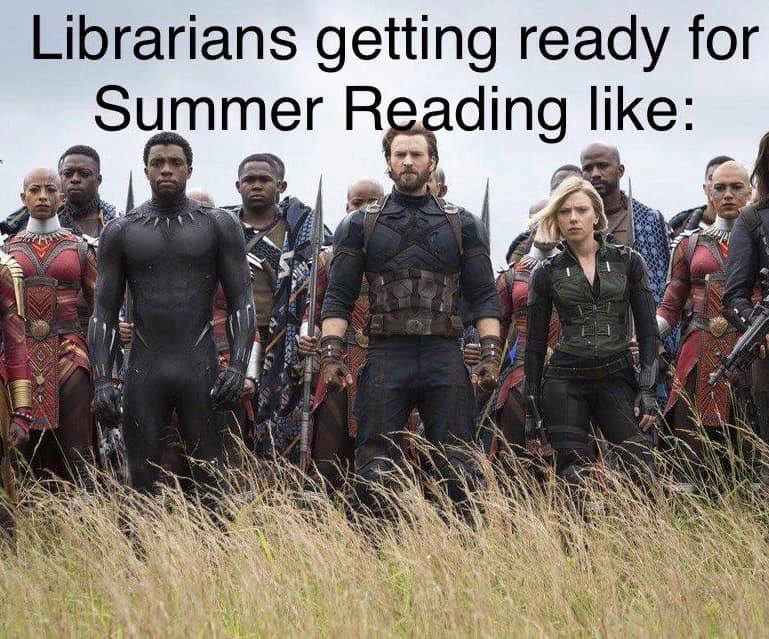
Summer Reading is the best – and craziest – time for librarians. We’re planning intense levels of programming, ordering books and putting lists together like mad, and just waiting for that last day of school, when the kids will storm the library like… well, let the Avengers tell you.

It’s real.

NatGeo Kids was kind enough to send some books my way to check out and talk up for my STEM programs this summer. Let’s take a look!


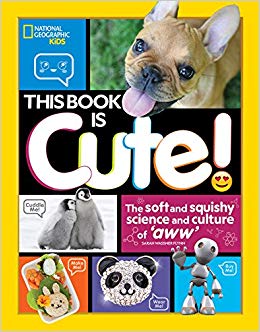
This Book is Cute! The Soft and Squishy Science and Culture of Aww, by Sarah Wassner Flynn,
(March 2019, National Geographic Kids), $12.99, ISBN: 9781426332944
Ages 5-12

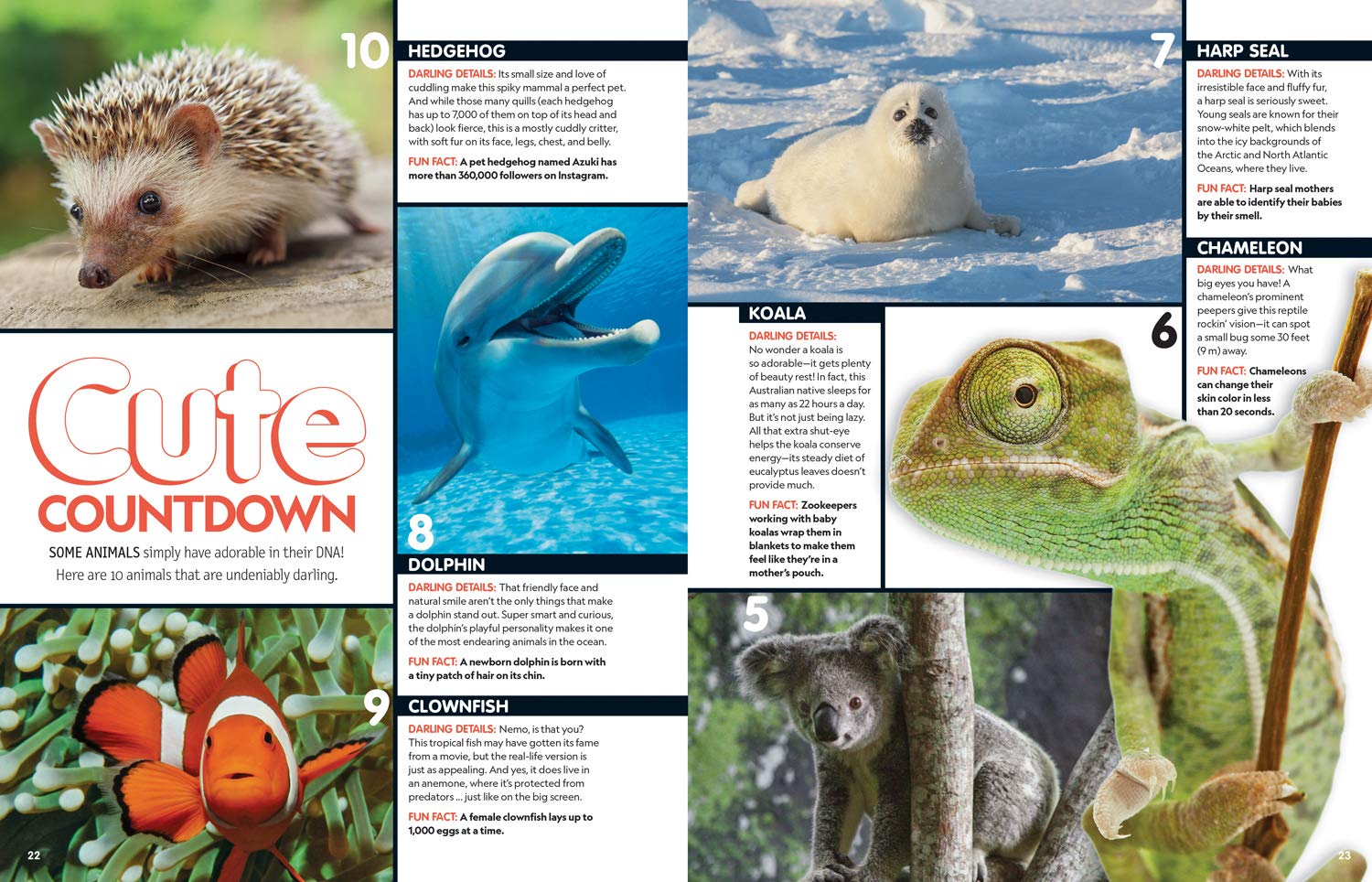
Can you believe there’s a science to cuteness? Of course NatGeo Kids would get to the bottom of this! Cute foods! (More attractive to eat!) Cute (human and animal) babies! (Trigger emotions in us that make us protect and care for them!) Cute clothes and toys! (We can’t get enough of ’em!) This Book is Cute is 112 pages of high-pitched squealing, science, and lists of cute animals, cutest jobs ever (I would like to apply for the Cat Cuddler spot, please), even appliances. Put up a bulletin board and see how many cute animals or food your kids can identify, or test their Cute IQ using the quiz in the book. This Book is Cute! is absolutely adorable; kids will go crazy for it and so will you.

Ages 8-12
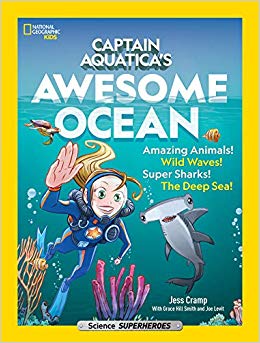
A companion to Dr. E’s Super Stellar Solar System and Dirtmeister’s Nitty Gritty Planet Earth, Awesome Ocean takes readers underwater exploring with cartoon superhero Captain Aquatica and her hammerhead shark sidekick, Finn. Shark researcher and marine conservationist Jess Cramp is the real-life version of Captain Aquatica, and leads readers through chapters on the ocean; waves, tides, and water; sharks and marine life; underwater technology; ecosystem engineering, and the critical importance of conservation. Moving back and forth between a comic book adventure and factual explanation, the book is loaded with incredible photos, fact boxes, and easy experiments that kids and families can do at home. There are scientist profiles – I love these, because they introduce readers to even more scientists than they’ll meet in our biography aisles – a glossary, index, and book and website resources for more exploration. NatGeo books are amazing because they always make sure to empower kids to make the world a better place, providing ways to get involved and start making changes. Their photos are consistently fantastic, and I love having as many of their books as possible in my library. If a parent or kid comes in looking for nonfiction about the natural world or animal book suggestions, I bring them to NatGeo books first. Display this set together, if you have them, and direct your readers to a series that looks at the big picture: earth, ocean, and space.
Luna: The Science and Stories of Our Moon, by David A. Aguilar,
(June 2019, National Geographic Kids), $17.99, ISBN: 9781426333224
Ages 8-12
NatGeo wouldn’t let a Summer Reading theme go by without a book for us to give to the kiddos! Luna is all about our friendly satellite, the Moon. It’s a compact volume, at 64 pages, packed with all the info a middle grade space enthusiast could want. There are beautiful photos, callout quotes and facts, and full-color diagrams, and thought-provoking chapters cover topics including moon myths and hoaxes; the famous “dark side” of the moon; how our moon stacks up against other moons; lunar phases, and – naturally! – the 1969 lunar landing. There’s a fun make the moon activity (get your old t-shirts on; this one involves Plaster of Paris), a viewing guide, and tips on drawing the moon. There’s an index and a list of additional resources. This is one of the best middle grade volumes on the moon that I’ve read since Elaine Scott’s Our Moon (2015), and a solid add to your 520s. Mine are always in high demand (along with my dinosaurs), and with the outer space theme for this year’s Summer Reading, I imagine I’ll need a second copy of my own to use for programming.
Thanks again to NatGeo for always keeping nonfiction interesting and fun!
Posted in Historical Fiction, Teen, Tween Reads

The Good Son tells a tale in miniature

The Good Son: A Story from the First World War Told in Miniature, by Pierre-Jacques Ober/Illustrated by Jules Ober & Felicity Coonan, (May 2019, Candlewick Studio), $22, ISBN: 9781536204827

Ages 10-14

“About one hundred years ago, the whole world went to war. The war was supposed to last months. It lasted years.” This story about Pierre, a World War I French soldier, is told with spare narrative and is illustrated using antique military miniatures, photographed to create stunning moments.

Pierre is a young French soldier who quietly left his regiment for two days to celebrate Christmas with his mother. Upon his return, he is imprisoned for desertion and awaits execution. As he waits, he looks back on his life as a soldier: his choice to sign up, his dreams of glory, and the horrific truth of the battlefield. He remembers sharing coffee with German soldiers who were tired of fighting, and of spending what would be his final Christmas with his mother. His friend, Gilbert, comes by to bring him food and wine, and makes a promise to carry Pierre’s letter to his mother.

The Good Son is not a picture book for young children; it’s for middle schoolers and up. The use of miniatures brings home the scale of war: seeing the lines and lines of soldiers going into battle looks impressive, but turned becomes chilling when you understand that young men, not toys, headed to battle. There are beautiful and horrifying shots of battlefield explosions and war machines; pensive portraits by firelight as Pierre waits for word from the colonel. The text is heart aching, as we read about a young man’s struggle to understand how to be a good son and a good soldier. An author’s note and a note on the photography process provide a deeper look into the creation of the book and offers some further insight into Pierre’s story.

Beautifully written and photographed, this is a story that will provoke thought and discussion. A good book group choice.

Posted in Middle Grade, Non-Fiction, Non-fiction, Teen, Tween Reads

20 Recipes Kids Should Know is delicious!

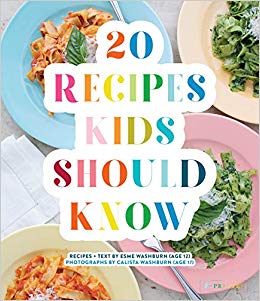
20 Recipes Kids Should Know, by Esme Washburn/Photos by Calista Washburn, (April 2019, Prestel), $16.95, ISBN: 9783791385075

Ages 8+

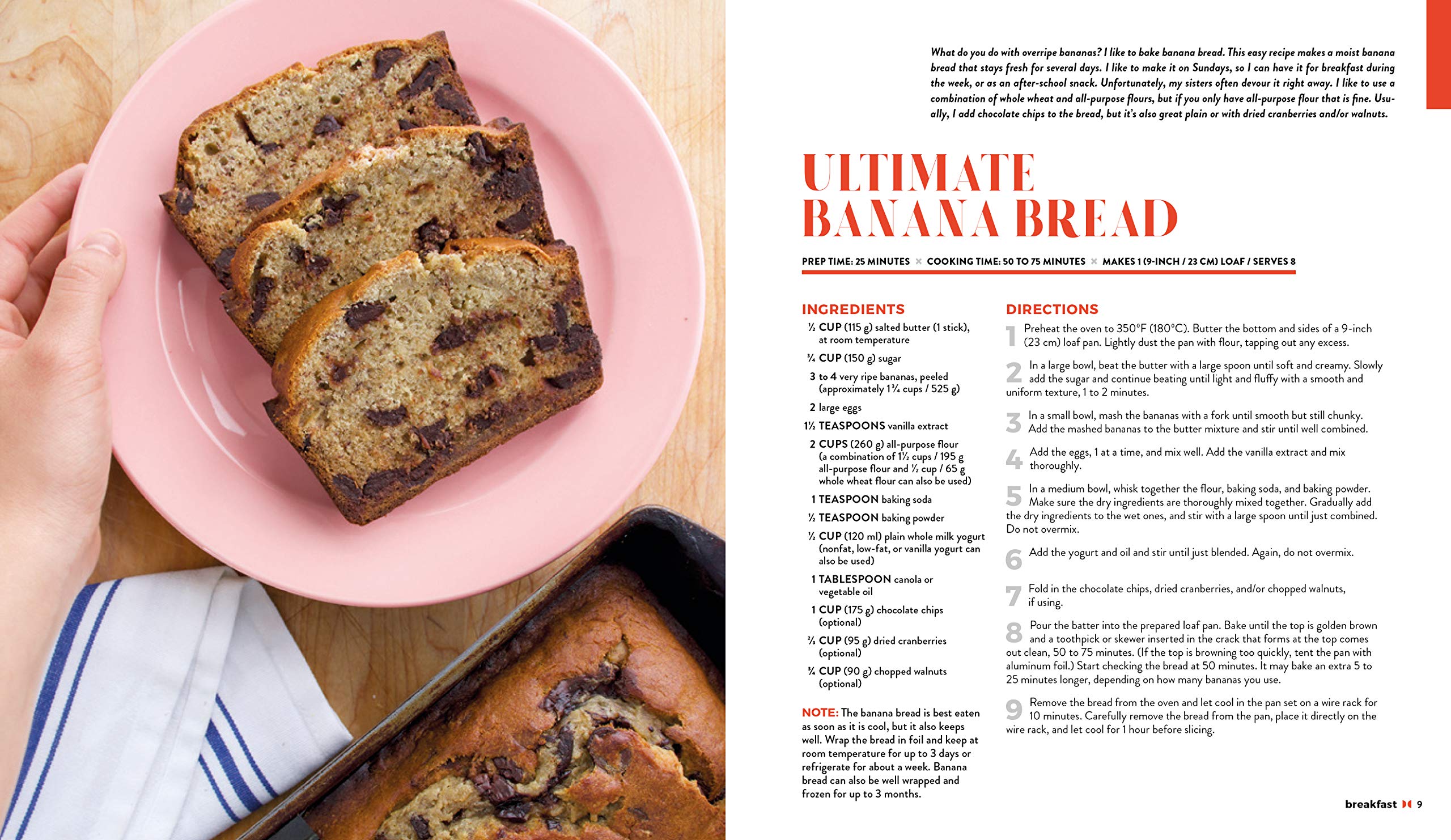
Esme Washburn is a 12-year-old cooking enthusiast. Her sister Calista is a 17-year-old photographer. Together, the two sisters have come up with a delicious book of easy-to-make recipes for kids. These 20 recipes provide a nice variety for a burgeoning chef: there’s a choice of breakfasts, lunches, dinners (called Mains here), appetizers, sides, and desserts, plus two extra recipes for “Back to Basics Bread” and “Popovers That Pop”. There’s something for everyone here, from meat-based dishes to vegetarian fare. Ingredients are easily attained at your local grocery store, and the directions are numbered, step-by-step, and written out in short, simple sentences that allow readers to have the book propped open, ready to follow along with a glance as needed.

The photos are just beautiful. I’m assuming that Esme Washburn, as the cook, plates her food for photos, and does a scrumptious job; Calista Washburn creates lovely foodscapes on pastel dishes, with culinary flourishes like dishcloths, measuring spoons, and fresh foods to add to the visual appeal. The Quintessential Grilled Cheese Sandwich is begging me to take a bite out of it, with its crispy, textured bread and melted cheese sitting on a plate; the Creamiest Mac and Cheese would be the perfect accompaniment to it, with gooey, melty cheese peeking through the wagon wheel pasta. (Yes, I’m a cheese fanatic.)

An introduction provides the important stuff to go over: weights and measurements, safety tips, guidelines for prep and cleanup, and a glossary/cooking techniques section are all here to help get new cooks up and running. Esme writes an introduction before each recipe.

20 Recipes Kids Should Know is a nice addition to a young cook’s bookshelf. There’s no firm minimum age noted here, so I’d say that, as a parent or caregiver, you know when your kids are ready – and require guidance. I’ve got a 15-year-old who I still keep an ear out for, and I’ve got a 7-year-old who I stand at the stove with while he cooks up his own scrambled eggs. (My oldest is 20 and has a pretty firm hand on cooking, but he’s been cooking with me since he was 3.) Bottom line? Use your judgement and err on the side of caution, but encourage them to try some cooking with the Washburn sisters and lend a hand. It’s science!