Posted in Fiction, Graphic Novels, Middle Grade, Non-fiction, Teen, Tween Reads, Women's History

February graphic novels bring magical realism and STEM nonfiction

First Second is a graphic novel powerhouse. Every season, I know I’m going to see good stuff from the authors and illustrators that First Second publishes. Here are two we’ve got coming in February.

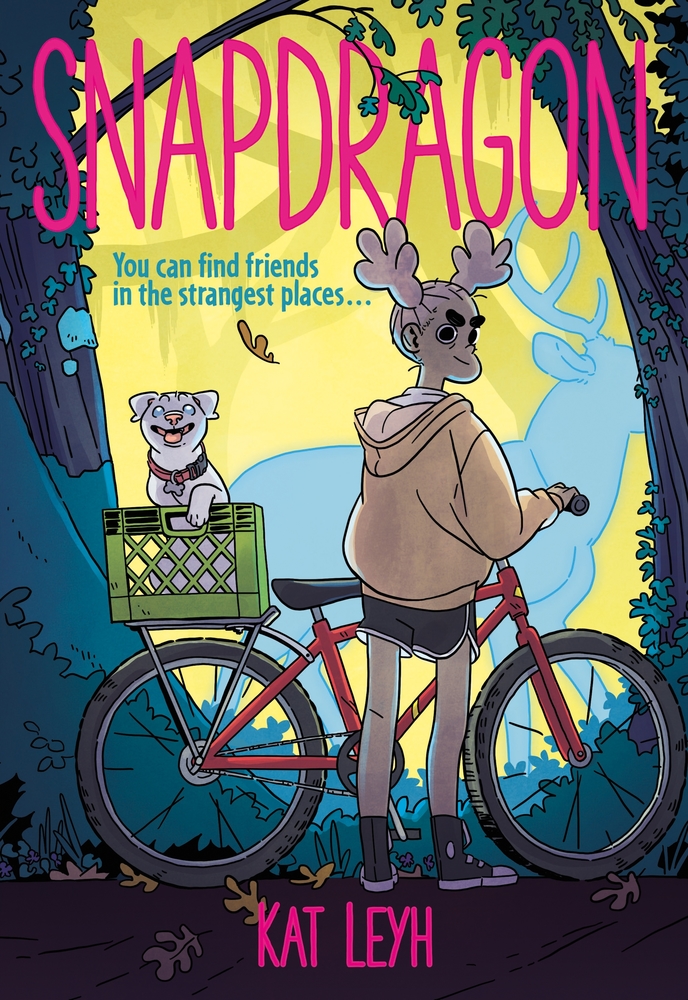
Snapdragon, by Kat Leyh, (Feb. 2020, First Second), $12.99, ISBN: 9781250171115

Ages 10+

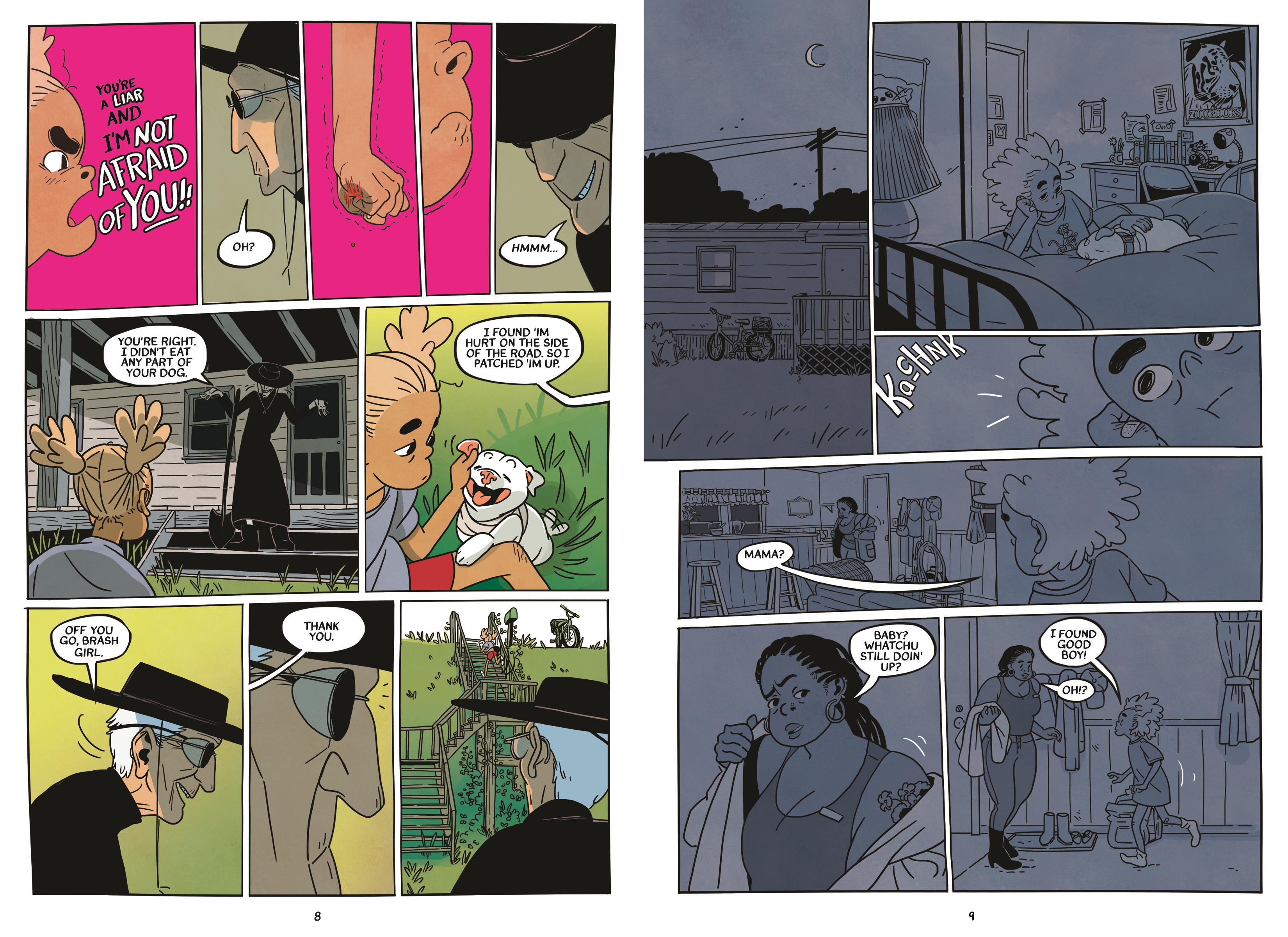
Magical realism infuses this story about a girl who befriends the town witch. Snapdragon’s heard the rumors about the “roadkill witch”, but when Jacks – a loner constructs skeletons from roadkill to sell to veterinary schools – rescues Snap’s dog, she finds herself cultivating a friendship with the loner, who takes her on as an apprentice. But Jacks also has rituals she goes through, to put those roadkill spirits to rest, and Snap is pretty sure that Jacks has a little bit of witchcraft after all.

Snapdragon is a story with depth. Lumberjanes writer Kat Leyh creates a magical, yet real cast of characters: Snapdragon, the daughter of a single working mother, is bullied at school and by her mother’s cruel ex-boyfriend. Her friend, Louis, who prefers to go by Lulu and wear skirts and nail polish, is tormented by his brothers. The two bond over their mutual love of a a horror movie series and Lulu finds comfort and safety in Snapdragon’s home. Jacks and Snap discover a connection between them in a subplot with Snap’s grandmother.

Snapdragon has a starred review from Kirkus.


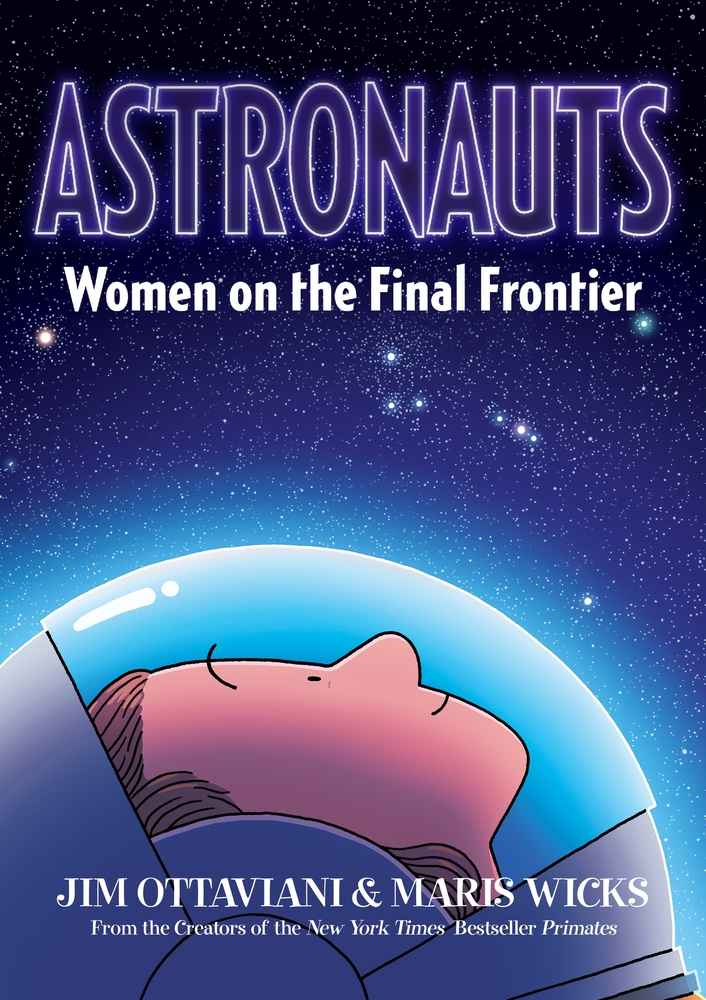
Astronauts: Women on the Final Frontier, by Jim Ottaviani & Maris Wicks, (Feb. 2020, First Second), $19.99, ISBN: 9781626728776

Ages 8-12

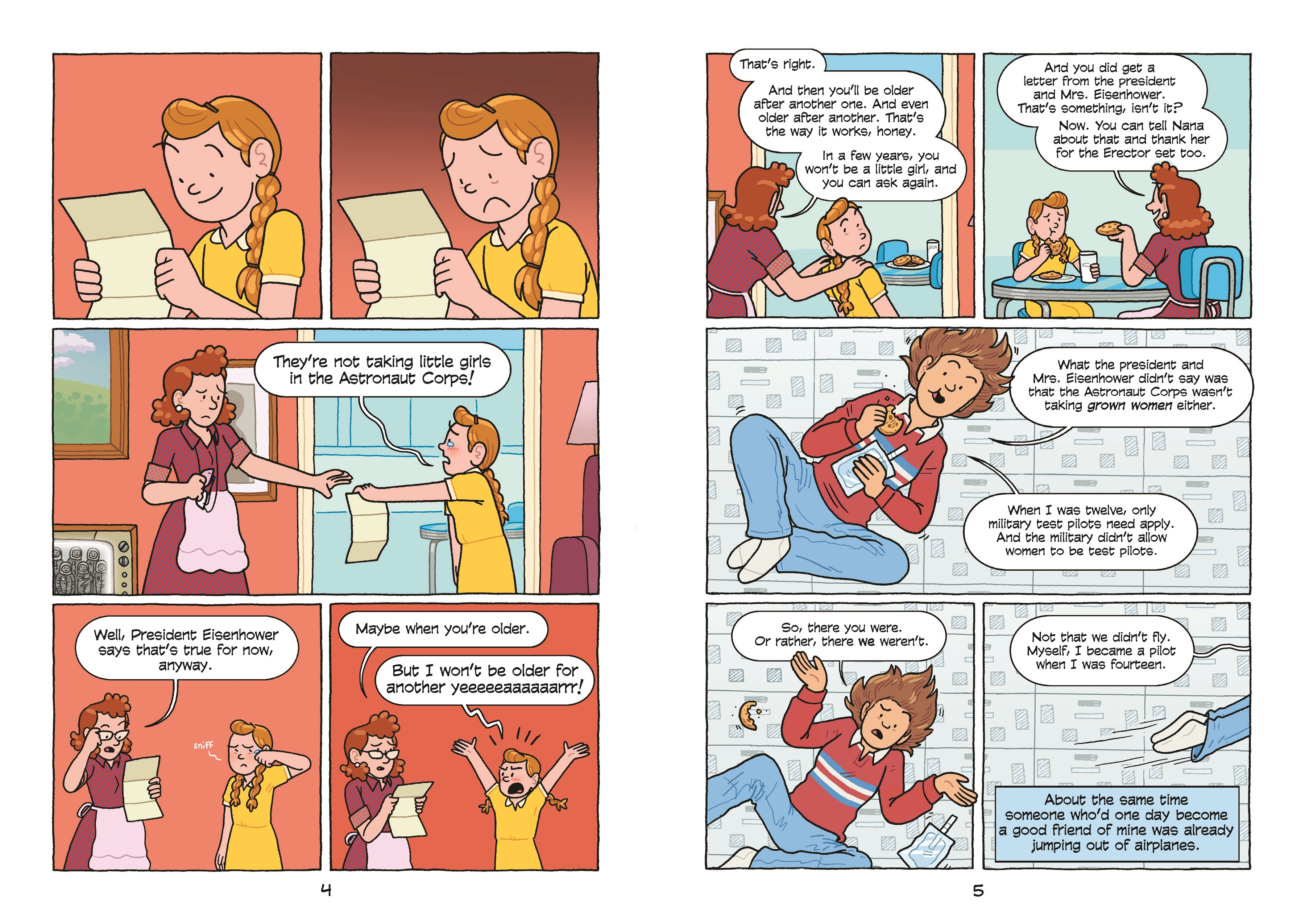
Meet the first women to travel into space in this nonfiction graphic novel that has big appeal for Science Comics fans. Astronaut Dr. Mary Cleave navigates readers through the history of women and space travel, starting with the Soviet space program that made Valentina Tereshkova the first woman in space, and illustrates the long road American women had to take to get Group 9, NASA’S first mixed-gender class, to the stars.

The most frustrating thing about Astronauts is reading how seemingly determined the U.S. government was to keep women out of space. The graphic novel tells multiple stories from different points of view; the Mercury 13 and Women in Space Program both ended up going nowhere, while the Soviet Union focused on sending just one woman – Tereshkova – into space. (And she didn’t even tell her mother before she went.) It’s disheartening to read that science journalists imagined conversations between women – female scientists – and Mission Control consisting of, “this little thingamabob has jiggled off the gizmo”. Even when NASA got it together and began recruiting women for the space program for real this time, their concerns about dress codes and complete ignorance of basic physiology left me frustrated and even more determined to get my STEM/STEAM programming firmly entrenched here at my library. The second half of the book, focusing more on Mary Cleave’s space shuttle missions and NASA training, are a welcome relief. There are some great and hilarious anecdotes throughout, and Mary Cleave’s love for space exploration and science comes through, making me hopeful that this book will inspire many, many kids. There are references, a bibliography, and working sketches.

Astronauts has starred reviews from Kirkus and Publisher’s Weekly.

Posted in Fiction, geek culture, Guide, Middle Grade, Non-Fiction, Non-fiction, Tween Reads

Cyber Monday Gift Guide

Okay, get ready for the latest MomReadIt gift guide – if you can find great deals on Cyber Monday, go for it; if you prefer your local indie bookstore, have at it! Here are some books that the kiddos you know will be thrilled to receive, whether it’s for holiday or any day.
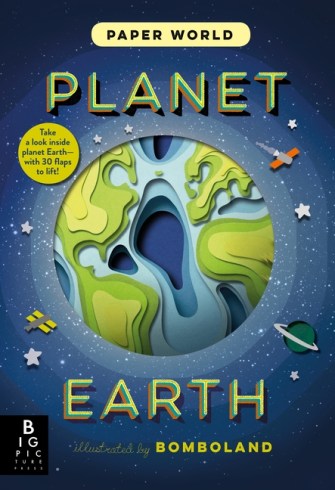
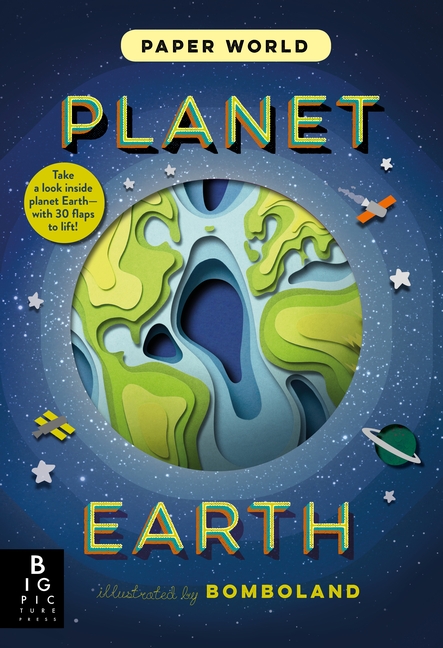
Paper World: Planet Earth, by Bomboland, (Sept. 2019, Big Picture Press),
$24.99, ISBN: 9781536208542
Ages 7-12

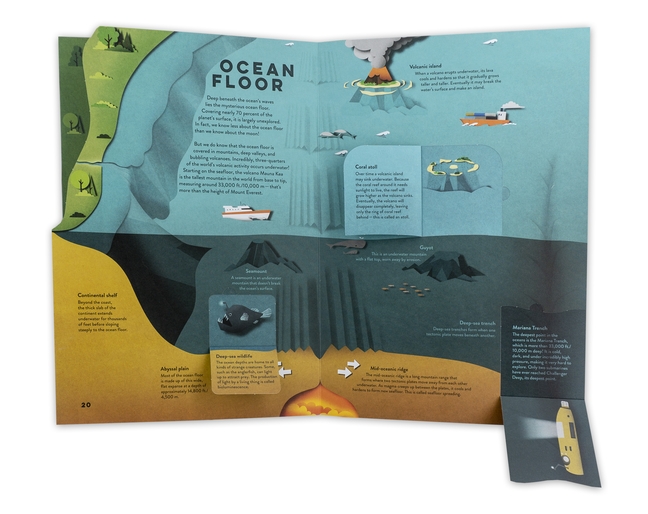
An awesome lift-the-flap book for bigger kids, Paper World: Planet Earth is a die-cut, lift-the-flap trip in and around our big blue planet. Readers explore and learn about earth’s tectonic plates; volcanoes, mountains, and glaciers; weather and storms, and more. Sturdy pages and flaps reveal facts, and die cut features add incredible texture. Hands-on science starts here! Back matter includes a glossary.
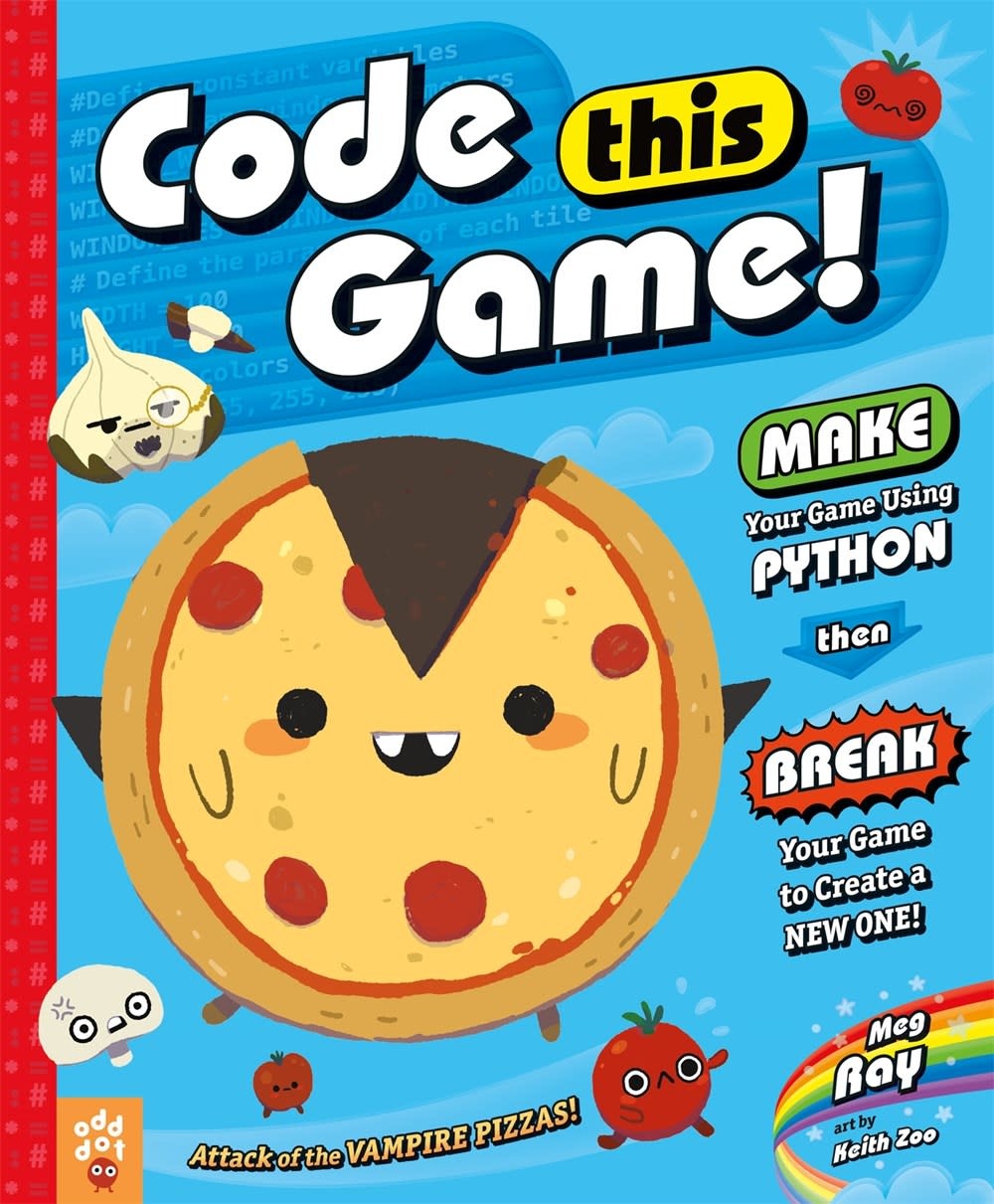
Code This Game!, by Meg Ray/Illustrated by Keith Zoo, (Aug. 2019, Odd Dot Books),
$24.99, ISBN: 978-1-250-30669-2
Ages 8-13

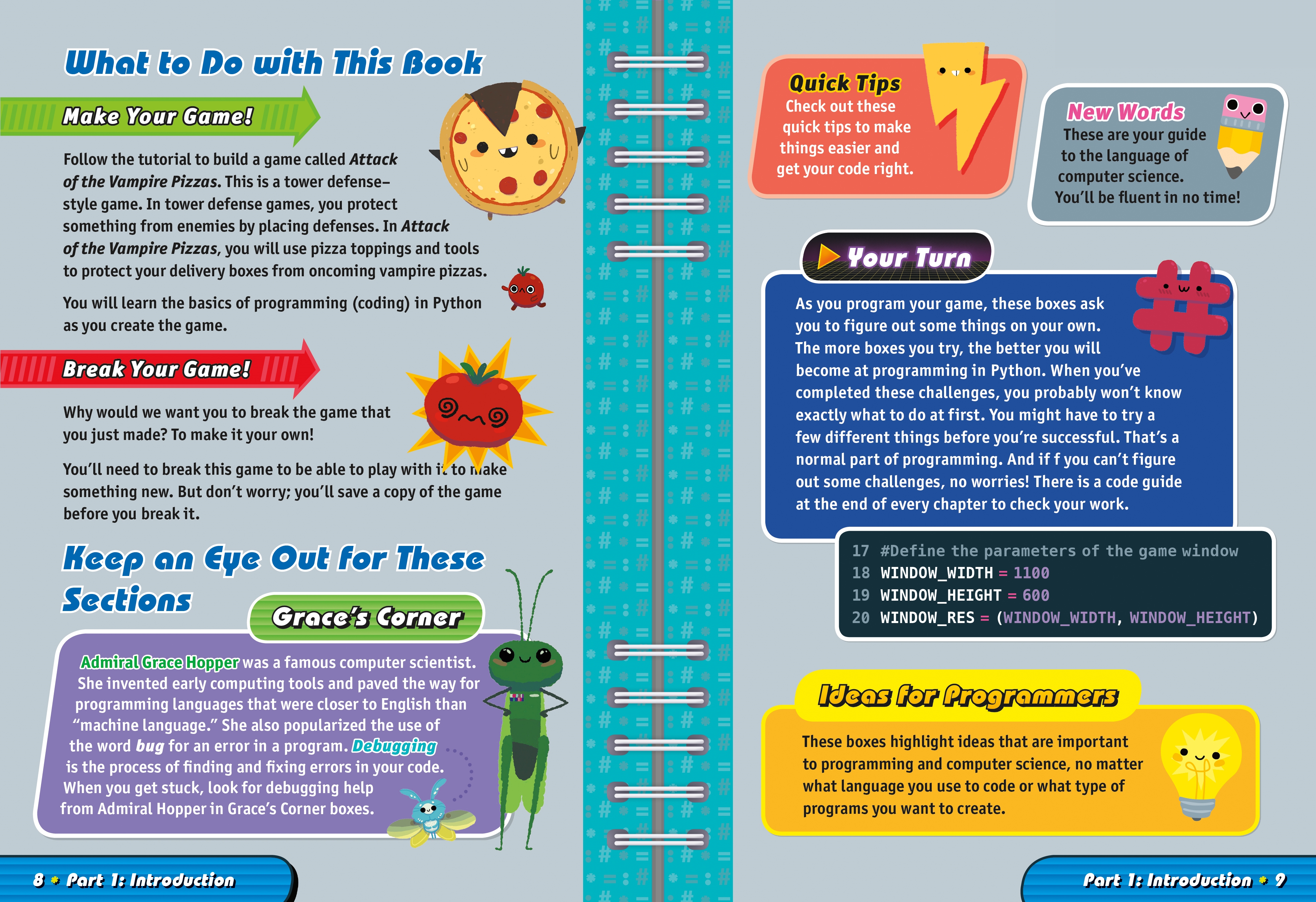
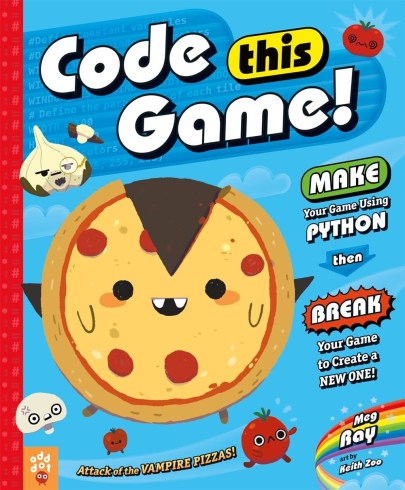
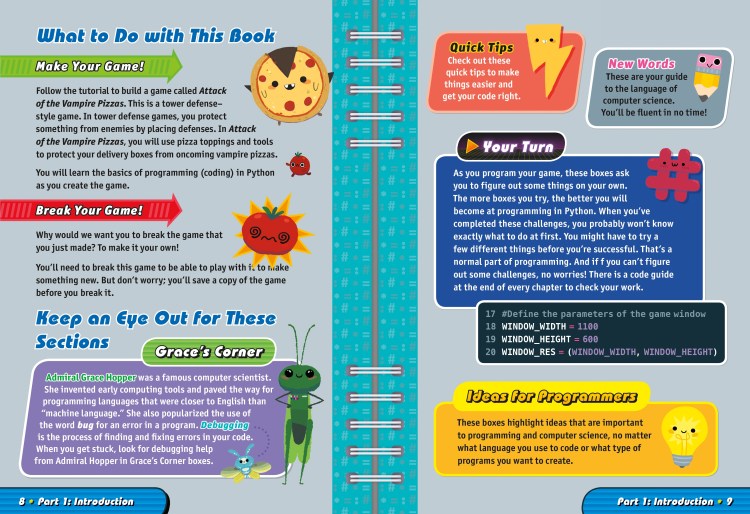
I’ve been working on coding with the Girls Who Code club at my library, and with my kiddo at home. We’ve been doing a lot of Scratch programming, but we want our kids to be multilingual in all areas – and that includes programming! Code This Game teaches kids how to use the Python programming language, and guides them, step-by-step, through how to make their very own computer game: Attack of the Vampire Pizzas! Brightly illustrated, with chunks of easy-to-read, easy to digest information, this is a fantastic book to get kids up and running with Python. The book is spiral bound and opens into an easel stand, so you can have the book open and standing up, making it that much easier to read while you work.
 

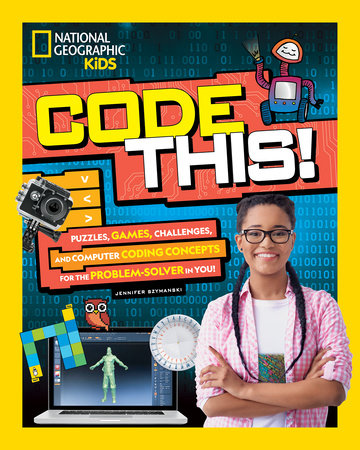
Code This! Puzzles, Games, Challenges, and Computer Coding Concepts
for the Problem-Solver in You!, by Jennifer Szymanski,
(Aug. 2019, National Geographic Kids), $16.99, ISBN: 978-1-4263-3443-6
Ages 8-12

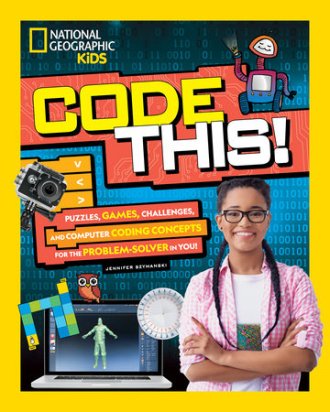
More coding fun! A robot named Cody is packed with gadgets, and needs Explorers (that’s us readers) to program him. Together, readers and Cody learn different coding concepts and solve complete missions. Have a burgeoning coder? This is the book for them. They’ll learn how to apply offline concepts to online programming, using ciphers, mazes, secret codes, and good old-fashioned logic. Solutions are there when you get stuck, and quick takes on HTML/Javascript and Python help with quick reference, along with a glossary and index.
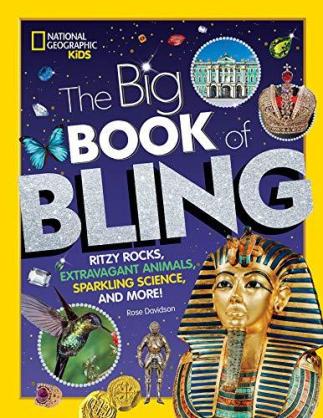
 

The Big Book of Bling, by Rose Davidson, (Sept. 2019, National Geographic Kids),
$19.99, ISBN: 978-1-4263-3531-0
Ages 8-12

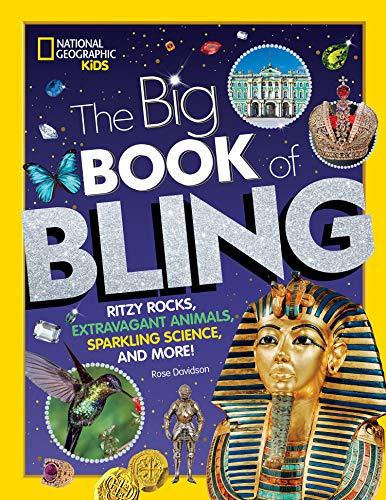
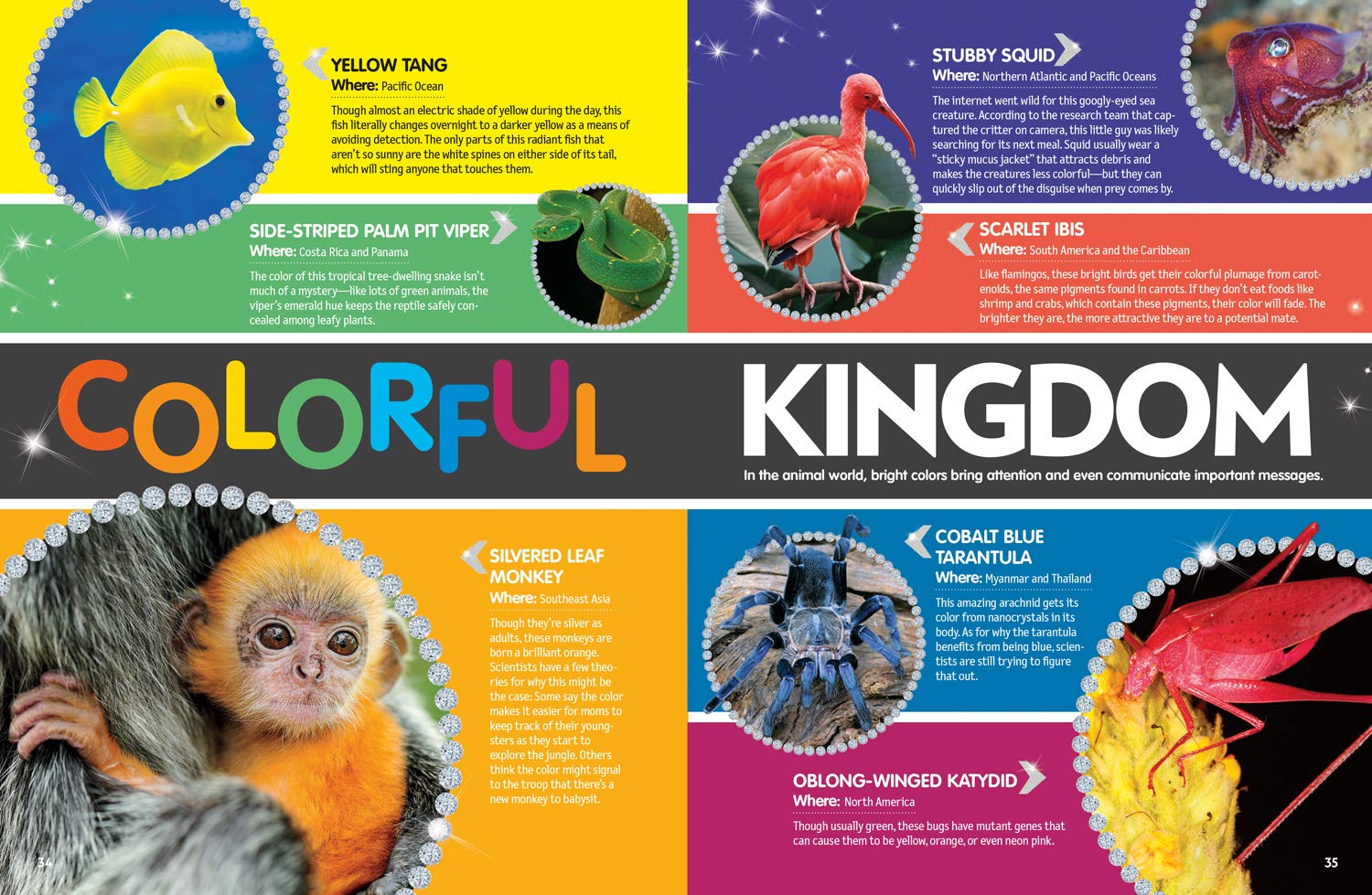
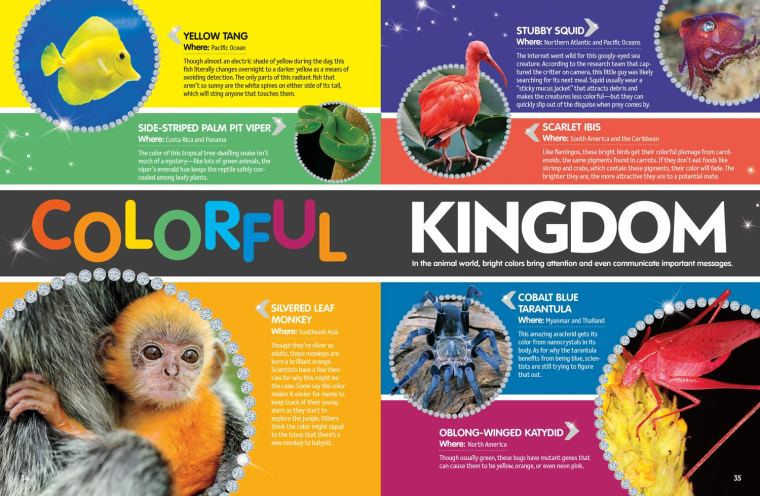
What would the holidays be without a little bling? NatGeo Kids packs a bunch of bling into one volume, with incredible photos and facts about all things shiny. There are rocks and gems both dazzling and dangerous (stay away from that Hope Diamond), and some of nature’s most extra creations, like the Indian Peacock and the Jewel Caterpillar. Want to meet the richest pets in the world? They’re in here. Ever wonder what sushi wrapped in 24K gold looks like? You’ll find out, in here. Loaded with facts and stunning photos, this will definitely add some zing to the holiday gift-giving.
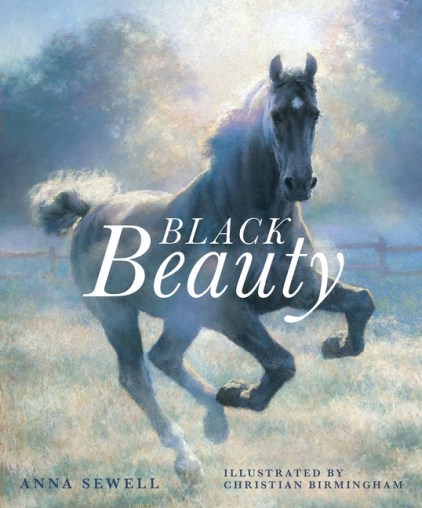
 

Black Beauty, by Anna Sewell/Illustrated by Christian Birmingham
(Oct. 2019, Candlewick Press), $24.99, ISBN: 9781536211245
Ages 8-12

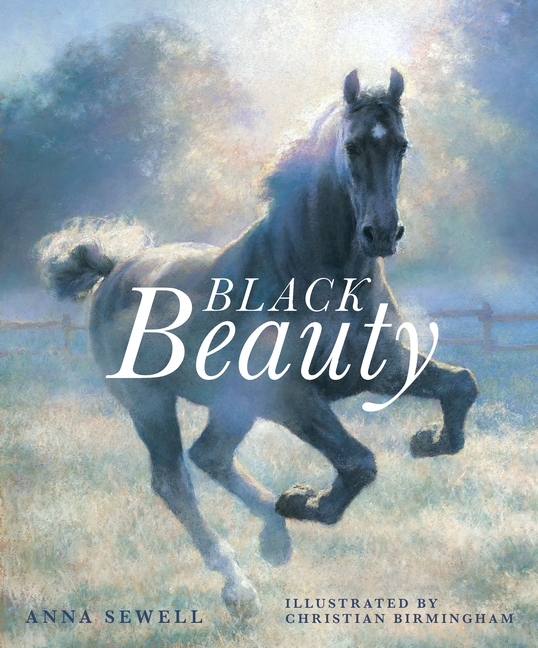
I can’t believe Black Beauty was published over 140 years ago. It was a mainstay of my childhood library, and I still hand it to kids in my library today. This Anna Sewell classic features more than 50 new illustrations by artist Christian Birmingham, and is a gorgeous gift to anyone who grew up loving this story – or a horse-loving reader who hasn’t yet met the beautiful horse in this Victorian novel. Pair with Into the Jungle: Stories for Mowgli for a reader who loves an eternal story.
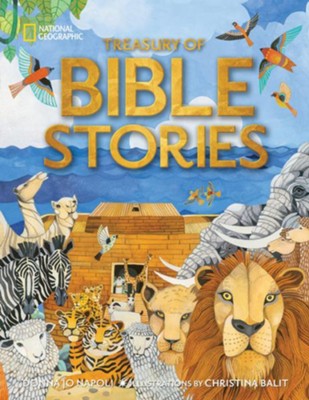
 

Treasury of Bible Stories, by Donna Jo Napoli/Illustrated by Christina Balit,
(Oct. 2019, National Geographic Kids), $24.99, ISBN: 978-1-4263-3538-9
Ages 4-12

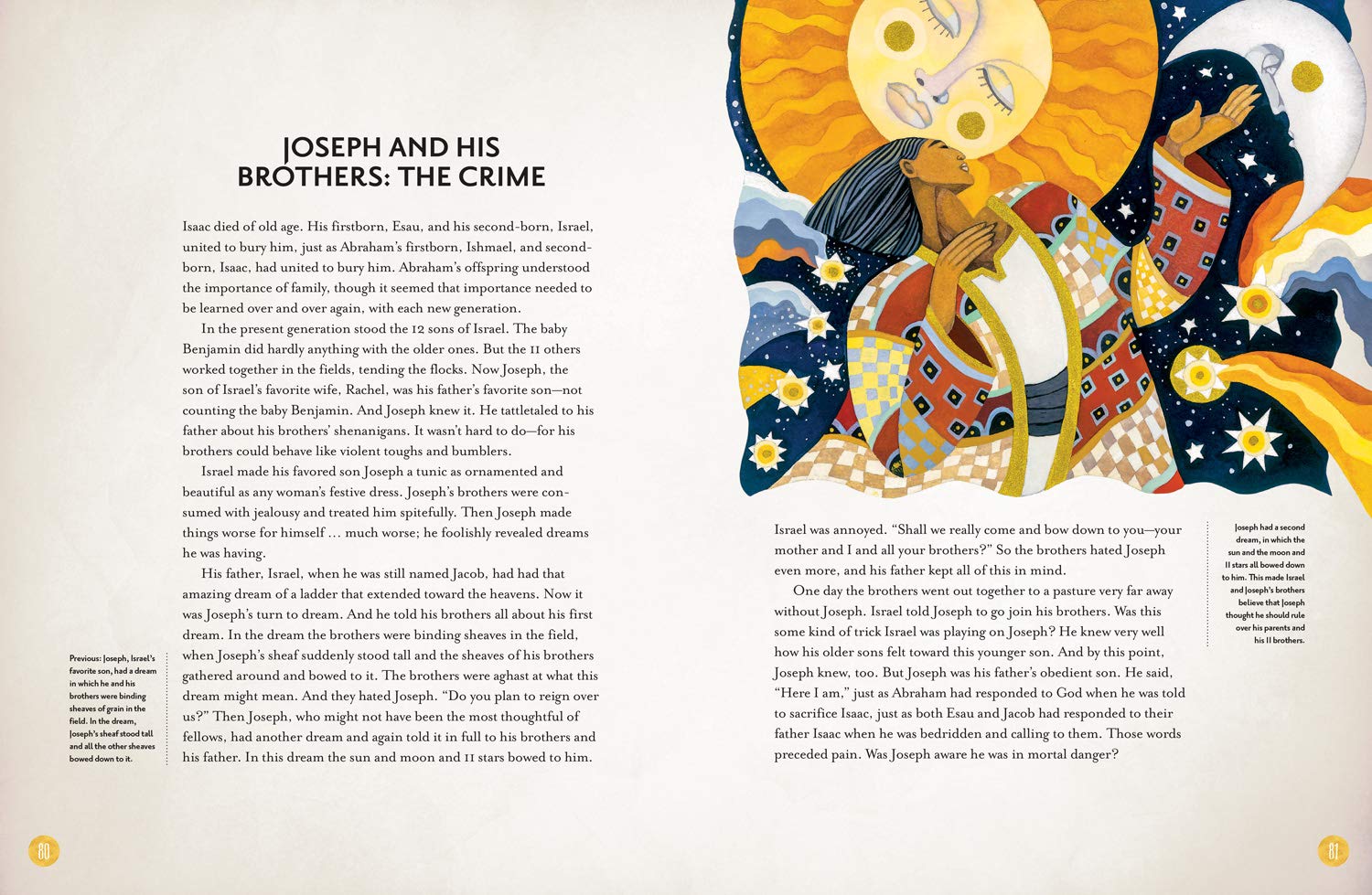
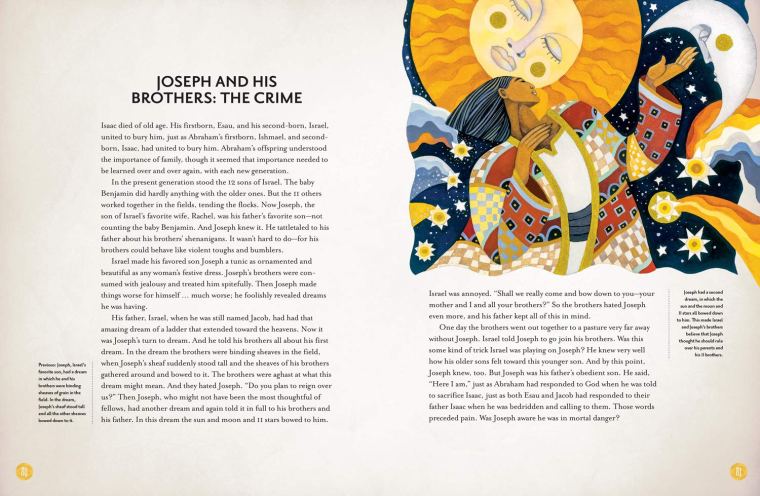
This stunning compendium of Bible stories are taken from the Hebrew Bible, also known as the Christian Old Testament. There are 28 stories in all, beginning with Creation and going through to the story of Daniel in the Lion’s Den, all gorgeously illustrated in full color. The author’s note talks about the writing process, under the guidance of Rabbi Helen Plotkin, over the course of a year and how the book presents a “human history from Creation to the building of the second temple in Jerusalem”. A note on the illustrations points out that the stunning artwork is informed by archaeology and biogenetics: in other words, the humans are depicted with different skin tones, facial characteristics and hair texture. Callouts and fact boxes throughout the stories provide nonfiction content such as the domestication of animals, beginning and diversification of human language, and one of my favorites, “Sanctioned Recklessness”, which talks about the spring festivals of Purim and Carnival. There are maps for Lands of the Bible, a timeline of early civilizations, and a section spotlighting major figures in the Bible. Includes a bibliography and index.
Posted in Graphic Novels, Non-Fiction, Teen, Uncategorized, Young Adult/New Adult

Open Borders presents the science and ethics of immigration

Open Borders: The Science and Ethics of Immigration, by Bryan Caplan/Illustrated by Zach Weinersmith, (Oct. 2019, First Second), $19.99, ISBN: 9781250316967

Ages 14+

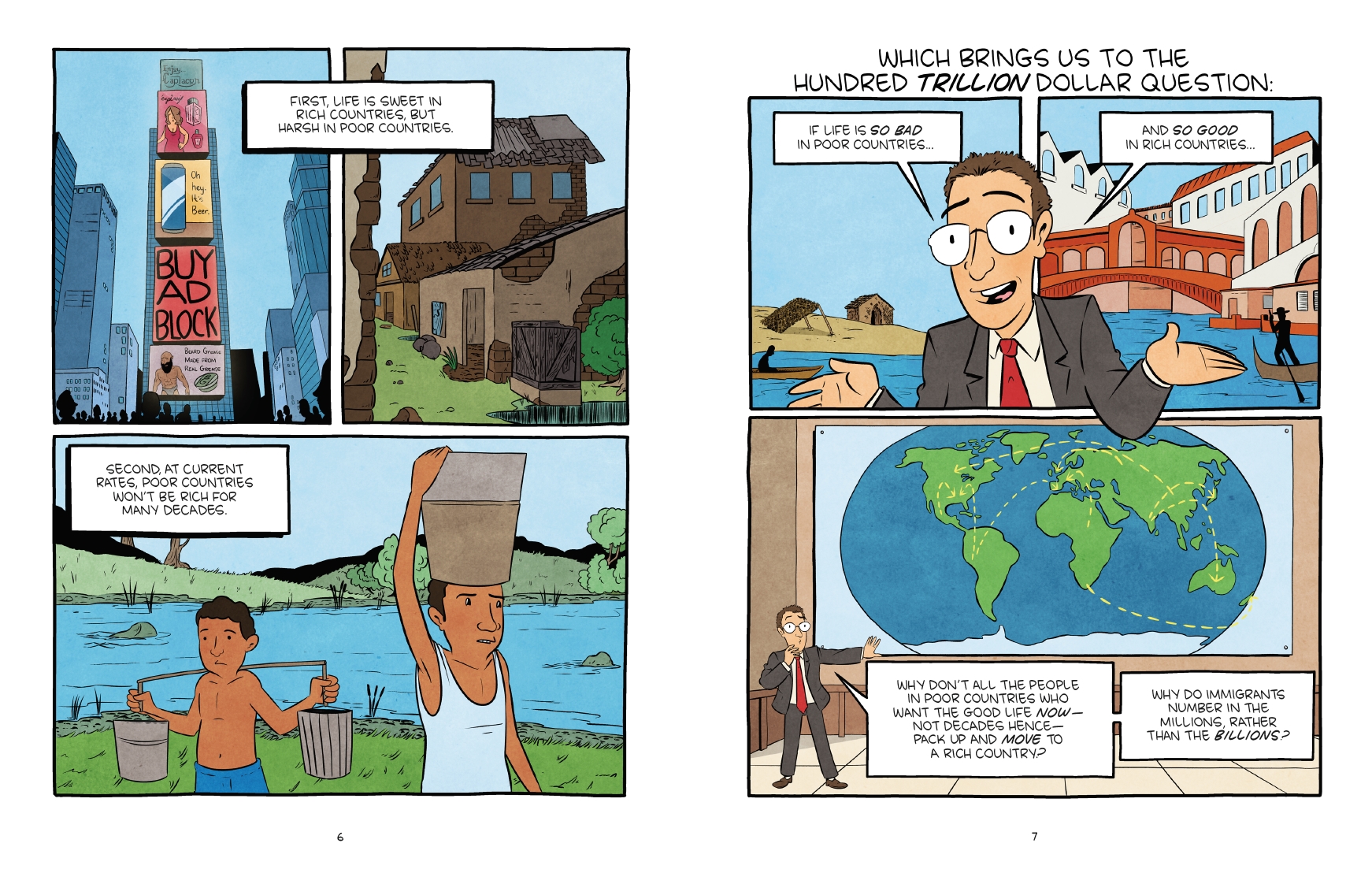
It’s no secret that immigration is a hot-button – one of the hottest button – topics in current events. One one side, we have those who would welcome new immigrants, for cultural and humanitarian reasons; on the other, those who want to restrict the flow of people into the country, whether to protect the current citizenry, the culture, or the economic status quo. Economist Bryan Caplan has written Open Borders: The Science and Ethics of Immigration as a proposal to both sides. He argues in favor of open borders, noting that doing so could eliminate poverty worldwide, not spiral us deeper into it; raise the global education and skill level, and lead us – as a whole – into a new age of prosperity for all.

The book, masterfully illustrated by Zach Weinersmith, presents Caplan’s argument using comprehensive research, communicated with a plain-English tone and artwork that’s colorful, multicultural, and translatable to audiences who don’t have a background in economics. The book is conversational and never preachy, and Caplan takes on reasons detractors have fallen back on time and again to argue against open borders, showing, using hard numbers, why open borders may be the next best way for us to advance.

This should be used in high schools and colleges: there are lists of resources and further reading; copious notes and references, and the straight-talk explanations, with clear illustrations, will really assist students, especially those who may stumble with pages of numbers, charts, and data. Once presented in the frame of a story, with a real-life, current events situation to anchor it, the numbers take on a life and meaning.

Open Borders has a starred review from Booklist. Author Bryan Caplan’s webpage is a treasure trove of articles and information, including cartoons and role-playing resources(!).

Posted in Non-Fiction, Teen, Young Adult/New Adult

Blog Tour: Writers in the Secret Garden – Fanfiction, Youth, and New Forms of Mentoring

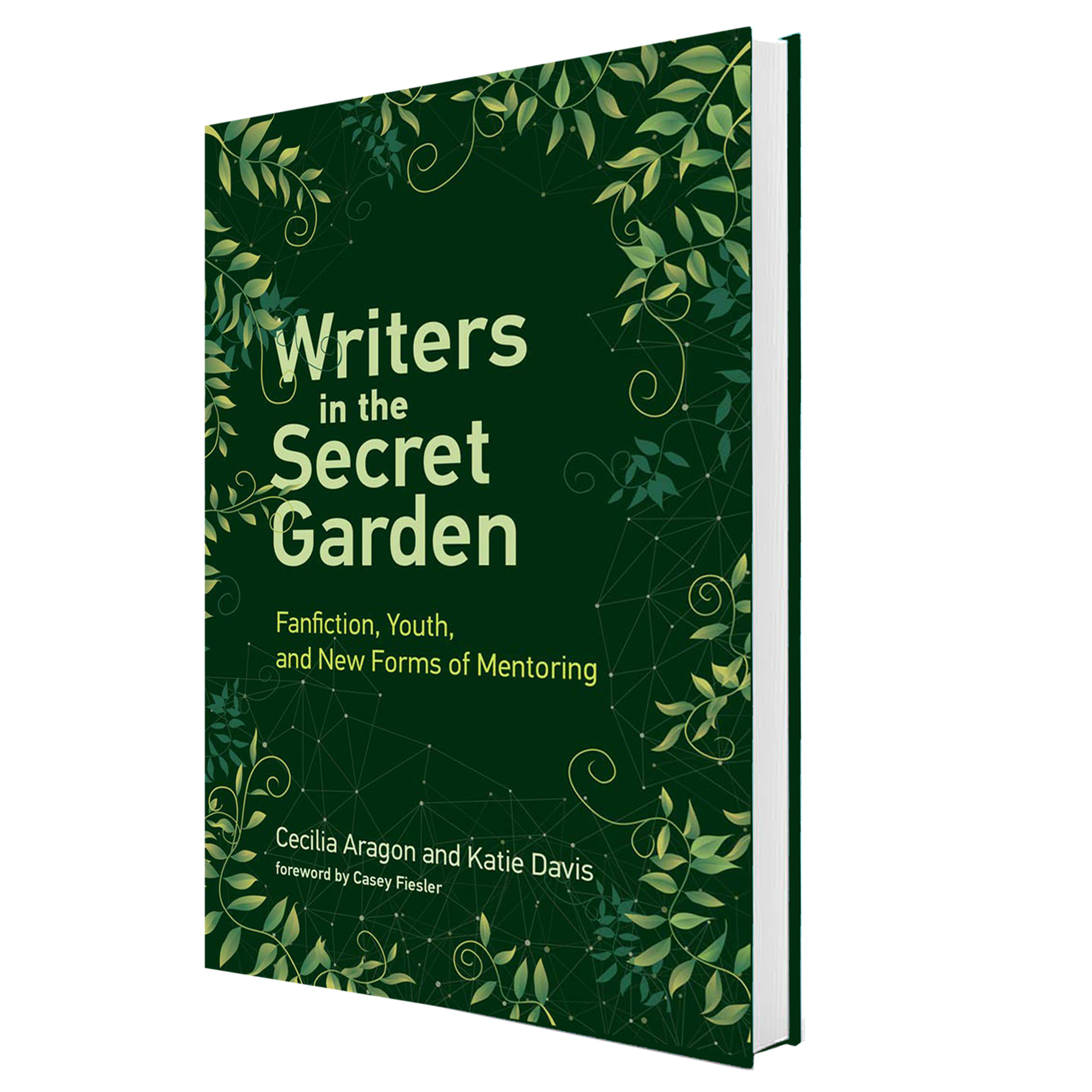
Who would have ever imagined that fanfiction would not only go mainstream, but be so popular? In the last 5 years since I’ve been librarianing, I’ve been to academic and pop culture panels on fanfic in the library; I’ve seen fanfic programs for middle graders and teens bring kids into the program room, I’ve seen novels like Carry On go meta and be about fanfic within a YA world, and I’ve seen my friends’ kids starting their own fanfic accounts so they could contribute to their fandom. It’s a wonderful thing to behold. One of my colleagues wrote her MLIS thesis on fanfiction. Now, University of Washington professors Cecelia Aragon and Katie Davis have given us Writers in the Secret Garden: Fanfiction, Youth, and New Forms of Mentoring; an in-depth exploration of how teens and tweens support and learn from each other through their participation in online fanfic communities like fanfiction.net and AO3.

Writers in the Secret Garden: Fanfiction, Youth, and New Forms of Mentoring, by Cecelia Aragon and Katie Davis,
(Aug. 2019, MIT Press), $25, ISBN: 978-0262537803
Ages 16+


Writers in the Secret Garden was sparked by a conversation in 2013, after a slew of news storied claimed young people couldn’t write/weren’t writing. Aragon and Davis extensively studied what was happening on fanfiction.net from both education and human-centered data science perspectives. Some of their findings include:

  • Most adults either have a negative view or are unaware of fanfiction, and the impact it is having on the lives of many young people today.

  • On Fanfiction.net alone, 1.5 million authors have published over 7 million stories and shared over 176 million reviews of those stories.

  • The median age of authors on the site is 16, with over 87% between the ages of 13 and 25.

  • 84% of authors on the site are female; and more fanfiction authors identify as gender-nonconforming (9%) than male (7%).

  • Young people are teaching each other how to write through the feedback they give. This new type of mentoring is unique to networked communities. Called “distributed mentoring,” it is described in detail in the book.

  • The quality of the writing improves in response to the amount of distributed mentoring the author received. (650 reviews predicts as much growth as one year of maturation).

  • Despite the fact that readers post reviews anonymously, comments are overwhelmingly positive, with less than half of one percent gratuitously negative.

The discovery of this vast and vibrant resource for kids who have something to say has been especially meaningful to Aragon as she recalls her own hidden efforts. When Cecilia Aragon was ten years old, she read The Lord of the Rings and fell in love with the world Tolkien created. But, in her opinion, there weren’t enough female characters, and she also had some ideas for scenes that should have been in the books. So, she sat down and wrote her own version in a spiral notebook that she kept hidden. No one ever saw it, and she never told anyone about it until recently, because she thought it wasn’t “real writing.”

“Fanfiction is a private universe — a secret garden — that has become a welcoming community, particularly for those from marginalized groups,” says Cecilia Aragon.  “In it, young people are mentoring each other to become skillful writers and thoughtful readers – and they are doing it entirely on their time and their own terms.”

The research group at the University of Washington maintains a Tumblr about their research.


Posted in Non-Fiction, Teen, Young Adult/New Adult

Playlist: The Rebels and Revolutionaries of Sound gives classical musicians rock star status

Playlist: The Rebels and Revolutionaries of Sound, by James Rhodes/Illustrated by Martin O’Neill, (Oct. 2019, Candlewick), $29.99, ISBN: 9781536212143

Ages 12+

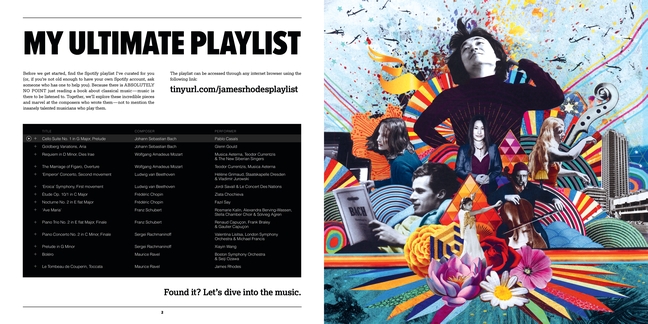
Concert pianist James Rhodes gives an introduction to the original rock stars: Bach, Mozart, Beethoven, Chopin, Schubert, Rachmaninoff, and Ravel. These forefathers of classical music are anything but fusty and boring. As Rhodes writes in his introduction, “…they were the original rock stars. They changed history, inspired millions, and are still listened to and worshipped all around the world today”. Rhodes starts off by providing his own Spotify playlist for readers to start exploring classical music, and creates profiles on each composer. The profiles are easily readable, laid out in magazine-type layout, and includes pop culture references to each composer’s music: Bach, for instance, has been referenced by or sampled in music by The Beatles, Zayn Malik, and Led Zeppelin, and used in The LEGO Batman Movie and Stranger Things. Each composer’s profile includes a profile on a word from the Spotify playlist, to give readers further context and understanding.

This crash course in Music Foundations is illustrated by artist Martin O’Neill, who creates vibrant collages using photos and mixed media, presenting a mind-blowing art installation to accompany Rhodes’ writing. Rhodes includes musical terminology in his “The Language of Music” section at the end, and there is an index.

This is a gorgeous coffee table book with a mission. It’s music history, and world history; it’s art history and a treatise on the evolution of pop culture. Don’t miss this one.

Playlist: The Rebels and Revolutionaries of Sound has starred reviews from Kirkus and Booklist.
Posted in Intermediate, Middle Grade, Non-Fiction, Non-fiction, Non-Fiction, Tween Reads

Humanimals demonstrates ways animals and humans are similar

Humanimal: Incredible Ways Animals are Just Like Us!, by Christopher Lloyd/Illustrated by Mark Ruffle, (Nov. 2019, What on Earth Books), $19.99, ISBN: 978-1-912920-01-3

Ages 7-13

Christopher Lloyd‘s latest nonfiction introduces readers to all the ways we’re not that unique: animals are just like we are. Breaking down big areas like Community, Feelings, and Intelligence into finer points like teamwork, showing off, love, grief, self-awareness and invention, Humanimals reminds us not to discount the animals we share the planet with: we have as Lloyd writes in his introduction, “we need a new word, one that helps us understand how much we have in common”.

Christopher Lloyd gives readers a blend of animals and behaviors we know – honeybees work together; termites create vast cities; cats arch their backs and stiffen their tails to show aggression – and introduces behaviors readers may not be aware of: ravens roll down hills for fun; fish and leafcutter ants are farmers; orcas, baboons, and elephants all experience grief and mourning; chickens can communicate with one another. With bold, colorful artwork by Mark Ruffle, and easy-to-read sentences for more confident readers, this is a nice nonfiction add for your animal fans and natural history readers. It builds bridges to understanding animals, and encourages kids (and adults) to pay attention to the world they share.

Humanimal is a good choice for STEM and Discovery Clubs, too; encourage kids to talk about animal behaviors they’ve observed that remind them of human behavior. I love telling kids about seeing lizards that do push-ups to show off when I was in Florida.

Posted in Non-Fiction, Teen, Young Adult/New Adult

Two YA nonfiction titles for the weird fact fans in your life

Next up, with the new school year upon us, I look for nonfiction that will inform and entertain. Sometimes, I find nonfiction that is just so out there, I have to suggest them because they’re freaky, fun, and will give readers who equate nonfiction with boring a nudge and a wink, and maybe – just maybe – make a nonfiction reader out of one or three.

History’s Weirdest Deaths, by James Proud, (June 2019, Portable Press), $12.99, ISBN: 978-1-68412-757-3

Ages 15+

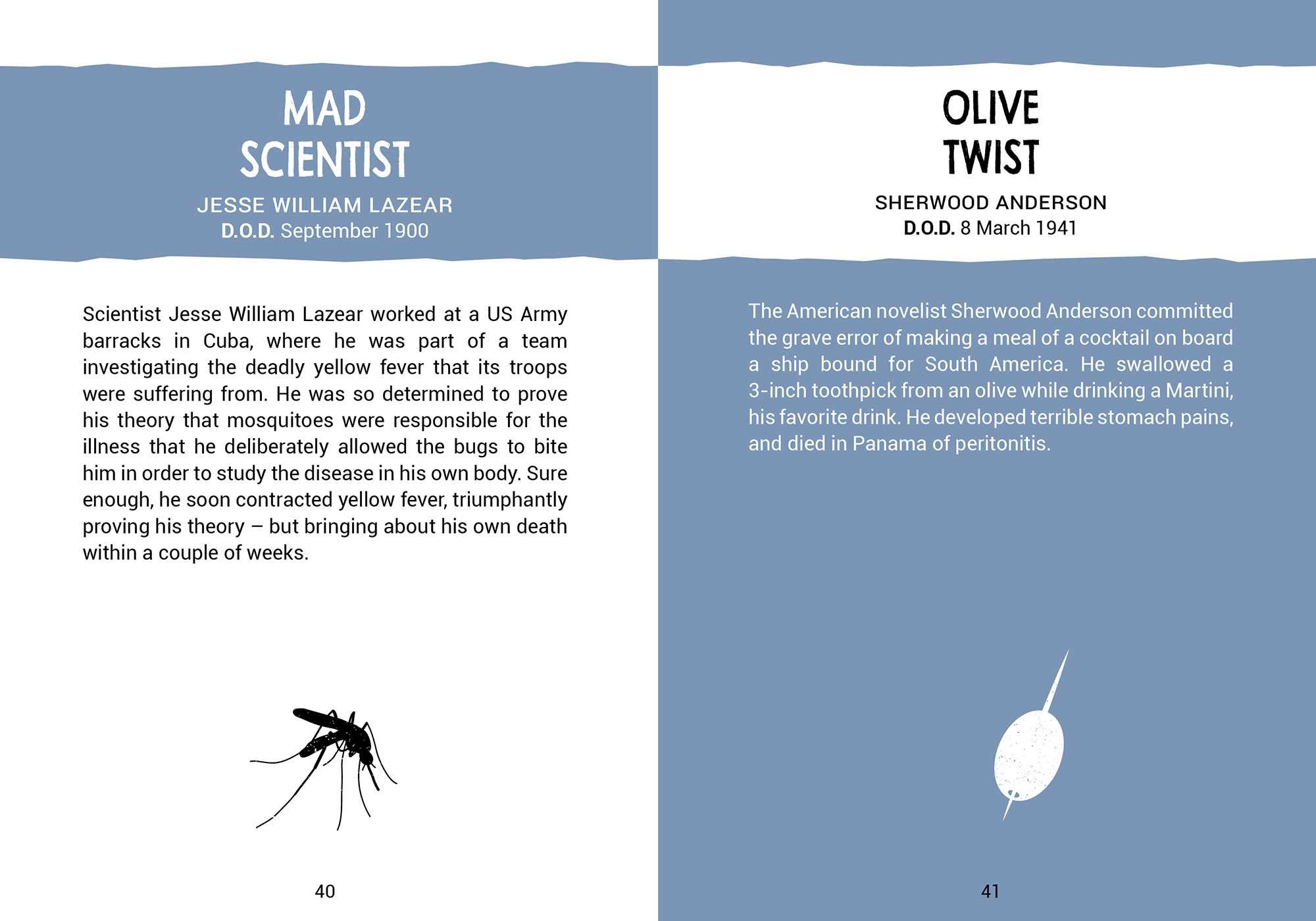
The title tells you all you need to know here: it’s a collection of stories and facts about freaky deaths throughout history. There are famous last words, unsettling statistics about Japanese pufferfish consumption, an unbelievable number of stories about people who went over Niagara Falls in a barrel, and unusual methods of execution. Each page has something new and bizarre to be discovered, like the story of 13-year-old William Snyder, who died in 1854 after “being swung around by the heels by a circus clown”. Or Joao Maria de Souza, who was crushed in 2013 when a cow wandered onto his roof and crashed through his ceiling, crushing him. There are also famous firsts: first death by robot, first death by auto accident, first spectator to die after being hit by a baseball during a game, and the first – and only known – jockey to win a race after dying. Illustrations add to the tongue-in-cheek morbid humor.

Strange Hollywood: Amazing and Intriguing Stories from Tinseltown and Beyond, by the Editors of Portable Press, (May 2019, Portable Press), $15.99, ISBN: 978-1-68412-677-4

Ages 15+

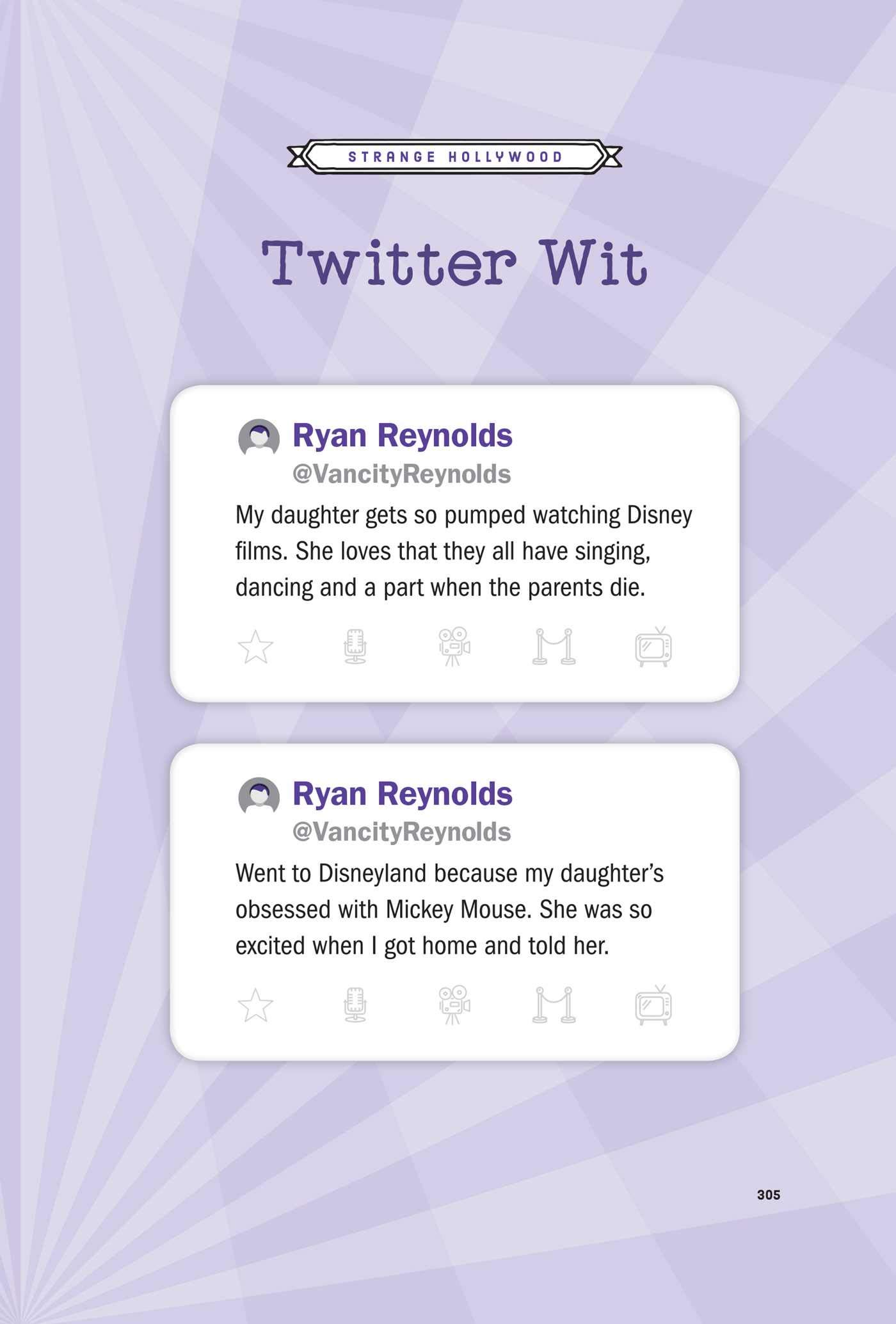
This is the latest in Portable’s Strange series and is loaded with stories about Hollywood, with a big emphasis on Hollywood’s Golden Age: stories about Rudolph Valentino, Charlie Chaplin, Judy Garland, Elvis, and Audrey Hepburn get a lot of page space; teens may not know the names, but the stories are a hook. There are quotes, Tweets, and facts in here, too, making this an easily readable book with tidbits to make readers laugh or wince. The recent Twitter feud between Armie Hammer and Jeffrey Dean Morgan is in here, and there are highlights called, “Putting the REAL in Reality TV” that squeal on the dubious verity of some of the more popular shows out there. Crazy lawsuits get touched on, too, like Hormel Foods, makers of canned meat Spam, suing Jim Henson Productions over naming a villainous Muppet Treasure Island character Spa’am. It’s morbid in some spots, head-shaking and wincing in others. An additional grab if you have nonfiction readers who love the gossip rags. Illustrated in two-color throughout.


Posted in Middle Grade, Non-Fiction, Non-fiction, Teen, Tween Reads

Monstrous brings the science of monsters to you

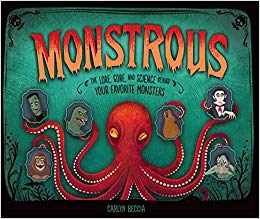
Monstrous: The Lore, Gore, and Science Behind Your Favorite Monsters, by Carlyn Beccia, (Sept. 2019, Carolrhoda Books), $19.99, ISBN: 978-1-5124-4916-7

Ages 10+

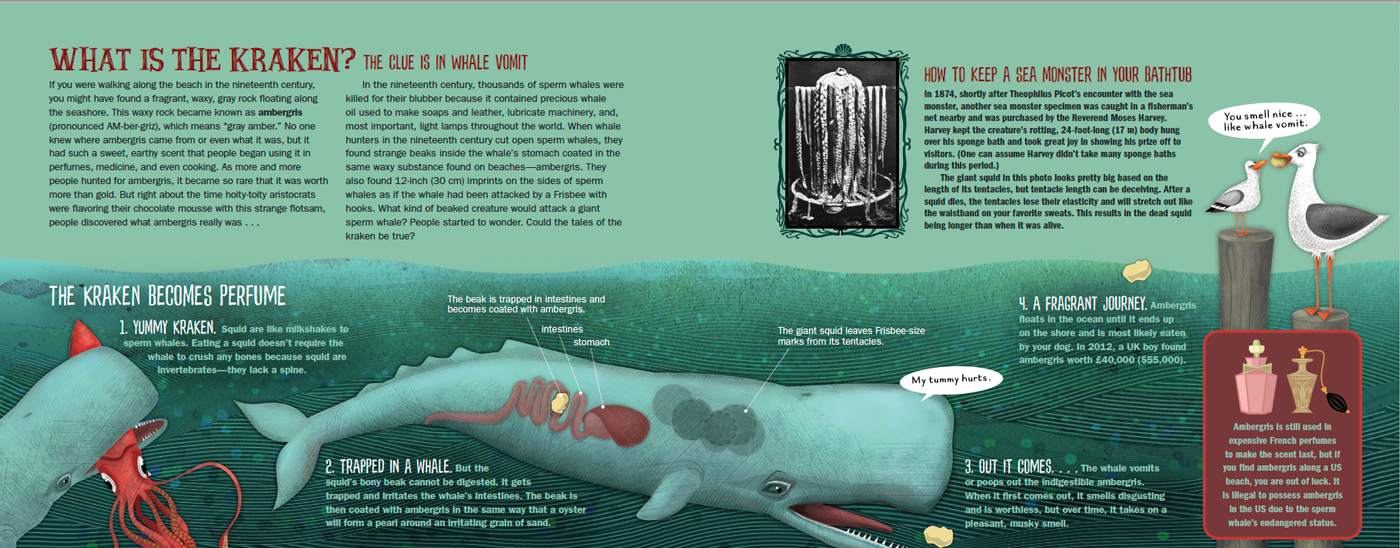
Okay, this is one of the best nonfiction reads I’ve read this summer. Eight movie monsters come together with witty writing, solid science and history, pop culture and myth, and amazing artwork to bring readers the “Science of the Monstrous”. Talk about electricity with Frankenstein’s Monster; whether or not science can make us immortal with Dracula (also, a spirited discussion on sparkly vampires); look at the zombie brain and pack a zombie preparedness kit while reading about zombie viruses; learn about math and whether or not you’re stronger than a dung beetle with King Kong; learn how to avoid – or, failing that, survive – a werewolf attack and read about the science behind the legend of werewolves; check out the ocean zones to figure out where the kraken dwells (and learn whether or not you’re about to be eaten by a giant octopus); talk evolution with Bigfoot while you scan a map of the US to see where your best chance of spotting him is; and, last but NEVER least, find out what kind of dinosaur Godzilla, King of All Monsters, is (hint: the awesome kind).

That’s the short of it. There is so much great stuff in here, I’d be here all day long if I tried to gush about how much I loved this book. I chuckled and snickered out loud behind the reference desk reading it, which brought some of my Library Kids over (the section on Why You Should Never Stress Your Mom Out made them laugh, which garnered a librarian look over the glasses from me). Everything in here is just pure gold, from the timelines like “The Monstrous History of Electricity”, where you learn that Thomas Edison used electricity on dolls to experiment with recorded sound (SO CREEPY), and a real list of radioactive creatures, like the wolves of Chernobyl and the cows of Fukushima. Carlyn Beccia’s writing is informative and whip-crack smart and funny – if I had a book like Monstrous available to me when I was in the middle grades, I’d probably be making freaky dolls talk to people in a lab today. Instead, I’ll figure out how to hold a program to let my Library Kids do it.

My Library Kids love the grossest history and science stuff out there, which I challenge myself to find on a regular basis; one of their favorites is Carlyn Beccia’s They Lost Their Heads!, along with Georgia Bragg’s How They Croaked and How They Choked, so I predict this book will disappear shortly after I say, “Hey, guys! Look what I’ve—“.

Long story short, Monstrous is a guaranteed win for your science collections, your STEM collections, and for your horror/monster/burgeoning goth fans. Check out author Carlyn Beccia’s webpage for more about her books, her art, and her social media links. Monstrous has a starred review from Kirkus.

Posted in Middle Grade, Non-Fiction, Non-fiction, Tween Reads

Learn about these Awesome Achievers in Technology!

Awesome Achievers in Technology, by Alan Katz/Illustrated by Chris Judge, (Aug. 2019, Running Press), $11.99, ISBN: 9780762463367

Ages 8-12

Kids have heard of the big names in Technology: Steve Jobs, Bill Gates, and, lord knows, Markus Persson (also known as Notch; Minecraft’s creator). But have they heard of Sir Tim Berners-Lee, the particle physicist who invented the World Wide Web as a way to share information with other scientists? Or Marie Van Brittan Brown, the nurse from Queens who devised the first closed circuit TV system, in conjunction with her engineer husband? Awesome Achievers in Technology is a series of short bios on some of the lesser-heralded names in technology. The book is part biography compilation, part wacky facts and silly stories, and a sprinkling of dad jokes. There are 12 profiles and 13 biographies – Adam Cheyer and Dag Kittlaus, the developers who created Siri, are included together – with black and white illustrations throughout. There are fun asides, including a “Get the couch potato back where he belongs” maze, remote control pop quiz, and wacky poems and stories from Katz’s memories.

All in all, a fun addition to biography shelves, and a good way to introduce kids to even more figures in STEM history. Awesome Achievers is going to be an ongoing series, with Awesome Achievers in Science hitting shelves on the same day as Awesome Achievers in Technology.

Posted in Middle Grade, Non-Fiction, Non-fiction, Tween Reads

Ocean: Secrets of the Deep is STEM fun!

Ocean: Secrets of the Deep, by Sabrina Weiss/Illustrated by Giulia De Amicis, (April 2019, What on Earth Books), $19.99, ISBN: 97-1-9999680-7-6

Ages 7-12

We’re heading to Florida on the first road trip we’ve had in ages, so I’m all over the beachy reading right now. My little guy is excited, because his grandpa lives right by the ocean, so we’ve been enjoying this book immensely.

Ocean: Secrets of the Deep is loaded with facts and figures about the underwater world, and I am in love with the bright, bold illustrations and infographics! The information is presented in bite-size chunks that kids can easily enjoy and digest, and the minimailst artwork is bold and gorgeous. Not just a fact book, there is info about myths and legends (including one of my faves, the Kraken); sections on each of the ocean’s zones, with numbered renderings of each form of life living in each zone; animals who work together in the deep; animal sizes and sounds, and migration patterns. There are sections on environmental concerns and challenges, including overfishing, pollution, and climate change, and a call to action that encourages and empowers kids to act. A glossary and index complete this beautiful volume.

Natural history and environmental studies units would benefit from adding this book to shelves, and you can easily use Ocean in your library STEM programming. When we had our Discovery Club at my library, we did a unit on the ocean, and had the kids create their own ocean zones display on a wall in our meeting room. Print out pictures of different fish featured in Ocean, and invite the kids to color and stick their own marine life to the zones in your library or classroom! It’s a great multi-week project, if you want to spend time creating the monochromatic zones, then working on the marine life.

Ocean is absolute fun and absolutely gorgeous.