Posted in Middle Grade, Non-Fiction, Non-fiction, Tween Reads

Holiday Goodies: Gift book shopping guide!

I hope everyone enjoyed their holiday break! If you celebrate Thanksgiving, I hope you had a wonderful and safe holiday. And now, the shopping season heats up, so let’s get another gift guide together. This one is all about the gift books, and remember: today is Small Business Saturday, so if you’re able to, please support a local business!


Anatomicum (Welcome to the Museum), by Jennifer Z. Paxton/Illustrated by Katy Wiedemann, (Sept. 2020, Big Picture Press), $35, ISBN: 9781536215069

Ages 8-13

The Welcome to the Museum series is a great nonfiction series that lets readers recreate a museum in their own homes. Every museum wing you can imagine has a book: Dinosaurs, Animals, History, and so many more; many of the books have companion workbooks. The latest book, Anatomicum, dives  into the inner workings of the human body: how our cardiovascular systems and respiratory systems work, how facial muscles contribute to facial expressions, the development of a baby in the reproductive system, and how our immune and lymphatic systems help fight disease are just a few areas readers will explore. Katy Wiedemann’s scientific drawings in 2-color sepia-tones are detailed and Jennifer Z. Paxton’s accompanying text provides factual explanations and overviews on each area. Think of this as a Grey’s Anatomy for younger readers; artists and budding biologists and medical professionals alike will love this.


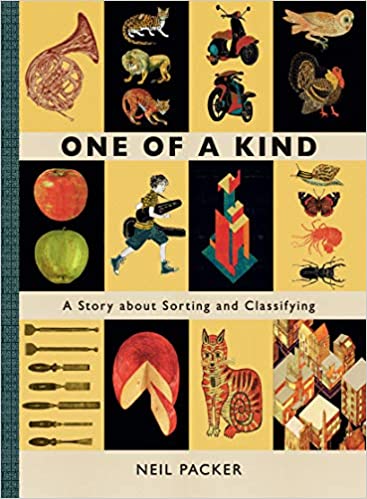
One of a Kind: A Story About Sorting and Counting, by Neil Packer, (Oct. 2020, Candlewick Studio), $22.99, ISBN: 9781536211214

Ages 7-10

A story wrapped within a book on classification, this is an excellent introduction to scientific classification and organization for kids. Readers meet a boy named Arvo, and get a look at his family tree. They meet his cat, Malcolm, and see his family tree, too. As Arvo moves through his day, readers discover how many ways there are to classify and organize information: as he learns to play the violin, we see where it fits into a grouping of musical instruments; when he needs to fix his bicycle’s tire, we get a look at different types of tools. Arvo visits the library, where the books are laid out by subject: can I get a print of this for my library? Back matter describes the classifications discussed throughout the story, and the mixed media art is interesting; each piece looks like a museum piece. What a great next step for sorting and classifying for kids!

The Language of the Universe, by Colin Stuart/Illustrated by Ximo Abadía, (Oct. 2020, Big Picture Press), $24.99, ISBN: 9781536215052

Ages 8-12

A visually stunning of the intersection of math and science, The Language of the Universe examines the history and application of math in the natural world. Discover the Fibonacci sequence in a sunflower and investigate the atom patterns in the periodic table; lift with levers and use math to encrypt messages. The text is easy to understand and lends itself to fun new projects for readers to think up. The art is colorful and there’s always something exciting to look at. Another great addition to shelves for young scientists and artists everywhere.


Space Encyclopedia: A Tour of Our Solar System and Beyond, by David A. Aguilar, (Nov. 2020, National Geographic), $24.99, ISBN: 978-1426338564

Ages 8-12

The latest update of NatGeo Kid’s Space Encyclopedia is out just in time for the holidays! The latest updates on our universe, all accompanied by breathtaking, full-color photographs, wait for readers in these pages. Sections on the stars, a tour of the solar system, life on other planets, and our future inclue Amazing Space! Milestone timelines, fun facts, and easy-to-read quick data bursts throughout. Spotlights on key figures in space exploration include Galileo Galilei, Albert Einstein, and Copernicus. The book is indexed and includes resources for additional reading and websites. A great gift idea for your budding astronomers and astrophycisists.

Posted in Non-Fiction, Teen, Tween Reads, Young Adult/New Adult

Cursed Objects: A trip through weird history

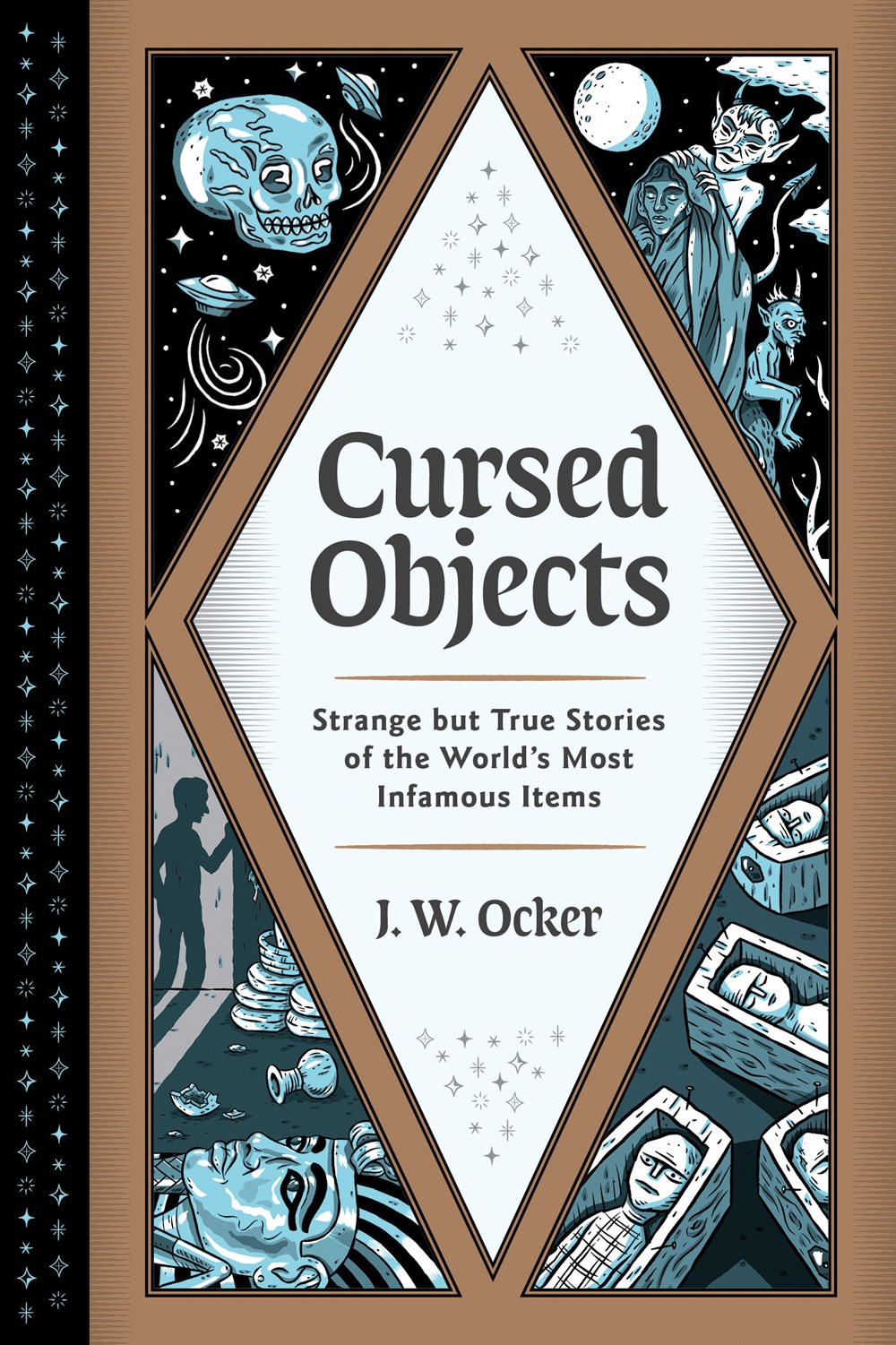
Cursed Objects: Strange but True Stories of the World’s Most Infamous Items, by J. W. Ocker, (Sept. 2020, Quirk Books), $19.99, ISBN: 9781683692362

Ages 12+

If you have teens (and tweens) who love the creepier side of life, you have to hand them Cursed Objects. If you have fans of the podcast (and Amazon Prime show  and series of books) Lore, have this book at the ready. Cursed Objects is a worldwide road trip through some of the weirdest, wackiest, allegedly objects that may or may not be cursed. Some of these treasures are well-known and infamous: the Hope Diamond and the actual Annabelle the doll are both in here, as are Robert the Doll (also featured on Lore) and . Some may be new to you, like Robert the Doll, one of the creepiest The Unlucky Mummy, who launched a thousand e-mail chain letters back in the ’90s. And some were new to me, like The Dybbuk Box, which was sold on eBay, and The Ring of Silvianus, a Roman artifact that allegedly inspired JRR Tolkien. Illustrated in two-color blue and white, each entry has a few pages dedicated to the object’s history, alleged misfortunes, and where it is today. There are callout boxes and bulleted lists throughout, making this an easy, entertaining, and absolutely fun read.

Author J.W. Ocker is the Edgar-winning author of The Rotter House and creator of OTIS: Odd Things I’ve Seen where you can read about more of his visits to oddities of culture, art, nature, and history across the world.


Posted in Graphic Novels, Non-Fiction, Teen, Young Adult/New Adult

Graphic Novels, Life Stories

I’ve been really loving the graphic novels coming out this year. Lots of life stories have found their voices in the pages of graphic novels; it’s a trend I’m enjoying, because the artwork really helps bring a person’s story to full, visual life, with little nuances and nods to things not always easily described with just words. Shades of grey; pops of color; a flash of a poster in a teen’s room: these are all things that a graphic novel can illustrated and communicate much more easily and quickly, reaching visual readers who may otherwise not experience the full breadth of a story. Here are some great lives I’ve read about recently.
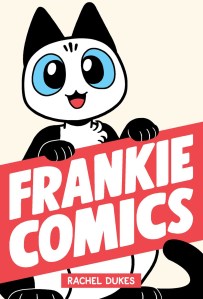
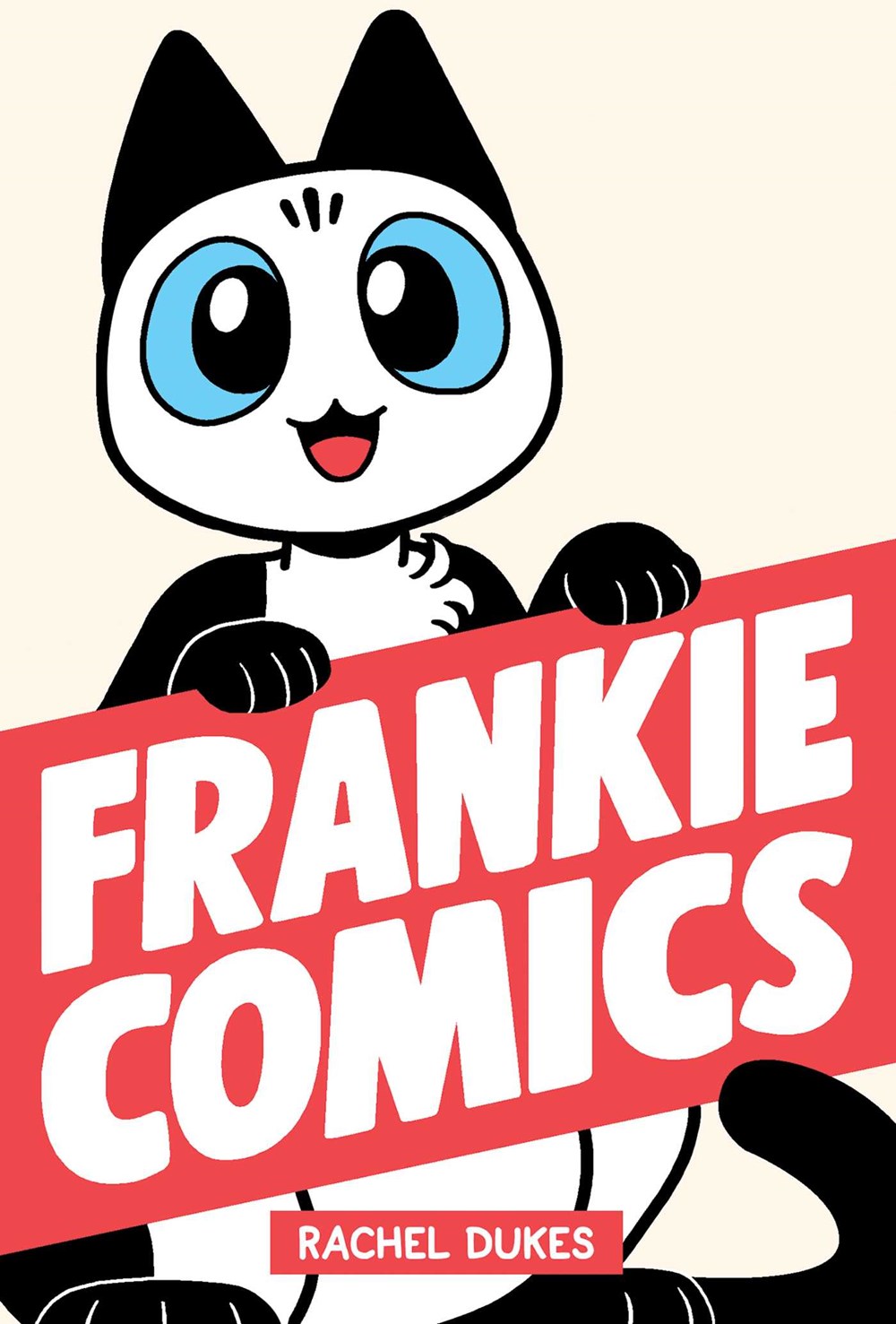
Frankie, by Rachel Dukes, (Oct. 2020, Oni Press), $17.99, ISBN: 9781549306884

Ages 12+

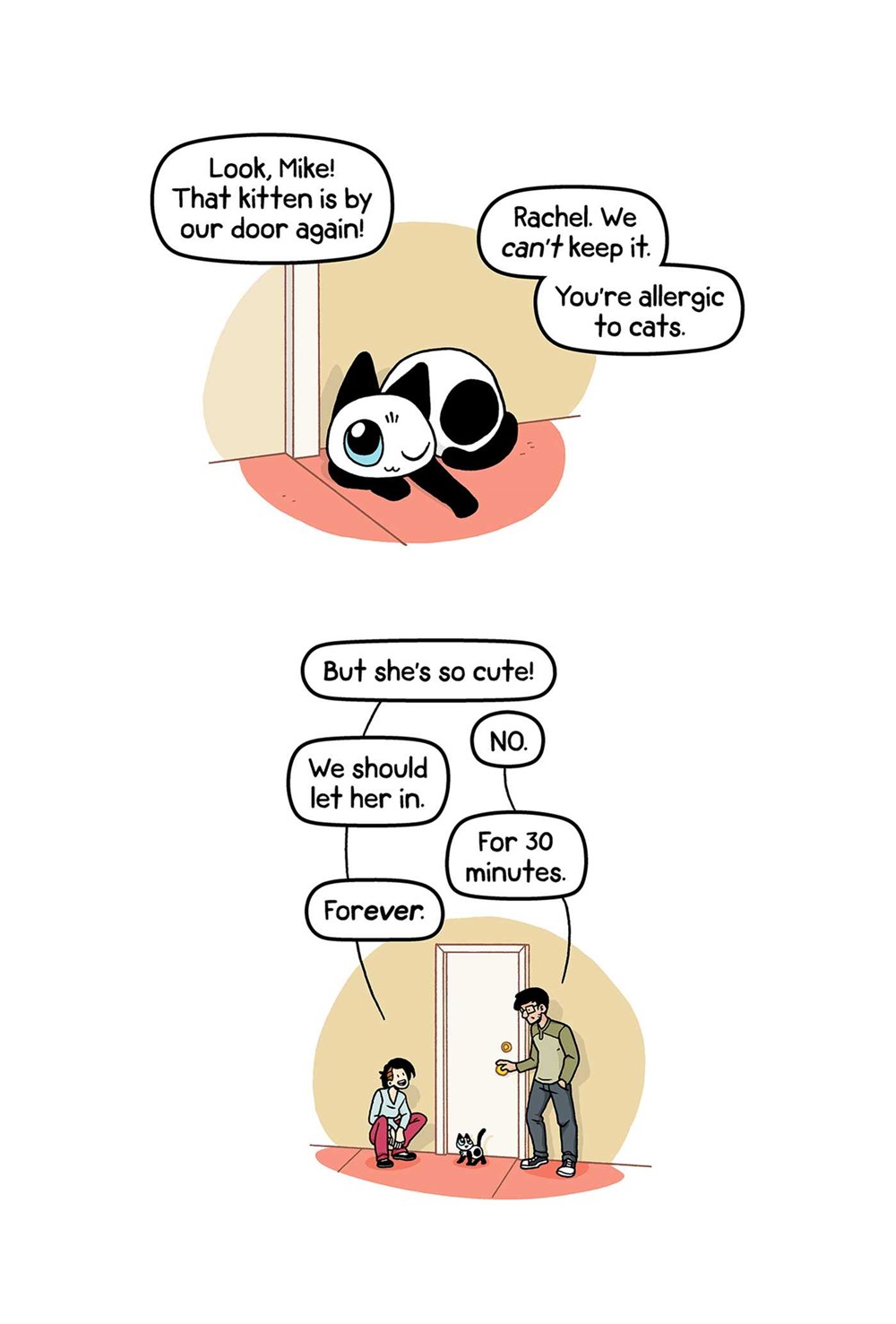
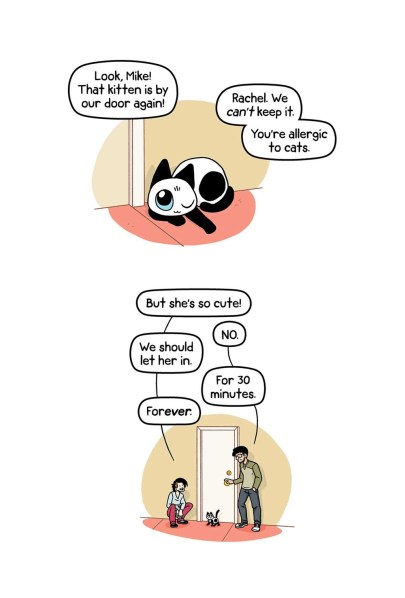
This is the sweetest book! Cartoonist Rachel Dukes is the Lucy Knisley of pet parenthood, as she chronicles life with her cat, Frankie. Rachel and their spouse, Mike, find the cutest black and white kitten outside their door, and Rachel is in love. Inspired by Rachel’s webcomic, Frankie is a series of vignettes in pet parenting, with comics taken from their webcomic and with some new material. Cat-lovers and pet-lovers will all recognize moments like Frankie choosing Rachel’s backpack over a snuggly new bed; the conversations we have with our furry friends; the nicknames we give them, and many, many, bedtime moments (what is it about sneezing in our faces as they settle in on our chests?). Frankie is adorable and full of personality that comes shining through the page. Rachel’s artwork is fun and expressive, silly and upbeat: it’s just what so many of us need to read these days! Each vignette has a name that pet parents will relate to, including moments like “Language Barriers”, “The Box”, “Night Song”, and “Cuddles”. Rachel includes a section on Quick Tips for Aspiring Cat Parents. Talk up to your readers who love Chi’s Sweet Home and Pusheen, and visit Rachel’s Frankie website for adorable downloadables! See more of their artwork on Rachel’s Instagram, and read more of their comics and buy some swag by clicking here, at MixTape Comics.
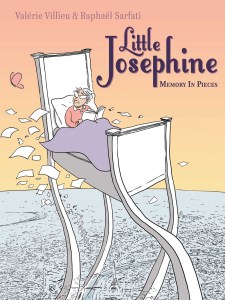
Little Josephine: A Memory in Pieces, by Valérie Villieu/Illustrated by Raphaël Sarfati, (Apr. 2020, Humanoids Inc.), $17.99, ISBN: 9781643375342

Ages 12+

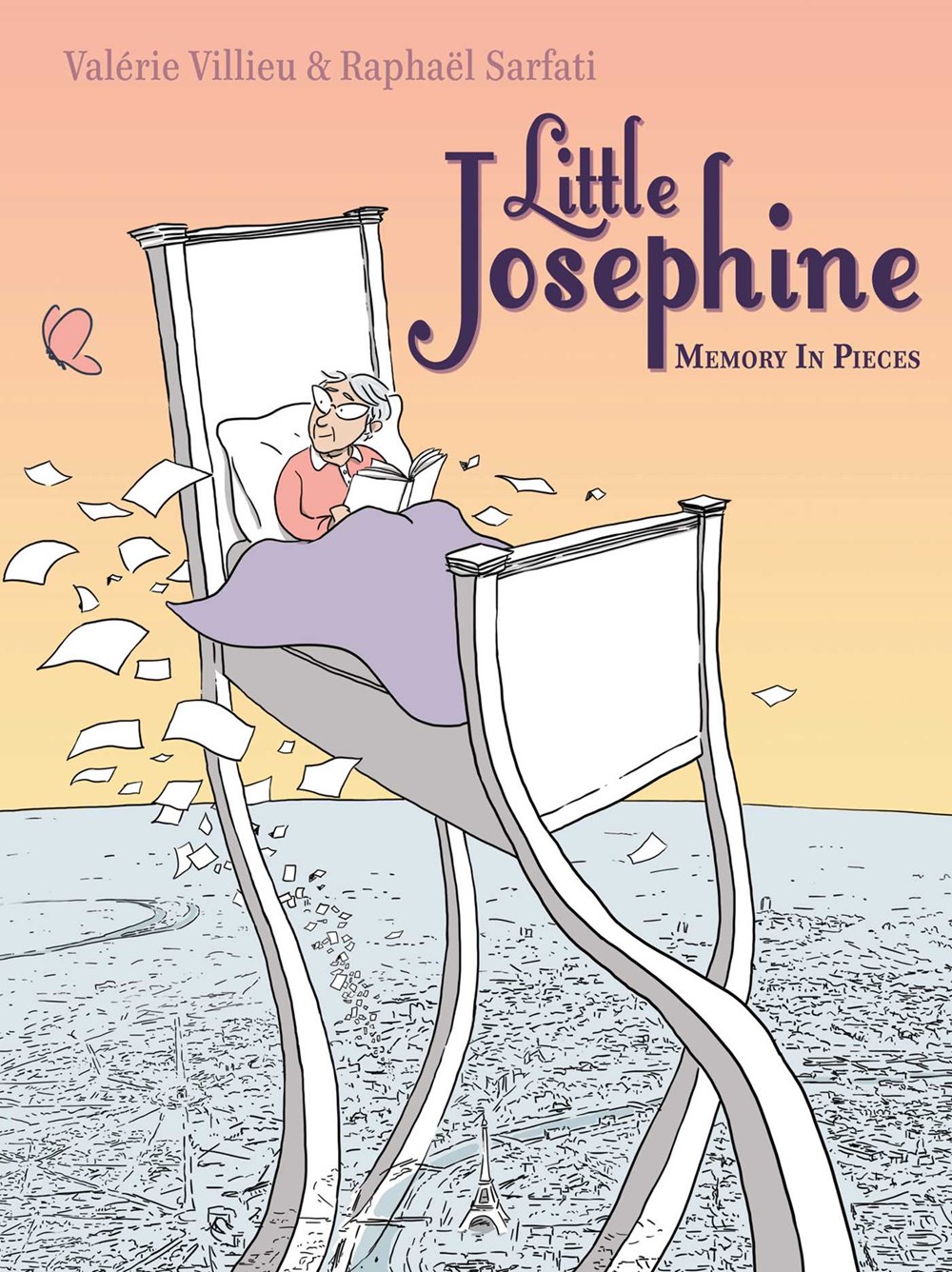
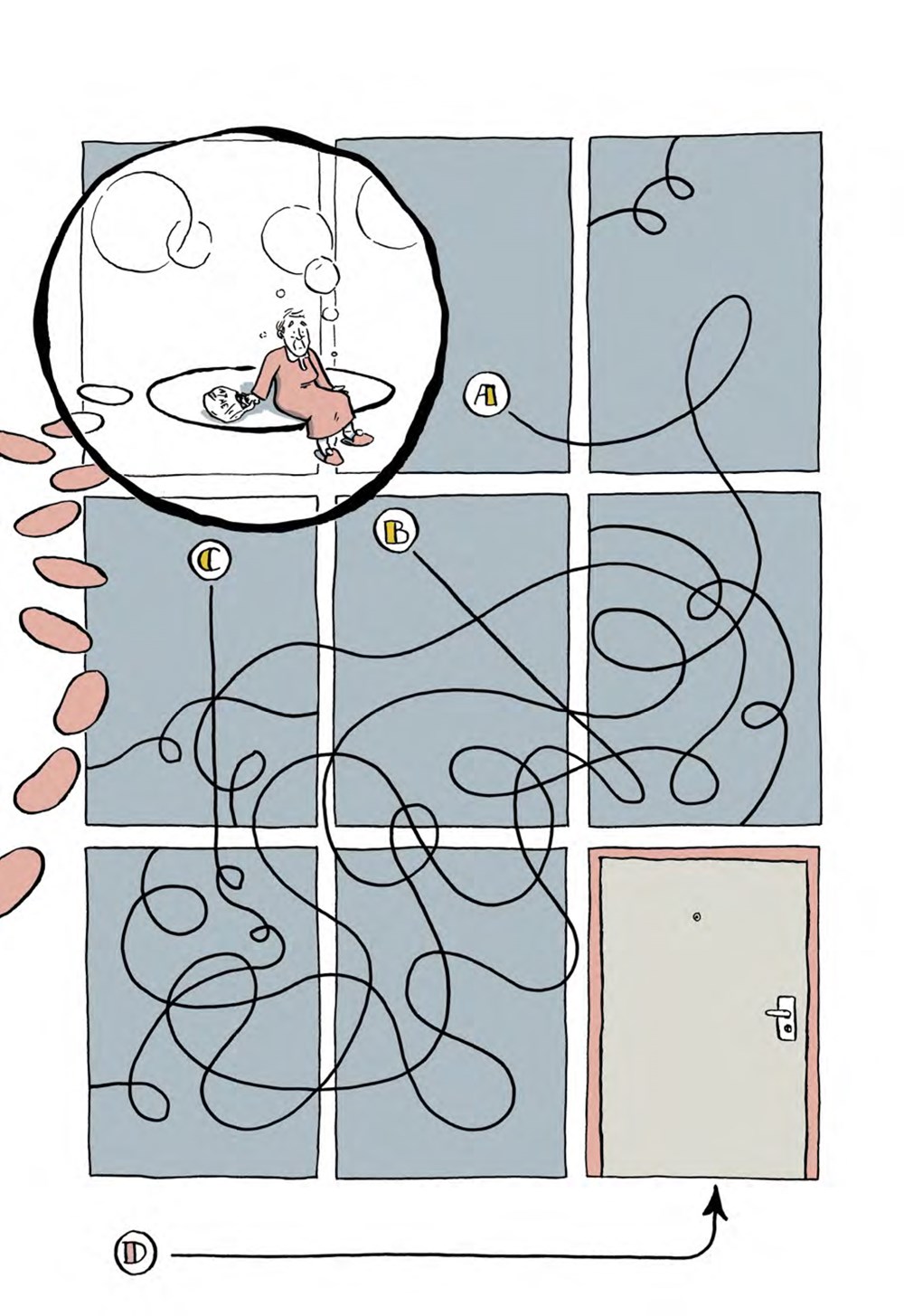
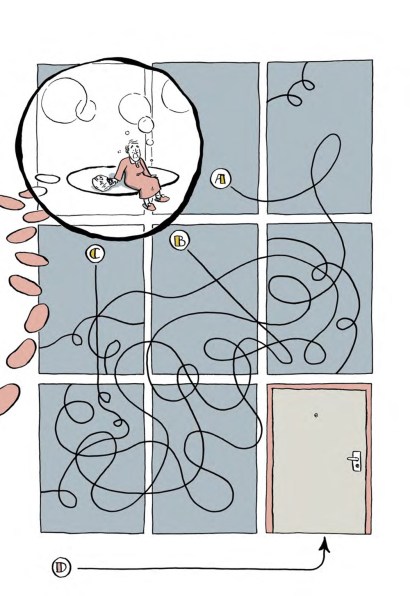
Visiting nurse Valérie Villieu tells the story of Josephine, a patient that touched her heart, in this aching and quietly lovely story that examines the bonds between patient and nurse while it gives readers a look at the unsettling treatment of the elderly by overwhelmed social workers and home health aides. Josephine, an Alzheimer’s patient, lives alone in a Paris apartment when Valérie is assigned to her. While Josephine is at first resistant to Valérie’s help, the two eventually find common ground in humor. As Valérie strives to learn more about her charge, she discovers that Josephine is a playful, charming woman who enjoys conversation. Valérie expresses her frustration at an overloaded health care system, which leaves an elderly woman in the care of a conservator who just isn’t able to keep up with their caseload – a relatable, upsetting issue. Josephine’s lapses are creatively envisioned in fractured panels, where she’s swept away on her bed, or thrust into the middle of a chaotic panel. The colors are muted shades, giving the story a quiet dignity, even as we ache, seeing Josephine increasingly lost in her own world. A beautiful story of connection and a painful memoir of Alzheimer’s from a caregiver’s point of view, Little Josephine is gorgeous storytelling. Back matter includes an author’s note on Alzheimer’s Disease.
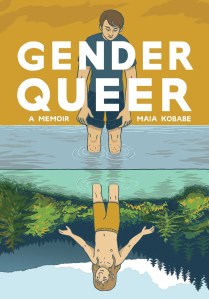
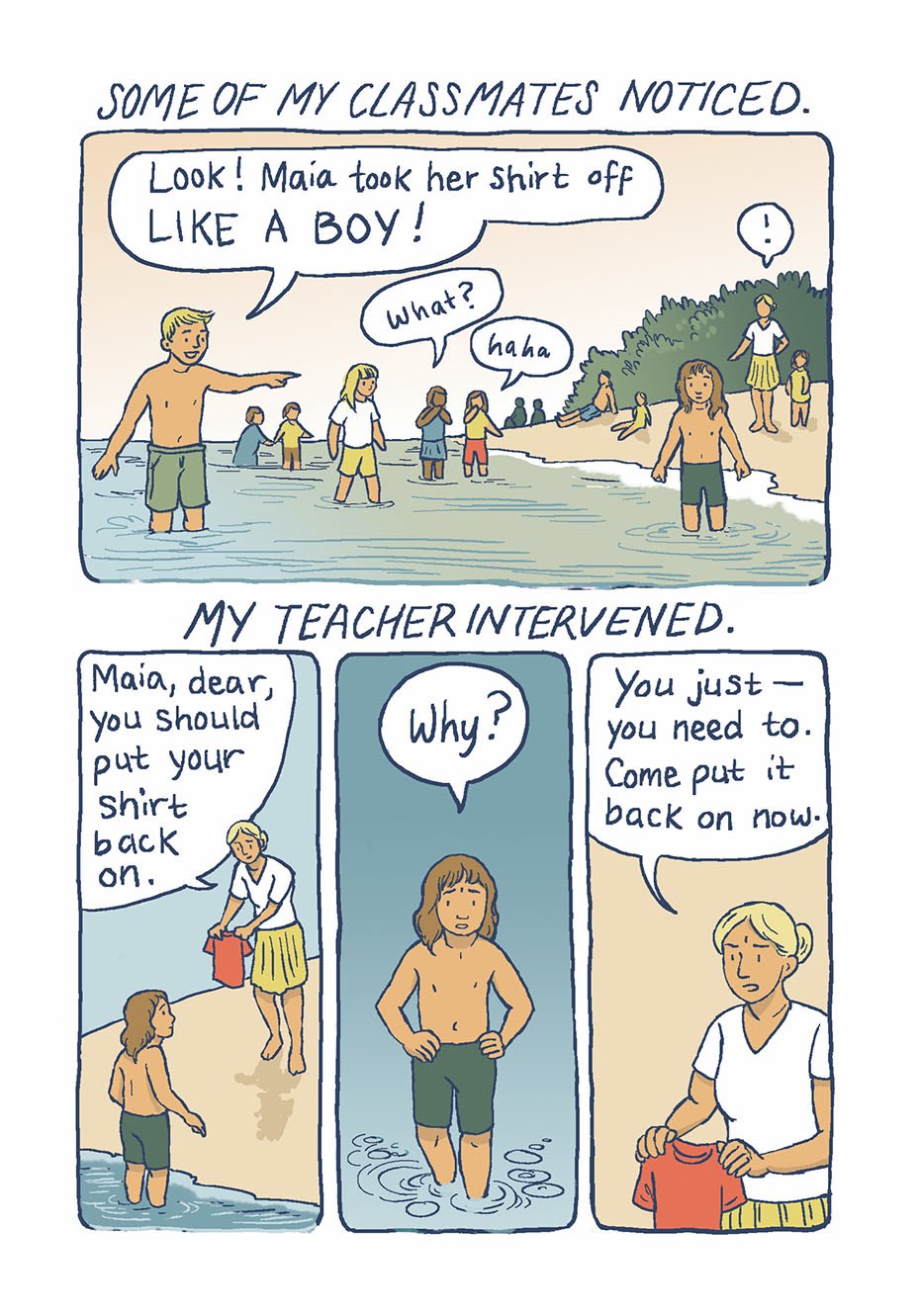
Gender Queer, by Maia Kobabe, (May 2019, Oni Press), $17.99, ISBN: 9781549304002

Ages 14+

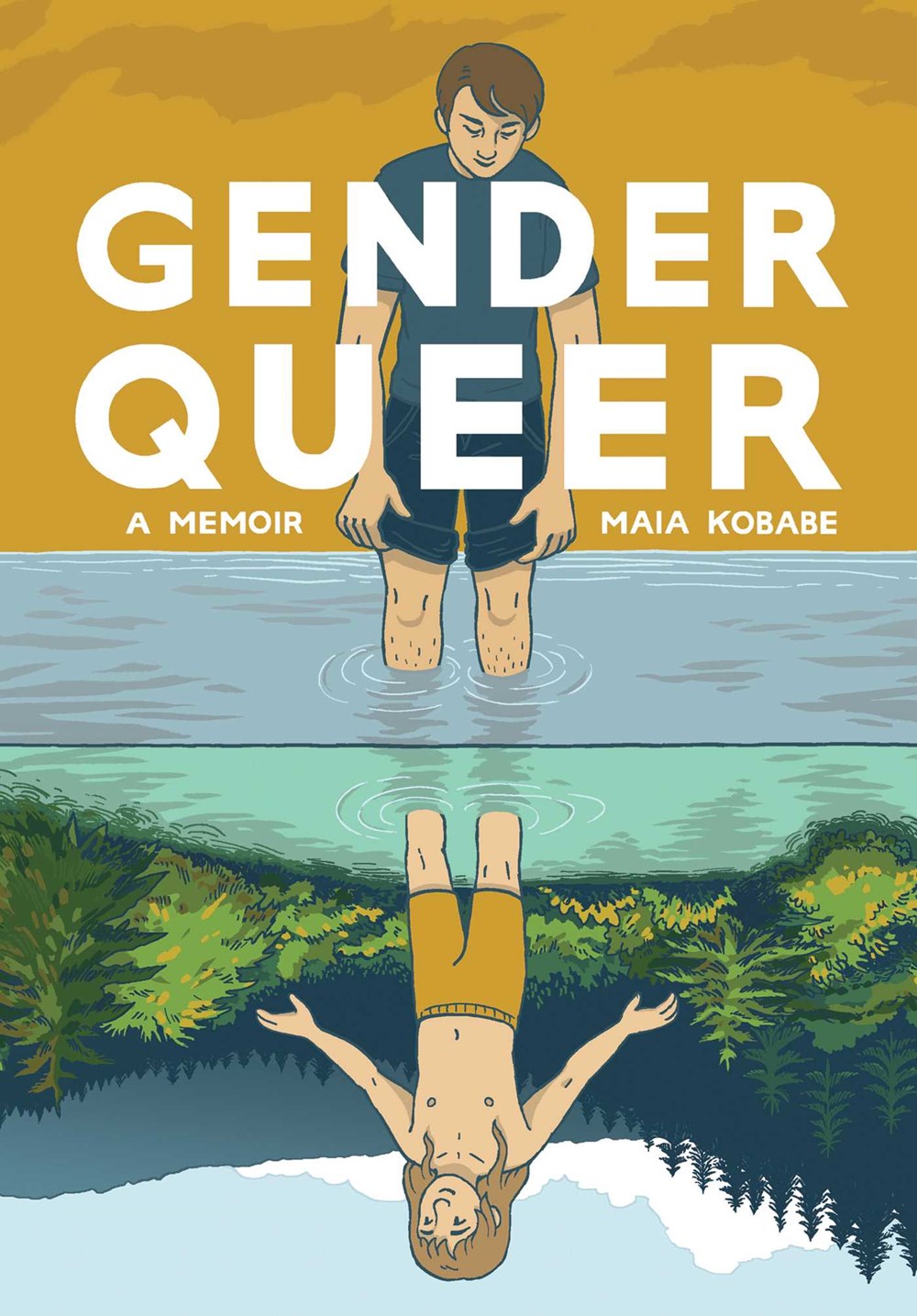
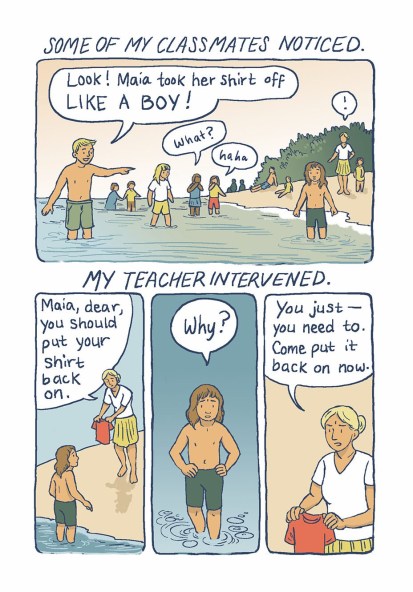
Gender Queer is illustrator Maia Kobabe (pronouns: e/em/eir)’s autobiography. Assigned female at birth but never quite feeling that designation fit, Kobabe journals em’s journey through fandom, identity, and sexuality; finally coming to the discovery that nonbinary and asexual are the best descriptors. From a rustic childhood, through puberty, high school, college, and grad school, we walk with Maia through years of introspection and self-discovery. Written as a journal, readers will hopefully see themselves, or gain an understanding of others as Kobabe describes the trauma of body dysmorphia and gynecological exams; appreciate em’s supportive family, and come away with sensitivity and compassion. Have this available for readers who identify as nonbinary or asexual. There are some strong resources to keep available for asexual and nonbinary readers, including Queer Books for Teens, and booklists from YALSA, Book Riot, GoodReads, and Tor. Author Jeanne G’Fellers has an excellent author webpage, including The Enby Booklist, containing fiction, nonfiction, and poetry with a non-binary focus. There is a lesson plan available for Gender Queer through Diamond Bookshelf.

Gender Queer has a starred review from School Library Journal, is a 2020 ALA Alex Award Winner and a 2020 Stonewall — Israel Fishman Non-fiction Award Honor Book.
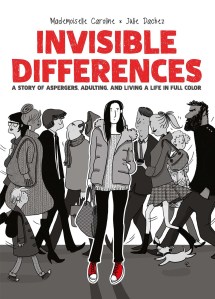
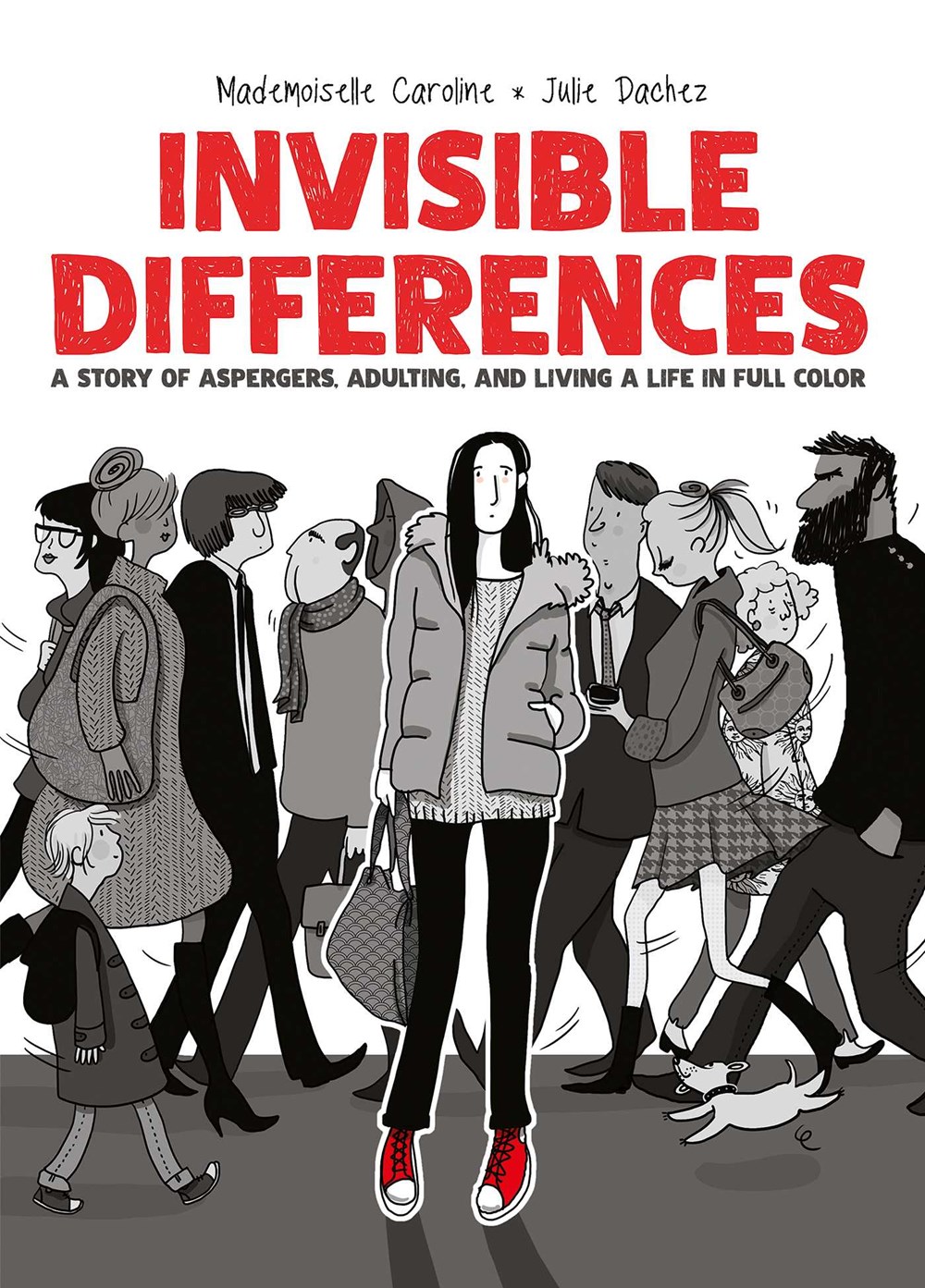
Invisible Differences: A Story of Asperger’s, Adulting, and Living a Life in Full Color, by Julie Dachez, (Oct. 2020, Oni Press), $19.99, ISBN: 9781620107669

Ages 12+

From her opening dedication: “This comic is dedicated to you. You, the deviants. People who are ‘too much like this’ or ‘not enough like that’, Julie Dachez creates a safe, welcoming space for readers delving into her graphic novel, revealing what life is like for a person living with Asperger’s Syndrome. Twenty-seven-year-old Marguerite loves staying home with her books, her little dog, her purring cats, and her soft pajamas. Within her silent apartment, they form her “cocoon”. She’s stressed by commuting to her job, but relies on routines to usher her through her day. Coworkers don’t seem to understand her. Her boyfriend is frustrated because she doesn’t want to go to parties and socialize as he does. As she searches for answers to her anxiety, she discovers that she is not alone: there is a community of people with Asperger’s Syndrome, a form of autism, and their experiences are there, online for Marguerite to read. No longer in the dark and alone, she begins a search for the right therapist, and the resources she needs to advocate for herself.

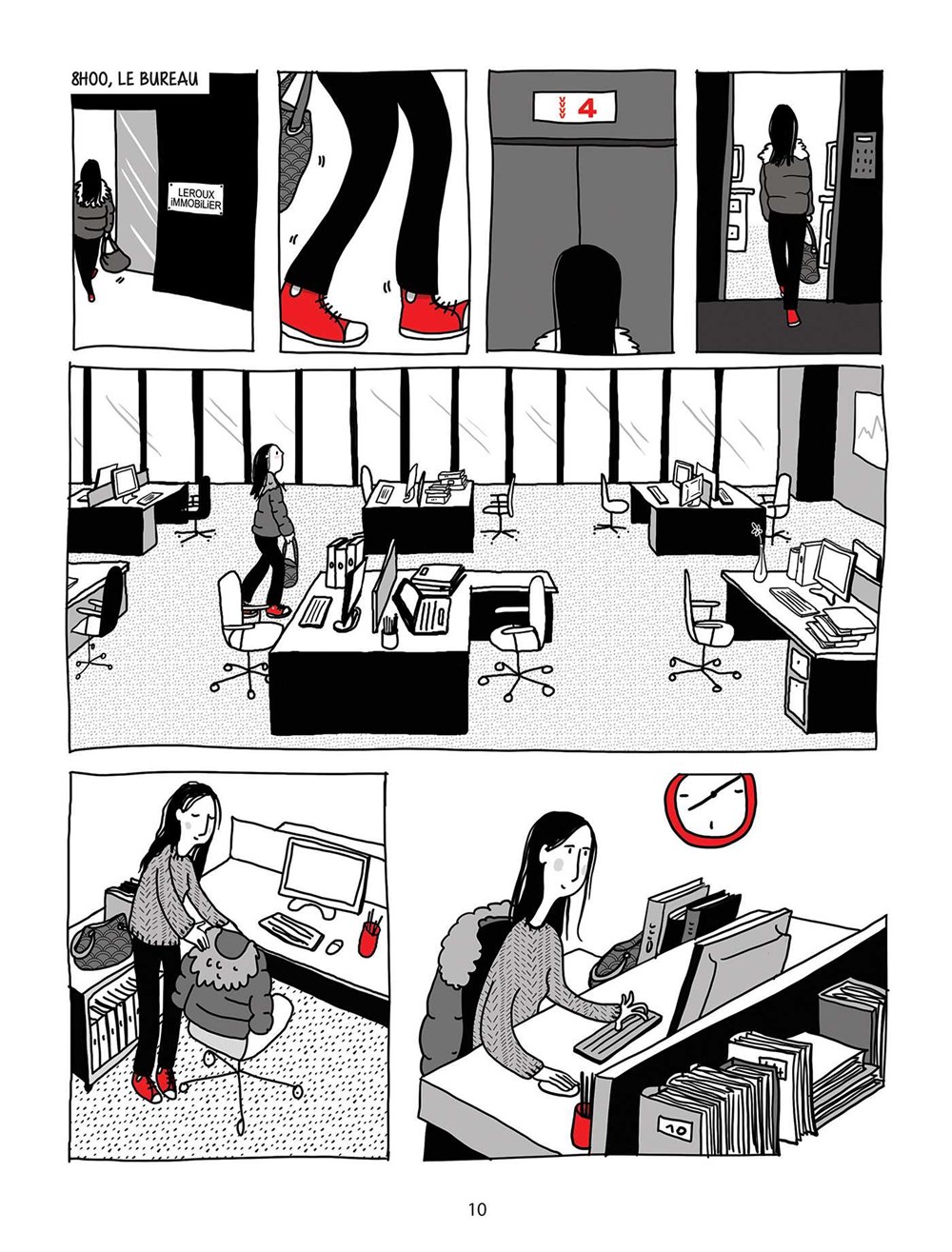
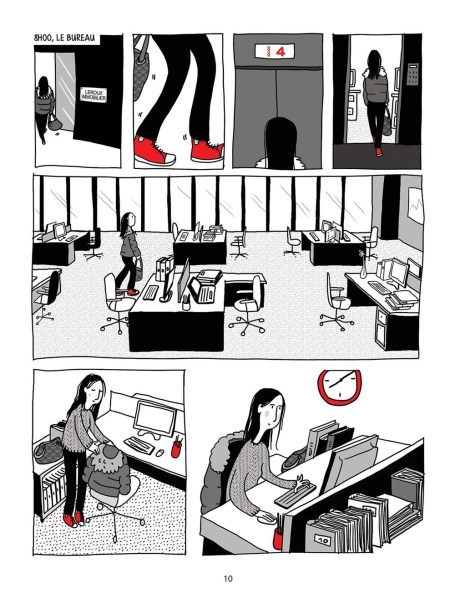
Julie Dachez’s black and white artwork skillfully uses reds and yellows to communicate Marguerite’s stressors and anxiety: loud conversations and everyday noise; panels are bathed in red to denote stressful moments in Marguerite’s day, when her defenses are running low, gradually fading back to black and white as she separates herself from social situations to recharge. Her red sneakers are the sole point of red that provide a reassuring, routine constant. Back matter includes a history of autism, information on Asperger’s Syndrome, and a list of resources for further reading (incuding children’s books!). A good book to have in your collection; consider also purchasing Camouflage: The Hidden Lives of Autistic Women, a nonfiction graphic novel by Dr. Sarah Bargeila and illustrated by Sophie Standing.
Posted in Middle Grade, Non-Fiction, Non-fiction, Teen, Tween Reads

#HomesCool: Career Day, Playing with Words, Women’s History, and ICK!

More #HomesCool fun as I catch up on my Summer Reading TBR! Here’s what’s good this week:

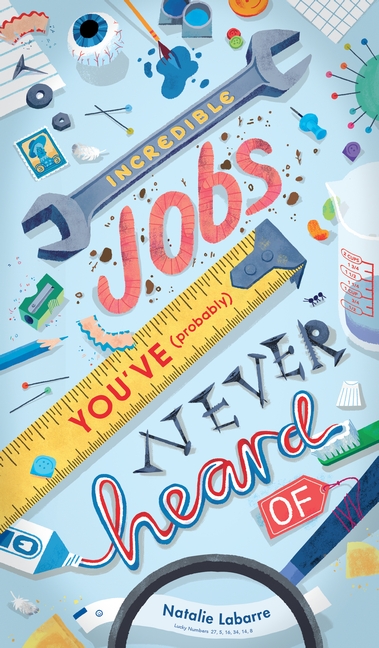
Incredible Jobs You’ve (Probably) Never Heard Of, by Natalie Labarre, (Apr. 2020, Nosy Crow), $19.99, ISBN: 9781536212198
Ages 9-12

Welcome to Career Day! What do you want to be when you grow up: a librarian? Teacher or doctor? How about… a Train Pusher, or a Pet Preservationist? If the usual Career Day job list is leaving you with a case of the blahs, Incredible Jobs You’ve (Probably) Never Heard Of is the book for you and your kiddos. Oversized and illustrated in full color, this book spotlights jobs that are off the beaten path: sure, kids may have heard of an Egyptologist, but do they know that a Body Farmer uses the bodies of folks who’ve donated their bodies to science to recreate crime scenes or do scientific research? Or that a Chief Sniffer smell-checks anything going on a spacecraft launch? How about creating works of art from cheese, like a Cheese Sculptor? There are so many great jobs in here, kids will never look at Career Day the same way again. Illustrated with upbeat, fun artwork, and bright blue endpapers that give nods to all sorts of careers waiting inside, this is way too much fun, and a brand new take on the question, “So… what do you want to be when you grow up?”.


Alphamaniacs: Builders of the 26 Wonders of the Word, by Paul Fleischman/Illustrated by Melissa Sweet, (Apr. 2020, Candlewick Studio), $19.99, ISBN: 9780763690663

Ages 12+

Looking like an artist’s journal, filled with colorful, mixed media illustrations in bold, wild colors, Alphamaniacs is a book for those of us who love words and language. Twenty-six profiles fill this book, but they’re not the kind of wordsmiths you may think of: Simon Vostre, the 15-century publisher of religious books who wrote book curses to protect his works from careless readers and handlers: “Whoever steals this Book of Prayer / May he be ripped apart by swine, / His heart be splintered, this I swear, / And his body dragged along the Rhine”; Corín Tellado, the prolific author whose writing career left us with over 4,000 novels; and Daniel Nussbaum, the creator of “PL8SPK” – vanity license plates that retell the classics – are all here, as are other word artists and lovers. The book is perfect for tweens and teens who love a good word-related joke, and can be used in ELA classes to show how much fun it is to play with language. Any language!

Alphamaniacs has starred reviews from Kirkus and the Bulletin of the Center for Children’s Books.


Noise Makers: 25 Women Who Raised Their Voices & Changed the World, by Kazoo Magazine, Edited by Erin Bried, (Jan. 2020, Alfred A. Knopf), $25.99, ISBN: 9780525580171

Ages 9-14

This book is AMAZING. It’s a graphic novel look at 25 women who made history, written and drawn by some of the most outstanding names in comics and graphic novels today, including Lucy Knisley, Maris Wicks, and Kat Leyh. Collected by the editors at Kazoo Magazine, every woman profiled here gets star treatment: a biographical spread with a picture, summary paragraph, and bullets points, inviting readers to see what they have in common with these women (talk about inspiring!), and a short graphic novel story from the woman’s life. Eugenie Clark, the “Shark Whisperer” (and Shark Lady, according to Jess Keating), is here; Wangari Maathai, who planted trees in Kenya, is here, too. Junko Tabei, the first woman to reach the peak of Mount Everest; artist Frida Kahlo, and musician and spy Josephine Baker are all here, too. Their stories are beautifully told and in a way that links reader, writer, and subject. Noise Makers organizes profiles under six areas: Grow (women who worked with nature); Tinker (entrepreneurs and inventors); Play (those with more physical accomplishments); Create (artists and creators); Rally (advocates and activists); and Explore (pioneers and explorers). This is essential, joyful, reading. Each contributing artist has a profile in the back matter. Put a copy on your Biography shelves and a copy on your Graphic Novels shelves.


Ick! Delightfully Disgusting Animal Dinners, Dwellings, and Defenses, by Melissa Stewart, (June 2020, National Geographic Kids), $14.99, ISBN: 9781426337468

Ages 7-13

You have got to love NatGeo Kids for having their finger on the pulse of what kids like. Ick! celebrates the grossest stuff in the animal world: caterpillars that camouflage themselves to look like dung, birds who build their nests with spit, a wasp who builds her nest inside her prey; it’s all here, with full-color photos that will make readers squeal with macabre delight. Organized into sections on Disgusting Dinners, Disgusting Dwellings, and Disgusting Defenses, readers learn all about the ways animals live, eat, and protect themselves. Callout facts and stats feature throughout the book, as do “Extra Ick!” sections with even grosser facts! Birds, bugs, mammals, fish, lizards, every type of animal can be found here: 45 of them, to be precise. A glossary, selected sources, and index round out the back matter.

Pair this with NatGeo Kids’ and Anna Claybourne’s Don’t Read This Book Before Dinner for an all-out squeal fest. And check out the Ick! section of author Melissa Stewart’s webpage, which includes a great interactive teaching presentation!


Posted in Fiction, Intermediate, Middle Grade, Non-Fiction, Non-fiction, Tween Reads

#SummersCool: Art and Architecture, Music, and Science

The latest edition of #SummersCool is here! Get ready for a full day of fun!


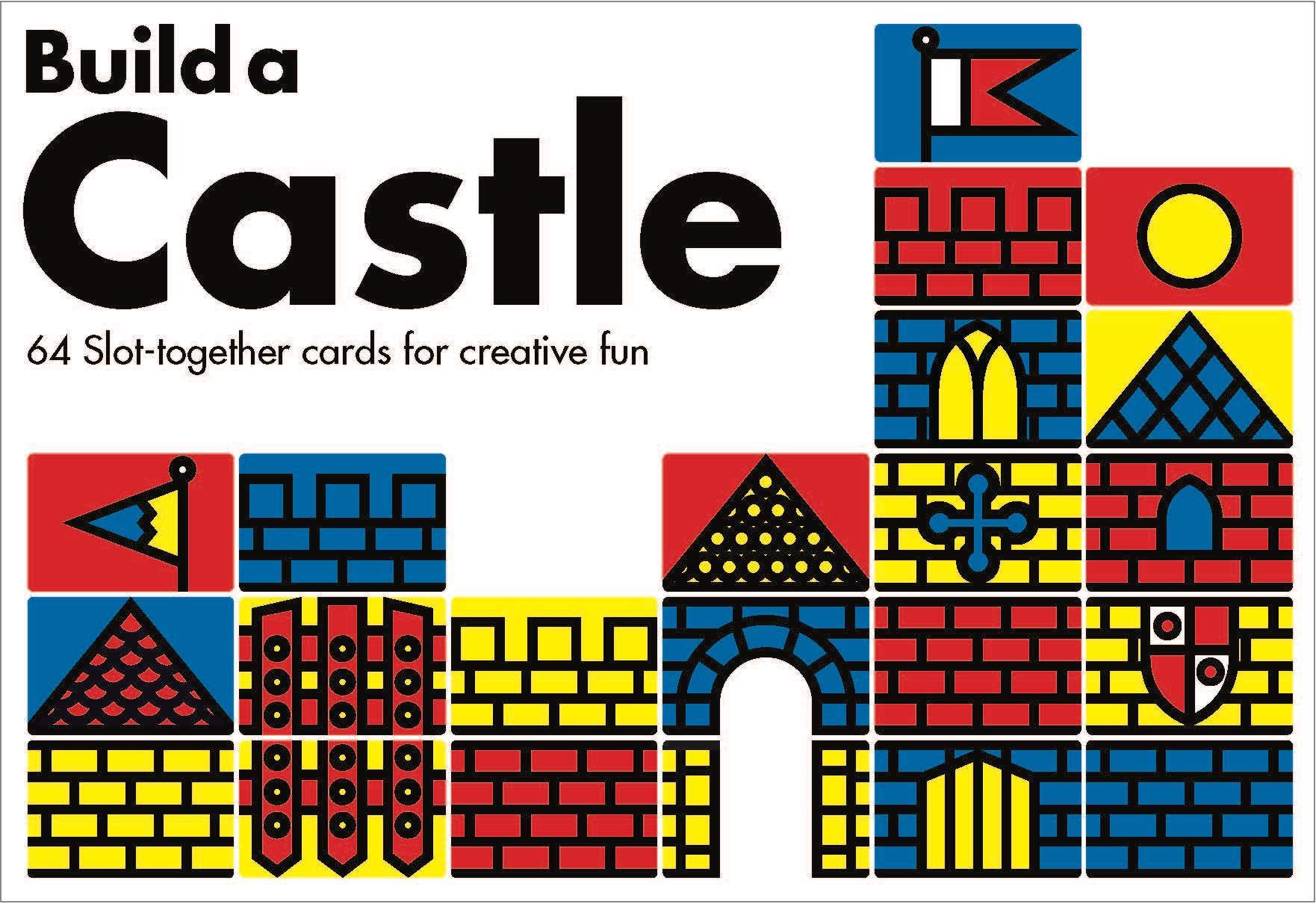
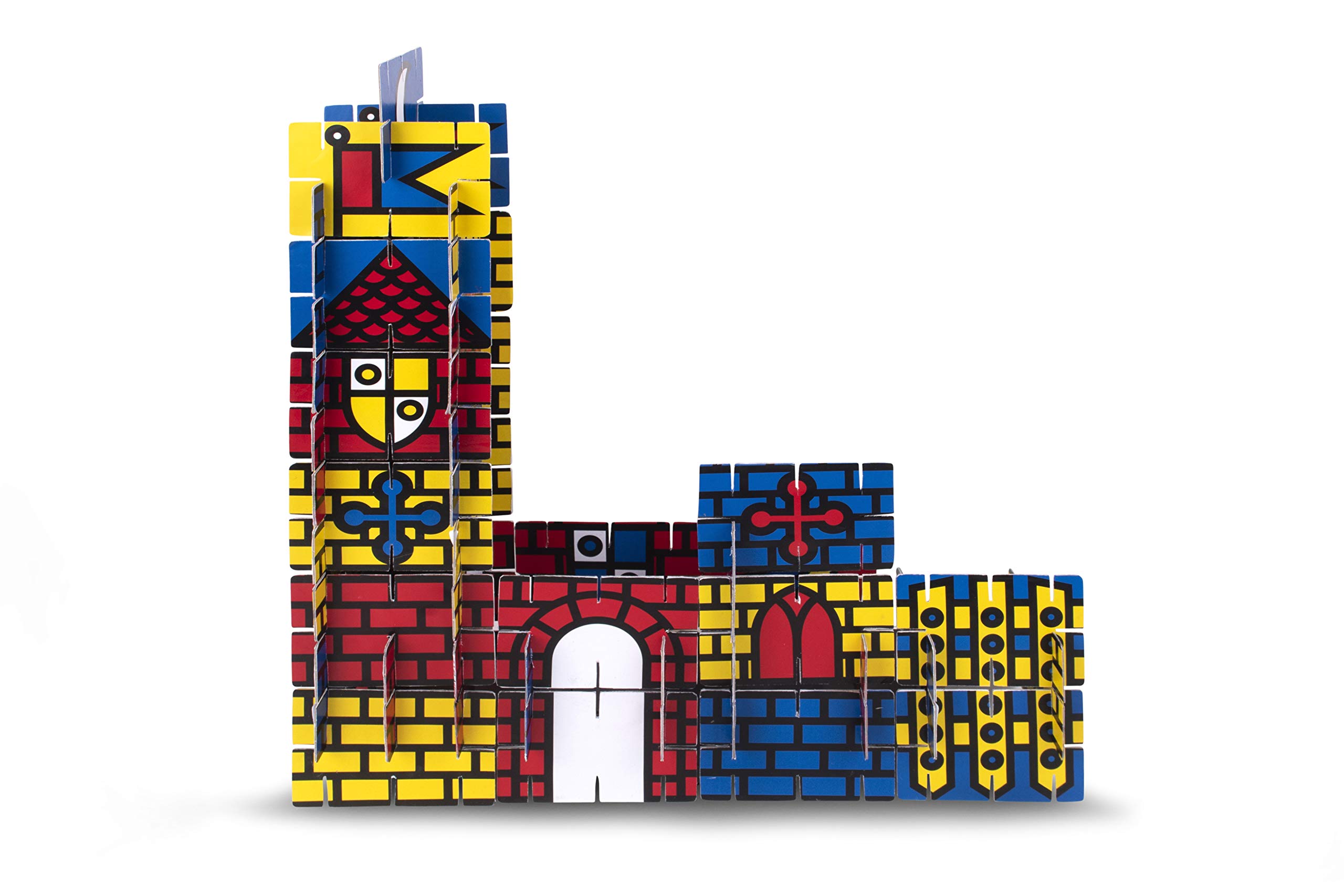
Build a Castle, by Paul Farrell, (April 2020, Pavilion Children’s Books), $19.99, IBN: 9781843654469

Ages 7+

Way too much fun, this box of 64 slotted cards let kids build castles with all the details: heraldry, arches, arrow-slit windows, flags, and more. Brightly colored in reds, blues, and yellows, with bold black outlines, kids can read up on different architectural features and get an idea of the basics from the included foldout sheet, and let their creative energy take them wherever they want to go. I worked on these with the Kiddo, and he ended up incorporating his Lego bricks and minifigs to come up with a fantastic spread that covered our dining room table. The box is just the beginning – print out some paper knights, draw some dragons, and have a great time!

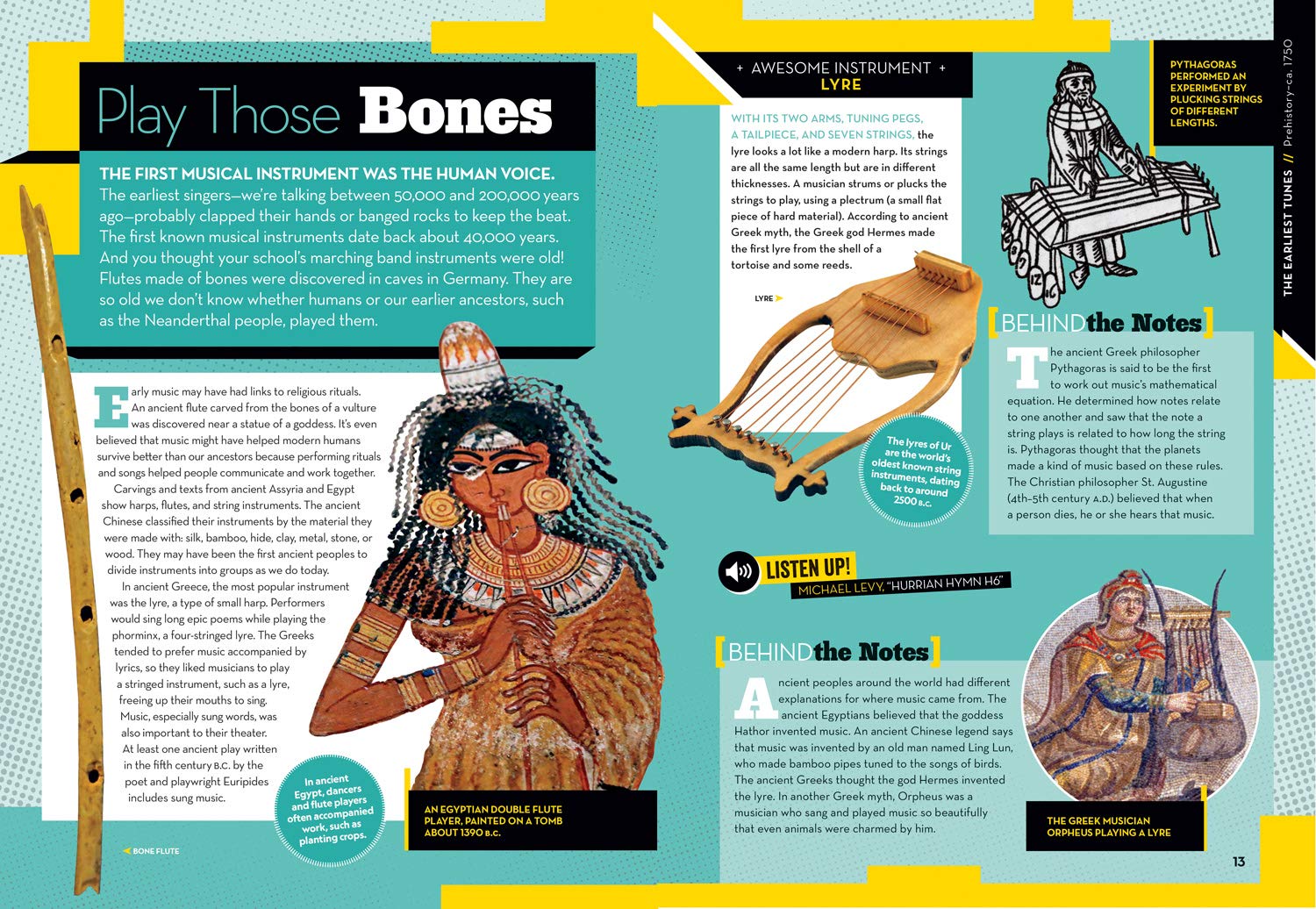
Turn it Up! A Pitch-Perfect History of Music That Rocked the World, by Joel Levy, (Dec. 2019, National Geographic Kids), $19.99, ISBN: 978-1426335419

Ages 8-12

From the earliest music to K-Pop, Turn It Up! is a comprehensive guide to the history of music and its influence on the world. Six sections organize music into time periods, beginning with the earliest instruments, including wind instruments played on crops, and string instruments handed down from the gods. Isn’t It Romantic? introduces readers to orchestras, operas, and Classical and Romantic music’s origins in the 18th ad 19th centuries. Thoroughly Modern Music explores the 20th century, and the changes to music brought by the emerging film and radio industries; All-American Sound is all about the American sound of Jazz and Blues, influenced by African culture. Play it Loud covers protest music, the British invasion that brought the Beatles to American shores, and the distinctive style of 1970s rock. Pop Goes the Music is about pop, punk, rap, and hip-hop. Spotlights on instruments, musical terms, superstars of the music world, and notes about essential pieces of music give readers a well-rounded backgrounder in music history. There’s a timeline, glossary, further resources list, and index to complete this volume. Let your kids create a Spotify playlist with music they like; create one for them.


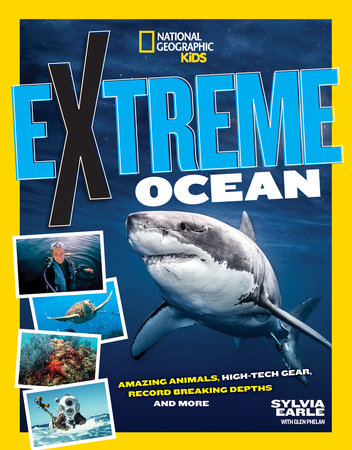
Extreme Ocean: Amazing Animals, High-Tech Gear, Record-Breaking Depths, and Much More!, by Sylvia A. Earle and Glen Phelan, (March 2020, National Geographic Kids), $12.99, ISBN: 9781426336850

Ages 8-12

I love NatGeo’s animal compendiums, and Kiddo does too – he usually runs off with mine as soon as they arrive! After retrieving Extreme Ocean from his bookcase, I was able to sit down and see what deep sea explorer Sylvia A. Earle had to say about some of her ocean explorations. Filled with colorful, vibrant photos, Extreme Ocean is all about the oceans that cover over 71% of our world: and the dangers they face. The information is organized into five chapters: Blue Heart of the Planet is about the ocean itself; Life Beneath the Waves is about ocean life; Going Deeper, Staying Longer covers exploration, and An Ocean in Trouble and How to Save an Ocean is a call to action for readers to educate themselves about dangers like pollution and overfishing, and what scientists and conservationists are doing – and what readers can do – to turn the tide in our favor. Extreme sections in each section look at major happenings, from tsunamis to the Great Pacific Garbage Patch, a polluted area of the Pacific Ocean that may measure as large as the state of Alaska. There are experiments for kids to try at home, and Who’s Who callout boxes bring readers’ attention to different ocean dwellers to discover. There’s a glossary, list of resources, and an index. A great companion to NatGeo’s Ultimate Oceanpedia and Captain Aquatica’s Awesome Ocean, and a book kids will love.


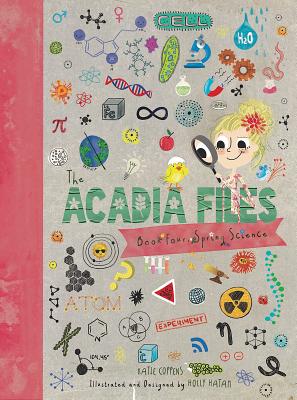
Acadia Files: Book Four, Spring Science, by Katie Coppens/Illustrated by Holly Hatam, (March 2020, Tilbury House Publishers), $13.95, ISBN: 978-0-88448-604-6

Ages 7-11

The fourth book in Acadia’s Science Notebook series is all about Spring! This season, Acadia investigates dinosaurs, meteors, and mass extinctions. She also looks at parasites, ticks, and the diseases they can spread, including Lyme disease and malaria. She also looks through her previous seasons’ notebooks and puts together her inquiries from all four of them, to give herself – and readers – a rounded, holistic understanding of the natural world. This is such a great intermediate STEM/STEAM series for kids; it’s part science, part chapter book, with a handwritten, journal feel throughout that should inspire some of your kiddos to start their own journaling. I fall back on this one quite often because it’s so easy. Kiddo and I used this as a guideline to make our own journal and had a great time wandering our neighborhood to fill it up. Enjoy a chapter read and activity in the video below.

Posted in Middle Grade, Middle School, Non-Fiction, Non-fiction, Teen, Tween Reads

#SummersCool Math books that your kids will love! Honest!

I do not take Math lightly. It’s one of those subjects I have endless admiration for, and way too much fear of. I encourage my kids, and my library kids, to love Math. Embrace Math, run to Math and dance in a field of flowers with it: you get my drift. It’s too late for me, go… go forth and calculate, my children.

So, when I was invited to review two Math books, I was a little terrified. Cool Math? Geometry is as Easy as Pie? I broke out in a cold sweat just thinking of them. I needn’t have stressed. These books are SO much fun (and tasty, as you’ll see). C’mon, join me for an exploration of Math.


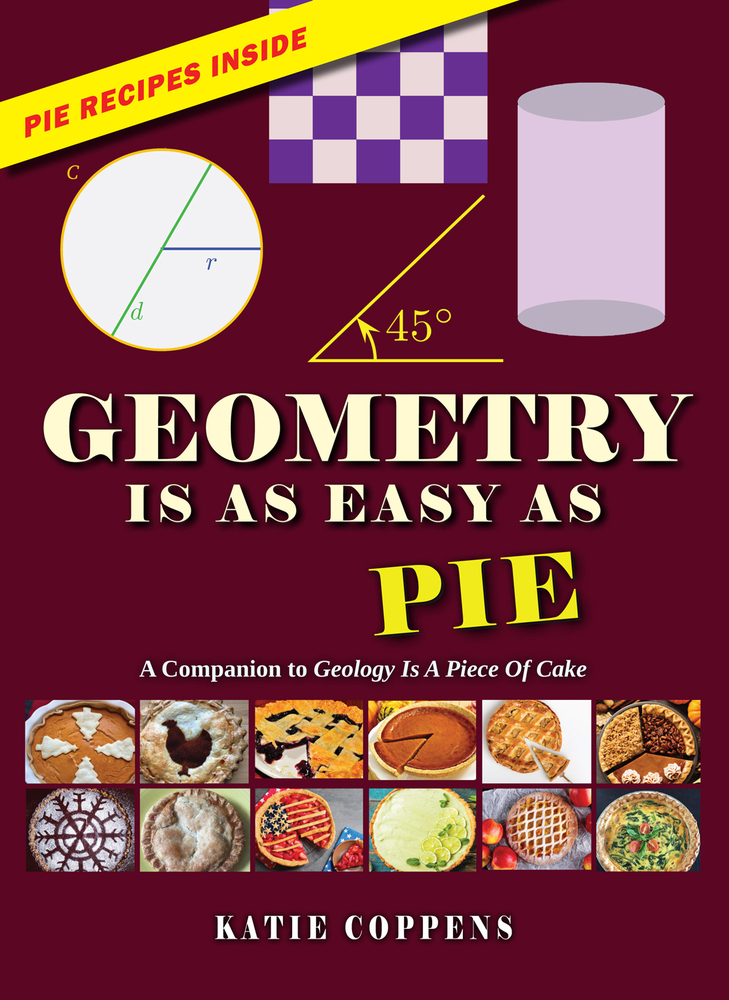
Geometry is as Easy as Pie (Pieces of Cake series), by Katie Coppens, (March 2020, Tumblehome, Inc.) $17.95, ISBN: 978-1-943431-52-6

Ages 8-12

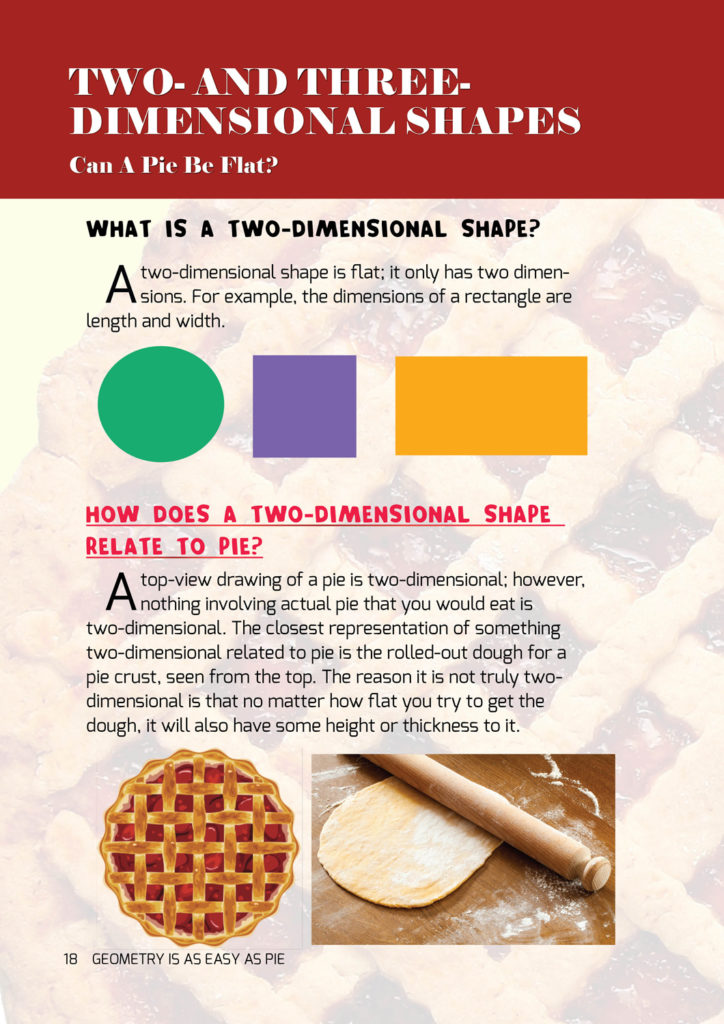
I know Katie Coppens as the author of the Acadia Files series (I’ve got a writeup about the latest one coming), but she writes about Math, too! Her first book, Geology is a Piece of Cake is a companion of sorts to her latest, Geometry is as Easy as Pie, and it’s an oh-so-yummy way to learn about angles, polygons, and symmetry. Katie Coppens uses pie to explain geometry, but she goes above and beyond the usual “look at this pie chart and imagine it’s a piece of pie” business. She BAKES PIES to illustrate the seven fundamental concepts of geometry. With direct, parent- and child-friendly explanations (she is an English and Science teacher), she discusses mathematical concepts, including calculating radius and diameter, and – naturally – she devotes time to talk about pi (π). You’ll feel a rumbly in your tumbly as you look through her lovely photographed pies; you may want to get a shopping lists together, too, because she includes recipes. Geometry includes pie-centric review questions and a photo gallery of “Just Desserts”, making this a phenomenal way to spend the summer learning math and baking with your kiddos. Yum.


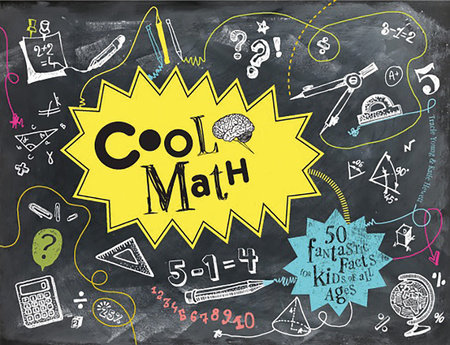
Cool Math: 50 Fantastic Facts for Kids of All Ages, by Tracie Young & Katie Hewett, (March 2020, Pavilion Books), $14.95, ISBN: 978-1-84365-448-3

Ages 11+

Geared more toward middle and high schoolers Cool Math (originally released in the UK as Cool Maths, because they can even make Math sound cooler than we do) is so much more than a rundown of 50 Math facts for kids. Think of the NatGeo digest books on weird stuff, silly stuff, cool facts, and add Math to it. That’s Cool Math. With a cover that looks like chalk board gone wild, and with page backgrounds like chalk board, graph paper, and lined paper, this is the notebook your cool nerdy friend would have put together with all their doodles during the school day. Tips and tricks make your life easier throughout the book, like how to multiply by 9 on your fingers. IT WORKS. I tried it. Remember PEMDAS and FOIL? They almost gave me a nervous breakdown in 8th grade, but they’re here in this book, and they’re not as terrifying any more. Real-life tips, like the Super Speedy Recipe Converter and How to Tip put an end to questions like, “When will I ever need this in my life?”

A smart, witty, companion to keep handy, Cool Math takes a lot of the fear out of Math and makes it… dare I say… pretty cool.


Disclaimer: I’ve received copies of each of these books from the publisher/their publicists in exchange for a review.

Posted in Guide, Non-Fiction, Teen, Young Adult/New Adult

Book Tour: College Student Health Handbook

Hi all! I’ve got a blog tour for our seniors to have on hand as they get read for college. Good health practices never go out of style, as we’ve certainly learned this year, and whether you’re home or (eventually) headed to a dorm, there’s some important info to be found here.


The Ultimate College Student Health Handbook: Your Guide for Everything from Hangovers to Homesickness,
by Jill Grimes, MD, GAPP/Illustrations by Nicole Grimes,
(May 2020, Skyhorse), $16.99, ISBN: 978-1510751033
Ages 16+

5 Must-Have Items for Your College Freshman

You’re making a list and checking it twice…because especially if this is your FIRST kid heading off to college, you want to be sure you’ve included every critical item.

  • Twin XL (Extra Long) Sheets?
  • Command Strips in every shape, size and strength? Check.

(Much bigger deal for girls vs. guys, but this is the only way to hang stuff on walls.)

  • Dorm Bed Risers? (I highly recommend the ones with extra outlets.) Check.

Chargers, fan, laundry bag, clothes, shoes, coats…the list goes on. And on. And ON. What could possibly be missing? From my perspective as a seasoned move-in mom and a university doctor, here ‘s my list of the top five forgotten items:

  1. Small Tool Kit: Hammer, screwdrivers, wrench set, pliers, scissors, tape measure and level. This should be last in, first out, because you’ll often need these immediately to assemble and disassemble dorm room furniture or fix a stuck drawer. Pro tip: Add in a couple garbage bags; trash piles up as soon as you start unpacking.
  2. Backup Prescription Glasses: especially for the kid that ALWAYS wears contacts! Why? Because if you get a bad stye or “pinkeye” (viral conjunctivitis), or more commonly, you accidentally fall asleep in your contacts or get something in your eye that scratches your cornea- you CANNOT wear contacts for several days to a week or more. And seeing clearly tends to help grades. If you always wear glasses, the backup pair is for when yours break or disappear. And inevitably, it happens during midterms or finals.
  3. Small Lock Box: If you take prescription medications for ADD, this is a must. These stimulant pills sell for $5-10 each (a felony if caught!!) and dorm rooms are rarely private and/or consistently locked. Please remove the temptation for others and keep your meds safe. Lock boxes also work well for pricey jewelry, your passport, and while we’re at it, your backup glasses.
  4. Heating Pad: Okay, not critical, but a great way to guarantee your popularity! Seriously, few students have these, but those that do tell me “EVERYONE borrows it” for aching muscles, back spasms and “cramps”. Bonus points: in cold climates they can double as an electric blanket (just don’t fall asleep on top of one, as this can cause burns.)
  5. Solid Air Freshener: Plug-ins are rarely allowed in dorms, but you can place a solid or gel freshener in your closet (by your shoes) and tuck another under your bed. Extra-strong odors? Bamboo charcoal bags are a pricey option, but they work incredibly well. Choose a neutral or “fresh” smell, not “flowery” or “citrus” as you don’t know your roommate’s sensitivity to different scents. Bodies, dirty clothes, third-hand smoke and old dorms all get very smelly. Unless you are moving into a brand-new dorm with a neat-freak roommate, these fresheners can be lifesavers. Or at the very least, roommate-savers.

Bottom Line: Add these five items to your list for a smoother move-in and a healthier, safer semester! (If you’re flying, pack the glasses & shop for the rest when you arrive.) Good Luck!

Posted in Non-Fiction, Teen, Tween Reads, Young Adult/New Adult

Power to the People: We Are Power elevates nonviolent activism

We Are Power: How Nonviolent Activism Changes the World, by Todd Hasak-Lowy, (April 2020, Abrams Kids), $18.99, ISBN: 9781419741111

Ages 12+

A thought-provoking treatise on nonviolent activism, We Are Power presents six case studies throughout recent history: Gandhi, Alice Paul, Martin Luther King, Cesar Chavez, Václav Havel, and Greta Thunberg. Each section explores nonviolent resistance, the roots behind each advocate’s activism, and how the power of one person, exhorting nonviolence, can motivate thousands and create change. In an increasingly contentious world, the power of nonviolent activism, and placing this information in the hands of a generation of activists, is not only smart, it’s crucial.

Beginning with Gandhi and his theory of “soul force”, or satyagraha, each consecutive profile touches on how previous movements inspired one another. Martin Luther King in particular was influenced by Gandhi, while Alice Paul’s suffrage activism was a response to the more extreme suffagists in the UK, and her desire to be seen as calm, unflappable, and strong. Cesar Chavez understood that increasing awareness of migrant worker conditions was the best way to bring social justice to migrant workers and received a letter of encouragement from Martin Luther King, himself leading nonviolent resistance movements to bring civil rights to the country. Playwright-turned-Czech president Vaclav Havel used his art to protest; later, letters from prison, where he wrote about truth and opened people’s eyes by telling them that they were complicit in allowing their restrictive government’s rule by following the rules. Teenager Greta Thunberg began her climate change protest by being the sole student striking for climate change, and motivated a planet to take action.

A solid beginning for a discussion on social justice, activism, and civil disobedience, this is a must-have volume for middle school and high school collections. I can’t wait to put this in my order cart when my library, opens again. This would be a great Summer Reading choice, for educators who haven’t finished their lists yet. Photographs of protests and tense moments, like seeing schoolchildren attacked by dogs and being doused with hoses, make for great discussions on the use of violence against nonviolence – what stands to be gained? Comprehensive endnotes, bibliography, and index complete the book. Author Todd Hasak-Lowy’s author webpage has videos and resources for parents and educators.

We Are Power has starred reviews from School Library Journal, School Library Connection, and Kirkus.


Posted in Middle Grade, Non-Fiction, Non-fiction, Tween Reads

Pets and Their Famous Humans… perfect for animal lovers

Pets and Their Famous Humans, by Ana Gallo/Illustrated by Katherine Quinn, (Apr. 2020, Prestel Publishing), $17.95, ISBN: 978-3-7913-7425-3

Ages 8-12

People love their pets. They’re our babies, our muses, our best friends. Pets and Their Famous Humans takes a look at 20 famous pet-human duos throughout history. There are dogs and cats, sure, but there’s also Dorothy Parker’s crocodiles, adopted by the writer when they were left in a New York taxi. There’s Grip, Charles Dickens’ talking raven (who you can also visit, albeit stuffed, in the Free Library of Philadelphia), Granizo, Frida Kahlo’s fawn, and Babou, Salvador Dali’s ocelot. There are pampered pooches and cats, like Archie, Andy Warhol’s dachshund, who had a gold Tiffany & Co. charm on his collar, and Karl Lagerfeld’s cat, Choupette, who sported a diamond-encrusted collar and had her own assistant. Many of the pets were their human companions’ muses, sitting with them and inspiring artwork, or support animals, providing unconditional love and a calming presence.

Each spread offers a biographical spread on the celebrity pet, with a small bio on their companion human. Color paintings of each famous human-pet pairing, which one can easily imagine hanging in one’s salon. This is a fun choice for animal lovers.


Posted in Middle School, Non-Fiction, Teen, Tween Reads, Young Adult/New Adult

A little bit of Flower Power goes a long way

Flower Power: The Magic of Nature’s Healers, by Christine Paxmann/Illustrated by Olaf Hajek/Translated by Jane Michael, (Apr. 2020, Prestel), $19.95, ISBN: 978-3-7913-7399-7

Ages 9-14

People have turned to flowers and plants for healing and food since the dawn of time. Flower Power: The Magic of Nature’s Healers presents 17 flowers that we still use for their healing properties, whether they’re available as teas, herbal medicine, or spices. Christine Paxmann begins with an author’s note on the human history of our relationship with flowering plants, from hunter-gatherers who learned through trial and error which were poisonous and which were beneficial (and tasty), to the ancient shamans, who began boiling, crushing, and mixing flowers and seeds together, to today’s consumer, who can walk into just about any store to pick up an herbal tea, cough drop, or spice to add to their food.

Each flower enjoys its own spread here, with an interesting profile discussing history and uses on the left-hand page, and on the right, a painting by illustrator Olaf Hajek. It’s really Olaf Hajek’s illustrations that are the stars of the show here: inspired by folk art, Renaissance paintings, and fairy tale illustrative style, each flower is bright and bold, with a touch of the fantastic and surreal, and immediately draws readers to the pages. These could easily be in a gallery as in a book.

The 17 flowers include names that are readily familiar, like the artichoke, dandelion, pineapple, and ginger; lesser-known appearances introduce readers to such plants as the Mary thistle, Madonna lily, and rowan. Flower Power is a nice reference book for readers interested in learning more about flowering plants and their uses and is a thoughtful add to STEM and nonfiction collections for middle school and high school. Flower Power is translated from the work’s original German.