Posted in Intermediate, Middle Grade, Non-Fiction, Non-fiction, Non-Fiction

Animal Planet’s Animal Atlas is a passport to the world’s habitats

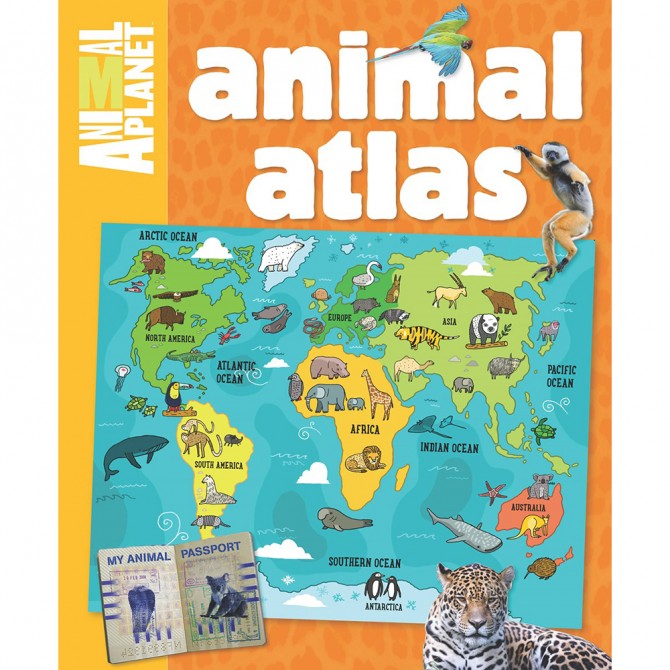
animal-planet-animal-atlas-hardcover-book-658_670Animal Planet Animal Atlas, by Animal Planet (May 2016, Animal Planet), $17.95, ISBN: 978-1618931658

Recommended for ages 7-10

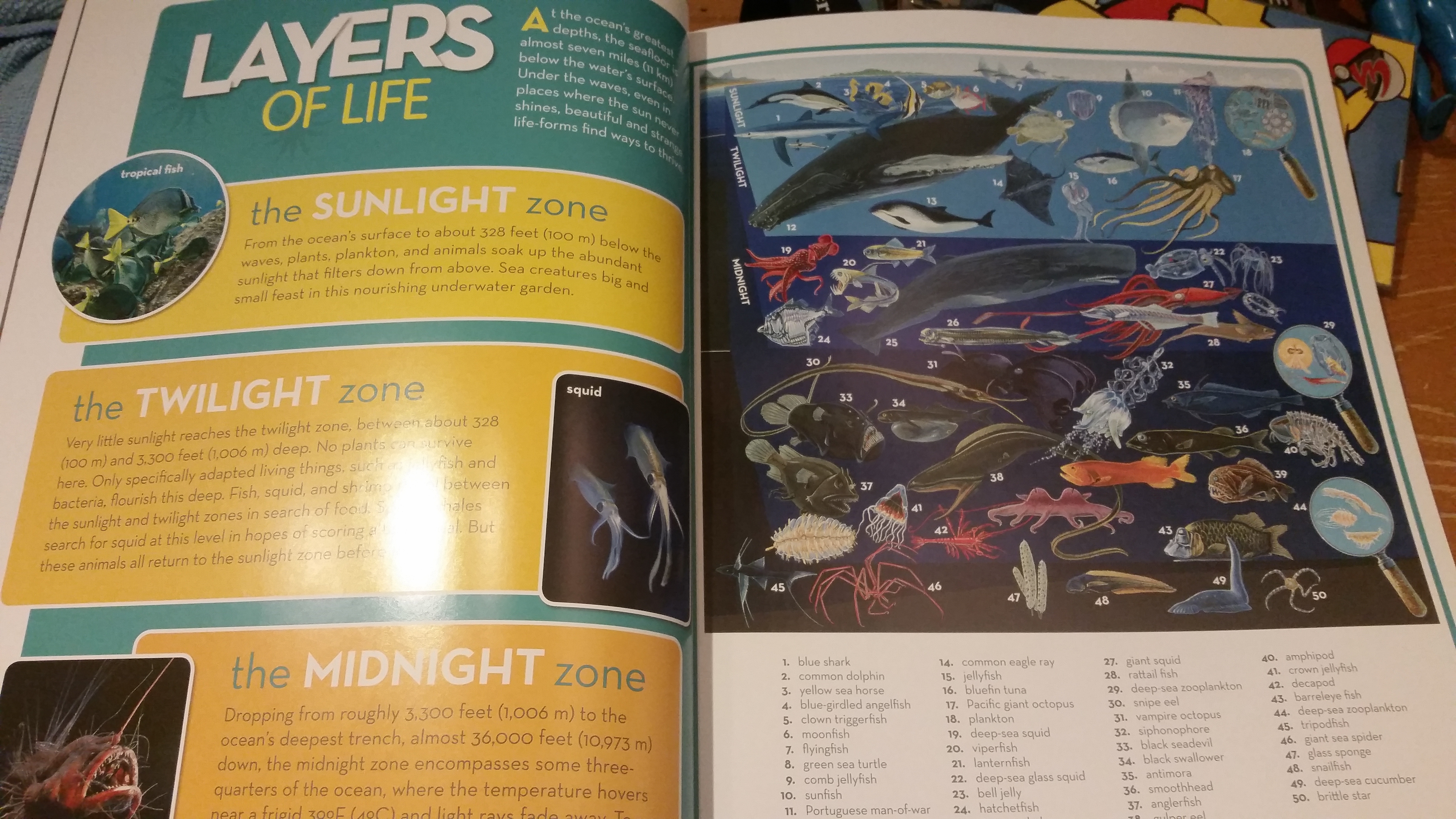
I have tons of animal nonfiction books in my library, and I have a bunch of really good books on habitats, too.  What Animal Planet’s Animal Atlas does it bring together explanations of different biomes/habitats, and the animals who live in them on each continent and in the oceans of our world.

The atlas begins with a map to present the major biomes of the world, and describes each biome: alpine, desert, marine, grassland, rain forest, temperate forest, tundra, and taiga. Animal tour guides for each continent take readers through a look at different animals that inhabit each biome on each continent, and features like ROAR (Reach Out. Act. Respond.) – Animal Planet’s initiative, dedicated to improving the lives of animals worldwide – empower kids with knowledge about how humans are working to change the world for the better through conservation and protective measures. Surprisingly Human boxes provide facts about the similarities between animals and people. Each continent section ends with a spotlight on an animal from the area, giving readers a close-up look at animals like the bald eage, anaconda, or Sumatran tiger. Spotlights include a Where in the World section, where maps detail the animals’ living areas; Animals Facts, and information on what they eat and how animals adapt best to their environments.

Combining colorful illustration and full-color photographs of over 200 animals, the atlas is a great resource for young readers. It’s got information ready at a glance for my Corona Kids, who come in asking for books about various habitats and then, what animals live in those habitats. It’s a strong companion book for slightly bigger kids, who will need more in-depth books to complete a report, but it’s a great starting point for anyone who wants a little more info on different habitats, and who may not realize that different continents have so many different biomes. A brief glossary and index round it all out.

This is a good addition to primary nonfiction collections if you have strong books that provide more detail that kids can jump to if they want to go further into a topic. Or, if you’re like me, and your kiddo just loves learning about different animals, where they live, and what they eat, it’s a nice add to your bookshelf. The passport and guide animal features add a cute touch that brings something different and fun to learning. Hmmm… now, I’m thinking of an animal program for my Discovery Club… learning about a new animal each week, and stamping a “passport” with an animal sticker or stamp… I’ve got to talk to my Discovery Team!

Posted in Intermediate, Middle Grade, Non-Fiction, Non-fiction, Non-Fiction, Tween Reads

Kid Artists is a great addition to Quirk’s “Kid” series

kidartists_1Kid Artists, by David Stabler/Illustrated by Doogie Horner (Aug. 2016, Quirk Books), $13.95, ISBN: 9781594748967

Recommended for ages 8-12

The third outing in Stabler and Horner’s “Kid” series, following Kid Presidents and Kid Athletes, introduces kids to artists. Before the museum exhibitions, every artist was a kid, shaped by his or her circumstances. Kid Artists organizes 17 artist profiles into three sections: Call of the Wild, focusing on artists who grew up with a love of the outdoors; It’s a Hard-Knock Life, featuring artists who overcame obstacles like discrimination, war, poverty, and extreme shyness; and Practice Makes Perfect, where artists who had a teacher, friend, or family member cheering them on to practice, perfect, and succeed.

There are funny stories and inspirational stories, all illustrated in full-color. We learn that Claude Monet had a lucrative caricature business as a kid, and that Leonardo da Vinci’s painting of Medusa, on a shield was so terrifying that his father almost ran away from it! Kids will meet artists like Keith Haring and Jean-Michel Basquiat, whose graffiti art on the streets of New York garnered them fame, and Jacob Lawrence, whose Migration Series tells the story of the migration of African-American families from the rural, southern United States up north, in search of a better life.

I enjoy this series, because it introduces kids to a wide range of people under one umbrella term. They’ll be exposed to new people, cultures, and ideas, in a kid-friendly atmosphere with a bite-sized biography that shows them that no only do we all start out as kids, but we all have challenges to overcome.


Posted in Non-Fiction, Tween Reads

Reasons to Smile spreads joy

reasons_covvReasons to Smile: Celebrating People Living with Down Syndrome, by Andrea Knauss & Elizabeth Martins (Feb. 2016, Schiffer Publishing), $14.99, ISBN: 9780764350405

Recommended for ages 12+

The world has been pretty horrifying lately. As I was straightening up my TBR pile, I found this book; it had fallen behind the stack and was passed over for a couple of months. Having finished it, I think that it was less of a mistake and more fortuitous timing: I needed this book at the moment I found it.

Reasons to Smile compiles 56 short profiles, celebrating people living with Down sydrome. Most are written by family and friends, and a few are written by those living with Down syndrome. Each profile features a picture, usually of the person spotlighted.

I’m not going to lie: you will well up reading some of these stories, but it will be a joyful welling up. The love, courage, and guidance coming from these writers made me feel just a little bit better about our world. I love that Andrea Knauss and Elizabeth Martins compiled this book out of love for their daughter and sister, Anna. Andrea writes that she’s “Anna’s Mom”; I’ve been “Will’s Mom”, “Alex’s Mom”, and now, “Gabe’s Mom”, and that little sentence connected this mom and I. We love our children. We fight for our kids. Knowing each other’s challenges brings us together just a little bit more.

Also included in the book is the renowned essay, “Welcome to Holland”, by Emily Perl Kingsley, which makes things so much easier to grasp. Another mom suggests giving this book as a baby shower gift to moms who may need it. I agree, but I’d take it one step further and put this on middle school reading lists. I see you raising an eyebrow, but stay with me. There are some great nonfiction works on summer reading lists, I see them. And disability in tween and teen lit is finally recognized and encouraged. A beautiful book on inspirational essays, featuring stories about families working with Down syndrome would be a smart move, to show the joy that comes hand in hand with the challenges; to show the smiles and read about the optimism and affection these families bring to the world.

I loved reading Reasons to Smile. It made me want to be a better person and a better mom. You can visit Andrea Knauss’ website, The Mighty, and find resources on parenting, Down syndrome, autism, and more.


Posted in Middle Grade, Non-Fiction, Non-fiction, Tween Reads

NatGeo’s 2017 Almanac is jam-packed!

almanac_coverNational Geographic Kids Almanac 2017 (May 2016, National Geographic), $14.99, ISBN: 978-1426324178

Recommended for ages 8-13

NatGeo’s 2017 almanac is packed with content from their kids’ magazine, their collection of books, and their NatGeo Kids website. It’s chock full of articles, facts, games, and digital extras, including an invitation to the Newsmaker Challenge, where kids can submit their own time capsule artifact photos to be featured in next year’s almanac. Features on animals encourage kids to get involved in the Summer Mission Animal Rescue Challenge, increasing awareness about endangered species and how they can play a part in helping do their part toward conservation and protection.

Information is broken out into 10 sections, covering current events, animals, going green, world cultures, adventure, fun and games, science and nature, history, and geography. Each section is loaded with breathtaking photos, top 10 lists, homework help and research ideas, and a quiz.

These books are a great idea for kids who love trivia, and they’re great for introducing readers to the world outside their doors. Like I’ve said before, NatGeo books are a win with the kids in my library, my own kids, and the kids in my extended family. There’s so much to love!

Posted in Intermediate, Middle Grade, Middle School, Non-Fiction, Non-fiction, Non-Fiction, Tween Reads

Inside Your Insides puts you under a microscope

inside your insidesInside Your Insides: A Guide to the Microbes That Call You Home, by Claire Eamer/Illustrated by Marie-Eve Tremblay, (Sept. 2016, Kids Can Press), $17.95, ISBN: 9781771383325

Recommended for ages 8-12

This interesting nonfiction book takes a look at the microbes that live on our bodies: in our hair, on our skin, and the ones we pick up everywhere we go. We’re microbiomes: a walking, talking collection of microbes, and Inside Your Insides introduces us to some of the most common microbes we share our surroundings with. We learn about bacteria, archaea, viruses, fingu, protists and mites; their preferred environments; and all the places they live on and around us. Complete with brightly colored, cartoony illustrations, makes this a good introduction or companion for middle grade science students.

There are some good callout facts and groan-worthy jokes scattered throughout the book, and a glossary and index round everything out. Kids will learn that not all bacteria are bad for you: you don’t need everything antibacterial, and it may be doing more harm than good, anyway! A section dedicated to saving our microbes goes into detail on how to take care of ourselves to attract the “good” microbes: play outside, eat lots of fruits and vegetables, and explore your world. The combination of clear, instructional writing with a humorous bent, and the eye-catching illustrations, kids will get a kick out of this intro to microbiology. It’s a good additional purchase for collections where science books circulate.

You can also direct kids to the Genetic Science Learning Center’s Human Microbiome site. There are teacher resources, interactive simulators, informative videos, and information that’s written in a clear, interesting way to get kids excited about learning more.


Posted in Middle Grade, Non-Fiction, Non-fiction, Tween Reads

Could Dracula make it in today’s world? Monster Science gives you the scoop.

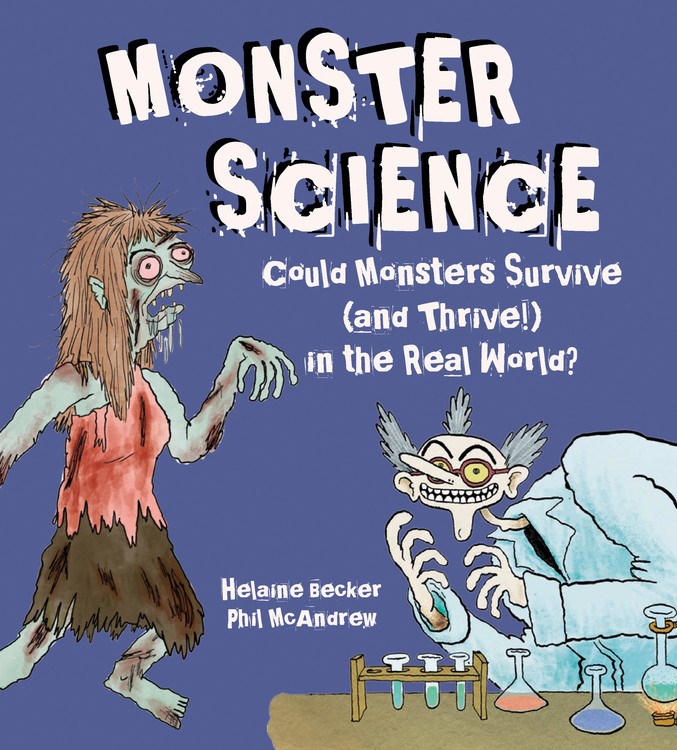
monster scienceMonster Science, by Helaine Becker/Illustrated by Phil McAndrew, (Sept. 2016, Kids Can Press), $18.95, ISBN: 9781771380546

Recommended for ages 8-12

Monster Science takes a look at some of our favorite monsters – Frankenstein’s Monster, vampires, Bigfoot, werewolves, zombies, and sea monsters – and, using science smarts, discusses the plausibility of these monsters’ ever being able to exist in our world. If you’ve ever wondered whether or not you should really start stockpiling food and weapons for the upcoming zombie apocalypse, or stared for a little too long at those blurry pictures of Bigfoot and Nessie, the Loch Ness Monster,  you’ll love this book.

The book devotes a chapter to each monster, provides background info, incorporating the history of the monsters, and using science, history, literature, myths and legends, helps readers work through whether or not these creatures could have ever existed or could exist today. There are colorful, cartoony illustrations, seriously groan-worthy jokes, and pop up facts throughout the book, and a quiz tests finishes up each chapter and challenges readers to remember what they’ve just read. There are enough gross facts – the stages of decay; electric shock bringing making dead body parts jerk and move, dead people who sat up at their own funerals – presented with a humorous bent, to delight middle graders who want something fun and gross to read, yet will also give them some cool facts to bring to their science class.

This is the kind of book I love booktalking to kids, because my awesome nonfiction selections are sadly underappreciated. When I put a coding book out, I get interest, because I have a library full of Minecraft mouse potatoes, but when I try to get them excited about science, I usually get eyerolls, or – zounds! – blank stares. A book like this will help me explain how wonderful and gross science can be! We can talk about The Walking Dead (no, they’re not old enough to read the comics, but you know they’re watching it at home), we can talk about Dracula and Frankenstein, and I can terrify them with repeated viewings of Mad Monster Party and the Groovie Ghoulies, because ’70s monster claymation and cartoons are aces with me, but they leave the kids bewildered. They don’t know what they’re missing.

In all seriousness, the book is fun leisure reading and a good companion to science, history, or ELA classes. There’s so many interesting facts, presented in a fun, light, manner, that kids will end up reading and remembering more information than they can imagine. Add it to your library collections, or make it a fun gift for a monster fan you know and love.

Posted in Non-Fiction, Non-fiction

Coding Projects in Scratch: Step up your coding game

coding projects in scratchCoding Projects in Scratch, by Jon Woodcock, (July 2016, DK Children), $19.99, ISBN: 9781465451422

Recommended for ages 8-12

Scratch is one of the best programs to start kids out on their coding education. Using block programming, kids can drag and drop chunks of code that interlock to run all sorts of operations. Coding Projects in Scratch is a step-by-step, fully illustrated guide to creating projects that use movement and sound.

The best part about Scratch is that it’s free. Go to the Scratch site, create a free account, and have this book next to you. I sat at my desk and was able to create a dinosaur dance party, a cat that changed sizes and colors, and I even got some sound effects into my animations. You can download Scratch if you want to work online, but – and the book will remind you throughout – save your work!

The book is split into several parts: an explanation of coding, resources to get you started, art projects, games, simulations, music and sound, mindbenders, and a What Next? section that takes you beyond Scratch into other programming fun. Callout boxes throughout the book offer extra tips, information, and on-the-spot explanations of different terms and lingo. A glossary and an index complete the package to present a great resource for kids and adults who are ready to start coding, or maybe kids who got their first taste of coding through a program like Hour of Code and want to learn more.

All in all, there are 18 projects to explore here, including a birthday card, “tunnel of doom” multiplayer game, and a dinosaur dance party (with an optional ballerina). I’ve been pushing coding pretty heavily here at my library, and trying to get my mouse potato tween to get into coding so he can do something other than go on Warcraft raiding parties.

Add this book to your coding library, whether it’s a home, school, or institutional collection.


Posted in Intermediate, Middle Grade, Non-Fiction, Non-fiction, Non-Fiction, Tween Reads

NatGeo’s Awesome 8 has the lists kids love!

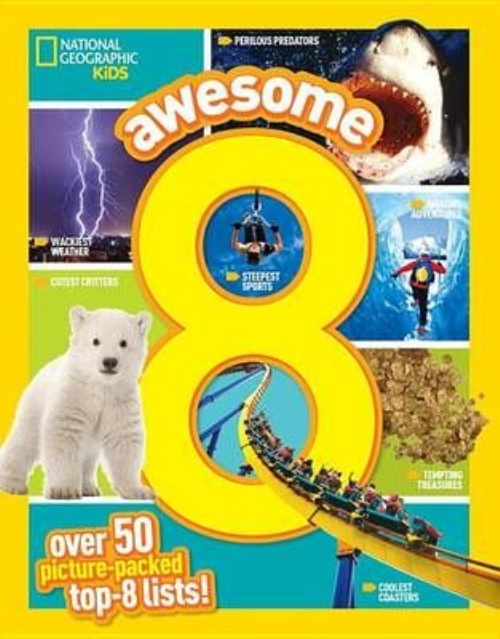
awesome8Awesome 8: 50 Picture-Packed Top 8 Lists! (National Geographic Kids), by Jen Agresta & Sarah Wassner Flynn, (May 2016, National Geographic), $12.99, ISBN: 978-1426323379

Recommended for ages 7-12

I love lists. I make them, I read them, it’s just a fun thing that people do. It gives you some cool insight into people, like when you read lists of their favorite books, foods, or things; it can make short work of a project, when you have a list of best books or coolest science fair projects. Bottom line, lists are helpful and fun. NatGeo Kids has taken that idea and run with it, giving us Awesome 8: 50 Picture-Packed Top 8 Lists!

This book is loaded with lists of the wildest things, from the most hair-raising roller coasters (that new Joker one at Six Flags Great Adventure may have to be in an updated version, tho’) to the the most bodacious buried treasures. Lists cover wild nature, history, food, and fun. Plan a trip to see some ridiculous roadside attractions (there really is a giant ball of string) and travel in the wackiest of ways, like on a monster school bus. Fun facts pop up throughout the book, as do extended features on some of the lists, like the spread discussing how icebergs flip, following Eight Awesome Things in Antarctica.

It’s a NatGeo book, so you know the pictures are stunning and the information covers different cultures and different parts of the world.There’s a full index in the back and a companion website, the Awesome 8 Hub, where you can find more Awesome 8 lists and log into NatGeo’s Kids portal, which offers resources for educators and homework help resources.

flipped-iceberg-antarctica_88301_990x742Icebergs can flip! Who knew? (from NationalGeographic.com)

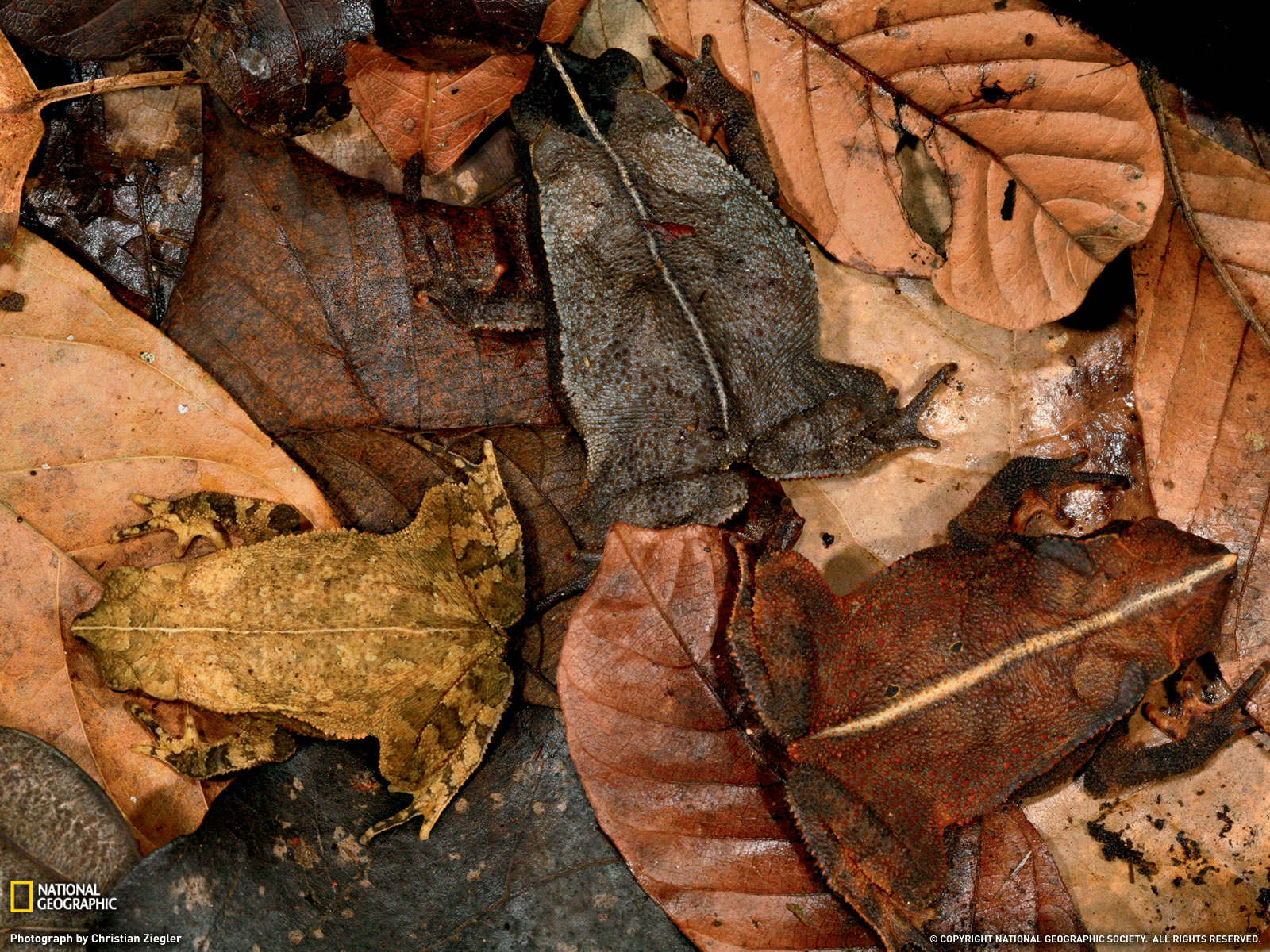
I’m a huge NatGeo Kids fan, with good reason: the kids embrace the books, which are fun, factual, and contain beautiful photographs of the world around us. Know a kid who loves cool stuff? Consider this book. Looking for a summer program to put together on the spot? Maybe a spot the camouflaged creature game – there’s an Awesome 8 list dedicated to Coolest Camouflage, including this picture of three toads – can you find them?

toadsphoto from NationalGeographic.com


Posted in Non-Fiction, Non-Fiction

Get Smart About Sharks!

smart about sharksSmart About Sharks, by Owen Davey (Aug. 2016, Nobrow Ltd), $19.95, ISBN: 9781909263918

Recommended for ages 5-10

Kids love sharks. Owen Davey’s Smart About Sharks is going to jump off the shelves and demand to go home with these kids. What’s not to love? There are great infographics giving out wild information (wait until you see all the different kinds of teeth found in sharks across the world), bright, brilliant artwork with a retro feel to it, and tons of facts about sharks, including a debunking of their status as maneaters: if you’re on a surfboard, you look like a seal, and the book has the artwork to prove it.

I love Nobrow/Flying Eye books. They produce beautiful art books that appeal to kids. They manage to find amazing authors and illustrators who know how to attract a reader’s attention and provide facts in a way that is exciting, interesting, and fun. I’ll add this to my nonfiction collection, and I’m buying one for my own home. My 3 year old can’t get enough of this book, and can tell me which shark is a basking shark, and that a megalodon tooth is as big as a person’s head. No, he didn’t read that by himself, but he remembers it every time he sees the basking shark picture, and the infographic that shows the sizes of a great white shark and human being in proportion to a megalodon. Like I said: kids love sharks, and this book knows it.

Add this to collections where animal books are popular.

Posted in gaming, geek, Guide, Non-Fiction, Teen, Tween Reads

Minecraft teaches kids Python, empowers future programmers

minecraftLearn to Program with Minecraft, by Craig Richardson (Dec. 2015, No Starch Press), $29.95, ISBN: 9781593276706

Recommended for ages 10+

The kids in my library are obsessed with Minecraft. From 2:30 on, as the kids storm the beachhead that is my children’s room, I hear shouts of, “Don’t touch my skin!”; “GET THE CREEPER! GET THE CREEPER!”; “OMG, get away from the Enderman!”; and “DIAMONDS!” I see the potential of Minecraft, and how it can be a fantastic tool to teach kids to create online worlds. I also, as a children’s librarian and mom of three boys, know that for the most part, they want to kill creepers and each other in some kind of 8-bit battle royale more often than not.

Books like Learn to Program with Minecraft are my gateway drug to programming with these kids. First, I get the fiction in (the GameKnight999 series by Mark Cheverton is available in English and Spanish, and they fly off my shelves), then I introduce coding programs like the Hour of Code, to show them how playing their game actually teaches them the building blocks of coding programs and apps of their own. Finally, I use part of my book-buying budget to buy coding nonfiction to keep around. I love DK’s coding books; those are especially great for my younger coders. My older kids need a little more, though, to keep them interested. That’s where the No Starch Books come in.

No Starch has great programming books for kids and teens, and Learn to Program with Minecraft is a solid addition to middle school and YA collecctions. A heads-up: you have to download Python to work with this book, but it’s a free programming language. Don’t be scared! The book will guide you along your Python/Minecraft journey, with screenshots and step-by-step bullets points that make creating much less stressful.

The book will help you create mini-games within Minecraft, take you on an automated teleportation tour around your Minecraft world, and teach you to make secret passageways. You’ll learn to make lava traps and cause floods, but be a good Minecraft citizen: no griefing.

I don’t quite have the Minecraft skills for this just yet, but I’m confident in my crafters here – I’ll be investing in this for my summer crowd, especially since we’ll be running a Google CS program here in a couple of months. Get kids to love programming, and watch what they come up with. I’m pretty psyched.