Posted in Humor, Non-Fiction, Teen, Young Adult/New Adult

Dear Fahrenheit 451: A Librarian’s Letters to Books

Dear Fahrenheit 451: Love and Heartbreak in the Stacks, by Annie Spence, (Sept. 2017, Flatiron Books), $18.99, ISBN: 9781250106490

Recommended for readers 16+

Dear Fahrenheit 451 is the kind of book I wish I’d written. It’s the kind of book all book lovers kind of write in our mind, but Annie Spence is the one who took it and turned it into literary gold.

Librarians weed. It’s kind of our job. But book lovers (usually) weed, too, right? You stare at that overworked bookshelf, and you know that some of those books are visitors, whose time has come to go and visit other readers; some, like your Neil Gaiman books, your Doctor Who novels, and your Gail Carriger books, have permanent residency on those shelves. (Or is that just me?) You weed, talking to yourself as you go, letting the books – and yourself – down easy: “You were so much fun during my chick lit phase! But you know… I’m sure they’ll love you at the library, think of how many other people will love you.” Or, “Good lord, you’re still here?  You need to go; you don’t have to go to the trash, but you can’t stay here. Is Book Crossing still live?”

Annie Spence writes letters to books (and, in one story that got me a look on the bus when I seal-bark laughed out loud, a bookshelf) in her library, in her home, anywhere. She writes to Frog and Toad and tells them everything I wanted to say but never realized. She has an wonderful obsession with Jeffrey Eugenides (as a Neil Gaiman fangirl, I relate) and feels bad for a much-loved copy of The Goldfinch. Her essays are funny and touching and my friends are tired of me texting them, saying, “Wait, you have to read this part”; one friend finally texted back, “I’m requesting the book now, can you STOP?”

The second half of the book moves from her letters to brief essays – lists, really – that book lovers will adore: Excuses to Tell Your Friends So You Can Stay Home with Your Books (so guilty); Readin’ Nerdy (books about librarians, whoo hoo!); Blind Date: Good Books with Bad Covers (you know we all think it), and Recovery Reads: books to read after you’ve been traumatized by a previous book (looking at you, A Monster Calls).

While it isn’t a teen book, it’s easily crossed over. It’s a great book to hand to teens who may not “get” reading. This. THIS is why we read, I will tell them. (Do you hear me, Alex Awards Committee?) Dear Fahrenheit 451 is perfect for book lovers. Annie Spence is one of us. *group hug*

Posted in Fantasy, Graphic Novels, Middle Grade, Non-Fiction, Teen, Tween Reads

Graphic Novel Rundown: Memoir, Coders, and Fantasy

There are a bunch of good graphic novels out, so let’s jump right in – there’s something for everyone!


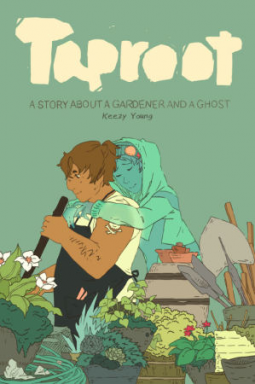
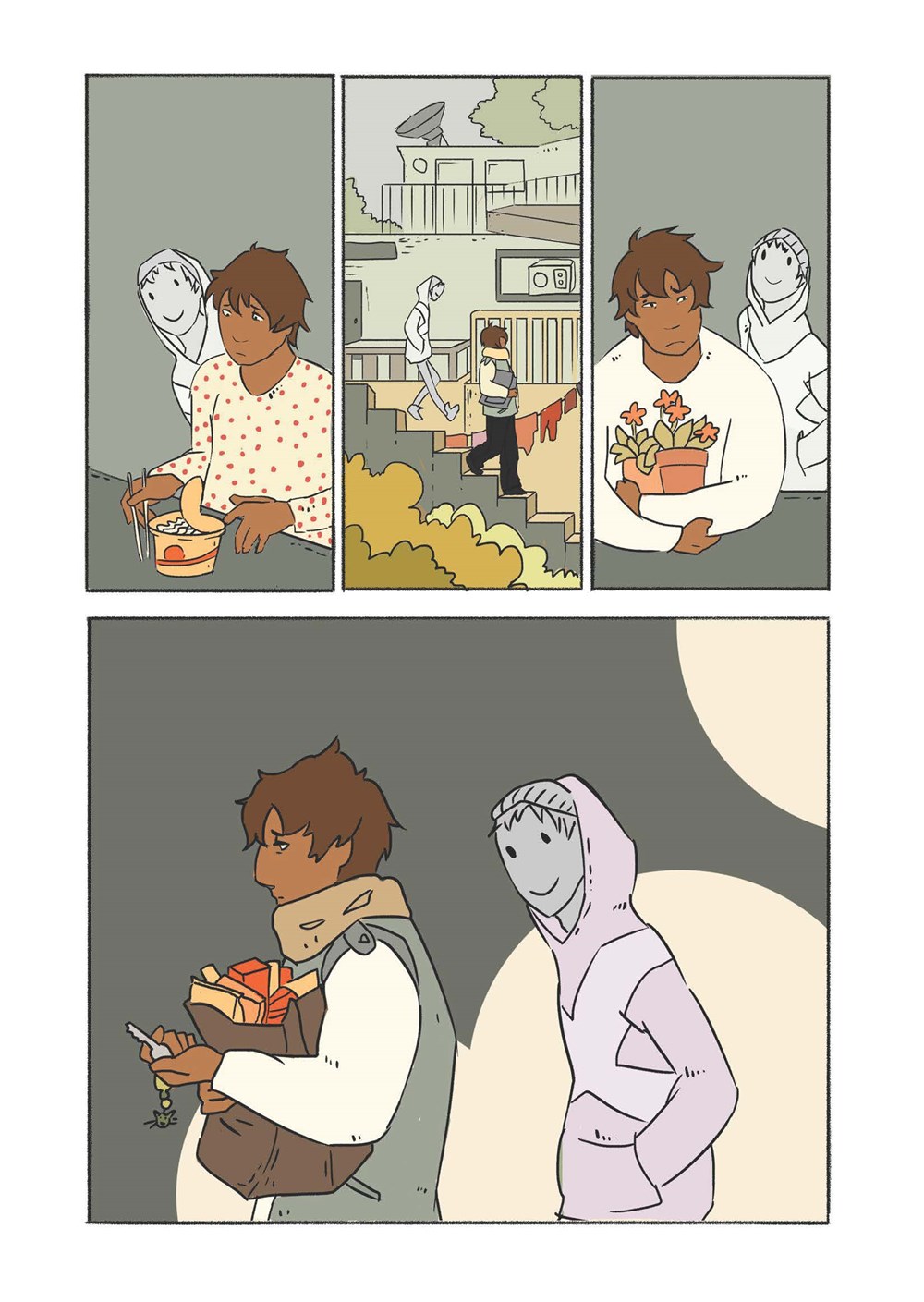
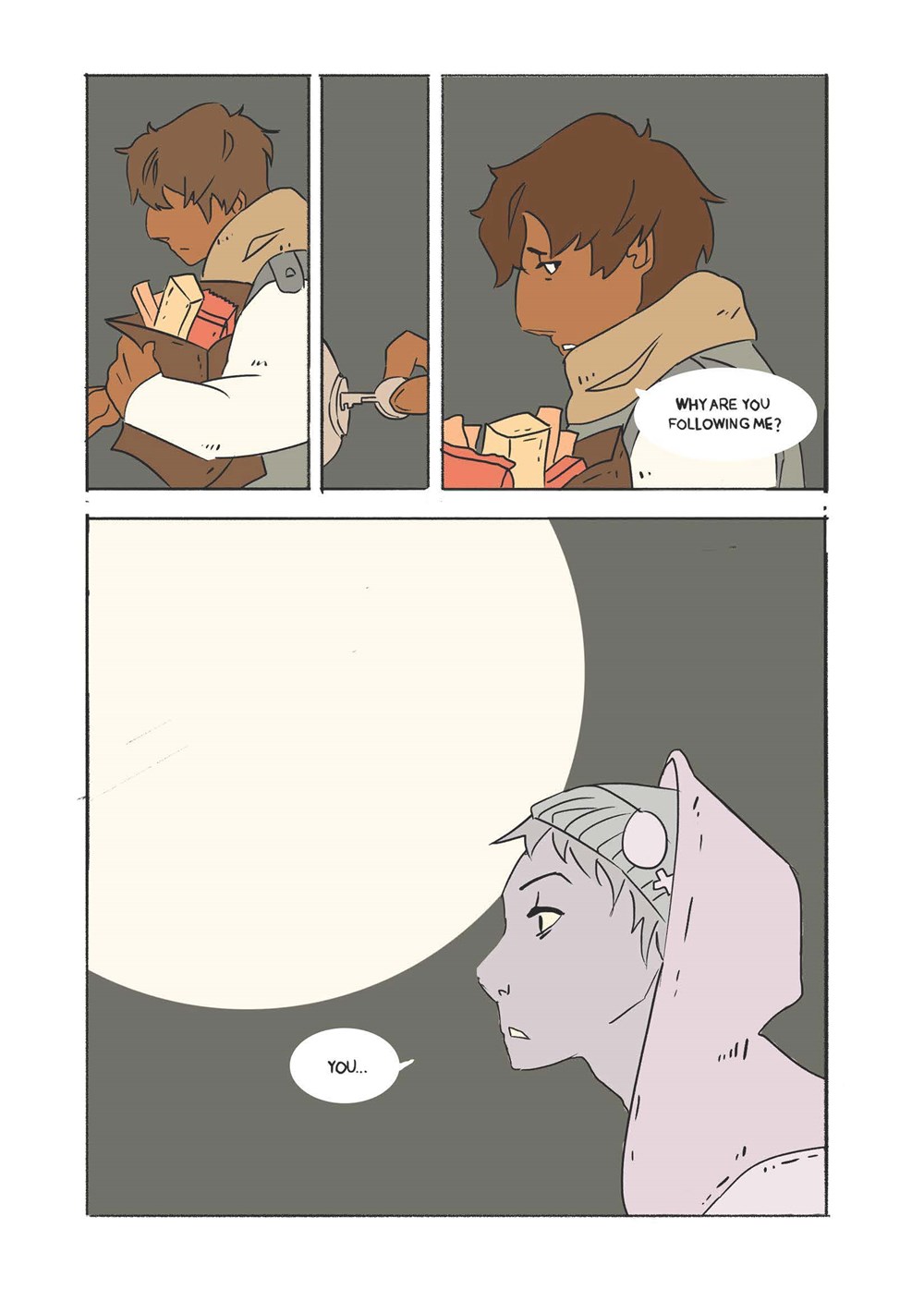
Taproot A Story About a Gardener and a Ghost, by Keezy Young, (Sept. 2017, Lion Forge), $10.99, ISBN: 9781941302460
Recommended for readers 13+

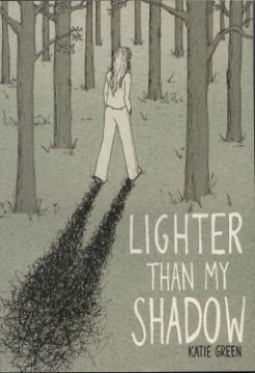
Lighter Than My Shadow, by Katie Green, (Oct. 2017, Lion Forge), $19.99, ISBN: 9781941302415
Recommended for readers 13+
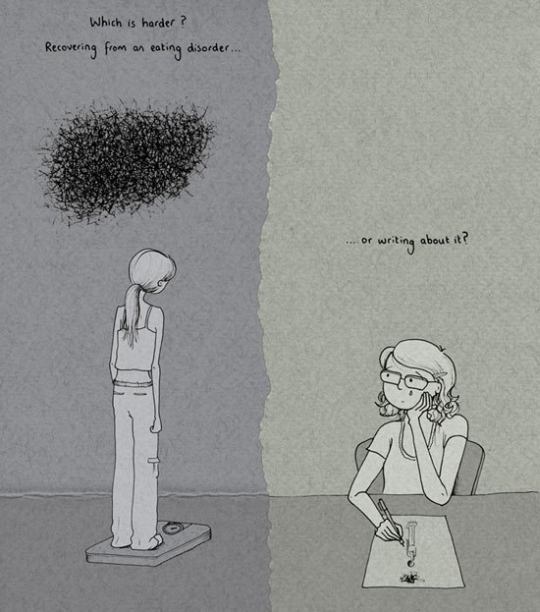
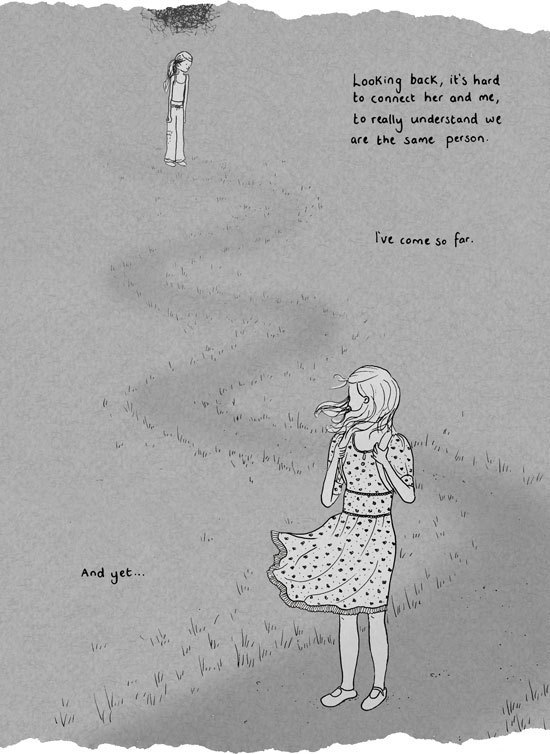
Katie Green’s graphic memoir details her years of abusing disorders, abuse at the hands of the therapist who was supposed to help her, and her recovery and reclamation of self. It’s devastating and inspirational; a life that we can all see in ourselves: cruel teasing, parental threats at the dinner table, a career you’re shoehorned into. Lighter Than My Shadow is a memoir of anxiety and depression, told in shades of grey, black and white. We see the physical manifestation of Green’s hunger and depression: a growing mouth in her stomach, a black scribble over her head, threatening to split her open. It’s an incredible story, and one that must be shared and discussed.
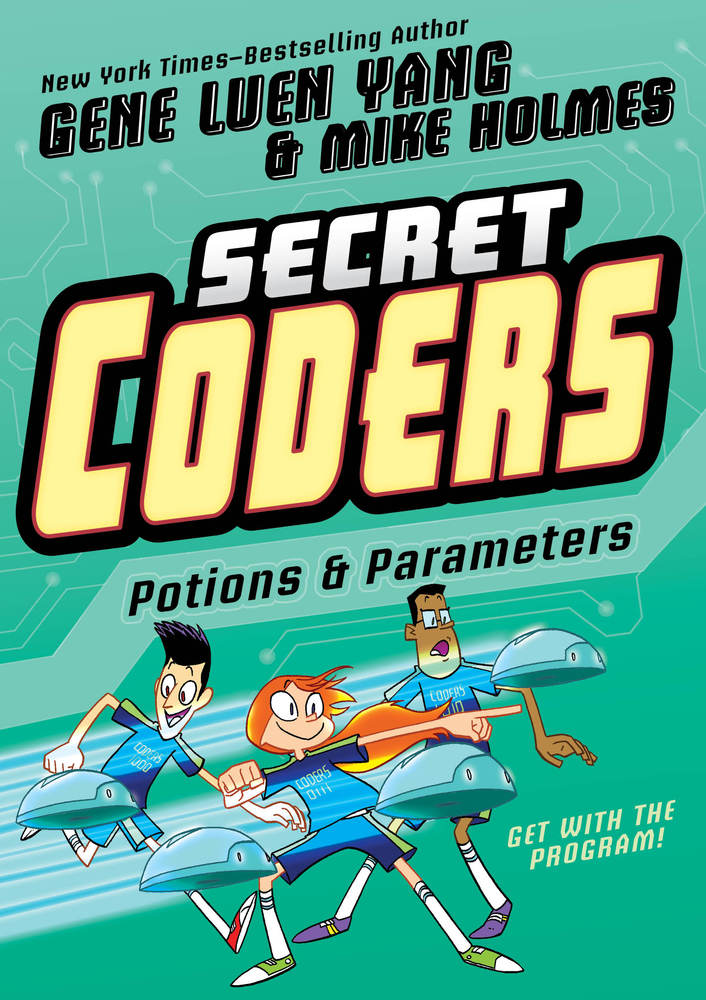
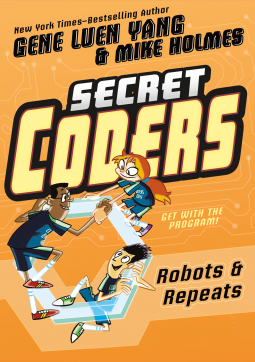
Secret Coders: Robots and Repeats, by Gene Luen Yang & Mike Holmes, (Oct. 2017, First Second), $10.99, ISBN: 9781626726062
Recommended for readers 8-12
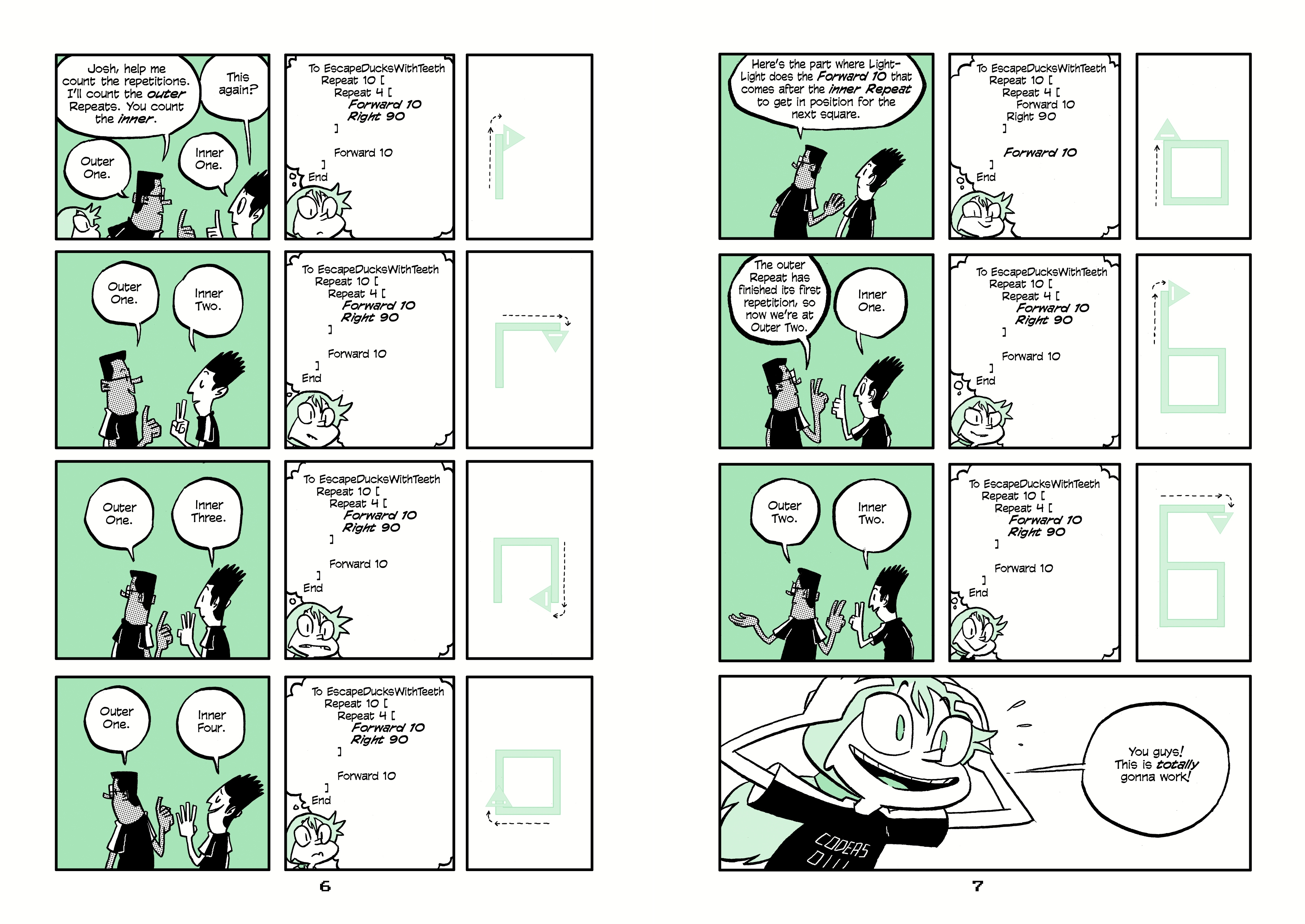
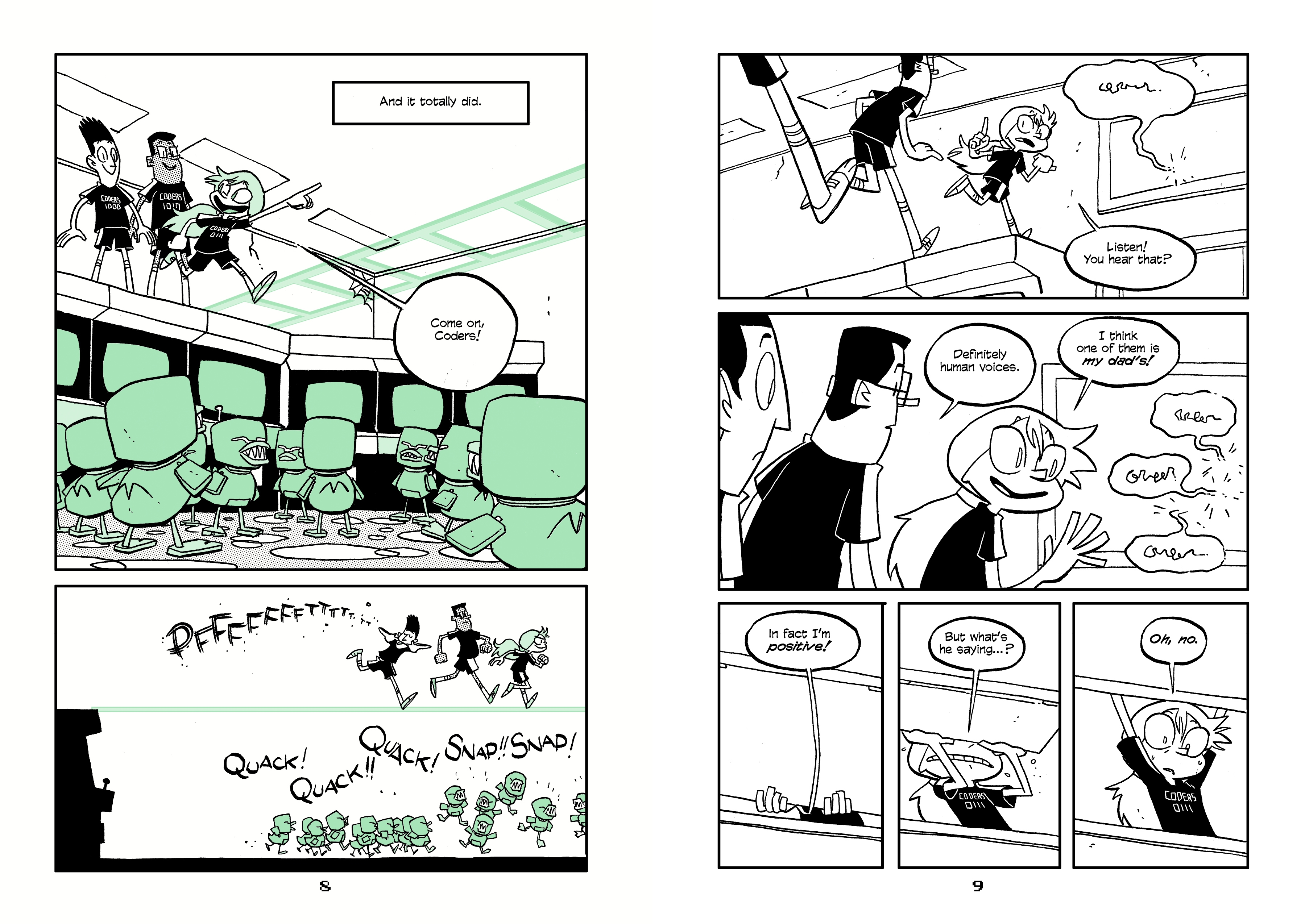
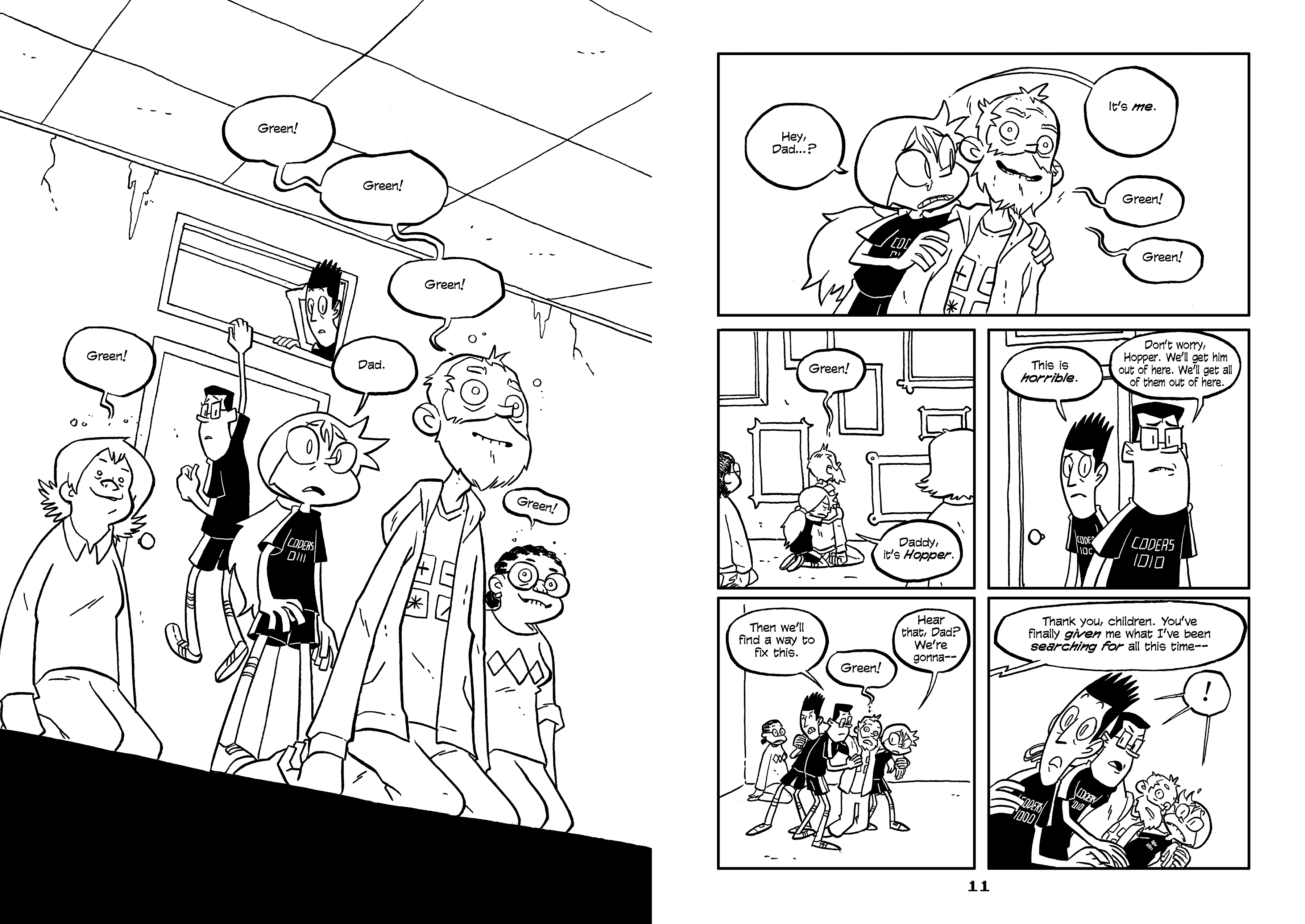
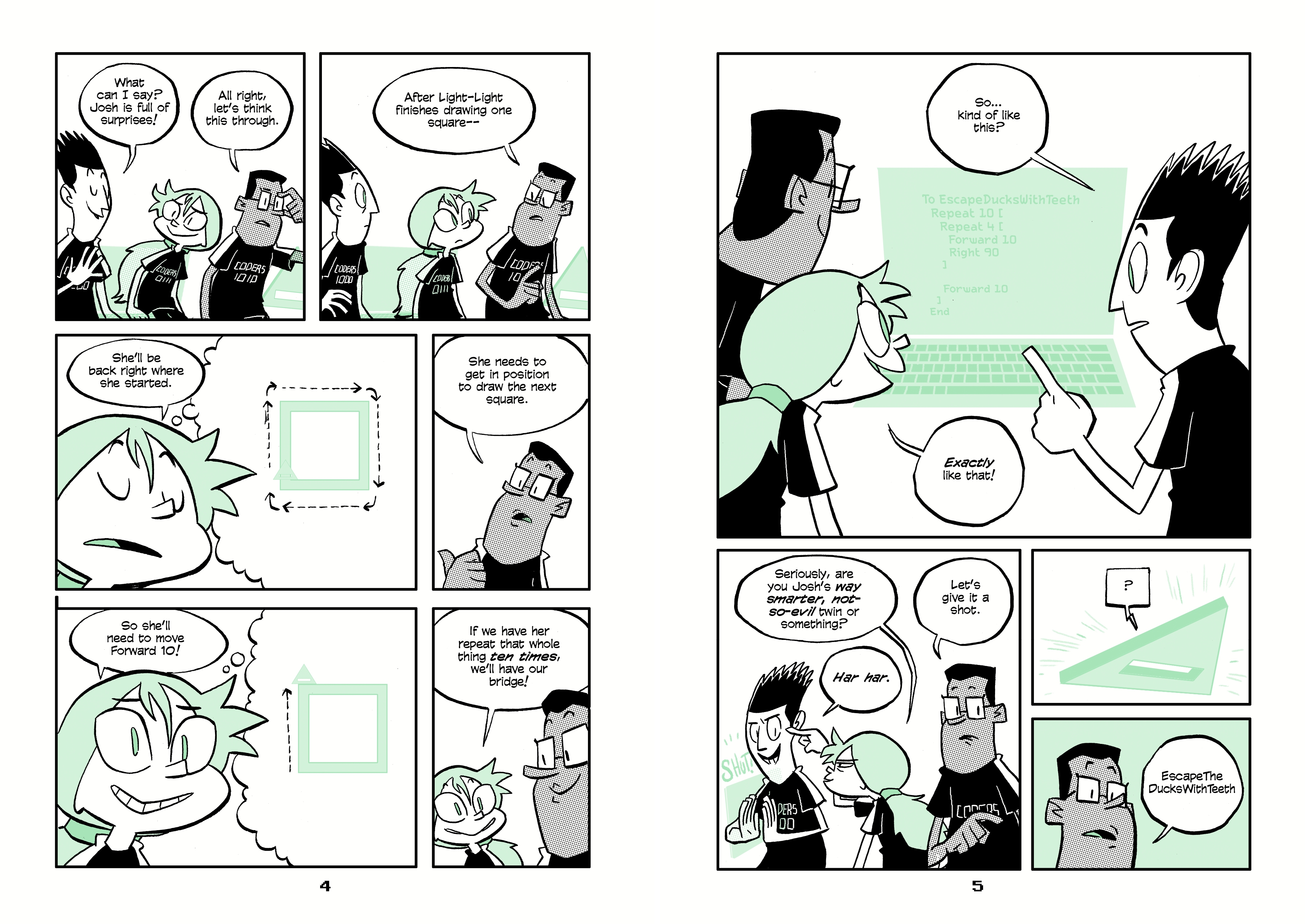
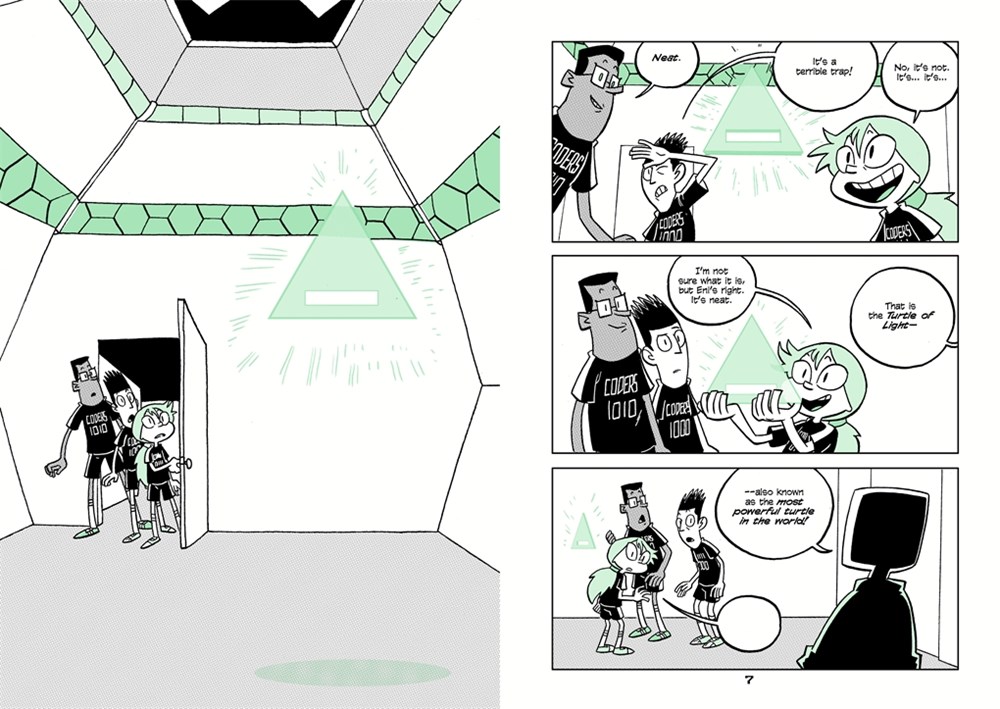
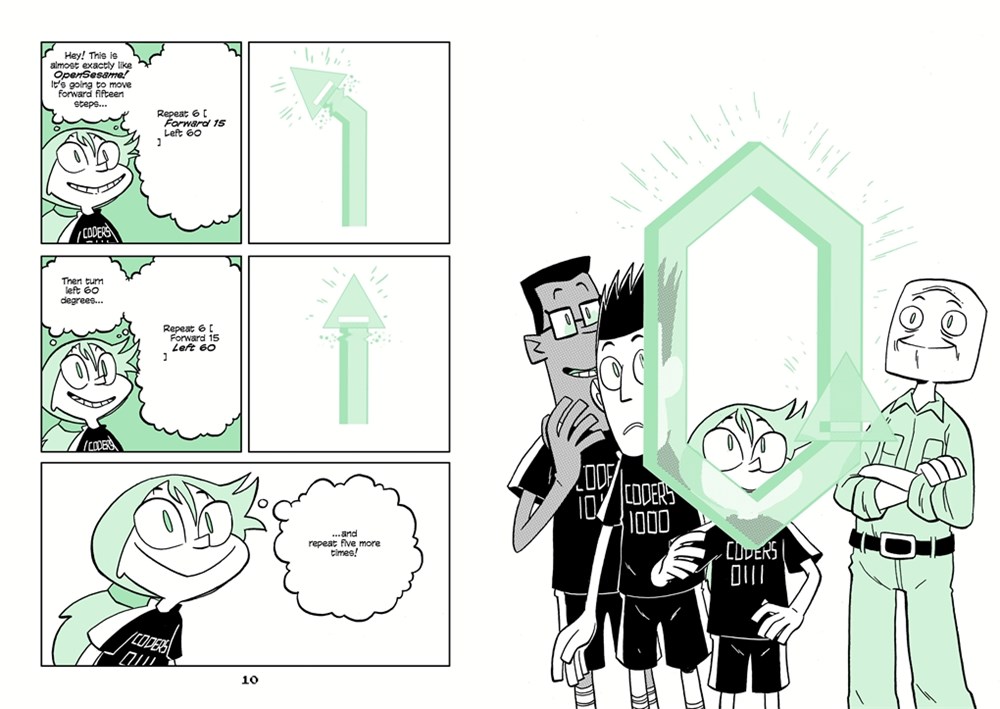
The Coders are back! Dr. One-Zero is a bane to their existence, especially with his new “Advanced Chemistry” class, where he only teaches them to make Green Pop. Hopper’s paired up with an obnoxious classmate who knows nothing about chemistry; Josh is fostering a kinda, sorta crush, and Eni’s sisters are following him around the school, reporting his every move to his overprotective parents, who want him to cut all ties with his fellow Coders. The Coders are still working together, though, and make a new discovery: The Turtle of Light. They also discover someone they’ve been looking for: Hopper’s dad, who’s under the influence of the evil Green Pop! This fourth installment is still good fun and has more coding challenges for readers; most notably, working out pattern repeats. The fifth book, Potions and Parameters, is coming in March.
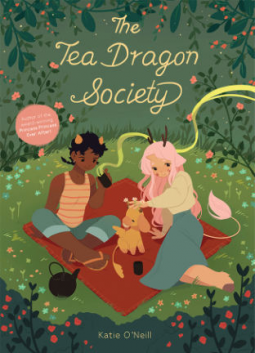
The Tea Dragon Society, by Katie O’Neill, (Oct. 2017, Oni Press), $17.99, ISBN: 9781620104415
Recommended for readers 9-13
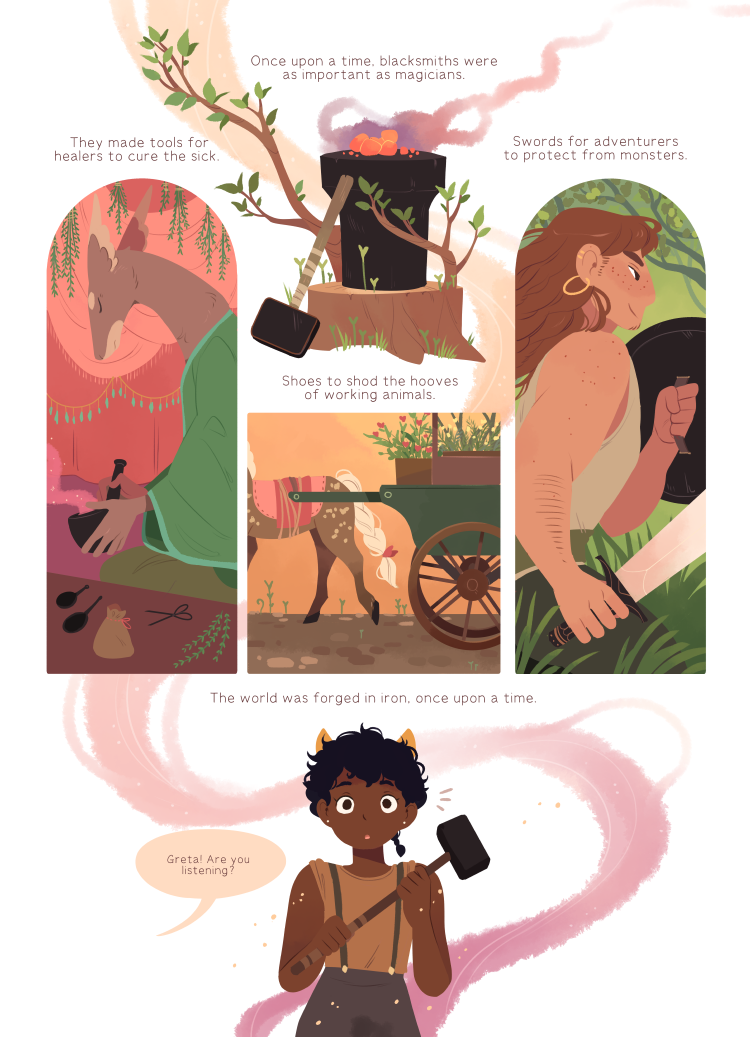
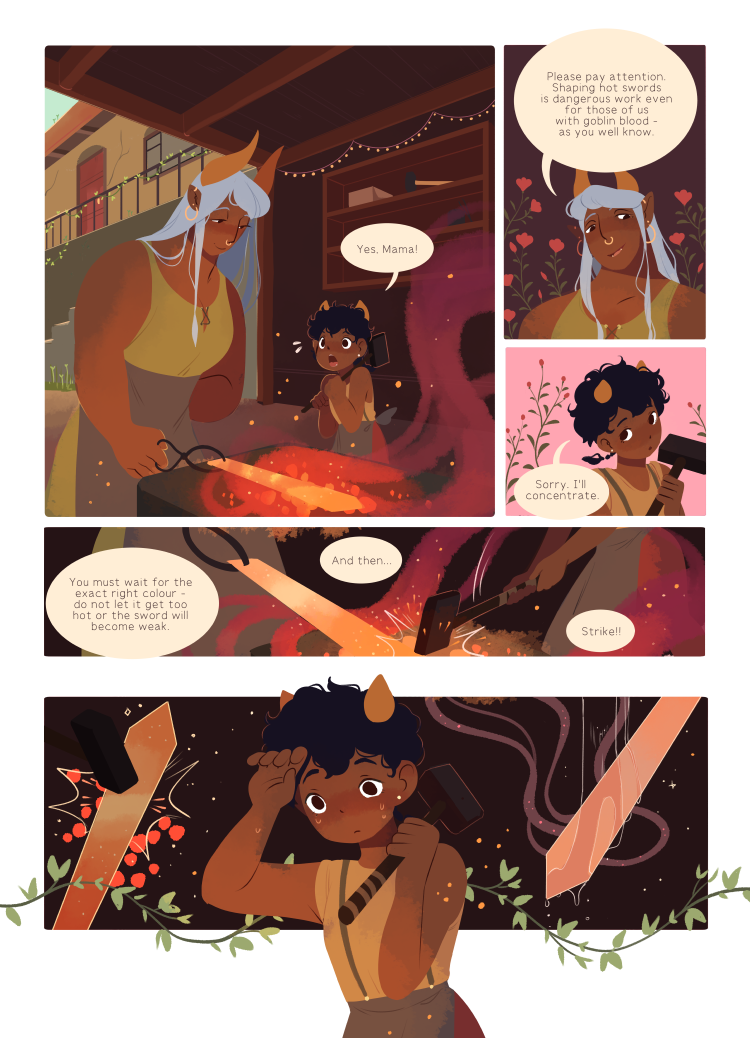
If you loved Princess Princess Ever After as much as I did, you are in for a treat with Katie O’Neill’s newest graphic novel, The Tea Dragon Society. Greta is a blacksmith’s apprentice who wonders whether her mother’s craft is even relevant anymore. She learns about another art form when she rescues a young tea dragon in a marketplace: the care of tea dragons; they’re dragons, who grow tea leaves out of their horns and antlers. The cast is beautifully illustrated and diverse; we’ve got a plethora of relationships depicted, and a storyline every fairy tale and fantasy reader will love. The backgrounds, the characters, every single piece of this graphic novel is just incredible artwork. Buy two copies for your shelves, and a copy or two for readers you love. Do. Not. Miss.


Posted in Non-Fiction

Portrait of an American Activist: Listen – How Pete Seeger Got America Singing

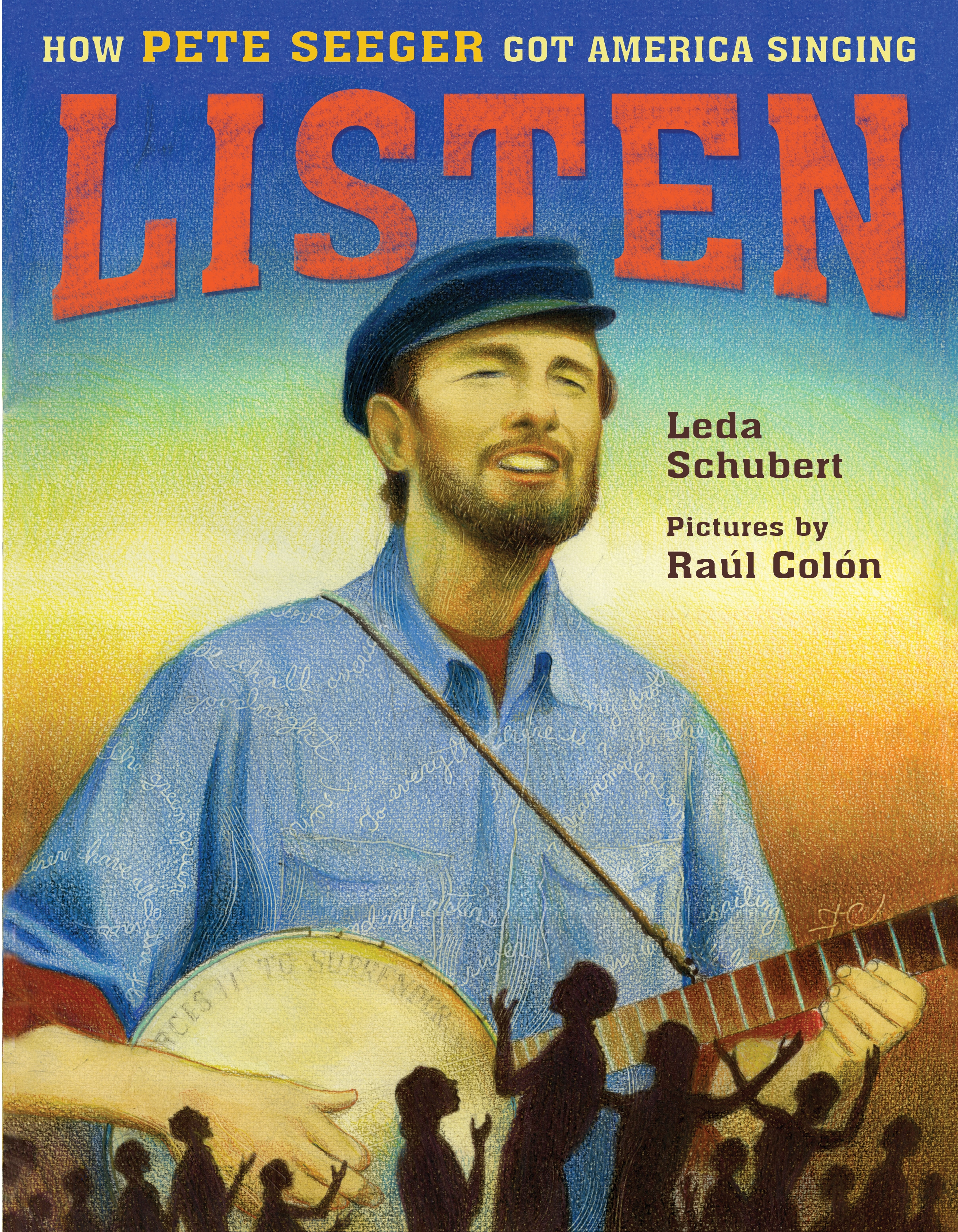
Listen – How Pete Seeger Got America Singing, by Leda Schubert/Illustrated by Raúl Colón, (June 2017, Roaring Brook Press), $17.99, ISBN: 9781626722507

Recommended for readers 5-10

Leda Schubert and illustrator Raúl Colón create a lyrical and beautiful tribute to singer, songwriter, and activist Pete Seeger. From the beginning of his career, strumming his banjo or guitar, Seeger led by example; first, by singing and encouraging his audience to chime in; later, through his activism: standing in peace lines to support unions, protest war, marching for civil rights, and caring for the environment. Whether he was talking to grownups or the children that loved his songs, Seeger always encouraged participation – “That’s what gonna save the human race” – and awareness. Schubert weaves Seeger’s song titles with the story text to highlight the relationship between Seeger’s songs and the causes he supported.

Raul Colon’s art is beautiful. His technique provides both beautiful texture a vintage glow to his images, and his spread featuring Seeger’s boat, the Clearwater, sailing down the Hudson River, is breathtaking. Beautiful artwork and stunning images make Listen a great addition to picture book biography collections and a great read when explaining social justice activism to younger readers.

Leda Schubert holds an MFA from Vermont College of Fine Arts in the Writing for Children and Young Adults and was a core faculty member until 2012. She is the author of many award-winning titles, including The Princess of Borscht, Ballet of the Elephants, and Monsieur Marceau, winner of the Orbis Pictus Award for Outstanding Nonfiction. Leda lives in Plainfield, Vermont, with her husband and two dogs. To learn more, and to download a curriculum guide, visit ledaschubert.com.


Raúl Colón has illustrated several highly acclaimed picture books, including Draw!; the New York Times-bestselling Angela and the Baby Jesus by Frank McCourt; Susanna Reich’s José! Born to Dance; and Jill Biden’s Don’t Forget, God Bless Our Troops. Mr. Colón lived in Puerto Rico as a young boy and now resides in New City, New York, with his family.

Leda Schubert provides some great links to recordings and videos of Pete Seeger here.

Praise for Listen: How Pete Seeger Got America Singing

★“Schubert and Colón ably demonstrate one of their book’s final assertions: ‘there really was nobody like Pete Seeger.’”—Kirkus Reviews (starred)

“A rousing tribute to a singular musician and activist who ‘walked the talk.’” —Publishers Weekly

“This inspiring picture book biography about one of America’s greatest folk heroes is sure to get a new generation of children singing.” —School Library Journal

“An inspiring and heartfelt tribute to, as Schubert calls him, a ‘true American hero.’” —Horn Book

Giveaway!

One lucky winner will receive a copy of Listen: How Pete Seeger Got America Singing (U.S. addresses; one entry per person.) Enter this Rafflecopter giveaway for your chance!

Posted in Non-Fiction, Teen, Young Adult/New Adult

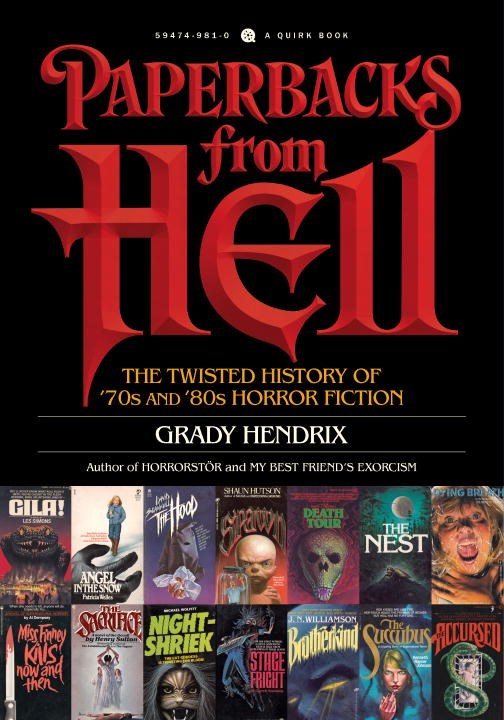
Paperbacks from Hell is a love letter to ’70s and ’80s horror fiction

Paperbacks from Hell: The Twisted History of ’70s and ’80s Horror Fiction, by Grady Hendrix, (Sept. 2017, Quirk Books), $24.99, ISBN: 9781594749810

Recommended for readers 16+

I know you may be looking at this review funny: ’70s and ’80s horror fiction? For teens now? YES. Walk with me.

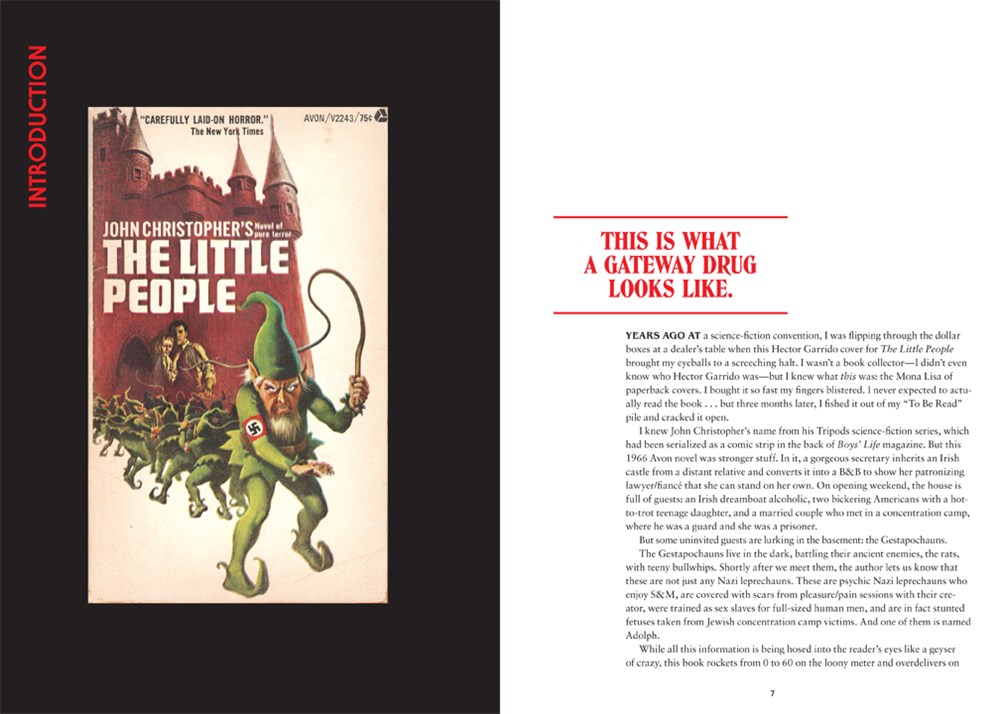
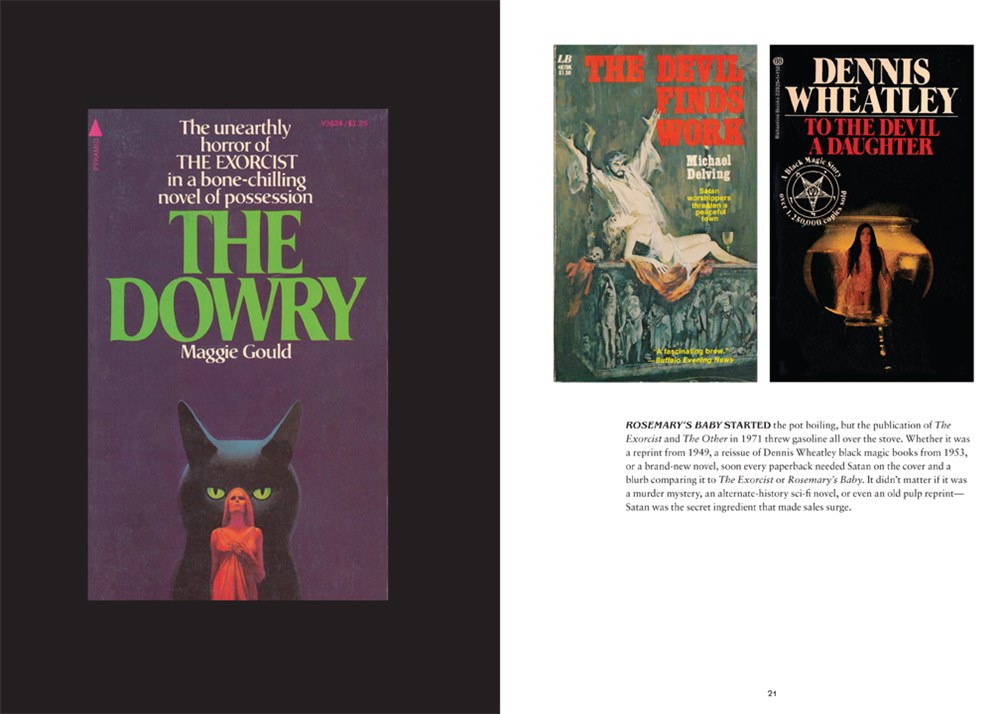
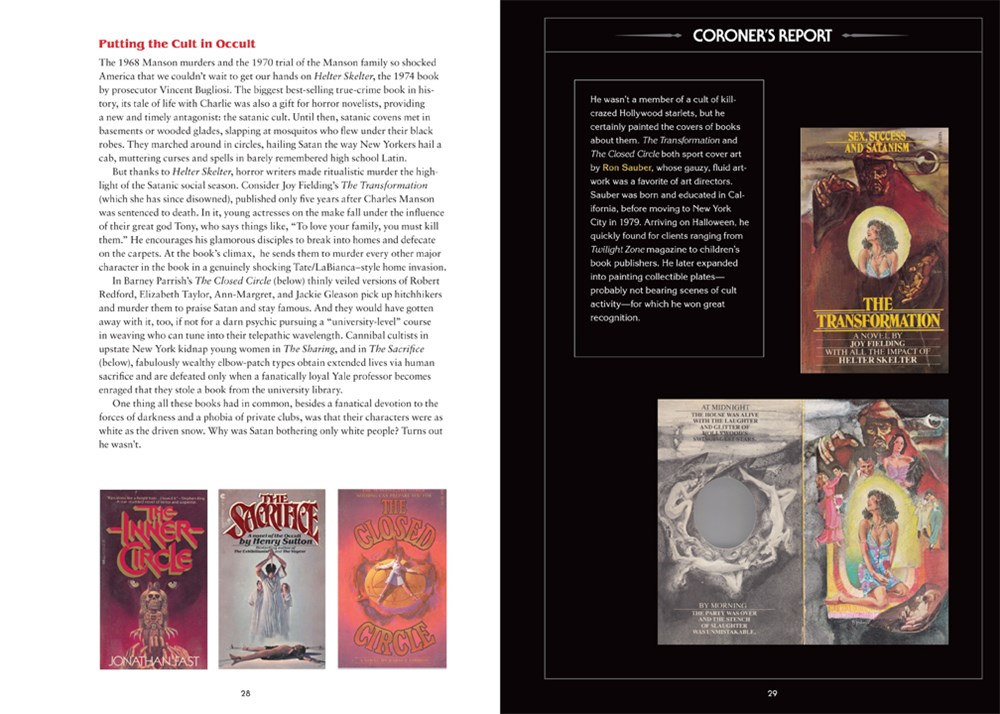
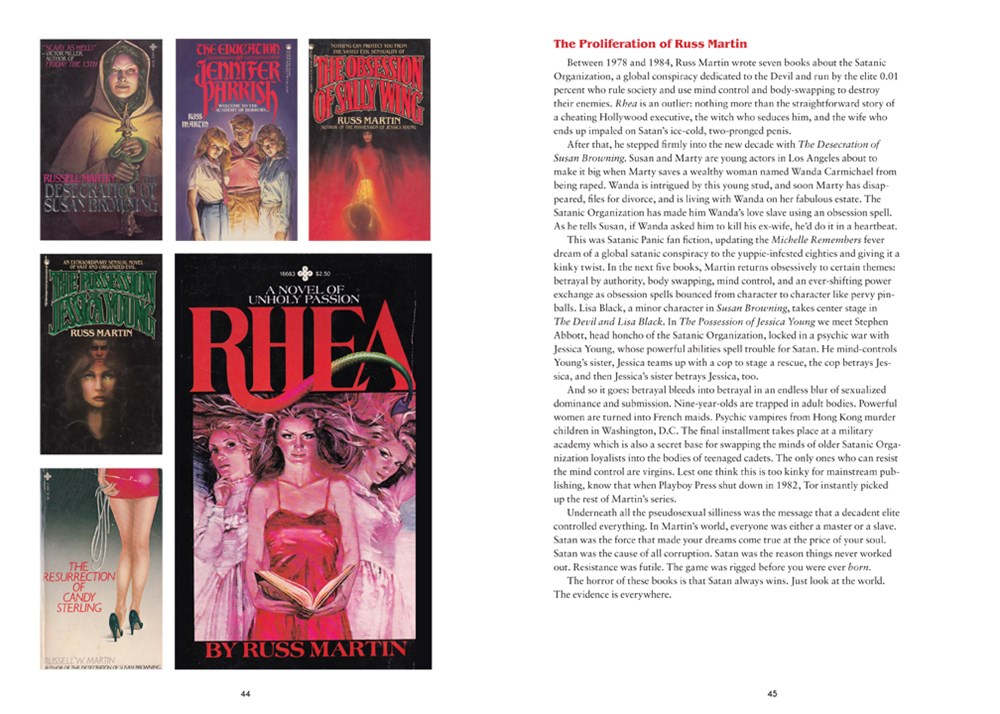
First off, Grady Hendrix is straight up hilarious. If you haven’t read Horrorstor or My Best Friend’s Exorcism, you haven’t yet been introduced to his brand of smart, snarky horror: a haunted Swedish furniture store (Horrorstor) starts out witty, and leaves you sleeping with the light on for a week. A YA novel about demonic possession in the ’80s (My Best Friend’s Exorcism) starts with insidious, creepy storytelling, takes it into sheer horror territory, and ends on the most ’80s of endings; you can practically hear the synths in your mind as you turn pages. And now, Hendrix writes a love letter to that crazy time with his retrospective of horror paperback fiction. We go back to a time when paperbacks were sold in the supermarket; when kids like me would sneak peeks at VC Andrews’ Flowers in the Attic while on line at the A&P grocery store. So many creepy children. So much Satan, with so many cultists. So many animals bent on our destruction.

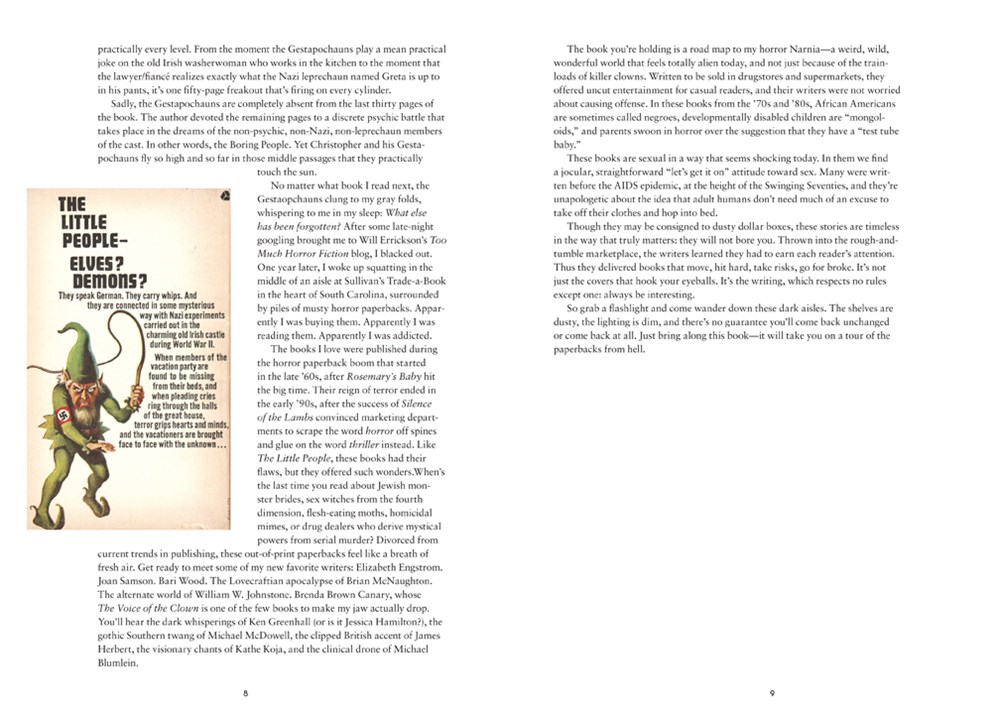
Hendrix is one of those authors that make you pause, grab a friend – or your teenager, in my case  and say, “No, wait, you have to hear this.” Multiple times. Until said teenager finally asks, “Wait a minute: Gestapochauns? There was a book about Nazi leprechauns? Are you serious?” And that, my friends, is where you hook them. You pick a section – any section – and you show them some of the covers. Then you read some of the text, because Hendrix’s knowledge about these books – in conjunction with Too Much Horror’s Will Errickson – is encyclopedic. And the teen is laughing and kind of terrified and wants to know more, all the same.


Gestapochauns are indeed a thing.


Paperbacks from Hell is perfect for us readers of a certain age, sure, but it’s also a book that connects us with our teens. We can get them on board with the craziness and the overwrought drama of the art and the stories. You can point out authors that teens will know, like VC Andrews, who’s now considered YA, and RL Stine, who was writing horror long before Goosebumps made him a household name. Let horror build a bridge between you and your teens. As my teen told me, “You grew up in a different time, Mom.” Yes, son. Yes, I did. And it was amazing.
Grab a copy and take a tour through the bookshelves of your youth, and invite your teens to make the trip with you. And while you’re at it, share your best six-word horror story with Quirk Books on Twitter by this Friday (9/22/17) and maybe you’ll win your own copy of Paperbacks from Hell! Details are here.


Posted in Fantasy, Fiction, Fiction, Fiction, Graphic Novels, History, Intermediate, Middle Grade, mythology, Non-Fiction, Teen, Tween Reads, Young Adult/New Adult

Illustrated/Graphic Novel Rundown

Phew! I may have overextended myself just an eensy bit with  my own summer reading list, but it was all worth it. There are some great books out this Fall. Here’s a quick rundown of some graphic novels and illustrated nonfiction out this month (and one from June… it was a busy summer!).


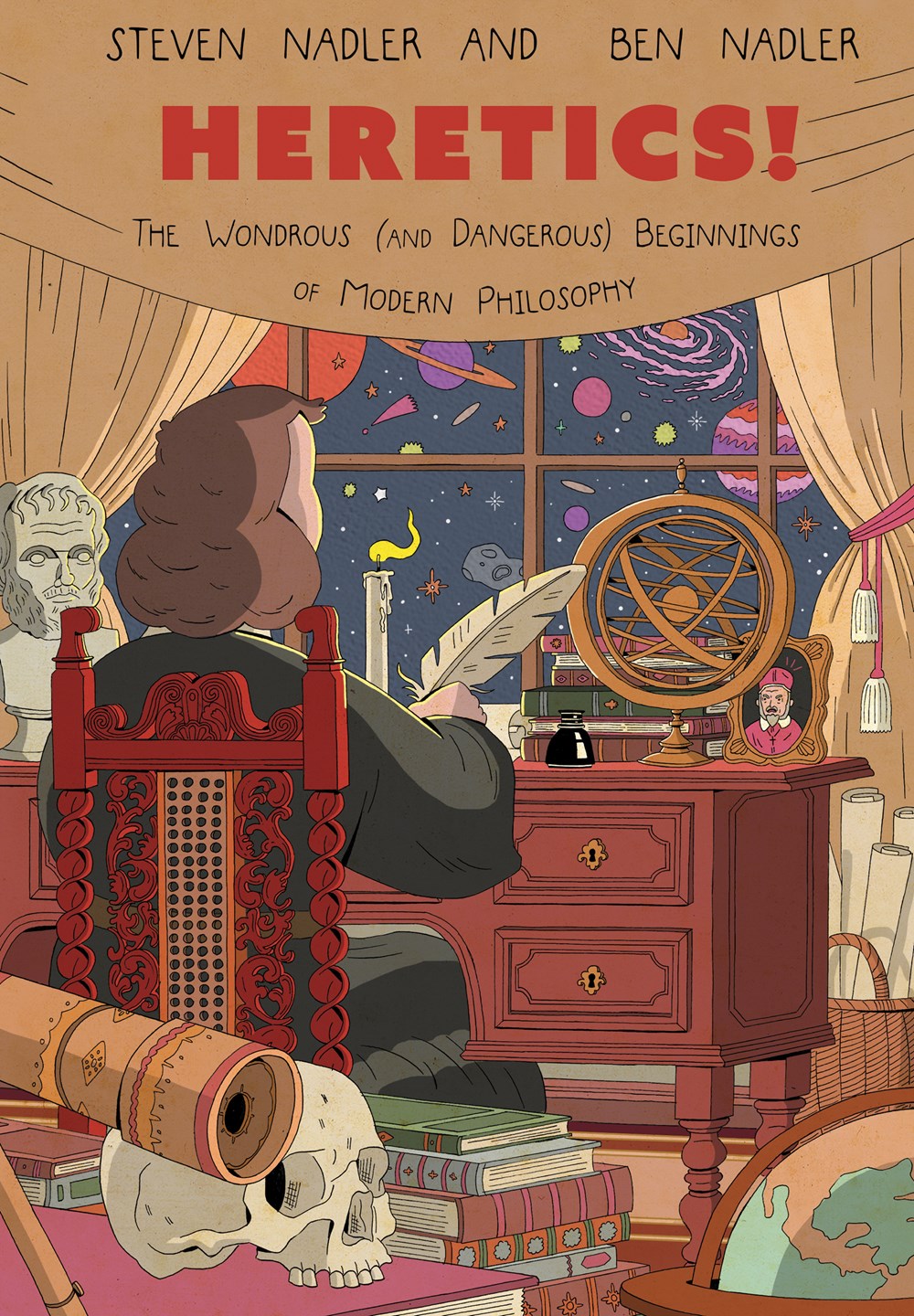
Heretics!: The Wondrous (and Dangerous) Beginnings of Modern Philosophy, by Steven & Ben Nadler, (June 2017, Princeton University Press), $22.95, ISBN: 9780691168692 / Ages 16+

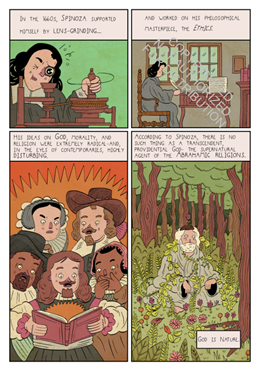
This nonfiction graphic novel tells the story of the 17th-century thinkers – Galileo, Descartes, Locke, Newton, and more – who fundamentally changed the way mankind saw society and ourselves. These philosophers and scientists challenged the church’s authority to prove that Earth was not the center of the universe; that kings were not divinely chosen to rule; that neither God nor nature makes choices: sometimes, things just happen. Period. The reader-friendly, cartoony drawings, combined with simple explanatory text helps readers understand the scandalous nature of these thinkers. Booktalk and display with the Action Philosophers collection.


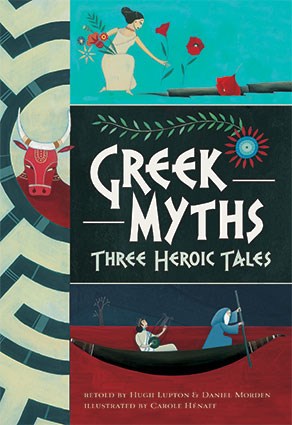
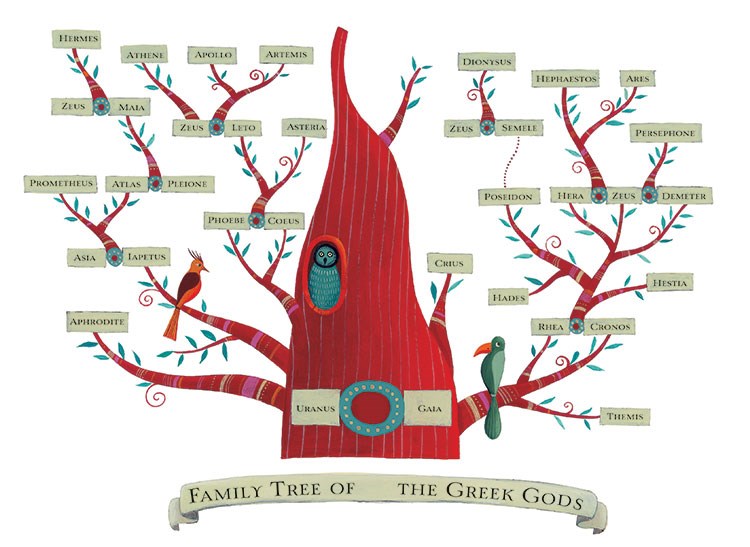
Greek Myths: Three Heroic Tales, by Hugh Lupton and Daniel Morden/Illustrated by Carole Henaff, (Sept. 2017, Confident Readers), $12.99, ISBN: 9781782853497 / Ages 8-12

Three of the most famous Greek myths: Demeter and Persephone, Theseus and the Minotaur, and Orpheus and Eurydice – get the illustrated treatment here. Award-winning French illustrator Carole Hénaff uses a palette of deep and bright colors to create beautiful illustrations that would be as beautiful in a frame as they are in this book.

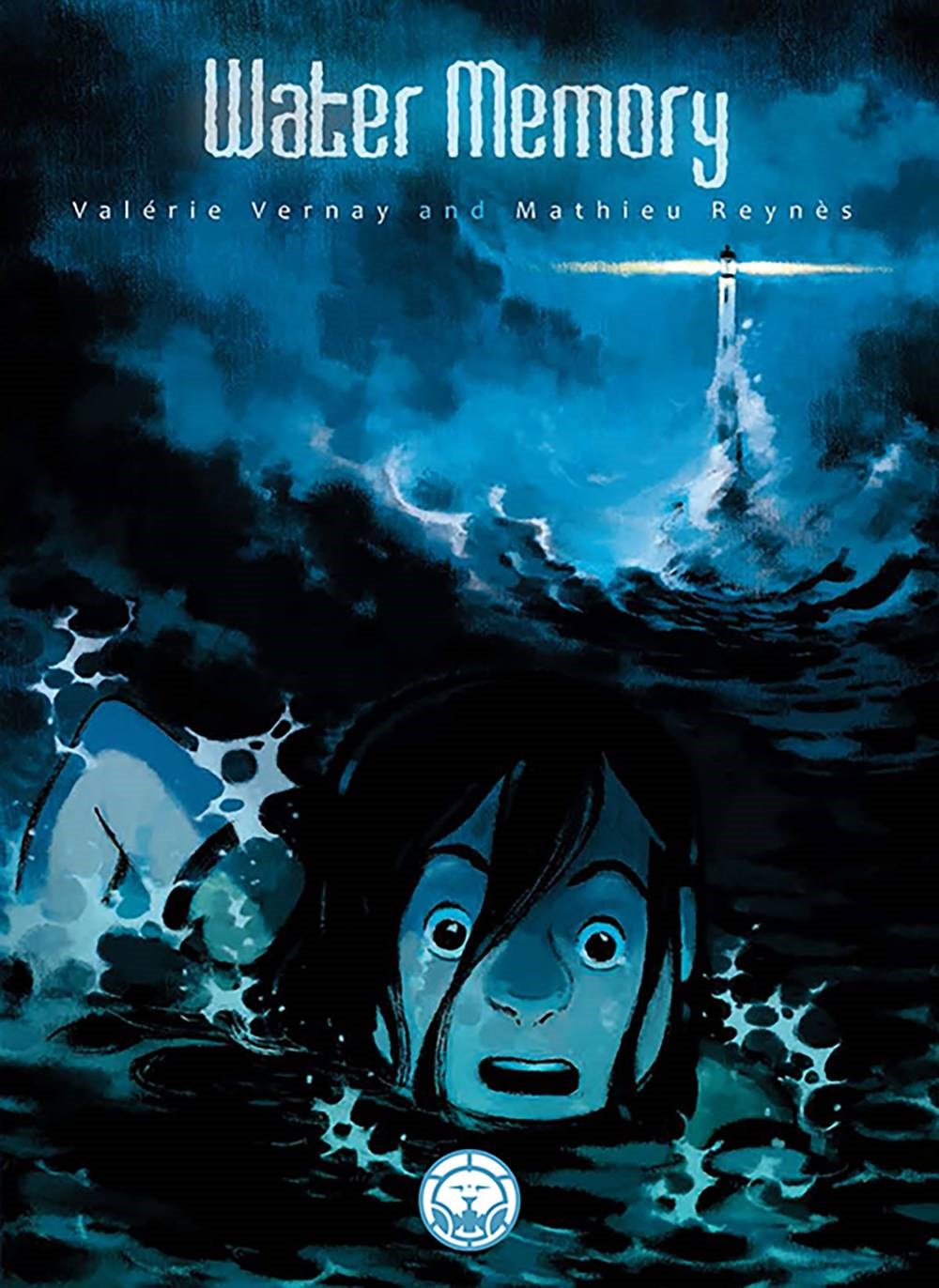
Water Memory, by Mathieu Reynes/Illustrated by Valerie Vernay, (Sept. 2017, Lion Forge), $14.99, ISBN: 9781941302439 / Ages 13+

I love a good, spooky story, and if it’s a good, spooky graphic novel that I can share with my library kiddos, even better. Marion’s mom inherited an old family house. It’s got a private beach and overlooks the ocean. It’s too good to be true, right? Right. Marion discovers some strange rock carvings and that a chilling local legend may be coming to life. The artwork is beautiful, and the translation from the original French to English is seamless.

    
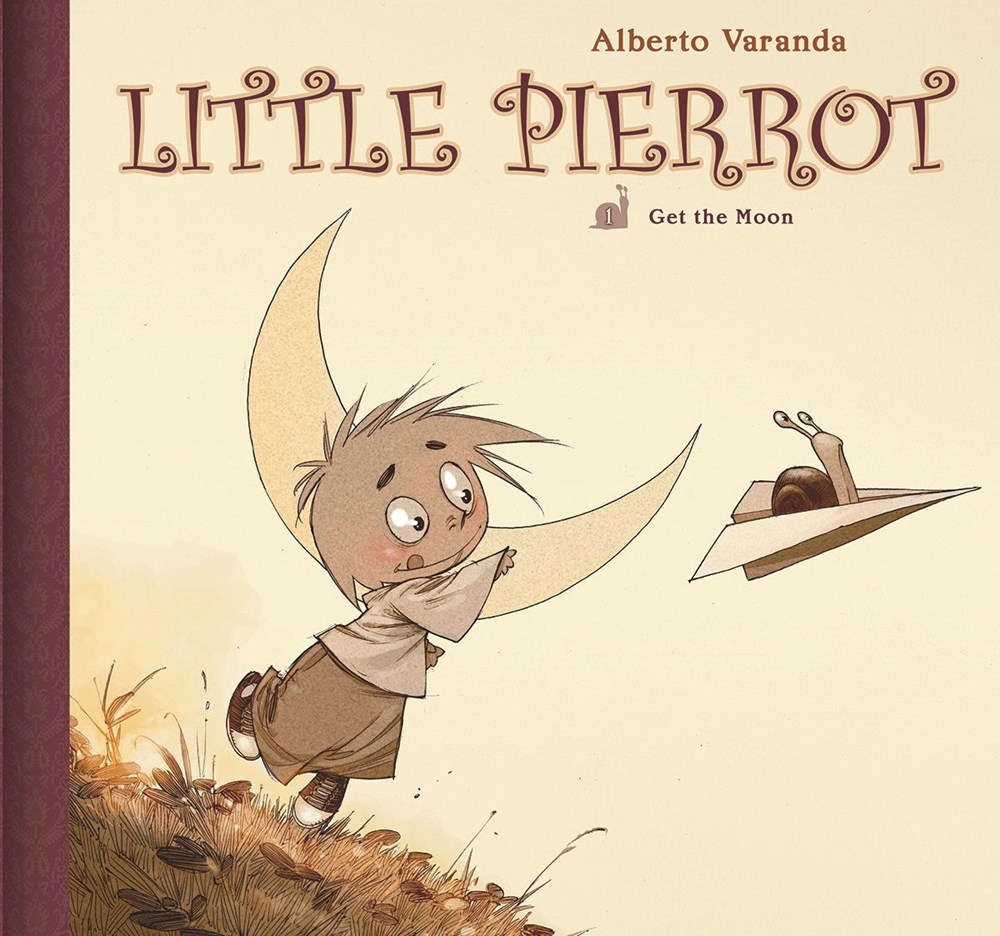
Little Pierrot Vol 1: Get the Moon, by Alberto Varanda, (Sept. 2017, Lion Forge), $14.99, ISBN: 9781941302590 Ages / 4-8
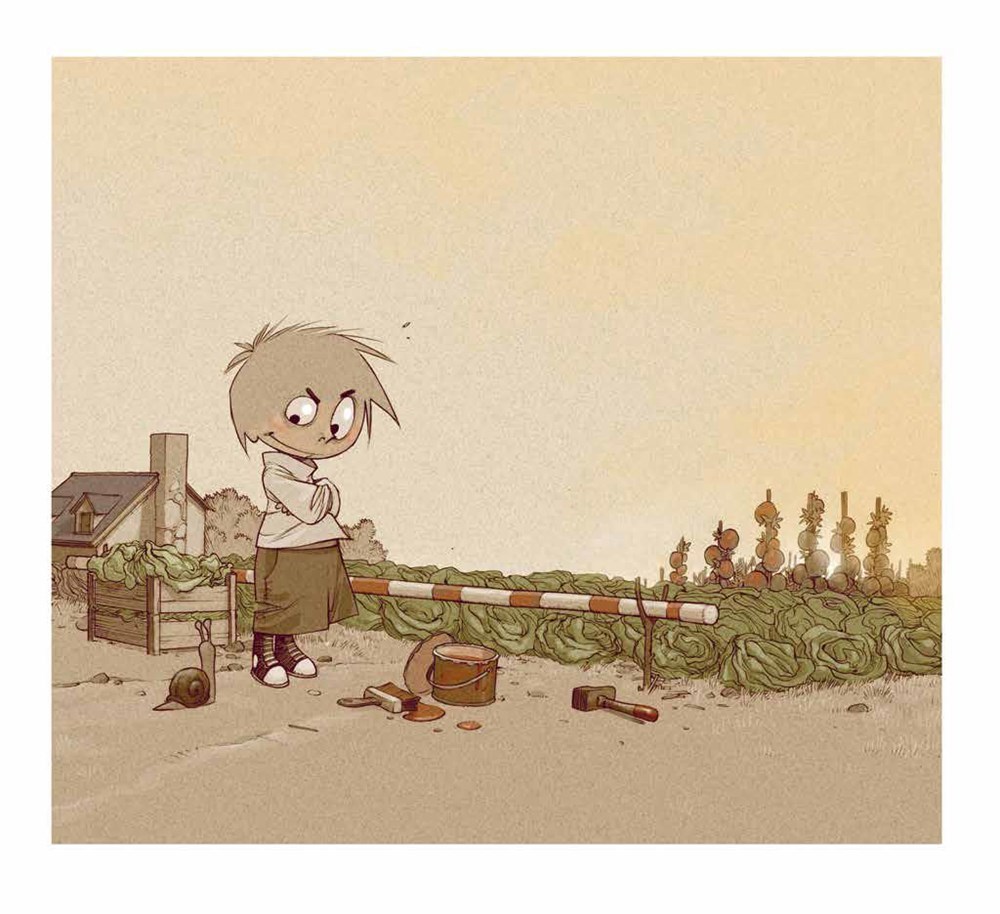
This is the first in a new graphic novel series, translated from French, and perfect for young readers. Little Pierrot is a little boy with a big imagination. He and his snail buddy – Mr. Snail, naturally – have surreal adventures and end their day together, like best buddies do. Give this to your TOON Books readers; it’s got a similar look and feel. The artwork is sweet and whimsical, and kids will identify with Pierrot in terms of imagination and having a best buddy at one’s side, whether it’s a snail, a dog, or a stuffed plush. Booktalk with Calvin and Hobbes and Garfield, who never likes to be without his teddy bear, Pooky.
Posted in Middle Grade, Non-Fiction, Non-fiction, Tween Reads

NatGeo Kids sends kids back to school ready for everything!

I am an unabashed fan of NatGeo for my nonfiction sections. They have books on EVERYTHING, and the kids love it. They also make every single thing they cover amazing, hilarious, or both, which makes my life a lot easier when I have kids trudging into my children’s room, moaning that they have to read more nonfiction. Excuse me, do you see the GIANT WATER FAUCET on the cover of this book? Guess what? Nonfiction. Suddenly, they’re a lot more amenable to what I have to offer.

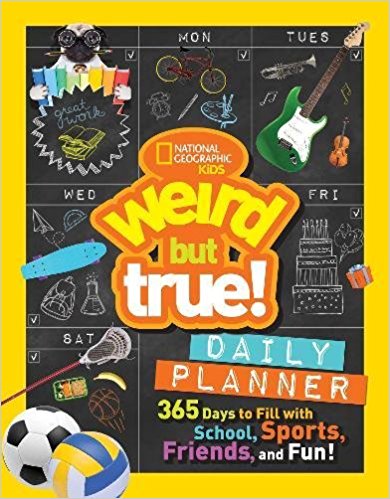
Let’s start with the backpack essential: The Weird But True Planner ($12.99, ISBN: 978-1426327933). The Weird But True books come in second only to the NatGeo Kids joke books when it comes to demand in my children’s room. It’s got the planner essentials: it’s spiral bound and sturdy, so kids can use it and it will hold up. It’s got paper that won’t tear when you turn a page. You know that paper; it’s usually the one that flies away and has the details of your homework on it. The space is smartly laid out, with NatGeo’s trademark gorgeous photos sharing space with planning and goal pages that help your kids keep it together during the school year. And because it’s NatGeo, it’s got the fun, weird holidays, crazy facts, pages for scribbling areas where you need homework help, little writing prompts, and an overall fun vibe that demands you embrace your weirdness. I have a copy that I desperately want to keep for my own library notes, programs, and scheduling the lives of my weird family; now, the key is making sure the kids don’t take mine off my desk at work OR at home.

Let’s be clear: this is not a library book; it’s a book meant to be written in, used, and yeah, even a little abused. But it IS an essential buy.

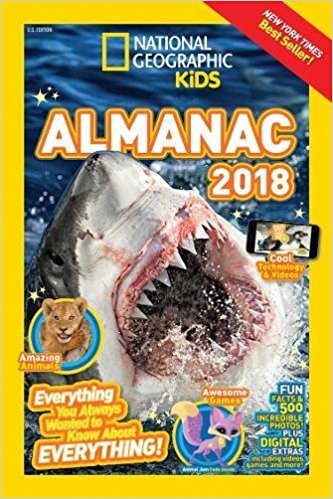
Next up is the NatGeo Kids 2018 Almanac ($14.99, ISBN: 978-1-4263-2772-8). Updated for 2018, this is another go-to for my library kids. There are 12 sections – up from last year’s 10 – and cover current events, life science, engineering and technology, space and earth, and more. The fun and games section is still here, and the overall fun spirit of discovery runs through the book. A spread in life science tells readers “18 Fantastic Facts About Fungi”, with facts about cheese mold, to mushrooms, to athlete’s foot (it’s just a photo of a bare foot). Feel bad for the Ugly Food, but rejoice in reading how being ugly doesn’t mean being garbage – make banana bread with those brown bananas (that’s when they’re the best), or make a smoothie using that bruised peach. A companion page on the time it takes different types of trash to decompose is a powerful call to action for recycling and re-purposing our trash. Homework help tips, quizzes, jokes, fun facts, and breathtaking photos make this Almanac a keeper.
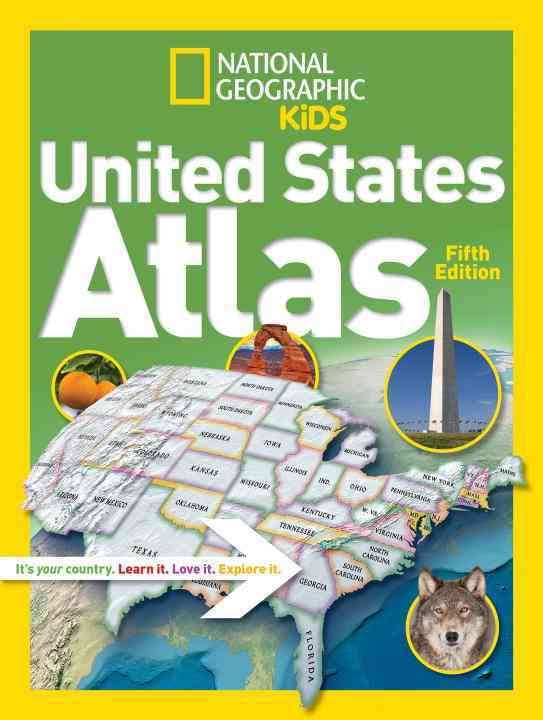
Atlases are always handy to have around, especially with increased importance on understanding global affairs and cultures. The United States Atlas (Fifth Edition, $12.99, ISBN: 978-1-4263-2831-2) gives readers a literal lay of the land, with political and physical maps by territory: Northeast, Southeast, Midwest, Southwest, and West. There are maps and statistics for each state within the territories; economy symbols to illustrate local economies like crops and industries. Photos and infographics round out each state’s profile. The atlas also includes U.S. territories, a glossary, postal abbreviations, and additional web resources.
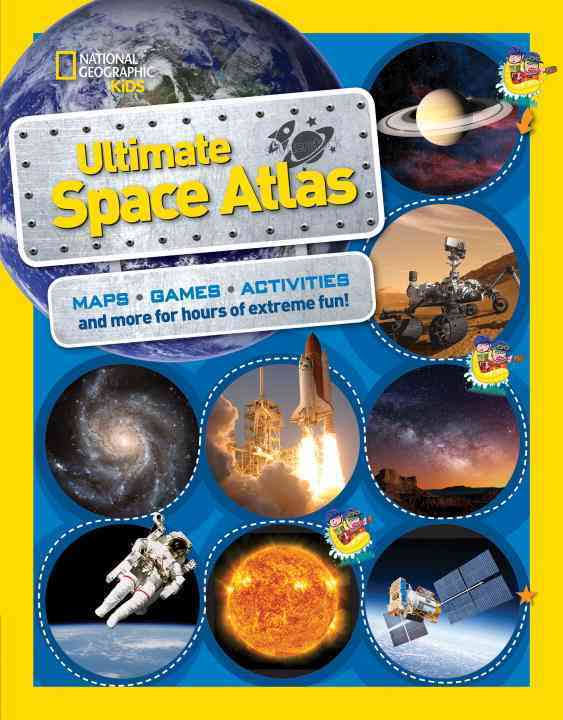
The Ultimate Space Atlas ($12.99, ISBN: 978-1-4263-2802-2) is a handy guide to what’s “up there”: phases of the moon, seasonal constellation maps for each hemisphere, what’s new in space exploration. “Digital Traveler” boxes help readers expand their learning by using going online. There are fun facts, amazing photos, diagrams, and Space Travel Attractions to visit… you know, from here. Earth. There’s a section with some fun activities at the end, and a glossary and index complete this handy astronomy desk reference. Both atlases will be helfpul during the school year, so load up your bookshelves if you’re in a library, or consider these when you’re buying school supplies.
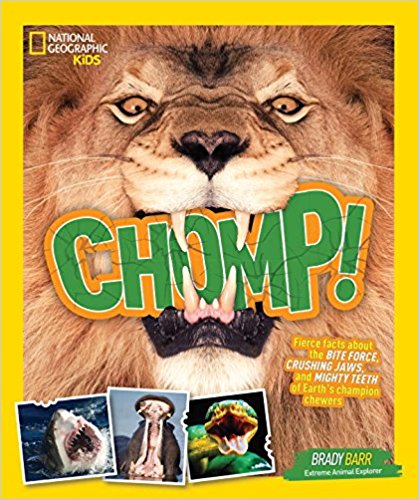
CHOMP!: Fierce Facts About the Bite Force, Crushing Jaws, and Mighty Teeth of Earth’s Champion Chewers ($12.99, ISBN: 978-1-4263-2839-8) has been on my shelves since this summer, and I see it wandering around the tables at the library (meaning, the kids are reading it while they’re in the library during the day) pretty regularly. Written by “Extreme Animal Explorer” Brady Barr, CHOMP! has a lot of pictures of a lot of big, mean teeth. The first page has a hippo, jaws open wide, greeting readers, and those choppers are intimidating! Barr organizes his chompers into four groups: the grippers, slicers, crushers, and gulpers; bite force and preferred menu for each animal profiled appear on each page. Barr jumps in with his own entertaining anecdotes, Brady’s Bite Stories, that will make kids squeal and cringe all at once; I’m thinking of reading the one about Barr squeezing a live otter out of a gator the next time I have a class visit. I like to be memorable. Further resources, a glossary and an index, make this a good companion guide for animal reports and fun reading for animal fans.
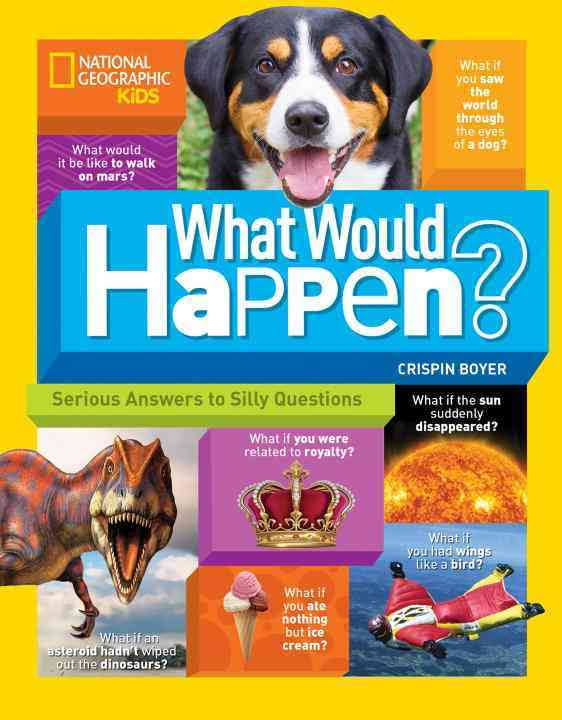
Last but never least, What Would Happen? Serious Answers to Silly Questions ($14.99, ISBN: 978-1-4263-2770-4) looks at the logic and science behind some wild, weird questions. Starting with questions like, “What if you ate nothing but ice cream?” (short answer: DON’T) and working their way up to “What if you could wield The Force?” (You may call me Lady Vader), questions are organized into areas covering humans, space, nature, time, technology, natural wonders, worst-case scenarios, and just plain surreal. Each question is examined by giving readers a background on the deeper question (ice cream tastes great, but without protein and fiber, you’re in for some problems); primary repercussions (those problems could include going to the bathroom, no matter how much you love butter pecan); side effects (you’ll get weak and possibly develop scurvy from lack of Vitamin C); and finally, could it happen (unless you’re putting chunks of chicken or tofu, plus some broccoli and tomato on that ice cream, probably not)? This is going to move right along with my Weird Facts books. Heck, I may just turn this one into a program – write your own What Would Happen? and let’s swap; research it and find out the answer. But I’m totally developing The Force.
Go forth and fill up backpacks, and have a great school year!
Posted in Middle Grade, Non-Fiction, Non-fiction, Tween Reads

Sports Illustrated Kids has the info kids need for back-to-school sports trivia

Sports Illustrated Kids is getting ready for the fall sports with the release of two need-to-have books for backpacks and bookshelves.

The Football Handbook, by Gary Gramling, (Aug. 2017, Time Inc. Books, $19.99, ISBN: 978-1-6330-007-6) is the perfect size for a sports fan’s backpack, and loaded with facts, stats, and football history. It’s essential reading for beginners and dedicated fans alike, with full-color photos, activities (so that’s how the guys in school folded those little paper footballs, all those years ago…), obscure facts, and need-to-know skills like how to draft a fantasy football team: the pizza is essential; my husband concurs. The “He Reminds Me Of…” section is a nice walk down Memory Lane for us folks of a certain age, with juxtaposed pictures, stats, and a bio on a “current guy” whose style matches that of an “old guy” gridiron great.

The National Hockey League (NHL) turns 100 this year, and Hockey: From Then to WOW! (Sept. 2017, Time Inc. Books, $19.99, ISBN: 978-1-68330-011-3) by the writers at Sports Illustrated Kids is part love letter, part time capsule, to the sport. The hockey rink endpapers set the vibe for you from the second you crack open the book, and an illustrated timeline of how hockey rules have evolved over the last century. (Can you believe that helmets weren’t mandatory until 1979?) Stunning photos of equipment and arenas show the progression of the sport and of sports technology. Legendary players, infamous fighters, and colorful characters all have a spotlight here, as do the best coaches. There are stats, sure – and then there are stats: the fan stuff. From the best playoff beards, fan fashion, and trading cards, to stuff thrown onto the rink and hockey games for fans, from air hockey tables to the latest in gaming, it’s all here.

Put these on your shelves where sports fans gather, and watch the circs fly. Great for middle graders and middle schoolers alike.

Posted in Graphic Novels, Non-Fiction, Teen, Young Adult/New Adult

Spinning: a memoir of skating and self

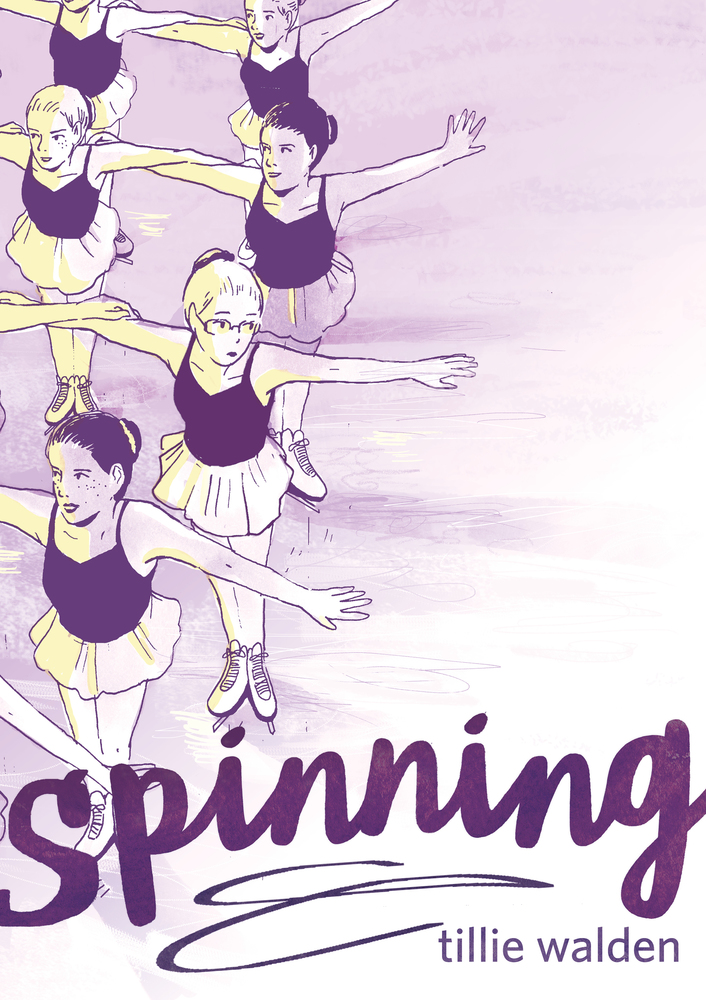
Spinning, by Tillie Walden, (Sept. 2017, :01First Second), $17.99, ISBN: 9781626729407

Recommended for readers 12+

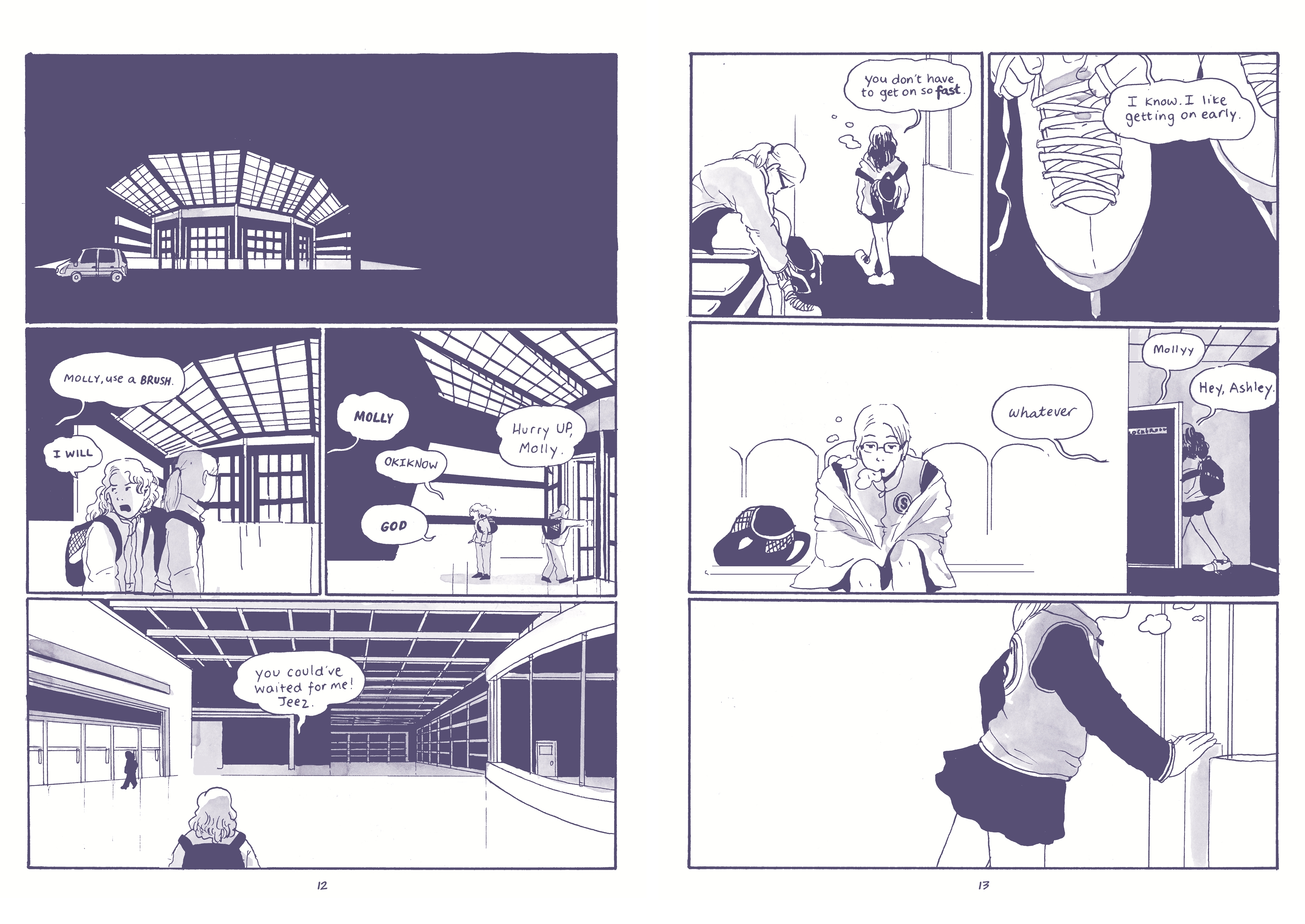
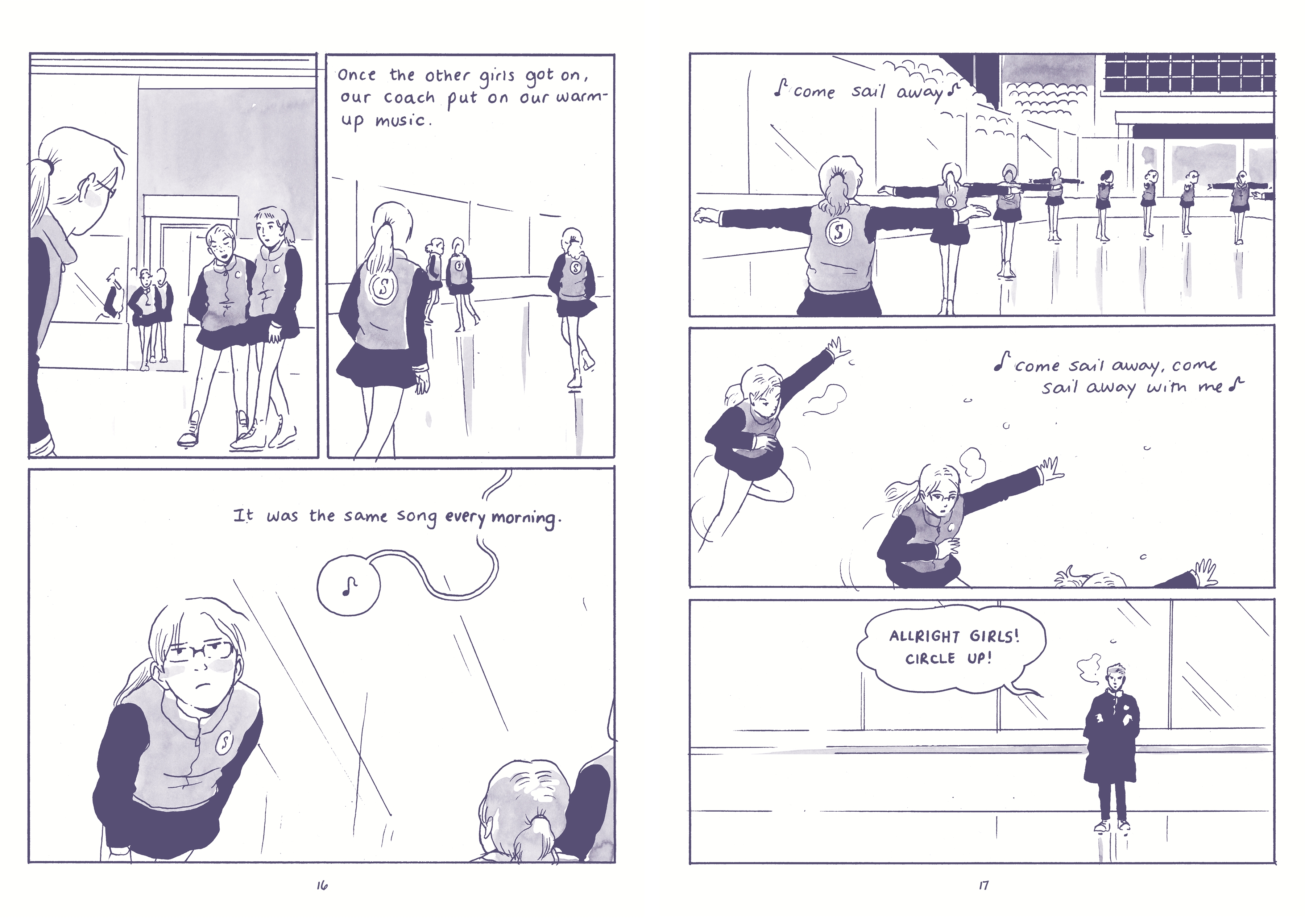
Cartoonist and illustrator Tillie Walden’s graphic memoir looks at her childhood and adolescence as a competitive figure skater and her journey out of the closet. Spinning is Walden’s chance to look back at skating (a key part of her identity for over a decade), bullying, first love, sexual abuse, depression, coming out, and the stress of outgrowing a passion.

Sensitive but visceral, Tillie quietly tells her story. The rigor of her skating routine, the loneliness of practice and traveling without her parents and the stress of competition. She talks about her first love, and the pain of enforced separation. It’s a coming of age story that teenagers will embrace. Tillie speaks plainly, but with powerful emotion underneath the surface. I felt her crushing depression and anxiety as I continued throughout the book; told in two-color artwork, Tillie’s often in the shadows or drawn solitary, alone, speaking volumes to the reader.

Spinning is brilliant and beautiful.  If you’ve ever competed in a sport, played an instrument, or felt alone, Tillie Walden understands you. A strong addition to graphic novel and memoir collections.

Tillie Walden is an Ignatz award winner. You can find her webcomic, On a Sunbeam, online and more of her comics at her website. Spinning has received a starred review from Booklist and mentioned in Entertainment Weekly’s LGBTQ YA Book List for 2017.

Posted in History, Middle Grade, Non-Fiction, Non-fiction, Teen, Tween Reads

Important Reading: Fault Lines in the Constitution

Fault Lines in the Constitution: The Framers, Their Fights, and the Flaws that Affect Us Today, by Cynthia Levinson and Sanford Sanford, (Sept. 2017, Peachtree Publishers), $19.95, ISBN: 9781561459452

Recommended for readers 10-14

You don’t need a political science degree to see that it’s been a pretty tumultuous year for our country. You don’t even need to watch the news: stick a toe into the social media waters or just go out in public, and you’ll hear all about our current political climate. What tweens and teens may not realize is that a lot of the political issues we’re struggling with today have their roots in the U.S. Constitution. Husband and wife scholars Cynthia and Sanford Levinson examine this document in detail, from its creation to the present, to point out fault lines – cracks in our foundation – how other countries may deal with similar issues, and suggestions for how to address the flaws.

Big-ticket takeaways include the Electoral College and state-by-state representation: how it’s great to be a tiny state, not so much a big state. An honest, no-holds barred look at our governing document, Fault Lines in the Constitution is an important book to have in libraries and classrooms today, tomorrow, and for years to come. Includes a timeline, extensive notes, bibliography, and index. Fault Lines in the Constitution received starred reviews from School Library Journal, Kirkus, and Booklist.


Cynthia Levinson holds degrees from Wellesley College and Harvard University and also attended the Lyndon B. Johnson School of Public Affairs. A former teacher and educational policy consultant and researcher, she is the author of the award-winning and critically-acclaimed We’ve Got a Job: The 1963 Birmingham Children’s March. Sanford Levinson is an American legal scholar and a professor at the University of Texas Law School. He holds degrees from Duke, Stanford, and Harvard universities and is the author of several adult works of nonfiction.

Posted in Middle School, Non-Fiction, Teen, Tween Reads

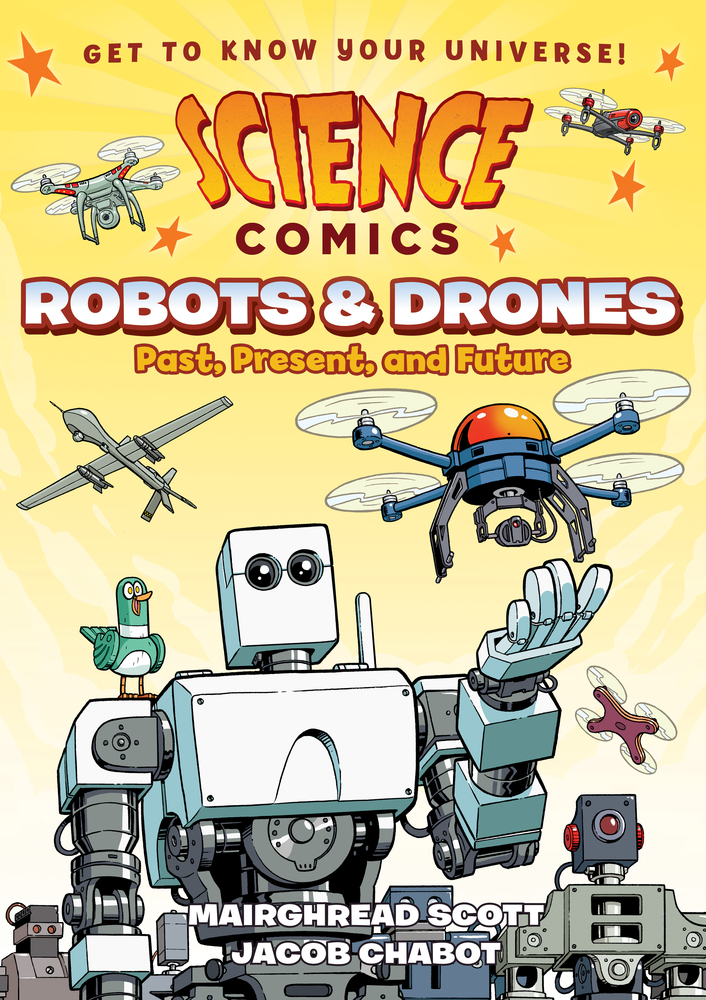
Summer of STEAM: Making Simple Robots

Making Simple Robots: Exploring Cutting-Edge Robotics with Everyday Stuff, by Kathy Ceceri, (March 2015, Maker Media), $24.99, ISBN: 9781457183638
Recommended for readers 11-17
If you haven’t gotten into robotics because you think it’s too expensive to lay down the money for a LEGO Mindstorms set, this is the book for you. Combining plain-English engineering explanations with household materials (and a short list of goodies you can usually get online or at Home Depot), Making Simple Robots walks readers through making robots using paper, balloons (think Baymax, from Big Hero 6, but smaller and less sentient), drinking straws and rubber bands. Projects become more involved as the book progresses, and use more complex materials like Little Bits and 3-D printers. Each project walks readers through the design, building and testing a prototype, helpful troubleshooting suggestions, and ways to adapt and expand on the robots.
You know I love my “program in a book”, and this is another one. I could pull together a beginning robotics program, no sweat, with a small budget and some time to play around. My go-to project from this book? The Gliding Vibrobot, which is a tiny robot you can make for $10 or less, with a motor from an old cell phone or electric toothbrush, 1.5 to 3 volt batteries, foam tape, and gumball machine toy capsules. For a public librarian’s budget, this is a dream project! Have a coding program? Work that into the mix with a Chatbot, where you use Scratch to program your sprite to use a script to carry on a conversation with another user.
There are loads of helpful hints and “cheat sheets” to refer to throughout the book, and an index makes for handy, quick reference.

Every Make book that I’ve read so far has included such a broad range of projects, allowing all skill levels and wallets a chance to make something really cool. Making Simple Robots combines a maker guide with an intro to modern robotics that middle schoolers and older will love.