Posted in Conferences & Events, professional development

Upcoming: Latinx KidLit Book Festival

There’s a great professional development/learning opportunity coming up in December: The Latinx KidLit Book Festival is free, virtual, and takes place on December 4th and 5th!


The author list is a dream: Elizabeth Acevedo, Eric Velasquez, Francisco Stork, Gabby Rivera, Raúl the Third, and SO MANY MORE. My head is spinning. Zoraida Cordova is also attending, so I’ll be sitting here, in front of my computer, clutching my Brooklyn Brujas books and squealing.

Fill out the Librarian/Educator information form and get on this mailing list. There are also links to Educator Resources for a variety of children’s books by Latinx authors and illustrators further down on the Educator Resources pages – don’t miss these.

The panels look fantastic. I particularly want to see the one on Picture Books in the Age of Activism, and the Fantasy, Myths, and Legends also looks amazing.

Made for readers and educators alike, try to catch this festival. We need to support these authors, illustrators, and publishers!

Posted in geek, professional development

Happy Halloween Week!

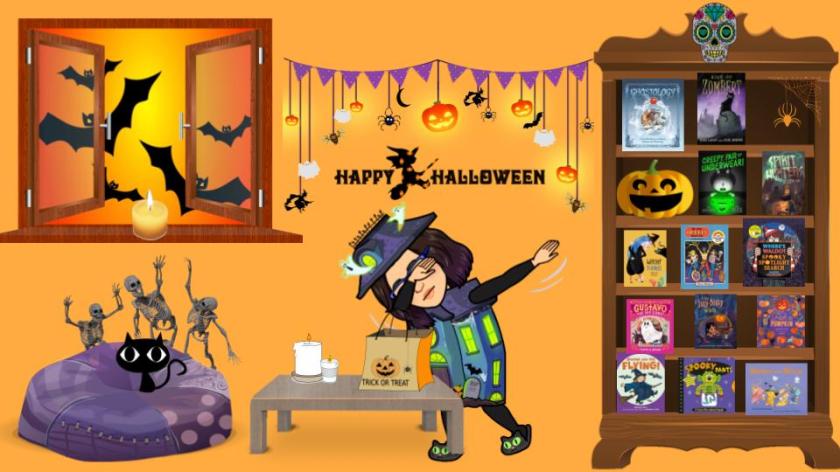
Hi, all! I took a couple of days off and actually got to GO somewhere: my Hubs, my Kiddo, and I took a nice weekend trip upstate to visit family (we wore masks the entire time; let’s hear it for the Kiddo, who didn’t sweat it once for the 8 hours or so that we were with family!) and enjoy the leaves turning color. We had cider donuts, hot drinks, and relaxed, and it was so nice to be somewhere that isn’t my living room. Now I’m back, rejuvenated, and ready. I’ll be starting up my posts again shortly, but in the meantime, I created a little Halloween Bitmoji library for you. Each book will link to the book’s detail page on WorldCat; from there, you can enter your ZIP code and find libraries in your area that have them. Come on in, help yourself to some Halloween candy, have a seat if you can get that black cat to move over, and enjoy some books and my dorky dab dance.

Posted in professional development, programs

The Bitmoji Library is done!

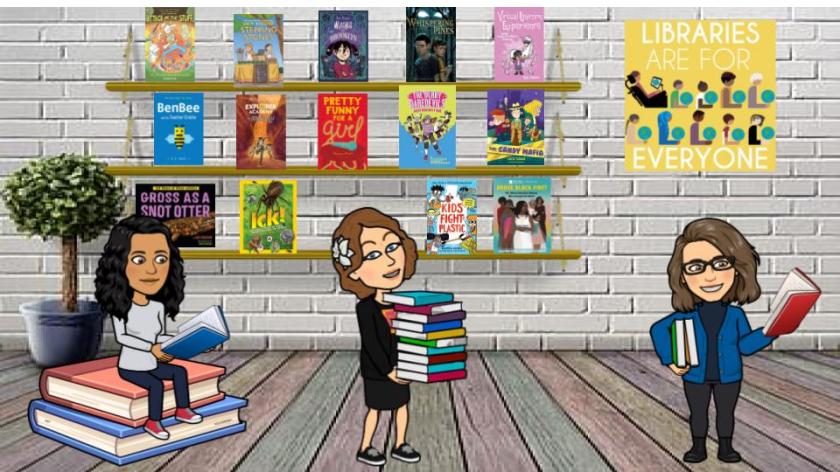
I completed my Bitmoji library this morning! Aren’t my colleagues and I adorable?

This was so much easier than I thought it would be. There are several good videos online; I primarily used Ms Farah’s tutorial and DJ Silene’s tutorial, which were super clear and helpful.

Again, I used Google Slides, and insert a background using a search for “floor and wall background”. I played around with different keywords, like “cozy”, “library”, and “study”, but the results came back more cluttered than I’d like, so I went with this space that I could personalize. Next, I did a Insert and searched for “transparent book case”, because I didn’t want a background that would break up the experience of the scene.

Next, I created the Bitmoji. The PC app didn’t work well with my laptop, so I downloaded the app on my phone and emailed myself the Bitmoji. So. Easy. You can even search different keywords to see your avatar in silly costumes, reading, hanging out with a dog, you name it. Click on the avatar you like, and you get the choice to send it to yourself via email.

My colleague, Esti, sent me a few Bitmojis she had of herself, but I altered my avatar to create my colleague Alicia’s, which I also texted to her to make sure she was happy with the image. She was! Hooray!

The thing about Bitmojis is that they will show up with a white background around them, and you want that background removed. Thanks to the tutorials above, I learned about Remove.bg, a site that lets you upload an image, and download the same image with the background removed. Huzzah!

After choosing book covers and linking them to the library’s website, like I did with yesterday’s bookshelf post, I dropped in the Bitmojis, and finally, used one of Hafuboti’s Libraries Are for Everyone posters to give my library space a little personal touch. Voila!

I sent a link to my colleagues, and told them to make copies and customize to their delight. All you’ll need to do is click File, Make a Copy, and you have your own copy to enjoy. I’m thinking of adding slides to create bookshelves for different topics and subjects, and I can switch up the Bitmojis while I’m at it. This will be fun for Outreach!

Other Bitmoji Libraries

This Bitmoji Library is Library Goals.

This School Library/Media Center has some fun links, including links to an online chess game and a design-your-own-mask activity.

Knowledge Quest: Can Brandi Hartsell become my Bitmoji guru, please?

Mrs. Korzi got a shout-out from School Library Journal for her Banned Books Library, and it is fantastic.

Posted in professional development, programs

In which I play with virtual bookshelves

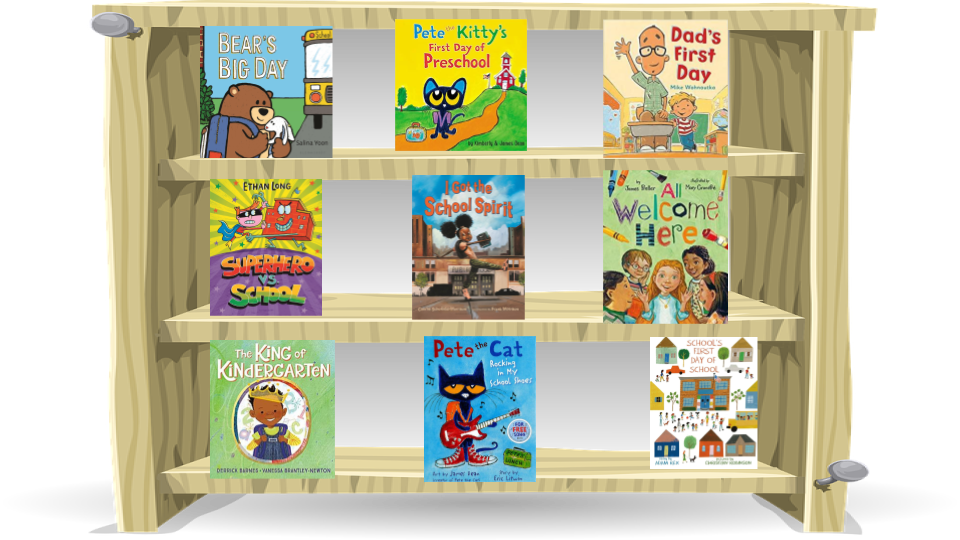
I have virtual bookshelf envy. There are some really amazing ones out there, and once again, I am in awe of the librarians out there, especially, in this case, the school librarians, who are figuring out ways to keep their kids reading, engaged, and interested. So I started playing around with creating my own virtual bookshelf, and made one with Google Slides.

While I was able to link each individual book in the Google Slide to my library’s book detail page, it doesn’t work if I download it as a PDF or a JPG, so that’s something you may want to keep in mind (at least, I haven’t figured out how to do it, yet, if it’s a possibility). So I’ll link the Google Slide here, if you want to see the links, and post the .JPG below.

This is a quick Back to School bookshelf I put together for littles, but I think it looks pretty snazzy, no? I found a quick video that is super helpful, if you’re interested. You can open a Google Slide blank, change the background and do an image search to find a bookshelf. From there, you can Insert book cover JPGs and PNGs, size them as you want, and put them on the shelves. You can click on the book cover, click the “insert link” icon, and add links to your library system, a GoodReads link, or your own book reviews, and share as you’d like. If you do want it to show up as a graphic file, and save it as a PNG or JPG, though, I haven’t figured out how to keep those links available when you download (unless you want to link the bookshelf files to the Google Slide, which has the links).

How will I use this? I can email the Google Slide to schools that I normally work with, and offer them a bunch of bookshelves with subjects of interest to the teachers and students (Minecraft bookshelves for the WIN!). The kids can click through to the library system’s page, and either borrow an ebook, if we have it available, or request a hard copy to be sent to their nearest open library to be picked up. I’ll report back on how this works, and if you have done something similar, I’d love to hear from you on how it’s working.

Next up: a Bitmoji library!

Posted in professional development

Anti-Racism Resources

It’s been a scary time over the last 8 days. I’ve been trying to write posts, but just feel like anything I have to say is just… yeah. That’s where I am right now.

There’s a wealth of great information and resources available. This is m

First and foremost, The Brown Bookshelf is hosting a KidLit Rally for Black Lives, organized by award-winning authors Kwame Alexander, Jacqueline Woodson and Jason Reynolds. have organized a Kidlit Rally for Black Lives. It’s happening on June 4th, 7pm, at The Brown Bookshelf’s Facebook Live. Please spread the word about this event, and let’s give it the attendance it deserves and needs.

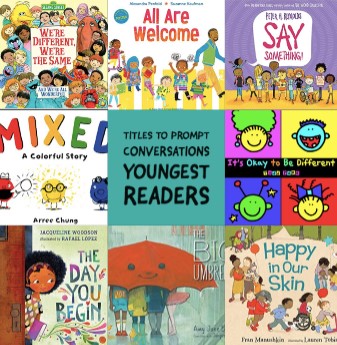
Librarian Cressida Hanson put together lists of titles to prompt conversation, organized by age group.


Kojo for Kids: Jason Reynolds Talks About Racism and The Protests – author Jason Reynolds spoke with radio journalist Kojo Nnamdi on his “Kojo for Kids” segment. The link includes a transcript and the playback of the segment.

School Library Journal/A Fuse 8 Production’s Antiracist Resources and Reads: Lists for All Ages. Elizabeth (Betsy) Bird has a fantastic compilation of reading and advice on being an ally. Resources for White Parents on raising white children is tremendously helpful. There are podcasts to listen to; films and videos to view; articles to read, and organizations to follow on social media, all suggested here. Follow her on Twitter @FuseEight.

Karen Jensen, better known as Teen Librarian Toolbox, also has a blog on School Library Journal. She’s also a force on Twitter, and her piece, Because Black Lives Matter: A Collection of Anti-Racist Reading Lists, includes resources for white readers in particular; something I find really helpful for me and my own family.

School Library Journal has a list of 15 social justice titles that address inequity and inequality, and encourage activism in younger readers.

Que(e)ry Librarians has an extensive #blacklivesmatter library, teaching, activism, and community resource list, constantly being updated; check in with this one often. It’s meticulously organized, and includes syllabi; reading lists for all ages; libguides; links to museums and archives; fact-checking resources, and so, so much more.

Embrace Race offers a list of 31 anti-racist books for children. If you wander around the website longer, you will discover, as I did, that they have an incredible wealth of resources, including webinars, reading lists, and action guides. The webinar “I [Still] Can’t Breathe: Supporting Kids of Color Amid Radicalized Violence looks like a powerful one, and it takes place on Friday, June 5th.

Books for Littles, another site I was just introduced to, has an “Anti-Racism for Beginners” list of books to read with and discuss with your kids about racial diversity. There are some great collections and topics in here; I’ve just added this to my reference resources. Check out the lesson planning resources and family action toolkits while you’re there.

A lot of white families may find it difficult to talk about race and racism with their kids. It’s been our privilege to avoid that conversation, but the time is here and now. This article from NPR on Talking Race With Young Children is a helpful start.

Medium.com has 75 ways white people can be helpful allies in the fight for racial justice.

This is what I’ve got for now. More booktalks are coming; it’s just been hard to stay focused these days.  Stay healthy, stay safe, stay strong.

Posted in professional development

Good for Parents & Professional Development: How to Raise a Reader

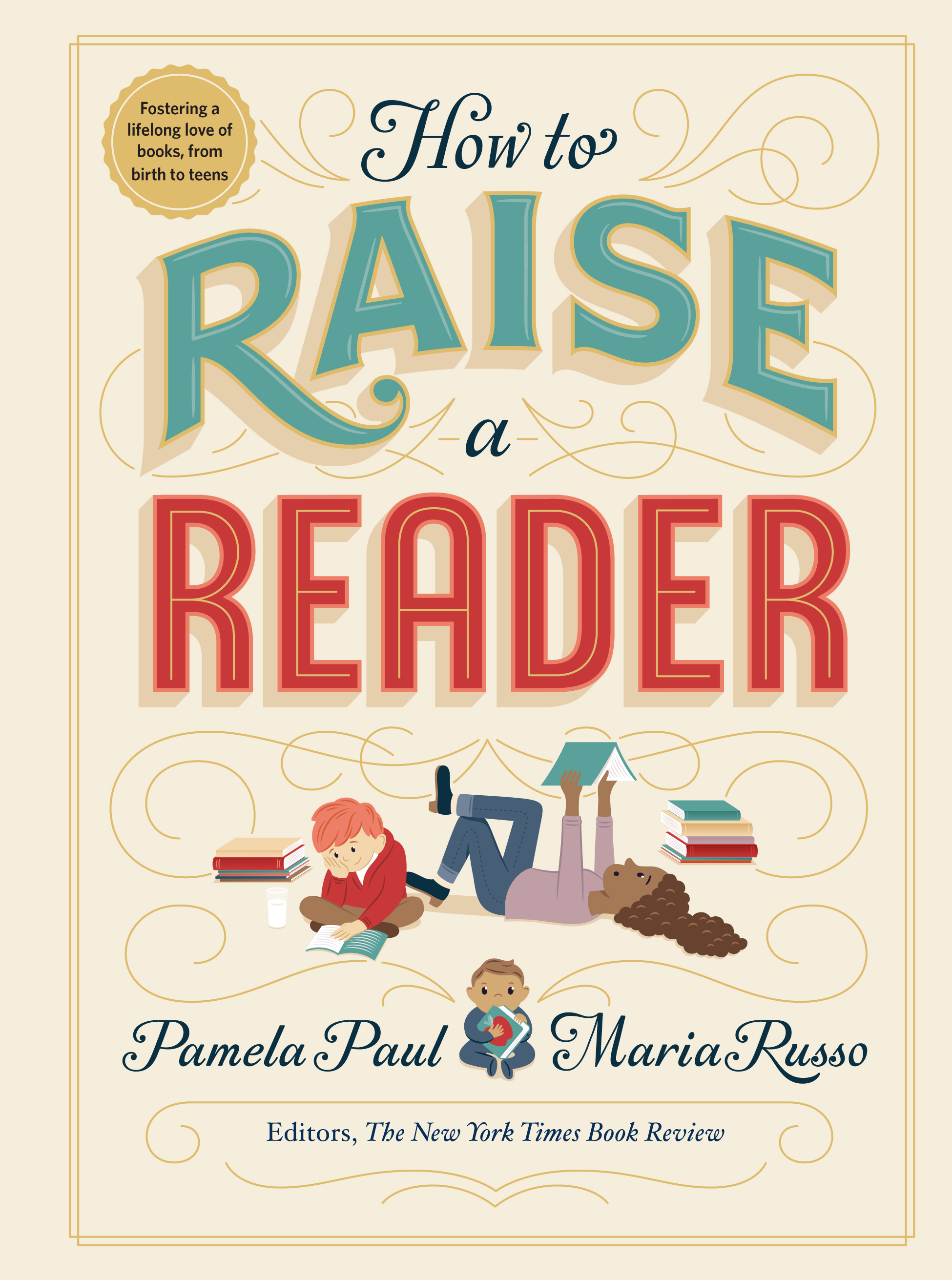
How to Raise a Reader, by Pamela Paul & Maria Russo/Illustrations by Vera Brosgol, Lisk Feng, Monica Garwood, & Dan Yaccarino, (Sept. 2019, Workman), $19.95, ISBN: 978-1523505302

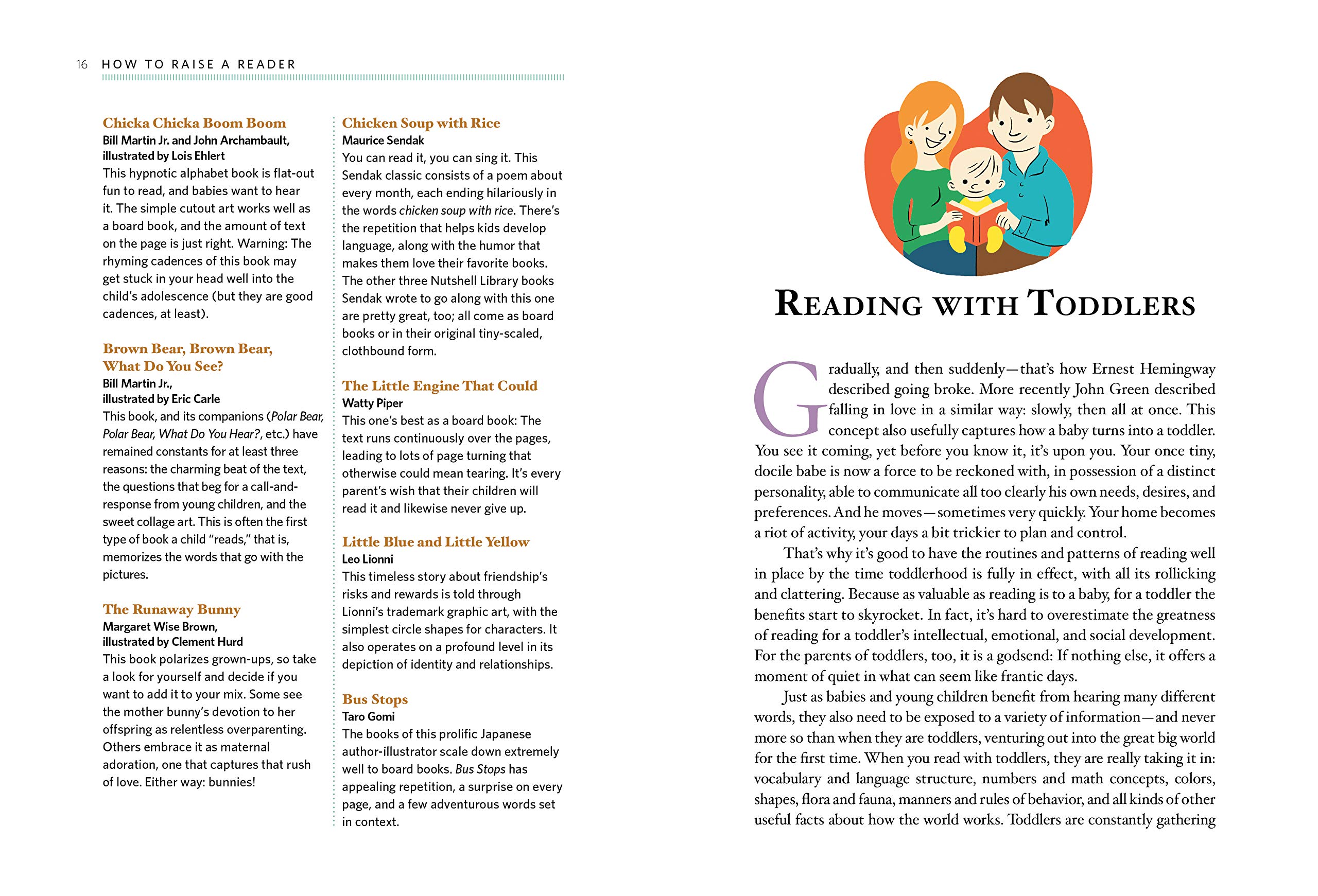
I like finding good books to recommend to parents and to add to my own professional development, so I picked up How to Raise a Reader. Written by two editors of The New York Times Book Review, How to Raise a Reader is all about inspiring parents, caregivers, and educators to promote a lifetime love of reading. Organized into four parts – Born to Read, Growing a Reader, Your Middle-Grade Reader, and A Reader for Life, with a fifth section providing book suggestions by themes and reading levels (not A-Z, more like age and grade) – this is a handy Readers’ Advisory volume to have at your fingertips, and a good suggestion to hand parents who want to work toward growing their own readers. There’s advice, tips and facts about early childhood learning, and booklists, booklists, booklists. Illustrated in full-color by popular children’s book illustrators, this is a book that will make you fall in love with reading again, too. It’s easy to read; easily skimmed if you need to look for one specific section or booklist; and filled with an upbeat, positive attitude: you can do this! You can get kids to love books!

Never overwhelming, the information is presented in easily digestible sections and fact boxes. Get yourself a desk copy to keep on hand, and consider adding this to your parenting sections. And encourage those parents when they come in, looking scared and lost. Remind them that reading kids’ books is fun, and tell them that they should never feel bad about reading along with their kids, too! I can’t tell you how many times I’ve had a parent confide that they “aren’t really readers”, or “haven’t picked up a book in SO long”. Kids’ books are the best way to get back into reading – let this book and your expertise be the pep talk bewildered or just plain tired caregivers need.

Posted in Non-fiction, professional development

Become an emotional explorer with three new books!

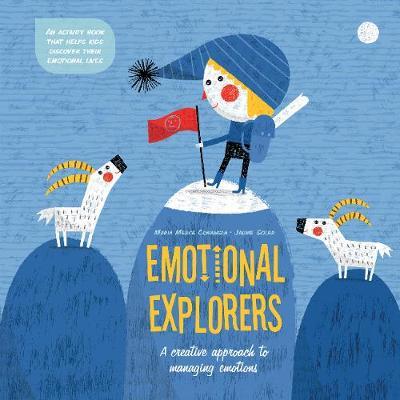
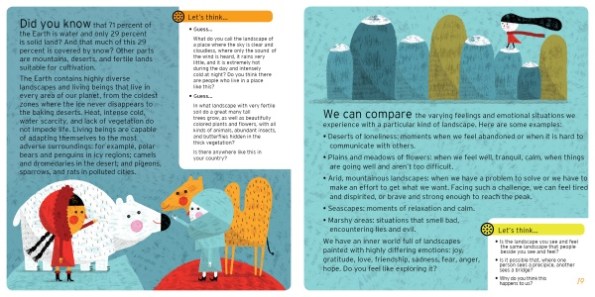
Schiffer has three new books by psychologists Maria Mercè Conangla and Jaume Soler, geared toward helping kids between ages 7-12 becomes “emotional explorers” and “emotional ecologists”: better able to become more in tune with their own emotions, and the emotions of everyone around them.
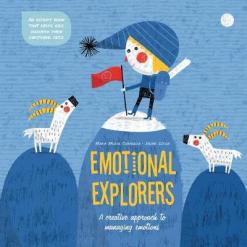
Emotional Explorers, by Maria Mercè Conangla and Jaume Soler, (Oct. 2018, Schiffer Publishing), $16.99, ISBN: 9780764355530

Ages 7-12

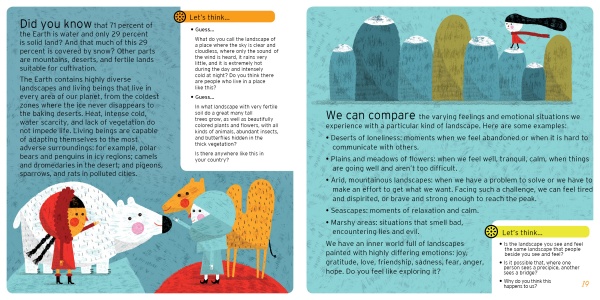
Emotional Explorers encourages kids to see environmental and emotional education as parallel ideas, each supporting the other, in support of the fact that we are tied to our planet; our environment, and that we affect our surroundings as they affect us. The table of contents offers five separate sections, each with discussion points to ponder before diving in. The idea of being part of two worlds: the inner planet – ourselves – and the outer planet – the world around us – is a big idea to wrap one’s head around, but at the same time, it makes perfect, simple sense. Thought-provoking questions have readers consider how we treat the world around us, and then, how we treat ourselves. From there, we move to emotional landscapes, adaptation, facing adversity, and creating protected spaces.

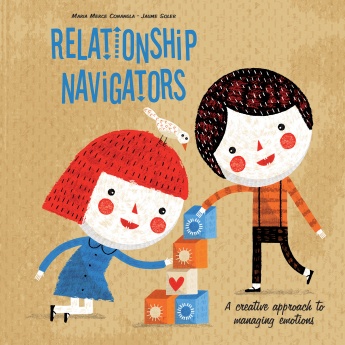
Relationship Navigators, by Maria Mercè Conangla and Jaume Soler, (Oct. 2018, Schiffer Publishing), $16.99, ISBN: 9780764355554

Ages 7-12

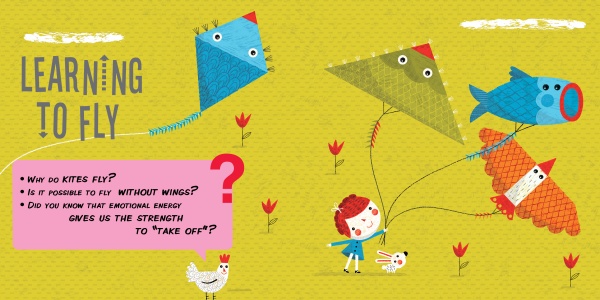
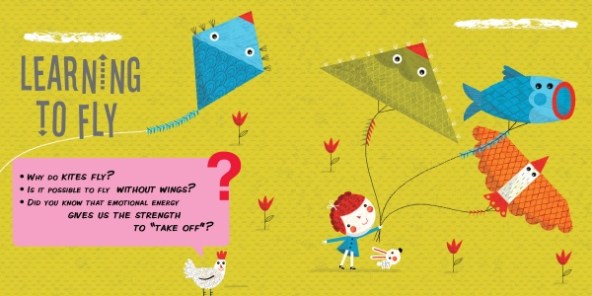
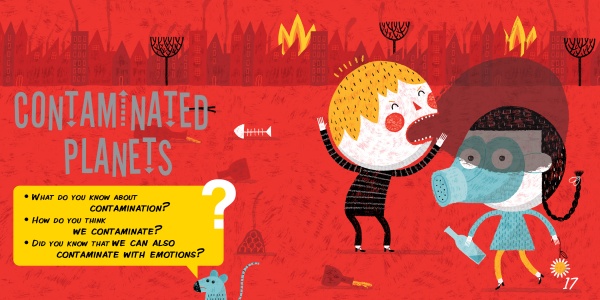
Relationship Navigators encourages kids to explore relationships and how to surround themselves with positive energy. Chapters include “Learning to Fly”, the opening chapter that explores what gives us wings versus what drags us down and keeps us from soaring; “Energies”, which explains how to differentiate positive energy from contaminated energy; and “Sowing Happiness”, where kids learn to plant the seeds for a happy life – and reminds readers that gardens require constant care.
 

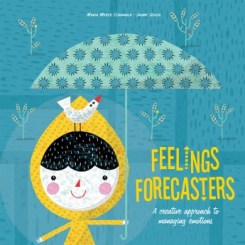
Feelings Forecasters, by Maria Mercè Conangla and Jaume Soler, (Oct. 2018, Schiffer Publishing), $16.99, ISBN: 9780764356247

Ages 7-12

Feelings Forecasters explores “emotional meteorology”: our emotions and how they affect the world around us; emotional tsunamis that can rage out of control and overwhelm us; what to happen when our emotional management fails us and how carrying an “umbrella of self-esteem” can protect us from others’ emotional acid rain; and how to reduce, recycle, and transform emotional garbage. Thing about how emotions are often communicated: “stormy” relationships; “sunny” outlooks and “waves” of feeling, and you have a great way to open up a discussion on emotional meteorology.

Each book follows a specific structure, laid out at the beginning of the book. Activities, discussion prompts, and reflections throughout allow for discussion and introspection. The bright, bold, childlike artwork is eye-catching. Chunks of text on some of the pages may be a little intimidating to younger readers, and there is a lot to unpack in these books. This would be best served for educators and caregivers to use, particularly for younger readers, when working with emotions and how to manage them.
Posted in professional development

Professional Development Reading: Exploring the Science of Sounds

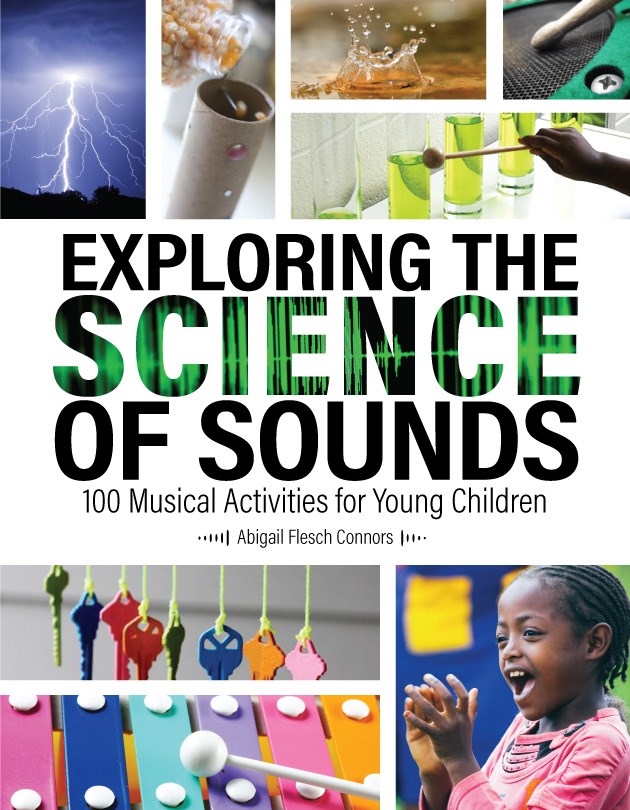
My latest professional development read is Exploring the Science of Sounds: 100 Music Activities for Young Children, by Abigail Flesch Connors. Since I enjoy singing songs and teaching my storytime kids fingerplays, I wanted to see how else I could bring music into my programs. Two of my colleagues have done great programs with musical instruments and musical play, so I want to get in on the fun!

Exploring the Science of Sounds: 100 Musical Activities for Young Children, by Abigail Flesch Connors,
(October 2017, Gryphon House), $16.95, ISBN: 9780876597316

Although aimed at professionals that work with kids from preschool to age 7, many of these activities are easily adaptable to toddlers. We get an explanation of the science behind sounds – pitch, tempo, musical instruments and how they make the sounds they make – and activities that translate to teachable moments for kids (and caregivers!). Teach kids to make their own guitar/harp/stringed instruments using a tissue box and rubber bands! Use different surfaces to understand how sound travels with different thicknesses! Every single activity in here will enrich a storytime or form the groundwork for a STEAM/STEM music program that kids will love. I’m putting this one in my professional development budget; I can see myself referring to this book again and again.

Posted in professional development

Professional Development Reading: Time for a Story

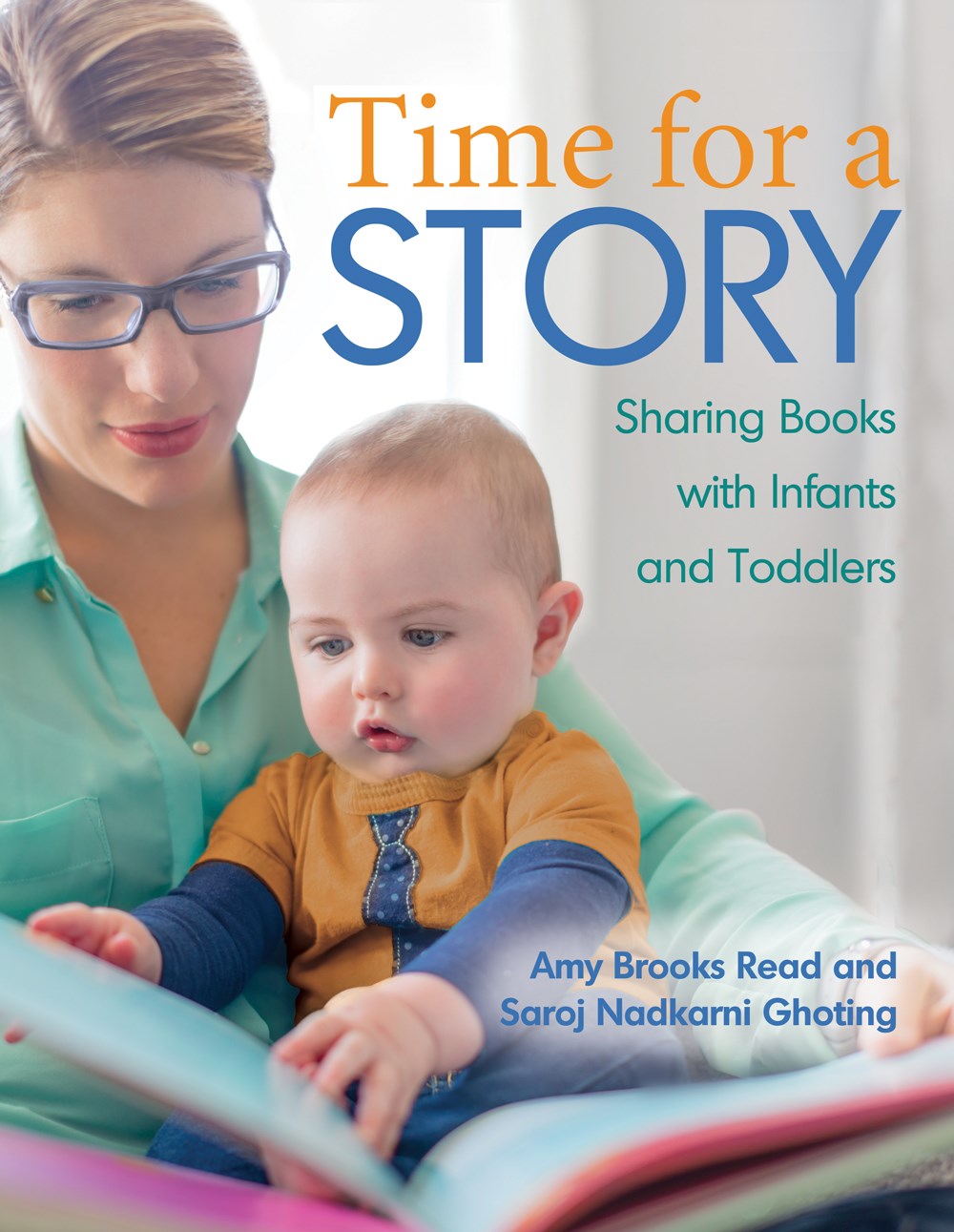
Time for a Story: Sharing Books with Infants and Toddlers, by Amy Brooks Read & Saroj Nadkarni Ghoting, (Nov. 2015, Gryphon House), $19.95, ISBN: 9780876596586

I’m always looking for new ways to learn within my profession and expand on that knowledge. And since the family finances are like, “Nuh-uh” when it comes to getting another grad degree, I’ve turned to books. There is some great stuff out there! Since I’m always in search of strengthening my storytimes, especially to babies and toddlers, I started with Time for a Story. Saroj Ghoting spoke at an in-service at my library one time, and I really liked the way she talked about storytelling and how to apply learning to storytime, so I jumped at the chance to read a book she had a hand in.

Time for a Story is a good start to digging into storytime and how to incorporate singing, play, talking, reading, and writing into any and every book you pick up. Amy Brooks Read and Saroj Ghoting have tips and reading lists ready for babies and toddlers, concentrating on the early childhood literacy and the best ways to introduce a lifelong love of reading in kids. Reading, you say? Yes, reading! Kids start making connections early – print awareness is wonderful, we all know that. Keep books all over the place for kids to develop that print awareness. Let them chew on those board books (not library books, though, PLEASE), let them hold books and turn pages. I hand out books for kids to hold onto and explore during my storytimes, so it was gratifying to read that here. I was also relieved to discover that it is okay for my kiddos to wander during storytime, and for me to keep reading – they’re still paying attention while they explore. Family Literacy Tips are great to post around your libraries and classrooms, and talk through with parents during storytime.

There are book lists and samples of ways to read different books. I appreciated the advice on reading wordless or sparsely worded books, like Peggy Rathmann’s Good Night Gorilla, because I feel like it’s an untapped resource for my storytimes.

This was a nice start to my professional development reading, with information that I will come back to. Saroj Ghoting has a very useful website where you can find resources in a multitude of languages, including Spanish and Chinese. Gryphon House has a video of Amy Brooks Read discussing storytime strategies on their website.