Posted in Fiction, Intermediate, picture books, Preschool Reads

June Picture Book Roundup

There are so many good books for Summer Reading hitting shelves in June! Let younger readers explore new worlds and meet new friends with some of these picture books.
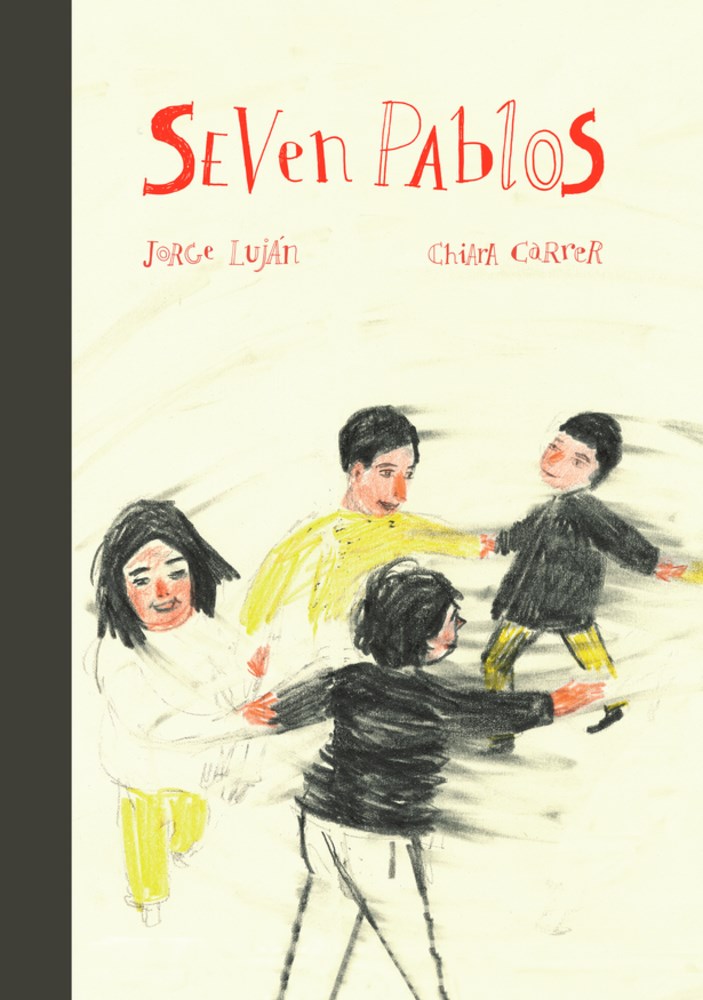
Seven Pablos, by Jorge Luján/Illustrated by Chiara Carrer, Translated by Mara Lethem, (June 2018, Enchanted Lion Books), $17.95, ISBN: 9781592702534

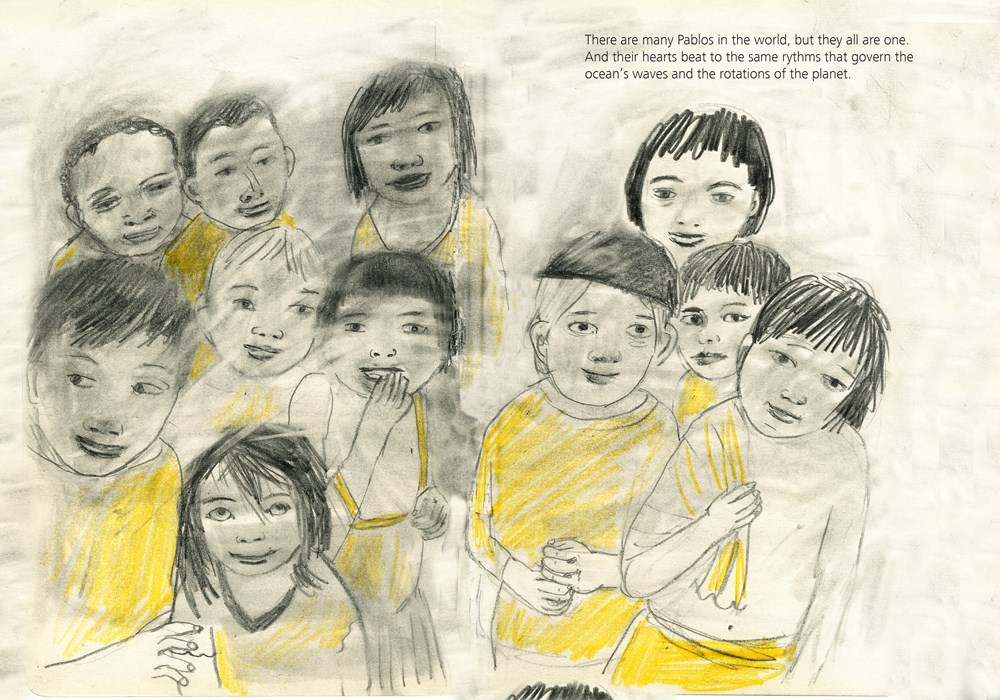
Seven boys share the same name. Seven short vignettes share the stories of seven lives, taking readers from the copper mines in Chile to a refugee family living in Mexico, from a garbage dump in Peru to a streets of the Bronx, New York. Seven Pablos sheds light on the living conditions of children around the world in sparse, quietly powerful text. Graphite pencil art creates a dreamlike atmosphere for this lyrical story by Poet Jorge Luján.

Seven Pablos is deeply moving and continues to call attention to the plight of migrant and refugee families around the world. One scene expresses the rage these kids hold within them, as one Pablo tells a visiting poet that he wants to be a “big guy in a uniform” so he can “beat people up and get away with it”. A refugee Pablo recites a poem – in actuality, written by a 9-year-old Argentine child – where he imagines soldiers crushing roofs with their boots. Luján ends his story with the beautiful reminder that there are many Pablos in the world, and each one has a heart that beats with the rhythm of our world.
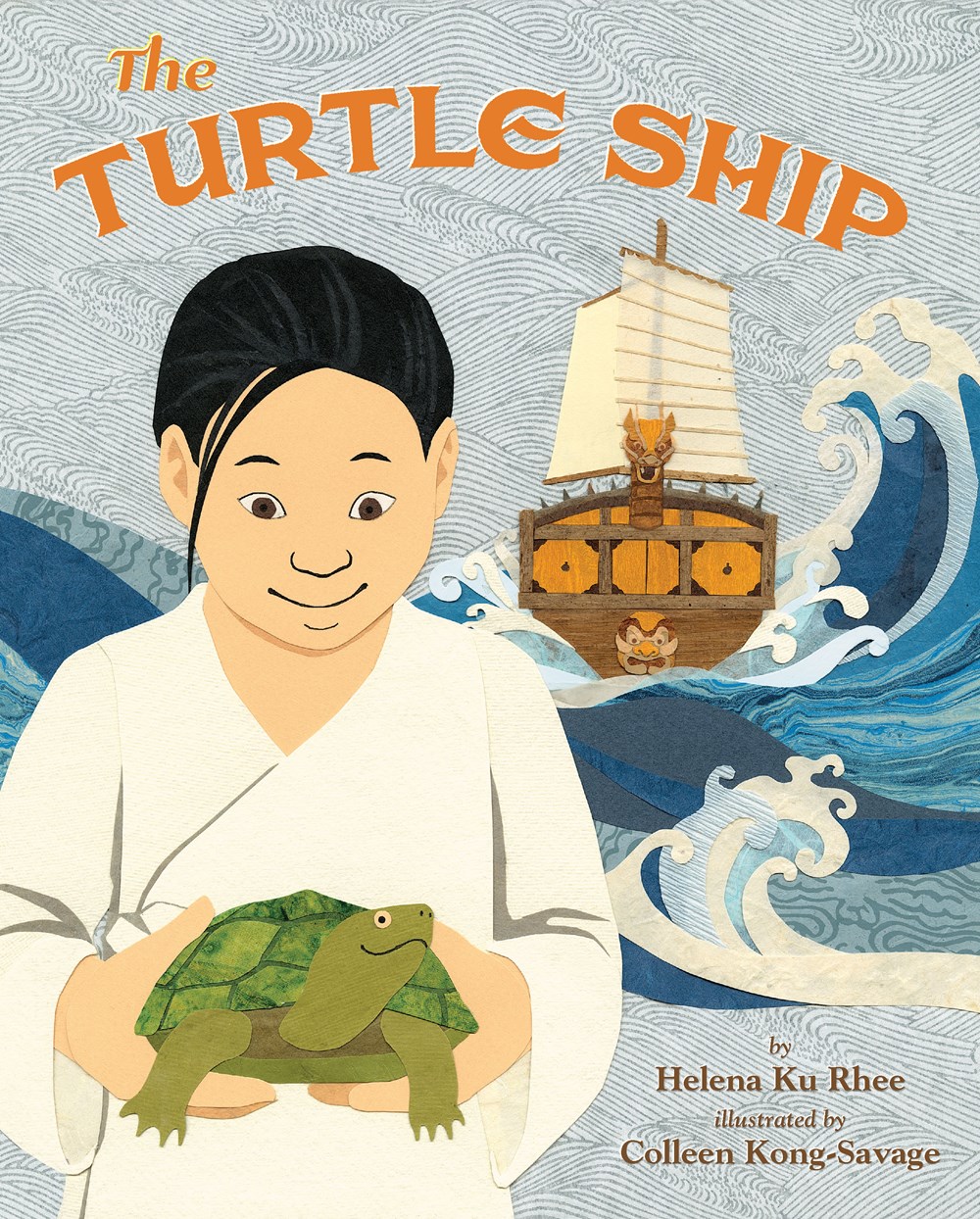
The Turtle Ship, by Helena Ku Rhee/Illustrated by Colleen Kong-Savage, (June 2018, Lee and Low Books), $17.95, ISBN: 9781885008909
Recommended for readers 6-12
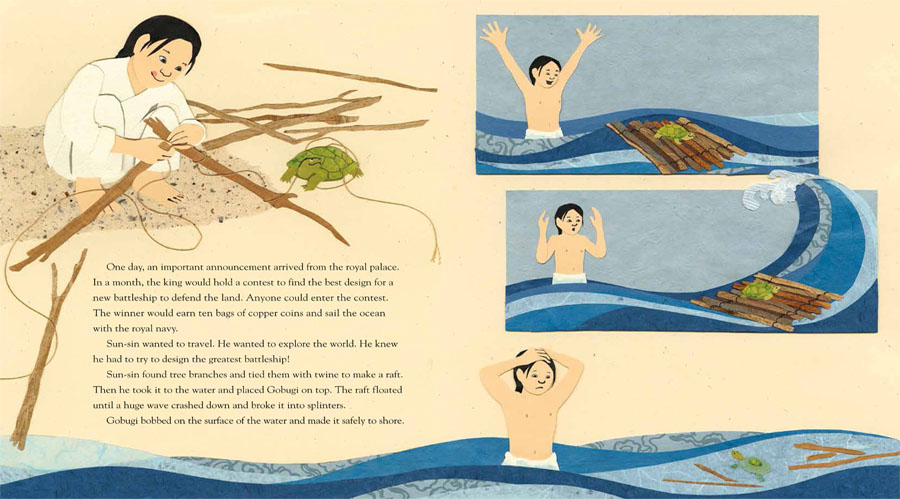
This folk tale is based on Korean history. A boy named Sun-sin dreams of seeing the world with his pet turtle, Gobugi, and discovers his chance when the king announces a contest: design the best battleship to defend the land. The winner will receive ten bags of copper coins and the chance to travel with the royal navy. After a few failed attempts at a design, Sun-sin notices that his turtle is strong, slow, and steady, and decides that the best design will be based on Gobugi. At first, he’s laughed at in the king’s court, but when a cat tries to attack the turtle, the king and his court all see that there is something to the boy’s idea. Thus, the Korean Turtle Ships were created, and the boy grew to be famed Admiral Yi Sun-sin.
The story is best served by the incredible paper collage artwork, created using paper from all over the world. The art gives the story drama, color, and texture, and the story itself is as good for read-alouds as it is for independent reading. This is a nice addition to historical collections and cultural folktales. An author note on the Korean Turtle Ships provides some background on the legend of Yi Sun-sin and the Turtle Ship design.

Johnny, by Guido van Genechten, (June 2018, Clavis Publishing), $17.95, ISBN: 9781605373775

Recommended for readers 3-5

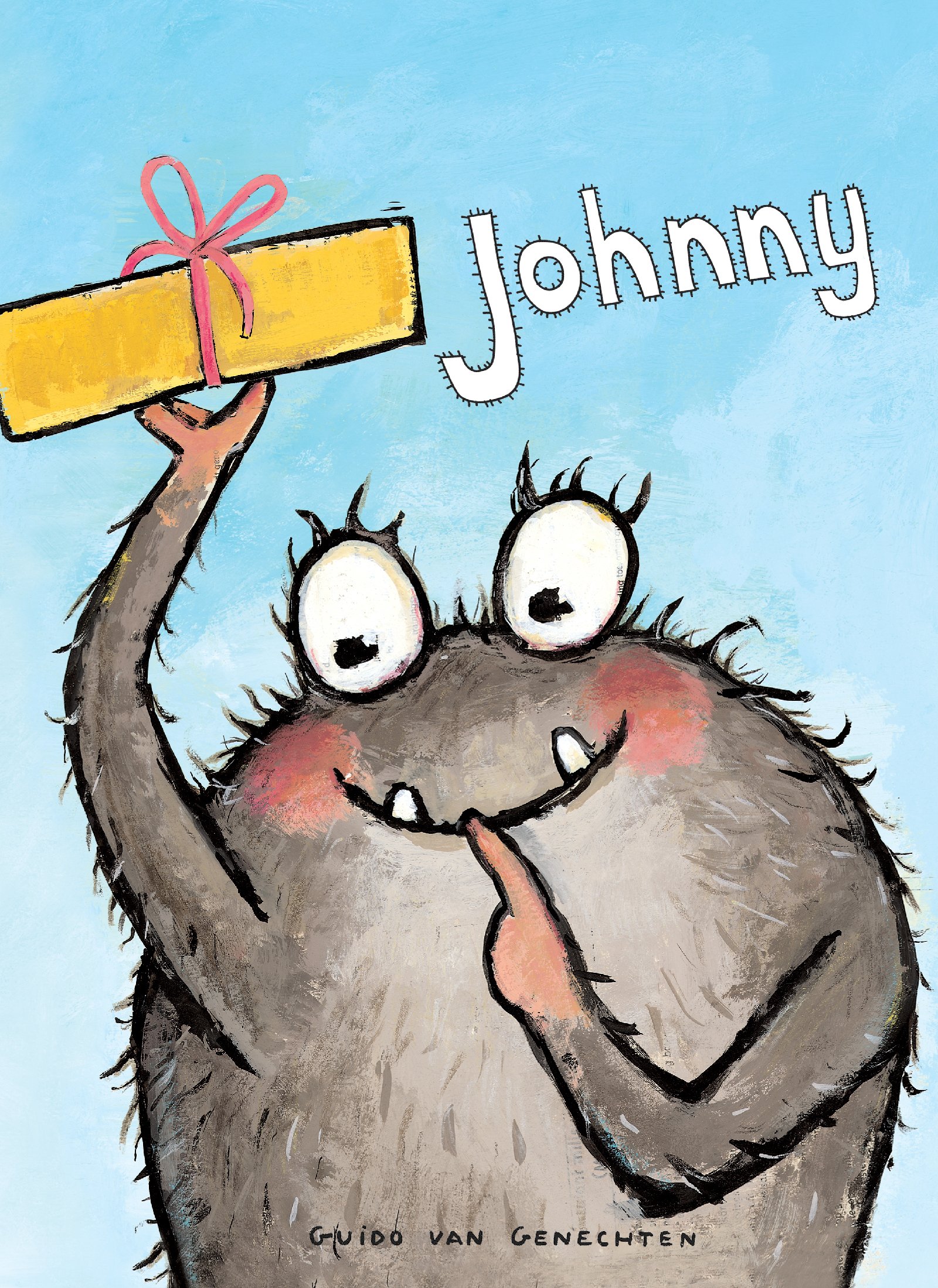
Johnny is an adorable spider with a secret to share, but everyone’s afraid of him! Wanna know his secret? It’s his birthday, and he wants to share his cake! This adorable book by Guido van Genechten is a good story to read when talking to kids about judging others based solely on appearances.

I have to admit, I needed to read this one a couple of times because I felt so bad for Johnny! It’s his birthday, and he’s all alone because everyone’s afraid of him! And then I figured it out: that’s the point. I mean, I know it was the point to begin with, but having Johnny celebrate with only the reader by the story’s end leaves a reader feeling badly – and that’s the time to talk about empathy. Ask kids how they would feel if people didn’t want to be near them because someone didn’t like the way they looked. Ask how they would feel if they had a birthday party and no one came! And then, for heaven’s sake, throw Johnny a birthday party: have some cupcakes and fruit punch, and sing Happy Birthday to the poor guy. He deserves it. Guido van Genechten’s cute, expressive, boldly outlined artwork is instantly recognizable and appealing to younger readers.
 

Swim Bark Run, by Brian & Pamela Boyle/Illustrated by Beth Hughes, (June 2018, Sky Pony Press), $16.99, ISBN: 9781510726963

Recommended for readers 3-7

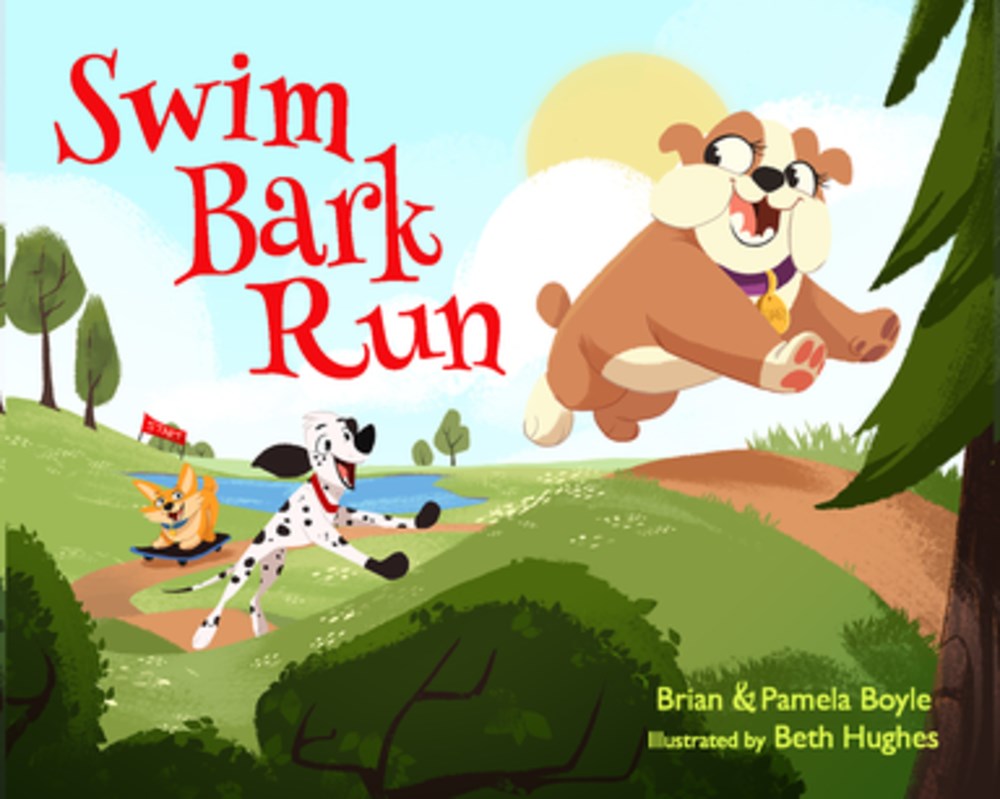
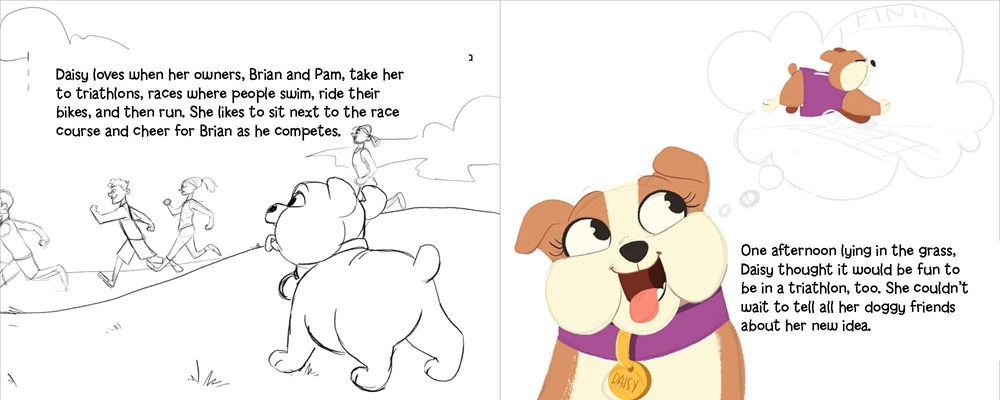
Daisy the Bulldog is so proud of her humans, Brian and Pam, when they compete in triathlons. She wonders if she could train and compete like they do, and decides to enlist the help of her fellow doggie buddies, Rascal, Atticus, and Hobie, to hold their own Dog-Athlon! Daisy is full of energy at first, but when she starts getting tired, a familiar face at the finish line gives her the boost she needs!

Swim Bark Run is a cute book about physical activity, competition and cooperation, and determination. The digital artwork is bright and cute, giving the dogs happy, friendly faces and includes a nice amount of action as the pups train for their big day. There are positive messages about working together and encouraging one another. This is a cute additional add for readers who like animal books and books about physical fitness.
Seven Bad Cats, by Moe Bonneau, (June 2018, Sourcebooks Jabberwocky), $17.99, ISBN: 9781492657101

Recommended for readers 4-7

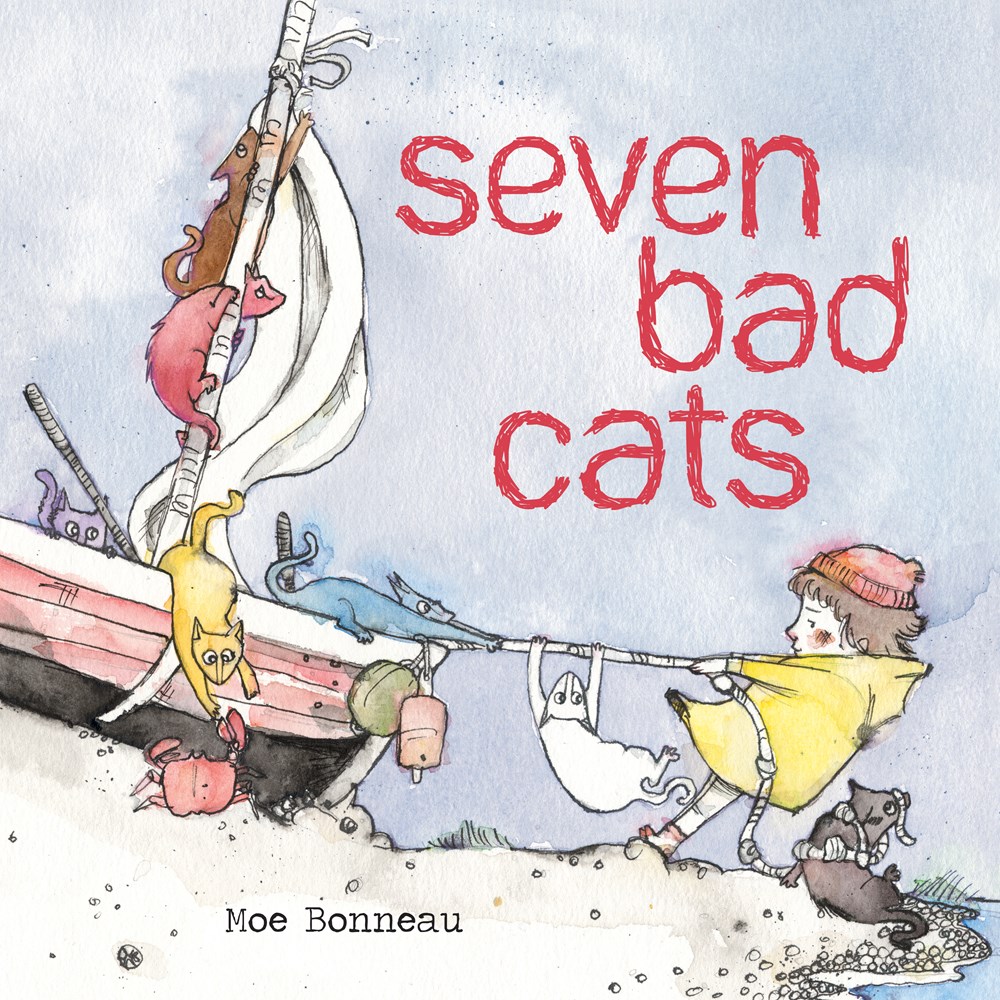
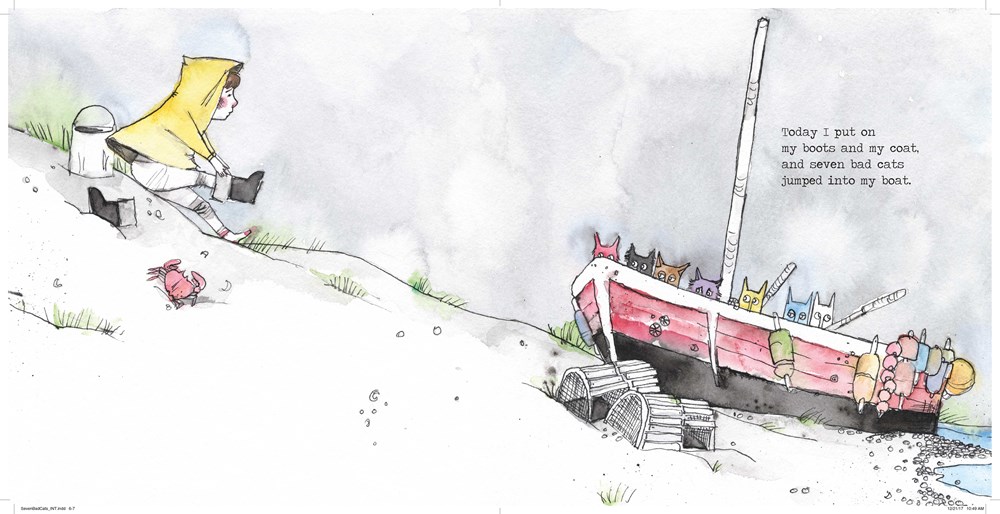
A child gets ready to go out on a fishing boat, but seven bad cats make progress very difficult. I love this rhyming, counting tale of seven cats who do what cats do best: get in the way! They eat from the traps, take naps on the oars and steal the child’s gloves, and generally make themselves a nuisance until the boat flips over, and the cats band together to save the day. The book counts up from one to seven until the boat flips everything over, including the story, and the countdown from seven back to one ends the fun. The watercolor artwork adds a nice, watery feel to this seafaring tale, and the cats are hilarious, using their whole bodies to get up to all sorts of no good; even appearing in mug shots on one page. They sprawl, they curl, they stretch, and they swim – they may not like it, but a cat’s gotta do what a cat’s gotta do! This one is a thoroughly enjoyable add to storytime and concept collections. Give this to your cat loving kids! (Also good for a readaloud with flannels or beanie babies.)
 

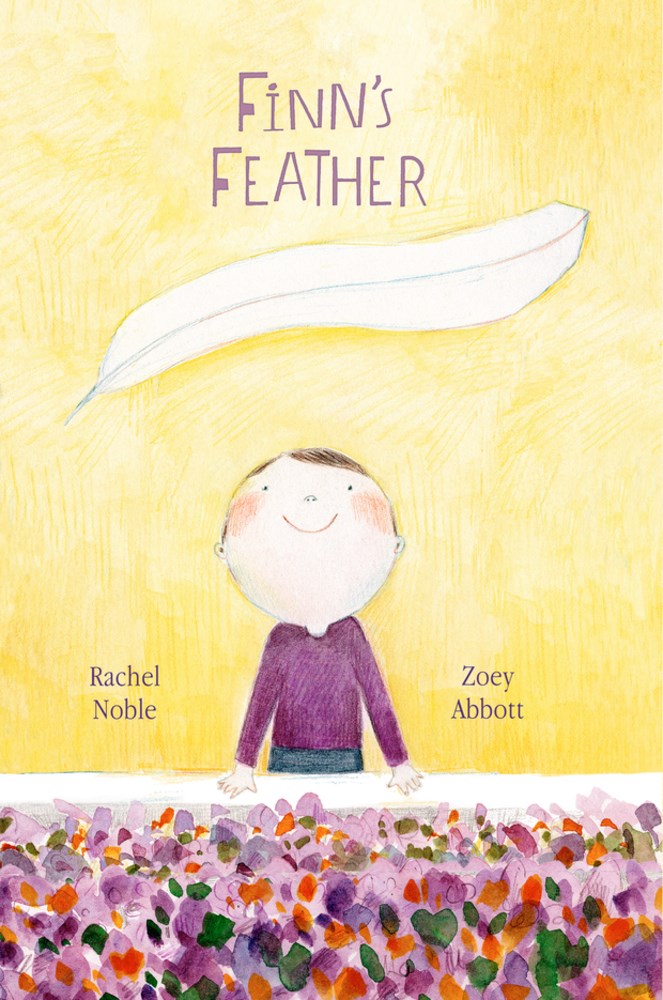
Finn’s Feather, by Rachel Noble/Illustrated by Zoey Abbot, (June 2018, Enchanted Lion), $17.95, ISBN: 9781592702398

Recommended for readers 4-8

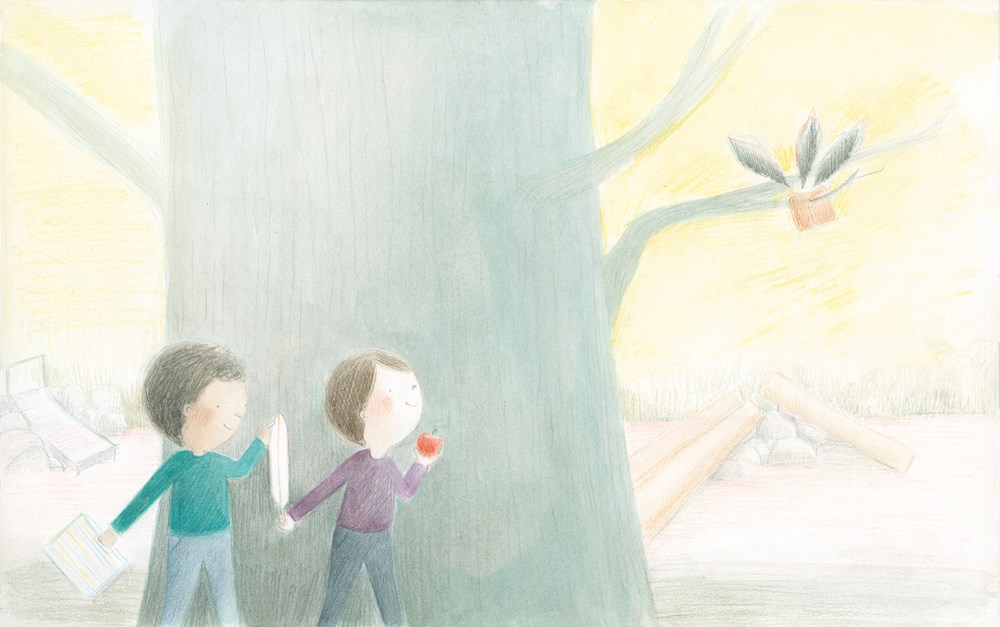
In this touching story about grief, loss, and remembrance, a young boy named Finn finds a feather at his doorstep. It’s white, amazing, perfect. It has to be from his brother, Hamish, and Finn tells his mother and his teacher, who take a deep breath and smile; Finn doesn’t understand why they aren’t as excited as he is. His friend Lucas is, though: it’s got to be an angel’s feather, it’s so perfect, and the two friends take Hamish with them on the playground, running with the feather as if it were an additional friend. Finn uses the feather as a quill to write a note to Hamish that evening, and sets the envelope holding the letter in a tree, so the wind will carry it to Hamish.

Inspired by author Rachel Noble’s loss, this moving story about a sibling grieving and remembering is gentle, understanding, and an excellent book to have available for children moving through grief. The soft pencil artwork and gentle colors provide a calming, soothing feel to the story.
 

Ready to Ride, by Sébastien Pelon, (June 2018, words & pictures), $17.95, ISBN: 9781910277737

Recommended for readers 3-7

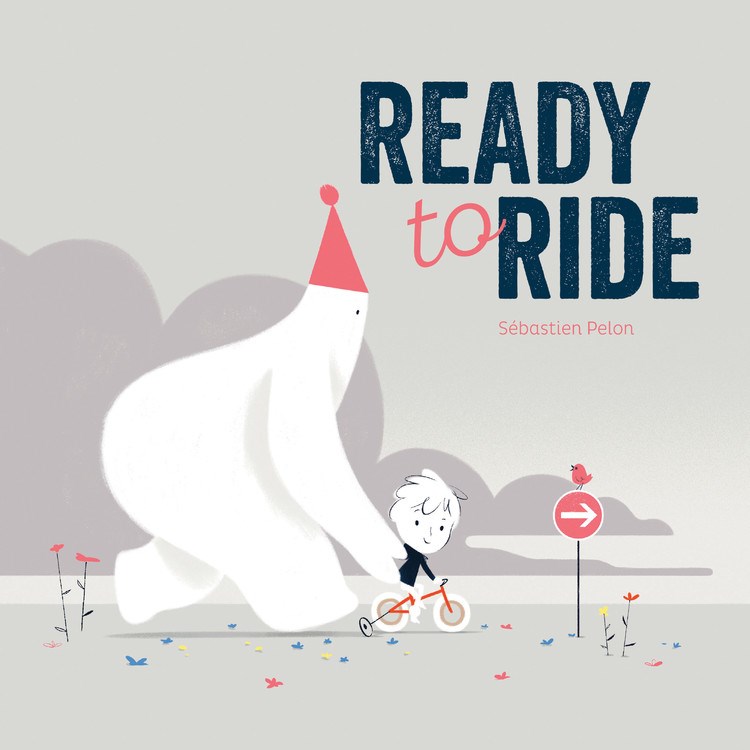
A young boy finds himself bored on a day home, until his mother sends him out to play. An imaginary friend joins him, and together, they learn to ride a bike! This is a fun, light story about imagination and getting outdoors to play. The imaginary friend is a big, white, two-legged figure – think yeti without the shag – wearing a pointy pink hat and protectively towers over the boy, helping him learn to ride the bike. When the boy heads home after a day of play, his new friend disappears, which is a bit of a letdown. Maybe he’ll show up again. There’s a “Certificate for a Super Cyclist” at the end of the book; a cute prize for kids who learn to ride. This one is an additional add if you’ve got kids who like bike-riding.

Posted in picture books, Preschool Reads

Alma and How She Got Her Name is a beautiful family story

Alma and How She Got Her Name, by Juana Martinez-Neal, (Apr. 2018, Candlewick Press), $15.99, ISBN: 978-0-7636-9355-8

Recommended for readers 4-8

Alma is a little girl with a big name: Alma Sofia Esperanza José Pura Candela! She asks her Daddy how she ended up with six names, and her dad tells her the beautiful story behind each name.

I adore this book. So many of us have interesting origins for our names: some of us are named for family members; some for historical figures; some, just because our parents really thought the names were cool and interesting. Here, little Alma learns, through beautifully illustrated spreads, about her family history and her place within that history. We tend to put our hopes and dreams into a child’s name; Alma reveals those inspiring stories through Alma’s father, as he tells Alma her own story.

The drawings are largely monochromatic; black pencil on ivory pages, with washed reds and pinks (and the occasional blue) to liven things up. The names get star treatment, with beautiful, expressive fonts and pictures of namesakes throughout.

I can’t say enough good things about Alma. She belongs in every storytime and every shelf, because every family deserves to explore their history together. Candlewick has a great activity kit that will help kids create their own family trees and research their name(s); it’s free for downloading through their site.

Alma and How She Got Her Name has starred reviews from Publisher’s Weekly, Booklist, and School Library Journal. The book is available in English and Spanish.

Posted in Intermediate, Non-Fiction, picture books, Preschool Reads

Lion (Forge), Tigers, and Bears… Oh, My!

In a twist on the classic Wizard of Oz quote, I found myself with a tiger book, a bear book, but no lion book. Lion Forge came to the rescue with a hilarious (and animal-related) picture book! Enjoy!

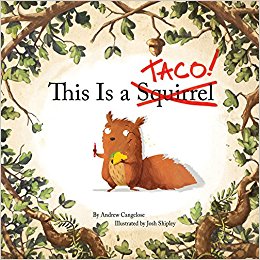
This is a Taco!, by Andrew Cangelose/Illustrated by Josh Shipley, (May 2018, Lion Forge), $15.99, ISBN: 978-1941302729

Recommended for readers 4-8

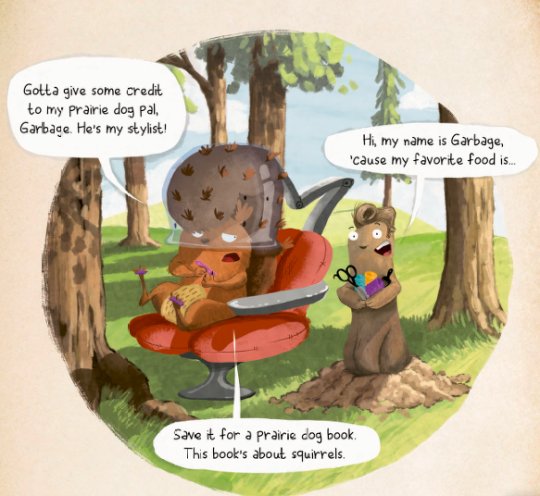
Lion Forge Comics also puts out some really good kids’ books. This is a Taco! is a laugh-out-loud take on a nature book about squirrels that breaks the fourth wall. Taco is a squirrel who loves tacos. As the nonfiction narrative on squirrels progress, Taco is there to disabuse readers of any facts they may be picking up about squirrels. Squirrels eat tree bark? This is news to Taco, who really wants to know where his tacos are. Great climbers? Taco’s terrified! He lives in a bush! Taco has enough by the time a section on hawks – the greatest squirrel predator – shows up on the scene, and decides to change the story. Grabbing a red pen, Taco writes his own happy ending and imparts serious wisdom to readers: “if you want tacos in your story, then YOU make sure there are tacos in your story”.

Kids are going to love this hilarious book. Taco the Squirrel is right up there with Mo Willems’ Pigeon in terms of characters who take charge of their stories and bring the laughs. This makes for a great creative writing exercise with older kids; let them “rewrite” their own stories with weeded picture books or some photocopied pages. Show them Jon Scieszka and Mac Barnett’s Battle Bunny for another example of a picture book taking on a life of its own. And for taco-loving readers, get those Dragons Love Tacos books on the display shelves. This book is way too much fun – get it into the hands of kids, ASAP! There’s a companion book, This is a Whoopsie, coming out in October.


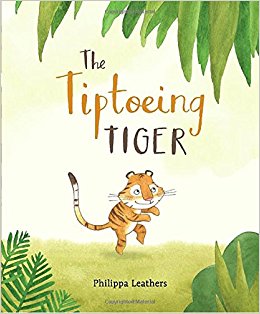
The Tiptoeing Tiger, by Philippa Leathers, (Feb. 2018, Candlewick Press), $14.00, ISBN: 9780763688431

Recommended for readers 3-7

Everyone knows that tigers are sleek, silent, and totally terrifying. Except for Little Tiger. He can’t seem to get anyone in the forest to notice him, let alone be afraid of him! After his brother bets that he can’t scare any animal in the forest, Little Tiger sets off, determined to frighten someone. He tiptoes his way through the book, trying to scare boars, elephants, and monkeys, with no luck. Isn’t there anyone he can scare before the day is out?

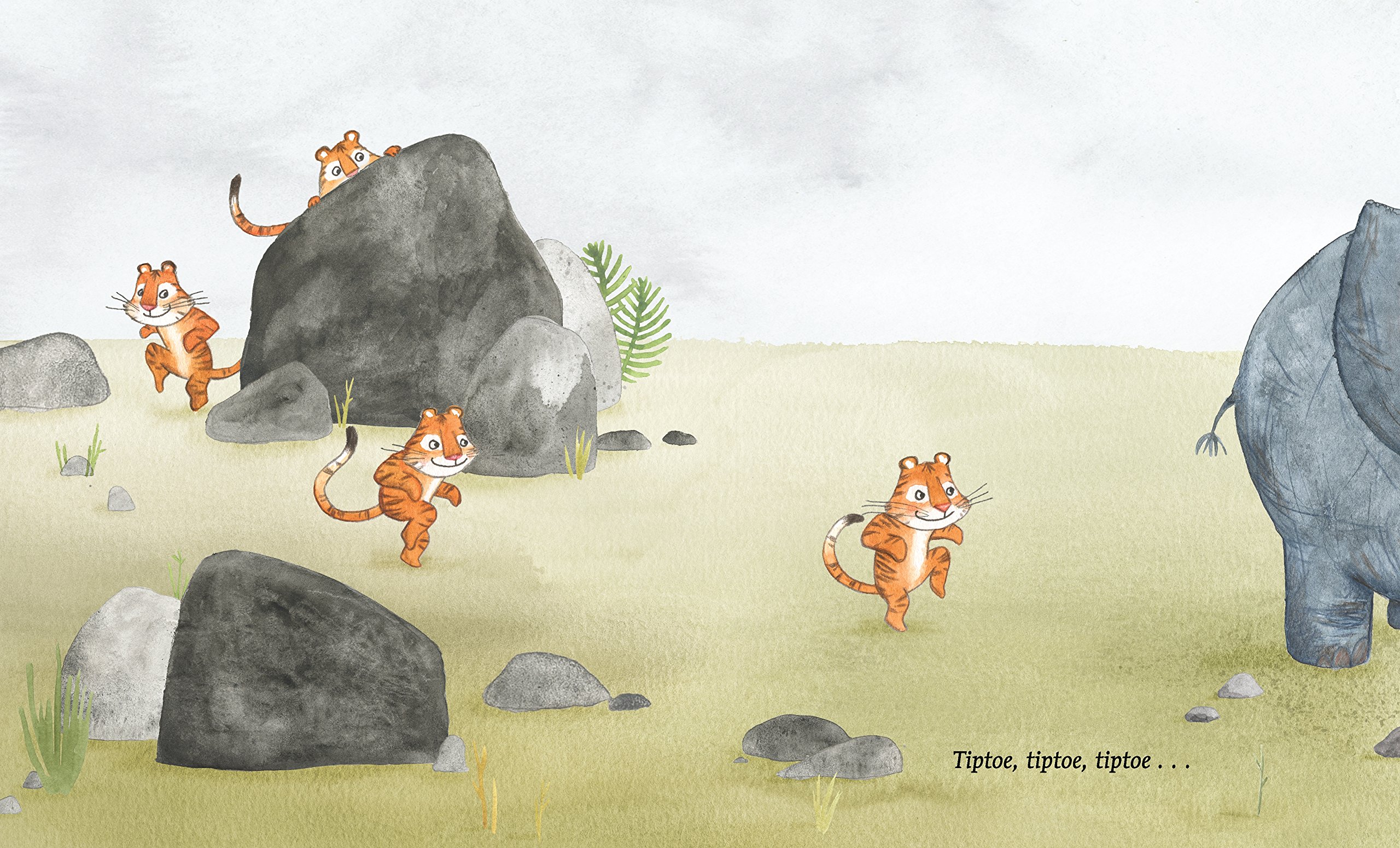
This is a great book for the littles, who LOVE “scaring” people. I remember I couldn’t walk out of my bathroom without my little guy jumping and “boo!”-ing me starting around the age of 3. (He’s 5 now, and still tries it; these days, it’s usually with a Nerf sniper rifle.) The author speaks to a child’s desire to be seen as someone bigger, and the frustration at being ignored, or worse – laughed at – when they’re trying to be like the bigger folks. The repetition of Little Tiger’s tiptoeing up to his prey invites readers to be part of the story, whether they tiptoe with their toes or walk their fingers on a surface. Let them give their best ROAR! to see how they’d match up with Little Tiger.

The pencil and watercolor illustrations are adorable; very kid-friendly, and leave a lot of open space to show the size differences between Little Tiger and the rest of the animals. Green endpapers with fern leaf patterning bring readers into the story. The Tiptoeing Tiger is a fun story about being small, but determined. A fun additional book for animal lovers.


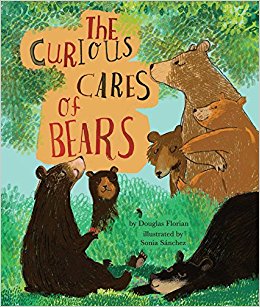
The Curious Cares of Bears, by Douglas Florian/Illustrated by Sonia Sánchez, (Aug. 2017, little bee books), $16.99, ISBN: 978-1-4998-0462-1

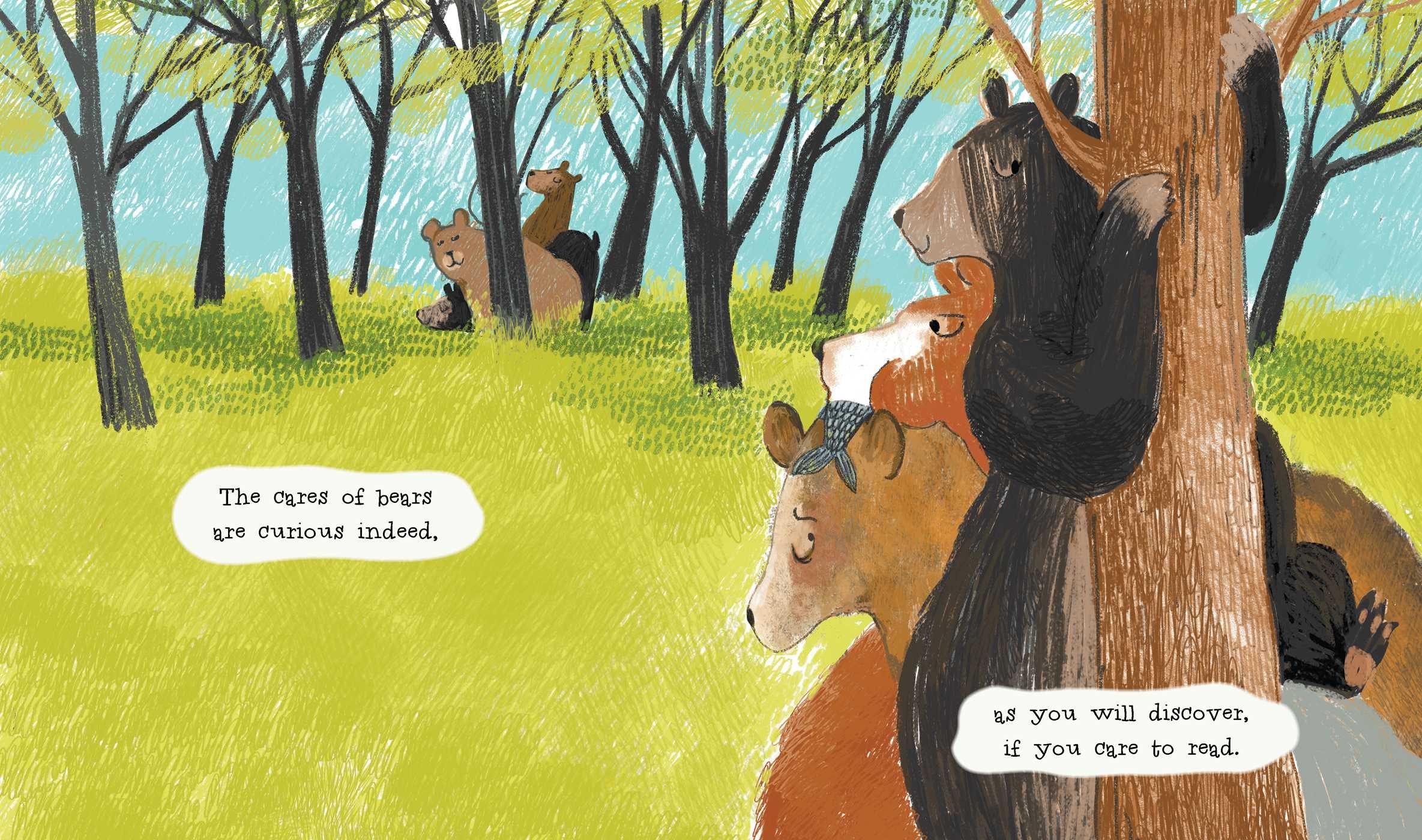
This rhyming story takes readers through the four seasons with a group of bears and how they spend their time. In the spring, they love to climb trees and steal honey from bees, play and chase each other; in the summer, there’s swimming and games, family reunions, and parties; in the fall, they play all day and sing by a campfire at night; and when winter arrives, it’s time to make their way to their den to hibernate, until the spring thaw comes, and they get ready to explore their world all over again.

This is a gentle, fun read about the seasons. The group of cuddly bears pass their time in similar ways to our own families, which makes for some fun questions to pose to readers, especially near different seasonal school breaks. The rhyming text has a nice, steady rhythm for readers and the soft art makes the bears look fuzzy and cuddly, like the best bear books do. Endpapers feature an extended family group of bears wandering around the forest, setting the tone for the story. Give this to your teddy bear loving readers, and booktalk with some easy reader season books, like those from Rookie Readers.


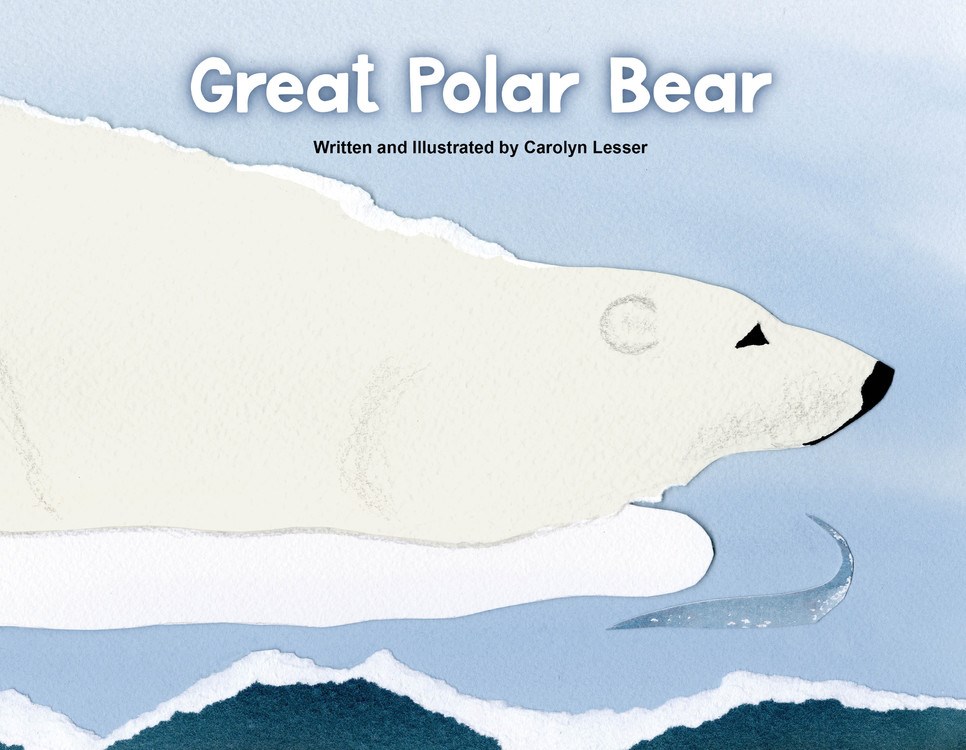
Great Polar Bear, by Carolyn Lesser, (Apr. 2018, Seagrass Press), $17.95, ISBN: 9781633225022

Recommended for readers 5-8

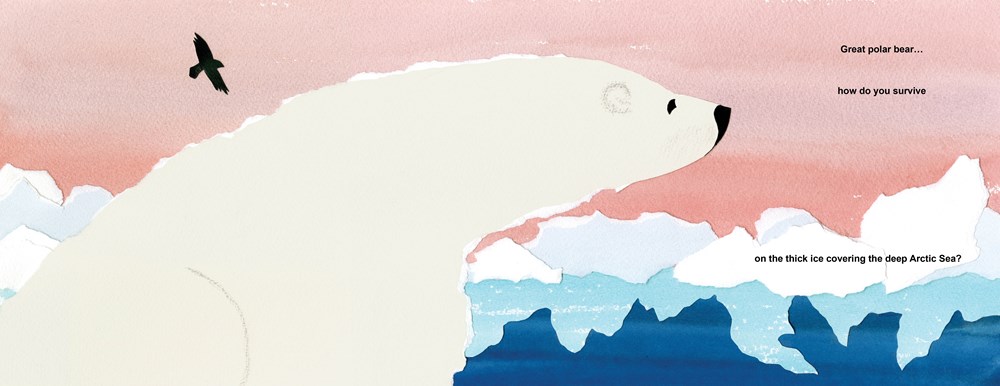
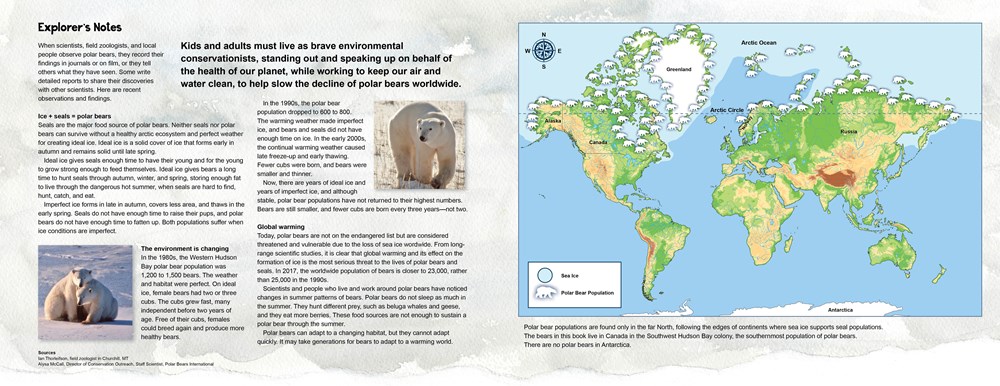
I had to add an extra bear book here, because Great Polar Bear is just beautiful. A nonfiction book written in verse, Carolyn Lesser takes readers through a year in the life of a polar bear. Originally published in 1996 as The Great Crystal Bear (illustrated by William Noonan), this new edition features all-new collage artwork by Lesser; it gives beautiful texture and depth to the illustrations. The narrative brings facts to readers through rhythmic verse, rather than terse statements: the bear’s fur, for instance, “gathers sunlight, to heat your black skin and thick layer of fat”. We also learn about the endangered environment and problems caused by climate change. Back matter contains “Explorer’s Notes” and emphasizes conservation. This is a good additional text for nonfiction collections where bears are popular.


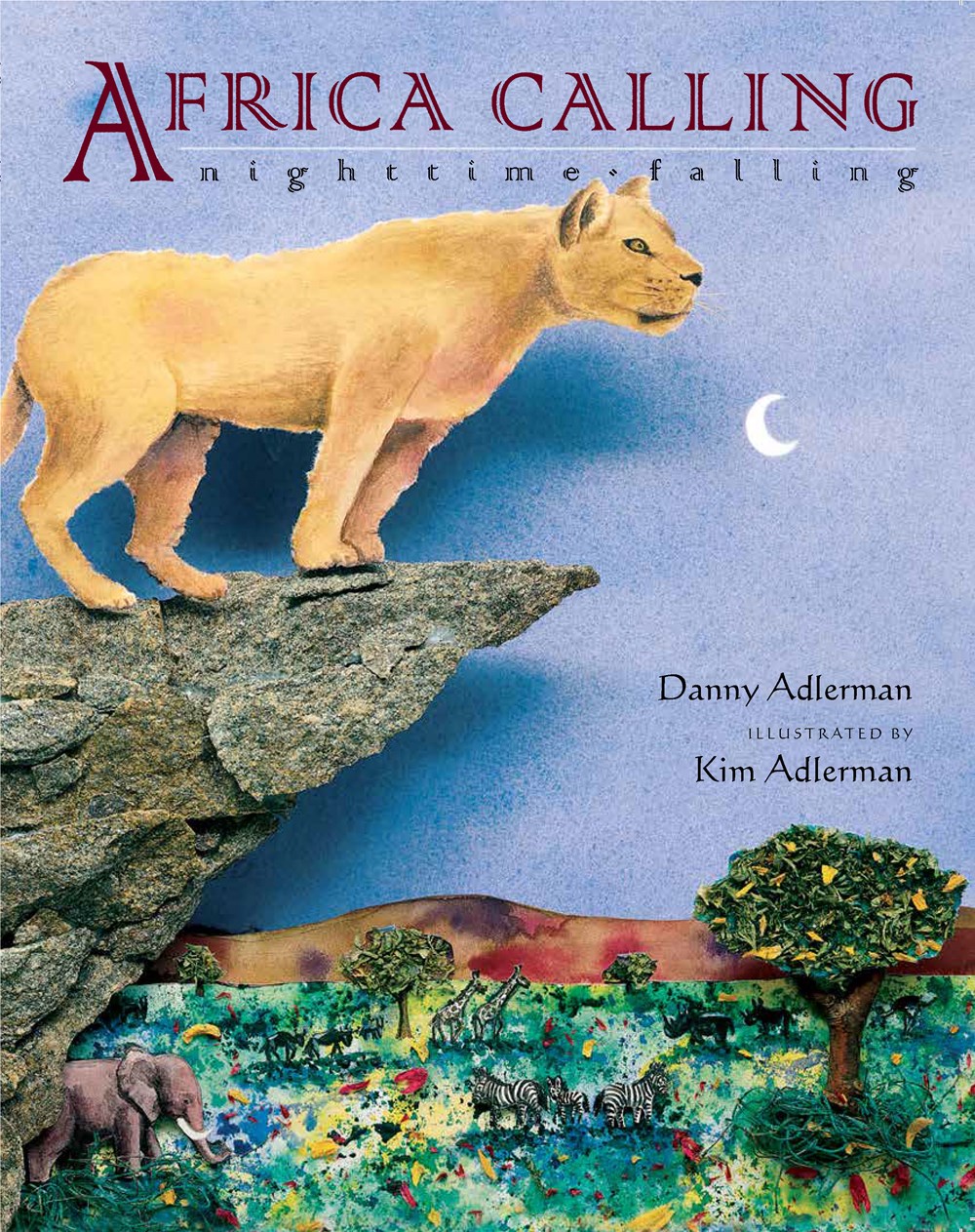
Africa Calling, Nighttime Falling, by Danny Adlerman/Illustrated by Kim Adlerman, (March 2018, Lee and Low Books), $9.95, ISBN: 9781620147955

Recommended for readers 3-7

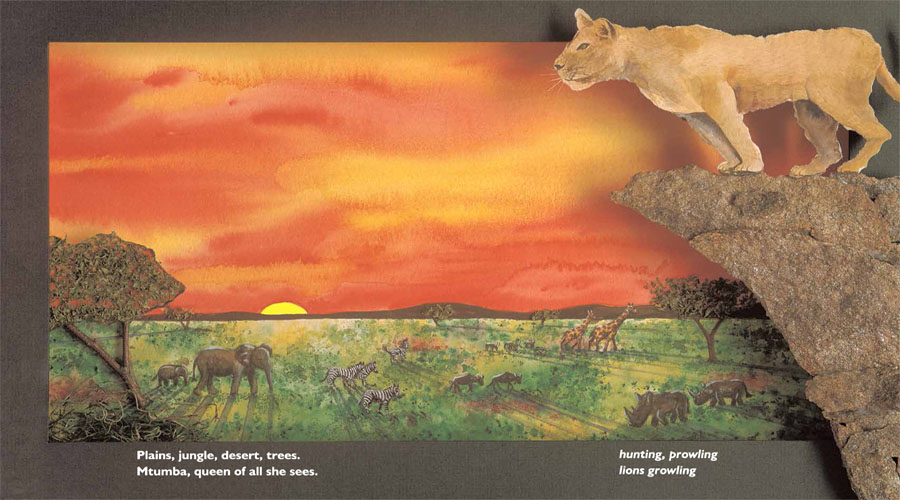
For my Oh My! book, I’ve got the bedtime story, Africa Calling, Nighttime Falling; a mellow story about African animals in their habitats as the sun sets for the day. The rhyming text leads includes quiet accompanying phrases for each animal: “As moonlight cloaks the desert land, Viper slinks across the sand… swiftly sliding, vipers gliding”. I read them as whispered phrases, between stanzas, because it seems to really work with my Kindergartner. The artwork includes collage over paintings, with what looks like some photographic media mixed in. The twist at the end brings this full circle when readers see that it’s a little girl’s imagination, before bedtime, and that she’s surrounded by her jungle’s worth of stuffed animals. It’s a nice additional add where bedtime stories and animal books are popular, and a good one to test out with stuffed animal sleepover storytimes.


Posted in picture books, Preschool Reads

Count along with Annie Aardvark, Mathematician!

Annie Aardvark, Mathematician, by Suzie Olsen/Illustrated by Davina “Viv” Kinney, (Jan. 2017, STEAM Publishing), $9.99, ISBN: 9780998433707

Recommended for readers 3-6

This cute counting book stars Annie, an aardvark mathematician. She loves math! She decides to count everything she finds, and takes readers on a 1-10 feast for the senses where she enjoys sniffing and tasting cucumbers, rocks, assorted bugs, berries, and plants. Each spread features a white page with black text for easy storytime reading, and a full-color page featuring Annie and her latest discovery. Kids can count along with the repetitive text, which features written numbers, illustrated things to count, and – most fun – the sounds Annie makes as she explores and investigates each treasure. She gulp, gulp, gulps beetles, slurp, slurp, slurp, slurps sticks, and has a whole bunch of snorts for leaves!

This is a cute concept book that would work really well with flannels – nature flannels are easy enough to make or find. It fits in well with a nature storytime; I’d pair this with Sue Williams’ I Went Walking. Make fun sound effects to get the kiddies giggling! The art is cute; Annie has a friendly smile and expressive eyes that will draw readers’ attention. Explain what an aardvark is, and more importantly, what a mathematician is. Pronounce the kids mathematicians and have them count!

Posted in Early Reader, Fiction, picture books, Preschool Reads

Where does your mind go during class?

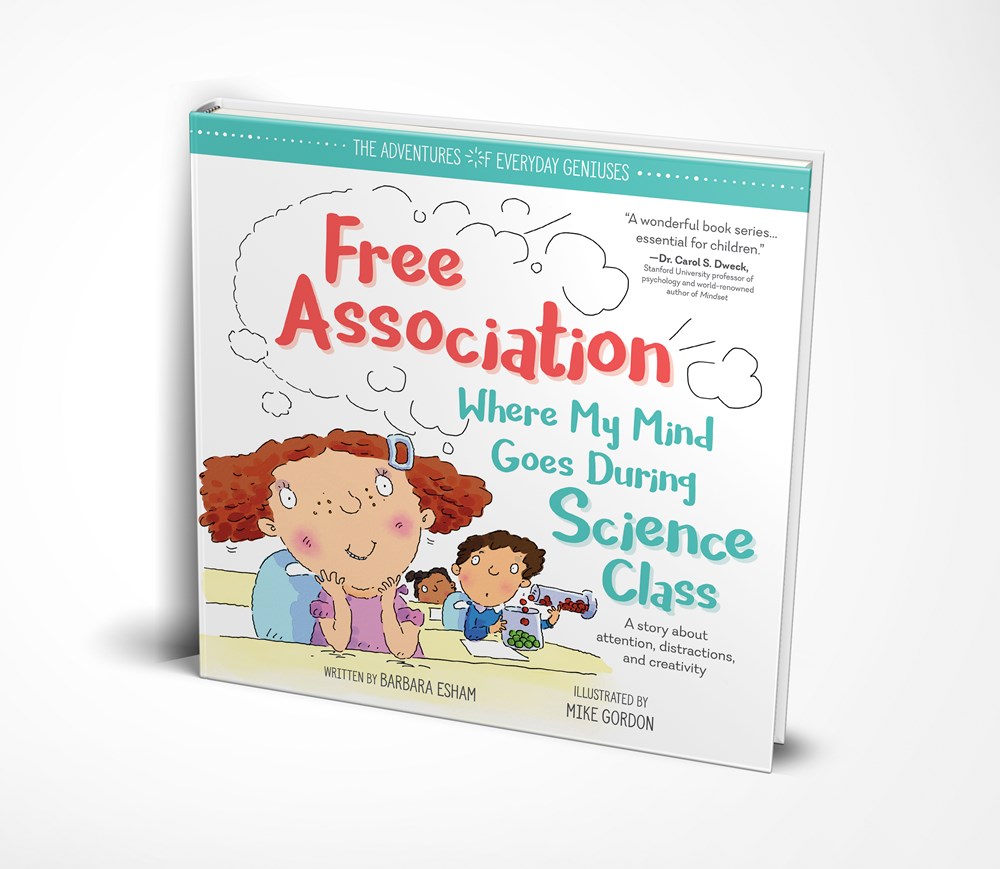
Free Association: Where My Mind Goes During Science Class (Adventures of Everyday Geniuses), by Barbara Esham/Illustrated by Mike Gordon, (May 2018, Sourcebooks), $17.99, ISBN: 9781492669951

Recommended for readers 4-8

Emily is a  young student who loves doing science: the hands-on stuff, not the rote memorization that comes with the routine school day, which tends to set her mind off, wandering. Emily wants to be like Albert Einstein, setting her off into a daydream where Einstein climbs out of a classroom poster; he ends up sticking around as a quiet mentor throughout the book. After catching Emily daydreaming again, her teacher gives her a science journal – a way to be mindful of when she’s paying attention, versus when her mind is about to wander. Emily discovers that the journal is just what she needed, and the teacher, impressed with a theory Emily comes up with in her journal, encourages the whole class to keep science journals and use their imaginations.

The Adventures of Everyday Geniuses is a series of books for kids who may learn in nontraditional ways. Where My Mind Goes During Science Class addresses everyday boredom in class – come on, we all know it happens – as well as how to reach students with ADHD. The teacher embraces creativity and imagination, and understands that journaling can lead to some pretty exciting work – bravo, teacher! Emily speaks for most kids when she grouses, “It seems like the only thing we do in science is memorize information from a book”. Who hasn’t felt like that at some point? Emily is relatable to all kids (and a heck of a lot of grownups). Back matter talks to readers who are “everyday geniuses” and offers tips for focusing and centering themselves when their minds wander. The story font is set in OpenDyslexic, a font specifically designed for readability with dyslexia; an impressive commitment by the publishers to readers. Kids may recognize illustrator Mike Gordon’s artwork – he illustrates the super-popular Robin Hill School Easy Reader series.

Find out more about the Everyday Geniuses at the series website. This looks like a good series to have in classroom and library collections, to introduce kids to different ways of learning. I’m going to request other titles in the series from my libraries, to get to know this set better. The Adventures of Everyday Geniuses series is Reading Rockets Recommended, a Parents Choice Award Winner, and an ALA Booklist Pick.

Posted in picture books, Preschool Reads

Snail Mail celebrates the art of letter-writing!

Snail Mail, by Samantha Berger/Illustrated by Julia Patton, (May 2018, Running Press), $17.99, ISBN: 978-0-762462-51-3

Recommended for readers 4-6

This adorable story celebrates the special touches that correspondence sent by “snail mail” – mail sent (GASP!) without electronic communication. Real letters! Birthday cards! Letters to Santa, postcards, and love letters! In Samantha Berger’s latest book, four snails (Dale Snail, Gail Snail, Colonel McHale Snail, and Umbérto) trek across the country to deliver a special letter from a Girl to her friend, a Boy. As they travel, they take the time to explore the country; the deserts, canyons, rainbows and sunsets, experiencing beautiful and not-so-great weather, until they arrive in a giant city and find the Boy.

Snail Mail is a love letter (wink) to slowing down and enjoying life. It’s about a handwritten letter and why they’re so much nicer than emails and texts; it’s about taking the time to write a letter, see a sunset, road trip across the country and experience life. As the author writes, “Although it took much longer, everyone agreed that some things were just A LITTLE more special when they were delivered by Snail Mail.” The snails each have their own personality, and work together to bring the Girl’s letter on a journey to its recipient, always uttering their Snail Mail Promise, “Neither rain, nor snow, nor heat, nor hail will stop a snail from bringing the mail.” Letter delivered, the snails are rewarded with their own mail: medals and a congratulatory letter; “something they could have only gotten through Snail Mail.”

Snail Mail is a thoroughly enjoyable story that would be adorable to follow or start off a program on letter writing and pen pals. I found this cute graphic organizer on This Reading Mama that would be great for teaching the parts of a letter to younger readers, and Reading Rockets has a nice introduction to letter writing for kids. has a starred review from Kirkus.

(Pair this with Dashka Slater’s Escargot and discuss: are Escargot and Umberto related? They share a common fashion interest!)

Posted in picture books, Preschool Reads

What beast does your anger look like?

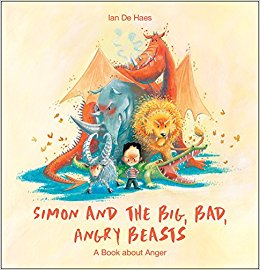
Simon and the Big, Bad, Angry Beasts: A Book About Anger, by Ian De Haes, (Apr. 2018, Flyaway Books), $16, ISBN: 9780664263553

Recommended for readers 4-7

Simon is a little boy with a BIG temper. And when his temper flares, he feels like different animals: a ramming goat, a roaring lion, even a giant dragon! At first, it feels wonderful to have that kind of control over people’s reactions, but eventually, who wants to worry about someone’s bad temper? Simon finds himself feeling pretty lonely until he learns how to tame some of those big, bad, angry beasts.

Simon and the Big, Bad, Angry Beasts is a smart, visual way to start a discussion about anger and anger management. Simon’s anger manifests as exceedingly larger animals as his temper runs unchecked, and his anger gives him a feeling of power: “It was great, it was marvelous, it was magical…” until his anger alienates everyone around him. Kids will enjoy and understand the powerful feelings that come with anger, and the illustrated beasts help with visualization, and can help kids communicate their feelings when tempers flare. Repetitive phrases like “it was great…” reinforces understanding – anger can make someone feel big and powerful, especially a child who may feel otherwise powerless – while leading into the moment where “it” is no longer great, marvelous, or magical, it is lonely; the story encourages readers to seek out meditation and relaxation practices to help, like Simon, control the beasts. A section for parents and educators at the end discusses anger management in children.

Simon and the Big, Bad, Angry Beasts is a nice addition to books on emotions and feelings. Similar books include Molly Bang’s When Sophie Gets Angry-Really, Really Angry and Rachel Vail’s Sometimes I’m Bombaloo.

Posted in picture books, Preschool Reads

Bathroom Boogie puts some funk into bathtime!

Bathroom Boogie, by Clare Foges/Illustrated by Al Murphy, (May 2018, Faber & Faber), $16.95, ISBN: 9780571340453

Recommended for readers 3-7

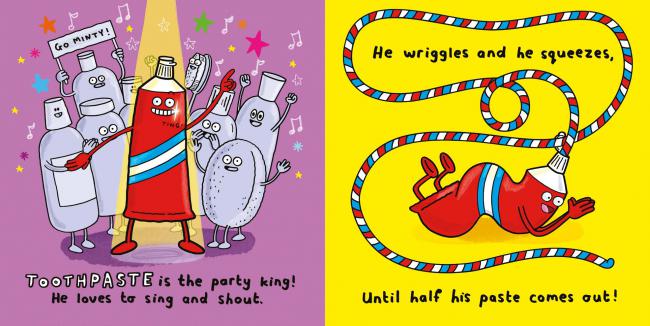
Bathtime becomes funtime in this rhyming companion to 2015’s Kitchen Disco! When we go off to school and work everyday, do we really know what’s going on at home? Bathroom Boogie assures us that there’s a party in the bathroom as DJ Shampoo gets the beats thumping, Toothpaste gets funky, and Mouthwash busts a move. It’s funny, it’s fun, it’s just like one of my kiddo’s favorite books, Food Fight! by Carol Diggory Shields (2002). The toiletries and accessories go wild, make a mess, and clean it all up before we get home – whew!

There’s great rhyme and repetition: “It’s called the BATHROOM BOOGIE/And everyone’s invited!/So blow your whistles/Shake your bristles/Let’s get all excited!” and the drawings a bold, cartoony, and have big googly eyes and silly facial expressions that kids will love. The font looks almost marker-written, with bold, outlined words for emphasis and add to the fun, and the endpapers sport assorted bathroom graffiti (no phone numbers or limericks, this is a family book). This book is hilarious and fun, perfect for storytime reading and rapping – there’s even a book trailer to get kids raring to go:

Perfect fun for storytime reading, bedtime reading, anytime reading. Originally published in the UK, Bathroom Boogie debuts here in the States on May 15th.

Posted in picture books, Preschool Reads

Healthy Bodies, Healthy Minds, Healthy Preschoolers!

I’ve been loving the books that publisher Walter Foster Jr. has put out the last several months. They’ve been promoting writers, artists, and concepts that introduce kids to different ways of looking at life: different colors, languages, and songs, for a few. There are two more books out this month that speak to young readers once more; this time, addressing mental and physical health. Let’s take a look.

ABC: Mindful Me (ABC for Me), by Christiane Engel, (March 2018, Walter Foster Jr.), $16.95, ISBN: 9781633225107

Recommended for readers 3-6

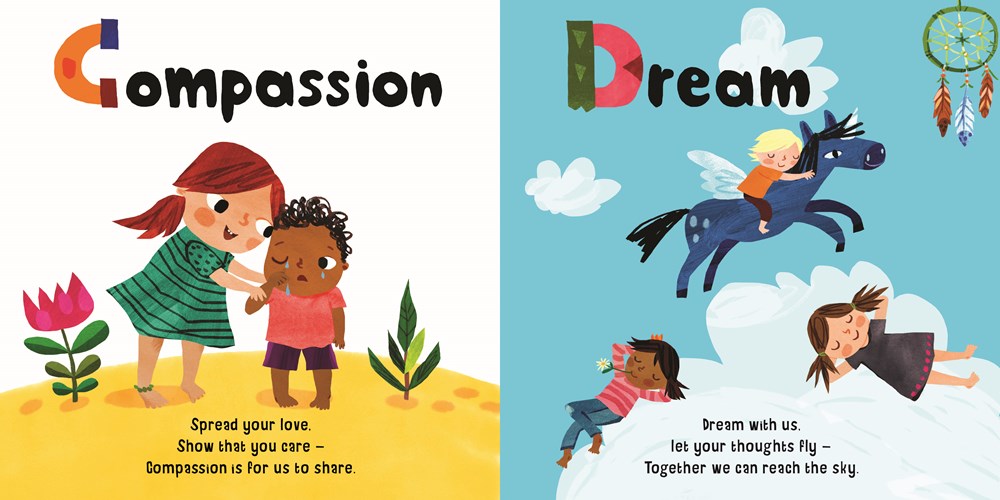
Christiane Engel’s ABC for Me series is so good for young readers and listeners. Her Baby Signs book illustrates the ABCs by introducing readers to simple sign language words that parents and children can use to communicate together; with ABC: Mindful Me, children learn the ABCs of being present and aware of themselves and the world around them. Using rhyme and child-friendly illustration, little ones learn about compassion and Zen; yoga and mandalas. There are even activities for caregivers and kids to work on together: make a mandala using found objects; make a gratitude tree, engage in some deep breathing and meditation. An index at the end helps us grownups refer to the 26 different “mindfulness pillars” introduced throughout the book. It’s a nice addition to young reader collections, and could be a good add to storytimes (especially yoga storytimes) and social discussions about empathy and kindness to ourselves and others.


My First Book of Pilates: Pilates for Children, by Rida Ouerghi/Illustrated by Elsa Fouquier, (May 2018, Walter Foster Jr.), $16.95, ISBN: 9781633225893

Recommended for readers 3-6

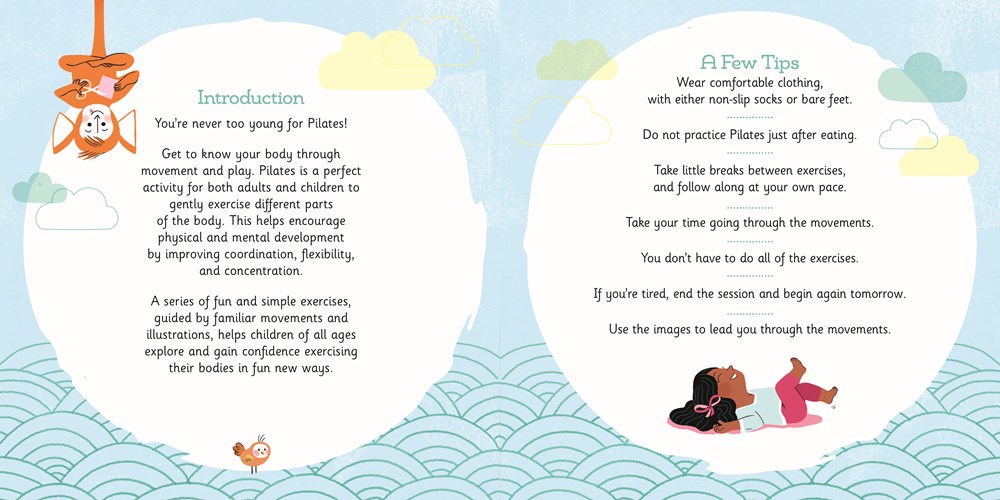
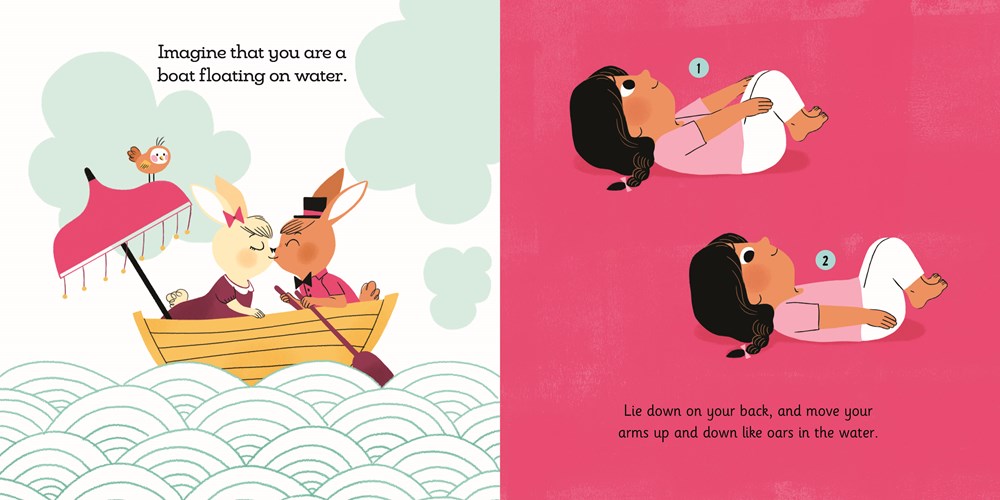
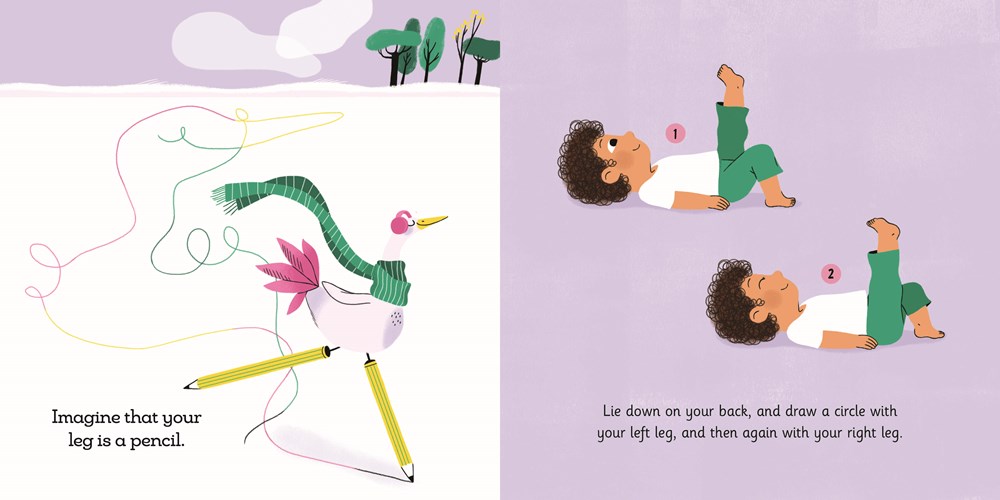
This is SO cute, and so perfect for my toddler/preschool yoga kids. An introduction to Pilates, this fits right in with books like Downward Dog with Diego, where kids learn simple yoga poses through animal illustrations. My First Book of Pilates offers a little more information, introducing readers to 12 Pilates poses, one per spread. On the left hand page, Rida Ouerghi and Elsa Fouquier use creative visualization to show us anthropomorphic explanations that make perfect sense to kids – imagine being a boat floating on the water; imagine rolling around like a hedgehog – and on the right hand page, an illustrated child recreating the Pilates pose, with simple instructions. There are some helpful tips at the beginning of the book to get your kiddos started. Absolute fun, and absolutely adorable! During a storytime, you can easily add some mindfulness practice in with the imagines, too: ask the kids to close their eyes and envision themselves floating on the water, rolling like a ball, or feeling their legs become strong, like trees.

Posted in picture books, Preschool Reads

Interactive fun with When I Say OOH, You Say AAH!

I Say OOH, You Say AAH!, by John Kane, (March 2018, Kane Miller), $12.99, ISBN: 978-1-61067-7110

Recommended for readers 3-7

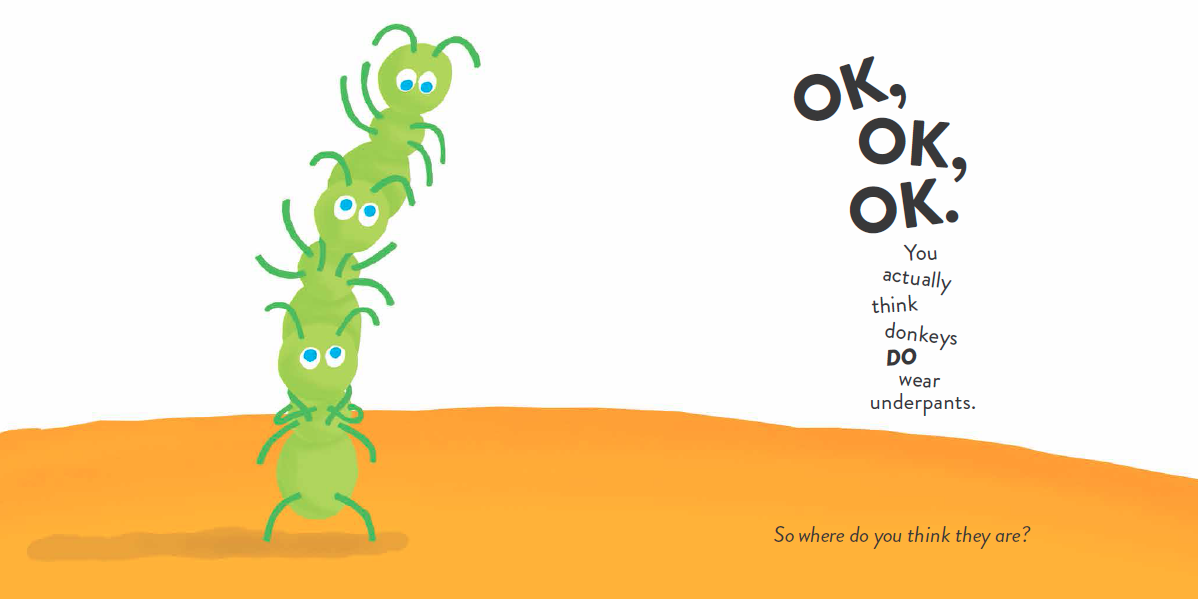
I am having way too much fun with this laugh-out-loud picture book! I Say OOH, You Say AAH plays with words and ideas in the most fun ways; you’re the narrator, speaking to your audience, and leading them through seemingly simple requests. The pictures, however, make your audience say otherwise! If you see an ant, you must say underpants. Which will, of course, happen at the most inopportune moments, like when a shy donkey named OOH (yup, now you’ve scared him) shows up with an ant on his nose.

The book is bold and bright, and is made for read-alouds where you want to be as silly as possible (and isn’t that what read-alouds should be?)! The digital artwork is colorful and fun, and the fonts are bold, often in caps, and easy to read. It’s great for sharpening verbal cues and teaching reading comprehension in the best way: the fun way! As Kirkus says, it’s an “invitation to silliness” complete with instructions. I have a well-known love for underpants-related picture books and storytimes, and this one is solidly in the collection.

I read this with my 5-year-old, and we needed frequent giggle breaks. And then… I read it to my colleagues as part of a Guerilla Storytime at the recent Urban Librarians Unite conference! (It’s so gratifying, reading a book like this to a group of librarians who are totally on board with your wackiness, by the way.) The librarians were thrilled – a few approached me and asked where they could buy the book. Success!


I Say OOH, You Say AAH is perfect storytime and funtime reading. Put it in libraries, classrooms, and homes where kids love sillytime!