Posted in picture books, Preschool Reads

Book Birthday: Who Eats Orange?

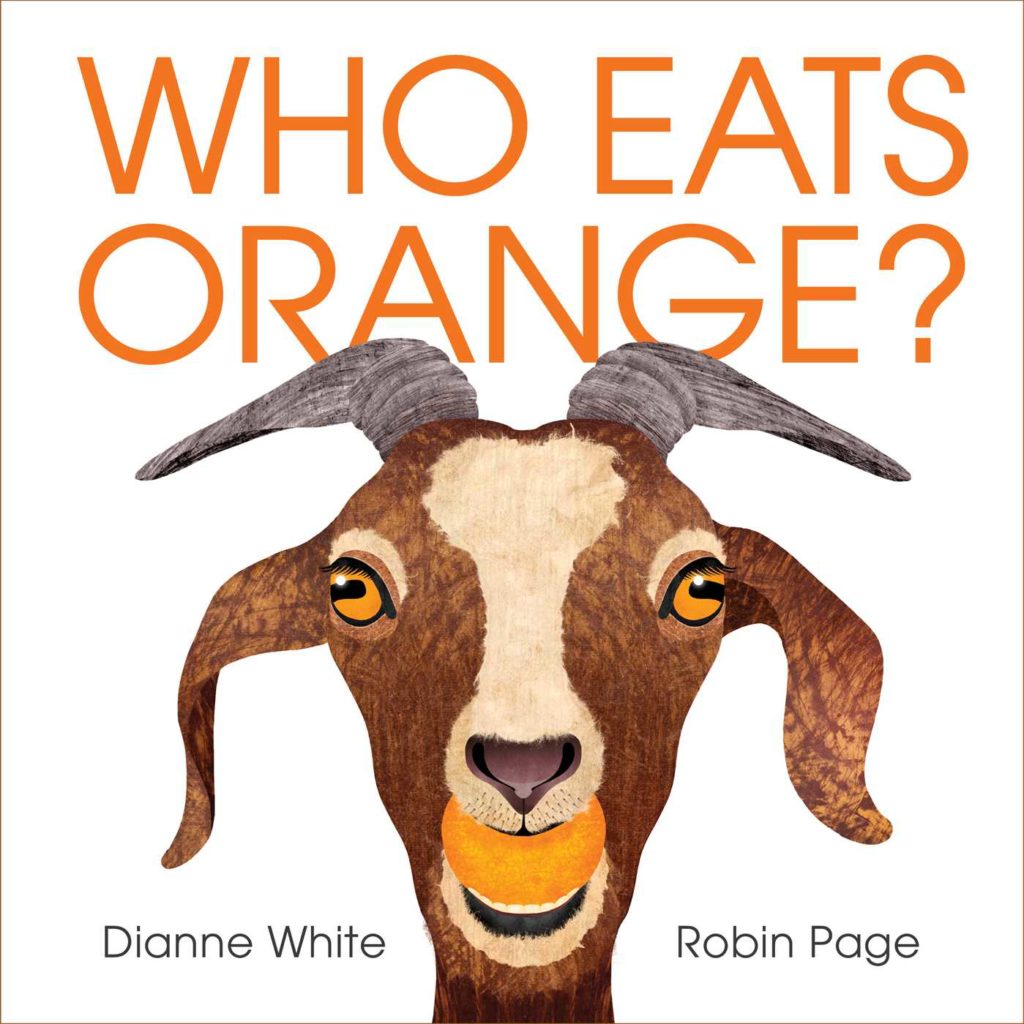
Who Eats Orange?, by Dianne White/Illustrated by Robin Page, (Aug. 2018, Simon & Schuster Kids), $17.99, ISBN: 9781534404083

Ages 3-6

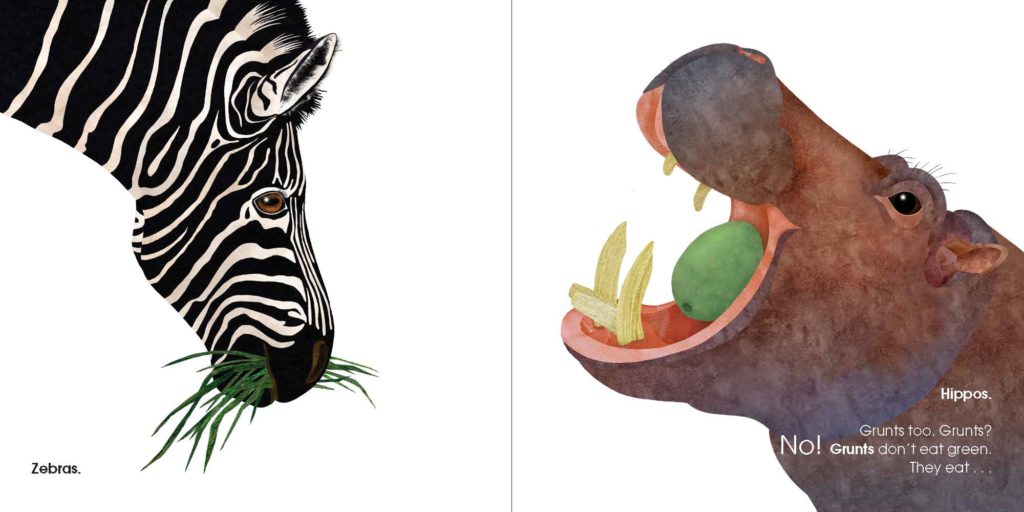
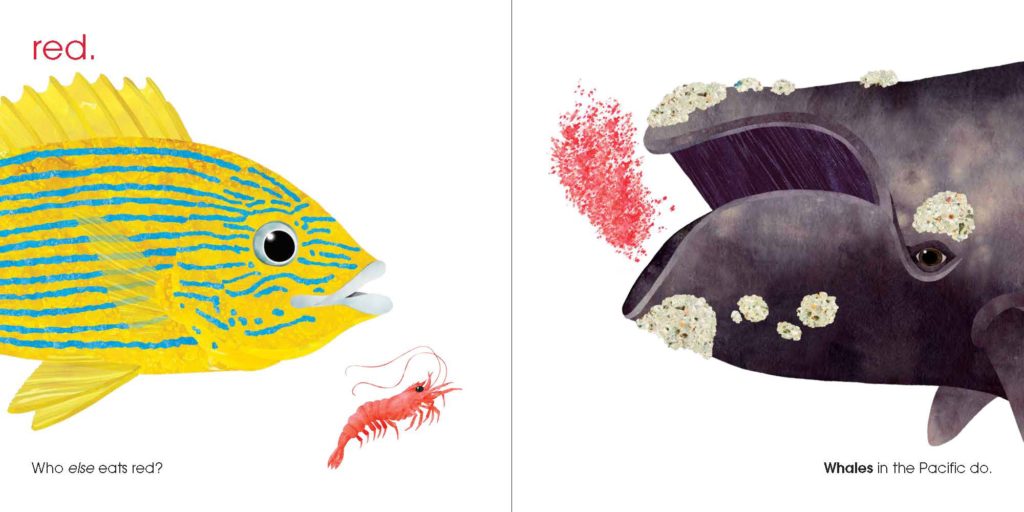
Need a fun, new concept book on your shelves? Who Eats Orange looks at the eating habits of animals from bunnies to bears. Four animals eat one color, and the fifth doesn’t – but eats a different color, which brings us into the next group of animals. There’s quite a bit of information, broken down into simple, easily understandable bites, to be found here: colors, animals and what they eat, and their habitats: “Who eats orange? Bunnies in their hutches do. / Chickens in the henhouse too. / Who else eats orange? Goats. / Pigs. Gorillas too. Gorillas? NO! The repetitive text pattern gets kids ready; they’ll learn quickly who doesn’t eat a chosen color, and join in with a hearty “NO!” when the time comes. The text brings things right back to kids, encouraging them to eat the rainbow, with a colorful spread of fruits and vegetables. The back matter organizes the animals, and their foods, by habitat (farm, Africa, ocean, forest, rainforest, tundra) and provides more information on animals and their culinary tastes.

The digital art is wonderful; reminiscent of one of my favorite realistic animal artists, Steve Jenkins. (Robin Page also dedicates the book to Steve Jenkins, which was pretty great to see.) The vivid artwork stand out against stark white backgrounds, inviting readers to imagine the roughness of a hippo or the bushy fur of a fox and marmot. The faces are gentle, with expressive eyes that will draw storytime fans right in. It’s such an interactive book, with opportunities to get the kids talking about animals, food, and color. There’s an activity kit available for download that comes with animals masks to cut out, a rainbow recipe, and writing activities.

I read Who Eats Orange, along with one of my old favorites, Who Hops?, to my 6-year-old. Who Hops? works in a similar manner, introducing different animals who hop, swim, crawl… and then one animal that obviously cannot! Anyway, we had big laughs, he pronounced Who Eats Orange “so much fun”, and laughed at me when I suggested he start eating the rainbow with me. Hey, I tried.

Who Eats Orange is way too much fun for toddlers and preschoolers! A fun add to concepts and animal collections, and a good gift book for rising preschoolers and kindergarteners.

Posted in picture books, Preschool Reads

Dexter Dino takes on show & tell! Plus, a giveaway!

He’s back! My favorite neurotic toy dinosaur is back in his second adventure!!

Sorry, Rex, it’s not you.


It’s… DEXTER DINO!

It’s Show and Tell, Dexter!, by Lindsay Ward, (Aug. 2018, Two Lions),
Ages 3-7


Dexter’s fully recovered from his experience in the pediatrician’s waiting room, and he and Jack are back together to take on a new adventure: SHOW AND TELL. But Dexter’s worried again… he wants to wow the class! Should he wear a costume? Learn an exciting new routine? OH NO! WHAT IF HE’S THE… BORING TOY? Dexter’s latest story takes on performance anxiety and worries about self-image. Thankfully, the omniscient reader is there to let Dexter know that being himself is the best way to go: and sure enough, the Dexter Dino chant makes him the most popular dino in the class and on the bus!

I have such love for this fun series and for author Lindsay Ward. Dexter is adorable, neurotic, and totally relatable. He worries about being cool enough to hang with his buddy, Jack; he worries about not being exciting enough to hold a kids’ attention, and he works through his anxiety for everyone to see, letting kids (ahem… and some adults) know that we’re not alone. By pointing out physical manifestations of what nerves can do to us: pit in the stomach, fidgety claws, awkward smiles, and all, Dexter lets readers know that we all get anxious about something, and that it’s okay. Being oneself is the best solution.

Dexter’s bright color and body postures make him awkward and lovable, and his empowering Dexter Dino chant gets an entire room up and stomping, making this PERFECT for storytimes. I tested this one out with a pre-k Kindergarten visit (they’d had a test run with Don’t Forget Dexter!), and they all jumped up and joined me for some chomping and stomping. I had a couple of kids let Dexter know it was okay, too: leave room for kid reactions when reading it out loud and watch empathy in action. My own 6-year-old was so excited to get the book in the mail, he had his own stomping party! Have a show and tell storytime, and encourage kids to talk about their cool things. Have some toys on hand for anyone who shows up empty-handed, and encourage some imagination by asking kids about what they like most about their toys and objects. Maybe you’ll get a new rhyme or two out of the experience, and don’t forget to have Dexter coloring sheets on hand!


Lindsay Ward is the author of the Dexter T. Rexter book Don’t Forget Dexter! Though she never got to bring an orange dinosaur to Show and Tell Day, she did once take all four albums of her sticker collection. She is also the author and illustrator of Brobarians, Henry Finds His Word, and When Blue Met Egg. Her book Please Bring Balloons was also made into a play.  Most days you can find Lindsay with her family, writing and sketching at her home in Peninsula, Ohio. Learn more about her at www.LindsayMWard.com or on Twitter: @lindsaymward.


Praise for It’s Show and Tell, Dexter!

“Ward’s gentle art features cut-paper forms with residual pencil outlines, providing an ad hoc quality to the spreads. Readers prone to anxiety over big events should be tickled by the idea that a toy has concerns too.” —Publishers Weekly

“Ward’s illustrations, made with printmaking ink, colored pencil, and cut paper, wonderfully capture Dexter’s every emotion and over-the-top ideas.” —Kirkus Reviews


One lucky winner will receive a copy of both Dexter T. Rexter books–Don’t Forget Dexter! and It’s Show and Tell, Dexter!, courtesy of Two Lions (U.S. addresses). Enter the Rafflecopter giveaway.

Posted in picture books, Preschool Reads

Fables and Fairy Tales from Henry Herz

I fell in love with author Henry Herz’s book, Mabel and the Queen of Dreams, back in 2016. It was a wonderful way to introduce some magic to bedtime, and a nod to The Bard himself. Mr. Herz has two more books coming out this September; one is a fun fable about a selfish squid, and the other, another nod to magic, this time, courtesy of a little girl named Alice.

How the Squid Got Two Long Arms, by Henry Herz/Illustrated by Luke Graber, (Sept. 2018, Pelican Publishing), $16.99, ISBN: 9781455623884

Ages 3-7

Once upon a time, a squid had a splendid silvery scarf knitted for him by his mother, but he was still cold. Rather than go home and bundle up, our little cephalopod decides to steal an octopus’ sweater and a fiddler crab’s mitten; when he tries to snatch an eel’s hat, though, he discovers that taking things without asking can only end one way: trouble! The eel grabbed one of the squid’s 10 arms, and the octopus and crab catch up to get hold of his other arm and get their clothes back! When all is said and done, the squid is still cold, and now he has two really long arms: and a sneaky fish sneaking up to steal his scarf! The straightforward story is a gentle way to reinforce that taking things that aren’t yours is wrong; a nice morality tale set in the friendly ocean. The artwork brings a dose of fun to the story, with wide-eyed marine life and exaggerated expressions (and an eel in a hunter’s cap is pretty fantastic). An author’s note provides a photo and a little bit of background on squid.

My little guy thoroughly enjoyed this story; he had a big-eyed laugh when the squid got his comeuppance, and pointed out all the animals we’d seen at the aquarium a couple of weeks before. It’s a nice add to your shelves, and a fun add to fables, stories about empathy, and books with marine life.  And here are some squid coloring sheets, to enhance the storytime!


Alice’s Magic Garden, by Henry Herz/Illustrated by Natalie Hoopes, (Sept. 2018, Familius), $16.99, ISBN: 9781641700320

Ages 5+

Alice in Wonderland fans, get ready: the subtitle here, “Before the rabbit hole”, lets you know what’s going on. Once upon a time, there was a young girl named Alice, who went to the dreariest school in all of England. While escaping her awful headmistress and cruel classmates, Alice happens upon a small, walled garden, and begins tending it, caring for a few of the inhabitants: a caterpillar and a lory bird; she even chases a smiling cat away from a rabbit. Her kindness is paid back at school, when her benefactors leave her tasty treats and take care of those bullies, telling Alice that they are friends “now and forever”. There are wonderful references to the classic tale throughout the story, and readers will fall in love with the magical realism of the garden. The artwork is colorful and calming, delightful for fairy tale fans, and the story itself is all about the power of paying it forward. This one is great storytime reading, and may nudge Mabel aside as my favorite Henry Herz book. Print out some Alice in Wonderland coloring sheets, have a mad tea party, and read this one to your littles.

Posted in picture books, Preschool Reads

Blog Tour and Giveaway: What If EVERYBODY Said That?

What If Everybody Said That?, by Ellen Javernick/Illustrated by Colleen Madden, (Aug. 2018, Two Lions), $14.99, ISBN: 9781503948952

Ages 4-7

A young girl learns that words can hurt in this companion book to author Ellen Javernick’s 2010 book, What If Everybody Did That?The girl tells boys they can’t play at the park with her; makes fun of her classmates’ artwork, and refuses to share her lunch with a hungry classmate, among other incidents, each prompting an adult to admonish, “What if EVERYBODY said that?” Reaction pages illustrate similar abrasive acts and the painful fallout, including hurt feelings and damaged self-esteem. After some introspection, the girl reaches out to a new neighbor, prompting the final sentence, with a different affect: “What if everybody said THAT?”

Ellen Javernick shows readers what would happen if everyone stopped being kind, resulting in hurt feelings and chaotic environments. She also creates a narrative that shows readers the power of words to hurt or to heal, and the difference just one voice can make. Each spread presents a different scenario, and allows readers to see both actions and consequences play out. The mixed media artwork provides a diverse group of children, and there are little hints within each spread to reinforce the bad feelings that stem from bad behavior: one girl sports a frowning flower on her sweater; broken hearts and astonished faces scrawled on a bench react to a hungry classmate.

What If Everybody Said That? is a great starting point for discussions on empathy, kindness, the power of words, and the consequences can that come from them. It’s a smart addition to your collections on feelings, emotions, and actions.


Ellen Javernick is the author of more than twenty books for children, including the Children’s Choice Book Award finalist The Birthday Pet, illustrated by Kevin O’Malley, and the bestselling picture book What If Everybody Did That?, illustrated by Colleen Madden. She has been an elementary school teacher for more than twenty years and currently teaches second grade. She lives in Loveland, Colorado.

Colleen Madden is the illustrator of numerous children’s books, including the picture book adaptation of All I Want for Christmas Is You by Mariah Carey and the bestselling picture book What If Everybody Did That? by Ellen Javernick. She lives in the Philadelphia area with her husband and two sons. To see more of her work, visit: http://www.mbartists.com/cgi-bin/iowa/artists.html?artist=77


Enter a Rafflecopter giveaway for a chance to win your own copy of WHAT IF EVERYBODY SAID THAT? (U.S. and Canada addresses only, please!)


Posted in Early Reader, Fiction, picture books

In First Laugh Welcome, Baby!, a family waits…

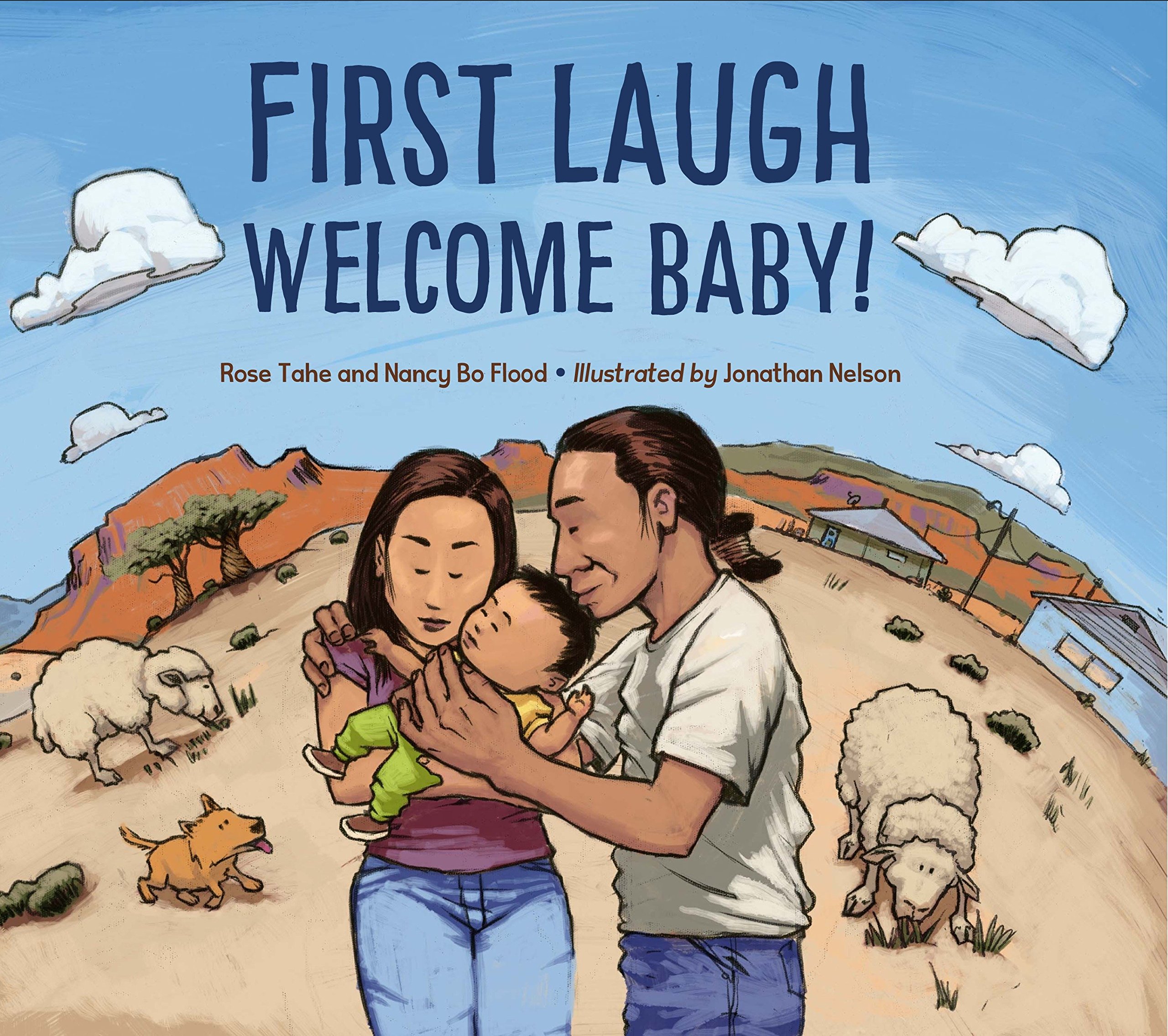
First Laugh Welcome, Baby!, by Rose Ann Tahe and Nancy Bo Flood/Illustrated by Jonathan Nelson, (Aug. 2018, Charlesbridge), $16.99, ISBN: 9781580897945

Ages 5-8

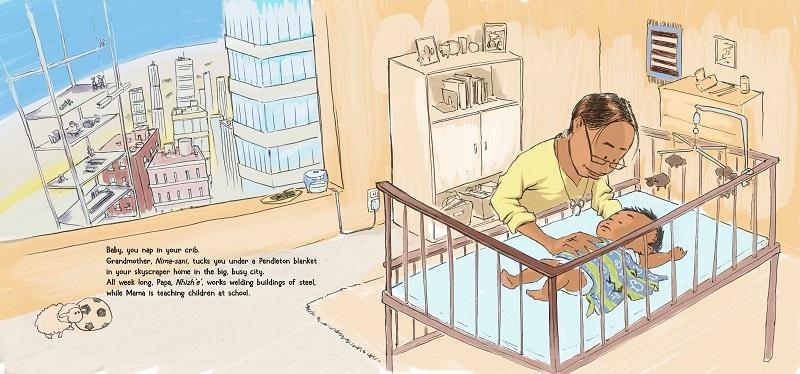
A Navajo family waits for baby’s first laugh. Who will be the first to hear it? Will nima-sami (grandmother) hear it, as she tucks Baby in for a nap? Will it be big sister (nadi), who cooks Baby a tasty meal? Maybe it will be nima (mama), who sits weaving while Baby rests in a papoose. Or will it be cheii (grandpa), who splashes Baby with water? Everyone in the family is waiting, kissing, tickling, hugging, and singing, as Baby squirms, yawns, frowns, until… suddenly… a smile! Let the First Laugh celebration begin!

First Laugh Welcome, Baby is a beautiful look at a Navajo tradition; the First Laugh Celebration is a child’s first formal welcome into a family and clans. The lyrical story is filled with Navajo words and glimpses of Navajo life, woven into a story about the joy of a baby’s first laugh and the celebration it brings to families and communities. Jonathan Nelson’s pencil, acrylic, and Photoshop artwork create a loving portrait of a family that spends time together both in the city and on a Navajo reservation; they eat together, enjoy nature together, and socialize together in settings primarily illustrated with earthy tones and bold lines.

Back matter includes author’s notes from the late Rose Ann Tahe and Nancy Bo Flood, and an illustrator’s note from Jonathan Nelson; a note about the First Laugh Celebration, and ceremonies in other cultures, including Muslim, Nigerian, and Jewish families.

Nancy Bo Flood’s Soldier Sister, Fly Home is a powerful middle grade story about a Navajo family; First Laugh is a wonderful picture book that introduces younger readers to First Nation families. Please, please, please, put these and other books by indigenous authors and illustrators in your bookshelves and in front of your readers.

Posted in Fiction, Intermediate, picture books, Preschool Reads

August Picture Book Rundown

Loretta’s Gift, by Pat Zietlow Miller/Illustrated by Alea Marley, (Aug. 2018, little bee books), $17.99, ISBN: 978-1499806816

Recommended for readers 4-8

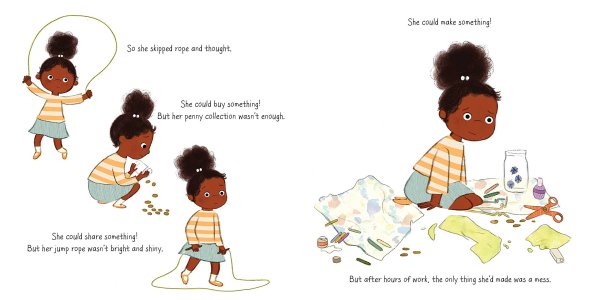
Loretta is a little girl who’s so excited when she learns that her aunt and uncle are having a baby! Everyone is busy getting ready for the baby; making things, buying things, preparing a room, but try as she might, Loretta can’t seem to make the perfect gift. When Baby Gabe is born, Loretta feeds with him and plays with him; she adores him and he has the biggest smiles for her. At Gabe’s first birthday party, Loretta is sad that she doesn’t have a gift for him yet, but when he falls and hurts himself, Loretta knows just what to do. Turns out, love is the best gift of all.

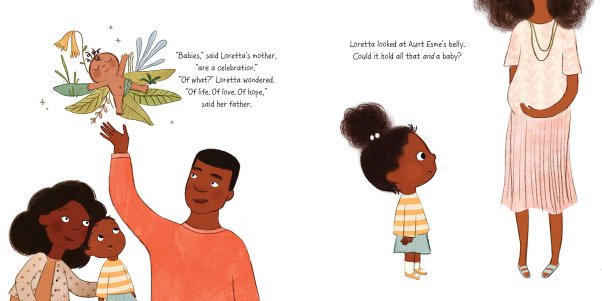
This gentle story is a sweet way to show kids that the best gifts aren’t bought; they’re already with us. Loretta’s capacity to love Gabe, to make him smile and laugh, and to comfort him, is a gift that means more to him than any toy that will break or be forgotten. The story delivers this message in the most loving of ways, while showing readers about the exciting preparations made for a new baby: the room decorating, the knitting, the collection of family photos, even wrestling with putting together the crib. Getting ready to welcome Gabe involves the whole family. Loretta’s parents makes the wonderful statement that “Babies are a celebration… of love. Of Life. Of hope”, and Loretta’s first response is to look at her aunt’s belly and wonder if all of that and a baby could fit in one belly? It’s an adorable and perfectly childlike reaction.

The artwork is warm, with earthy shades of green, orange, and muted, darker colors; there are some great textured patterns that make me think there may be some collage here. The illustrations give a comfortable, close feel to the story.

Loretta’s Gift is a nice addition to New Baby collections, and a good big brother/sister/relative gift idea.
 

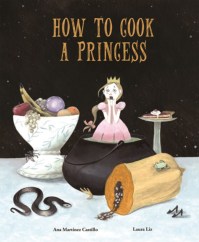
How to Cook a Princess, by Ana Martinez Castillo/Illustrated by Laura Liz, Translated by Ben Dawlatly (Aug. 2018, nubeOCHO), $16.96, ISBN: 9788494692642

Recommended for ages 7-10

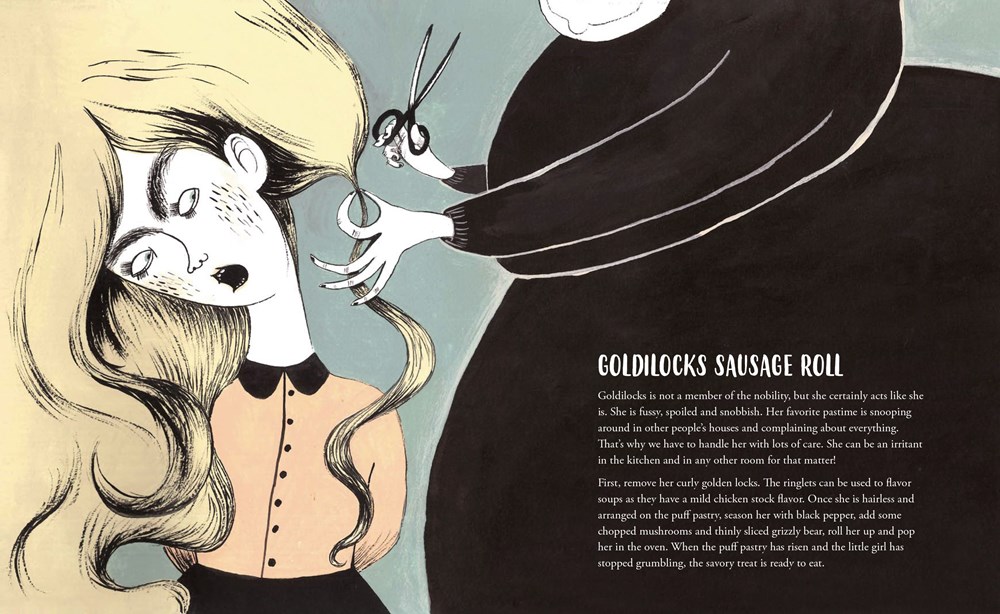
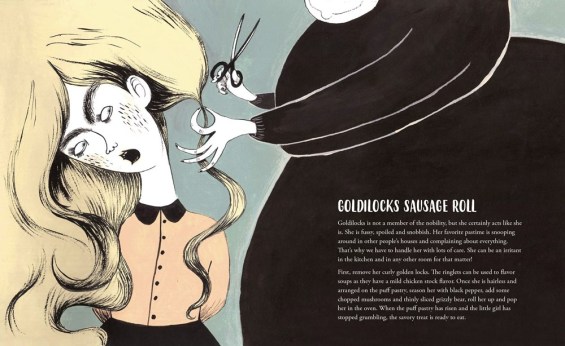
Dark fantasy fans with a morbid sense of humor, this one’s for you. No handsome princes are saving the day here: he’s likely to end up in a stew or as a side dish (with frog legs, to be precise). Gingrich the witch is famous for her recipes, and she dishes all here, where she cooks up the best of fairytale royalty. You’ll learn what kitchen utensils are best (a cage should have 12 padlocks and 2 chains, to prevent sneaky princesses from escaping) and how to trap a princess; there are recipes, like the Snow White Stew, which also gives a shout-out to the dwarves for their skill in rearing organic, free-range princess; and there are tasty treats, like little pigs, fairy godmothers, Puss in Boots, and, yes, Prince Charmings. It goes without saying that this hilarious book is best served with a side of tongue in cheek. The pencil artwork is loaded with gasps from horrified – or, really, more very annoyed – princesses and dark shades. This is a book of fairy tales for kids who don’t think they like fairy tales. Booktalk this one with The Lunch Witch graphic novels. How to Cook a Princess was originally released in Spanish in 2017.

 

A Place for Pluto, by Stef Wade/Illustrated by Melanie Demmer, (Aug. 2018, Capstone), $15.95, ISBN: 978-1-68446-004-5

Ages 5-8

Pluto is a happy little planet; he’s one of the famous Nine and life’s all good until the day the news breaks: he’s not a planet anymore. He’s confused and sad, and wanders around the universe trying to figure out where he fits in: can he be a comet, like his buddy, Haley? How about a meteoroid or an asteroid? Just when Pluto doesn’t think he fits in anywhere, he meets a whole new group of friends who are just like him: the dwarf planets! This book is just adorable, and it’s my son’s favorite of the BookExpo 2018 haul. It’s a smart approach to explaining Pluto’s history to readers, with a timeline (1930 – Pluto’s a planet! 2006 – Nope, it’s not!) and information on what makes Pluto, Ceres, Eris, Makemake, and Haumea dwarf planets, as opposed to part of the Big Nine. With an upbeat messages about identity, acceptance, and friendship, and adorable artwork, this is a must-add to your planet books. (We sing They Might Be Giants’ “How Many Planets?” planet song – modified to include all the dwarf planets, Haley’s comet, and a few galaxies – at home, after reading this one.)

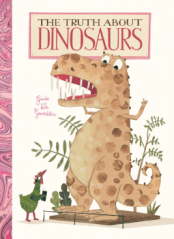


The Truth About Dinosaurs, by Guido van Genechten, (Aug. 2018, Clavis Publishing), $18.95, ISBN: 978-1-60537-423-9

Ages 5-10

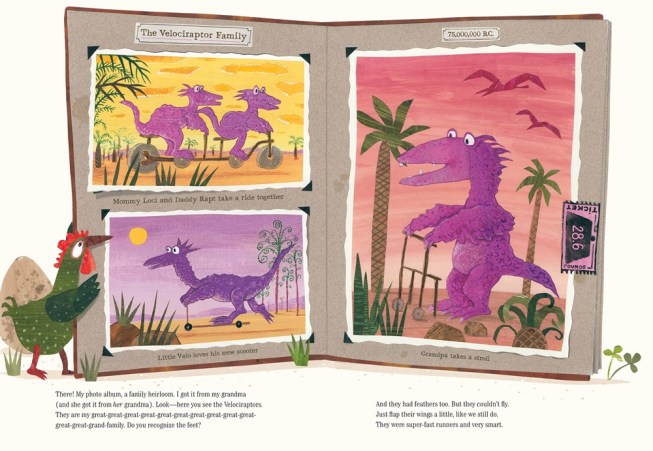
A chicken walks readers through its family history to prove that they are descended from dinosaurs. Family resemblances include has similar feet and feathers, in addition to that whole egg-hatching business. Presented as a family album, The Truth About Dinosaurs is a fun introduction to dino science for readers, with an accessible illustration of evolution from dinosaur to modern-day birds, and ends with the chicken hatching a rather large dino egg. Guido van Genecthen uses earth tones and his cartoony look to make non-threatening dinosaurs, and the green chicken is an amusing host to the book. The scrapbook features BC dates when showing off the “family photos” throughout history, and each dinosaur’s weight appears on tags that look like amusement part tickets. It’s a cute, additional add for your dino collections.
 

Maximillian Villainous, by Margaret Chiu Greanias/Illustrated by Lesley Breen Withrow, (Aug. 2018, Running Press Kids), $16.99, ISBN: 9780762462971

Ages 5-8

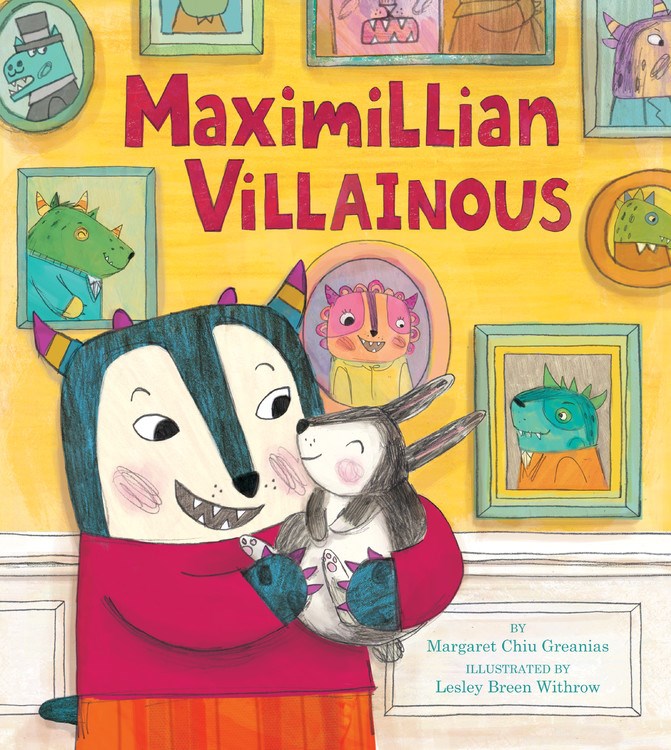
Poor Maximillian Villainous! He’s from a long line of villainous monsters, but he doesn’t have it in him to be mean. He always finds a way to make up for things his family does, like giving Santa Claus the keys to the family car when his father stole Santa’s sleigh, or sending Mother Nature to a spa when his mother stole her powers. But when his family threatens to get rid of his pet bunny – it’s not a suitably villainous sidekick – he promises to succeed at three evil tasks to make things right. He’s got to steal something; make someone cry, and gain fame by being devious. What his family doesn’t realize is how open to interpretation that is! Maximillian Villainous is a sweet story about being true to oneself, accepting who you are – even if that’s different from how those around you think you should be – and the wonderful power of kind acts. The storytelling is light and plays with interpretation, and the artwork reminds me of Richard Scarry’s bold colors and big facial expressions. Pair this one with Mo Willems’ Leonardo the Terrible Monster for some monsters that aren’t really very monstrous.


That’s a taste of what August has in store. What books are you excited for?
Posted in Fiction, Middle Grade, picture books, Preschool Reads, Toddler Reads, Tween Reads

Book List for Beginning Activists

It’s getting harder and harder, waking up to the world we’re living in today. Some of our best defenses are, and will always be, empathy and information. I was inspired to create my own list of books to cultivate young activists by CuriousCity’s Books for All of Us post; I hope these books inspire you, too. Remember what J.R.R. Tolkien told us: even the smallest person can change the course of the future.


A is for Activist, by Innosanto Nagara, (Nov. 2013, Triangle Square), $9.40, ISBN: 978-1609805395

Available in board book or hardcover, A is for Activist is a rhyming abcedary of activism. The book introduces little ones to ideas like Co-Op, Equal Rights, Grassroots, Indigenous, and Justice. Best for pre-k and up in terms of grasping the concepts, but it’s never too early to get an ABC book in front of the little ones. The illustrations are loaded with new things to find with each reading.


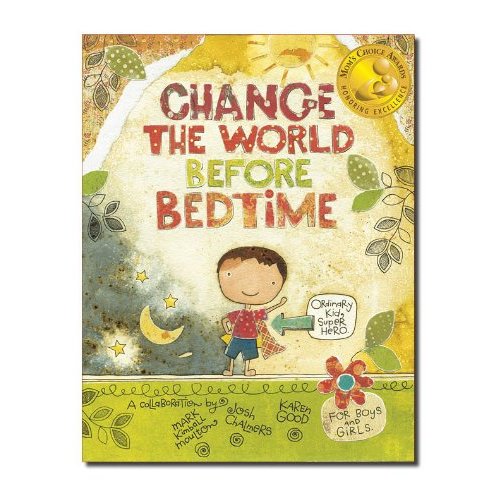
Change the World Before Bedtime, a collaboration by Mark Kimball Moulton, Josh Chalmers, and Karen Good (Schiffer Publishing, 2012). $16.99, ISBN: 978-0764342387

One of my storytime constants, Change the World Before Bedtime is loaded with ways for kids to make positive changes in their world, from eating locally to visiting a sick friend, to donating money from a lemonade stand to a good cause. It’s another rhyming text, with homespun, cozy artwork that immediately evokes the warm fuzzies.


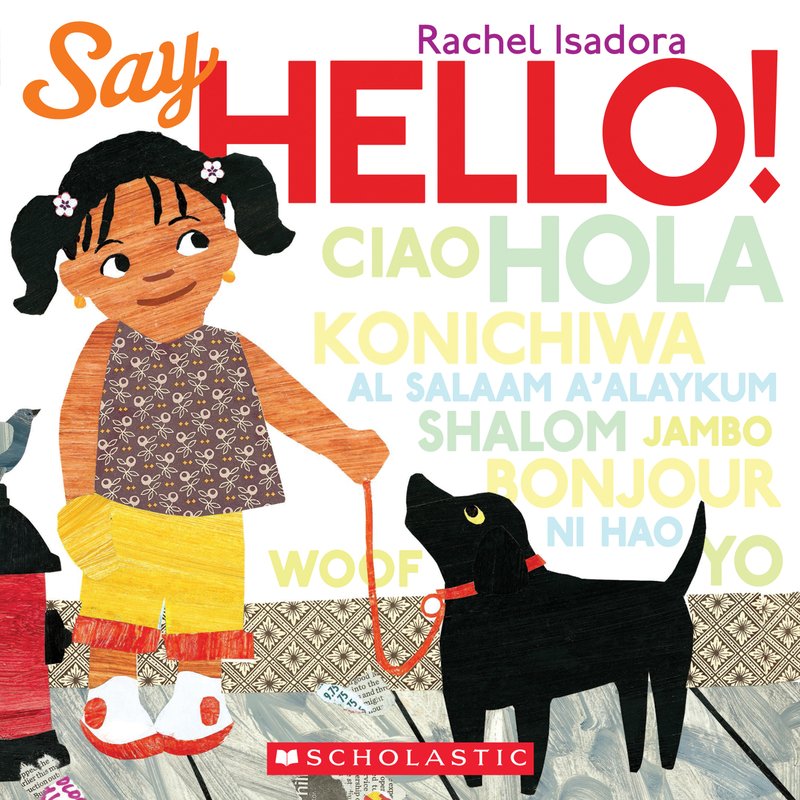
Say Hello!, by Rachel Isadora, (Apr. 2010, GP Putnam), $14.95, ISBN: 978-0399252303

Everyday activism! Carmelita is a little girl going to visit her abuela. As she walks through her neighborhood, she and her neighbors greet one another in their native languages: “Buenos días!”, “Konichiwa!”, “Shalom!”, and other joyful salutations embrace the multicultural world in which we live. Say Hello! will have kids sharing their own greetings with one another.


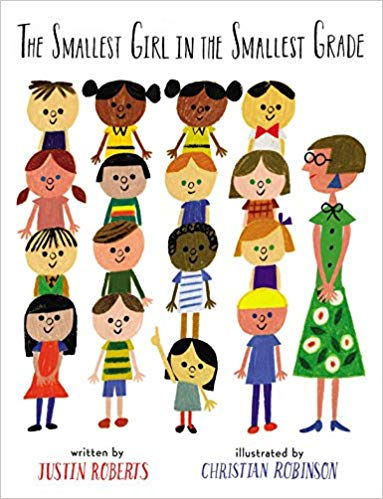
The Smallest Girl in the Smallest Grade, by Justin Roberts/Illustrated by Christian Robinson, (Sept. 2014, GP Putnam), $16.99, ISBN: 978-0399257438

Little Sally McCabe may be the smallest girl in the smallest grade, but she’s making big things happen when she decides to speak up when she sees bullying at the playground. This rhyming story lets kids of all sizes know that we can all make a difference.


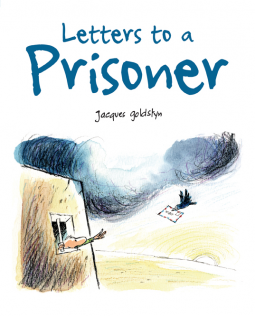
Letters to a Prisoner, by Jacques Goldstyn, (Sept. 2017, OwlKids Books), $18.95, ISBN: 9781771472517

This wordless picture book is inspired by human rights organization Amnesty International’s letter writing campaigns. A man is arrested during a peaceful protests and languishes in jail. A cruel guard burns letters that would sustain the man, inspiring more letter writers to come together and create a winged army of written support that overwhelms the guard and lifts the prisoner up and away. The book illustrates the power of the written word to sustain as well as to take a stand.


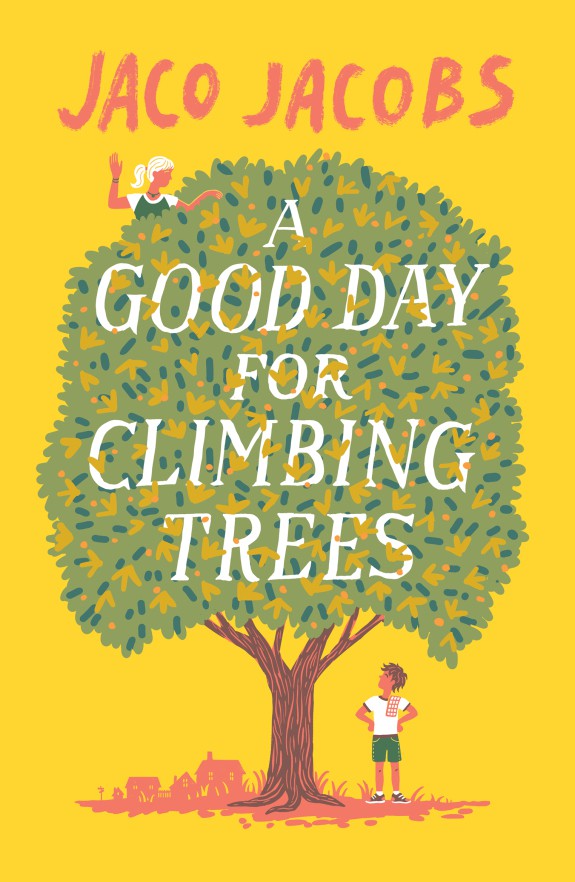
A Good Day for Climbing Trees, by Jaco Jacobs, Translated from Afrikaans by Kobus Geldenhuys/Illustrated by Jim Tierney, (Apr. 2018, One World Publications), $11.99, ISBN: 978-1-78607-317-4

Middle graders have more of a grasp on the world around them, can take action in different ways. Marnus, the 13-year-old protagonist in A Good Day for Climbing Trees, and a friend take action to save a local tree from demolition by petitioning and holding a sit-in, which alerts others to their cause. Readers get a more involved view of activism, and some potential results, here.


This is just a small handful of the growing number of books out there.  I encourage you all to read these books, read them to your kids, and add them to your collections.


Posted in Intermediate, Middle Grade, Non-fiction, Non-Fiction, picture books

H is for Haiku and the magic of the small moment

H is for Haiku, by Sydell Rosenberg/Illustrated by Sawsan Chalabi, (Apr. 2018, Penny Candy Books), $16.95, ISBN: 978-0998799971

Ages 5+

Sydell “Syd” Rosenberg, who lived, wrote, and taught in New York City. Syd passed away in 1996, but her daughter, Amy Losak, made it her mission to see her mother’s work published. H is for Haiku, is a fun, illustrated book containing 26 “small moments” haiku: little slices of daily life. As Ms. Losak notes in her introduction, “Haiku poems make small moments big”.

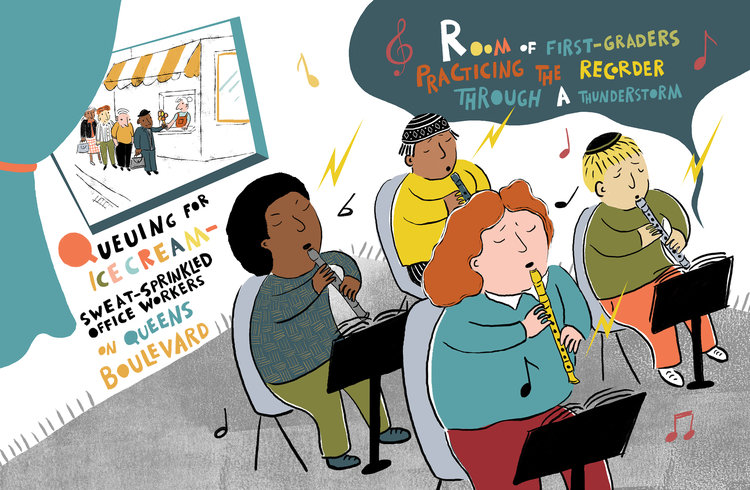
Reading H is for Haiku took me back to sons’ “small moments” units in elementary school. They and I both struggled with the idea of a small moment; often puzzling over the feedback, “no, smaller”. How could a trip to the grocery store get smaller? H is for Haiku is the book to go to for those moments: a cat dreams; rain water collects in an old watering can, a girl rides a bike downhill. Syd Rosenberg captures the magic in these tiny moments, finding the poetry in the everyday and illuminating them for readers. Sawsan Chalabi’s artwork is a treat, bringing creativity and movement to these magical moments with color and bold fonts.

A library card’s potential, through the eyes of a new reader. I want a print of this for my library!

This is so Queens. I love it. Book samples courtesy of Penny Candy Books.

This is a great way to bring poetry, particularly haiku, to kids. It’s a great way to explain small moment writing to students, too. Consider adding H is for Haiku to your collections, or giving a copy to your poetry readers. To see more of a illustrator Sawsan Chalabi’s work, visit her website; to learn more about Amy Losak and her mother’s haiku, visit the Penny Candy website.

Posted in picture books

Magnificent Creatures: Animals on the Move!

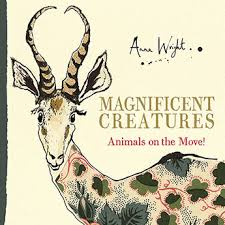
Magnificent Creatures: Animals on the Move!, by Anna Wright, (July 2018, Faber & Faber), $17.95, ISBN: 9780571330683
Ages 5-10

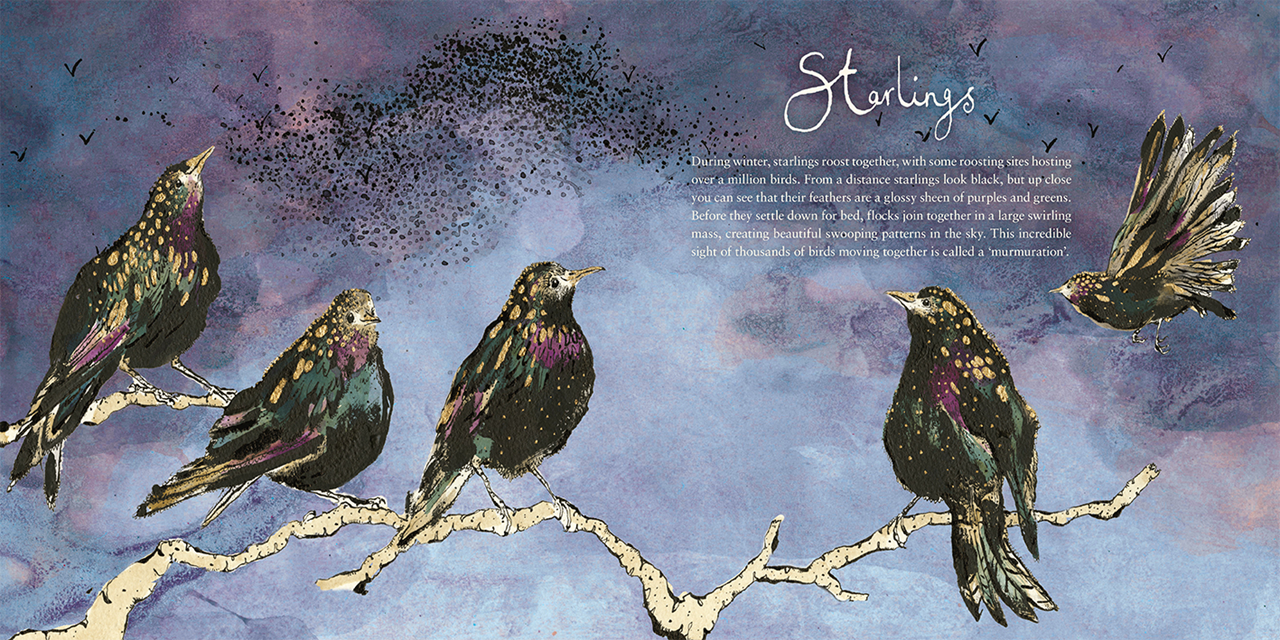
If you have readers who love beautiful illustration, this is a book for them (and you). Anna Wright’s Magnificent Creatures: Animals on the Move is all about beautiful design and illustrating movement and texture. Featuring 12 animals, from sea turtles and springboks, to Monarch butterflies and fireflies, each spread contains a brief explanatory paragraph on each animal, but the real star is the pen and ink illustration, enhanced with textiles to create stunning art. Springboks roam the African plains with striped and floral fabric bodies; checkered, chevroned, and polka dotted zebras spread out in search of food. Southern Carmine bee-eaters have a hint of gold crowning their feathered heads, and fireflies dance with gold leaf wings.

The art is beautiful and begs kids to use their own imagination, plus any scrapbooking paper, fabric, yarn, or ribbon you may have in your craft boxes, to create animals of their own. Could be a fun Summer Reading challenge! The text is easy to read and would be a nice, eye-catching addition to an animal storytime. There are some great, unique facts about each animal, too: every zebra’s stripe pattern is unique, like a human fingerprint; herring can swim in a school of up to 3 billion!
Pair this one with Helen Aphornsiri’s Drawn from Nature to let readers explore nature through artwork – from nature. Pair paper with leaves, flowers, sticks, and fabric to come up with 2-D and 3-D creations. Let your minds run wild! Get some more inspiration from Anna Wright’s website.

Posted in picture books, Preschool Reads

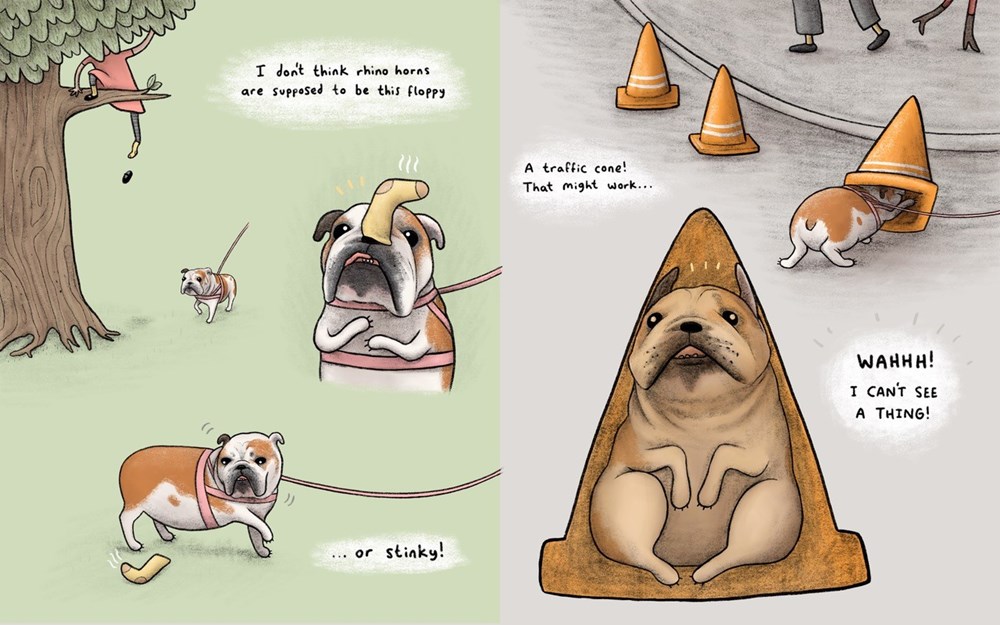
Doesn’t matter what you think you see, Lulu is a Rhinoceros.

Lulu is a Rhinoceros, by Jason Flom & Allison Flom/Illustrated by Sophie Corrigan, (June 2018, Wicked Cow Studios), $16.99, ISBN: 9780692070987

Ages 4-7

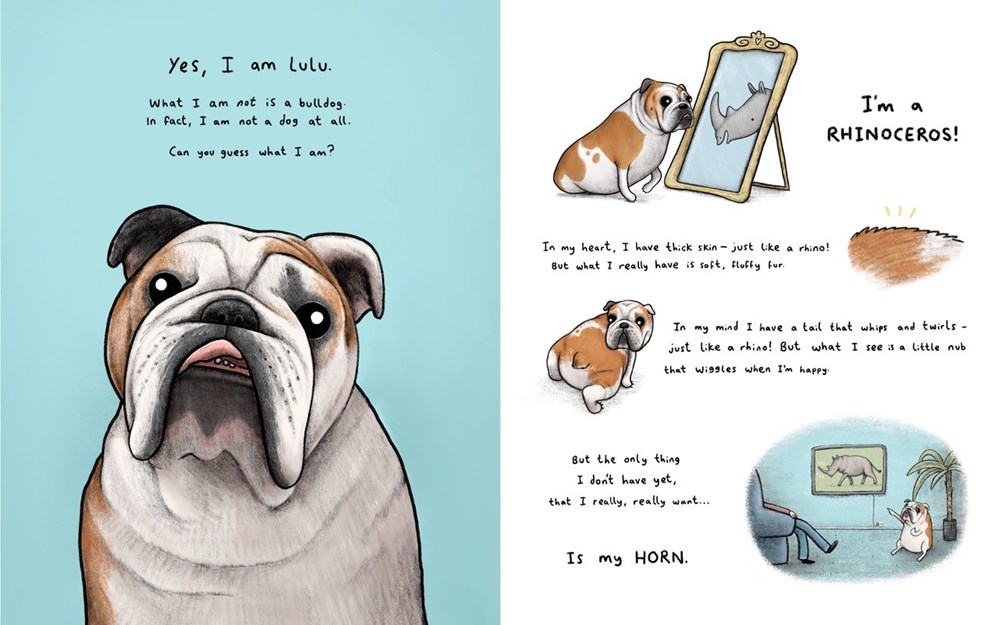
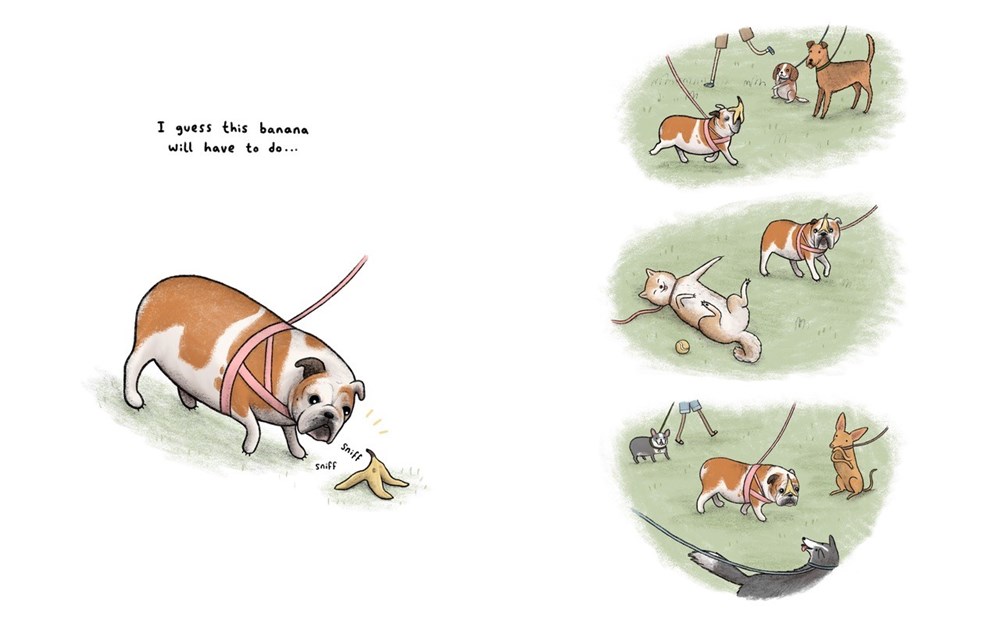
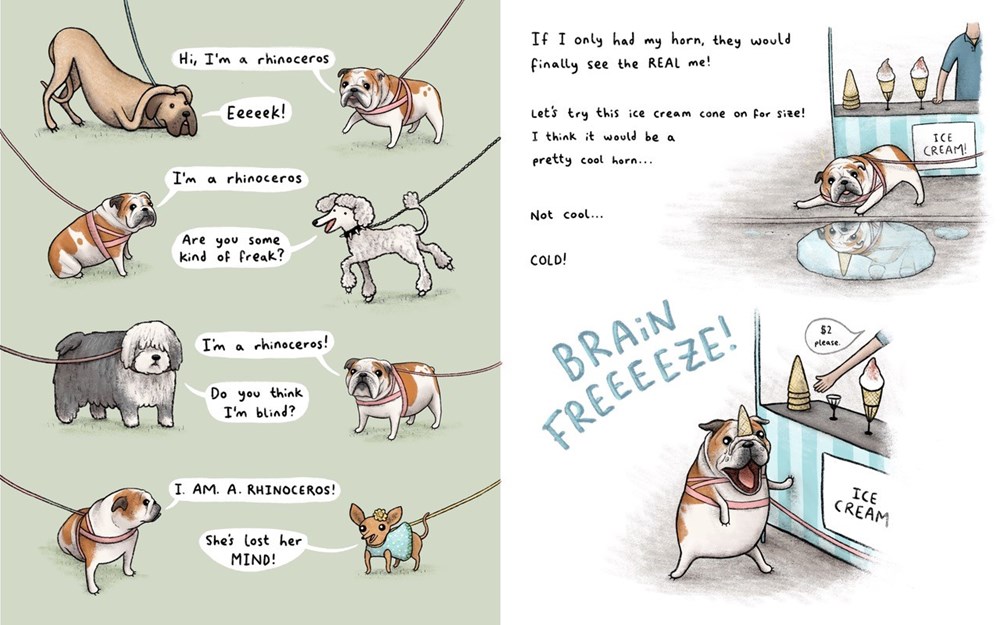
Lulu may look like an bulldog to you and me, but when she looks in the mirror, she sees a rhinoceros. In her heart, her fluffy, soft fur is really thick skin, and her nubby little tail is actually whiplike. The only thing she needs is a horn: then everyone will know she’s really a rhino! But as she searches for her horn, others laugh at her and cruelly mock her; her Cinderella-like search for the perfect horn takes a few sweet, giggle-worthy turns, especially at the ice cream cart. When Lulu wanders into a rhino enclosure at a zoo, she meets a friend who uses common sense to see her for who she is, and they come together to form a mutually beneficial, wonderful, friendship.

This sweet story is perfect for everyone: in addition to addressing gender identity, Lulu speaks to readers who don’t feel like they quite fit in; readers who don’t want to go with the crowd. The message is strong: be true to yourself. It also extols the virtue of finding – or being – that one friend who can see through the exterior to who you are inside. The softly drawn artwork has muted colors, bringing a sense of calm to the story and allows readers to focus on Lulu’s internal dialogue. The story addresses social issues like introspection, friendship, social issues, tolerance, and yes, gender identity, and I love it. A portion of all the proceeds from sales of Lulu is a Rhinoceros are being donated to the African Wildlife Foundation to help protect Africa’s endangered wildlife and their habitat, so you’re doing two good deeds by buying the book! There’s an interview with authors Jason and Allison Flom (with real-life Lulu!) on the African Wildlife Foundation’s webpage. Pair this one with Bow-Wow Meow, by Blanca Lacasa.