Posted in picture books, Preschool Reads, Toddler Reads

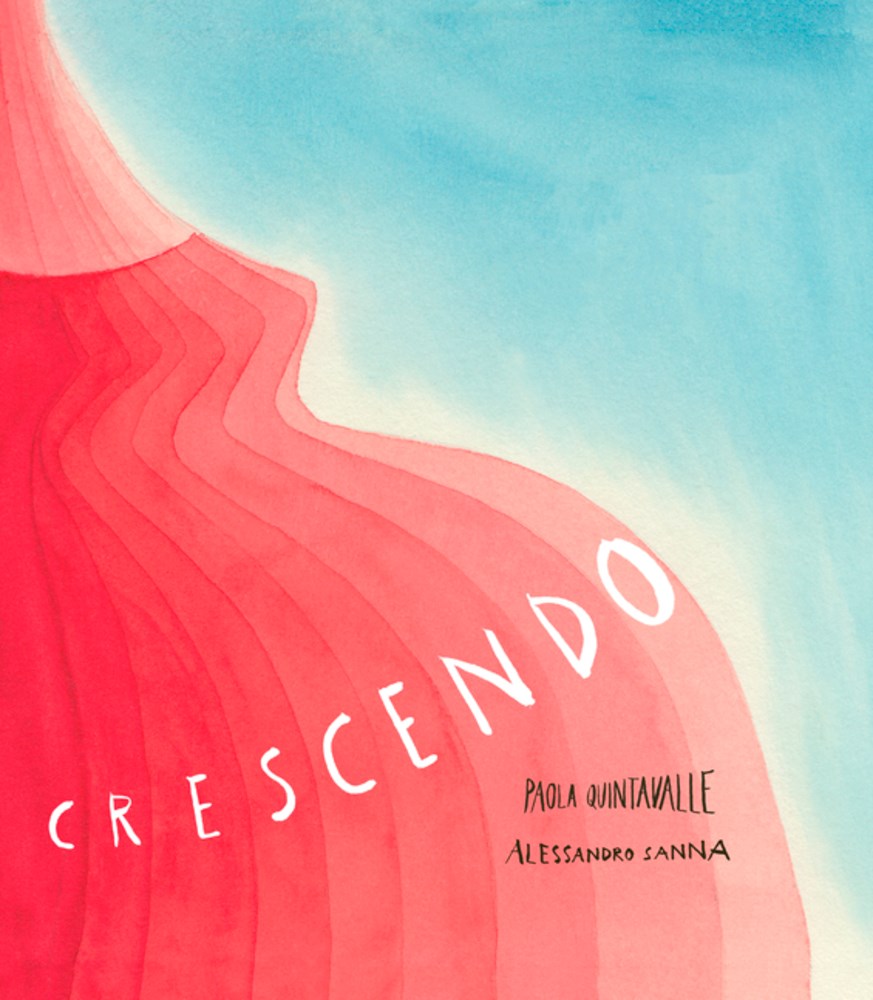
Crescendo, where a child is a symphony in composition

Crescendo, by Paola Quintavalle/Illustrated by Alessandro Sanna, (Feb. 2019, Enchanted Lion Books), $19.95, ISBN: 9781592702558

All ages

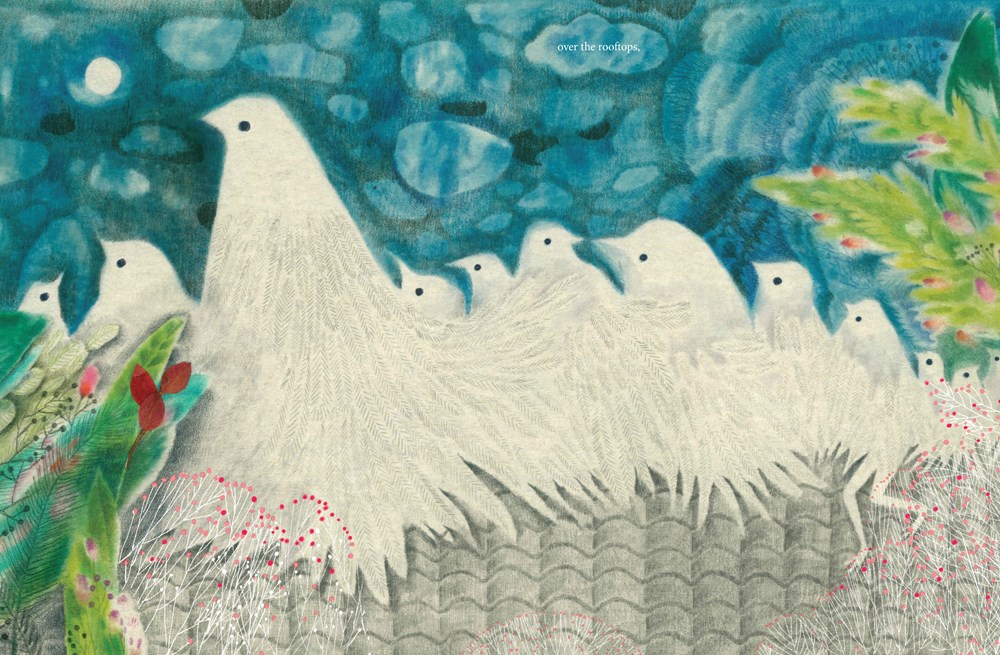
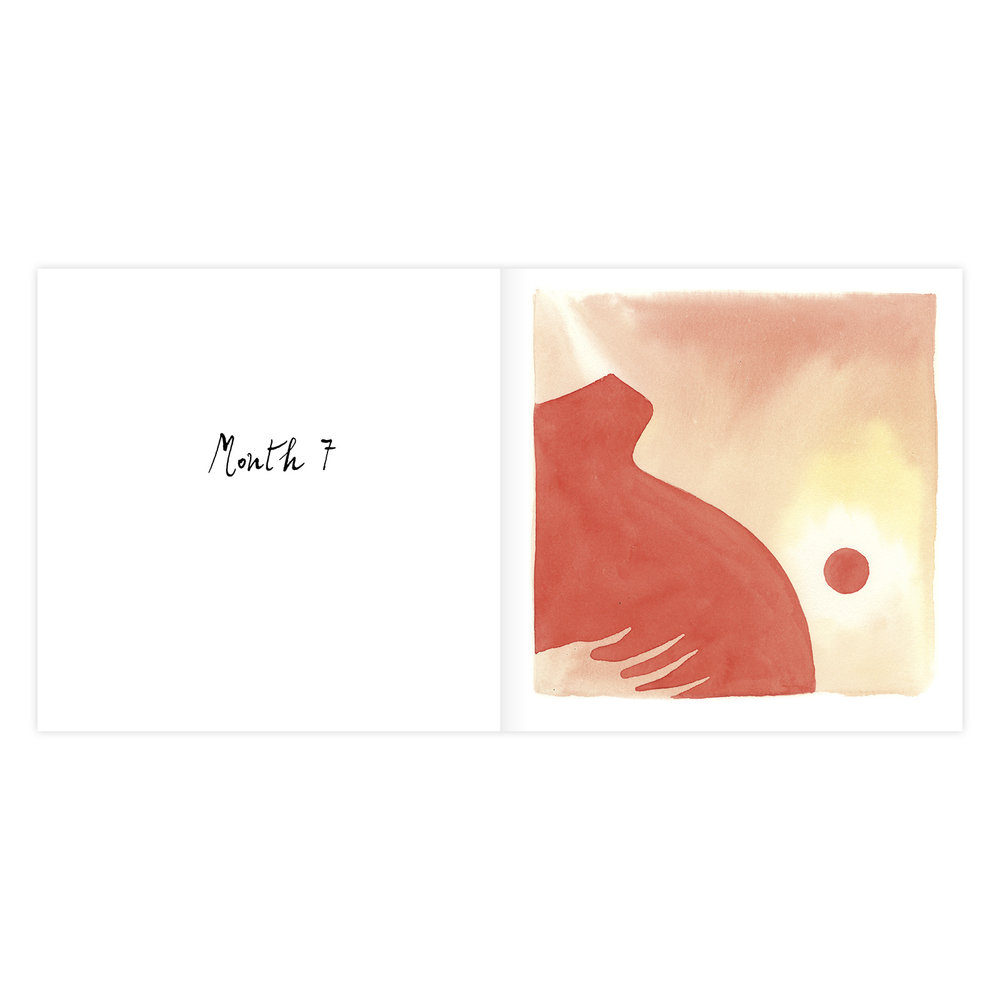
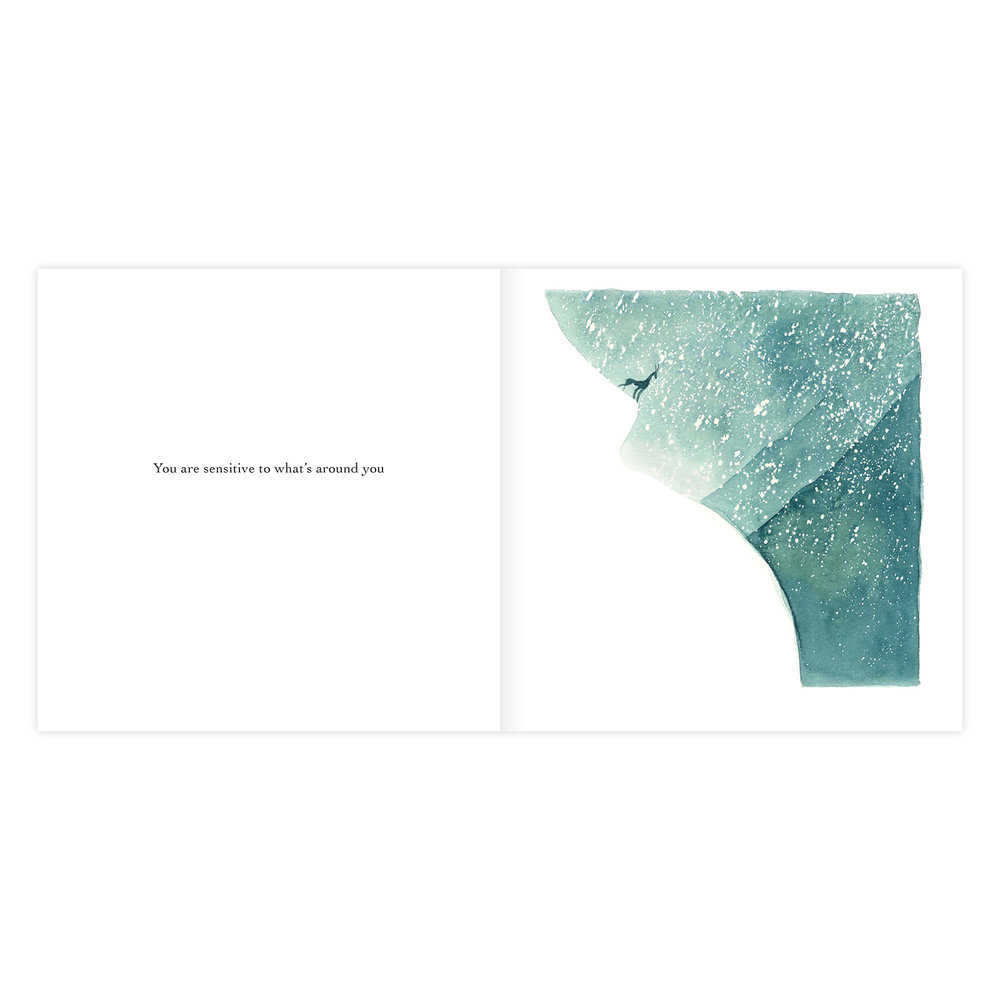
Written to a growing baby in utero, Crescendo beautifully marks milestones in development with loving observations and illustrations. Each spread reflects on a week of pregnancy, with each month presenting a woman in side view, her body growing to accommodate her baby and forming a landscape upon which birds soar, plants bloom, and horses roam. Beginning with the fifth week of pregnancy: “you are as big as a sesame seed”, the text is beautifully presented as a mother’s thoughts. At week 20, “patterns are drawn on your fingertips for you and you alone”; at week 27, “you cannot see, but you sense the light”. At week 39, “Mother earth is ready to greet you”, and at week 40, mother holds baby and the text reads, “And so am I”.

This is a great baby shower gift, and a lovely book to return to time and again, curled up with your baby and child as they grow, revisiting the magic of “when I lived in your belly”. It’s a beautiful journal of pregnancy and birth, filled with wonder. Back matter that includes a month-by-month breakdown of developmental milestones that inspired the text. The watercolor artwork is almost ethereal, with muted, washed out color that soothes. Originally released in Italy, Crescendo is a book that would make for a cuddly Mommy and Me storytime and would pair nicely with Kate Hosford’s Mama’s Belly and Thrity Umrigar’s When I Carried You in My Belly.

Posted in picture books

Black History, Baseball, and Boston: Waiting for Pumpsie

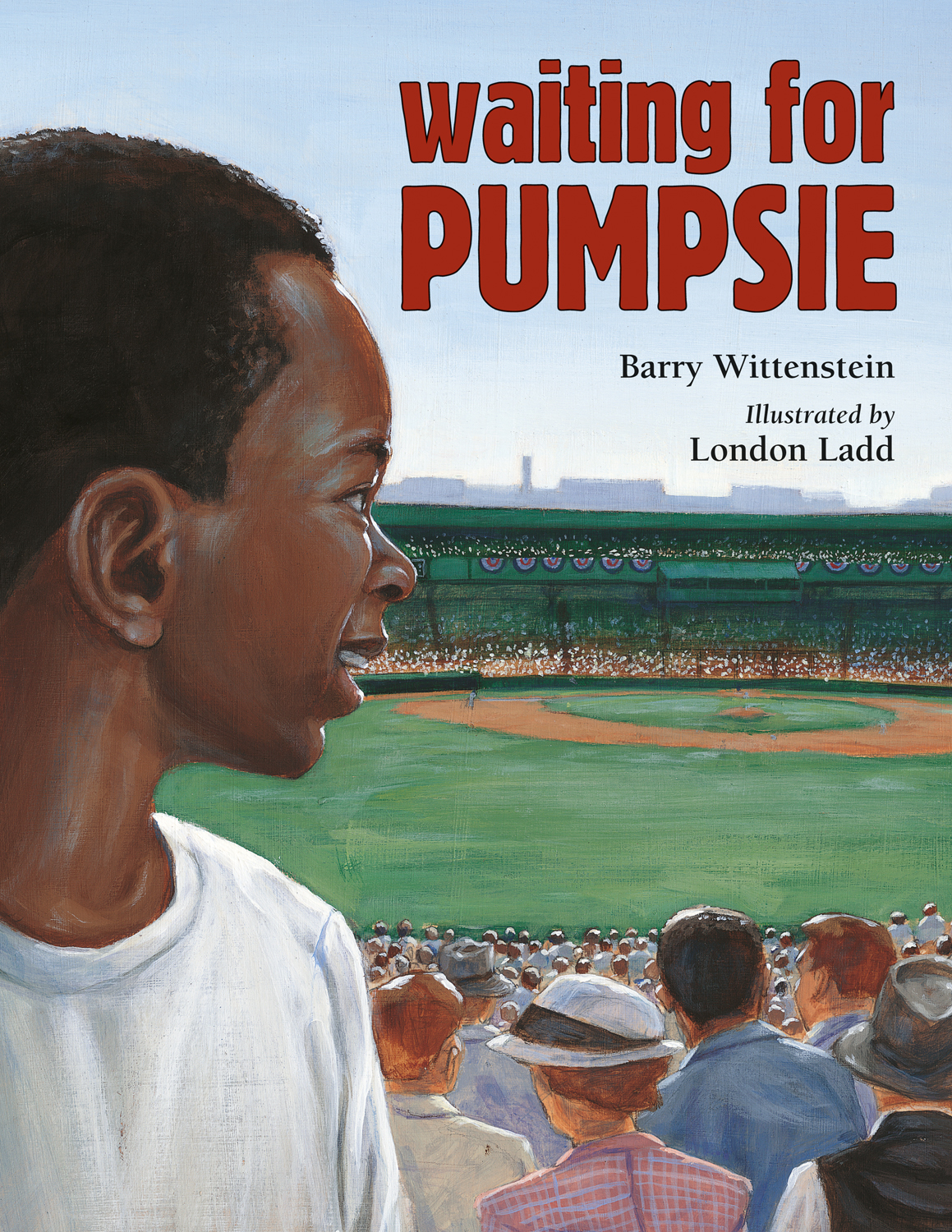
Waiting for Pumpsie, by Barry Wittenstein/Illustrated by London Ladd, (Feb. 2017, Charlesbridge), $16.99, ISBN: 9781580895453

Ages 5-9

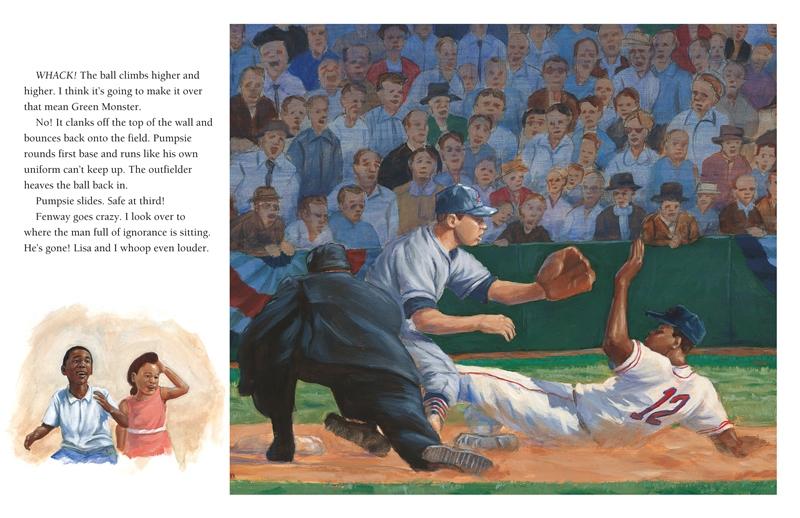
It’s 1959, and Bernard is a kid living in Boston who is crazy for the Red Sox. As much as he loves the Sox, though, he doesn’t understand why the Giants have Willie Mays, and the Dodgers had Jackie Robinson, but the Sox don’t have a black player. His dad agrees that it’s an excellent question, but seemingly one with no answer. Bernard and his baseball-loving family head to to Fenway Park for a Red Sox vs. New York Yankees game, but when the family cheers for Yankee Elston Howard – Mama encourages Bernard and his family to cheer for every African-American player, regardless of their team – they’re shouted down by a white fan, who tosses in a slur or two; a police officer tells Bernard and his family that “you people need to learn how to behave”, without a word to the instigator. Mama says change is coming soon, but Bernard has a hard time believing it when things like this happen, and when the Sox won’t even sign a black player. That changes when Pumpsie Green, a black player in the minor leagues, starts making the news. The Red Sox management seem to be dragging their feet on Pumpsie, and the fans – black AND white alike – start putting public pressure on the team to give Pumpsie a chance. It works, and Bernard and his family gather around the radio to listen to Pumpsie’s first game, an away game in Chicago. The Red Sox lose, but Pumpsie’s arrival is selling tickets and making news. Bernard and his family make sure to be at the next home game, to cheer on Pumpsie, and Bernard gets to see him play and see the Sox win! As Bernard heads home, he sees fans waving Pumpsie flags and holding up a picture of Ted Williams and Pumpsie, together in the dugout. Bernard has hope for the future. Looks like Mama was right after all.
Based on the story of baseball player Pumpsie Green’s 1959 arrival in Major League Baseball, Waiting for Pumpsie is powerful because it’s shown through a child’s eyes. Told in the first person by Bernard, we see how important representation is. Bernard says, after seeing Pumpsie play, that “one day, I’ll tell my kids how long we waited for Pumpsie Green. I’ll tell them how he dug his heels into the batter’s box. I’ll tell them how I pretended it was me, Bernard, sliding into third”. He and his family cheer for every African-American player, regardless of team affiliation, because they support civil rights and integration. It was time. It was long past time. An author’s note offers a little background on Pumpsie Green and the Red Sox’s long refusal to sign players of color, and the role of civil rights and fan pressure in their decision. There are some good sources for further reading. There’s a free, downloadable curriculum guide available.

The acrylic paint artwork uses warm colors and gives a vintage feel to the book, with baseball cards and tickets lending a scrapbook feel within the larger story.  If you don’t already have this in your collection, get it in there. Waiting for Pumpsie has a starred review from Kirkus.

Barry Wittenstein has tended bar, driven a taxi, worked at CBS Records and CBS News back in the day, spent a decade writing music and lyrics, toiled six years as a web editor and writer for Major League Baseball, and three years as a substitute elementary school teacher.  He could be Walter Mitty’s brother.
Barry loves to write narrative nonfiction picture books. He is the author of Waiting for Pumpsie and The Boo-Boos That Changed the World. In 2019, he will publish two more nonfiction picture books—Sonny’s Bridge, about the legendary jazz saxophonist Sonny Rollins; and A Place to Land (with illustrations by Caldecott Medalist Jerry Pinkney) about how Martin Luther King Jr. wrote his “I Have a Dream” speech. He is currently working on a YA novel. He lives in New York City with his wife. To learn more, and to download free curriculum guides, visit his website: https://onedogwoof.com/ or follow him on Twitter: @bwittbooks
Posted in picture books, Preschool Reads

Concept Books for little learners

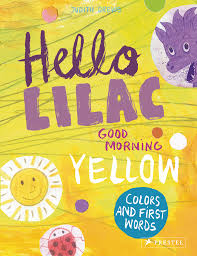
Hello Lilac Good Morning, Yellow: Colors and First Words, by Judith Drews, (Oct. 2018, Prestel), $14.95, ISBN: 9783791373515

Ages 3-6

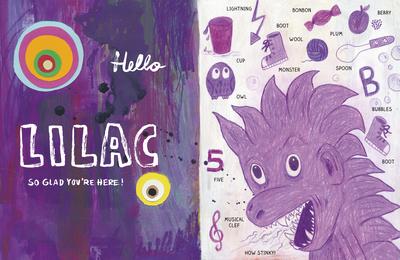
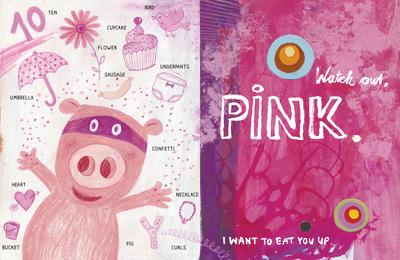
This cute book features eleven colors; one per each spread. There’s a warm greeting on one side, and objects showcasing the color on the other: “Good morning, Yellow! You glow so warm and bright”, with hand-drawn pictures of a lion, a construction helmet, lemon, and crown. It’s a lovely way to introduce colors; letting kids greet them and name a property of the color that makes them enjoyable: “Ahoy, Blue! I want to splash about in you”; “Hi, White! Where is your color?” Some object choices may leave readers scratching their heads; a syringe is included for White, and blood for Red; a screw falls under Black, which I tend to associate with Silver. I’m also not sure on how words like “trousers”, “domino tile”, and “fly agaric mushroom” are considered first words.

Overall, it’s a cute enough concept book for an additional add to collections, but there are other books that are better.


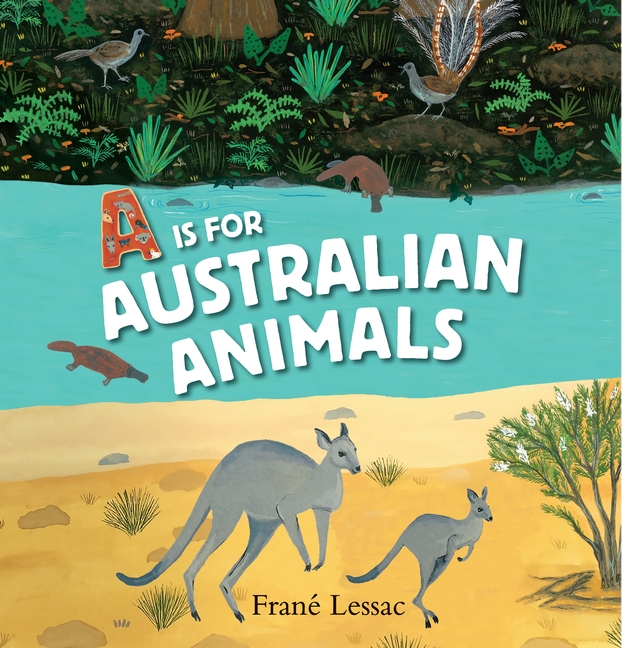
A is for Australian Mammals, by Frané Lessac, (Aug. 2018, Candlewick Press), $16.99, ISBN: 9780763694845

Ages 7-9

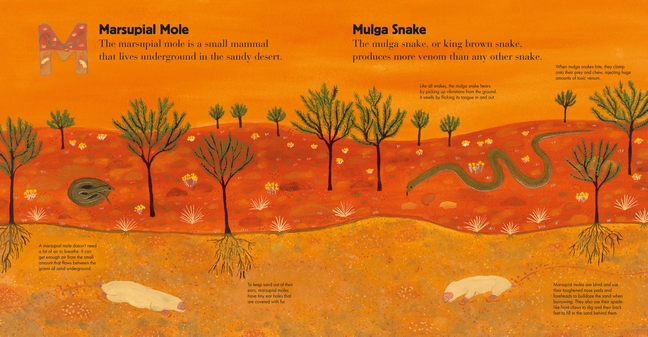
This book combines an abcedary for early readers with a geographic tour of Australia. There are 38 animals to be found here: tried and true favorites like the kangaroo, platypus, and koala are here, but there are other fantastic animals to be discovered, including the flying fox (it’s actually a huge bat); the red crab and robber crab (keep an eye on your valuables), a crayfish called the yabby, and the x-shaped crusader bug.  Loaded with facts about these Australian creatures, and featuring colorful gouache illustration, this one is a hit. Pull out some cool facts to share during a science storytime or Discovery Club program. Here’s one that will go over big with the kids in my library: “In a Tasmanian devil’s poop, a wildlife biologist discovered: the head of a tiger snake, an owl’s foot, a sock, aluminum foil, half a pencil, and the knee of a pair of jeans”. Also, a koala’s fingerprints are almost identical to human’s fingerprints. Back matter includes maps of animal distribution, highlighting areas where each animal can be found on the continent. There are free, downloadable teacher’s notes available through author Frané Lessac’s website. The Educate Empower blog has some great ways to use this book across subjects, too.

This is a fun add to your natural history books, and it doubles as a concept book for learning readers who can benefit from learning about exciting new animals and their names.


Posted in picture books, Preschool Reads

Bear parents: Just like us! Hush up and Hibernate

Hush Up and Hibernate, by Sandra Markle/Illustrated by Howard McWilliam, (Aug. 2018, Persnickety Press), $16.95, ISBN: 9781943978366

Ages 3-7

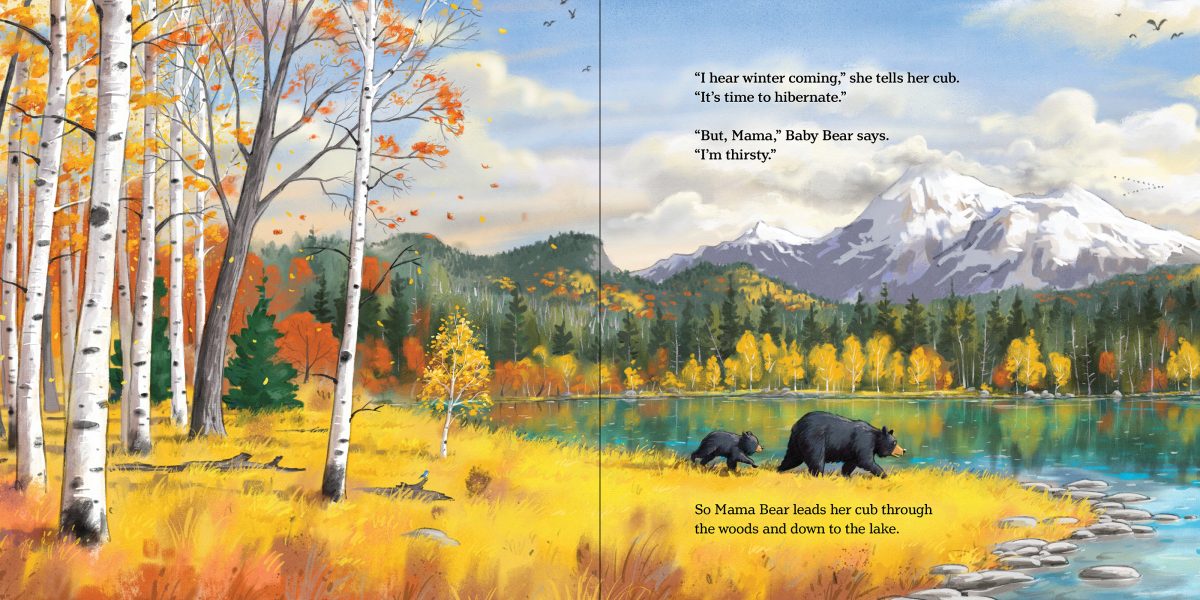
Parents and caregivers will love this one as much as their kids. Mama Bear knows that winter’s coming, and it’s time to hibernate, but Baby Bear is just not ready to go to sleep yet, and can’t understand why he can’t stay up all winter. So he asks for something to eat. And then he has to have something to drink. And then the bed is too hard. And he hasn’t said goodbye to all the other animals in the forest! Mama Bear has finally had E-NOUGH, and tells him, in no uncertain terms, that it is time for hibernating. While Baby Bear finally beds down for the winter, he manages to have the hilarious, adorable, last word.

Sandra Markle is a nonfiction maven, and Hush Up and Hibernate shows that she’s got fiction chops, too. She creates a situation that every parent and child will recognize – that bedtime back-and-forth – and makes it sweet, funny, and absolutely relatable to nature, both wild and human. What parent hasn’t said, “Okay, I’m going, bye now…” to their child, who refuses to leave with them? (My mom did it to me, and I see parents saying it to their kids at the library. We wink at each other and smile.) What parent hasn’t heard “One more hug”, “I need a glass of water”, “I need to go to the bathroom”, and “I need to say goodnight to my 100 stuffed animals/everyone in the house/the moon and each planet”?

The artwork is bold and warm, with Mama and Baby Bear’s black fur standing out against the changing seasonal colors. Expressive, big eyes let readers know what’s on each bear’s mind, and Mama Bear’s expression at the end is utterly relatable. Absolute fun for bedtime and anytime. Add this one to your collections.


Posted in Animal Fiction, picture books, Preschool Reads

Get down with Bear Moves!

Bear Moves, by Ben Bailey Smith/Illustrated by Sav Akyüz, (Oct. 2018, Candlewick), $15.99, ISBN: 9780763698317

Ages 3-7

This companion to I Am Bear (2016) gets kids up and dancing along with our favorite big, purple bear. Bear has some moves to tell you about, and this rhyming story has a beat that invites you to slip right into a rap/read. Bear – at first appearing in a white skinny tank and tidy whities – is here to dance. His squirrel and bunny assistants don’t seem too excited about the situation, but Bear won’t be denied. Hit the music and watch him bust a move; whether he’s Furry Breaking, holding a stance, doing the Running Bear, or the Robot. He finds a lady partner to tear up the floor with, but before too long, Bear is tuckered out, to the chagrin of his lady.

Big, bold colors and thick black lines make this an instant eye catcher, and the infectious rhyme makes this a storytime must. I just read this at a Saturday storytime, and the kids shrieked and giggled. You can’t sit still reading this book! Get the kiddos up and dancing; show them how to do a robot, and get them to pose in their best stance. Hilarious moments abound, including a quick snack break that takes Squirrel by surprise, and a trio of shaking booties twisting to the beat. This book is a workout and a storytime hit in one volume. An irresistible add to storytime and picture book collections.

Posted in picture books, Preschool Reads

Support Noodle Equality with Noodlephant!

Noodlephant, by Jacob Kramer/Illustrated by K-Fai Steele, (Jan. 2019, Enchanted Lion), $18.95, ISBN: 9781592702664

Ages 4-7

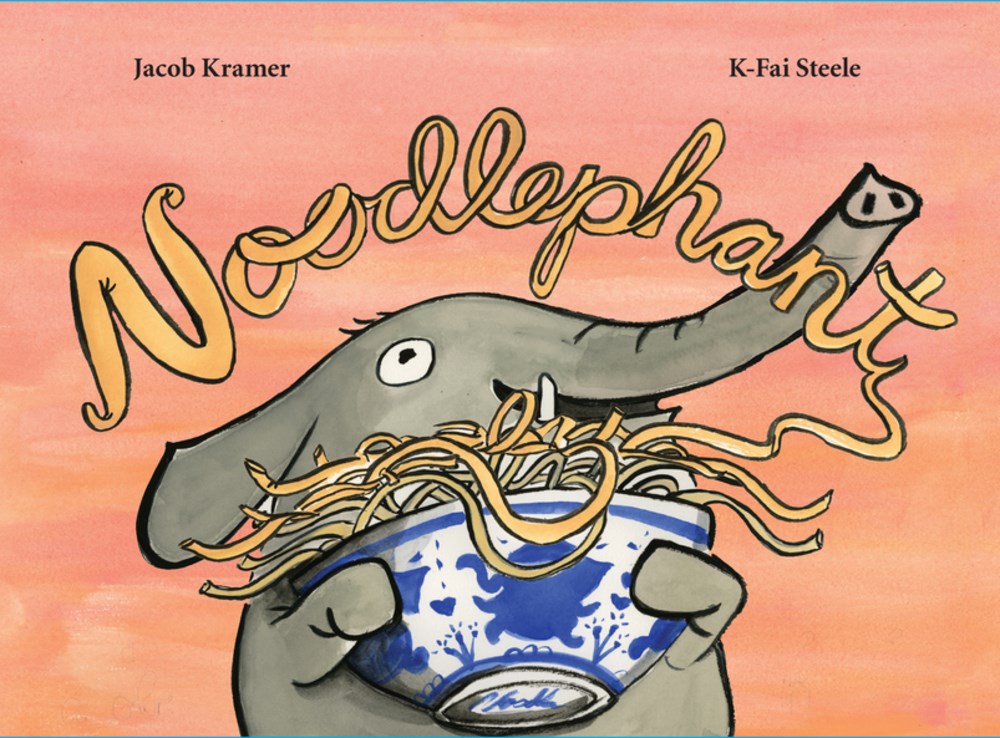
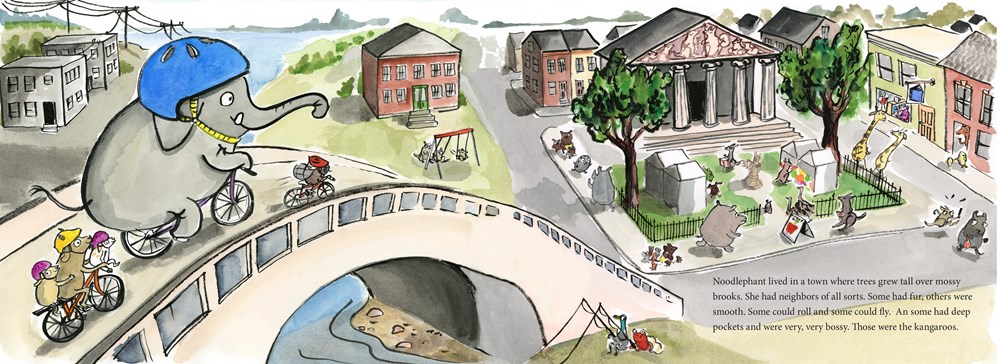
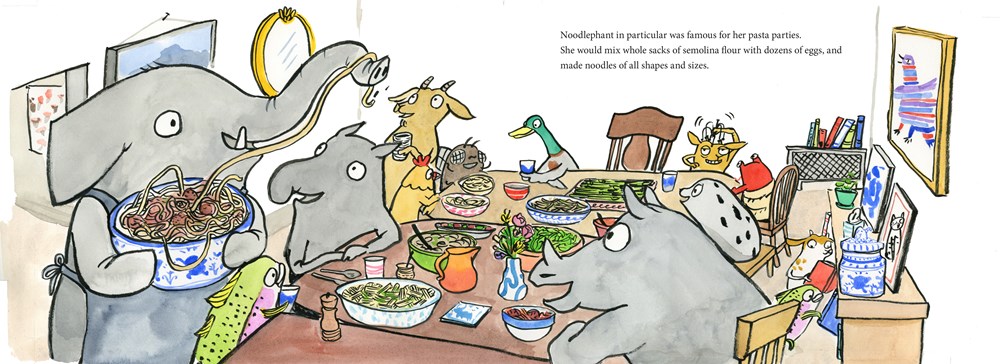
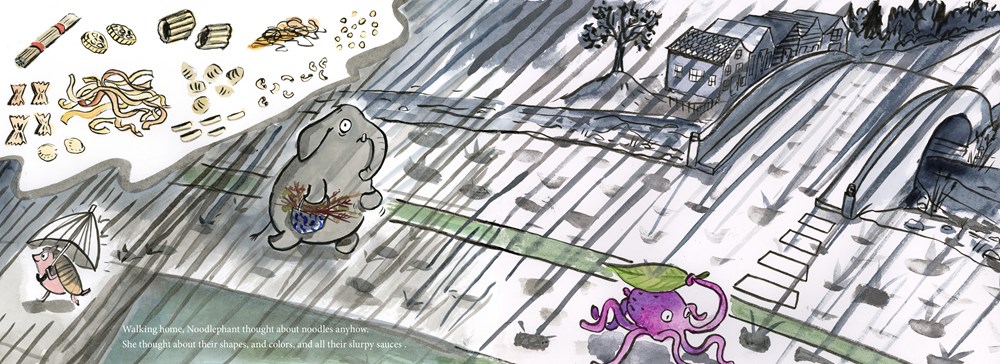
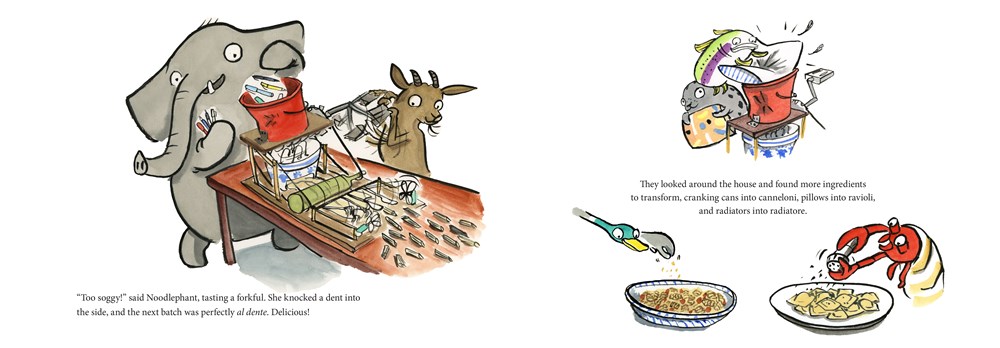
Noodlephant is an elephant who loves noodles – and she believes in sharing! Her noodle parties are all the rage, until the bossy kangaroos decide that only kangaroos get to eat noodles. Breaking the law will land offenders in “the zoo”: which isn’t a very fun place to be! Sticks and twigs don’t cut it for Noodelphant and her friends, so they invent the Phantastic Noodler, a machine that makes pasta out of anything put into it: pens turn into penne, cans into cannelloni, pillows into ravioli! The kangaroos are ready to make a bust – will kindness save the day?

Noodlephant is a fun, wacky look at creative civil disobedience and injustice. The kangaroos are oppressive and mean, forbidding other animals from enjoying anything the kangaroos deem exclusive to their little group. The pushback is creative and silly enough to get a laugh out of readers while encouraging them to think about bullying and exclusion. Occasional verse lends a subversive air that kids will understand and appreciate: “When the laws are so unjust, misbehavior is a must!” Sometimes, you just have to break the rules. K-Fai Steele’s cartoony art is bold, bright, and loaded with noodley fun.

Pair this one with Miranda Paul’s The Great Pasta Escape for a pasta-riffic storytime. A nice add to your picture book collections and a fun, discussion-provoking add to social justice storytime.


Posted in picture books

Crow Not Crow, birding, and a guest post from Jane Yolen!

Crow Not Crow, by Jane Yolen and Adam Stemple/Illustrated by Elizabeth Dulemba, (Aug. 2018, Cornell Lab Publishing Group), $16.95, ISBN: 978-1-943-645-31-2

Ages 5-9

Hi everyone! I hope you and yours are having a wonderful holiday season. I took a few days off from blogging to enjoy the chaos that is Christmas, but I’m back, with an armful of books to talk about. Today, I’ve got a book about birding, along with a guest post by author Jane Yolen, who’s basically a superhero in our home. Let’s dig right in.

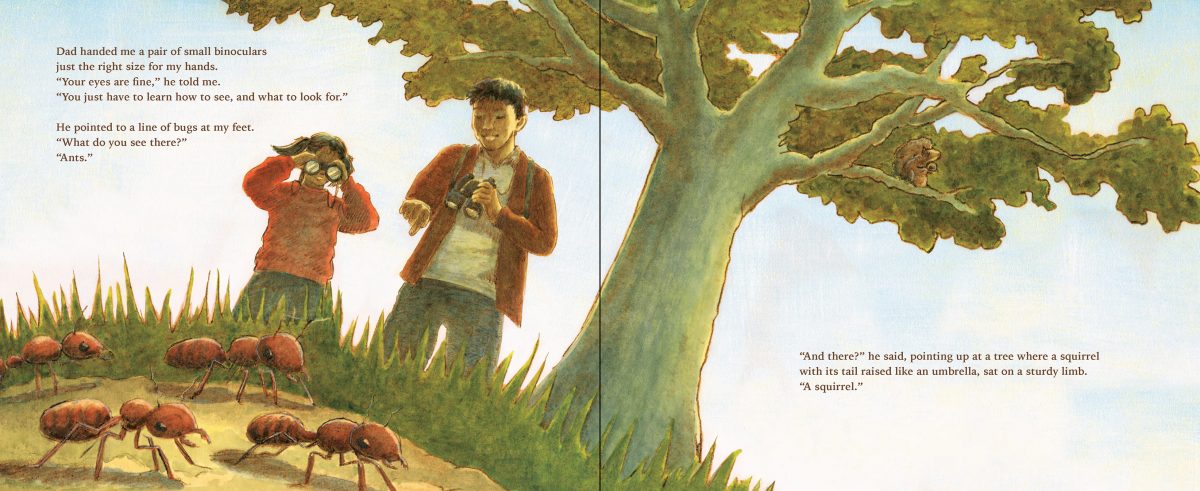
A dad and his daughter take a walk on a Fall day. She’s finally ready for her first birding walk – her brothers are all experts, but she thinks all the birds kind of look the same. Her dad teaches her a simple way to start identifying birds: Crow, Not Crow. Is it a crow? Dad asks leading questions as daughter looks on, describing identifying characteristics for the birds they encounter; he teaches her to look, really look, at colors, textures, beaks, wings – and boosts his daughter’s excitement and confidence as the story progresses. Back matter includes a section on the birds discovered in the book, split into “crow” and “not crows”. Download Cornell Lab’s Bird QR app to scan and hear bird calls for each bird.

I’ve enjoyed the Jane Yolen/Cornell Lab books. The nonfiction-fiction blend is a hit with my kids, and the artwork and words are soothing, calming, like a quiet morning. Crow Not Crow introduces birding to a young audience by giving them an accessible opening: identify a crow, note its characteristics, and go from there. Crow Not Crow teaches kids to be mindful and notice details, and creates a love and respect for nature within its pages. Elizabeth Dulemba’s color pencil artwork creates realistic, beautiful spreads with the birds taking center stage, and breathes life into a sweet story about a dad and his daughter spending a day together.

I’m thrilled that author Jane Yolen offered to write a guest post for MomReadIt! I hope you enjoy it as much as I do.

Everyone in my family is a birder, though I am the worst of them.The older I get, eyes compromised by small cataracts and Sjogren’s Syndrome, I find it harder to tell the small birds apart. LBJ’s they were dubbed—“little brown jobbies” by my husband years earlier. They seem to have gotten smaller and duller ever since. So I concentrate on crows and larger—raptors and corvids. (I am also in a band called Three Ravens, but that’s another story altogether.)

My (late) husband and our three (now grown) children were and are great birders. Not me. Though I try. In fact, I am very trying.

Not only are we bird fanatics, we are bird writers. Apart and together my family and I have published at least a dozen books about birds, starting with OWL MOON. And If you count stories and poems and songs—we are hitting somewhere north of 100. We have simply lost track.

But when Adam and I began this book—he’s the middle child with a wife and two children of his own—he professed to be bedazzled by writing a picture book. He insisted he was a song writer, a novelist, a poet, a short story writer. What did he know about picture books.

You had them read to you as a child,” I said, though in fact he was reading them himself by two-and a-half, and to his nursery school fellows by three.

I told him picture books, in their own way, are harder than all of the others and so much more of an interesting challenge. They have the line structure and lyricism of  a song or a poem. They have to have interesting characters, a plot, and an arc like a novel. They have to have a taste of adult language but be easy enough for a child (or a tired adult) to understand. They have to be about something a child is interested in. And all that has to be with every page being visual enough for an illustration.

He took a deep breath, and we began.

New York Times bestselling children’s author, Jane Yolen, and her son, Adam Stemple, have teamed up to write a gentle tale of a father introducing his daughter to the joys of bird watching. Using the simple “Crow, Not Crow” method for distinguishing one bird from another, father and daughter explore the birds near their home…and there are so many to see! After the story ends, readers learn more about all the birds that appear in the book with photographs, descriptions, and QR links to bird sounds.

Posted in Humor, picture books, Preschool Reads

Whatever you do, DON’T give the puffin a muffin!

If You Give the Puffin a Muffin, by Timothy Young, (Sept. 2018, Schiffer Publishing), $16.99, ISBN: 9780764355523

Ages 4-7

If you enjoyed Timothy Young’s The Angry Little Puffin (2014), you’re going to laugh out loud at this sequel, which takes aim at some of our favorite kids’ books. With text that starts like another popular series out there – “If you give the puffin a muffin…”, the book is a vehicle for the Puffin’s dilemma. He doesn’t want a muffin; he doesn’t eat muffins; and he certainly hasn’t agreed to be the star of another book! He turns to another familiar character in the Timothy Young universe for some advice: the boy who starred in I Hate Picture Books, and Do Not Open This Box!, who suggests a magic crayon. We get laugh-out-loud visual jokes, including some suspiciously familiar children’s book icons, including penguins dressed as mice, pigs, and moose; crayons that run away; a magic door opening into a forest, where a surprised little girl drops her red crayon, and a mysterious little boy peeking out of a purple-shaded door that seems to have come from… well, nowhere. Timothy Young turns the joke on himself as the Puffin meets his author, and gives him a piece of his mind. And a muffin.

If You Give the Puffin a Muffin is funny, witty, and just plain smart.  The visual jokes make the book, and the curmudgeonly Puffin is too much fun to read and follow. The endpapers – naturally, all different types of muffins – let readers in on the joke early on. This one’s a good storytime book, and offers a fun chance to have readers spot characters and moments they recognize from other books. A fun add!

Posted in picture books, Preschool Reads

Mother Earth’s Lullaby sings us all to sleep

Mother Earth’s Lullaby: A Song for Endangered Animals, by Terry Pierce/Illustrated by Carol Heyer, (Oct. 2018, Tilbury House), $17.95, ISBN: 9780884485575

Ages 3-6

A gentle rhyme set to painted illustrations of animals parents (including humans), Mother Earth’s Lullaby leads readers through bedtime in nature. Beginning and ending with a human mother and her two children (and cat), reading a bedtime story on the couch, spreads show different animal parents with their babies: panda and cub cuddle in bamboo leaves; a condor lies over its chick; polar bear cubs cuddle on their mother in their den; owlets take refuge in a tree. But for the humans, each group of animals depicted is endangered.

The story doesn’t really focus on endangered animals, per se; it’s up to readers and educators/caregivers to explain that these animals are endangered. The story suggests that even endangered animals feel safe in their dens while they sleep, next to their parents, who care for them and keep them safe. The paintings are realistic and will appeal to readers, and the rhyme, while not always even, makes for sweet bedtime reading. Back matter includes descriptions of each featured animal, a word on endangered animals and how readers can help with recovery efforts. This one is a nice additional purchase for storytime books.

Posted in picture books, Preschool Reads

Even more ways to Change the World Before Bedtime!

Change the World Before Bedtime (2nd Edition), a collaboration by Mark Kimball Moulton, Josh Chalmers, and Karen Good (October 2018, Schiffer Publishing). $16.99, ISBN: 9780764355813

Recommended for ages 4-8

An updated version of the 2014 book – one of my favorite go-tos for storytime and class visits – gives kids even more ways to be a positive force for change in the world. The rhyming story encourages self-care – eating healthy, dreaming your dreams, surrounding yourself with friends – to get the energy to spread happiness and goodwill by performing good deeds. The book encourages kids to make friends and include everyone; donate time and raise money to help those less fortunate, and take care of the earth by recycling and composting. Other new additions include added back matter, where kids can add their good deeds to-do list and their own “happy word” clouds; there are happy words from around the world, including Swahili, Hebrew, Haitian Creole, and Romanian. There’s a superhero cape activity that encourages kids to decorate a pillowcase cape, mapping to a spread in the book where kids wear their own superhero capes. There are suggestions for adult-kid collaboration, and updated endpapers encourage kids to make their own bookplate at the front of the book; a smiling earth says “Thank you” in a variety of different languages at the close.

The art is adorable, the message is upbeat and optimistic, and the message is clear: everyone has the ability to make positive changes in our world.

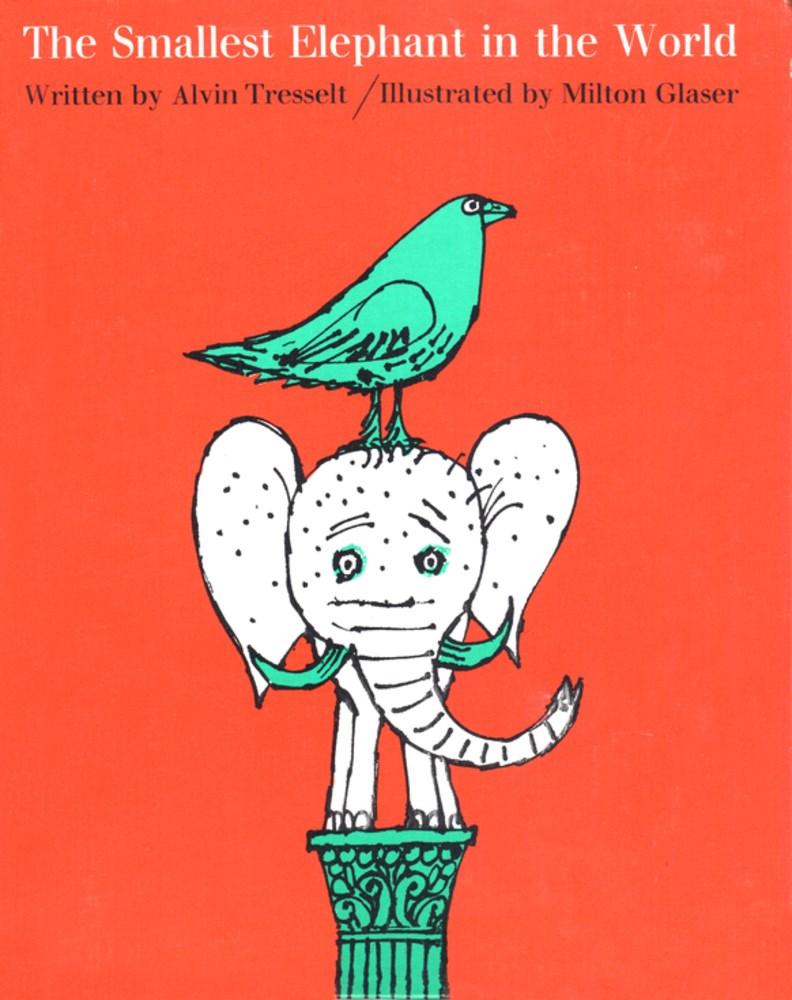
Change the World Before Bedtime is a good book to add to your activism/social justice collections. Display, booktalk, and read with The Smallest Girl in the Smallest Grade by Justin Roberts and Christian Robinson; Pass it On by Sophy Henn; 10 Things I Can Do To Help My World, by Melanie Walsh, and Maybe Something Beautiful by Isabel Campoy and Theresa Howell.