Posted in picture books, Preschool Reads

Rabbit! Rabbit! Rabbit! is all about the siblings

Rabbit! Rabbit! Rabbit!, by Loran Scobie, (Feb. 2021, Henry Holt & Co. Books for Young Readers), $18.99, ISBN: 9781250760746

Ages 3-6

Rabbit loves being an only child. There’s so much space, so many carrots, it’s all about Rabbit and for Rabbit… until Rabbit’s parents have some news. A new baby joins the family, and baby wants to be everywhere Rabbit is! As more.. and more… and MORE siblings join the family, Rabbit seeks the advice of Fox, who happily agrees to watch the siblings for while and give Rabbit some space. But wait! FOX has the baby siblings? This sweet, funny story about siblings has an adorable twist ending that readers will love, and moments that everyone with younger siblings will recognize: lack of space, broken possessions, and being followed everywhere, to name a few. Even the title calls to mind the many, many times a sibling can expect a younger sibling to call their name. Inks, watercolor, and pencils come together to create bright, fun illustrations with expressive characters and gentle, colorful nature backdrops. One- and two-sentence spreads make this a great choice for emerging readers, and bold, black text on bright white backgrounds make for easy reading and storytime use. Too much fun for young readers, and a good opportunity to get readers to talk about what makes little brothers and sisters fun.

Posted in picture books, Preschool Reads

Author Terry Pierce talks Eat Up, Bear!

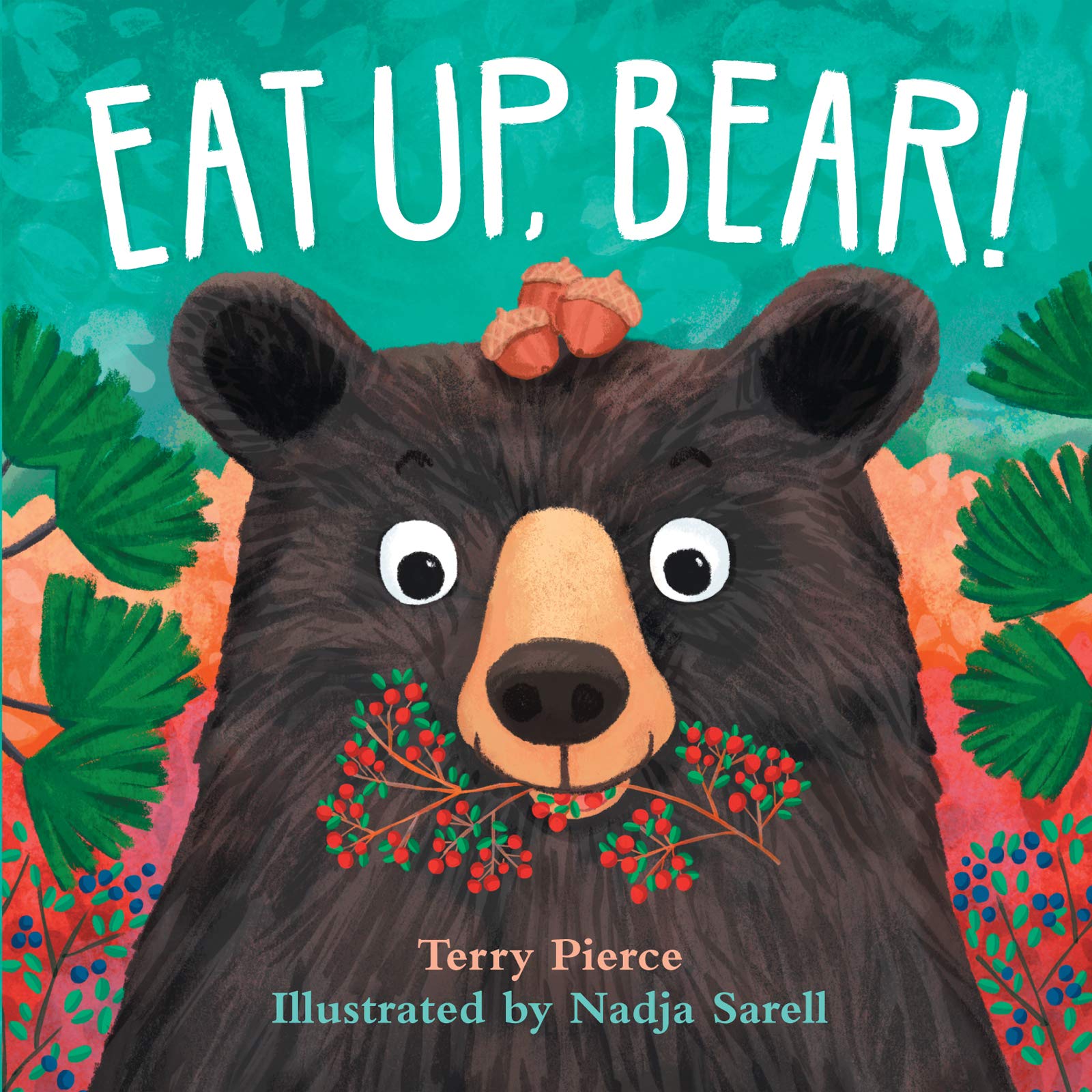
Eat Up, Bear! is an adorable, rhyming board book that addresses a big topic: respecting the local wildlife – and keeping yourself safe! – when enjoying the outdoors! Whether you’re having a picnic or birthday party in a park, going on a hike, or enjoying a camping trip, it’s important to remember that local wildlife, especially bears, LOVE to eat and will eat your food – not healthy for them! – unless you keep that food safely packed up and properly disposed of!

Eat Up, Bear!, by Terry Pierce/Illustrated by Nadja Sarell,
(Apr. 2021, Yosemite Conservancy),
$8.99, ISBN: 9781-951179-01-4
Ages 3-6

Author Terry Pierce was kind enough to answer a few questions I had. Enjoy!

MomReadIt: Hi there and thank you so much for writing Eat Up, Bear! I love that you’ve written a fun and informative book about keeping both bears and people safe. What inspired you to write Eat Up, Bear for a young audience?

Terry Pierce: Thank you for inviting me to talk about Eat Up, Bear!, Rosemary. It’s a small book that packs a powerful message. My inspiration for this story came from my love of black bears. I’ve hiked and backpacked my whole life and have had many amazing bear encounters in the wild. I’ve seen bears in trees, in ponds, even bears in my camp! One time, I almost ran right into a fledgling bear at a blind spot on a trail. That was exciting! All these encounters led me to have an enormous respect for them, knowing these are gentle creatures who really just want to eat and be left alone.

And therein lies the focus of Eat Up, Bear! Black bears LOVE to eat! Their natural food sources are things like berries, grubs, nuts, grass, and occasionally fish. But they’re also opportunistic eaters, meaning if humans leave food out a bear will eat it. And this is bad for both bears and humans. Obviously, bears should eat natural good-for-their-health foods, not chips and hoagies! Beyond concerns for the bear’s health, when a bear becomes dependent on human food, it can behave more aggressively in its efforts, becoming a “problem bear.” Bears have been known to break into cars if they see food inside, or rummage through a campground looking for unattended ice chests or food left out on picnic tables. This can be a huge problem for bears and people! Sadly, if a bear gets too aggressive, it is put down, so proper food storage can help prevent the death of a bear.

So, when I saw Yosemite Conservancy’s call out for board books, I immediately thought about writing a book about using proper food storage to help keep bears safe and healthy (people too!). Our goal for the book is to entertain and educate little campers everywhere and show how families can do their part to help keep bears wild through respectful coexistence.

MomReadIt: You mention a variety of ways people can enjoy nature, yet keep wildlife – especially bears! – safe from people food (which keeps people safe, too): latching boxes, packing their food well, locking up their coolers, and disposing of trash. Are there any other things to be aware of, when planning a day or camping trip, to keep everyone and every bear safe and sound?

Terry Pierce: Planning is the key word. Plan your trip ahead of time, including learning about wildlife you might encounter during your visit. You can visit the National Park Service website for specifics about the location. For backpackers, an essential item is a “bear canister” for storing your food. In the old days, hikers would hang their food in storage sacks from a tree branch at night, but now they’re required to use a bear canister (a heavy-duty plastic container with a locking lid that’s bearproof).

It’s also smart to make sure you leave no food (or evidence of food) in your car while you’re out enjoying nature. Bears will look in cars and can smell food even if it’s out of sight so roll up your windows. I once saw where a bear had ripped off a car door just to get three peanuts accidentally left on the dashboard! As Eat Up, Bear! says, “Bears are hungry. Clever, too! Take care or bears will eat your food!” The book is a good way for families to learn together the various ways to store food properly and keep everyone safe.

Last, in established campgrounds, such as those in Yosemite National Park, campsites have food lockers to store food when not in use. These lockers are bearproof and right in your campsite, making in convenient for campers to use. Keeping your food inaccessible to bears will keep them safe. For more information about bears and food storage, here’s a NPS link: https://www.nps.gov/yose/planyourvisit/bears.htm.

MomReadIt: Keeping the area safe for people and bears also means keeping the area safe and clean for everyone to enjoy. Over the last year in particular, people have turned to the great outdoors for a safe space. Do you have any suggestions for people that may be new to hiking, camping, and picnicking that will respect nature?

Terry Pierce: Yes, this is true! The pandemic has caused people to take to the great outdoors to enjoy life in a naturally social distanced way. And it’s wonderful to see so many families heading to the outdoors, exposing their little ones to nature early in life. But sometimes, when folks aren’t familiar with wildlife and the outdoors, mistakes can happen.

As I mentioned above, check out the area you plan to visit ahead of time, so you’ll be prepared. Also, check the weather conditions as they can make or break an outing (especially if you’re not prepared with proper attire).

The other thing I recommend is to be respectful of the outdoors while enjoying it. Immerse yourself in nature—listen to the birds, watch for animals, pack out all your trash, absorb the beauty and carry it with you. Turn off your music and phones and take in the sounds of the forest. Slow down as you drive so you have ample time to brake for wild animals. Resist the urge to take selfies with wild animals in the background. People have been injured doing so! Remember, wild animals are exactly that—WILD. So be respectful of them and their home while you visit.

And last, if you have little ones, prepare them in advance by reading books with them. Eat Up, Bear! is terrific book for the smallest of campers and hikers, not only for its message but Nadja’s Sarell’s gorgeous illustrations show what a camping experience might be like. Yosemite Conservancy has an online store with many wonderful children’s books: https://shop.yosemite.org/collections/youth.

Thanks so much to Terry Pierce! Visit Keep Bears Wild for more tips on staying safe – and keeping bears safe – when enjoying the great outdoors this spring and summer.

Posted in picture books, Preschool Reads

What makes somewhere the Best Place in the World?

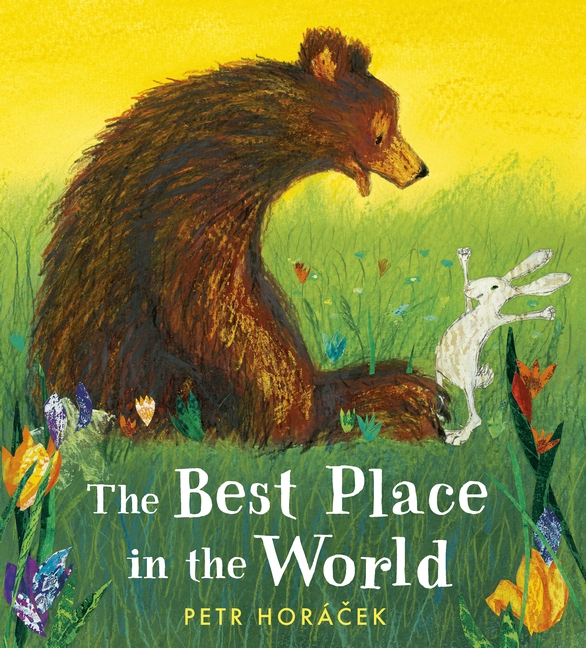
The Best Place in the World, by Petr Horácek, (Feb. 2021, Candlewick Press), $16.99, ISBN: 9781536212853

Ages 3-6

Hare lives in a beautiful meadow, surrounded by his friends, but he wonders if it is the best place in the world. All of his friends say it is, but he’s not convinced. Owl suggests that Hare set out and see the world for himself; Hare discovers green fields, rivers and waterfalls, and a setting sun that looks like a pot of honey. Individually, they may be the best place in the world for some, but something is missing. Hare heads back home, realizing that the best place in the world is the place where your friends are. A gentle story about what makes a place a home, Petr Horácek uses mixed media illustrations to create textured, colorful spreads. Warm yellows, dusky reds, verdant greens, all come together to tell a warm, wonderful story about friendship and togetherness while the meditative text encourages readers to think deeply about what means the most to them in their homes, their communities, their families. A lovely storytime that encourages kids to think and share.

Posted in picture books, Preschool Reads

Itty-Bitty-Kitty-Corn will steal your heart

Itty-Bitty Kitty-Corn, by Shannon Hale/Illustrated by LeUyen Pham, (March 2021, Abrams Books for Young Readers), $18.99, ISBN: 9781419750915

Ages 4-8

An adorable pink, fluffy kitten is positive she’s a unicorn. She feels like one on the inside, so she must be… a Kitty-Corn! Her friends, a parakeet and a gecko, insist that there’s no way she’s anything other than a cat -she meows in her sleep, after all! – , When a unicorn shows up to change all of that by saying that he, too, feels like a Kitty-Corn, these two new friends see one another for who they really are. Adorably illustrated, with just too-cute, huggable, expressive animals, Itty-Bitty Kitty-Corn is a story of identity and seeing others for who they really are. A spread where Kitty tells Unicorn, “I see you” is beautiful; a lovely statement on visibility and existence; of knowing yourself and seeing others – and most importantly, letting others know that you see them.  Cheerful, appealing characters and a lovely story flow make this a great storytime read-aloud. Publisher Abrams has a free activity kit with coloring pages. Consider this book, and Lulu is a Rhinoceros, for Visibility Days storytimes and displays.

Posted in Early Reader, Fiction, picture books, Preschool Reads

Indie author/publisher spotlight!

I’m back with more independently published authors! You’ve seen them here before: both Lois Wickstrom and Riya Aarini have been kind enough to share their books with me in the past, and I’m happy to feature more of their books today. Let’s see what Carefree Ollie and Alex the Inventory are up to, and meet some new friends along the way.

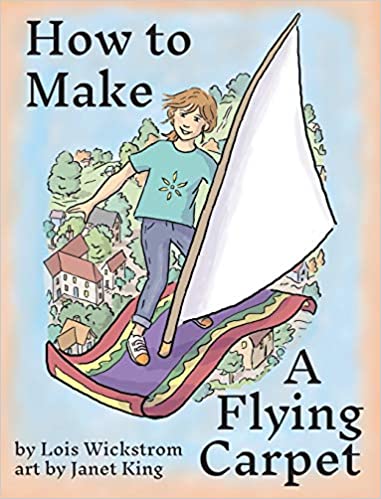
How to Make a Flying Carpet, by Lois Wickstrom/Illustrated by Janet King, (November 2020, Independently Published),  $24.99, ISBN: 978-0916176778

Ages 7-11

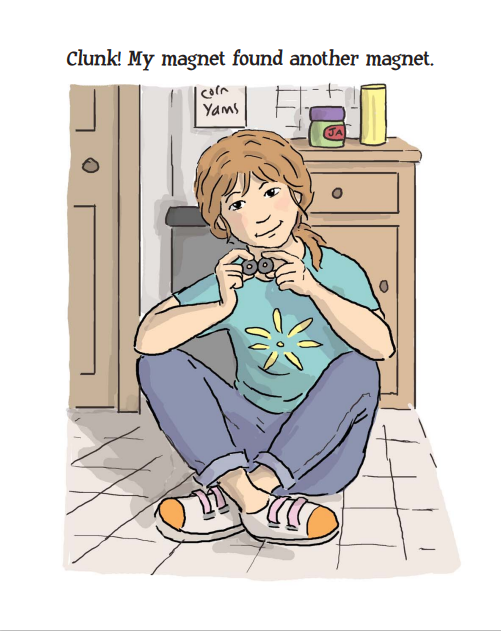
Alex is a girl who likes science and likes repurposing broken things, so when a frog magnet falls from her refrigerator and breaks, she sees opportunity. Taking the magnet, she discovers that she can rescue her father’s key from the heating vent where it fell, and she can make paper clips dance. She begins experimenting with the magnets to find out what else she can do, and when she discovers a cache of magnets in the garage, she gets an idea… can she use the repelling powers of magnets to make a real flying carpet? Filled with fun and easily creatable experiment with magnets, How to Make a Flying Carpet is a fun STEM/STEAM story that will work really well with a science club/Discovery Club. The illustrations help kids visualize how to work with magnets, especially in a household setting: super-helpful these days, when finding things around the house is the best way to keep kids busy during remote and blended learning days! Alex’s interest in learning and in expanding the scope of her experiments will motivate kids to dig deeper and embrace the fun in learning. If you’re interested in more magnet experiments, Babble Dabble Do has four easy magnet experiments that you can easily do with household items or with a quick trip to the 99-cent store.

Visit author Lois Wickstrom’s website, Look Under Rocks, for more information about her books, including What Do the Plants Say?, her first Alex the Inventor story.


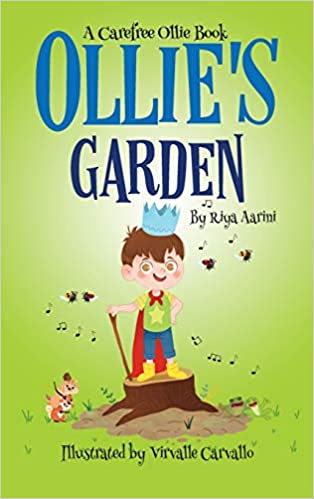
Ollie’s Garden (Carefree Ollie #3), by Riya Aarini/Illustrated by Virvalle Caravallo, (Nov. 2020, Independently Published), $15.99, ISBN: 978-1735347325

Ages 6-10

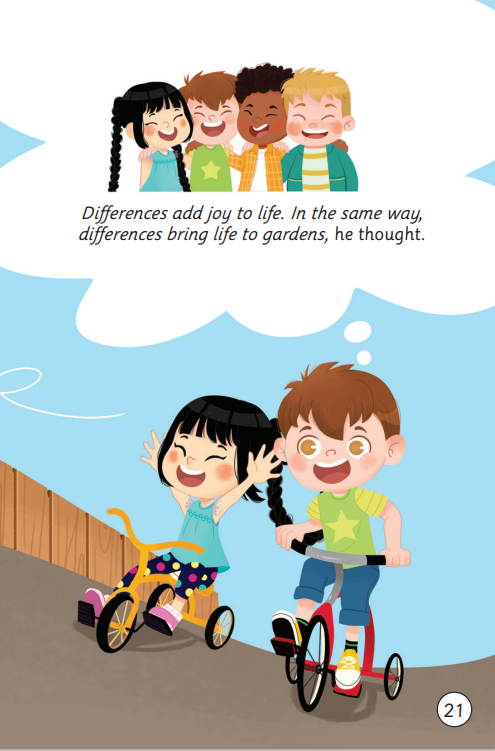
Carefree Ollie has to negotiate between bickering groups of animals in his garden kingdom in his latest adventure. The orange ladybugs won’t let the red ladybugs near the daisies; frogs are chasing toads away from the water because they “ribbit” while toads “croak”; chipmunks and squirrels are quarreling over their tails. With Ollie’s garden kingdom in chaos, it’s up to him to stop the fighting and help bring peace, tolerance, and understanding to the kingdom once more.  A sweet parable on equity, diversity, and inclusion, Ollie’s Garden is a good way to approach embracing our differences and how those differences make us wonderful. Digital artwork is kid-friendly and colorful, and the storytelling is a good starting point for your own discussions about how diversity makes us stronger.

Education.com has some great activities on diversity, including a Kindergarten lesson plan on Appreciating Diversity, a second grade lesson plan on Appreciating Diversity and Differences, and a Welcome All activity for Kindergarten and first graders that helps develop an appreciation for differences and building social awareness.


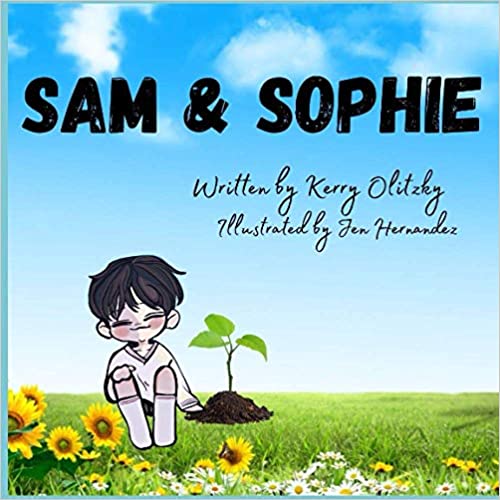
Sam and Sophie, by Kerry Olitzky/Illustrated by Jen Hernandez, (March 2021, Higher Ground Books & Media), $12.99, ISBN: 978-1949798838

Ages 3-7

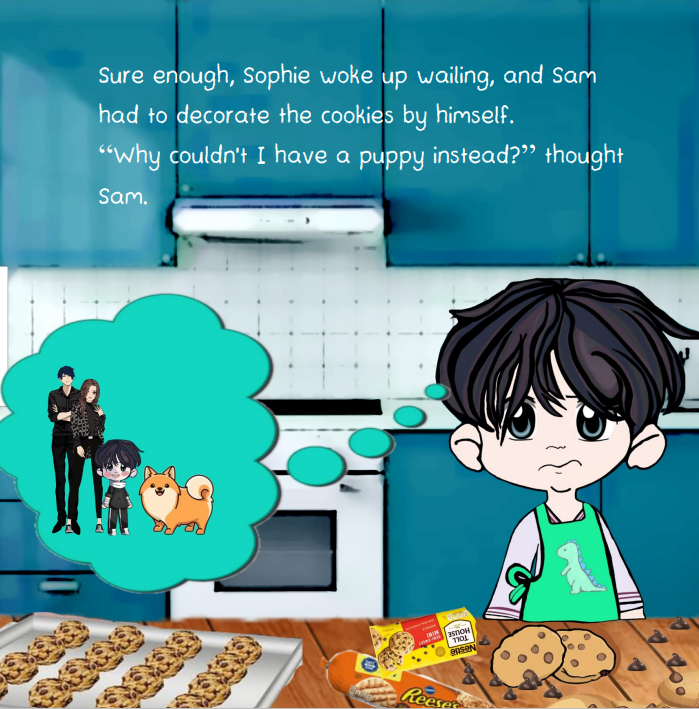
Sam has just become a big brother to baby sister Sophie, but he’s frustrated. There doesn’t seem to be much time or energy left over for him, and he’s not happy with all the attention baby Sophie is getting. But when Baby Sophie gets sick, Sam finds himself worrying and trying to make her happy and feel better. A moving story that grows from the Jewish tradition of planting a tree when a new child is born, Sam and Sophie includes back matter on the tradition and on trees, people, and their relationship to God. Mixed media artwork has a manga influence. Sam and Sophie is a good book to begin a talk on sibling jealousy and how to navigate complicated feelings that arise when a new baby arrives.

Posted in picture books, Preschool Reads

Mindi and the Goose No One Else Could See looks at childhood anxiety

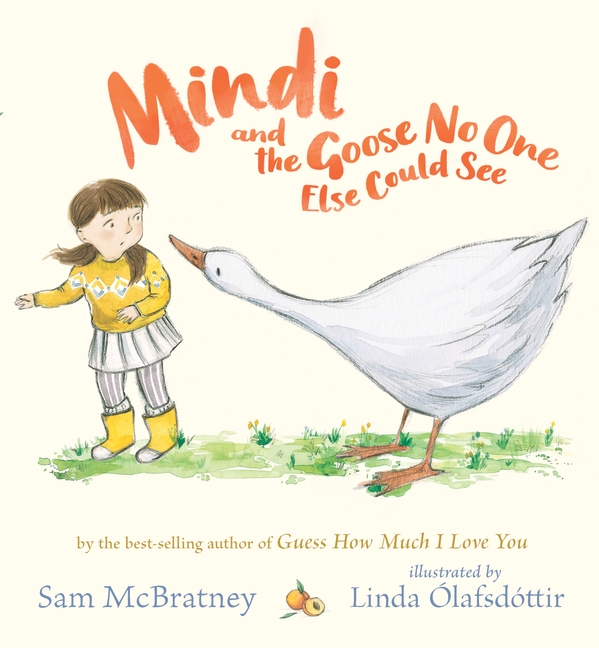
Mindi and the Goose No One Else Could See, by Sam McBratney/Illustrated by Linda Ólafsdóttir, (March 2021, Candlewick Press), $16.99, ISBN: 9781536212815

Ages 3-7

A young girl named Mindi is afraid of an invisible goose in her room. Her parents do their best to ease her fears, to no avail. Mindi’s father brings Mindi to visit Austen, a wise farmer who has a wonderful, gentle way to get that goose out of Mindi’s room. Sam McBratney, author of the childhood classic Guess How Much I Love You (1994), created a kind, gentle story about listening to children and understanding childhood fears and anxiety. The author, who passed away last year, had an intuitive way of telling stories that allow children to see themselves, and a wonderful way of showing adults how to put themselves in a child’s place and see the world through their eyes. Linda Ólafsdóttir’s mixed media artwork brings soft colors and gentle artwork to this wonderful story.

Mindi and the Goose No One Else Could See has a starred review from Publishers Weekly.

Posted in picture books

Women to Know: Sarah Gerhardt, Surfer

Sarah and the Big Wave, by Bonnie Tsui/Illustrated by Sophie Diao, (May 2021, Henry Holt & Co), $18.99, ISBN: 9781250239488

Ages 4-8

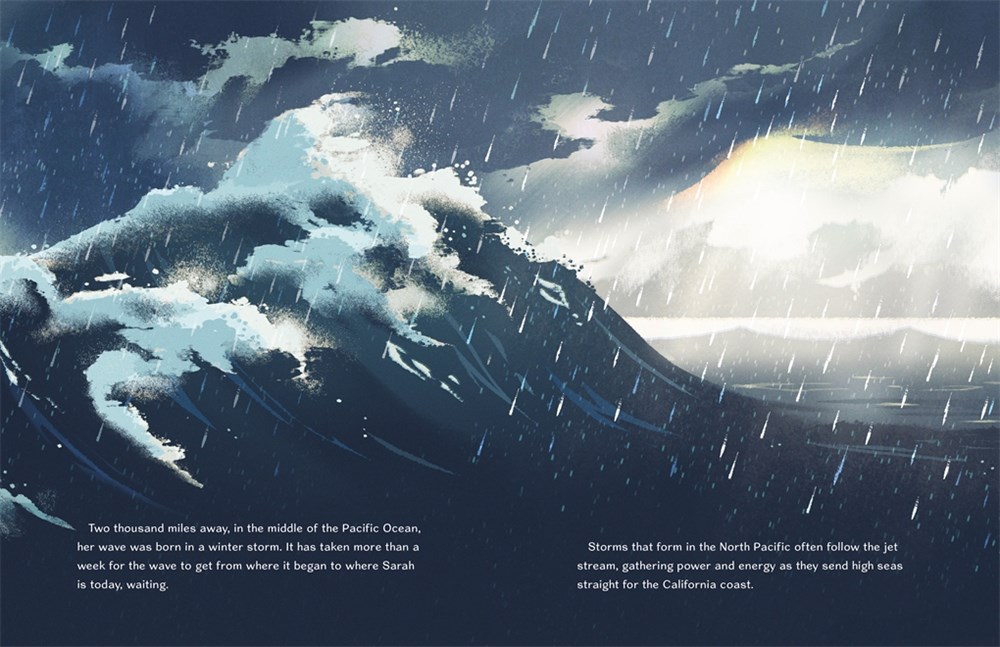
Sarah Gerhardt, one of the first female big-wave surfers and the first female to surf Mavericks, an infamous big-wave surf break in California, has her moment in this picture book biography. Sarah’s story begins in Hawaii, where she began surfing small waves as a young girl, working her way up to larger waves and finessing her technique. The story touches on the sexism she encountered, and the joy of finding a group of friends to surf with. Working her way from Hawaii to California, Sarah is ready for the next challenge: The Mavericks, also called “Mount Everest meets Niagara Falls”. An inspiring story for young women about meeting challenges, readers will enjoy meeting Sarah Gerhardt. Talk about mindful practices she uses, like breathing and counting, to help readers understand the need to put oneself in a calm frame of mind when up against hurdles in life. Back matter includes a timeline in the history of women and surfing, going back to the 17th century and famed Hawaiian princess Kaneamuna! Illustrations are simply beautiful, with deep blues and greens inviting readers to embrace the ocean, and action shots of Sarah Gerhardt are dynamic.

There are some good resources on Sarah Gerhardt for more discussion. Keep some of these articles handy for anyone interested in learning more: “Sarah Gerhardt on Big-Wave Surfing in a Man’s World” (Outside magazine, 2018);  “Women in the Wild: Sarah Gerhardt” (The Outdoor Project, 2019); “Titans of Mavericks: Sarah Gerhardt” (Titans of Mavericks), and “Sarah Gerhardt: Girl Meets Mavericks (Visit California, 2021).

Posted in picture books, Preschool Reads

Jory John is sure that Something’s Wrong… but what could it be?

Jory John has a new picture book coming out and it is laugh-out-loud hilarious and so sweet. Something’s Wrong – the story of “A Bear, A Hare, and Some Underwear”, is read-aloud, sight gag GOLD. Don’t believe me? Take a look at this trailer.

I’ve got Something Wrong mini-celebrations going on all week – watch this space and join the fun!

Posted in picture books, Preschool Reads

Art Storytimes to Inspire your Little Artists

When you start off a day with a post about Frida Kahlo, you’re going to have art on your mind for the rest of the day. At least that’s how I’m wired. So I dove into my TBR and came up with a handful of art books to inspire your little ones.

Hide-and-Seek with Little Hippo, by Géraldine Elschner/Illustrated by Anja Klauss,
(Feb. 2021, Schiffer Kids), $8.99, ISBN: 9780764361111
Ages 0-6

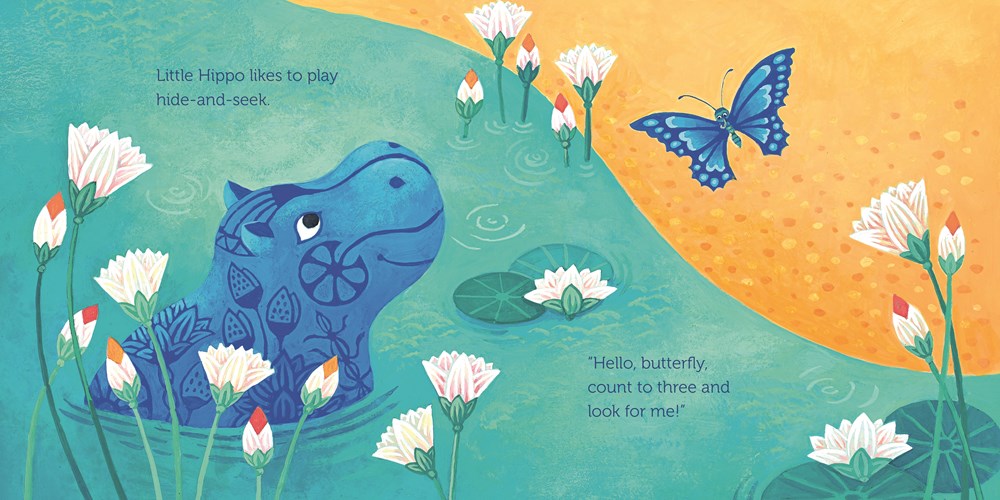
This is a board book in one of Schiffer Kids’s new series, First Steps in Art. Inspired by a different work of art, each of these books weaves a little adventure, with concepts and an explanation of the piece that inspired the book. It’s such a great idea! Hide-and-Seek with Little Hippo is inspired by an ancient Egyptian figurine (pictured on the back cover); the story is a counting, color concept story about Little Hippo, who loves playing hide-amd-seek with his friend, Butterfly.  The story is colorful, bright, and so cheery and a brief explanation of Little Hippo’s origins at the end provides a nice little art history lesson for emerging readers. Pair the First Steps in Art books with Schiffer’s Lily series for an art storytime your little will love.


Antoinette the Tree Frog, by Géraldine Elschner, Illustrated by Xavière Devos,
(Feb. 2021, Schiffer Kids), $8.99, ISBN: 9780764361104
Ages 0-6

The next First Steps in Art book is all about impressionism: Antoinette the Tree Frog is inspired by Claude Monet’s beautiful water lilies. Little Antoinette is a tree frog, happily napping on a water lily as Mr. Claude paints nearby. A gust of winds blows his straw hat away, and a magpie tries to grab it, until Antoinette makes a fuss! When the magpie drops the hat, Antoinette discovers a comfortable new place to nap. A word about Claude Monet’s garden concludes the story. The artwork is soft, gentle, with Monet’s Impressionist influences apparent in the light color work and pastoral setting. Monet makes a cameo in this story, a painter sitting on a stool by the water, his watercolor canvas featuring his beloved water lilies. A very sweet story for young and emerging readers. I’m looking forward to seeing what other stories we’ll get from this series! Can you imagine a Halloween story from Edvard Munch? A story featuring Andy Warhol, or Roy Lichtenstein’s pop art?


A Purr-Fect Painting: Matisse’s Other Great Cat, by Joan Waites,
(May 2021, Schiffer Kids), $16.99, ISBN: 9780764361128
Ages 5-8

Inspired by artist Henri Matisse’s cats and the illness that spurred his paper-cut art, A Purr-Fect Painting: Matisse’s Other Cat is an adorable story of La Puce, one of Mattise’s three cats. La Puce seems to be the most artistically-minded of Matisse’s cats; he’s the feline that sits with Matisse, watching him create art, while Minouche and Coussi sleep in the sunlight or get in trouble. When Matisse falls ill and is confined to his bed, La Puce thinks of ways to inspire his master to create art again. Henri may not be able to pick up his paintbrushes, but when La Puce makes a mess, Matisse sees potential in the brightly colored splashes of paint that go flying: and calls to his assistants to bring him painted sheets of paper and scissors! A colorful, kind-hearted story about love and art, A Purr-Fect Painting is an adorable readaloud for budding artists and cat lovers alike.


Need more inspiration? Here are more books inspired by art!

Posted in picture books

Women to Know: Frida Kahlo

The Two Fridas: Memories Written by Frida Kahlo, Illustrated by Gianluca Folì, (March 2021, Schiffer Kids), $18.99, ISBN: 9780764361166

Ages 5-8

When most people think of Frida Kahlo, they usually think of adult Frida, with flowers in her hair and thick eyebrows. Maybe they’ll think of her love for animals and her many pets. The Two Fridas, taken from the artist’s own diary, introduces readers to a younger Frida; a child who creates an imaginary friend and a fantasy world. The “other” Frida is a friend that will always listen to Frida’s “secret problems” and will always play and laugh with her. The Two Fridas is a peek into a child’s imaginary world; artwork in shades of grey, black and white has minimal, quiet color to emphasize Frida’s journey into her fantasy world. At the conclusion, we realize that this is Frida’s own recollection, as the art moves into an artist’s workroom, with the Frida people have come to know, seated and working on a self-portrait. The Two Fridas lets children know that it’s okay to have an imaginary place to go, an imaginary friend to spend time with, and to take that joy with you into adulthood. A biographical note on Kahlo talks about the artist’s relationship to her sisters, the ailments that kept Frida home, even bedridden, and the imaginary friend that meant so much to her that she dedicated a painting to her in 1939. Originally published in Spanish in 2019, The Two Fridas provides a new look at an iconic artist.

For more information about Frida Kahlo, visit The Frida Kahlo Foundation and The Blue House, the museum located in Frida’s former residence.  The Museum of Modern Art (MoMA) has a page dedicated to her. Education.com has a free, downloadable biography worksheet on the artist, and Teachers Pay Teachers has many free activities for all ages, including Llamame Spanish’s Spanish-language biography worksheet, Art with Mrs E’s coloring sheet, Lindsey Carter’s Frida paper doll, and Fun for Spanish Teacher’s presentation.