Posted in Fiction, Middle Grade, Realistic Fiction, Tween Reads

Little Women gets a middle grade update!

Littler Women: A Modern Retelling, by Laura Schaefer, (Sept. 2017, Simon & Schuster/Paula Wiseman Books), $16.99, ISBN: 9781481487610

Recommended for readers 8-12

The March sisters are back in this updated version of Louisa May Alcott’s classic, Little Women. Now, they’re coping with a dad who’s deployed overseas, and the girls are contending with school dances, sleepovers, and crushes. The characters are a little younger: Meg is 13 and a freshman in high school; Jo is 12; Beth is 10, and Amy is 9, and their overall personalities are wonderfully close to their original personas. Jo loves hockey, while Beth prefers to stay at home or visit their neighbors, the Lawrences, to play piano. Laurie and Demi are back in this update, too, with age-appropriate crushes on the March girls. Author Laura Schaefer sticks pretty close to the original story, with a happier resolution to Beth’s story. Each chapter contains a fun activity from one of the March sisters, including crafts and recipes. The sisters also create a family ‘zine, which I love – and tips on creating one – and I’m thrilled to see that ‘zines are becoming a thing again, popping up in books like Littler Women and Moxie.


Littler Women is such a good introduction to the classic for middle graders. It encourages creativity and emphasizes the bond between sisters, between family, and between friends; there are disagreements between characters, but they are able to work things out every time. Talk up the similarities and differences between Little Women and Littler Women (don’t forget to mention Little Men), and maybe even have a viewing of one of the several movie adaptations of the original. Definitely fun reading, worth adding to your shelves or giving to a classic-minded reader who loves a good story.

Author Laura Schaefer is also the author of The Tea Shop Girls series. Her website offers links to her blog and information about school visits.

Posted in Fantasy, Fiction, Fiction, Fiction, Graphic Novels, History, Intermediate, Middle Grade, mythology, Non-Fiction, Teen, Tween Reads, Young Adult/New Adult

Illustrated/Graphic Novel Rundown

Phew! I may have overextended myself just an eensy bit with  my own summer reading list, but it was all worth it. There are some great books out this Fall. Here’s a quick rundown of some graphic novels and illustrated nonfiction out this month (and one from June… it was a busy summer!).


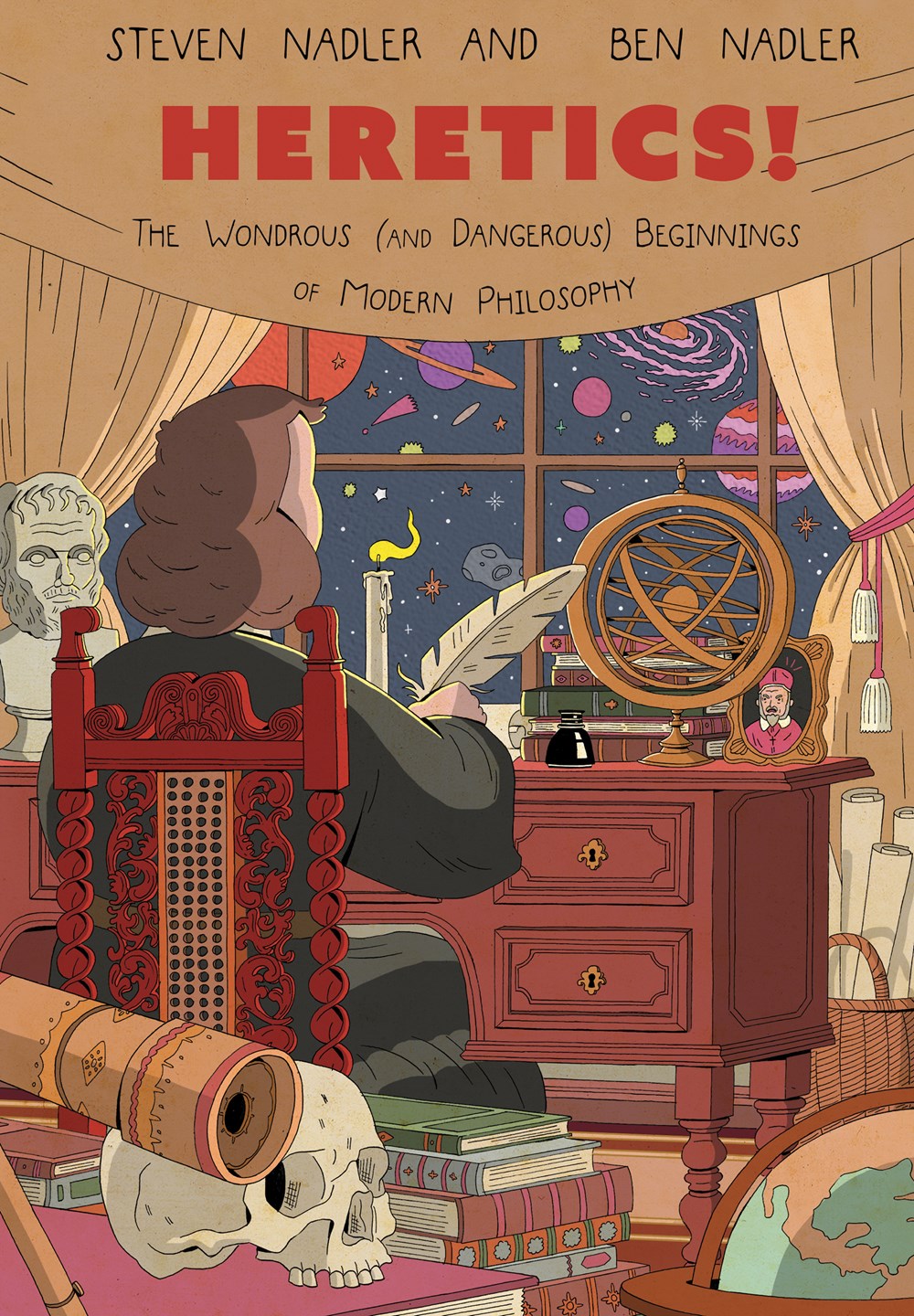
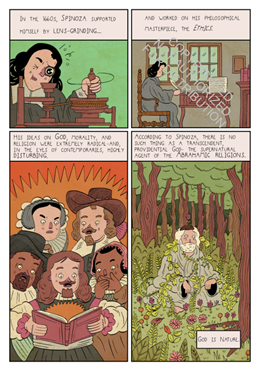
Heretics!: The Wondrous (and Dangerous) Beginnings of Modern Philosophy, by Steven & Ben Nadler, (June 2017, Princeton University Press), $22.95, ISBN: 9780691168692 / Ages 16+

This nonfiction graphic novel tells the story of the 17th-century thinkers – Galileo, Descartes, Locke, Newton, and more – who fundamentally changed the way mankind saw society and ourselves. These philosophers and scientists challenged the church’s authority to prove that Earth was not the center of the universe; that kings were not divinely chosen to rule; that neither God nor nature makes choices: sometimes, things just happen. Period. The reader-friendly, cartoony drawings, combined with simple explanatory text helps readers understand the scandalous nature of these thinkers. Booktalk and display with the Action Philosophers collection.


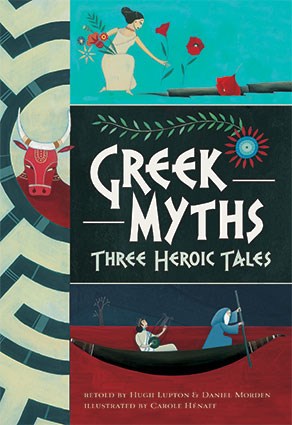
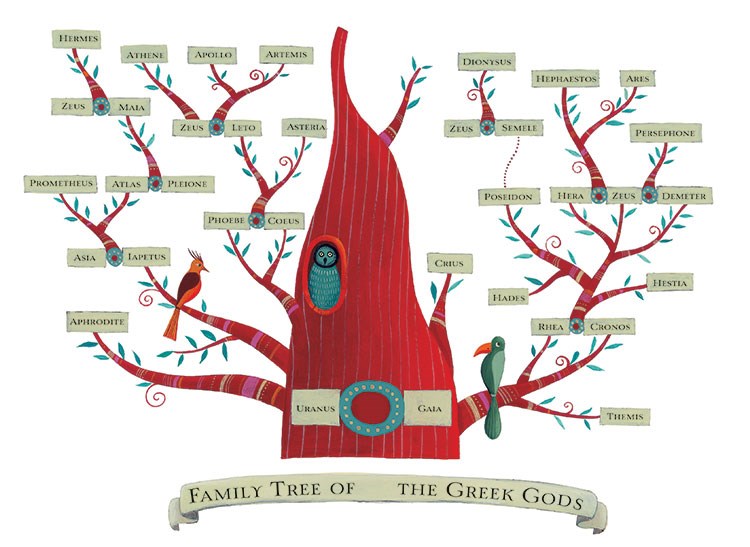
Greek Myths: Three Heroic Tales, by Hugh Lupton and Daniel Morden/Illustrated by Carole Henaff, (Sept. 2017, Confident Readers), $12.99, ISBN: 9781782853497 / Ages 8-12

Three of the most famous Greek myths: Demeter and Persephone, Theseus and the Minotaur, and Orpheus and Eurydice – get the illustrated treatment here. Award-winning French illustrator Carole Hénaff uses a palette of deep and bright colors to create beautiful illustrations that would be as beautiful in a frame as they are in this book.

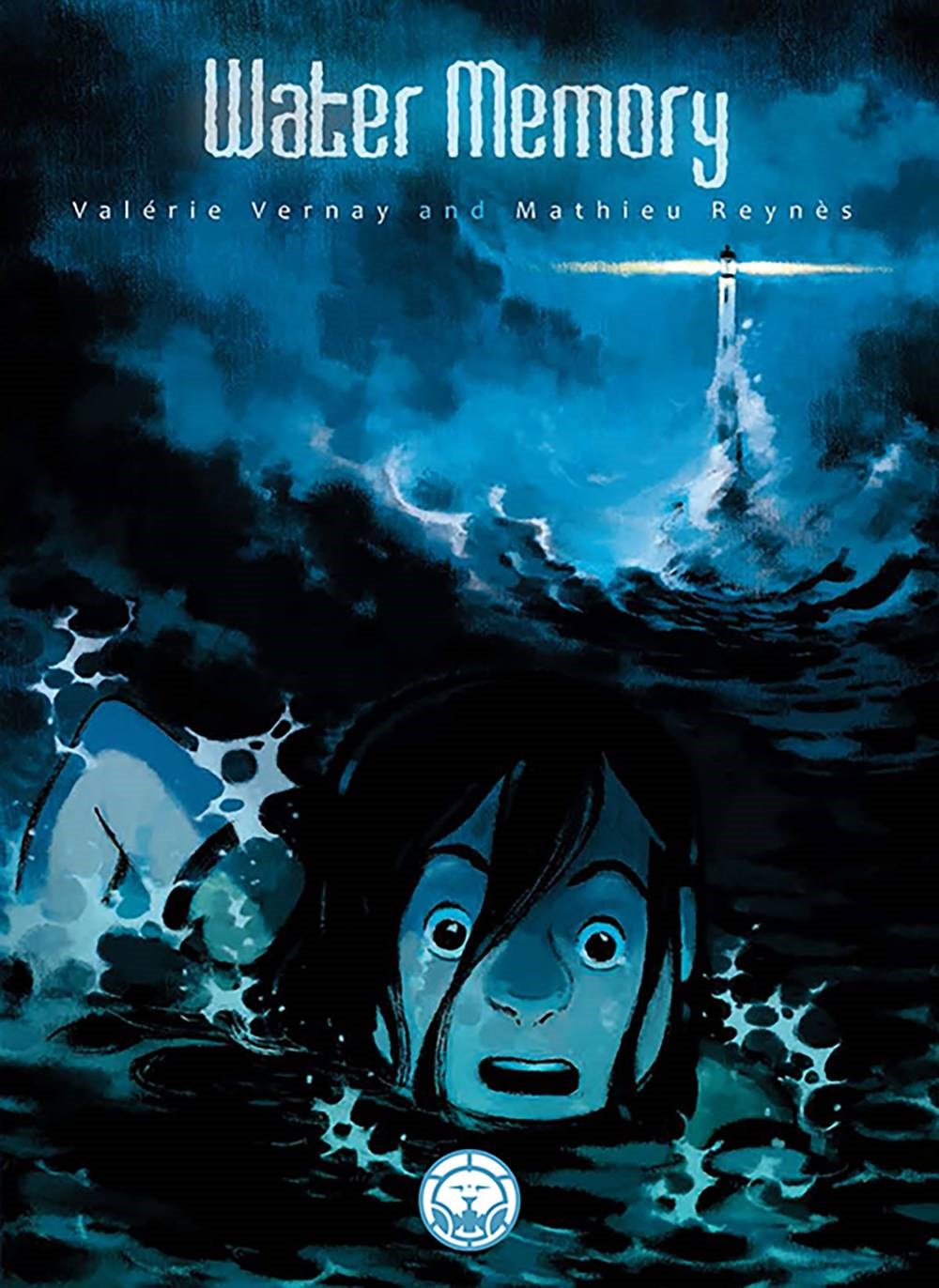
Water Memory, by Mathieu Reynes/Illustrated by Valerie Vernay, (Sept. 2017, Lion Forge), $14.99, ISBN: 9781941302439 / Ages 13+

I love a good, spooky story, and if it’s a good, spooky graphic novel that I can share with my library kiddos, even better. Marion’s mom inherited an old family house. It’s got a private beach and overlooks the ocean. It’s too good to be true, right? Right. Marion discovers some strange rock carvings and that a chilling local legend may be coming to life. The artwork is beautiful, and the translation from the original French to English is seamless.

    
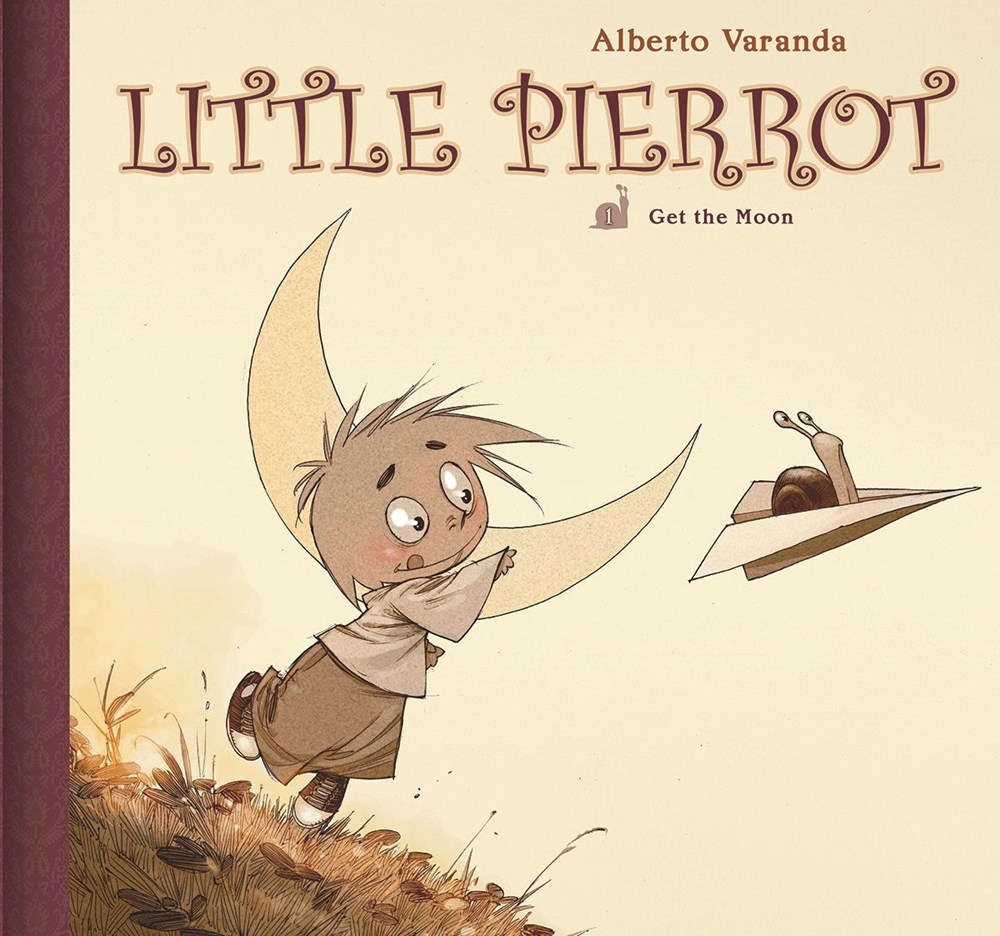
Little Pierrot Vol 1: Get the Moon, by Alberto Varanda, (Sept. 2017, Lion Forge), $14.99, ISBN: 9781941302590 Ages / 4-8
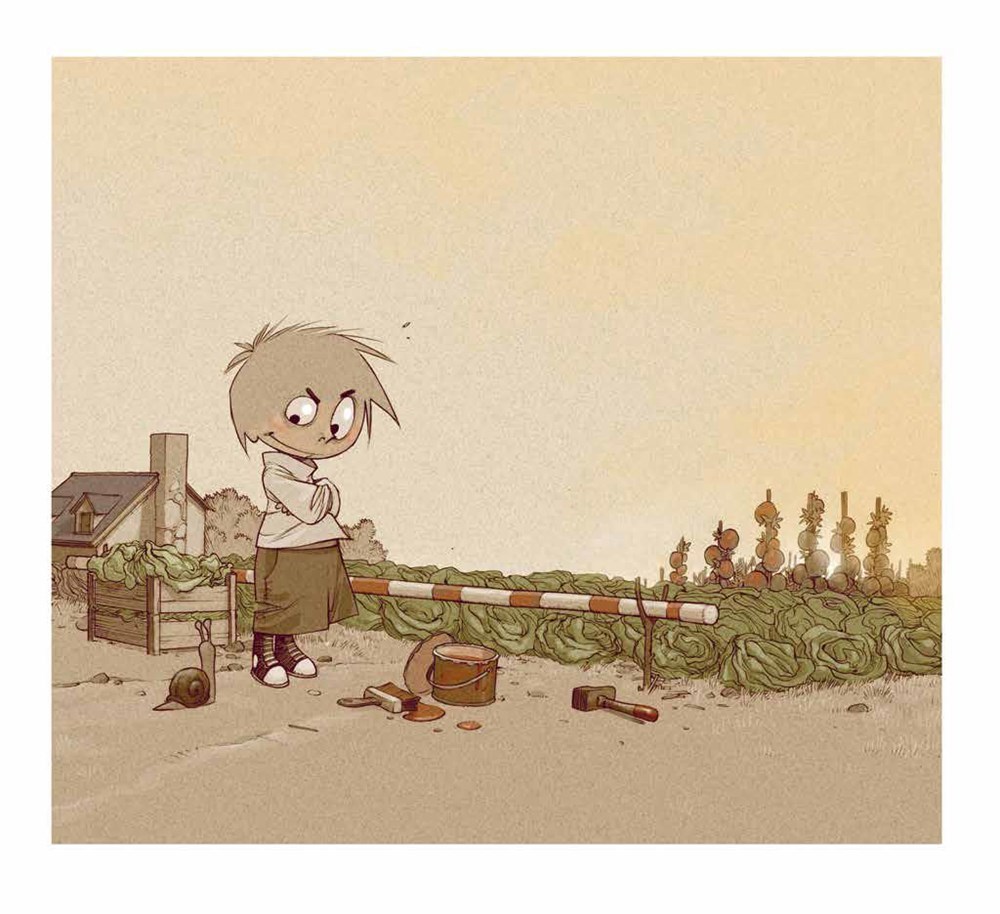
This is the first in a new graphic novel series, translated from French, and perfect for young readers. Little Pierrot is a little boy with a big imagination. He and his snail buddy – Mr. Snail, naturally – have surreal adventures and end their day together, like best buddies do. Give this to your TOON Books readers; it’s got a similar look and feel. The artwork is sweet and whimsical, and kids will identify with Pierrot in terms of imagination and having a best buddy at one’s side, whether it’s a snail, a dog, or a stuffed plush. Booktalk with Calvin and Hobbes and Garfield, who never likes to be without his teddy bear, Pooky.
Posted in Fantasy, Fiction, Graphic Novels, Middle Grade, Science Fiction, Steampunk, Tween Reads

Castle in the Stars – a steampunk space race!

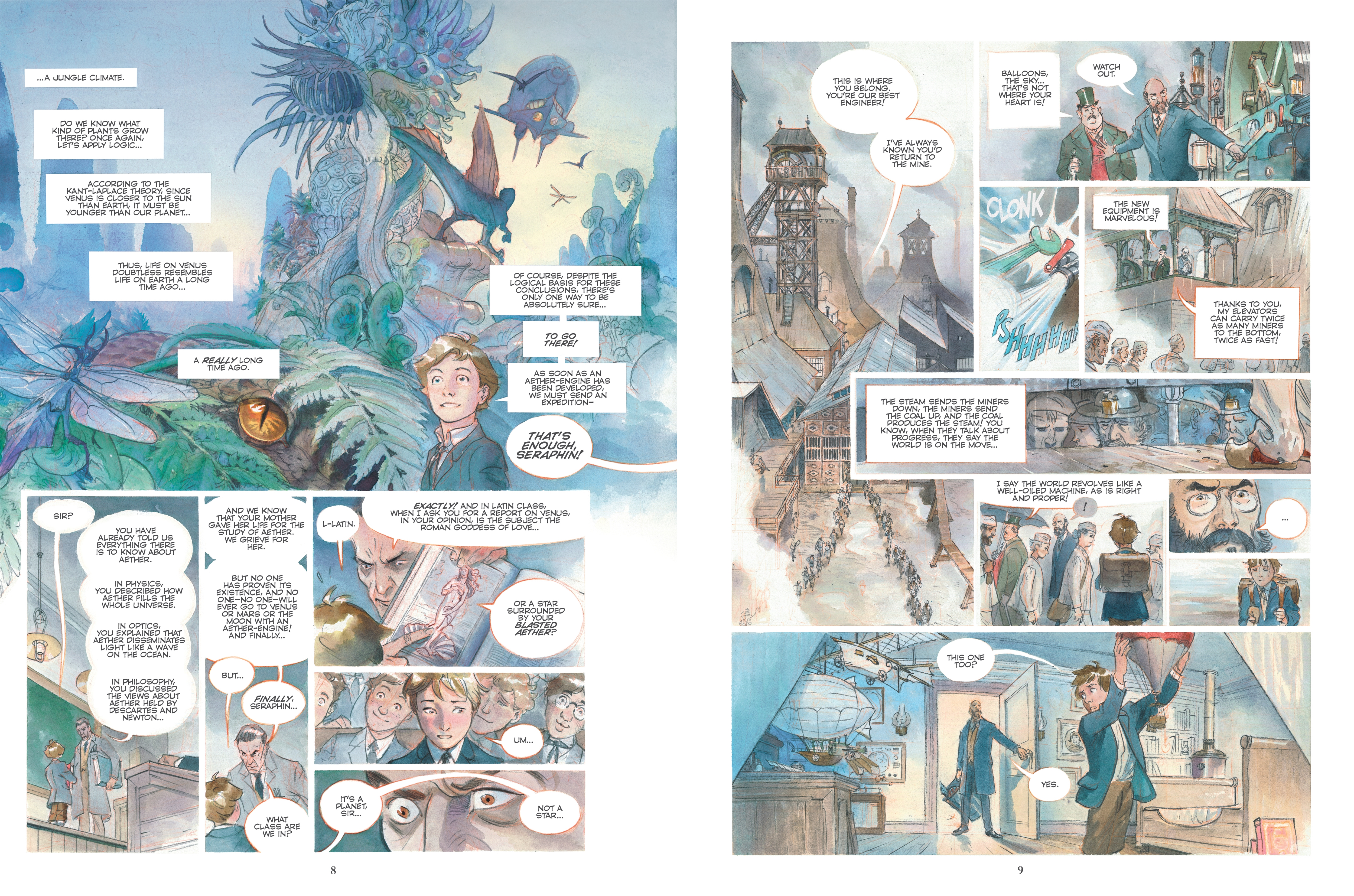
Castle in the Stars: The Space Race of 1869, by Alex Alice, (Sept. 2017, :01FirstSecond), $19.99, ISBN: 9781626724938

Recommended for readers 10-14

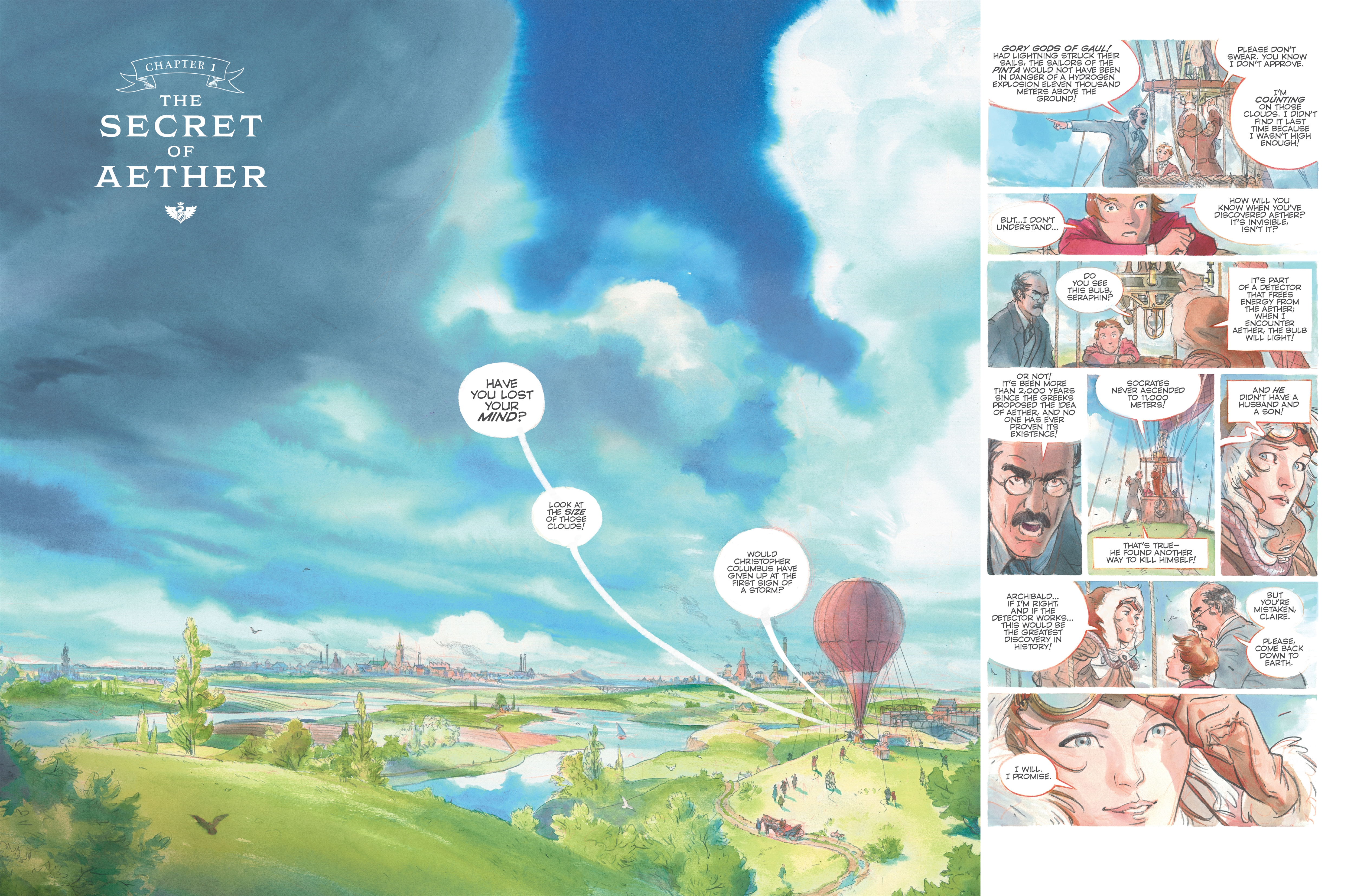
Seraphin is a young boy who loses his brilliant scientist mother, Claire Dulac, on her aether-seeking expedition. He’s being raised by his genius engineer father, Archibald, when the summons comes from the Bavarian king: he’s building a ship and he wants it powered by aether. Seraphin and his father narrowly duck a kidnapping attempt at the train station, arriving in Bavaria to discover a king who secludes himself from his people, consumed by his obsession, and betrayal within the castle walls.

This first volume of Castle in the Stars spends time setting up the story and developing characters. It’s nice to see both parental figures involved, with a female character every bit as intelligent and accomplished as the male character. The art has a touch of manga inspiration, particularly with the character, Hans, who’s drawn to communicate his mischievous side.  There’s a Jules Verne feel to the story; intrigue mixes with the race to explore the unknown, and with Seraphin’s heartfelt belief that his mother is still alive, we have a bit of mystery thrown in.

Beautifully illustrated, and a fun book for steampunk and aviation fans. Castle in the Stars was first published in French in 2016.

Posted in Middle Grade, Non-Fiction, Non-fiction, Tween Reads

NatGeo Kids sends kids back to school ready for everything!

I am an unabashed fan of NatGeo for my nonfiction sections. They have books on EVERYTHING, and the kids love it. They also make every single thing they cover amazing, hilarious, or both, which makes my life a lot easier when I have kids trudging into my children’s room, moaning that they have to read more nonfiction. Excuse me, do you see the GIANT WATER FAUCET on the cover of this book? Guess what? Nonfiction. Suddenly, they’re a lot more amenable to what I have to offer.
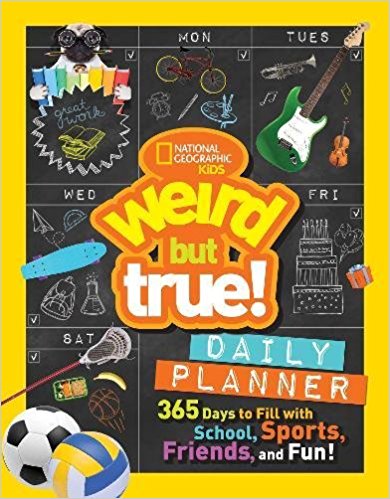
Let’s start with the backpack essential: The Weird But True Planner ($12.99, ISBN: 978-1426327933). The Weird But True books come in second only to the NatGeo Kids joke books when it comes to demand in my children’s room. It’s got the planner essentials: it’s spiral bound and sturdy, so kids can use it and it will hold up. It’s got paper that won’t tear when you turn a page. You know that paper; it’s usually the one that flies away and has the details of your homework on it. The space is smartly laid out, with NatGeo’s trademark gorgeous photos sharing space with planning and goal pages that help your kids keep it together during the school year. And because it’s NatGeo, it’s got the fun, weird holidays, crazy facts, pages for scribbling areas where you need homework help, little writing prompts, and an overall fun vibe that demands you embrace your weirdness. I have a copy that I desperately want to keep for my own library notes, programs, and scheduling the lives of my weird family; now, the key is making sure the kids don’t take mine off my desk at work OR at home.

Let’s be clear: this is not a library book; it’s a book meant to be written in, used, and yeah, even a little abused. But it IS an essential buy.
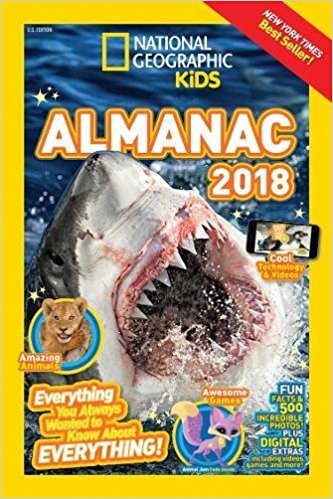
Next up is the NatGeo Kids 2018 Almanac ($14.99, ISBN: 978-1-4263-2772-8). Updated for 2018, this is another go-to for my library kids. There are 12 sections – up from last year’s 10 – and cover current events, life science, engineering and technology, space and earth, and more. The fun and games section is still here, and the overall fun spirit of discovery runs through the book. A spread in life science tells readers “18 Fantastic Facts About Fungi”, with facts about cheese mold, to mushrooms, to athlete’s foot (it’s just a photo of a bare foot). Feel bad for the Ugly Food, but rejoice in reading how being ugly doesn’t mean being garbage – make banana bread with those brown bananas (that’s when they’re the best), or make a smoothie using that bruised peach. A companion page on the time it takes different types of trash to decompose is a powerful call to action for recycling and re-purposing our trash. Homework help tips, quizzes, jokes, fun facts, and breathtaking photos make this Almanac a keeper.
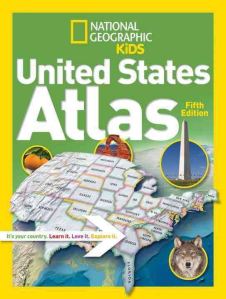
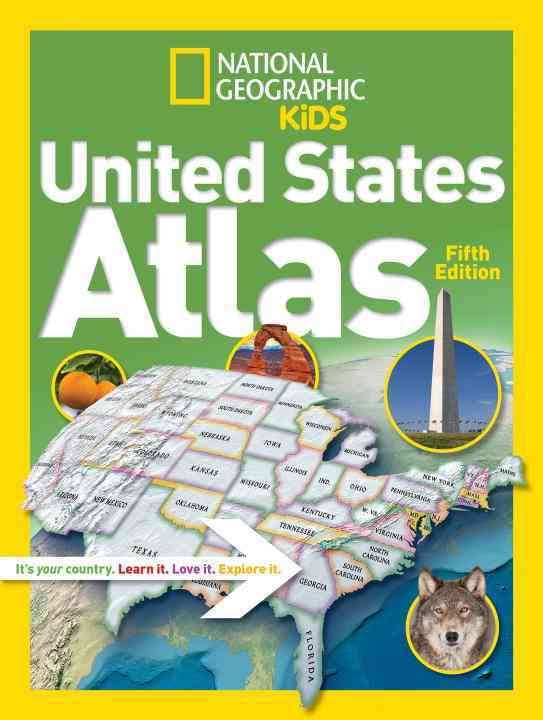
Atlases are always handy to have around, especially with increased importance on understanding global affairs and cultures. The United States Atlas (Fifth Edition, $12.99, ISBN: 978-1-4263-2831-2) gives readers a literal lay of the land, with political and physical maps by territory: Northeast, Southeast, Midwest, Southwest, and West. There are maps and statistics for each state within the territories; economy symbols to illustrate local economies like crops and industries. Photos and infographics round out each state’s profile. The atlas also includes U.S. territories, a glossary, postal abbreviations, and additional web resources.
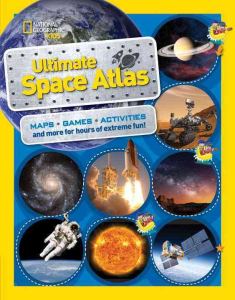
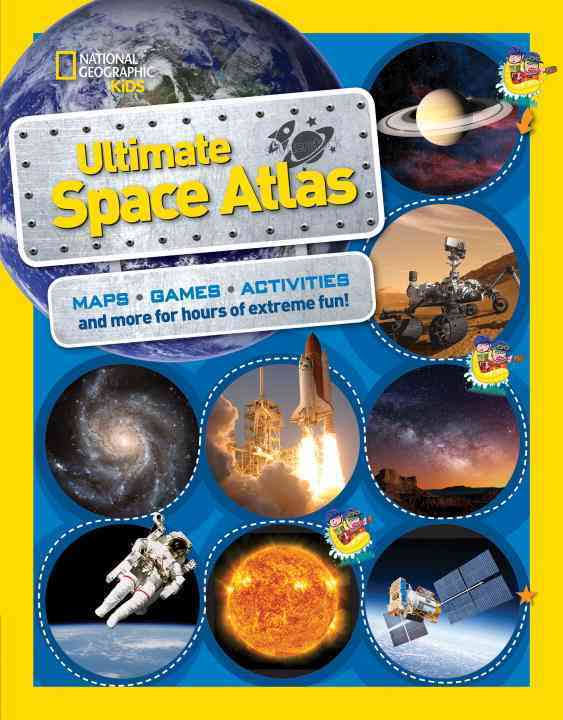
The Ultimate Space Atlas ($12.99, ISBN: 978-1-4263-2802-2) is a handy guide to what’s “up there”: phases of the moon, seasonal constellation maps for each hemisphere, what’s new in space exploration. “Digital Traveler” boxes help readers expand their learning by using going online. There are fun facts, amazing photos, diagrams, and Space Travel Attractions to visit… you know, from here. Earth. There’s a section with some fun activities at the end, and a glossary and index complete this handy astronomy desk reference. Both atlases will be helfpul during the school year, so load up your bookshelves if you’re in a library, or consider these when you’re buying school supplies.
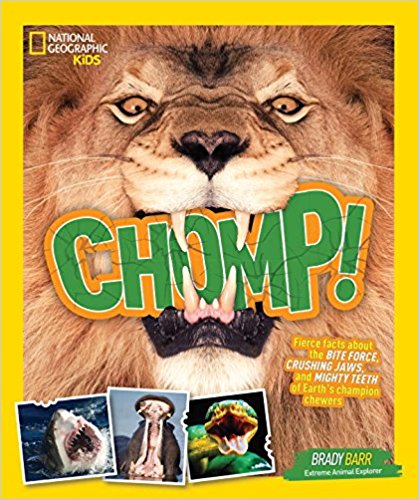
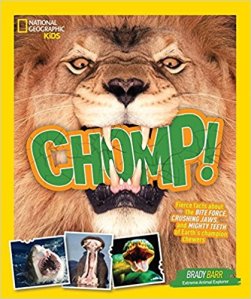
CHOMP!: Fierce Facts About the Bite Force, Crushing Jaws, and Mighty Teeth of Earth’s Champion Chewers ($12.99, ISBN: 978-1-4263-2839-8) has been on my shelves since this summer, and I see it wandering around the tables at the library (meaning, the kids are reading it while they’re in the library during the day) pretty regularly. Written by “Extreme Animal Explorer” Brady Barr, CHOMP! has a lot of pictures of a lot of big, mean teeth. The first page has a hippo, jaws open wide, greeting readers, and those choppers are intimidating! Barr organizes his chompers into four groups: the grippers, slicers, crushers, and gulpers; bite force and preferred menu for each animal profiled appear on each page. Barr jumps in with his own entertaining anecdotes, Brady’s Bite Stories, that will make kids squeal and cringe all at once; I’m thinking of reading the one about Barr squeezing a live otter out of a gator the next time I have a class visit. I like to be memorable. Further resources, a glossary and an index, make this a good companion guide for animal reports and fun reading for animal fans.
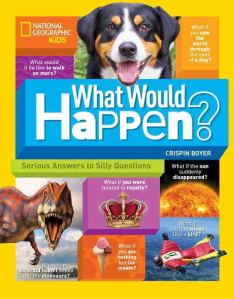
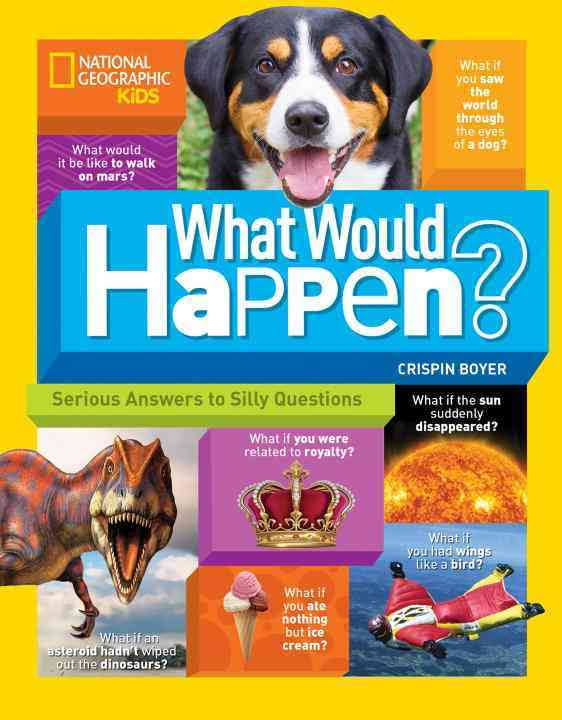
Last but never least, What Would Happen? Serious Answers to Silly Questions ($14.99, ISBN: 978-1-4263-2770-4) looks at the logic and science behind some wild, weird questions. Starting with questions like, “What if you ate nothing but ice cream?” (short answer: DON’T) and working their way up to “What if you could wield The Force?” (You may call me Lady Vader), questions are organized into areas covering humans, space, nature, time, technology, natural wonders, worst-case scenarios, and just plain surreal. Each question is examined by giving readers a background on the deeper question (ice cream tastes great, but without protein and fiber, you’re in for some problems); primary repercussions (those problems could include going to the bathroom, no matter how much you love butter pecan); side effects (you’ll get weak and possibly develop scurvy from lack of Vitamin C); and finally, could it happen (unless you’re putting chunks of chicken or tofu, plus some broccoli and tomato on that ice cream, probably not)? This is going to move right along with my Weird Facts books. Heck, I may just turn this one into a program – write your own What Would Happen? and let’s swap; research it and find out the answer. But I’m totally developing The Force.
Go forth and fill up backpacks, and have a great school year!
Posted in Middle Grade, Non-Fiction, Non-fiction, Tween Reads

Sports Illustrated Kids has the info kids need for back-to-school sports trivia

Sports Illustrated Kids is getting ready for the fall sports with the release of two need-to-have books for backpacks and bookshelves.

The Football Handbook, by Gary Gramling, (Aug. 2017, Time Inc. Books, $19.99, ISBN: 978-1-6330-007-6) is the perfect size for a sports fan’s backpack, and loaded with facts, stats, and football history. It’s essential reading for beginners and dedicated fans alike, with full-color photos, activities (so that’s how the guys in school folded those little paper footballs, all those years ago…), obscure facts, and need-to-know skills like how to draft a fantasy football team: the pizza is essential; my husband concurs. The “He Reminds Me Of…” section is a nice walk down Memory Lane for us folks of a certain age, with juxtaposed pictures, stats, and a bio on a “current guy” whose style matches that of an “old guy” gridiron great.

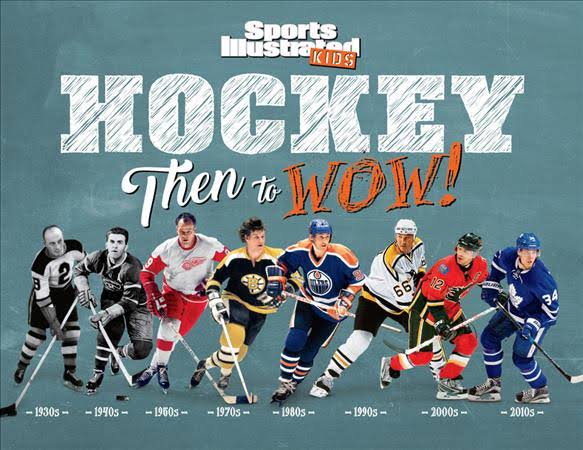
The National Hockey League (NHL) turns 100 this year, and Hockey: From Then to WOW! (Sept. 2017, Time Inc. Books, $19.99, ISBN: 978-1-68330-011-3) by the writers at Sports Illustrated Kids is part love letter, part time capsule, to the sport. The hockey rink endpapers set the vibe for you from the second you crack open the book, and an illustrated timeline of how hockey rules have evolved over the last century. (Can you believe that helmets weren’t mandatory until 1979?) Stunning photos of equipment and arenas show the progression of the sport and of sports technology. Legendary players, infamous fighters, and colorful characters all have a spotlight here, as do the best coaches. There are stats, sure – and then there are stats: the fan stuff. From the best playoff beards, fan fashion, and trading cards, to stuff thrown onto the rink and hockey games for fans, from air hockey tables to the latest in gaming, it’s all here.

Put these on your shelves where sports fans gather, and watch the circs fly. Great for middle graders and middle schoolers alike.

Posted in Fiction, Historical Fiction, Middle Grade, Realistic Fiction, Tween Reads

Mari’s Hope brings Odin’s Promise to a beautiful close

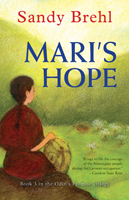
Mari’s Hope, by Sandy Brehl (Sept. 2017, Crispin Books), $14.95, ISBN: 978-1-883953-89-8

Recommended for readers 9-12

The conclusion of Sandy Brehl’s Odin’s Promise trilogy is finally here! Mari’s Hope continues the story of Mari, a Norwegian girl living under the German occupation during World War II. Mari, who was 11 when the story began, is approaching age 14 when the latest book begins. Her family is active in the resistance, and Mari’s involvement increases as she is older now, willing and able to take greater risks. She works with the local doctor to care for the sick and elderly in her village, Ytres Arna; travels to the city of Bergen to procure more medicine – and information – for her village, and tries to stay out of the way of the Nazi officers who live in her home; particularly the one she calls Goatman, who is a drunk and a thief.

Written in third-person narrative with first-person journal entries from Mari to her brother, Bjorn, Mari’s Hope is written with the same gentle strength as the previous two entries in the series. We see Mari grow over the three books from girl to young woman – a change that has come too quickly under the occupation – and deal not only with being a member of the Norwegian resistance, but with the stress of worrying about her brother; grieving her dog, Odin, killed by Nazi soldiers in the first book; struggling with a former friend who threw in his lot with the NS – Nasjonal Samling – Norway’s version of Hitler Youth. The family and neighbors stick together, sharing what little they have to provide for one another, whether it’s to have a birthday party for Mari or a holiday dinner for Jul. There are tense moments that kept me turning pages, sometimes biting my lip with concern, and there are moments where I just needed a moment to process my relief. Sandy Brehl never whitewashes the German’s devastation; rather, she states it quietly, eloquently, and leaves it there for Mari – and us – to process and move on.

The Odin’s Promise trilogy is a gorgeously written series of books that take us into a part of World War II history we don’t often hear about. Hitler invaded Norway with the lie that he was sending soliders to “protect” his “Viking brothers”, but proceeded to strip all freedoms from them and tried to supersede his vision of Aryan superiority over their rich culture. Odin’s Promise, Bjorn’s Gift, and Mari’s Hope tell this story through the experiences of one village, one family, one girl, who pushed back. I love spending time with Mari and her family; while I’m sad to see this story end, the beauty of books lies in knowing I can meet them again whenever I want to.

Odin’s Promise received the 2014 Midwest Book Award for Children’s Fiction. It was also noted as one of A Mighty Girl’s Best Girl-Empowering Books of 2014 and one of Foreword Magazine’s Ten Best Indie Middle Grade Novels of 2014.

Posted in Non-fiction, Non-Fiction

Crazy About Cats? You’ll love this book!

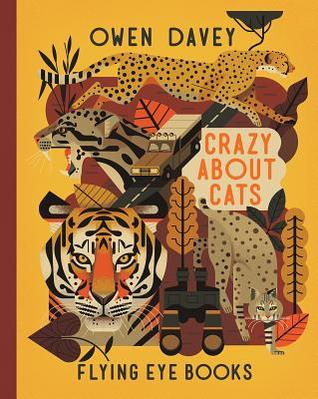
Crazy About Cats, by Owen Davey, (Sept. 2017, Flying Eye Books), $19.95, ISBN: 9781911171164

Recommended for readers 5-12

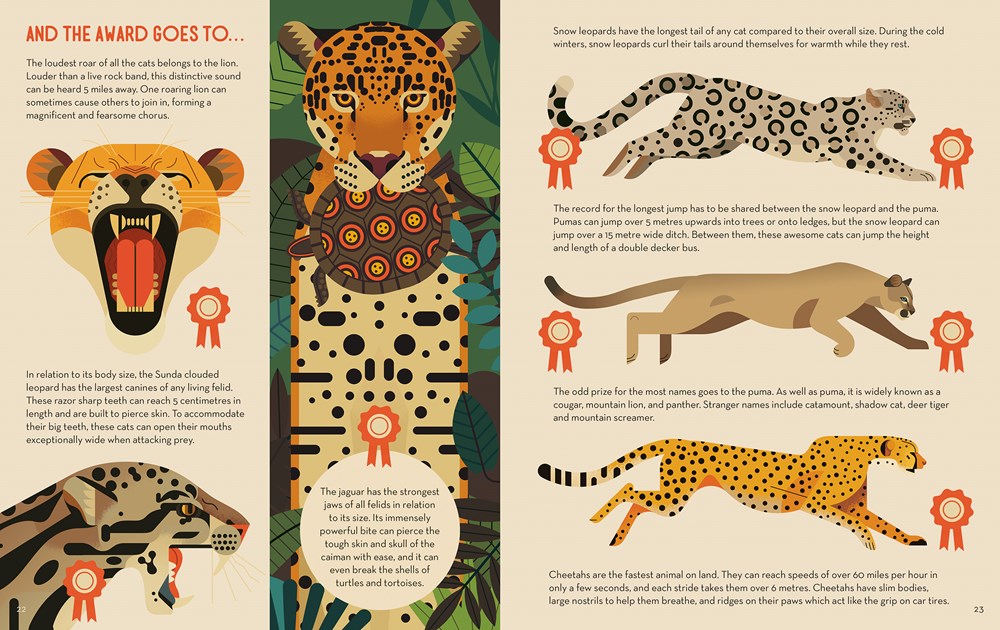
Smart About Sharks’ author-illustrator Owen Davey returns with a look at cats big and small in Crazy About Cats. The illustrated infographics give kids visuals to help them relate to age-appropriate scientific text.Did you know that the Fishing Cat has webbed paws to help it catch fish? Or that a Sand Cat’s furry paws help keep it from sinking into the desert sand?

The artwork is beautiful and bold, with just enough factoids throughout to keep feline fans happy. A nice add to nonfiction collections, especially ones that are heavy on animals.


Posted in Fantasy, Fiction, Graphic Novels, Middle Grade

Mighty Jack and The Goblin King: An incredible re-imagining of a classic tale!

Mighty Jack and the Goblin King, by Ben Hatke, (Sept. 2017, :01First Second), $14.99, ISBN: v

Recommended for readers 8-12

It’s here! The sequel to Mighty Jack (2016) is here! And the best part? It’s AMAZING.

Mighty Jack introduced us to Jack, his autistic sister, Maddy, and neighbor, Lilly. The trio discovered a magical garden that got a little out of control; Maddy was kidnapped, and Jack and Lilly set off through a portal, determined to bring her back. Mighty Jack and the Goblin King picks up with Jack and Lilly arriving in a way station of sorts; a crossroads between worlds. Lilly is injured, forcing Jack to continue alone, where he discovers the giants’ plan for his sister: to feed her to a mechanical “beast” that will grind her bones into dust, and eat her, securing their ability to rule until the next time the beast needs to be fed! Lilly, meanwhile, has been rescued and is being cared for by goblins, who plan to marry her to their goblin king.

Spoiler alert: It’s not David Bowie.


Posted in Intermediate, Middle Grade, Non-fiction, Non-Fiction

September Non-Fiction: Engineering, Nutrition, and the Planets

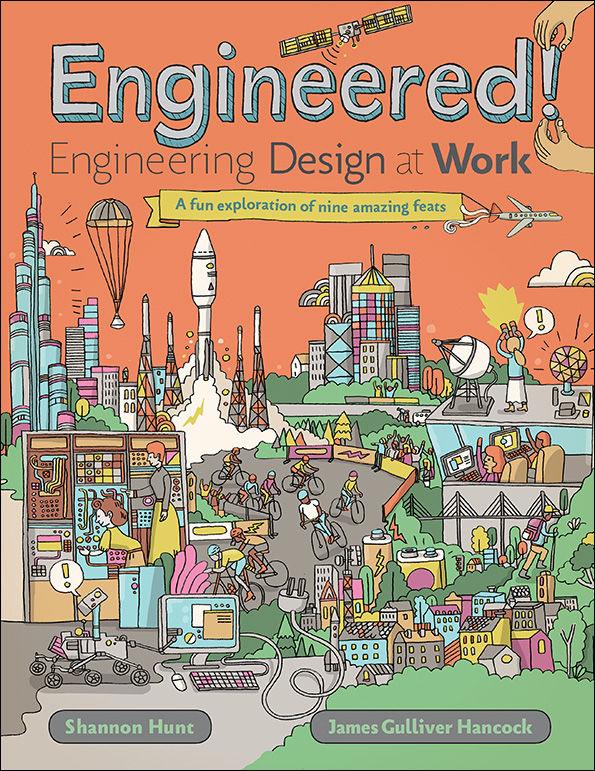
Engineered! Engineering Design at Work, by Shannon Hunt/Illustrated by James Gulliver Hancock, (Sept. 2017, Kids Can Press), $18.99, ISBN: 9781771385602

Recommended for readers 9-13

Nine engineering specialties -Aerospace Engineering, Biomedical Engineering, Chemical Engineering, Mechanical Engineering, Electrical Engineering, Civil Engineering, Geomatics Engineering, Computer Engineering, and Environmental Engineering – in this look at engineering design, which introduces readers to the step-by-step process by using eye-catching icons and nine case studies, one for each field. Team member bios that introduce kids to new scientists and what they do; new fields of engineering, like geomatics, are explained and illustrated, as are new technologies, like the incorporation of 3-D printing into biomedical engineering. Cartoony illustrations make the science more appealing to anyone who may think they can’t *do* science. Kids will learn that engineering can be found everywhere, from sending the rover to Mars, to saving animals from extinction, to replacing a sewer system to clear pollution from a lake. A glossary helps with new engineering terms readers come across.

Engineered! is a fun introduction to the basics of engineering and can be used equally in a science class, makerspace, or on career day.


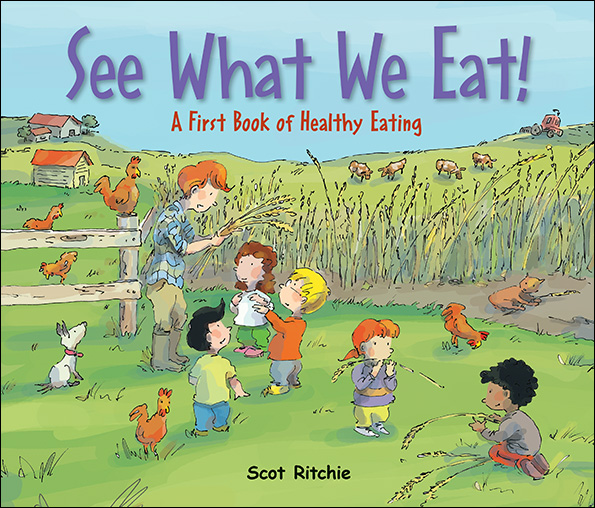
See What We Eat! A First Book of Healthy Eating, by Scot Ritchie, (Sept. 2017, Kids Can Press), $16.99, ISBN: 9781771386180

Recommended for readers 5-8

A group of friends takes a trip to a farm, run by one girl’s aunt. They’re there for pick apples and make an apple crisp for the potluck harvest dinner. Yulee’s aunt takes them on a tour of the farm, teaching the kids about growing grains and vegetables, getting enough nutrients, dairy, and protein – and addresses food allergies and alternative methods of getting those nutrients. Kids learn about transporting food to farmer’s market, stores, and all over the world. Ritchie addresses composting and recycling, and includes a tasty Harvest Apple Crisp recipe to try. A glossary helps readers with new words like pasteurize, carbohydrate, and nutrient.

The illustrations are soft, cartoony realistic, with a multicultural group of friends coming together to learn and eat. The room where the Harvest Celebration takes place has a line of hanging global flags as the families dine on pierogies, tamales, and apple crisp. With bolded facts and questions to encourage deeper thinking, this is a fun introduction for younger learners to nutrition and sustainability.


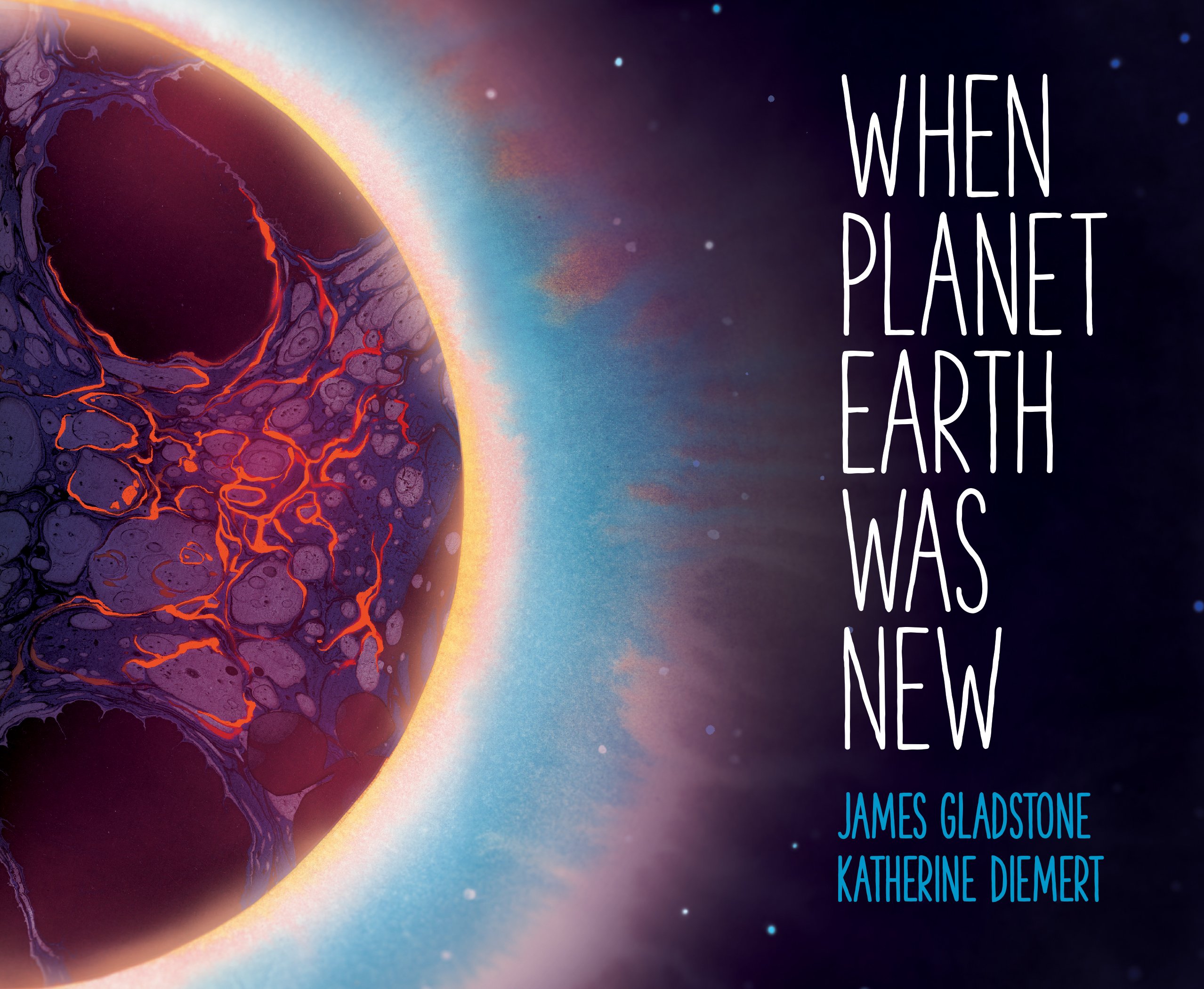
When Planet Earth Was New, by James Gladstone/Illustrated by Katherine Diemert, (Sept. 2017, OwlKids Books), $18.95, ISBN: 9781771472036
Recommended for readers 4-7
Take a trip through time and space and discover how our planet – and life on our planet – evolved. Beginning billions of years ago when Earth was forming, When Planet Earth Was New follows our planet’s formation through volcanoes and comet bombardment; through the formation of the oceans and evolution of life in the oceans and on the land. Beautiful, digitally-enhanced watercolor spreads showcase colorful artwork of each moment captured, with brief descriptive text that preschool and early elementary audiences will find breathtaking. A gorgeous spread showcases life on Earth today: a blue whale, birds flying overhead, and a marching line of animals, including a human being. A section at the end of the book presents each spread in thumbnail format, with additional explanatory text, and a glossary and list of sources round out this introduction to astronomy for young readers.
My 5 year-old loves this book; the spare text is just right for him and he’s fascinated with the changes our planet went through on its journey to the present. It’s a beautiful-looking book, and a great addition to elementary nonfiction collections. I can’t wait to display a copy in my library.


Posted in Fiction, Graphic Novels, Humor, Middle Grade, Middle School, Realistic Fiction, Tween Reads

Victoria Jamieson’s Back! All’s Faire in Middle School

All’s Faire in Middle School, by Victoria Jamieson, (Sept. 2017, Dial Books), $12.99, ISBN: 978-0525429999

Recommended for ages 9-13

Newbery Honor winner Victoria Jamieson’s newest graphic novel, All’s Faire in Middle School, introduces readers to Imogene (Impy), an 11 year-old who’s about to start middle school after being homeschooled. She’s also a knight-in-training at the Renaissance Faire that her parents and extended family – the other RenFest players – run. She’s got a different lifestyle, but never really thought anything of it; it’s all she’s known. Once she gets to public school, though, she finds herself embarrassed by her family and RenFest friends, her thrift store clothing, and her small apartment. But will she be a noble knight and rise above her challenges?

Victoria Jamieson’s got a gift for telling middle grade stories about quirky heroines who buck tradition. Roller Girl introduced us to Astrid, a girl who found herself in the roller derby arena; with All’s Faire, she gives us Imogene, who finds herself in the RenFaire. She’s got a different upbringing, which she’s embraced up until now – she meets kids who think she’s weird because she’s different; for a moment, she falls prey to the self-doubt and fear of standing out that plagues tweens. She meets the Mean Girls, and she has to draw on her internal strength and the love of the RenFest family around her to be her authentic self. There’s great storytelling here, with memorable characters and fun moments at the Faire.

This will appeal to everyone who loves realistic fiction, and all the Raina Telgemeier fans who love authors who get them. A must-add to bookshelves everywhere. Check out an excerpt from All’s Faire in Middle School at Entertainment Weekly.