Posted in Intermediate, Middle Grade, Non-fiction, Non-Fiction, Tween Reads

Two stocking stuffers from NatGeo Kids: Brain Candy and Surprising Stories Behind Everyday Stuff

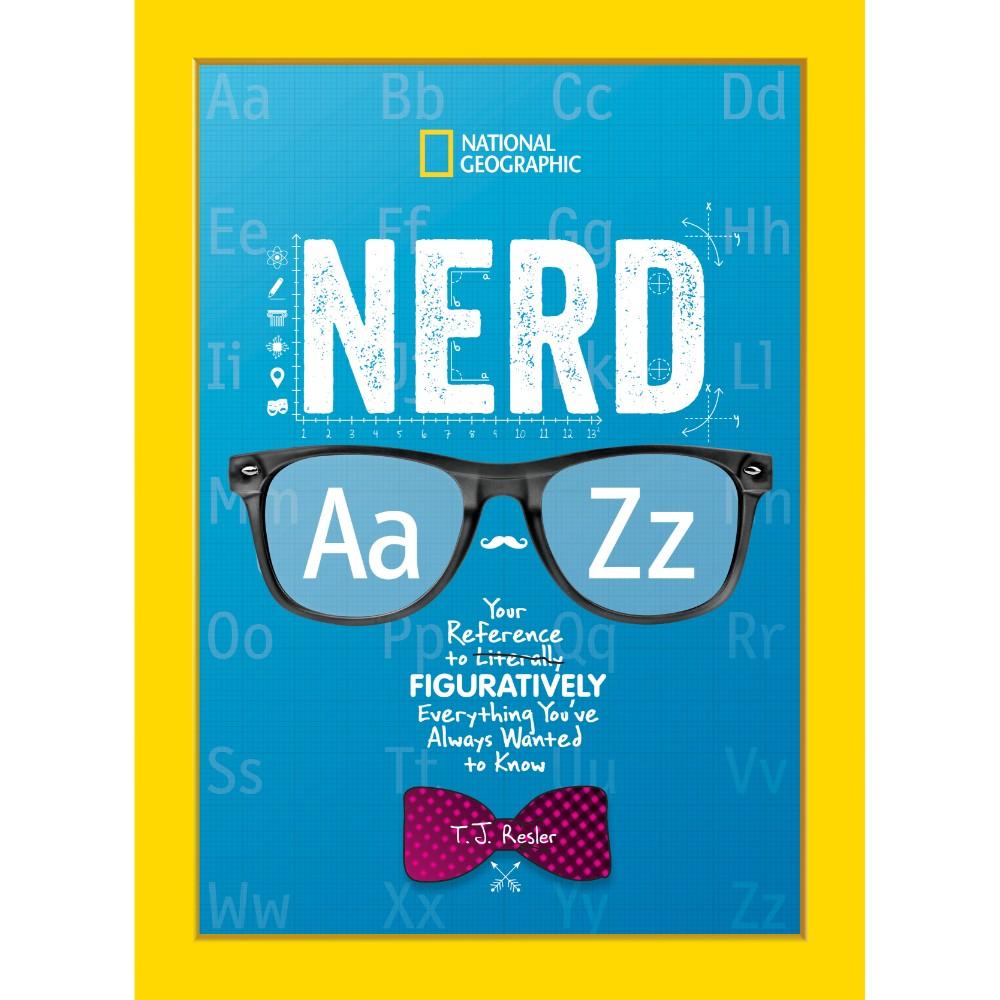
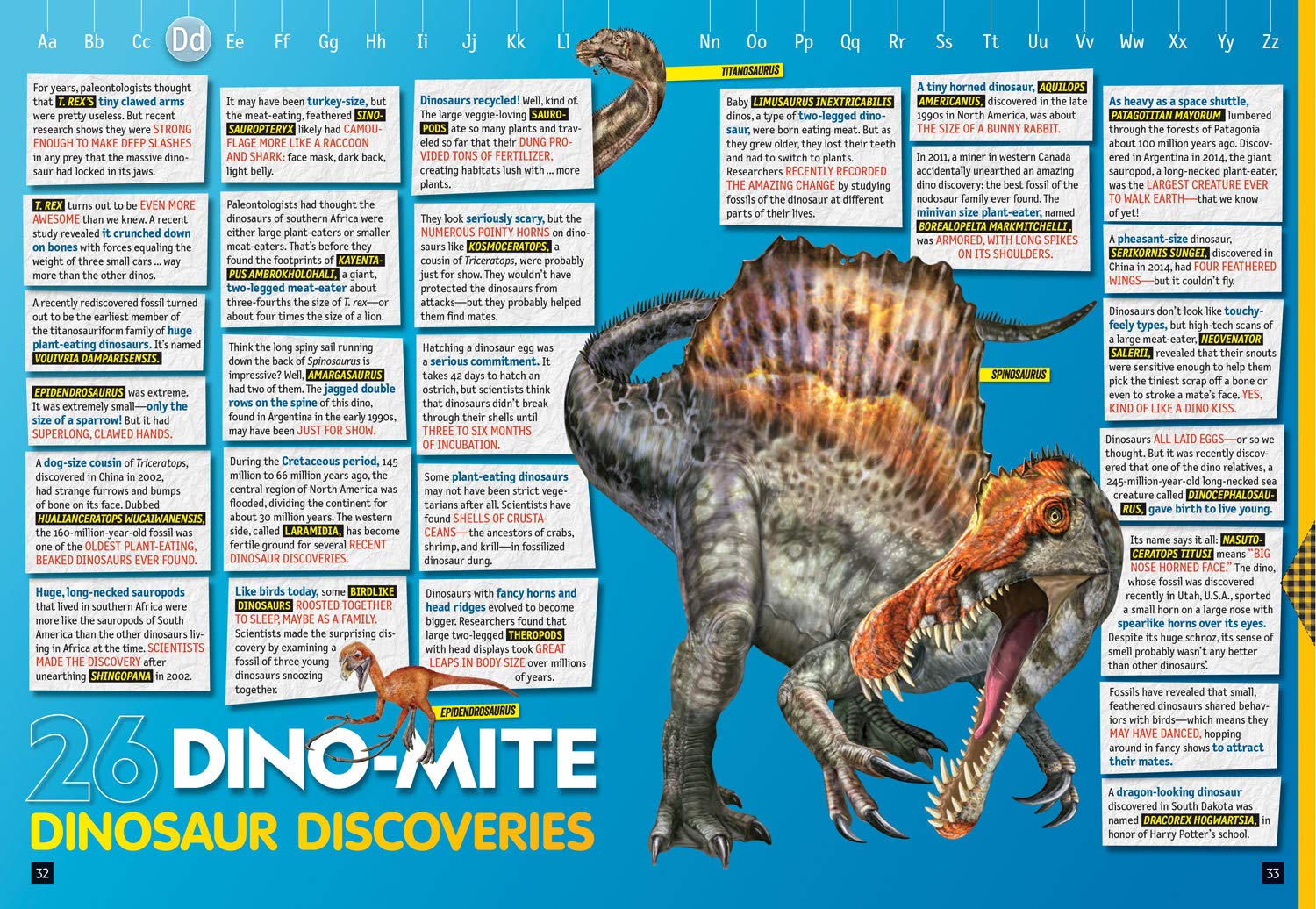
NatGeo Kids has two digest-sized, chunky little books loaded with fun facts and pictures that will be perfect for a stocking stuffer or last-minute gift!


Brain Candy: Seriously Sweet Facts to Satisfy Your Curiosity, by National Geographic,
(Oct. 2019, National Geographic Kids), $8.99, ISBN: 9781426334375
Ages 7-13

Brain Candy is so much fun because it’s loaded with facts, but it also connects facts together. Each spread presents one big fact – “A million is a lot”, for instance – and then connects other facts to that main fact: “A million days ago, the first Olympics were taking place in Ancient Greece”; “A million ants weight as much as one human”; “If you live a million hours, you will be 114 years old”. Taste buds, birthdays, pizza, animals, and trash are only a few of the subjects covered in this jam-packed book that will give kids endless things to think about, and tons of fun facts to spout off during dinner time. These little digest-sized books are great to stick in your bag, and they’re good for hours of entertainment. My second grader has a growing collection of them that he loves; he’ll just slip one off his shelf, curl up on the couch, and start reading them, because the facts are presented in bright, bold color and they’re easily read. Fun fact: One of my library kids once stood next to me with a NatGeo Kids joke book and read jokes to me for 30 minutes. He loved it, I had a good laugh, and other kids immediately wanted in on where he found the book. Reading is contagious!


Surprising Stories About Everyday Stuff, by Stephanie Warren Drimmer,
(Sept. 2019, National Geographic Kids), $9.99, ISBN: 9781426335297
Ages 7-13

Ever wonder how blue jeans became so popular? Or where soap came from? Surprising Stories is all about how things we use everyday found their ways into our homes and our lives. Organized into 10 chapters, readers can see where the most popular toys, food, fashion, tools, household objects, holidays, and more came to be. Each chapter has a spotlight on fads throughout the years, and there are loads of callouts with even more quick facts. You know that Slinky jingle? It’s the longest-running jingle in the history of TV advertising. Cowboy boots have heels for guys and gals alike, because those heels keep a cowpoke’s foot from slipping through the stirrups. Once again, NatGeo Kids creates a quick-take book loaded with absolute fun.


Posted in Adventure, Fiction, Middle Grade, Realistic Fiction, Tween Reads

Dog Driven is great action, survival fiction

Dog Driven, by Terry Lynn Johnson, (Dec. 2019, HMH Books), $16.99, ISBN: 978-1328551597

Ages 9-13

Fourteen-year-old McKenna Barney is a musher: a dogsled racer, and she’s gearing up for The Great Superior Mail Run; a 3-day, 354-kilometer race that takes racers from Sault Ste. Marie, Ontario to White River, Ontario. The race is a tribute to the pioneer mail carriers who delivered mail along the shore of Lake Superior, and each participant is carrying a bag of mail that will receive special commemorative stamps. For McKenna’s 8-year-old sister, Emma, it’s the chance to put a spotlight on Stargardt disease, a disease that causes a loss of central vision. Emma has Stargardt’s disease, but what only Emma knows is that McKenna thinks she does, too. McKenna’s vision has started blurring, and she’s experiencing the same symptoms Emma developed at the disease’s onset. McKenna, determined to stay independent after seeing the strain Emma’s condition has put on her family, enters the race to deliver her sister’s message and because she doesn’t know if she’ll get to do this again. During the three-day race, she and her dogs are put to the test in brutal weather conditions: owl attacks; bitter cold; snow squalls, and shifting ice.

Dog Driven is SUCH good reading. McKenna emerges as a strong, smart character who you root for through the book. Her burgeoning friendship with fellow musher, Guy (pronounced “Geee”, with a hard G) provides a solid subplot to the story. Their partnership, despite being competitors, is light, fun, and vital to McKenna’s survival in the race and her determination to continue. Letters that our mushers are carrying, plus older letters from Guy’s great-great-grandfather, provide context and further investment in the race outside of the main storyline. Well-thought out characters, a strong survival in the wild story, and Terry Lynn Johnson’s incredible – and readable – knowledge of dogsled racing make this a must-read. Give this to your readers who’ve tackled I Survived and are ready for more; your Hatchet readers, and anyone who enjoys Terry Lynn Johnson other dog books and her Survival Diaries series.

Check out Terry Lynn Johnson’s author page for pictures of her sled dogs (SO CUTE), fun facts, and Survivor Diaries research.

Dog Driven has starred reviews from Kirkus and Booklist.


Posted in Fiction, Graphic Novels, Middle Grade, Non-fiction, Teen, Tween Reads, Women's History

February graphic novels bring magical realism and STEM nonfiction

First Second is a graphic novel powerhouse. Every season, I know I’m going to see good stuff from the authors and illustrators that First Second publishes. Here are two we’ve got coming in February.

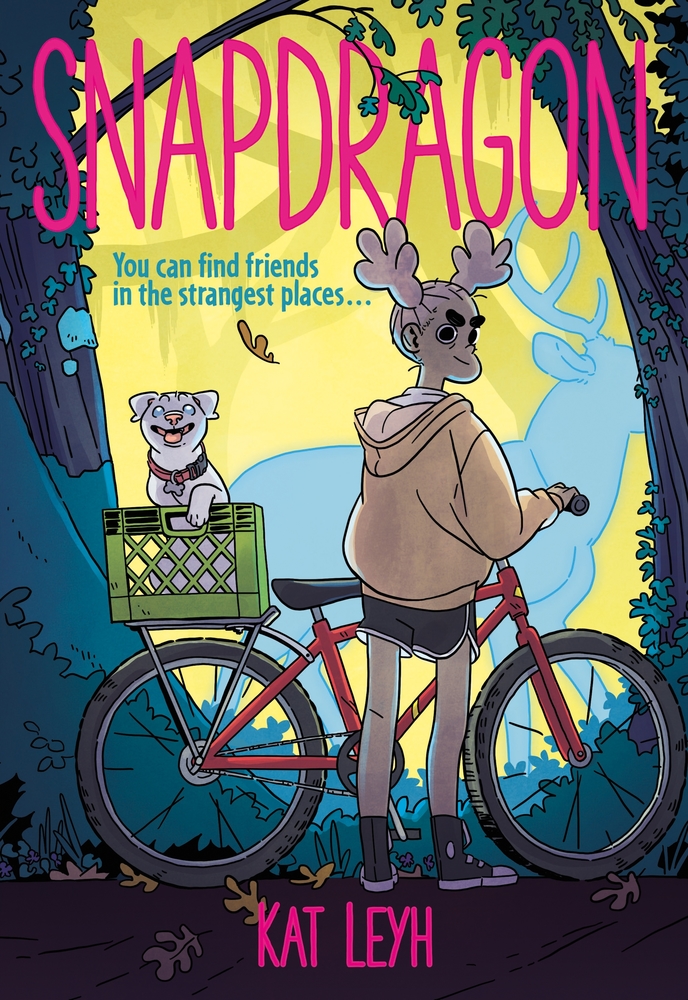
Snapdragon, by Kat Leyh, (Feb. 2020, First Second), $12.99, ISBN: 9781250171115

Ages 10+

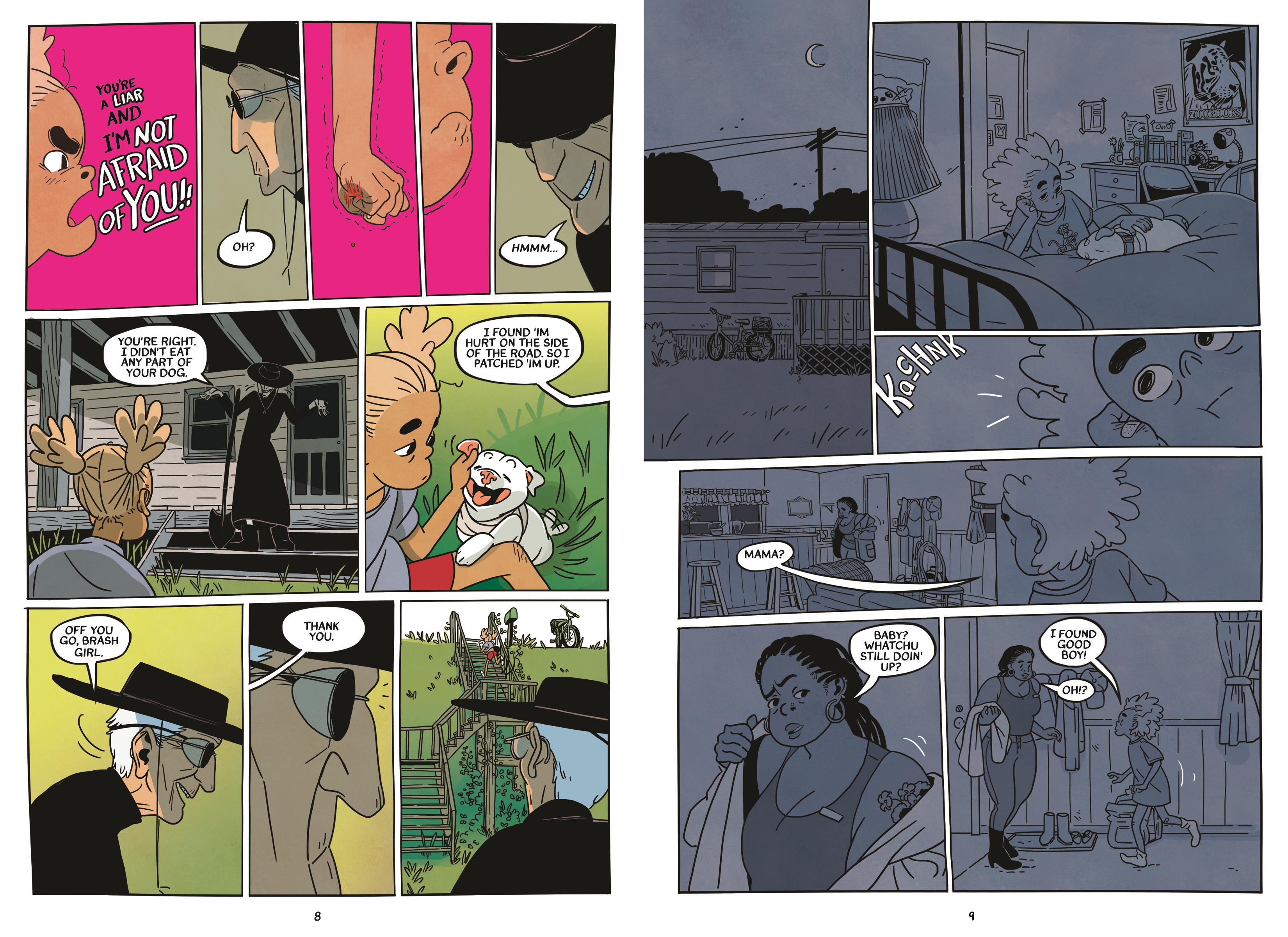
Magical realism infuses this story about a girl who befriends the town witch. Snapdragon’s heard the rumors about the “roadkill witch”, but when Jacks – a loner constructs skeletons from roadkill to sell to veterinary schools – rescues Snap’s dog, she finds herself cultivating a friendship with the loner, who takes her on as an apprentice. But Jacks also has rituals she goes through, to put those roadkill spirits to rest, and Snap is pretty sure that Jacks has a little bit of witchcraft after all.

Snapdragon is a story with depth. Lumberjanes writer Kat Leyh creates a magical, yet real cast of characters: Snapdragon, the daughter of a single working mother, is bullied at school and by her mother’s cruel ex-boyfriend. Her friend, Louis, who prefers to go by Lulu and wear skirts and nail polish, is tormented by his brothers. The two bond over their mutual love of a a horror movie series and Lulu finds comfort and safety in Snapdragon’s home. Jacks and Snap discover a connection between them in a subplot with Snap’s grandmother.

Snapdragon has a starred review from Kirkus.


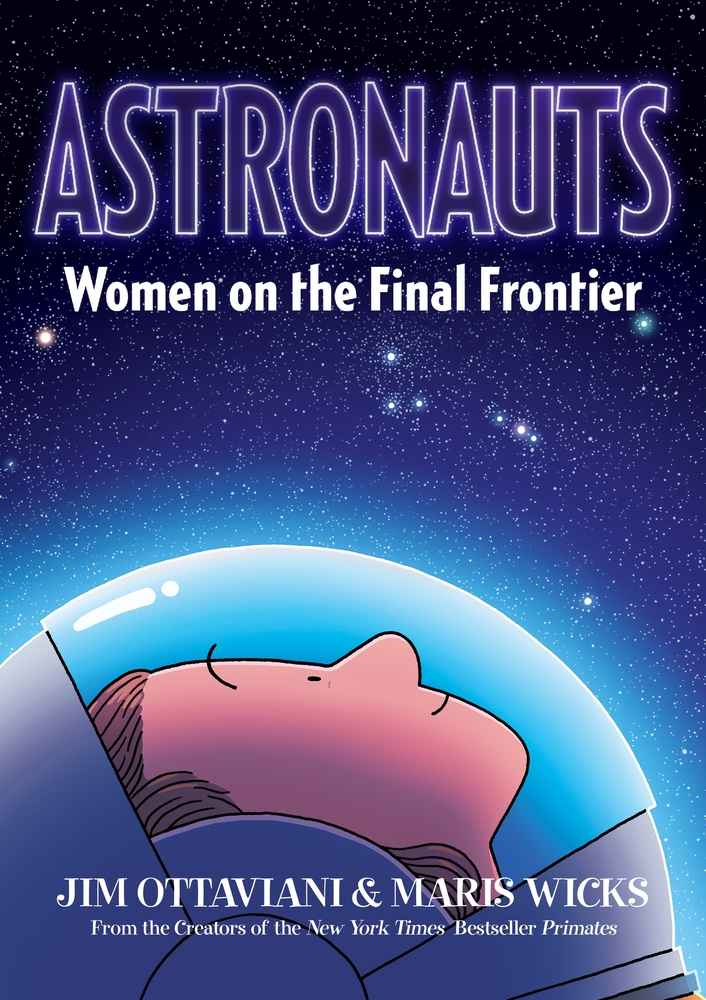
Astronauts: Women on the Final Frontier, by Jim Ottaviani & Maris Wicks, (Feb. 2020, First Second), $19.99, ISBN: 9781626728776

Ages 8-12

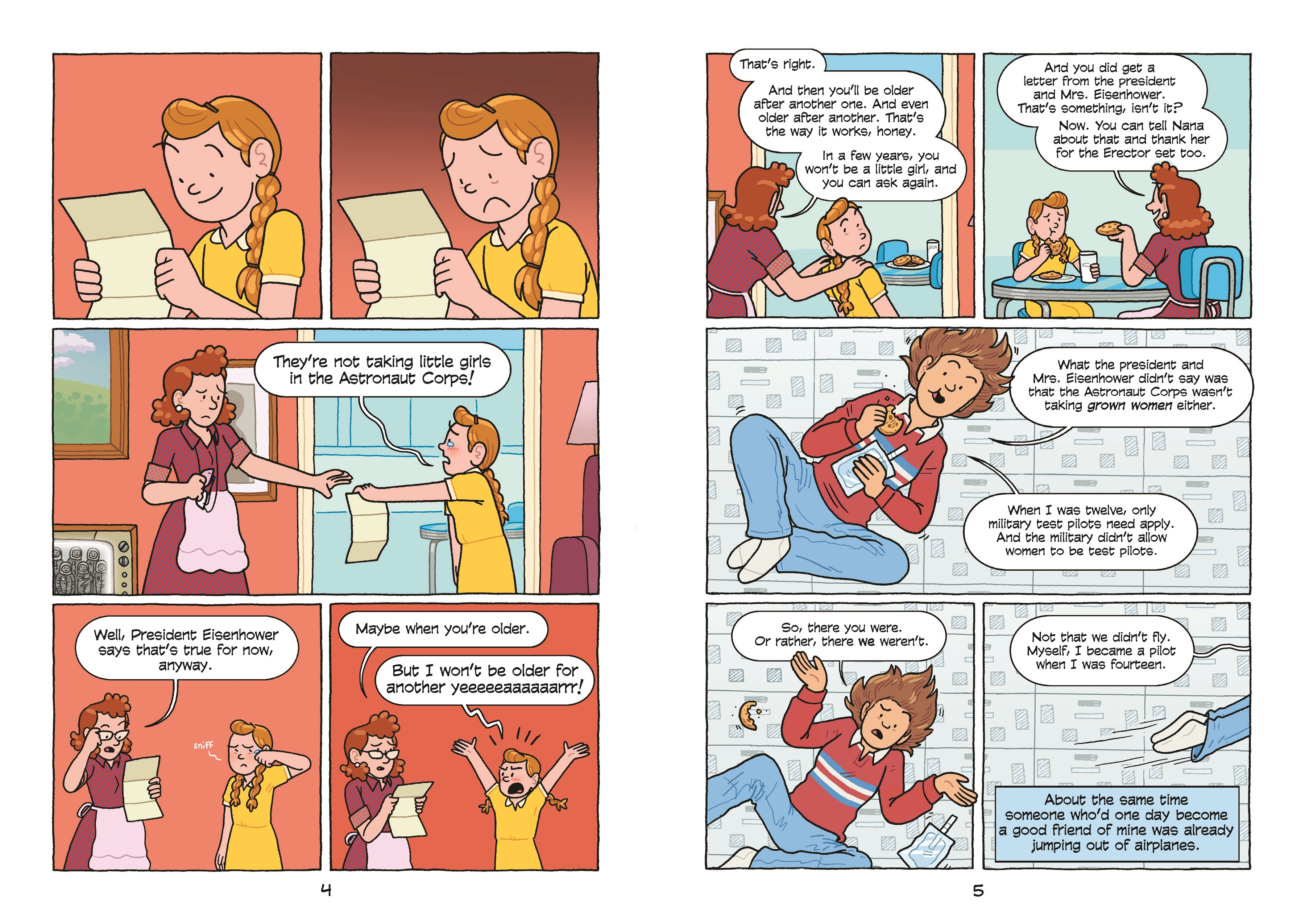
Meet the first women to travel into space in this nonfiction graphic novel that has big appeal for Science Comics fans. Astronaut Dr. Mary Cleave navigates readers through the history of women and space travel, starting with the Soviet space program that made Valentina Tereshkova the first woman in space, and illustrates the long road American women had to take to get Group 9, NASA’S first mixed-gender class, to the stars.

The most frustrating thing about Astronauts is reading how seemingly determined the U.S. government was to keep women out of space. The graphic novel tells multiple stories from different points of view; the Mercury 13 and Women in Space Program both ended up going nowhere, while the Soviet Union focused on sending just one woman – Tereshkova – into space. (And she didn’t even tell her mother before she went.) It’s disheartening to read that science journalists imagined conversations between women – female scientists – and Mission Control consisting of, “this little thingamabob has jiggled off the gizmo”. Even when NASA got it together and began recruiting women for the space program for real this time, their concerns about dress codes and complete ignorance of basic physiology left me frustrated and even more determined to get my STEM/STEAM programming firmly entrenched here at my library. The second half of the book, focusing more on Mary Cleave’s space shuttle missions and NASA training, are a welcome relief. There are some great and hilarious anecdotes throughout, and Mary Cleave’s love for space exploration and science comes through, making me hopeful that this book will inspire many, many kids. There are references, a bibliography, and working sketches.

Astronauts has starred reviews from Kirkus and Publisher’s Weekly.

Posted in Fiction, Fiction, Fiction, Historical Fiction, Intermediate, Middle Grade

American Girl Trio: Melody, Nanea, and Julie

Everyone is pretty aware of American Girl, the toy and book phenomenon that sent kids running to the stores for an experience – tea party, clothing selection, matching outfits – before Build-a-Bear got involved. The American Girl novels have big fans in every library where I’ve worked, but I never thought to pick up and read any of them for myself. But I received three from the publisher, so I figured, what the heck? Let’s see what these are about. I have to say, I’m pretty happy with them.

The three books that I received seem to be a repackaging of American Girl’s BeForever line of historical novels. The original books look to have been published in 2016-2017; these new releases have updated cover art and the interiors are very emerging reader friendly, with both color photos and artwork throughout, making it even more appealing and reader-friendly to emerging chapter book readers.

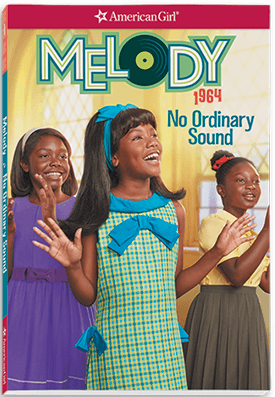
Melody: No Ordinary Sound (American Girl: Melody), by Denise Lewis Patrick, (Aug. 2019, American Girl), $7.99, ISBN: 9781683371403

Ages 8-12

It’s 1963 in Detroit, Michigan, and 9-year-old Melody just found out that she’s going to be singing her first church solo for the Youth Day celebration. Her older brother wants to be a Motown star, while their dad wants him to go to college and pick a more stable career; her older sister comes home from college with stories of protests, marches, and registering Black voters, and her cousin’s family arrives in Detroit, because racial tension in the American South has made it almost impossible to earn a living. As Melody and her family awaken to activism, a horrific church bombing in Birmingham, Alabama takes the lives of four children and leaves Melody speechless. She has to find her voice and sing for those who can’t.

No Ordinary Sound is such powerful historical fiction for intermediate and middle grade readers. I’ve enjoyed Denise Lewis Patrick’s books in the past, so I read this American Girl book first, and am so glad I did. Her characters experience three pivotal events in civil rights history – the Detroit Walk to Freedom; the March on Washington, where Dr. Martin Luther King, Jr. gave his “I Have a Dream” speech, and the church bombing in Birmingham, Alabama – and encourage readers to see these events from a personal point of view, developing a deeper understanding of more than just the facts. Denise Lewis Patrick provides a slice of life story, where readers experience the everyday racism Melody and her family and friends experience; from being banned from buying a soda at a soda machine to being shadowed by store security at stores where they’ve been longtime customers.

No Ordinary Sound was a great introduction to the American Girl historical fiction series of books, and I’ll be sure to include this series in booklists and booktalks about civil rights and historical fiction. Melody’s books have their own page on the American Girl website, where you can read first chapter excerpts.

Civil Rights Teaching has lesson plans and resources about teaching the Civil Rights Movement, as does Facing History and Ourselves. The Grammy Museum has a lesson plan on teaching the impact of Motown. Education.com has a free, downloadable worksheet on the History of Motown, and TeachRock.org has a lesson Assembling Hits at Motown. PBS Learning Media has a teaching guide and primary source materials on The Great Migration, and National Geographic has an educator’s guide.


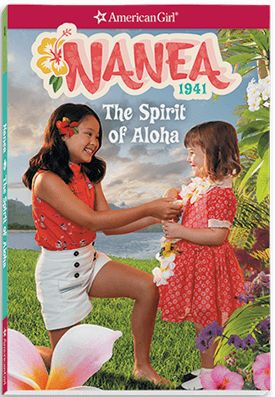
Nanea: The Spirit of Aloha (American Girl: Nanea), by Kirby Larson, (Aug. 2019, American Girl), $7.99, ISBN: 9781683371380

Ages 8-12

Nanea is a 9-year-old Hawaiian girl; she’s the youngest in her family, and feels frustrated that she can’t do grown-up things, like help in her family’s store. When Pearl Harbor is attacked by Japanese aircraft on December 7, 1941, Nanea discovers that she has to grow up quickly. Her father is a mechanic at Pearl Harbor, and rushes to help out; her older brother is an Eagle Scout, and heads to the site to hand out food and provide aid. Nanea’s Uncle Fudge is taken into custody because he’s Japanese, and Nanea is thrust into a different world with blackouts, curfews, and fear. She and her two best friends work to make themselves useful, especially when “nonessential personnel” must leave the island, which puts her friend at risk. With the spirit of aloha – love, understanding, and compassion – Nanea focuses on kokua – good deeds – to help everyone around her.

The Spirit of Aloha was another strong historical fiction piece. Kirby Larson has written likable, relatable female protagonists, and she’s done historical fiction before, so I was confident I was going to read a good story. Here, we have the main event, the bombing of Pearl Harbor, as a means to show how war makes children grow up overnight. Nanea sees her life change in moments: the bombing itself; the rounding up of Japanese people and the detention center; her fears for her father and brother as they head into the middle of the disaster to help; curfews and blackouts curtains, and the overall loss of a relatively peaceful, carefree existence. At the same time, she focuses on her culture’s principles of love, compassion, and good deeds. Kirby Larson adds touches of Hawaiian culture here, like the meaning of hula and tossing leis into the water to assure a return to Hawaii, and there’s a glossary of terms at the end. Nanea is biracial, with a Hawaiian mother and a Caucasian father, and this adds an additional facet to Nanea’s story, as she communicates with her mainland grandparents to let them know what’s going on in Hawaii.

The Spirit of Aloha is a good introduction to World War 2 historical fiction for younger readers. You can find excerpts and more about Nanea on the American Girl website.

Scholastic has a teaching guide on the attack on Pearl Harbor; Teachers Pay Teachers has some free, downloadable resources developed by fellow educators; the Pearl Harbor Aviation Museum has a lesson plan on developing visual literacy by analyzing photos from December 7, 1941. The New York Times has a lesson plan on using primary sources to teach the Japanese Internment, as does the Library of Congress.


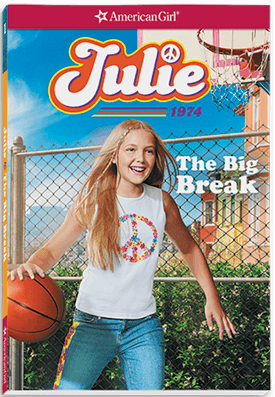
Julie: The Big Break (American Girl: Julie), by Megan McDonald, (Aug. 2019, American Girl), $7.99, ISBN: 9781683371328

Ages 8-12

Nine-year-old Julie has just moved to a new neighborhood and started at a new school after her parent’s divorce; she, her mother, and older sister live in an apartment above her mother’s new store. She starts at a new school and hears they have a basketball team, which is great! She loves basketball! The coach, however, makes no bones about it: the team is boys only, and he’s never going to let a girl play on his team. Julie, empowered by her tennis-playing older sister who tells her about tennis star Billie Jean King and Title IX, the law prohibiting gender discrimination in any educational programs receiving Federal financial assistance (read: public schools can’t refuse any boy or girl from playing on an athletic team). Julie embraces her newfound activism and takes to the streets, getting people to sign a petition to let her play.

The Big Break is a snapshot of the 1970s, when the second wave feminist movement was still pushing for equal rights in the workplace and in our schools. An interesting subplot with a Vietnam vet, who helps focus Julie’s activism by petitioning against the closing of a veteran’s hall, reminds readers that the ’70s were also about coping with the fallout from the Vietnam War and the vets who returned to homelessness, and a lack of necessary mental and physical health services. Julie’s sister is a burgeoning feminist who follows the Bobby Riggs-Billie Jean King Battle of the Sexes and tells Julie about Title IX, which opened the doors to school athletics for girls. At the same time, Julie is coping with her parent’s divorce – much more scandalous in the 1970s than it is today – and her feelings of grief and frustration with both her parents. Her mom appears to be a free spirit, with a ’60s-early ’70s flower child aesthetic; she’s a divorced woman entering the workplace and starting her own business venture: a store dedicated to handcrafted clothing and items, often repurposed. Julie’s pilot father often misses school events because he’s called to fill in for another pilot, and doesn’t initially support her bid to play on the boys’ basketball team.

The Big Break is by Megan McDonald, who everyone also knows as the author of the Judy Moody and Stink series! Here, she gives readers a glimpse into the 1970s, where things are so different, and yet, still the same. Girls still get grief from boys in the athletic sphere. Homeless veterans are still not getting the services they need. People now use Title IX to protect transgender and nonbinary students. And girls are still discovering and embracing their voices in activism. You can read more about Julie on her American Girl page, including first chapter excerpts.

TedEd has a lesson plan on Title IX that’s friendly to younger students. NEA Today has a good article on ways Title IX has helped women and girls; PBS has a video on Title IX; Scholastic Kids Press has an article on how Title IX changed girls’ sports. Teaching History has resources on teaching the Vietnam War.


Each book comes with a peek into each girls’ life: maps of their neighborhood, pictures of their families, a glimpse at someone’s room. Back matter includes overall information about each American Girls’ moment in history. American Girl makes teachers guides, readers guides, and printable activities available.


Posted in Fiction, geek culture, Guide, Middle Grade, Non-Fiction, Non-fiction, Tween Reads

Cyber Monday Gift Guide

Okay, get ready for the latest MomReadIt gift guide – if you can find great deals on Cyber Monday, go for it; if you prefer your local indie bookstore, have at it! Here are some books that the kiddos you know will be thrilled to receive, whether it’s for holiday or any day.

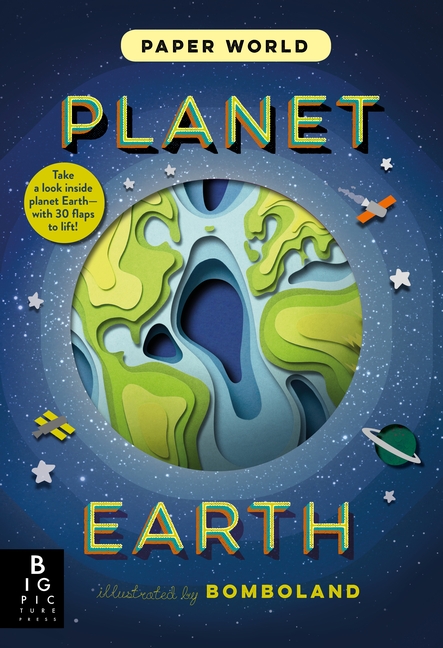
Paper World: Planet Earth, by Bomboland, (Sept. 2019, Big Picture Press),
$24.99, ISBN: 9781536208542
Ages 7-12

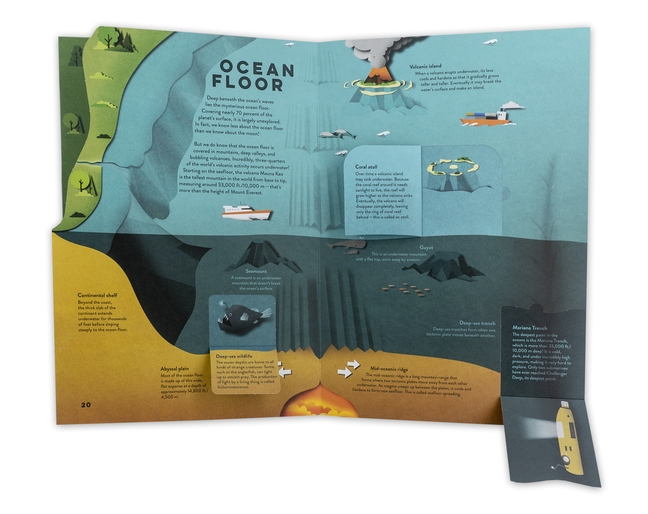
An awesome lift-the-flap book for bigger kids, Paper World: Planet Earth is a die-cut, lift-the-flap trip in and around our big blue planet. Readers explore and learn about earth’s tectonic plates; volcanoes, mountains, and glaciers; weather and storms, and more. Sturdy pages and flaps reveal facts, and die cut features add incredible texture. Hands-on science starts here! Back matter includes a glossary.

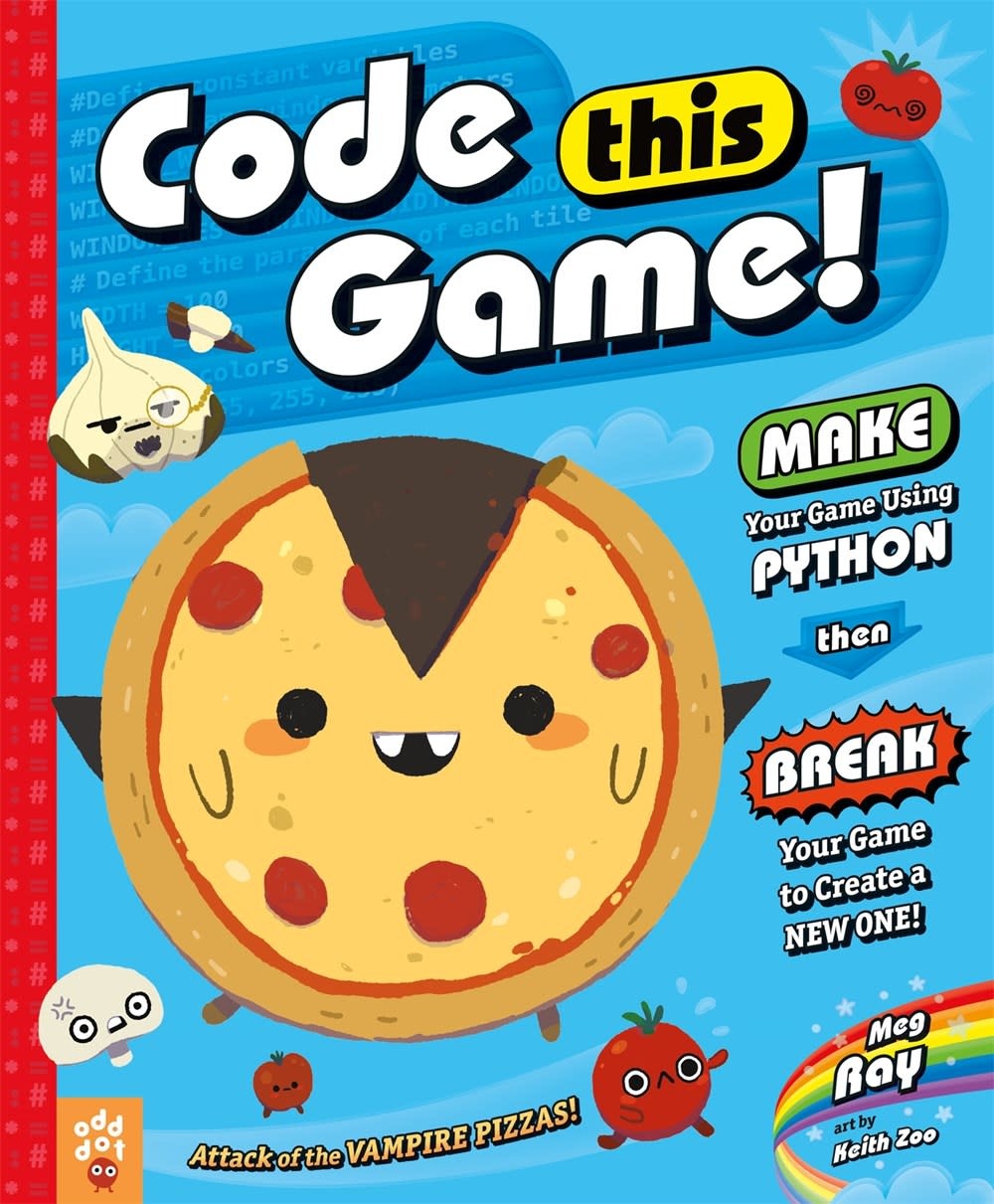
Code This Game!, by Meg Ray/Illustrated by Keith Zoo, (Aug. 2019, Odd Dot Books),
$24.99, ISBN: 978-1-250-30669-2
Ages 8-13

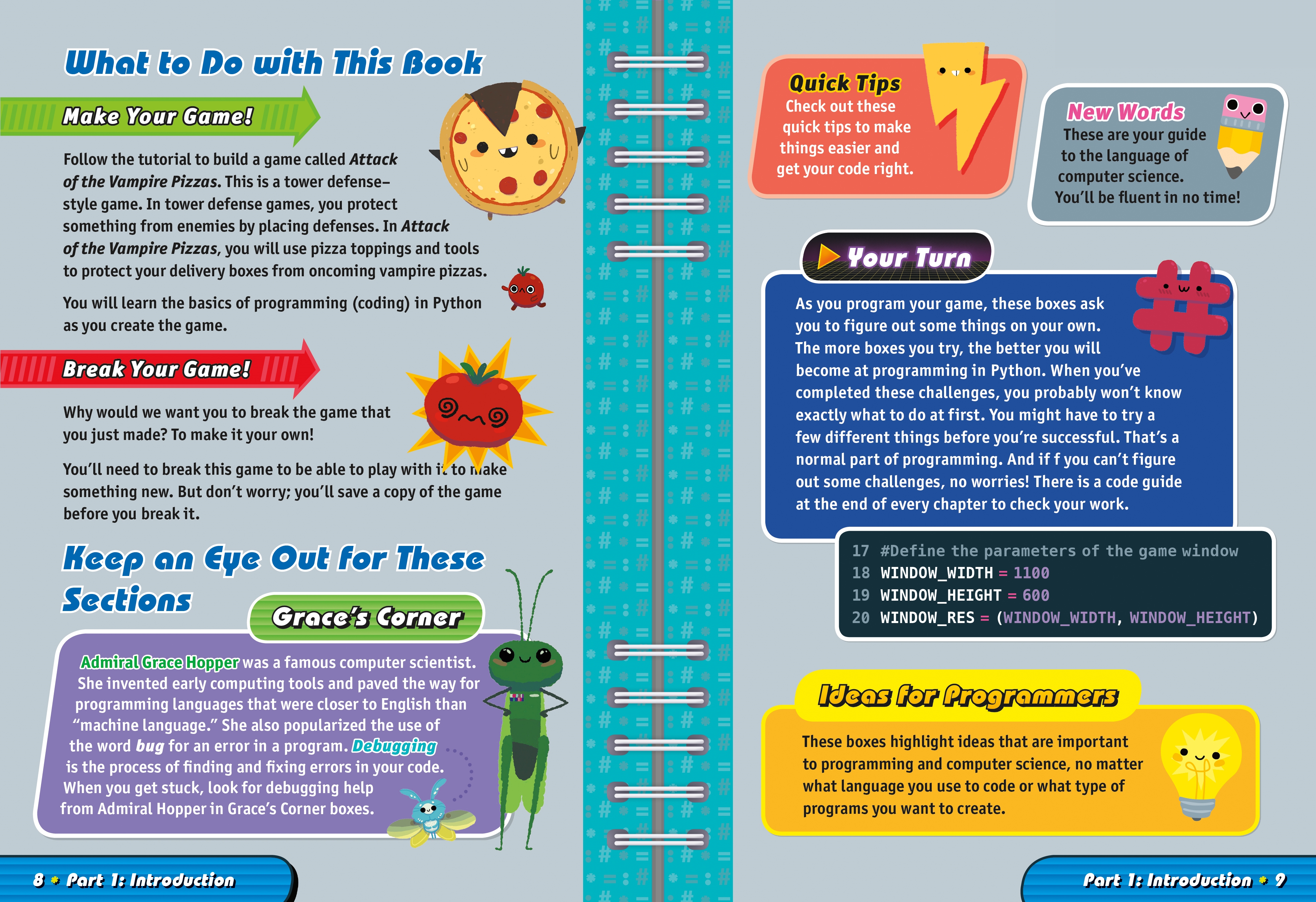
I’ve been working on coding with the Girls Who Code club at my library, and with my kiddo at home. We’ve been doing a lot of Scratch programming, but we want our kids to be multilingual in all areas – and that includes programming! Code This Game teaches kids how to use the Python programming language, and guides them, step-by-step, through how to make their very own computer game: Attack of the Vampire Pizzas! Brightly illustrated, with chunks of easy-to-read, easy to digest information, this is a fantastic book to get kids up and running with Python. The book is spiral bound and opens into an easel stand, so you can have the book open and standing up, making it that much easier to read while you work.


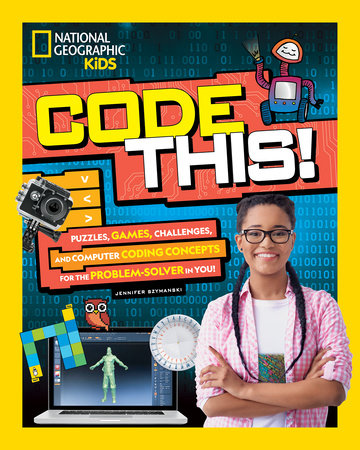
Code This! Puzzles, Games, Challenges, and Computer Coding Concepts
for the Problem-Solver in You!, by Jennifer Szymanski,
(Aug. 2019, National Geographic Kids), $16.99, ISBN: 978-1-4263-3443-6
Ages 8-12

More coding fun! A robot named Cody is packed with gadgets, and needs Explorers (that’s us readers) to program him. Together, readers and Cody learn different coding concepts and solve complete missions. Have a burgeoning coder? This is the book for them. They’ll learn how to apply offline concepts to online programming, using ciphers, mazes, secret codes, and good old-fashioned logic. Solutions are there when you get stuck, and quick takes on HTML/Javascript and Python help with quick reference, along with a glossary and index.


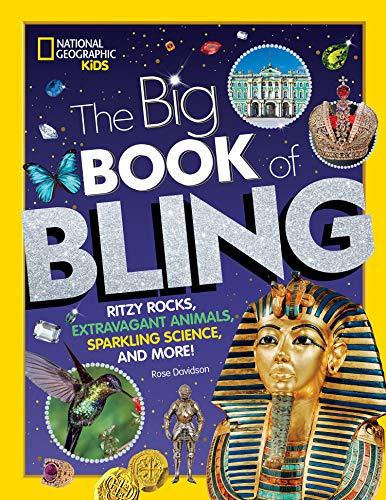
The Big Book of Bling, by Rose Davidson, (Sept. 2019, National Geographic Kids),
$19.99, ISBN: 978-1-4263-3531-0
Ages 8-12

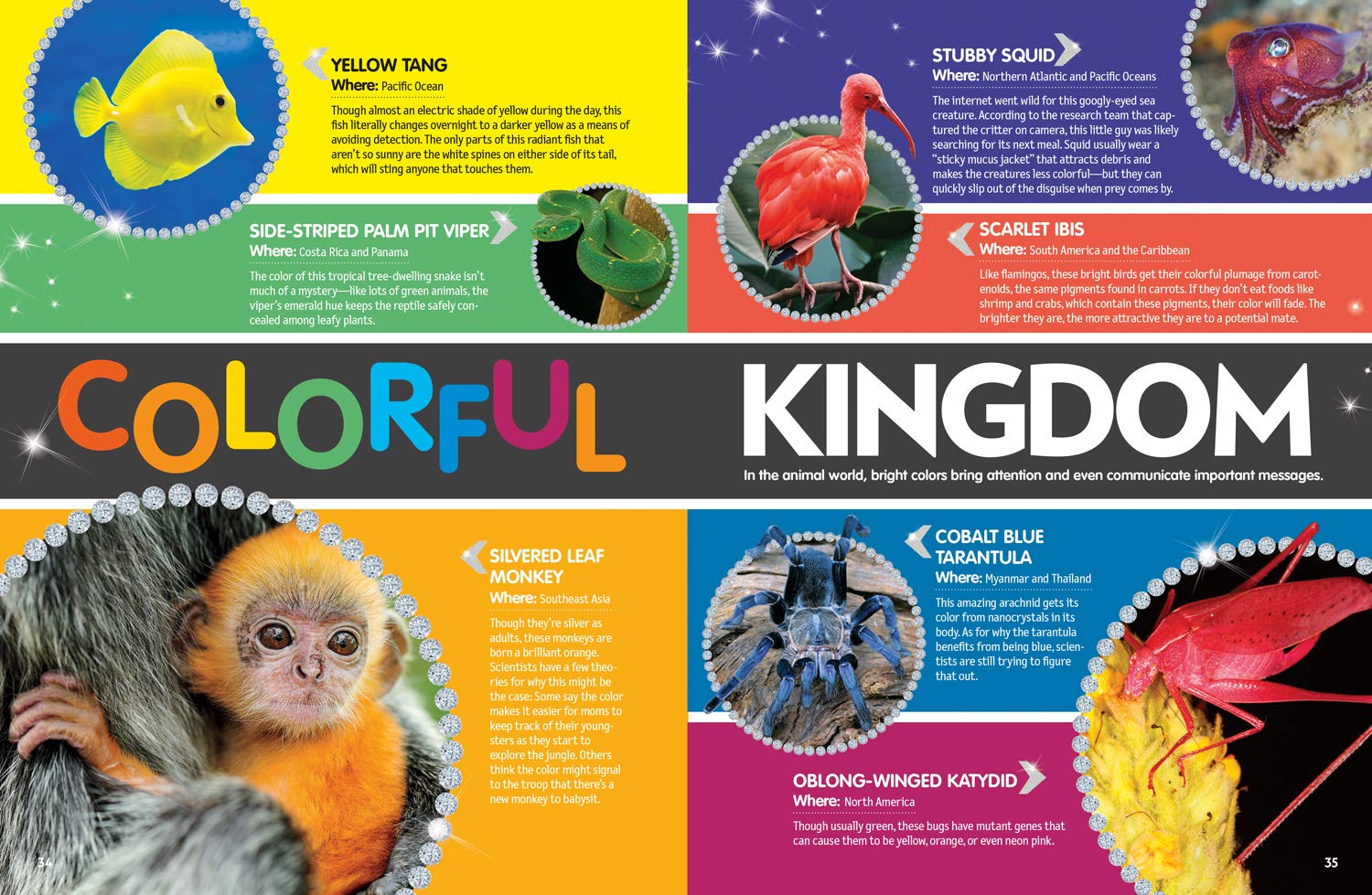
What would the holidays be without a little bling? NatGeo Kids packs a bunch of bling into one volume, with incredible photos and facts about all things shiny. There are rocks and gems both dazzling and dangerous (stay away from that Hope Diamond), and some of nature’s most extra creations, like the Indian Peacock and the Jewel Caterpillar. Want to meet the richest pets in the world? They’re in here. Ever wonder what sushi wrapped in 24K gold looks like? You’ll find out, in here. Loaded with facts and stunning photos, this will definitely add some zing to the holiday gift-giving.


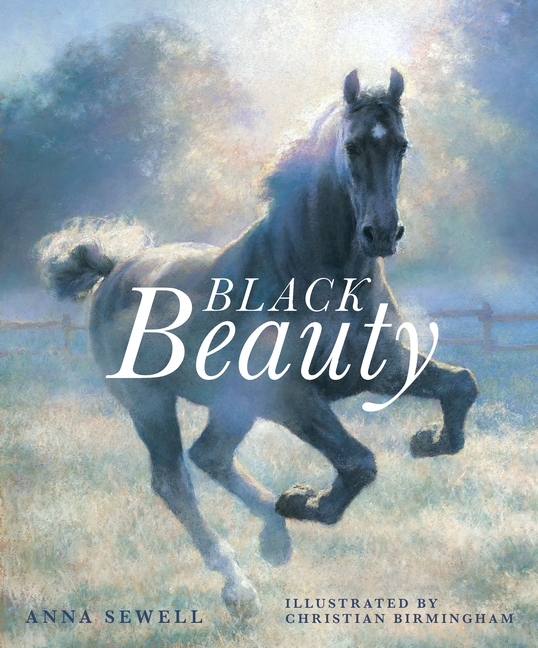
Black Beauty, by Anna Sewell/Illustrated by Christian Birmingham
(Oct. 2019, Candlewick Press), $24.99, ISBN: 9781536211245
Ages 8-12

I can’t believe Black Beauty was published over 140 years ago. It was a mainstay of my childhood library, and I still hand it to kids in my library today. This Anna Sewell classic features more than 50 new illustrations by artist Christian Birmingham, and is a gorgeous gift to anyone who grew up loving this story – or a horse-loving reader who hasn’t yet met the beautiful horse in this Victorian novel. Pair with Into the Jungle: Stories for Mowgli for a reader who loves an eternal story.


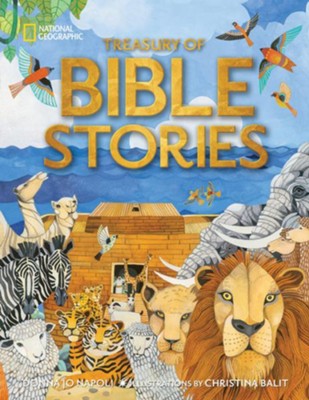
Treasury of Bible Stories, by Donna Jo Napoli/Illustrated by Christina Balit,
(Oct. 2019, National Geographic Kids), $24.99, ISBN: 978-1-4263-3538-9
Ages 4-12

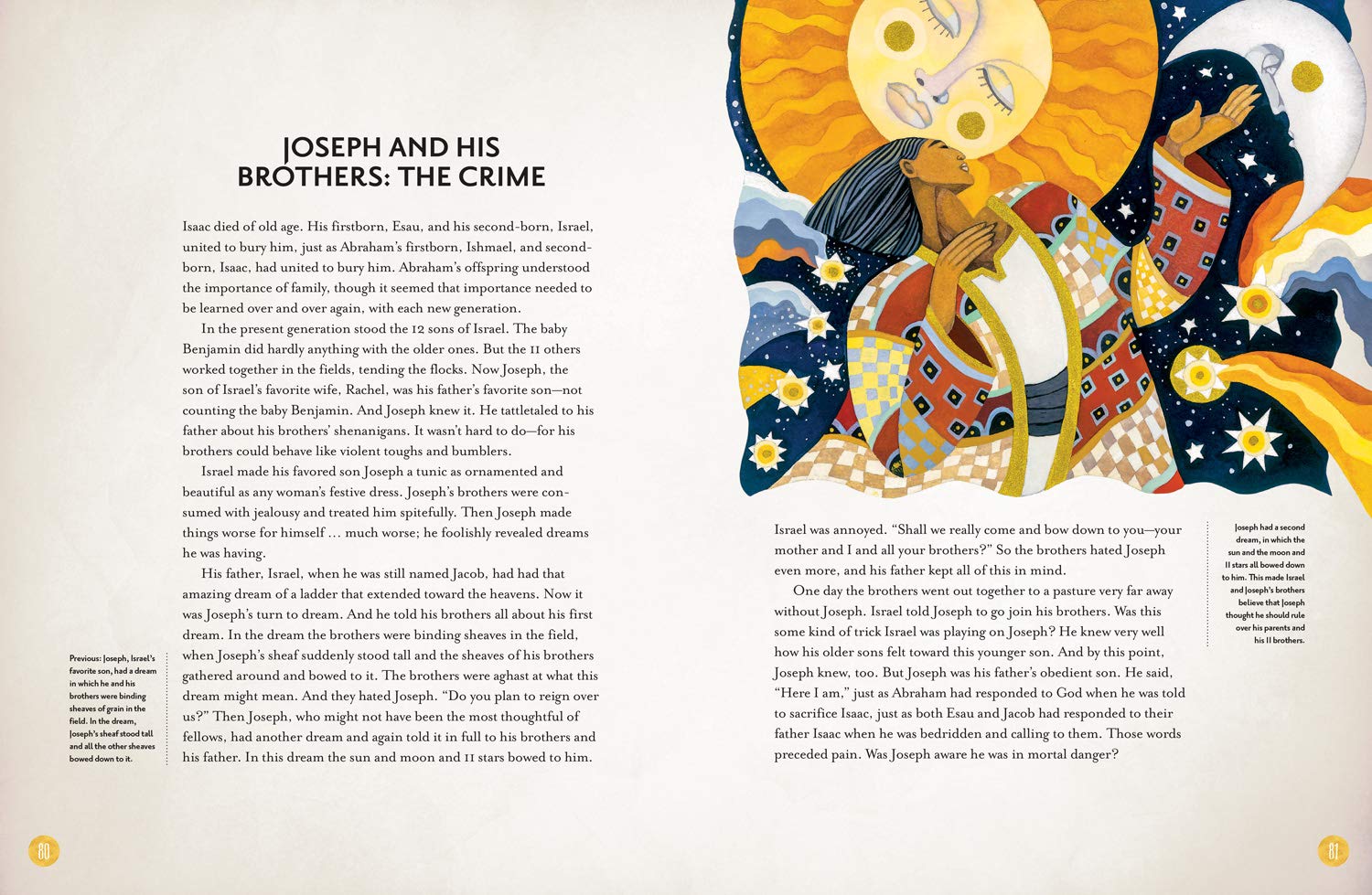
This stunning compendium of Bible stories are taken from the Hebrew Bible, also known as the Christian Old Testament. There are 28 stories in all, beginning with Creation and going through to the story of Daniel in the Lion’s Den, all gorgeously illustrated in full color. The author’s note talks about the writing process, under the guidance of Rabbi Helen Plotkin, over the course of a year and how the book presents a “human history from Creation to the building of the second temple in Jerusalem”. A note on the illustrations points out that the stunning artwork is informed by archaeology and biogenetics: in other words, the humans are depicted with different skin tones, facial characteristics and hair texture. Callouts and fact boxes throughout the stories provide nonfiction content such as the domestication of animals, beginning and diversification of human language, and one of my favorites, “Sanctioned Recklessness”, which talks about the spring festivals of Purim and Carnival. There are maps for Lands of the Bible, a timeline of early civilizations, and a section spotlighting major figures in the Bible. Includes a bibliography and index.

Posted in Fiction, Fiction, Humor, Intermediate, Middle Grade, Middle School

KidLit in Translation: My Life as Lotta – A House Full of Rabbits

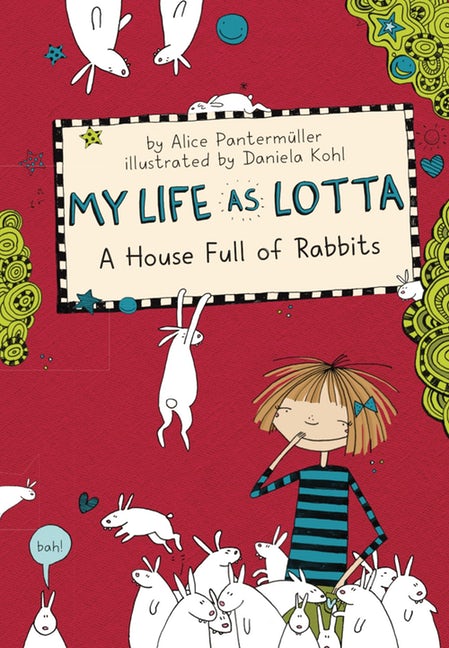
My Life as Lotta: A House Full of Rabbits, by Alice Pantermüller/Illustrated by Daniela Kohl, (Oct. 2019, Sterling Publishing), $12.95, ISBN: 9781454936244

Ages 7-10

Lotta is a fifth grader who has younger twin brothers, a mother with a shopping problem, a father who doesn’t seem to like much, and who desperately wants a dog (or a small sheep), but will settle for one of her best friend’s many, many rabbits. Originally published in Germany, My Life as Lotta is similar to Diary of a Wimpy Kid: the book is written as Lotta’s diary entries, is loaded with scribbles and notes, and stars a protagonist who finds herself in the wackiest situations.

Maybe I’ve got Wimpy Kid burnout, but My Life as Lotta didn’t do much for me. Lotta’s parents seem pretty awful – maybe they get funnier with subsequent books? Her best friend, twin brothers, and teacher are all pretty run-of-the-mill supporting characters, with Lotta taking center stage for all the wackiness. That said, I’m definitely not the intended audience for this book, and can see my intermediate-level readers enjoying it. If you have the extra dollars in your book budget and Wimpy Kid/Dork Diaries/Timmy Failure books do well for you, give My Life as Lotta a shot.
Posted in Fantasy, Fiction, Fiction, Intermediate, Middle Grade, Uncategorized

Polly and Buster prove that witches and monsters should be friends

Kane Miller sent me a middle grade fantasy trilogy about Polly & Buster, a young witch and a young monster who are best friends despite monster and witch society not always seeing eye to eye.

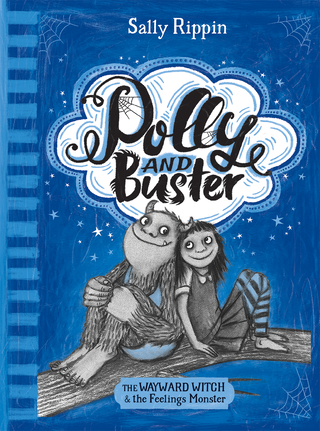
Polly and Buster: The Wayward Witch and the Feelings Monster (Book 1), by Sally Rippin, (Sept. 2019, Kane Miller), $6.99, ISBN: 978-1-61067-926-8

Ages 7-11

The first book in the series introduces us to Polly, a 9-year-old witch who just can’t seem to get her witching schoolwork right. Her older sister, Winifred, is the star sibling, and her widowed mother is often frustrated by Polly’s inability to excel like Winifred, and by her friendship with Buster, the monster next door. Polly and her family are still reeling from her father’s death in the mines a few years ago, which seems to be the tipping point for witch-monster tensions. When Polly casts a powerful spell while trying to protect Buster from bullies, her actions are misinterpreted, and the relationship between witches and monsters grows dangerous. Polly and Buster have to work together to salvage their own relationship and keep one another safe as witches and monsters choose sides in what could be a brewing war.

I was pulled right into this easily readable adventure. Polly exhibits some ADHD, dyslexic, and OCD tendencies, which could be linked to her burgeoning witch power: think Percy Jackson and the similar issues exhibited by demi-gods in that series. Buster is a kind-hearted monster who tries to hide his sensitivity from other monsters; his feelings manipulate his size and color, leaving him open to bullying. Witch and monster society in this series is symbolic of our own society: racism, intolerance, and exclusion abounds in witch society, while monsters grow increasingly tired and angry of being considered second-class citizens. Throw in a mean girl bully, and her equally mean, manipulative mother, and Polly and Buster goes from being a sweet story about acceptance and friendship to a powerful look at inequality and revolt.


Polly and Buster: The Mystery of the Magic Stones (Book 2), by Sally Ripkin, (Sept. 2019, Kane Miller), $6.99, ISBN: 978-1-61067-927-5

Ages 7-11

The second book in the Polly and Buster series brings the action and the tension up several notches as readers witness the breakdown of relations in witch-monster society. Polly and Buster are on the run from witches who have determined that Buster is dangerous and needs to be taken prisoner (or worse); Polly turns to her favorite teacher, the sympathetic Miss Spinnaker, for help. Meanwhile, a handful of mysterious stones that Polly’s father left to her start to glow and feel warm to the touch; Polly feels them beckoning her… to the mines where her father died?

The Mystery of the Magic Stones brings the action on quickly – witch and monster society are breaking down, and the story has a very Harry Potter feel as a group of vigilante witches start taking policing matters into their own hands as monsters form gangs to protect one another and defend themselves against witches. There’s a feeling of urgency throughout the story, as Polly tries to unravel the mystery of the stones while she and Buster are running and hiding for their lives. No sophomore syndrome here; the second book in the Polly and Buster series will leave readers waiting to find out how this is all going to shake out: make sure you have that third book ready to give them.


Polly and Buster: The Seach for the Silver Witch (Book 3), by Sally Ripkin, (Sept. 2019, Kane Miller), $6.99, ISBN: 978-1-68464-095-9

Ages 7-11

The third book in the Polly and Buster series brings things to a big close. Polly and Buster have been on the run through all of the second book as relations between witches and monsters threaten to descend into violence. Polly has made discoveries about herself that will change how others see her – if she can stay safe long enough! Seeking out her aunt – an outcast from witch society – for answers, Polly hopes to unload the burden the stones have put on her. Meanwhile, there’s a dark power brewing in Polly and Buster’s neck of the woods, and it’s making everything worse!

In this third book, Polly learns that she’s far stronger than she ever dreamed – her inner strength will give her the power she and Buster need to make things right between their two communities, and will help her defend everyone she loves against the biggest danger that her village has ever faced. Polly has her hero’s journey across these three books, but Buster also comes into his own as a monster who accepts his feelings and can put aside his own fear to jump in and help when he’s needed.

The whole series, originally published in the UK, is great for emerging readers who are ready for a little more of a challenge in terms of book content and length. It’s an intermediate-level series with more heft and big social issues to unpack. There’s fantastic world-building, solid character development, and sympathetic heroes and villains alike. Black and white illustrations throughout will keep readers interested, and help with pacing and imagining. This series will be super-popular with your fantasy readers. U.S. publisher Kane Miller has a bunch of extras, including a free word search, discussion questions and activities, and some discussions points from the author herself.

Posted in Fiction, Middle Grade, picture books, Preschool Reads, Realistic Fiction, Teen, Tween Reads

National Native American Heritage Month

November is National Native American Heritage Month. I am eternally grateful to people like Dr. Debbie Reese, whose blog, American Indians in Children’s Literature, has reviews and writing on Native writing, problematic phrases and stereotypes, and advocacy and activism. I am grateful for authors like Nancy Bo Flood, Joseph Bruchac, and Cynthia Leitich Smith, whose work has introduced me to the realities and beauty of Native culture. I commit to expanding my reading horizons, and the horizons of the kids in my life, by promoting Native literature at every opportunity.

The Horn Book has a list of comprehensive links dedicated to Native American Heritage Month, as does Lee and Low’s blog. Teen Vogue has an article on avoiding offensive stereotypes and being a better ally to indigenous people. The National Native American Heritage Month website has a wealth of information, including a calendar of events; links to exhibits and collections including the Smithsonian, the Library of Congress, and the National Archives. The First Nations Development Institute has comprehensive resources, including printables, largely produced by and for Native people. The American Indian Library Association (AILA) is an affiliate of our national organization, the American Library Organization, and advocates for the information- and library-related needs of Natives. The AILA distributes information about Native culture to the library community, and works to develop programs that will improve Native library, cultural, and information services in school, public, and research libraries on reservations (from the AILA website).

Some books to read and add to your collections follow.

Encyclopedia of American Indian History & Culture: Stories, Time Lines, Maps, and More, by Cynthia O’Brien,
(Oct. 2019, National Geographic Kids), $24.99, ISBN: 9781426334535
Ages 8-12

This encyclopedia features over 160 Native American tribes, organized by location: Arctic and Subarctic; Northeast; Southeast; Plains; Southwest; Great Basin and Plateau; Northwest Coast, and California. Each section includes maps, timelines, and a traditional story from the region’s people, along with profiles of each tribe and biographies on key Native Americans in history. The photos are gorgeous, and the information is comprehensive. There’s a glossary, index, list of federally recognized tribes, and list of consultants who contributed to the book.

There’s no reason not to have this available to your library kids. I have a collection of books by tribe, by nation, that’s helpful for my younger kids, but this is an invaluable resources for my middle graders and middle schoolers. I hope NatGeo expands on this and works on other indigenous peoples, including Central and South American peoples.

The Encyclopedia of American Indian History & Culture has a starred review from Booklist.


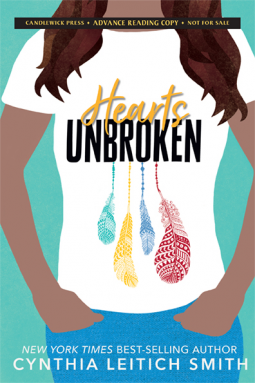
Hearts Unbroken, by Cynthia Leitich Smith,
(Oct. 2018, Candlewick), $17.99, ISBN: 9780763681142
Ages 13+

After breaking up with her insensitive boyfriend, a Native high school senior focuses on her school year and advocating for her younger brother, who lands a key part in the school production of The Wizard of Oz, when a group of parents react to the play’s diverse casting by promoting hate speech and putting pressure on local businesses that support the play. A strong #ownvoices story with an outstanding heroine, Hearts Unbroken is unputdownable reading. Read my full review here.


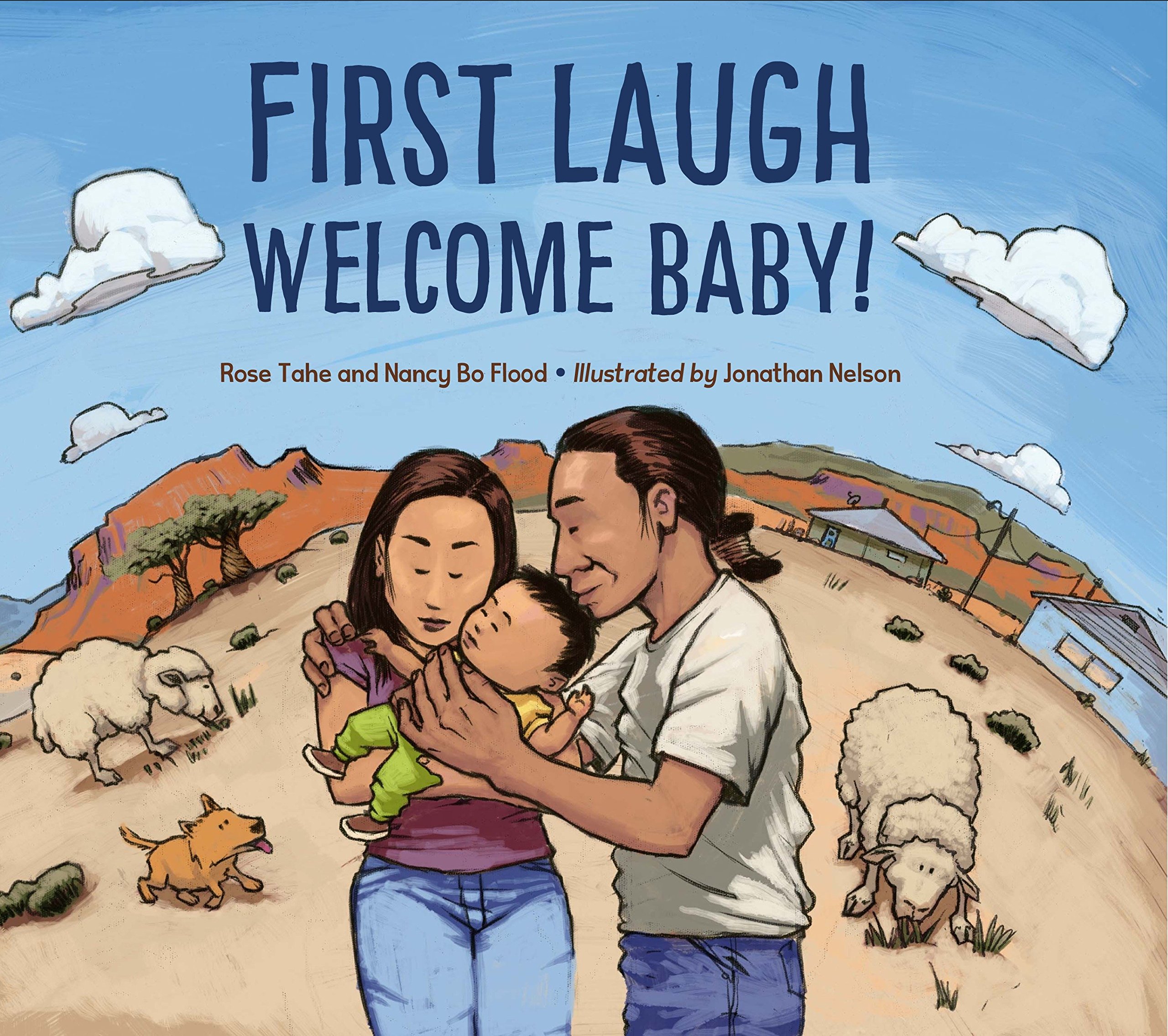
First Laugh Welcome, Baby!, by Rose Ann Tahe and Nancy Bo Flood/Illustrated by Jonathan Nelson,
(Aug. 2018, Charlesbridge), $16.99, ISBN: 9781580897945
Ages 5-8

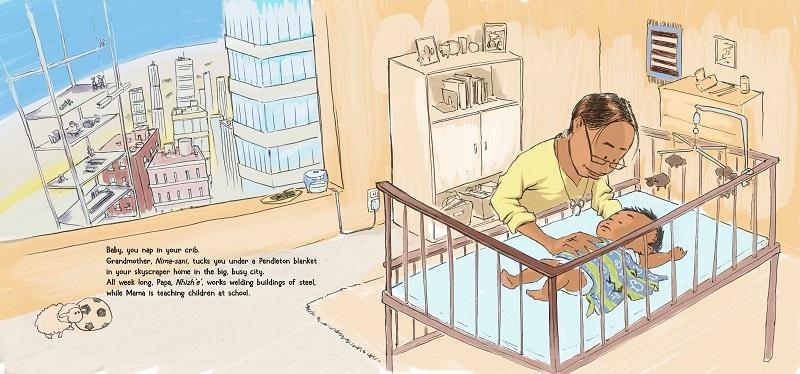
I adore this celebration of life and family. The First Laugh Celebration is a Navajo tradition where a child’s first laugh marks their entry into the physical world from the spiritual one. First Laugh Welcome Baby is a lyrical story about a family’s wait for that first joyful laugh and the celebration that follows. Navajo words and images fill the pages and invite us readers to spend time with a family as they welcome their new baby into their lives. When I read this at storytime, parents are delighted by such a wonderful way to rejoice. Read my full review here.


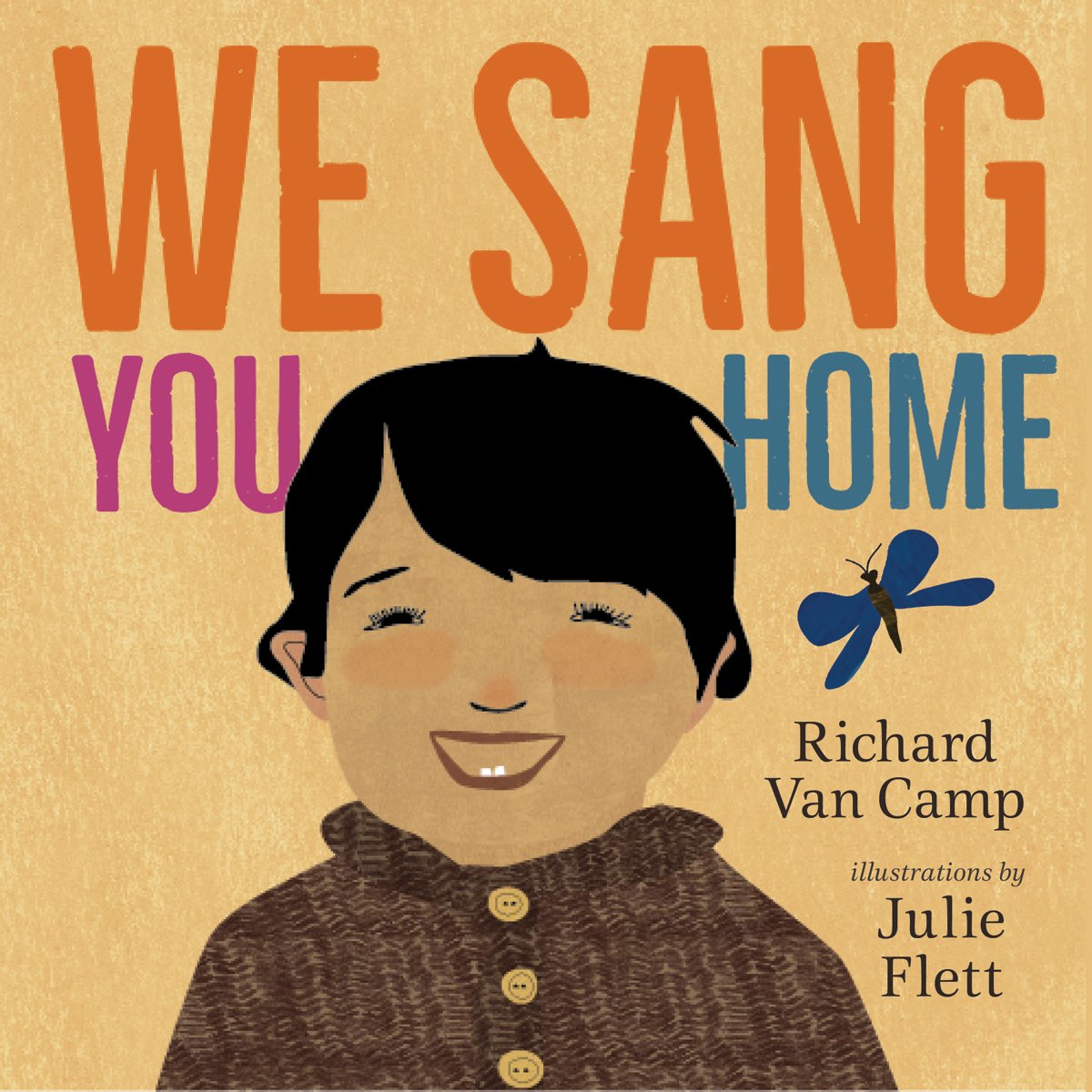
We Sang You Home, by Richard Van Camp/Illustrated by Julie Flett,
(Oct. 2016, Orca), $9.95, ISBN: 978-1-4598-1178-2
Ages 0-3

This board book, by Canadian First Nations author and illustrator Richard Van Camp and Julie Flett, is a poem to a child from loving parents who use a song to tell their child how much they are loved. The story is a beautiful illustration of what we, as parents and caregivers, give our children, and what we receive from them: “We sang you home and you sang back… As we give you roots you give us wings / And through you we are born again”. It’s such a simple, powerful book, with gouache paintings and digital college illustrations that put every feelings about loving a child into words. We Sang You Home is in my regular storytime rotation, and always receives a great reception.


Soldier Sister, Fly Home, by Nancy Bo Flood/Illustrated by Shonto Begay,
(Aug. 2016, Charlesbridge), $16.95, ISBN: 9781580897020
Recommended for ages 10+

A 13-year-old girl struggles with her part white, part Navajo identity while coping with her sister’s deployment shortly after attending a memorial service for a Native member of her community. By caring for her sister’s semi-wild horse, she discovers a well of inner strength and learns about herself. A novel of family, identity, and loss, Soldier Sister Fly Home is an incredible book. Read my original review here.


Posted in Middle Grade, Non-fiction, picture books, Preschool Reads, Teen, Tween Reads

The holidays are coming… What do I do with these kids?

Welcome to this year’s edition of “What the heck do I do with a house full of kids?” Thanksgiving is THIS WEEK, which means Hanukkah and Christmas are right around the corner. We’re going to have homes full of kids while you’re getting the house clean, cooking meals, wrapping gifts, decorating your home. Sure, you could turn on Klaus on Netflix, but why not have some fun things ready to keep the kids entertained while you and the grownups get some face time in? Here are a few fun books chock full of ideas.

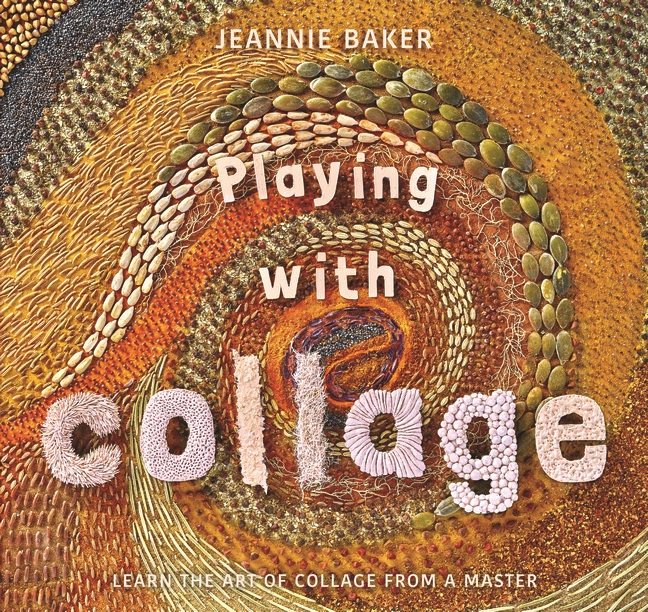
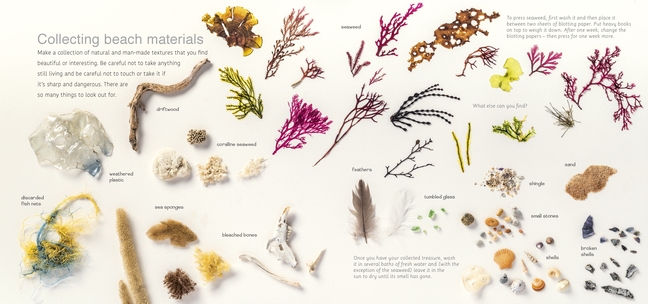
Playing with Collage, by Jeannie Baker, (Oct. 2019, Candlewick Studio), $16, ISBN: 9781536205398

Ages 8-12

Who doesn’t love making collages? It’s one of our favorite things to do at the library. Jeannie Baker is a picture book author-illustrator who created this master class on working with collage for kids and adults alike. She provides a look at the tools and textures she uses to create wonderful collage artwork, with plenty of examples. How do you prep leaves for pressing? Did I even know you prep leaves for pressing, rather than just gluing them to a page and calling it a day? How do you use corrugated cardboard and torn tissue paper to create a visually stunning scene that you can feel by just looking at it? Jeannie Baker is here for you with easy-to-read explanations and techniques. She’s got a whole section dedicated to kitchen materials, so keep things aside as you prep for holiday cooking – your kids will find ways to work with them. She even includes a fun guessing game at the end of the book, challenging readers to identify the materials in her final collage. Provide the materials, set aside a creative space (I usually designate my dining room table), and let them go to work with this book as a fun reference guide. There are suggestions for more advanced crafters in here – make sure any kinds of superglue or cutting materials are used with an adult’s guidance.


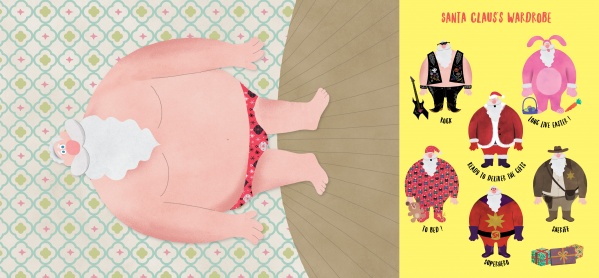
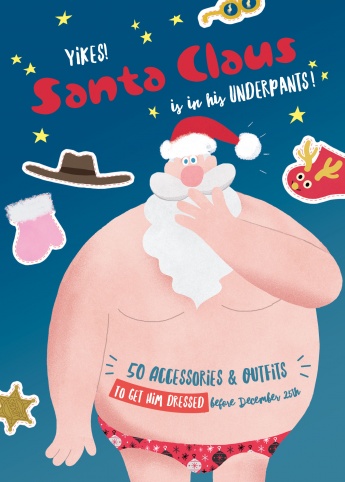
Yikes! Santa Claus is in His Underpants!, by Mister Ed,
(Oct. 2019, Schiffer Kids), $6.99, ISBN: 9780764358296
Ages 3-8

How much fun is this? You get to dress up Santa! The inner flap of this softcover paper doll book is Santa, in all his underwear-rocking glory. The rest of the book includes pages of accessories and outfits to dress him in. All of his gear are removable stickers, so you can dress him up, mix and match, and do it all again. Dress him up in bunny pajamas, biker gear, a superhero set of tights, a sheriff, get him ready for his post-Christmas nap with a pair of fuzzy pajamas and reindeer slippers. Get creative, and have fun! At $6.99, you can definitely swing buying a couple of these for stocking stuffers or to let groups of kids have their own Dress Santa contests.


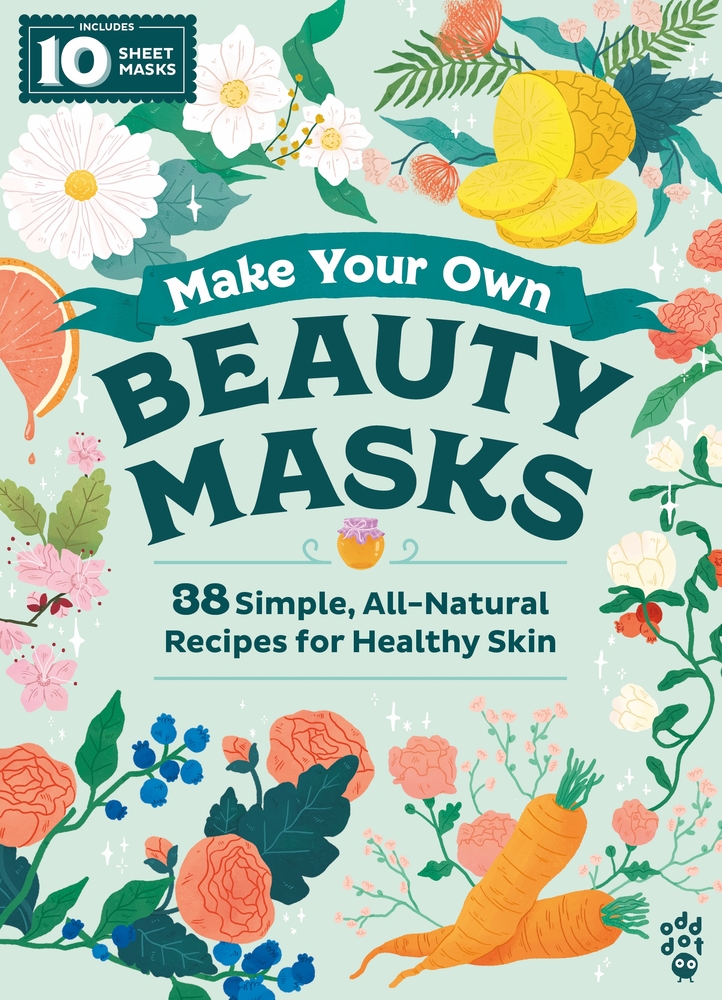
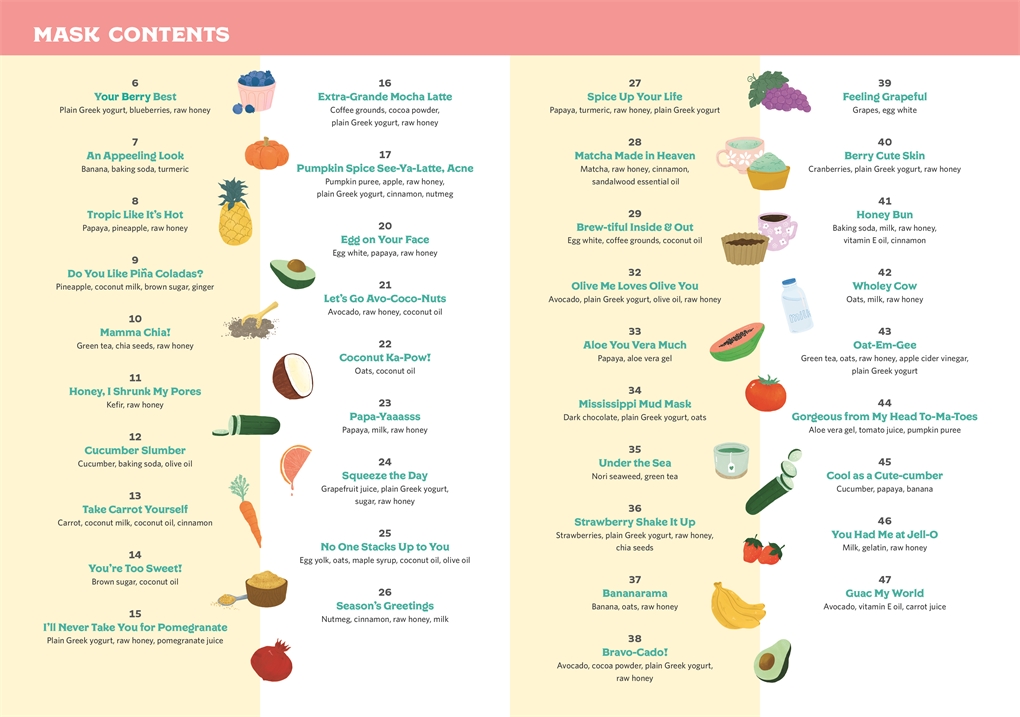
Make Your Own Beauty Masks: 38 Simple, All-Natural Recipes for Healthy Skin, Illustrated by Emma Trithart,
(Nov. 2019, Odd Dot), $19.99, ISBN: 9781250208125
Ages 10+

Come ON. This is just too much fun, especially if you have tween and teen girls in the home. Get in some pampering for the holidays with this adorable book from Odd Dot. Everything is natural; straight from your fridge or the produce section to your face. I bet you can find nearly everything in your home right now. The masks have the cutest names, and the book is beautifully illustrated. The contents tell you exactly what you need, and the step-by-step directions help you prep your face and your ingredients for absolute pampering and relaxation while you watch March of the Wooden Soldiers and wait for your turkey to cook. The book comes with ten sheet masks to get you started. Keep an eye out for any prep that requires cutting or blending; you may want to prep the ingredients with your spa participants the night before.

Don’t forget tabletop games – we’re still loving Monsters in the Elevator and Nightmarium, and are looking forward to introducing Throw Throw Burrito, which is, essentially, a combination of tabletop card game and dodgeball, with soft, adorable burritos. Dueling burritos, sneak attack burritos, team-up burrito warfare: it’s all here, and we have laughed ourselves into stomachaches playing it, so what better way to end a day of Thanksgiving eating? 

Happy Thanksgiving to all who celebrate!

Posted in Fiction, Fiction, Graphic Novels, Intermediate, Middle Grade, Tween Reads

DC Zoom is bringing it to young graphic novel readers!

I have been loving the two DC original graphic novel lines. DC Ink, for YA, has been one hit after the next with Mera, Harley Quinn, and Raven, for starters; DC Ink’s lineup so far – Superman of Smallville, Dear Justice League, and The Secret Spiral of Swamp Kid – have rivaled the until-now unchallenged Dog Man on his bookshelf. I received a handful of new and upcoming DC Ink titles recently, wrestled them back from my kid (he’s got them back now, it’s fine), and dove in.

Black Canary: Ignite, by Meg Cabot/Illustrated by Cara McGee, (Oct. 2019, DC Zoom), $9.99, ISBN: 978-1-4012-8620-0

Ages 8-12

In DC Comics, Black Canary is a formidable metahuman whose Canary Cry is a sonic screech that brings bad guys to her knees. She’s also a pretty awesome fighter, and a musician. In Ignite, she’s 13-year-old Dinah Lance, daughter of a detective with an interest in police work, and lead singer and guitarist in a band. All she wants to do is win the battle of the bands at school and get her dad’s permission to join the Gotham City Junior Police Academy, but a mysterious person shows up in her neighborhood and starts causing trouble for Dinah. Dinah’s voice is also getting in the way, causing havoc when she laughs, yells, or sings too loud, and it’s landing her in the principal’s office. A lot. When the mystery figure attacks her as she works in her mother’s florist store, yelling about a “Black Canary”, Dinah discovers there’s more to her – and her family – than meets the eye, and it’s time for her to take charge of her voice and channel her inner superhero.

One of the great things about the DC young readers and YA books is that they’re bringing on authors kids know, or I know and can talk up to my kids. The Princess Diaries is HUGE here, and her Notebooks of a Middle School Princess books make her a Very Big Deal in the kids’ room here at the library. Having her take on one of my favorite DC women was a treat.Meg Cabot gives Dinah a realistic teen voice, giving her real-world problems to balance out the fact that she’s a metahuman with power: she’s always in hot water with her principal; her dad wants to keep her safe and tries to squash her interest in police work; she has trouble with her friends; she wants to be a rock star! There’s a nice nod to the Black Canary legacy, and I love the illustrations: Cara McGee even manages to include the famous Black Canary fishnets, making them part of Dinah’s punk teen look. Together, Meg Cabot and Cara McGee capture the spirit of an enduring DC character and make her accessible to younger readers. (Now, go watch Arrow, kiddies!)


Diana, Princess of the Amazons, by Shannon & Dean Hale/Illustrated by Victoria Ying, (Jan. 2020, DC Zoom), $9.99, ISBN: 978-1401291112

Ages 8-12

Diana of Themyscira is growing up in an island paradise where she’s surrounded by loving “aunties” and her mother. But, at age 11, she’s also the only child on the island, and she’s lonely. She decides to take matters into her own hands and forms a child from clay – just like the story of Diana’s own birth – and prays that the gods will give her a friend. Imagine her surprise when she discovers that her wish has come true, and Mona, the friend she dreamed of, is in front of her and ready to take on the world! But Mona doesn’t have the same idea of fun that Diana does, and starts leading Diana toward more destructive, mean-spirited fun. Mona starts putting some ideas in Diana’s head that could have disastrous consequences for Themyscira – can she reign herself and Mona in before catastrophe?

Shannon Hale and Dean Hale are literary powerhouses. They’ve created graphic novels (Rapunzel’s Revenge and Calamity Jack; most recently, the Best Friends and Real Friends autobiographical graphic novels); they’ve had huge success with their Princess in Black series of intermediate books, and Shannon Hale is a Newbery Medalist for her 2006 book, Princess Academy. They’ve written books in the Ever After High and Marvel’s Squirrel Girl series; they’ve written picture books: in short, they are rock stars. Asking them to write a Wonder Woman story for kid, you know you’re going to get something good. They deliver. Diana, Princess of the Amazons isn’t about Wonder Woman; it’s about a lonely 11-year-old girl who is so excited to have a friend, that she’ll follow anything that friend says or does, even when it puts her at odds with her mother and the adults around her. She’s frustrated because she can’t get the adults to listen to her; she feels clumsy and like she can’t measure up; she’s a self-conscious young teen. It’s an entirely relatable story that kids will read, see themselves in, and read again. I loved this book, and I loved the cute little nods to Wonder Woman throughout, like her being concerned about the cheetah population (one of Wonder Woman’s main foes is Cheetah) and having familiar characters like Antiope appear. Victoria Ying’s illustration will instantly appeal to Raina Telgemeier, Victoria Jamieson, and Shannon and Dean Hale fans. It’s colorful, with beautiful landscapes and cartoony artwork. Add this one to your graphic novel stacks, without question. Introduce your realistic readers to Wonder Woman!

One last note: While this is – as most of the DC Zoom books are – suggested for readers ages 8-12, you can go a little lower on this one. My 7-year-old gobbled this one up quite happily.

Green Lantern: Legacy, by Minh Lê/Illustrated by Andie Tong, (Jan. 2010, DC Zoom), $9.99, 978-1-4012-8355-1

Ages 8-12

What a fantastic new Lantern story! Tai Pham is a 13-year-old child of Vietnamese immigrants, living in an apartment with his family, above his grandmother’s grocery store, The Jade Market. (Ahem.) The store is the target for vandals; the front plate window continues to be smashed as the neighborhood deteriorates, but his grandmother will not consider closing the store or selling, saying, “We will not let fear drive us from our home. Not again”. When Grandmother dies, Tai inherits her jade ring… and discovers that there was a lot more to her than she let on, when he learns about the power behind the ring, and meets John Stewart, from the Green Lantern Corps. As Tai tries to understand the weight his grandmother carried, keeping her neighborhood safe, and come to terms with his new status as a Green Lantern, he also discovers that there are those out there who would do him harm, and that not everyone who approaches him in the wake of his grandmother’s death is a friend.

This is a great new Green Lantern origin story, with a fantastic multicultural cast and mission. Author Minh Lê authored one of my favorite picture books from  last year, the award-winning Drawn Together; also a multi-generational tale of a grandparent and grandchild coming together through their different experiences of American and Vietnamese culture. He creates a solid, relatable story about growing up in an immigrant community under siege by crime and the threat of gentrification, and creates a superhero story where a hero, imbued with the power of the universe in his hand, makes the welfare of his cultural community a priority. Tying Tai Pham’s grandmother’s story as a Lantern into the family’s flight from Vietnam is incredible: Minh Lê’s story, powered by Andie Tong’s powerful images, are unforgettable. Even the Lantern costume both Tai and his grandmother wear are culturally influenced and I can’t wait to read more.

Zatanna and the House of Secrets: A Graphic Novel, by Matthew Cody/Illustrated by Yoshi Yoshitani, (Feb. 2020. DC Zoom), $9.99, ISBN: 978-1-4012-9070-2

Ages 8-12

I love that characters like Swamp Thing (well… Swamp Kid) and Zatanna are getting in front of younger audiences with DC Zoom. Zatanna and the House of Secrets is the origin story for Zatanna, a magician who can actually wield real magic. A young teen, she lives in a rambling house – “a certain house on a certain street that everyone talks about” – with her stage magician father and their rabbit, Pocus. Sick of the bullies at school, Zatanna – much like Black Canary in Ignite – loses her temper, with interesting consequences that change everything. When Zatanna comes home and finds her father mysteriously gone, she learns that her house is much, much more than a home, and she’s much, much more than a kid with a pet rabbit.
Matthew Cody can write superheroes; he’s written middle grade novels Powerless, Super, and Villainous, and he’s written graphic novels. He gives Zatanna so much more depth than “that magician chick who says things backwards”; something I’ve heard her referred to by people who don’t really know much about the character or the comic. As with the most successful superhero books, Matthew Cody makes Zatanna relatable: a kid who fends of bullies; who experiences upheaval with the Mean Girls over who to be seen with versus who’s social poison; a kid who’s grieving the loss of her mother and who loves her father, who’s doing the best he can. There’s an unlikely friendship that two characters have to learn to navigate, and a sidekick that kids will immediately love. Yoshi Yoshitani’s artwork is bold, cartoony fun. This one can skew a little younger than 8-12, too. Enjoy.