Posted in Graphic Novels, Middle Grade, Non-Fiction, Non-fiction, Tween Reads

First Second brings you Science Comics!

First Second’s got a line of Science Comics coming to stores beginning in May with the releases of Coral Reefs and Dinosaurs. The books are beautifully illustrated and bring nonfiction to the next level with information, wit, and fun for readers.
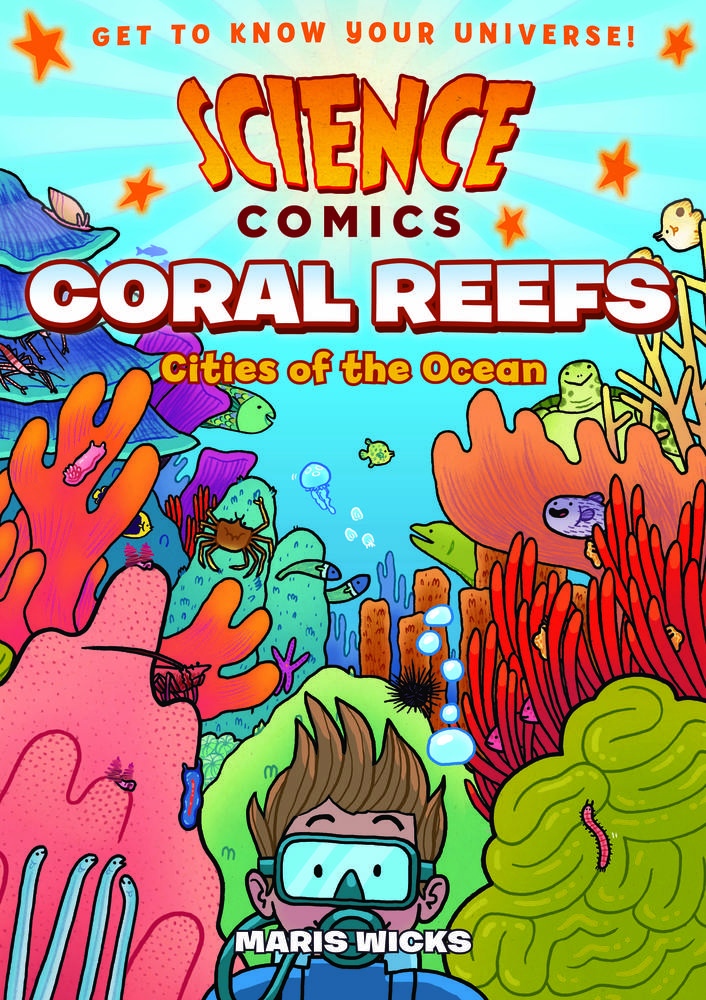
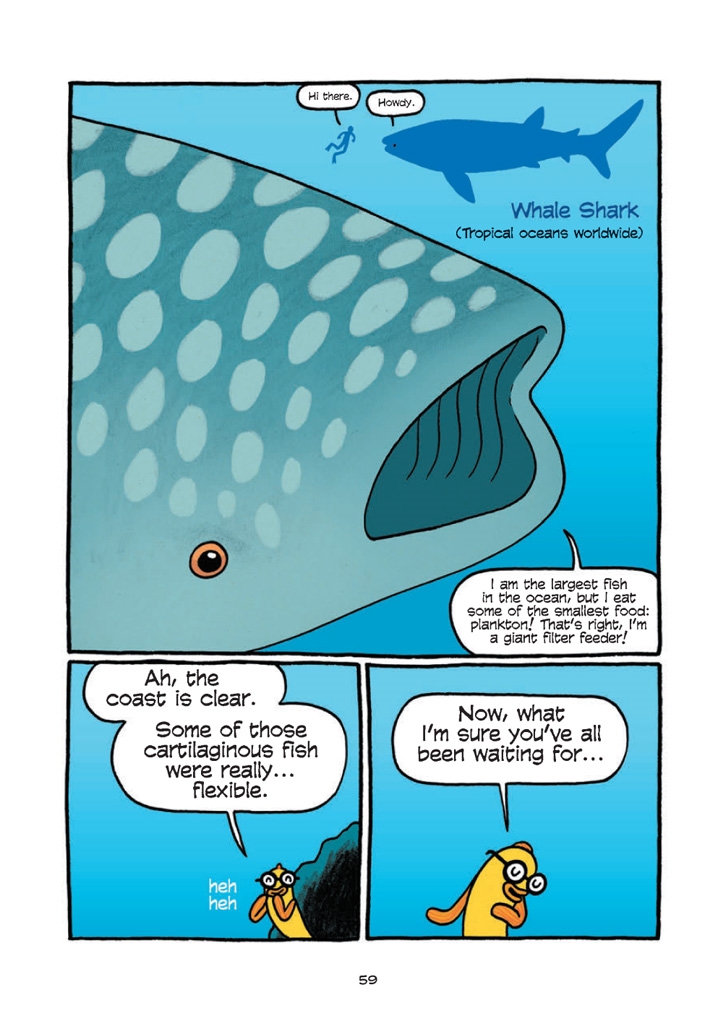
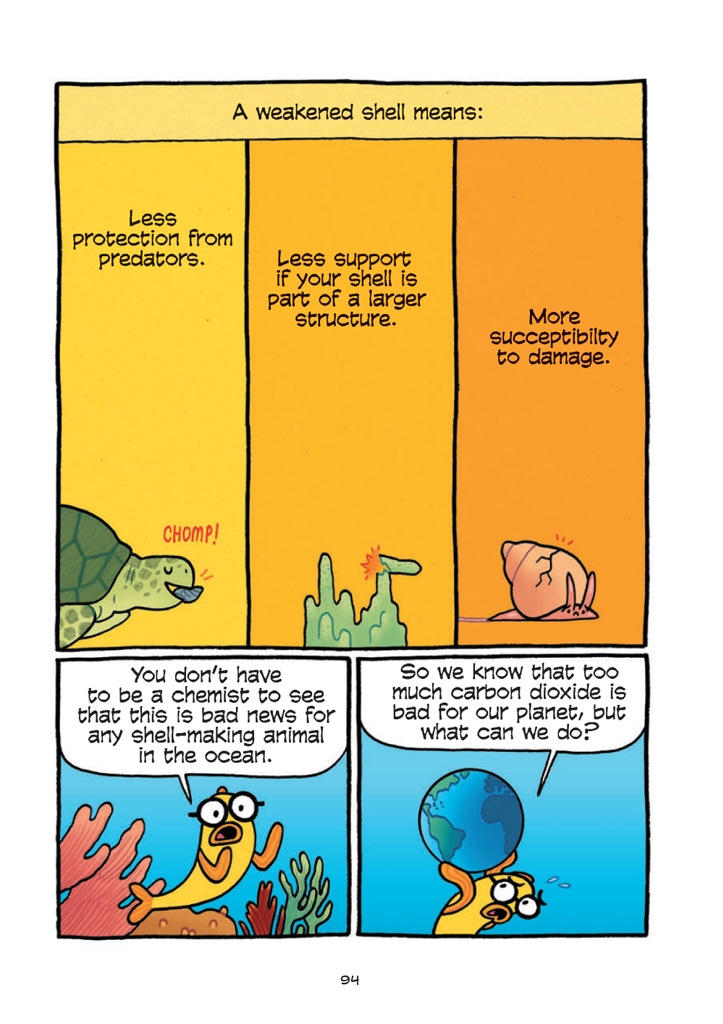
coral reefsCoral Reefs, by Maris Wicks ($9.99, ISBN: 9781626721456) introduces readers to the world of coral reefs! With an adorable fish acting as emcee and guide, readers get a look at the biology of coral, the different types of reefs, sea creatures that live in and around the reefs, and the ecological importance that the reefs play in our world. Maris Wicks, who also gave us the brilliant and informative Human Body Theater last year, is back with her combination of smart and funny writing and eye-catching, bright art.

The science is solid and there are tons of take-away facts for kids and adults alike. Did you know that some reefs take millions of years to grow?  That coral reefs are home to a quarter of all the animals found in the ocean? Wicks also discusses climate change and its impact on the environment, with emphasis ramifications like coral bleaching and ocean acidification. Anyone can help in any way; Wicks provides examples that include reducing carbon emissions (take a walk! carpool! bike ride!); reusing and recycling plastics; composting, and planting trees and flowers. There’s a great message about environmentalism and conservation to be told here, and Wicks ends on an upbeat note: “Caring for ourselves and our environment is the first step to caring for the rest of the world.” With a foreword from Randi Rotjan, Ph.D., Associate Research Scientist with the New England Aquarium, a glossary, bibliography, and additional resources, Science Comics: Coral Reefs is a great companion to any unit on the oceans, sea life, conservation, and ecology. Strongly recommended for public, school and home collections.

Check out Maris Wicks’ website for fiction and nonfiction artwork!


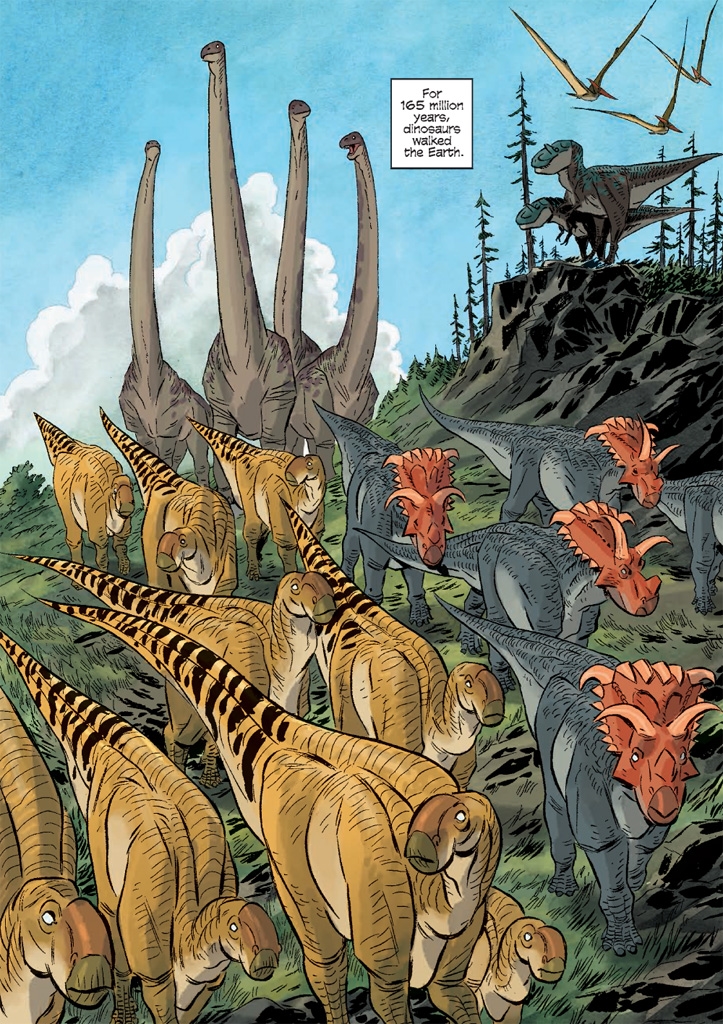
dinosaurs_cScience Comics: Dinosaurs, by award-winning author MK Reed and illustrated by Joe Flood ($9.99, ISBN: 9781626721432) takes an omniscient narrator approach, walking readers through the history of paleontology, including the many rivalries between scientists that led, in some cases, to some major classification errors, like the poor Brontosaurus, a victim of the infamous Bone Wars between paleontologists O.C. Marsh and Edward Drinker Cope, whose bitter rivalry and rush to beat one another to publishing led them to create a dinosaur that didn’t really exist – it was later discovered that an Apatosaurus body had a Camarasaurus head stuck onto the skeleton, in a rush to complete the work.

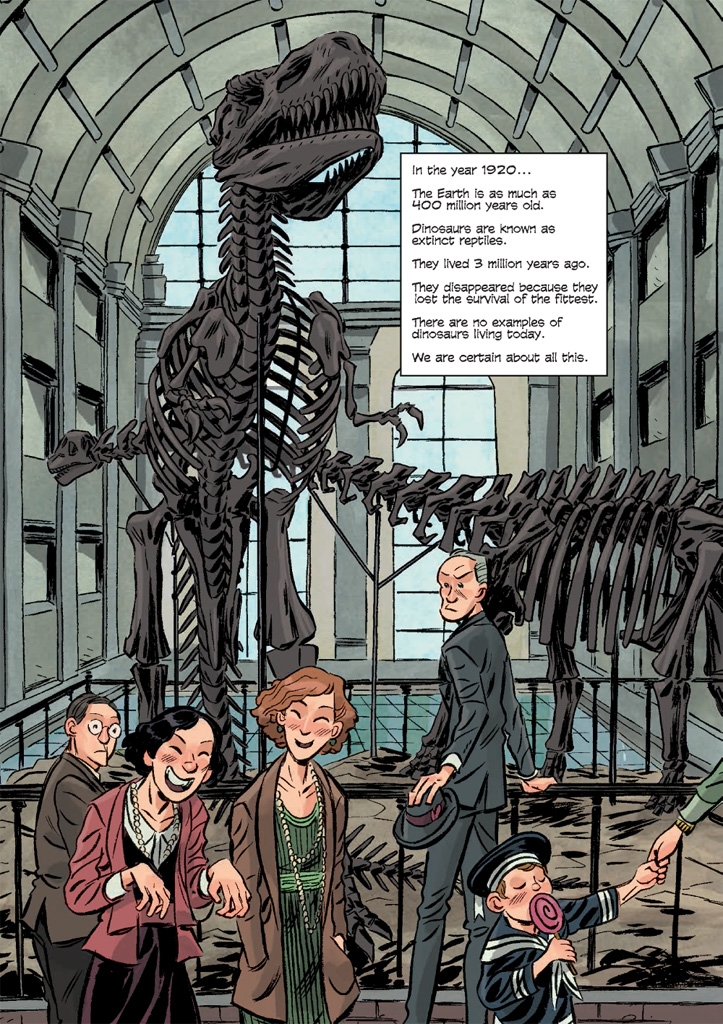
With a series of repeated timelines that show facts that society “definitely knew” at different times, we see how much we’ve really learned about the true age of the earth, the fossil record, and the origins of dinosaurs themselves. Joe Flood’s art is less cartoony than Maris Wicks, but captures the tremendous scale and brightly colored dinosaurs that we now understand roamed the earth. There are some incredible graphs and charts in here, illustrating common ancestors and evolutions. A foreword by Leonard Finkelman, Ph.D., Associate Professor in Philosophy of Science at Linfield College, plus a glossary, additional charts, and further resources make this a must-have for any dinosaur collection. Buy two – you know kids love their dinosaurs.

So much more than simple graphic novels, Science Comics is a series that deserves a place in any nonfiction section AND any graphic novel section. The next book in the series, Volcanoes, is due out in October. Recommended for ages 8 and up.

MK Reed’s author webpage has more information about the author and her books, including a link to her anthology on women gamers, Chainmail Bikini.

Sneak peek at Coral Reefs:
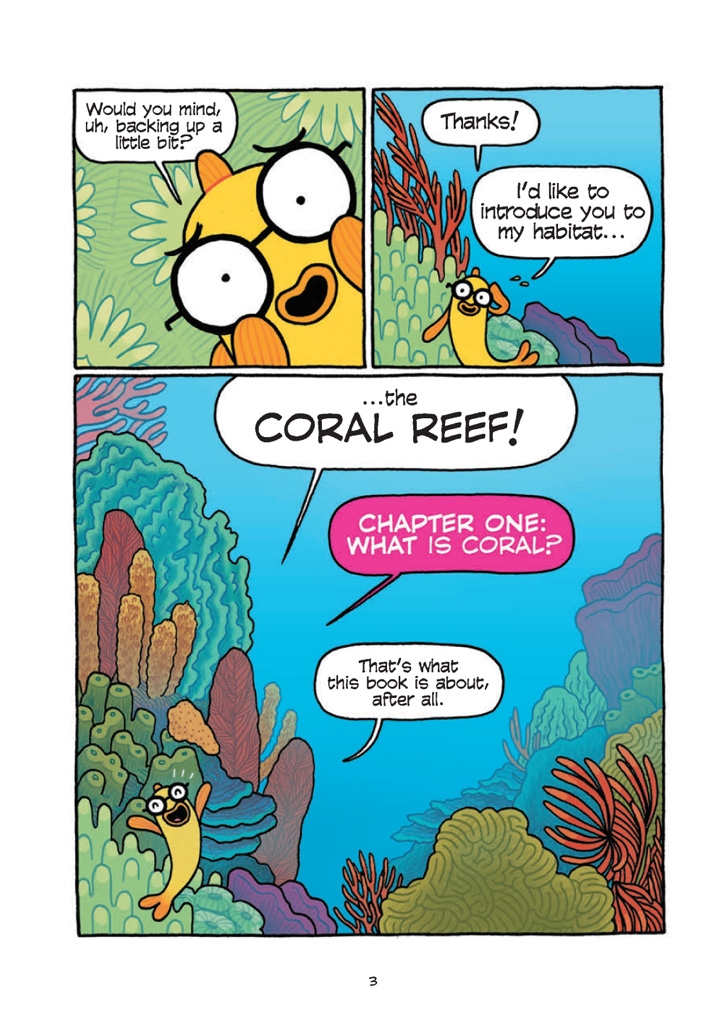
coral reefs_1coral reefs_2coral reefs_3coral reefs_4coral reefs_5coral reefs_6coral reefs_7coral reefs_8

Sneak peek at Dinosaurs:

dinosaurs_1dinosaurs_2dinosaurs_3dinosaurs_4dinosaurs_5dinosaurs_6dinosaurs_7dinosaurs_8


Posted in History, Non-fiction, Teen, Tween Reads

A Weird and Wild Beauty tells the story of Yellowstone

yellowstoneA Weird and Wild Beauty: The Story of Yellowstone, the World’s First National Park, by Erin Peabody (Feb. 2016, Sky Pony Press), $14.99, ISBN: 978-1-63450-204-7

Recommended for ages 12+

A beautiful book with stunning photo and a powerful ecological and historical message, Erin Peabody’s A Weird and Wild Beauty tells the story of the founding of Yellowstone National Park. She tells us about the hard journey and oftentimes grueling expedition West; about the lives of the men who explored and risked their lives to bring the natural beauty of Yellowstone to the rest of the post-Civil War United States; and provides breathtaking photos and paintings of the natural wonder that is Yellowstone.

More than just a book on the beauty of Yellowstone, readers will discover that there was a fight to keep Yellowstone’s lands untouched: from Jay Cooke, a robber baron who wanted to build a transcontinental railroad that would cut through the lands, to the Native American tribes who wanted their tribal homelands to remain untouched.

A welcome addition to tween and teen nonfiction, A Weird and Wild Beauty is a lovely addition to collections in classrooms, libraries, and homes. I’ll have to booktalk this one to let the kids know it’s on the shelf – nonfiction, especially in the YA area, tends to go unnoticed – but with summer vacation coming, I could pick any picture out of this book and talk about dream destinations. History fans will love the narrative storytelling voice Peabody assumes, and art fans need to know about this book because of the stunning work by the expedition’s photographer, William H. Jackson, and the painter, Thomas Moran. Readers will learn the complex processes behind each photo – there were no negatives in the early days of photography, so photographers (and their poor pack animals) had to carry hundreds of pounds of equipment, including glass plates of different sizes to capture different images – and painting, or woodcut. It’s a beautifully artistic book that art students should not miss.

"Crater of the Giant Geyser", illustration from "The Wonders of the Yellowstone"; NP Langford; May/June 1871 issue of Scribner's Monthly
“Crater of the Giant Geyser”, illustration from “The Wonders of the Yellowstone”;
NP Langford; May/June 1871 issue of Scribner’s Monthly, from Yellowstone’s Photo Collection

The book includes maps, a guide to Yellowstone’s hydrothermal features, complete endnotes, sources, photo credits, and an index. Make sure to consider this beautiful resource for your collections.

Posted in Intermediate, Middle Grade, Non-fiction, Non-Fiction, Tween Reads

Let’s Sew: DK helps you get started

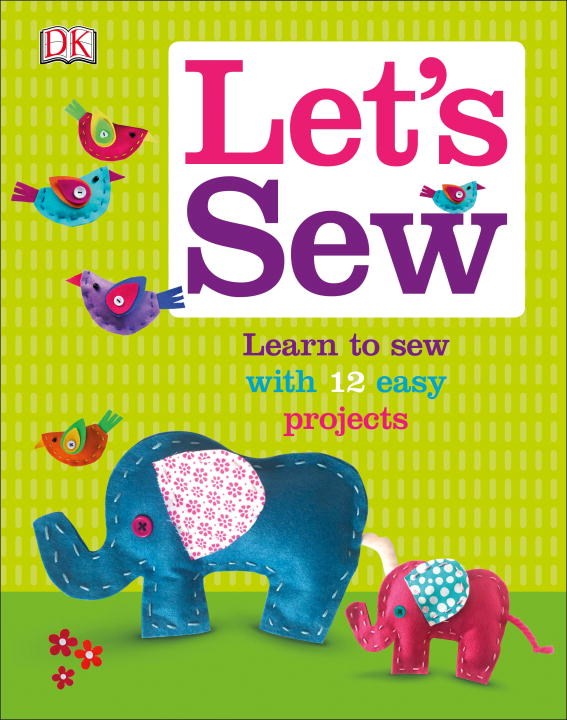
letssew_1Let’s Sew, by DK (March 2016, DK Children), $15.99, ISBN: 9781465445087

Recommended for ages 6-10

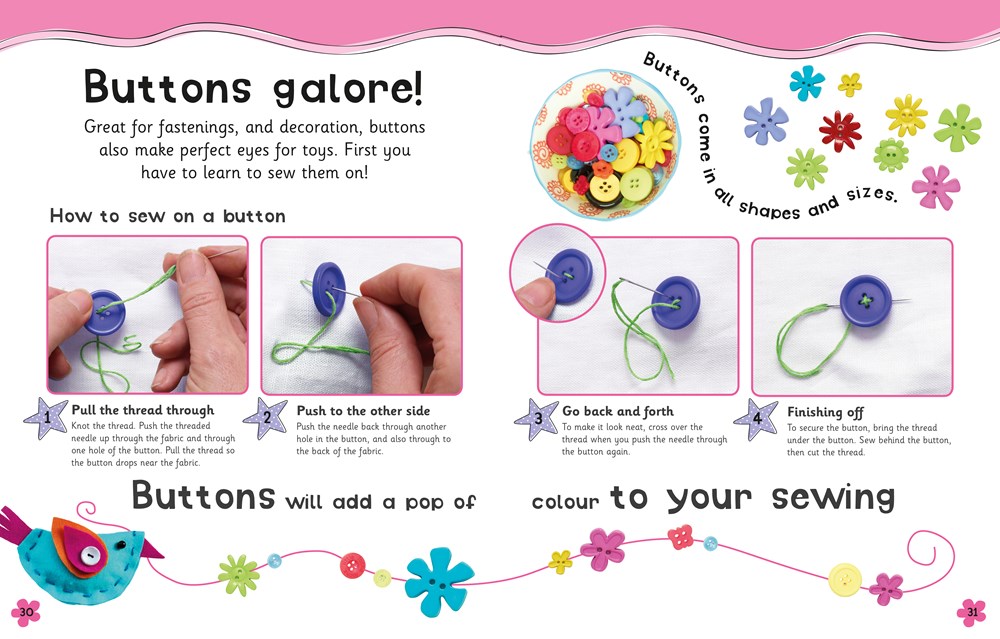
Ready to get crafty but need a little bit of help? DK to the rescue with a step-by-step guide to beginning stitches, the tools you’ll need to begin sewing, easy, fun projects, and templates, too!

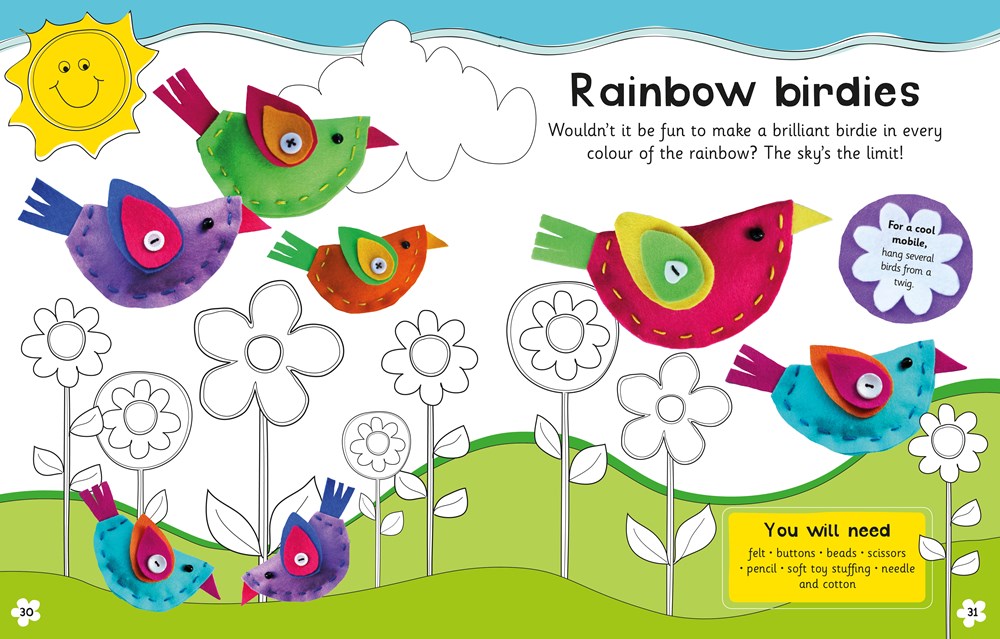
DK books are great because they’re beautifully photographed, incredibly detailed, and full of simple, explanatory text. Let’s Sew has bright, fun crafts projects, many made by using household items like that one missing sock that always seems to emerge from the dryer, or with affordable materials you can find at your local craft store.

Let’s Sew is a kid’s book, but it’s a great resource for any age. When I started knitting, I’d borrow children’s project books because of the simpler language and projects: books are for everyone, after all! Just starting up a sewing club or looking for a quick maker space project? This is your book. There are helpful templates for projects like a whale and a bird in the back of the book: just photocopy, trace onto your material, and begin!

The book includes a warning that kids will be working with sharp needles and scissors, and strongly suggests that an adult oversee or handle the tools as necessary. This is a fun, affordable addition to crafting collections; a good purchase.


letssew_2


letssew_3


Posted in Non-fiction, Uncategorized

The Battle for Room 314: One Teacher’s Story

room314The Battle for Room 314: My Year of Hope and Despair in a New York City High School, by Ed Boland (Feb. 2016, Grand Central Publishing), $26, ISBN: 978-1455560615

Recommended for ages 16+

I normally review books for children here at MomReadIt, but I felt like this was an important book to review here for parents, educators, and anyone else trying to wrap their heads around education these days. Education is a hot-button topic everywhere – it’s always been, because it concerns our kids, and our future, but it’s never hotter than it is during an election year, and that’s exactly where we’re heading.

We know the education system needs help. We know that underserved communities in our country are falling through the system’s cracks. The Battle for Room 314 tells the story of one man who tried to make a difference in both arenas. Ed Boland left a high-profile career at a non-profit to teach in a New York City public high school. He was ready to make a difference in the lives of young people, having seen the fantastic results of his non-profile organization, which sends exemplary children from low-income neighborhoods to the best schools, giving them an advantage in life they wouldn’t otherwise have. He’s ready to cut out the middleman and help these kids himself.

What a rude awakening. What Mr. Boland learns in his year of teaching is that politics enters the classroom at all levels. That the problems aren’t only in the classroom, they’re in the homes that these children come from. That teachers are burned out, overworked, and when they try to propose changes that will benefit the students and make things easier on themselves, they get stymied by their own union. He can’t make these kids turn on to learning, not when the issues they’re facing in their individual lives seem almost insurmountable. He met young girls who were prostituting themselves at middle grade age; children homeschooled on the subway by their homeless parents; kids who were running drug rings for their incarcerated family members. Their realities are so far away from anything Boland could comprehend – and myself, reading this book – that it seems like the ultimate Sisyphean task.

This isn’t going to be a fairy tale ending: the title alone is your heads-up to that. It’s not meant to be. It’s an indictment of so-called education reform and a plea for the powers that be to understand that changes need to be made at ALL levels, by multiple organizations. More standardized testing isn’t going to make these children succeed. Common Core isn’t going to help these kids.

I loved this book. Boland has a sense of humor and a sincerity in his belief that makes it hard to read this book at times. I hurt for him, and I hurt for the kids in the classroom just as much as I wanted to scream at them for Boland. I’m a public librarian in an area that serves a lot of underprivileged kids, and I only see a fragment of what Boland witnessed in his classroom every day. There are some days where I just knock my head against a wall and wonder if I’m ever going to get through to “my kids”. Some days, the answer is “maybe”. Some days, I even feel like it’s a “yes”. Boland’s book spurs me on, to keep doing what I’m doing, but I’m in a completely different area, doing a completely different job. I see where I can make change, and go for it. And that’s what Mr. Boland’s book reminded me to keep in mind.

Parents, read this book and understand what our educators are up against. Educators, read this book and know that you’re not alone. People get it, and more people will continue to get it. All we have to do is keep pushing for the right changes to be identified. And it has nothing to do with a new state test.

Posted in Middle Grade, Non-fiction, Tween Reads

Like science news with a fun spin? Check out Brain Bug Mag!

I’m always trying to get kids to read. It’s a librarian, it’s what I do. I’m also constantly on the lookout for fun ways to get them creating and learning about science – yes, I’m one of those STEM/STEAM wannabe librarians. When Brain Bug Magazine got in touch with me and asked me to check out an issue of their “gross science magazine”, I jumped at the chance. Come on, gross science? Those two words are gold to a children’s librarian!

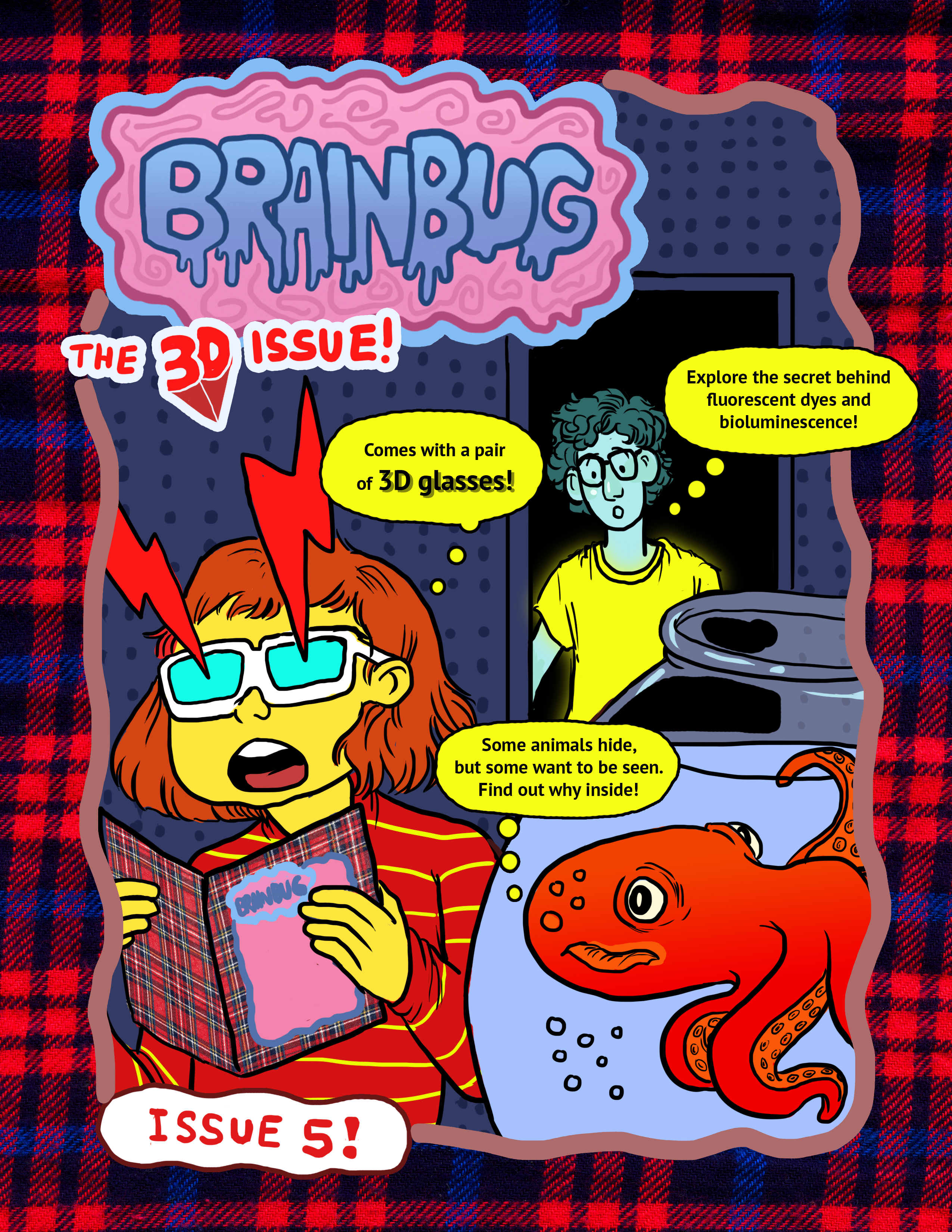
ISSUE 5 COVER

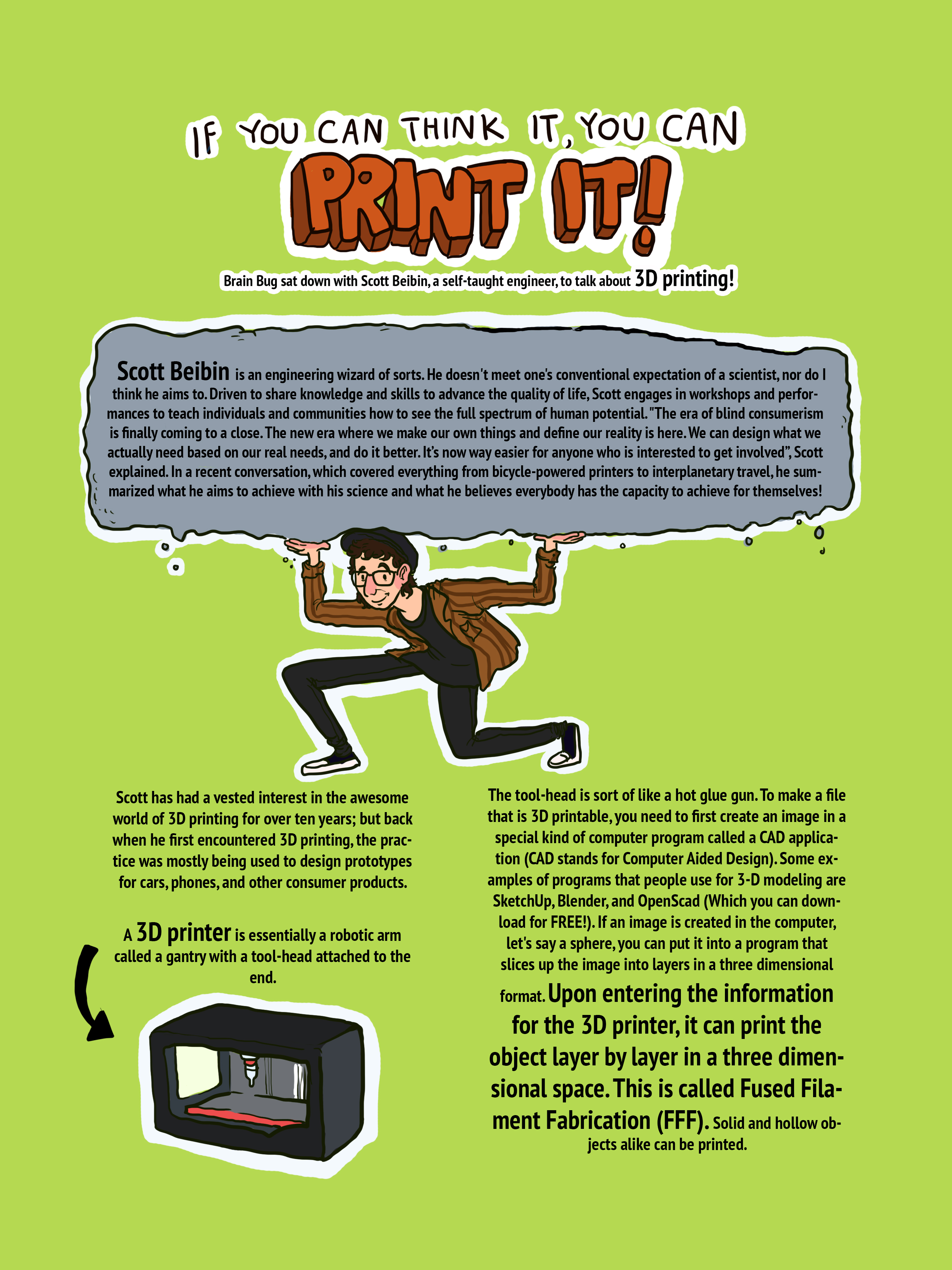
This fifth issue of Brain Bug is their 3-D issue, and comes with a nifty pair of 3-D glasses! No old school red and blue, though – these are clear, chromadepth glasses that you can use to make images in the magazine pop, and use them for cool stuff like checking out the night sky, or a picture with cooler colors in the background (like, blue) and warmer colors in the foreground (like, red). Other great features in this issue include articles on the origins of 3-D, an profile on 3-D printing, an interview with two chemists, and comics galore.

3d printing sample

The magazine is aimed at middle schoolers; I’d also suggest 4th and 5th graders. There’s a real ‘zine spirit to it, which I love; a really independent spirit, and the artwork is largely comics illustration, to appeal to all learners, especially visual learners that may be turned off by a chunks of intimidating science-y text. The interview with the two chemists, for instance, is illustrated – such a great spin on publishing a traditional interview! Brain Bug doesn’t dumb down information, either: there’s technical terms used and explained, in language that treats the kids as intelligent learners.

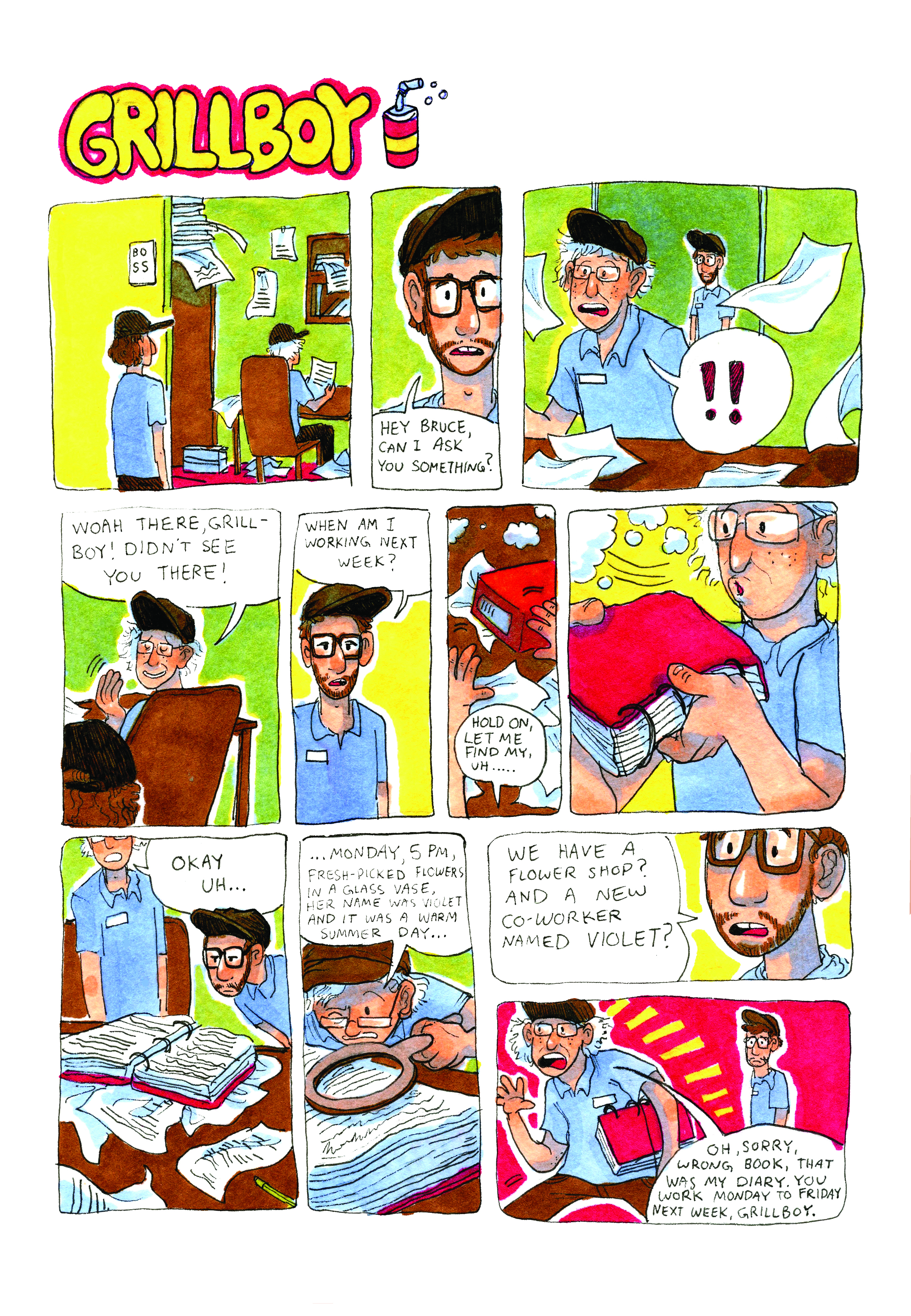
There are some fun comics in here – regular features, I’m pretty sure – including a group of Super Foods that are fighting the good fight against junk and processed foods; Grillboy, chronicling the adventures of a grill cook who’s less than enthusiastic about his job, and the Pun Police, who patrol the magazine in search of awful puns.

grillboy

I really enjoyed the magazine, but I know mine would be wrecked in circulation. I’d consider getting one subscription for myself to keep as a reference copy and let the kids look at it and pull projects and ideas from it, for sure, and I think it would be a good addition to classroom or school libraries. It’s $50 for six issues, $35 for four issues, and they offer reduced rates to librarians and educators. Check out their online store for back issues and subscription info.


Posted in Intermediate, Middle Grade, Non-fiction, Non-Fiction

Kid Athletes makes sports legends accessible to all!

kid athletesKid Athletes: True Tales of Childhood from Sports Legends, by David Stabler/Illustrated by Doogie Horner, (Nov. 20156, Quirk Books), $13.95, ISBN: 978-1-59474-802-8

Recommended for ages 8-12

The author and illustrator of Kid Presidents are back, this time with 20 true stories from famous athletes’ childhoods. From Babe Ruth to Tiger Woods, there’s a story for everyone here; there’s a great range of sports, spotlights on both male and female athletes, and featuring a multicultural spread of personalities, including Jackie Robinson, Yao Ming, Gabby Douglas, Bruce Lee, and Muhammad Ali. There are some great stories to tell: Babe Ruth grew up in an orphanage after his parents gave him up; soccer player Lionel Messi was teased for being small; Gabby Douglas and Jackie Robinson experienced racism from her own peers. Each profiled athlete provides inspiration for young readers on meeting and conquering challenges in their personal and professional lives. Kids will recognize many of the challenges – racism, poverty, sexism – faced by the athletes and be moved by the humanity behind the legendary personalities.

Doogie Horner’s colorful illustrations throughout the book add to each profile, infusing the biographies with color and personality.

Kid Athletes is a hit, with bite-sized bios on sports figures past and present, that will work for quick reads and quick class assignments. Get this one on your shelves, hopefully right next to your copy of Kid Presidents.

Posted in Intermediate, Middle Grade, Non-fiction, Non-Fiction

Physics for Everyone! Professor Astro Cat’s on the Case!

astrocat_1Professor Astro Cat’s Atomic Adventure, by Dominic Walliman/Illustrated by Ben Newman (May 2016, Nobrow Press), $24.00, ISBN: 9781909263604

Recommended for ages 7-12

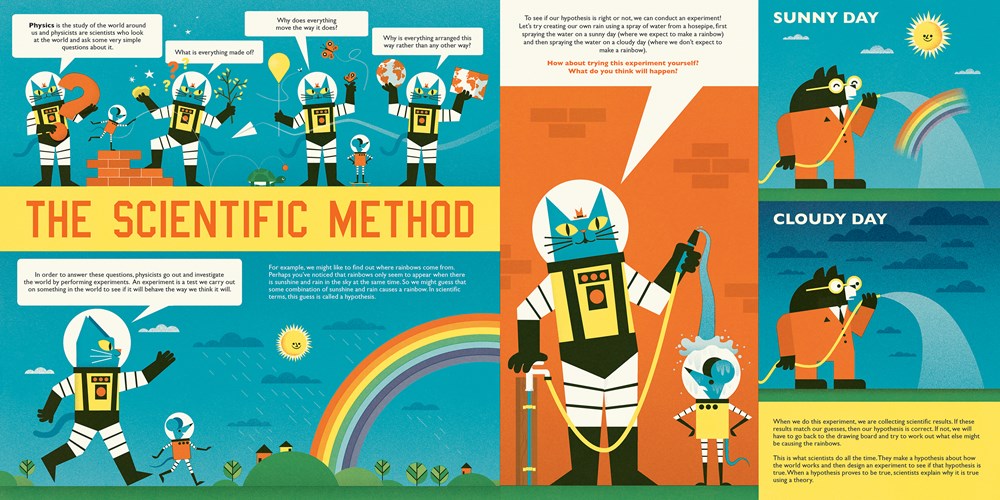
Think you’re too young to understand physics? Professor Astro Cat is here to show you how awesome the science of matter and energy is. Using language and examples that beginning learners will understand, with retro-futuristic illustrations that will catch kids’ eyes, this is a great start for kids who want to go a little bit beyond the basic states of matter and find out more.

This is the second Professor Astro Cat book – the first, Professor Astro Cat’s Frontiers of Space, looked at our planets, solar system, gravity, and extraterrestrial life – and is a great addition to libraries that want STEM books available to all readers. I’ve got maker books, I’ve got robotics books and LEGO books, but physics was an area I’ve typically shied away from for the children’s room (mainly, because most of my personal physics knowledge comes from Big Bang Theory episodes). Professor Astro Cat and his friends are patient, though, and never talk down to their audience. With direct language and discussions on subjects like why snowshoes help you walk on snow, rather than sink into it, and why rainbows appear when it rains during the daytime, kids will be excited about science – and that’s what we want!

Author Dr. Dominic Walliman has a Ph.D. in Quantum Device Physics, and has taught physics to all levels of students – and has even taught at festivals. Ben Newman is an award-winning illustrator who also did the artwork on Astro Cat’s app. Newman’s website is loaded with his amazing retro art and book trailers – go check it out! And check out some more of Professor Astro Cat’s Atomic Adventure, right here!


astrocat_3


Posted in History, Middle Grade, Non-fiction

What Was It Like, Mr. Emperor? A Brief History of Chinese Emperors

Mr_-Emperor-Front-300x300What Was It Like, Mr. Emperor? Life in China’s Forbidden City, by Chiu Kwong-chiu and Eileen Ng (translated by Ben Wang)/Illustrated by Design & Cultural Studies Workshop, (Oct. 2015, China Institute in America), $12.95, ISBN 978-0-9893776-6-9

Recommended for ages 8-13

Kids learn about the U.S. Presidents, some European royalty (usually Ferdinand and Isabella in Spain, Henry VIII, Elizabeth I, and King George III in England), and current heads of state, but Chinese emperors and ruling dynasties isn’t something that’s normally found on the curriculum. The China Institute in America is taking this dilemma on with the book, What Was It Like, Mr. Emperor? Life in China’s Forbidden City. One of four We All Live in the Forbidden City books, Mr. Emperor introduces kids to China’s emperors, with brief biographies and answers to questions like, “How was the emperor chosen? What was school like? Who were his friends?” We learn a little bit about each emperor – princes who fought off rebel invasions, princes who didn’t do a whole lot during their reign, one emperor who ruled twice, and the roles of other members of court life, including the palace maids, the dowager empresses, and the many advisors to the rulers.

There’s a lot of information packed into these beautifully illustrated pages, and it’s a great companion for an elementary unit on China. It brings the history to kids with questions that they’ll be interested in, and easily digestible facts illustrated by artist Chiu Kwong-chiu.  The We All Live in the Forbidden City website is loaded with activities and resources to expand the discussion.

The original book and content have been developed in Hong Kong in consultation with the Forbidden City’s Palace Museum in Beijing, ensuring authentic content and resources.

Posted in Non-fiction

Add Make: Paper Inventions to your Maker Library!

paper_coverMake: Paper Inventions: Machines that Move, Drawings that Light Up, and Wearables and Structures You Can Cut, Fold, and Roll, by Kathy Ceceri (Sept. 2015, Maker Media, Inc.), $19.99, ISBN: 9781457187520

Recommended for ages 5+ (with some help!)

I love maker spaces in the library. I had a small one at my last library, and I’m psyched to set one up here in my new digs. The kids love having projects to do, and you don’t need a huge area with 3-D printers chugging along to be a maker. Duct tape, construction paper and imagination are a great start. Make Magazine has been a great resource for years, as is their Maker Camp, a virtual summer and holiday “camp” that provides cool projects and a discussion space for anyone who wants in. The Maker Media books are a huge help for anyone – parent, educator, and kid – who needs some ideas on how to stir up some creative juices.

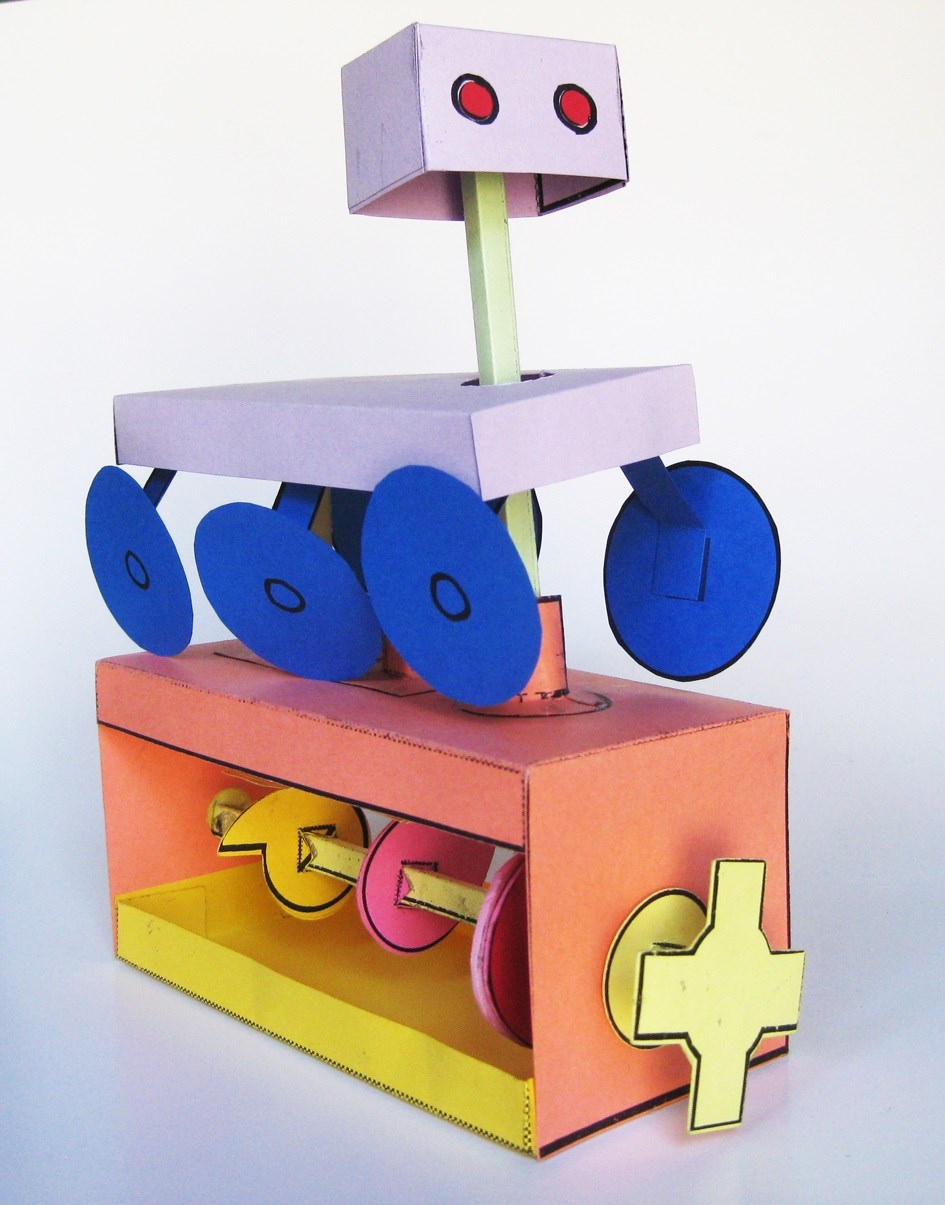
One of the latest books in the series, Make: Paper Inventions is for anyone interested in paper crafting, paper engineering, and paper technology. Offering projects for relative newbies or whose skill level is “mostly thumbs” all the way up to creating paper-based automatons, light-up cards, even a geodesic dome!

Make: Paper Inventions, like every Maker Media book, wants to educate you as well as entertain you, so you’ll find a wealth of information on the nuts and bolts, the science and math, behind paper engineering. You’ll read about paper structures, for instance, and why folded paper can hold greater weights than a plain piece of paper. You’ll also learn why paper will tear rather than stretch if you pull it, but it will bend nicely for a pencil.

There are tons of projects in here for anyone and everyone, in any space. Kids can have a blast making their own paper – their own edible paper, even – with relative ease. Like most maker movements, the Maker Media books are big on reusing, reducing, and recycling, so projects are here for all weights of paper, from rice paper to card stock, and you can use old notebooks, newspapers, or copy paper for many of these projects.  There are comprehensive materials lists and step-by-step instructions and photos for every design, and math and science concepts that you can discuss with kids will make teachers happy, and make kids realize that yes, you will use that math outside of math class, and for cool stuff, to boot. An appendix with project templates and an index round out this resource.

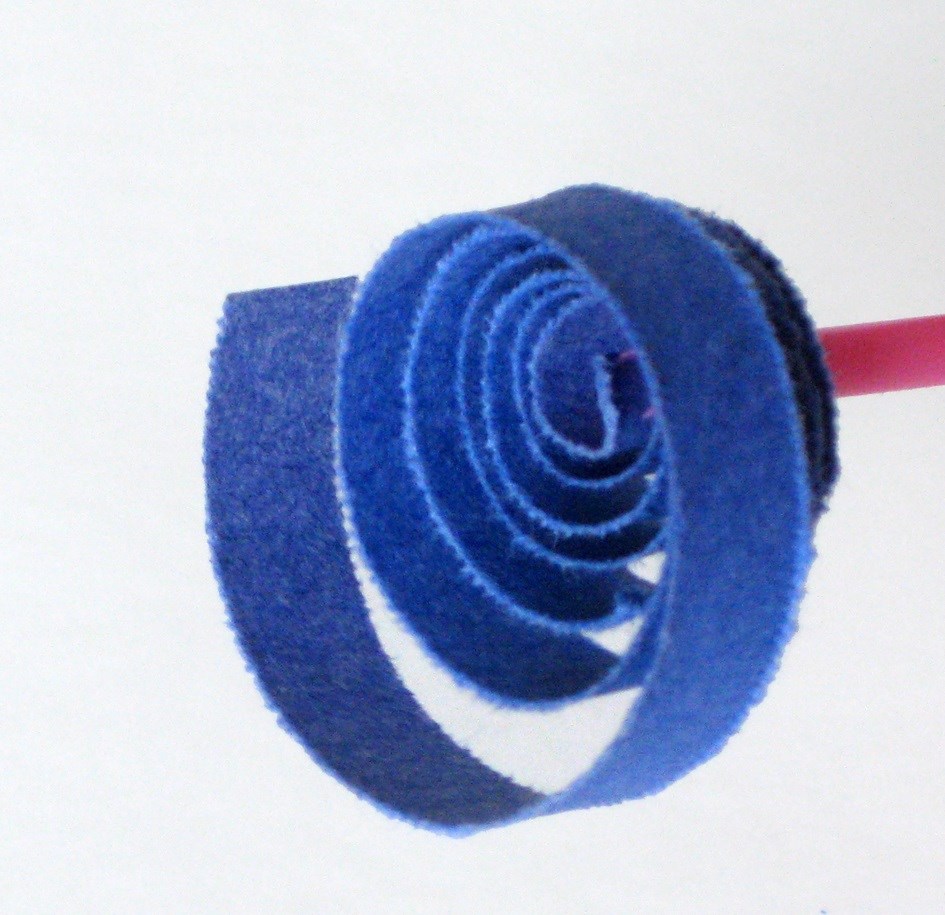
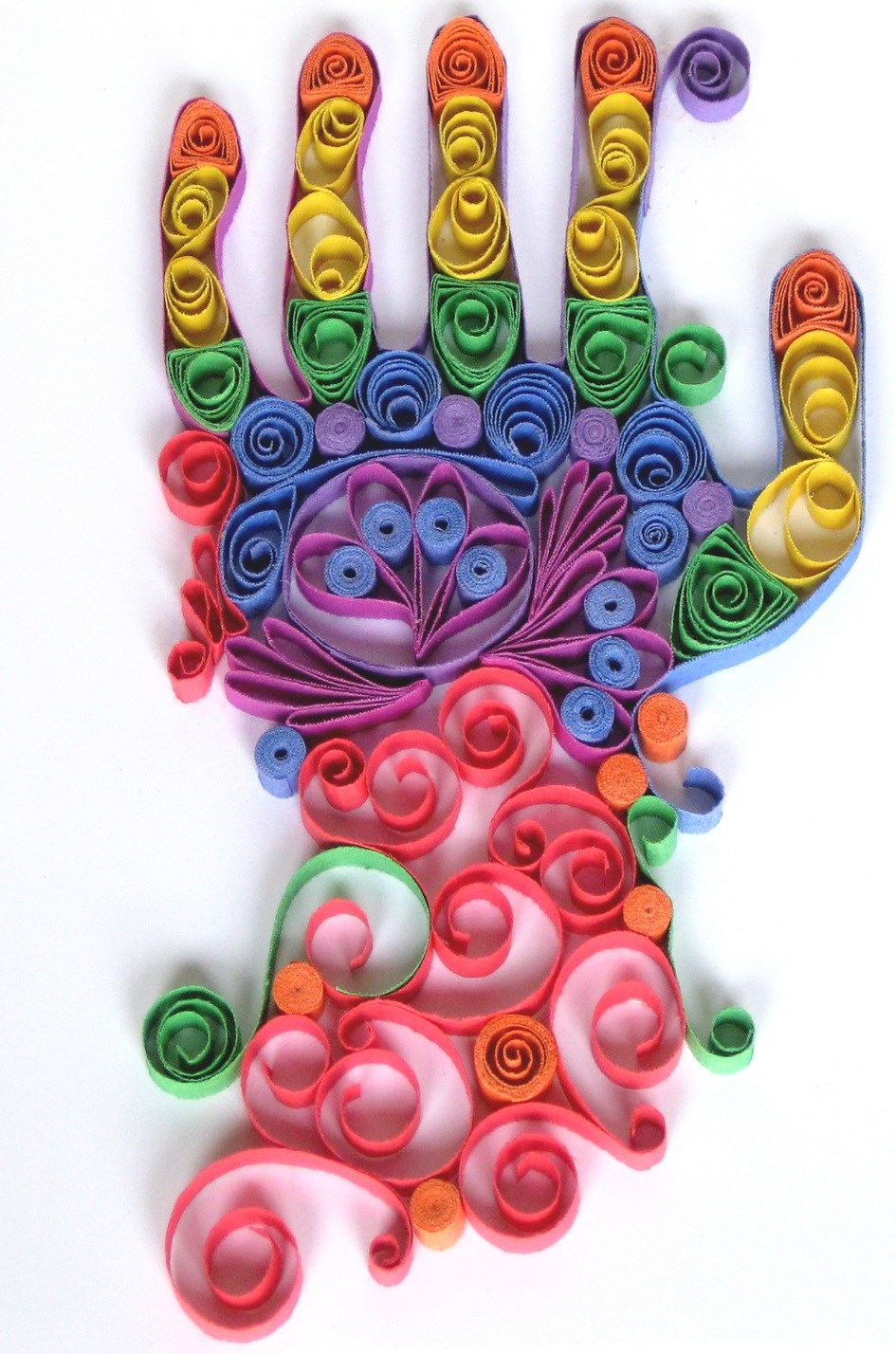
I can’t wait to get the kids here at my library paper quilling – it’s one of the easier projects in here that will appeal to my library group’s need for fairly instant gratification. There’s a wealth of Pinterest resources, too, which makes me really happy, because this is likely to be a program I’ll repeat. Paper circuitry looks fantastic, and who knows? Maybe that’s a project for Valentine’s Day – once I get some practice time in.

Check out some of the photos from Make: Paper Inventions, and then add this to your reference library or your crafting library. Get those makerspaces operating!

paper-1 paper-2

paper-3


Posted in Intermediate, Middle Grade, Non-fiction, Non-Fiction

Launch a Rocket into Space – boost your math skills!

launch a rocket into spaceLaunch a Rocket Into Space (You Do the Math Series), by Hilary Koll & Steve Mills, (June 2015, QED Publishing), $17.95, ISBN: 9781609927295

Recommended for ages 8-12

Called “Math That’s Out of this World!”, this latest entry into QED’s You Do the Math series gets kids acting like rocket scientists – for real! The book takes kids all the way through the steps involved in a rocket launch – from astronaut selection to the return from space – and the math needed to complete each step. No nuclear physics here, just solid math skills designed to strengthen every student’s math familiarity. Astronaut Selection works on interpreting tables; Getting Ready for Launch reinforces comparing weights; Going Into Space looks at temperature and negative numbers.

All operations are attached to a particular area of mathematics, presents a scenario, asks questions (answers are included in the back of the book), and challenges readers to apply similar skills to their own lives. For instance, when looking at astronaut selection, kids are asked to compare their own heights against those of their friends; comparing weights in space asks kids to figure out their own weights when in orbit. The book also includes a timeline of key events in the history of rocket ships, a glossary, and an index.

This book isn’t meant to teach your kids math, but it’s a helpful book to have on hand to help them reinforce concepts they’re learning in school, and showing them the useful side of mathematics; because, you know every generation asks, “But what will I need to know this stuff for?” Well, now you know. So put on an episode of Big Bang Theory, pull out this book, and get your rocket scientist ready for MIT. (Psst… Math teachers… good ideas for extra credit abound!)