Posted in Fiction, Fiction, Graphic Novels, Historical Fiction, Humor, Intermediate, Middle Grade, Tween Reads

Sibling antics in the Wild West: Varmints

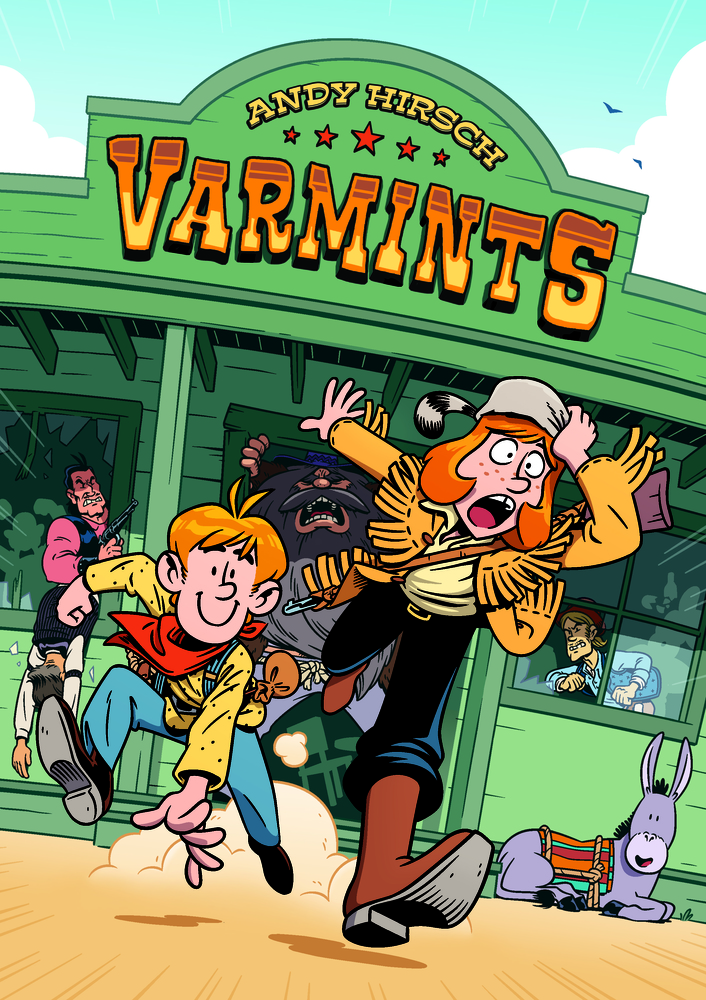
varmints_1Varmints, by Andy Hirsch (Sept. 2016, First Second), $16.99, ISBN: 9781626722798

Recommended for ages 7-12

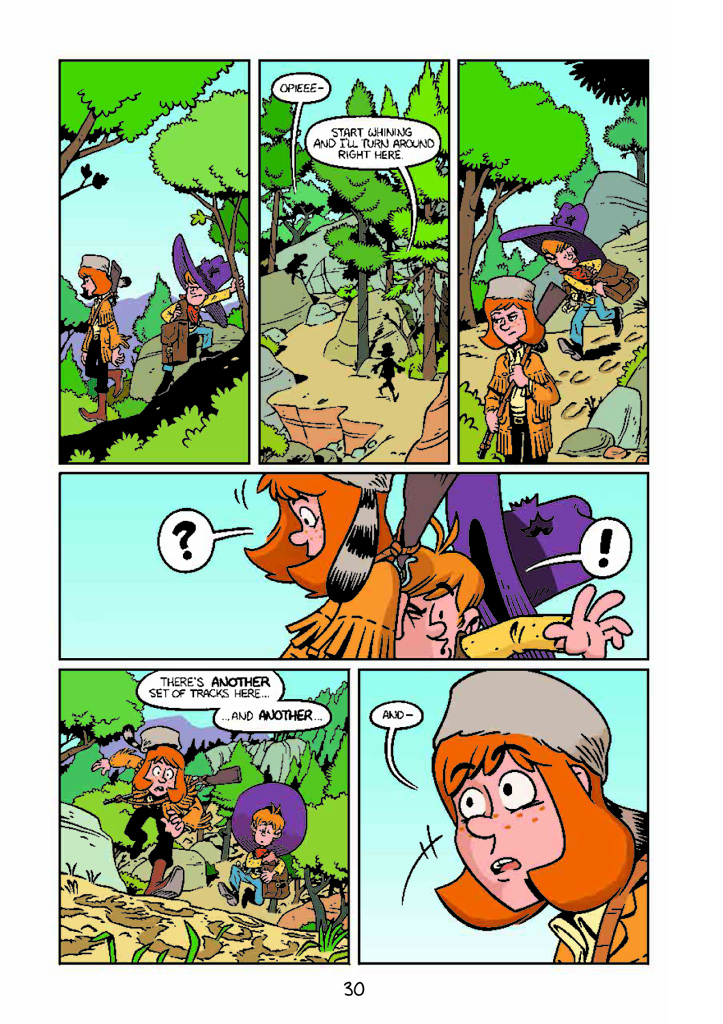
Set in the Old U.S. West, Opie and her younger brother, Ned, are orphaned siblings searching for the man who shot their Ma. Problem is, their Pa is THE bad guy – the kingpin, the big bad, cue the dramatic music at the mere mention of his name kind of bad. And he’s expert at not being found. Opie and Ned are undeterred, though; they mean to find their Pa and have some words: if they can just stop arguing with one another long enough to stay out of trouble, that is.

There’s a lot of action and dialogue in this first volume of Varmints. The sibling squabbling provides some quick-witted entertainment, and the explosions and fights, not to mention the cartoony art and bright colors, will hold kids’ interests. It’s a very old-school type of storytelling, with humor, wit, and pathos.

Good addition to graphic novel collections, especially where Westerns are popular; otherwise, a good secondary purchase. There’s a 2013 Varmints story, “The Coonskin Caper”, on Andy Hirsch’s website, along with links to his other work, including The Baker Street Peculiars, for fellow Sherlock Holmes fans who love a touch of the supernatural in just about anything. Check out some of his work on Adventure Time, Garfield, and The Regular Show, too.

varmints_2 varmints_3


Posted in Animal Fiction, Early Reader, Fiction, Fiction, Graphic Novels, Humor, Intermediate

Ape and Armadillo TAKE OVER THE WORLD… Maybe.

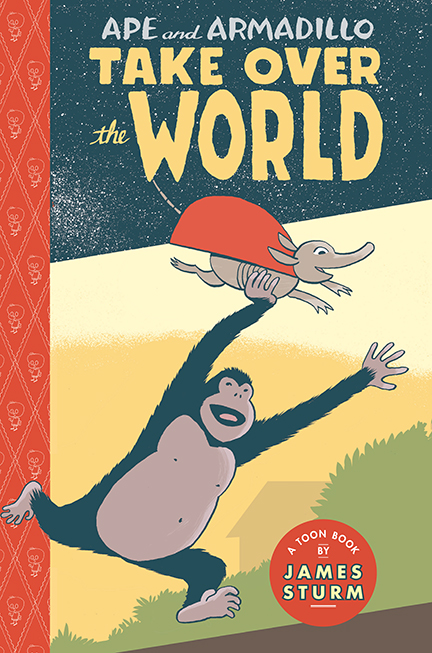
ape-arm_1Ape and Armadillo Take Over the World, by James Sturm (Sept. 2016, TOON Books), $12.95, ISBN: 978-1-943145-09-6

Recommended for ages 6-8

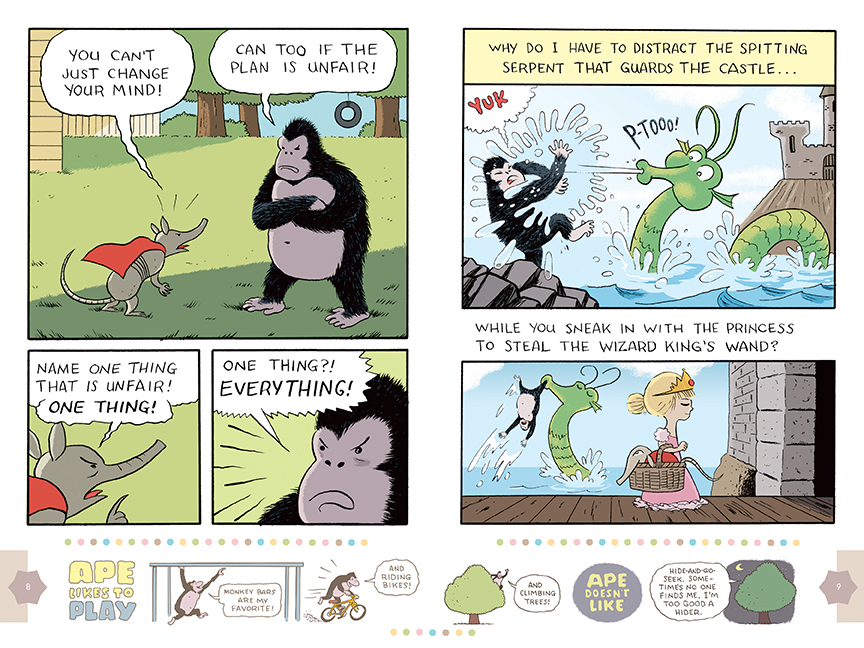
Ape and Armadillo want to take over the world, but the whole plan seems a lot more fun for Armadillo – the ringleader, naturally – than it will be for Ape. While Armadillo gets to sneak in and get all the work done, Ape is stuck fighting spitting serpents, an army of robots, and escape through sewer tunnels – YUCK! Armadillo needs to learn how to compromise, or he may lose a friend and fellow Agent of Evil.

Kids will love this graphic novel that touches on a situation very familiar to kids: the bossy friend who wants everything done his or her way. Ape decides that he’s not going to be the flunky any more, and Armadillo has to adjust his own point of view and work – together with Ape – on a game that they can both play and enjoy equally. It’s a fun resolution, loaded with armor, magic wands, magical creatures, and butter pecan ice cream. Secondary Ape and Armadillo comics run at the bottom of each page, providing more insight into these characters and leaving me hoping we’ll meet this dynamic duo in more adventures to come.

ape-arm_2

This is a good book to use when talking about feelings and playing nicely with others; the dialogue and art treats the audience respectfully and examines a potentially frustrating situation with honesty and humor. It’s a TOON Level 3 book, considered a chapter book comic for advanced beginners, so ages 6 and up will dig right in. TOON includes parent resources at the end of each book, including tips on reading comics with your kids, and levels breakdown: Lexile, Guided Reading, and Reading Recovery, and appropriate grades. There’s a Teacher’s Guide in progress, so check the Ape & Armadillo page on the TOON site to get yours when it’s ready.

I love James Sturm’s books. He just knows how to create great stories for kids, and get his messages across in a fun, bold way. He’s also written the Little Knight books with his fellow Adventures in Cartooning compatriots, and he’s written Birdsong: A Story in Pictures for TOON.

Posted in Intermediate, Middle Grade, programs, Summer Reading, Tween Reads

Summer Reading Programs: Spy Week

My second big Summer Reading programming theme was Spy Week. Again, Pinterest was my co-pilot, as I created dossiers and came up with activities to keep the kids happy and thinking that week.

First, I put out any kind of books with spy/espionage themes, and booktalked them as I introduced Spy Week. Favorites were Gene Luen Yang’s Secret Coders (and they’re excited that the second one is coming out), The League of Unexceptional Children, Harriet the Spy, The Fourth Stall, Tom Angleberger’s Fake Mustache, and Varian Johnson’s The Great Greene Heist all went over really well.

Secret-Decoder-printableI made up dossier folders for the kids to keep their materials – I ended up using all 50 sets, so whoo hoo! I printed out Confidential and Top Secret-type stamps to glue on each cover. The first day, we took on secret coding. I gave the kids copies of a code wheel, a breakdown of Morse Code, and an info sheet on PinPrick Code, along with a secret message written using the Code Wheel and PinPrick Code. I used a page from an old book (destined for the trash pile) for the PinPrick Code, and I used dots with a pen rather than pinpricks. The message was the same using both the Code Wheel and the PinPrick, so the kids could use either method and get the same message: “Congratulations! See Miss Rosemary for a prize!” I gave out stickers, bookmarks, and temporary tattooos as prizes and everyone was happy.

fingerprintsDay Two was Fingerprints and Secret Messages day. I gave the kids a printout on fingerprinting, a small sheet describing the different types of fingerprint styles (arch, whorls, loops), and showed them how to take the own fingerprints by scribbling on a piece of paper with a pencil, rolling your finger around on the graphite, and then applying their prints to paper. We also talked about the fact that no two people have the same fingerprints, and that’s why taking fingerprints is helpful in finding criminals, missing people, and identifying employees like folks that work in schools. After the kids took their own fingerprints, I mixed up lemon juice with water, handed out cups of the solution, along with small paintbrushes, and let the kids write their secret messages. When they got home, I told them to hold the message over a heat source like a hair dryer or a light bulb, with an adult, so the message would be revealed.

Day Three, we showed the first Spy Kids movie, and the attendance was strong! I was pretty happy about it, and the kids loved seeing all the wacky gadgets used in the movie. My partner in crime and co-children’s librarian had a Spy Crafts table after the movie, where kids made fake mustaches and paper plate masks.

20160714_163905Day Four was Spy Training Camp, and that’s where things got fun. I created a laser maze in our meeting room using yarn, and the chairs and tables. I ended up having about 30 kids going through the maze again and again, and then they came out to try their hands at TNT Hot Potato. 20160714_163316I wrapped up toilet paper rolls in red tissue paper, taped them together with black duct tape, used a yellow pipe cleaner as a fuse, and we had TNT. We played the Mission: Impossible theme as the kids tossed them back and forth; everyone got prizes for competing.

Finally, the fifth day was the big Spy Hunt – I told the kids that secret agents for the Bad Guys were loose in the children’s room, and they had to locate them. I hid five of these guys, below, throughout the children’s room and gave them code numbers like 007, 009, and so on. I also had a bonus – a giant Classified stamp – that went on my desk (I always give them a “free zone”). The kids found the agents, wrote the numbers on their sheets, and, you guessed it, got prizes. We like prizes here. Everyone who took part received a Spy ID card and Spy School certificate to close out their week.

spy_318-64610

I was thrilled with the success of Spy Week! The kids were so into it, and it really gave me the shot in the arm I needed to keep topping myself in terms of creating exciting programming. One of the most amazing things about this profession is the openness and willingness to share information with one another; I have a huge debt to both The Show Me Librarian and Bryce Don’t Play, both librarians with amazing blogs and wonderful Spy programs that I borrowed liberally from to make my week a success. Thank you so much for sharing your work with everyone!

I’ve made my Spy Week programming folder on Google Drive shareable, if anyone would like to use some of the stuff. I’ve got just about everything I handed out here, and a few things I didn’t get to. There’s also a really good booklist from the International Spy Museum that helped when I was putting together my own booktalking list. Check it out!

Posted in Early Reader, Fantasy, Fiction, Fiction, Historical Fiction, Intermediate

The power of stories: The Storyteller

storyteller-1The Storyteller, by Evan Turk (June 2016, Athenum), $18.99, ISBN: 9781481435185

Recommended for ages 5-10

Every now and then, you get an epic in storybook form. The Storyteller is such a tale. We sit down and listen to the storyteller: the narrator of the book, who tells us how the Kingdom of Morocco formed at the edge of the great, dry Sahara desert; how there were fountains of cool water, and storytellers to bring the people together. We also learn that as people forgot the perils of the desert, they forgot about the storytellers, too – except for a single boy, who happened upon a storyteller while in search of a drink of water. The storyteller spun tales for the boy, always leaving him thirsty for more stories.

Once a sacred duty to preserve a culture’s collective memory, the advent of television, movies, and the Internet whittled away at the practice of storytelling. What The Storyteller gives us is a beautifully complex, layered tale that illustrates the power of storytelling, an art that – according to the author’s note at the end of the book – is at long last making a comeback.

Mr. Turk’s art has an ancient feel to it, capturing the story’s spirit using a variety of instruments: water-soluble crayon, colored drawing pencils, inks, indigo, sugared green tea, a heat gun, and fire. The final product made me feel like I was holding a revered story scroll, reading tale straight from history.

storyteller-2

Evan Turk received the New Illustrator Honor from the Ezra Jack Keats Foundation for Grandfather Gandhi. Find more of his artwork at his author website. The Storyteller has received starred reviews from Publishers Weekly and School Library Journal.

This is a picture book more for school-age kids than little ones. The publisher suggests ages 4-8, but I’d bump it up to ages 5-10, because I feel like Kindergarteners would be better able to sit through the story and lose themselves in this tale. I also feel like this would be a great book to skew a little older with; for instance, upper elementary grades that have storytelling/fairy tales units would have great success introducing this book to classrooms.

storyteller-3


Posted in Animal Fiction, Fantasy, Fiction, Fiction, Intermediate, Middle Grade, Tween Reads

The Nocturnals reunite and face The Ominous Eye

nocturnalsThe Nocturnals: The Ominous Eye (Nocturnals #2), by Tracey Hecht/Illustrated by Kate Liebman, (Sept. 2016, Fabled Films Press), $15.99, ISBN: 978-1-944020-03-3

Recommended for ages 8-12

The three friends we met in The Mysterious Abductions are back! In this latest Nocturnals adventure, Dawn, the serious fox, Tobin, the sweet and nervous pangolin, and Bismark, the overconfident sugar glider, try to get to the bottom of a frightening jolt that shakes the earth. They meet a tuatara named Polyphema, who seems to know a lot more than she’s letting on. Polyphema talks about a Beast responsible for the earthquake and destruction, and how it will strike again if the animals don’t listen to her. Dawn seems to be the only one who doesn’t trust Polyphema; Bismark is smitten, and poor Tobin is just nervous.

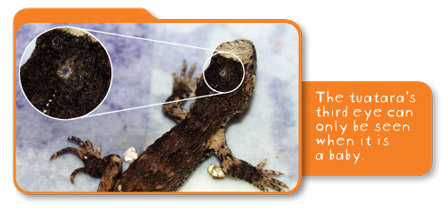
Nocturnals is a fun animal series. This second book introduces some conflict into the small group of friends, illustrating that teamwork doesn’t always come easy, and that trust must be earned. Animal fiction fans will enjoy meeting more exotic animals in this book – I never knew what a tuatara was, or that they really do have a third eye! This little tidbit makes Polyphema an even more interesting character, making her insights and visions more believable to the animals in the story.

tuatarasource: The Quantum Biologist

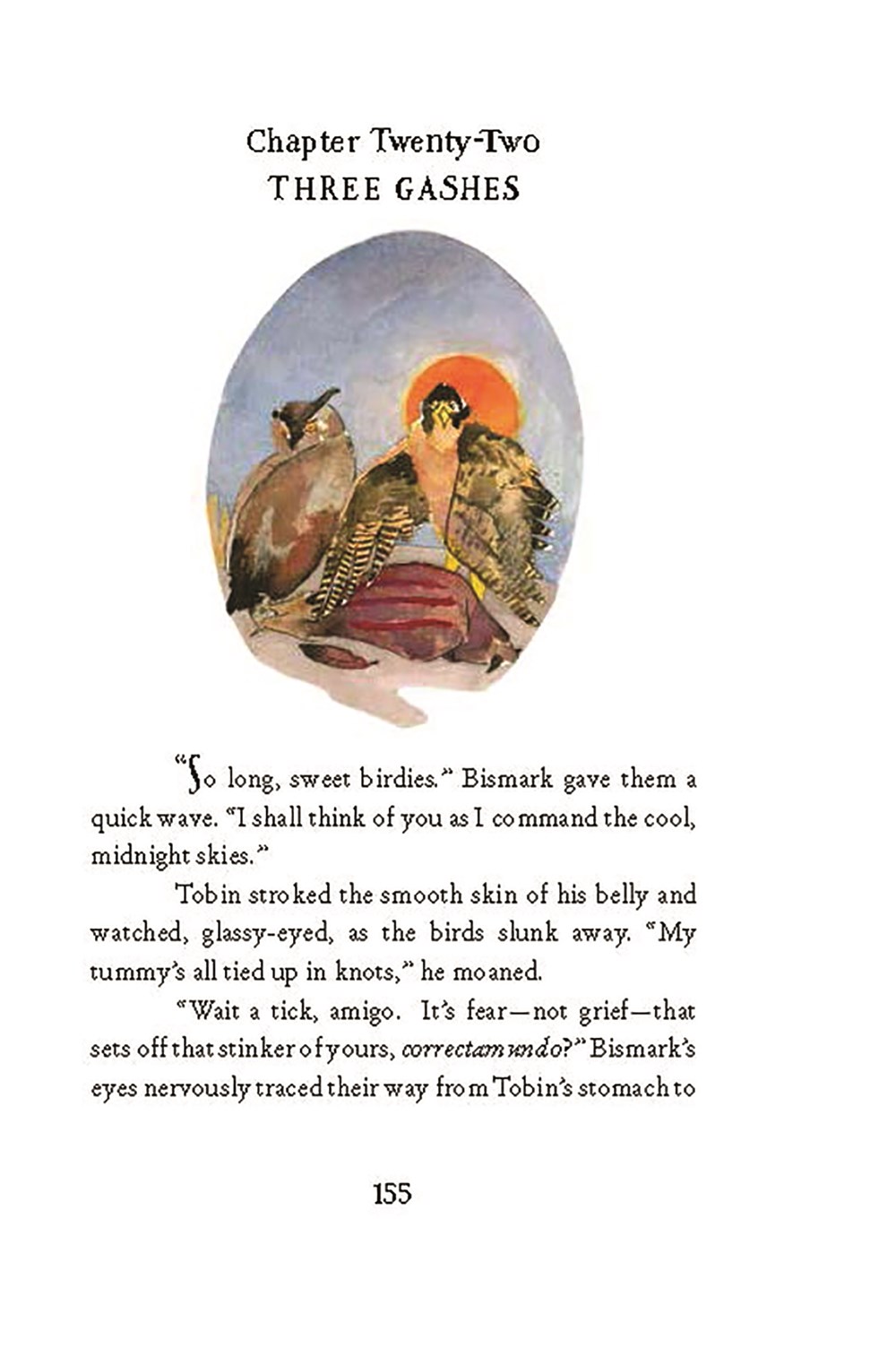
This is a good follow-up to the first book, and yet newcomers to the series can jump right in without having read the first book (but read it – it’s good!). Kate Liebman’s color illustrations add to the text, giving the reader a nice frame of reference for some of these new animals he or she will meet during the course of the book.

nocturnals_1 nocturnals_2 nocturnals_3

Animal fiction fans will enjoy this series. See if you can put out some animal atlases and have the research where the novels take place! Talk up nocturnal animals, and ask the kids to identify more nocturnal animals. Use the educator resources available on the Nocturnals website, especially the printable animal fact cards, to help them along. There’s a third Nocturnals book coming in March 2017, too – mark your calendars!


Posted in Fiction, Fiction, Graphic Novels, Humor, Intermediate, Middle Grade

Dav Pilkey collaborates with George and Harold to bring us Dog Man

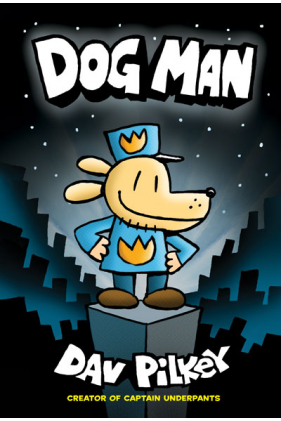
dogmanDog Man (Dog Man #1), by Dav Pilkey, (Aug. 2016, Graphix/Scholastic), $9.99, ISBN: 9780545581608

Recommended for ages 7-10

Remember George and Harold, the dynamic duo who “write” Captain Underpants an Ook and Gluk? Well, get ready – the twosome rediscovered a comic they wrote back when they were in Kindergarten, spruced it up, and give us the story of a cop whose origins are slightly Robocop-like, with a little bit of K-9 thrown in for good measure. Dav Pilkey presents: Dog Man.

Officer Knight and his canine partner, Greg, were critically injured while defusing a bomb set by the evil feline mastermind, Petey. Officer Knight’s head was dying, and Greg’s body was dying; to save these two brave officers, doctors did what they had to do: sewed Greg’s head onto Officer Knight’s body, giving us the next name in law enforcement: Dog Man. This first volume contains four adventures, including Dog Man’s origin story.

If you love Captain Underpants, you’re going to love Dog Man. It’s a graphic novel with all the elements we’ve come to love in a Pilkey book: the flip-o-rama action, the drawing lessons, the bathroom humor, and the overall sense of fun and play. Pilkey is pure escapism, and I love him for it; he uses his childhood struggles with dyslexia to fuel his mission to create playful illustrated books for kids; he gives kids characters like George and Harold to empower kids to create their own comics; he makes his books read like they were created for kids, by kids.

When kids walk into my library – boys and girls alike – they overwhelmingly ask for Captain Underpants (and Wimpy Kid). I can’t wait to show them Dog Man and watch them go crazy.

Having Captain Underpants in your collections is a no-brainer. So is having Dog Man on your graphic novel shelf. Show kids how much fun reading is, and then print out some comic book templates to let them tell their own stories. Dav’s author website offers a downloadable PDF biography – that’s a great way to get kids telling their own stories!

Posted in Intermediate, Middle Grade, Non-Fiction, Non-fiction, Non-Fiction, Tween Reads

Kid Artists is a great addition to Quirk’s “Kid” series

kidartists_1Kid Artists, by David Stabler/Illustrated by Doogie Horner (Aug. 2016, Quirk Books), $13.95, ISBN: 9781594748967

Recommended for ages 8-12

The third outing in Stabler and Horner’s “Kid” series, following Kid Presidents and Kid Athletes, introduces kids to artists. Before the museum exhibitions, every artist was a kid, shaped by his or her circumstances. Kid Artists organizes 17 artist profiles into three sections: Call of the Wild, focusing on artists who grew up with a love of the outdoors; It’s a Hard-Knock Life, featuring artists who overcame obstacles like discrimination, war, poverty, and extreme shyness; and Practice Makes Perfect, where artists who had a teacher, friend, or family member cheering them on to practice, perfect, and succeed.

There are funny stories and inspirational stories, all illustrated in full-color. We learn that Claude Monet had a lucrative caricature business as a kid, and that Leonardo da Vinci’s painting of Medusa, on a shield was so terrifying that his father almost ran away from it! Kids will meet artists like Keith Haring and Jean-Michel Basquiat, whose graffiti art on the streets of New York garnered them fame, and Jacob Lawrence, whose Migration Series tells the story of the migration of African-American families from the rural, southern United States up north, in search of a better life.

I enjoy this series, because it introduces kids to a wide range of people under one umbrella term. They’ll be exposed to new people, cultures, and ideas, in a kid-friendly atmosphere with a bite-sized biography that shows them that no only do we all start out as kids, but we all have challenges to overcome.


Posted in Early Reader, Intermediate, Non-Fiction, Non-Fiction

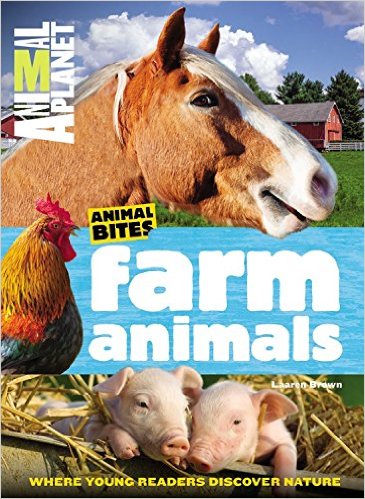
Animal Planet’s Animal Bites series is great for young readers!

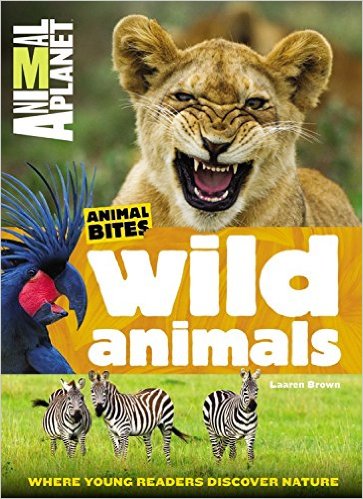
Animal books are KING with younger readers. I gush constantly about the NatGeo books, but I’ve just been made aware of Animal Planet’s Animal Bites series: books spotlighting animals from different habitats, like Farm Animals and Wild Animals, and loaded with bite-sized info (see what I did there?), questions for discussion, and yes, outstanding photos.

wild animalsEach book is organized to guide readers through information about family relationships, animal bodies, ecosystems, play time, conservation, and so much more. Check boxes throughout prompt discussion about whether these animals are friendly or would make good pets (bears, not so much; horses, yes) and discussion questions ask kids to compare themselves with animals: do you like to play games, like a border collie does? We get infographics on featured animals, including geographic location, weight, and height, and to help younger kids form a more solid frame of reference, a comparison to something most of us see every day, from a truck to a computer printer.

I love the emphasis on conservation, particularly in the Wild Animals book. Features on animals that have been saved from the brink of extinction, like the gray wolf, make very real the idea that conservation works when there is awareness.

Each book ends with a quiz, an activity and a craft, and a robust list of resources, a glossary, and an index. Endpapers lead readers in and send them off with a gorgeous photo of an animal.

There are over 200 photos in each book, along with infographics, maps, and informative Quick Bites. Other books in the series include Animal Planet Polar Animals and Animal Planet Ocean Animals.farm animals

Further committing to conservation, a portion of the proceeds benefits Animal Planet’s R.O.A.R. (Reach Out. Act. Respond.) campaign that partners with leading animal organization to make the world a better place for domestic and wild animals.

My 4 year old LOVES these books: trying to get them back so I could refer to them for this review was fun (he’s at school right now). Every page is a new discovery, something waiting for him to find and explore. Sometimes, he plays with his animal toys, showing me his horses when I read the section on horses; he’ll show me a lion when I get to a spotlight on lions. If he asks why his shark is missing, I’ll explain that I have to buy him a copy of Ocean Animals. 😉

Kids love animals. Animal Planet books make it easy for you to bring more animals into their lives, and even more importantly, to discuss humane treatment of animals and the importance of conservation of our planet with them. The books are a nice, sturdy softcover, perfect for tucking into your tote bag when you’re traveling (or sneaking your kid’s copy out so you can read it on the way to work), and it’ll hold up to repeated reads.

Animal Planet: Animal Bites – Wild Animals, by Laaren Brown (Animal Planet, June 2016), $12.95, ISBN: 978-1618934147

Animal Planet: Animal Bites – Farm Animals, by Laaren Brown (Animal Planet, June 2016), $12.95, ISBN: 978-1618934130

Recommended for ages 4-8

Posted in Intermediate, Middle Grade, Middle School, Non-Fiction, Non-fiction, Non-Fiction, Tween Reads

Inside Your Insides puts you under a microscope

inside your insidesInside Your Insides: A Guide to the Microbes That Call You Home, by Claire Eamer/Illustrated by Marie-Eve Tremblay, (Sept. 2016, Kids Can Press), $17.95, ISBN: 9781771383325

Recommended for ages 8-12

This interesting nonfiction book takes a look at the microbes that live on our bodies: in our hair, on our skin, and the ones we pick up everywhere we go. We’re microbiomes: a walking, talking collection of microbes, and Inside Your Insides introduces us to some of the most common microbes we share our surroundings with. We learn about bacteria, archaea, viruses, fingu, protists and mites; their preferred environments; and all the places they live on and around us. Complete with brightly colored, cartoony illustrations, makes this a good introduction or companion for middle grade science students.

There are some good callout facts and groan-worthy jokes scattered throughout the book, and a glossary and index round everything out. Kids will learn that not all bacteria are bad for you: you don’t need everything antibacterial, and it may be doing more harm than good, anyway! A section dedicated to saving our microbes goes into detail on how to take care of ourselves to attract the “good” microbes: play outside, eat lots of fruits and vegetables, and explore your world. The combination of clear, instructional writing with a humorous bent, and the eye-catching illustrations, kids will get a kick out of this intro to microbiology. It’s a good additional purchase for collections where science books circulate.

You can also direct kids to the Genetic Science Learning Center’s Human Microbiome site. There are teacher resources, interactive simulators, informative videos, and information that’s written in a clear, interesting way to get kids excited about learning more.


Posted in Early Reader, Fiction, Fiction, Historical Fiction, Intermediate, Realistic Fiction

Mother Jones is on her way to Oyster Bay – join the march!

on our wayOn Our Way to Oyster Bay: Mother Jones and Her March for Children’s Rights, by Monica Kulling/Illustrated by Felicita Sata (Sept. 2015, Kids Can Press), $17.95, ISBN: 9781771383257

Recommended for ages 7-11

Eight year old Aidan and his friend, Gussie, want to go to school, but they have to work instead, to help their families. When the millworkers go on strike, Aidan and Gussie join the picket line; that’s when they meet Mother Jones, a feisty activist who wants to take action against child labor. She organizes a children’s march that will take them all the way to President Theodore Roosevelt’s summer home in Oyster Bay, New York!

In 1903, child labor was a harsh reality for many children like Aidan and Gussie. Instead of going to school, children toiled for up to 12 hours a day, six days a week, in factories; they experienced unsafe conditions and many were injured, disfigured, or even died doing their work. On Our Way to Oyster Bay is a fictionalized account of the very real story of activist Mother Jones’ March of the Mill Children, beginning in Pennsylvania and going all the way through the streets of Manhattan, ending up on President Roosevelt’s Oyster Bay lawn. While the President refused to meet with Mother Jones and her brigade, the march raised awareness of child labor, leading to the 1904 formation of the National Child Labor Committee.

On Our Way to Oyster Bay is a great story for younger kids about a period in history that doesn’t get as much love as it should. If you ask any given kid you encounter whether or not they know Mother Jones, you’re likely to get a blank stare, and that needs to be remedied. We still work in a world where child labor is a reality for many – I constantly remind kids that kids have fought and died for the right to go to school and do the same things they complain about every day – and a book like this lends itself to some important discussions about our own history of child labor and unsafe conditions, as well as the chance to brainstorm some ideas about what kids can do to help other kids around the world. Being a CitizenKid book – an imprint I love – there’s loads of information about child labor, suggestions for getting involved, and discussion points. Kids Can Press has a winner with this imprint; the books bearing the CitizenKid stamp empower kids to learn about the world around them and to take action, just like the kids in their books do. These books give them the information and the tools to take action, putting the power in their hands.

The artwork is vibrant, with movement coursing through the illustrations. The march through Manhattan thrums with activity, and I found myself bouncing up and down on my seat as Mother Jones made things happen! This is great for a read-aloud or a read-alone, but it needs to be read. Add this to your collections, read it to your kids, and make things happen. Talk about social justice, everyday activism, and being a good citizen, globally and locally.