Posted in Fiction, Fiction, Graphic Novels, Intermediate, Middle Grade, Teen

Three new graphic novels coming your way in May!

There are some good graphic novels coming out in May. There’s manga-influenced work, an animal tale that brings Watership Down to mind, and a gripping story about being an undocumented immigrant. Let’s see what’s up!
 

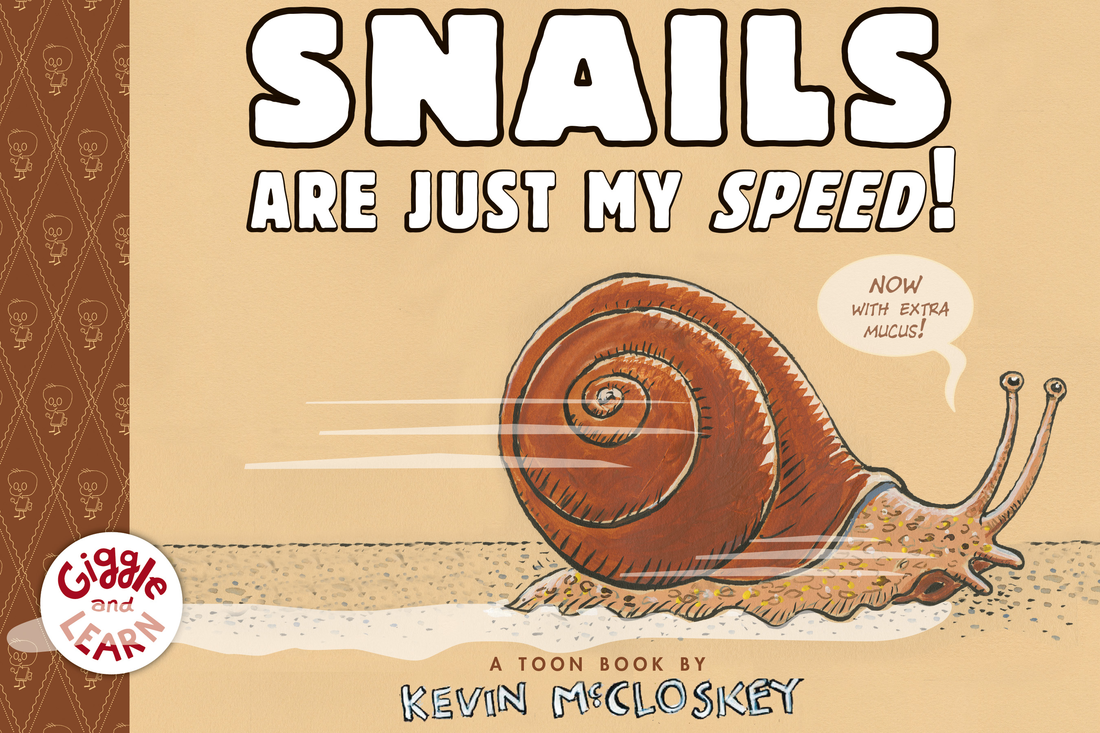
Snails are Just My Speed!, by Kevin McCloskey, (May 2018, TOON Books), $12.95, ISBN: 9781943145270

Recommended for readers 3-7

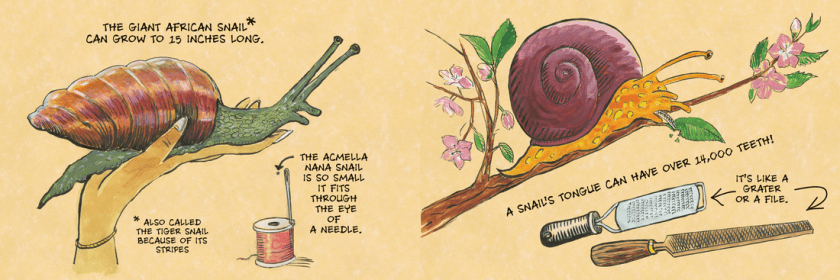
The latest in Kevin McCloskey’s Giggle and Learn series of graphic novels takes a look at snails! They live in their shells! They like to eat together! They make a LOT of mucus! (So. Much. Mucus.) This latest easy reading, nonfiction graphic novel is perfect for pre-k and Kindergarten science groups and animal lovers. It’s loaded with fun facts, much of it mucus-related, which will make this a guaranteed hit with kids who love to squeal and shriek at “gooey” stuff. I love the infographic, built into the story, of all the animals that are faster – and slower! – than a snail, and the different types of snails that exist, including a hairy snail and a “glass” snail with a see-through shell. There’s a quick drawing lesson at the end – great way to end a storytime or science group session! – and the TOON website always has great teacher’s resources available for download. Kevin McCloskey is aces in my book!
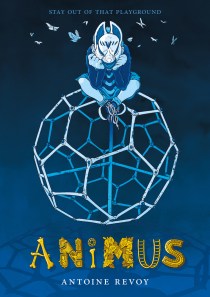
 

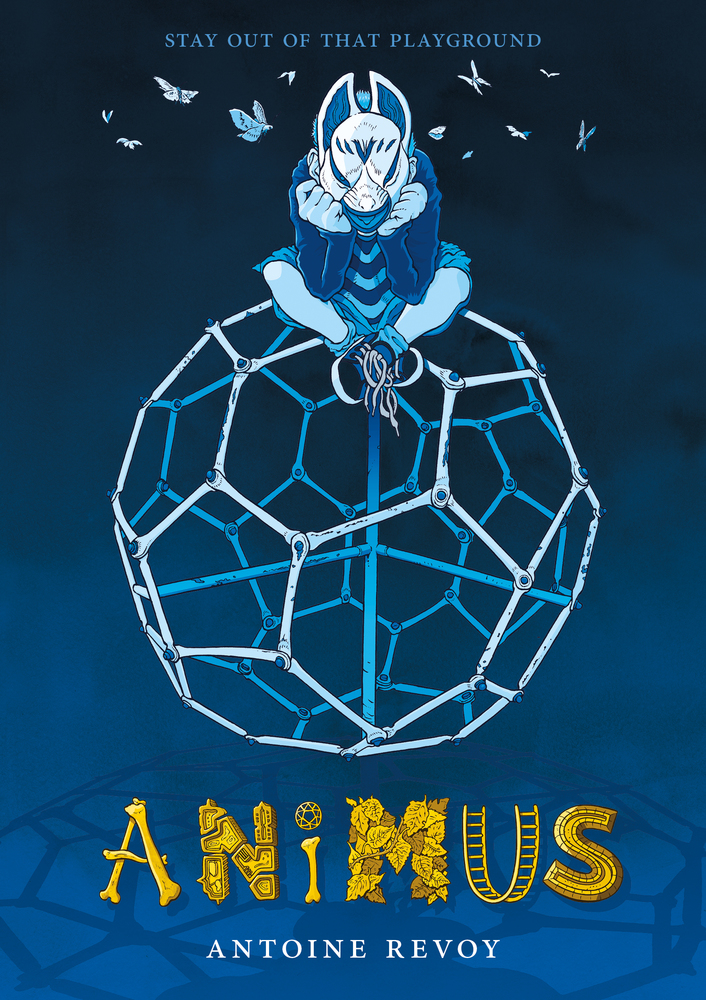
Animus, by Antoine Revoy, (May 2018, First Second), $16.99, ISBN: 9781626721838

Recommended for readers 12+

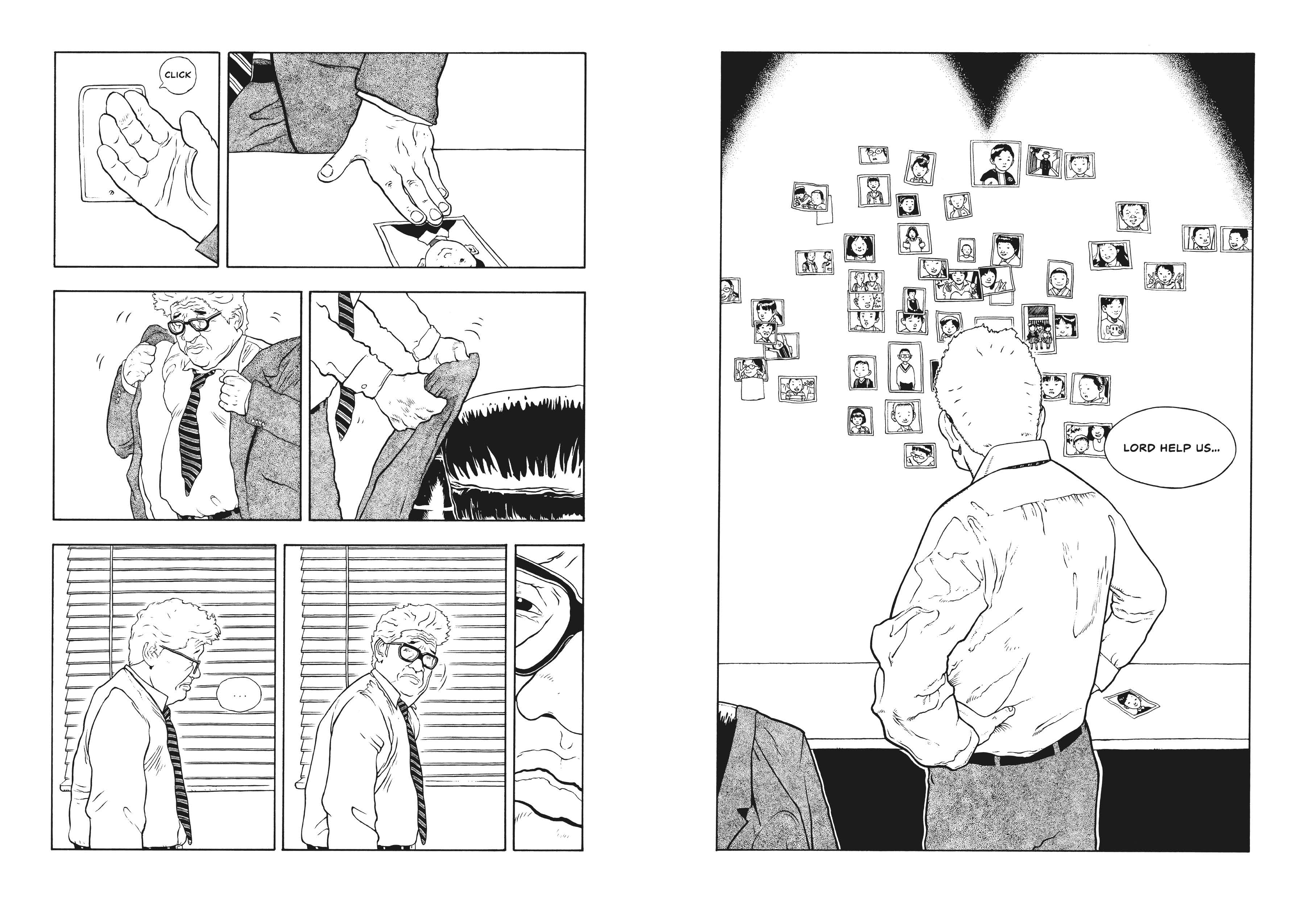
This is a creepy ghost tale/mystery surrounding a ghost destined to haunt a playground. Schoolmates Hisao and Sayrui meet Toothless, a ghost who tells them that the playground is magic: the swings let you look into people’s dreams; the sandbox brings your worst fears to life, and the slide has the power to give or take years from your life, depending on the direction you go. When another friend goes down the slide, rapidly ages, and develops dementia, the two friends must save him – and to do that, they must discover who Toothless really is, and how he came to haunt the playground.

Heavily influenced by Japanese and French comics, this black-and-white graphic novel is eerie and unsettling; a strong noir story with ghostly elements woven throughout to create a story that will stay with readers.
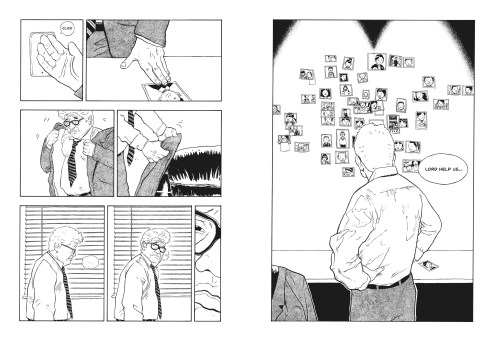
 

Chasma Knights, by Boya Sun & Kate Reed Petty, (May 218, First Second), $17.99, ISBN: 9781626726048

Recommended for readers 8-12

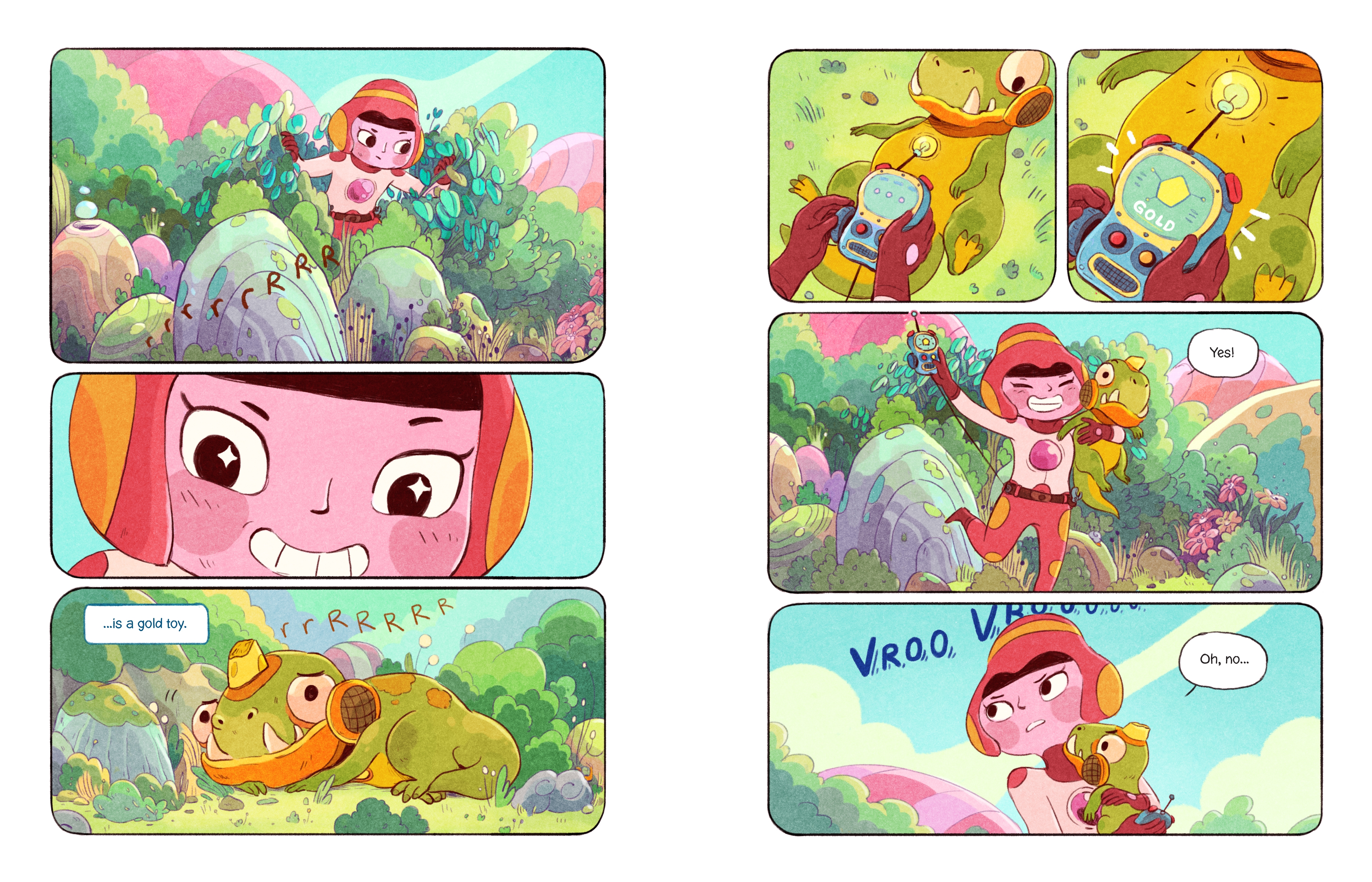
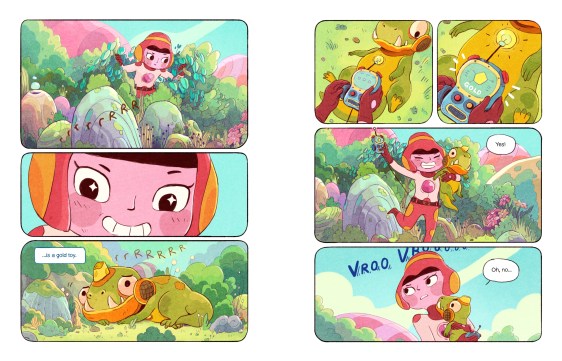
Beryl is a Neon Knight in the fantasy land of Chasma, where toys “catalyze” with a touch and come to life, merging with their owners and imbued with special abilities. But the thing is, in Chasma, being a Neon Knight isn’t that great – it’s kind of a joke. Neon Knights can’t catalyze; Oxygen Knights do. But Beryl has a talent all her own: she’s an inventor that can repurpose broken toys into new creations. Coro, an Oxygen Knight, meets Beryl at the Toy Market, and the two strike up an initially cautious friendship.

I’ll be honest, this one left me scratching my head – I didn’t always quite get what was going on, but I did appreciate the kid-friendly artwork and storyline: who wouldn’t want to read about toys coming to life? I booktalked this to a few of my library kids – all big manga fans – and they seemed to have a better grasp on the concept than I did, so go them! My best advice? It’s a fun, bright, kid-friendly graphic novel. Let your audience be your guide.
And two that are already out, but that I just read…
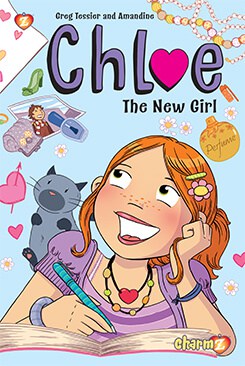
Chloe, Vol. 1: The New Girl, by Greg Tessier and Amandine, (May 2017, Papercutz), $9.99, ISABN: 9781629917634

Recommended for readers 10-12

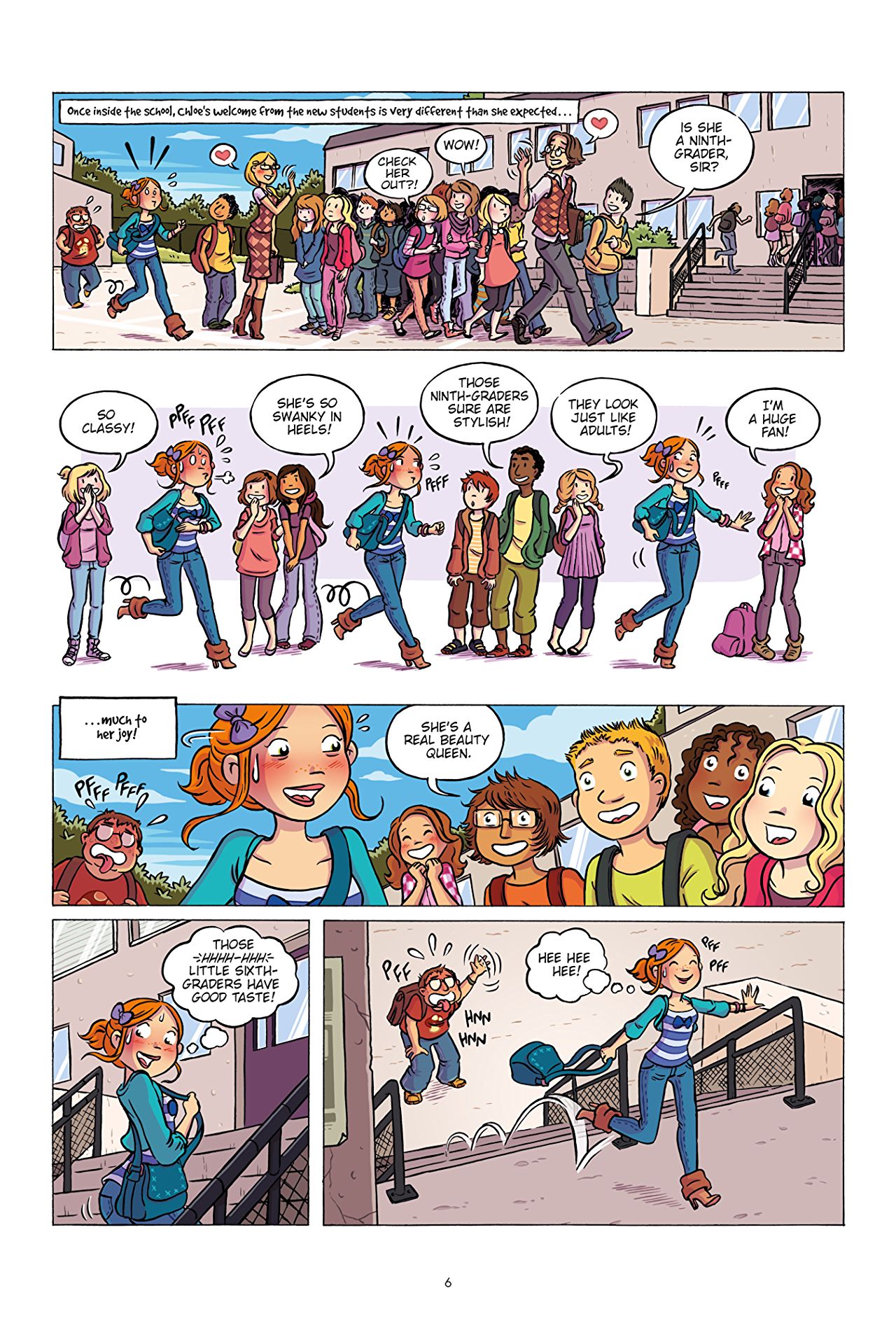
Originally published in French, the Chloe graphic novels are fun stories about a fashion-fabulous teen named Chloe as she navigates high school, friendships, and relationships. Her family mortifies her, and the mean girl fashionistas at school are mean to her – in other words, she’s totally relatable. In this first issue, Chloe starts high school and tries to get in with the in crowd. The artwork is fun and the subject matter is light.
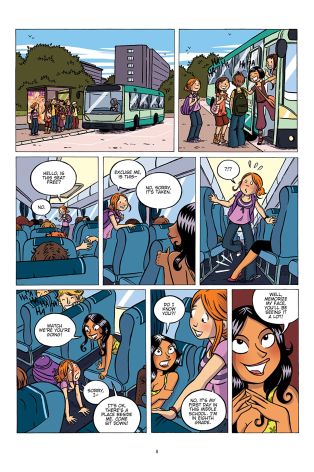
Chloe, Vol. 2: The Queen of High School, by Greg Tessier and Amandine, (October 2017, Papercutz), $9.99, ISBN: 9781629917634

Recommended for readers 10-12

In this second volume, Chloe is back for her second year of high school and taking things by storm. She’s got a cute new boyfriend, a fashion blog, and a group of friends to call her own. She’s still got embarrassing parents and mean girls at school, but she’s taking it all in stride.
There are four Chloe volumes in total available. These would be good for Summer Reading groups, maybe even in conjunction with a blog project for tweens!
Posted in Intermediate, Non-Fiction, picture books

The Midnight Teacher’s bravery

Midnight Teacher: Lilly Ann Granderson and Her Secret School, by Janet Halfmann/Illustrated by London Ladd, (Feb. 2018, Lee and Low), $18.95, ISBN: 9781620141632

Recommended for readers 7-11

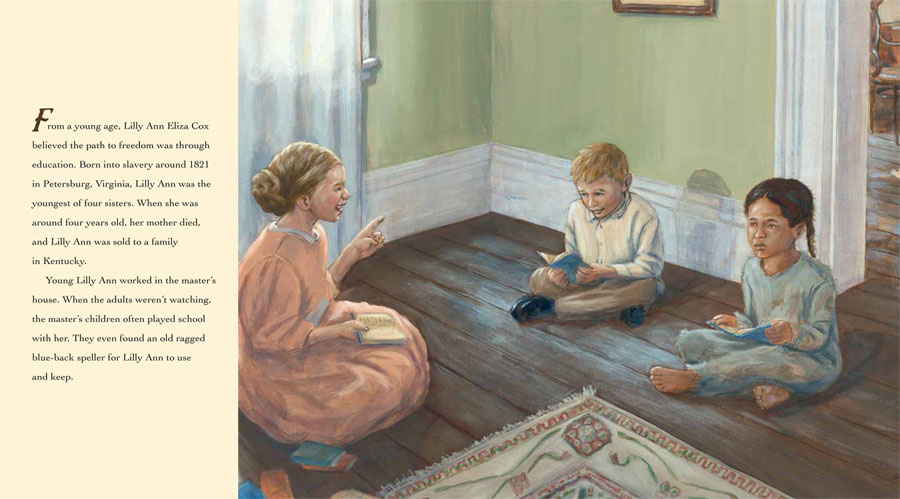
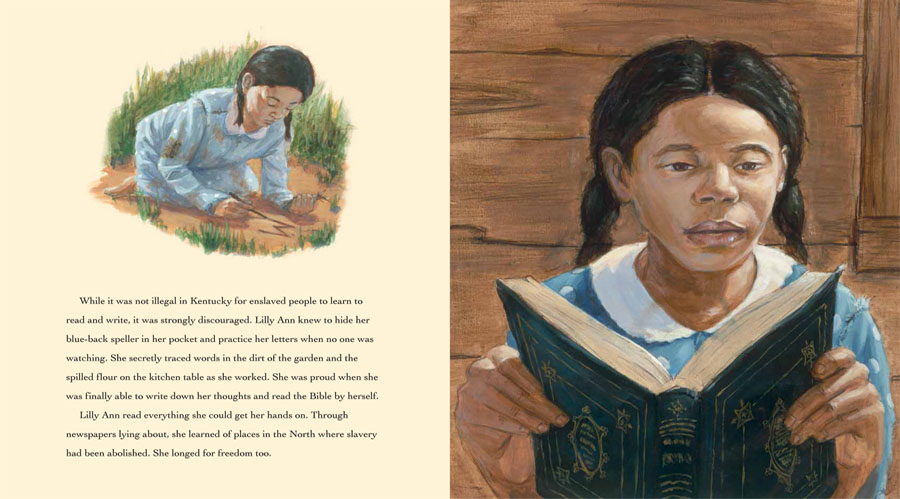
Lilly Ann Granderson was born a slave, taught to read by her master’s children, who played school with her. As she grew up, she practiced her spelling and reading in secret – in some areas, it was against the law to teach slaves to read – and eventually began teaching other slaves. She was determined to teach as many of her people as she could, to give them the chance at freedom made possible through education, and began a midnight school where slaves would gather after dark to learn, risking cruel punishment if they were discovered. Eventually, Lilly Ann won the right to start a school and a Sabbath church school, where she could teach her students with no fear of repercussion.

This picture book biography looks at the life of an overlooked champion for literacy and social justice and makes an excellent addition to biography collections. Lilly Ann Granderson’s determination and perseverance; her desire to to learn and promote learning among others is an important and, sadly, relevant topic today. Talk about how education leads to freedom, and mention that education is not always a right, even today. Malala Yousafzai’s picture book biography, For the Right to Learn, illustrates this and is a good companion to Midnight Teacher.

The artwork is realistic and subdued, made with acrylic paint and colored pencil; London Ladd gives character and expression to his characters, particularly Lilly Ann Granderson, whose determination and inner strength shine through. An afterword provides an overview of Granderson’s life and those of her descendants, who went on to become activists, had life in public service, and found professional success. A nice bibliography has more resources for interested readers, caregivers, and educators. Midnight Teacher has a starred review from Kirkus and is a must-add to collections where picture book biographies are available.

Posted in Non-Fiction, picture books, Preschool Reads

Take a nature walk On Gull Beach

On Gull Beach, by Jane Yolen/Illustrated by Bob Marstall, (March 2018, Cornell Lab Publishing Group), $16.95, ISBN: 9781943645183

Recommended for readers 4-7

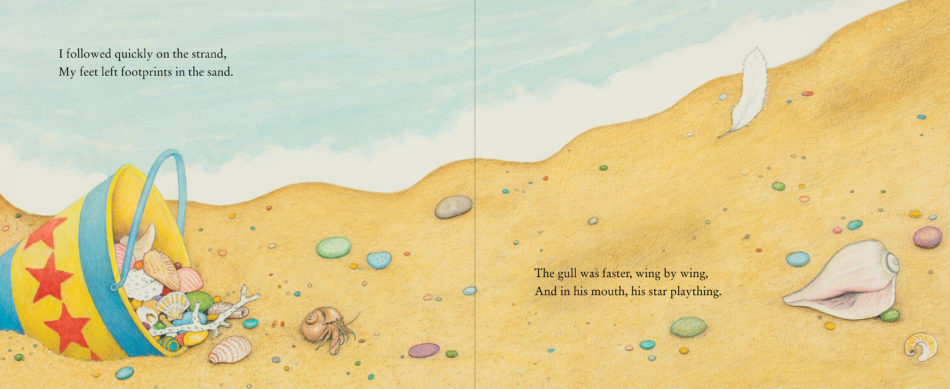
The latest book in Jane Yolen and Bob Marstall’s On Bird Hill & Beyond series takes us to the beach, where a boy wanders along the shore, observing the wildlife as he goes. He sees a starfish get snapped up by a gull, and he follows along as a group of gulls toss the sea star, trying to grab it as the birds pass it from one to the next. As he follows along, readers learn about the shoreline ecosystem; the tidepools, seaglass, and crabs.

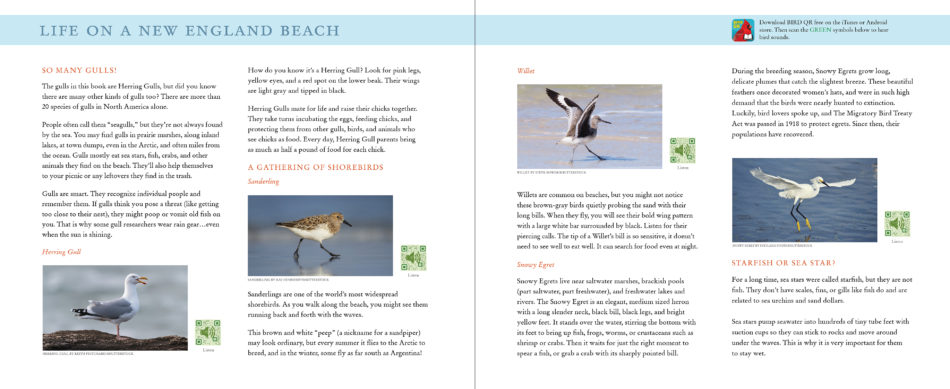
All of the On Bird Hill books are standalone stories, each looking at a different ecosystem through the eyes of a child; all come together to form an early reader science and nature series on habitats. On Gull Beach looks at life on a New England beach, with extra information about different gulls, shorebirds, sea stars, and crabs that make an appearance in the book. There’s also a note about supporting our beaches and wildlife that back up discussions about ecology and conservation. This is a beautifully written and illustrated rhyming story about nature that kids will enjoy and that supports early earth science and habitat study. Have kids point out the different birds they see, and the crabs they spot – that’s my son’s favorite part of the book!

Posted in Fiction, Fiction, Graphic Novels, Intermediate, Middle Grade, Tween Reads

Cuentos populares de latinoamérica en español e ingles!


The Dragon Slayer: Folktales from Latin America/La matadragones: cuentos de latinoamérica, by Jaime Hernandez, (April 2018, TOON Graphics), $16.95, ISBN: 9781943145287 (English)/9781943145300 (Spanish)

Recommended for readers 6+

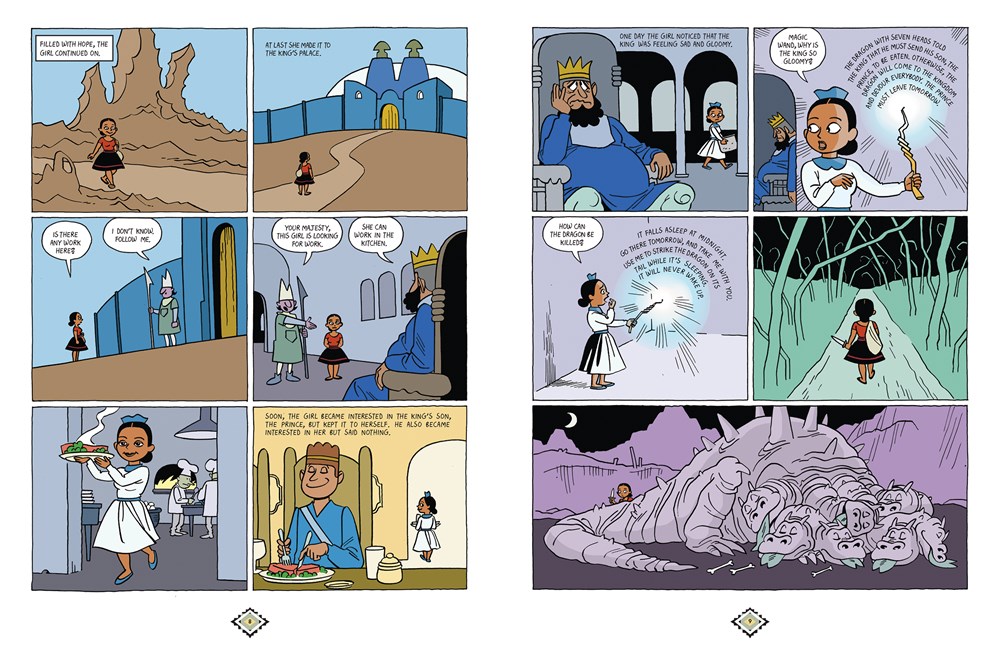
TOON Graphics has a great collection of folktales from Latin America, simultaneously published in English and Spanish. Three tales starring intelligent female characters make up this volume; as with most folk and fairy tales, each one imparts its own wisdom using the story as a vehicle. The title tale, The Dragon Slayer, sees a young woman betrayed by her two horrible sisters; an act of kindness brings a boon in the form of a magic wand, which leads her to employment at a king’s palace, where she falls in love with a prince, who she must save. Twice. It’s got the best parts of a fairy tale: dragons, magic wands and rings, ogres, and a happily ever after; it’s got a strong, smart young woman who can stand toe to toe with mythical monsters and real-life intolerance, and she saves the day AND gets the boy.

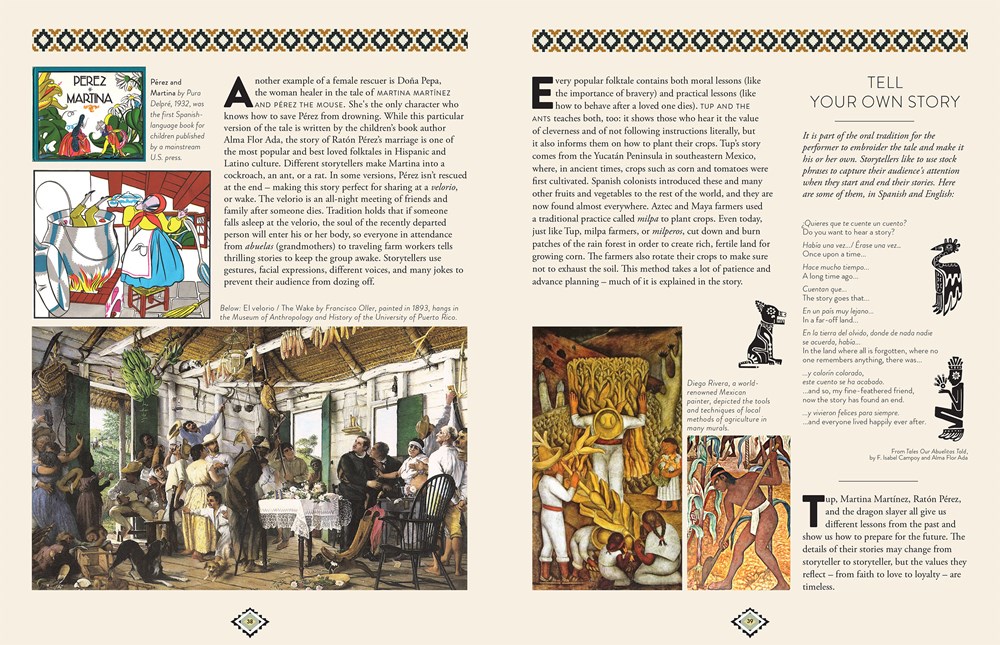
Martina Martinez and Pérez the Mouse stars Ratoncito Pérez, a popular character in Latinx folktales. This version, told by Alma Flor Ada, comes from another book, Tales Our Abuelitas Told”, and is the story of a pretty but shallow young woman, Martina, who marries Pérez after turning down other animal suitors (Martina often shows up as a cockroach in other versions of the tale). When she runs to the store to get salt for a soup, Pérez tries to sneak a taste of onion and falls into the pot! Martina discovers him in the pot and runs sobbing around the village, where birds, a fountain, and a young girl all grieve for her in various ways. It takes a wise old woman to discover that no one has actually tried to save Pérez , and rushes over to put things right again. Always respect your elders, kids! And seriously, use some common sense and try to keep your head in a situation.

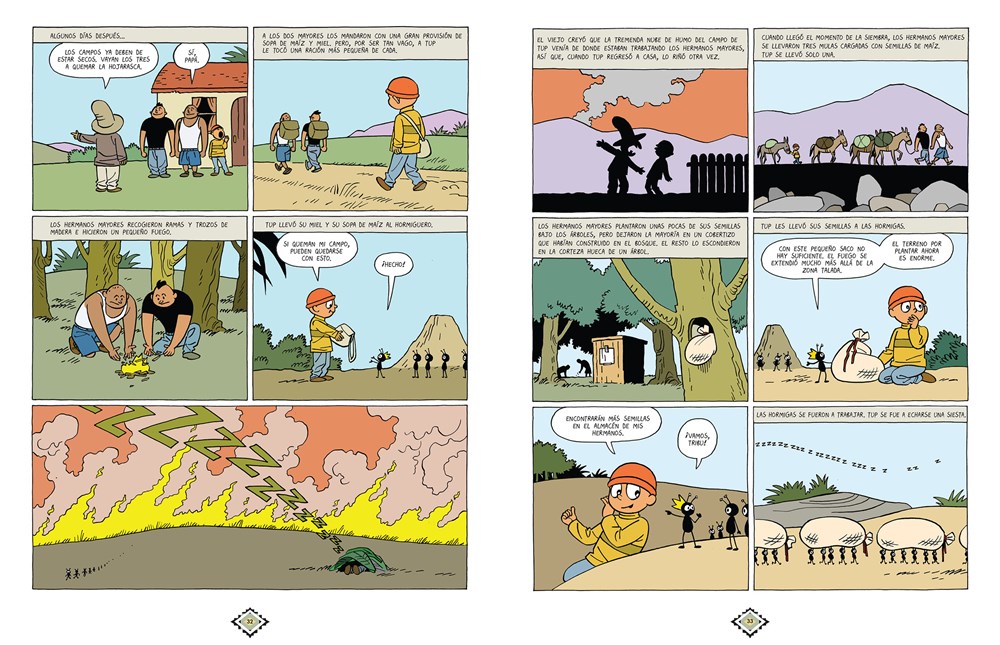
Tup and the Ants is a fun little story about the power of being smart and lazy. Tup is the youngest and laziest of three brothers, who marry three sisters. Tup’s in-laws are not thrilled with their lazy son-in-law, so when they send the three brothers out to clear the land for cornfields, they send Tup with less food to show their displeasure. Doesn’t matter: Tup finds a place to snooze, ends up meeeting a group of ants, and trades his food for their labor. This is a sweet little partnership, and pays off as the two not-so-bright brothers are hopelessly out of their league in clearing and planting a cornfield, and Tup builds his own little empire by continuing to trade food for labor. The moral of the story may be a bit ambiguous, since the lazy guy gets the accolades, but there is something to be said for knowing how to get the job done. And, as a later explanation points out, it’s a story that teaches listeners and readers about planning and undertaking a planting season.

A foreword from F. Isabel Campoy explains the power of folktales and the Latin American tradition, and features beautiful Aztec and Mayan pictograms and popular animals, like jaguars, monkeys, and dogs. An afterword goes into more detail about the origins of these three folktales, with photos and illustrations. A section on the oral tradition invites readers to personalize and create their own tales, with prompts to help them along. A strong bibliograpy includes books and online resources that will strengthen diverse folk and fairy tale collections and provide nice online resources for further research.

I absolutely love this introduction to Latin American folktales, and can only hope there’s a volume 2 somewhere down the line. This is such a great addition to folk and fairy tale collections and diverse, culturally rich collections. This would be great for a storytime for school-age kids – it’s such a fun read! – and a storytelling program.

Posted in Non-fiction, Non-Fiction

Make #science even cooler with Adventures in Science

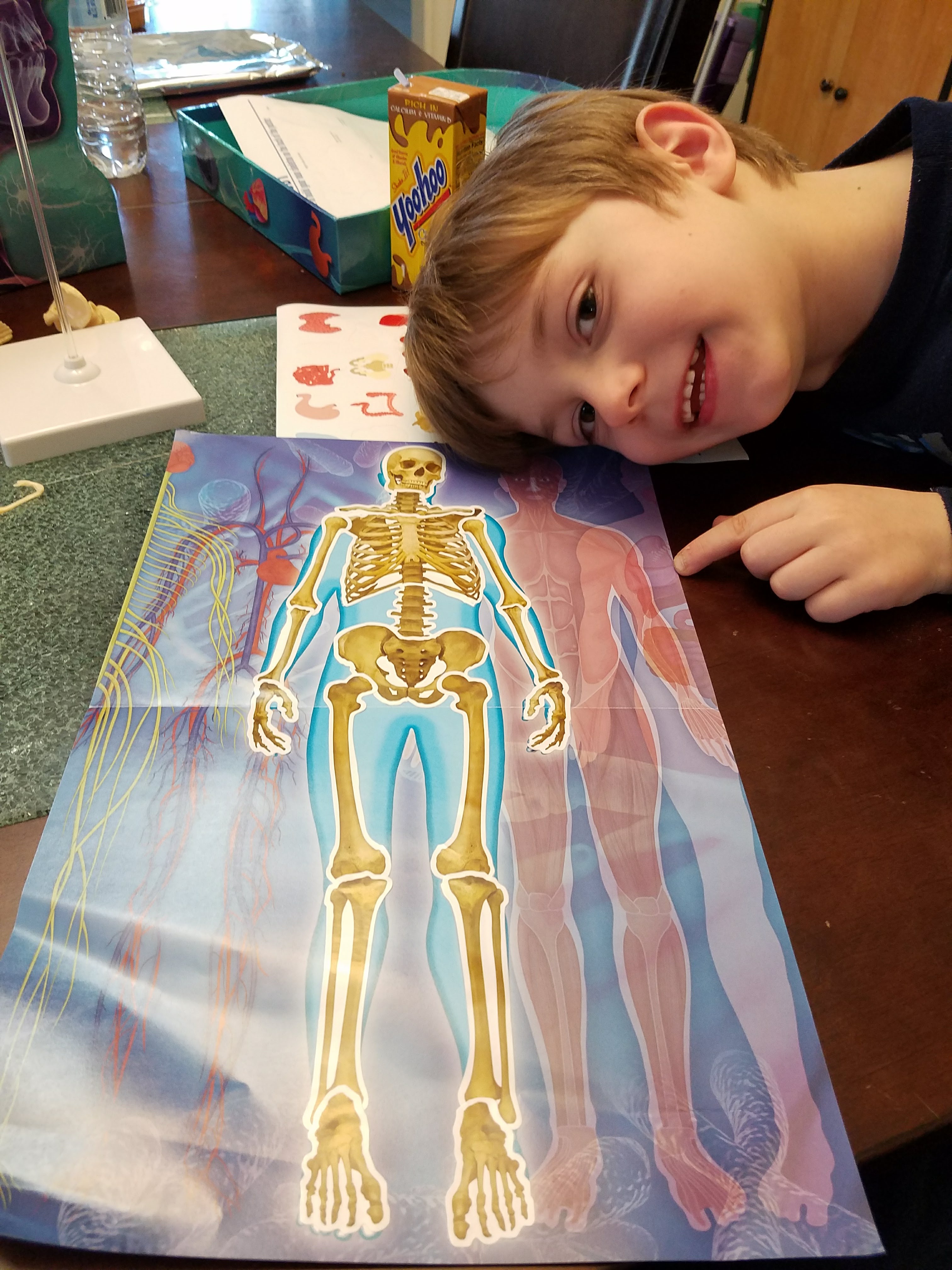
My Kindergartener and I like to hang out and relax on the weekends, but I like to make sure that doing something fun doesn’t always involve endless hours of watching Minecraft videos on YouTube (his current obsession). Thankfully, I remembered that I received an Adventures in Science: Human Body kit from the kind folks at Silver Dolphin, so out it came. The first cheer came from me, when I realized that it’s a 6+ kit, not an 8 or 10+ kit, like most of them are: my kiddo could do this! The second cheer came from the kiddo, who saw a skeleton, because I’ve got that kid. (And I’m that mom.) We cracked open the box and went to it.

Adventures in Science: The Human Body, by Courtney Acampora, (Dec. 20017, Silver Dolphin Books), $21.99, ISBN: 978-1684121298

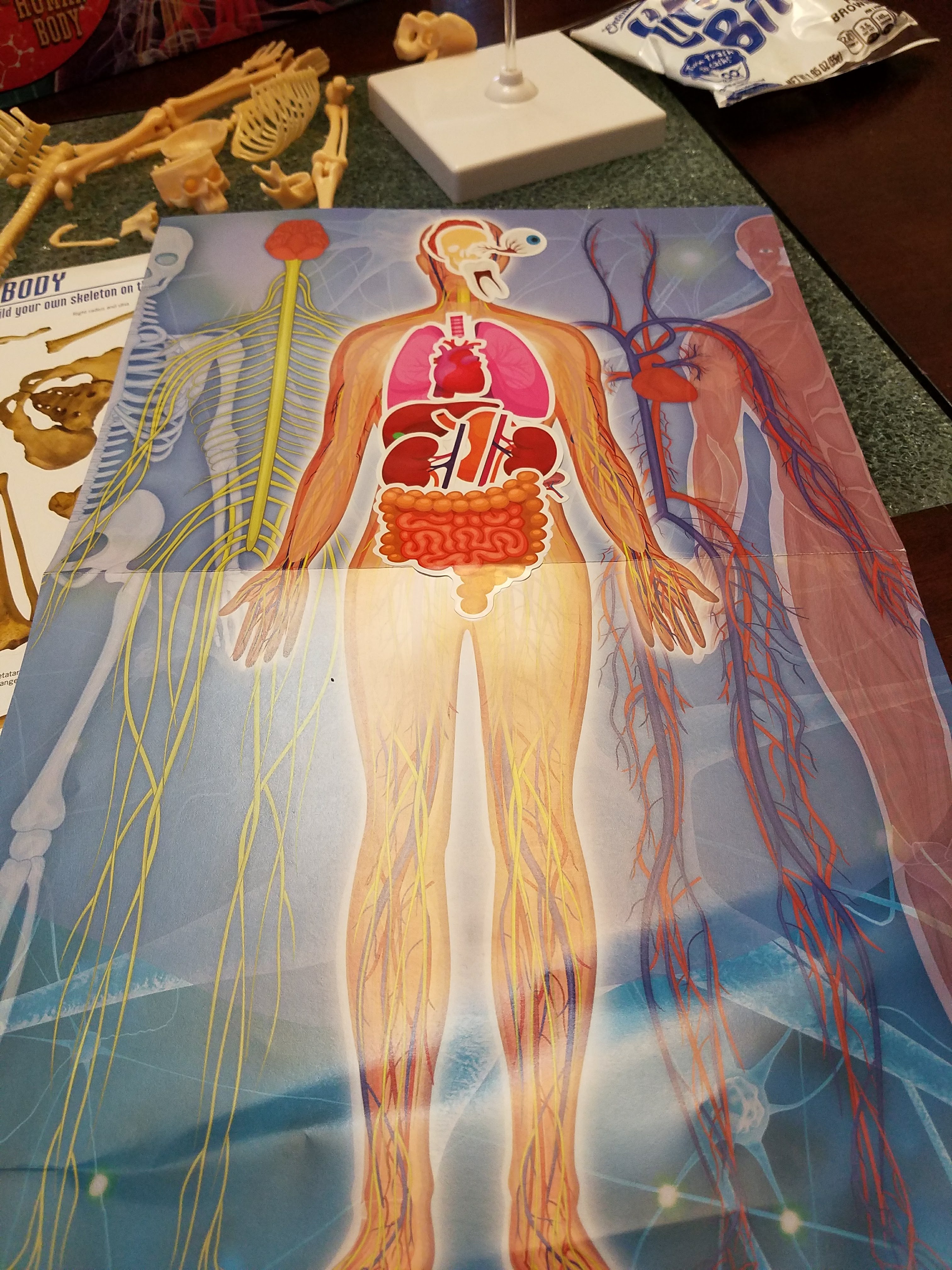
The box was full of stuff that would appeal to kids from ages 5(ish, my kiddo is going to be 6 in June) to about 10 or 11. There are two sheets of stickers; one sheet of bones, the other, of internal organs, including a set of “free play” stickers. The stickers go on a two-sided sheet with an outline of the human body; one side accommodates the organ stickers, one, the bones. There’s a separate bag for a snap-together skeleton model, playing card-sized flash cards about the body, and a booklet on the human body. Kiddo went to work on the sticker sheet, ASAP. The outlines are clear enough that he didn’t need my help at all! The only fiddly part came with the organ stickers, because so many overlap one another. We moved stuff around, covered some stuff up, and were pretty happy with the results.


I tried to read some of the flash cards to him as he was stickering, but realized that I was interested, but he was just sticking his little heart out, so I read them to myself and pointed out any cool stuff I came across. That worked for him.


Okay, next up, was the big guy: the skeleton. It’s a snap-together, and he got the skull, pelvis, and legs together pretty quickly. The really fiddly part came with the rib cage, spine, and arms. The rib cage is delicate, and the little spokes were giving us a hard time getting them in. We ultimately called in the big guns (Daddy), who made it work.


Overall, it was a fun hour spent with two cool hands-on crafts. He learned a couple of things, reinforced some facts he already knew, and ended up with a fun new skeleton to put in his room. I really like the flash cards and accompanying book, which gives a nice introduction to the human body for school-age kids; ideal for maybe around 7 or 8 years old. Younger kids will like the full-color pictures and graphics, and the book is loaded with fast fact Did You Know? boxes you can read to them. At $21.99, it’s a good gift for a curious kid. If you can get some fundraising money or program budget money together, this would be a great project for a small science group at your library; two or three kids can easily work together on one model and the posters. And they’d be pretty awesome to display.


Posted in Fiction, Graphic Novels, Intermediate

Books for Intermediate Readers – a new Stink!, Monsters, and friendship

Stink: Hamlet & Cheese, by Megan McDonald/Illustrated by Peter H. Reynolds,
(March 2018, Candlewick), $14.99, ISBN: 9780763691639
Recommended for readers 7-10

Judy Moody’s brother is back with his 11th adventure – and he’s going to Shakespeare camp! Stink and his friend Sophie head to camp for spring break, where they’ll learn to sword fight and yell silly curses, like “fat guts” and “stewed prune”. The only problem? Riley Rottenberger is at Shakespeare camp, too, and she’s determined to land a kiss on Stink! Stink does his best to avoid Riley while getting ready to act in the camp’s production of the Scottish play… yes, the Play That Shall Not Be Named (psst… it’s MacBeth). This latest story is loaded with black and white illustrations, callout boxes of Shakespeare insults and fun facts, and a good story for Stink and Judy Moody fans.  For readers who want to learn a little more about Shakespeare, a copy of Where’s Will? Find Shakespeare Hidden in His Plays (Kane Miller, 2016) combines Shakespeare with Where’s Waldo; the Stratford Zoo graphic novel series depicts zoo animals putting on Shakespearean plays with loads of backstage hilarity.


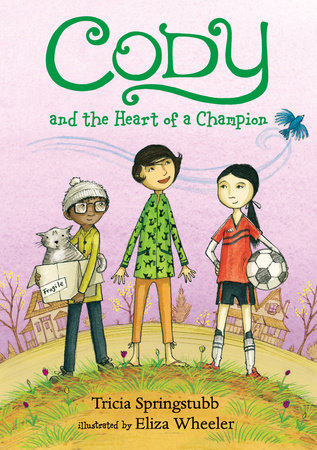
Cody and the Heart of a Champion, by Tricia Springstubb/Illustrated by Eliza Wheeler,
(Apr. 2018, Candlewick), $14.99, ISBN: 9780763679217
Recommended for readers 7-10

Cody’s fourth adventure has her dealing with life’s changes. Her friendship with Pearl is changing, especially now that she’s playing soccer and “in” with the “in crowd”, and she’s not sure why her friend Spencer is acting so weird. His mom is having a baby, and he’s become more quiet and withdrawn. Cody joins the soccer team, to try and stay close with Pearl, but the resident mean girl doesn’t make things easy. She’s determined to stay upbeat and try to roll with the changes, but when so much is changing all at once, it’s really hard. Readers will understand and empathize with Cody and how hard it is when everything seems to hit at once: friendships shift, seasons change, and families expand. There are black and white illustrations throughout and the upbeat tone of the book should help kids as they deal with their own transitions.


Simone: Even More Monstrous! (Simone, Vol. 2), by Rémy Simard,
(Apr. 2018, OwlKids), $16.95, ISBN: 9781771473002
Recommended for readers 6-10

This graphic novel is loaded with brief, one-page comics about Simone, a little blond girl, who travels into a world of monsters. If anyone remembers The Munsters (totally dating myself here), the running joke was that cousin Marilyn, the pretty blonde, was the “poor girl” for being so unattractive in The Munsters’ society; that joke holds here. Cute, little Simone is the monster in the monsters’ world, but they seem to enjoy her company, nonetheless. The graphic novel is loaded with independent stories, all one page, with a punchline at the end. They’re downright silly, sometimes surreal, and will get laughs out of readers. The first volume, Simone: The Best Monster Ever!, released last year.


Posted in Fantasy, Fiction, Fiction, Humor, Intermediate, Middle Grade, Middle School, Realistic Fiction, Tween Reads

Middle Grade I read in January

I spent most of January with my nose in a book. I’m still catching up with books that pubbed in January, but here’s a quick take on a few good ones.

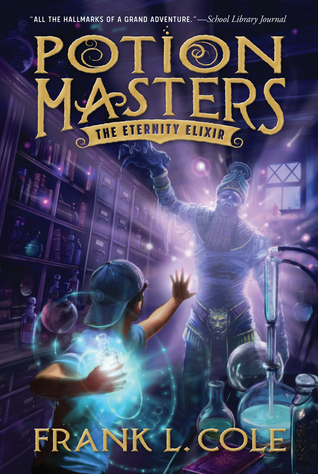
Potion Masters: The Eternity Elixir (Potion Masters, Book 1), by Frank L. Cole,
(Jan. 2018, Shadow Mountain), $16.99, ISBN: 978-1-62973-559-7
Recommended for readers 8-12

A brand new adventure/fantasy series for middle graders! Potion Masters introduces us to 12-year-old Gordy Stitser, a budding Elixirist. Elixirists are potion masters; think of them as modern-day alchemists with more than a little touch of magic, who use their gifts to contribute to society by pushing for advancements in medicine, technology, and, yeah, even weapons tech. Gordy inherits his gift from his mom, who’s on the Board of Ruling Elixirists Worldwide (B.R.E.W.), while his Muggle dad (no, they don’t call them Muggles; it’s my usage) is content to hold down things at home with Gordy and his twin younger siblings. But Gordy intercepts a package meant for his mother while she’s away on a “business trip”, and finds himself – and his family and friends – in the sights of an evil Elixirist who’s bent on destroying B.R.E.W. and destroying the world. It’s a fun fantasy read, with positive adult role models and friends who work together to save the world. This book disappeared from the shelf the day I put it on display, and hasn’t been back yet, so I’m calling this a win right now. Fantasy fans who love a good series can start with this one and claim they read it before it was cool.
 

Abigail Adams: Pirate of the Caribbean (Mixed-Up History #2), by Steve Sheinkin/Illustrated by Neil Swaab,
(Jan 2018, Roaring Brook), $6.99, ISBN: (978-1-250-15247-3)
Recommended for readers 7-9

From Steve Sheinkin, the man who brought you the Newbery Award-winning book, Bomb: The Race to Build – and Steal – the World’s Most Dangerous Weapon, and National Book Award finalist Most Dangerous: Daniel Ellsberg and the Secret History of the Vietnam War, comes… Abigail Adams: Pirate of the Caribbean. C’mon, I made you laugh. Steve Sheinkin shows his sillier side with his Mixed-Up History series; his first book in the series gave us Abraham Lincoln leaving history to become a professional wrestler. In this volume, Abigail Adams, sick and tired of hanging laundry in the White House, uses time traveling technology to take to the high seas as one of Calico Jack Rackham’s crew. It’s up to modern-day siblings Doc and Abby to fix history again and get Abigail back to her own time. It’s not necessary to have read the first book in the series to jump in with Mixed-Up History; there’s enough exposition to get readers caught up. Black and white illustrations and a quick-paced narrative make for some laugh-out-loud moments, usually at our second President’s expense. Siblings Abby and Doc represent a blended family and Doc is a child of color. It’s a fun read for intermediate readers that will get them acquainted with some big names in history, but really, this is just for kicks. A historical note from the author assures readers that no, this isn’t something you can cite in a report. A good add to humor collections.


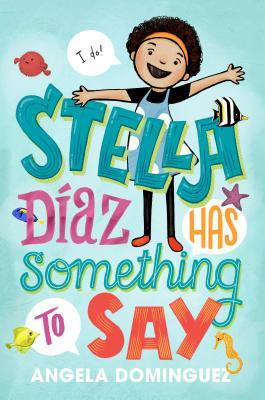
Stella Diaz Has Something to Say, by Angela Dominguez,
(Jan. 2018, Roaring Brook Press), $16.99, ISBN: 978-1-62672-858-5
Recommended for readers 8-12

Stella Diaz loves fish and underwater life, loves spending time with her mom and brother, and loves spending time with her best friend Jenny. She’s also incredibly shy and can’t find the words she wants to use, so she tends to stay quiet, afraid she’ll speak Spanish instead of English, or pronounce her words wrong. Either way, she’s made fun of by the class Mean Girl. When her teacher assigns presentations that means Stella will have to speak in front of the class – including the new boy that she wants to be friends with, but is too afraid to speak to – she knows she has to work to get past her fears, and FAST. I love this kind story about a girl who has so much to offer, but is afraid to look silly or wrong. It’s a wonderful story about friendship, making new friends, and being brave enough to face challenges one little step at a time. It’s infused with Mexican culture and Spanish language, inspired by the author’s own story of growing up Mexican-American, and features black and white illustrations throughout. I’m thrilled that Stella’s mom has an interesting job at a radio station and that Stella sees her mom as a positive force in her life, and I’m relieved to see that the middle grade “best friend meets a new friend” plotline is resolved in an upbeat manner, rather than devolving into two camps of kids being angry and upset with one another. Stella Diaz Has Something to Say is just a great book to read and share with your readers.

Posted in Non-Fiction, Non-Fiction, picture books

The Boo-Boos That Changed the World: An accidental invention!

Kids love Band-Aids, right? My kids have all come to me, asking for a fistful of Band-Aids for some nearly invisible wound. I remember covering my own teddy bears with Band-Aids when I played with my doctor kit. Working around books and paper as much as I do, I can tell you that there have been days where I’m walking around with two or three of the suckers on various fingers, especially when I’m doing program prep and put literal blood, sweat, and tears into a project I’m working on for the kids. Whether they’re the original plain, or decorated with Transformers, Band-Aids are a great example of an invention that fills a need and became so much more – so how did this happen?

The Boo-Boos That Changed the World: A True Story About an Accidental Invention (Really!),
by Barry Wittenstein/Illustrated by Chris Hsu,
(Feb. 2018, Charlesbridge), $16.99, ISBN: 978-1-58089-745-7

Recommended for readers 6-10

In the 1920s, a cotton buyer for Johnson & Johnson named Earle Dickson married Josephine, settled in New Brunswick, New Jersey, and started their lives together. But Josephine was a bit accident-prone; she’d cut herself while cooking, bumped and bruised herself going about her daily business, you get the drift. (C’mon, though: who hasn’t grated knuckles, fingernails, and the occasional fingertip on those savage cheese graters?) Poor Josephine was going through dishrags at an astonishing rate, and Earle, being the loving husband he was, started looking for solutions. He took a long piece of adhesive tape and stuck sterile gauze to them every few inches: voila! The Band-Aid prototype was born! The bandages evolved for easier and quicker application and were made easier to apply and reached worldwide usage, going overseas during World War II to the soldiers fighting in Europe, even as kids were testing their limits with scratches and cuts at home. The End. (Really.)

I enjoy a good nonfiction book I can give to younger readers; I’ve had big success with everyday inventions like hot chocolate and earmuffs, thanks to Easy Readers on the topics, and Boo-Boos is a great addition to younger nonfiction collections. Big enough to spotlight the mixed media and Photoshop artwork, all of which is sepia-toned to give a real vintage-y feel to this story. I love the Band-Aid endpapers that bring you in and escort you out of the story, and the sweet love story at the heart of this invention story is just adorable. I love the kid-like narration, which starts and stops with each major moment: “The End. Actually, no, wait…” It’s like listening to my own 5 year-old, or any of my library kiddos, describing a movie, big happening at school, or family event. There’s an author’s note, Earle Dickson time line, a timeline of medical inventions from the 1920s and 1930s, and a list of further resources for anyone who wants to learn more.

The Boo-Boos That Changed the World is good reading, and just good fun. Hand out some Band-Aids (licensed characters, please, we’re not cruel) at a storytime, or raffle off a box of them for a great reader report! There’s a downloadable curriculum guide on the way, and you can listen to a Charlesbridge podcast interview with author Barry Wittenstein right here. The book has a starred review from Kirkus.

Giveaway!

Want a shot at your own copy of Boo-Boos? Enter this Rafflecopter giveaway! (US addresses only, please.)
Author Barry Wittenstein has always been involved with writing, from contributing to his high school and college newspapers, to writing and performing poetry on stage in San Francisco, songwriting, sports writing, and now picture books. He has worked at CBS Records, CBS News, and was a web editor and writer for Major League Baseball. He is now an elementary-school substitute teacher and children’s author.

Barry particularly likes nonfiction, and profiling mostly unknown people and events whose stories have never been told in children’s literature. He is the author of Waiting for Pumpsie and The Boo-Boos That Changed the World. He lives in New York City. To learn more, visit his website: https://onedogwoof.com/ or on Twitter: @bwittbooks


Praise for THE BOO-BOOS THAT CHANGED THE WORLD

★”Appealingly designed and illustrated, an engaging, fun story about the inspiration and inventor of that essential staple of home first aid.” — Kirkus Reviews (starred review)

Posted in Intermediate, Non-Fiction, picture books

Black History Month: Trailblazer – The Story of Ballerina Raven Wilkinson

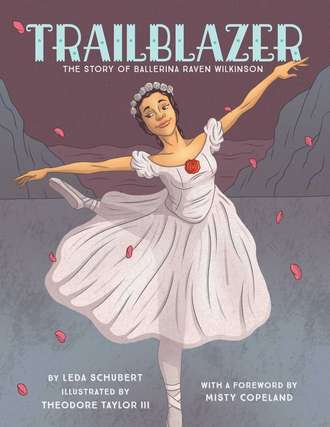
Trailblazer – The Story of Ballerina Raven Wilkinson, by Leda Schubert/Illustrated by Theodore Taylor III, (Jan. 2018, little bee books), $17.99, ISBN: 9781499805925

Recommended for ages 6-9

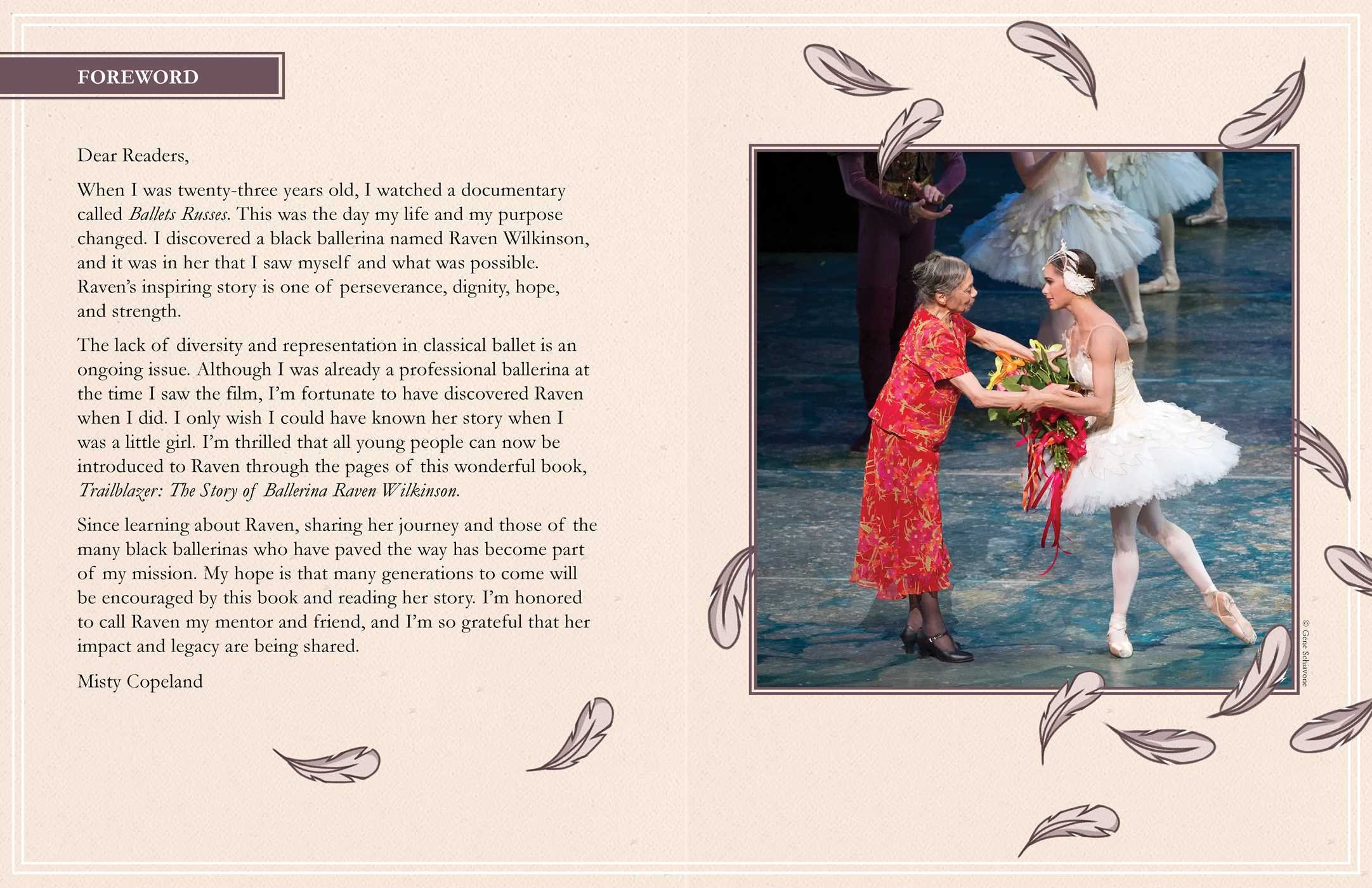
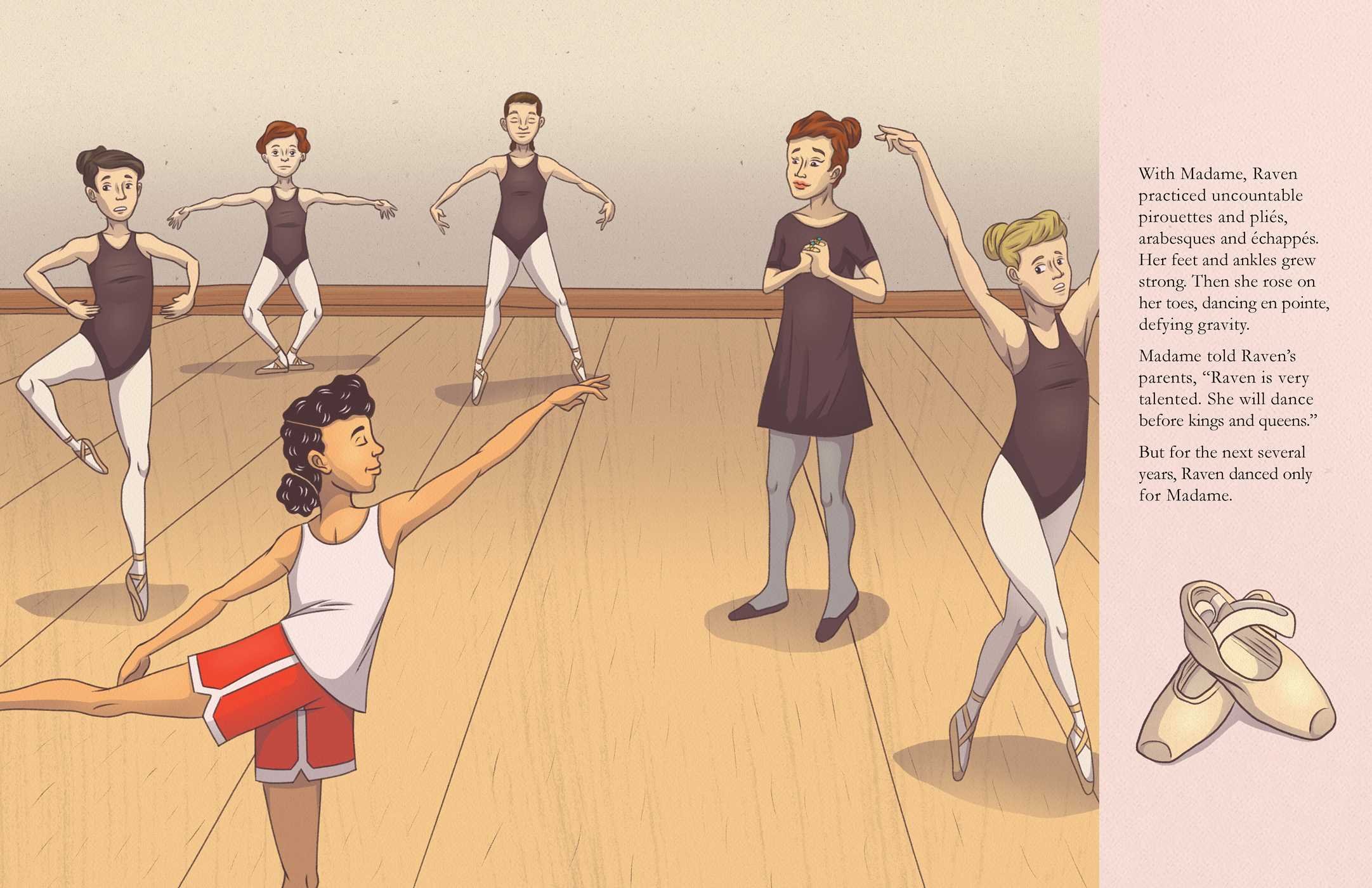
Born in New York City in 1935, Raven Wilkinson was a little girl who fell in love with ballet and grew up to become the first African American ballerina to tour with a major American touring troupe. She faced racism at every turn; she auditioned three times for the Ballet Russe de Monte Carlo before they finally accepted her into the touring company. When they toured the American South in the 1950s, she faced adversity from hotels who wouldn’t allow her to stay, fearing repercussions from the Ku Klux Klan; ignorance in the form of racists running onto the stage to protest the “nigra in the company”; and dining in hotels where families left their Klan sheets in a pile in the back while they ate dinner together. She persisted, even when she was passed over time and again for the starring role in Swan Lake, finally achieving the spot in 1967 with the Dutch National Ballet of Holland. She later joined the New York City Opera, dancing until she was 50. She’s inspired countless dancers, including Misty Copeland, who became the first African American principal dancer with the American Ballet Theater in 2015 AND danced in Swan Lake. Copeland has said of Raven Wilkinson, “She was a mentor in my life before I met her.”

This is a lovely look at Raven Wilkinson’s life and career, especially relevant in our racially charged society – the more things change, the more things stay the same, it would sadly seem. When Raven eats dinner in a hotel surrounded by families who leave their Klan sheets strewn across seats while they eat, it’s horrifying because it normalizes hate. The indignity of Raven Wilkinson having to endure this indignity is like a gut punch to an older reader, and we need to use that nausea, that anger, that outright disgust, as a teaching opportunity to de-normalize this for younger readers. The illustrations are soft, almost comic book-like, while retaining a realistic quality, that will appeal to younger readers.

This is a beautifully illustrated picture book biography of an African American pioneer few people may be familiar with. Let’s change that. If you ask kids to name African American role models, you’ll likely hear the big names, but let’s make MORE big names. Let’s put books like Trailblazer in our displays, showing kids that there are pioneers everywhere. Neil Degrasse Tyson, Mae Jemison, and Katherine Johnson? Heck yes, get them in front of kids. STEM and the sciences are important. And let’s show them Trailblazer and Firebird; Radiant Child and When Marian Sang, DJ Kool Herc and the Creation of Hip Hop and Muddy to remind readers everywhere that there are pioneers in the arts, too. Children need to see inspiration everywhere, and that there are advocates in every walk of life.

This 2015 video features Raven Wilkinson and Misty Copeland when Dance/USA, the national association for professional dance, recognized Raven Wilkinson, the 2015 Dance/USA Trustees Awardee, at the Dance/USA Annual Conference in Miami on June 17, 2015.

Leda Schubert’s most recent picture book biography, Listen, was about singer and activist Pete Seeger. Her website offers more information about her books, including downloadable activity guides and discussion questions. Illustrator Theodore Taylor III is a Coretta Scott King John Steptoe New Talent Award Winner. See more of his artwork and learn about his other books at his website.

Posted in Animal Fiction, Fiction, Graphic Novels, Intermediate, Preschool Reads, Toddler Reads

Books for your Spring radar!

Spring always brings some good books to read. In April and May, there’s a little something for everyone – come and see!

April Books

Dr. Coo and the Pigeon Protest, by Sarah Hampson/Illustrated by Kass Reich,
(Apr. 2018, Kids Can Press), $18.99, ISBN: 9781771383615
Recommended for readers 4-8
Dr. Archibald Coo is a sophisticated pigeon who’s tired of the way he and his fellow pigeons are treated by humans. They’re shooed at, swatted, and treated like a general menace. Dr. Coo remembers when pigeons enjoyed a higher profile in history: in ancient Greece, they delivered news about the Olympic Games; during World War I, they carried messages across battlefields. Now? pfft. So Dr. Coo and his pigeon friends organize and decide to strike: they disappear from every public space, leaving a confused public wondering what happened. Dr. Coo heads over to the mayor’s office a history of the pigeon and a note, asking for tolerance, opening the door to a new era of pigeon-human relations. It’s a cute urban story with a wink to New York and other urban spaces, and has a nice thread about inclusivity and diversity running through the book. Gouache paint and colored pencil art makes for a soft illustration, with attention to the different types of pigeons – there are! – in the cityscape. This would be cute to booktalk with James Sage’s Stop Feedin’ Da Boids!

My Teacher’s Not Here!, by Lana Button/Illustrated by Christine Battuz,
(Apr. 2018, Kids Can Press), $18.99, ISBN: 9781771383561
Recommended for readers 4-6
Kitty gets to school and knows something’s up when her teacher, Miss Seabrooke, isn’t there to meet her. What’s going on? There’s another teacher there today! How does school even work when your teacher is absent? This sweet rhyming tale about a student’s first substitute teacher is great for younger kids who are just getting into the swing of school routines and provides some fun advice for coping with and adjusting to unexpected change. Kitty teaches readers some coping strategies, including helping out her friends and the teacher by contributing to class and modeling good behavior using cues she learned from her teacher, that the substitute may not be aware of. This is an animal story, so kids will enjoy seeing the “ginormously tall” teacher, a giraffe named Mr. Omar; pigs, elephants, bears, a whole menagerie of students. Hand-drawn artwork and digital collage come together to create colorful, textured, cartoony fun. This one’s a good addition to preschool and primary collections.

Tinkle, Tinkle Little Star, by Chris Tougas,
(Apr. 2018, Kids Can Press), $9.99, ISBN: 9781771388399
Recommended for readers 1-3
One of my favorite books coming out this season is this adorable board book! Set to the tune of everybody’s favorite classic song, this sweet and funny version is all about where not to go: not in a plane, not on Grandpa’s knee, not at a puppet show. Luckily, the poor Little Star gets relief by the story’s end, and sits on a potty to… “Tinkle, Tinkle, Little Star”. It’s adorable with the cutest digital art. Little Star is beyond cute, and gender neutral! Sing along at storytime – I know I’ll be throwing plenty of voice inflection (“Did you just pee on this page?”) and leg-crossing as I read this one. Absolutely adorable, must-add, must-give for collections and toddlers everywhere.

May Books

Polly Diamond and the Magic Book, by Alice Kuipers/Illustrated by Diana Toledano,
(May 2018, Chronicle), $16.99, ISBN: 9781452152325
Recommended for readers 7-9
Polly Diamond is an aspiring, biracial young writer who discovers a magic book on her doorstep one day. Not only does the book write back to her when she writes in it, Everything she writes in the book happens in real life! At first, Polly is psyched: who wouldn’t be, right? But you know how it goes… for every magic journal action, there’s a pretty wild reaction! Written in the first person, with excerpts from Polly’s book, including a pretty great intermediate-level book list for awesome display purposes (“Read Polly Diamond’s favorite books HERE!”). Chapter book readers who love books like Juana and Lucas (on Polly’s favorites list), Jasmine Toguchi, and Katie Woo will thoroughly enjoy Polly’s adventures. There are short, descriptive sentences and a nice amount of new words – Polly is an aspiring writer, after all! Lots of fun for chapter book readers; I’d have kids create their own aquariums as a related craft.

Old Misery, by James Sage/Illustrated by Russell Ayto,
(May 2018, Kids Can Press), $16.99, ISBN: 9781771388238
Recommended for readers 5-10
Readers with a darker sense of humor (and parents who are Gorey fans) will get a chuckle out of Old Misery, the story of a cranky old woman named – you got it – Old Misery, and her old cat, Rutterkin. She’s broke, and the apples keep disappearing from her apple tree! Lucky for Old Misery, she’s not completely heartless and feeds a wandering visitor, who grants her one wish: she wants all the apple thieves to be caught in the tree until she lets them go! Old Misery decides to play a little risky game when Death himself shows up at her door – and she sends him to the apple tree. Be careful what you wish for! The black and white, pen and ink artwork has a creepy, quirky feel to it, which will appeal to kids who like Lemony Snicket’s work, but may go over some kids’ heads. Old Misery narrates the story, offering an opportunity for a fun read-aloud.

Binky fans, Gordon’s got his own adventure! For readers who love Ashley Spires’ Binky the Space Cat graphic novels will love Gordon, fellow member of PURST (Pets of the Universe Ready for Space Travel) and Binky’s house-mate, as he finds himself traveling through time to stop an alien invasion. But Gordon travels back too far – before PURST even exists! He’s got to get back to his normal time and set things right! This is fun reading for graphic novel fans, and a nice addition to a popular series. There’s time-travel, problem-solving, aliens, and humor, along with fun art.

See How We Move!: A First Book of Health and Well-Being, by Scot Ritchie,
(May 2018, Kids Can Press), $15.99, ISBN: 9781771389679

Recommended for readers 5-8
Author Scot Ritchie’s multicultural group of friends are back together again. Last time we save them, they visited a farm to learn how to grow grains and vegetables in See How We Eat!; this time, Pedro, Yulee, Nick, Sally, and Martin are training as their swim team, The Flying Sharks, prepares to compete. They learn about using proper equipment for different activities, warming up before beginning your activity, teamwork and encouragement, goal-setting, nutrition, the mind-body connection, and more. There are suggestions for fun activities and words to know, all coming together to give kids a fun story about a group of friends staying strong and having fun together while encouraging kids to create lifelong habits of health, nutrition, and physical fitness. I like this See How! series; it offers a wealth of information on healthy living, made accessible to younger readers. I can easily read this in a storytime and get the kids talking about the different ways they play, how they eat, and good habits to get into.

The Bagel King, by Andrew Larsen/Illustrated by Sandy Nichols,
(May 2018, Kids Can Press), $16.99, ISBN; 978-1-77138-574-9
Recommended for readers 4-8

Zaida, Eli’s grandfather, gets bagels from Merv’s Bakery every Sunday morning. One morning, when no bagels show up, Eli gets a phone call: Zaida’s fallen on his tuchus and can’t get the bagels! Eli and his family aren’t the only ones waiting on bagels, either – Eli visits Zaida, only to discover that Zaida’s friends are verklempt, too. No bagels! What a shanda, as my stepdad would say! Eli helps care for his zaida and keep him company, but he knows the best way to cheer Zaida up, and heads to the bagel store on his own the very next Sunday. This story is the most charming book about grandparents and grandchildren, loaded with compassion, a wink and nudge type of humor, and loads of fun, new Yiddish terminology. If you’re an urban dweller, like me, these words are kind of a second language: Zaida is grandfather, and tuchus is your bottom; there’s a little glossary of other Yiddish words that show up in the story, too. (Verklempt is overwhelmed with emotion, and shanda is a shame – you won’t find them in the story, but all I could hear was my stepdad when I read this, so there you go.) I loved the sweet storytelling, the compassion and the decision to act on Eli’s part, and Zaida and his group of friends were wonderful. It’s got an urban flavor that everyone will enjoy, and is good storytelling. Use this story as an opportunity to get your kids talking about relationships with their grandparents: what do you call your grandparents? Do they cook, bake, or shop for food? Do you go with them? (I’d love to get some bagels to hand out with my group… hmmm…) The acrylic artwork has a soft, almost retro feel, but really emphasizes the relationship story with colors, gentle expressions, and soft lines.

The Golden Glow, by Benjamin Flouw,
(May 2018, Tundra/Penguin Random House), $17.99, ISBN: 9780735264120

Recommended for readers 4-8
A fox who loves nature and botany goes on a quest for a rare plant to add to his collection. The Golden Glow is a plant from the Wellhidden family, and only grows high in the mountains. There’s not even a picture of it; it’s never been described. Fox packs his supplies and heads off to the mountains, meeting different animals and noting different plants and trees along the way. When Fox finally reaches the mountaintop, he waits… and discovers the Golden Glow! It’s stunning! It’s breathtaking! And Fox realizes that “the golden glow is more beautiful here on the mountaintop than it ever would be in a vase in his living room”. Part story and part nature journal, The Golden Glow is just gorgeous and teaches a respect for nature. The angular art draws the eye in; there’s so much to see on every page, every spread. Flouw creates detailed lists of Fox’s hiking pack, plus trees and flowers that he encounters on his way, and a map of different zones on the way up to the mountain, from the foothill to snow zones, all in beautiful detail for younger readers to enjoy. Fox’s decision to leave the flower where it is presents a love of and respect for nature that can lead to a great discussion on conservation. Bright red endpapers with angular design could be a topographic map of the area – talk about how different areas look from above! I know it’s way early, but I’ll quietly whisper this one now: Caldecott contender.