Posted in Animal Fiction, Fiction, Fiction, Graphic Novels, Intermediate, Middle Grade, Non-Fiction, Teen, Young Adult/New Adult

Springtime reading: April Graphic Novels

Cannabis: The Illegalization of Weed in America, by Box Brown, (Apr. 2019, First Second), $24.99, ISBN: 9781250154088

Ages 14+

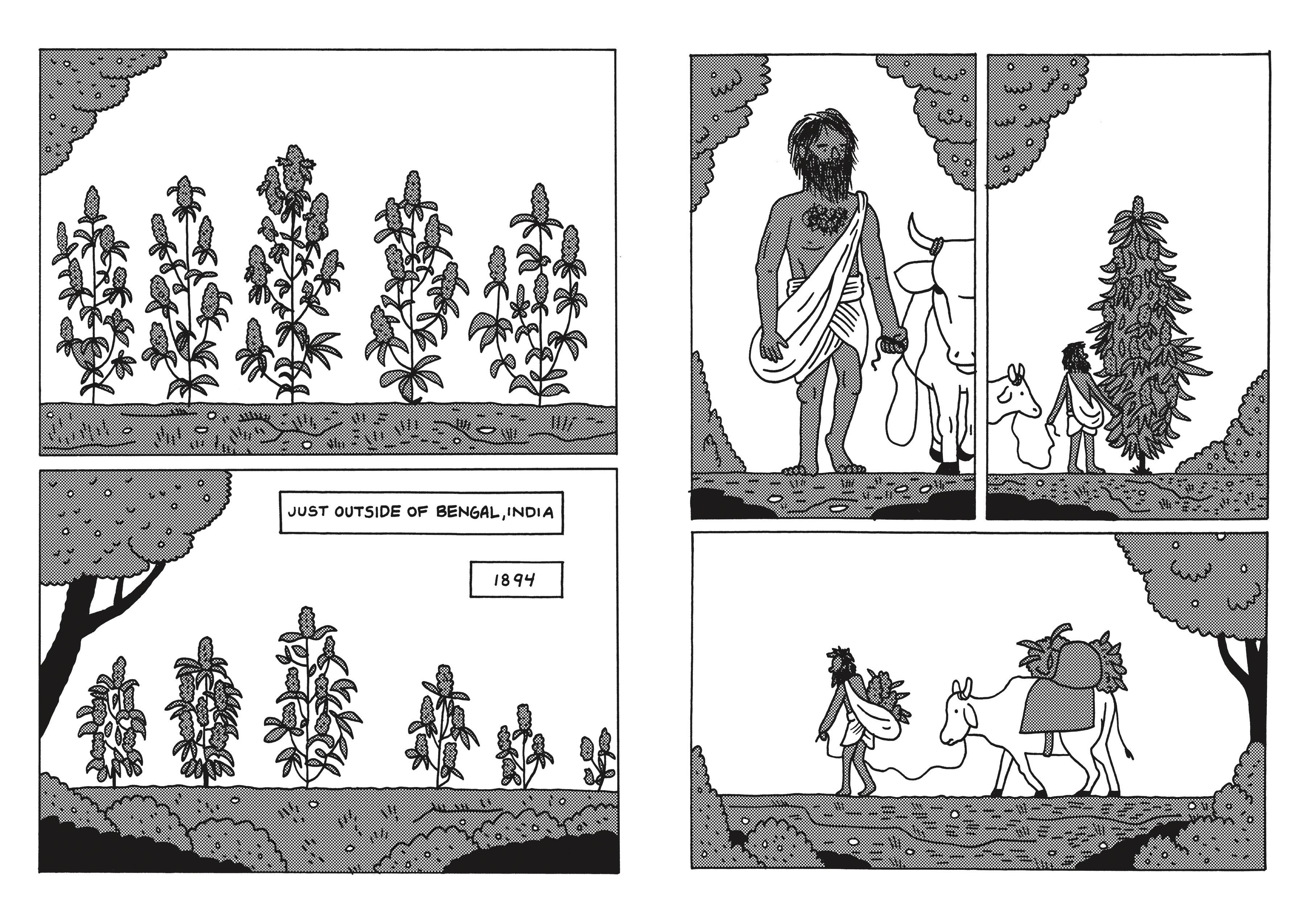
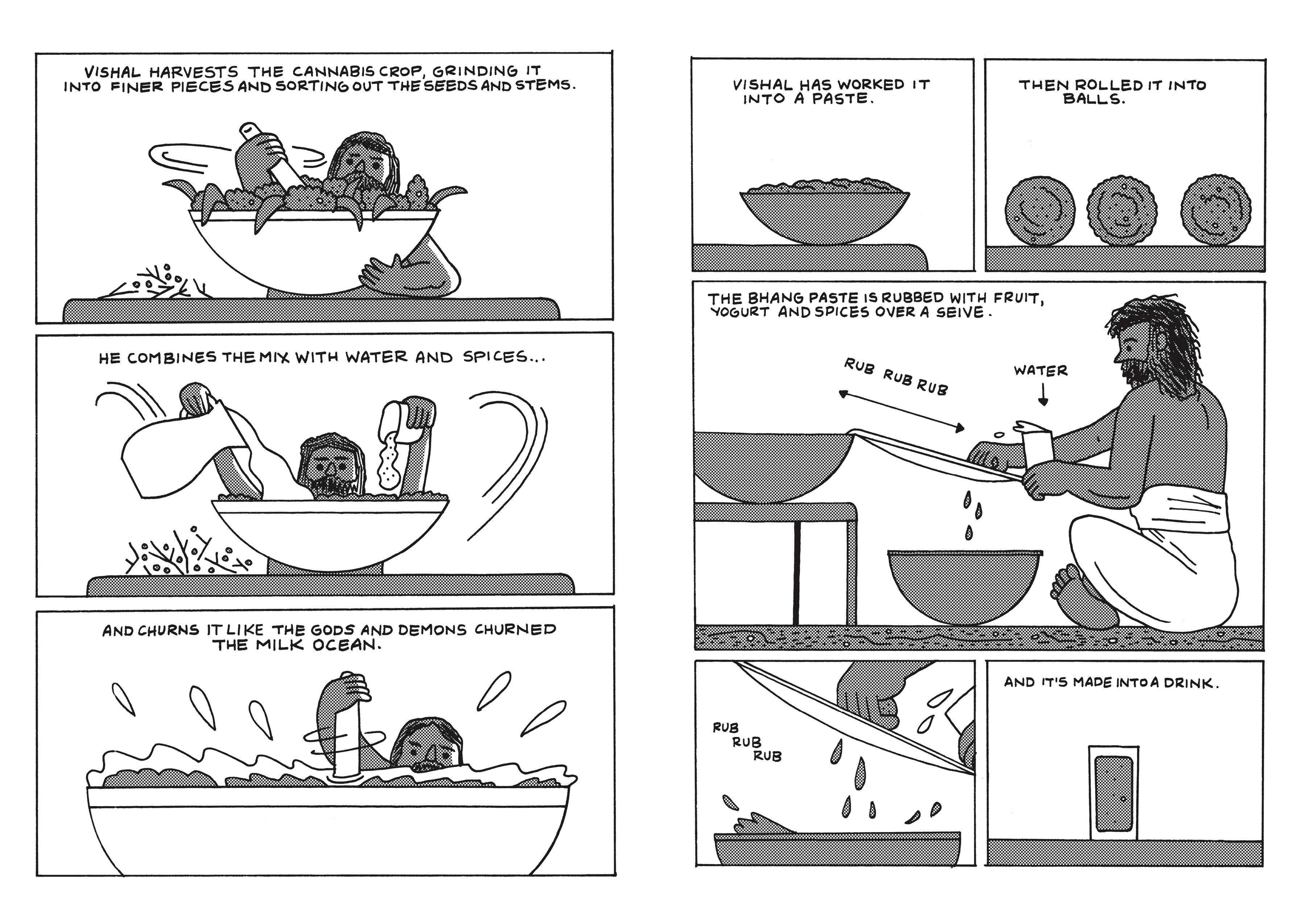
Award-winning graphic novelist Box Brown is back with the real story of how cannabis – weed, marijuana, reefer – went from being a plant used for spiritual purposes to being labeled a gateway drug that caused “reefer madness”. How did it happen, you say? Racism. Politics. Propaganda.  Scare tactics. The usual song and dance. Box Brown has done his research and, combined with his minimalist artwork, presents a tale that will have you seeing the politics of marijuana (the origin of that name is in here, too, and it’s a doozy) in an entirely new light.

The War on Drugs started long before Nancy Reagan went on Diff’rent Strokes and told kids to “just say no”, and the fallout has targeted minorities – primarily young black men – and left thousands imprisoned for minor infractions. Studies have purposely included falsified data and allowed Harry J. Anslinger, the first commissioner of the Federal Bureau of Narcotics, to perpetuate his war against narcotics by weaponizing moral outrage and using propaganda to get the plant a schedule 1 classification, putting it on par with heroin.

Ignatz Award winner Box Brown has a gift for nonfiction. While he’s primarily done biographical graphic novels thus far, including Andre the Giant, Andy Kaufman, and the rise of the video game Tetris, Cannabis is a thoroughly researched, fully realized, history of marijuana, from its earliest recorded uses through the present day. It’s a good add for your young adult/new adult collections and could be a good selection for a book group, especially with its increasing legality and medicinal usage.

Peter and Ernesto: The Lost Sloths, by Graham Annable, (Apr. 2018, First Second), $17.99, ISBN: 9781626725720

Ages 6-10

It’s the return of my favorite sloth buddies! Peter and Ernesto are back, and they’ve got a new adventure when a hurricane blows their beloved tree away! Peter, Ernesto, and the rest of their sloth friends must set out to find a new tree. A great tree. A tree just like the one they had, preferably. As they journey through the jungle, there are new dangers to brave: angry ants, slithering snakes, running pigs, and a very hungry jaguar! Ernesto is up to the challenge, but poor Peter… well, Peter’s going to need his best friend next to him as they lead their friends to a new tree. And maybe, a new friend or two along the way.

I love this new series! The two friends are like the Bert and Ernie of sloth civilization, with idealistic, upbeat Ernesto and cautious, nervous Peter acting as counterbalances to each other. The new animals the group meets as they venture through the jungle are hilarious, and the twist near the end will have your readers cheering. It’s emotional to see the sloths survey the damage to their tree, and it adds a depth to Peter’s and Ernesto’s characters as they take on the responsibility of shepherding their group to a new home. It’s just as emotional to see them find a new tree and the final resolution will just make you feel good. Peter and Ernesto is feel-good reading, and who doesn’t need more of that?

I can’t wait to see where life takes them next. Add this to your graphic novels collections and talk them up! Make a Best Friends display and make sure to include Frog & Toad, Elephant and Piggie, Narwhal & Jelly, and Duck and Porcupine.

Posted in Fiction, Fiction, Intermediate, Middle Grade

Magical, Mysterious, Cosentino!

The Mysterious World of Cosentino: The Missing Ace, by Cosentino with Jack Heath/Illustrated by James Hart, (Jan. 2018, Kane Miller), $5.99, ISBN: 978-1-61067-750-9

Ages 7-11

Australian illusionist Cosentino has a series of intermediate-middle grade novels that have hit American bookshelves, likely powered by his success on America’s Got Talent. The first book, The Missing Ace, starts off with Cosentino performing at his rundown old theatre, when an Ace of Spades – no, seriously, the Ace of Spades – runs in and begs the magic man to save him from the evil, two-headed King. Trying to be a nice guy, Cosentino gets involved… and gets tossed into a dungeon. Guess who’s going to escape?

This is an illustrated intermediate-level middle grade novel that adventure and magic fans will get a kick out of. It’s got a fairly frenetic pace, and crazy, colorful characters, not the least of whom is Cosentino, himself. Kids don’t have to know who he is to enjoy the book – he’s a magician, and the book includes oodles of magic tricks that he performs throughout his adventure; there’s a bonus card trick and illusion explanations (don’t read ’em if you don’t want to know!) at the end, and the 2-color illustrations are wacky and larger than life, with big fonts and expressive characters.

Could be a fun add to fiction collections where kids enjoy magic tricks. Show them this clip from America’s Got Talent: Champions to introduce them to Cosentino and his escapes!

Posted in Intermediate, Non-Fiction, picture books, Preschool Reads

Climbing Shadows: Poems inspired by children, for children

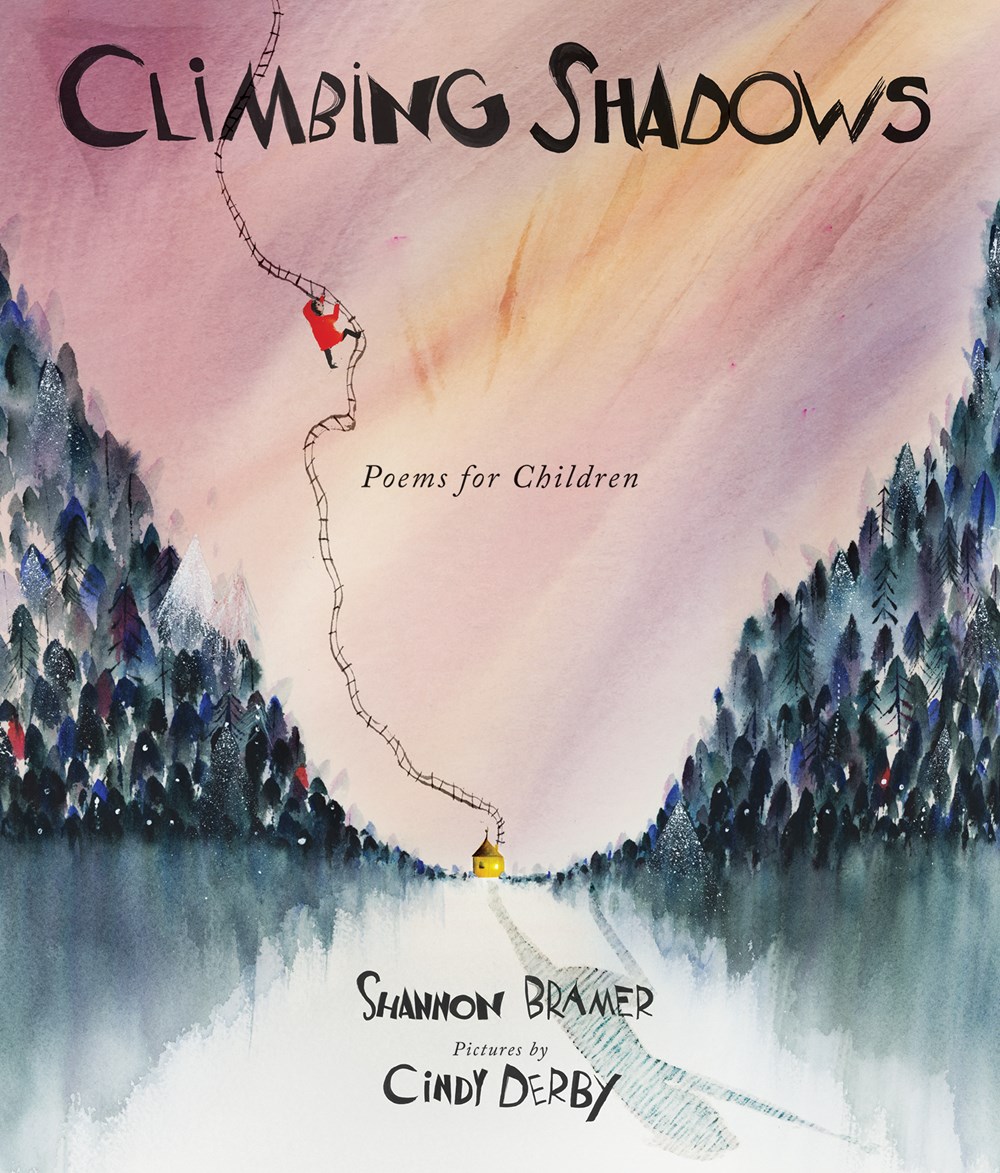
Climbing Shadows: Poems for Children, by Shannon Bramer/Illustrated by Cindy Derby, (March 2019, Groundwood Books), $18.95, ISBN: 9781773060958

Ages 4-7

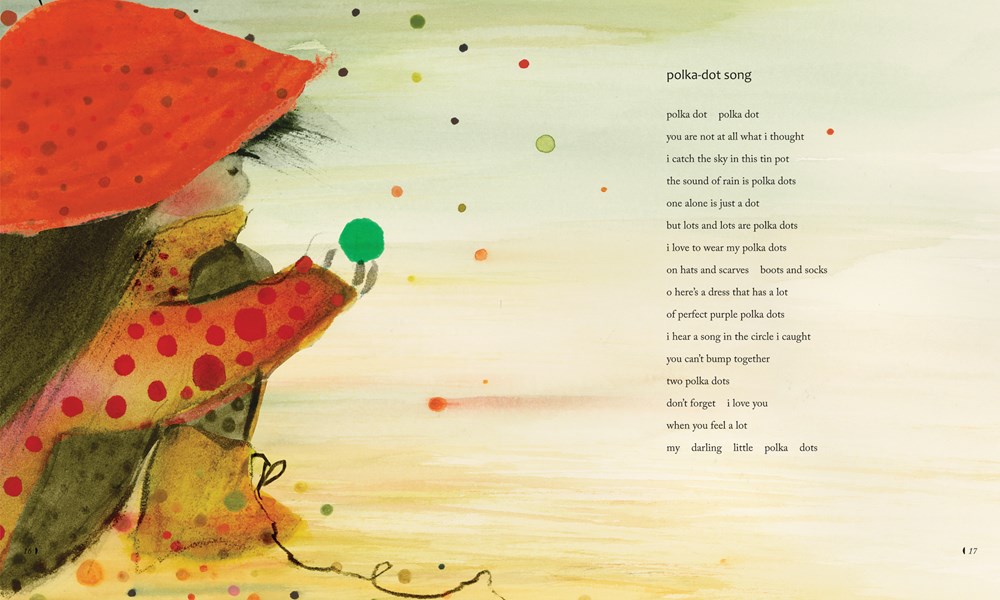
A small, sweet collection of poems inspired by kindergartners, Climbing Shadows offers a child’s-eye view of moments like a bad day at school (“I’m going to go home and tell my dad/today was hard it was so hard/I don’t want to go anymore/I want/to be a puddle”) or a child’s explanation of imagination (“I see things in my head come loose on the paper and there are my eyes here, and my names and my trees and faces and crazy squiggles and also this is a drawing of my family because I usually draw what I miss or what I love”). There are 20 poems in this collection, created by poet Shannon Bramer during the time she worked as a lunchtime supervisor for a kindergarten class. She eventually began reading poetry to them and explained that she was also a poet; the kids’ fascination grew as they learned that anyone could be a poet – “a poet could be a mom” – and a poem could be about anything. Shannon Bramer wrote these poems for her “kindies”.

The poems are sweet, short, and are a nice introduction to poetry for children; they show that a poem doesn’t have to rhyme, and can ramble, freely, like a thought or a stream. Cindy Derby’s watercolor, India ink, and digital collage illustrations are often dreamlike, with muted colors that set the stage for Ms. Bramer’s words to transport readers. It’s a great way to get kids writing about what’s on their minds at the moment. An author’s note explains how the author was inspired by the kids and is just as lovely to read as the poems are, with each child’s name illustrated around the page.

Posted in Intermediate, Non-Fiction, picture books

Ahoy! Great Ports of the World takes you on a tour

Great Ports of the World From New York to Hong Kong, by Mia Cassany/Illustrated by Victor Medina, (Oct. 2018, Prestel Publishing), $14.95, ISBN: 9783791373553

Ages 5-11

Take a look at some of the world’s ports and explore different cultures! Great Ports of the World takes readers on a tour of some of the world’s most incredible seaports: Hamburg, over 800 years old; Hong Kong, where a container is being loaded or unloaded every single second; New York, with the Statue of Liberty welcoming ships in New York Harbor. There are 15 featured ports here; from New York, through Europe, Asia, and the Congo. Beautifully illustrated by Victor Medina, each spread offers a boldly illustrated, brightly colored port of call, with loads of little details that will keep readers entertained. The art is charming and fun, with a great vintage travel poster feel; it brings Mia Cassany’s brief, informative text to life, illustrating key points of cultural and industrial history for each site. You’ll see a cross-section of a cruise ship that includes a zoo and a discotheque in Barcelona, a mummy playing peek-a-boo in Egypt, and cats hanging out on the rooftops of London.

This is a fun book to have in your nonfiction collections, and an entertaining way to introduce port cities and the history of industry to young readers.

Posted in Fiction, Intermediate, picture books, Preschool Reads, Toddler Reads

March Picture Books

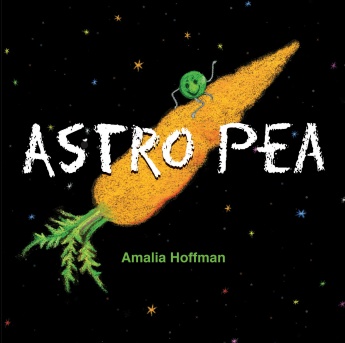
Astro Pea, by Amalia Hoffman, (March 2019, Schiffer Publishing), $9.99, ISBN: 9780764356988

Ages 3-6

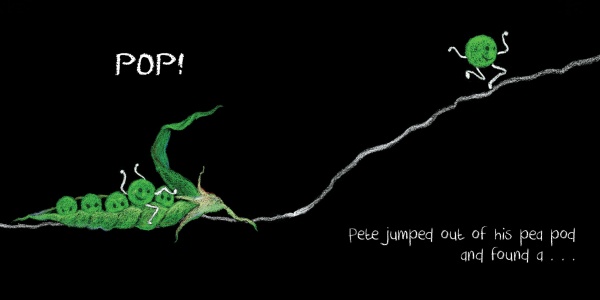
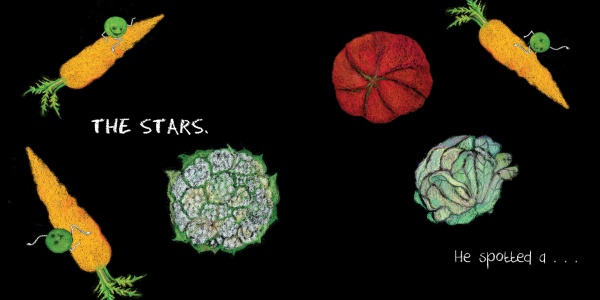
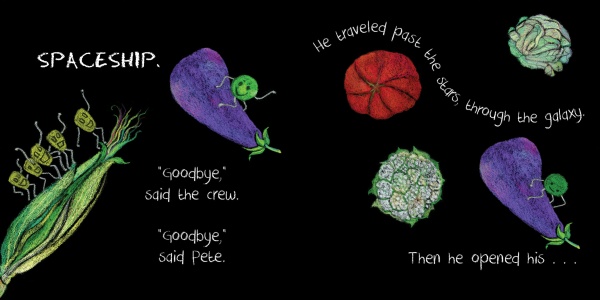
Pete the Pea pops out of his pod, finds a carrot rocket ship and blasts off into space! When his ship collides with a satellite, he’s rescued by a shuttle full of corn kernels, who also provide him with a ride back home to Earth. This adorable picture book stars a cast of vegetables posing as heavenly bodies. Pete zooms by cauliflower star clusters, asparagus satellites, corn shuttles, and mushroom parachutes. It’s a fun story about space and exploring, and a sweet story about making new friends.

The artwork is bright, with primary colors leaping off the jet black background of outer space. The anthropomorphic veggies have smiley little faces, and the simple artwork and text makes for an attention-grabbing storytime selection. Display, booktalk, and read Astro Pea with your healthy eating books, like Eating the Rainbow by Rena D. Grossman and Lois Ehlert’s classics, Growing Vegetable Soup or Eating the Alphabet.

The artwork also lends itself to an interactive storytime and craft. The artwork can be recreated with colorful chalk and black construction paper, letting the kids create their own outer space adventures. Make some felt veggies and let the kids identify each of them as they come up throughout the story. There so many ways to enjoy this adorable book – there’s even a free coloring page available through author Amalia Hoffman’s website. Astro Pea is a cute add to your picture book and storytime collections.

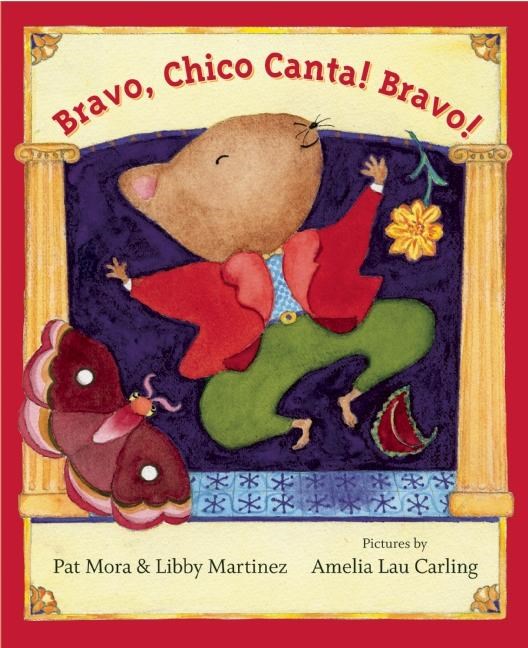
Bravo, Chico Canta, Bravo!, by Pat Mora and Libby Martinez/Illustrated by Amelia Lau Carling, Translated by Elena Iribarren, (March 2019, Groundwood Books), $9.95, ISBN: 9781773062198

Ages 7-10

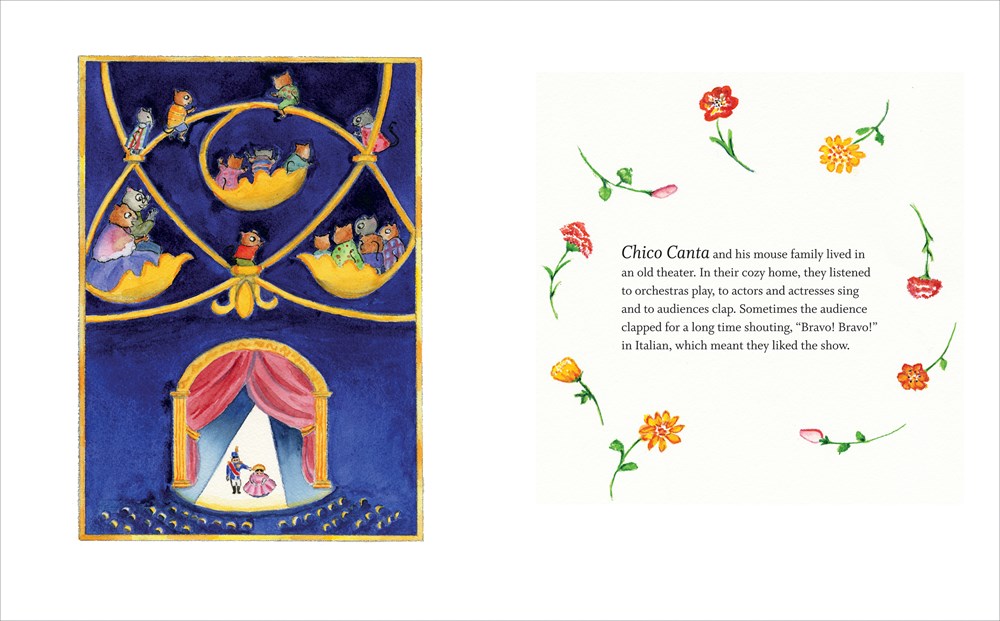
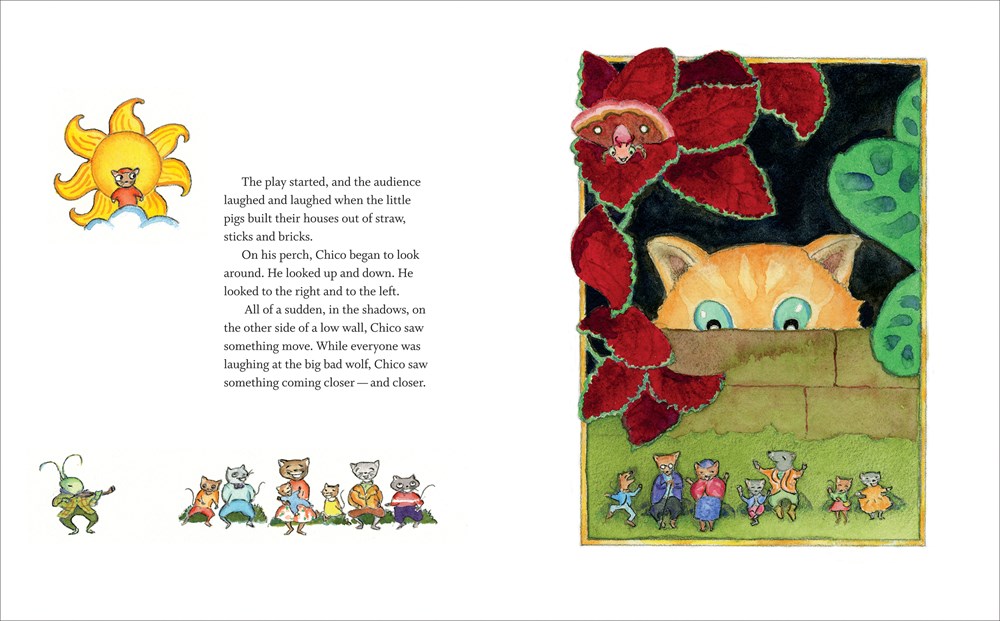
Originally released in hardcover in 2014, this mouse tale is all about the benefits of being bilingual. This release is the paperback version, written by superstar author Pat Mora and her daughter, Libby Martinez. Chico Canta is the youngest mouse in his family; they live in a theatre and love to watch the performances, and yelling “Bravo!” along with the audiences.The family loves the theatre so much, they decide to put on their own production, getting right to work. But Gato-Gato, the cat, is always sneaking around, and Chico saves the day when he uses his own knack for languages to alert everyone on opening night.

This is such an adorable story, embracing the gift of a multi-lingual household. Chico’s mom, Mrs. Canta, speaks many languages (English, Spanish, Italian, Cricket, Spider, and Moth) and encourages her children to develop their own skills. Chico saves the day when he uses his own developing language skill – a dog’s bark – to scare off the cat and save the day. The family works together on the production, everyone working on their own task. The artwork is full of rich color, with adorable animal faces. An author’s note from Pat Mora describes how she and her daughter were inspired to write the story after reading a book of Mexican-American folktales. An inspirational add to collections, especially in communities with multicultural families. I’m always telling parents at my library that the more languages kids know, the better!

Friends, by Geraldo Valério, (March 2019, Groundwood Books), $19.95, ISBN: 9781773061023

Ages 3-6

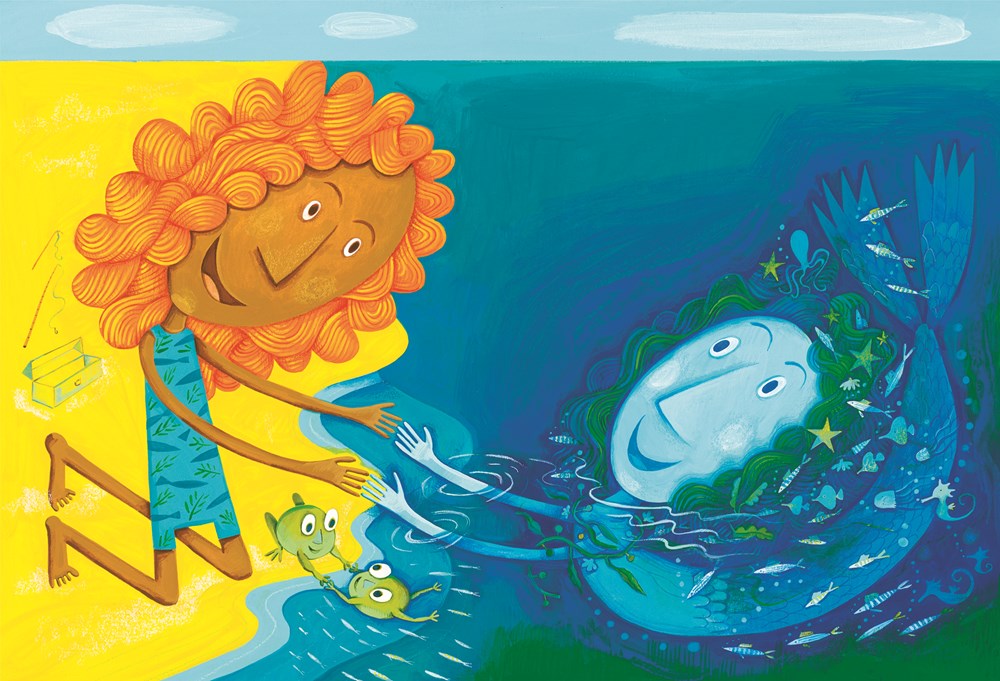
A girl and her frog go fishing, but are disappointed when the fish aren’t biting. She and the frog start making silly faces in the water, and their reflections come to life! The girl’s reflection transforms into a mermaid, and the two sets of friends enjoy a day of underwater adventure where the two girls discover glowing pearls, which they turn into matching necklaces. It’s a sweet, wordless story about friendship and imagination, with bright pastel, color pencil, and acrylic artwork. Pre-readers will love to look at the pictures and tell you what they see happening. Invite your readers to draw their own underwater adventure.

There’s wonderful detail in every spread, with little seahorses and jellyfish popping up. The frogs have their own little underwater romp, so encourage your readers to spot them! This one is a cute additional add to your wordless books.

Posted in Intermediate, Non-Fiction, picture books

February Non-Fiction is all about the animals!

River Rescue, by Jennifer Keats Curtis & Tri-State Bird Rescue & Research, Inc./Illustrated by Tammy Yee, (Feb. 2019, Arbordale), $17.95, ISBN: 9781607188230

Ages 5-8

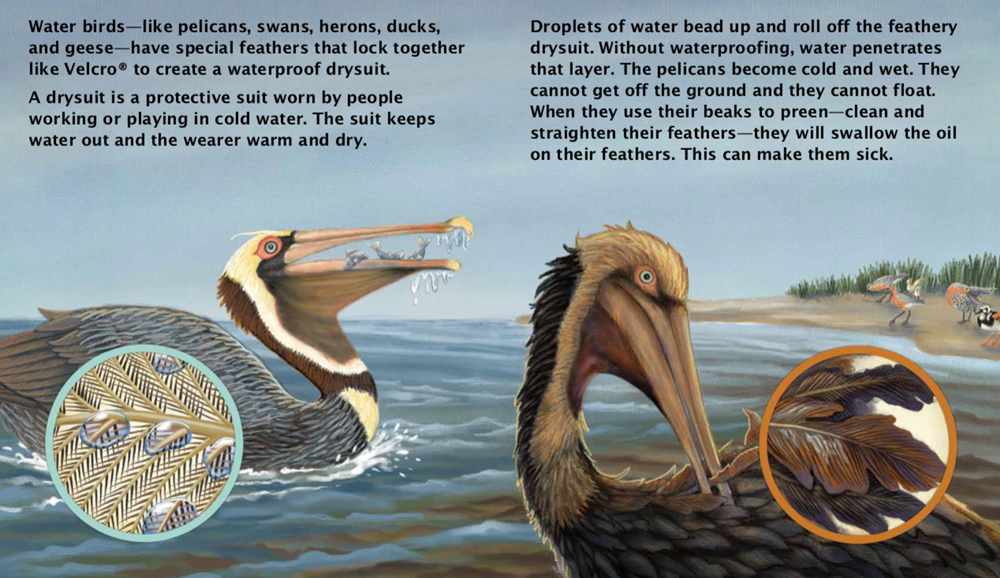
River Rescue illustrates how an oil spill – even one drop of oil – can be devastating to plan and animal life. Introducing readers to the Wildlife Response Team at Tri-State Bird & Rescue, a Delaware-based organization that rescues and rehabilitates animals affected by oil, River Rescue teaches readers about the delicate cleaning process and the care so critical to helping evaluate, treat, and rehabilitate affected animals.

There are so many questions to ask: is the animal alert on arrival? What kind of oil is on the animal? The cleansing process brings more questions: what kind of bird is this? Is it a flocking bird, or a solitary one? Is it a water bird or a land bird? After the rehabilitation process, animals are released back into the wild, preferably in the area where they were rescued.

River Rescue provides an informative look into animal rescue and rehabilitation and encourages good environmental citizenship among readers. The earth-toned art is realistic and the text is easy to understand. Back matter includes a 4-page For Creative Minds section allowing teachers, parents, and caregivers to photocopy and distribute activities on identifying wildlife, a Q&A with Tri-State Executive Director Dr. Lisa Smith, and information on preventing oil spills and helping animals.

The Long and Short Tale of Colo and Ruff, by Diane Lang/Illustrated by Laurie Allen Klein, (Feb. 2019, Arbordale Publishing), $17.95, ISBN: 9781607187387

Ages 4-7

Colo is a cougar and Ruff is a wild cat. The two friends want to play, but Ruff’s short tail prevents him from jumping as far as Colo can. As the two search for a new tail for Ruff, they encounter all the different things other animals can do with their tails and Ruff decides that his tail is just right after all.

This fun story is nonfiction with fiction wrapping: great for preschoolers and kindergartners! Colo and Ruff are realistically illustrated, but with softer artwork, playing up the cute factor. They encounter lizards, hawks, skunks and gophers on their search for a new tail, and callout facts throughout provide information that’s perfect for pleasure reading or an animal report. The For Creative Minds back matter includes a table comparing three kinds of cats and cat habitat maps.

Animal Noses, by Mary Holland, (Feb. 2019, Arbordale Publishing), $17.95, ISBN: 9781607188056

Ages 4-9

Noses, beaks, tongues, antennae – animals have a bunch of different ways to use their senses of smell, and Animal Noses is all about animal noses, how animals transmit messages through scent, and which animals have super noses versus which animals don’t. Loaded with sharp, full-color photos and facts, this is a nice add to science sections, especially when teachers come in looking for books on the five senses – always fun to throw something unexpected, like this, into my readers’ advisory, and show the similarities and differences between how we use our senses versus how animals use theirs.

Arbordale always has good back matter, too: their For Creative Minds sections allow for photocopying and distribution for educational use. The Animal Noses For Creative Minds covers fun facts about scent, a match the nose game, and spotlights animals with great senses of smell.


If a Mummy Could Talk…, by Rhonda Lucas Donald/Illustrated by Cathy Morrison, (Feb. 2019, Arbordale Publishing), $17.95, ISBN: 9781607187370

Ages 7-10

Meet some mummies and hear their stories: this volume contains stories about 12 different mummies: elephants, bison, dogs, cats, and humans, including the world’s most famous mummy, King Tut. Each spread focuses on one mummy, providing its date and location, and “before” and “after” illustrations that show readers what the animal or person most likely looked life while alive, and what its mummy looks like today. Facts gleaned from research and scientific observation bring each mummy’s story to life for readers, and provide clues to each demise. Discussions about different types of mummification, a mummy map of the world, and features on scientists’ tools and technology make up the back matter For Creative Minds section.

There are better books on mummies available, but this is an entertaining introduction for intermediate readers with an interest in natural history. The illustrations are realistic and colorful, and callout fact boxes appear throughout the book, clarifying bits of information contained in the text.


Posted in Intermediate, Middle Grade, Non-fiction, Non-Fiction

Malala Yousafzai: Warrior with Words

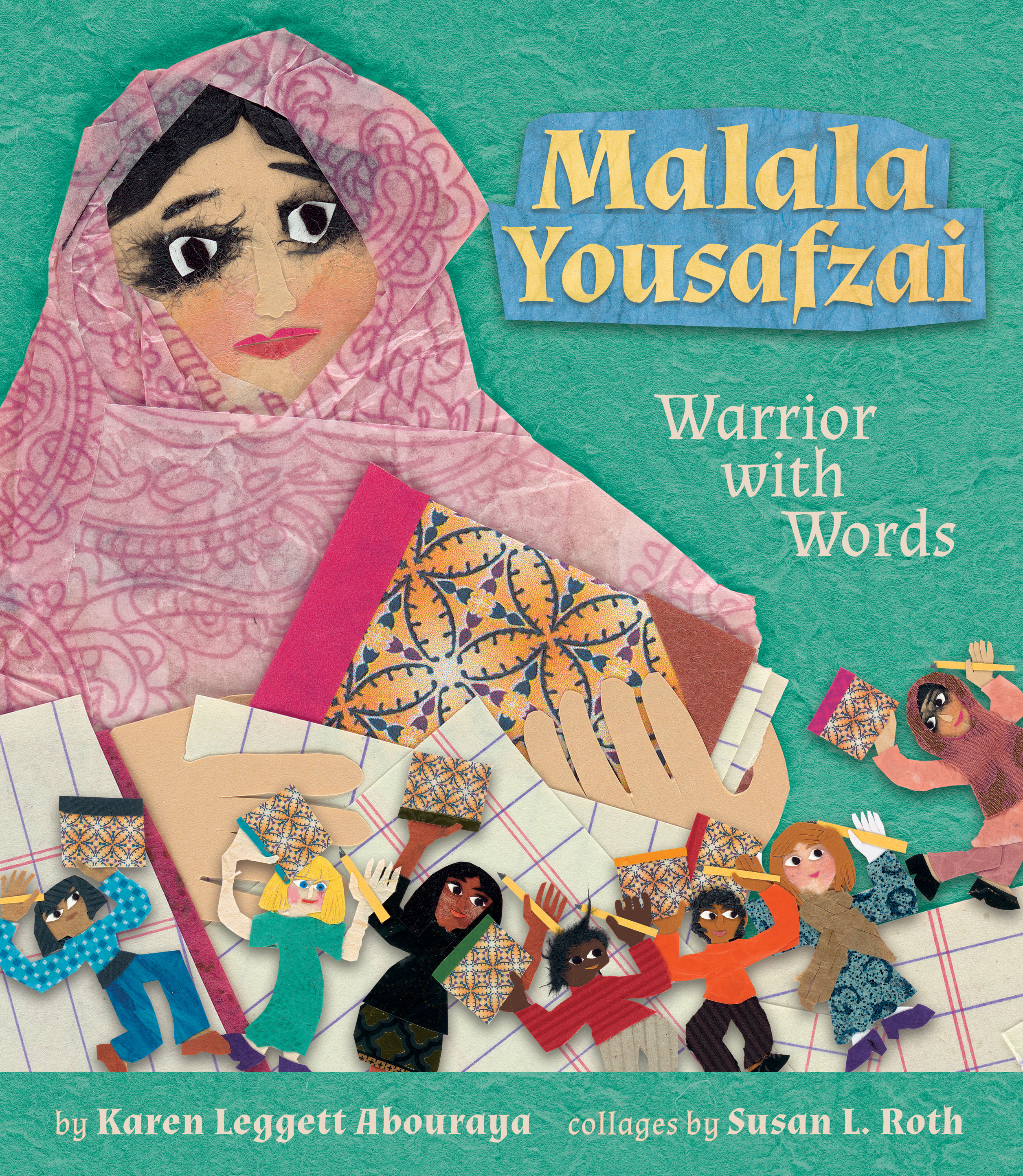
Malala Yousafzai: Warrior with Words, by Karen Leggett Abouraya/Illustrated by Susan L. Roth, (Jan. 2019, Lee and Low), $19.95, ISBN: 9781620148389

Ages 6-10

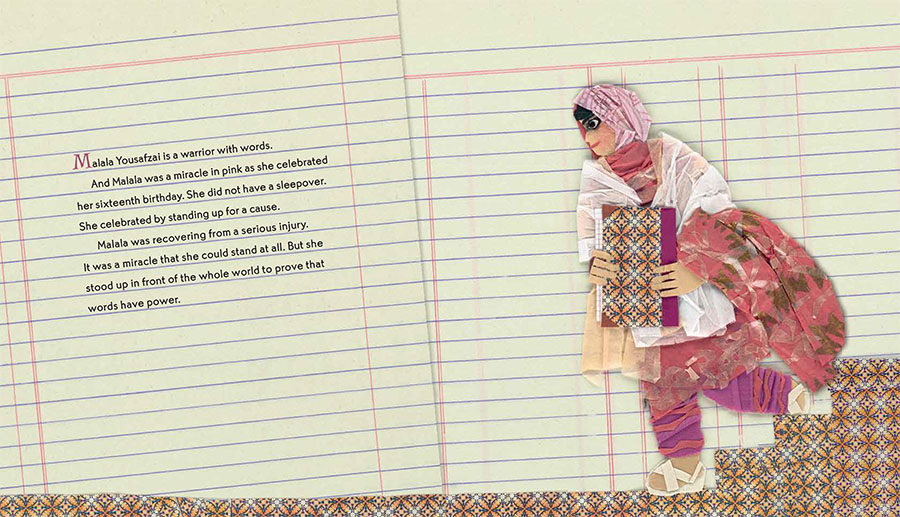
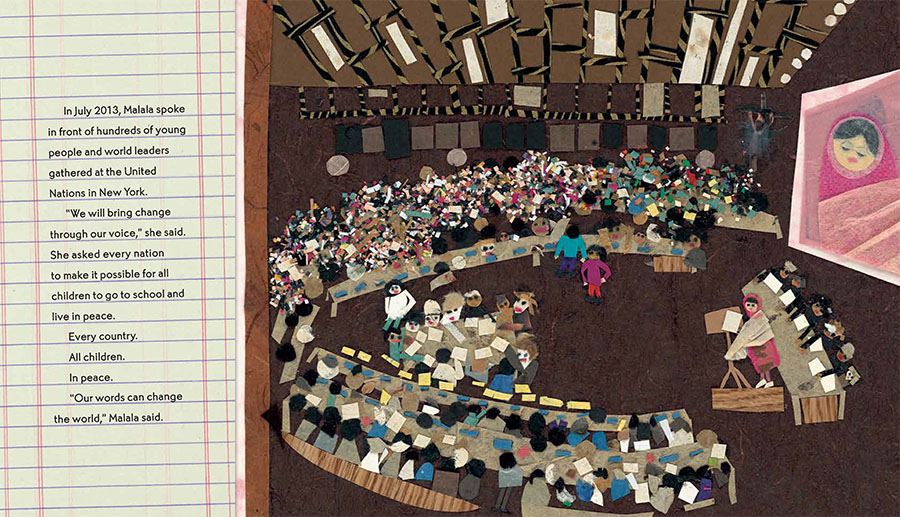
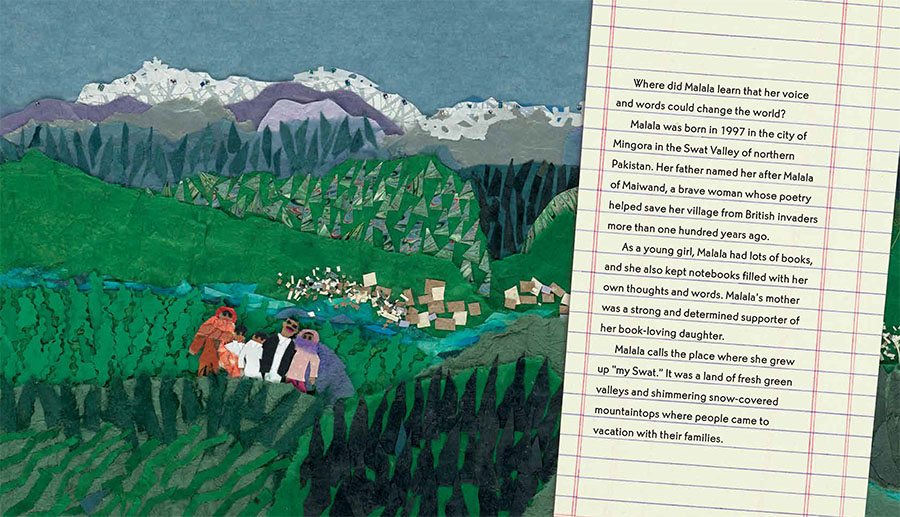
This latest biography of activist and Nobel Prize winner Malala Yousafzai speaks to younger, intermediate readers on their level: she grew up in Pakistan’s Swat Valley, lovingly referred to by Malala as “my Swat”. Her father was the principal of a school for girls, and she grew up loving books and learning. In 2007, when the Taliban came to power and tried to ban education for girls and women, Malala began blogging, under a pen name; her blog was picked up by the BBC’s website in 2009. Her family fled the Swat Valley when Pakistan’s army fought the Taliban, but they returned when the fighting was over, finding much of their home destroyed. In 2012, Malala and two friends   were shot by Taliban soldiers who boarded their school bus. She was taken to a hospital in England, and her activism became a worldwide phenomenon, speaking at the United Nations and receiving a Nobel Prize for her work.

The text is straightforward, describing the Taliban’s policies and even Malala’s shooting in plain language. The Taliban doesn’t get to take Malala’s story away from her: she shines here, with her accomplishments and her dedication to education for all being the main focus of the book. Her awards and her studies are lauded, as is her love of the color pink and her love for her family and her home. Back matter includes information on Pakistan, the Taliban, The Malala Fund, and a spotlight on youth activism and organizations.

The collage art is outstanding. Most of the artwork is soft, using felts and fabrics with warm and soft colors to create Malala, her family, her world, and the diversity of the United Nations and our world; even when women must don black clothing to avoid notice by the Taliban, the crisp blacks and whites of the characters clothing are felt: soft, warm. That all changes for the two pages introducing the Taliban, which depicts them using photo art with crudely drawn, mask-like faces. It made me sit up the first time I read the book, and on subsequent readings, I realized how brilliant illustrator Susan L. Roth is. It’s a subtle, but jarring change that lets readers experience just a fraction of the discomfort, the fear, that these figures brought with them. Incredible artwork by an award-winning illustrator, and it supports and gives life to Karen Leggett Abouraya’s informative reporting. Add this to your picture book biographies.

Posted in Intermediate, Non-Fiction, Preschool Reads

Pocket Bios: itty bitty picture book bios!

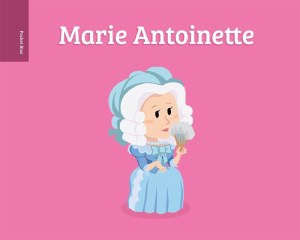
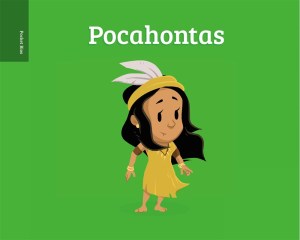
Somehow, I missed Pocket Bios until now. Introduced earlier this year, Pocket Bios are a series of pocket-sized picture book biographies. They’re filled with cute, colorful illustrations; more cartoon than realistic, and the text is fairly simple, giving big-picture facts to serve as a quick introduction to young readers. The first found of Pocket Bios drew from entertainment, sports, science, and civil rights figures, including Muhammad Ali, Charlie Chaplin, Marie Curie, and Gandhi; this next group of books includes The Buddha, Pocahontas, Marie Antoinette, and Vincent Van Gogh.

Buddha, by Al Berenger, (March 2019, Roaring Brook Press), $14.99, ISBN: 9781250168887

Ages 4-7

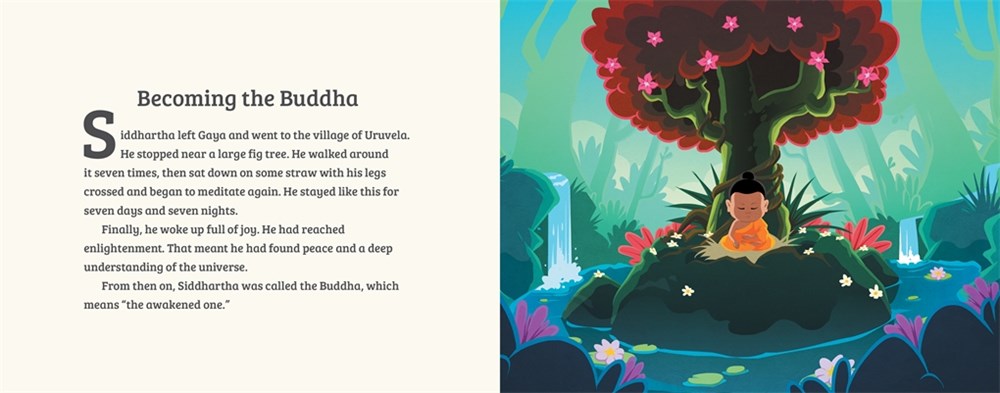
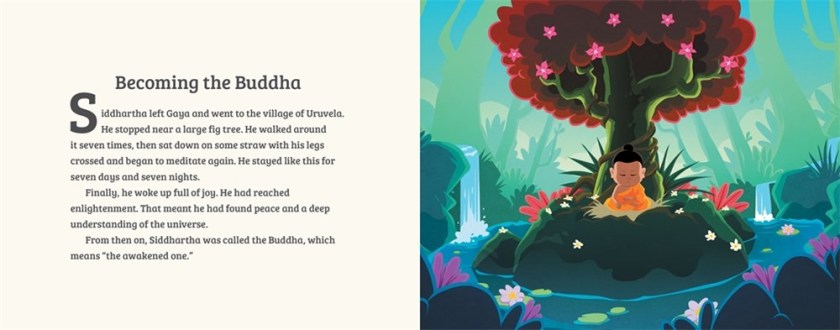
This picture book bio of Siddhartha, who would become the Buddha, the founder of Buddhism, touches on key moments in his life: his birth, youth, and marriage; his leaving the palace on his journey to find happiness, his new life as he sought and achieved enlightenment; his teaching and traveling, last days, and legacy. A timeline provides a more linear, dated glimpse at the events covered in the book, and a map shows readers important locations in Buddha’s life. People to Know offers profiles of important people in his life, including his mother and the Dalai Lama, and an illustrated “Did You Know” section offers some quick, additional facts on his life.

The art is rounded and bright, soft and cute, with some beautiful moments, particularly when Siddhartha fully realizes enlightenment, and as he teaches a group of students. A picture of an aging Buddha is gentle, tinged with an understanding that he will be moving on. There are some truly lovely moments to be found here.


Marie Antoinette, by Al Berenger, (March 2019, Roaring Brook Press), $14.99, ISBN: 9781250168825

Ages 4-7

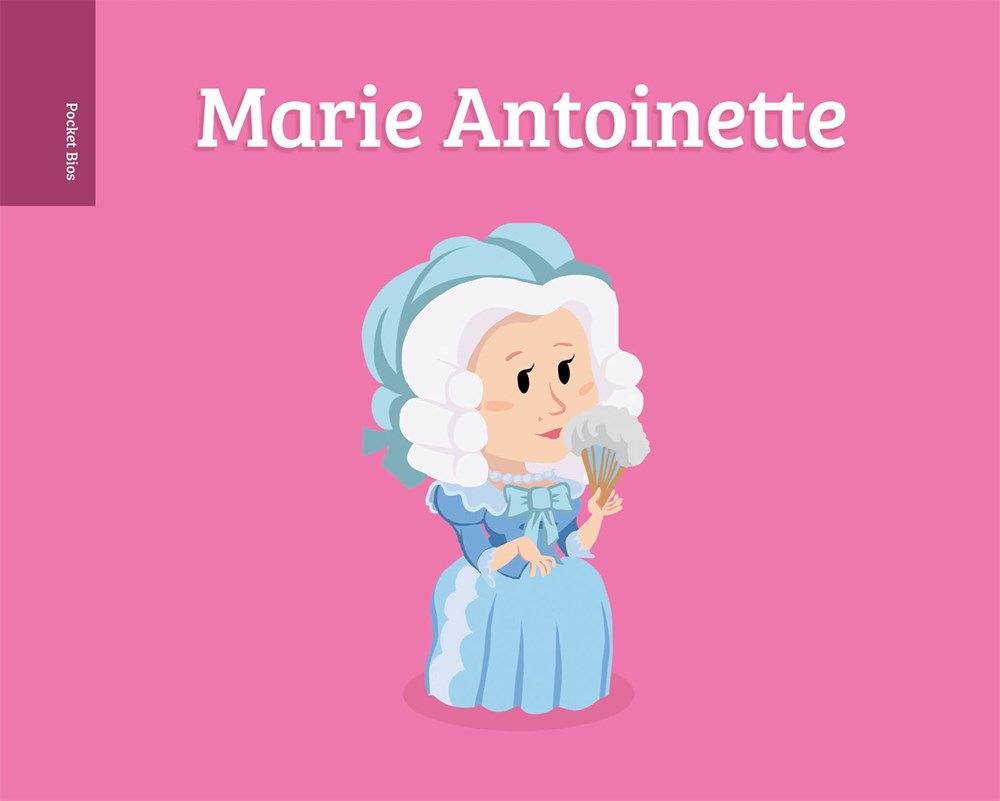
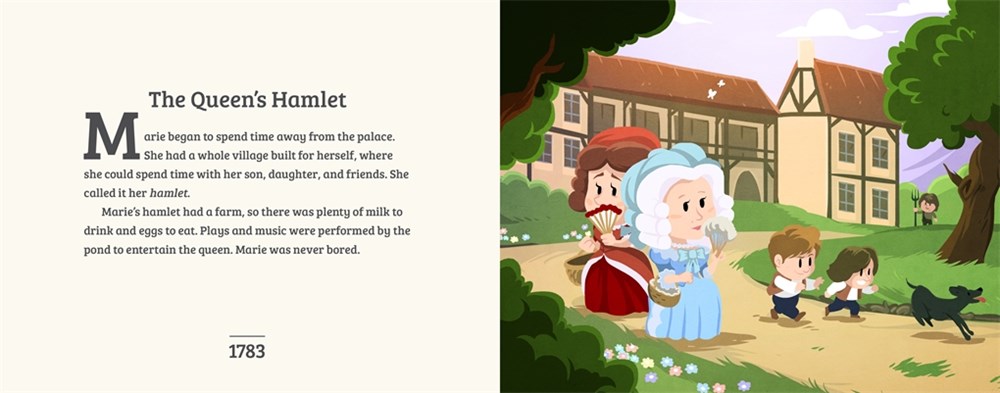
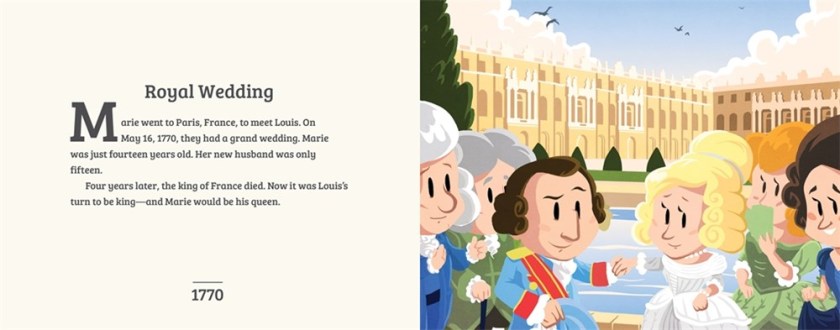
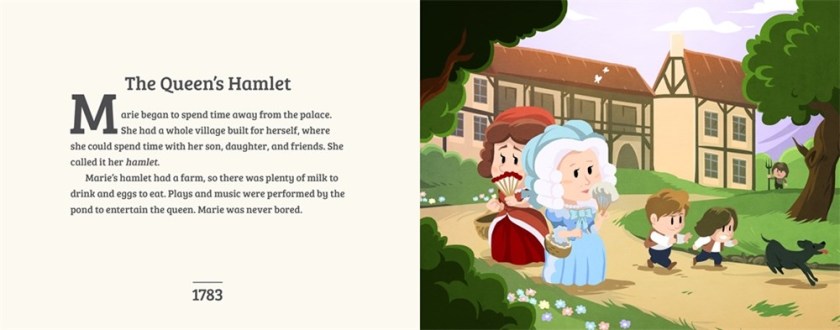
Each spread in Marie Antoinette’s Pocket Bio covers a major period in her life; the factual information on the left hand side provides the dates. We first meet her as a young princess in Vienna; move along to her 1770 wedding to Louis XVI, and then to his coronation. Then, we move into the Marie Antoinette period that everyone’s familiar with: the lavish lifestyle, depicted by a huge dinner party. As the text reminds readers, Marie Antoinette was not content in her royal duties, leading her to seek refuge at a village, built just for her, her children, and her friends. Meanwhile, revolution was in the works, and in 1789, the French Revolution began, illustrated with a French mob brandishing swords and pitchforks, outside the burning Bastille. As Marie, Louis, and their children tried to escape Paris in 1791, they were arrested and taken back to Paris, where they eventually met their ends at the guillotine – Louis, in 1793, Marie, soon after. The pictures are dramatic, loaded with shadows and flame during the Revolution; pastoral and soothing during the happier times in Marie’s life. There is a timeline, map and key of Europe in 1793, with key areas emphasized. People to Know include Marquis de Lafayette and Yolande de Polastron, one of Marie Antoinette’s close friends. Did You Know? fact to handsell the book: Marie Antoinette has some hairstyles that were four feet tall!
 

Vincent van Gogh, by Al Berenger, (March 2019, Roaring Brook Press), $14.99, ISBN: 9781250168863

Ages 4-7

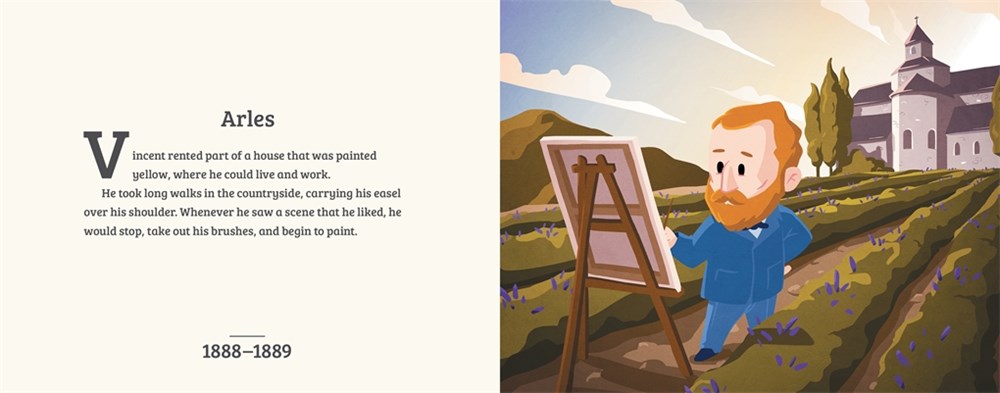
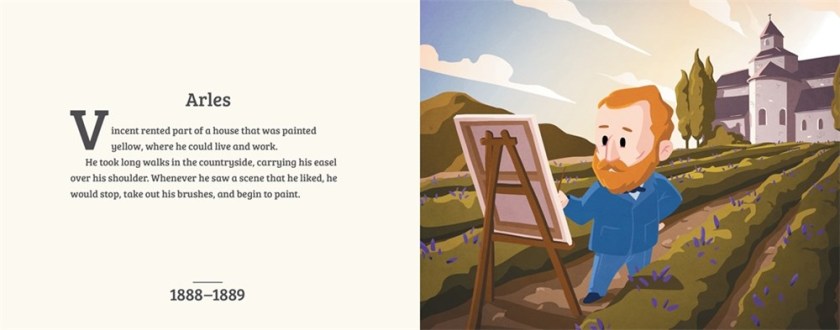
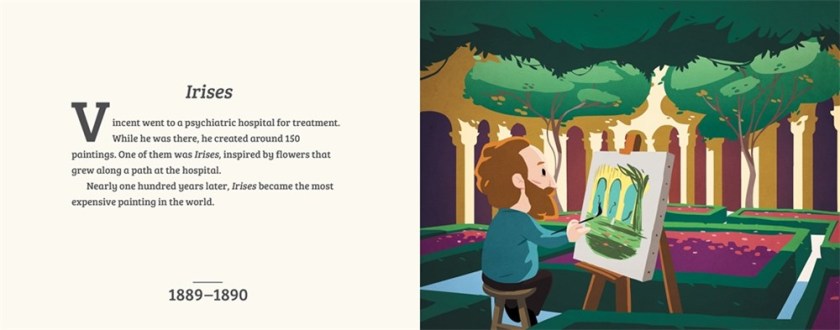
Artist Vincent Van Gogh’s biography also includes dates for the key represented moments in his life. We begin with his childhood in the Netherlands, and touches on the close relationship between van Gogh and his brother, Theo; we move onto an apprenticeship under his uncle, where he traveled to London and Paris, developing a love for art. He was a pastor in a coal-mining town from 1877-1880, and spoke out against the dangerous conditions in the mines, which influenced his painting, The Potato Eaters. From there, van Gogh embraced his love of art and began painting in 1880, after moving to Antwerp. From there, he moved to Paris, to be with Theo, but he tired of city life and relocated to Arles, where he could live and work in the countryside. The book touches on van Gogh’s struggle with mental illness and the work he created while in the hospital and under his doctor’s care. Finally, the narrative addresses his suspicious death – previously thought to be a suicide, and his posthumous fame. The timeline includes all of the moments written about in the book, and the map and key emphasize six key location in van Gogh’s life. People to know include his brother, Theo, and artist Paul Gaugin. Key Did You Know? takeaway: his most famous work, Starry Night, was painted during his time at a psychiatric hospital and he thought it was his greatest failure.
 

Pocahontas, by Al Berenger, (March 2019, Roaring Brook Press), $14.99, ISBN: 9781250168863

Ages 4-7

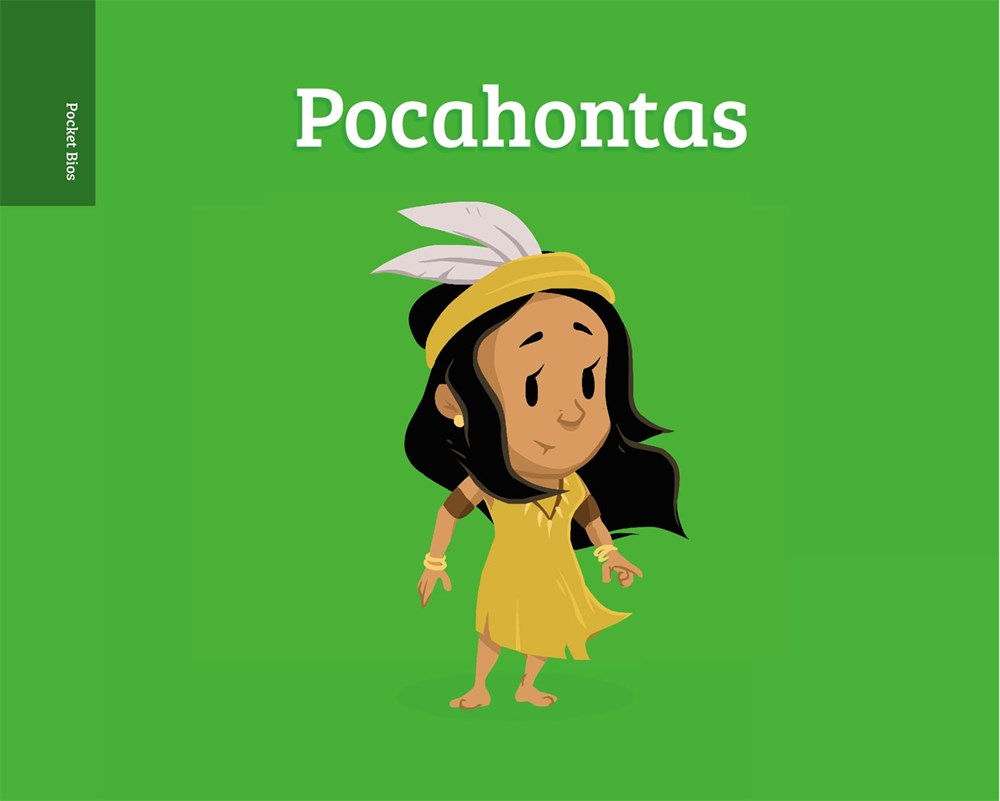
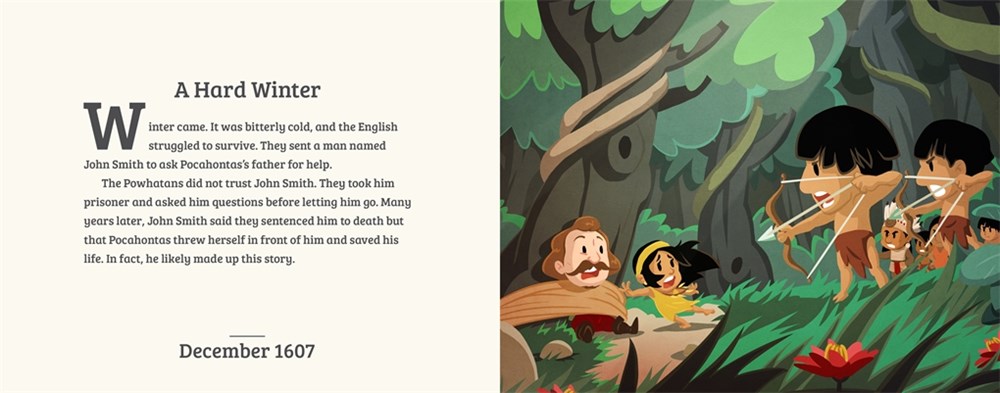
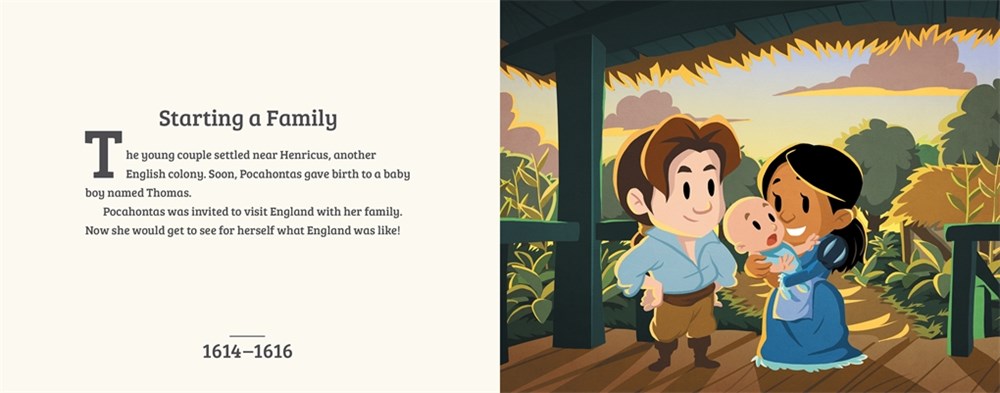
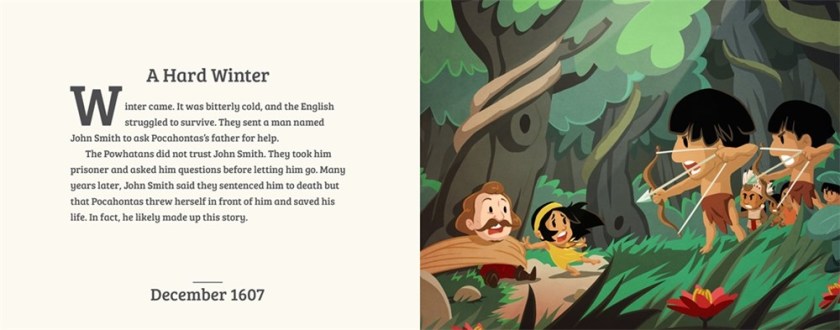
Pocahontas’ biography, also dated, starts with her years growing up in the Powhatan tribe, located where Virginia is now. The English arrived in 1607 and established the Jamestown colony; the illustration shows a young Pocahontas watching a ship dock at a newly built port. The brutal winter forced the settlers to send John Smith to ask the Powhatans for help, which led to his imprisonment. Here, the narrative diverges from the history books I grew up with (thank goodness) and points out that John Smith most likely made up the story of Pocahontas throwing herself in front of him to save him from certain death; she then becomes a friend of sorts to the Jamestown settlers, visiting them and working to keep peace between the Powhatans and the settlers. John Smith’s 1609 injury required him to head back to England – and Pochontas was told that he died on the voyage home. At this point in history, relations between the Powhatan tribe and the settlers fell apart, and they warred with one another. Pocahontas was taken prisoner and brought up English – her father refused to trade her for English prisoners – eventually marrying settler John Rolfe, converting to Christianity, and taking the English name, Rebecca. The wedding helped ease relations between the Native Americans and the settlers, and Pocahontas – now a mother of two sons – was invited to visit England. She became ill and died while traveling, and is buried in England.

There are some beautiful moments in the artwork here – a ship sailing into the golden sunlight, Pocahontas as a child, playing with other children, with a waterfall streaming in the background. There’s a timeline and illustrated map; people to know include Pocahontas’s father – not Powhatan, but Wahunsunacock, and King James I. A key Did You Know? fact reminds readers that John Smith was not the most reliable narrator.

The verdict? The Pocket Bios are a good start for younger readers, but aren’t the first resource you should seek. It’s a good series to start planting an interest in history and key people in history. Readers who enjoy Brad Meltzer’s Ordinary People Change the World series of biographies will likely enjoy these.
Posted in Fiction, Fiction, Intermediate, Middle Grade, Non-fiction, Non-Fiction, picture books, Preschool Reads

Last minute gift shopping? Books are easy to wrap!

Okay, the big days are coming, and you still need a gift or two – maybe your kid’s got a last-minute gift to get, or you don’t want to show up to a party empty-handed for any kids in the house. Check out some more of these gifts books for some guaranteed entertainment!

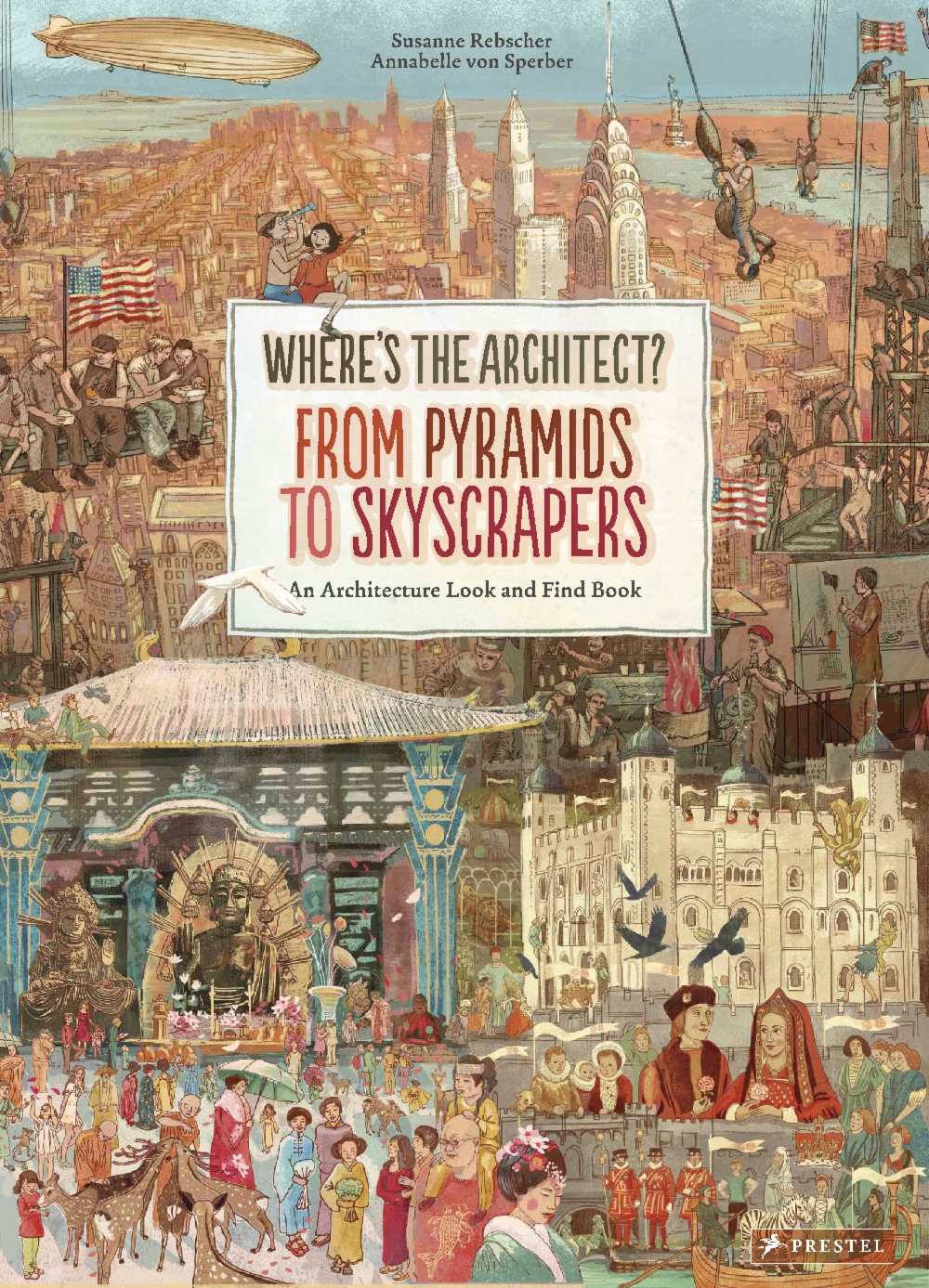
Where’s the Architect? From Pyramids to Skyscrapers: An Architecture Look and Find Book, by Susanne Rebscher/Illustrations by Annabelle von Sperber, (Oct. 2018, Prestel Publishing), $19.95, ISBN: 978-3-7913-7301-0
Ages 4-10

This one is like I Spy, but with architecture. Readers can join two kids – Ben and Mia – and two little monkey escorts on an adventure around the world! View 12 beautiful works of architecture, learn a little bit about each, and find some cool objects and people along the way. Count ravens at London’s The Tower of London; see an exhibition at the Moscow Metro, and take in a concert at Sydney’s Opera House. Artwork is full-color and there’s always something to see. Back matter offers more information on each of the structures, a timeline of construction, and a glossary of terms. Endpapers add to the fun with a world map sporting numbers for each structure’s location, and beautiful artwork featuring Ben and Mia riding a Chinese dragon. This one’s a fun gift for your seek and find fans and can pair with some Legos – let kids build their own structures!

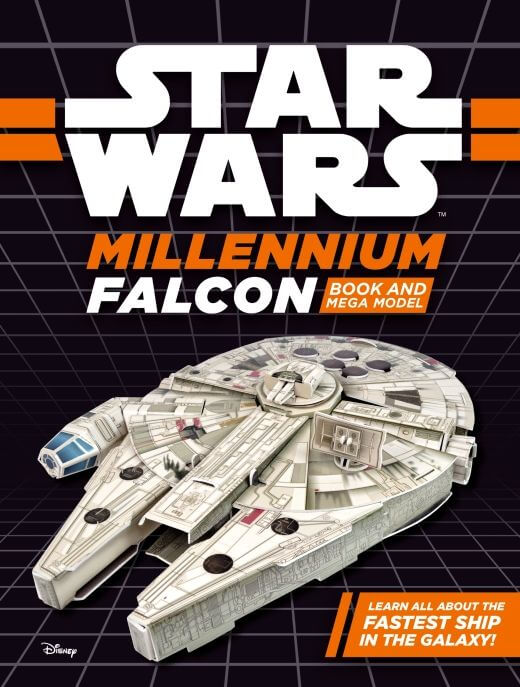
Star Wars: Millennium Falcon Book and Mega Model, (Oct. 2018, Fun Studio International), $17.99, ISBN: 978-0794442071

Ages 8-12

Okay, this is just too much fun. Build your own Millennium Falcon model with this book-model combo! Punch out the laminated stock pieces, and assemble using the attached book, which includes instructions and some Falcon history: stats on previous Falcon pilots, ports of call, and key movie moments where the ship played a big part. Activities abound here: starship Sudoku, Hoth escape maze, and draw your own spaceship. The model assembly is a little fiddly, so younger fingers will need some help from older readers. The accompanying volume is slim, but loaded with facts and fun, making this a gift Star Wars fans will love.


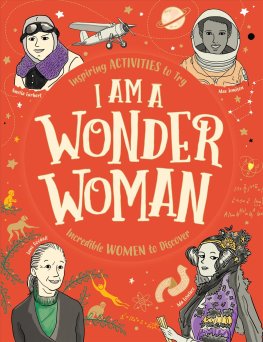
I Am a Wonder Woman: Inspiring Activities to Try, Incredible Women to Discover, by Ellen Bailey, (Sept. 2018, Portable Press), $14.99, ISBN: 978-1684125487

Ages 8-12

Activity books are a great go-to gift, and I Am a Wonder Woman is right up there, mixing a bit of nonfiction with thought-provoking, fun activities. There are profiles of 60 women who’ve made their mark on history, all with accompanying activities. Make a diary entry like Anne Frank; work on your suffragist buttons and newspaper articles with Emmaline Pankhurst and Kate Sheppard; plant a tree like Nobel Prize winner Wangari Maathai. There are familiar names here: Anne Frank, Jane Goodall, and Helen Keller; and new names, including artist Artemisia Gentileschi, whose story was recently told in the award-winning YA novel, Blood Water Paint. Two-color illustrations throughout make this a fun, smart bet for a gift book.


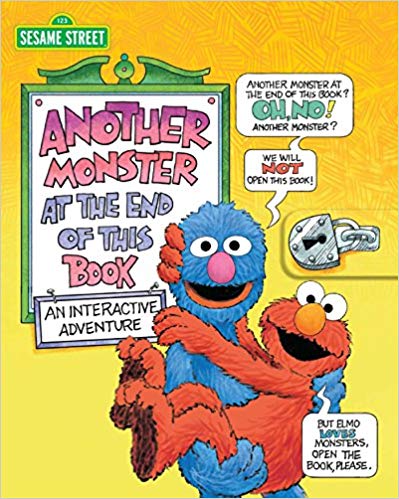
Another Monster at the End of This Book: An Interactive Adventure, by Jon Stone, (Sept. 2018, Fun Studio International), $14.99, ISBN: 978-0794441746

Ages 3-5

My favorite book of all time has been, and always will be, The Monster at the End of This Book, Starring Lovable, Furry Old Grover. I have the best memories of my mom reading this to my 4- and 5-year old self, and of the two of us giggling together as Grover’s nervous breakdown increased with each turn of the (barricaded) page, bringing us closer to the Monster at the End of the Book – which was, as you may have guessed, Grover himself. I’ve read this book to my own  kids, and added another monster to the mix, when Elmo joined Grover in 1999 for Another Monster at the End of This Book. Now, we’ve got an interactive update to Another Monster, complete with magnetic book locks, flaps to explore, and pop-ups to surprise. It’s an adorable update to a classic kids’ book, and a perfect gift for the holidays.


Happy Shopping, and Happy Holidays!

Posted in Fiction, Fiction, Intermediate, Middle Grade, Tween Reads

Bah! Humbug! is Michael Rosen’s modern-day take on Scrooge

Bah! Humbug!, by Michael Rosen/Illustrated by Tony Ross, (Sept. 2018, Walker Books), $15.99, ISBN: 9781536204797

Ages 8-12

A Christmas Carol enters a new century with Michael Rosen’s middle grade update, Bah! Humbug! Harry Gruber is so excited to be Scrooge in his school’s production of A Christmas Carol, but he wishes his father, workaholic Ray, would muster even a little bit of interest. Ray sees Harry’s event as one more thing keeping him from work, which keeps everyone in Ray’s family fed and living comfortably, and he never misses a chance to let everyone know it. The family – Harry, his sister, Eva, mom Lisa, and Ray – pile into the car and drive to school, with Ray grumbling all the way. While Harry shines on stage as Scrooge, Ray sneaks off to work – and gets some Christmas visits of his own.

Bah! Humbug! uses the school performance as a parallel to Ray’s own Christmas Carol, where he experiences some ghostly visits – after a fashion – of his own. A Christmas Carol is more relevant than ever in this 24-hour society, where we can all work nonstop and chase after the next big thing: a new PlayStation; a new car; a new vacation. The story moves between the play, letting readers relive Dickens’ holiday classic, and the present, as Harry’s heart breaks time and again over his dad’s seeming ignorance and Ray wrestles with his own demons, past and present. Kids may recognize their own families in this one, but remember: Dickens wrote the story to show readers that there’s always time to change the future.

A section called “Party Like a Fezziwig” has tasty recipes, games, jokes, and Christmas carols. There’s a note about the tradition of Victorian holiday storytelling, and a biographical note about Dickens and A Christmas Carol. Tony Ross’s black and white illustrations throughout the story keep readers engaged in the story and the school play. A nice add to your middle grade holiday collection. Read a sample chapter at Candlewick’s website.