Posted in Intermediate, Middle Grade, Non-fiction, Non-Fiction

More Weird But True Facts for all those barbecue conversations!

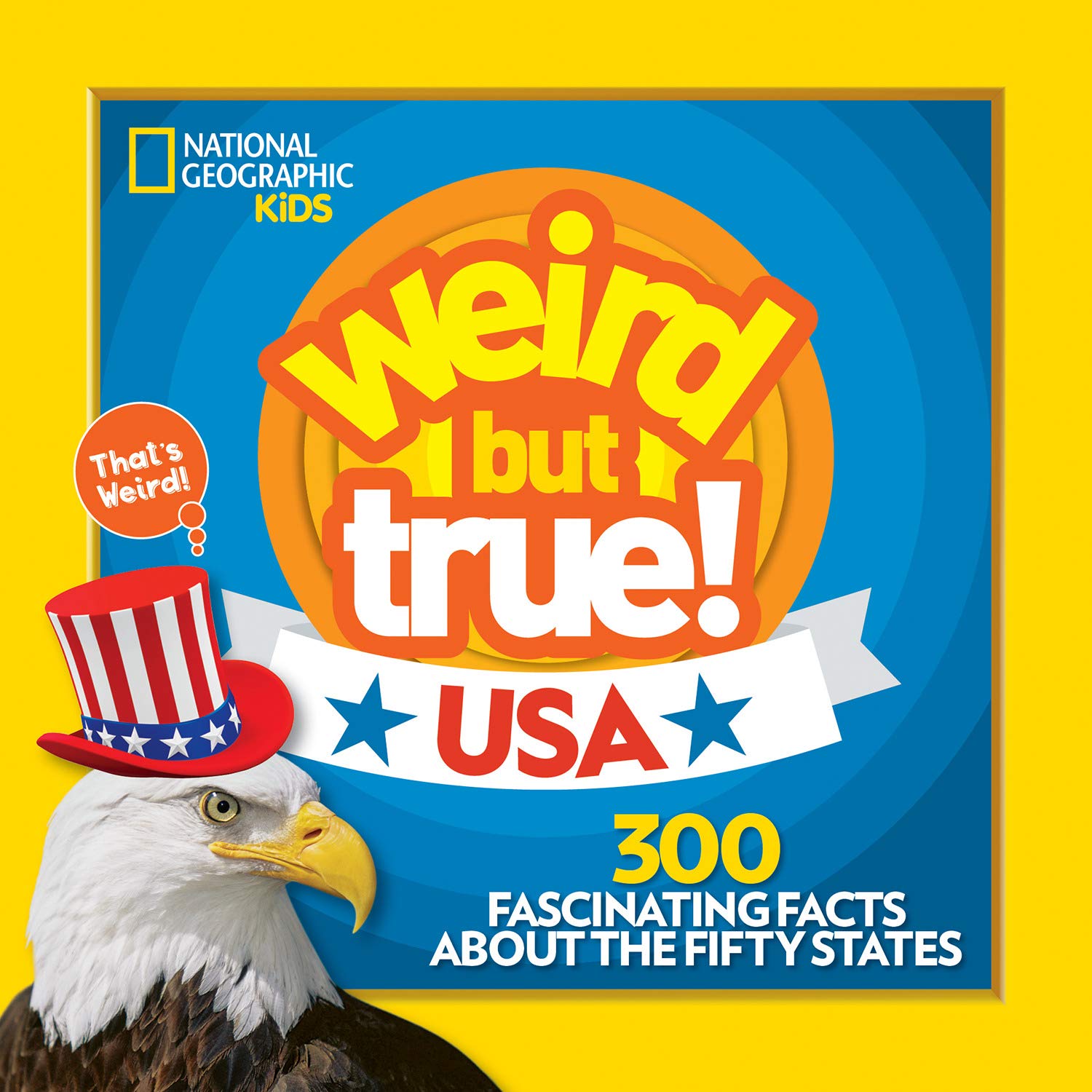
Weird But True! USA: 300 Fascinating Facts About the 50 States, by National Geographic Kids, (March 2019, National Geographic Kids), $8.99, ISBN: 9781426333712

Ages 7-12

You’ve got a lot of barbecues to hit this summer. Family, friends, someone’s having a BBQ, somewhere, and you’re invited. What better way to keep a conversation going than to bust out some weird – but true! – facts about the US of A? NatGeo Kids has kids (and grownups, too: you know you love these books) covered with their latest digest-sized Weird But True facts, easily carried in your favorite tote.

Dazzle friends and family with goodies about our states! Did you know that the average driver in New York City spends more than 100 hours a year looking for a parking spot? (I did, just ask my husband.) Or the Pledge of Allegiance was written for a magazine to help sell subscriptions? How about one of my favorites: the Washington National Cathedral has a Darth Vader gargoyle? Seriously, this this knowledge has made my day.

The NatGeo books just get better. Where do they find all these wacky facts? I hope they keep doing whatever they’re doing, because I love them, my own kids love them, and the kids in my library can’t get enough of them. Add these to your NatGeo collections and just sit at the reference desk and wait for them to come at you with their favorite facts.

Posted in Non-Fiction, picture books, Preschool Reads

Three great books about space!

The Summer Reading theme for this year is all about Space, and I am psyched. I love outer space, and I’ve got a growing list of books to add to my own readers advisory lists (I’ll put that together in the next week or two for a post). Meanwhile, Sourcebooks and Barefoot Books have three great books about space that are staggered throughout the year, and perfect for your space-faring STEM fans. Let’s check them out, shall we?
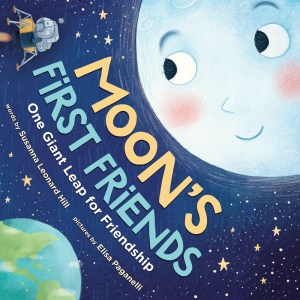
 

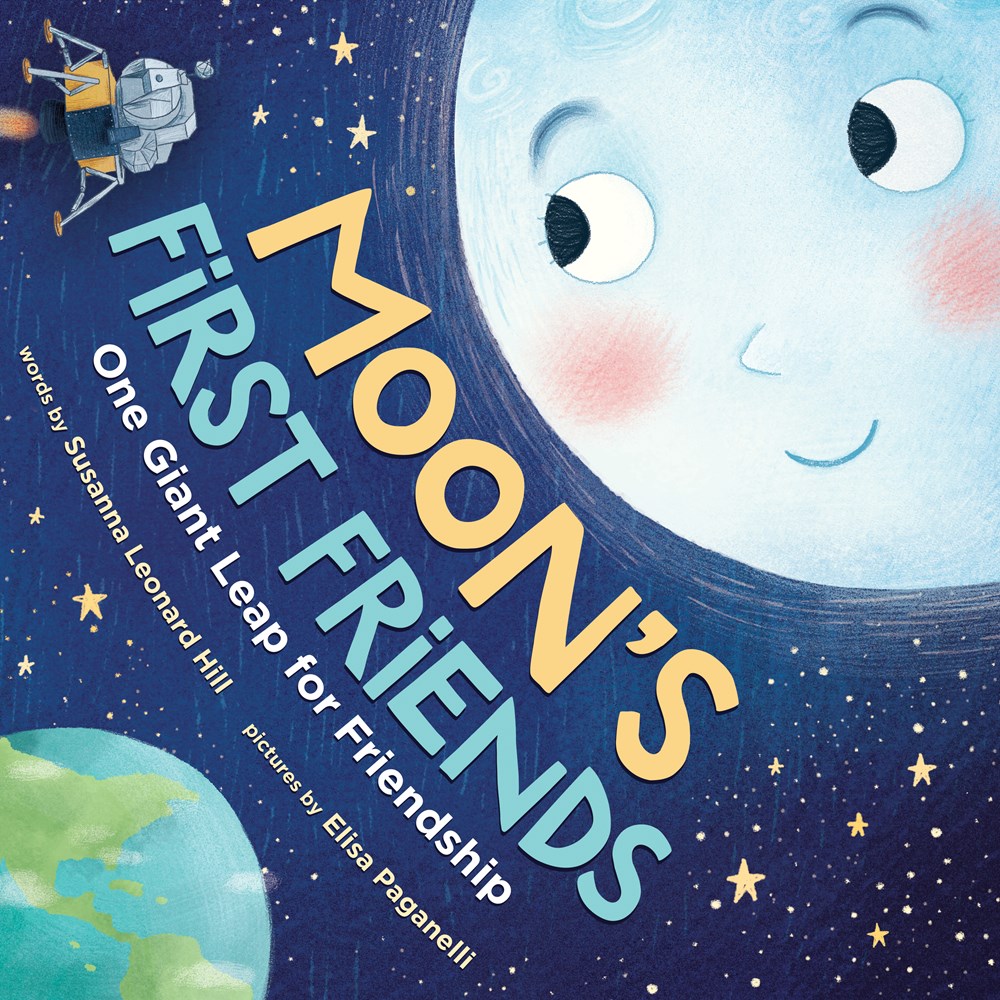
Moon’s First Friends: One Giant Leap for Friendship, by Susanna Leonard Hill/Illustrated by Elisa Paganelli, (June 2019, Sourcebooks Wonderland), $17.99, ISBN: 9781492656807

Ages 4-8

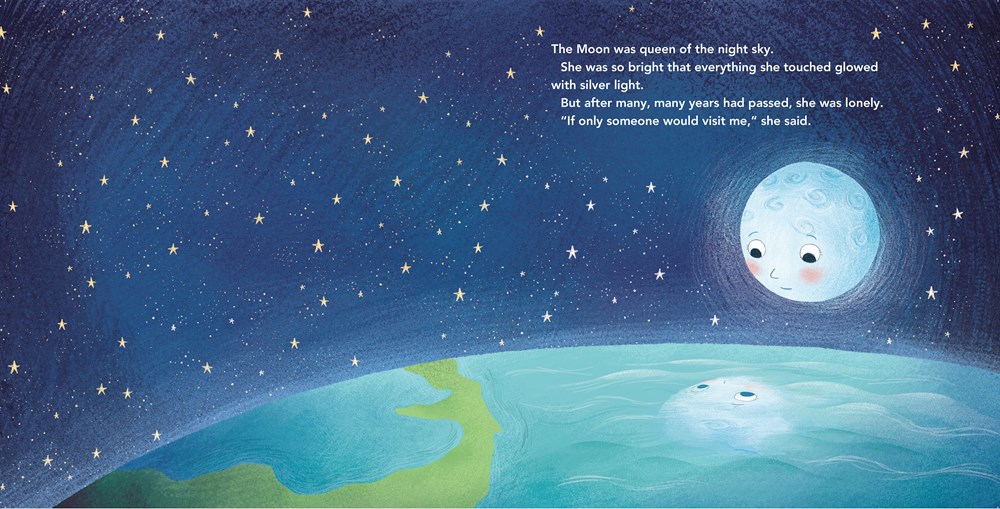
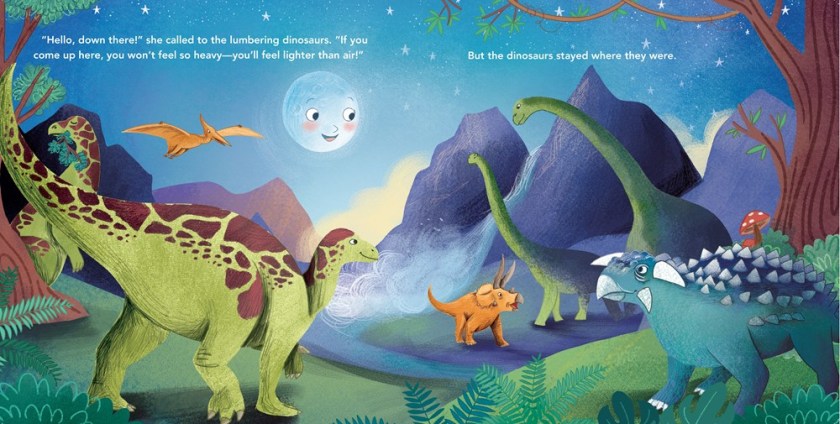
The Moon was so lonely, up in the night sky by herself. When she sees life developing on Earth, she patiently waits for someone to notice and visit her. It takes a while: the dinosaurs don’t notice; early people build pyramids and structures that just aren’t high enough. Eventually, though, she gets some visitors, and she is thrilled! She gives them presents of rocks and dust to take back to Earth, and they give her a beautiful flag and a plaque. Now, Moon is in the sky, happy and waiting for more visitors. Will you be her next guest?

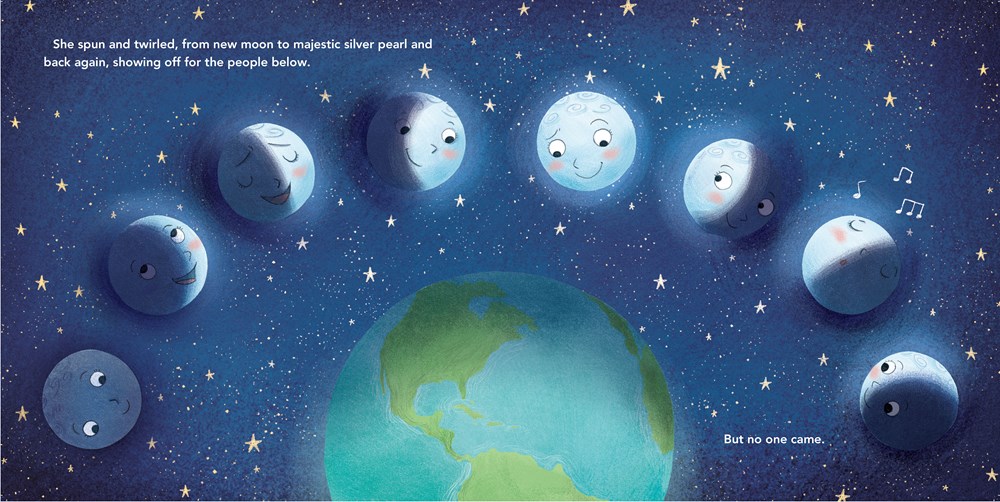
This is the sweetest story I’ve read yet on the Apollo 11 mission to the Moon. The Moon is illustrated as a softly shining, opalescent sphere with kind eyes, rosy cheeks, and a sweet smile; readers are treated to a quick history of Earth’s development as the Moon quietly observes, waiting for a friend to reach out – or up – and say hello. She even dances around the planet, showing off her phases! The actual Apollo mission takes up a brief part of the story, making this sweet book about a lonely satellite who just wants a friend an adorable storytime read for younger kids, and a fun book with solid facts for school-age kids. There’s a brief bibliography on the verso page, and back matter includes several pages dedicated to Mission Moon, the Apollo 11 voyage; moon facts, and moon phases, along with a running timeline of Earth’s formation and development. Endpapers are starry nights, where kids can imagine sailing through the stars to visit their favorite moon. Readers can also scan a QR code to hear Neil Armstrong’s historic first words from the 1969 moon landing. Gentle storytelling and adorable illustration make this a great Summer Reading addition! Display and booktalk with Stacey McAnulty’s Moon, Earth, and Sun trilogy.

 

There Was a Black Hole That Swallowed the Universe, by Chris Ferrie/Illustrated by Susan Batori, (Sept. 2019, Sourcebooks Explore), $17.99, ISBN: 9781492680772

Ages 3-8

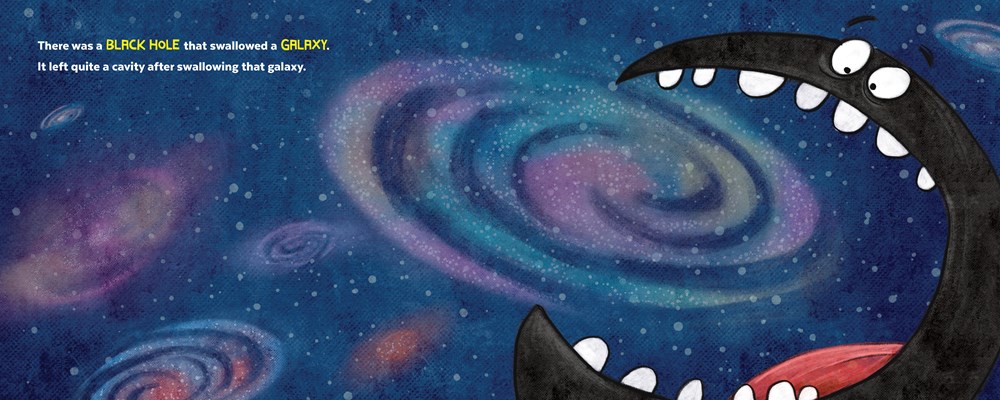
You know if Chris Ferrie is writing a book, I’m reading it. This STEM-errific take on There Was an Old Lady Who Swallowed a Fly is about a giant black hole that swallows… well, everything. He starts with a universe… it couldn’t get worse! But oh, it does: the black hole swallows planets, stars, galaxies, and atoms, molecules, and quarks along with it. Yikes!

I read this to my first grader this morning and he immediately smiled and said, “This is like The Old Lady story!”, so kids familiar with the classic tale (and all of its spin-offs) will immediately jump in and know what’s coming; how the story will progress. With each chomping, the black hole gets bigger, and the planets and heavenly bodies look hilariously terrified as they try to get away from its maw. The storytelling is fun and loaded with humor; it’s cumulative and rhyming storytelling at its scientific funniest. The illustrations are goofy, with exaggerated facial expressions that make the storytelling more dramatic and humorous as you go. Bone up on your keyword knowledge for kids who will ask during the story (neutrons, atoms, quarks, oh my!). Scientific terms are highlighted in bold yellow, and capitalized to stand out and give your readers a nice working STEM vocabulary. Shine a blacklight on the pages from back to front, and you’ll reveal a super-cool, hidden history of the universe’s creation!

Absolute fun and a must-get for your storytime collections. Be a rock star at Science Storytime! Pair this with The Universe Ate My Homework by David Zelster for more black hole-related fun.


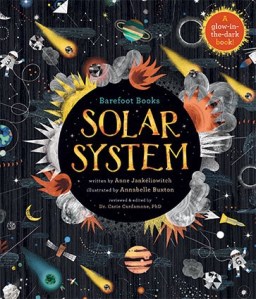
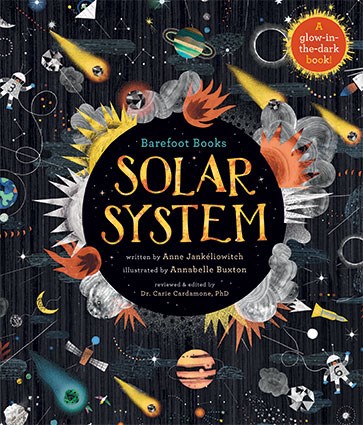
Barefoot Books Solar System, by Anne Jankéliowitch/Illustrated by Annabelle Buxton, Translated by Lisa Rosinsky, $19.99, ISBN: 9781782858232

Ages 8-12

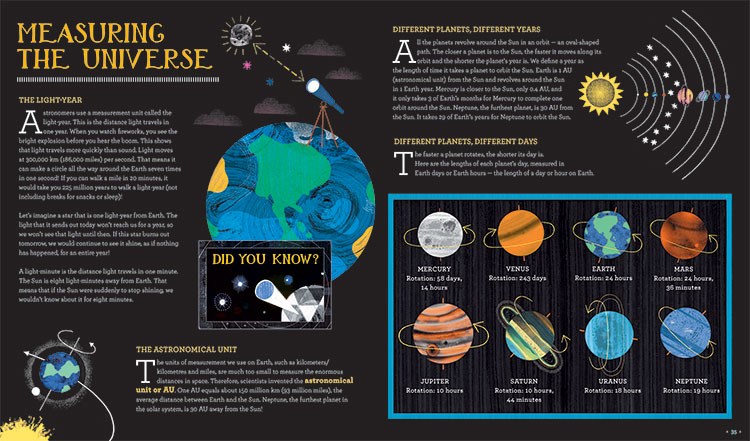
Riding high on the post-Summer Reading wave, middle grade kids can go back school and check out Barefoot Books Solar System, a glow-in-the-dark, interactive guide to our Milky Way, complete with lift the flap booklets, a pull-out map, and beautiful artwork. Originally published in French, the book has been reviewed, edited, and updated by Dr. Carie Cardamone, professor of STEM education and Boston Museum of Science teacher and educator. The text is written with a tongue-in-cheek sense of humor while delivering solid nonfiction goods to middle graders. The book covers each planet, with nicknames like :Saturn: The Space Diva”, and “Uranus and Neptune: The Icy Sisters”; the asteroid belt; differences between solid and gas planets; measuring the universe, and famous outer space voyages. The artwork is bright and bold, seeming to explode off the black pages to grab the reader’s attention.

In keeping with Barefoot’s mission of diversity and inclusivity, there is information about space exploration from around the world, making this a truly global effort. Back matter includes a comprehensive glossary of scientific terms and a note on the units of measurement used in the book. Don’t pass this one up; your 520s will shine a little brighter with Barefoot Books Solar System on your shelf.
Posted in Intermediate, Non-Fiction

If I Were a Park Ranger introduces kids to a green career!

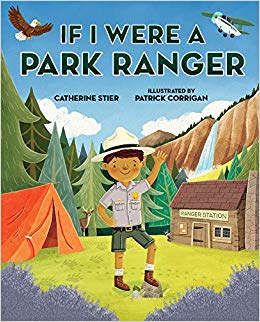
If I Were a Park Ranger, by Catherine Stier/Illustrated by Patrick Corrigan, (April 2019, Albert Whitman & Co.), $16.99, ISBN: 9780807535455

Ages 4-9

A diverse group of kids think of all the great things they’d do if they were park rangers in this picture book that takes readers across the United States for peeks at the beautiful national parks, while shedding some light on a career that you don’t often hear people talk about: the national park ranger. Catherine Stier and Patrick Corrigan provide kids with a history of the profession, and portraits of prominent figures in national parks history: Stephen Mather and Horace Albright, the founding directors of the National Park Service; Theodore Roosevelt, who created programs to protect land and wildlife, and Gerard Baker, a superintendent who brought Native American heritage to the parks, to name a few. Each child envisions himself or herself in ranger uniform, working across different locales; from desert to forest, from volcanoes to caves, battlefields and monuments; they help campers, they protect nature and wildlife, and they report emergencies that threaten our national parks.

Each spread is labeled, introducing readers to a different park. The group of rangers is racially diverse, as are the park visitors; the artwork is colorful and earth-toned, showing lush greens, calming blues, and warm browns of the lands. Deserts like Death Valley National Park get a beautiful orange and violet spreads. The author talks about her love of national parks, and how national parks contribute to STEM and art learning; there is also a note on how to become a park ranger, complete with a link to the National Park Service for becoming a Junior Ranger.

This is a fun addition to career sections, and an overall good book to introduce when talking about nature, environmentalism, and preservation. There are free, downloadable activity pages available, too! For kids interested in learning more about the US National Parks, recommend Ranger Rick’s Travels: National Parks.

Posted in Intermediate, Middle Grade, Non-fiction, Non-Fiction

New York City gets a park: A Green Place to Be

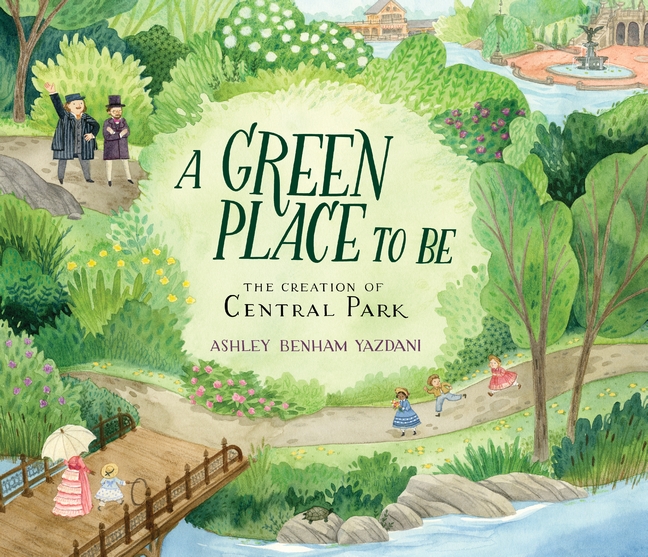
A Green Place to Be: The Creation of Central Park, by Ashley Benham Yazdani, (March 2019, Candlewick Press), $17.99, ISBN: 9780763696955

Ages 7-10

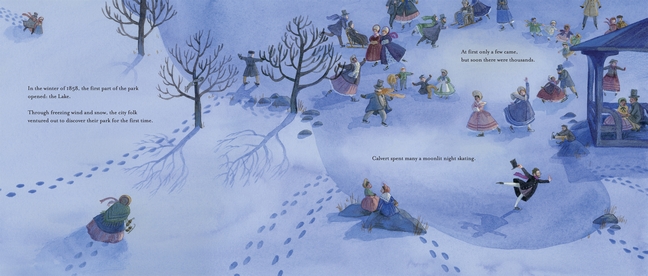
This beautiful and lushly illustrated history of Central Park starts with the land’s beginnings, as a barren area where farm animals and industrial waste left much to be desired, and the design contest devised by architect Calvert Vaux – a contest that he also entered with every intention of winning. A Green Place to Be follows Vaux’s and park superintendent Frederick Law Olmsted’s vision, focusing on their planning, execution, and invitation to artists to join in the effort. The winter of 1858 saw the first park of the park, the Lake, open for visitors; in the summer of 1859, the woodsy Ramble joined the landscape, followed by the Children’s District.

Illustrated in watercolor and pencil, this is a loving tribute to an iconic green space and the men and women who created it. Back matter includes profiles of both Olmstead and Vaux, and a Q&A on spaces within the park. Sharp-eyed readers will love returning to the illustrations again and again to find squirrels, bridges, and other affectionately placed details. There is an author’s note and bibliography for further reading.

A Green Place to Be is a love letter to New York’s green spaces and creativity. Central Park’s website has extensive information about the park, including a calendar of events and links to social media. Planetizen has a good article on teaching urban planning to preschoolers; this could be a fun activity where kids can learn and create their own green spaces! National Geographic has a fun Design a Park activity for middle grade kids, and the STAR Library Network has a printable Design a Park activity that will work with large groups of kids. It’s a fun springtime program!

Posted in Intermediate, Middle Grade, Non-fiction, Non-Fiction

To Infinity and Beyond! The Day the Universe Exploded My Head

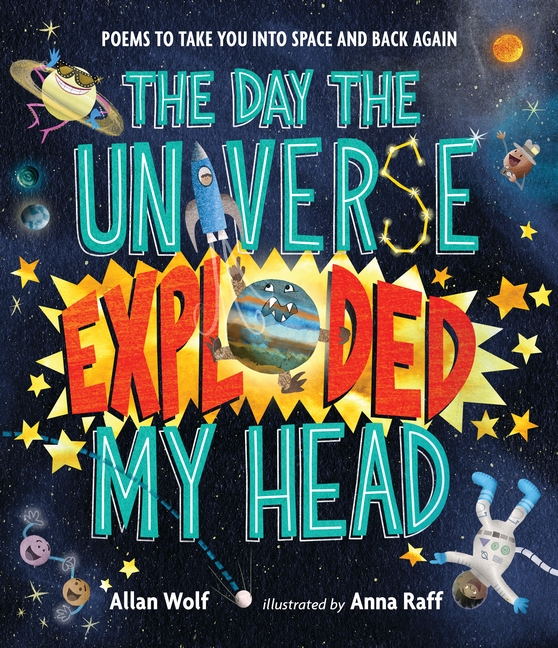
The Day the Universe Exploded My Head: Poems to Take You Into Space and Back Again, by Allan Wolf/Illustrated by Anna Raff, (March 2019, Candlewick Press), $17.99, ISBN: 9780763680251

Ages 7-12

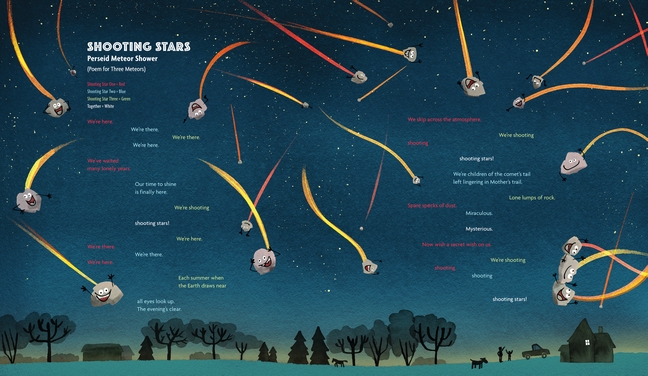
This is one of the best kids’ poetry books I’ve come across in a while! The Day the Universe Exploded My Head contains 29 poems, all about the wonder of space. Each planet gets a poem here, as do the outliers (Planet X, Charon, Pluto). There are nods to pivotal moments in space history (the 2013 meteorite over Cheylabinsk, Sputnik) natural phenomena (black holes, lunar and solar eclipses), and notable scientists (Ivan Ivanovich, Children of Astronomy). The poems are upbeat, factual, and, quite often, very funny, as with the poem, “Planet X”: “I’m one part supercilious/Another part mysterious/One part you-can’t-be-serious/They call me Planet X”. There are a wealth of poems for readers to read out loud, too: “Going the Distance” is a rap for two voices, color-coded for each speaker. The artwork: digitally assembled color collage, made from sumi ink washes, salt, pen, and pencil, explode off the page, with texture that will entice kids to see the swirls of light curling off a star and a fuzzy rings of moons around Neptune.

Non-fiction that informs and excites is aces with me, and The Day the Universe Exploded My Head is a great way to kick off and conclude a space storytime, a STEM program, or a fun read-aloud. Have some printable space coloring sheets ready to hand out, or check out illustrator Anna Raff’s webpage for super-cool activities (I like the Little Card printable for a library visit). Author Allan Wolf’s webpage also has activities, including poetry jokes.

The Day the Universe Exploded My Head has starred reviews from Kirkus and Booklist.


Posted in Intermediate, Non-Fiction, picture books

Picture Book Nonfiction in May: Spirit Bears and Teddy Bears

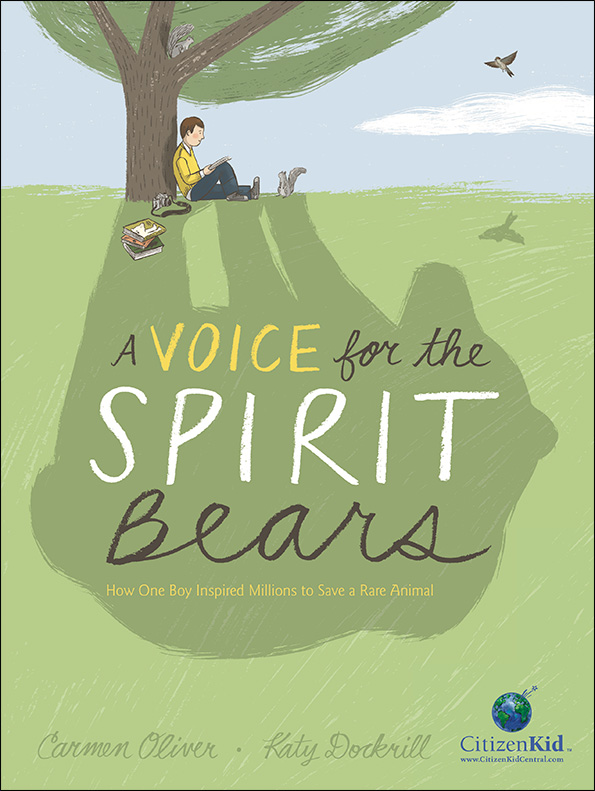
A Voice for the Spirit Bears: How One Boy Inspired Millions to Save a Rare Animal, by Carmen Oliver/Illustrated by Katy Dockrill, (May 2019, Kids Can Press/CitizenKid), $18.99, ISBN: 978-1-77138-979-2

Ages 7-10

Simon Jackson doesn’t quite fit in with the other kids as a child; he was bullied over his stutter, and found himself most at home in the woods, exploring, photographing, and learning about wildlife. As a teen, he found himself fascinated by a rare subspecies of black bear called a Spirit Bear and became an advocate and activist for the bears when their habitats were threatened with deforestation. Jackson founded the Spirit Bear Coalition, met Dr. Jane Goodall, and hiked the Great Bear Rainforest, always using his activism to educate others and advocate for the Spirit Bears. A Voice for Spirit Bears tells Jackson’s story, and shows kids that one is never too young to advocate for change. The book is an inspiring call to action for young activists (suggest a letter-writing exercise for a cause they believe in!). I would have liked to see a little more on the indigenous T’simshian people, for whom the Spirit Bear is sacred, but all in all, A Voice for Spirit Bears is a good biography on a young activist, with lovely, muted artwork. There are discussions to be had on overcoming obstacles, environmentalism and conservation, and activism, and would be a good STEM read-aloud. Check out the downloadable educator guide for discussion questions and an activity.

The Spirit Bear Coalition concluded its mission in 2014, after 20 years of advocacy. Their website is still active and offers education and information.


Teddy: The Remarkable Tale of a President, a Cartoonist, a Toymaker and a Bear, by James Sage/Illustrated by Lisk Feng, (May 2019, Kids Can Press), $18.99, ISBN: 9781771387958

Ages 6-10

Teddy brings together the story of the teddy bear in three parts. First, we have the legend: President Theodore Roosevelt refused to kill a “scruffy, no-account cub” while hunting. This story spread, and the Washington Post ran a political cartoon by Clifford Berryman, entitled, “Drawing the Line in Mississippi“, which led to husband-and-wife toymakers Morris and Rose Michtom creating a bear doll to honor “the President’s big warm heart”. They received permission from President Roosevelt to feature “Teddy’s Bears” in their shop, and an iconic toy was born. The book tracks the evolution of the teddy bear from those first bears, stuffed with wood shavings and with sewed on buttons for eyes, through today and notes how the teddy bear endures. It’s a happy, warm story, and the digital illustrations lend a realistic yet warmly colored feel to the tale. An author’s note mentions the differing versions of the Teddy Roosevelt story. It’s a cute book to have in your nonfiction collections, and would make a nice display with the Caldecott Medal-winning Finding Winnie.

For readers interested in learning more about Clifford Berryman’s political cartoons, the National Archives has a wonderful Clifford Berryman collection, which includes a great piece featuring Berryman drawing a bear, while a black bear stands next to him. The Theodore Roosevelt Center at Dickinson State University has an interesting blog entry on the origin of the teddy bear, and a link to Berryman’s artwork in their digital library.

Posted in Non-Fiction, picture books

History via foldout timeline: A Brief History of Life on Earth

A Brief History of Life on Earth, by Clémence Dupont, (Apr. 2019, Prestel Publishing), $24.95, ISBN: 9783791373737

Ages 6-10

A book that touts the claim, “Book folds out the length of a triceratops”, on the cover is a book that I’m going to stop and read. A Brief History of Life on Earth attempts to put the changes our little blue dot has been through into perspective by creating a foldout book that stretches through time and unfolds to reveal the formation of volcanoes and glaciers; the development of aquatic life, to the dinosaurs, early mammals, and modern humans, ending with a modern-day lakeside scene. Each spread folds out, accordion-style; the illustrations are colorful. Each spread has the noted age and time period (Hadean Age, 4.6 to 4 billion years ago; Proterozoic Age, 2.5 billion to 540 million years ago), and a brief, descriptive paragraph. Upon reaching the end of the Holocene Epoch (11,700 years ago to the present day), readers can flip the page over and look through a timeline of Earth’s first 4.6 billion years, really giving kids an idea of how recently we humans arrived on the scene. The book unfolds to a full 26 feet (8 meters), allowing you to see a truly visual timeline. Just get a lot of volunteers in a large space to hold the pages!

This is a handy book for classroom and library reference, and a fun gift for science fans. In circulation, I know my copy would be dead within the first 3-5 circs. But would I buy a copy to use during science storytimes or Discovery Club sessions? Heck, yes. It’s fun, eye-catching, and informative.

A Brief History of Life on Earth was originally published in the UK in 2017. Reference Readalikes would include the Wallbook Timeline books by Christopher Lloyd and the Welcome to the Museum series.

Posted in Intermediate, Non-Fiction

Explore our natural world with Wilderness: Earth’s Amazing Habitats

Wilderness: Earth’s Amazing Habitats, by Mia Cassany/Illustrated by Marcos Navarro, (Apr. 2019, Prestel Publishing), $19.95, ISBN: 9783791373720

Ages 6-12

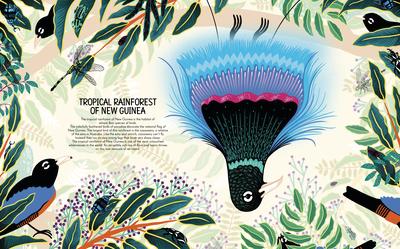
There are incredible wildernesses all over the world. Wilderness: Earth’s Amazing Habitats is an introduction to 16 rare plant and animal habitats across the world, from the Amazon Rainforest in South America to the Tropical Rainforest of New Guinea. It’s also a call to action, reminding readers that these wildernesses require protection to keep them safe; Mia Cassany cites deforestation and human intervention as having a disastrous impact on the habitats and the species that live within. So let’s take a look at, as author Mia Cassany says, “the most stunning nature show on earth”!

Beautifully illustrated endpapers bring you into the book with large, colorful tropical leaves – and eyes peeking out of the darkness – drawing you into the wildnerness from the beginning. An opening spread contains an author note on the importance of conservation and preservation, and a world map includes illustrated points where habitat is located. Two-page spreads feature stunning, full-bleed illustrations of every habitats; a brief description gives readers an idea of location and species inhabiting each spot, but it’s the art that’s front-and-center here. Bright, colorful, and lush, we see lowland gorillas peering out of the brush in Kahuzi-Biéga National Park in the Congo; a colorful, day-glo spread starring a panda, wild golden monkeys, and golden pheasants in China’s Qinling Mountains, and a stunning gecko camouflaged against leaves in the tropical rainforest in Madagascar. Back matter provides animal names, locates them on the page (they can be hard to spot!), and a brief, informative paragraph on each.

This is a beautiful coffee table book, and a nice addition to your natural history collections. It’s not a standalone book, but a gorgeous companion book to any unit on habitats and nature studies.


Posted in Early Reader, Intermediate, Non-Fiction, Non-Fiction, picture books

Seashells: More Than a Home, more than decoration

Seashells: More Than a Home, by Melissa Stewart/Illustrated by Sarah S. Brannen, (Apr. 2019, Charlesbridge), $16.99, ISBN: 9781580898102

Ages 6-9

Kids love seashells. They’re the ultimate summer souvenir, coming in all shapes and sizes, with beautiful patterns and colors. Seashells: More Than a Home looks at 13 different seashells and lets readers in on their little world: their colors, patterns, and functions in protecting the marine life that live within them, keeping them safe and fed. For instance, a nautilus’s design allows it to sink and float like a submarine, while the screw-shaped burribella can anchor itself into the sand, allowing its sea snail to stay in place. Watercolor illustrations and soothing earth and sea colors make this a beautiful book to look at and learn from. Endpapers illustrate shells and a map, highlighting their locations, and back matter includes author and illustrator notes, and additional resources.

Seashells: More Than a Home is a companion to Melissa Stewart and Sarah Brannen’s book, Feathers: Not Just for Flying (2014) and a nice addition to nonfiction shelves and STEM storytimes. Get some seashells and pass them around; invite the kids to talk about what they see and feel. Melissa Stewart’s author website has free, downloadable educator activities, readers’ theatre scripts, and curriculum guides.


Posted in Intermediate, Non-Fiction, picture books, Preschool Reads

Climbing Shadows: Poems inspired by children, for children

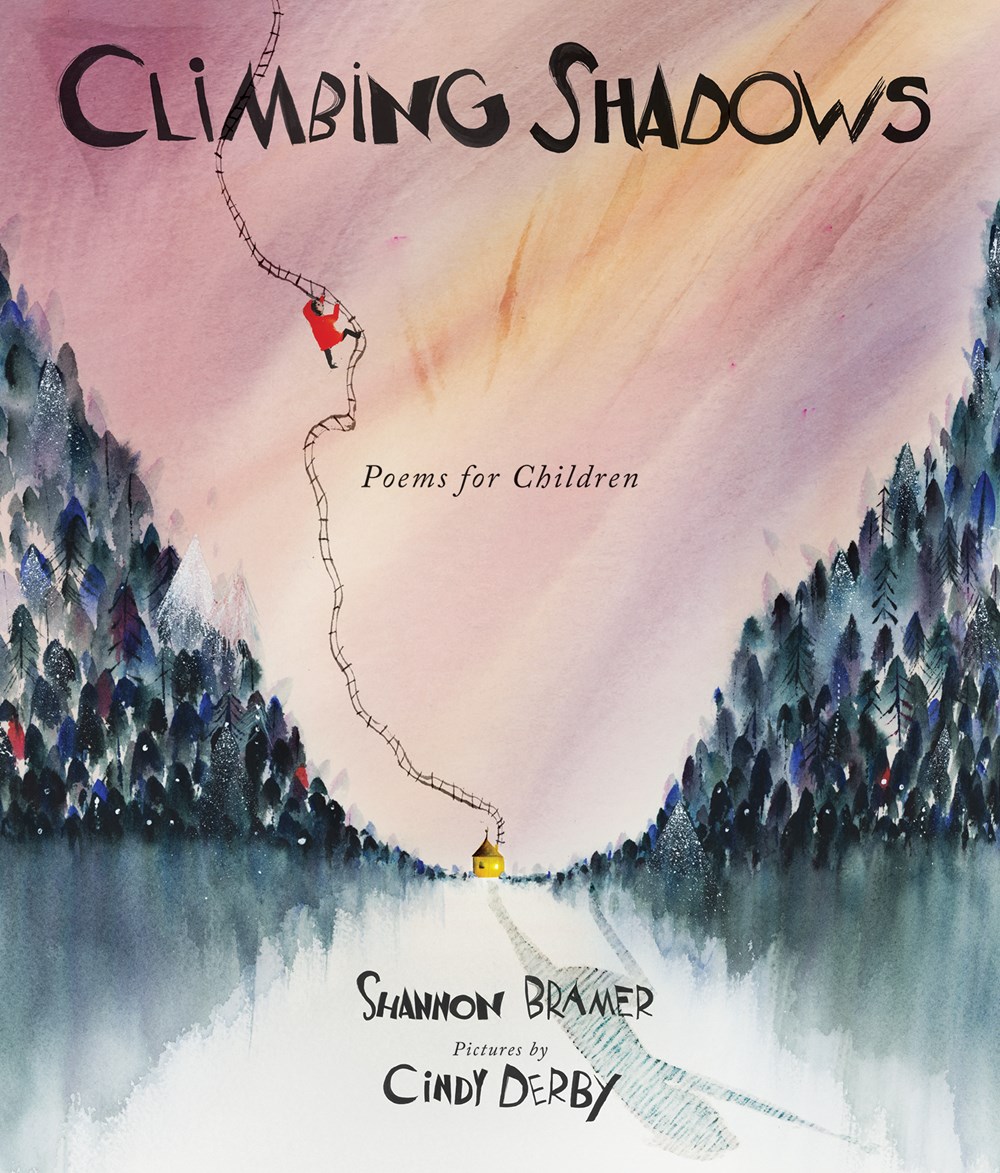
Climbing Shadows: Poems for Children, by Shannon Bramer/Illustrated by Cindy Derby, (March 2019, Groundwood Books), $18.95, ISBN: 9781773060958

Ages 4-7

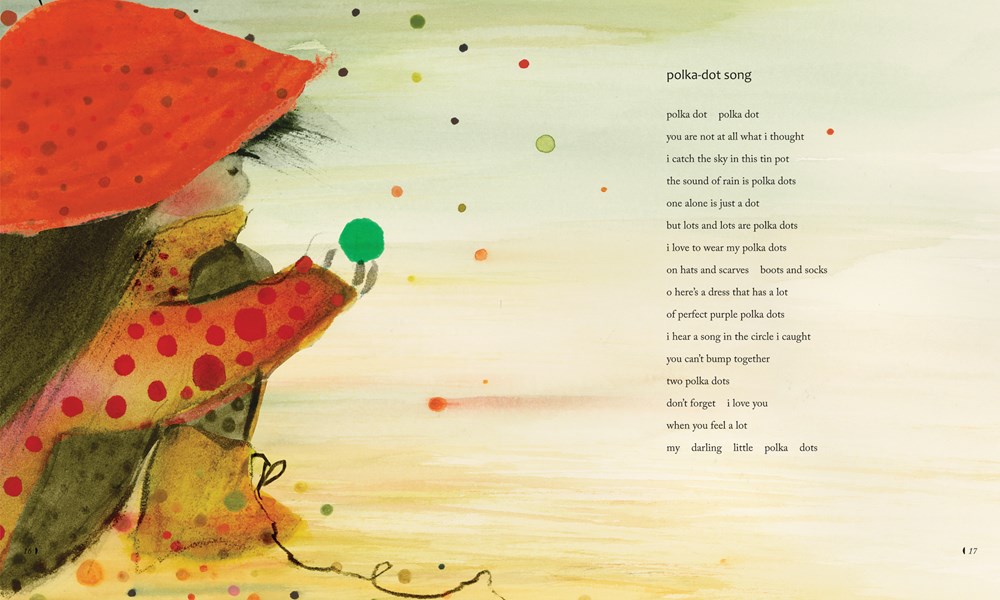
A small, sweet collection of poems inspired by kindergartners, Climbing Shadows offers a child’s-eye view of moments like a bad day at school (“I’m going to go home and tell my dad/today was hard it was so hard/I don’t want to go anymore/I want/to be a puddle”) or a child’s explanation of imagination (“I see things in my head come loose on the paper and there are my eyes here, and my names and my trees and faces and crazy squiggles and also this is a drawing of my family because I usually draw what I miss or what I love”). There are 20 poems in this collection, created by poet Shannon Bramer during the time she worked as a lunchtime supervisor for a kindergarten class. She eventually began reading poetry to them and explained that she was also a poet; the kids’ fascination grew as they learned that anyone could be a poet – “a poet could be a mom” – and a poem could be about anything. Shannon Bramer wrote these poems for her “kindies”.

The poems are sweet, short, and are a nice introduction to poetry for children; they show that a poem doesn’t have to rhyme, and can ramble, freely, like a thought or a stream. Cindy Derby’s watercolor, India ink, and digital collage illustrations are often dreamlike, with muted colors that set the stage for Ms. Bramer’s words to transport readers. It’s a great way to get kids writing about what’s on their minds at the moment. An author’s note explains how the author was inspired by the kids and is just as lovely to read as the poems are, with each child’s name illustrated around the page.