Posted in Intermediate, Middle Grade, Non-fiction, Non-Fiction, picture books

Inspector Croc helps kids manage their emotions

Inspector Croc’s Emotion-O-Meter, by Susanna Isern/Illustrated by Mónica Carretero, (May 2018, NubeOCHO), $22.95, ISBN: 9788417123079

Recommended for readers 7-10

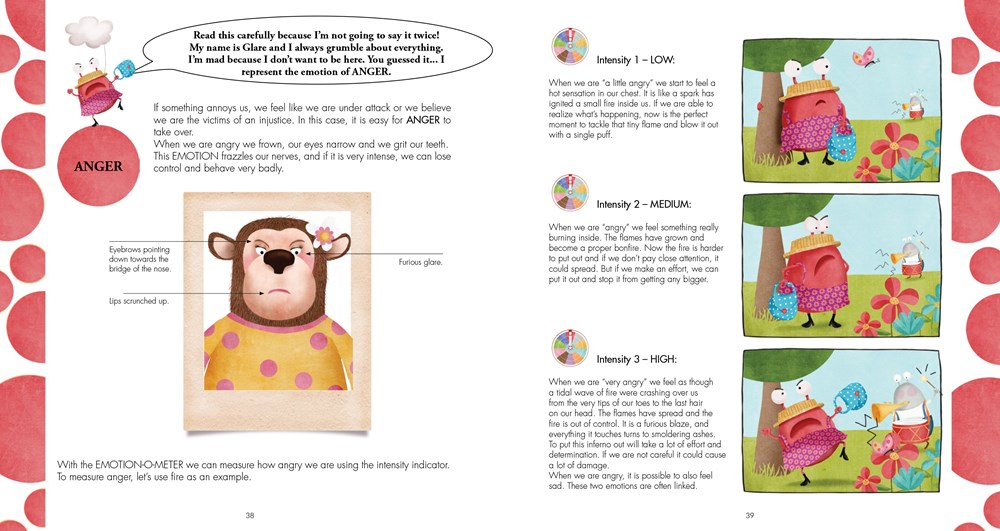
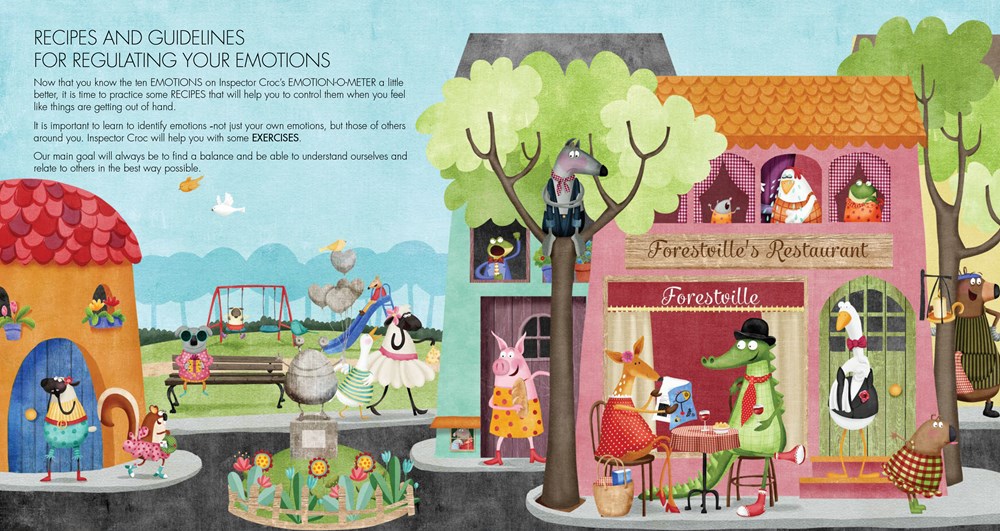
Inspector Croc, the great emotion inspector, is here to help kids identify and manage their emotions in this entertaining and insightful book from NubeOCHO. Accompanied by Yippee, an Emi (emotion) from a large family of emotions, kids will learn what an emotion is, how to identify behaviors associated with emotions, and read through Inspector Croc’s case files; 10 cases where emotions came into play. He introduces his Emotion-O-Meter, allowing kids to identify whether they are feeling emotions on a low, medium, or high level of intensity, and gives kids the ability to put their feelings into words. Finally, we get “recipes” for working with both good and bad emotions, and the Inspector explains that sometimes, emotions like sadness are good and right for us to feel, but that we also have to learn how to let them go when it’s time.

It’s a smart book that addresses ideas that can be tough for kids to identify and express; author Susanna Isern respectfully talks to readers and uses empowering language to promote understanding and courtesy. Mónica Carretero’s animal artwork is cartoony and light, but don’t dismiss that: she illustrates, in detail, various emotions and uses facial expressions to illuminate the physical changes our emotions bring about. It’s a very mindful book, and encourages self-exploration. The book has a dust jacket with an emotion-o-meter on the back cover, but if this book is used in a classroom or library setting, it’s not going to last: do yourselves a favor, and make this a great class project/library program. This would go wonderfully with a viewing of Pixar’s Inside Out (2015).

Inspector Croc’s Emotion-O-Meter is also available in Spanish.

Posted in Intermediate, Non-Fiction, picture books

The Midnight Teacher’s bravery

Midnight Teacher: Lilly Ann Granderson and Her Secret School, by Janet Halfmann/Illustrated by London Ladd, (Feb. 2018, Lee and Low), $18.95, ISBN: 9781620141632

Recommended for readers 7-11

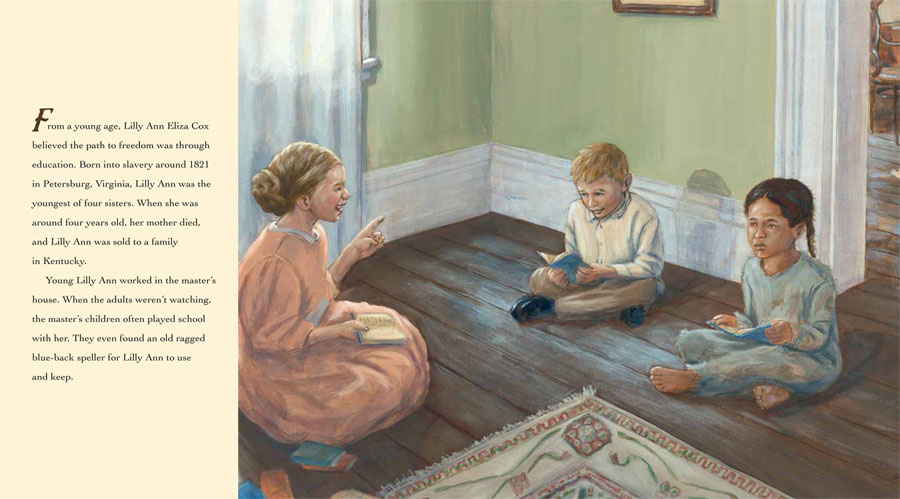
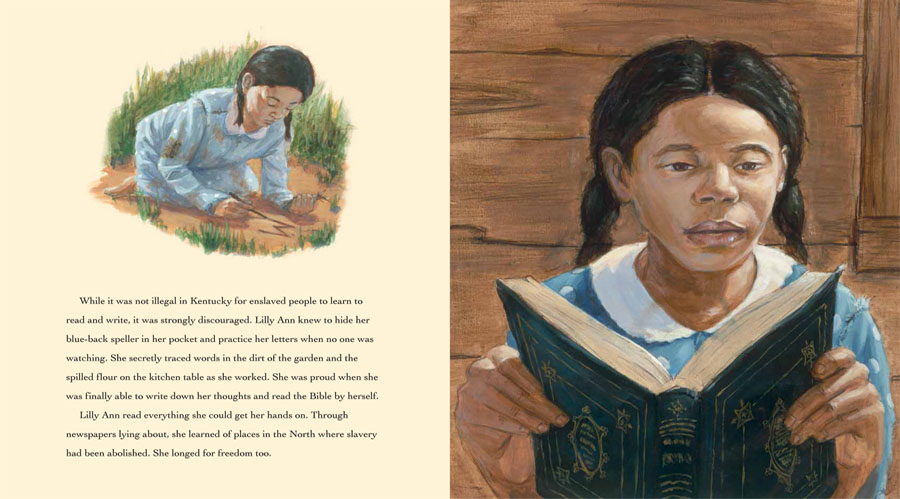
Lilly Ann Granderson was born a slave, taught to read by her master’s children, who played school with her. As she grew up, she practiced her spelling and reading in secret – in some areas, it was against the law to teach slaves to read – and eventually began teaching other slaves. She was determined to teach as many of her people as she could, to give them the chance at freedom made possible through education, and began a midnight school where slaves would gather after dark to learn, risking cruel punishment if they were discovered. Eventually, Lilly Ann won the right to start a school and a Sabbath church school, where she could teach her students with no fear of repercussion.

This picture book biography looks at the life of an overlooked champion for literacy and social justice and makes an excellent addition to biography collections. Lilly Ann Granderson’s determination and perseverance; her desire to to learn and promote learning among others is an important and, sadly, relevant topic today. Talk about how education leads to freedom, and mention that education is not always a right, even today. Malala Yousafzai’s picture book biography, For the Right to Learn, illustrates this and is a good companion to Midnight Teacher.

The artwork is realistic and subdued, made with acrylic paint and colored pencil; London Ladd gives character and expression to his characters, particularly Lilly Ann Granderson, whose determination and inner strength shine through. An afterword provides an overview of Granderson’s life and those of her descendants, who went on to become activists, had life in public service, and found professional success. A nice bibliography has more resources for interested readers, caregivers, and educators. Midnight Teacher has a starred review from Kirkus and is a must-add to collections where picture book biographies are available.

Posted in Non-Fiction, picture books, Preschool Reads

Take a nature walk On Gull Beach

On Gull Beach, by Jane Yolen/Illustrated by Bob Marstall, (March 2018, Cornell Lab Publishing Group), $16.95, ISBN: 9781943645183

Recommended for readers 4-7

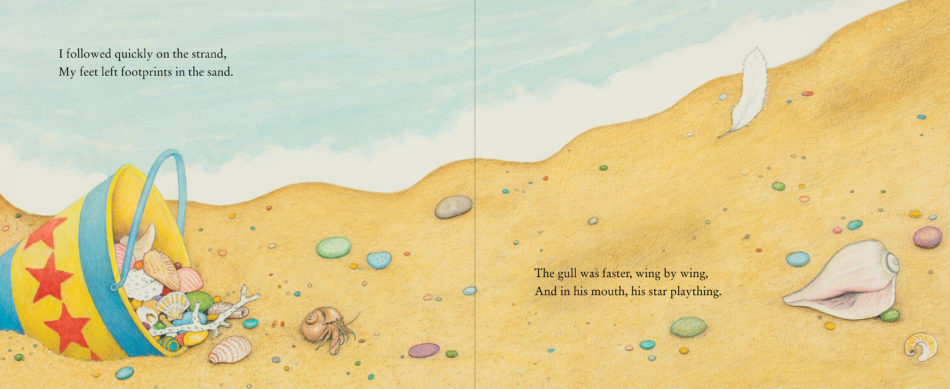
The latest book in Jane Yolen and Bob Marstall’s On Bird Hill & Beyond series takes us to the beach, where a boy wanders along the shore, observing the wildlife as he goes. He sees a starfish get snapped up by a gull, and he follows along as a group of gulls toss the sea star, trying to grab it as the birds pass it from one to the next. As he follows along, readers learn about the shoreline ecosystem; the tidepools, seaglass, and crabs.

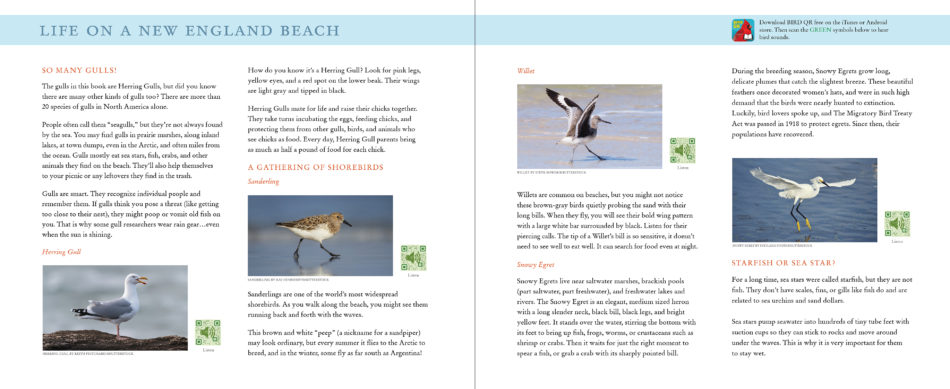
All of the On Bird Hill books are standalone stories, each looking at a different ecosystem through the eyes of a child; all come together to form an early reader science and nature series on habitats. On Gull Beach looks at life on a New England beach, with extra information about different gulls, shorebirds, sea stars, and crabs that make an appearance in the book. There’s also a note about supporting our beaches and wildlife that back up discussions about ecology and conservation. This is a beautifully written and illustrated rhyming story about nature that kids will enjoy and that supports early earth science and habitat study. Have kids point out the different birds they see, and the crabs they spot – that’s my son’s favorite part of the book!

Posted in Non-fiction, Non-Fiction

Make #science even cooler with Adventures in Science

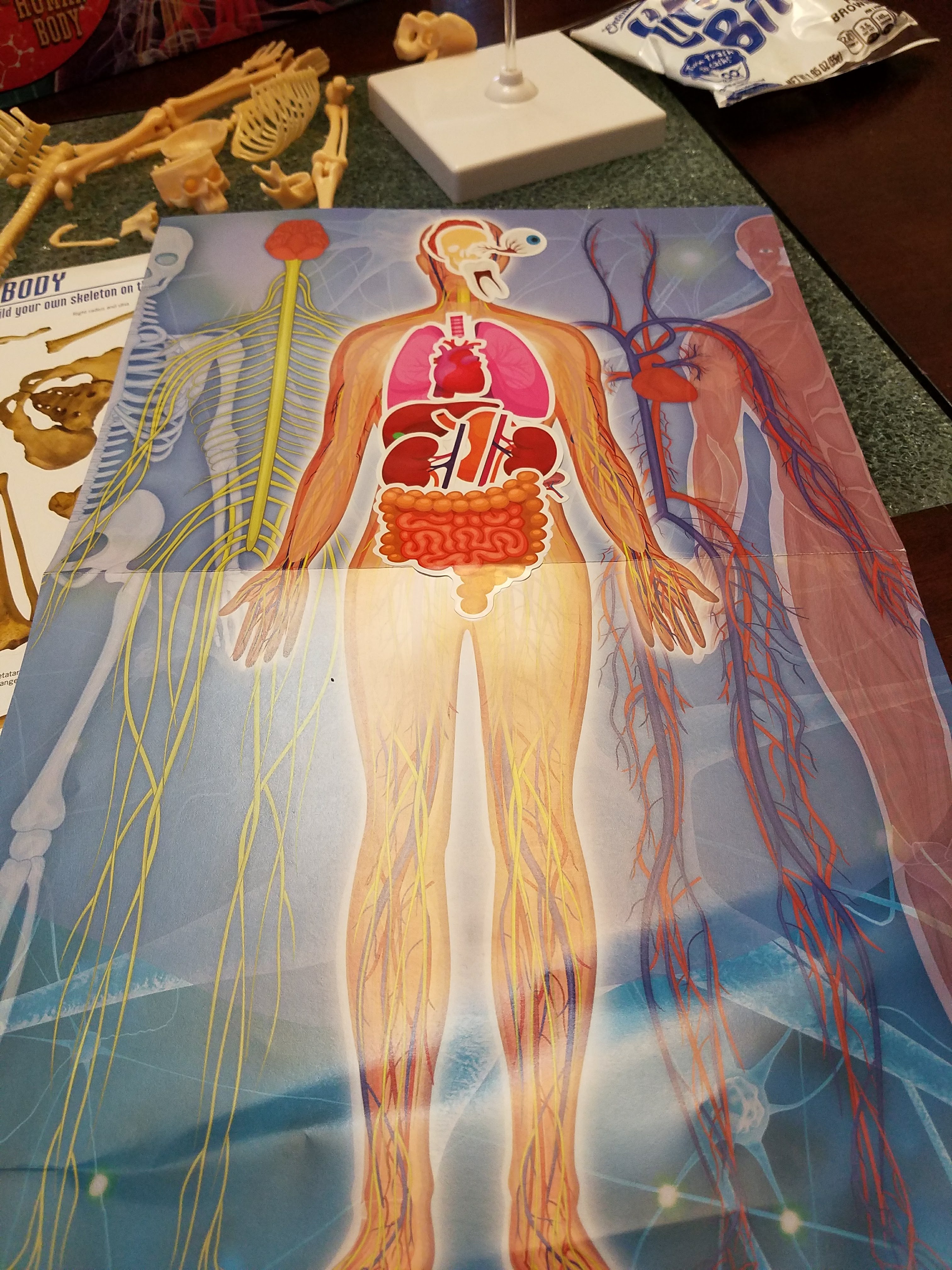
My Kindergartener and I like to hang out and relax on the weekends, but I like to make sure that doing something fun doesn’t always involve endless hours of watching Minecraft videos on YouTube (his current obsession). Thankfully, I remembered that I received an Adventures in Science: Human Body kit from the kind folks at Silver Dolphin, so out it came. The first cheer came from me, when I realized that it’s a 6+ kit, not an 8 or 10+ kit, like most of them are: my kiddo could do this! The second cheer came from the kiddo, who saw a skeleton, because I’ve got that kid. (And I’m that mom.) We cracked open the box and went to it.

Adventures in Science: The Human Body, by Courtney Acampora, (Dec. 20017, Silver Dolphin Books), $21.99, ISBN: 978-1684121298

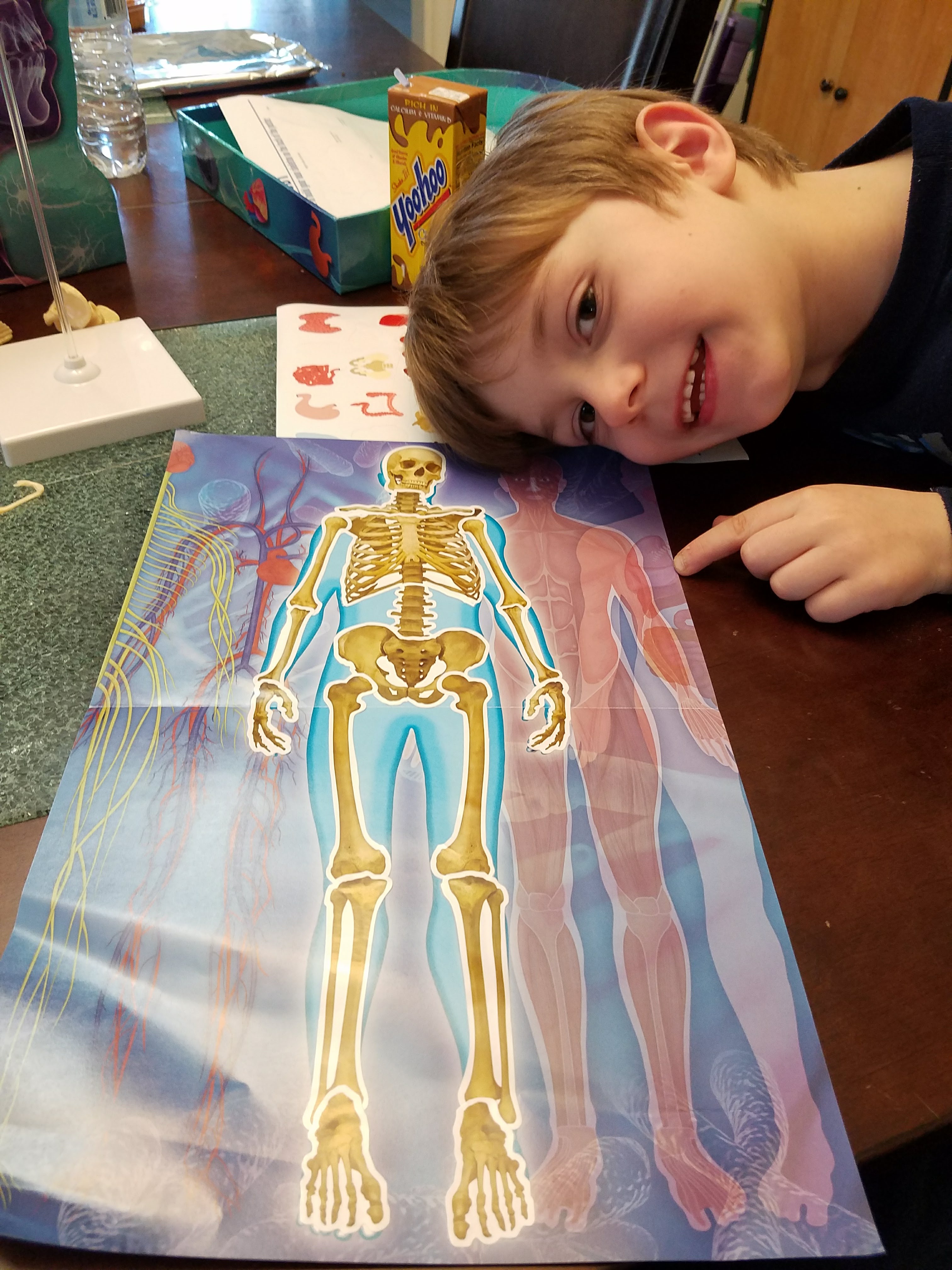
The box was full of stuff that would appeal to kids from ages 5(ish, my kiddo is going to be 6 in June) to about 10 or 11. There are two sheets of stickers; one sheet of bones, the other, of internal organs, including a set of “free play” stickers. The stickers go on a two-sided sheet with an outline of the human body; one side accommodates the organ stickers, one, the bones. There’s a separate bag for a snap-together skeleton model, playing card-sized flash cards about the body, and a booklet on the human body. Kiddo went to work on the sticker sheet, ASAP. The outlines are clear enough that he didn’t need my help at all! The only fiddly part came with the organ stickers, because so many overlap one another. We moved stuff around, covered some stuff up, and were pretty happy with the results.


I tried to read some of the flash cards to him as he was stickering, but realized that I was interested, but he was just sticking his little heart out, so I read them to myself and pointed out any cool stuff I came across. That worked for him.


Okay, next up, was the big guy: the skeleton. It’s a snap-together, and he got the skull, pelvis, and legs together pretty quickly. The really fiddly part came with the rib cage, spine, and arms. The rib cage is delicate, and the little spokes were giving us a hard time getting them in. We ultimately called in the big guns (Daddy), who made it work.


Overall, it was a fun hour spent with two cool hands-on crafts. He learned a couple of things, reinforced some facts he already knew, and ended up with a fun new skeleton to put in his room. I really like the flash cards and accompanying book, which gives a nice introduction to the human body for school-age kids; ideal for maybe around 7 or 8 years old. Younger kids will like the full-color pictures and graphics, and the book is loaded with fast fact Did You Know? boxes you can read to them. At $21.99, it’s a good gift for a curious kid. If you can get some fundraising money or program budget money together, this would be a great project for a small science group at your library; two or three kids can easily work together on one model and the posters. And they’d be pretty awesome to display.


Posted in Non-Fiction, Non-Fiction, picture books

The Boo-Boos That Changed the World: An accidental invention!

Kids love Band-Aids, right? My kids have all come to me, asking for a fistful of Band-Aids for some nearly invisible wound. I remember covering my own teddy bears with Band-Aids when I played with my doctor kit. Working around books and paper as much as I do, I can tell you that there have been days where I’m walking around with two or three of the suckers on various fingers, especially when I’m doing program prep and put literal blood, sweat, and tears into a project I’m working on for the kids. Whether they’re the original plain, or decorated with Transformers, Band-Aids are a great example of an invention that fills a need and became so much more – so how did this happen?

The Boo-Boos That Changed the World: A True Story About an Accidental Invention (Really!),
by Barry Wittenstein/Illustrated by Chris Hsu,
(Feb. 2018, Charlesbridge), $16.99, ISBN: 978-1-58089-745-7

Recommended for readers 6-10

In the 1920s, a cotton buyer for Johnson & Johnson named Earle Dickson married Josephine, settled in New Brunswick, New Jersey, and started their lives together. But Josephine was a bit accident-prone; she’d cut herself while cooking, bumped and bruised herself going about her daily business, you get the drift. (C’mon, though: who hasn’t grated knuckles, fingernails, and the occasional fingertip on those savage cheese graters?) Poor Josephine was going through dishrags at an astonishing rate, and Earle, being the loving husband he was, started looking for solutions. He took a long piece of adhesive tape and stuck sterile gauze to them every few inches: voila! The Band-Aid prototype was born! The bandages evolved for easier and quicker application and were made easier to apply and reached worldwide usage, going overseas during World War II to the soldiers fighting in Europe, even as kids were testing their limits with scratches and cuts at home. The End. (Really.)

I enjoy a good nonfiction book I can give to younger readers; I’ve had big success with everyday inventions like hot chocolate and earmuffs, thanks to Easy Readers on the topics, and Boo-Boos is a great addition to younger nonfiction collections. Big enough to spotlight the mixed media and Photoshop artwork, all of which is sepia-toned to give a real vintage-y feel to this story. I love the Band-Aid endpapers that bring you in and escort you out of the story, and the sweet love story at the heart of this invention story is just adorable. I love the kid-like narration, which starts and stops with each major moment: “The End. Actually, no, wait…” It’s like listening to my own 5 year-old, or any of my library kiddos, describing a movie, big happening at school, or family event. There’s an author’s note, Earle Dickson time line, a timeline of medical inventions from the 1920s and 1930s, and a list of further resources for anyone who wants to learn more.

The Boo-Boos That Changed the World is good reading, and just good fun. Hand out some Band-Aids (licensed characters, please, we’re not cruel) at a storytime, or raffle off a box of them for a great reader report! There’s a downloadable curriculum guide on the way, and you can listen to a Charlesbridge podcast interview with author Barry Wittenstein right here. The book has a starred review from Kirkus.

Giveaway!

Want a shot at your own copy of Boo-Boos? Enter this Rafflecopter giveaway! (US addresses only, please.)
Author Barry Wittenstein has always been involved with writing, from contributing to his high school and college newspapers, to writing and performing poetry on stage in San Francisco, songwriting, sports writing, and now picture books. He has worked at CBS Records, CBS News, and was a web editor and writer for Major League Baseball. He is now an elementary-school substitute teacher and children’s author.

Barry particularly likes nonfiction, and profiling mostly unknown people and events whose stories have never been told in children’s literature. He is the author of Waiting for Pumpsie and The Boo-Boos That Changed the World. He lives in New York City. To learn more, visit his website: https://onedogwoof.com/ or on Twitter: @bwittbooks


Praise for THE BOO-BOOS THAT CHANGED THE WORLD

★”Appealingly designed and illustrated, an engaging, fun story about the inspiration and inventor of that essential staple of home first aid.” — Kirkus Reviews (starred review)

Posted in Intermediate, Non-Fiction, picture books

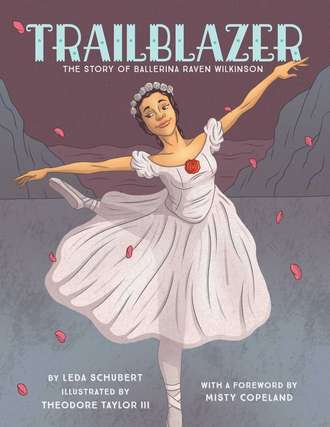
Black History Month: Trailblazer – The Story of Ballerina Raven Wilkinson

Trailblazer – The Story of Ballerina Raven Wilkinson, by Leda Schubert/Illustrated by Theodore Taylor III, (Jan. 2018, little bee books), $17.99, ISBN: 9781499805925

Recommended for ages 6-9

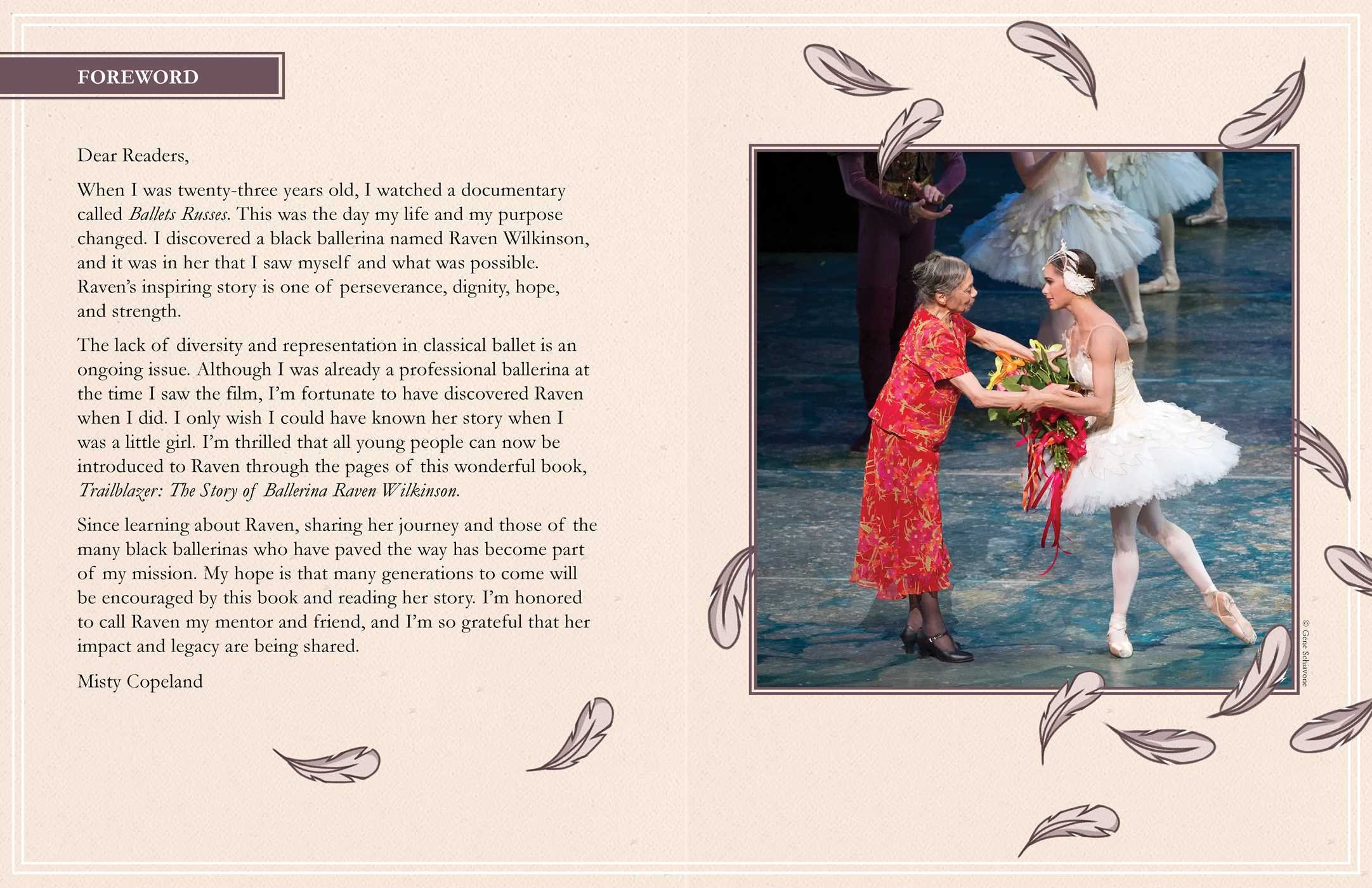
Born in New York City in 1935, Raven Wilkinson was a little girl who fell in love with ballet and grew up to become the first African American ballerina to tour with a major American touring troupe. She faced racism at every turn; she auditioned three times for the Ballet Russe de Monte Carlo before they finally accepted her into the touring company. When they toured the American South in the 1950s, she faced adversity from hotels who wouldn’t allow her to stay, fearing repercussions from the Ku Klux Klan; ignorance in the form of racists running onto the stage to protest the “nigra in the company”; and dining in hotels where families left their Klan sheets in a pile in the back while they ate dinner together. She persisted, even when she was passed over time and again for the starring role in Swan Lake, finally achieving the spot in 1967 with the Dutch National Ballet of Holland. She later joined the New York City Opera, dancing until she was 50. She’s inspired countless dancers, including Misty Copeland, who became the first African American principal dancer with the American Ballet Theater in 2015 AND danced in Swan Lake. Copeland has said of Raven Wilkinson, “She was a mentor in my life before I met her.”

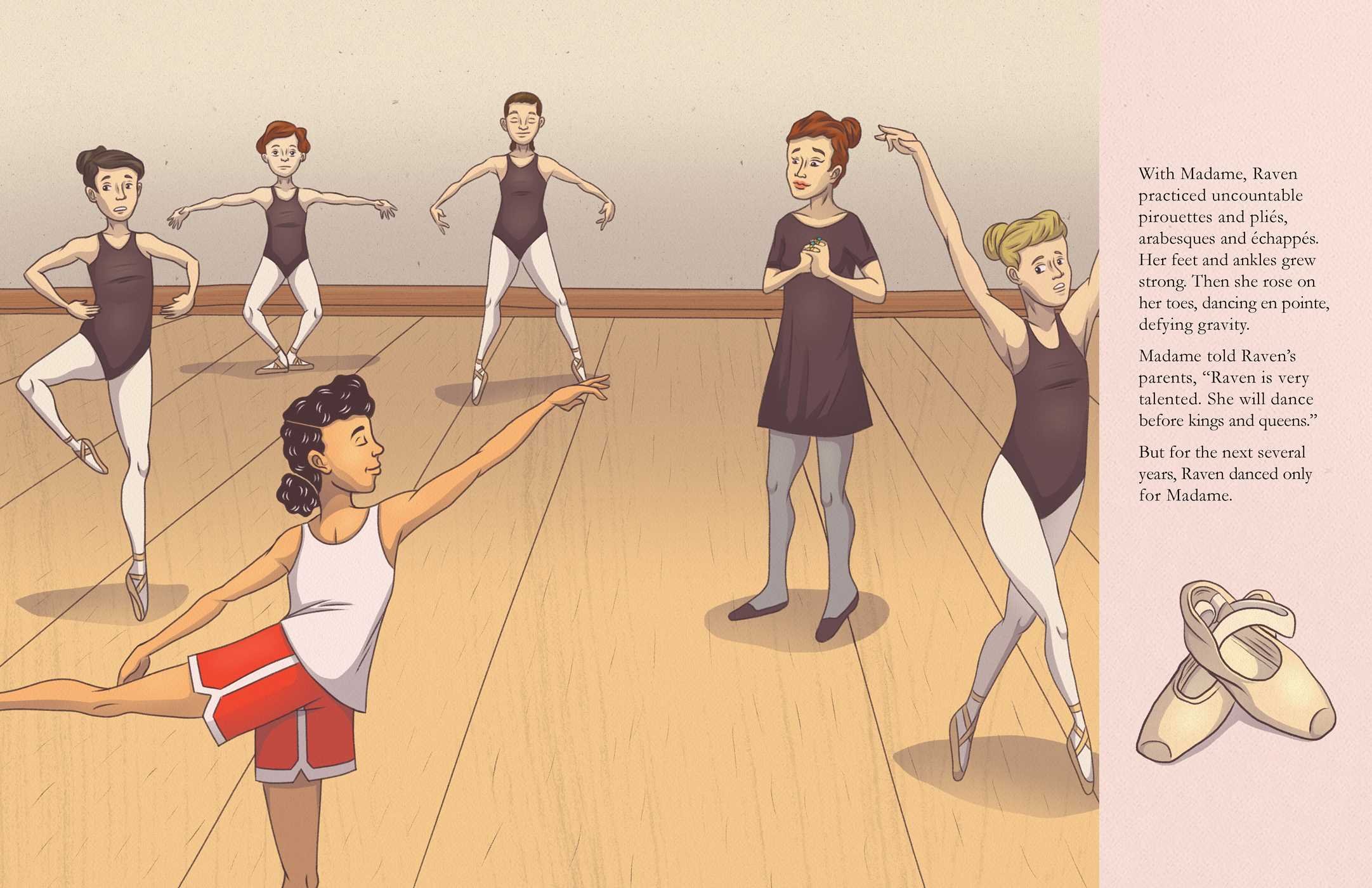
This is a lovely look at Raven Wilkinson’s life and career, especially relevant in our racially charged society – the more things change, the more things stay the same, it would sadly seem. When Raven eats dinner in a hotel surrounded by families who leave their Klan sheets strewn across seats while they eat, it’s horrifying because it normalizes hate. The indignity of Raven Wilkinson having to endure this indignity is like a gut punch to an older reader, and we need to use that nausea, that anger, that outright disgust, as a teaching opportunity to de-normalize this for younger readers. The illustrations are soft, almost comic book-like, while retaining a realistic quality, that will appeal to younger readers.

This is a beautifully illustrated picture book biography of an African American pioneer few people may be familiar with. Let’s change that. If you ask kids to name African American role models, you’ll likely hear the big names, but let’s make MORE big names. Let’s put books like Trailblazer in our displays, showing kids that there are pioneers everywhere. Neil Degrasse Tyson, Mae Jemison, and Katherine Johnson? Heck yes, get them in front of kids. STEM and the sciences are important. And let’s show them Trailblazer and Firebird; Radiant Child and When Marian Sang, DJ Kool Herc and the Creation of Hip Hop and Muddy to remind readers everywhere that there are pioneers in the arts, too. Children need to see inspiration everywhere, and that there are advocates in every walk of life.

This 2015 video features Raven Wilkinson and Misty Copeland when Dance/USA, the national association for professional dance, recognized Raven Wilkinson, the 2015 Dance/USA Trustees Awardee, at the Dance/USA Annual Conference in Miami on June 17, 2015.

Leda Schubert’s most recent picture book biography, Listen, was about singer and activist Pete Seeger. Her website offers more information about her books, including downloadable activity guides and discussion questions. Illustrator Theodore Taylor III is a Coretta Scott King John Steptoe New Talent Award Winner. See more of his artwork and learn about his other books at his website.

Posted in Non-Fiction

Write to Me: Letters from Japanese American Children to the Librarian They left Behind

Write to Me: Letters from Japanese American Children to the Librarian They left Behind, by Cynthia Grady/Illustrated by Amiko Hirao, (Jan. 2018, Charlesbridge), $16.99, ISBN: 9781580896887

Recommended for readers 5-10

Inspired by a true story, Write to Me tells the story of Clara Breed, a children’s librarian who corresponded with her Japanese American patrons when they were sent to internment camps during World War II. She gave them postcards to let her know where they were; she visited them, wrote to them, and sent them books and crafts to help ease their minds during their confinement. She advocated for those children by writing articles and attending rallies, advocating for her kids. When the kids came home, she was waiting for them – and they came to her. She was comfort in a cruel time. Write to me tells the story of Clara Breed through conversations with her library kids; muted pencil art illustrates life in the prison camps, with excerpts from actual letters on each page to show the passage of time. Endpapers display photos from the period, including family arrivals at the camps and evacuation notices for Japanese Americans. An author’s note features a photo of Clara Breed and two of her patrons, taken at a reunion in 1991. There’s a timeline of Clara Breed’s life, including links to her articles on the war, relocation, civil liberties, and human rights, and a selected history of the Japanese People in the United States. Source notes, bibliography, and further reading are available. A touching book about a woman who touched lives, and a nice addition to biography collections.


Posted in Non-Fiction

Children in Our World addresses racism, intolerance, and global conflict

Barron’s Educational’s Children in Our World series continues with the release of two more books: Racism and Intolerance and Global Conflict.

Racism & Intolerance (Children of the World), by Louise Spilsbury/Hanane Kai,
(Feb. 2018, Barron’s Educational), $9.99, ISBN: 9781438050225
Recommended for readers 6-10

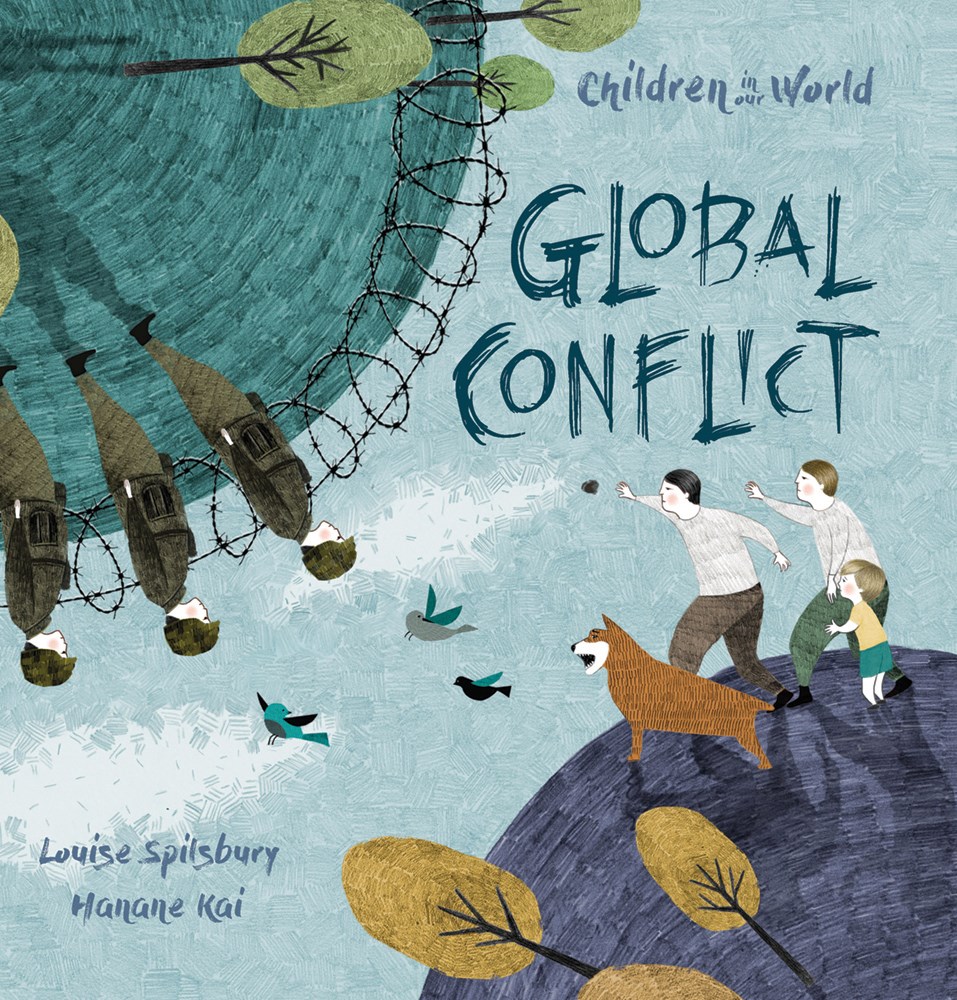
As with the previous titles, Refugees and Migrants (2017) and Poverty and Hunger (2017), these titles provide smart, open social commentary on issues that face our kids every day, in a manner that’s factual, sensitive, and empowering. Illustrations provide examples of everyday intolerance, from someone refusing to provide a bouncy ball to a Jewish child to a group of people who refuse to give up their seats on a bus – or their bags’ seats – for an elderly woman with a cane. Global Conflict explores the reasons for conflict, and the violent ways that conflict can manifest: terrorism and war.

Global Conflict (Children of the World), by Louise Spilsbury/Hanane Kai,
(Feb. 2018, Barron’s Educational), $9.99, ISBN: 9781438050218
Recommended for readers 6-10

Each book also describes the aid efforts of individuals and charities who step into help others, and soothes children who may be afraid of what they see going on around them by encouraging them to talk to a grownup about their fears. Author Louise Spilsbury offers ways that children can help elevate the dialogue: by understanding one another, and by offering ways to help, whether it’s taking part in a bake sale fundraiser for charity or by writing letters to elected officials. There are additional books and resources for readers, caregivers, parents, and educators who want to learn more, glossaries of terms used, and indexes.

Hanane Kai’s artwork creates soft, muted pictures showing individuals working together to create understanding and, in turn, a better world for all.

Originally published in the UK in 2016 and 2017, these books – paired with the first two in the series – contribute to a strong current events shelf for elementary-age students, and a nice addition to collections for burgeoning activists. Add books like Innosanto Nagara’s A is for Activist and Counting on Community, and Maribeth Boelt’s Those Shoes and A Bike Like Sergio’s for a strong social commentary collection.

Posted in Intermediate, Middle Grade, Non-Fiction, Non-fiction, Non-Fiction, Preschool Reads, Tween Reads

More holiday shopping ideas!

The days are creeping closer – Hanukkah starts this evening! – but I’ve got your back with more book gift ideas! Read on, and get yourselves to a bookstore, stat.
Where’s Waldo? Destination: Everywhere!, Featuring 12 Classic Scenes by Martin Handford,
(November 2017, Candlewick), $19.99, ISBN: 9780763697266
Good for all ages!
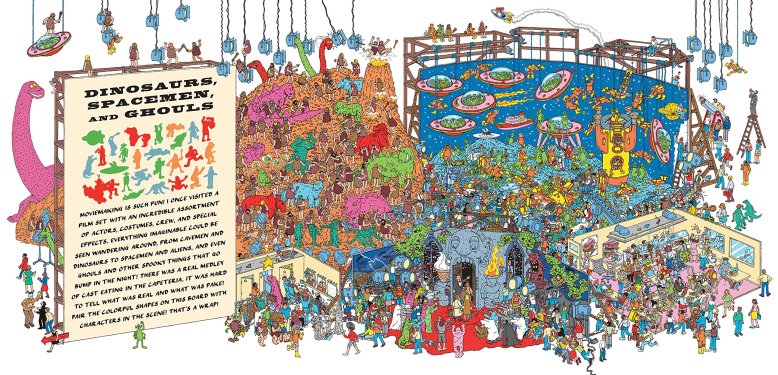
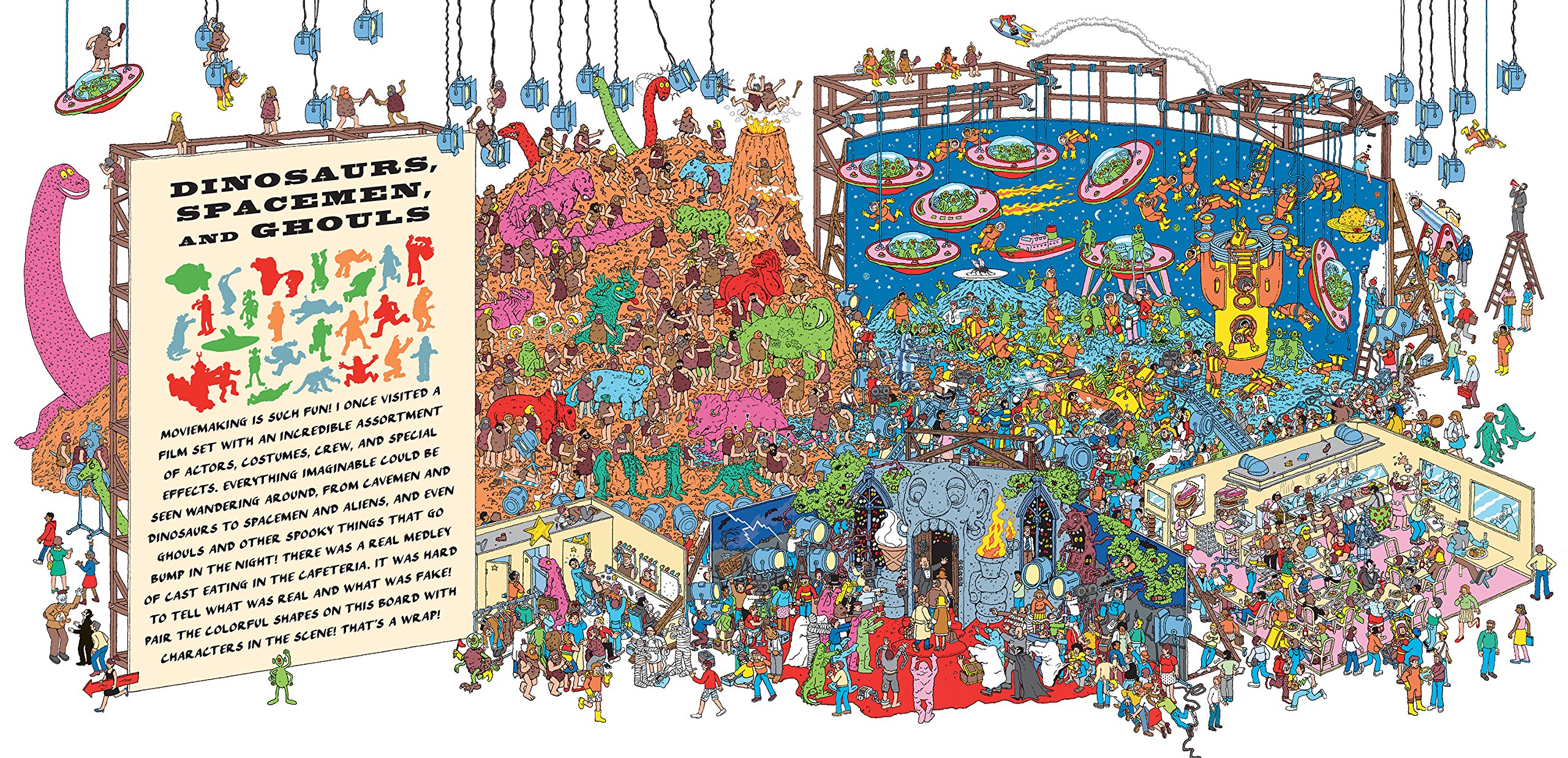
This is a gift that’s perfect for kids who love mazes, puzzles, and those Seek and Find/I Spy books, or older teens and adults who grew up with old school Waldo. Destination: Everywhere! celebrates THIRTY YEARS of Where’s Waldo – pardon me while I go lay down after writing that – and showcases 12 of Waldo’s favorite adventures, plus a brand new challenge to keep us on our toes. This one’s going to my now 14-year old, who plagued me with I Spy books all hours of the day and night, as a toddler and preschooler. And I’m telling the 5 year-old that his big brother can’t wait to find ALL THE WALDOS with him. Muah hah hah.
 

Weird but True! Christmas, by National Geographic Kids
(Sept. 2017, National Geographic Kids), $8.99, ISBN: 9781426328893
Good for readers 6-12
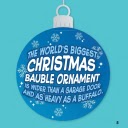
One thing my kids, my library kids, and I have in common is a love of these NatGeo weird facts books. Weird but True! Christmas keeps it real for the holiday season, with full-color photos and crazy factoids like this one: “The town Gävle, Sweden, erects a giant straw goat at Christmas. The Yule Goat has its own social media account.” That social media account is @gavlebocken on Twitter, by the way. You’re welcome. There are 300 facts in here, including Christmas customs from around the world, weird and slightly gross animal facts, and Christmas decorating statistics. Perfect size for a stocking stuffer, and kids can’t get enough of these books.
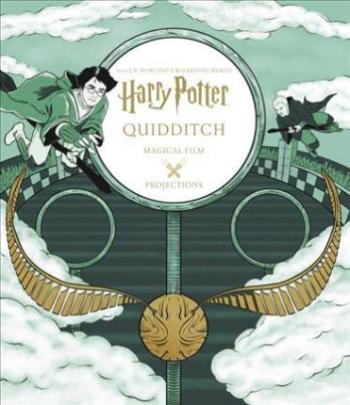
 

Harry Potter: Magical Film Projects – Quidditch, by Insight Editions,
(Sept. 2017, Candlewick), $16.99, ISBN: 978-0-7636-9587-3
Good for readers 7-10

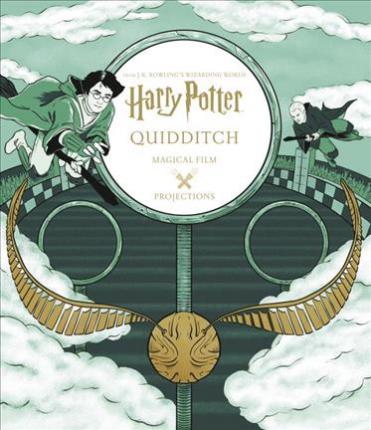
This is just so cool. Black line drawings from the Harry Potter universe on acetate pages let you create your own reader’s theatre. Shine a flashlight, light bulb, or cell phone light through the window, and project images onto a wall, screen, your little brother or sister, anywhere, to create your own shadow theatre! Short, Quidditch-related scenes from three books in the series (Sorcerer’s Stone, Chamber of Secrets, Half-Blood Prince) are broken out into script format, letting readers become Harry, Oliver Wood, Ron, or Cormac McLaggen. A final panel lets you draw and project your own Quidditch team. Give this book to a Potterhead, along with a dry-erase marker, and get ready for the love.
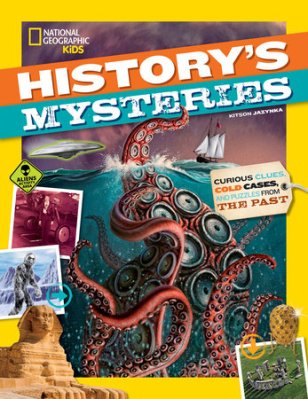


History’s Mysteries, by Kitson Jazynka, (Oct. 2017, National Geographic Kids),
$14.99, ISBN: 9781426328718
Good for readers 9-12

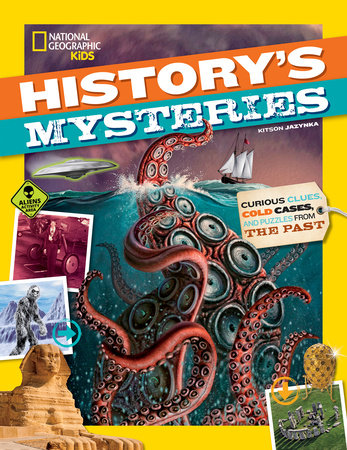
I loved this kind of stuff when I was a kid – okay, I still do.When I was a kid in the ’70s, Dynamite Magazine released these cool guides – digest-sized books – loaded with stories about Amelia Earhart, Anastasia, and other spooky, true stories. I watch Mysteries at the Museum on Travel Channel. I’m a sucker for a good, unsolved mystery; bonus points if it’s creepy. History’s Mysteries is the closest I’ve seen to my beloved Dynamite guides in a long time. Kids will love these quick, fully illustrated case files on a screaming mummy, a 50-foot snake slithering around Africa, missing Irish crown jewels, and more. An interview with archaeologist Chris Fisher gives kids some insight on the exciting – and sometimes, not so thrilling – parts of the job. Stick a calendar, plus a ticket for a local museum exhibit in here and you’re set.
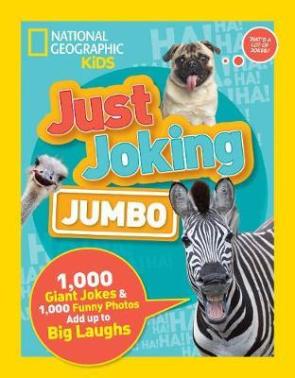
 

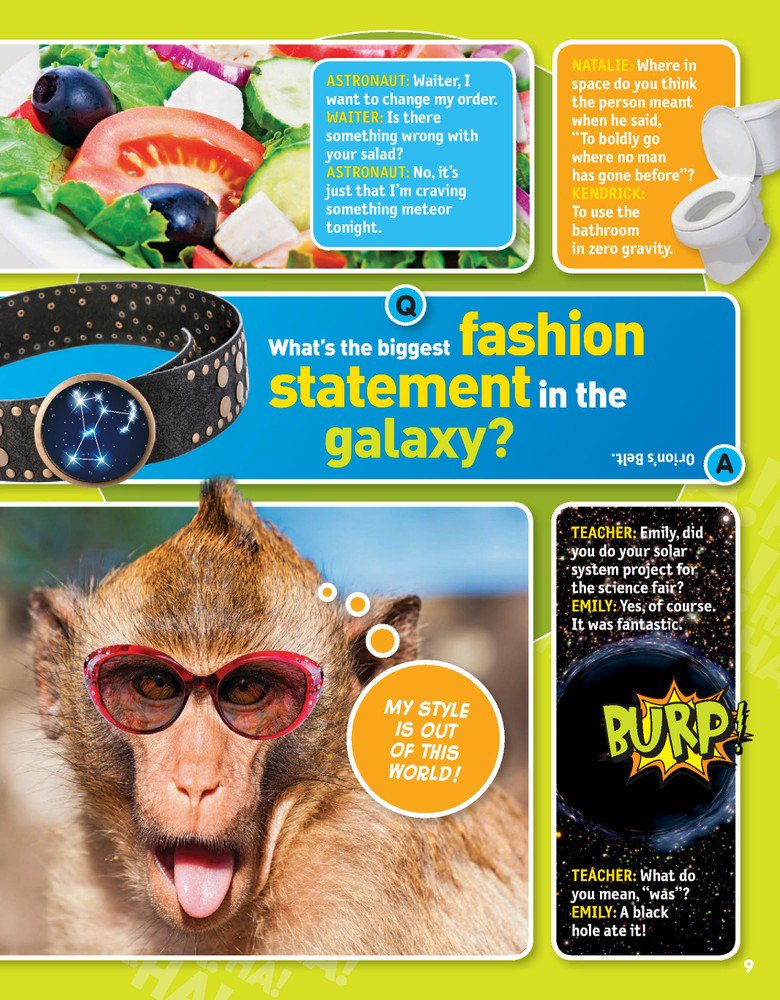
Just Joking, by National Geographic Kids,
(Oct. 2017, National Geographic Kids), $14.99, ISBN: 9781426328794
Good for readers 6-10
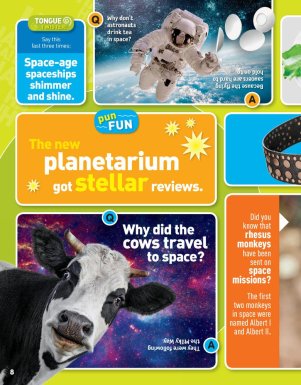
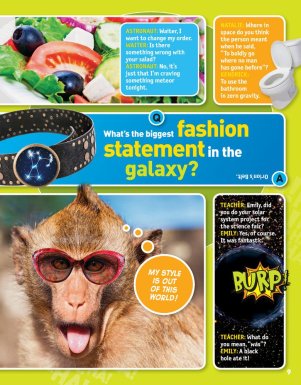
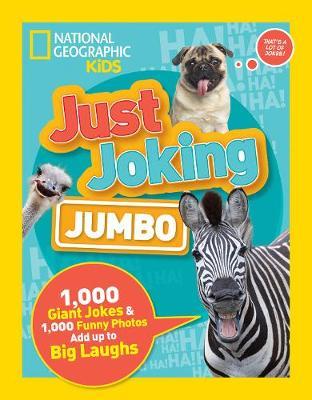
Another home-run with my kids and my library kids. Yes, many of these jokes will make you groan: that’s the POINT. There are crazy facts (rats laugh when they’re tickled), puns that will make you wince, but giggle while you do it, full-color photos, and truly, terribly funny, jokes like this gem: Who did Darth Vader summon when craving ice cream? Storm Scoopers. See? You winced, but you laughed.
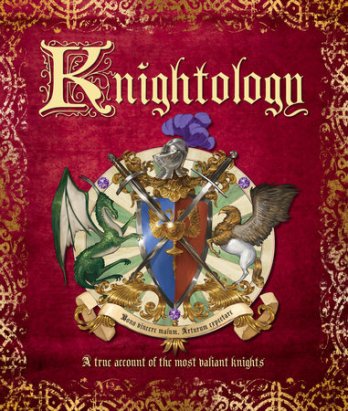
 

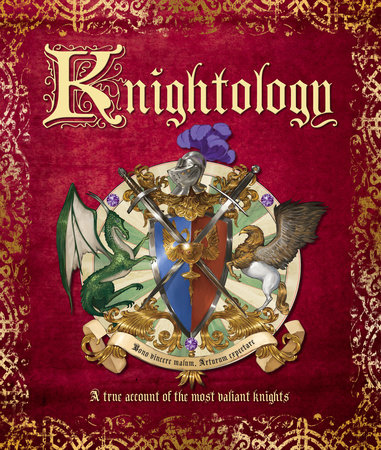
Knightology, by Dugald A. Steer/Illustrated by Ollie Cuthbertson, Fabio Leone, David Demaret,
(Nov. 2017, Candlewick), $24.99, ISBN: 9780763698485
Good for readers 7-12

The latest entry in Candlewick’s Ology series looks at the knights of old. Legend has it (actually, the publisher’s note says it, but I’m setting a mood here) that two children, while playing, discovered a book set into a mysterious stone. The book appears to be a secret book about knights from Elizabethan times, printed here for readers to read and discover more mysteries within. Beautifully illustrated, with margin notes, flaps and hidden notes throughout, this is a gorgeous gift book about the myths and legends surrounding the burial site of none other than King Arthur.  Put a plush dragon on the wrapped gift and put your feet up.
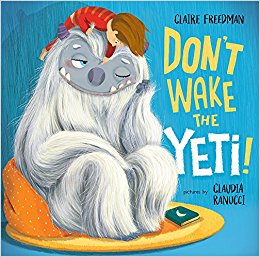
 

Don’t Wake the Yeti!, by Claire Freedman/Illustrated by Claudia Ranucci,
(Sept. 2017, Albert Whitman), $17.99, ISBN: 978-0-8075-1690-4
Good for readers 3-7

I didn’t forget about the little ones! What better way to greet the holidays than with the tale of a Yeti who’s just looking for a friend? This rhyming story stars a young girl who finds a Yeti under her bed – but he’s more afraid of her than she is of him! It’s a reader’s guide to the proper care and handling of one’s own Yeti, including details on how to get around that whole Mom finding out business. The illustrations are adorable: the Yeti is hardly a menacing figure; he’s covered in long, white fur, has a goofy, toothy smile, and big, blue eyes. Originally published in the UK, the story has a touch of If You Give a Mouse a Cookie to it – see if the little readers catch the rhythm!
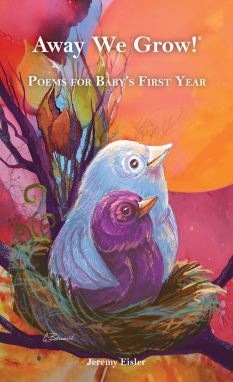
 

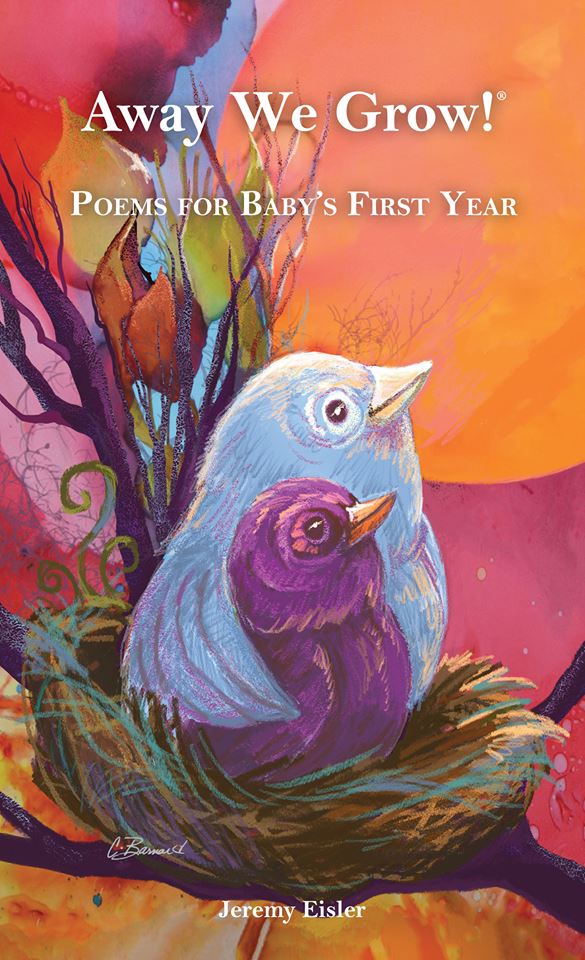
Away We Grow!: Poems for Baby’s First Year, by Jeremy Eisler,
(March 2017, self-published), $12.99, ISBN: 9780989389075
Good for new parents

This is a sweet stocking stuffer for a mom-to-be or a new mom. There are 32 short poems, all celebrating milestones in a baby’s first year; that first grasp of your finger, that big gummy smile; that first, unimpressive meal: “In my mouth and out again / Down my cheeks and off my chin / I think I’ve had my fill of peas… / Now I would like my bottle please!” They’re simple and sweet, ready to welcome parents and babies on a new adventure together.

And that’s that for now!

Posted in Intermediate, Middle Grade, Non-Fiction, Non-fiction, Non-Fiction, Tween Reads

Out-There Nonfiction

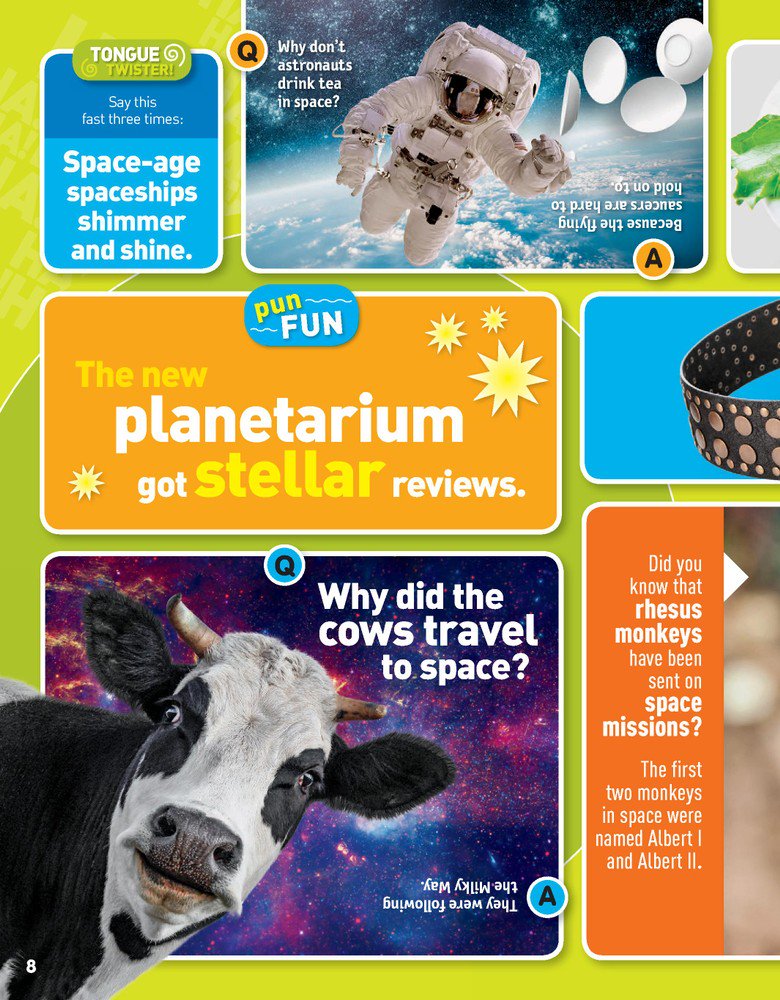
There is such great nonfiction being published these days. Nonfiction used to conjure pictures of boring textbooks with walls of words, with a handful of old black and white photos. Today? Nonfiction includes video game guides, crazy stories about our bodies, animals, planets, and the freaky ways famous people died. And that’s just scratching the surface. Kids’ nonfiction sports full-color illustration or photographs, text that understands how kids read and learn, and takes all interests into consideration. Series nonfiction, like the Who Was/What Was series from Penguin makes history compulsive readable, and No Starch Press has full-color STEM and tech books that teach kids everything from coding in Scratch to explaining the sciences using manga comics. I love building a good nonfiction section; these are a few of the books on my current shopping list.

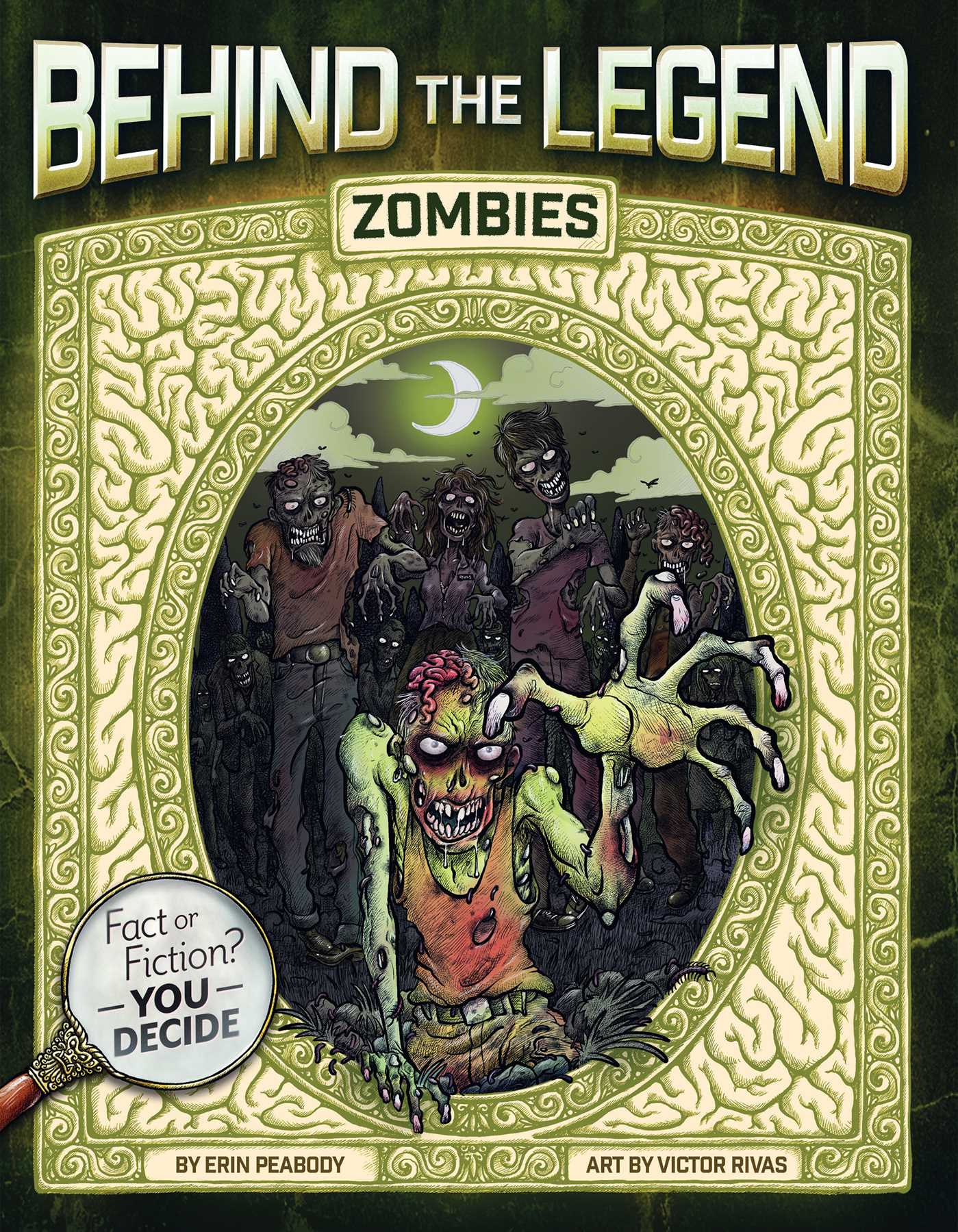
Behind the Legend series, by Erin Peabody/Illustrated by Victor Rivas and Jomike Tejido, little bee books
Good for readers 9-12


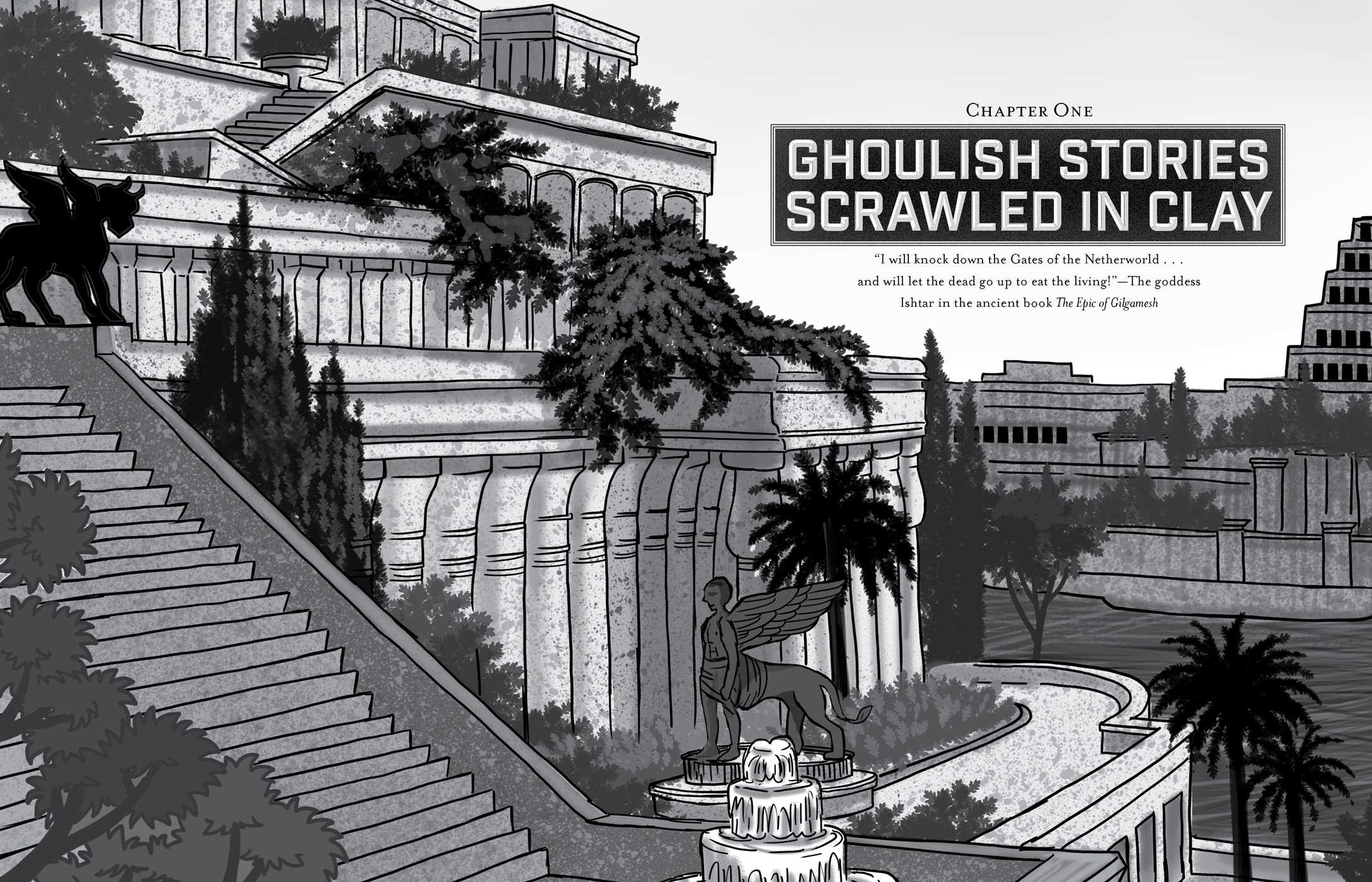
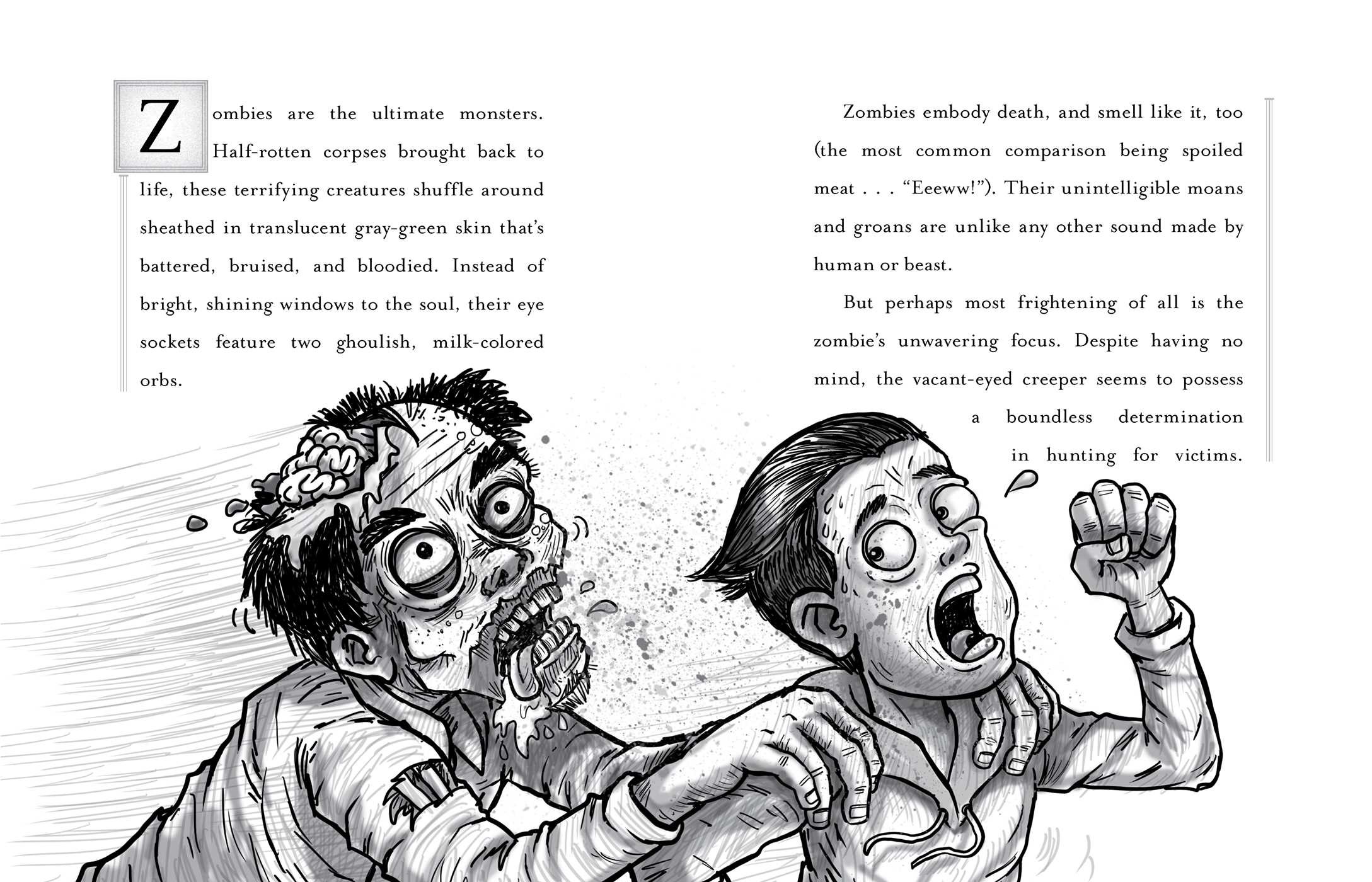
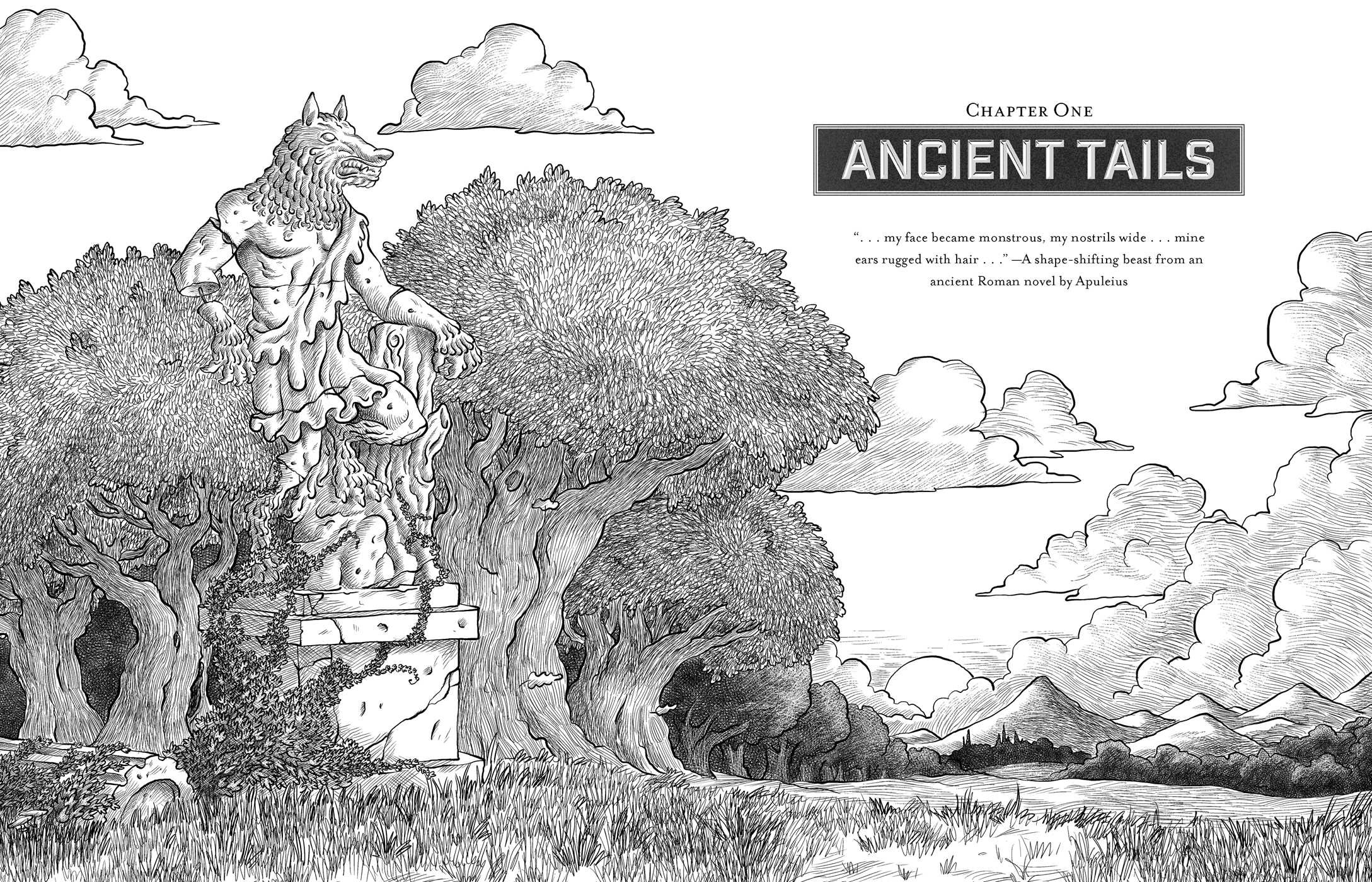
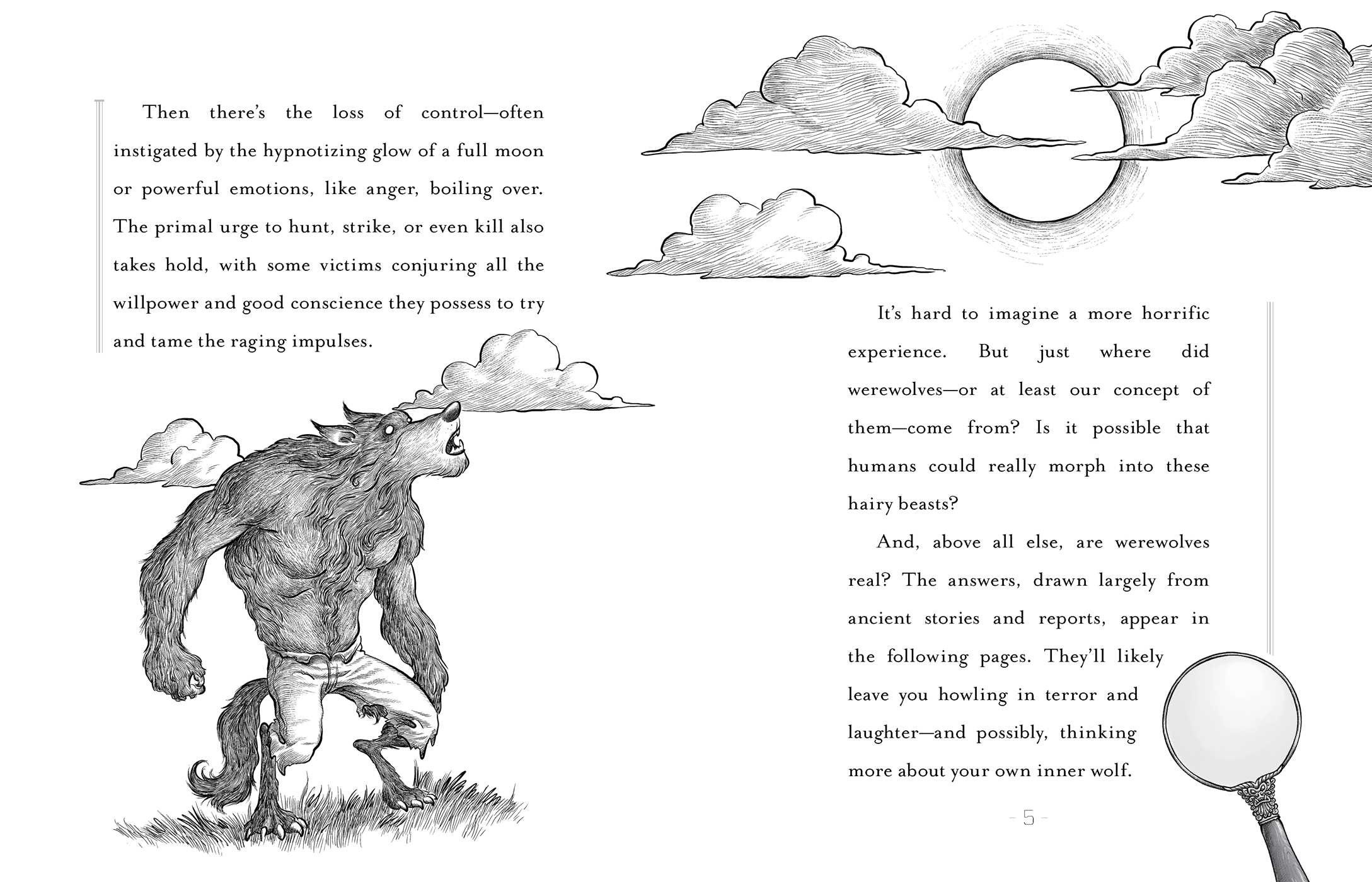
This series is so good. I’ve read Werewolves and Zombies, and love the way Erin Peabody weaves history with pop culture to present a paranormal guide that kids will love reading and learn from. There are black and white illustrations throughout; cartoony, bordering on downright freaky. Zombies delves deeply into the history of slavery and its ties to the rise of the zombie legend and the practice of voudou; Peabody also talks about the walking dead being very old news; they were showing up in Mesopotamia long before Robert Kirkman ever thought up Rick Grimes and his band of survivors. Werewolves talks about the history of animal lore and famous “were-beasts” in history, like the Gandillon siblings – a French brother and sister who were convinced they were wolves and acted accordingly. Harry Potter, Scooby-Doo, and Twilight all get a shout-out in this fun look at werewolves. There are further sources for kids who want to read further. Other Behind the Legend books include Dragons, the Loch Ness Monster, and Bigfoot. This is an absolute must-add set for kids who love themselves some pop culture paranormal reading (and half the price of most series nonfiction, library-bound books).


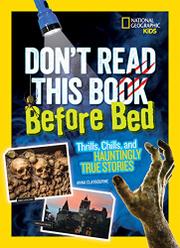
Don’t Read This Book Before Bed, by Anna Claybourne, (Aug. 2017, National Geographic Kids),
$14.99, ISBN: 978-1-4263-2841-1
Good for readers 9-12

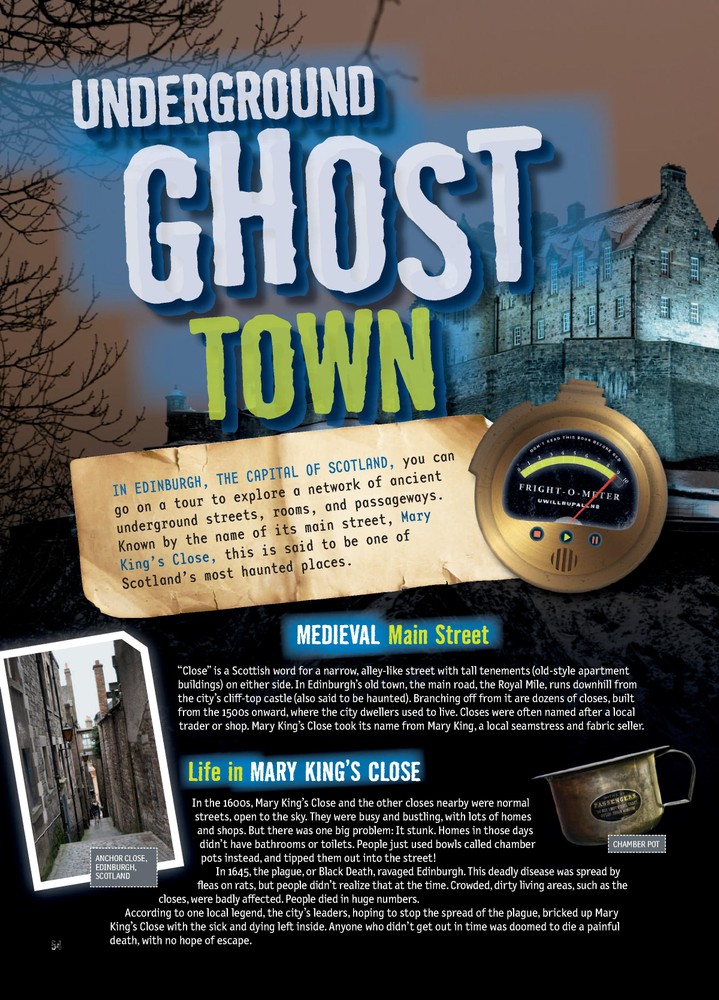
The kids in my library love creepy. Most kids do, right? It’s that safe scare, the adrenaline rush, the squeal of the “eeeeeewwwwwww!” that you can make while safely in your seat, surrounded by family, friends, or your stuffed animals or action figures. It’s being able to turn to your friend and say, “Look at this!” and watching your friend freak out, too. NatGeo knows this, and Don’t Read This Book Before Bed (which is exactly what kids will do) is chock full of freaky stories that will keep them reading and saying, “NO WAY!” Think of it as the Lore podcast, for kids. Haunted castles? Check. Freaky dolls? (Robert the Doll, profiled in here, actually has both a podcast and episode of Lore dedicated to him.) Check. Aliens and fish people? Right this way. Each story has a “fright-o-meter” to let readers know how scary this is going to get, and quizzes help readers figure out their phobias (I love a good flow chart), test whether or he or should would be a good ghostbuster, or take apart the mysteries of science. My library’s copy is rarely on the shelf.


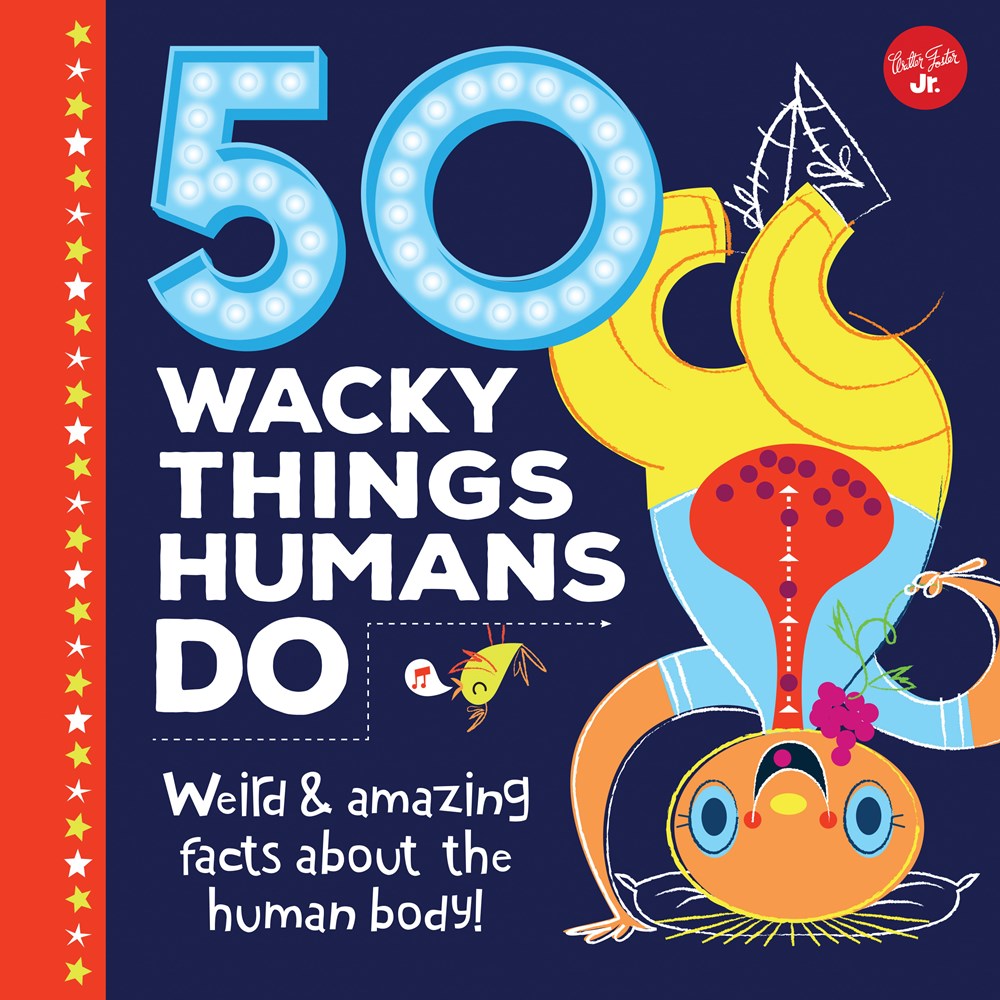
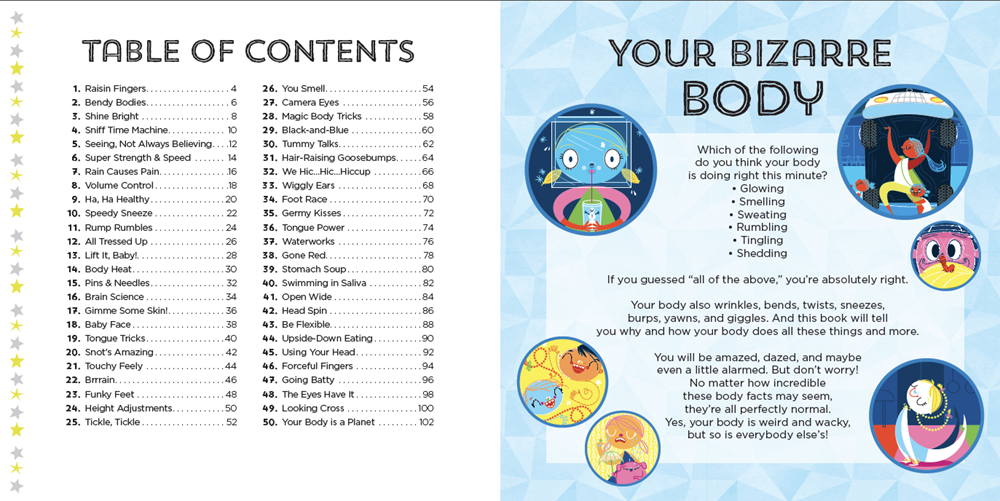
50 Wacky Things Humans Do: Weird & Amazing Facts About the Human Body, by the Walter Foster Jr. Creative Team/Illustrated by Lisa Perrett,
(Dec. 2017, Walter Foster Jr.), $14.95, ISBN: 9781633223967
Good for readers 7-10

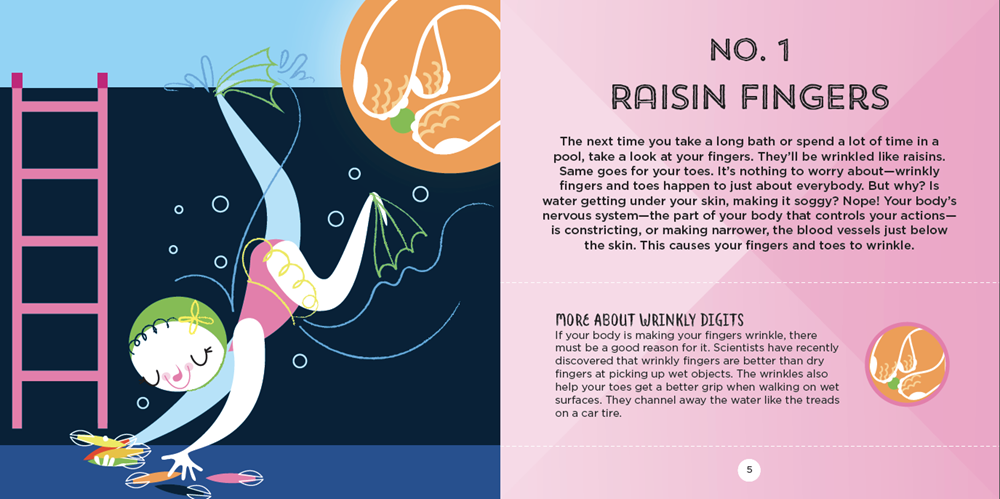
Our bodies do some wild stuff. A sneeze moves at about 100 miles per hour. (Think about that, next time someone doesn’t cover their nose and mouth when they sneeze near you.) If someone tickles you and you put your hand on theirs, it’ll send a message to the brain that stops the tickling sensation. Wrinkly bathtub fingers help us grip things better. Readers will learn all of this and more in 50 Wacky Things Humans Do, written in a similar vein to the chunky, digest-sized NatGeo Kids fun fact books. Wacky Things features one fact per spread and one colorful, fun illustrations; good for intermediate-level readers.


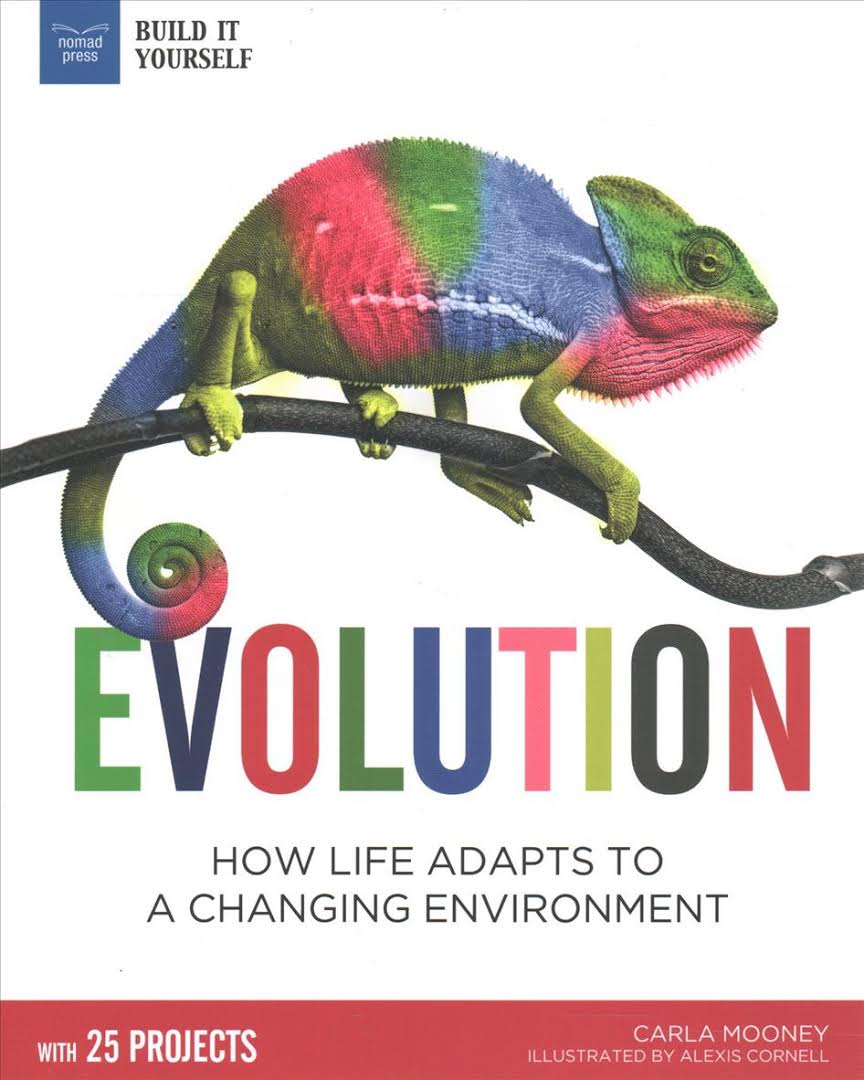
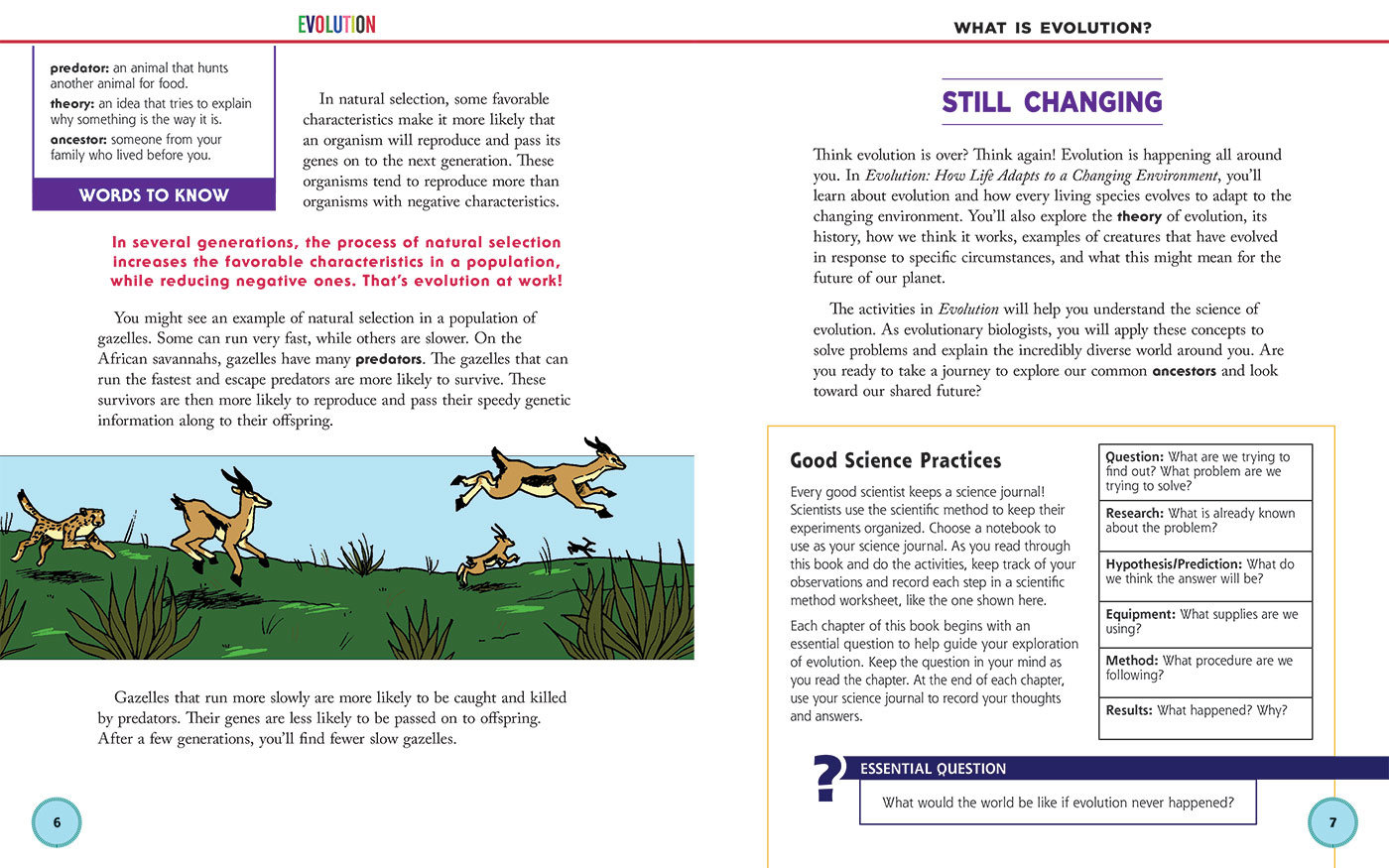
Evolution: How Life Adapts to a Changing Environment, by Carla Mooney/Illustrated by Alexis Cornell,
(Nov. 2017, Nomad Press), $17.95, ISBN: 978-1-61930-601-1
Good for readers 9-12

Nomad Press has enjoyed shelf space in my library for a while. They have great science project books and consistently win awards because they blend hands-on projects with text readability. Evolution is a great update to Nomad’s collection and my science projects shelf. First of all, the book is in color; my Nomad books have normally been black and white, and this is as eye-catching on the inside as it is on the cover. The book progresses from a basic overview of evolution and how it works, through natural selection, species and speciation, through to classification and human evolution. Twenty-five projects allow kids to map early human migration; find sidewalk fossils (awesome for my urban library kiddos), and research an endangered species and create a plan to save it. There’s a glossary, lists of resources, and an index. I love this new direction Nomad seems to be taking and want to see more! Great for library shelves.