Posted in Early Reader, Fiction, Fiction, Intermediate

Isabella is a Girl in Charge as she channels historic women

isabella_covIsabella: Girl in Charge, by Jennifer Fosberry/Illustrated by Mike Litwin, (Oct. 2016, Sourcebooks Jabberwocky), $16.99, ISBN: 9781492641735

Recommended for ages 4-8

Isabella, the little purple-haired girl with the big imagination, is back in her fourth adventure: this time, she’s going all the way to the nation’s capital! Isabella wakes her parents up bright and early; they’ve got a big day ahead of them and Isabella doesn’t want to miss a second. As she and her family get ready to head out, Isabella imagines she’s different females politicians, first in their fields, from the first mayor to the first Supreme Court Justice. Isabella and her family have an important day to be part of: history is being made!

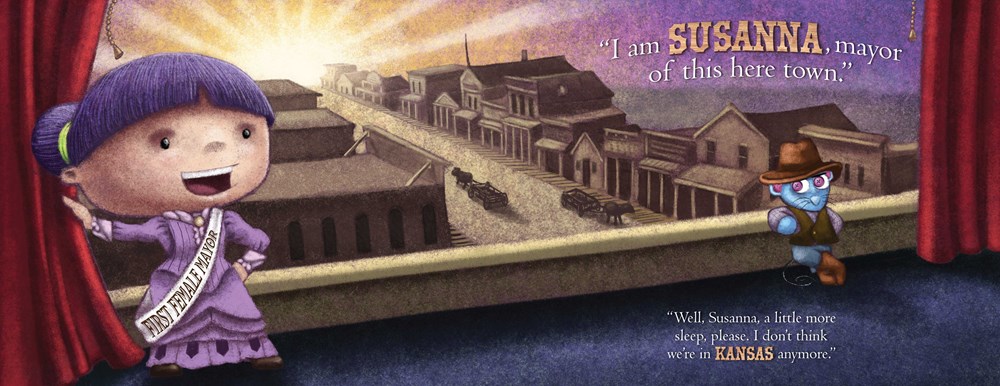
A good idea in theory, younger readers may need some prompting when first hearing the story; these names will largely be unfamiliar to them. Anyone reading the story out loud should mention beforehand that the women Isabella names are the first women in politics and what office they held. Kids will be better able to pick up subtle in-jokes in the text, too; for instance: When Isabella claims to be “Susanna, mayor of this here town,” her mother responds, “I don’t think we’re in Kansas anymore.” If the children understand that Susanna Salter was the first female mayor, and she was mayor in Kansas, it’ll be more fun for them. Isabella’s adorable stuffed friend is with her, dressed in period clothing, in each spread – see if your readers can spot him (or her, if they like)!

isabella_1

Mike Litwin’s art, done with blueline pencil and Adobe Photoshop, is fun and emphasis on key words like names and identifying characteristics adds some punch. Brief biographies, quotes, and a timeline of women in politics, along with a list of books and websites for further reference, round out Isabella’s latest adventure.
isabella_2

The book is a good start for introducing younger readers to women in politics, and how long we’ve been around! It’s more of a companion volume to a lesson rather than a standalone. I haven’t seen an educator’s guide or activity kit yet, but there are some great resources about women and politics online, including printouts at Time for Kids. Most of the available information is branded for Women’s History Month, but we’re at a historic crossroads in history – celebrate women in politics NOW!

Jennifer Fosberry and Sourcebooks both offer links to Educator Guides for other books in the Isabella series and the companion book, My Name is Not Alexander. Illustrator Mike Litwin has samples of his artwork and animation on his site.
Posted in Early Reader, Fiction, Preschool Reads

A little bedtime Shakespeare: Mabel and the Queen of Dreams

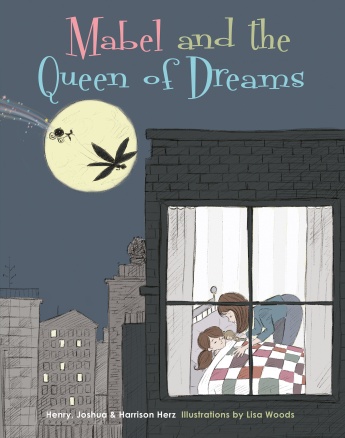
mabel_covMabel and the Queen of Dreams, by Henry, Joshua, & Harrison Herz, (July 2016, Schiffer), $16.99, ISBN: 9780764351372

Recommended for ages 4-8

Little Mabel is an expert at not going to sleep. After she’s gone through her usual routine of excuses, she asks for a bedtime story. Mom is too happy to oblige, and spins a tale about the Fae Queen, who paints children’s dreams, but will only visit when Mabel closes her eyes, Mabel’s mom describes the Fae Queen and her hazelnut chariot; her dragonfly steed, and the dreams she paints. The words wrap themselves deliciously around Mabel – and the reader’s – imagination, drawing us into the Fae Queen’s world and leaving us all waiting for a visit.

I love this book. I love that a bedtime story for children is inspired by Shakespeare! The Fae Queen comes from Romeo & Juliet, in a soliloquy spoken by the character Mercutio, when he describes how a fairy queen influences  dreams. Lisa Woods’ artwork adds another dimension to the story, with subdued colors and sketch-like illustration; the children’s dreams are portrayed as children’s drawings with bright colors, taking us into their imaginations to see mermaids, superheroes, astronauts, and brave knights. The Fae Queens’ fantasy elements are sweet and inviting, and my favorite part – when Mom tells Mabel how she will feel the Fae Queen’s presence in different ways – are beautifully rendered. I read this to my little one and tickle his nose and neck as the Fae Queen describes hovering and traveling over Mabel. The entire story creates a bedtime experience, lending itself to sweet nighttime cuddling and the promise of a dream adventure. An author’s note at the end gives readers Mercutio’s full speech, and Hamlet’s “What dreams may come” speech.

This book is a wonderful addition to bedtime bookshelves and collections. It’s a hit in our home.

mabel_1

I was thrilled to be able to ask author Henry Herz a few questions about Mabel and the Queen of Dreams – read on!

MomReadIt: I love that you adapted Shakespeare for a picture book audience! What inspired you to create a bedtime story and use the Queen of the Fae as a character?

Henry:  There is something that tickles my funny bone about taking a familiar folk tale and tweaking it. Fractured fairy tales are quite popular – consider INTERSTELLAR CINDERELLA by Deborah Underwood or NINJA RED RIDING HOOD by Corey Rosen Schwartz. The idea popped into my head to write a picture book based on a scene from Shakespeare. As I researched, I came across that oft-forgotten (at least by me) scene in Romeo and Juliet in which Mercutio waxes poetic about the little fairy queen Mab. Queen Mab affects sleepers’ dreams as she flies past, and I thought, what a great premise for a bedtime picture book. Plus, I love getting young readers interested in fantasy, and the idea of writing an urban fantasy bedtime picture book was irresistible. I hope that MABEL AND THE QUEEN OF DREAMS may spark in young readers some interest in reading more Shakespeare.

MomReadIt: Is your main character named Mabel as a nod to Queen Mab?

Henry: That is correct. In my story, Mab is a sleep-resistant girl. In the original, tiny fairy queen Mab’s hazelnut chariot is drawn through the air by a dragonfly. And we have the original Shakespearean soliloquy by Mercutio as an author’s note, so that young readers can compare the original with this modern version.

MomReadIt: I see that your sons are co-authors. How did they contribute?

Henry: They’ve been co-authoring with me since they were about 8 and 10 years old when we first collaborated on our self-published high fantasy early chapter book, NIMPENTOAD. I draft the stories and they review them, giving me feedback from a young reader’s perspective. They have also been instrumental in selling the book at book fairs, farmers markets, etc. They’re even better salesmen than they are writers. Although now that they’re 14 and 16, doing this with Dad isn’t as cool as it used to be…

MomReadIt: I hope we’ll see some more classic works for little ones from you and your family in the future. Thank you so much!

Henry: Thank you very much, Rosemary. We appreciate your support! Readers interested in learning more about our books can visit our website at www.henryherz.com.


Posted in Early Reader, Fiction, Preschool Reads

Pure Adorableness: Pug Meets Pig

pug-meets-pig_1Pug Meets Pig, by Sue Lowell Gallion/Illustrated by Joyce Wan, (Sept. 2016, Simon & Schuster), $17.99, ISBN: 9781481420662

Recommended for ages 3-7

Pug is a happy-go-lucky pup, living the good life. He’s got his own house, his yard work, his food bowl, and his doghouse. When Pig joins the family, though, Pug is not thrilled. His routine is completely thrown off, because Pig is in all of his business; Pig’s eating his food, hanging out with his friends, and sleeping in his doghouse! What’s a Pug to do? Can Pug and Pig work it out so they can live in the same space happily?

This is the sweetest story about change, learning to share, and welcoming a new friend (or family member). Kids will recognize Pug’s feelings, especially kids that may be starting school and meeting new kids (and having to share supplies and toys) for the first time, or even closer to home, welcoming a new sibling or family member to their home. Pug’s reaction to sharing his toys, yard, and bed is spot-on for toddlers and preschoolers learning to share. Ultimately, the good-hearted Pug and eager to please Pig come together to share, and kids will, too.

pug-meets-pig_6

The fun begins with the book’s endpapers, where readers follow along on Pug’s very busy day (and later, Pug’s and Pig’s day). I am in love with Joyce Wan’s adorable art. Her board books, You Are My Cupcake and We Belong Together are in heavy rotation at my storytimes (and in my home). Her Kawaii-inspired art never, EVER ceases to make me squeal, and Pug Meets Pig brings on the cute attack thousandfold. I almost passed out from cute overload. True story.

pug-meets-pig_2

Bonus goodies: Joyce Wan’s website offers a discussion and activity guide, plus an activity kit that will see quite a bit of action at my library. There are also coloring sheets galore! Author Sue Gallion’s webpage also links to the activity kit and coloring sheets, and to Publisher’s Weekly‘s starred review. The book has also been selected for the Society Of Illustrators 2016 Original Art Show, an annual exhibit which showcases the year’s best children’s picture books.

Adorable art plus a fun, sweet story that kids will love? Pug Meets Pig has it all. Add this one to your storytime collections, and put it in cuddle time storytime rotation. My little guy can’t get enough of this book, and neither can I. We’re getting a Pug & Pig Trick or Treat book in 2017, so watch this space for more of my incoherent squealing over this series.


Posted in Animal Fiction, Early Reader, Fiction, Fiction, Intermediate, Preschool Reads

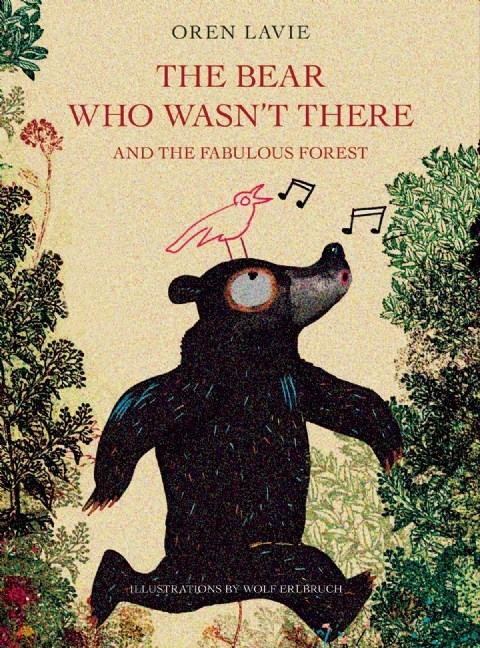
The Bear Who Wasn’t There and the Fabulous Forest: unbridled optimism!

bear_covThe Bear Who Wasn’t There and the Fabulous Forest, by Oren Lavie/Illustrated by Wolf Erlbruch, (Oct. 2016, Black Sheep/Akashic), $17.95, ISBN: 9781617754906

Recommended for ages 4-8

A bear searches for himself, using clues he’s discovered scrawled on a note in his pocket: 1) I am a very nice bear; 2) I am a happy bear; and 3) Very handsome too. As he searches, he discovers more about the world around him, seeing things with a childlike sense of wonder that all readers will enjoy. Originally published in Germany, The Bear Who Wasn’t There is a debut picture book by composer and playwright Oren Lavie and illustrated by German illustrator Wolf Erlbruch, both renowned for their crafts.

I adore this bear. He’s perpetually upbeat, excited to learn more about himself and ready to explore the world around him. He’s drawn with huge, wide eyes, eager to take in everything he sees, and his mouth is curved into big, happy red smile. He wanders through the Fabulous Forest and meets other creatures who help him on his quest for self-discovery: the Convenience Cow and the Lazy Lizard; the Penultimate Penguin, and the Turtle Taxi, all of whom guide him in some way. Bear is thrilled with everyone he meets; even the snappish Penguin. Lavie’s words are lyrical, beautifully curling themselves around the characters. I love the bantering between Bear and each character; it’s sweet and gentle, and shows kids how to respond to others, as is the case with the standoffish Penguin. Bear never loses his idealism, best seen when he counts flowers, deciding that the number is “beautiful”. When he’s told that “beautiful” isn’t a number, Bear has already moved on, thinking to himself, that it’s better to smell flowers than count them, and that “Flowers are more Beautiful than they are thirty-eight.”

bear_1

This is such a happy, sweet book to read to younger kids and to older, school-age kids. Kids see things in a different way; a more inspiring, upbeat way. Books like The Bear Who Wasn’t There are a great reminder to kids and adults that sometimes, it really is better to smell flowers than to count them.

Add this one to collections where animal books are popular. The Bear Who Wasn’t There has received a starred review from Publishers Weekly.


Posted in Early Reader, Fiction, Fiction, Humor, Intermediate, Preschool Reads

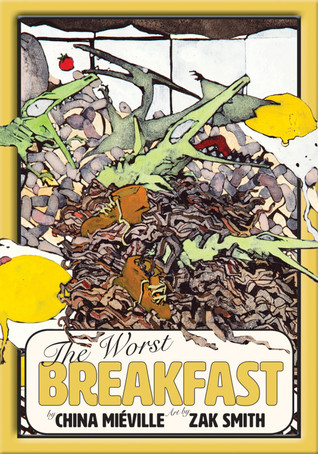
What was your Worst Breakfast?

worstbreakfastThe Worst Breakfast, by China Miéville/Illustrated by Zak Smith, (Oct. 2016, Black Sheep/Akashic), $16.95, ISBN: 978-1617754869

Recommended for ages 3-8

Two sisters sit down one morning to talk about the worst breakfast they’ve ever had. It gets progressively worse, from burnt toast, to unbaked, uncooked, unclean baked beans, a steaming, slick tomato hill oozing into rancid swill. Can it get worse? It has to get better… doesn’t it?

This book is just too much fun to read by yourself or a room full of kids, who will squeal with awful glee as the awful breakfast the two sisters describe gets grosser and grosser. Award-winning author China Miéville, best known for his fantasy and science fiction tales, is brilliant as he constructs a hilarious, rhyming tale, told as a conversation between two sisters remembering the worst breakfast ever made. Building on each other’s memory, the sisters one-upping each other and – illustrated in full repulsive glory by Zak Smith – create a mountain of food so terrifying and awful that you have no choice but to squeal and giggle uncontrollably at memories of terrible meals past. And then… a glimmer of hope? Maybe breakfast can be saved, after all.

I love this book. I hope Miéville and Smith have more stories to tell, because this will be a storytime mainstay for me. This would be great for a food storytime. Pair this one with Kate McMullan’s I Stink!, where a garbage truck narrates a stomach-churning alphabet of the “food” he eats on his shift. I’d also pair this with Maurice Sendak’s In the Night Kitchen for a surrealist story session; I was reminded of Sendak’s book often as I read The Worst Breakfast. I enjoyed the back and forth between the sisters, and the different British-American references, like the differences in the pronunciation of words  like tomato and bravado: “You can’t rhyme TOMATO and BRAVADO!” “I can if we’re English. Almost. Tu-MAH-toe, bruh-VAH-doe.” I love the pictures that Miéville paints with his words and Zak Smith’s wild interpretations that give the words life on the page.

worstbreakfast_4

This is a fun tale that’s sure to get the kids interacting during a storytime. If you’ve got readers who enjoy gross humor – and who doesn’t? – this will build their vocabularies and make them howl with disgusted delight. The Worst Breakfast has received a starred review from Kirkus.


Posted in Early Reader, Fiction, Fiction, Intermediate

Big love for My First Puppy/My First Kitten!

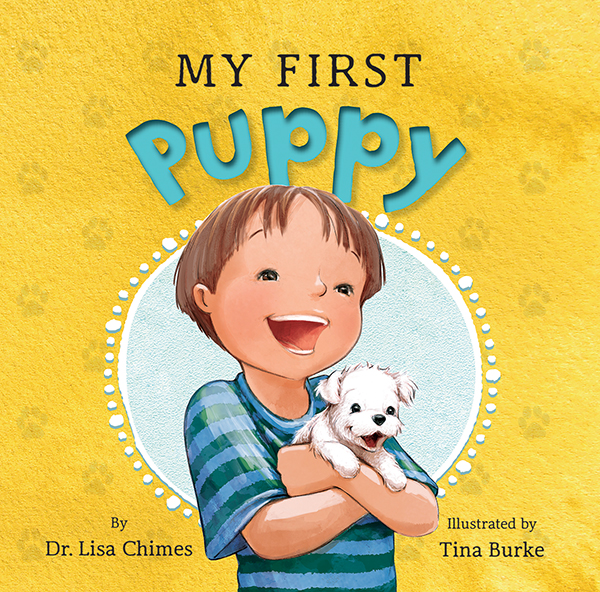
my_first_puppyMy First Puppy, by Dr. Lisa Chimes/Illustrated by Tina Burke, (2016, Kane Miller), $9.99, ISBN: 978-1610675161

My First Kitten, by by Dr. Lisa Chimes/Illustrated by Tina Burke, (2016, Kane Miller), $9.99, ISBN: 978-1610675178

Recommended for ages 4-8

Getting a pet is so exciting! Most kids love the soft purr of a new kitten, or the excited kisses from a new puppy, and this new picture book duo, written by veterinarian, Dr. Lisa Chimes, is great for  younger kids – and their parents – who are about to embark on pet parenthood.

My First Puppy and My First Kitten follow two kids – Sam and Fran – as they adopt their new pets. Each family takes this very seriously, looking into what breeds of dogs and cats would fit well with their respective families; what each pet needs when they first join the family (bowls for food and water, places to sleep, toys); and the importance of veterinary care, including great checklists of things to watch out for or talk to your vet about during a routine pet checkup.

my-first-kittenWhat I love most about the My First books? Dr. Chimes having her characters explore shelters and veterinarian offices for pets that need homes, rather than having the families to buy a cat or dog at a pet store. I loved that she drew attention to these great options, where families can find their newest member and really provide a loving home to a pet who needs it.

The art is sweet and loving, realistically rendered and brightly colored to attract a reader’s attention. Each cover stars the adopted pet and its loving new human on the cover, with little paw prints set into the background. While most of my pet books tend to run a little older, a good picture book series like this (will we be getting books for fish, birds, and lizards, too?) is great for my younger readers. Encourage families to read this one together, and pair it with books like Dr. Seuss’ What Pet Should I Get?, Mo Willems’ The Pigeon Wants a Puppy!, and Alexandra Day’s Carl series. I also love Emma Jackson’s A Home for Dixie, the true story of a rescue dog.

Posted in Early Reader, Fiction, Preschool Reads

Sometimes, being a princess ain’t all it’s cracked up to be… I Am NOT a Princess!

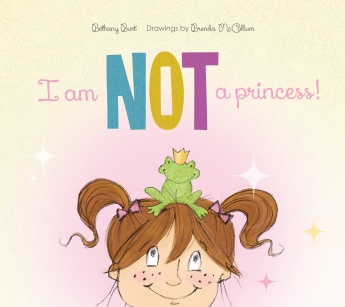
princess_coverI Am NOT a Princess!, by Bethany Burt/Illustrated by Brenda McCallum, (Oct. 2016, Schiffer Books), $16.99, ISBN: 9780764352126

Recommended for ages 3-6

Eliza loved to twirl and twirl, and she loved dressing up like a princess. She flashed her beautiful dress, jewelry, and glass slippers; but Mom asked her to go grocery shopping with her. Grocery shopping?! Princesses don’t grocery shop! They have servants to do that sort of thing for them! Honestly! She twirls away, turning down opportunities to go biking with her best friend and play baseball with her brother and his friends. Princesses don’t do things that could get their dresses dirty! When Eliza’s dad offers to let her help him paint – something she loves to do – and she turns it down because princesses don’t paint, her dad asks her what princess do, then. Eliza realizes that, come to think of it, princesses – at least, the way she’s thinking of them – don’t do much other than twirl and look pretty. That’s no fun! Maybe she doesn’t want to be a princess, after all!

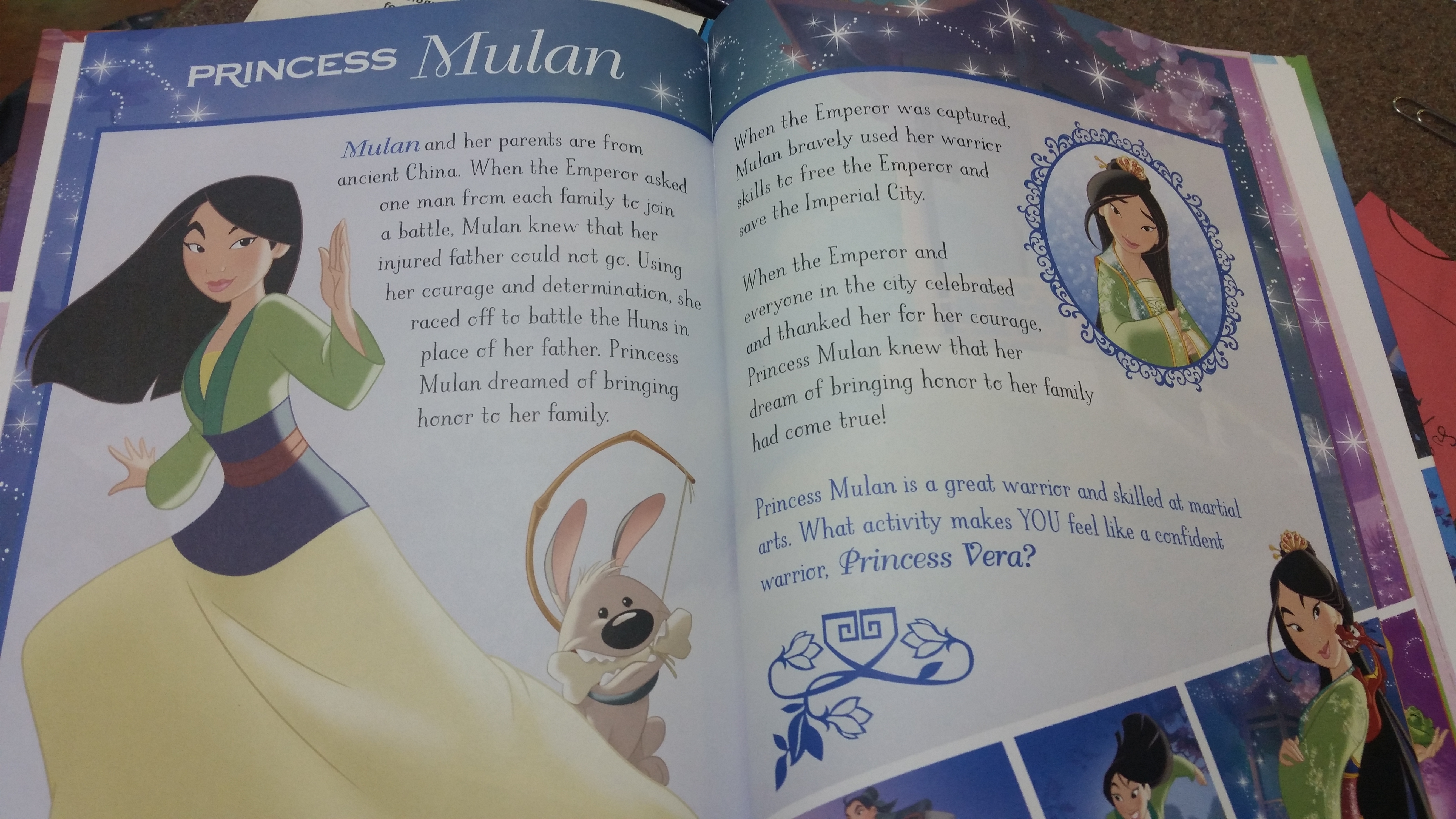
I have to admit, I was conflicted while reading this book. I grew up loving my Barbies and I see little girls around me, including my niece, love their Princesses, and they aren’t the type to turn down getting good and dirty while wearing a tutu. I can see where a little girl who may have a certain vision of being a princess in her head – the princesses that are waited on hand and foot and twirl around looking pretty – may need a slight dose of reality, but enjoying Disney Princesses isn’t a bad thing in and of itself. Princesses like Merida and Mulan and Belle sure teach us that.

princess_6

I Am NOT a Princess is a good book to emphasize the importance of play-acting and the importance of having a strong sense of self. You can be a princess, and you can – and should – help around the house and go out and play. If you’re worried about a mixed message, talk about the positive characteristics of princesses: Belle’s love of reading and refusal to be bullied by the Beast; Merida’s skill with a bow and arrow; Mulan’s ability to train and fight toe to toe with the men in her army; Ariel’s rebellious nature. The most important characteristic any princess or prince needs is a good self-esteem.

The cute art will appeal to readers, as will the pink and pastel colors. Eliza is adorable, and her twirling makes her especially fun and girly. I love the clear, glossy crown on Eliza’s head on the cover of the book; it’s a nice, added touch that will draw eyes (and fingers) to the book. Little girls in my library are always asking for “Princess Books”, so this, along with Kate Beaton’s Princess and the Pony, Victoria Kann’s Pinkalicious books, Catherine Hapka’s Sofia the First, and my Disney Princess books, will make for a fun display. Just make sure that the little girls in your life know that balance is good – you can be a princess and help around the house and enjoy getting dirty; it’s not a one or the other choice.

princess_4


Posted in Early Reader, Fiction, Fiction, Intermediate, Preschool Reads

Disney Princess: Dream Big is a hit!

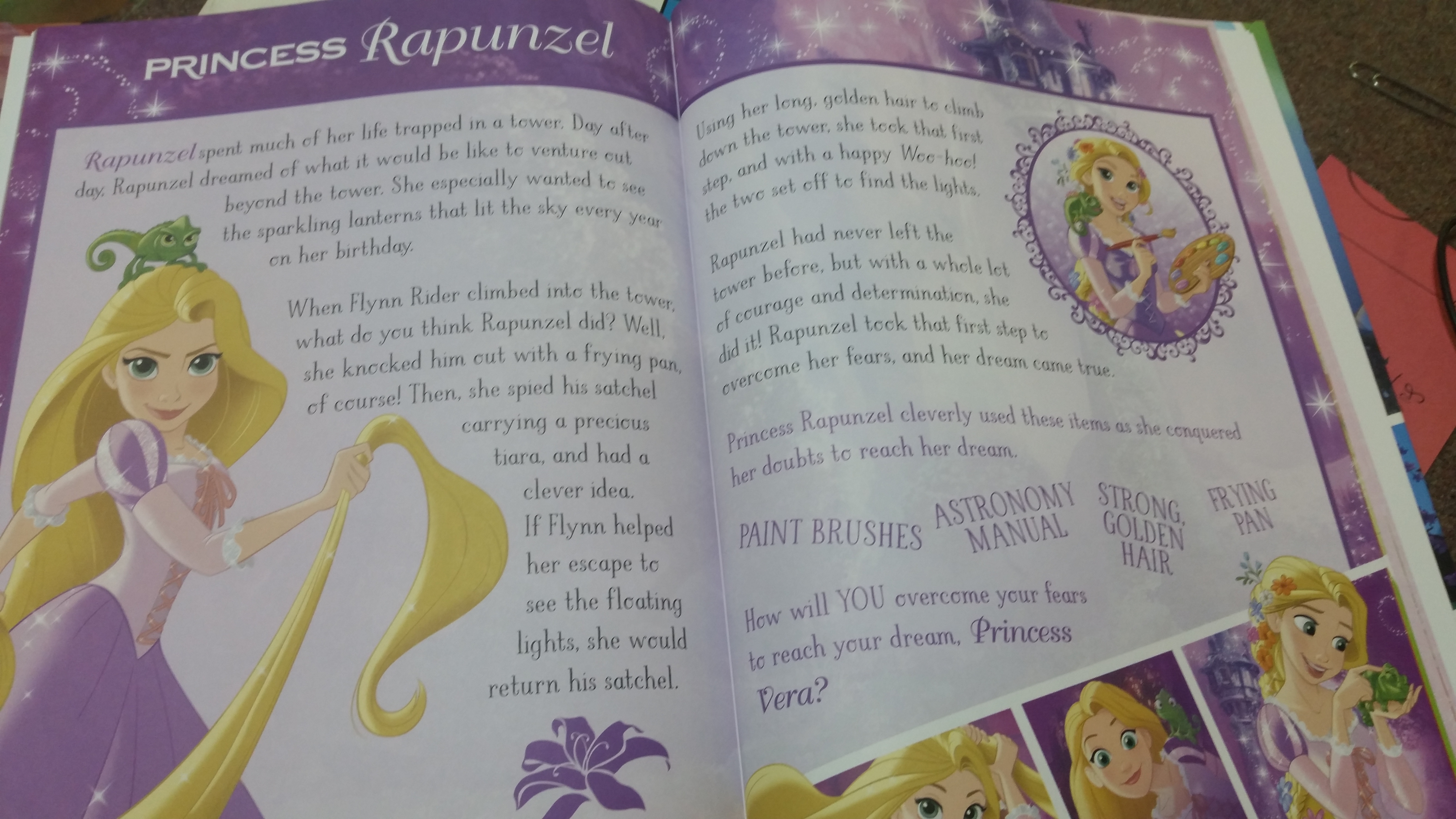
Back in July, I had a cover reveal for one of the latest books in the Put Me in the Story series, Disney Princess: Dream Big! I’m really excited, because I just received my copy in the mail, and it’s a beauty.

dream-big

Since I’d gotten softcover copies of the NatGeo books for my son back in June, I decided to check out the hardcover for my niece, who is just discovering Disney Princesses. I’m thrilled with the quality of the book! It’s a gorgeous, sturdy hardcover with quality pages that will stand up to repeated readings.

Dream Big puts readers on a mission: visit each Princess in the book; discover their dream; and check off the Princess’s name on the back of a passport that’s included in the book. You can cut out the passport – treat the book like a journal!

There are 11 Princesses in all to visit, from Ariel to Tiana. Each spread spotlights one Princess, gives a little bio on the Princess, and ends with a mention of the Princess’s dream, and an invitation to the reader to share her/his dream, too. For instance, Belle loves her books, and each one takes her on a new adventure. There’s a list of Belle’s favorite book genres, and a space for your reader to list her favorite books.

20160929_192411

The art is beautiful, colorful, and inviting. Kids are engaged by the direct invitation to connect through the text and activities in the book.

20160929_192359

20160929_192348

A final spread sums up the Princesses’ strengths and dreams, and asks readers to connect the Princess with her big dream. Readers are also invited to write or draw their own special dreams and how to make them come true. It’s a fun way to capture a moment in time that kids will look back on and smile at one day. Think of it as bullet journaling for the preschool set.

20160929_192424

As with all Put Me in the Story books, you upload pictures of your little one and give the site the name you’d like to use; they will generate a story featuring your little one that becomes a keepsake. Dream Big is a great gift, and I can’t wait to give this to my little Princess. You can get your own copy of Dream Big at the Put Me in the Story site, and seriously, look around the site; they have some great books, both fiction and non-fiction, that kids will love.

Full disclosure, I received a copy of this book free in exchange for an honest review. But I plan on adding a few Put Me in the Story books to my Christmas shopping list, because I love them and think they’re beautifully done.

Posted in Early Reader, Fiction, Fiction, Intermediate

A microraptor’s adventure; Neffy and the Feathered Dinosaurs

neffy_1Neffy and the Feathered Dinosaurs, by Joe Lillington, (Oct. 2016, Nobrow), $17.95, ISBN: 9781909263895

Recommended for ages 4-10

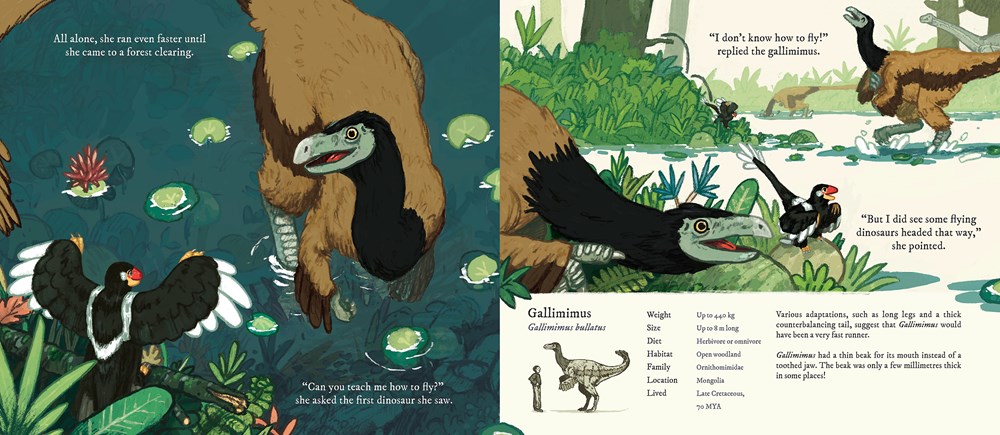
Neffy the Microraptor is about to go for her first flight – but she doesn’t know what to do after she spreads her wings! Her brothers and sisters have flown ahead, and she needs to catch up! Join Neffy on her adventure, as she meets other dinosaurs and tries to figure out how to get airborne.

This is such a fun combination of fact and fiction. We have Neffy’s fictional story, where a young microraptor tries to learn how to fly and meets feathered dinosaurs along the way. Each dinosaur she encounters has a profile at the bottom of the page, where readers learn the dinosaur’s name and scientific name, size and weight, habitat, diet, family of dinosaurs it belongs to, geographic location and era in which the dinosaurs lived. An author’s note mentions that this isn’t supposed to be a linear book – eras are mixed and matched for fun and to introduce a number of feathered dinosaurs to readers.

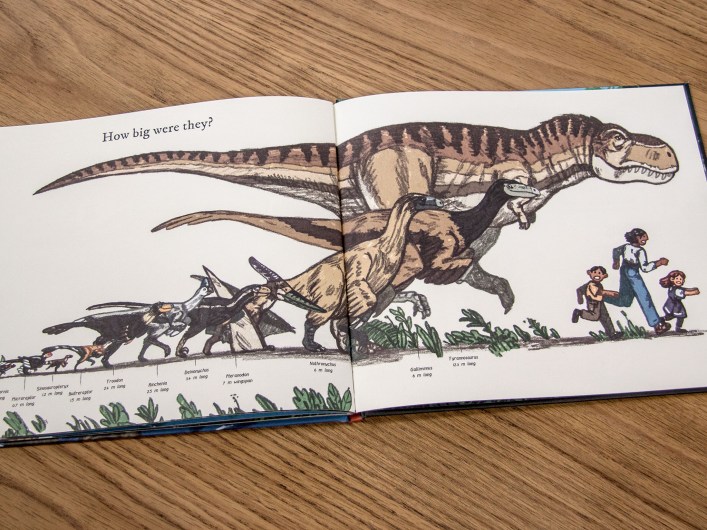
Neffy is a good book for a wide range of readers. Kids love dinosaurs, and feathered dinosaurs are a fairly recent discovery, so it’s exciting to read. Younger readers will enjoy Neffy’s story and the bright, fun artwork. Older readers will also enjoy going a little deeper an learning more about these dinosaurs, thanks to the additional information on such dinos as the sinosauropteryx, troodon, and gallimimus. A spread at the end of the book shows readers the scale of a range of dinosaurs – and some humans!

neffy_6Image courtesy of Nobrow Press

Display this one with Brenda Z. Guiberson’s Feathered Dinosaurs, and show off some more feathered dinos at the American Museum of Natural History’s site. Older readers will get a kick out of the Time for Kids article, “Fuzzy, Was He?”, that discusses the T Rex’s feathered relatives.

neffy_2

neffy_3

neffy_4

neffy_5

Joe Lillington is a UK-based author and illustrator. Check out more of his illustration at his website.

Posted in Animal Fiction, Early Reader, Fiction, Preschool Reads

What happened to the Moon? Mr. Squirrel and Moon tries to figure it out.

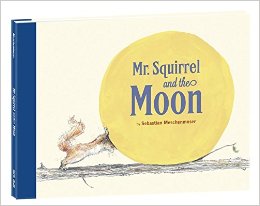
squirrel_2Mr. Squirrel and the Moon, by Sebastian Meschenmoser, (Jan. 2015, North South Books), $18.595, ISBN: 9780735841567

Recommended for ages 3-6

Mr. Squirrel wakes up one morning to discover that the moon has fallen from the sky and landed on his tree! Afraid that he’s going to be blamed for stealing the moon, he desperately tries to get rid of it in this entertaining cumulative tale. The squirrel tries to shove the moon off of his branch, where it lands – and sticks – on a hedgehog. Together, the two attract the attention of a billy goat, some bees, and mice, but can they get the moon back where it belongs before someone notices?

The best parts of Mr. Squirrel and the Moon are the wordless, black and white interludes between episodes of trying to dispose of the moon, when Mr. Squirrel’s imagination takes over, picturing him in a jail cell with a (human) cellmate. The detail is hilarious, from the tiny toilet for the squirrel to the little uniforms for Mr. Squirrel and the rest of the animals as they join him in the cell, to the sight of the moon, back in the sky, with the hedgehog still stuck to it.

The endpapers give readers a clue as to what’s really going on, and the subdued artwork challenges readers to look closer to discover the wonderful little extras Sebastian Meschenmoser adds to his story. This is a fun read-aloud, and is even better for independent readers to sit down and look through at their leisure. There’s so much to discover here.

squirrel_1Image source: PictureThisBook.com

Mr. Squirrel and the Moon was a Winter 2015 Top Ten IndieNext Pick.