Posted in Middle Grade, Non-fiction

Get Ready for STEM Summer!

Sure, many libraries are doing the “Libraries Rock!” theme for Summer Reading, but that’s no reason to leave science out of the fun! I’ve got a bunch of STEM books that you’ll want to get in front of (or create programs using) your readers to have fun with this summer. Careers, facts, bios, and, most fun of all, experiments, await!
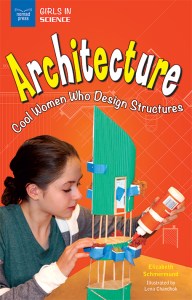
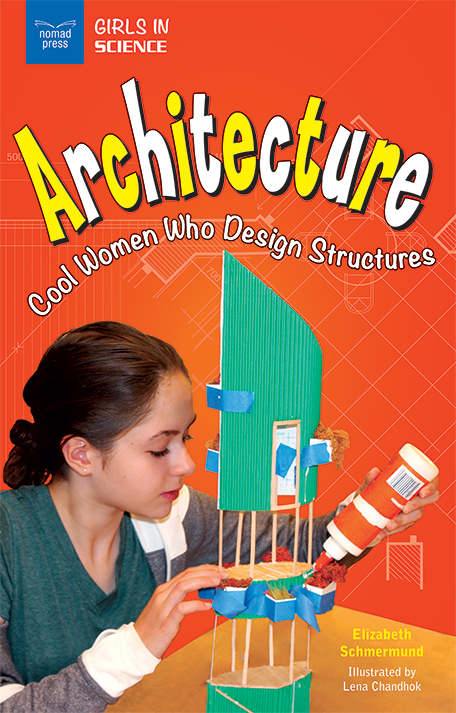
Architecture: Cool Women Who Design Structures (Girls in Science series), by Elizabeth Schmermund/Illustrated by Lena Chandhok, (Aug. 2017, Nomad Press), $9.95, ISBN: 9781619305465

Recommended for readers 9-13

I’m always looking for good career books, because I weeded my current section when I first got to my library. I really liked this book, and I’m looking forward to reading and putting more of the Girls in Science series in my book cart for future purchases. Architecture is divided into four color-coded sections: the first, a general overview of architecture; the history, styles, what the profession is like today and how to prepare for study in architecture, and women in the profession. The next three sections are devoted to profiles of a diverse group of women architects: Patricia Galván, a Project Manager; Farida Abu-Bakare, an intern architect who’s in the process of writing her exams and works with science and technology; and Maia Small, who owns and operates her own small architecture firm. In addition to the profiled female architects, there are brief bios on other women in the field. Ask & Answer sections provide thought-provoking questions, many beyond the basic material, for readers to consider. QR codes in callout sections provide links to more information. The overall narrative, and each profiled professional, addresses the gender gap and even larger diversity gap in the industry. Back matter includes a timeline of the profession, all the Ask & Answer questions in one place, a glossary, further resources, including written-out links to the QR code sections, and an index.
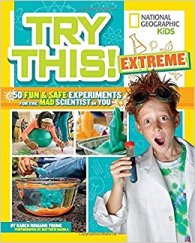
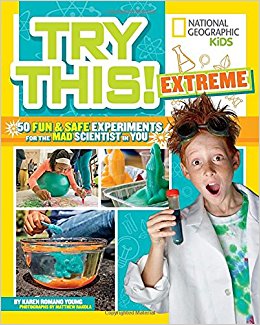
Try This! Extreme: 50 Fun & Safe Experiments for the Mad Scientist in You, by Karen Romano Young/Photographs by Matthew Rakola, (Sept. 2017, National Geographic Kids), $16.99, ISBN: 9781426328633

Recommended for readers 8+

The best part about science, I tell the kids in my programs and class visits, is making a mess, yet, no one gets mad at you (mostly). What better time to be a mad scientist than in the summer, when it’s beautiful out and you can open those windows to offset any stinky experiements? The book starts off with safety instructions and photos of the kid (and dog) scientists who tested out the 50 experiments waiting to be discovered in Try This! Extreme. Each experiment has a safety rating, a who you need rating (i.e., an adult, just you, or maybe grab a friend), and supervision rating; each experiment also lays out concepts explored, approximately how long it will take, what you need, and a step-by-step guide through the process, accompanied by full-color photos. There are callout facts, questions to ask yourself, and key terms defined throughout. Conduct a bioblitz (exploration) in your yard or a park, learn physics using marshmallow Peeps, or check the weather forecast and aim for a game of masking tape hopscotch when there’s rain predicted. There are bonus mini-experiements, Science Fair experiment prompts and guidance, K-12 science standards and how each experiment corresponds to them, an index, and metric conversion tables. Enjoy!

The STEM Quest Series from Barron’s Educational is a brand new series broken out into four books, loaded with facts and experiments:
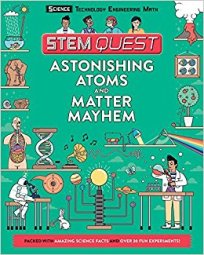
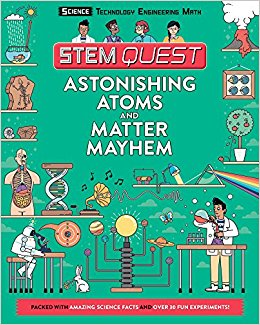
STEM Quest Science: Astonishing Atoms and Matter Mayhem, by Colin Stuart/Illustrated by Annika Brandow, (May 2018, Barron’s Educational), $10.99, ISBN: 9781438011363

Recommended for readers 8+

This volume looks at the organic side of things: biology, chemistry, physics, earth and space sciences, biochemistry, biomedicine, and biotechnology. Each section guides readers through full-color illustrated discussions on each area and includes experiments to ramp up the fun. Kids will LOVE the Marshmallow Molecules – you need a bag of marshmallows, a box of toothpicks or wooden skewers (me? I’d go with the toothpicks, but I’m in a public library), and some compound formulas. Let kids make their own formulas up and watch the fun begin! I’ll save you the search: this is where you can find the chemical compounds for farts. It’s the American Council on Science and Health’s website, so they did this for science. You’re welcome. Littler ones can make their own sundial, or spot a constellation. There are scientist profiles and fantastic facts throughout, plus a glossary and an index.
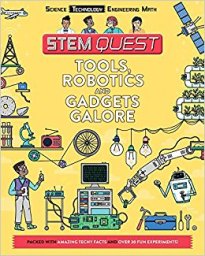
 

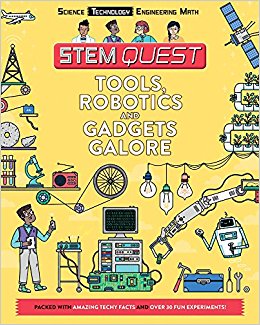
STEM Quest Technology: Tools, Robotics, and Gadgets Galore, by Nick Arnold/Illustrated by Kristyna Baczynski, (May 2018, Barron’s Educational), $10.99, ISBN: 9781438011370

Recommended for readers 8+

This volume looks at the techy side of life: construction, power and energy, agriculture and biotechnology, manufacturing, information and communication, medical and biomedical, and transportation. Learn about the evolution of tools, from the earliest hand tools to robots and space suits. Learn how a blast furnace works, and make your own plastic (adult helpers necessary), and learn how it works. Get your Project Runway on, with a section on textiles: you’ll learn to weave, tie dye, and ink print. For your more tech-inspired readers, there’s an easy Try This at Home experiment that teaches (with adult help) how to build a circuit, or how to magnetize a nail. There are great programming ideas in here: I think I’m going to look into building a planet and designing a space station, all of which can be done on a shoestring and with adult help. And since I’m the closest thing resembling an adult in the room… well, I guess that falls to me. The same format applies here (and to all of the STEM Quest books): bios on prominent scientists, loads of facts and illustrations, a glossary, and an index.
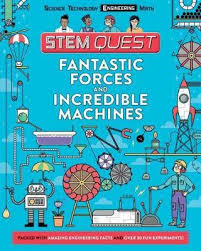
 

STEM Quest Engineering: Fantastic Forces and Incredible Machines, by Nick Arnold/Illustrated by Kristyna Baczynski, (May 2018, Barron’s Educational), $10.99, ISBN: 9781438011349

Recommended for readers 8+

Next up, engineering: systems and mechanics; materials and processes; biology, medical, agriculture and chemistry; structures; and sustainability engineering. Get the kids learning about forces and energy with experiments like Superhero Paper Clips, where they’ll make a paper clip float; a material scavenger hunt, inviting them to look around for everyday items made out of different materials; get out the old reliable straws and pipe cleaners and let them create 3-D shapes to see how they hold up under pressure, or that summer staple, the pinwheel. (The book suggests dowels; I’m here to tell you that chopsticks are a lot cheaper and just as easy to use.) There’s a great section on environmental engineering that will have you and your readers figuring out how to clean up our environment and a nuclear power lesson that has the simplest of experiments: use the sun’s nuclear energy to test your sunscreen on a piece of construction paper.
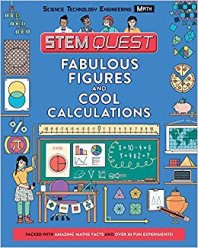
 

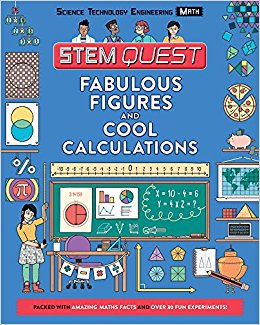
STEM Quest Math: Fabulous Figures and Cool Calcuations, by Colin Stuart/Illustrated by Annika Brandow, (May 2018, Barron’s Educational), $10.99, ISBN: 9781438011356

Recommended for readers 8+

I’m trying to get more math-related fun in front of my library kids, because it scares the bejesus out of me and I don’t want to pass that on. The parents love a good math program, too, so I know I’ll get buy-in from the community on this one. Here, we’ve got numbers and operations; measurement; problem-solving, logic and reasoning; geometry; algebra; advanced math; data, analysis and probability; and communication. I will admit that just looking at that section scared the life out of me, but once I started reading, I quickly warmed up. There are great explanations of each concept in here, addressing the quick and easy stuff like place value and column addition and subtraction, and heading all the way into bigger ideas like proofs and binary. Fun experiments and activities include a pirate treasure challenge, where, as a pirate captain, you need to use math to calculate the best place to bury your treasure; creating 3-D art and making pyramids, and averaging Olympic judge scores.

That’s a start for some STEM summer fun, but make sure to get your STEM sections and displays up and running to give readers readalikes and ways to expand on what they’re learning. The Secret Coders graphic novel series by Gene Luen Yang and Mike Holmes is great for Math and Tech fans, who want to play with coding. Science Comics has books about rockets and robots that will fit nicely with STEM displays, and I’m a big fan of the Junk Drawer Science series by Bobby Mercer. There are tons of fun STEM-related books out there!

Posted in Fiction, Fiction, Intermediate, Middle Grade

Fables from the Stables: Murray the Race Horse

Murray the Race Horse, by Gavin Puckett/Illustrated by Tor Freeman, (May 2018, Faber & Faber), $8.95, ISBN: 9780571334681

Recommended for readers 6-10

Murray is a sweet horse with big dreams: he wants to race, he wants a trophy, he wants the adulation of the fans, but there’s a big problem: Murray just can’t run that fast. He’s used as a service horse, and the other sleek, fast racing horses poke fun at him, but Murray gets his chance at greatness when Ned, one of the racing horses, is injured at the big Speed Saddle Cup race and Murray is pulled out of the crowd to compete in his place! Murray’s handed off to a stable boy for shoeing – but the stable boy puts the shoes on the wrong way, leaving Murray to run the race backwards! Is seeing things differently the key to Murray’s success?

Originally released in the UK in 2017, Murray is the first in author Gavin Puckett’s Fables from the Stables series, and is a short story, written in verse, and illustrated in full color. Murray is a sweet horse that kids will root for, and the storyline about seeing things differently, or trying a different strategy to change your luck, will appeal to parents, educators, and caregivers that may need some help explaining the concept. This can easily be a read-aloud or independent reading book. Give this to your horse story fans (get those Horse Diaries books on display) and your humor readers.

Posted in Fantasy, Fiction, Fiction, Humor, Intermediate, Middle Grade

Vivian French creates fun fairy tales!

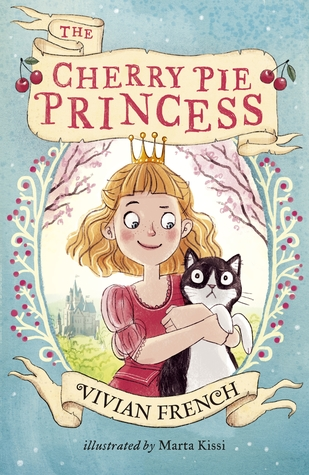
The Cherry Pie Princess, by Vivian French/Illustrated by Marta Kissi, (March 2018, Kane Miller), $5.99, ISBN: 9781610677332

Recommended for readers 7-11

Peony is the youngest of her princess sisters. She’s also the one with manners, and who loves to read. When a baby brother is born, her parents are thrilled and demand a huge celebration, but Peony’s father – who may be a tyrant – only wants people who will give good gifts and who are the “right” kind of people at the party, which leaves out The Hag, a powerful witch who doesn’t take kindly to being ignored. It’s up to Peony to use her brains to save the town librarian and an aspiring court jester that her father locked in the dungeon, her baby brother, and the entire kingdom. No pressure!

Vivian French’s fairy tales are so much fun to read. They’ve got wonderful heroines and heroes, and a dramatis personae of dramatic foils that are generally (comically) awful people. In this case, Peony, who loves the library, borrows a cookbook and learns how to bake while her father has the librarian thrown in the dungeon for daring to speak directly to Peony. Who discovers this years later, when her own father locks her up for daring to talk back to him. It’s Peony’s book smarts and sense of decency that combine to help her take charge of the situation when The Hag shows up to cause trouble, and save the day. There’s humor, fun and diverse characters – the three good fairy godmothers appear to be African-American – and Marta Kissi’s entertaining black and white artwork make this a fun read for fantasy fans, princess fans, and readers who love a book with a message. Plus, there’s a talking cat and a librarian. So, bonus.

Props to Marta Kissi for nailing a picture of me at the end of a day at the library, without even knowing me:


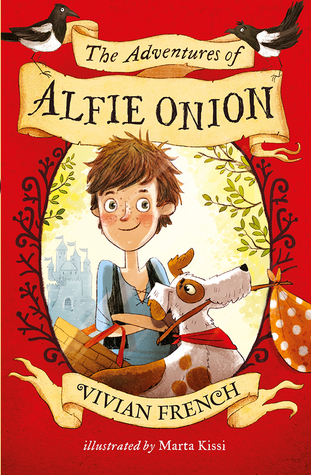
The Adventures of Alfie Onion, by Vivian French/Illustrated by Marta Kissi, (March 2018, Kane Miller), $5.99, ISBN: 9781610677325

Recommended for readers 7-11

Alfie Onion could really have had a chip on his shoulder, and no one would blame him. He’s the eighth son of a seventh son, an inconvenience to his mother, who lavishes all her attentions on her seventh son of a seventh son, Magnifico. You see, his mother grew up obsessed with fairy tales, and was convinced that the seventh son of a seventh son was destined for greatness; Magnifico is his mother’s long-tail get-rich scheme. The thing is, Magnifico is a spoiled brat who pretty much knows how to eat. And that’s that. So when his mother pushes him off to start his great adventures, Magnifico takes Alfie (and his dog, Bowser) along to carry his luggage. Guess who the real hero is going to be?

I am so happy to read that these two books are the beginning of a new stand-alone series; they are so much fun to read and address modern-day problems in a fairy tale setting. Like The Cherry Pie Princess, Alfie Onion has a positive hero with overwrought, melodramatic antagonist foils. Alfie is always respectful and kind, where Magnifico is selfish and rude; when danger lurks, Magnifico expects Alfie to protect him: some hero! The humor is light and fun, with all the fantasy dressing: forests, trolls, talking birds and mice, a lovelorn ogress, a faithful dog, and a hero’s quest. Marta Kissi’s illustrations just add to the fun here, especially when the adventure takes a turn into an ogrish rubbish pit.

Do you have readers who love Whatever After? Grimmtastic Girls? Hand them these, and tell them to enjoy. Have boys who think fairy tales are for girls? First, tell them they’re clearly not reading the right fairy tales, and hand them these, too.


Posted in Fiction, Intermediate, picture books, Preschool Reads

June Picture Book Roundup

There are so many good books for Summer Reading hitting shelves in June! Let younger readers explore new worlds and meet new friends with some of these picture books.

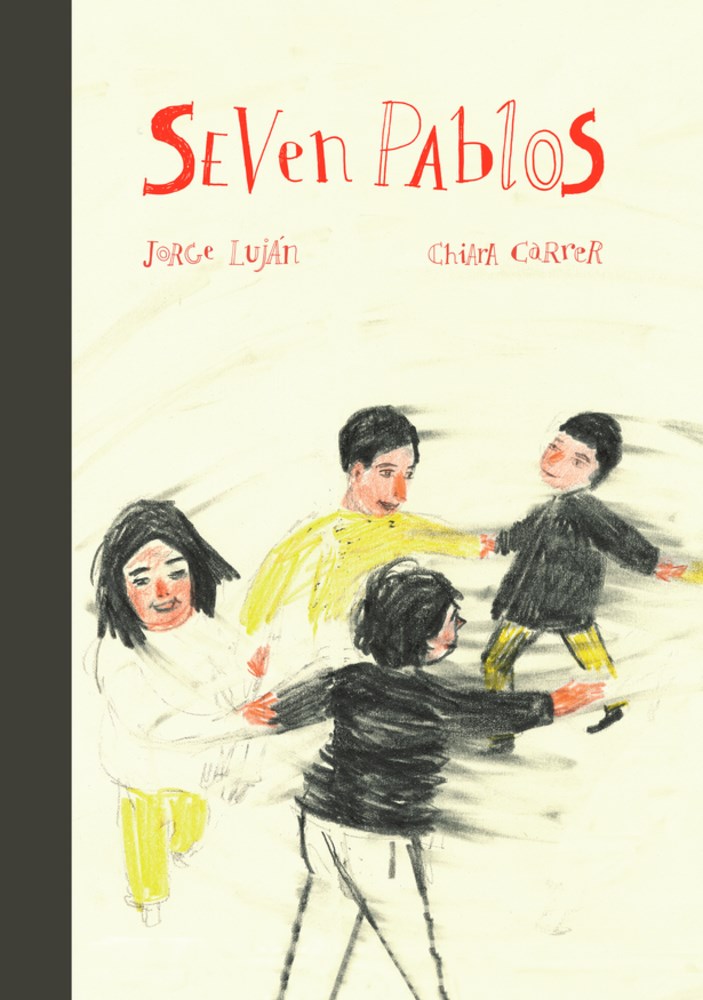
Seven Pablos, by Jorge Luján/Illustrated by Chiara Carrer, Translated by Mara Lethem, (June 2018, Enchanted Lion Books), $17.95, ISBN: 9781592702534

Seven boys share the same name. Seven short vignettes share the stories of seven lives, taking readers from the copper mines in Chile to a refugee family living in Mexico, from a garbage dump in Peru to a streets of the Bronx, New York. Seven Pablos sheds light on the living conditions of children around the world in sparse, quietly powerful text. Graphite pencil art creates a dreamlike atmosphere for this lyrical story by Poet Jorge Luján.

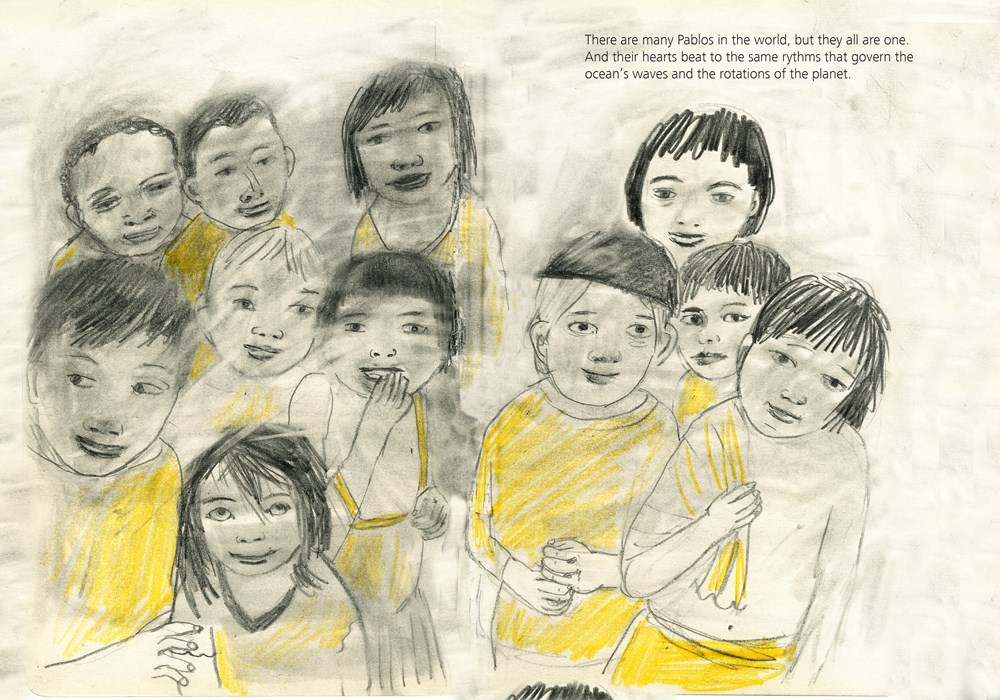
Seven Pablos is deeply moving and continues to call attention to the plight of migrant and refugee families around the world. One scene expresses the rage these kids hold within them, as one Pablo tells a visiting poet that he wants to be a “big guy in a uniform” so he can “beat people up and get away with it”. A refugee Pablo recites a poem – in actuality, written by a 9-year-old Argentine child – where he imagines soldiers crushing roofs with their boots. Luján ends his story with the beautiful reminder that there are many Pablos in the world, and each one has a heart that beats with the rhythm of our world.

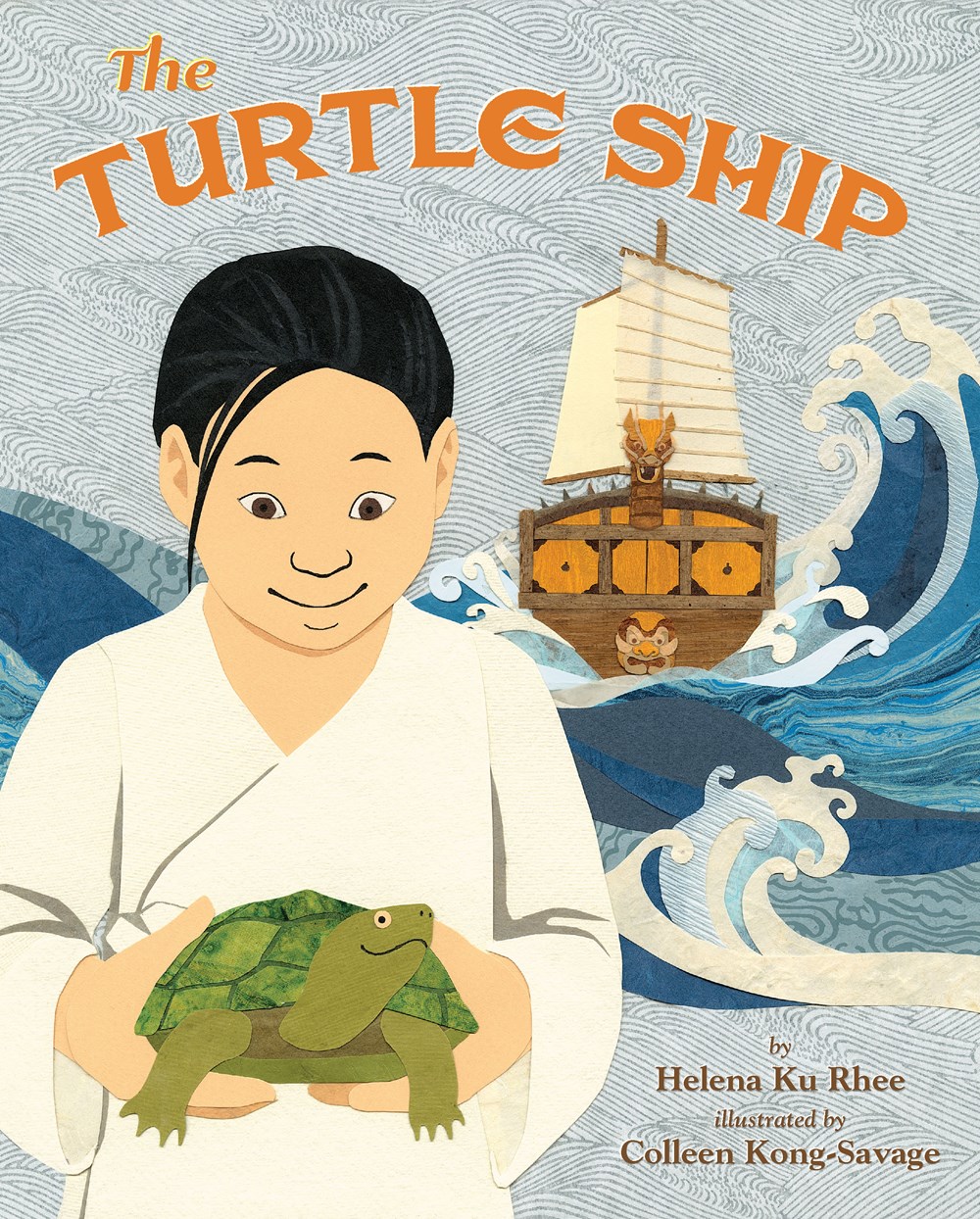
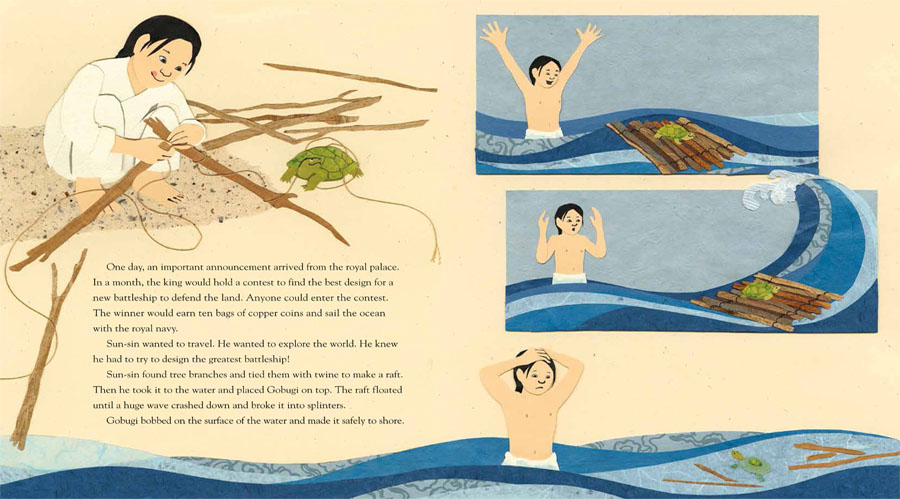
The Turtle Ship, by Helena Ku Rhee/Illustrated by Colleen Kong-Savage, (June 2018, Lee and Low Books), $17.95, ISBN: 9781885008909
Recommended for readers 6-12
This folk tale is based on Korean history. A boy named Sun-sin dreams of seeing the world with his pet turtle, Gobugi, and discovers his chance when the king announces a contest: design the best battleship to defend the land. The winner will receive ten bags of copper coins and the chance to travel with the royal navy. After a few failed attempts at a design, Sun-sin notices that his turtle is strong, slow, and steady, and decides that the best design will be based on Gobugi. At first, he’s laughed at in the king’s court, but when a cat tries to attack the turtle, the king and his court all see that there is something to the boy’s idea. Thus, the Korean Turtle Ships were created, and the boy grew to be famed Admiral Yi Sun-sin.
The story is best served by the incredible paper collage artwork, created using paper from all over the world. The art gives the story drama, color, and texture, and the story itself is as good for read-alouds as it is for independent reading. This is a nice addition to historical collections and cultural folktales. An author note on the Korean Turtle Ships provides some background on the legend of Yi Sun-sin and the Turtle Ship design.

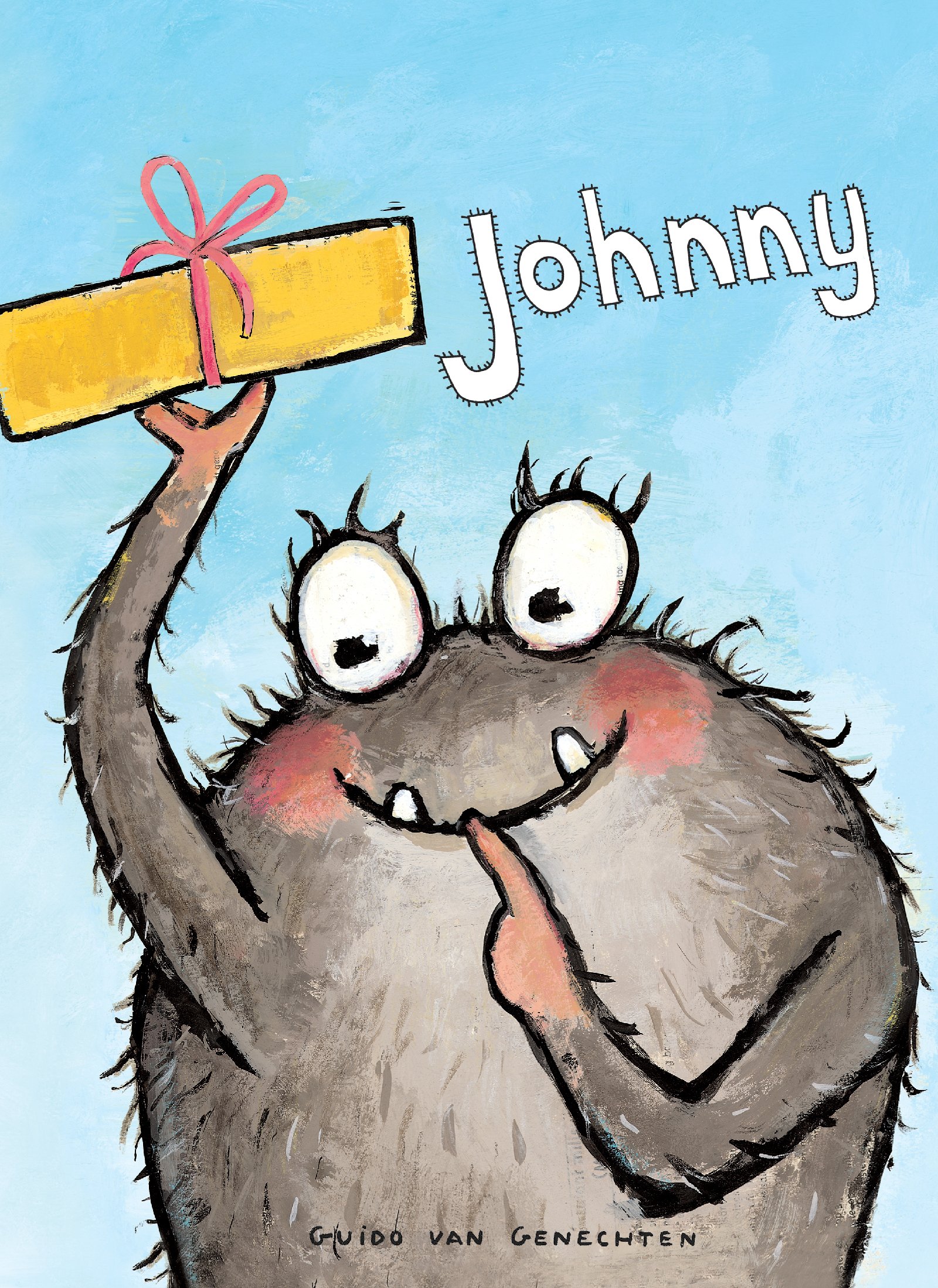
Johnny, by Guido van Genechten, (June 2018, Clavis Publishing), $17.95, ISBN: 9781605373775

Recommended for readers 3-5

Johnny is an adorable spider with a secret to share, but everyone’s afraid of him! Wanna know his secret? It’s his birthday, and he wants to share his cake! This adorable book by Guido van Genechten is a good story to read when talking to kids about judging others based solely on appearances.

I have to admit, I needed to read this one a couple of times because I felt so bad for Johnny! It’s his birthday, and he’s all alone because everyone’s afraid of him! And then I figured it out: that’s the point. I mean, I know it was the point to begin with, but having Johnny celebrate with only the reader by the story’s end leaves a reader feeling badly – and that’s the time to talk about empathy. Ask kids how they would feel if people didn’t want to be near them because someone didn’t like the way they looked. Ask how they would feel if they had a birthday party and no one came! And then, for heaven’s sake, throw Johnny a birthday party: have some cupcakes and fruit punch, and sing Happy Birthday to the poor guy. He deserves it. Guido van Genechten’s cute, expressive, boldly outlined artwork is instantly recognizable and appealing to younger readers.


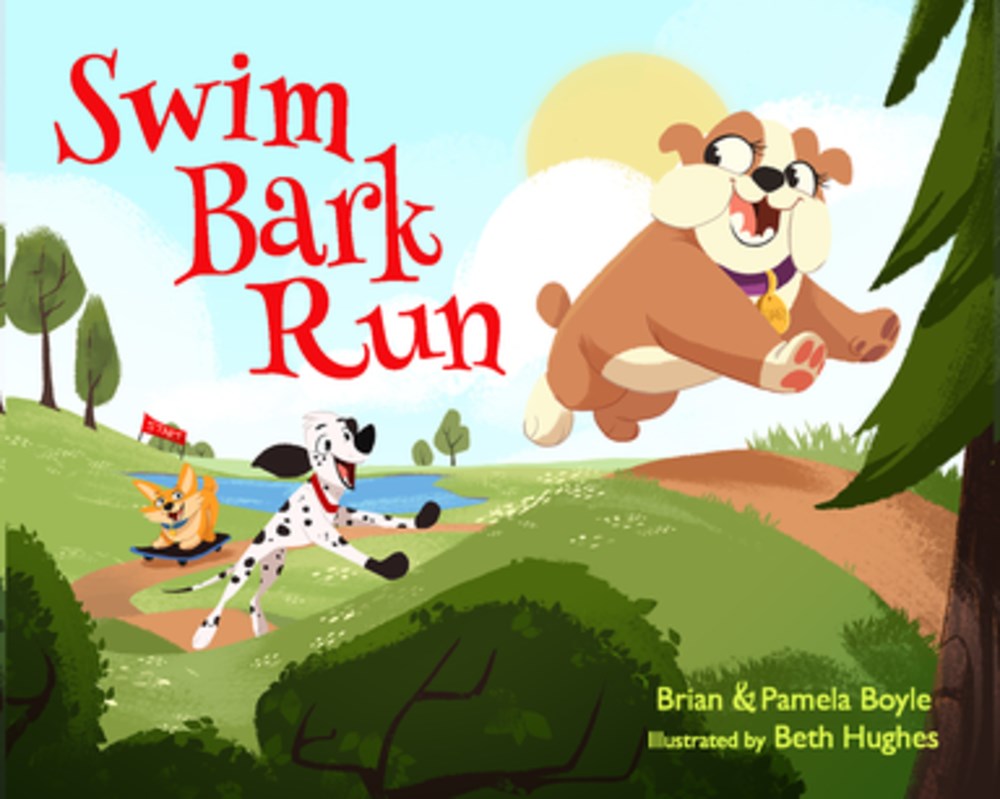
Swim Bark Run, by Brian & Pamela Boyle/Illustrated by Beth Hughes, (June 2018, Sky Pony Press), $16.99, ISBN: 9781510726963

Recommended for readers 3-7

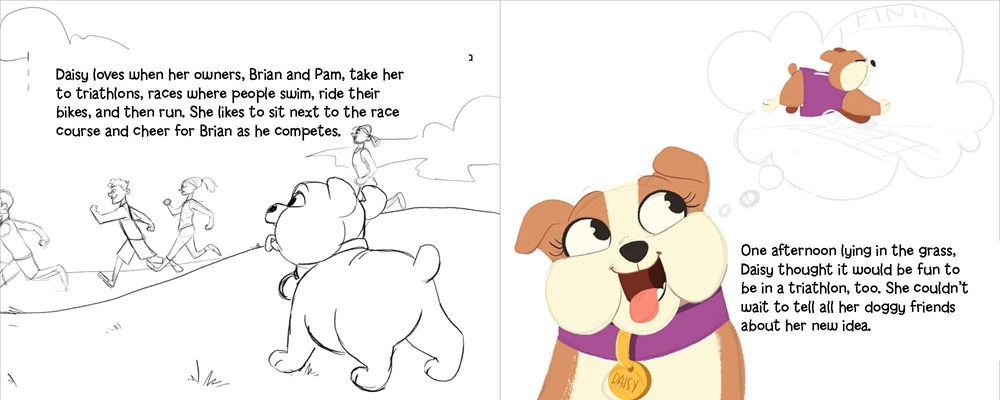
Daisy the Bulldog is so proud of her humans, Brian and Pam, when they compete in triathlons. She wonders if she could train and compete like they do, and decides to enlist the help of her fellow doggie buddies, Rascal, Atticus, and Hobie, to hold their own Dog-Athlon! Daisy is full of energy at first, but when she starts getting tired, a familiar face at the finish line gives her the boost she needs!

Swim Bark Run is a cute book about physical activity, competition and cooperation, and determination. The digital artwork is bright and cute, giving the dogs happy, friendly faces and includes a nice amount of action as the pups train for their big day. There are positive messages about working together and encouraging one another. This is a cute additional add for readers who like animal books and books about physical fitness.

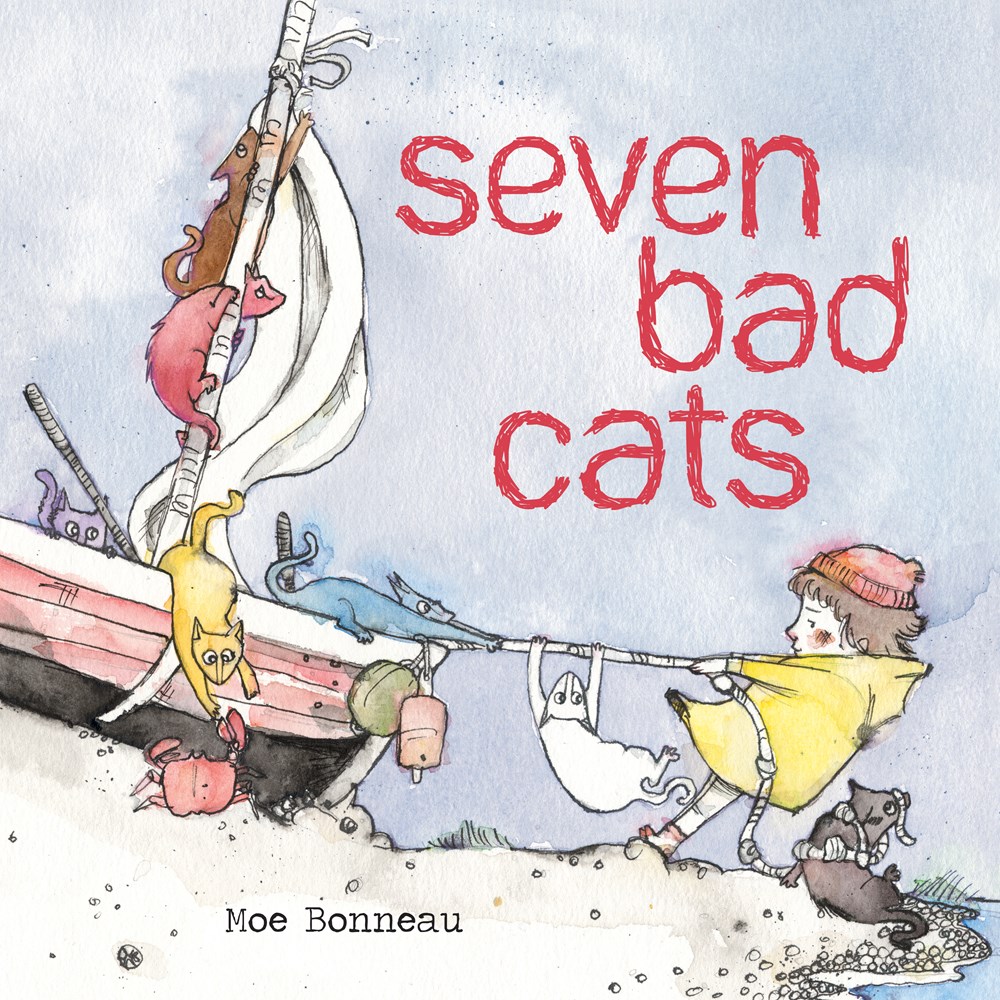
Seven Bad Cats, by Moe Bonneau, (June 2018, Sourcebooks Jabberwocky), $17.99, ISBN: 9781492657101

Recommended for readers 4-7

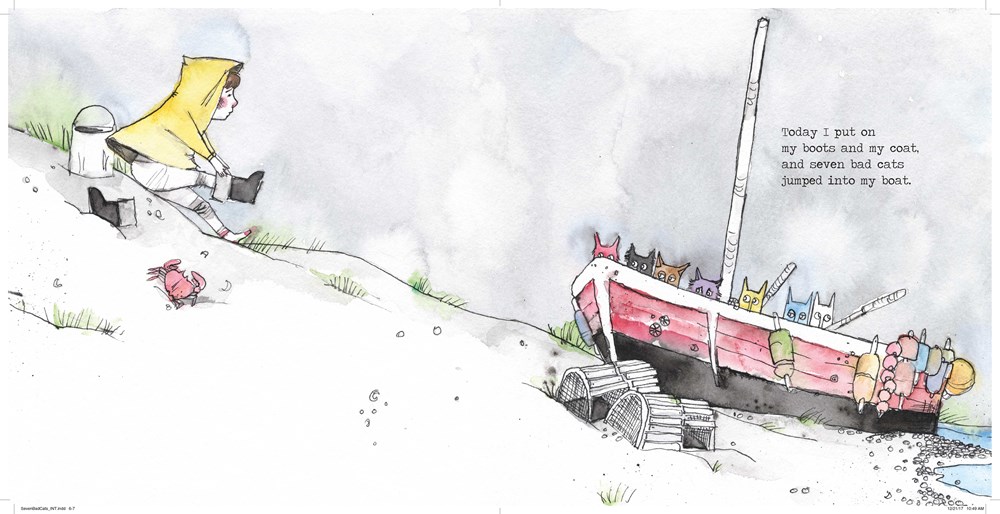
A child gets ready to go out on a fishing boat, but seven bad cats make progress very difficult. I love this rhyming, counting tale of seven cats who do what cats do best: get in the way! They eat from the traps, take naps on the oars and steal the child’s gloves, and generally make themselves a nuisance until the boat flips over, and the cats band together to save the day. The book counts up from one to seven until the boat flips everything over, including the story, and the countdown from seven back to one ends the fun. The watercolor artwork adds a nice, watery feel to this seafaring tale, and the cats are hilarious, using their whole bodies to get up to all sorts of no good; even appearing in mug shots on one page. They sprawl, they curl, they stretch, and they swim – they may not like it, but a cat’s gotta do what a cat’s gotta do! This one is a thoroughly enjoyable add to storytime and concept collections. Give this to your cat loving kids! (Also good for a readaloud with flannels or beanie babies.)


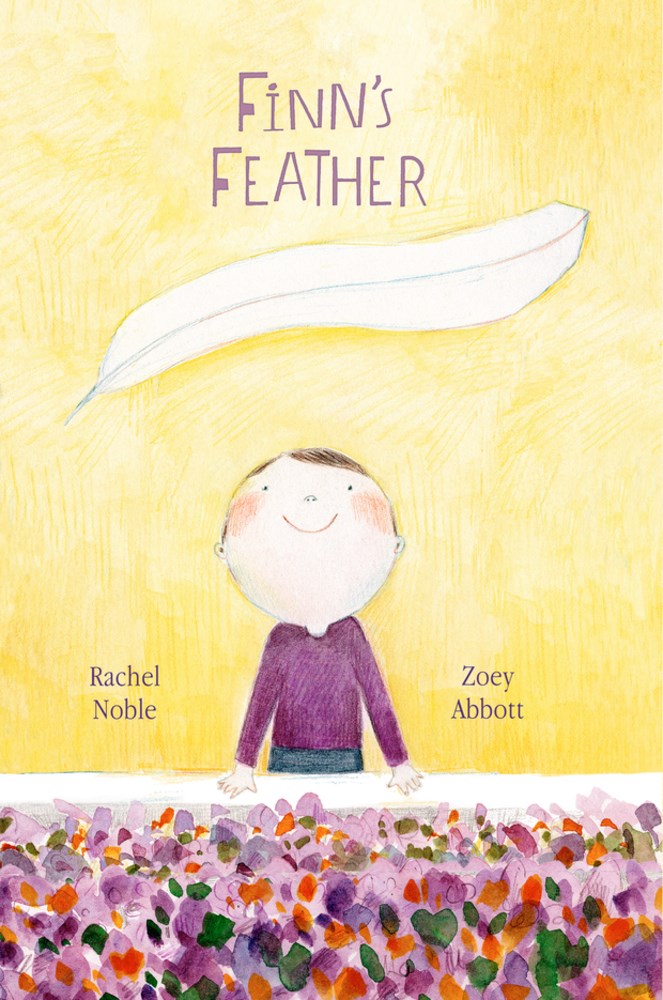
Finn’s Feather, by Rachel Noble/Illustrated by Zoey Abbot, (June 2018, Enchanted Lion), $17.95, ISBN: 9781592702398

Recommended for readers 4-8

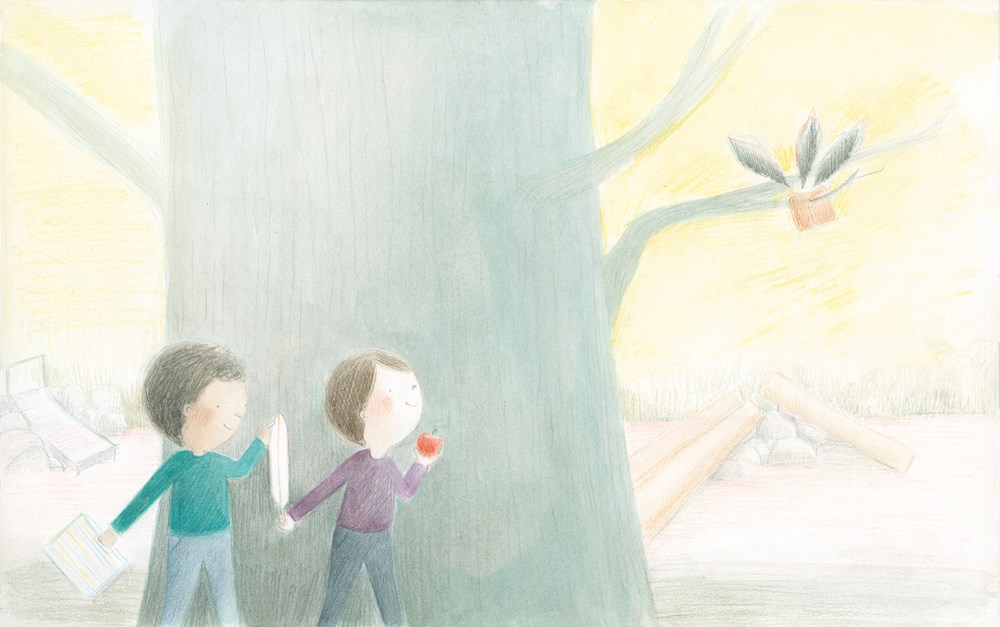
In this touching story about grief, loss, and remembrance, a young boy named Finn finds a feather at his doorstep. It’s white, amazing, perfect. It has to be from his brother, Hamish, and Finn tells his mother and his teacher, who take a deep breath and smile; Finn doesn’t understand why they aren’t as excited as he is. His friend Lucas is, though: it’s got to be an angel’s feather, it’s so perfect, and the two friends take Hamish with them on the playground, running with the feather as if it were an additional friend. Finn uses the feather as a quill to write a note to Hamish that evening, and sets the envelope holding the letter in a tree, so the wind will carry it to Hamish.

Inspired by author Rachel Noble’s loss, this moving story about a sibling grieving and remembering is gentle, understanding, and an excellent book to have available for children moving through grief. The soft pencil artwork and gentle colors provide a calming, soothing feel to the story.


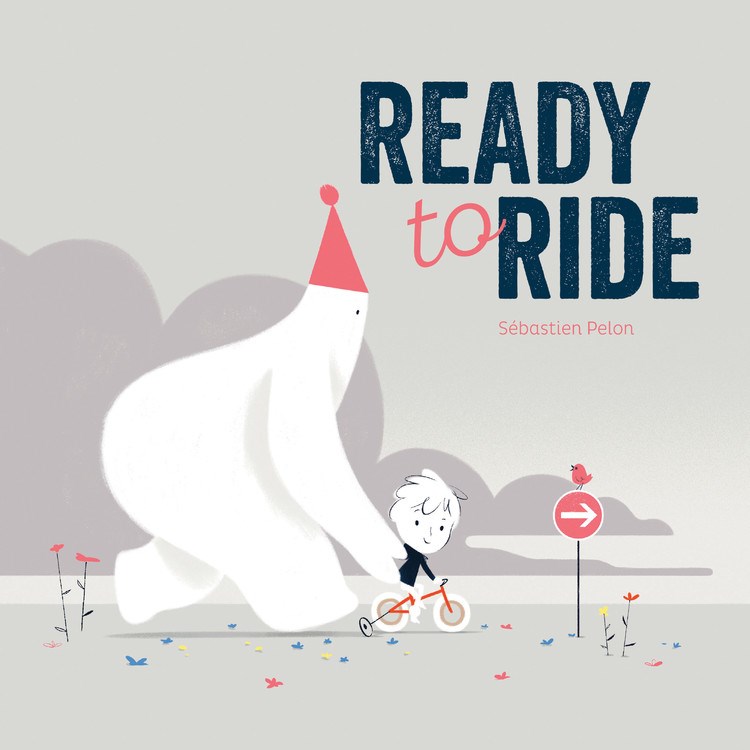
Ready to Ride, by Sébastien Pelon, (June 2018, words & pictures), $17.95, ISBN: 9781910277737

Recommended for readers 3-7

A young boy finds himself bored on a day home, until his mother sends him out to play. An imaginary friend joins him, and together, they learn to ride a bike! This is a fun, light story about imagination and getting outdoors to play. The imaginary friend is a big, white, two-legged figure – think yeti without the shag – wearing a pointy pink hat and protectively towers over the boy, helping him learn to ride the bike. When the boy heads home after a day of play, his new friend disappears, which is a bit of a letdown. Maybe he’ll show up again. There’s a “Certificate for a Super Cyclist” at the end of the book; a cute prize for kids who learn to ride. This one is an additional add if you’ve got kids who like bike-riding.

Posted in Uncategorized

Books for Pride: Julian is a Mermaid

June is coming up quickly (yikes!), so let’s get our Pride collections ready to read and booktalk! I’ll be spotlighting a few new books, and some favorites, this month. Let’s start with a relatively new book: Julian is a Mermaid.

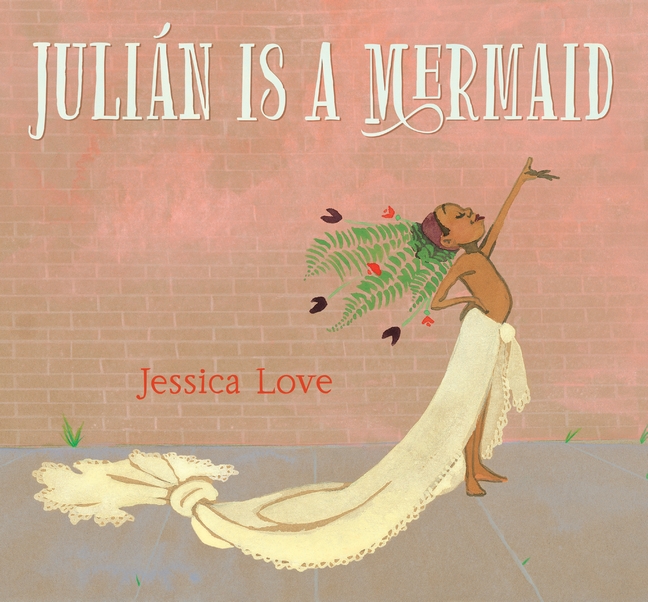
Julián is a Mermaid, by Jessica Love, (Apr. 2018, Candlewick Press), $16.99, ISBN: 9780763690458

Recommended for readers 4-8

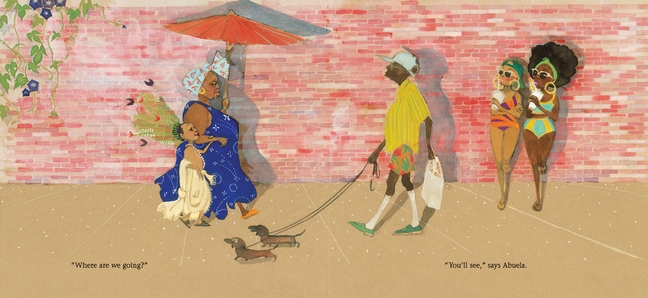
I love this gorgeously illustrated story of a little boy who embraces his inner mermaid. As Julián rides the subway home with his abuela, he spies three women, dressed and gorgeous, and pronounces them mermaids. He daydreams about his own transformation into a mermaid; shedding his tank top and shorts (he keeps his undies on); letting his hair grow wild and free, and develops a fabulous pink and yellow mermaid tail as he heads off to swim with a group of fish. When he and Abuela arrive home, he tells her that he’s a mermaid, too. When she goes to take a bath, Julián transforms himself: he sheds his clothes (keeping those tidy whities on), gives himself a fierce head of hair using Abuela’s fern and some flowers, gets into her makeup, and wraps a curtain tail around himself. Voila! Abuela takes one look at him, hands him a necklace, and takes her fabulous and fierce mermaid to the Mermaid Parade at Coney Island, telling him, “Like you, mijo. Let’s join them.” And they do, following right behind the trio of mermaids the two met earlier on the subway.

What an empowering, fantastic story. I love the New York flavor: the street scenes are pure New York, from the green subway entrances to the faces and body language of every character in this book. A group of girls plays at an open fire hydrant; a seagull hangs out on the street by an older man, sitting out on his chair, with his dog in his lap. The Mermaid Parade is full of fanfare, and the colors pulse off the page. Abuela accepts Julián and takes her grandson to be with his fellow mermaids, but most importantly, Julián accepts himself. The endpapers give us a little more of the story, too: Abuela, Julián, and four older woman enjoy themselves at the public pool; at the end, the same group are all mermaids, enjoying themselves in the sea. Put this on your Pride reading lists, and read this in your storytimes and to your kids often.

Julián is a Mermaid has five starred reviews and is a Junior Library Guild Selection.

Posted in Non-Fiction, Teen, Tween Reads, Young Adult/New Adult

Colorama sparks color memory

Colorama: From Fuschia to Midnight Blue, by Cruschiform, (March 2018, Prestel), $24.95, ISBN: 978-3-7913-7328-7

Recommended for readers 10+

You know how a color can evoke a memory, or a feeling? Maybe the color red evokes the memory of reading Little Red Riding Hood as a child; maybe yellow brings back the time you had a favorite pair of rain boots. Colorama: From Fuschia to Midnight Blue works on that idea; memory through shades of color. There are 133 different colors in here, varying monochromatic shades of whites, reds, oranges, yellows, greens, blues, violets, browns, blacks, and grays. Each spread includes an illustration of a color; a description of a color memory, and a full-page swatch of the color. You won’t believe how many shades you’ll find in here; it provides minds with a color palette to draw from, whether through color or through words, and it’s loaded with memory prompts for art and writing ideas. There’s something new to learn with each turn of the page: Milk owes its color to milk proteins and globs of fatty matter; shrimp and flamingoes both owe their coloring to the pigment astaxanthin, and the kiwi fruit is named after the kiwi bird, because the hairy fruit resembles Australia’s national bird’s plumage. There’s an incredible amount of information to be found in this beautiful volume!

(source: Cruschiform website, where pictures are featured from the French text)

This is a multi-purpose reference book that works for upper middle grade, middle school, and high school students that also works as a gift book for a budding artist. Appendixes include a color palette in order of presentation in the book and a thematic index that lays out colors by themes including mammals, birds, clothes and fabrics.

Posted in Fantasy, Fiction, Intermediate, picture books

Grab your passport! These picture books will take your imagination on an adventure!

An Atlas of Imaginary Places, by Mia Cassany/Illustrated by Ana de Lima, (March 2018, Prestel), $19.95, ISBN: 9783791373478

Recommended for readers 5-10

How do you not love a book that came together over coffee and carrot cake? An Atlas of Imaginary Places came together when author Mia Cassany and Ana de Lima did just that; talking about the places they pictured in their minds and dreams, they came up with “colors and languages for an atlas that would never exist… Or would it?” Bursting with color, islands, and mountains; with animals that change their coats every time someone sneezes, and volcanoes that spit lava made of bubble gum, the places in this atlas provide something new and exciting with each turn of the page.

This is the kind of book that begs for multiple readings. Every spread offers a new place with new wonders, and you’ll notice something new each time. There are cities, oceans, jungles, and islands waiting to be explored by readers who can get lost in their pages. Send your little ones to bed with a page or two, setting the stage for wonderful dreams, or ask your readers to add to the landscape and come up with their own exciting places and inhabitants. This is the kind of book that makes readers love reading; this is the kind of storytelling that sets the stage for creativity. Give this to your explorers and dreamers, and display with books like Cloudy with a Chance of Meatballs, Adele in Sandland, or Wallpaper. An Atlas of Imaginary Places was originally released in Spain in 2016.


The Dangerous Journey, by Tove Jansson, (Apr. 2018, Drawn & Quarterly), $16.95, ISBN: 9781770463202

Recommended for readers 6+

Originally published in 1977 in Finland and translated to English in 2010, this Moomin adventure was the last picture book completed by beloved artist and author Tove Jansson. A young girl named Susanna is bored and irritable; her cat, being a cat, is curled up on the grass, enjoying the beautiful day, which seems to annoy Susanna even more. When a new pair of glasses just appears next to her, she tries them on and is transported to a fantastic land, where, though frightened, she sets off on a new adventure. She meets a group of fellow travelers who seem to know who she is: Hemulen (who readers familiar with Moomin will recognize), and friends from Moomin Valley:  Bob and Thingummy, Sniff, and Snufkin. Together, the group treads through surreal, creepy landscapes, braving volcanoes, storms, and monsters, until they reach Moomin Valley and safety.

The Dangerous Journey is a surreal adventure fit for kids and adults alike. The Dangerous Journey‘s rhyming text begs for a read-aloud, and Tove Jansson’s watercolor artwork appeals to the eyes and the imagination. The book’s final message also makes this a good graduation gift á la  Dr. Seuss’ Oh, The Places You’ll Go!: “Whether things turned out okay/She’s never going to know./When adventure comes your way/Enjoy it. Let it go.” This is a picture book classic to add to your collections; introduce it to readers of all ages who haven’t yet met the Moomins. You can meet the characters in Moomin, and see which character you’d be at the Moomin website.


Posted in picture books, Preschool Reads

Alma and How She Got Her Name is a beautiful family story

Alma and How She Got Her Name, by Juana Martinez-Neal, (Apr. 2018, Candlewick Press), $15.99, ISBN: 978-0-7636-9355-8

Recommended for readers 4-8

Alma is a little girl with a big name: Alma Sofia Esperanza José Pura Candela! She asks her Daddy how she ended up with six names, and her dad tells her the beautiful story behind each name.

I adore this book. So many of us have interesting origins for our names: some of us are named for family members; some for historical figures; some, just because our parents really thought the names were cool and interesting. Here, little Alma learns, through beautifully illustrated spreads, about her family history and her place within that history. We tend to put our hopes and dreams into a child’s name; Alma reveals those inspiring stories through Alma’s father, as he tells Alma her own story.

The drawings are largely monochromatic; black pencil on ivory pages, with washed reds and pinks (and the occasional blue) to liven things up. The names get star treatment, with beautiful, expressive fonts and pictures of namesakes throughout.

I can’t say enough good things about Alma. She belongs in every storytime and every shelf, because every family deserves to explore their history together. Candlewick has a great activity kit that will help kids create their own family trees and research their name(s); it’s free for downloading through their site.

Alma and How She Got Her Name has starred reviews from Publisher’s Weekly, Booklist, and School Library Journal. The book is available in English and Spanish.

Posted in Uncategorized

White Rabbit: A YA Whodunit

White Rabbit, by Caleb Roehrig, (Apr. 2018, Feiwel & Friends), $17.99, ISBN: 9781250085658

Recommended for readers 13+

Rufus Holt started out having a great evening at his best friend’s birthday party, but things have gone downhill pretty quickly. His ex-boyfriend, Sebastian – who ghosted him after Rufus told him he loved him – showed up at the party, looking for him, and his younger half-sister, April, called him and begged for his help. When Rufus and Sebastian head over to Fox Whitney’s place, where his sister was partying with the other rich, in-crowd teens, they find April holding a bloody knife, and Fox, laying dead in a pool of blood. Thus starts White Rabbit, a first-person narrated whodunit.

Rufus is the bastard son of a wealthy lawyer who refuses to acknowledge him. Unfortunately for Rufus, his half-siblings notice him just fine. He’s the school outcast, bullied and harassed by his borderline sociopath half-brother and his friends, and their rich kid crowd. When he came out, the abuse ratcheted up several notches, but Rufus refuses to break. He starts seeing Sebastian – one of the rich kid in-crowd – on the down-low, but Sebastian broke things off in a panic, afraid of how his parents would react. But Sebastian is back, and wants to try to patch things up with Rufus, so he rides along  as Rufus spends the night frantically trying to clear April’s name so he can get a payoff from her mother. The killer is still lurking, and systematically killing off anyone who can tie him – or her – to the night’s events, and Rufus is asking way too many questions.

White Rabbit is similar to Natasha Preston’s The Cabin: a group of awful teens with too much money get into trouble and the outcast has to save the day. The pace is fast, and the subplot surrounding Rufus and Sebastian’s relationship will pull readers in and keep them turning pages. Rufus can be a frustrating hero at points; his motivation to help April before the money came into play still makes me scratch my head, but Sebastian emerges as the deeper, more interesting character to follow here. Give this book to your thriller fans.

Posted in Intermediate, Non-Fiction

Fania’s Heart is a moving, true story

Fania’s Heart, by Anne Renaud/Illustrated by Richard Rudnicki, (Apr. 2018, Second Story Press), $18.95, ISBN: 9781772600575

Recommended for readers 7-10

Sorale, a 10-year-old girl, finds a tiny heart-shaped card in her mother’s dresser and asks her where she got it. Her mother sits down and finally tells her daughter the story of her survival in the Auschwitz concentration camp. Fania tells her daughter how she was taken to the camp, tattooed, and put to work with other women in the camp. She talks about their fear and their hunger, and how, on her birthday, the women came together to give her a birthday gift: a cake, from their bread rations, and the tiny card, folded into a heart-shape, which opens into a petaled flower, inscribed with their wishes for Fania. This little book is all that Sorale’s mother has left of her life before.

Based on a true story, Fania’s Heart embraces resilience, courage, and the strength we gain through our friendships. The realistic artwork may invoke strong emotions from readers: the pain of memory; the slumped shoulders of the Auschwitz women; the determination on Fania’s face, all carry powerful reactions. An author’s note tells Fania’s story and includes photos of Fania, Sorale (Sandy), and Fania’s heart, which is on display in the Montreal Holocaust Museum. Fania’s Heart is a good additional book to add to World War II and Holocaust collections.