Posted in picture books, Preschool Reads, Uncategorized

I Try encourages resilience

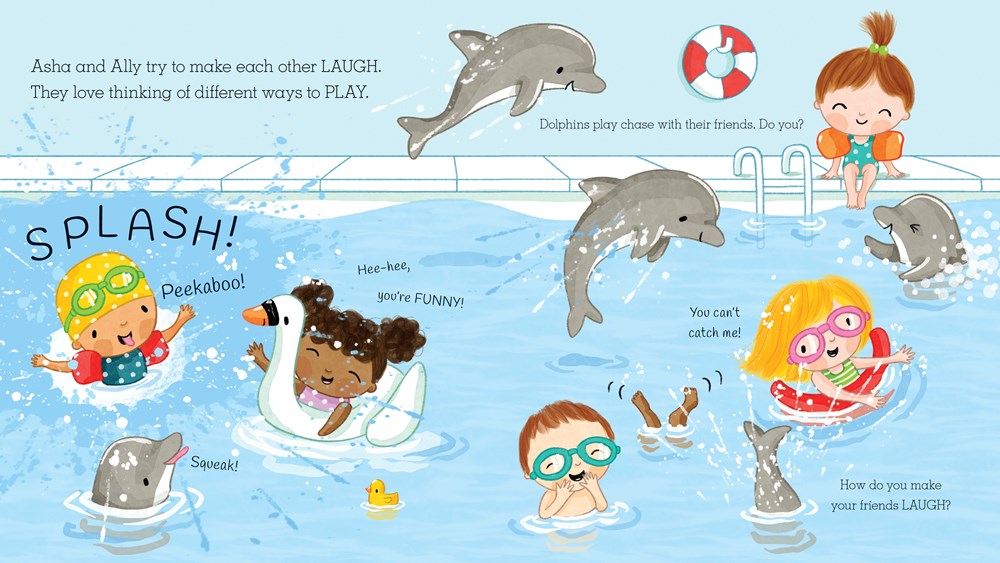
I Try: Resilience for Little Ones, by Susie Brooks/Illustrated by Cally Johnson-Isaacs, (Dec. 2023, Kane Miller), $13.99, ISBN: 9781684645688

Ages 3-6

Kids show that humans can learn a lot about resilience from the animal kingdom in this sweet story about resilience. An inclusive and diverse group of children work together to try new things, as animals act as teachers: beavers show a group of children how to work as a team to build a tent, and penguins encourage a group of ice skaters to keep going, marching together in the coldest of weather. When a spider’s web breaks, it makes a new one, and when a boy’s baby brother tips his toy tower over, he takes a deep breath and starts over. Brooks touches on calming techniques. teamwork, and joy to get her message across, and Johnson-Isaacs creates gently colored illustrations with friendly animals and children to show readers that teamwork makes the dream work. A good additional purchase for social-emotional focused collections.

I Try is the companion to Brooks & Johnson-Isaac’s I Breathe: Yoga Poses for Little Ones (2020).
 

Posted in picture books, Preschool Reads

A fairy tale retelling and a neurodivergent main character who saves the day

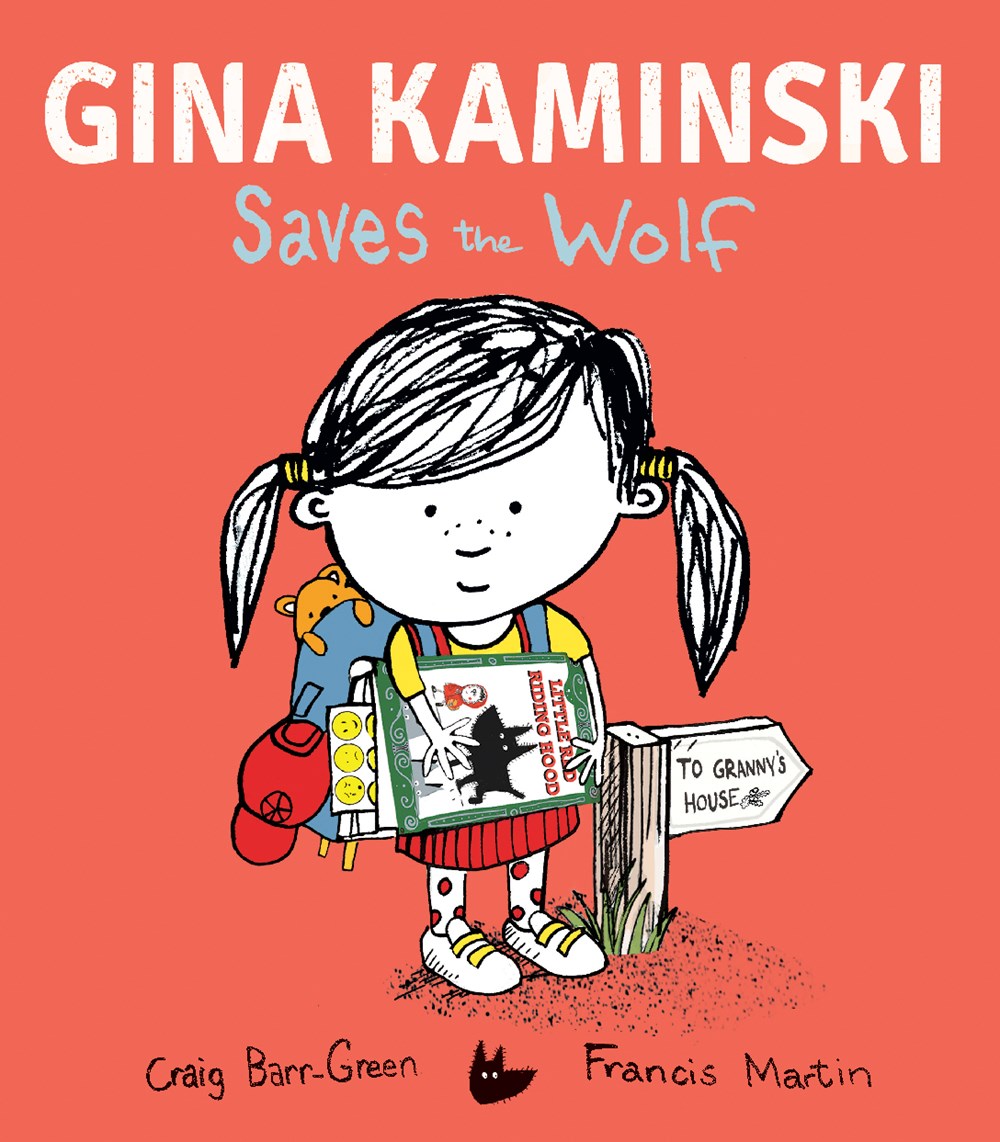
Gina Kaminski Saves the Wolf, by Craig Barr-Green/Illustrated by Francis Martin, (March 2024, Kane Miller), $17.99, ISBN: 9781684647866

Ages 4-7

Gina Kaminski is an autistic young girl who uses emojis to let readers know how she is feeling. She’s not having a great day at school because it’s hot, smelly, and loud, so she heads to the reading room with Anya, a woman who appears to be a paraprofessional or teacher; there, Anya reads Gina the story of Little Red Riding Hood, which really doesn’t sit well with Gina for a multitude of reasons. Gina decides she’s ready to visit fairy-tale land and correct the mistakes she found in the story, and, in an amusing an inventive retelling, saves the wolf and the day. Gina is so likable: she’s ready to tell readers how she interprets the world and invites us along for the ride, and she clearly lays out how she sets to correcting the holes in the story, using her emojis along the way so we know how she feels and what her triggers are. Endpapers feature a variety of emojis to let readers see a range of emotions, and the simple and direct illustration uses color for emphasis, with bold outlines to define Gina and her world. Fonts change when Gina speaks versus fairy tale characters, helping readers transition back and forth. This British import is the first in a new flipped fairy tale series; with a clever and endearing neurodivergent main character and creative ways to rewrite stories that may be worrisome for some readers, it’s worth reading and adding to collections. Visit author Craig Barr-Green’s webpage for a sneak peek at Gina’s next adventure.

Gina Kaminski Saves a Wolf has starred reviews from Booklist and Kirkus Reviews.

For more information about autism feelings charts, visit the UK’s High Speed Training page or Autism Little Learners, which has a self-regulation chart. Teachers Pay Teachers has a wealth of free emotion charts available for free, and Autism Parenting Magazine has a very good article on how emotion charts are helpful.

Posted in picture books, Preschool Reads

What’s faster than a cheetah? Well…

There’s Nothing Faster than a Cheetah, by Tom Nicoll/Illustrated by Ross Collins, (Dec. 2023, Kane Miller), $15.99, ISBN: 9781684647958

Ages 4-7

This uproarious race tale tips its hat to Aesop’s classic fable, The Hare and the Tortoise, while putting a new spin on the hilarity. A cheetah and a snail are set to race, and the narrator tells readers not to have high expectations: “…there’s NOTHING faster than a cheetah!” “Nothing?” “NOTHING.” The race begins, and a laugh-out-loud parade of alliterative animal contestants show up as the story posits whether such wonders could compete: “Not a rhino on roller skates?” “Penguins on pogo sticks?” “What about a hippo on a hang glider?” Meanwhile, attentive readers will notice that the snails are up to something, leading toward a reveal that will delight everyone. The question-and-answer format will make for a fun and interactive read-aloud and alliteration plays with language in a way that invites readers to think of their own animal combinations. Endpapers feature the animals mentioned in the story, and their relative speeds. Bright and colorful illustration shows animals with amusing and dramatic expressions and inventive combinations. A fun addition to storytime collections.