Posted in Early Reader, Fiction, Preschool Reads

I Think I Can is a sight-word reader made for book buddies!

I Think I Can, by Karen S. Robbins/Illustrated by Rachael Brunson, (Jan. 2019, Schiffer Publishing), $14.99, ISBN: 9780764356919

Ages 5-7

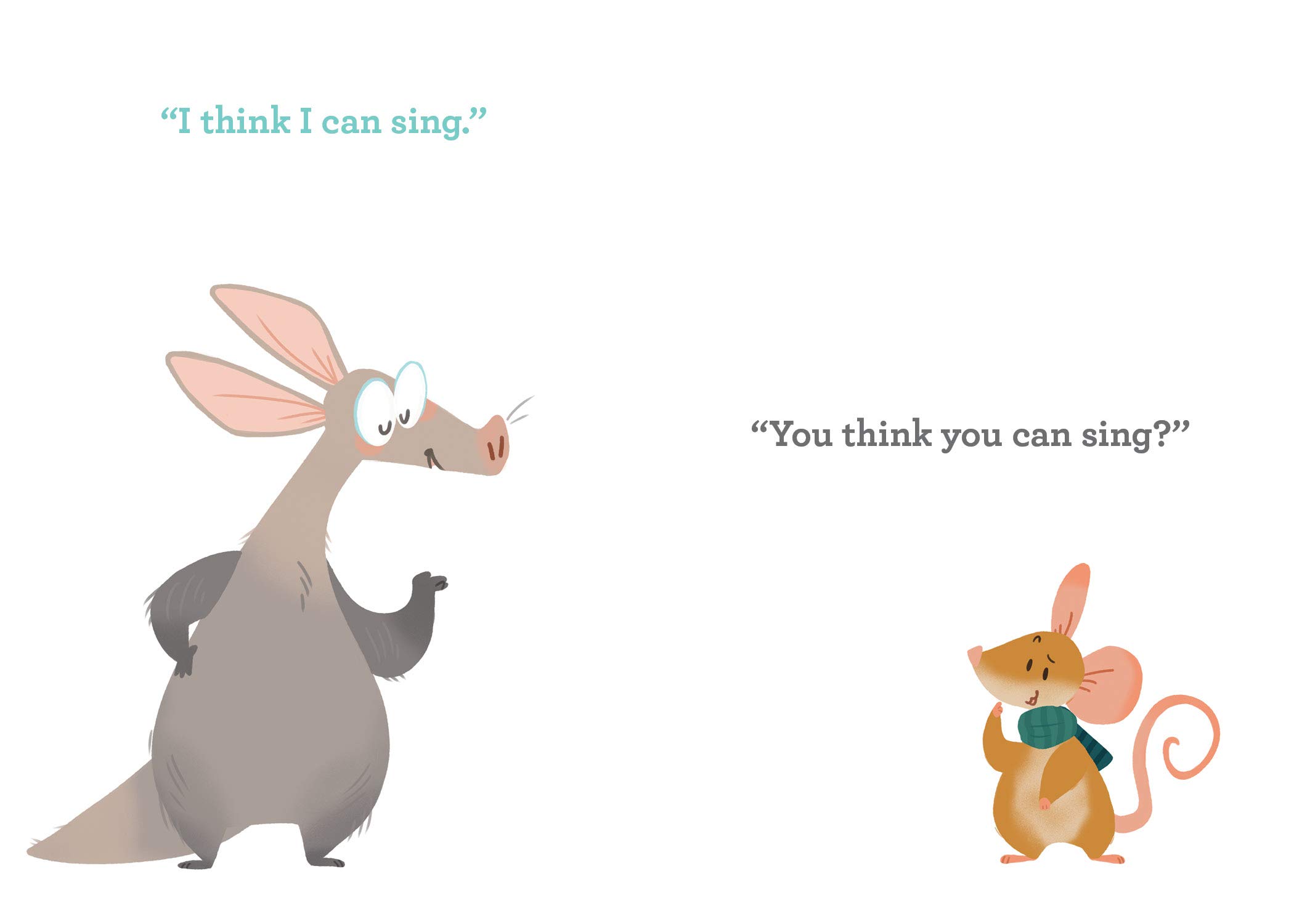
How exciting! Karen Robbins, a Romper Room teacher in the 1960s, has realized a new career as a children’s book author. I loved her THINK board book series (2017) for its fun take on concept board books. Her latest book, I Think I Can, is great for emerging readers to practice together. Aardvark is convinced he can sing; his friend, Mouse, encourages him to sing a song, and acts as a supportive audience. Written in short, color-blocked sentences largely composed of sight words, kids can take turns being Aardvark (in blue font) and Mouse (in black font). A note in the beginning of the book explains how the book works, and the sentences model question-and-answer behavior, with Mouse repeating Aardvark’s statements as questions until it’s established that Aardvark will sing.

The artwork is spare and keeps the emphasis on the characters, each on their own page, set against a plain white background. Aardvark has large, expressive eyes and body language; Mouse relies more on body language and his big smile to communicate. The story itself reminds me of how a teacher would work with young children, explaining behavior as the story progresses. For instance, when Mouse is seated, waiting for Aardvark to sing, he says, “OK. I’m sitting in the chair. I’m looking at you. Let me hear you sing your song. Let me see the surprise.”

This works just as well as a storytime for preschoolers and pre-readers; there are actions that make the story interactive: Mouse hides his eyes in anticipation of a surprise; Aardvark’s song is sung to the tune of Row, Row, Row Your Boat, allowing kids to clap along to the beat of the song, and Mouse applauds at the end, letting readers know they can jump in and clap, too.

This is a sweet story, great for pairing up your readers to practice. I hope Miss Karen has more stories like this to tell!

Posted in Uncategorized

Circle, by Mac Barnett & Jon Klassen brings the Shape Trilogy to a sweet close

Circle, by Mac Barnett & Jon Klassen, (March 2019, Candlewick Press), $15.99, ISBN: 9780763696085

Ages 5-10

Mac Barnett and Jon Klassen’s Shape Trilogy has been hilarious reading, and the final book in the trilogy, Circle, wraps things up in a sweet, silly, perfect way. The three shape friends – Triangle, Square, and Circle – play a game of hide and seek; Circle only asks that no one hide behind the waterfall. So, naturally, the second Circle closes her eyes to count, Triangle takes off and hides behind the waterfall. Circle heads off to fetch Triangle, and heads into the deep dark area behind the waterfall, where she vents her frustrations at Triangle: “Why do you always break all the rules? Why do you always spoil our fun? Why are you such a bad friend?” When Triangle doesn’t answer, Circle takes a moment, apologizes for her angry words, and Triangle thanks her – but Triangle isn’t standing where Circle expects her to be! So whose eyes do the shapes see, glimmering in the dark? Not waiting to find out, the two dash back to the safety of the outside, where they ponder what could have been with them in the dark. “It might have been a good shape”, says Circle; “We just could not see it”.

Circle is a story where kid see themselves, and parents and caregivers will see their kids. Who among us hasn’t said, “Okay – you can play ANYWHERE in this area, but don’t go there”, knowing full well that the second you finish that sentence, one of your little ones is charging directly for that one forbidden spot? Kids will understand the frustration of a friend who doesn’t listen to them, and the spillover that can lead to. Circle also has an important message, quietly included in the storyline: don’t make snap judgements without more information. Don’t jump to conclusions or make decisions about others based on fear. (That being said, stranger danger is also worth a mention here.)

Mac Barnett and Jon Klassen can do no wrong in my book. The Hat Trilogy and the previous Shape books are instant storytime go-tos for me, and my son knows that, left to my own devices for at-home reading, those are the books that are likely to get pulled off the shelf. I love the way these two creators work together; the sharp, dry humor that speaks volumes; the spare artwork that communicates so much with a mere shift of a pair of eyes, and the enjoyment I see when the kids reading along with me get the jokes. Finish your collection and get Circle on your shelf.

Posted in Family Storytimes, picture books, Preschool Reads, programs, Storytime, Toddler Reads, Toddler Storytime

Margaret Wise Brown storytime: The Diggers, Count to 10 with a Mouse, Sleep Tight, Sleepy Bears

Last week, I decided to test drive three Margaret Wise Brown re-released books in my toddler storytime. Most of my kiddos and families know Ms. Brown as the “Goodnight Moon Lady”, or “The Runaway Bunny lady”, so I thought it would be fun to give them more choices when they’re looking for something to read. It went over pretty well. Before I get into that, though, I thought some background on these three books would be interesting – I know I found it fascinating.

In 1990, author Amy Gary discovered a trunk of unpublished manuscripts and songs in the attic of Margaret Wise Brown’s sister’s barn. These manuscripts provided the source material for many of the titles in a new line of classics by the beloved author. While I’d seen Sleep Tight, Sleepy Bears pretty recently – Kohl’s had the book and a companion teddy bear as one of their Kohl’s Cares book/plush sets about a year or two ago, and my mom picked up a book and teddy for my little guy – The Diggers and Count to 10 With a Mouse are new to me.

The Diggers, by Margaret Wise Brown/Illustrated by Antoine Corbineau, (March 2019, Silver Dolphin Books), $12.99, ISBN: 9781684127429

Ages 3-7

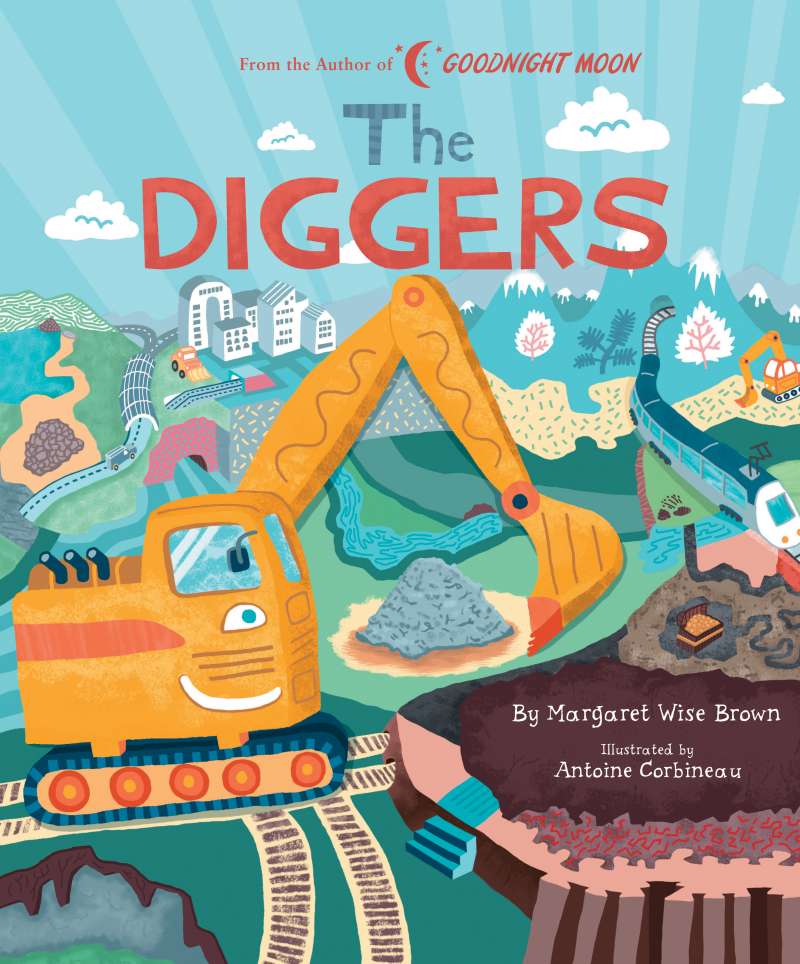
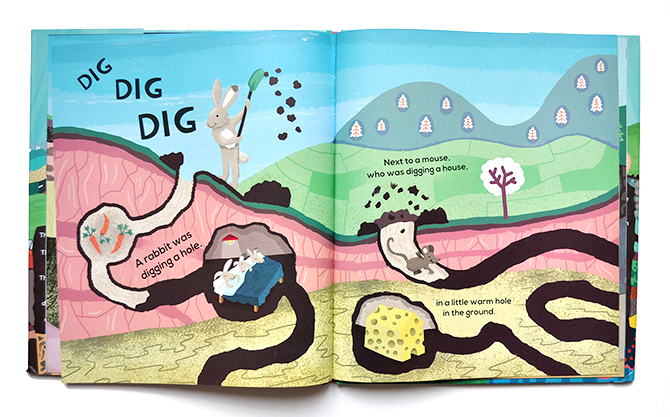
Moles dig holes. So do dogs. Worms, rabbits, mice, and pirates all dig holes, too! Animals and people alike dig holes for different reasons, and The Diggers tells their stories. The kids loved the whole process of digging a hole for a subway system, and I favored the digger machine digging up “stones, and find dinosaur bones, and cavemen’s homes, and buried gnomes”. This is just an fun, rhyming story that has so much detail to enjoy: buried dinosaur bones and pottery; worm homes that curve to meet their owner’s bodies; a train running along the horizon as it goes down its track, a pirate’s trail of thievery. The kids really enjoyed this one, and so did I. Artist Antoine Corbineau (whose website features much of the artwork from The Diggers, and from where I sampled the interior art) makes bright, bold artwork with loads of things for kids to find. The black and grey-purple endpapers show a cityscape in progress, with pathways all dug out. This is an adorable choice for a construction or transportation storytime; two choices that always go over well with my storytime groups.

The verse is Margaret Wise Brown – you can’t go wrong. The repeated phrase, “Dig Dig Dig” allows kids to jump right in and interact with you during a reading, and there are so many chances to ask them questions: identify the animals, where do they live/what do they eat; what predictions can they make about what’s going to happen next?

Consider an author study with your school-age kids, to really expose them to Margaret Wise Brown’s body of work; The Diggers is such an active book compared to Runaway Bunny and Goodnight, Moon; it will give the kids so much to think about and discuss.
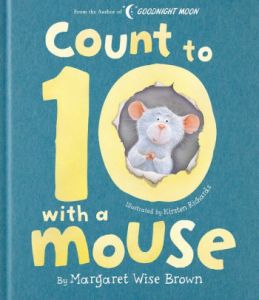
 

Count to 10 With a Mouse, by Margaret Wise Brown/Illustrated by Kirsten Richards, (March 2019, Silver Dolphin Books), $12.99, ISBN: 9781684127412

Ages 2-5

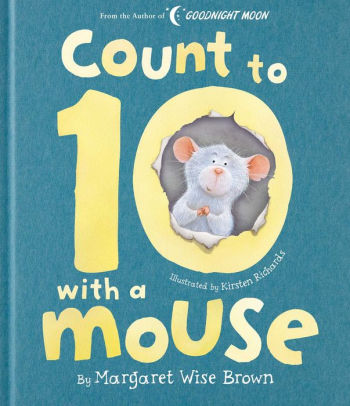
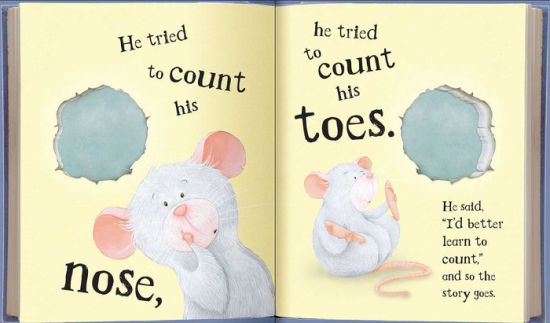
This book is a hit! I love a counting book that has a fun story to go along with it, and Count to 10 With a Mouse fits the bill perfectly! The endpapers are covered in mouse paw prints, and there are two holes, one of which has the cutest little mouse peeking out of it! This counting story has everything: rhyme, repetition, and concepts (counting). A little mouse lives in a hole, and teaches himself to count by looking at the things around him: one mouse, two holes, three fish; all things he discovers as he crawls through the holes to the next pages. The rhyme and repetition are sweet, and filled with discovery: Each page, each discovery, starts off with the repeated phrase, “And there, what does he see? And there, what does he see?” Each spread leads readers to the next with a tempting invitation: “Then the mouse ran through the book, the mouse ran through the book. He ran onto the next page to take a little look”. Kirsten Richards’ illustrations are soft, sweet, and fit perfectly with Margaret Wise Brown’s storytelling rhyme, creating a whole experience for readers. The end of the book suggests turning around and starting all over again – expect that at bedtime!

I loved Count to 10 With a Mouse, and this one is definitely going in my storytime collection. I’m tucking it into my Children’s Book Week book ideas.
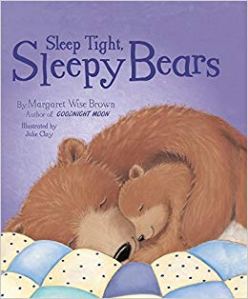
 

Sleep Tight, Sleepy Bears, by Margaret Wise Brown/Illustrated by Julie Clay, (Apr. 2019, Silver Dolphin), $12.99, ISBN: 9781684127603

Ages 2-6

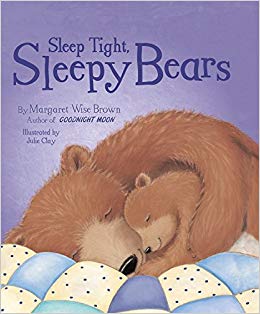
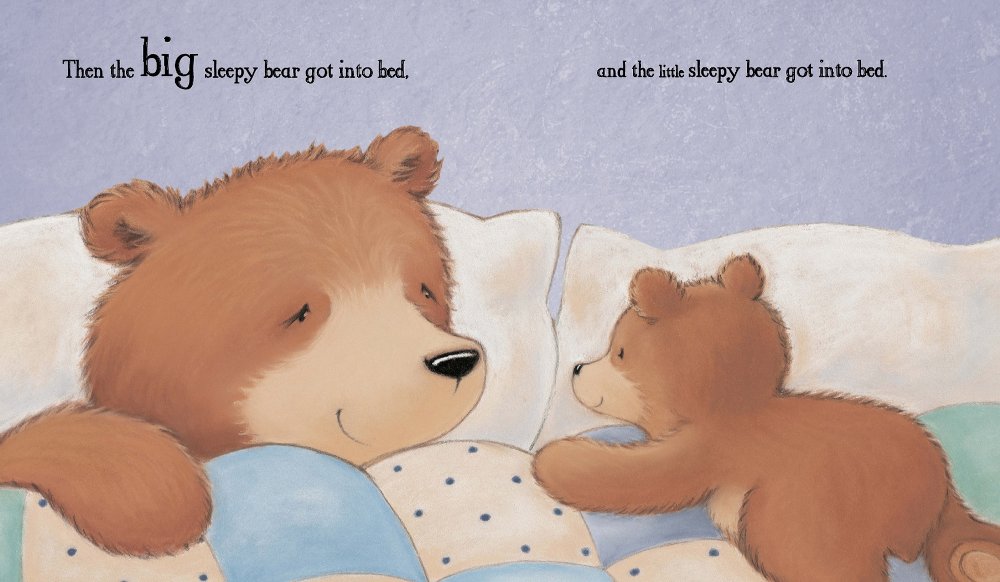
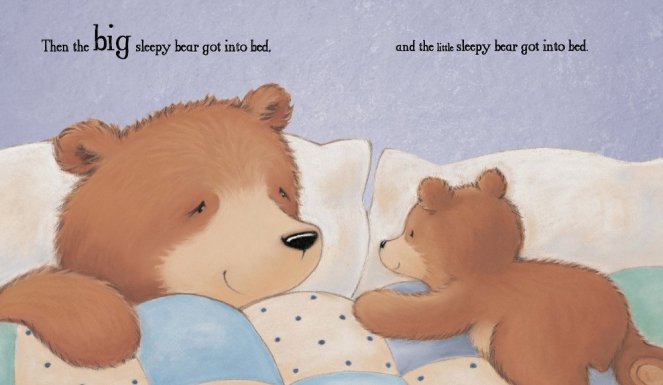
What would a Margaret Wise Brown collection be without another cuddly bedtime story? Sleep Tight, Sleepy Bears is perfect for bedtime cuddling. Pastel-colored endpapers look like a comfy quilt to snuggle down into, and the story – a big sleepy bear and a little sleep bear get ready for bed – teaches important lessons about modeling behavior. Everything big sleepy bear does, little sleepy bear does, from yawning, to stretching, to getting into bed and putting heads on the pillow. They each recite a sweet little rhyme (a variation of Now I Lay Me Down To Sleep) and drift off to sleep. I’ve read this to my little guy when we’re both about to nod off, and it’s a wonderful way to ease into bedtime. The affection between big and little bear comes through as words and the soft art palette come together to send readers off to their own dreams.

The kids at storytime weren’t quite ready to go to bed when I finished this story, but it was a nice close to storytime. Sleep Tight, Sleepy Bears is a new bedtime classic to add to your shelves.
 

The best news? Silver Dolphin is launching 15 more Margaret Wise Brown books this Spring and Summer, and will have two more in the fall!


Posted in Early Reader, Fiction, picture books, Preschool Reads

This is Owl flaps and taps its way into your heart

This is Owl, by Libby Walden/Illustrated by Jacqui Lee, (March 2019, Kane Miller), $14.99, ISBN: 9781610678964

Ages 3-7

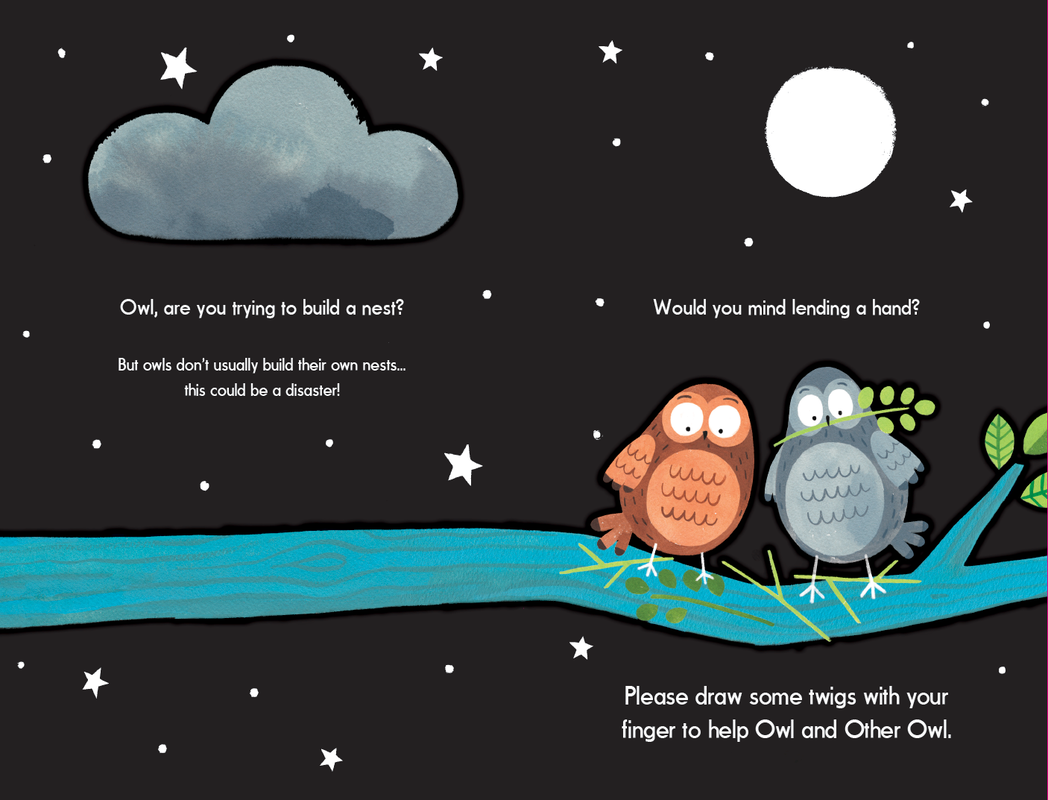
I love a good interactive book that brings my kiddos into the storytime! Hervé Tullet got me started on the interactive book fun when I was starting out in my first preschool libraries, and it’s been something I gravitate to ever since. Here, we have Owl, asleep in a tree. Readers get to tickle Owl, play with the sun and moon, flap the pages to help Owl fly, and more. The Owl is adorable and expressive. The artwork is cartoony and bold, with bright colors leaping off a minimal background. Die cuts and half-pages make for fun reading and chances to let everyone at storytime have a turn.

There’s a mix of simple sentences and slightly more complex sentences; sight words make up a good portion of the words in the book, making this a nice read for emerging readers and a great readaloud choice for pre-readers and early readers.

This is Owl is in my storytime collection; consider it for yours. If you’re putting a copy in circulation, make sure you have a backup – this one will get passed around!


Posted in Early Reader, Fiction, Graphic Novels, Preschool Reads

Mouse takes a trip to the top of a volcano… but when can he get pizza?

A Trip to the Top of the Volcano with Mouse, by Frank Viva, (May 2019, TOON Books), $12.95, ISBN: 9781943145362

Ages 4-7

Mouse and his friend are off to explore Italy and climb Mount Etna in this second Mouse adventure! The explorer can’t wait to go start the adventure, but all Mouse can think of is pizza. Together, the friends lay out the plan: supplies (walking sticks, warm gloves, strong mountain boots, thick sweaters, and cool sunglasses) and set out for the mountain. They discover the different foods that grow at the base of the mountain (but not pizza), hike to the top, and see what types of wildlife wander around the area, before ending their day with a trip to the pizzeria.

A Trip to the Top of the Volcano is a fun mix of fiction and nonfiction, with stylish, vibrant graphics. There’s a beautiful cross-section spread, showing not only how plant life grows up the mountain, but the parts of the volcano, including the magma chamber, vents, and crater. There is information about local wildlife, plant life, and volcano characteristics, all communicated with simple, straightforward sentences that new readers will love reading and pre-readers will love listening to.

This is the second Mouse adventure from Frank Viva and TOON; the first, A Trip to the Bottom of the World with Mouse, sees the two friends off on an expedition to Antarctica. A Trip to the Top of the Volcano with Mouse has a free, downloadable Teacher’s Guide.

Posted in Fantasy, Graphic Novels, Teen, Young Adult/New Adult

DC Ink: Top name YA authors and reimagined origin stories. Sign me up!

DC Ink is a fairly new (little over a year) DC Comics imprint, dedicated to middle grade and YA original graphic novels. I only had a sneak peek at Harley Quinn’s upcoming book, Breaking Glass, and haven’t read Mera’s book, Tidebreaker yet, but I received ARCs for both Under the Moon: A Catwoman Tale, and Teen Titans: Raven, and had to dive in.

As with the YA novels in the DC Icons line, every book DC Ink is written by YA royalty, so you just know you’re getting good stuff before you even open the book. They’re illustrated by graphic novel rock stars, so  you’re going to get some phenomenal artwork. Put it all together, and you’ve got a can’t-miss group of graphic novels coming your way. Let’s check ’em out.

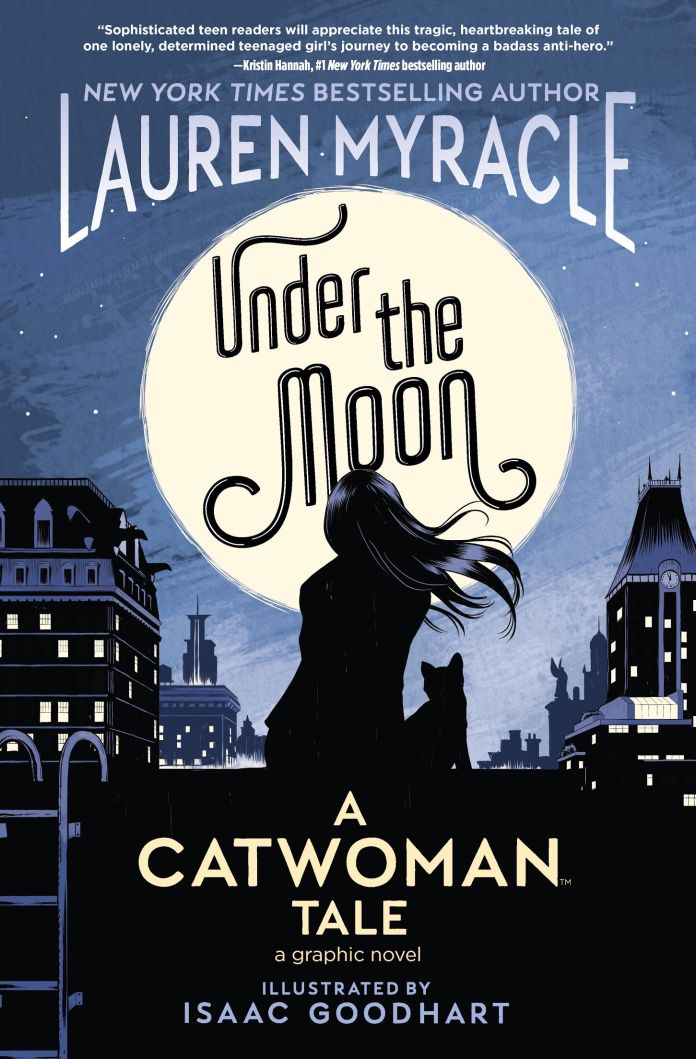
Under the Moon: A Catwoman Tale, by Lauren Myracle/Illustrated by Isaac Goodheart, (May 2019, DC Ink), $16.99, ISBN: 978-1-4012-8591-3

Ages 13+

We all know Selina Kyle, aka Catwoman, has a multitude of origin stories (the comics, Gotham, Batman Returns, The Dark Knight Rises), but it’s because she’s such a captivating character: authors want to tell ALL the stories, and we want to read them! Selina can be anyone, from anywhere; her fluidity makes her a longtime fan favorite, and in Lauren Myracle’s hands, we get an entirely new Selina: a 14-year-old, living with her mother and her revolving door of awful boyfriends. The current one, Dernell, has been around for a while, and seems to be the absolute worst. He’s verbally and physically abusive, and Selina’s mother won’t say a word against him. When he goes too far in “punishing” Selina one night, she has had enough: she runs away and lives on the streets, stealing what she needs to survive. And she finds that not only is she good at it, but she enjoys it. A group of homeless kids adopts Selina, despite her desire to be a loner; she’s drawn in by Rosie, a selectively mute young girl who bonds with Selina. But Rosie goes missing, and Selina finds herself in an awkward situation as she tries to track Rosie down and keep her safe.

Under the Moon is such a good origin story. The consistent thing about Selina is that she’s always capable, always collected, and always at odds with her desire to be a loner and her desire to help those less fortunate then she is. Her vulnerability is her heart, but you’ll never know it (unless you’re a third party reading her book, amirite?). Bruce Wayne is a supporting character here, and it’s fun to see him and his perfect hair in high school; it’s also nice to see he and Selina verbally spar even back in the day. There’s also an interesting murder mystery subplot, because it’s Gotham City.

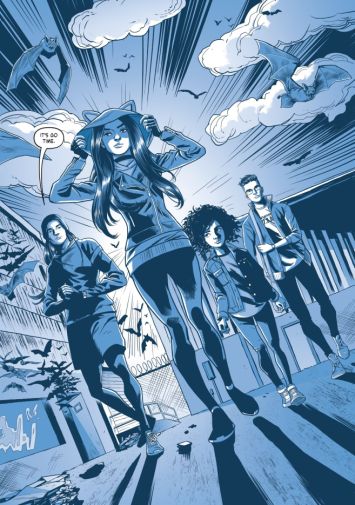
The artwork is largely subdued purple-blue and white, with sound effects rendered in yellow for effect. The artwork makes excellent use of movement, perspective, and body language. Grab this one for your YA collections, but use caution if you’re thinking of handing it off to younger readers: there’s domestic violence and profanity in here, so much younger readers will be much better off with Superhero Girls trades.

Lauren Myracle is the author of the New York Times bestselling Internet Girls series, which includes ttyl and ttfn, all of which are written in textspeak. Isaac Goodhart is an illustrator whose graphic novel cred includes Postal and Love is Love. He also has an amazing sketch of Hawkeye and Kate Bishop on his Instagram.


Teen Titans: Raven, by Kami Garcia/Illustrated by Gabriel Picolo, (July 2019, DC Ink), $16.99, ISBN: 978-1-4012-8623-1

Ages 12+

Teen Titan’s Raven speaks to my wannabe goth girl soul. I love her on the original Teen Titans cartoon from the early 2000s, and I crack up watching her on Teen Titans GO! now. Who else could write this character but Kami “Beautiful Creatures” Garcia, who also speaks to my inner wannabe magic-using goth girl? Raven’s orphaned at age 17 when her foster mom is killed in a car accident. Raven moves in with her foster mom’s sister, who seems to know something about Raven that Raven either can’t remember or doesn’t know. She and her foster sister become fast friends, and a cute guy named Max is interested in her, so things should be settling down for Raven, but weird occurrences start happening. When Raven thinks something, it happens: a mean girl trips and falls, just as Raven wishes she would. She can hear what people are thinking. She’s having nightmares. A sprinkling of good, old school Nawlins voodoo and a Deathstroke appearance make Raven’s origin story A-plus reading.

The artwork is mainly black and white, with some color pages splashed here and there. Raven’s trademark purple and black hair shines off the page, and – Raven fans, are you ready? – she wears adorable narwhal pajama pants at one point. There are little DC winks and nudges throughout, including Raven holding a Wonder Woman doll as a child, and there are some amusing girl power-message tees.

Kami Garcia is a bestselling author and cofounder of YALLFest, the biggest teen book festival in the U.S. Gabriel Picolo is a comics artist who’s worked with Blizzard, BOOM! Studios, and DeviantArt.

Get the Raven book. Get all the DC Ink books. Your readers will be glad you did. And really, you should sit down and read through them, too.


Posted in Fiction, Fiction, Middle Grade, Realistic Fiction

Math, Loss, and Zombie Movies: A Good Night for Shooting Zombies

A Good Night for Shooting Zombies, by Jaco Jacobs/Illustrated by Jim Tierney/Translated from Afrikaans by Kobus Geldenhuys, (March 2019, Rock the Boat), $12.95, ISBN: 9781786074508

Ages 10-14

Martin is a South African teen living with loss. His father was killed in a car crash a few years ago, and his mother hasn’t left the house since. His sister is hardly ever home, usually out with her sketchy boyfriend. All Martin has is his chickens – his nickname is Clucky – and his propensity for numbers. When the neighbor kid’s dog kills his prize chicken, he goes over to say something – and ends up making a friend instead. Vusi, whose dog, Cheetah has a taste for chicken, is a horror movie fan determined to make his own zombie movie. He’s also fighting Hodgkin’s lymphoma, but he has no interest in letting that, or his protective parents and nurse, stop him. He quickly recruits Martin as a zombie extra, and before Martin realizes it, he’s sneaking out with Vusi, shooting Vusi’s movie and even developing a crush on a schoolmate. And, bonus: the cover glows in the dark!

Jaco Jacobs knows how to pack a book. While A Good Night for Shooting Zombies is primarily about Martin’s and Vusi’s friendship, it’s also about coping with loss, as Martin and his family grieve in their own ways; it’s about potential loss, as Vusi and Martin cope with Vusi’s lymphatic cancer, and it’s got a quietly compelling subplot about a group of troublemaking teens and Vusi and Martin bumbling their way into their sights. Martin is comforted by his mathematics equations, which he uses as a coping mechanism, very similar to Willow in Counting by 7s. He and Vusi each have their comforts – Vusi’s is horror movies – and as they share these pieces of themselves, they build a deeper friendship. Jim Tierney’s black and grey illustrations add some visual interest, and Jaco Jacobs’ writing keeps pages turning; the end of the story will stick with you long after you close the book.

I became a Jaco fan after reading last year’s A Good Day for Climbing Trees. A Good Night for Shooting Zombies just sealed it. I can’t wait to read more.

A Good Night for Shooting Zombies has a starred review from Foreword Reviews. There’s a free, downloadable readers’ guide available from publisher OneWorld Publications.

Posted in picture books

An unexpected nature preserve crops up in the DMZ

When Spring Comes to the DMZ, by Uk-Bae Lee, (March 2019, Plough Publishing), $17.95, ISBN: 9780874869729

Ages 4-8

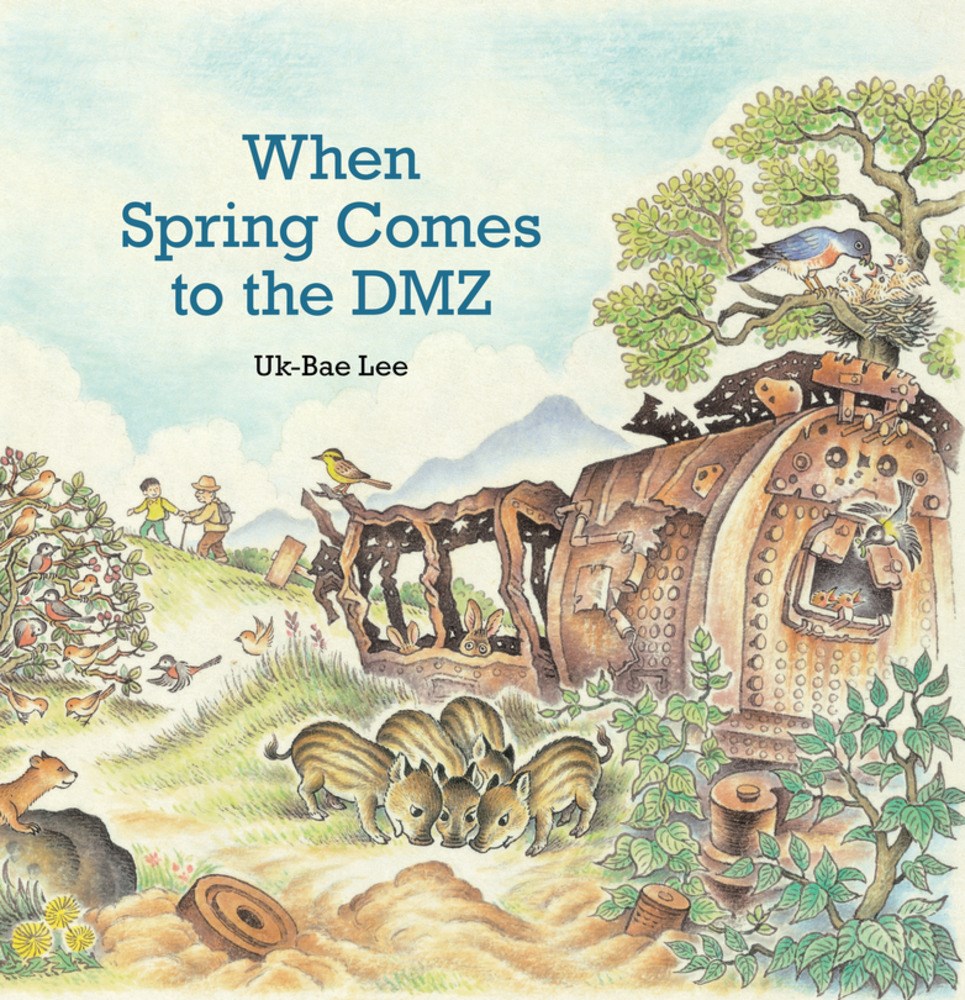
Established in 1953, The DMZ – the demilitarized zone separating North and South Korea – has, over time, become a nature preserve, with plants and animals living and thriving amid the razor wire, soldiers, and military machines. When the Spring Comes to the DMZ introduces readers to the DMZ throughout the seasons, illustrating how wildlife lives almost effortlessly – razor wire ever-present in the background, husks of man-made machinery now home to animal families – and through the eyes of a boy and his grandfather, who visit the DMZ so grandfather can look out at his former home with bittersweet longing. It’s a reaffirmation that life goes on for some, but for others, that life is painfully halted in place, while years pass.

The artwork is beautifully subdued, with soft greens and browns dominating the pages. The story is told in simple, sweet, almost heartbreaking statements: “When spring comes to the DMZ, green shoots spring up in the meadows./But you cannot go there because the razor wire fence is blocking the way”. This spread, viewed as through a telescope, puts us in grandfather’s place, and communicates some of the heartache he must feel; having home be so close, yet unreachable.

When Spring Comes to the DMZ is a book that works for social studies and current events read-alouds, and would pair nicely with similar books about refugees and immigrants, including Anne Sibley O’Brien’s Someone New and I’m New Here and Bao Phi’s A Different Pond. Reading When Spring Comes to the DMZ alongside Nicola Davies’ When War Came allows for a discussion about the aftermath of war; while DMZ doesn’t mention the Korean War in the story itself, the back matter fills in necessary information, along with an exhortation for peace. There is little in print for children about the North Korea and the DMZ, making this an important book to include in social studies and current events collections.

When Spring Comes to the DMZ has a starred review from Kirkus. Shelf Awareness has a wonderfully detailed review.


Posted in Fantasy, Fiction, Graphic Novels, Middle Grade, Tween Reads

Nico Bravo and the Hounds of Hades – graphic mythology gone wild!

Nico Bravo and the Hounds of Hades, by Mike Cavallaro, (April 2019, First Second), $12.99, ISBN: 9781626727519

Ages 8-12

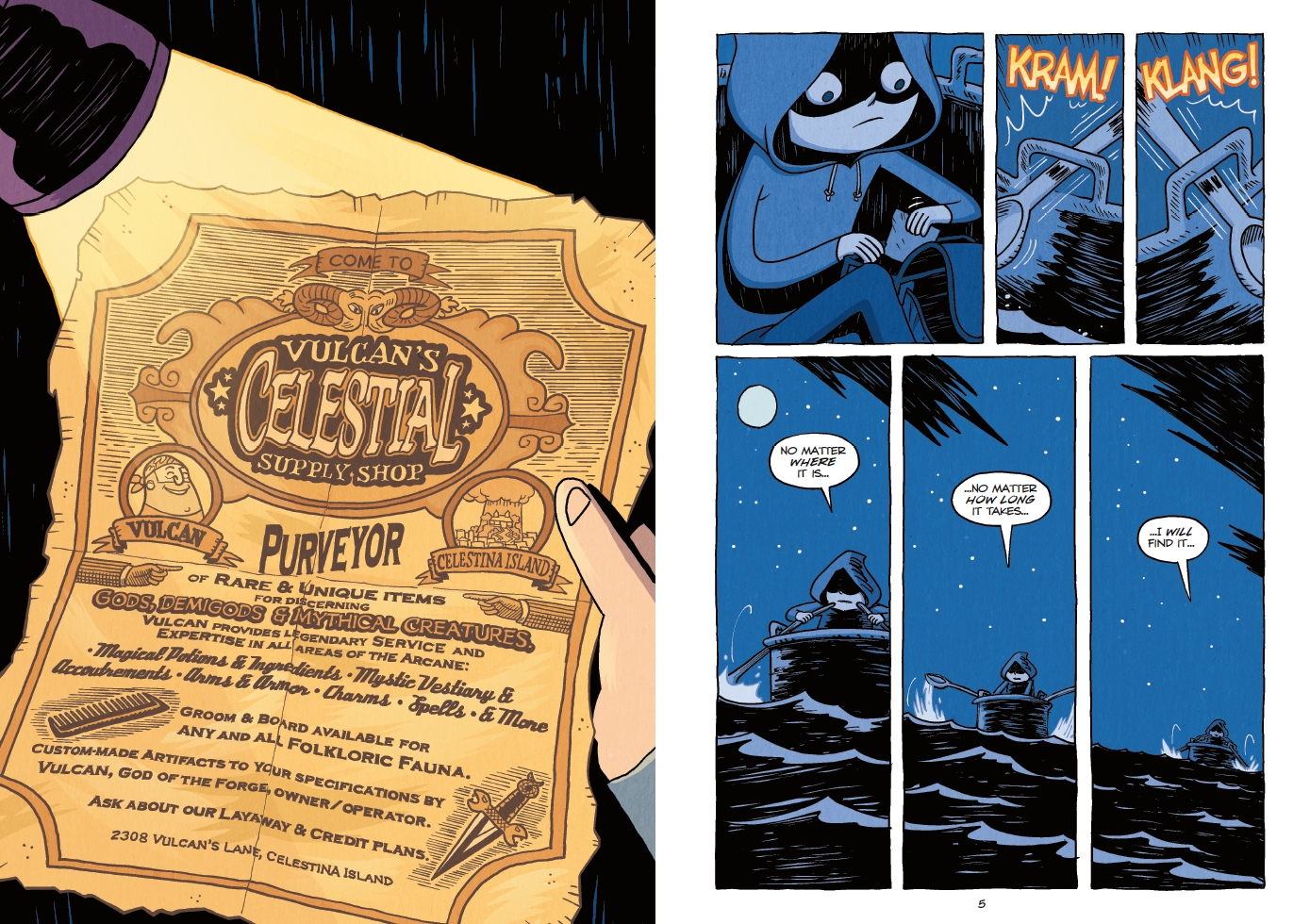
This fun new graphic novel adventure is perfect for mythology fans. Vulcan is a kid working at Vulcan’s Celestial Supply Shop, serving all the gods’ and goddesses’ needs. He works with a sphinx named Lula and Buck, a unicorn with PTSD, and things are fine and dandy until Eowulf – descendant of Beowulf himself – targets a monster for slaying, to keep the family name going. The problem? The monster happens to be Cerberus, the three-headed dog that guards the gates of the Underworld! If Cerberus isn’t there to guard the gates, there’s about to be a whole lot of dead folks invading our world. Nico has to get it together and stop Eowulf from bringing on a zombie apocalypse!

I like Mike Cavallaro’s storytelling. He’s great at worldbuilding – something I discovered when I read his fencing graphic novels, Foiled and Curses! Foiled Again, where he created a side-world filled with fantasy and myth. There are mythological references throughout the book that kids will recognize, and some possibly new ones to draw more readers in. Have your Rick Riordan books ready, and your mythological reference books on hand – you’ve got great display possibilities! The cartoon art reminds me of popular animation on TV, with book expressive eyes, colorful artwork, and fantastically cool monsters and beasts for everyone to enjoy. There’s a lot of mythology available, and kids love reading about it – I hope we get some more adventures with Nico Bravo soon!

Posted in Middle Grade, Non-Fiction, Non-fiction, Teen, Tween Reads, Women's History

Taking Cover: Growing up during the Iranian Revolution

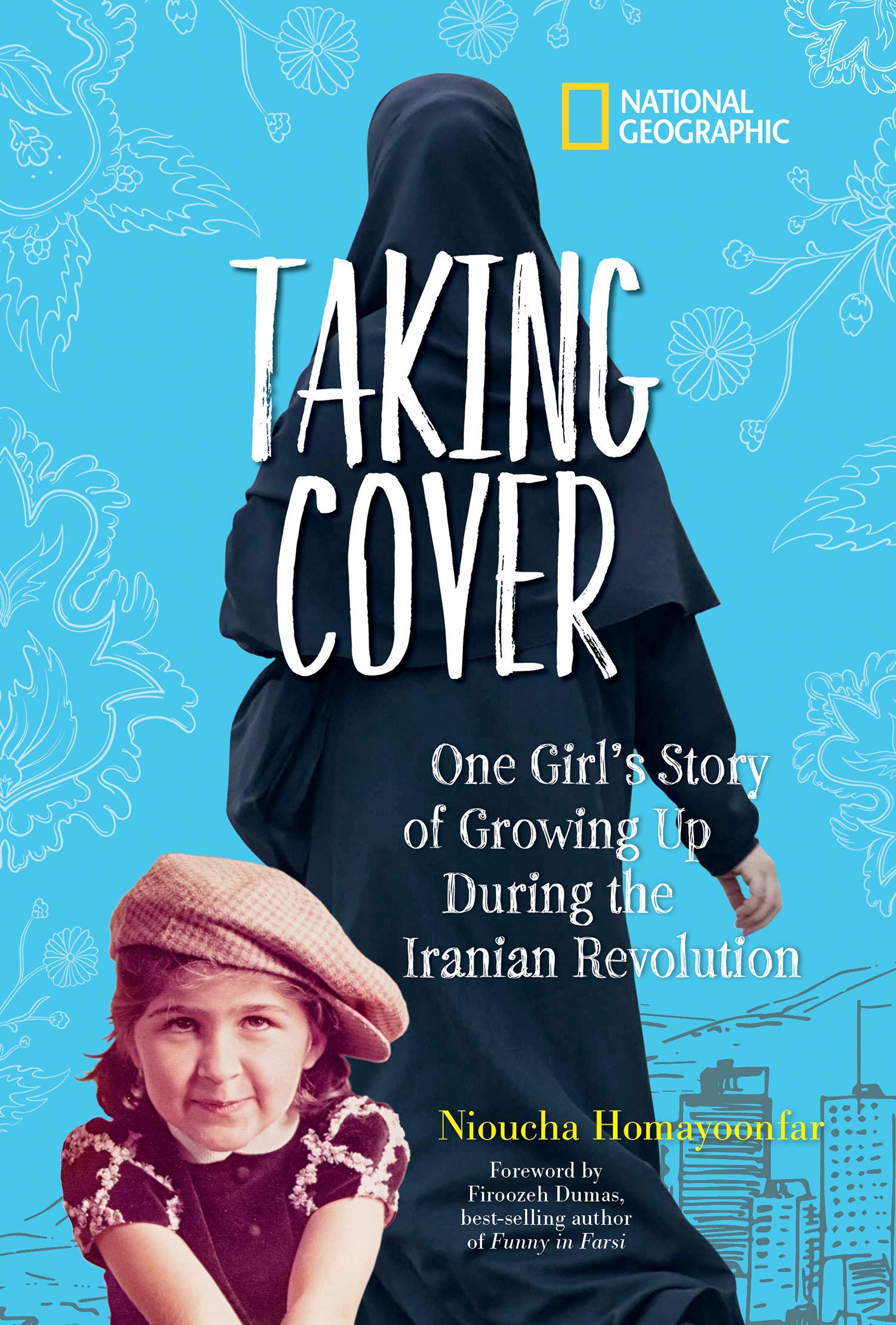
Taking Cover: One Girl’s Story of Growing Up During the Iranian Revolution, by Nioucha Homayoonfar, (Jan. 2019, National Geographic Kids), $18.99, ISBN: 9781426333668

Ages 10-14

Nioucha Homayoonfar’s memoir of life in Iran during the Iranian Revolution is equal parts joyful and heartbreaking. In 1976, at the age of 5, her family moves from Pittsburgh to Iran, where her father can be with his family again. For several years, Nioucha and her expat friends are educated in a progressive French-Persian school and enjoy the things most kids do, including listening to music, dancing, and swimming. But the revolution changes all that. Nioucha and her friends are segregated; they have to wear robes and hoods that cover their hair (and are threatened with burning in Hell, hanging on every visible thread of hair), and live in fear of being kidnapped by the Moral Police: a group called the Zeinab Sisters. Nioucha refers to them as The Black Crows, which brings a colorful, tongue in cheek image to mind, but these women are anything but humorous. The women patrol the streets in a van, capturing women and teens they deem immoral, hiding them in prisons, and beating them until they feel redemption is earned.

But there are wonderful moments of family and friendship in Taking Cover, too. Nioucha recalls her first Iranian Christmas, when she hopes Santa Claus will remember that she’s moved to Iran, so she’ll get her presents, and her family decorates her aunt’s house with a beautiful tree and presents. She talks about her relationship with her grandparents, who adore her and comfort her during her first sleepover away from her parents; going to concerts and driving around with her cousin, Sara, even learning French in an underground school run by her mother and her best friend’s mother. In the midst of explosions and oppression, Nioucha and her family managed to take joy where they found it.

Parallels to Persepolis are expected, and should be encouraged. Taking Cover is an excellent memoir and lead-in to Persepolis, allowing middle graders to expand their worldview and start a conversation on how the Iranian Revolution changed the world. The book includes a map of Iran and surrounding areas, and a timeline of Iranian history. There is a free, downloadable Educator’s Guide available.