Posted in Early Reader, Fiction, Fiction, Intermediate

A boy and his friend must act fast to save The Last Tree

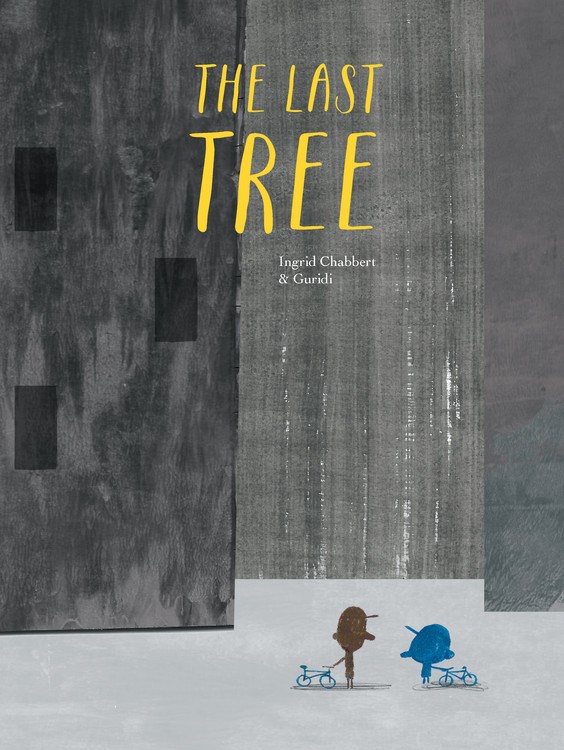
last-treeThe Last Tree, by Ingrid Chabbert/Illustrated by Guridi, (April 2017, Kids Can Press), $17.95, ISBN: 9781771387286

Recommended for ages 4-7

A boy listens to his father describe running and playing in the grass as a child, but has only a concrete playing area with a diminishing patch of grass available to him. One day, the boy and his friend discover a baby tree – a sapling, really – hidden behind a wall and are amazed: it’s the first tree they’ve ever seen up close. The boy goes home and discovers, to his horror, that a luxury condo complex is scheduled to begin construction right in the very spot where the tree is growing, and the boys spring into action to save the last tree.

This is a powerful look at how lack of green spaces affects children. Ingrid Chabbert’s narrator is an adult, looking back on his childhood, and how important saving that tree was to him and his friend. It sends a message about the importance of conservation and preservation today, and offers some hope for tomorrow. Artist Guridi communicates this message using charcoal, gravure ink, gouache, pencil, and digital art to create a spark of hope in the grey, bleak future that faces us as we see more green spaces disappear under development.

A strong addition to collections for Earth Day, conservation units, and to empower kids who may not understand that they can have a long-lasting impact on the world with the smallest and kindest of acts. The Last Tree invites a discussion on empathy by examining the boys’ actions and asking children to contribute by sharing a time when they took action to help someone or something that needed it.

 

Posted in Early Reader, Fiction, Preschool Reads, Toddler Reads

Surprises await toddlers in See How I Sleep

see-how-i-sleepSee How I Sleep, by Liesbet Slegers, (March 2017, Clavis), $12.95, ISBN: 978-1605373331

Recommended for ages 6 mos-2 yrs

Animals greet readers and surprise them with a hidden friend in this slide-and-see board book full of surprises for little hands. Find a hedgehog curled up next to its friend, a mouse has a visiting friend, and a teddy bear waits for its best friend under the blanket. Toddlers will love the thrill of the unexpected reveal, and the sturdy pages will hold up to multiple uses. This one will enter heavy storytime rotation in my storytimes; the bright, boldly outlined art is adorable and eye-catching and the vivid handwriting font makes for easy reading to groups. A creative add to toddler book collections.

Posted in Guide, Middle Grade, Non-Fiction, Non-fiction, Tween Reads

Create your own Scratch games with Scratch Coding Cards!

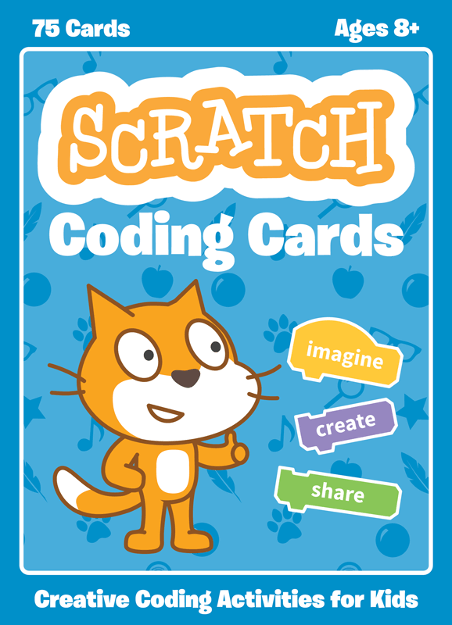
scratchcodingcards_coverScratch Coding Cards, by Natalie Rusk, MIT Lab Scratch Team, (Dec. 2016, No Starch Press), $24.95, ISBN: 97-1-59327-774-1

Recommended for ages 8+

Better than flash cards, these Scratch coding cards teach users to design:

  • virtual pets that can eat, drink, and play;
  • games where you can catch things falling from the sky;
  • animated dance scenes with music and dance moves;
  • a bouncing ball game with sounds, points, and other effects;
  • characters that you can dress up with different clothes
  • stories, where you can choose characters, add conversations, and bring your story to life;
  • hide and seek games with characters that disappear;
  • a music program, where you choose instruments, add sounds, and press keys to play music;
  • a game where two characters race one another, and
  • a program that will animate the letters of your name.

Each activity comes with a set of cards, walking users through each action in the process. Every card is fully illustrated and includes screenshots and brief, clear text. I spent the better part of an afternoon creating Pong-type games with my 13 year old when I received my cards to review, and I’m going to start working with my 4 year-old on making up a story using Scratch. I’ve even gushed about these cards to the Collection Development group at my library system, because I love these cards so much.

Librarian or teacher? These cards are a class/program in themselves. Parent, or just interested in learning how to code? You can’t beat these cards for teaching and learning block coding.

Posted in Fiction, Fiction, Humor, Middle Grade, Middle School, Tween Reads

Explore The Matchstick Castle

matchstickThe Matchstick Castle, by Keir Graff, (Jan. 2017, GP Putnam & Sons), $16.99, ISBN: 9781101996225

Recommended for ages 9-13

Brian is on track to having the worst summer EVER. His widowed dad has the chance of a lifetime, doing research at the South Pole. His brother is staying with a friend while his dad’s away. Brian’s being shipped off to Boring, Illinois, to stay with his Uncle Gary, Aunt Jenny, and know-it-all cousin, Nora. To add insult to injury, Uncle Gary’s developed a summer school computer program, Summer’s Cool, and is making Brian and Nora keep actual school hours to prevent the dreaded “summer slide”. Just when Brian wants to tear his hair out from boredom, he and Nora discover a house in the woods beyond Uncle Gary’s property. Cosmo van Dash, the boy who lives there, calls the house The Matchstick Castle, and he lives there with his eccentric family – explorers, writers, thinkers, dreamers – and invites Brian and Nora on adventures where they’ll explore the house to recover a lost uncle, run from wild boars and trap giant Amazon bees. A fanatically boring bureaucrat wants to tear the Matchstick Castle to put up another – well, boring – housing development, but Brian, Nora, and the van Dash family will fight to secure their castle.

This story is way too much fun. Told in the first person from Brian’s point of view, we get a narrator who is having the worst summer ever. He’s a sympathetic character: we get only enough information about his family to know that his mother has died, his father is a very permissive parent, and he’s put into a situation that threatens to squash all the fun and creativity out of his life in favor of being safe and predictable. Boring, just like the Illinois town where he’s enduring the summer. The Matchstick Castle and the family that lives there helps bring color and life back to Brian’s world and, in doing so, brings him closer to his cousin, Nora, while also giving Nora permission to let loose and have fun. Tweens will love the van Dashes. It’s a good opportunity to share fun and crazy family stories as a writing or collage exercise, too. I hope this one shows up on summer reading lists; it’s a perfect summertime read.


Posted in Science Fiction, Steampunk, Teen, Young Adult/New Adult

Time fractures can cripple cities in Timekeeper

timekeeperTimekeeper, by Tara Sim, (Nov. 2016, Sky Pony Press), $17.99, ISBN: 9781510706187

Recommended for ages 13+

My first entry in this year’s Diversity Reading Challenge is Tara Sim’s Timekeeper, a steampunk story taking place in an alternate Victorian London, where clock towers control time. A damaged clock affects the populace, and if a clock is badly damaged or loses a vital part of its machinery, the town “stops”: no one dies, but no one can leave; the citizens are stuck in a time loop. That’s what happened to 17 year-old clock mechanic Danny Hart’s father three years before, and Danny’s become a mechanic in the hopes that he can free his father one day. On an assignment to a clock in the London borough of Enfield, Danny meets Colton, who throws a figurative wrench in all of Danny’s plans. Colton is a clock spirit – the essence of time for the Colton Tower clock – and the two boys fall in love. Danny knows this can’t end well, but he risks everything to be with Colton, who will find a way to keep Danny coming back to Enfield.

Some of the people of London are against the clock towers. They want time freed, uncontrolled, and stage protests that get heated. Clock towers are attacked, and Danny is blamed. He has to find a way to clear his name, keep Colton safe, and keep his father’s town safe so he can bring him home alive.

Timekeeper is the first in a planned trilogy by debut author Tara Sim. The story is very detailed – budding clock aficionados, and readers interested in the science of time (horologists – thanks, Google!) will fall in love with the lyrical way Sim discusses the delicate parts of the clocks and the idea of a spirit manifestation of each clock tower. The romance between Danny and Colton is sweet and gentle, and Danny’s feelings for men is more or less accepted, with some minor snark from the novel’s bully.

Shadowhunters fans will love this one. Get your steampunk on and put this with your Gail Carriger books, your Leviathan series by Scott Westerfeld, and your old school Jules Verne and HG Wells collections.

Posted in Graphic Novels, Middle Grade, Non-Fiction, Non-fiction, Tween Reads

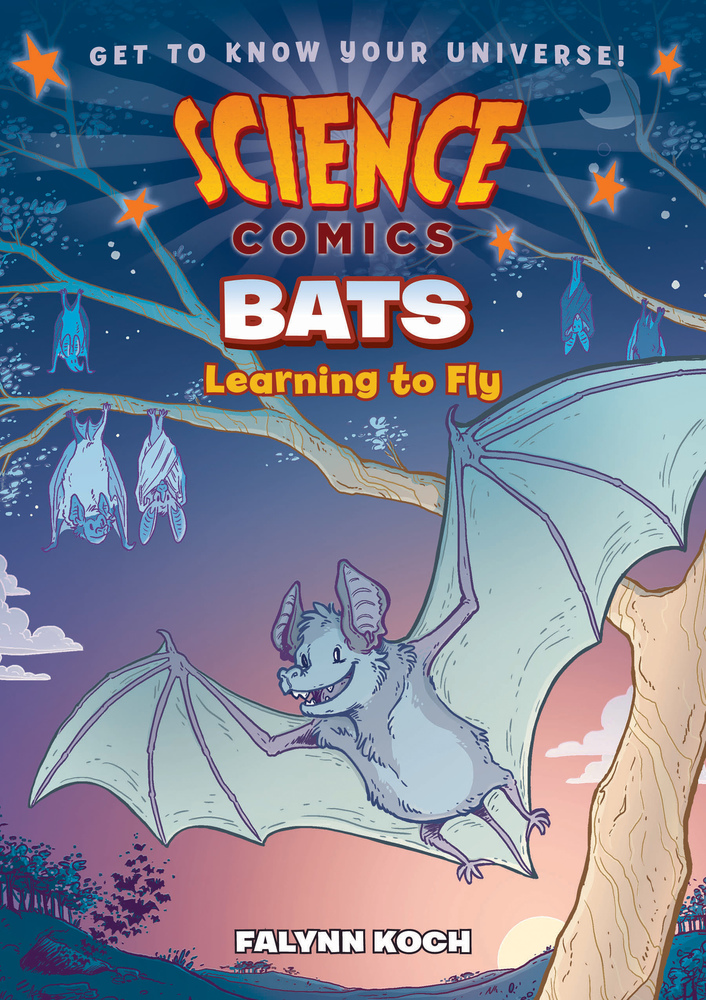
Science Comics Explores Bats

batsScience Comics: Bats – Learning to Fly, by Falynn Christine Koch, (Feb. 2017, First Second), $12.99, ISBN: 9781626724082

Recommended for ages 8-13

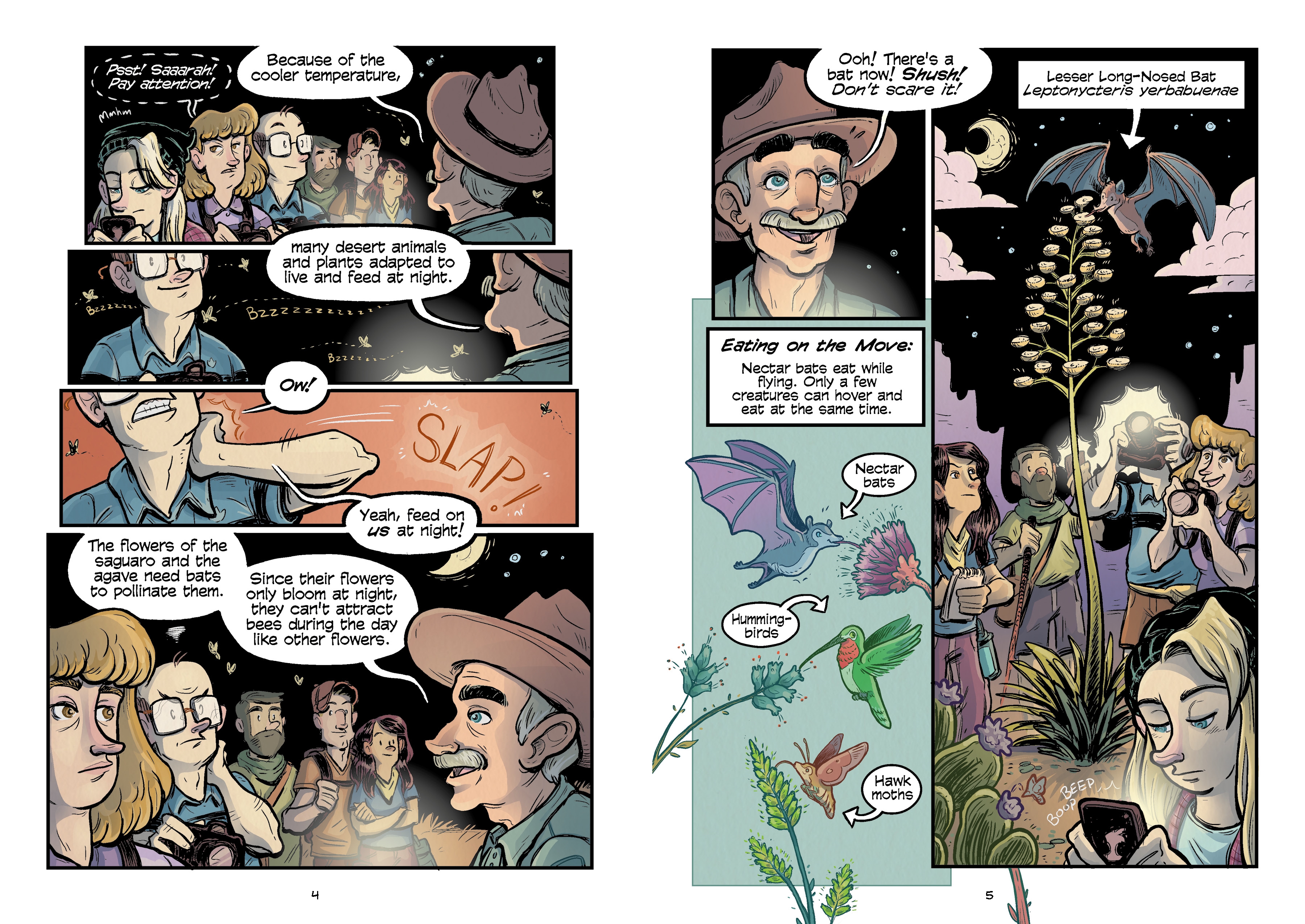
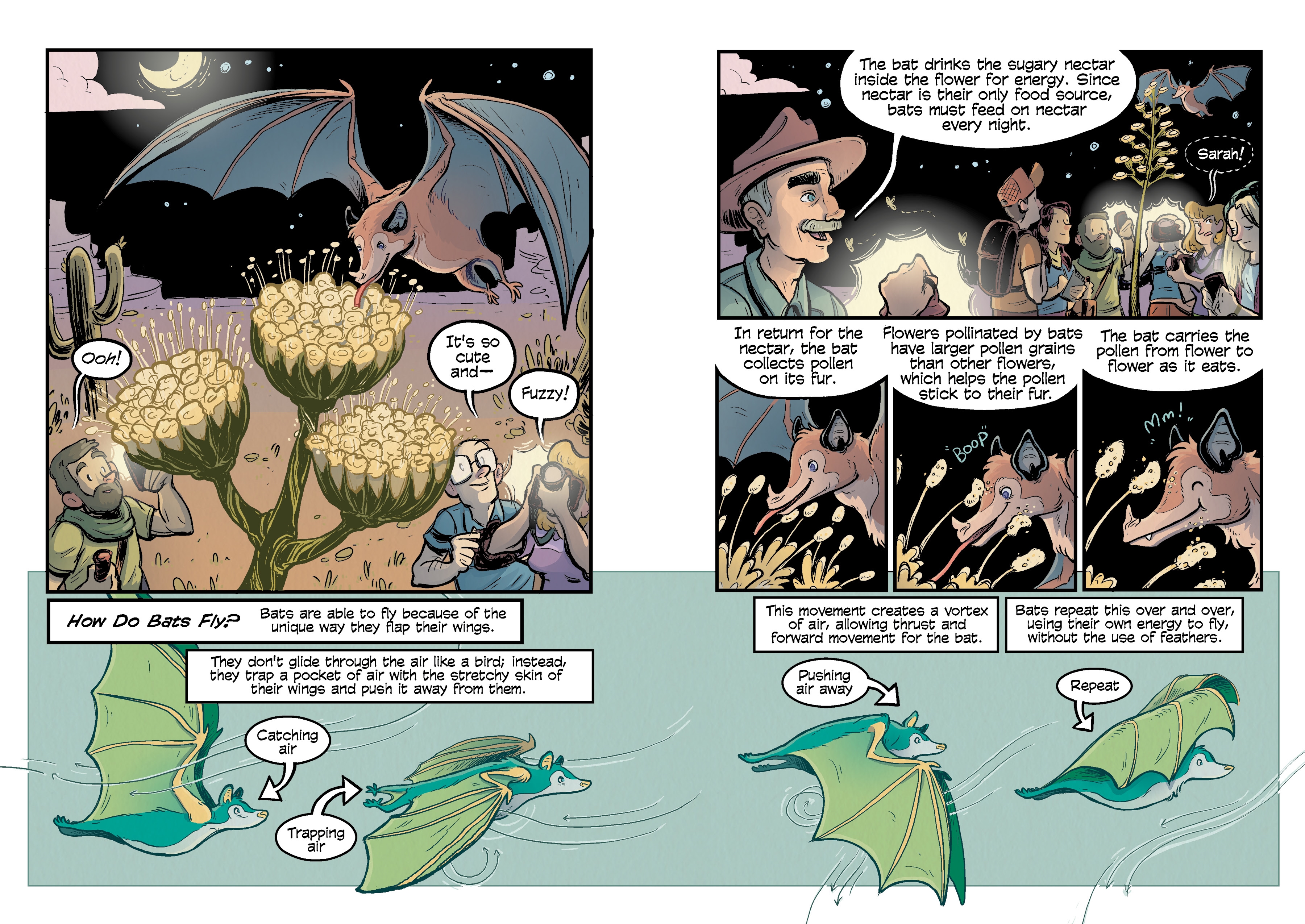
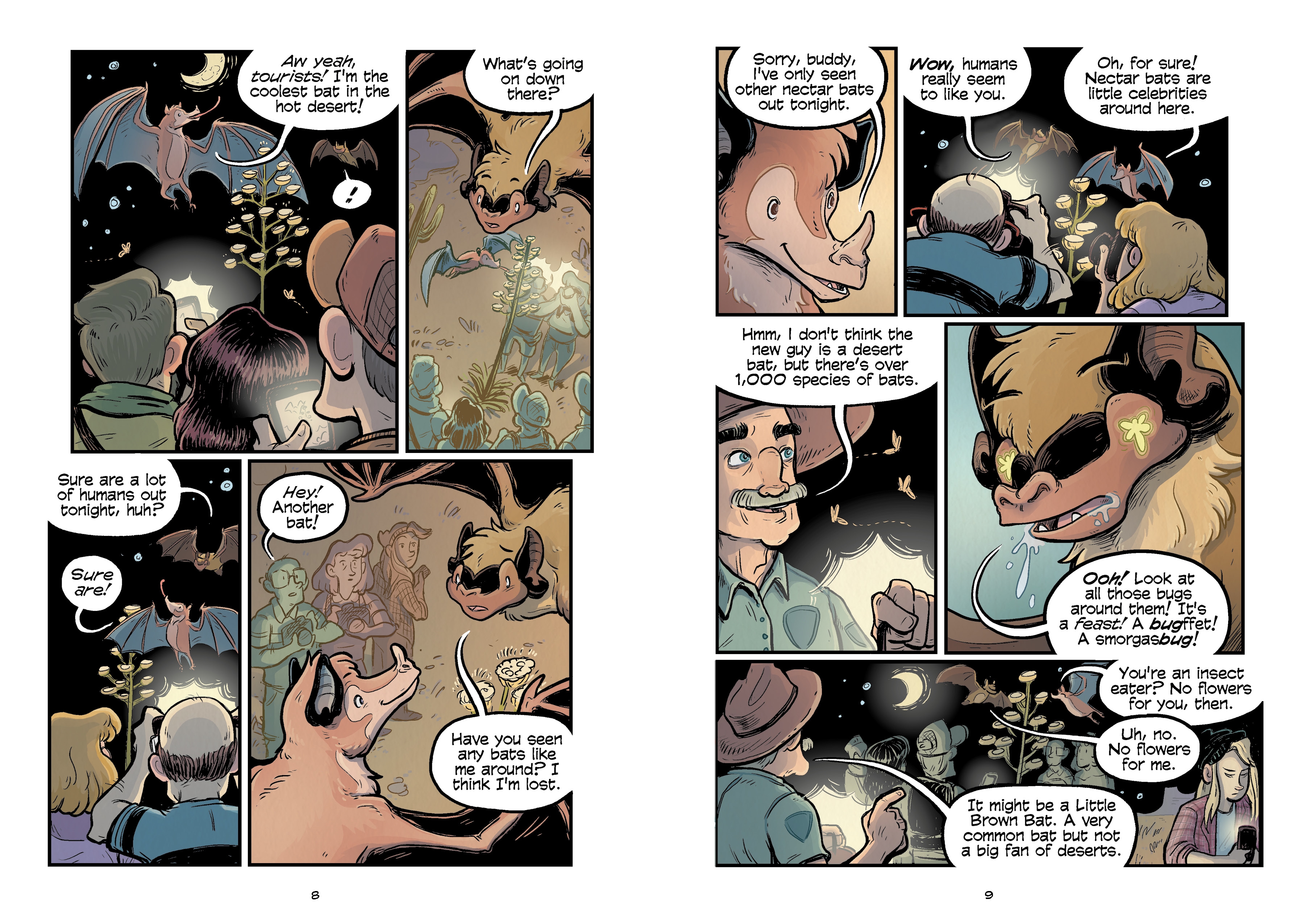
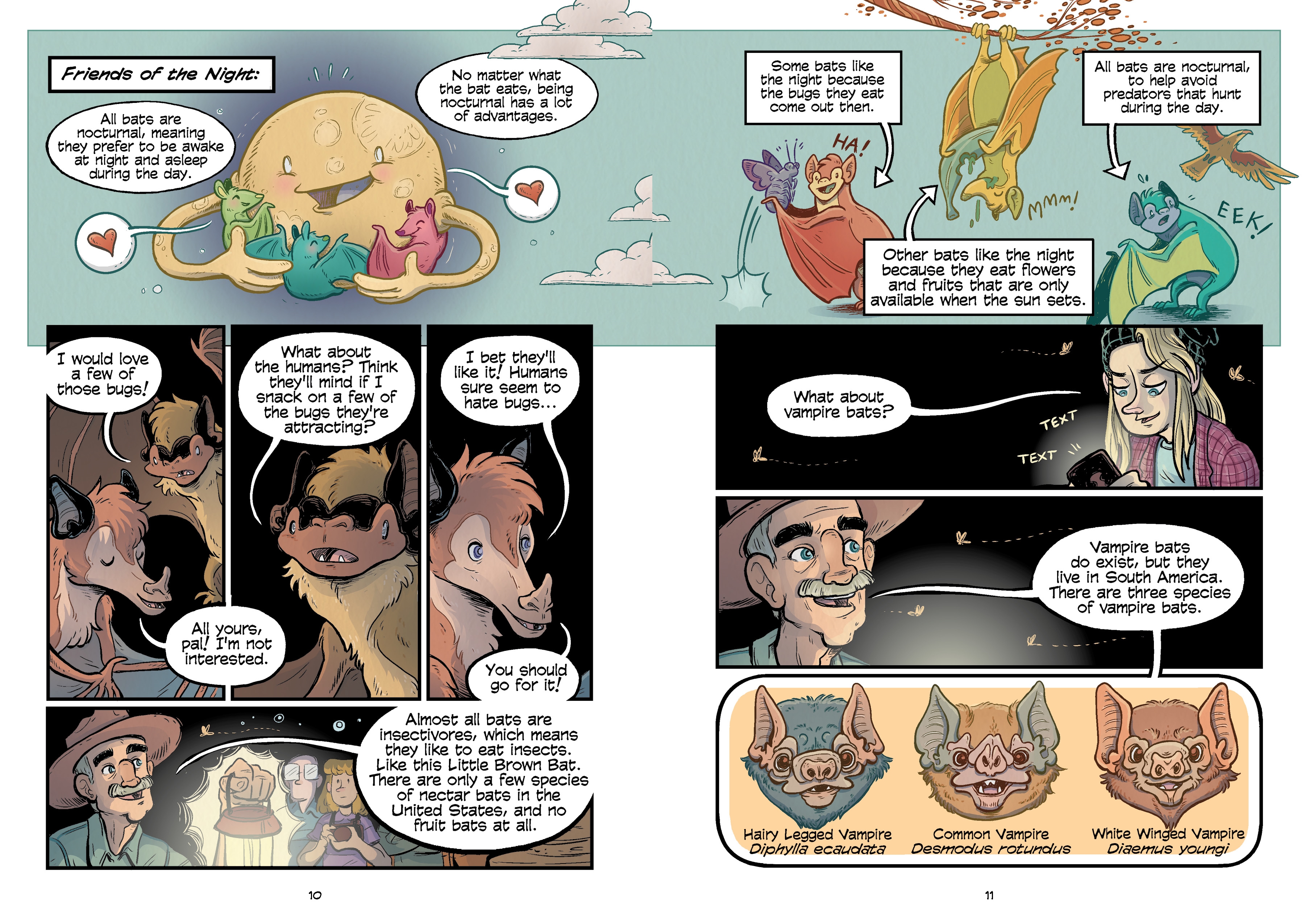
The latest volume of Science Comics introduces kids to bats. The information is pulled together with a story about a little brown bat whose wing is injured by humans on a nature hike. He’s taken to a rehabilitation center, where he meets bats of different species. Little Brown, as he’s called by the other bats, learns what the other bats eat, how they fly, live, and sadly, how their homes are invaded by humans. The information is comprehensive and there’s a call to conservation and preservation for kids, which I always appreciate.

I enjoy Science Comics because it’s easily an digestible, thorough introduction to a subject that doesn’t talk down to kids, nor does it speak over their heads. The illustrations are interesting and technically on point, and the fictional narrative that ties each volume together is interesting and fun, keeping the reader’s attention. I’ve got every issue of Science Comics (Coral Reefs, Dinosaurs, Volcanoes) so far, and Bats will join them on my shelves. I display mine with related series nonfiction, lest kids worry about a “comic book” not satisfying their research requirements, and I booktalk them every chance I get. If you’re a teacher, have these in your classroom and use them when you cover these topics – your kids will thank you.

bats_1bats_2bats_3bats_4

Posted in Adventure, Animal Fiction, Fiction, Fiction, Graphic Novels, Humor, Intermediate, Middle Grade

Animal Crackers – a circus like you’ve never seen!

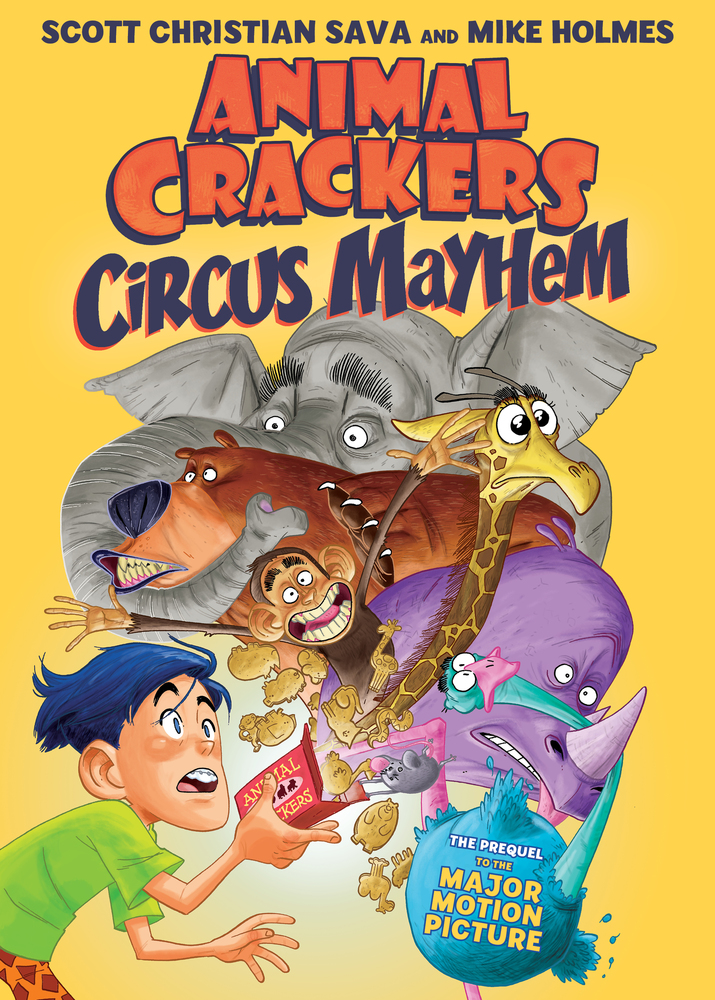
animal-crackers_1Animal Crackers: Circus Mayhem, by Scott Christian Sava/Illustrated by Mike Holmes, (March 2017, First Second), $15.99, ISBN: 9781626725041

Recommended for ages 7-11

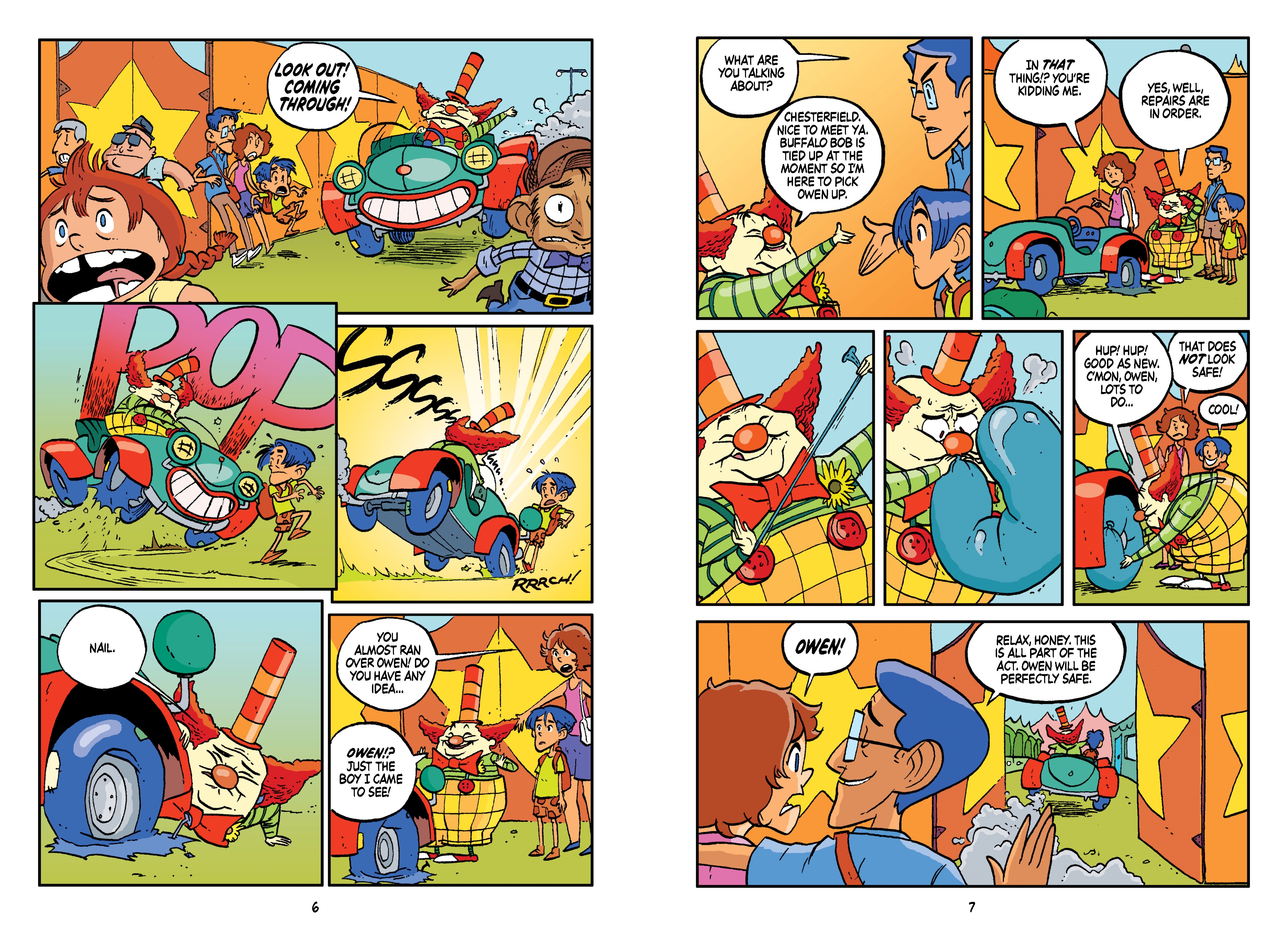
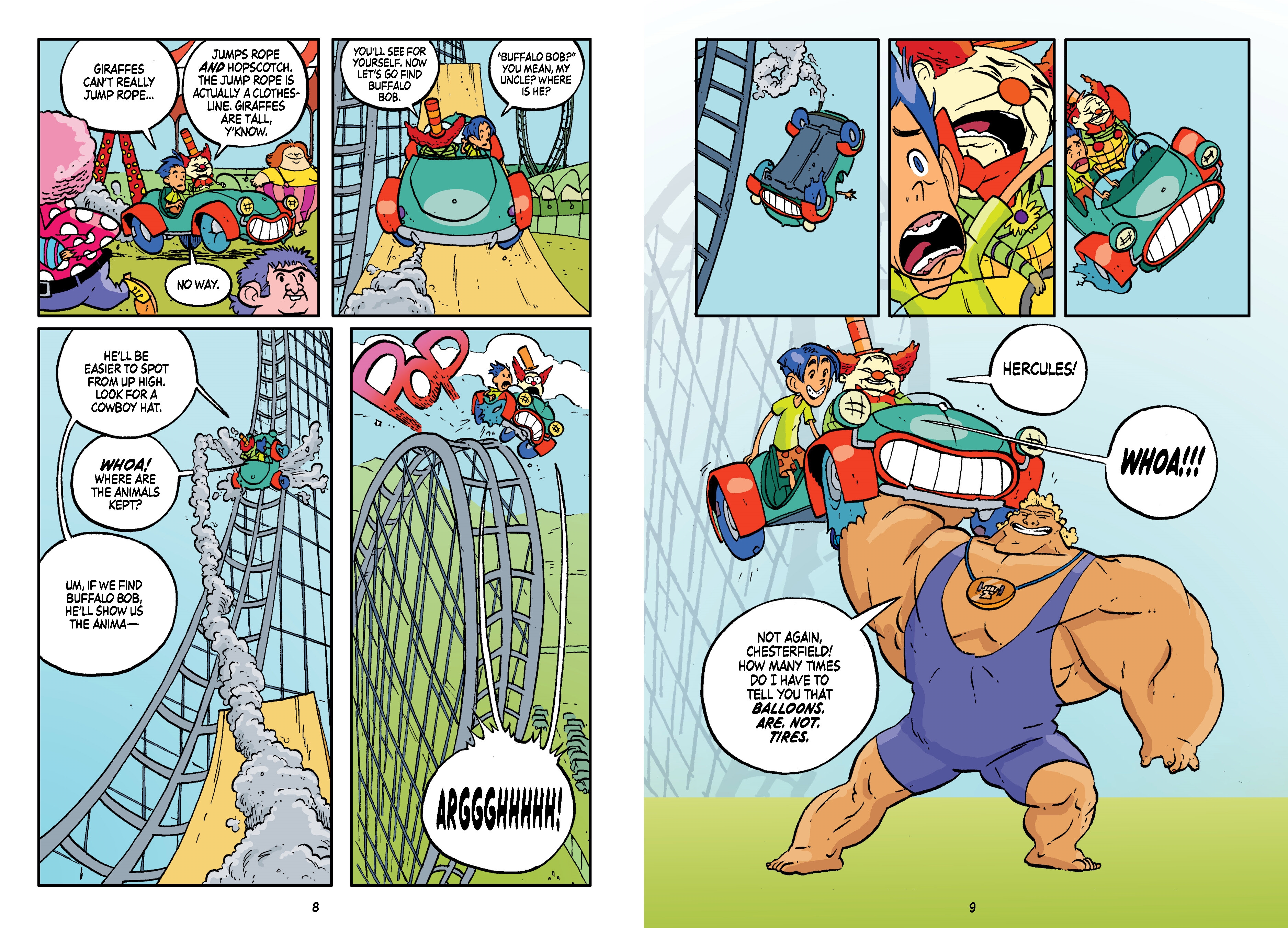
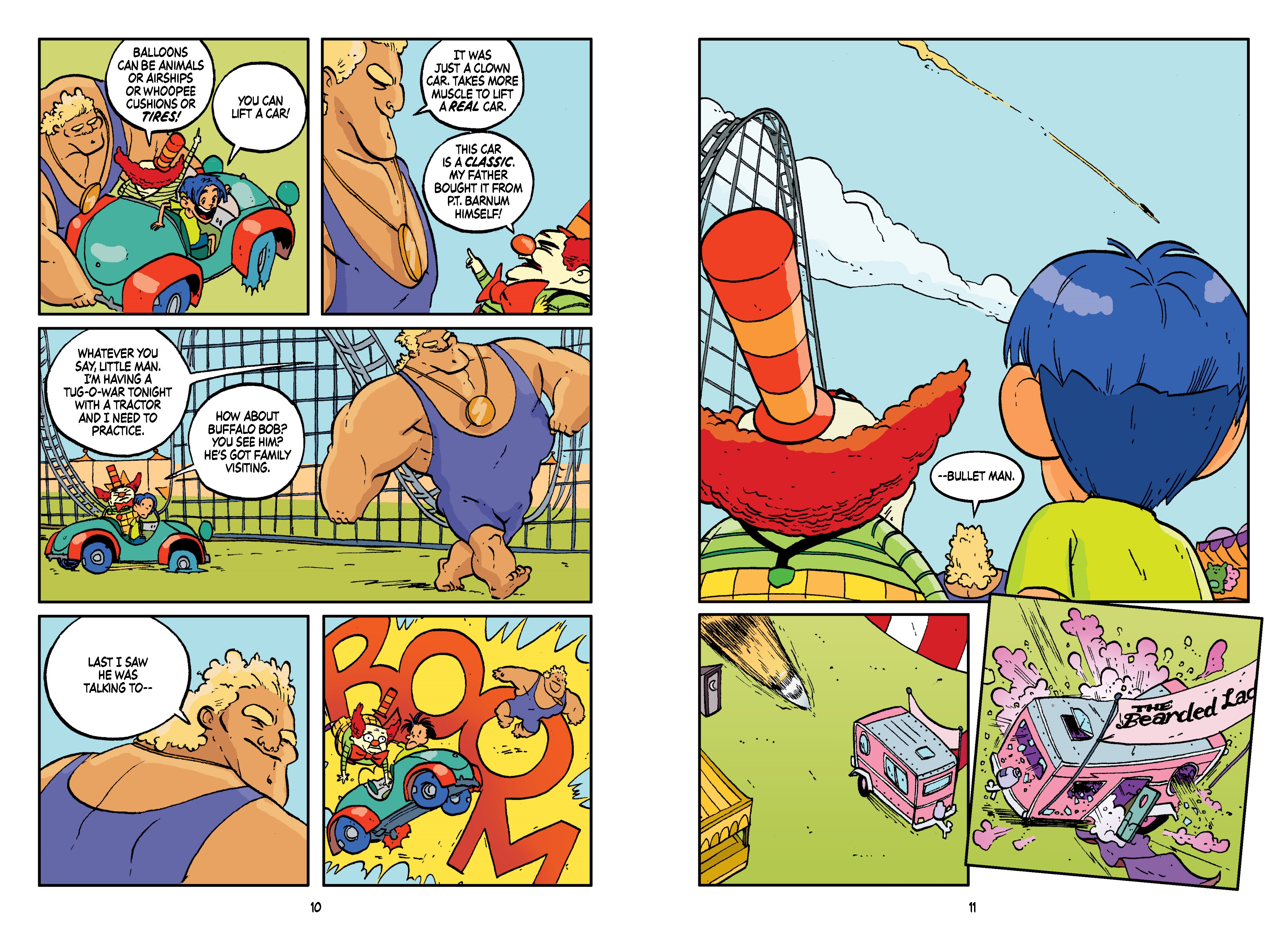
Seven year-old Owen’s parents drop him off for a visit at Buffalo Bob’s Rootin’ Tootin’ Animal Circus. Uncle Bob’s his great-uncle, but he’s really not looking forward to this visit, no matter how cool these animals are supposed to be. A knife-throwing elephant? A jump-roping giraffe? They HAVE to be people dressed up as animals, right? Pfft. When Owen and his family arrive at the circus, they find chaos: Uncle Bob’s missing, and so are the animals. The number one suspect is Bob’s nemesis, Contorto, and his henchcreeps. Stuck in Uncle Bob’s office while the staff try to find Bob and calm the angry masses of circus-goers waiting to see animals, Owen discovers a box of magical animal crackers. Maybe this circus thing isn’t going to be so bad, after all, especially if he can help save the day with a little help from the magical cookies.

Animal Crackers is a fun story to give to younger readers. It’s a great way to turn kids onto graphic novels and sequential storytelling. Mike Holmes, the artist on Gene Luen Yang’s Secret Coders series, illustrates the wacky, fun hijinks going on in the circus. His characters, particularly Owen and his animals, have wonderfully exaggerated facial expressions and movements to match the story’s pacing. Scott Sava creates a fun intermediate tale that kids will enjoy, and with an Animal Crackers movie coming in March, this is going to be a hot book on shelves and on wish lists.

animal-crackers_2

animal-crackers_3

animal-crackers_4

animal-crackers_5

Posted in Fantasy, Fiction, Graphic Novels, Middle Grade, Tween Reads

Enter a dream world with Nightlights

nightlights_1Nightlights, by Lorena Alvarez, (March 2017, Nobrow), $18.95, ISBN: 9781910620137

Recommended for ages 9+

Sandy loves the stars that appear out of the darkness in her bedroom each night. She plays with them, catches them, creates wonderful dreams with them, and in the morning, creates drawings that cover her room. A new girl named Morfie shows up at Sandy’s strict Catholic school and befriends her, but she also starts showing up in Sandy’s dreams, demanding Sandy’s time and drawings. Sandy’s exhausted, but Morfie is always there, always asking her to draw for her.

Nightlights is an unexpected, beautiful graphic novel that looks at fear, insecurity, and creativity. The colorwork is stunning and the dream sequences are breathtaking. Lorena Alvarez’s imagination runs free on the pages of her novel, and she invites readers to join her for the ride.

Nightlights is a very good addition to graphic novel collections and has received a starred review from Kirkus. See more of Lorena Alvarez Gomez’s beautiful and colorful illustration at her website.

Posted in Fantasy, Fiction, Middle Grade

Happy Warren the 13th!

What better way to greet a Friday the 13th than with a specially created Warren the 13th story just for you?

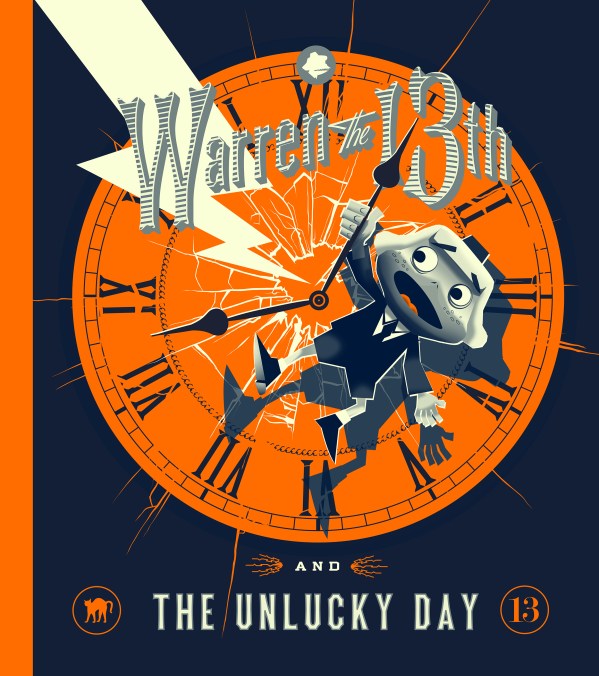
Readers met Warren the 13th in his first adventure, Warren the 13th and the All-Seeing Eye, in late 2015. The story is a little bit steampunk and a lot of fun as we meet Warren, an orphan working in his family’s hotel and trying to thwart his evil aunt and clueless uncle. Warren’s second adventure, Warren the 13th and the Whispering Woods, will be hitting shelves in March, but author Tania del Rio couldn’t let a Friday the 13th go by unnoticed! She’s created a special short story, celebrating Warren’s unlucky day on Friday the 13th, and you can enjoy it right now, along with additional activities! The booklet is available for download on Scribd, absolutely free.

friday-the-13th-image

Visit Quirk’s Warren website for previews, trailers, and activities, and find out more about Warren the 13th and the All-Seeing Eye and the upcoming Warren the 13th and the Whispering Woods at their Quirk pages.

Happy Warren the 13th!

warreneye_cover_72dpi warren_72dpi

Posted in Uncategorized

It’s Everyday Advocacy Challenge time again!

everyday-advocacy

It’s Everyday Advocacy time again! I joined the ALSC’s Winter Challenge, because one of my professional goals this year is to increase my advocacy efforts. This first week’s challenge is to craft another elevator speech – a quick response to “what do you do?” that gets the point across and hopefully, generates some interest that could lead to some help, be it with donations of books, materials, or funding. This time, though, the elevator speech is aimed more at the folks involved in the decision process: an alderman, mayor, local government staff members – you get the drift.

I decided to address the 30 million word gap in my speech. That’s the difference in the number of words that children from lower-income families are exposed to, versus children from high-income families. This isn’t over the stretch of a lifetime, either. This isn’t even before Kindergarten. This is by AGE 3. Thirty million words. This is why reading to your kids, singing with your kids, TALKING to your kids, is crucial. Don’t know what to sing? Hell, I started singing ’80s ballads to my eldest when I ran blank on lullabies and nursery rhymes. Sing anything. Talk lovingly. Play. It matters.

So here’s my little elevator speech: “Hi there! I’m Rosemary, and I’m one of the children’s librarians at Queens Library. My colleagues and I are working toward closing that 30 million word gap by providing a chance for babies, toddlers, and their caregivers to sing, talk, play, and listen to stories together. Want to visit one of my storytimes?”

I’m hoping that the mention of a 30 million word gap will get whoever I’m speaking with to want to hear more. If I’ve only got 10 seconds, I want that in the other person’s head, so they can look it up, learn, and act.

Go read to your kids! Read to the neighbor’s kids! Just read!