Posted in Animal Fiction, Early Reader, Fiction, Fiction, Graphic Novels, Humor, Intermediate

Ape and Armadillo TAKE OVER THE WORLD… Maybe.

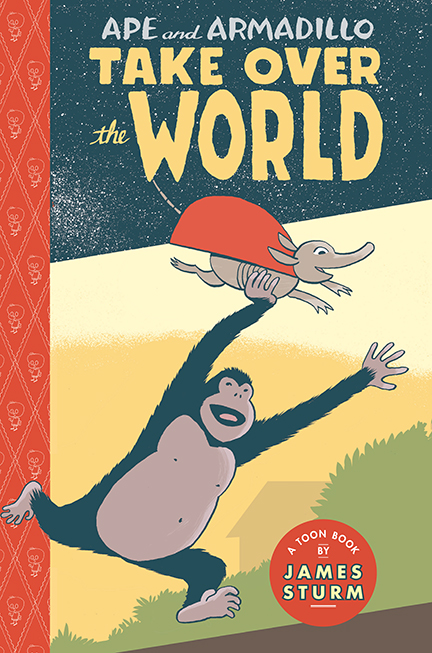
ape-arm_1Ape and Armadillo Take Over the World, by James Sturm (Sept. 2016, TOON Books), $12.95, ISBN: 978-1-943145-09-6

Recommended for ages 6-8

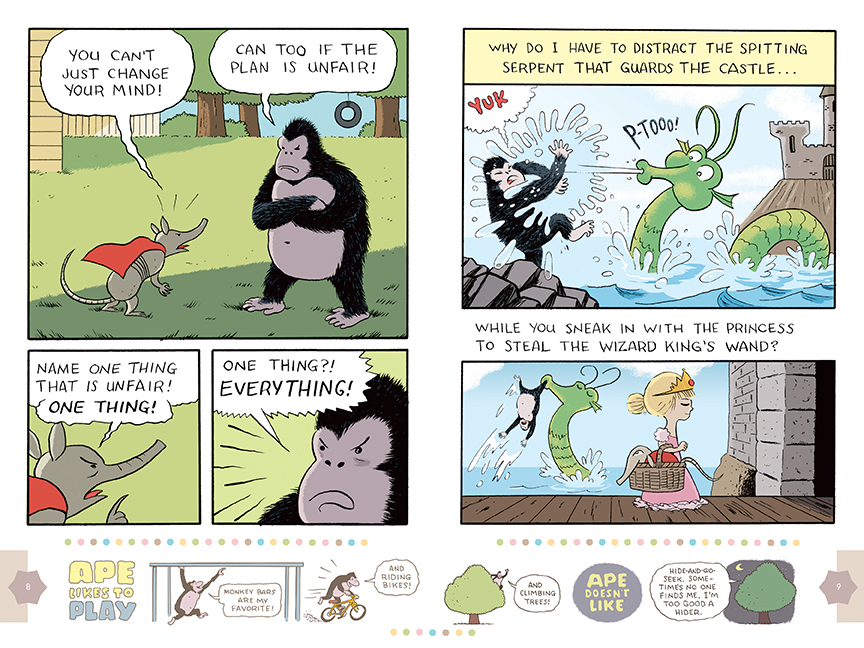
Ape and Armadillo want to take over the world, but the whole plan seems a lot more fun for Armadillo – the ringleader, naturally – than it will be for Ape. While Armadillo gets to sneak in and get all the work done, Ape is stuck fighting spitting serpents, an army of robots, and escape through sewer tunnels – YUCK! Armadillo needs to learn how to compromise, or he may lose a friend and fellow Agent of Evil.

Kids will love this graphic novel that touches on a situation very familiar to kids: the bossy friend who wants everything done his or her way. Ape decides that he’s not going to be the flunky any more, and Armadillo has to adjust his own point of view and work – together with Ape – on a game that they can both play and enjoy equally. It’s a fun resolution, loaded with armor, magic wands, magical creatures, and butter pecan ice cream. Secondary Ape and Armadillo comics run at the bottom of each page, providing more insight into these characters and leaving me hoping we’ll meet this dynamic duo in more adventures to come.

ape-arm_2

This is a good book to use when talking about feelings and playing nicely with others; the dialogue and art treats the audience respectfully and examines a potentially frustrating situation with honesty and humor. It’s a TOON Level 3 book, considered a chapter book comic for advanced beginners, so ages 6 and up will dig right in. TOON includes parent resources at the end of each book, including tips on reading comics with your kids, and levels breakdown: Lexile, Guided Reading, and Reading Recovery, and appropriate grades. There’s a Teacher’s Guide in progress, so check the Ape & Armadillo page on the TOON site to get yours when it’s ready.

I love James Sturm’s books. He just knows how to create great stories for kids, and get his messages across in a fun, bold way. He’s also written the Little Knight books with his fellow Adventures in Cartooning compatriots, and he’s written Birdsong: A Story in Pictures for TOON.

Posted in Intermediate, Middle Grade, programs, Summer Reading, Tween Reads

Summer Reading Programs: Spy Week

My second big Summer Reading programming theme was Spy Week. Again, Pinterest was my co-pilot, as I created dossiers and came up with activities to keep the kids happy and thinking that week.

First, I put out any kind of books with spy/espionage themes, and booktalked them as I introduced Spy Week. Favorites were Gene Luen Yang’s Secret Coders (and they’re excited that the second one is coming out), The League of Unexceptional Children, Harriet the Spy, The Fourth Stall, Tom Angleberger’s Fake Mustache, and Varian Johnson’s The Great Greene Heist all went over really well.

Secret-Decoder-printableI made up dossier folders for the kids to keep their materials – I ended up using all 50 sets, so whoo hoo! I printed out Confidential and Top Secret-type stamps to glue on each cover. The first day, we took on secret coding. I gave the kids copies of a code wheel, a breakdown of Morse Code, and an info sheet on PinPrick Code, along with a secret message written using the Code Wheel and PinPrick Code. I used a page from an old book (destined for the trash pile) for the PinPrick Code, and I used dots with a pen rather than pinpricks. The message was the same using both the Code Wheel and the PinPrick, so the kids could use either method and get the same message: “Congratulations! See Miss Rosemary for a prize!” I gave out stickers, bookmarks, and temporary tattooos as prizes and everyone was happy.

fingerprintsDay Two was Fingerprints and Secret Messages day. I gave the kids a printout on fingerprinting, a small sheet describing the different types of fingerprint styles (arch, whorls, loops), and showed them how to take the own fingerprints by scribbling on a piece of paper with a pencil, rolling your finger around on the graphite, and then applying their prints to paper. We also talked about the fact that no two people have the same fingerprints, and that’s why taking fingerprints is helpful in finding criminals, missing people, and identifying employees like folks that work in schools. After the kids took their own fingerprints, I mixed up lemon juice with water, handed out cups of the solution, along with small paintbrushes, and let the kids write their secret messages. When they got home, I told them to hold the message over a heat source like a hair dryer or a light bulb, with an adult, so the message would be revealed.

Day Three, we showed the first Spy Kids movie, and the attendance was strong! I was pretty happy about it, and the kids loved seeing all the wacky gadgets used in the movie. My partner in crime and co-children’s librarian had a Spy Crafts table after the movie, where kids made fake mustaches and paper plate masks.

20160714_163905Day Four was Spy Training Camp, and that’s where things got fun. I created a laser maze in our meeting room using yarn, and the chairs and tables. I ended up having about 30 kids going through the maze again and again, and then they came out to try their hands at TNT Hot Potato. 20160714_163316I wrapped up toilet paper rolls in red tissue paper, taped them together with black duct tape, used a yellow pipe cleaner as a fuse, and we had TNT. We played the Mission: Impossible theme as the kids tossed them back and forth; everyone got prizes for competing.

Finally, the fifth day was the big Spy Hunt – I told the kids that secret agents for the Bad Guys were loose in the children’s room, and they had to locate them. I hid five of these guys, below, throughout the children’s room and gave them code numbers like 007, 009, and so on. I also had a bonus – a giant Classified stamp – that went on my desk (I always give them a “free zone”). The kids found the agents, wrote the numbers on their sheets, and, you guessed it, got prizes. We like prizes here. Everyone who took part received a Spy ID card and Spy School certificate to close out their week.

spy_318-64610

I was thrilled with the success of Spy Week! The kids were so into it, and it really gave me the shot in the arm I needed to keep topping myself in terms of creating exciting programming. One of the most amazing things about this profession is the openness and willingness to share information with one another; I have a huge debt to both The Show Me Librarian and Bryce Don’t Play, both librarians with amazing blogs and wonderful Spy programs that I borrowed liberally from to make my week a success. Thank you so much for sharing your work with everyone!

I’ve made my Spy Week programming folder on Google Drive shareable, if anyone would like to use some of the stuff. I’ve got just about everything I handed out here, and a few things I didn’t get to. There’s also a really good booklist from the International Spy Museum that helped when I was putting together my own booktalking list. Check it out!
Posted in Early Reader, Fantasy, Fiction, Fiction, Historical Fiction, Intermediate

The power of stories: The Storyteller

storyteller-1The Storyteller, by Evan Turk (June 2016, Athenum), $18.99, ISBN: 9781481435185

Recommended for ages 5-10

Every now and then, you get an epic in storybook form. The Storyteller is such a tale. We sit down and listen to the storyteller: the narrator of the book, who tells us how the Kingdom of Morocco formed at the edge of the great, dry Sahara desert; how there were fountains of cool water, and storytellers to bring the people together. We also learn that as people forgot the perils of the desert, they forgot about the storytellers, too – except for a single boy, who happened upon a storyteller while in search of a drink of water. The storyteller spun tales for the boy, always leaving him thirsty for more stories.

Once a sacred duty to preserve a culture’s collective memory, the advent of television, movies, and the Internet whittled away at the practice of storytelling. What The Storyteller gives us is a beautifully complex, layered tale that illustrates the power of storytelling, an art that – according to the author’s note at the end of the book – is at long last making a comeback.

Mr. Turk’s art has an ancient feel to it, capturing the story’s spirit using a variety of instruments: water-soluble crayon, colored drawing pencils, inks, indigo, sugared green tea, a heat gun, and fire. The final product made me feel like I was holding a revered story scroll, reading tale straight from history.

storyteller-2

Evan Turk received the New Illustrator Honor from the Ezra Jack Keats Foundation for Grandfather Gandhi. Find more of his artwork at his author website. The Storyteller has received starred reviews from Publishers Weekly and School Library Journal.

This is a picture book more for school-age kids than little ones. The publisher suggests ages 4-8, but I’d bump it up to ages 5-10, because I feel like Kindergarteners would be better able to sit through the story and lose themselves in this tale. I also feel like this would be a great book to skew a little older with; for instance, upper elementary grades that have storytelling/fairy tales units would have great success introducing this book to classrooms.

storyteller-3


Posted in Adventure, Animal Fiction, Fiction, Middle Grade, Tween Reads

Teddycats: A coming of age animal adventure

teddycatsTeddycats, by Mike Storey (July 2016, Razorbill) $16.99, ISBN: 9781101998830

Recommended for ages 9-13

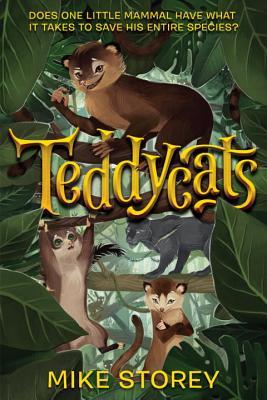
Bill Garra is a Teddycat – a unique jungle-dwelling mammal, living high up in the tallest trees; a community they call the Cloud Kingdom, far away from the other animals in the forest. The Teddycat elders want to keep Cloud Kingdom a secret; to remain separate, to keep outsiders out. Bill doesn’t always understand the rules the elders make; rules like keeping their extra sharp claws hidden unless they need to climb or get out of a life-or-death situation, and he definitely doesn’t understand why he has to keep his friend, Luke, an olingo, out of Cloud Kingdom. When he sneaks Luke into Cloud Kingdom for a look around, the problems seem to begin: predators, including humans, take notice and stalk the Teddycat community. When Bill’s best friend’s sister is trapped and taken by the humans, the Teddycat elders vote to go into hiding, but Bill sets out to rescue her, along with an old frenemy, Omar, a grizzled scout named Diego, a recuperating jaguar named Felix, and Luke. Bill and his group risk banishment from Cloud Kingdom as they face the dangers of the forest.

Wow. Look at this cover. I thought I was going to read a sweet animal adventure when I picked up Teddycats, but what I got was an emotional read about the dangers of deforestation and trophy hunting and a strong subplot about isolationism. Throughout the novel, Bill discovers the downside to the elders’ choice of isolation and the power of teamwork. The big danger here, though, does not come from other animals: it’s the humans, referred to as “Joe” by the Teddycats. They burn, kill, and leave devastation in their wake. They want to sell the Teddycat claws as trinkets, or figure out how to weaponize them, with no regard for the lives they impact. It’s a strong statement, and it may affect some more sensitive readers when animals die. It’s not over the top or gory, but the narrative is matter of fact in stating that these animals are at the mercy of humans and the havoc we wreak.

There are some strong characters in this book. Bill is the self-centered youth who comes of age on his journey; the elders are the frightened old men who are afraid of change; Felix is the wise old cat, and Diego is the grizzled voice of experience. There are more wonderful characters to meet here, and it’s a great opportunity to learn more about animals in the forests of the Andes. Yup, I looked it up. I didn’t see “teddycats” specifically listed, but I did find Olingos versus Olinguitos, which were much more recently discovered. I’m making a wild guess here, but I’m relating Olinguitos to Teddycats (since that’s also what came up in an initial Google search on “Teddycat”).

olingo olinguito
Left: Olingo; Right: Olinguito (images via Google Images)

Grab an atlas to booktalk this story! Explain where the Andes are, talk about some of the residents of the forest that they’ll encounter in the book, and use this opportunity to talk up conservation and preservation of our rain forests, our environment, and the folks we share this world with. Heck, show them the scene from the Spongebob Squarepants movie, when they discover Shell City, and see all the dried starfish and sea life that gets sold as souvenirs!

Talk about movies like Finding Nemo and Happy Feet, that also deal with human impact on the environment, and then talk about all the ways they can help make a difference. Whether it’s writing a letter to a politician, cleaning up after themselves, or being aware of the world around them, they count.

This is a solid animal adventure story with a message; animal fiction fans and kids that are on the lookout for environmentally conscious stories will love it.

Posted in Animal Fiction, Fantasy, Fiction, Fiction, Intermediate, Middle Grade, Tween Reads

The Nocturnals reunite and face The Ominous Eye

nocturnalsThe Nocturnals: The Ominous Eye (Nocturnals #2), by Tracey Hecht/Illustrated by Kate Liebman, (Sept. 2016, Fabled Films Press), $15.99, ISBN: 978-1-944020-03-3

Recommended for ages 8-12

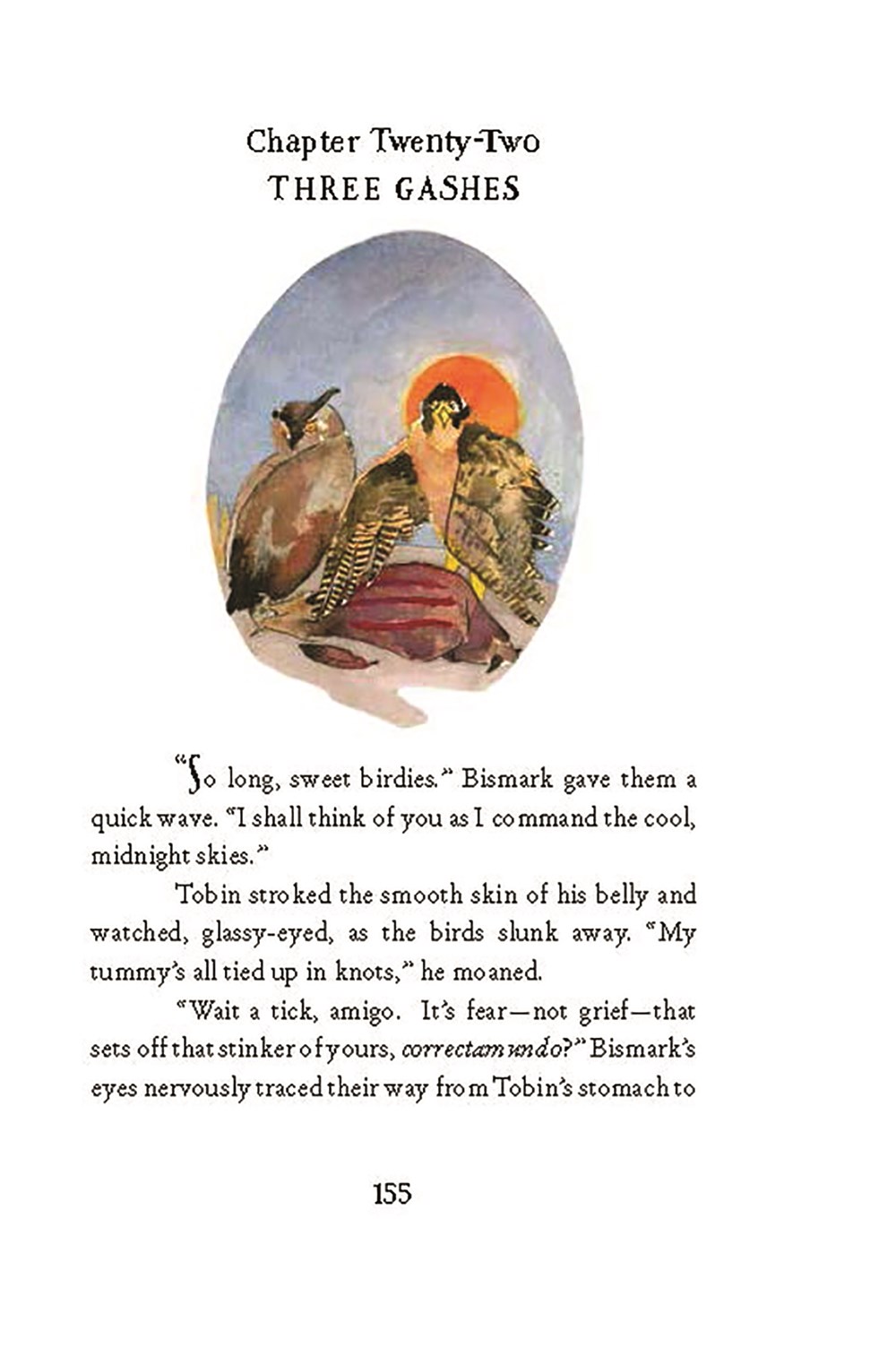
The three friends we met in The Mysterious Abductions are back! In this latest Nocturnals adventure, Dawn, the serious fox, Tobin, the sweet and nervous pangolin, and Bismark, the overconfident sugar glider, try to get to the bottom of a frightening jolt that shakes the earth. They meet a tuatara named Polyphema, who seems to know a lot more than she’s letting on. Polyphema talks about a Beast responsible for the earthquake and destruction, and how it will strike again if the animals don’t listen to her. Dawn seems to be the only one who doesn’t trust Polyphema; Bismark is smitten, and poor Tobin is just nervous.

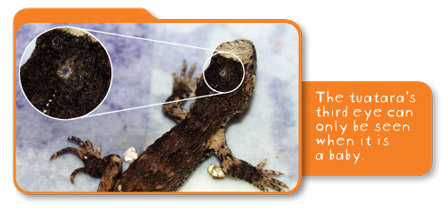
Nocturnals is a fun animal series. This second book introduces some conflict into the small group of friends, illustrating that teamwork doesn’t always come easy, and that trust must be earned. Animal fiction fans will enjoy meeting more exotic animals in this book – I never knew what a tuatara was, or that they really do have a third eye! This little tidbit makes Polyphema an even more interesting character, making her insights and visions more believable to the animals in the story.

tuatarasource: The Quantum Biologist

This is a good follow-up to the first book, and yet newcomers to the series can jump right in without having read the first book (but read it – it’s good!). Kate Liebman’s color illustrations add to the text, giving the reader a nice frame of reference for some of these new animals he or she will meet during the course of the book.

nocturnals_1 nocturnals_2 nocturnals_3

Animal fiction fans will enjoy this series. See if you can put out some animal atlases and have the research where the novels take place! Talk up nocturnal animals, and ask the kids to identify more nocturnal animals. Use the educator resources available on the Nocturnals website, especially the printable animal fact cards, to help them along. There’s a third Nocturnals book coming in March 2017, too – mark your calendars!


Posted in Early Reader, Fiction, Graphic Novels, Preschool Reads

Start ’em off right: BLIP! from TOON Books

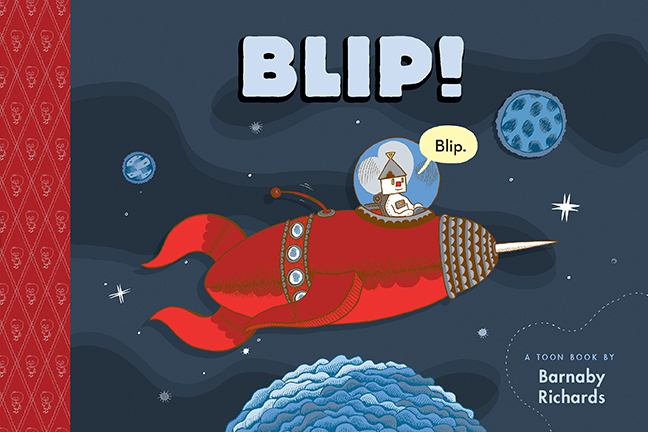
blipBLIP!, by Barnaby Richards, (Sept. 2016, TOON Books), $12.95, ISBN: 978-1-935179-98-6

Recommended for ages 2-5

A robot’s ship is separated from his friends and lands on a strange, new world. Now, his challenge is to find another being that speaks his language! He explores his surroundings and encounters things that roar and snap, but will anyone or anything speak “Blip” and “Bleep”?

This is one of TOON’s Level 1 graphic novels, so there are minimal words, one-two syllables; lots of sound effects, expressive faces and lush scenery, and clearly delineated panels to teach kids how things happen in a sequence. It’s a wonderful and fun way to introduce kids to graphic novels!

I recommend TOON Books all the time. I’ve talked them up when I’ve staffed booth at comic conventions, and I bring parents right to my graphic novels shelves here at my library. Level 1 books, like BLIP!, are a brilliant way to introduce sequential art to kids. They introduce fun, new words that they can associate with sounds their toys make, like blips and bleeps, bangs and snaps; they teach kids that events happen in a sequence, and you can introduce prediction by asking them what they see, and what they think will happen next.

I love the retro futuristic art in BLIP! – his ship looks like Flash Gordon’s spaceship! – and there’s an 8-bit inspired panel that makes my ’80s soul sing. My little guy gets a huge kick out of this one, and I can’t wait to share it with my storytime crew when I have my next Robot storytime. Ask kids what sounds their robots would make, and have a robot craft ready.

I’d add this to any burgeoning graphic novel collection, especially where you’ve got developing readers and English Language Learners. BLIP!‘s not due out until September, so keep your eye on their detail page on TOON’s website; there will be an educator’s guide closer to pub date.

blip_2

blip_3


Posted in Animal Fiction, Early Reader, Fiction, Preschool Reads, Toddler Reads

Good night, Moon! Max at Night

max at nightMax at Night, by Ed Vere (Sept. 2016, Sourcebooks Jabberwocky), $16.99, ISBN: 9781492632962

Recommended for ages 2-5

I love, love, LOVE Ed Vere’s Max the Brave, so I was insanely excited to see Max at Night show up on NetGalley. I immediately curled up with my 4 year-old and caught up with Max.

Max was very brave when we last met him, but now it’s night time and he has to go to bed. He goes through his night time routine, that all kids will recognize: drinking his milk, brushing his teeth, cleaning behind his ears, saying good night to the moon… but wait! Where is the moon? He can’t see the moon, so Max goes on a quest to find the moon, climbing higher and higher and wishing everything he encounters a good night. Will he find the moon? Come on, I can’t spoil this book, you have to find out on your own!

Max is still adorable, and Max at Night is essential bedtime reading for parents and kids alike. It’s a sweet story that will gently rock you to sleep as you read along. The colors are stunning: deep reds and blues, bright yellows, and Max’s black form pops off the page. My kiddo loved this book, and insisted we re-read Max the Brave and Max at Night, one after the other, to recreate a whole day with Max. What a great idea, right?

Pair this book with Kevin Henkes’ Kitten’s First Full Moon and you’re set for bedtime. Add Eric Carle’s Papa Get the Moon for Me, and you’ve got a Moon storytime that the kids will love.

Want a peek at Max at Night? You know you do! Go to Ed Vere’s website and see for yourself.

Posted in Fantasy, Fiction, Humor, Middle Grade, Tween Reads

Ivy Pocket’s back in Somebody Stop Ivy Pocket

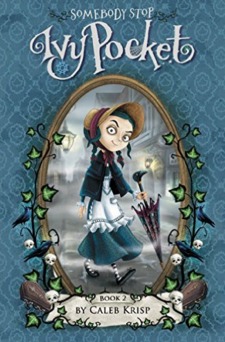
ivy pocketSomebody Stop Ivy Pocket, by Caleb Krisp, (May 2016, Greenwillow Books), $17.99, ISBN: 9780062364371

Recommended for ages 9-12

Ivy Pocket, the resourceful, sarcastic 12 year-old from Anyone But Ivy Pocket, is back for her second adventure. This time, she’s the adopted daughter of two economical coffin makers, and she’s still searching for the evil Miss Always, who’s still on the loose. She’s got the Clock Diamond, a gem with mysterious powers, and she’s trying to figure out how to use it to bring her dear friend Rebecca back from… wherever it is Rebecca’s gone. Plus, she’s found herself in the middle of a mystery, as an heiress wants Ivy to investigate her brother’s disappearance, which seems to be tied into her new family. Somehow. Ivy’s going to happily blunder into and out of the craziest circumstances… after all, she has all the instincts of a secret agent, a sedated cow, a writer of penny dreadfuls…

This was my first Ivy Pocket adventure, and while readers familiar with the first book will be more savvy when it comes to characters and previous events, new readers can enter the story here, with exposition providing important details throughout the book. Ivy is insanely funny, self-assured to the point of hilarity, and delightfully sarcastic to everyone around her. The Victorian London setting adds to the playfully macabre atmosphere, and Barbara Cantini’s black and white art throughout the book adds even more fun to the story.

This is the second in an Ivy Pocket trilogy. The publisher’s Ivy Pocket website sports a book trailer, interview with none other than Ivy Pocket herself, and web samplers of both Anyone But Ivy Pocket and Somebody Stop Ivy Pocket. Give these to your Lemony Snicket fans!

Posted in Realistic Fiction, Teen, Young Adult/New Adult

Tone Deaf: YA romance with a little extra

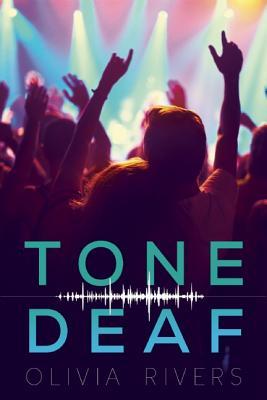
tone deafTone Deaf, by Olivia Rivers (May 2016, Sky Pony Press), $17.99, ISBN: 9781634507073

Recommended for ages 13+

When Ali Collins agrees to go to a concert with her best friend, Avery, she never expects her life to change, but that’s exactly what happens when she wins a backstage tour and meet and greet with Jace, the heartthrob lead singer of the band. Jace, however, is a moody, unpleasant jerk who flips her off when he discovers that she’s deaf. It’s only when Jace’s manager insists that he track Ali down to apologize – he doesn’t need any more bad press – that Jace sees the bruises. Ali lives her with father, a retired police chief, who abuses her, and Ali’s got a plan to run away. When Jace – who has demons of his own – offers Ali the chance to help her escape to New York, she takes him up on it and finds herself traveling cross-country with Tone Deaf, Jace’s band. Spending time together, the two learn that they have more in common than they could have imagined. Can Ali stay hidden while her father uses all of his resources to bring her home? And what happens after she reaches New York, and she and Jace part ways?

Tone Deaf is an interesting take on YA romance. There’s a little something in here for everyone: disability, LGBT characters, animal rescue, and child abuse. It sounds like a lot to throw into one book, but it flows nicely and all the elements come together to create a readable story. Jace is the brooding hero with the deep, tortured past; Ali is the EveryGirl that needs to take her life back. They can’t stand one another, but you know they’re going to fall in love, and it’s all good. Romance readers will enjoy the story, and additional resources provide information and links about the Deaf community.

A good additional add for your YA collections, especially where romance does well.


Posted in Fiction, Fiction, Graphic Novels, Humor, Intermediate, Middle Grade

Dav Pilkey collaborates with George and Harold to bring us Dog Man

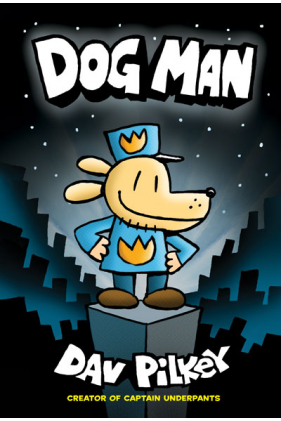
dogmanDog Man (Dog Man #1), by Dav Pilkey, (Aug. 2016, Graphix/Scholastic), $9.99, ISBN: 9780545581608

Recommended for ages 7-10

Remember George and Harold, the dynamic duo who “write” Captain Underpants an Ook and Gluk? Well, get ready – the twosome rediscovered a comic they wrote back when they were in Kindergarten, spruced it up, and give us the story of a cop whose origins are slightly Robocop-like, with a little bit of K-9 thrown in for good measure. Dav Pilkey presents: Dog Man.

Officer Knight and his canine partner, Greg, were critically injured while defusing a bomb set by the evil feline mastermind, Petey. Officer Knight’s head was dying, and Greg’s body was dying; to save these two brave officers, doctors did what they had to do: sewed Greg’s head onto Officer Knight’s body, giving us the next name in law enforcement: Dog Man. This first volume contains four adventures, including Dog Man’s origin story.

If you love Captain Underpants, you’re going to love Dog Man. It’s a graphic novel with all the elements we’ve come to love in a Pilkey book: the flip-o-rama action, the drawing lessons, the bathroom humor, and the overall sense of fun and play. Pilkey is pure escapism, and I love him for it; he uses his childhood struggles with dyslexia to fuel his mission to create playful illustrated books for kids; he gives kids characters like George and Harold to empower kids to create their own comics; he makes his books read like they were created for kids, by kids.

When kids walk into my library – boys and girls alike – they overwhelmingly ask for Captain Underpants (and Wimpy Kid). I can’t wait to show them Dog Man and watch them go crazy.

Having Captain Underpants in your collections is a no-brainer. So is having Dog Man on your graphic novel shelf. Show kids how much fun reading is, and then print out some comic book templates to let them tell their own stories. Dav’s author website offers a downloadable PDF biography – that’s a great way to get kids telling their own stories!